Sardinia with Kids: Best Family-Friendly Beaches & Activities
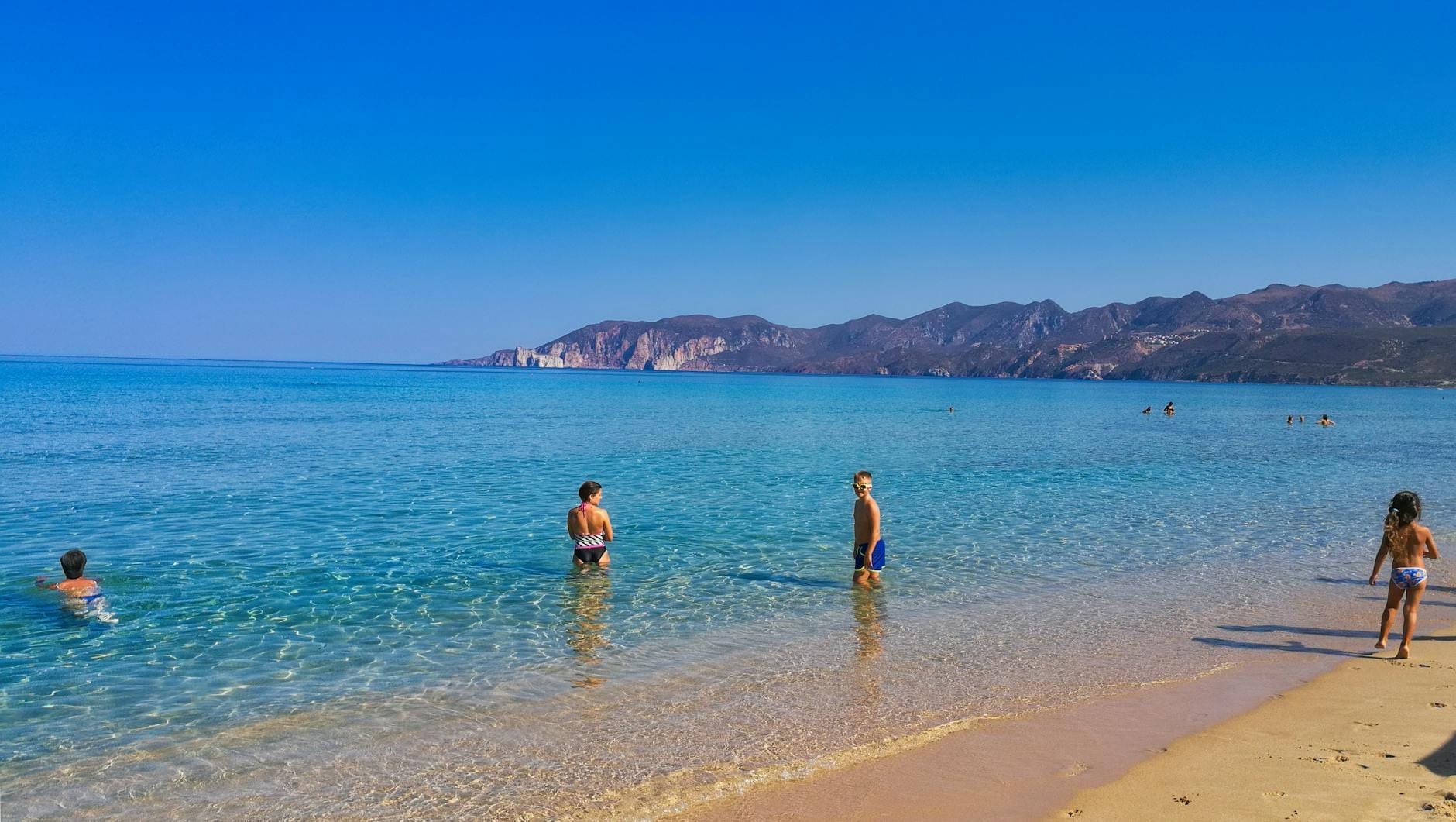
Sardinia is one of the Mediterranean's top destinations for families, with shallow turquoise bays, a long swimming season, and a wealth of activities beyond the beach. This guide covers the best family-friendly beaches by region, when to go, how to get around, and what to do when the kids have had enough sun.
Plan and book this trip
Tools from our partner Travelpayouts help you compare flights and hotels. If you book through them, we may earn a commission at no extra cost to you.
Flights
Hotels map
TL;DR
- Sardinia has one of the highest numbers of Italian pediatrician-approved 'Green Flag' beaches, selected specifically for shallow water, safety, and family services.
- The best family beaches are on the south coast (Chia, Costa Rei, Villasimius), the northeast (Cala Brandinchi, San Teodoro), and the northwest (Porto Conte, near Alghero).
- Avoid July and August if you can — beaches are packed, parking is scarce, and prices peak. Late May, June, and September offer warm seas with far fewer crowds.
- A rental car is essential for families — public transport does not reach most beaches. See our guide to getting around Sardinia for full logistics.
- Not all Sardinian beaches suit young children — areas like Costa Verde have strong surf and uneven seabeds. Stick to sheltered bays on the south and northeast coasts for toddlers.
Why Sardinia Works So Well for Families
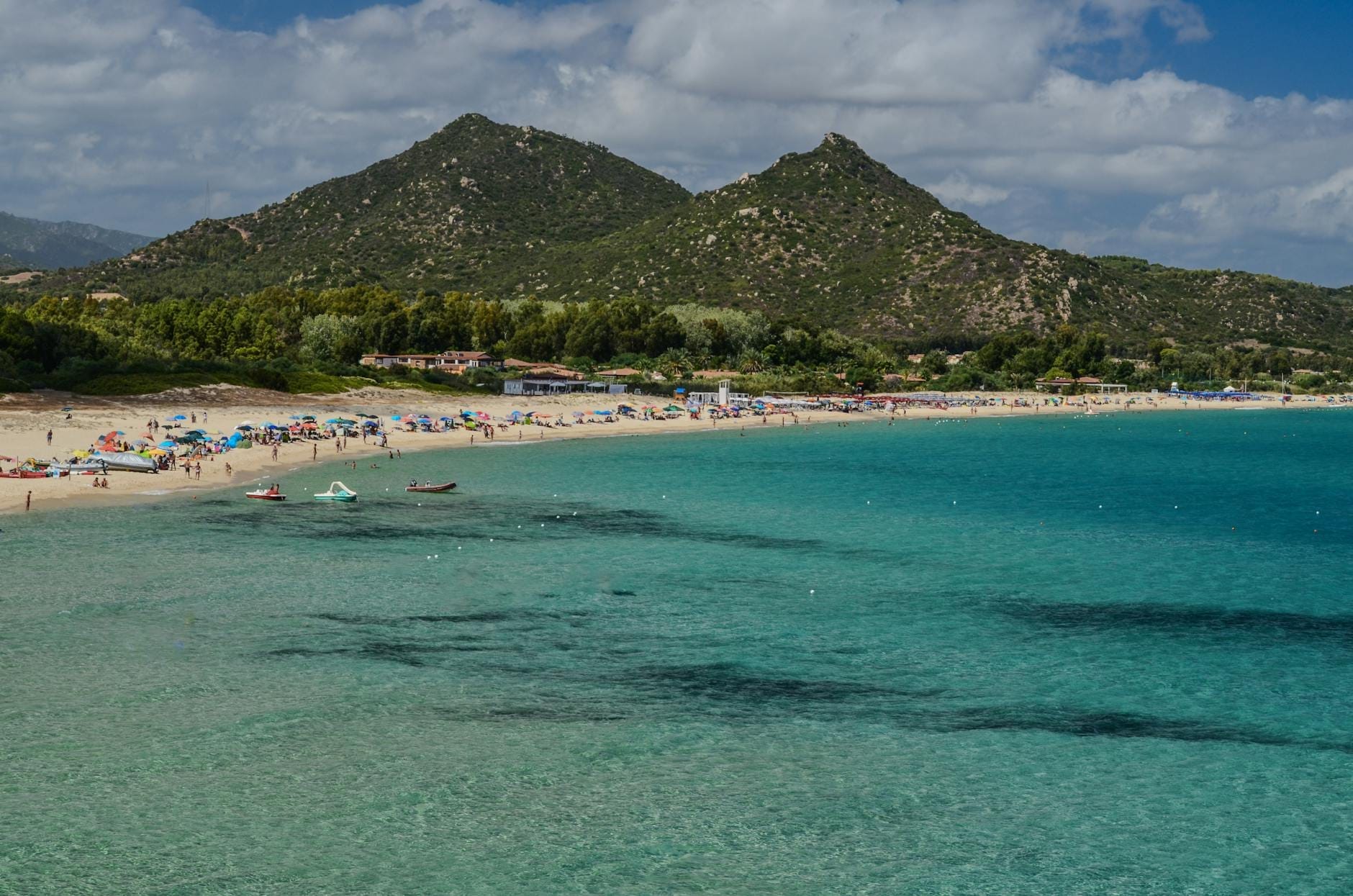
Sardinia is the second-largest island in the Mediterranean, covering 24,090 km² with roughly 1,850 km of coastline. That scale means enormous variety: calm lagoon-style bays for toddlers in the south, snorkelling-rich coves in the east, and pine-shaded beaches in the northeast. The island's Italian pediatrician association (Società Italiana di Pediatria) selects 'Green Flag' beaches annually across Italy, and Sardinia consistently receives a large share of those awards, specifically for shallow-entry seabeds, calm clean water, and the presence of beach assistants and services.
The sea is swimmable from roughly May through October, with peak warmth in July and August when coastal water temperatures reach around 26-27°C. For families with school-age children locked into summer holidays, late June and early September are the sweet spots: the sea is warm, the crowds thin compared to August, and accommodation prices start to drop. Families with flexible schedules get the best deal in June or the first two weeks of September.
⚠️ What to skip
Do not assume all Sardinian beaches are child-friendly. The west coast (Costa Verde, Masua) and parts of the Golfo di Orosei have powerful surf, rocky entries, and no lifeguards. These are spectacular for adults but unsafe for young children or weak swimmers.
Best Family Beaches by Region
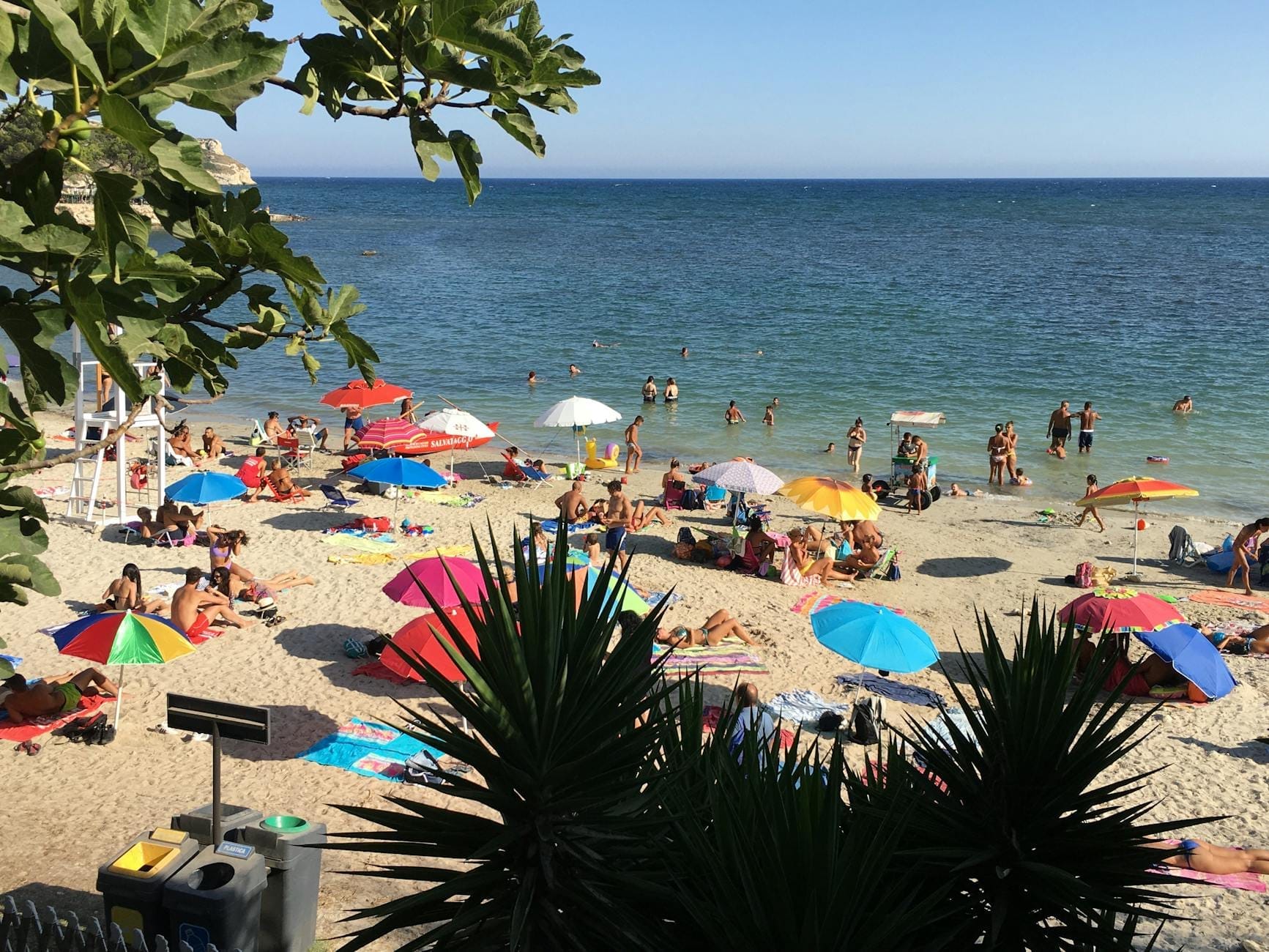
The south coast between Cagliari and Chia is the most accessible family beach zone on the island. Poetto beach stretches for 8 km just east of Cagliari city and is one of the longest urban beaches in Europe — shallow, sandy, and lined with beach clubs (stabilimenti) that rent umbrellas, sun loungers, and children's inflatables. It is ideal for families staying in Cagliari who want a beach without a long drive.
Further southeast, Villasimius and Costa Rei are the gold standard for family beach holidays in Sardinia. Villasimius has won international sustainable tourism awards and its beaches — including Porto Giunco and Simius — have gradual sandy entries, calm water protected by offshore reefs, and reliable lifeguard coverage in summer. Costa Rei is shallower and calmer still, best for toddlers and non-swimmers.
In the southwest, the Chia coast near Pula offers a string of connected bays backed by dunes and juniper trees. Su Giudeu and Tuerredda are the most family-oriented: both have shallow warm water, gentle waves, and parking within walking distance. Tuerredda in particular has a narrow lagoon section behind the main bay where very young children can wade safely. Be aware that parking fills by 9am in August — arrive early or take one of the shuttle buses running from nearby towns.
In the northeast, Cala Brandinchi near San Teodoro is consistently ranked among Italy's best family beaches. The sand is white and powder-fine, the water is so clear and shallow that children can wade out 50 metres without it reaching their waists, and there is natural pine shade at the back of the beach. It does get crowded in August — plan to arrive before 9am or accept that you will be parking 1-2 km away and walking.
The northwest around Alghero and the Parco Naturale di Porto Conte deserves more attention from families than it typically gets. The Porto Conte bay is almost completely enclosed, creating flat, warm, calm water that is ideal for children. Several beaches inside the bay — including Le Bombarde and Lazzaretto — have beach clubs with facilities, shallow entries, and easy parking. Alghero town itself is very walkable and manageable with children, with a medieval centro storico, good ice cream, and the Grotte di Nettuno accessible by boat trip.
- Poetto (Cagliari) 8 km of urban sandy beach, beach clubs with full facilities, excellent for families staying in Cagliari without a long drive.
- Porto Giunco and Simius (Villasimius) Sheltered bays with reef-calm water, sandy seabeds, lifeguards in high season, and reliable parking infrastructure.
- Su Giudeu and Tuerredda (Chia) Dune-backed bays with shallow lagoon sections — the best choice for toddlers on the southwest coast.
- Cala Brandinchi (San Teodoro) Italy's benchmark family beach: white powder sand, ultra-shallow turquoise water, natural pine shade.
- Le Bombarde and Lazzaretto (Alghero area) Calm enclosed bay water inside Porto Conte, facilities, manageable for full-day visits with young children.
When to Go: Timing Your Family Trip
July and August are when most European families visit Sardinia, and the island shows it. The most popular beaches reach capacity before 10am. Paid parking lots fill up, and some beaches operate shuttle systems from remote car parks. Accommodation prices in August are at their annual peak and availability is limited unless booked months in advance. Temperatures regularly exceed 35°C inland, and even coastal areas see highs of 30-32°C. For families with very young children, this can mean cutting beach time short by 11am to avoid the worst of the heat.
June and September are objectively better months for families with any scheduling flexibility. Sea temperatures in June are around 22-23°C — perfectly swimmable. By September they have peaked and remain around 25-26°C, often warmer than July temperatures in northern Europe. Crowds are significantly thinner, prices drop by 20-40% compared to August peaks, and you will actually be able to find a parking space. For a deeper look at seasonal patterns, the best time to visit Sardinia guide breaks down month-by-month conditions in detail.
💡 Local tip
If school holidays force you into August, book accommodation and ferry crossings at least 4-5 months in advance. Sardinia's ferry routes from Genoa, Civitavecchia, and Livorno fill up fast, particularly for cabins. Check Tirrenia, Moby, and Grimaldi Lines directly for the best availability.
Activities Beyond the Beach
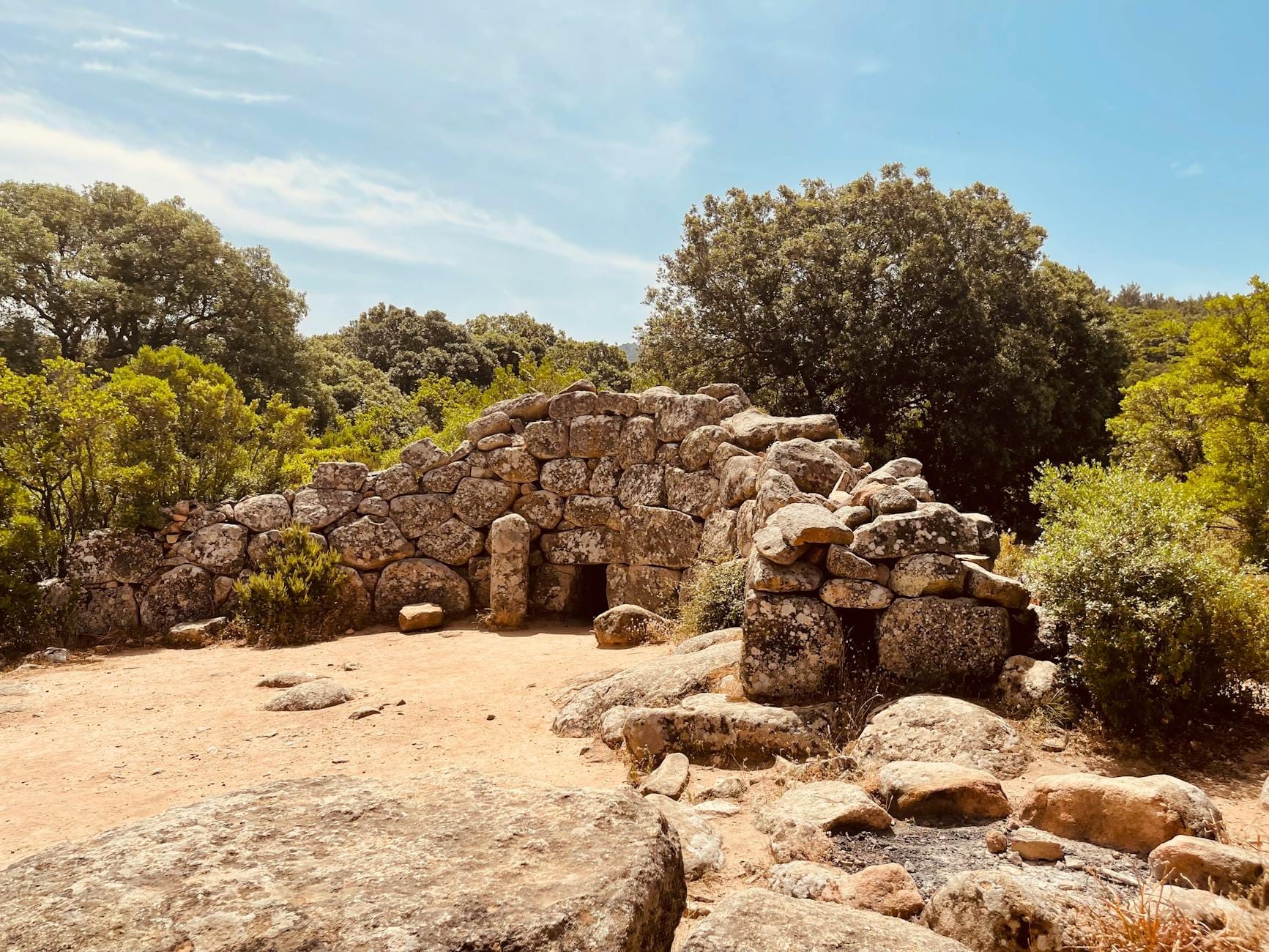
Sardinia's interior offers genuine alternatives for days when the beach feels like too much sun. The island's Nuragic archaeological sites are more family-friendly than they sound: Su Nuraxi di BaruminiSu Nuraxi di Barumini is a UNESCO World Heritage Site with guided tours in English that are well-paced for older children (ages 8+). The Bronze Age fortress complex is visually impressive and the surrounding landscape is easy to walk. Combine it with a stop at the Giara di Gesturi plateau to look for the famous miniature wild horses (cavallini della Giara) — one of the more exciting wildlife encounters available to children on the island.
Boat trips are the other non-beach highlight that works well for families. The Golfo di Orosei on the east coast is one of the most beautiful stretches of coastline in the Mediterranean, and family-friendly boat trips from Cala Gonone visit sea caves (including Grotte del Bue Marino), deserted beaches like Cala Luna and Cala Mariolu, and clear snorkelling water. Half-day and full-day options exist. Children under 10 typically pay reduced fares on group boats.
The Trenino Verde (Green Train) operated by ARST runs narrow-gauge heritage railways through spectacular mountain and coastal scenery. The most family-friendly route runs from Mandas into the Barbagia interior during summer months. It is slow by design — this is a scenic experience, not transport — but children who like trains find it enjoyable. Schedules are seasonal and limited, so check the ARST website before planning around it.
- Boat trips from Cala Gonone to the beaches and caves of the Golfo di Orosei (half or full day, suitable for children 5+)
- Snorkelling tours around the La Maddalena Archipelago (calm, clear water, ideal for children 7+)
- Guided visits to Su Nuraxi di Barumini (UNESCO Bronze Age site, best for ages 8+)
- Wildlife spotting on the Giara di Gesturi plateau (wild horses, flamingos in adjacent wetlands)
- Grotte di Nettuno sea cave boat trip from Alghero — dramatic and accessible for most ages
- Trenino Verde heritage railway through the central Sardinian mountains (seasonal, advance booking needed)
✨ Pro tip
For snorkelling with children, the calm waters around the La Maddalena Archipelago and the Porto Conte marine protected area near Alghero are safer and more rewarding than the open-sea spots. Visibility is excellent even at shallow depths, and there is abundant sea life even for beginners. Mask and fin hire is widely available at both locations.
Getting Around Sardinia with Children
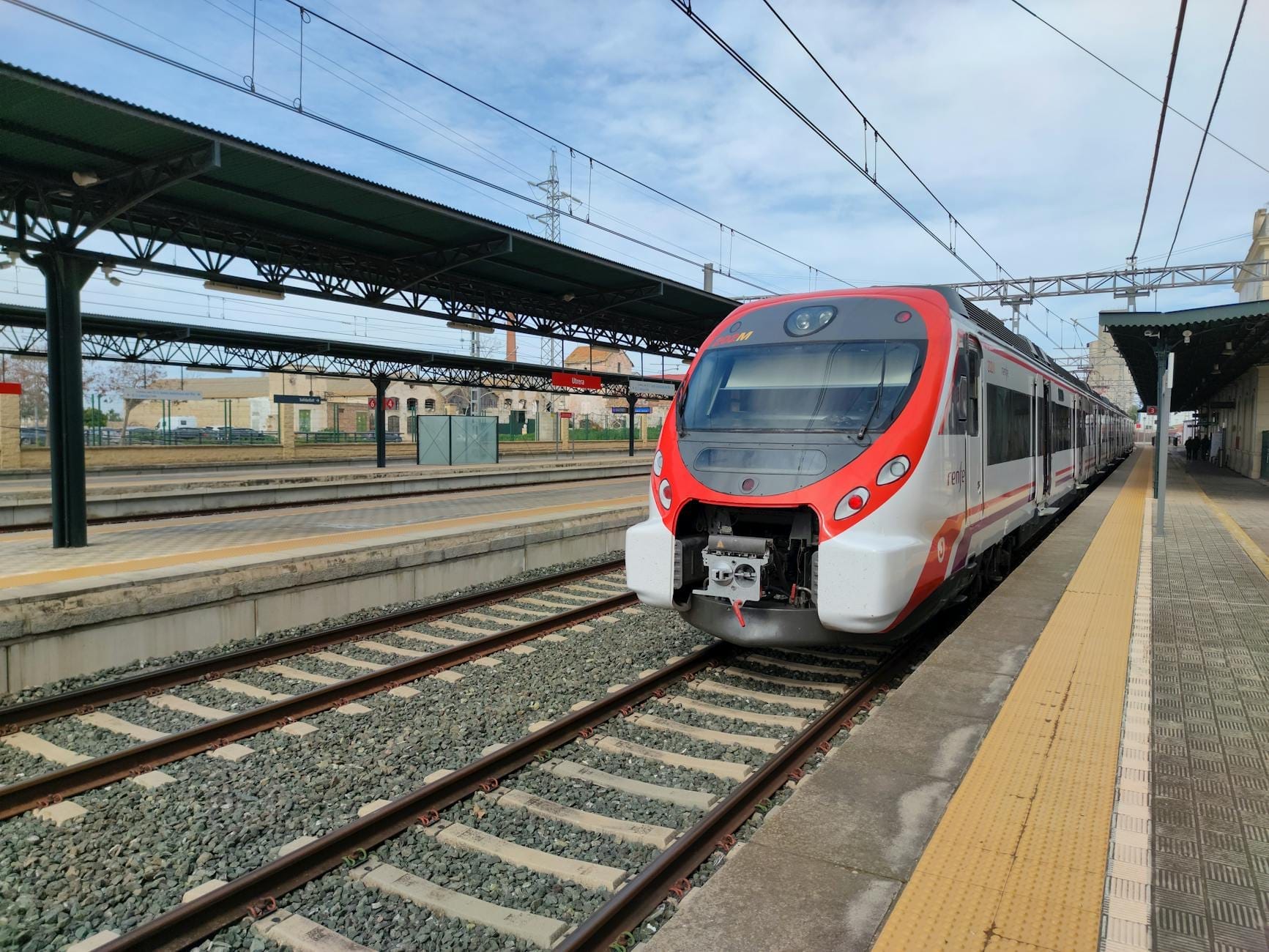
A rental car is not optional for most family itineraries in Sardinia. Public transport connects cities reasonably well — Trenitalia runs trains between Cagliari, Oristano, Sassari, and Olbia, and ARST buses cover regional routes — but most beaches are not served by any public transport at all. The island has no autostrade, so driving times can feel longer than distances suggest. On the positive side, roads are generally well-maintained and scenic, and the absence of motorways means the pace of driving suits families who want to stop frequently.
Sardinia has three main airports: Cagliari Elmas (CAG, about 7 km from the city centre), Olbia Costa Smeralda (OLB, about 4 km from Olbia), and Alghero-Fertilia (AHO, about 10 km from Alghero). Which one you fly into depends on where you are staying. South coast families should use Cagliari; northeast and Costa Smeralda itineraries work best via Olbia; northwest Sardinia is most accessible from Alghero. Ferry routes from Genoa, Civitavecchia, Livorno, and Toulon are a good option for families who want to bring their own car — the crossing is an adventure in itself for children, and cabin berths make overnight sailings manageable.
ℹ️ Good to know
Child seats are legally required in rental cars in Italy for children under 1.35m tall. Rental companies in Sardinia offer child seat hire, but supply runs low in August. Book your child seat at the same time as the car, not as an afterthought on arrival.
Practical Tips for a Smooth Family Holiday
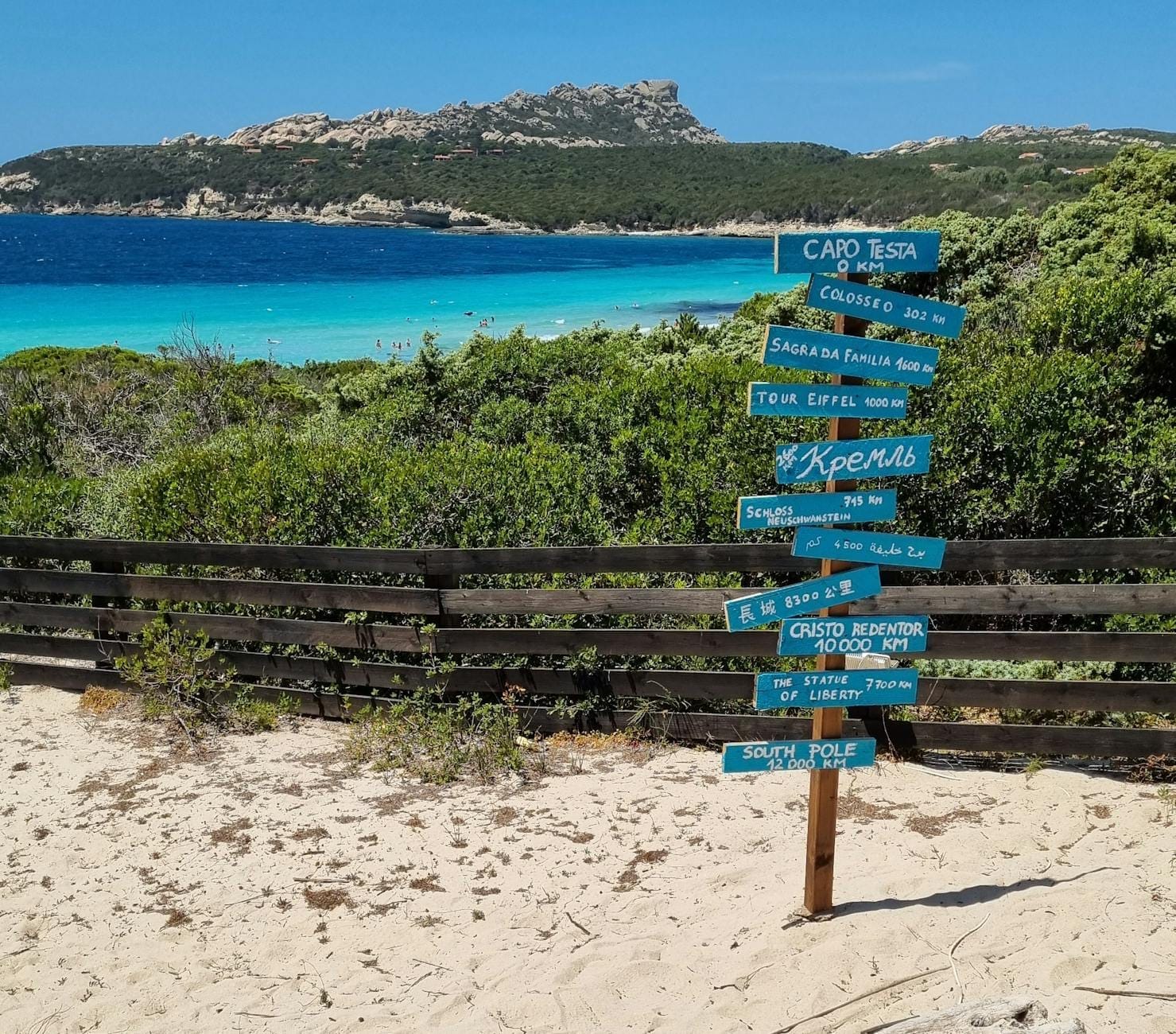
Beach parking is a recurring pain point for families in Sardinia during high season. Popular beaches like Cala Brandinchi, Tuerredda, and Porto Giunco fill their car parks by 9am in August. Several beaches now operate shuttle buses from town centres or overflow car parks — these are usually signposted and free or very cheap. Arriving at 8am and leaving by 1pm, then returning after 5pm, is a effective strategy for avoiding the midday chaos while also protecting young children from the most intense sun.
Accommodation options for families range from large resort complexes in the Costa Smeralda and Villasimius areas to smaller apartment rentals and agriturismi (farm stays) inland. Agriturismi are an underrated option for families: they typically offer large outdoor spaces, home-cooked Sardinian meals, and a calmer environment than beach resorts. The Sardinia agriturismo guide covers the best options across the island. For broader accommodation advice across the island, the where to stay in Sardinia guide breaks down each area by family suitability.
Italian tap water is subject to EU quality standards and is generally safe to drink in Sardinia's cities and towns, though you may see signs indicating non-potable water in some rural areas. Restaurants operate on Italian lunch and dinner schedules: lunch from around 12:30-14:30, dinner from 7:30-10:30pm. Many restaurants outside tourist resorts do not serve dinner before 7:30pm, which can be a challenge with young children used to earlier mealtimes. The solution most families adopt is a 5-6pm gelato and a later dinner, which is common in Italian culture. Tipping is not obligatory — a coperto (table cover charge) of around 1-3 euros per person is standard, and any additional tip is discretionary.
FAQ
What is the best area in Sardinia for families with young children?
The south coast between Villasimius and Chia is generally the best area for families with toddlers and young children. The beaches here have shallow, calm water, sandy seabeds, and good facilities. Cala Brandinchi in the northeast is arguably the single best family beach on the island, but requires staying in the San Teodoro or Olbia area.
Is Sardinia safe for children to swim?
Yes, on the right beaches. Many Sardinian beaches on the south and northeast coasts have very shallow, calm water that is safe for children. However, the west coast (Costa Verde, parts of Oristano) and some east coast areas have stronger currents and rough seas that are not suitable for children. Look for beaches with Blue Flag or Green Flag designations, which indicate monitored water quality and safety services.
When is the best time to visit Sardinia with kids?
June and September are the best months for families with any scheduling flexibility: the sea is warm enough to swim, crowds are manageable, and prices are lower than August. If you must go in July or August, book accommodation and ferry crossings at least 4-5 months in advance, and plan beach visits for early morning (before 9am) to secure parking and space.
Do you need a car in Sardinia with children?
Yes, for most family itineraries a rental car is essential. Public transport in Sardinia does not reach most beaches, and taxis are expensive for repeated daily use. Car hire is available at all three main airports (Cagliari, Olbia, Alghero). Book your car and any child seats well in advance for summer visits.
What activities are there in Sardinia for kids beyond the beach?
Boat trips along the Golfo di Orosei (visiting sea caves and deserted beaches), snorkelling in the La Maddalena Archipelago, guided visits to the UNESCO Nuragic site at Su Nuraxi di Barumini, wildlife spotting on the Giara di Gesturi plateau (wild horses), and the Trenino Verde heritage railway are all well-suited to children and offer genuine variety beyond beach days.