Where to Stay in Sardinia: A Region-by-Region Guide for Every Traveller
Sardinia is bigger than most visitors expect, and picking the right base makes or breaks a trip. This guide breaks down every major area, from the glamour of Porto Cervo to the cultural depth of Cagliari, with practical advice on prices, seasonal timing, and how many bases you actually need.
Plan and book this trip
Tools from our partner Travelpayouts help you compare flights and hotels. If you book through them, we may earn a commission at no extra cost to you.
Flights
Hotels map
TL;DR
- Sardinia is the second-largest island in the Mediterranean at 24,100 km², so cross-island drives take 3-4 hours. One base is rarely enough.
- For a 7-10 day trip, plan 2-3 bases. A classic combination: Costa Smeralda in the northeast, the Baunei/Orosei coast in the east, and Alghero in the northwest.
- Mid-range hotels run €100-160 per night in most areas. In Costa Smeralda during peak season, double that figure and you're still in mid-range territory.
- The shoulder seasons (May-June and September-October) offer warm weather, swimmable sea, and far lower prices than July-August.
- Many coastal resorts and beach clubs operate seasonally and close outside April-October. Always verify before booking.
Why Choosing Your Base Matters More Than You Think
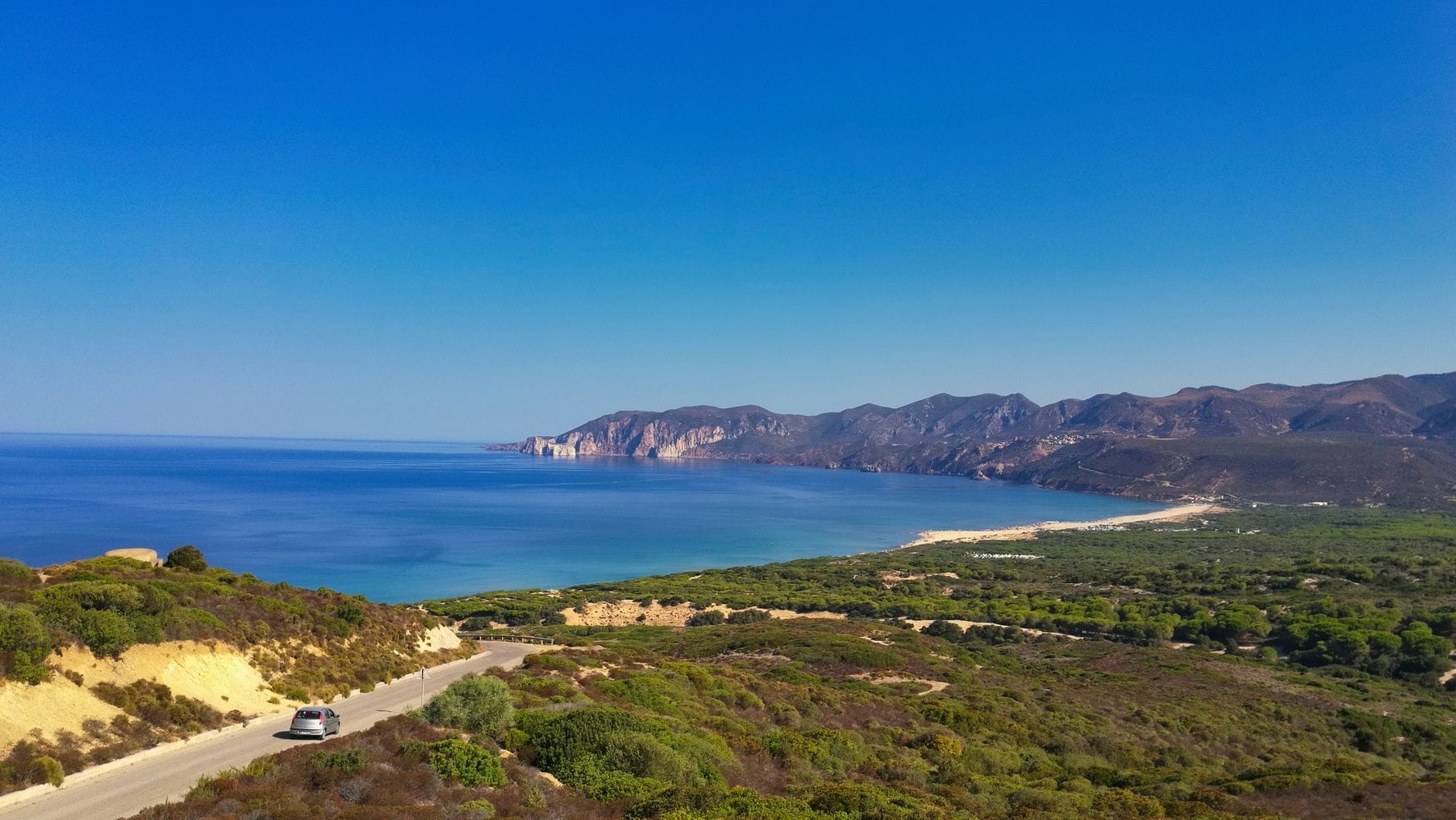
Sardinia looks compact on a map. It is not. The island covers 24,090 km² with no motorways, which means driving from Cagliari in the south to Olbia in the northeast takes around 3 to 3.5 hours, largely on fast "superstrada" routes like the SS131 and SS131DCN rather than true motorways. Picking the wrong base means spending your holiday in a car rather than on a beach or in a piazza. Most experienced travellers recommend treating Sardinia like a small country: choose 2-3 distinct bases for a week to ten days and move deliberately.
The island divides naturally into regions with very different characters: the glitzy northeast around Costa Smeralda, the cultural and urban south anchored by Cagliari, the rugged eastern coast along the Golfo di Orosei, the historic northwest around Alghero, and quieter central and western areas that most package tourists never reach. Each rewards a different type of traveller.
⚠️ What to skip
A common mistake: booking a single resort in Costa Smeralda and assuming you can do day trips across Sardinia. The distances are punishing. Cala Gonone, one of the island's most spectacular coastal areas, is roughly a 3-hour drive from Porto Cervo. Plan multiple bases or accept that you'll see one region well, not the whole island.
The Best Areas to Stay in Sardinia, Region by Region
Below is a practical breakdown of Sardinia's main accommodation zones, covering who each suits, what to expect on price, and where the area falls short.
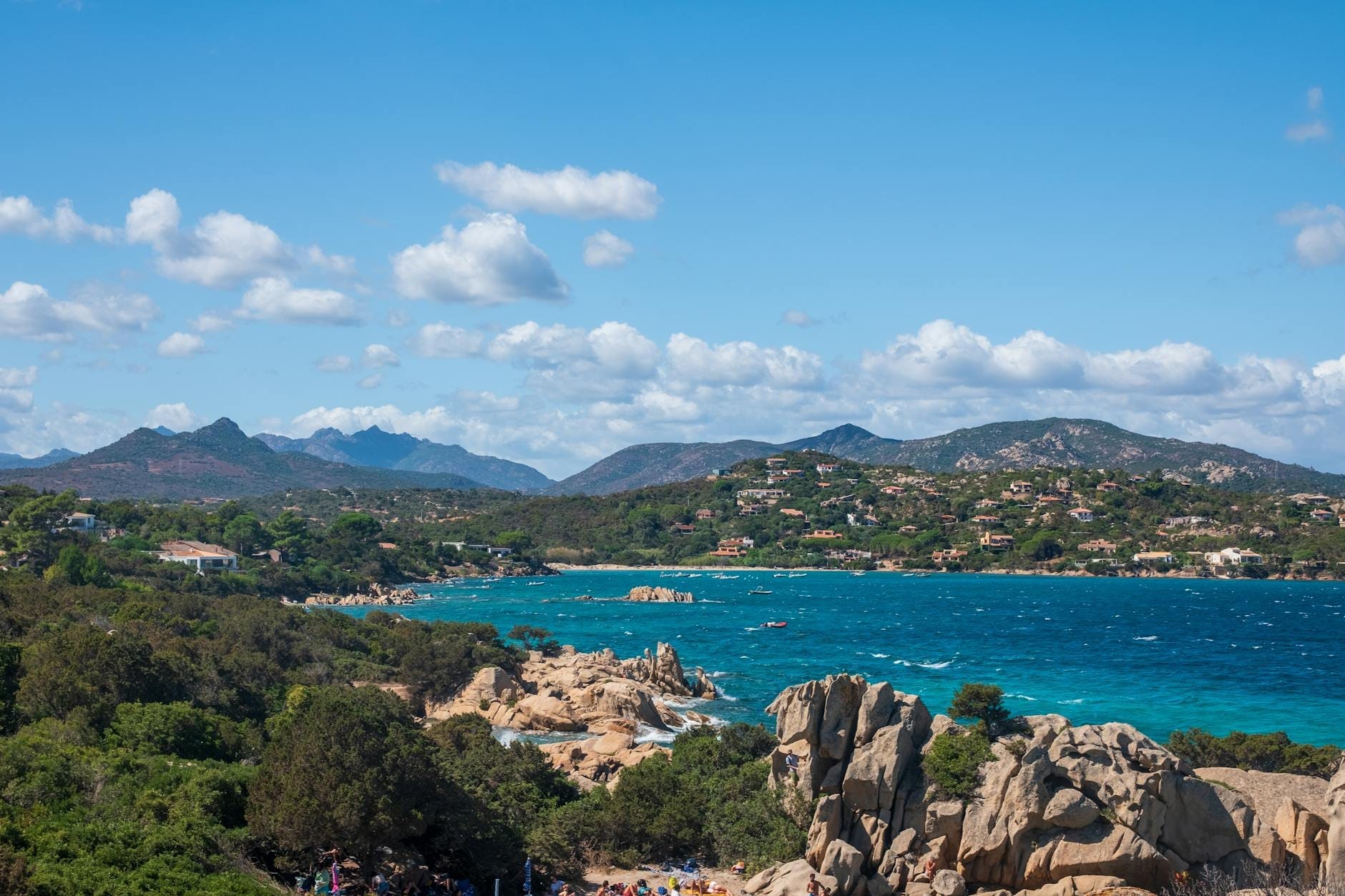
- Costa Smeralda and Porto Cervo (Northeast) The island's most famous tourist enclave, developed in the 1960s by the Aga Khan. Porto Cervo marina is the centrepiece: yacht-lined, boutique-filled, and spectacular in summer. Accommodation ranges from high-end resort hotels to luxury villas, with mid-range options extremely limited. Expect €250-400+ per night for a decent hotel in July-August. Best for: couples, luxury travellers, and those who want world-class beaches with full resort infrastructure. Not ideal for: budget travellers or anyone wanting authentic Sardinian village life.
- San Teodoro and Olbia Area (Northeast Gateway) San Teodoro sits around 40 km south of Olbia airport and offers a more accessible and affordable alternative to Costa Smeralda. La Cinta beach is one of Sardinia's finest, and the town has a lively summer scene without the extreme price tag. Olbia itself is primarily a transit hub rather than a destination, but it has solid mid-range hotels convenient for late arrivals or early departures. Mid-range hotels in San Teodoro run €100-160 per night in peak season.
- Alghero (Northwest) Alghero's medieval old town, built on a promontory jutting into the sea, is one of the most atmospheric places to stay on the island. Unusually for Sardinia, it has a Catalan heritage stretching back to the 14th century, and Catalan is still spoken by some residents. There is a city beach walkable from the centre, and the area offers excellent day trips: Neptune's Caves at Capo Caccia, Porto Conte natural park, and the spectacular coastline south toward Bosa. Accommodation prices are moderate, with solid options at €90-150 per night. Best all-rounder base on the island for culture plus beach access.
- Cagliari and the South (Capital Region) Cagliari is where Sardinia's urban life concentrates: museums, restaurants, the Castello district, the Poetto beach promenade, and the Molentargius flamingo lagoon are all here. Staying in Cagliari gives you city hotel variety and prices (€80-150 per night) along with access to the southwest beaches at Chia and Tuerredda, the ruins at Nora, and the beach resort strip around Villasimius to the southeast. Best for: travellers who want culture alongside coast, or those arriving via Cagliari Elmas Airport (CAG) and starting/ending the trip here.
- Villasimius and Costa Rei (Southeast) Villasimius is a dedicated beach resort town about 50 km east of Cagliari with a sheltered gulf, turquoise water, and a well-developed tourist infrastructure. Costa Rei, further northeast, is quieter and more spread out. Both areas suit beach-focused travellers who want comfortable amenities without the price extremes of Costa Smeralda. Mid-range hotels and apartment rentals run €90-160 per night in peak season, dropping significantly in September.
- Cala Gonone and the Golfo di Orosei (East Coast) This is the most dramatic coastal scenery on the island: limestone cliffs dropping into crystalline water, beaches accessible only by boat or long hike, and the gorge of Su Gorropu cutting through the interior. Cala Gonone is a small town with a good spread of hotels and guesthouses (€80-140 per night) and a ferry terminal for boat trips to Cala Luna and Cala Mariolu. This area rewards those who want adventure and natural beauty over resort comfort. The road access is slow and winding, making it a poor choice as a single base if you want to explore other parts of Sardinia.
- La Maddalena Archipelago (Far Northeast) Staying on the island of La Maddalena, reached by a 15-minute ferry from Palau, puts you in one of the Mediterranean's most beautiful island groups. Accommodation is limited and books up early, with prices reflecting the demand. Best for: those who want to focus on boat trips, snorkelling, and island life. Not practical as a single base if you plan to drive around Sardinia, since you'll need to ferry back to the mainland repeatedly.
Types of Accommodation in Sardinia
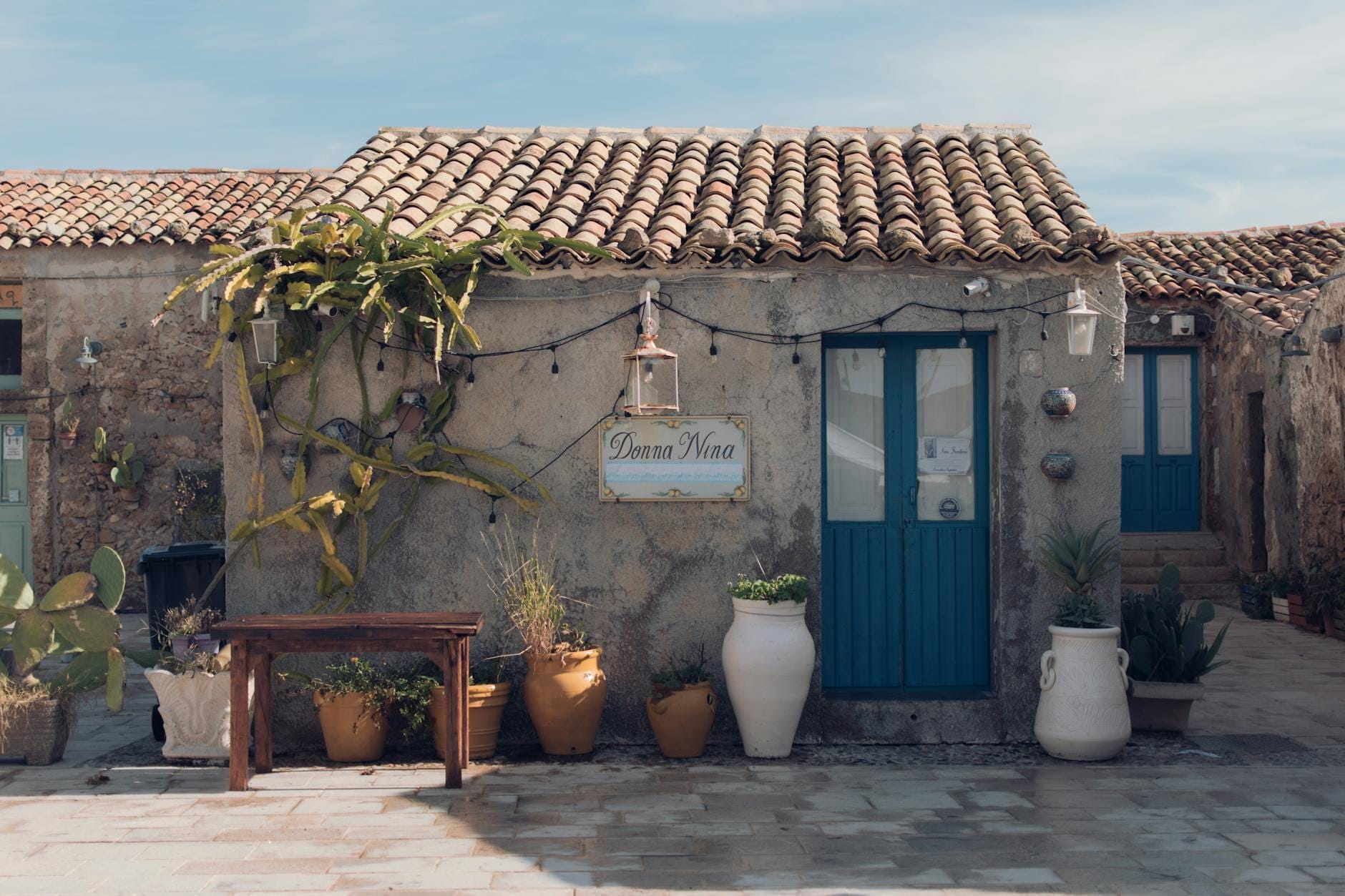
Sardinia has a wide range of accommodation types beyond standard hotels, and matching the type to your trip style matters as much as choosing the right region.
Agriturismi are a Sardinian highlight: working farms, often inland, that offer rooms, home-cooked meals using their own produce, and an immersion in rural life that no beach resort can match. Many serve set menus of traditional food in the evenings, included in the room rate. They are excellent value, often around €70-110 per night including a multi-course dinner in low to shoulder season, with higher rates common in August. See our Sardinia agriturismo guide for how to find and book the best ones.
Luxury resorts cluster along the Costa Smeralda and the southeast coast. These are large-scale properties with private beach access, multiple pools, and spa facilities. In peak season (mid-June to late August) they command premium prices and require booking months in advance. If budget is not a constraint, properties here are world-class.
Self-catering villas and apartments are popular across the island, particularly for families or groups of friends. Platforms like Airbnb and local rental agencies offer a wide range. In areas like Villasimius and Costa Rei or San Teodoro, renting an apartment for a week often undercuts hotel pricing considerably, especially outside the peak weeks of July and August.
Camping is a realistic option in Sardinia, with well-equipped sites along most coastal areas. Standards vary considerably; some sites near Alghero and in the Ogliastra region are good, with bungalow options for those who don't want to pitch a tent. The Sardinia camping guide covers the best sites and what to expect.
✨ Pro tip
If you're travelling in July or August, treat accommodation booking the same way you'd treat booking flights to a popular event: do it early or pay significantly more. Properties along Costa Smeralda and in towns like Cala Gonone, Villasimius, and San Teodoro fill up months ahead for peak weeks. September bookings are far easier and prices drop noticeably from mid-September onwards.
How to Plan Your Bases: Practical Route Logic
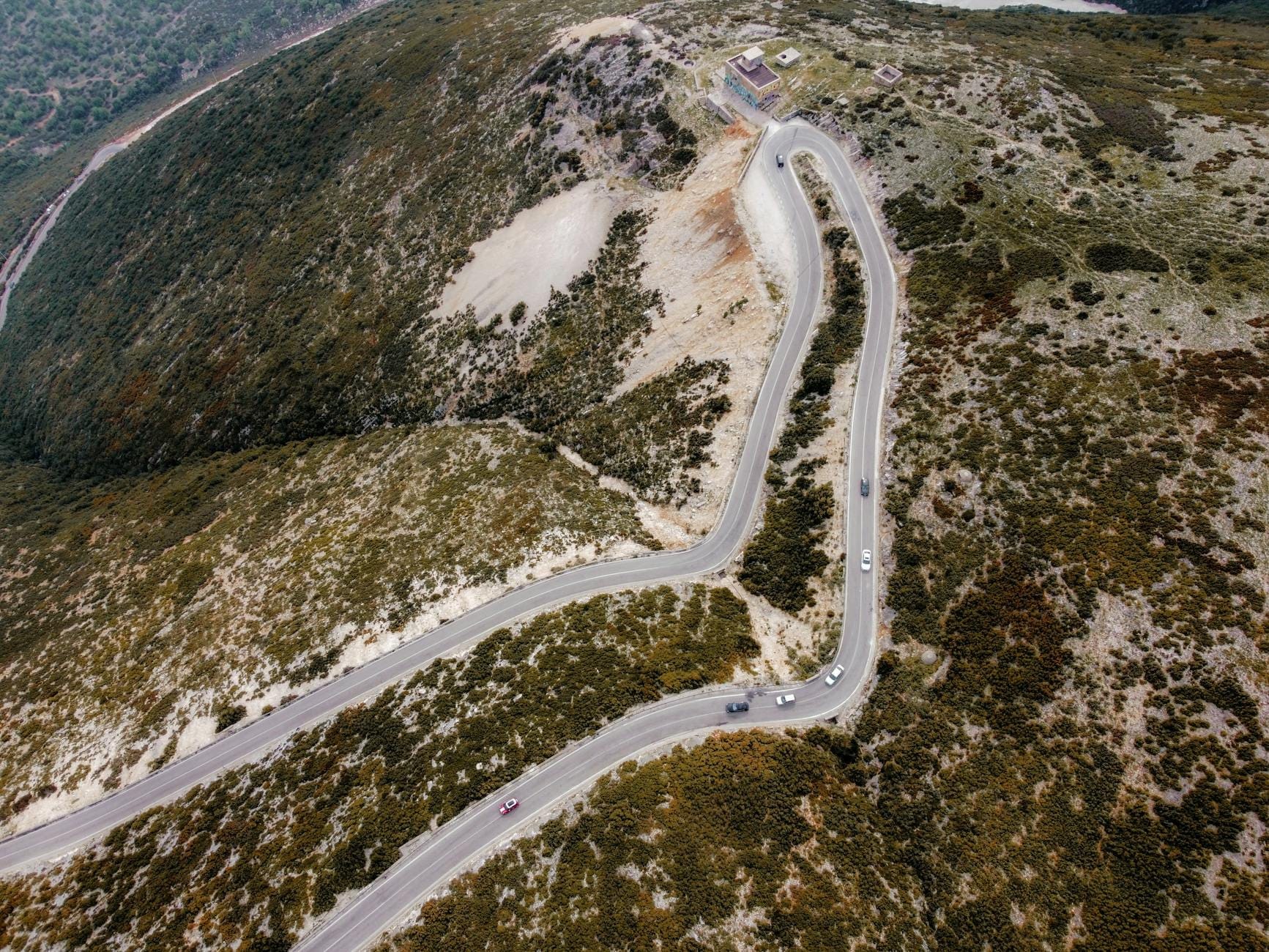
The most useful thing to know when planning where to stay is that Sardinia has no motorways in the strict "autostrada" sense; instead it is served by high‑speed dual carriageways such as the SS131 and SS131DCN, and is the only Italian region without designated A‑class motorways. The roads are mostly regional two-lane routes through hills and mountains, and GPS journey times are reliably slower than on mainland Italy. Factor in extra time, especially if you're moving bases mid-trip.
Most travellers arrive at either Cagliari Elmas Airport (CAG) in the south or Olbia Costa Smeralda Airport (OLB) in the northeast. A third option is Alghero-Fertilia Airport (AHO) in the northwest. Choosing your arrival airport and matching it to your first base saves a long drive on day one. See getting around Sardinia for transport details including car hire, buses, and the island's regional train network.
- 1-week trip arriving Olbia: Start at Costa Smeralda or San Teodoro (3 nights), move to Cala Gonone on the east coast (3 nights), return to Olbia for departure. This covers the northeast and east without excessive driving.
- 1-week trip arriving Cagliari: Start in Cagliari or Villasimius (3 nights, good beaches and city), drive to Alghero via the SS131 (4 nights, explore northwest). Drive time is around 3 hours.
- 10-14 day trip arriving Olbia, departing Cagliari: Full north-to-south itinerary. Costa Smeralda or La Maddalena (3 nights), Cala Gonone (3 nights), Cagliari or Villasimius (3-4 nights). One-way car hire is essential; verify availability and any drop-off fees in advance.
- Families with young children: San Teodoro, Villasimius, and Alghero all offer shallow water beaches, good infrastructure, and family accommodation. Costa Smeralda is family-friendly in facilities but expensive. Avoid Cala Gonone as a family base if your children are under 5, as most beaches require boat access or significant hiking.
Seasonal Timing and What It Does to Prices
Sardinia has a Mediterranean climate: hot and dry summers, mild winters, with most rainfall concentrated in autumn and spring. The practical effect on accommodation is enormous. Prices for the same hotel room can easily vary by a factor of two to three between February and August.
Peak season runs roughly from late June to mid-September, with the absolute peak in July and August when Cagliari coastal temperatures regularly hit 30-31°C and can reach 38°C inland. This is when Italian families from the mainland flood the island, prices spike, and popular beaches get crowded. If you're flexible, September in Sardinia offers sea temperatures still around 25°C, noticeably thinner crowds, and accommodation prices that typically drop 20-40% from the August peak.
The shoulder months of May-June and September-October are when Sardinia is at its most liveable for most travellers: warm enough to swim comfortably (sea temperatures are described as comfortable from May to October), far fewer crowds, and a wider availability of restaurant and activity bookings. May in Sardinia is particularly good for hiking, wildflower landscapes, and visiting Nuragic sites without the summer heat.
One real risk with shoulder and low-season travel: seasonal closures. Many beach clubs, boat trip operators, and smaller coastal restaurants only open April to October. Some only open June to September. Outside those windows, coastal resort towns like Villasimius and San Teodoro can feel deserted. Cagliari and Alghero, as cities with year-round resident populations, stay active throughout the year and are the better bases if you're travelling outside peak season.
💡 Local tip
To get the best balance of price, availability, and weather, aim for the first two weeks of June or the first three weeks of September. Hotels are available, beaches are swimmable, temperatures are comfortable rather than punishing, and the island has its rhythm back after or before the August crush.
Budget Reality Check: What Things Actually Cost
Sardinia is not a cheap destination in peak season, and Costa Smeralda specifically ranks among the most expensive beach areas in Europe in July-August. That said, the island offers genuine value if you stay outside the top-end hotspots and travel in shoulder season.
- Budget (hostels, campsites, simple B&Bs): €30-70 per person per night, mainly in Cagliari, Alghero, and campsite areas.
- Mid-range hotels (3-star to solid 4-star): €100-160 per night for a double room in most regions outside Costa Smeralda, in peak season. Add 30-50% for July-August in popular resorts.
- Costa Smeralda mid-range (4-star): €250-400 per night in peak season. Luxury properties frequently exceed €700-1,000+ per night.
- Agriturismo: €70-110 per night including dinner, year-round, with significant value in the shoulder months.
- Self-catering apartments: €80-130 per night for a 2-bedroom unit in areas like Villasimius or San Teodoro in June or September, rising to €150-250 in August.
For travellers on a tighter budget, the Sardinia on a budget guide covers the most cost-effective bases, accommodation types, and strategies for getting around without a premium car hire package.
FAQ
Where is the best place to stay in Sardinia for beaches?
It depends on your priority. Costa Smeralda has the island's most famous beaches (Capriccioli, Spiaggia del Principe) with full resort infrastructure, but at a high price. Villasimius in the southeast offers excellent beaches with a more accessible price tag. For dramatic, cliff-backed coves, the Golfo di Orosei east coast, based from Cala Gonone, is unmatched. All three are different experiences.
Is one base enough for a week in Sardinia?
For most travellers, one base is not enough if you want to see more than one part of the island. Sardinia covers 24,090 km² with no motorways, and common cross-island drives take 3-4 hours. A week with 2 bases is realistic; 3 bases in 10-14 days is the sweet spot for covering north, east, and south without feeling rushed.
When should I book accommodation in Sardinia?
For July and August, especially in Costa Smeralda, Cala Gonone, San Teodoro, and Villasimius, book 3-6 months in advance. Popular agriturismi also fill up early. For May-June and September-October, booking 4-8 weeks ahead is usually sufficient, though earlier is always safer for preferred properties.
Is Cagliari a good base for exploring Sardinia?
Yes, for the southern half of the island. Cagliari gives access to excellent beaches at Villasimius (around 50 km east), Chia and Tuerredda in the southwest, the Nora archaeological site at Pula, and the Sulcis region further southwest. For the north, it is too far to work as a day-trip base. It is also the island's most culturally interesting city, with good restaurants, museums, and the Castello historic district.
What type of accommodation is best value in Sardinia?
Agriturismi offer the best overall value, particularly if you factor in the dinner service using local produce that most include. For self-catering, renting a villa or apartment in areas like Costa Rei or San Teodoro undercuts hotel pricing significantly for groups. The worst value is a last-minute booking in a Costa Smeralda resort hotel in August, where you pay peak prices for whatever is left.