Cagliari is the capital of Sardinia and the island's largest city, spread across a series of hills above the Gulf of Cagliari. It blends a medieval hilltop citadel, a gritty port district, Roman ruins, and one of the Mediterranean's most remarkable urban beaches into a place that works equally well as a base for island exploration and as a destination in its own right.
Cagliari is not a city that reveals itself quickly. Sardinia's capital sits on the southern tip of the island like a compact, layered puzzle: a walled citadel on top, a former fishing quarter at sea level, a lagoon full of flamingos to the east, and eight kilometres of sandy beach a short bus ride from the centre. It is a city where residents actually live, which makes it more interesting than most island capitals.
Orientation
Cagliari sits at the base of a limestone hill on the northern shore of the Gulf of Cagliari, roughly at the southern tip of Sardinia. The city faces the sea, and nearly every main street either runs parallel to the waterfront or climbs away from it. Once you understand this basic geometry, getting around becomes intuitive.
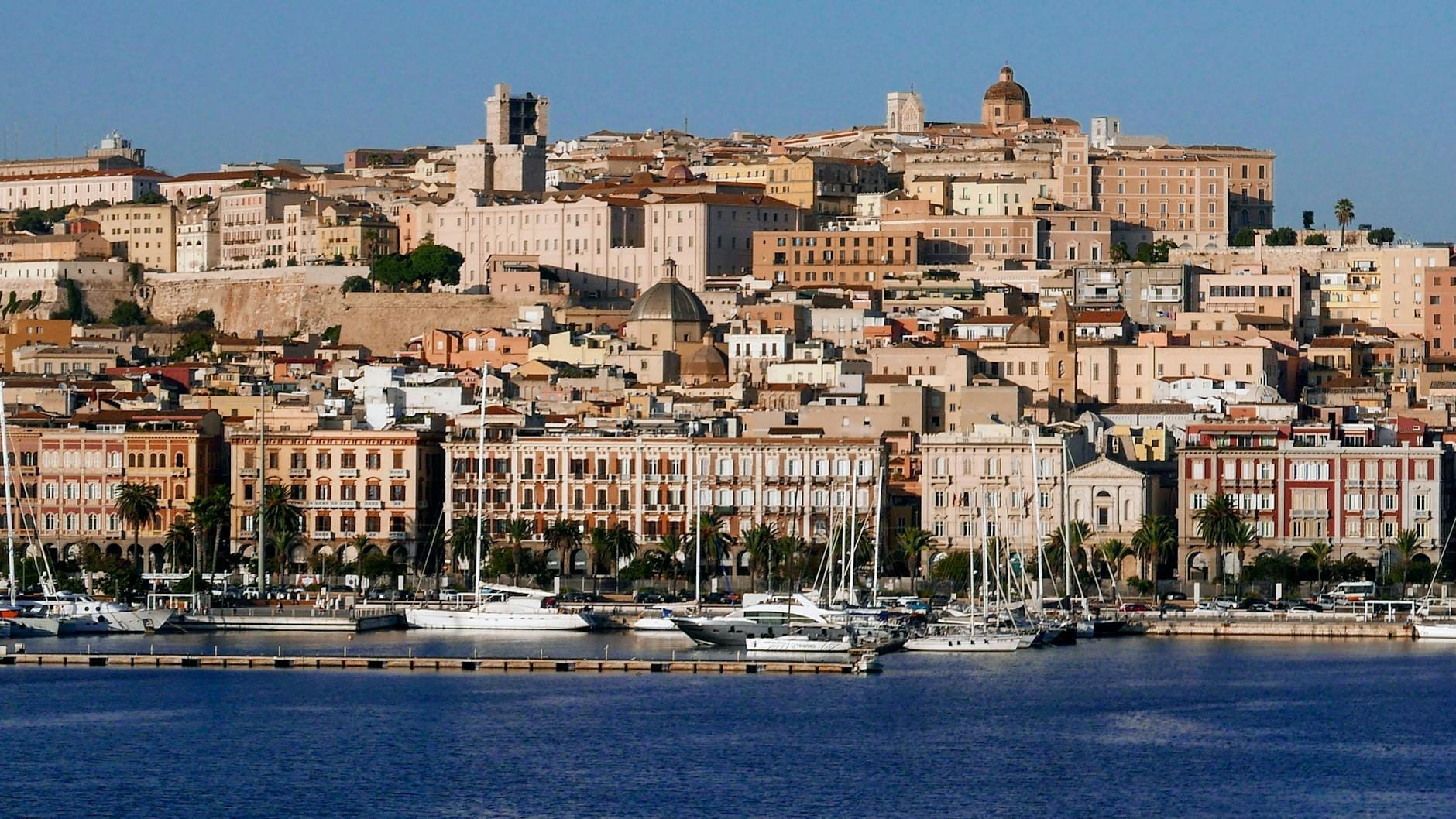
The historic centre is organised around four medieval districts established by the Pisans in the 13th century: Castello, Marina, Stampace, and Villanova. Castello occupies the hilltop, ringed by its original fortifications. Marina spreads along the flat ground between the hill and the port, directly behind Via Roma, the main seafront boulevard. Stampace runs west from the base of the hill, historically the quarter of craftspeople and churches. Villanova extends to the east, quieter and more residential in character.
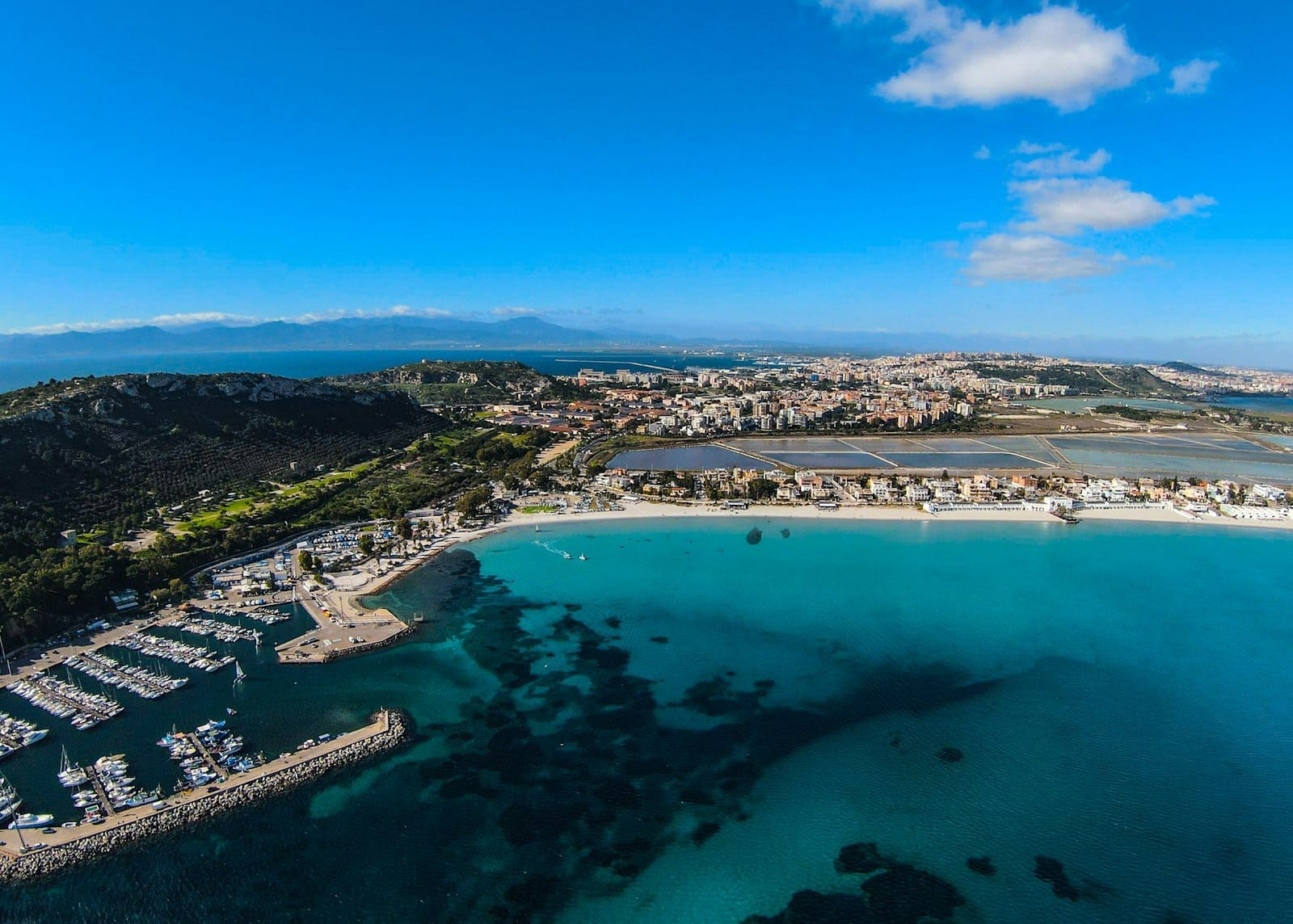
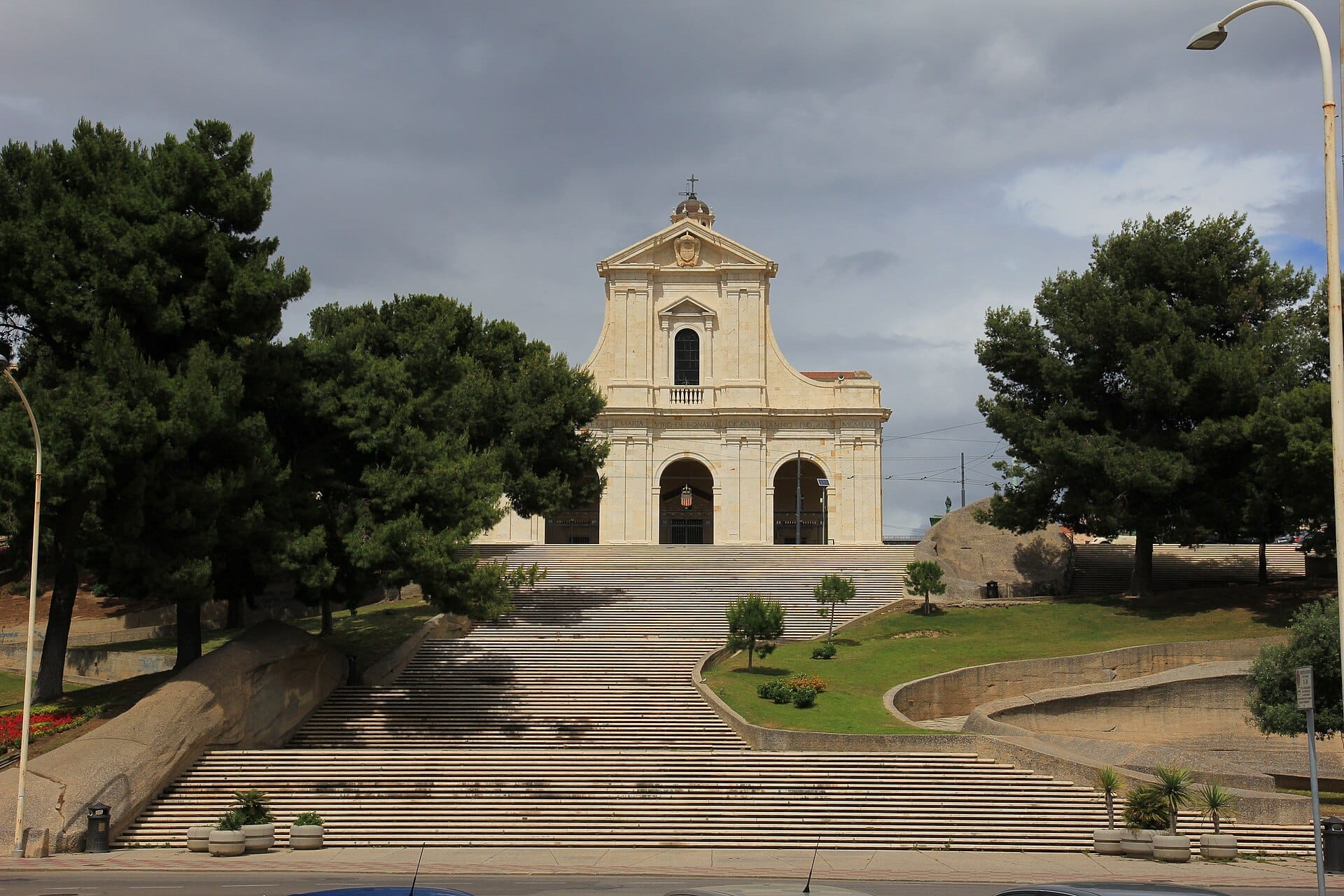
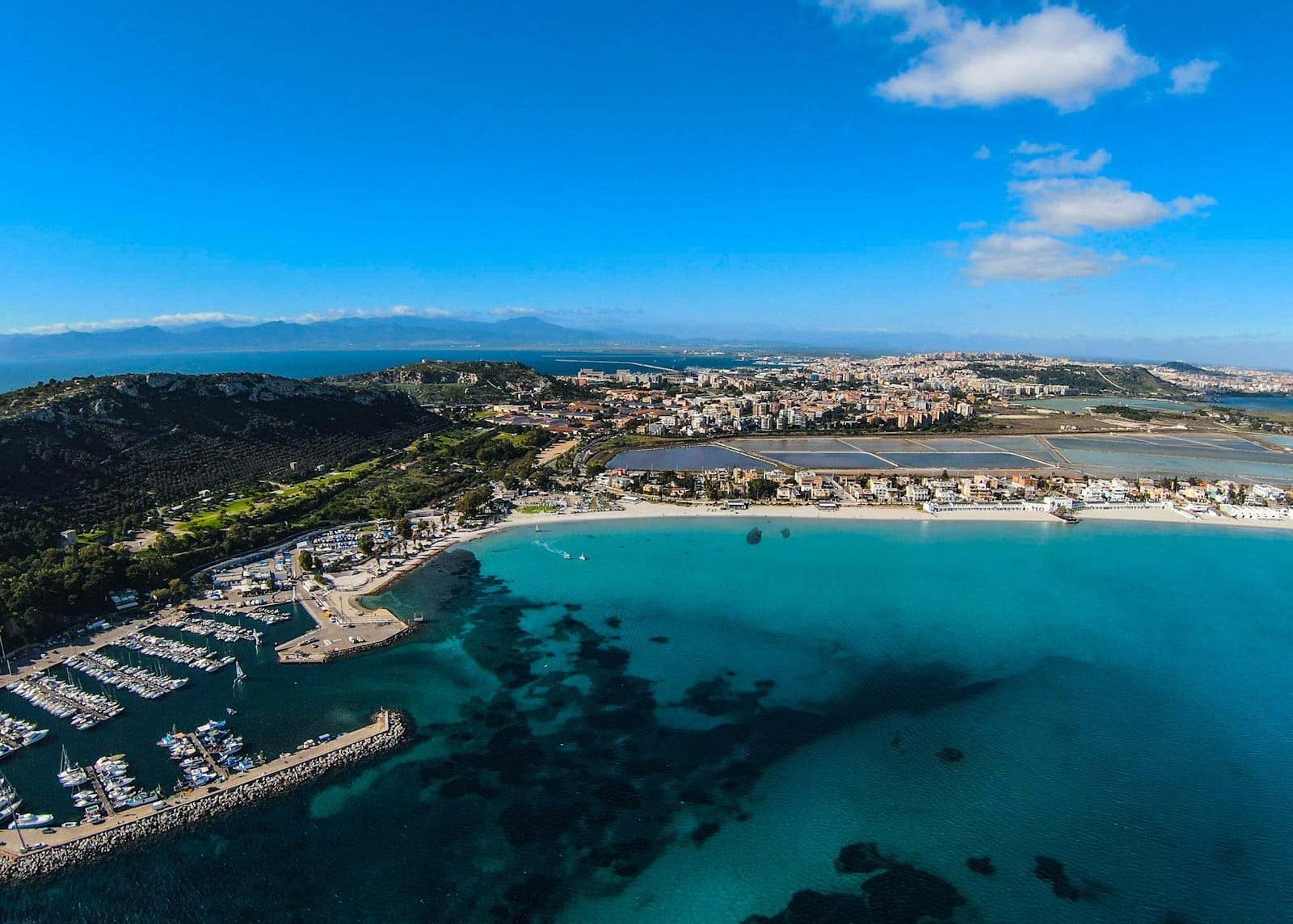
Heading south-east from the centre, the city climbs toward the Bonaria hill, home to one of Sardinia's most important religious sites. Further east, the urban fabric opens onto the Molentargius-Saline Regional Park, a protected wetland stretching between Cagliari and the adjacent municipality of Quartu Sant'Elena. Beyond the wetland lies Poetto, an approximately 8km beach running from the Sella del Diavolo headland toward the eastern suburbs. The airport, Cagliari Elmas (IATA: CAG), sits about 7km to the northwest and is connected to the centre by a fast regional train.
ℹ️ Good to know
Cagliari is both a city to explore on its own and a practical base for southern Sardinia. The airport and ferry terminal make it the main entry point for visitors arriving from mainland Italy or other Mediterranean ports.
Character and Atmosphere
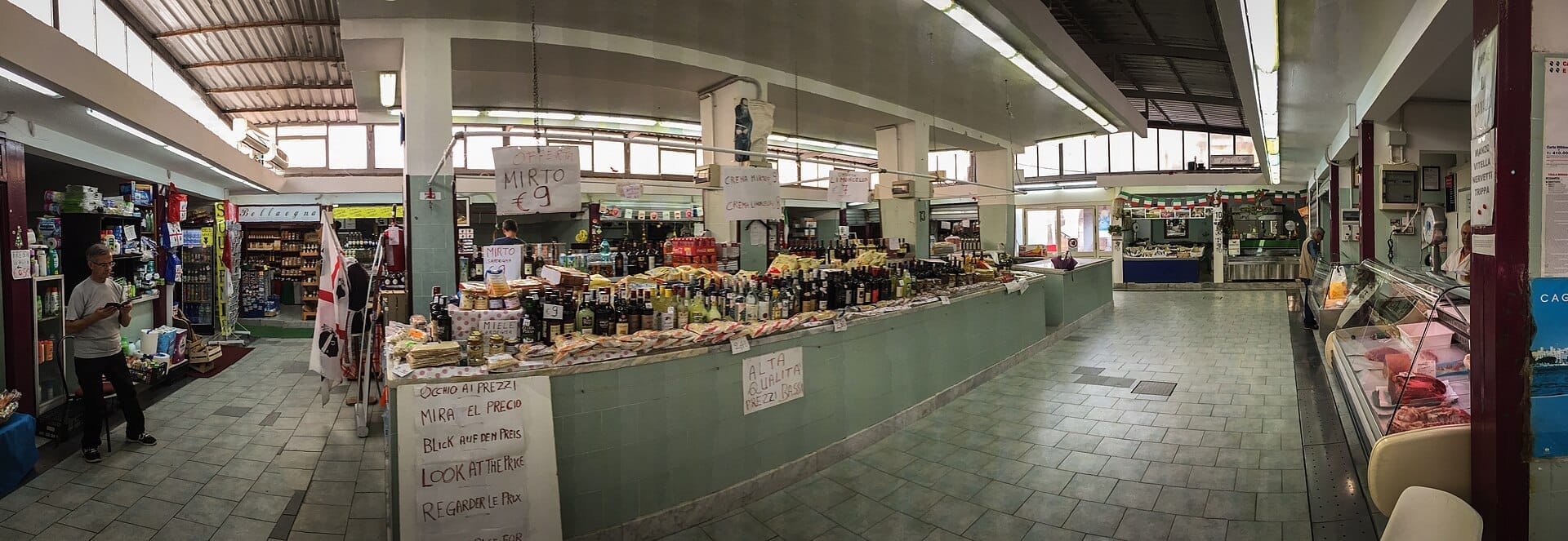
Cagliari moves at a different pace depending on where you are and what time it is. In the mornings, the Mercato di San Benedetto — a two-storey covered market inland from the port — fills with local shoppers buying fish, cheese, and vegetables. The ground floor is given over to seafood stalls where the morning catch arrives early and sells out fast. The air smells of salt and citrus, and the noise level is considerable. This is as far from a tourist experience as Cagliari gets.
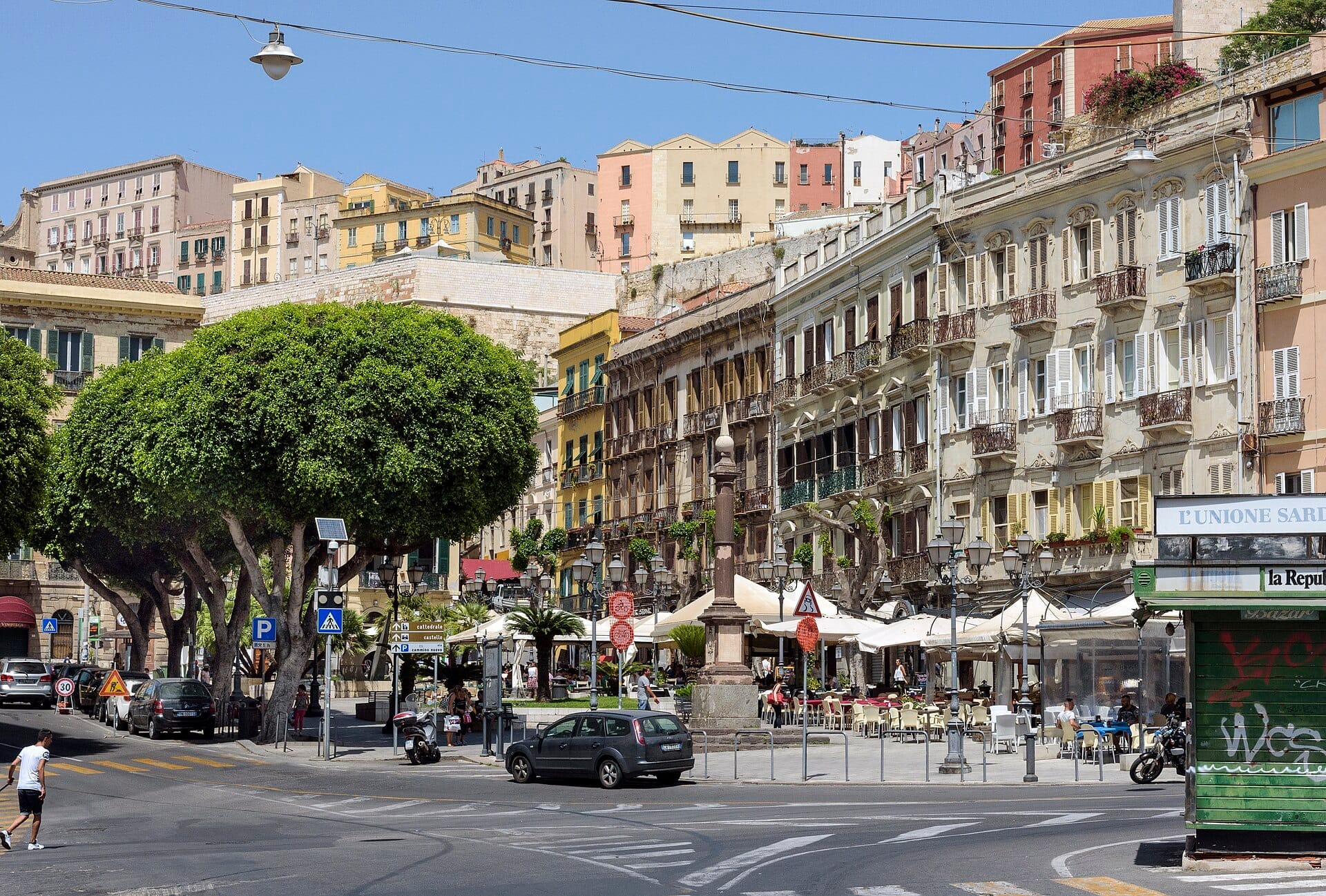
By mid-morning, the streets around Via Roma and the Marina district begin to fill. The Marina is the city's most immediately walkable quarter: narrow lanes, palazzi in various states of restoration, small bars, and the kind of small-scale commercial activity that keeps a neighbourhood alive. Walking north through the Marina, you reach Piazza Yenne, a wide square that functions as one of the city's main social hubs. From here, the streets climb steeply toward Castello. Piazza Yenne is particularly lively in the early evening, when families and students take over the outdoor seating.
The Castello district feels markedly different from the rest of the city. The streets are steeper, quieter, and older, with stretches where the medieval stone feels unchanged. In the afternoon, when the light hits the limestone walls from the west, the whole hilltop glows amber. Tourist numbers are moderate but not overwhelming, and outside peak summer the district can feel almost empty by evening. The views from the ramparts over the Gulf of Cagliari, the wetlands to the east, and the hills to the north are worth the climb at any time of day.
After dark, the Marina and Stampace districts are where most of the nightlife concentrates. The bars around Via Garibaldi and the streets feeding off it stay open late, and the crowd is predominantly local. It is not a particularly rowdy scene compared to northern European city centres, but it is busy on weekends. Castello at night is mostly quiet, and the lack of through traffic makes the upper city feel safer and more peaceful than its modest reputation might suggest.
⚠️ What to skip
The Sant'Elia district, about 2km from the city centre on the eastern coastal edge, has documented issues with unemployment and social marginalisation, and is noted in academic research as physically isolated. Visitors have no particular reason to go there, and it is sensible to avoid it at night.
What to See and Do
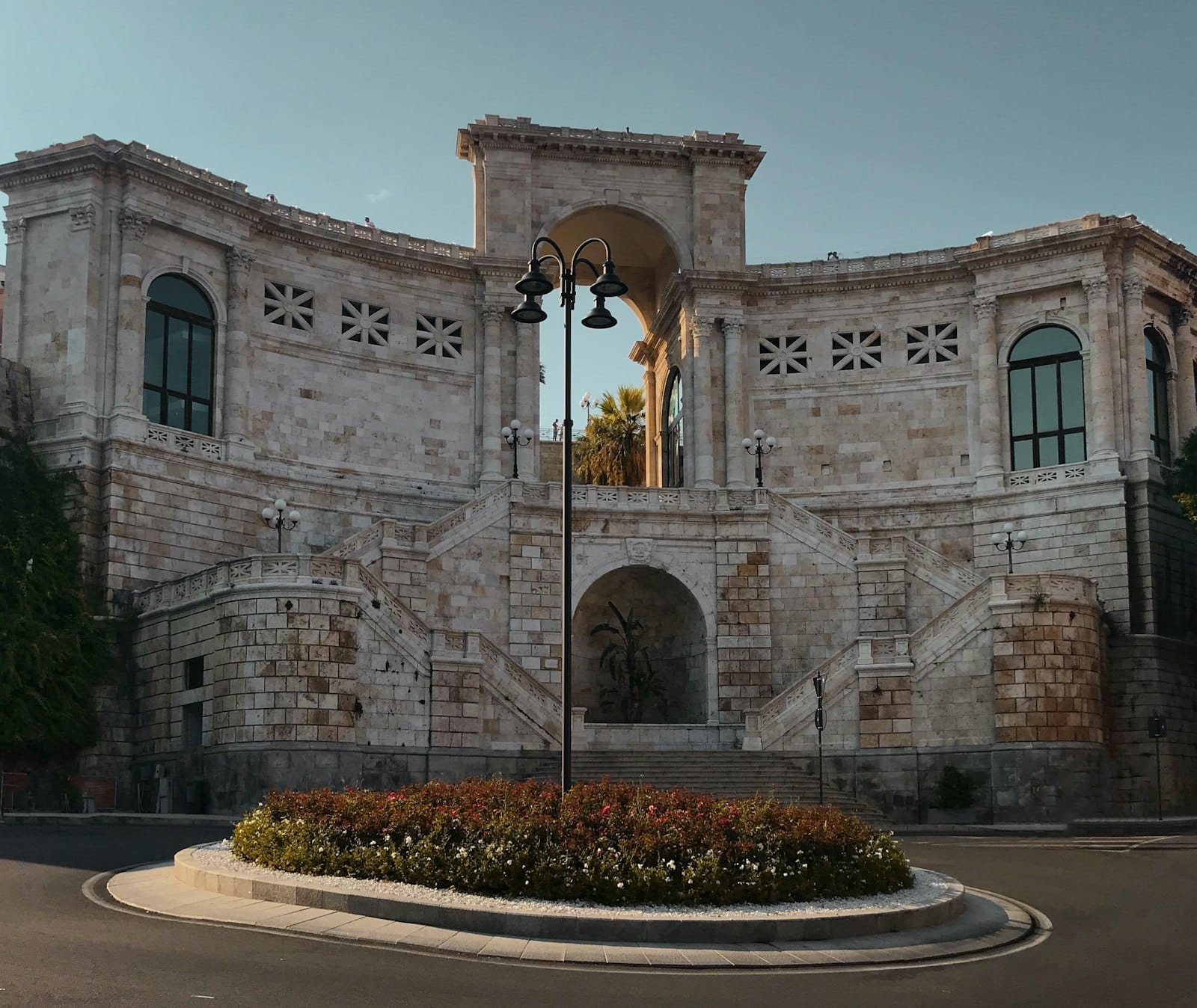
The Bastione di Saint Remy is the most dramatic architectural set piece in the city. This monumental 19th-century structure at Piazza Costituzione connects the lower town to the Castello district via a grand staircase and vaulted loggia. The upper terrace offers one of the best views over the port and the gulf, and it is a natural gathering point at sunset when the light is flattering and the temperature drops.
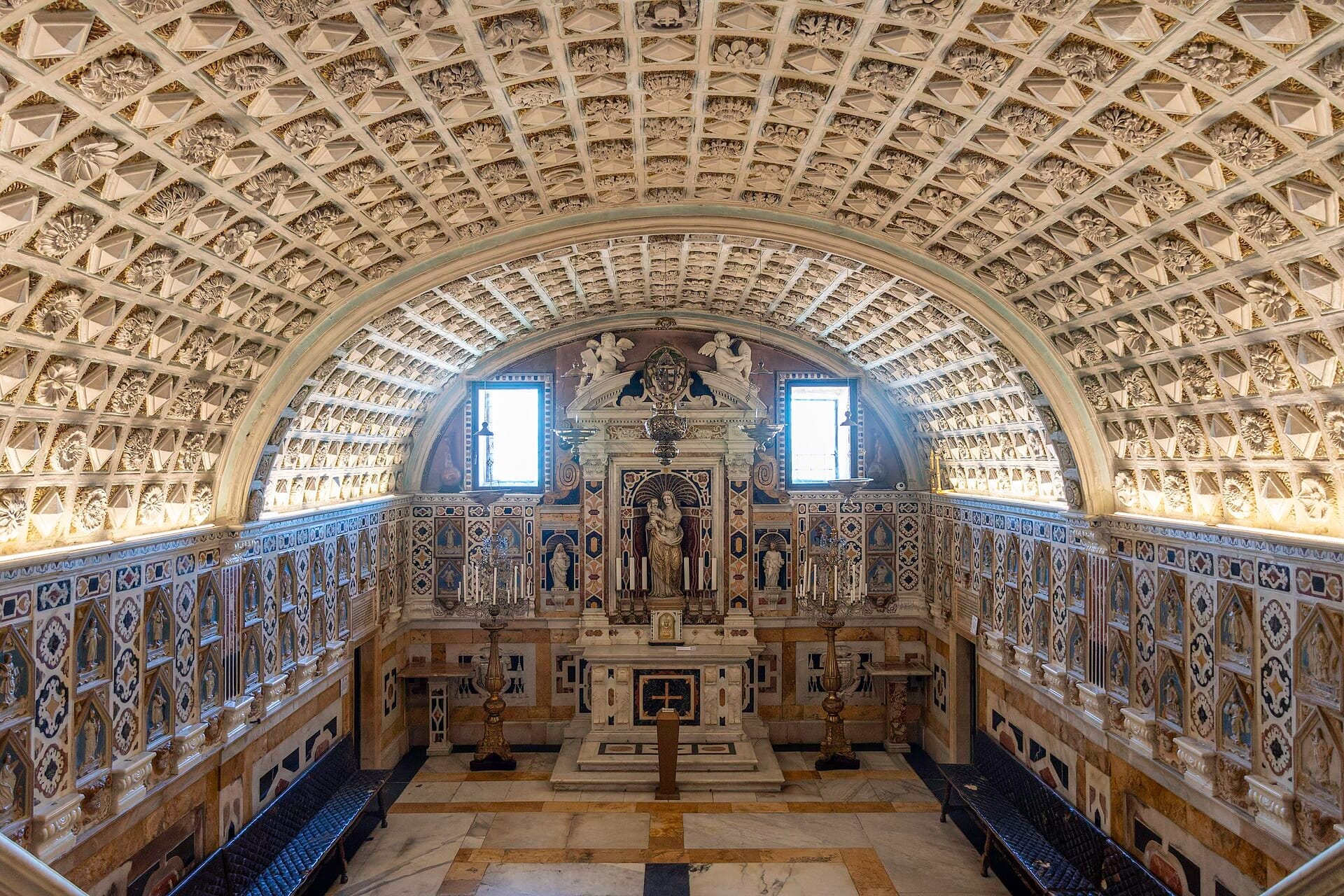
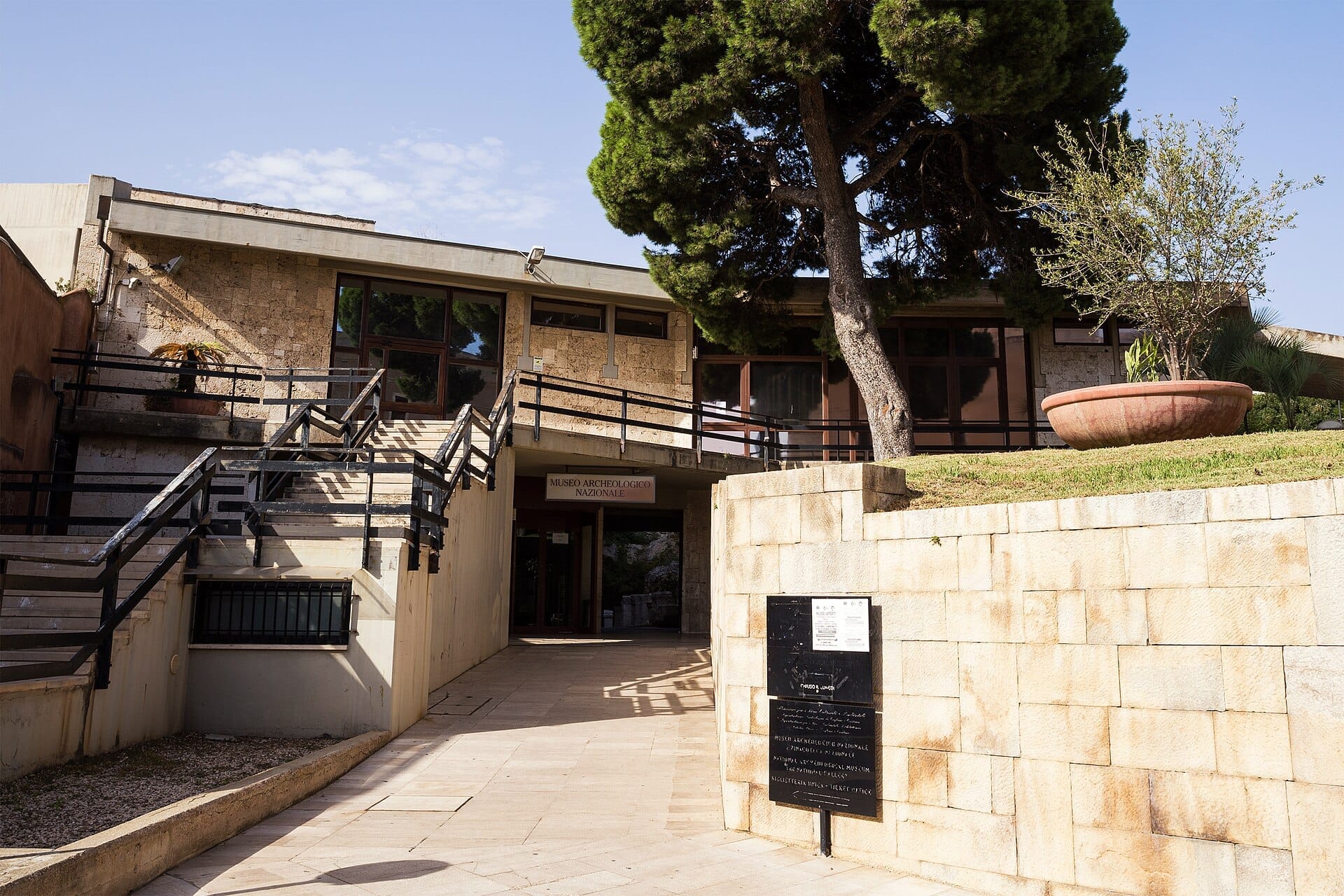
Inside Castello, the Cathedral of Santa Maria dates to the 13th century, though its current facade is a 20th-century reconstruction in a Romanesque style. The interior is more interesting than the exterior: it contains carved pulpits from the Pisa cathedral complex and crypt chapels with the tombs of members of the Savoyard royal family. Nearby, the Museo Archeologico Nazionale holds one of the finest collections of Nuragic bronzes in existence, including the celebrated bronze figurines known as bronzetti. If you are serious about understanding Sardinia's prehistoric past, this museum is essential.
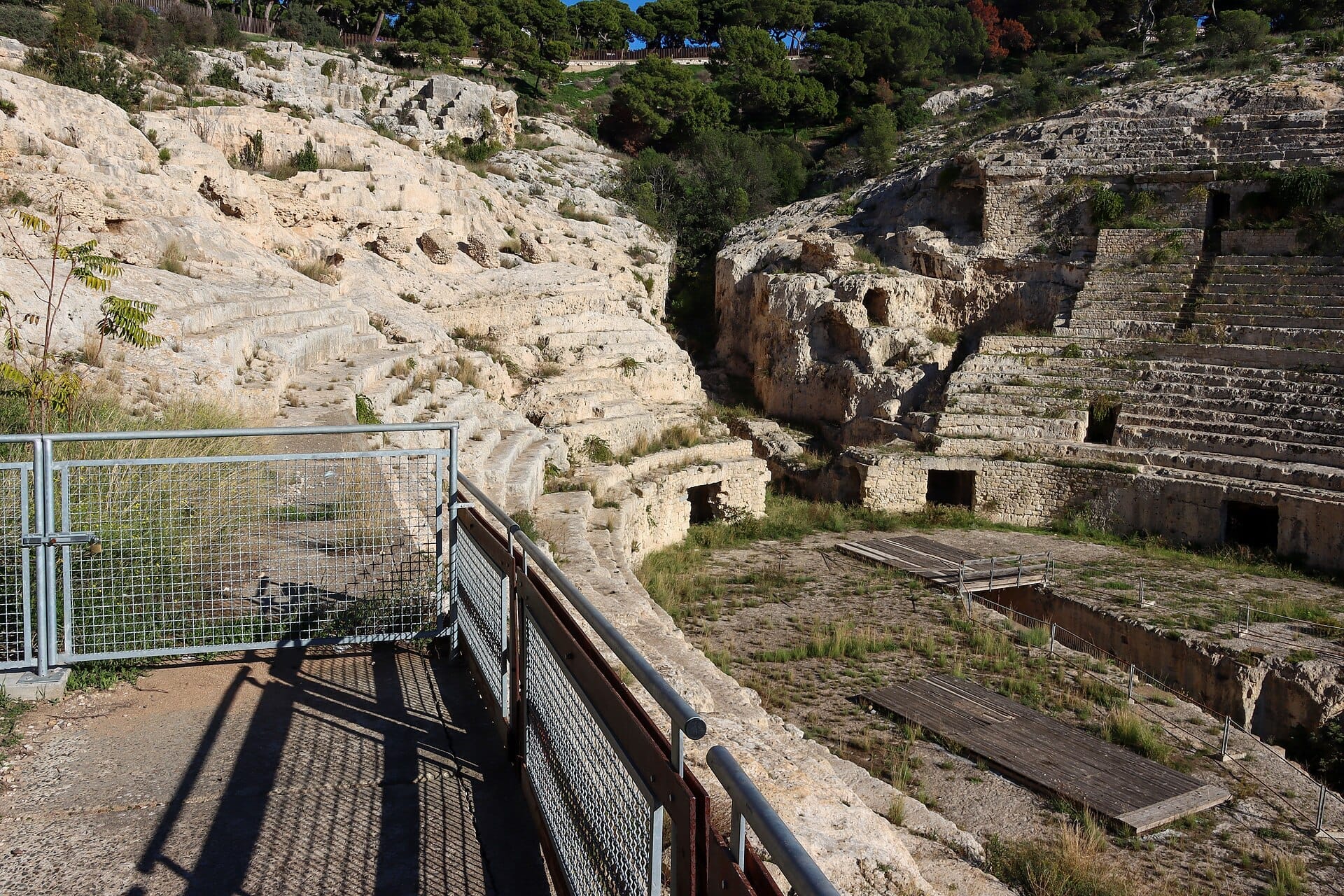
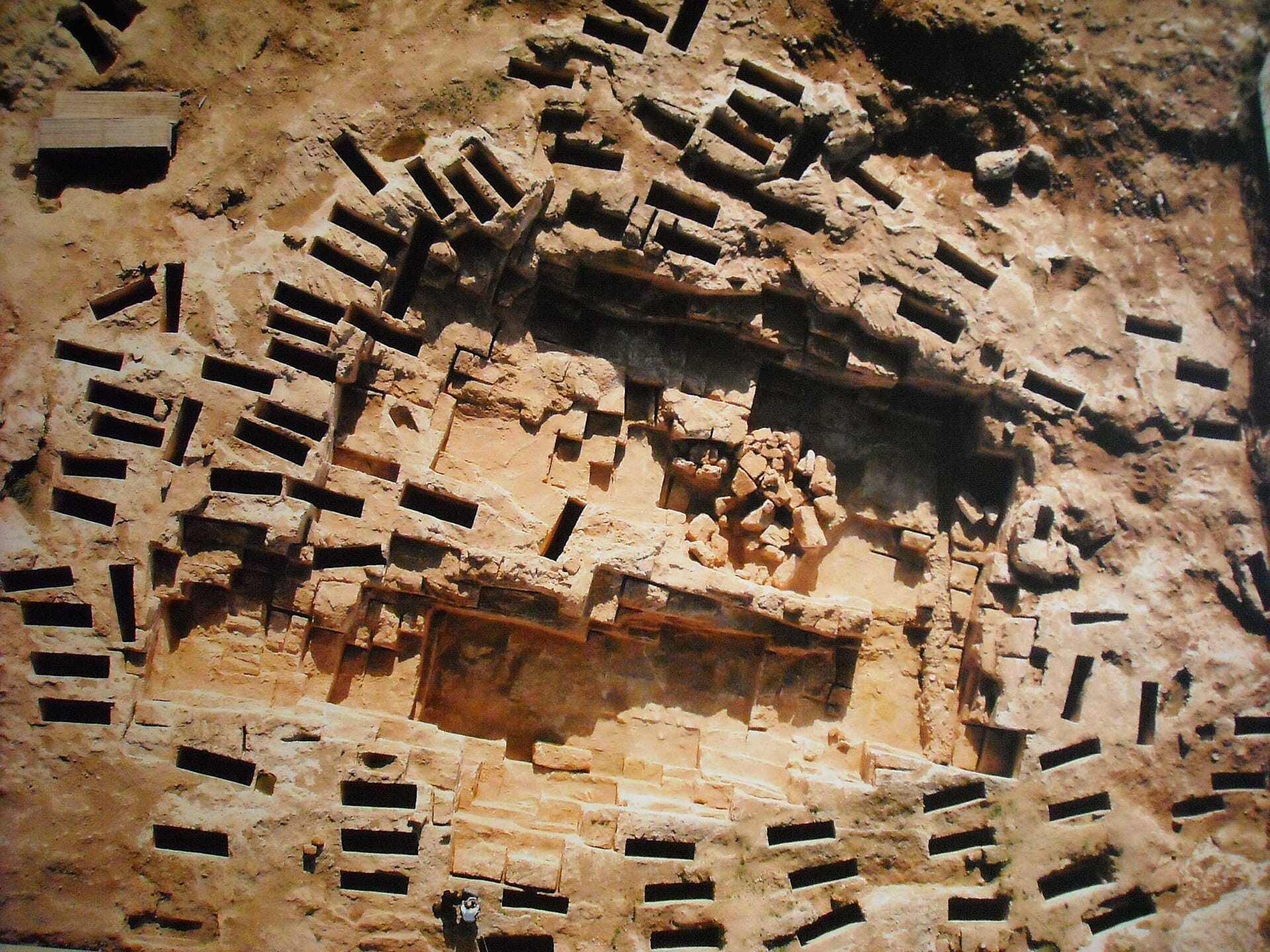
The Roman Amphitheatre of Cagliari sits on the western slope of the Castello hill, partially carved into the living rock. Dating to the 2nd century AD, it is the most significant Roman monument on the island and gives a sense of how long this city has functioned as a Mediterranean hub. The site is compact and can be covered in under an hour.
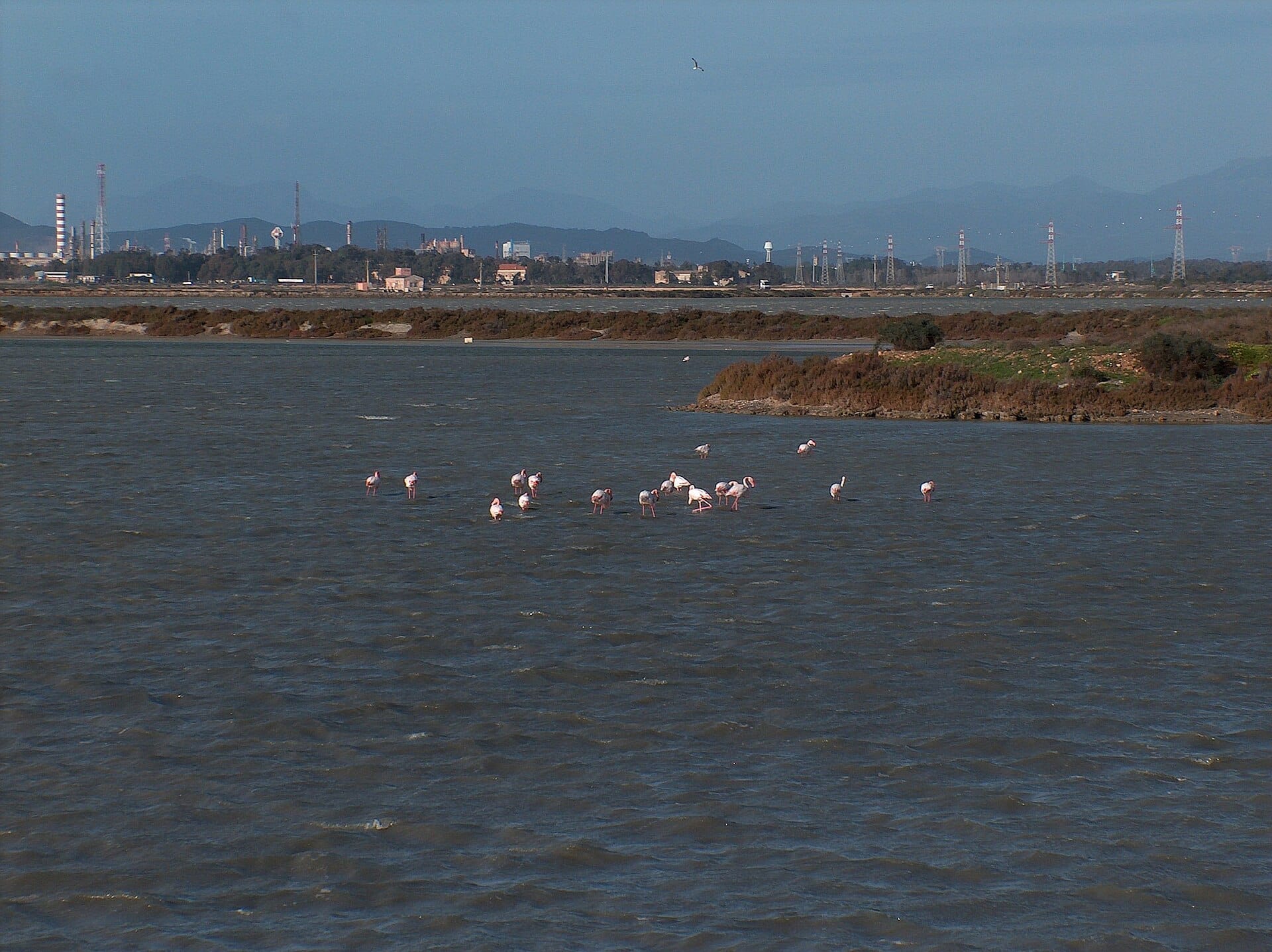
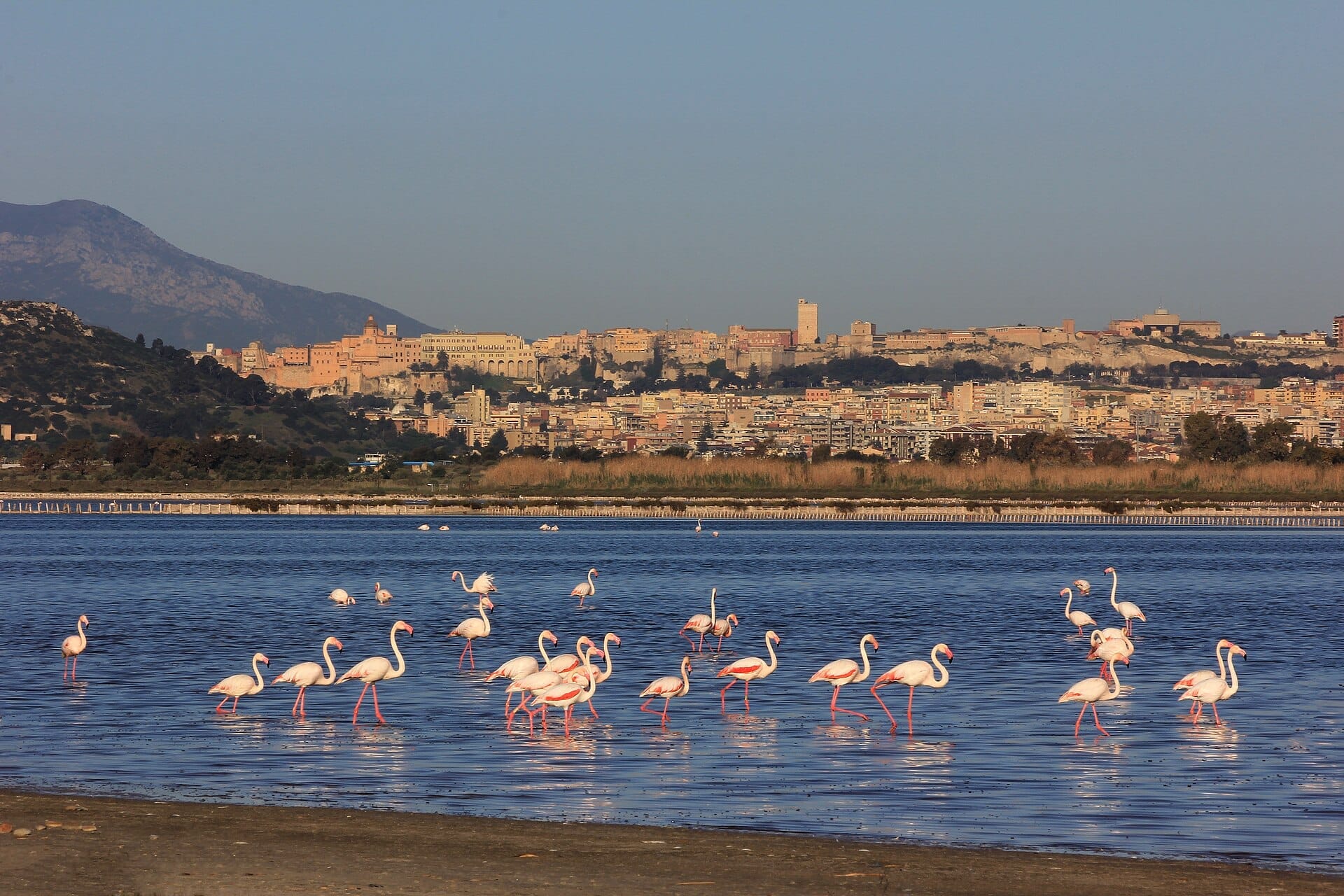
East of the centre, the Molentargius-Saline Regional Park is one of the most unexpected natural assets of any Mediterranean capital city. Greater flamingos breed here, and the salt pans attract a wide range of migratory birds. The park is accessible by bicycle along a dedicated path and takes roughly 30 to 45 minutes to cross on foot from the city's eastern edge. Beyond it lies Poetto beach, where the city comes every day in summer: beach bars, volleyball nets, and water at a temperature that stays swimmable from May through October.
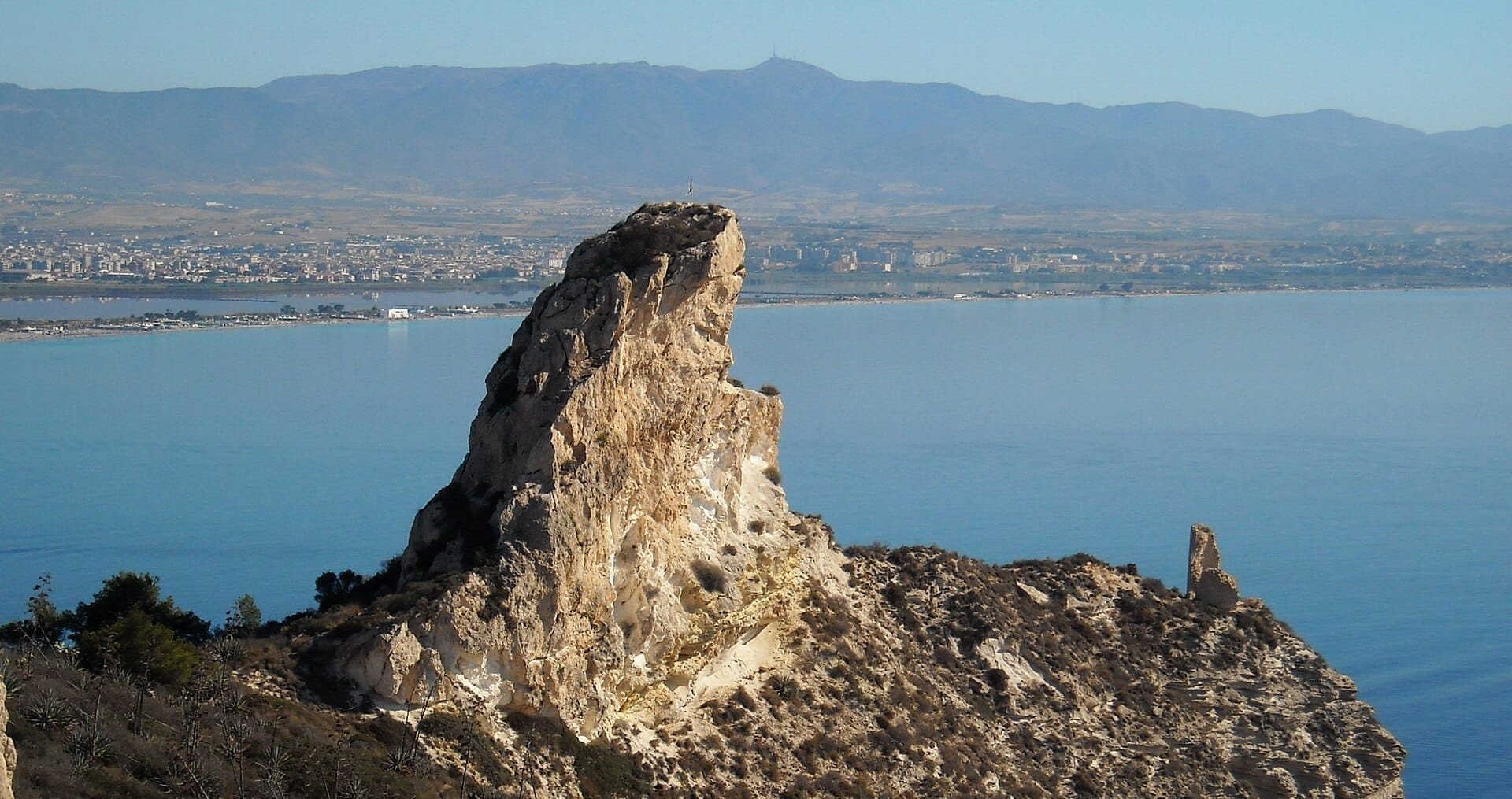
The Sella del Diavolo headland at the western end of Poetto is worth a separate visit. A path climbs through macchia scrub to the ridge, from which you can see the entire sweep of the gulf, the wetlands, and, on clear days, the mountains inland. The walk takes about an hour from the base and is best done in the early morning or late afternoon.
Castello district: medieval fortifications, towers, and panoramic viewpoints
Bastione di Saint Remy: 19th-century bastion connecting lower and upper city
Cathedral of Santa Maria: 13th-century origins, Nuragic and medieval art
Museo Archeologico Nazionale: world-class collection of Nuragic bronzes
Roman Amphitheatre: 2nd-century AD, partially rock-cut into the hillside
Mercato di San Benedetto: two-storey covered market, best visited before noon
Molentargius-Saline Regional Park: flamingos and migratory birds, 1,600+ hectares
Poetto beach: 8km urban beach, accessible by public transport
Sella del Diavolo: coastal headland walk with panoramic views
Cagliari is also a strong base for day trips into southern Sardinia. The Nora archaeological site, the beaches of the southwest, and the megalithic complex at Su Nuraxi di Barumini are all within reach. See the day trips from Cagliari guide for specific routes and timing.
Eating and Drinking
Cagliari's food culture is grounded in the sea and the surrounding agricultural land. The city sits close to the Campidano plain, one of the few fertile areas of Sardinia, so the produce on market stalls and restaurant menus tends to be local and seasonal in a way that feels unforced rather than marketed.
Seafood dominates the waterfront and Marina district restaurants. Bottarga — cured and pressed mullet roe — is a local speciality that appears grated over pasta, shaved over salads, or sliced thin as an antipasto. Spaghetti alle vongole, grilled sea bream, and mixed fritto misto di mare are standard and reliably executed across a wide price range. The area around the port and Via Roma has the highest concentration of tourist-facing restaurants, with prices to match. One street back, the smaller trattorias and osterie in the Marina tend to offer better value.
Inland from the port, the streets of Stampace and the area around Piazza Yenne have a denser concentration of wine bars, aperitivo spots, and cafes. Sardinian wines — particularly Vermentino from the north, Cannonau from the inland Barbagia, and Nuragus from the Cagliari area itself — appear on most wine lists. For more on the island's wine culture, the Sardinia wine guide covers the main grape varieties and production areas in detail.
Street food in Cagliari is less prominent than in Palermo or Naples but not absent. The panino with horse meat or offal sandwiches from small kiosks near the market are specifically Sardinian and worth trying if you are not squeamish. Seadas — deep-fried pastry filled with fresh cheese and drizzled with honey — appear on almost every dessert menu in the city and are as good here as anywhere on the island.
At Poetto, the beach bar scene runs from mid-morning through late evening in summer. The bars here are functional rather than stylish, and the food is mostly bar snacks and sandwiches, but eating a tramezzino with a cold Ichnusa beer while watching the Sella del Diavolo turn pink at sunset is one of the better simple pleasures the city offers.
💡 Local tip
The Mercato di San Benedetto is open Monday to Saturday from early morning until early afternoon. The fish section on the ground floor is the most interesting part and clears out early. Arrive before 10am for the best selection and the liveliest atmosphere.
Getting There and Around
Cagliari Elmas Airport (IATA: CAG) handles flights from most major European cities, with frequency peaking significantly in summer. The airport sits approximately 7km northwest of the city centre. A regional train connects the airport directly to Cagliari's main railway station, with the journey taking around 5 to 7 minutes. Frequency is reasonable during the day and the fare is minimal. Taxis from the airport to the centre are available but more expensive; the train is almost always the better option unless you are travelling with heavy luggage or arriving very late.
The city centre itself is compact enough to navigate almost entirely on foot once you have arrived. The four historic districts cover a relatively small area, and the walk from Via Roma at the seafront to the top of Castello takes around 20 minutes at a steady pace. CTM (Consorzio Trasporti e Mobilità) operates the urban bus network, which connects the centre to Poetto beach, the Molentargius park, and the wider hinterland. The Metrocagliari light rail service extends the reach of public transport into the suburban areas.
For reaching Poetto beach from the centre, public buses run along the coastal road and the journey takes around 15 to 20 minutes depending on traffic. A cycle path also connects the city to the beach via the edge of the Molentargius wetlands, making it a pleasant alternative in the early morning before the summer heat sets in.
For exploring southern Sardinia more widely, a rental car is the most practical option once you leave the city. Sardinia has no motorway network and road distances between towns can be deceptive, but the roads are generally well-maintained. The getting around Sardinia guide covers car hire, regional trains operated by Trenitalia, and ARST bus routes in detail.
ℹ️ Good to know
ARST regional buses and Trenitalia trains connect Cagliari to Oristano and other main towns, while ARST buses provide onward links to Sassari, Olbia, and other northern cities. Journey times are long by mainland Italian standards, and while trains are generally comfortable, punctuality can vary. Check timetables directly with Trenitalia and ARST before travelling, as schedules change seasonally.
Where to Stay
For most visitors, the Marina district offers the best combination of location, atmosphere, and access. Staying here puts you within walking distance of the historic centre, the port, restaurants, and bars, with good bus connections to the beach. The district has a range of hotels and B&Bs at various price points, and the streets are active without being uncomfortably loud.
Castello is quieter and more atmospheric but requires more effort to reach from the port and transport links. Hotels here are fewer and tend toward the boutique end. It suits travellers who prioritise character over convenience and do not mind climbing steps or steep streets. The views from upper Castello are exceptional and the evenings are peaceful, but restaurants and bars require a descent into the lower city.
Staying near Poetto makes sense only if your primary purpose is beach time. The area is further from the historic centre and the cultural attractions, but the seafront setting and proximity to the Molentargius park have their own appeal. For a broader overview of accommodation options across the city and the rest of the island, the where to stay in Sardinia guide provides practical comparisons.
High season in Cagliari runs roughly from late June through August, when rooms book up quickly and prices rise sharply. May, June, and September offer better rates, more manageable temperatures, and shorter queues at the main attractions. The city operates year-round, unlike many Sardinian resort areas, and visiting in October or November means cheap accommodation and a city that belongs entirely to its residents.
Practical Information
Cagliari operates on Central European Time (UTC+1 in winter, UTC+2 during daylight saving). The currency is the Euro. Italy is part of the Schengen Area, so EU and EEA citizens can enter with a national ID card, and many non-EU nationals including Americans, Canadians, Australians, and Japanese citizens can stay visa-free for up to 90 days in any 180-day period. Check current entry requirements before travelling, as rules are subject to change.
Tap water in Cagliari is generally safe to drink, as Italian public water supplies are subject to EU quality standards. Look out for signs indicating non-potable water (acqua non potabile) at fountains or taps in older parts of the city. Italian and Sardinian spoken together are the norm; English is understood in most tourist-facing contexts in the centre but less so in the market and residential areas.
Tipping is not mandatory in Italy and service charges are sometimes included in restaurant bills as a coperto. Rounding up the bill or leaving a small amount for good service is common but entirely optional. The emergency number throughout Italy and the EU is 112.
Cagliari is Sardinia's capital and largest city, offering a genuine urban experience that most of the island's resort areas cannot: history, culture, food markets, and a working port alongside beaches and wetlands.
The four medieval districts (Castello, Marina, Stampace, Villanova) form a compact, walkable historic centre. Castello on the hilltop offers the best views and the most atmospheric streets; Marina is the most convenient base.
Key draws include the Museo Archeologico Nazionale's Nuragic bronze collection, the Bastione di Saint Remy, the Roman Amphitheatre, the Mercato di San Benedetto, the flamingo-filled Molentargius wetlands, and the 8km Poetto beach.
The city suits travellers who want more than a beach holiday: architecture, archaeology, food culture, and good transport connections for day trips into southern Sardinia.
Avoid the Sant'Elia district. Visit the market before 10am. Travel in May, June, or September for better prices and more comfortable temperatures.
Fourteen days is the right amount of time to properly explore Sardinia's four coastlines, mountainous interior, and ancient ruins. This itinerary covers the full circuit by car, from Cagliari in the south to Alghero in the northwest, with practical advice on timing, logistics, and where to skip the tourist traps.
Sardinia has about 1,850 kilometres of coastline and some of the clearest water in the Mediterranean. This guide covers the best beaches across the island, from the famous to the hard-to-reach, with practical advice on access, crowds, and when to go.
Sardinia rewards visitors differently depending on when they arrive. This guide cuts through the vague advice to explain exactly what each season delivers, from peak-summer beach conditions to spring wildflower hikes and quiet winter city breaks, so you can match your trip to your priorities.
Cagliari sits at the southern tip of Sardinia, placing you within striking distance of some of the island's finest beaches, archaeological sites, and natural landscapes. These 20 day trips range from quick 30-minute drives to full-day adventures into the island's wild interior.
Sardinia covers 24,090 km² of mountains, coastline, and rural roads with no motorways. This guide breaks down every realistic transport option, from renting a car to catching the right ferry, so you can plan a trip that actually works.
Sardinia is far more than a beach destination. Its limestone canyons, granite peaks, and ancient shepherd paths offer some of the most dramatic hiking in the Mediterranean. This guide covers the best trails from day walks to multi-day epics.
Sardinia is Italy's second-largest island and one of the Mediterranean's most remarkable destinations — but it rewards those who plan well and punishes those who assume it's just another beach holiday. This guide cuts through the marketing to give you a clear-eyed picture of what Sardinia offers, who it suits best, and what to expect.
Sardinia delivers some of Europe's most coveted luxury travel experiences, from the yacht-lined marina at Porto Cervo to secluded villas with private pools above crystalline coves. This guide breaks down where to stay, when to go, and how to build a high-end Sardinian itinerary that goes beyond the obvious.
Olbia is where most visitors to northeast Sardinia first set foot, then immediately drive away toward Costa Smeralda. That's a mistake. This guide covers what the city actually offers, from its Nuragic roots and early Christian basilica to boat trips around Tavolara, the best nearby beaches, and everything you need to arrive, orient yourself, and explore the Gallura region properly.
Seven days in Sardinia is enough time to experience the island's best beaches, ancient sites, and coastal scenery — but only if you plan carefully. This day-by-day itinerary covers the most rewarding route, with practical logistics, timing advice, and the practical details most guides leave out.
Agriturismo is one of the most rewarding ways to experience Sardinia beyond the coast. This guide covers what a real agriturismo is, where to find the best ones, what food to expect, prices to budget for, and how to avoid countryside guesthouses masquerading as working farms.
Sardinia is home to the world's first identified Blue Zone, a cluster of inland villages in the Ogliastra region where living past 100 is far from unusual. This guide breaks down the research, the lifestyle factors, the villages worth visiting, and how to experience the culture behind the longevity — without the tourist traps.
Sardinia's most spectacular landscapes are only reachable by water. This guide covers the best boat trips across the island, from the pink-sand coves of La Maddalena to the towering limestone cliffs of the Gulf of Orosei, with tips on what to expect, when to go, and how to book.
Sardinia has some of the most spectacular camping terrain in the Mediterranean, from cliff-backed coves to pine-shaded coastal pitches. But the rules around wild camping are strict and widely misunderstood. This guide covers the legal framework, regional campsite highlights, realistic costs, and seasonal booking strategy.
Two islands, 11 km apart, yet remarkably different in culture, cost, and character. This guide breaks down the real differences between Sardinia and Corsica so you can choose the one that actually matches your trip.
Sardinia's festival calendar runs nearly year-round, from winter carnival traditions to autumn food fairs. This guide covers the major events by season, what to expect at each, and how to plan your trip around them without getting caught off-guard.
Sardinian food is not Italian food with a regional accent — it is a cuisine shaped by centuries of pastoral life, coastal abundance, and fierce cultural independence. This guide covers the dishes you need to try, the wines worth seeking out, and how to eat well without getting steered toward the tourist menu.
Sardinia rewards those who look beyond the famous beaches. This guide uncovers the island's lesser-known archaeological wonders, dramatic inland landscapes, and coastal stretches that see a fraction of the summer crowds, from Bronze Age cities to wild dune deserts.
Sardinia delivers some of the Mediterranean's most striking coastal scenery, and it rewards couples who look beyond the obvious. This guide covers the best romantic beaches, the right season to visit, where to base yourself, and the experiences that actually make a trip feel special rather than simply scenic.
May and June are arguably the best months to visit Sardinia. Temperatures sit in the low-to-mid 20s°C, rainfall is minimal, beaches are largely empty, and prices are a fraction of August rates. This guide covers everything you need to plan a trip during Sardinia's sweet spot.
September and October are arguably the smartest months to visit Sardinia. The sea is still warm, the beaches clear out, prices drop by up to 50% compared to August, and the island's food and culture festivals hit their stride. This guide covers everything: what the weather is really like, which beaches and attractions to prioritize, what closes early, and how to plan a trip that beats the summer crowds without missing out on anything.
July and August in Sardinia mean scorching heat, crystal-clear water, and the most crowded beaches in the Mediterranean. This guide breaks down exactly what to expect: temperatures, sea conditions, crowd patterns, transport logistics, and the honest trade-offs of visiting during peak season.
Sardinia's drink culture runs much deeper than Cannonau and Vermentino. From bitter chinotto and blood orange spremuta to coffee granita and herbal aperitivi, the island offers a full range of non-alcoholic options rooted in Italian tradition. This guide covers what to order, when to order it, and what to expect to pay.
Sardinia holds more than 7,000 surviving nuraghe, making it the richest Bronze Age landscape in the Mediterranean. This guide covers the essential Nuragic sites across the island, from towering fortress complexes and sacred wells to rock-cut tombs, colossal stone statues, and hidden village ruins inside mountain sinkholes.
Sardinia has a reputation as a playground for superyachts and celebrity holidays. That reputation is earned in places like Costa Smeralda — but it doesn't apply to the rest of the island. With the right timing, transport choices, and a few local habits, visiting Sardinia on a budget is entirely realistic. This guide breaks down exactly how.
Sardinia rewards self-drivers more than almost anywhere in the Mediterranean. This guide covers everything you need: which airport to fly into, how long routes actually take, when to go, what to rent, and the coastal and inland drives worth building your itinerary around.
Sardinia has some of the clearest water in the Mediterranean, protected by a network of marine reserves that have allowed groupers, barracuda, and Posidonia seagrass meadows to thrive. This guide covers the best snorkelling and diving destinations across the island, from the sheltered coves of the Golfo di Orosei to the offshore shoals of Capo Caccia and the archipelago waters of La Maddalena.
Sardinia has one of the most reliable Mediterranean climates in Europe, but the difference between a perfect trip and a sweaty, overpriced one often comes down to timing. This guide breaks down Sardinia's weather month by month, covers regional climate differences, and tells you exactly when to visit based on what you want to do.
Sardinia is one of Europe's premier destinations for windsurfing and kitesurfing, with reliable Mistral winds, warm water, and spots suited to everyone from first-timers to competition riders. This guide covers the island's top locations, from the world-famous flats of Porto Pollo to the wave-lashed beaches of the south.
Sardinia produces some of Italy's most distinctive wines, from the rich, age-worthy Cannonau of the Barbagia highlands to the mineral Vermentino di Gallura DOCG on the granite soils of the northeast. This guide covers every major grape, appellation, regional style, and where to taste them on the island.
Sardinia is one of the Mediterranean's top destinations for families, with shallow turquoise bays, a long swimming season, and a wealth of activities beyond the beach. This guide covers the best family-friendly beaches by region, when to go, how to get around, and what to do when the kids have had enough sun.
Sardinia rewards travelers who look beyond its famous beaches. This guide covers the island's top experiences — prehistoric ruins, sea caves, coastal hikes, boat trips, and cultural towns — with practical advice on timing, costs, and what to skip.
Sardinia is bigger than most visitors expect, and picking the right base makes or breaks a trip. This guide breaks down every major area, from the glamour of Porto Cervo to the cultural depth of Cagliari, with practical advice on prices, seasonal timing, and how many bases you actually need.