Non-Alcoholic Drinks in Sardinia: What to Sip Beyond the Wine
Sardinia's drink culture runs much deeper than Cannonau and Vermentino. From bitter chinotto and blood orange spremuta to coffee granita and herbal aperitivi, the island offers a full range of non-alcoholic options rooted in Italian tradition. This guide covers what to order, when to order it, and what to expect to pay.
Plan and book this trip
Tools from our partner Travelpayouts help you compare flights and hotels. If you book through them, we may earn a commission at no extra cost to you.
Flights
Hotels map
TL;DR
- Sardinia has a well-developed non-alcoholic drink culture shared with broader Italian tradition, not just wine and spirits.
- Chinotto, spremuta, granita, and mineral water are the everyday staples you will find in any bar or café across the island.
- Seasonal availability matters: blood orange juice peaks in winter, granita dominates summer — timing your visit around the best season affects what you can sip.
- Expect to pay around €2–4 for most cold soft drinks at a bar; freshly squeezed juice costs more due to preparation.
- Non-alcoholic bitter aperitivi are a genuine Italian tradition, not a modern compromise — order them confidently at the evening aperitivo hour.
Why Non-Alcoholic Drinks Matter in Sardinia
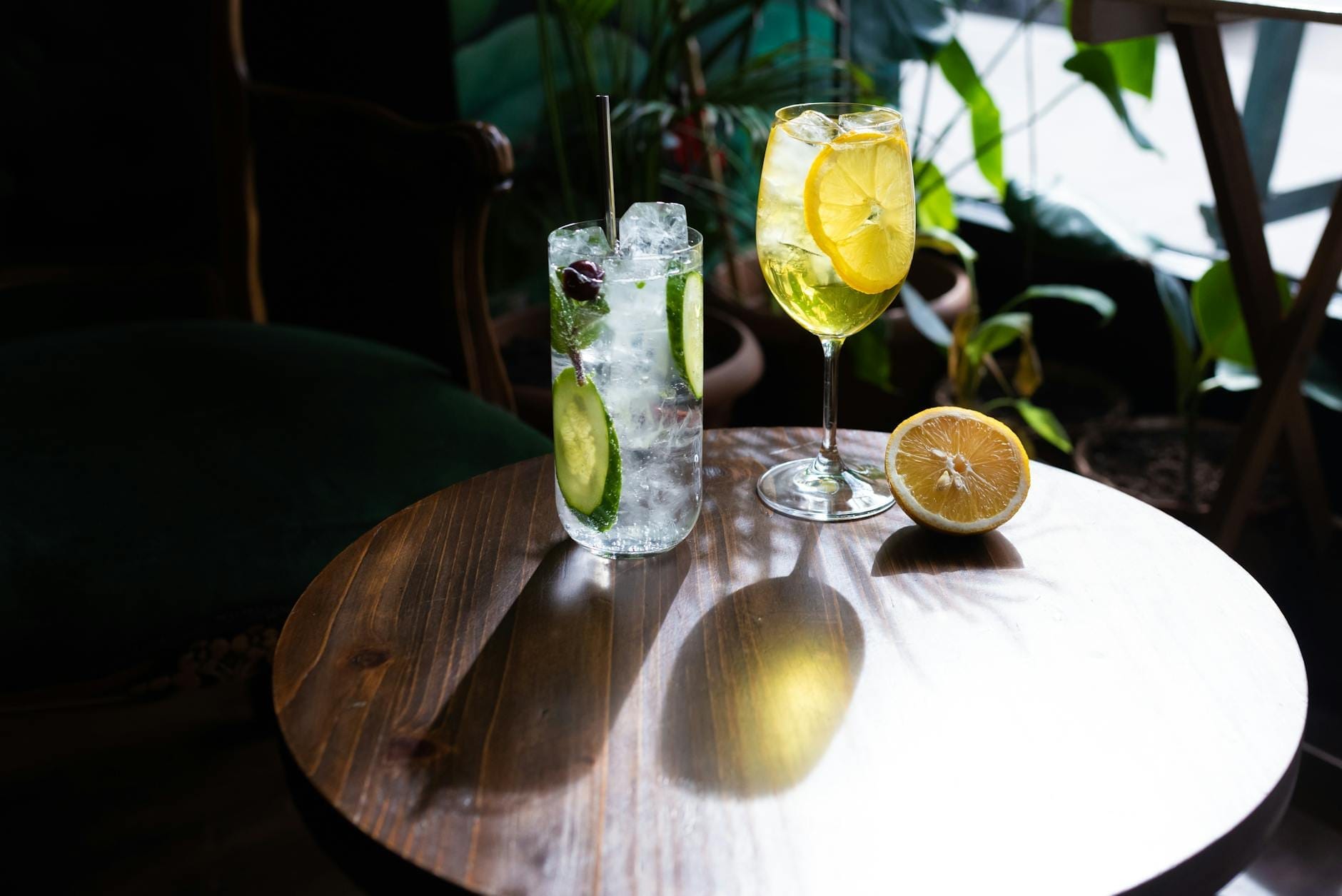
Sardinia is famous for its wines, particularly the robust Cannonau and the crisp Vermentino, and its digestivi like mirto. But the island is part of Italy, and Italian café culture has always placed equal importance on what you drink when you are not drinking alcohol. Sardinian food and drink culture is rooted in daily rituals: the morning espresso, the mid-afternoon granita, the pre-dinner bitter over ice. For travelers who do not drink, are driving, or simply want something refreshing in summer heat that often exceeds 30°C, the options are good.
The misconception that Sardinia's bars only cater to wine and spirits drinkers is exactly that: a misconception. Italian bar culture has always served adults and children side by side, and non-alcoholic drinks are treated as complete beverages with their own rituals, not as afterthoughts. Many of the bitters and citrus drinks you will encounter predate contemporary wellness trends by decades.
ℹ️ Good to know
In Italian, a 'bar' is simply a café — the place where locals start their morning with espresso and return throughout the day for drinks of all kinds. Ordering a non-alcoholic drink in a Sardinian bar is entirely normal and expected.
The Essential Non-Alcoholic Drinks to Know
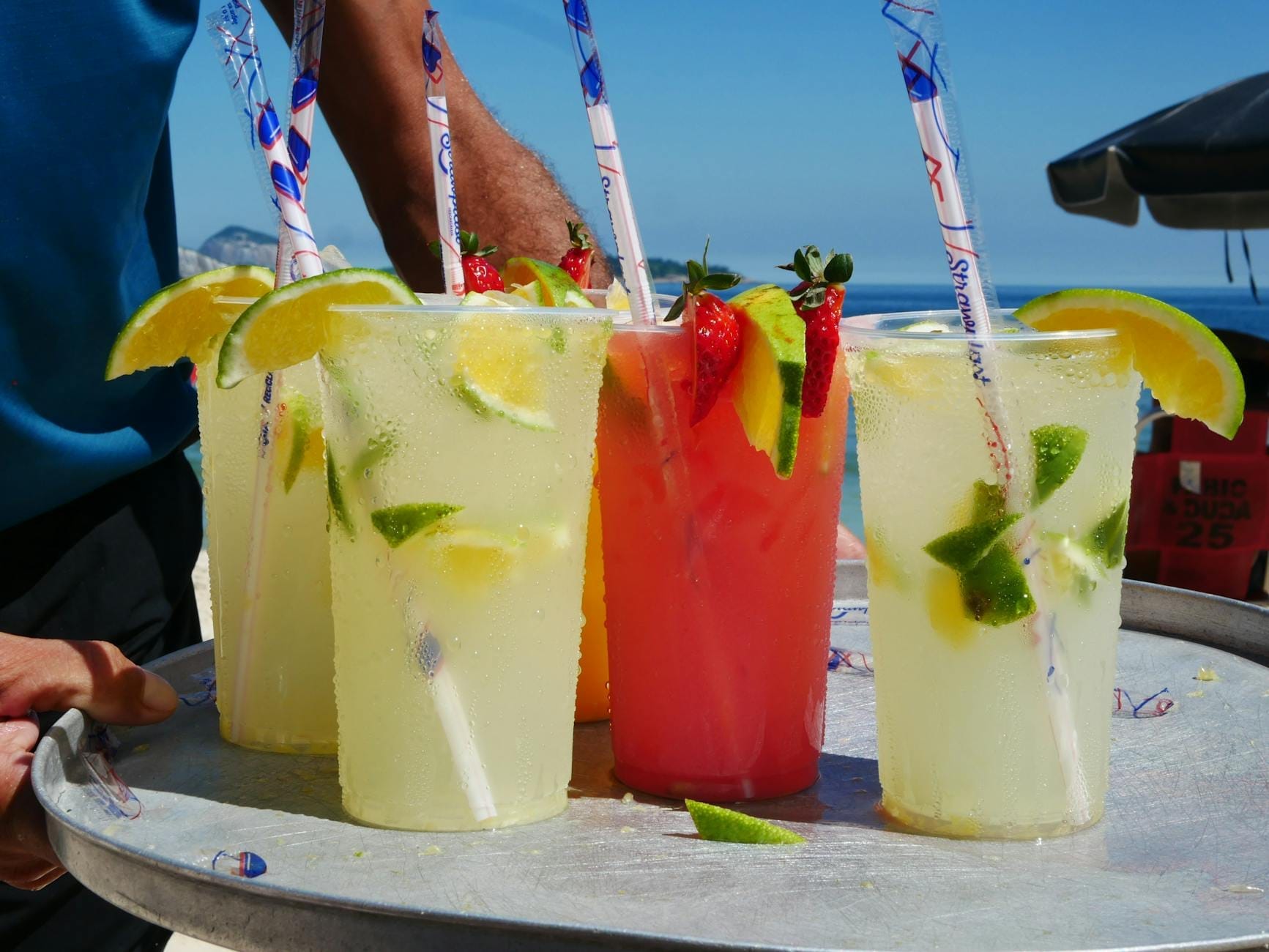
These are the drinks you will encounter consistently across Sardinia, from a corner bar in Cagliari to a beach kiosk on the Costa Smeralda. Understanding what each one is saves you from pointing at the menu and hoping for the best.
- Chinotto A dark, bittersweet carbonated drink made from the chinotto citrus fruit. Often compared to cola but more complex and less sweet, with a pleasantly bitter finish. Served chilled, usually in small glass bottles. This is the drink to order if you want something distinctly Italian and not simply a Coke.
- Spremuta (Freshly Squeezed Juice) Made to order at the bar using a manual or electric press. The standard version uses oranges, but you can also request grapefruit or lemon. Ask for it 'con zucchero' (with sugar) or 'senza zucchero' (without). Blood orange spremuta (spremuta di arancia rossa) is exceptional when available, typically from December through March.
- Granita Crushed or finely ground ice blended with fruit juice, coffee, or almond syrup. More substantial than a slushie, more refined than a smoothie. Coffee granita (granita al caffè) is particularly satisfying in the midday heat. Available at most bars and beachside kiosks from May through September.
- Mineral Water (Acqua Minerale) Still (naturale) or sparkling (frizzante) — always specify which you want. Bottled water is standard in all bars and restaurants. Tap water in Sardinia is generally potable under Italian national standards, though travelers should check local signage, as some rural areas post notices indicating otherwise.
- Non-Alcoholic Bitter Aperitivi Small bottles of herbal, citrus-forward bitters designed to be served over ice, sometimes with a splash of soda. San Pellegrino Sanbittèr is the most widely available example. These are ordered during the aperitivo hour — typically 6pm to 8pm — and pair well with the free snacks that often accompany drinks at this time.
- Iced Tea (Tè Freddo) and Flavored Drinks Commercial iced teas and flavored milks are widely available in supermarkets and from bar fridges, especially during summer. These are everyday convenience drinks rather than cultural experiences, but they are cheap, cold, and everywhere.
The Aperitivo Ritual Without the Alcohol
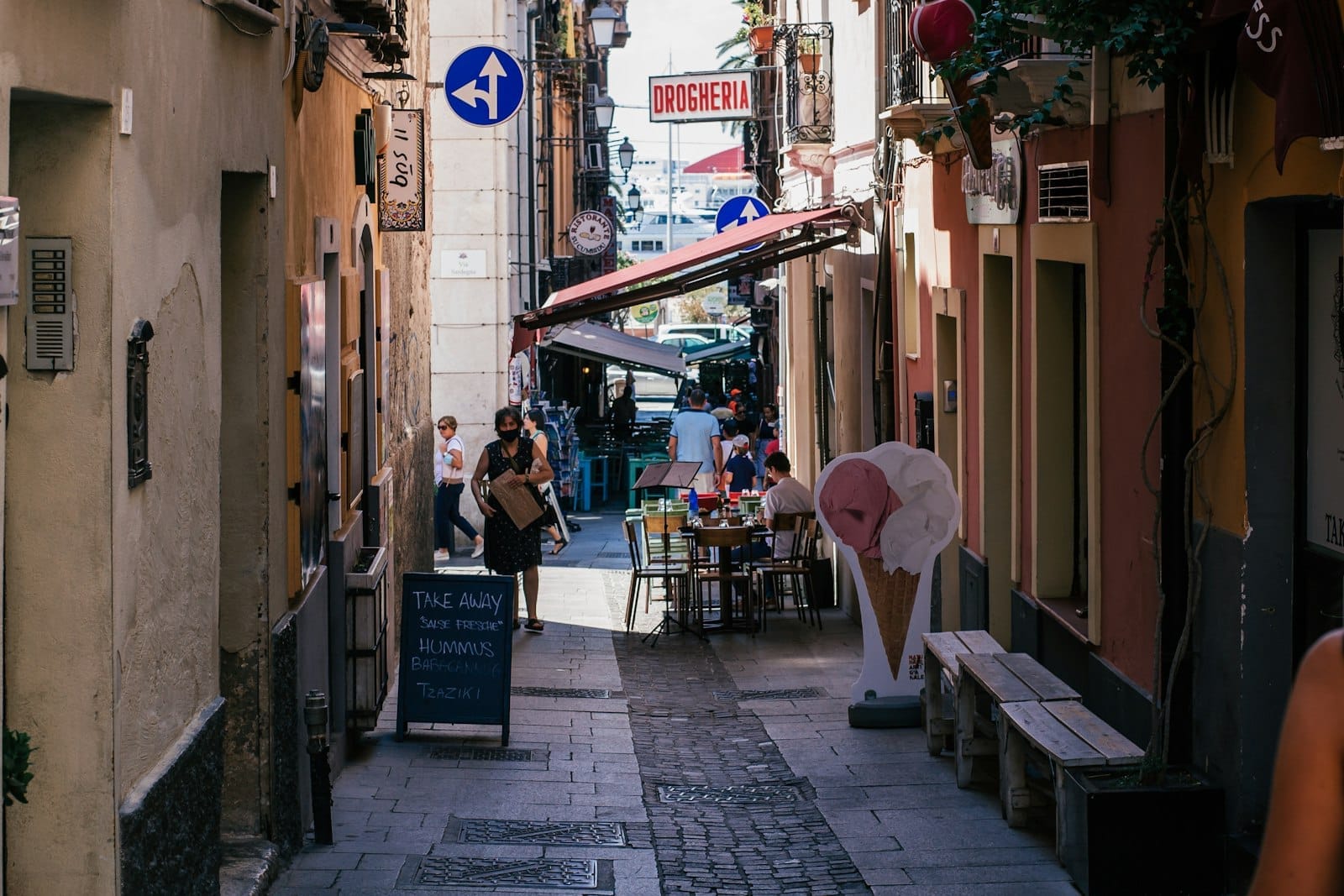
The aperitivo is one of Italy's most sociable rituals, and Sardinia follows it faithfully. Between roughly 6pm and 8pm, bars across the island fill up with people ordering drinks and picking at small plates of olives, chips, bruschetta, or cured meats. The point is not the drink itself — it is the pause between the working day and dinner.
If you want to participate without alcohol, order a Sanbittèr or another non-alcoholic bitter over ice, or ask for a 'analcolico' (non-alcoholic option). Most bars will have at least one. In Cagliari and Alghero, where the bar scene is more developed, you will find a broader selection of non-alcoholic alternatives without needing to explain yourself.
✨ Pro tip
During aperitivo hour, some bars in Cagliari's Marina district and Alghero's old town include free food with any drink order — alcoholic or not. If you are eating light and on a budget, ordering a non-alcoholic bitter at aperitivo hour can effectively serve as a low-cost early dinner supplement.
Seasonal Drink Guide: What to Order and When
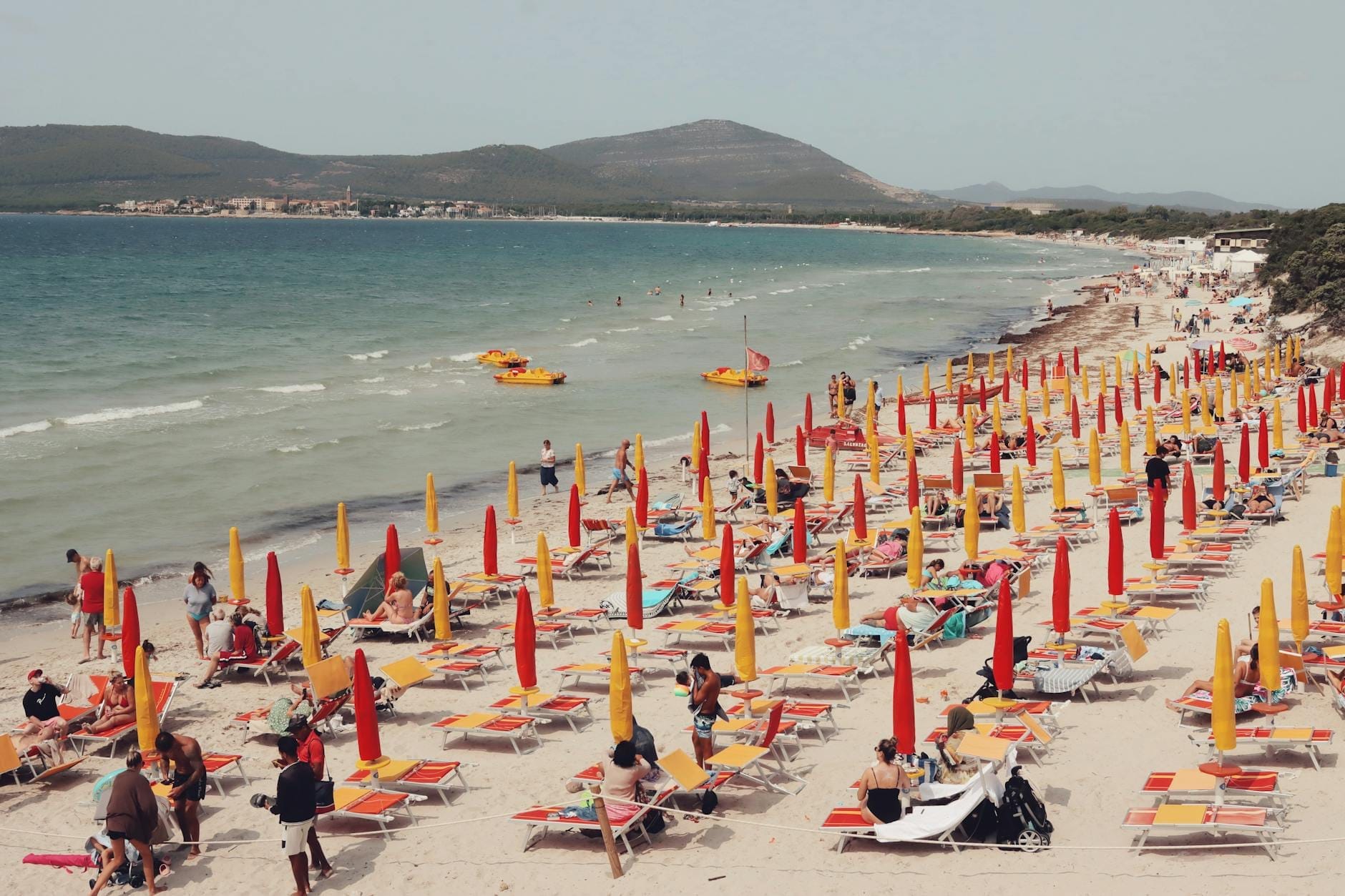
Sardinia's long, hot summers and mild winters create a clear seasonal rhythm for its drink culture. Ordering the right thing at the right time of year makes a real difference in what you get.
- Summer (June to August) Granita in all its forms is king. Coffee granita, lemon granita, and almond granita are the most traditional. Chinotto over ice, cold mineral water, and commercial iced teas are also everywhere. Beach kiosks in areas like Villasimius and the Costa Smeralda stock cold drinks in abundance, though prices at tourist beaches run higher than in town bars.
- Shoulder Season (May, September, October) The heat is still present but more manageable. Granita is still widely available. Lemon and orange spremuta are excellent at this time. Sea temperatures remain good for swimming, and the bar crowds thin out after the peak August rush.
- Winter (December to March) This is blood orange season. A freshly squeezed spremuta di arancia rossa in a Cagliari bar on a cool January morning is one of the more underrated pleasures of visiting Sardinia out of season. Hot chocolate and warm fruit juices also appear on café menus. Granita availability drops significantly outside tourist centers.
- Spring (March to May) Blood orange season tapers off by April. Fresh citrus juices remain widely available. This is a transitional period where both cold and warm drinks coexist on menus before summer fully arrives.
If you are visiting in summer and exploring inland areas like Barbagia and Nuoro or hiking in the Gennargentu range, hydration becomes a practical priority. Cold drinks at altitude are less abundant than on the coast — carry water and plan bar stops around villages rather than assuming kiosk availability on trails.
Where to Order and What to Expect to Pay
Prices for non-alcoholic drinks in Sardinia follow the general Italian bar structure, with some tourist premium applied in high-season coastal areas. At a standard bar in a town center, a can or small bottle of chinotto or a soft drink runs around €2 to €3. A freshly made granita typically costs €2.50 to €4. Freshly squeezed juice (spremuta) is usually €3 to €5, reflecting the labor and fruit involved.
Resort and beach bar prices sit higher. In peak July and August at beach kiosks near Villasimius or along the Costa Smeralda, expect to pay 20 to 40 percent more for the same drinks than you would at an inland town bar. This is not a scam — it is standard Italian tourist-area pricing. If budget matters, buy mineral water at supermarkets and save bar visits for local spots.
⚠️ What to skip
Drinking while standing at the bar (al banco) is always cheaper than sitting at a table (al tavolo) in Italian bars. This is a formal pricing distinction, not a rumor. If you sit down at a Sardinian bar or café, your drinks may cost significantly more. The menu should indicate both prices — check before you order.
Supermarkets throughout Sardinia — including CONAD, PAM, and local chains — stock a wide range of Italian soft drinks, bottled juices, and mineral waters at standard retail prices. For self-catering travelers or those on a tighter budget, this is the most economical route. See our Sardinia on a budget guide for more ways to keep food and drink costs manageable.
Coffee: The Other Drink Culture Worth Understanding
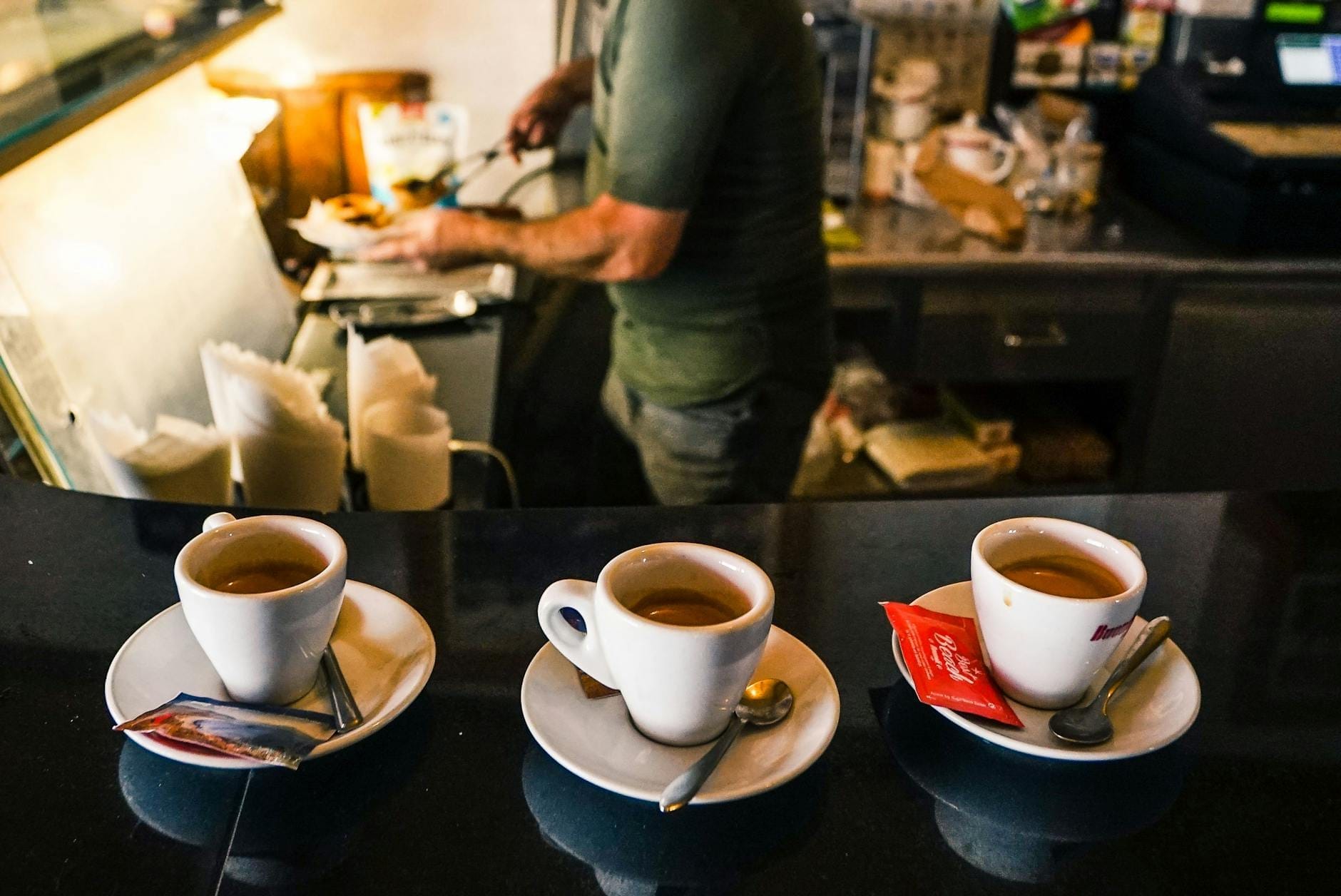
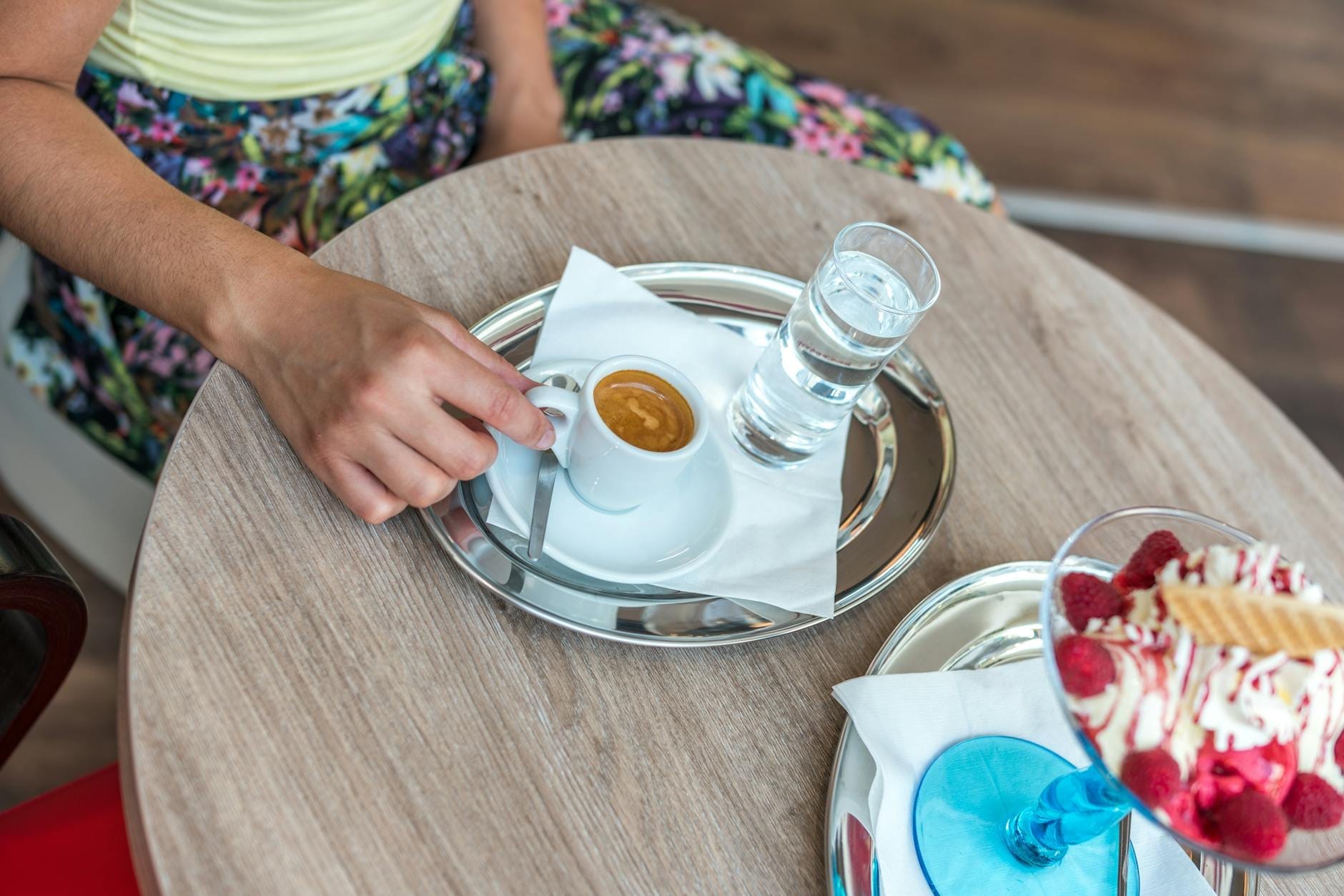
Coffee is not alcoholic, but it deserves its own section because it is central to daily life in Sardinia in a way that nothing else quite matches. The island follows Italian coffee customs: espresso is the default, ordered standing at the bar and consumed in under two minutes. A 'caffè' without further specification means a short, strong espresso.
For those who prefer longer drinks, a caffè americano (espresso diluted with hot water) or a caffè latte (espresso with steamed milk, most commonly ordered in the morning in Italian culture) are available at most bars. Cappuccino after noon is technically a faux pas by Italian standards, though Sardinian bars will serve it to tourists without visible complaint. Cold coffee options include caffè freddo (chilled espresso) and caffè shakerato (espresso shaken with ice and sometimes sugar), both excellent in summer.
Coffee granita paired with a brioche (a soft, slightly sweet bun) is a Sicilian tradition that has spread across southern Italy and appears in Sardinian bars too, particularly in summer. It functions as a legitimate breakfast option and is one of the more satisfying ways to start a hot day before heading to the beach.
FAQ
What non-alcoholic drinks are traditional in Sardinia?
The most distinctly Italian options you will find in Sardinia include chinotto (a bittersweet citrus soda), granita (flavored crushed ice drinks), freshly squeezed spremuta, and non-alcoholic bitter aperitivi like Sanbittèr. Many of these predate modern soft drink culture and are considered traditional beverages rather than alternatives to alcohol.
Is tap water safe to drink in Sardinia?
Tap water in Sardinia is generally potable under Italian national standards, which comply with EU water quality regulations. However, some rural or remote areas may post signs indicating water is not drinkable (non potabile). In tourist centers and major towns, tap water is typically fine. When in doubt, bottled mineral water is inexpensive and widely available.
Where can I find freshly squeezed orange juice in Sardinia?
Freshly squeezed juice (spremuta) is made to order at most Italian bars. Simply ask for 'una spremuta d'arancia' for orange juice, or specify grapefruit (pompelmo) or lemon (limone). Blood orange juice (arancia rossa) is a seasonal option available roughly from December to March. Expect to pay €3 to €5 at a bar, depending on location.
Are there non-alcoholic options for the aperitivo in Sardinia?
Yes. Non-alcoholic bitter drinks like Sanbittèr are a genuine Italian tradition specifically designed for the aperitivo ritual. Ask for an 'analcolico' at any bar and staff will point you to the available options. In larger towns like Cagliari and Alghero, bars increasingly stock a wider range of non-alcoholic alternatives.
What should I drink to stay hydrated while sightseeing in Sardinia in summer?
Sardinian summers are hot, with summer temperatures in Cagliari often reaching around 30°C and frequently higher inland. Carry bottled mineral water at all times. At bars, granita provides both hydration and cooling. Avoid heavy sweet drinks in peak heat as they can increase thirst. If hiking or visiting inland sites, stock up in towns before heading into areas without reliable bar access.