What to Eat in Sardinia: A Complete Food & Drink Guide
Sardinian food is not Italian food with a regional accent — it is a cuisine shaped by centuries of pastoral life, coastal abundance, and fierce cultural independence. This guide covers the dishes you need to try, the wines worth seeking out, and how to eat well without getting steered toward the tourist menu.
Plan and book this trip
Tools from our partner Travelpayouts help you compare flights and hotels. If you book through them, we may earn a commission at no extra cost to you.
Flights
Hotels map
TL;DR
- Sardinian cuisine splits into two distinct traditions: shepherd-based inland cooking (bread, lamb, suckling pig, pecorino) and coastal seafood dishes (bottarga, rock lobster, sea urchin).
- The dishes you will not find elsewhere in Italy include malloreddus, culurgiones, pane carasau, seadas, and mirto liqueur — these are the ones worth prioritising.
- Agriturismi offer the best value for a full Sardinian meal — fixed-price multi-course dinners with wine often beat restaurant prices and quality. See our Sardinia agriturismo guide for how to book.
- Mid-range restaurants charge around €15–€25 for a main course; budget trattorias and local bars can undercut that significantly for simpler dishes.
- Cannonau di Sardegna (red) and Vermentino di Gallura (white) are the two wines to know. For a deeper breakdown, read our Sardinia wine guide.
Understanding Sardinian Food Culture
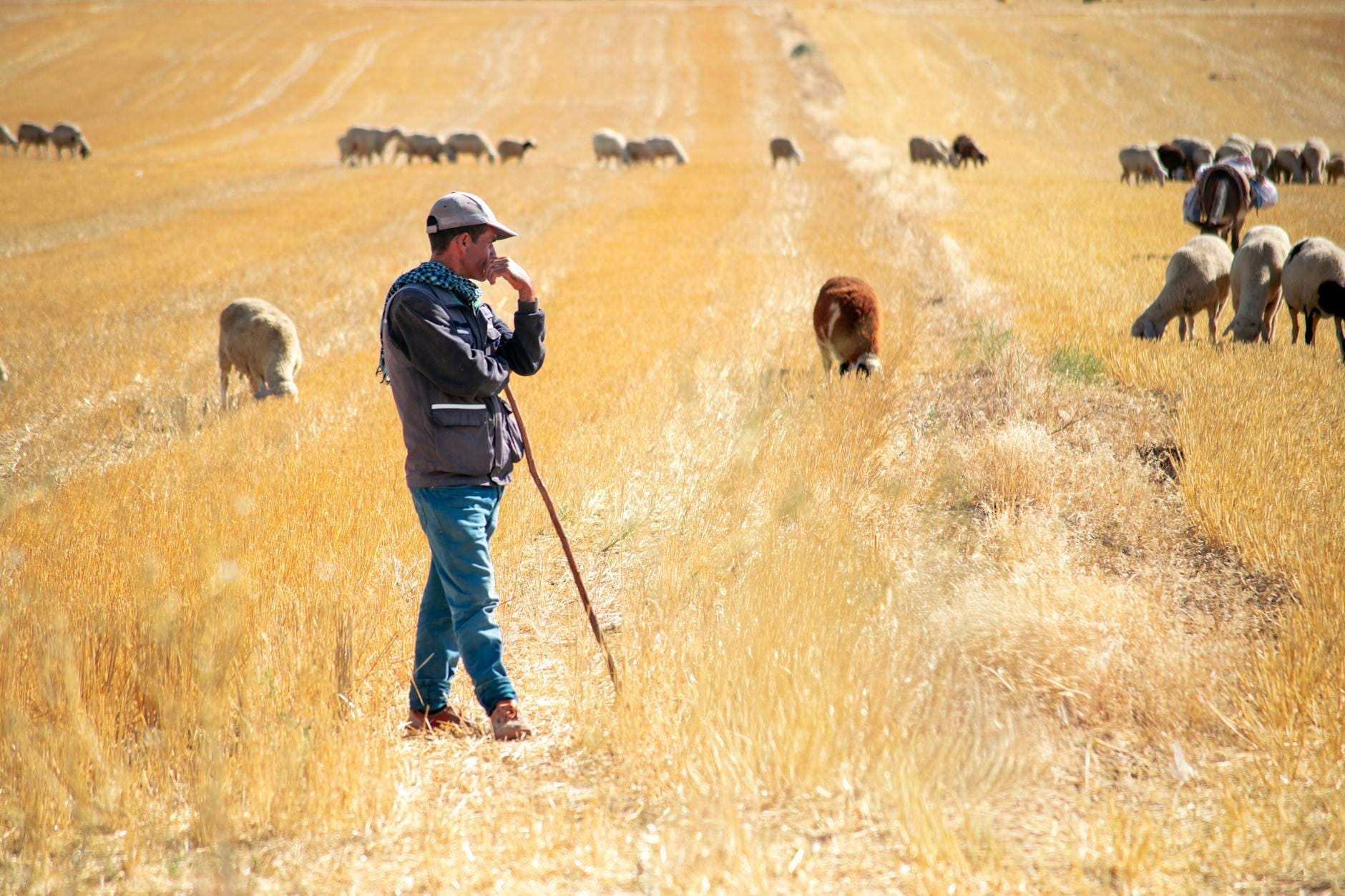
One of the most common misconceptions about eating in Sardinia is that the cuisine is seafood-led. The coast certainly delivers exceptional fish and shellfish, but the deeper culinary tradition comes from the island's interior, from the pastoral communities of the Barbagia and Gennargentu highlands where shepherds lived for months at a time on bread, cheese, cured meats, and dried legumes. This is important context because it shapes both what you will find on menus across the island and why certain dishes feel so distinctive.
Sardinia is an autonomous region of Italy with a population of around 1.6 million, and its food culture reflects centuries of relative isolation from the mainland. Dishes like malloreddus, culurgiones, and pane carasau are unfamiliar to most mainland Italians. Do not expect to find them at home and assume you already know what to expect — the flavour profiles, the textures, and the occasions on which foods are eaten all follow their own logic. Sardinian cooking is also closely tied to the island's status as one of the world's Blue Zones, with a diet historically rich in legumes, whole grains, sheep's milk products, and moderate quantities of meat.
ℹ️ Good to know
The word 'coperto' (cover charge) appears on most Sardinian restaurant bills — typically €1.50–€3 per person. This is standard across Italy and is not a scam. Service is usually included or not expected; small tips of 1–2 euros for good service are appreciated but never obligatory.
Bread, Pasta, and the Dishes You Need to Try
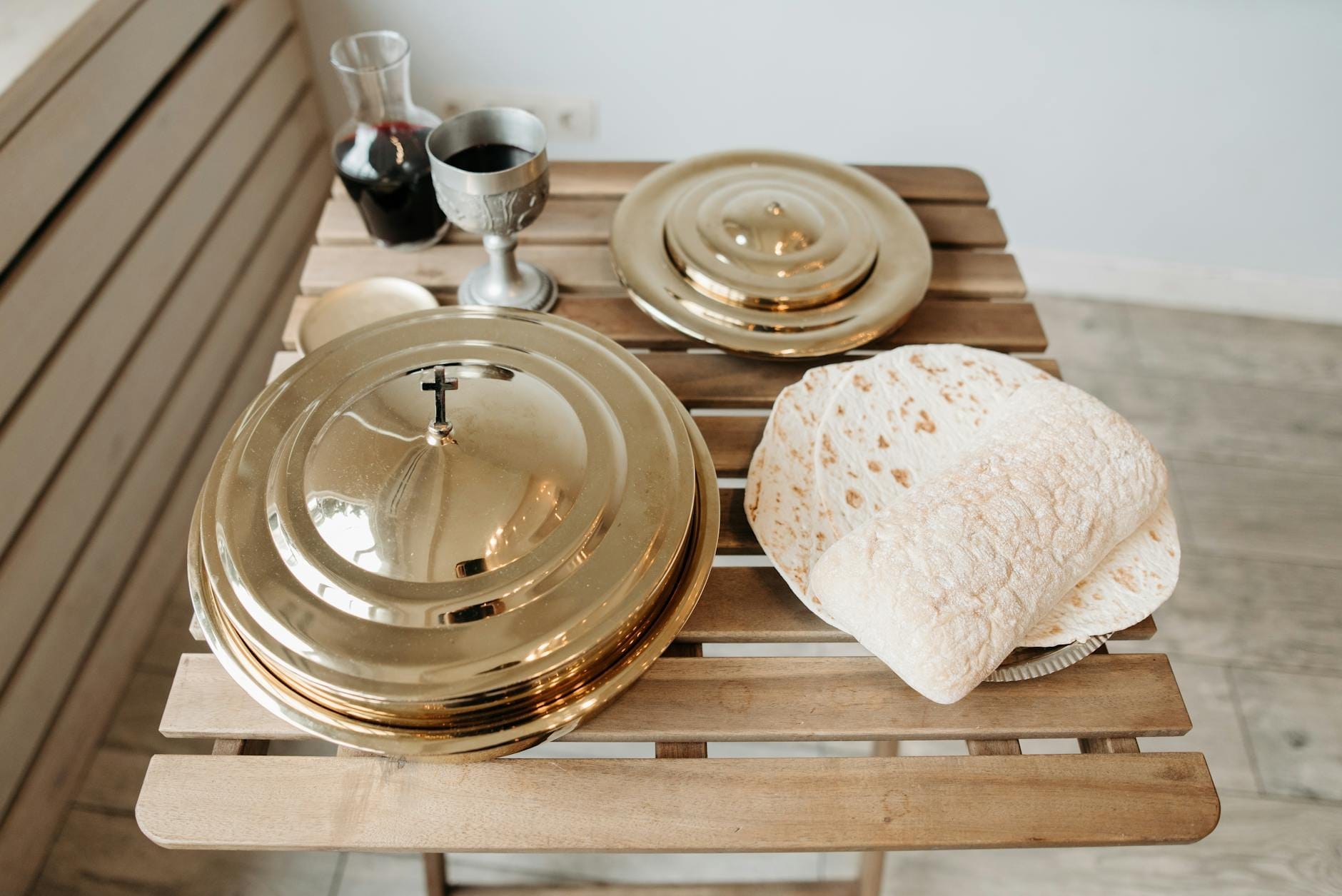
Pane carasau is the starting point for any serious engagement with Sardinian food. This paper-thin, twice-baked flatbread (also called carta musica for the sound it makes when you break it) was developed specifically for shepherds who needed provisions that would keep for weeks without refrigeration. It is served at almost every table as a bread substitute, and when drizzled with olive oil and salt it becomes pane guttiau — a snack you will keep returning to. The industrial versions sold in supermarkets are fine for taking home; the fresh artisanal kind, still warm from a wood oven, is something else entirely.
The two pastas that define Sardinian cooking are malloreddus and culurgiones. Malloreddus (also called gnocchetti sardi) are small ridged semolina dumplings, slightly chewy, typically served with a sausage and tomato ragu flavoured with saffron — a spice that has been cultivated in Sardinia, particularly around the Oristano area, for centuries. Culurgiones are filled pasta from the Ogliastra region: crescent-shaped parcels with a filling of potato, pecorino, and fresh mint, sealed with a distinctive wheat-ear plait. They are usually served simply with tomato sauce and aged pecorino. Both dishes appear year-round, but culurgiones are especially associated with the Ogliastra interior, where local versions vary by village.
- Pane carasau Twice-baked flatbread from the shepherd tradition. Eaten plain, with olive oil (pane guttiau), or layered with toppings as pane frattau.
- Malloreddus Ridged semolina pasta with sausage-and-saffron ragu; the definitive Sardinian primo.
- Culurgiones Filled pasta with potato, pecorino, and mint, sealed in a distinctive plait. Best in the Ogliastra villages where they originate.
- Fregula Toasted semolina pellets resembling large couscous, typically served in a clam or seafood broth — one of the best bridges between inland and coastal cooking.
- Su porceddu Whole suckling pig roasted slowly over myrtle and juniper wood, the centrepiece of celebrations and agriturismi menus.
- Seadas (sebadas) Fried pastry filled with fresh pecorino and lemon zest, drizzled with bitter honey. One of the island's great desserts.
Meat, Cheese, and the Pastoral Table
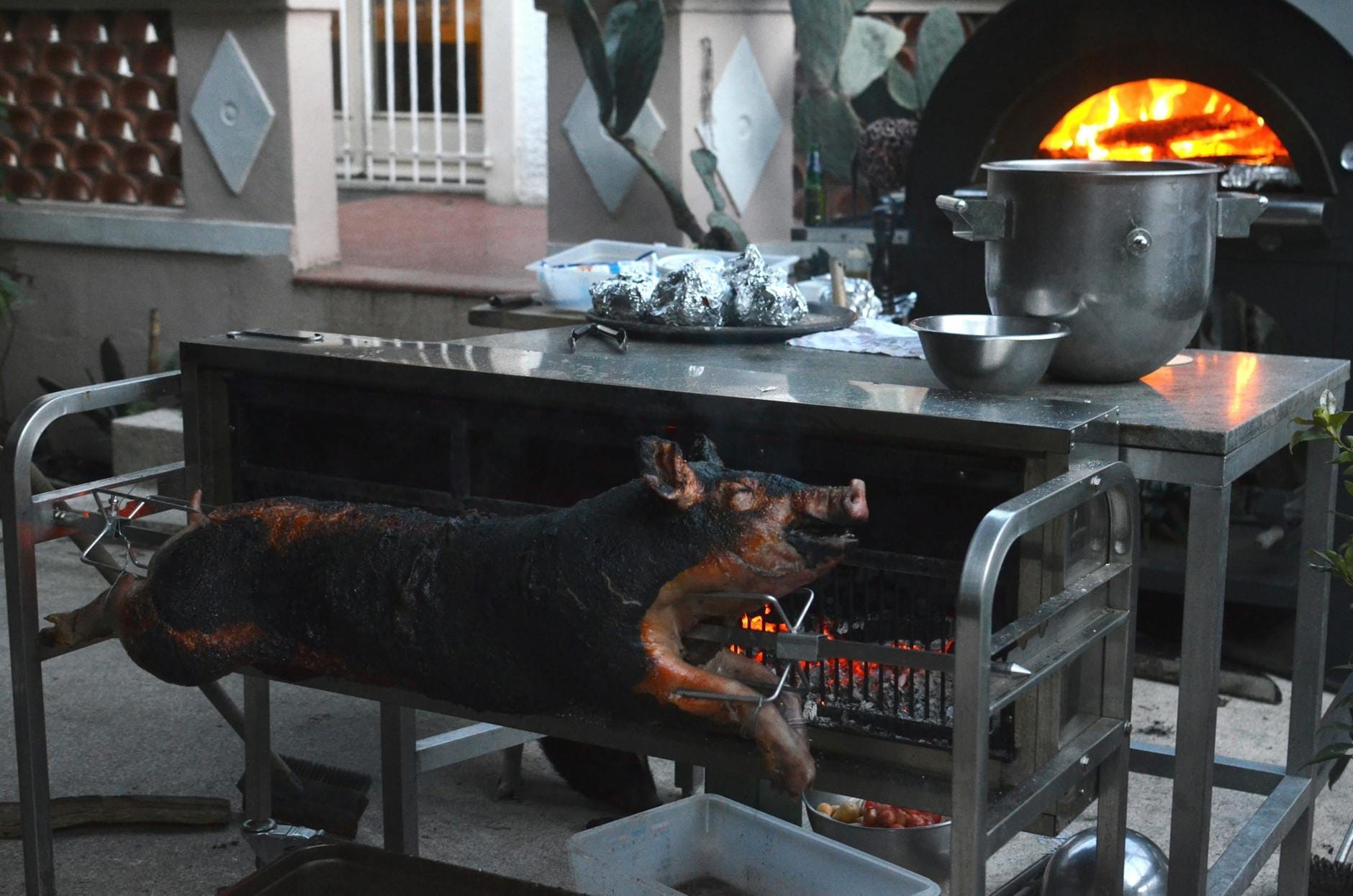
Su porceddu — whole suckling pig roasted over aromatic wood — is the dish most closely associated with Sardinian celebrations, festivals, and agriturismo dinners. The traditional method involves a long, slow cook over myrtle, juniper, and rosemary, which gives the meat a faintly resinous perfume. It is not an everyday dish; in the pastoral tradition it was reserved for Sundays, weddings, and saint's days. If you encounter it mid-week at a tourist restaurant without any ceremony, it is worth asking whether it was roasted fresh or reheated. The real thing is worth the search.
Pecorino sardo is the island's defining cheese, available in two main forms: dolce (young, soft, mild, aged around 20–60 days) and maturo (aged, firmer, sharper, used widely for grating). Fiore sardo is a more rustic alternative, traditionally made with raw sheep's milk and smoked, with a more intense flavour profile. Both cheeses appear throughout the meal — as an antipasto, grated over pasta, stuffed inside culurgiones, and served with honey for dessert. Fresh ricotta from sheep's milk is also common, lighter and sweeter, often eaten for breakfast with honey or used in pastries.
⚠️ What to skip
Casu marzu — the fermented sheep's cheese containing live insect larvae — is occasionally marketed to tourists as a must-try novelty. It is technically illegal to sell under EU food safety regulations, so any version offered commercially should be treated with caution. It exists and is consumed within certain communities, but seeking it out as a tourist experience often means paying for something of dubious provenance.
Coastal Seafood: What to Order and Where
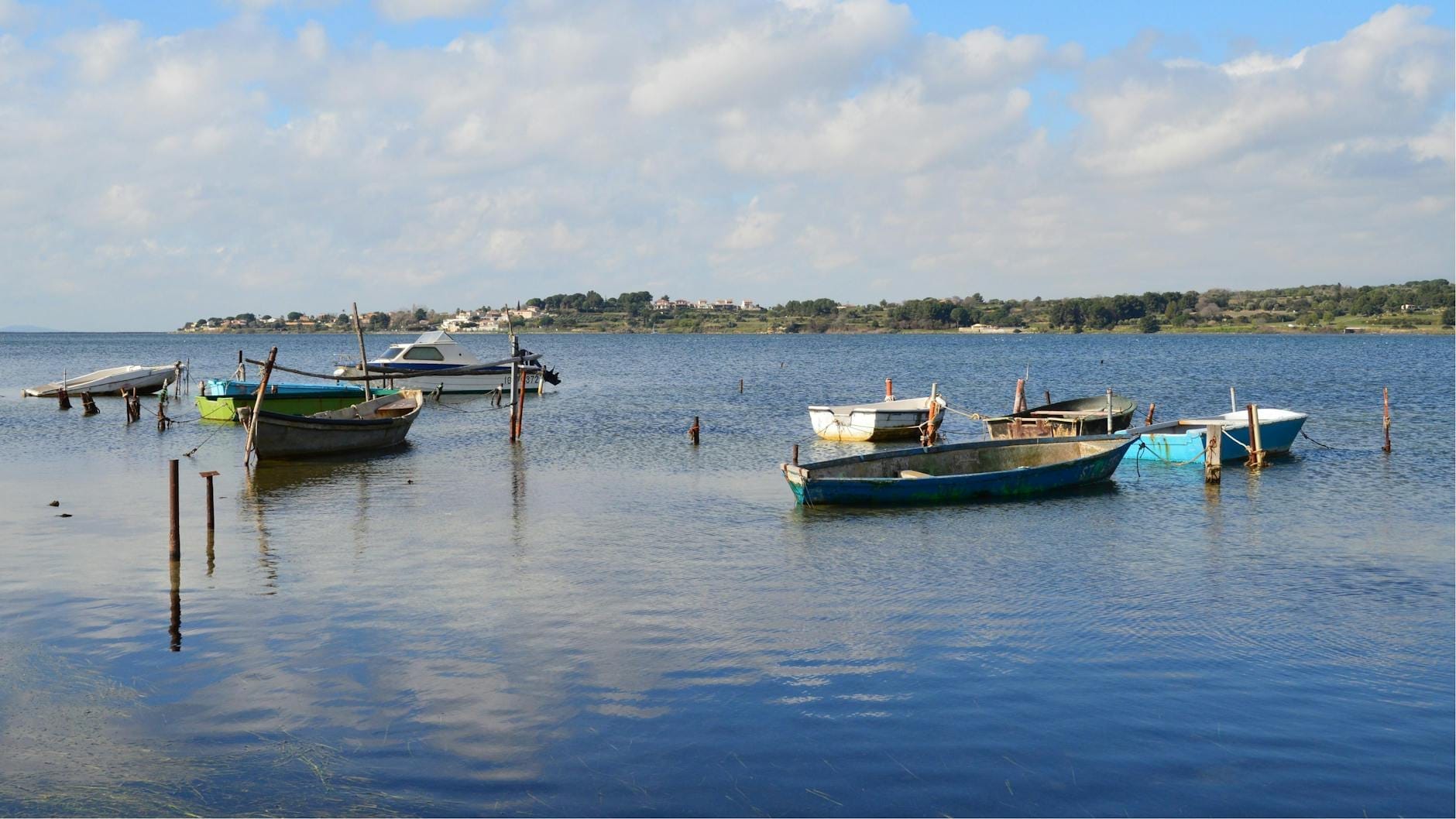
Bottarga di muggine — the pressed, salt-cured roe of grey mullet — is one of Sardinia's most prized exports, produced primarily around the lagoons of Cabras on the west coast. It is sold as a dense amber block or pre-grated, and used sparingly: shaved over pasta with olive oil and lemon, or spread thinly on bread. The flavour is intensely savoury and briny, closer to aged parmesan in concentration than to fresh fish roe. Quality bottarga is expensive (expect to pay €40–€80 for a decent whole piece), and supermarket grated versions lose nuance quickly. Buy from a specialist deli or direct from a producer if you visit the Oristano area.
Aragosta (spiny rock lobster) prepared alla catalana — poached and served with tomato, onion, and olive oil — is the signature seafood dish of Alghero and the northwest coast, reflecting the city's Catalan heritage. It is excellent when fresh, but is priced accordingly: expect to pay €45–€70 for a portion at a decent restaurant in high season. Along the Golfo di Orosei, smaller trattorias near the water often serve simpler, better-value fish menus — mixed grilled fish, pasta with sea urchin, clam-based soups — that reflect what is actually caught locally that day.
- Bottarga di muggine — grated or shaved over pasta; buy from a deli in Cabras or Oristano for the best quality.
- Aragosta alla catalana — Alghero's signature lobster dish; best in spring and early summer when lobster is in season.
- Ricci di mare (sea urchin) — eaten raw on bread or over pasta; available in late autumn through spring, not summer.
- Spaghetti alle vongole or clams in white wine — common across coastal restaurants; a reliable benchmark for kitchen quality.
- Tonno (bluefin tuna) — historically important in southwestern Sardinia around Carloforte and Portoscuso; grilled tuna steaks or tuna bottarga are local specialities.
- Fritto misto di mare — mixed fried seafood; a safe, crowd-pleasing option that shows off fresh local catch without complexity.
✨ Pro tip
Sea urchin (ricci di mare) is a seasonal product — the harvesting season runs roughly from November to April. Restaurants serving ricci in July and August are almost certainly using frozen product. If you visit in shoulder season, fresh sea urchin pasta is one of the best things you can eat on the island.
Desserts, Pastries, and Sweet Traditions
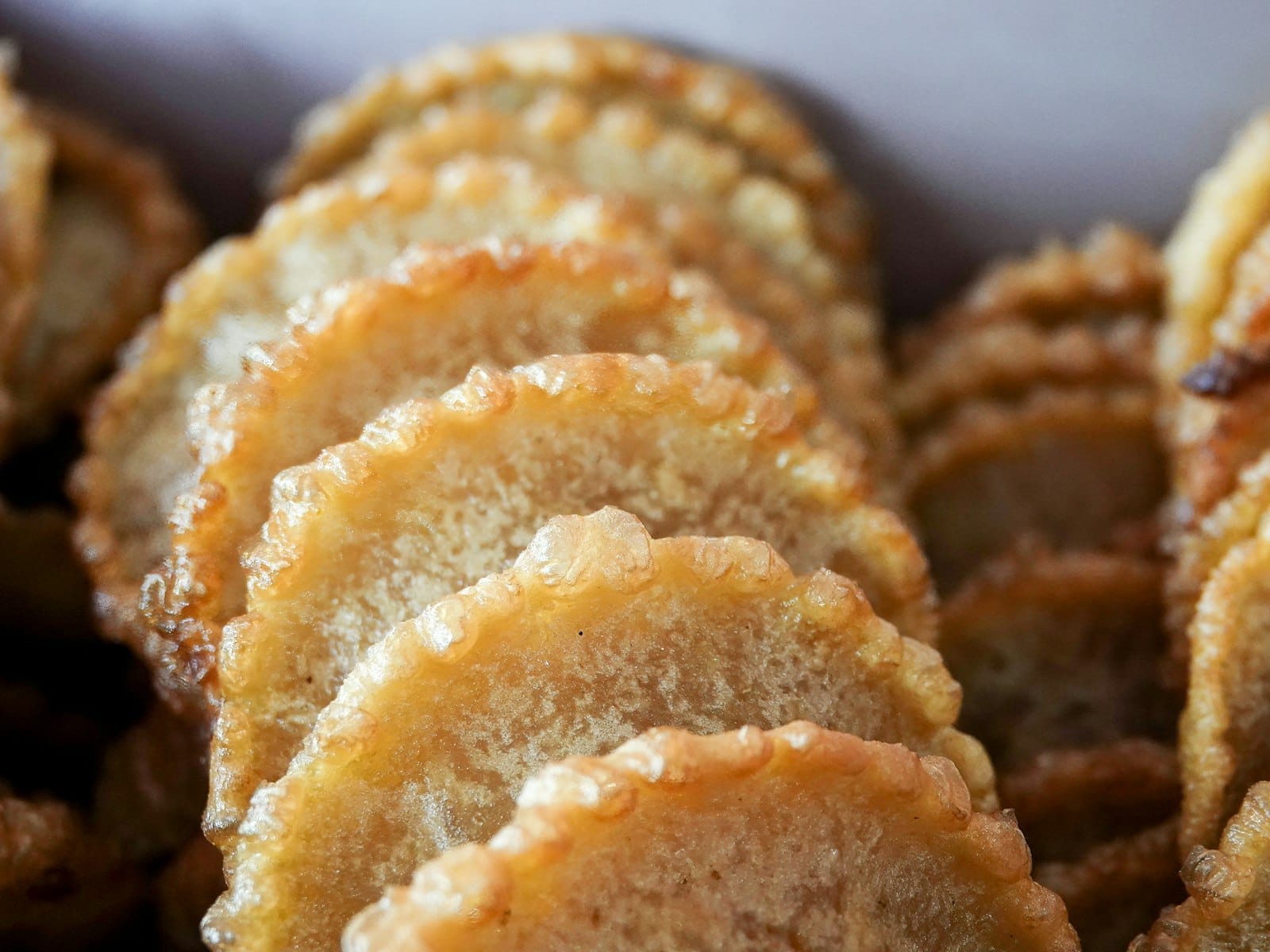
Seadas (also spelled sebadas) are the most internationally recognised Sardinian dessert: deep-fried pastry parcels filled with fresh, slightly acidic pecorino and lemon zest, served hot and drizzled with bitter honey — typically corbezzolo (arbutus) honey, which has a distinctive mildly bitter finish that cuts through the richness of the fried pastry. The combination sounds unusual but works precisely because of the tension between savoury cheese, crispy pastry, and the honey's bitterness. They appear on virtually every restaurant dessert menu. Quality varies: the best are made fresh and fried to order; the worst are reheated and soggy.
Beyond seadas, Sardinia has a rich tradition of small festival pastries that vary considerably by region and occasion. Casadinas (also called formagelle in some areas) are small open tarts filled with fresh ricotta or pecorino flavoured with saffron, lemon, and sometimes orange — lighter and less sweet than they sound. Pan'e saba is a dense, dark festive bread made with grape must (saba), dried fruit, walnuts, and spices, traditionally prepared for All Saints' Day and Christmas. Amaretti sardi, made from bitter almonds, are firmer and less sweet than the mainland version. Most of these pastries are sold at local pasticcerie and markets, where they cost a fraction of what restaurants charge.
Wine, Mirto, and What to Drink
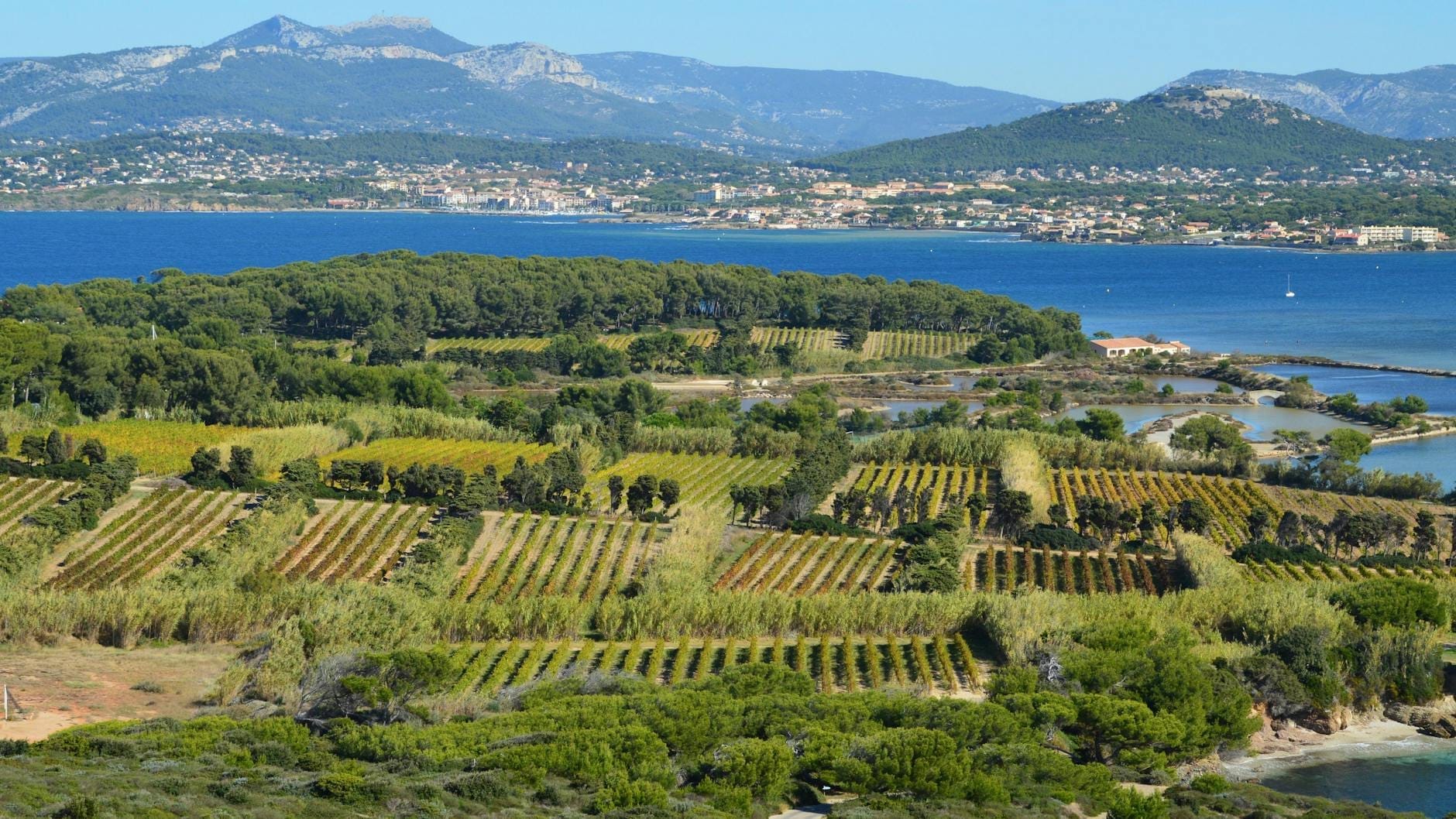
Two wines define Sardinia more than any others. Cannonau di Sardegna is a DOC red wine made from the Cannonau grape (the same variety as Grenache/Garnacha elsewhere in the Mediterranean), grown across much of the island's interior. It produces full-bodied reds with earthy, berry-forward character and relatively high alcohol — typically 13.5–15%. The grape has been cultivated in Sardinia for thousands of years, and some researchers have linked the island's high concentration of centenarians in the Blue Zone of the Barbagia to moderate daily consumption of Cannonau. The claim is compelling but should not be taken as medical advice.
Vermentino di Gallura DOCG is the island's most prestigious white wine, produced in the northeastern Gallura region from the Vermentino grape. It is crisp, aromatic, and slightly bitter on the finish — ideal with seafood and bottarga. Simpler Vermentino di Sardegna DOC wines are made across the island and offer good value at €8–€15 a bottle in local shops. Nuragus di Cagliari is another local white worth trying if you are in the south: lighter, more neutral, and well-suited to simple fish dishes. Alongside wine, mirto rosso — a liqueur made from wild myrtle berries — is the standard digestivo across the island. It is sweet, slightly herbal, and served cold after meals. Mirto bianco, made from the white berries, is less common but worth seeking out.
Where and How to Eat: Practical Advice
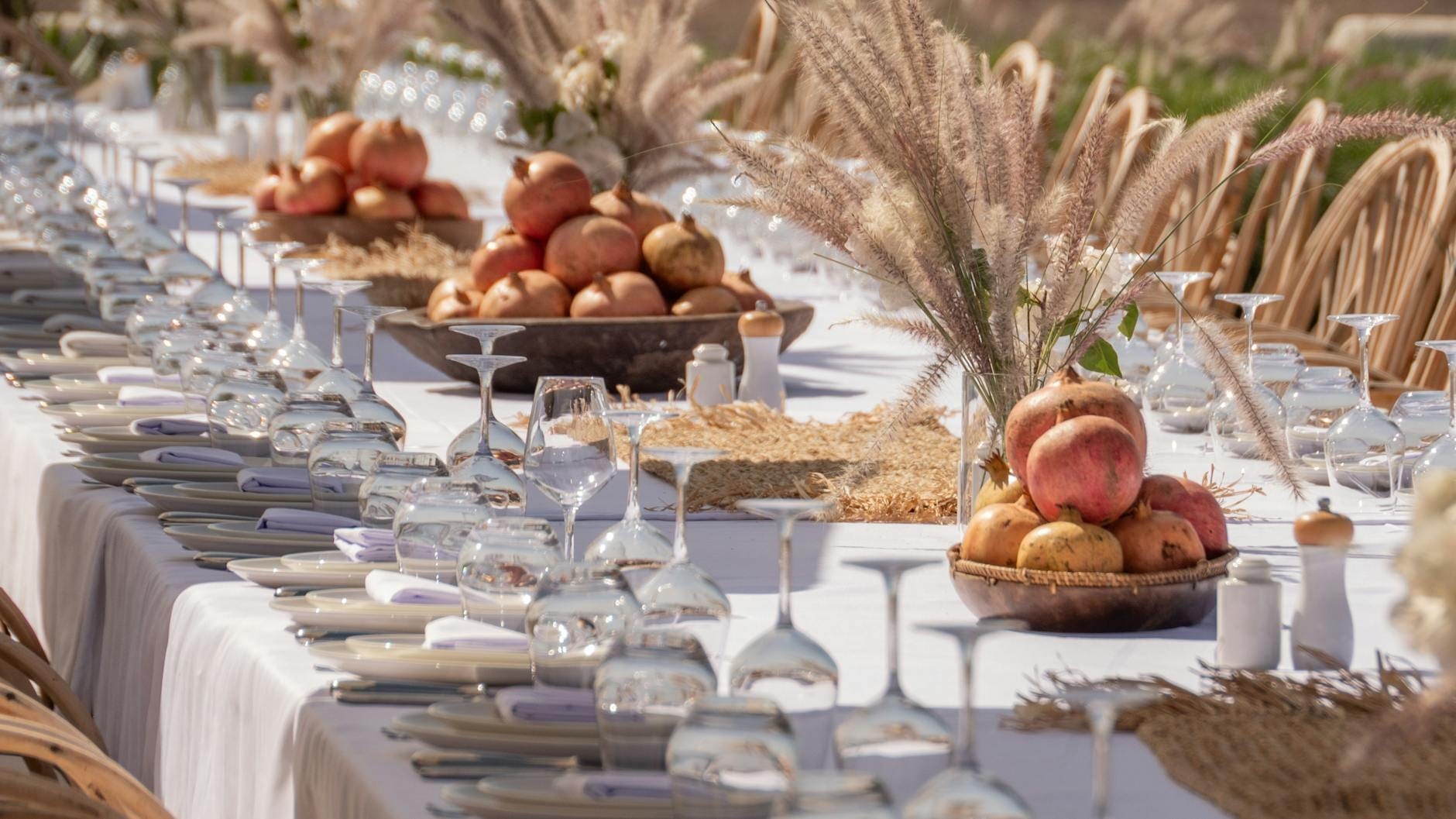
The agriturismo is the most reliable format for experiencing traditional Sardinian cooking in full context. These farm-based restaurants typically offer a fixed-price menu of four to six courses — antipasti, pasta, meat, cheese, dessert, and wine included — for €25–€45 per person depending on location and season. The cooking is usually done by the family that runs the farm, and the ingredients (pork, lamb, pecorino, bread, olive oil) are often produced on-site. Booking ahead is essential, especially in summer. See our dedicated Sardinia agriturismo guide for what to expect and how to find the best options.
In cities and larger towns, the distinction between a trattoria and a ristorante matters. A trattoria typically offers simpler, more traditional food at lower prices, with fewer courses and less formal service — this is usually where you eat better for less. Ristoranti in tourist areas often charge €15–€25 for a main course and can feel polished but generic. Bars and cafes serve food throughout the day: pastries and coffee in the morning, tramezzini (filled sandwiches) and arancini at lunch, aperitivo snacks in the evening. An aperitivo with a glass of local wine at a bar is both the cheapest and often the most enjoyable eating experience in Sardinia.
💡 Local tip
Lunch (pranzo) is still the main meal of the day in most of Sardinia, particularly outside the major tourist resorts. Many restaurants outside cities close on Monday, and kitchens typically stop serving lunch at 14:30 and dinner before 22:00. Showing up at 13:00 rather than 12:00 or 14:30 is the simplest way to get a table without a booking at busy trattorie.
Markets are an underused resource for food in Sardinia. The Mercato di San Benedetto in Cagliari is the largest covered market in Italy by footprint and offers the best single-location overview of Sardinian produce: fresh fish on the lower floor, fruit, vegetables, meat, cheese, and cured products on the upper level. Prices are significantly lower than supermarkets for fresh produce, and you can buy bottarga, pane carasau, fiore sardo, and mirto to take home in quantities that actually make sense.
FAQ
What is the most famous food in Sardinia?
Pane carasau (the paper-thin flatbread), malloreddus (semolina pasta with sausage and saffron), culurgiones (filled pasta with potato and pecorino), su porceddu (roast suckling pig), and seadas (fried pastry with honey) are the most distinctively Sardinian dishes. Bottarga di muggine — salted, cured grey mullet roe — is the island's most prized export ingredient.
Is Sardinian food very different from Italian food?
Yes, significantly. While pizza and standard Italian pasta dishes are available across the island, the traditional local cuisine is quite distinct: the breads, the pasta shapes, the cheese varieties, the specific cuts and preparations of meat, and the desserts are products of Sardinia's own agricultural and pastoral history. Dishes like malloreddus, culurgiones, pane carasau, and mirto are not common on the Italian mainland.
What wine should I drink in Sardinia?
For red wine, Cannonau di Sardegna DOC is the island's signature — full-bodied, earthy, and food-friendly. For white wine, Vermentino di Gallura DOCG from the northeast is the most prestigious option, while simpler Vermentino di Sardegna works well with seafood. After dinner, order mirto rosso, the myrtle berry liqueur served cold — it is the standard digestivo across the island.
How much does a meal cost in Sardinia?
A main course at a mid-range restaurant costs around €15–€25. A full meal with wine at a decent trattoria typically runs €30–€50 per person. Agriturismi often offer the best value — a four to six course fixed-price dinner including wine and water typically costs €25–€45 per person. Budget options like bars, local cafes, and market stalls can bring a satisfying lunch under €10.
When is the best time to eat seafood in Sardinia?
Spring through early summer (April to June) is the best period for most seafood, including lobster (aragosta), which is at its finest before the peak summer heat. Sea urchin (ricci di mare) is a winter and early spring product — roughly November through April. In high summer (July–August), some species are out of season and restaurants may be using frozen product; if freshness matters, ask your server what came in that day.