Sardinia Wine Guide: Cannonau, Vermentino & Beyond
Sardinia produces some of Italy's most distinctive wines, from the rich, age-worthy Cannonau of the Barbagia highlands to the mineral Vermentino di Gallura DOCG on the granite soils of the northeast. This guide covers every major grape, appellation, regional style, and where to taste them on the island.
Plan and book this trip
Tools from our partner Travelpayouts help you compare flights and hotels. If you book through them, we may earn a commission at no extra cost to you.
Flights
Hotels map
TL;DR
- Sardinia has 1 DOCG (Vermentino di Gallura), 17 DOC appellations, and dozens of native grape varieties that go far beyond Cannonau and Vermentino.
- Cannonau (Grenache) covers roughly 30% of plantings and thrives inland in the Barbagia and Nuoro region; Vermentino di Gallura DOCG is the island's only top-tier appellation, produced in the northeast near Gallura.
- Entry-level bottles are affordable: Vermentino di Sardegna often under €10, Cannonau di Sardegna under €20 in local shops.
- Don't overlook the outliers: oxidative Vernaccia di Oristano, Carignano del Sulcis from the southwest, and the rare Torbato white from Alghero.
- For pairing context, read the Sardinia food guide alongside this one — the island's cuisine and wine traditions are deeply intertwined.
Why Sardinia Deserves Its Own Wine Identity
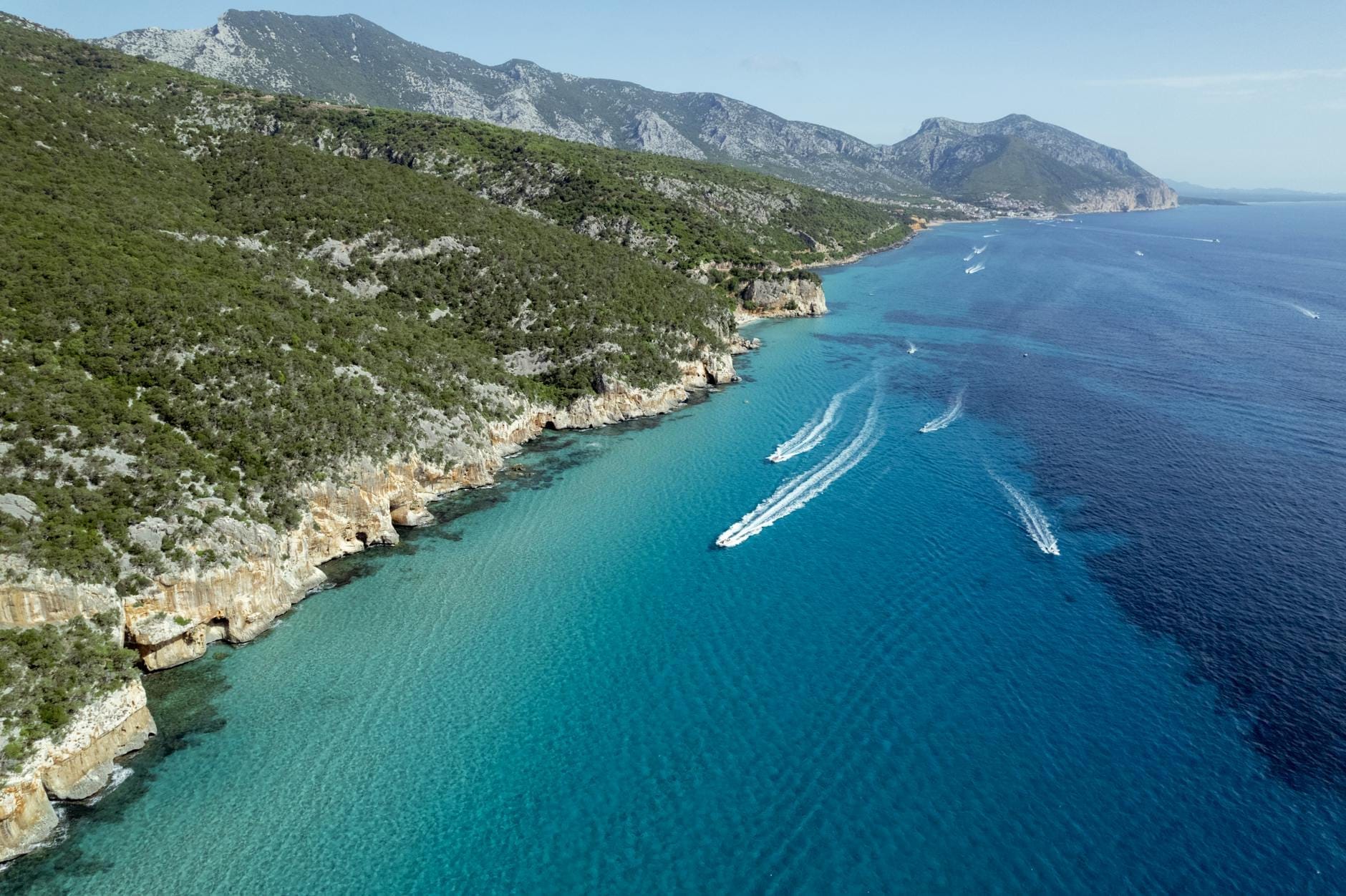
Sardinia is the second-largest island in the Mediterranean, covering about 24,100 km² with a coastline of around 1,850 km and an interior that rises to 1,834 m at Punta La Marmora. More than 80% of the territory is mountainous or hilly. That topographic variety, combined with granite and limestone soils, strong coastal winds, and a long dry summer, produces growing conditions found nowhere else in Italy. The island's vineyards sit in an autonomous region with its own language, traditions, and agricultural calendar, and the wine culture reflects all of it.
Sardinia has 1 DOCG, 17 DOC, and multiple IGT designations. The two island-wide DOCs — Cannonau di Sardegna and Vermentino di Sardegna — can be produced anywhere on the island, which makes them the most widely exported labels. But the most interesting wines often come from smaller, geographically specific appellations: Carignano del Sulcis in the southwest, Vernaccia di Oristano on the central-west coast, Mandrolisai in the central highlands. Sticking only to the flagship grapes means missing most of what makes Sardinian wine unusual.
ℹ️ Good to know
Sardinian wine labelling can be confusing. 'Cannonau di Sardegna DOC' covers the whole island, while 'Cannonau di Sardegna DOC Classico' is restricted to three traditional subzones: Jerzu, Capo Ferrato, and Oliena. If you want structured, age-worthy Cannonau, look for the Classico designation or single-village labels from Oliena (also sold as 'Nepente di Oliena').
Cannonau: The Red That Defines the Island
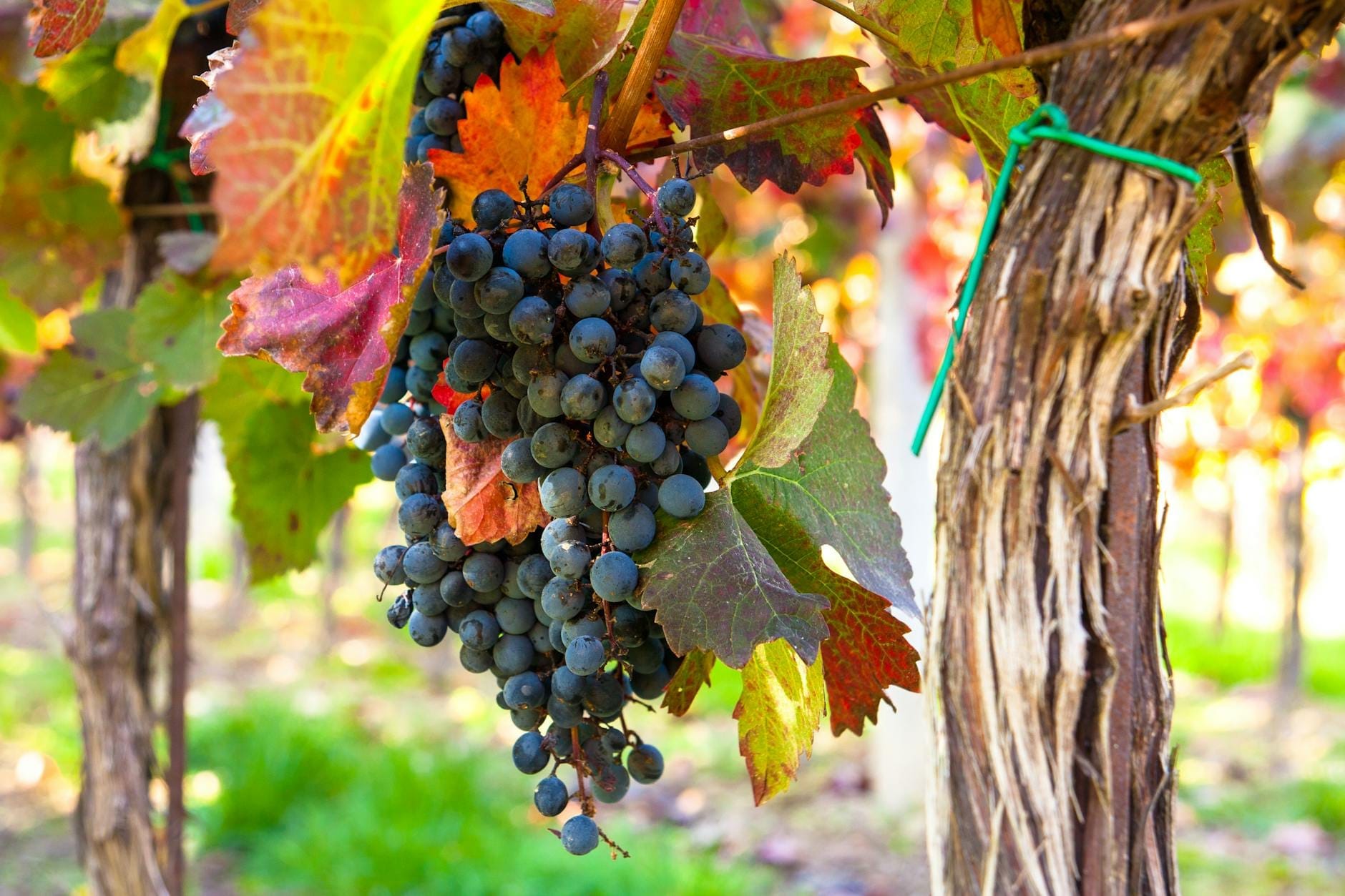
Cannonau is genetically identical to Grenache (Spain: Garnacha), but Sardinians argue — with some DNA evidence behind them — that the variety originated on the island, not on the Iberian peninsula. The debate is unresolved, but what is clear is that Cannonau has been grown here for centuries and has adapted in ways that make it taste different from its continental cousins. It accounts for roughly 30% of Sardinian plantings, concentrated in the central Barbagia highlands and the eastern zones around Jerzu and Capo Ferrato.
Stylistically, Cannonau di Sardegna tends toward high alcohol, moderate-to-low acidity, and flavours of dark cherry, plum, dried herbs, tobacco, and leather. Lighter, fruit-forward examples at around 13-14% abv are common and approachable young. The more serious Classico-zone wines from Oliena and Jerzu can reach 14.5-15% abv and reward 5-10 years of aging. In the Mandrolisai DOC, Cannonau is blended with Monica and Bovale Sardo (minimum 35% Cannonau) to produce a structured, savoury red that is underrated on the international market.
- Cannonau di Sardegna DOC Island-wide appellation, minimum 90% Cannonau. Rosso, Rosato, and Liquoroso versions permitted. Minimum 13% abv for the dry red.
- Cannonau di Sardegna DOC Classico Restricted to Jerzu, Capo Ferrato, and Oliena subzones. Generally more structured and age-worthy.
- Nepente di Oliena A traditional name for Cannonau produced around the village of Oliena, in the shadow of Monte Corrasi. Dense, mineral, and often age-worthy.
- Mandrolisai DOC Blend of Cannonau, Monica, and Bovale. Produced in the central highlands around Sorgono. Under-exported but worth seeking out.
✨ Pro tip
The villages around Oliena and Orgosolo in the Barbagia are part of Sardinia's famous Blue Zone, a region associated with exceptional longevity. Local researchers have suggested that regular, moderate consumption of high-polyphenol Cannonau may be one dietary factor among many. Whether or not you believe the theory, the wines from this zone are worth tasting on their own merits.
Vermentino: From Simple to Seriously Complex
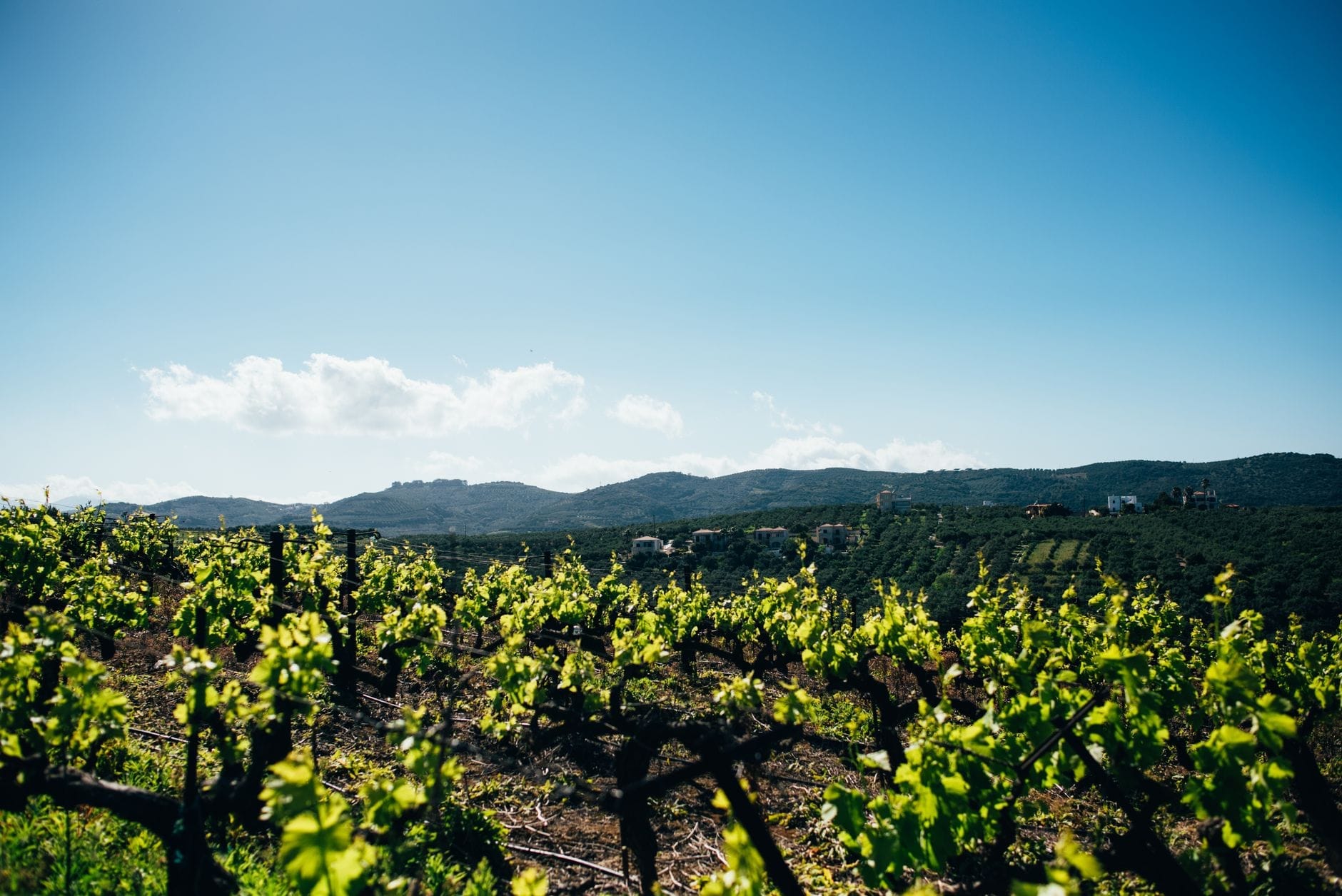
Vermentino is Sardinia's most important white grape, and the northeast's Gallura region produces its finest expression. The Vermentino di Gallura DOCG, established as a DOC in 1976 and upgraded to DOCG in 1996, requires at least 95% Vermentino with a minimum 12% abv (13% for the Superiore designation). The granite soils, altitude variations, and persistent winds of Gallura give this wine a mineral edge and structural tension that the island-wide Vermentino di Sardegna DOC (minimum 85% Vermentino, 11% abv for still wines) often lacks.
The common dismissal of Vermentino as a 'simple, drink-young white' applies to the most basic, high-volume Vermentino di Sardegna DOC labels. It does not apply to well-made Gallura DOCG wines. The better producers ferment with extended skin contact or age in neutral oak, producing wines with body and texture that can develop for 3-5 years. Aromatically, expect citrus peel, white peach, fennel, and a distinctive bitter almond finish. Alcohol can reach 14-15% in warm vintages, which surprises drinkers expecting something light.
- Vermentino di Gallura DOCG Northeast Sardinia, granite soils. Minimum 95% Vermentino, 12% abv. Superiore (13%+ abv) is the top tier. Still, sparkling (Spumante), and Passito versions exist.
- Vermentino di Sardegna DOC Island-wide. Minimum 85% Vermentino, 10.5% abv. More variable in quality; best value comes from coastal producers in Sulcis and Sassari provinces.
- Torbato A rare white variety grown almost exclusively around Alghero. Produces crisp, aromatic wines with good acidity. Very limited production; try it if you see it on a wine list in Alghero.
The Grapes and Appellations Nobody Tells You About
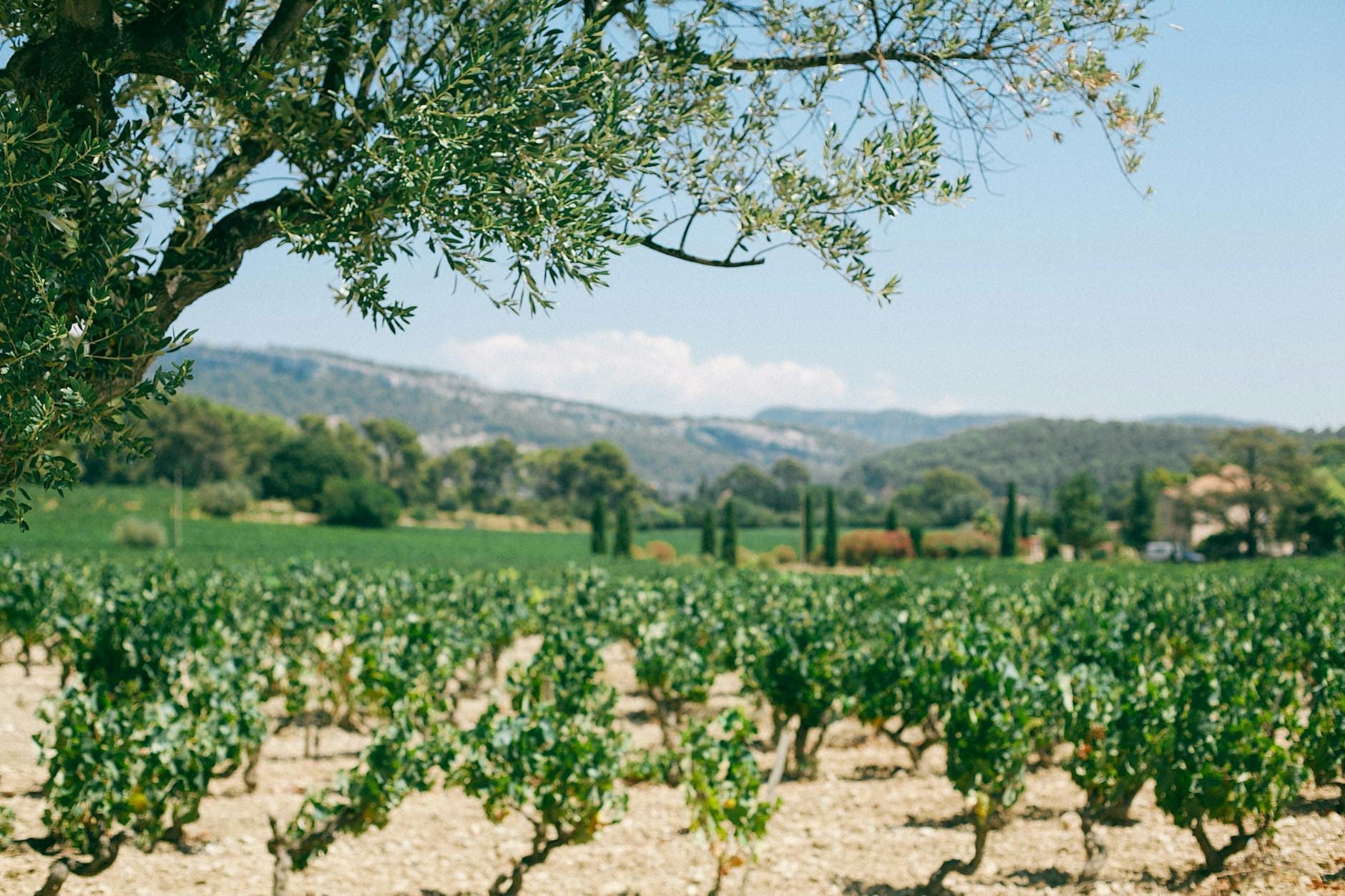
The most compelling argument for Sardinia as a serious wine region is the breadth of its indigenous varieties beyond the two famous grapes. The Sulcis and southwest coast produces Carignano del Sulcis DOC from old-vine Carignan (Carignano) grown in sandy soils near Sant'Antioco. These are old, ungrafted, bush-trained vines — in some cases over 100 years old — and the resulting wines have a concentration and saline minerality that rivals serious Priorat at a fraction of the price. Look for the Riserva version, which requires additional aging.
Then there is Vernaccia di Oristano DOC, the island's most idiosyncratic wine. Produced near the Oristano and Sinis Peninsula from the Vernaccia grape (unrelated to Vernaccia di San Gimignano), it undergoes deliberate oxidative aging under flor — a surface film of yeast — in old wooden barrels, producing a sherry-like wine with amber colour, nutty, dried fruit aromas, and a long, dry finish. It is produced in tiny quantities and rarely exported. Finding a bottle, let alone a glass, outside of Sardinia takes effort. The Superiore and Riserva versions age for a minimum of two and three years respectively.
Nuragus is the most widely planted white grape variety on the island, producing high-volume, light, crisp whites that are the everyday house white of southern Sardinia. It is not an exciting wine, but it is the correct pairing for simple seafood and frittura mista at a beach restaurant, and it costs almost nothing. Monica di Sardegna DOC is a soft, low-tannin red for early drinking, worth knowing as the everyday red equivalent. Nasco di Cagliari DOC produces an aromatic, golden-hued dessert wine from the Nasco grape that can be outstanding with Sardinian pecorino or almond pastries.
⚠️ What to skip
Be cautious with tourist-area wine lists. In beach resorts along the Costa Smeralda and around Villasimius, generic 'vino della casa' served by the carafe is often bland Nuragus or unlabelled blends at steep mark-ups. Ask specifically for Vermentino di Gallura DOCG or a named producer's Cannonau. The price difference is rarely dramatic, and the quality difference is significant.
Where to Taste: Wine Regions by Geography
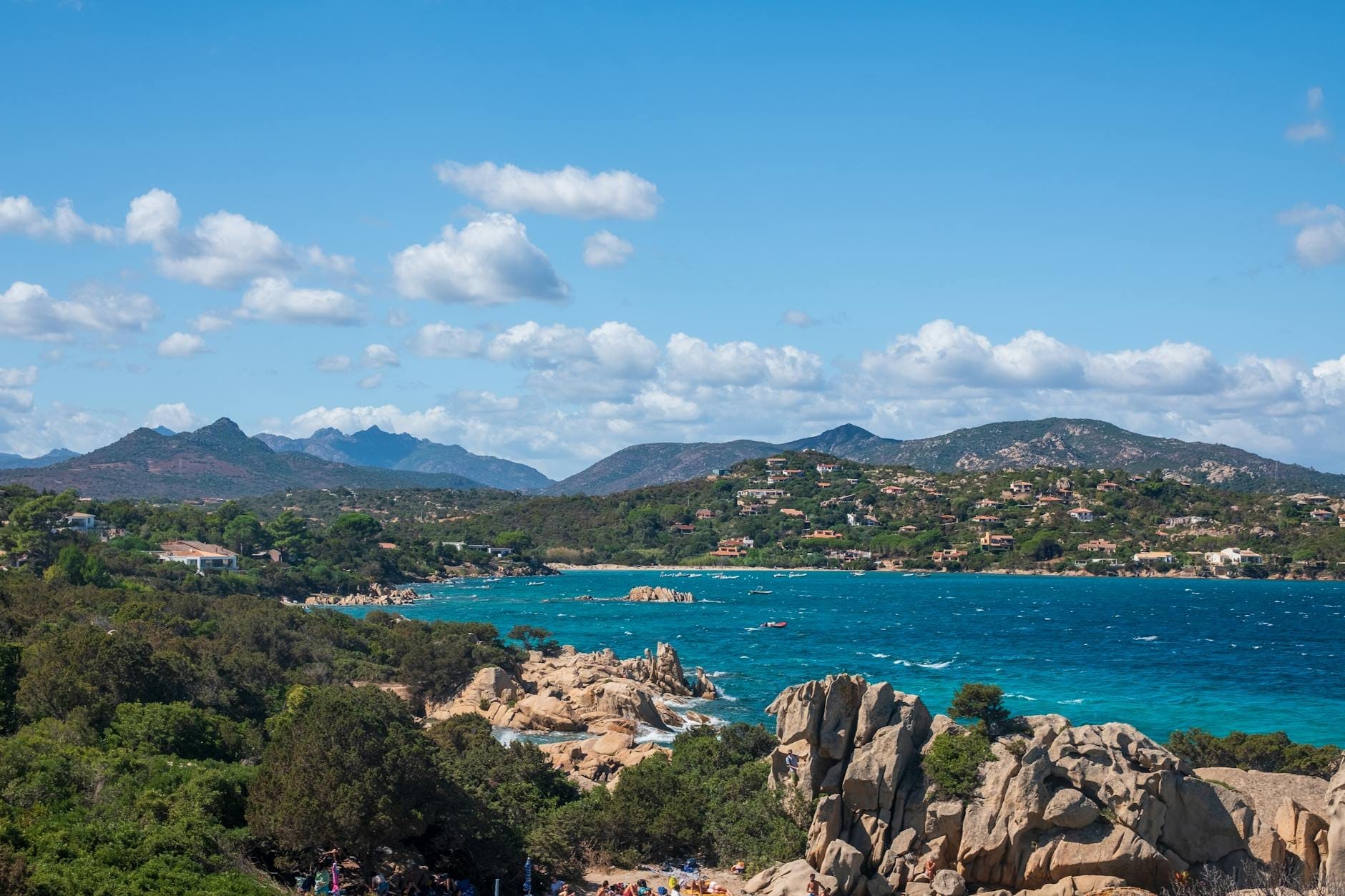
Sardinia's wine regions map loosely onto its geographical zones. If you are visiting the northeast — around Olbia, the Costa Smeralda, or Santa Teresa Gallura — you are in Vermentino di Gallura DOCG territory. Several producers in the Gallura area have tasting rooms open in summer (generally June to September), including around Tempio Pausania and Monti. The Sardinia road trip guide has practical routing suggestions for covering this area by car, which is essentially the only realistic option for winery visits.
For Cannonau, the logical base is the Barbagia, specifically around Oliena (25 km east of Nuoro) and the Jerzu area on the east coast. The village of Oliena sits at the foot of Monte Corrasi and has a handful of small producers who welcome visitors, though advance contact is advisable outside peak season. Orgosolo, famous for its political murals, is nearby and worth combining with a wine visit. The central Mandrolisai zone around Sorgono is harder to reach but rewards the effort for serious wine travellers.
The southwest offers both Carignano del Sulcis and proximity to the historic island of Sant'Antioco. The Cantina di Santadi cooperative is one of the most acclaimed producers for Carignano, and their winery near Santadi is visitable. Oristano, meanwhile, is the only place to drink Vernaccia di Oristano as it was intended — paired with local bottarga or aged pecorino in a small osteria. For broader context on this corner of the island, the Oristano and Sinis Peninsula guide covers the area in depth.
Buying, Drinking, and Pairing Sardinian Wine
Price benchmarks are accessible by Italian wine standards. Entry-level Vermentino di Sardegna DOC retails for under €10 in local supermarkets and enoteca shops; decent Cannonau di Sardegna DOC sits between €8 and €18. Vermentino di Gallura DOCG Superiore from named producers runs €15-30. Carignano del Sulcis Riserva from top estates reaches €25-40. Vernaccia di Oristano, in its older Riserva versions, can command €20-35 for a half-bottle, but it is rarely found outside specialist shops or the Oristano area itself.
Food pairings follow a clear logic. Vermentino with seafood, especially grilled fish, bottarga pasta, clams, or the raw shellfish platters served in coastal restaurants. Cannonau with roast suckling pig (porceddu), lamb stewed with herbs, aged pecorino sardo, and the cured meat boards common at agriturismi in the interior. The Sardinia agriturismo guide is the best starting point for finding farm stays where these food-wine combinations are served in context, often with wine produced on the property itself.
For wine shopping, the best options are dedicated enoteche (wine shops) in Cagliari, Alghero, and Olbia, where staff generally know the regional appellations well. The Mercato di San Benedetto in Cagliari has wine vendors alongside the food stalls. Airport shops at CAG and OLB stock a reasonable range of Vermentino and Cannonau, which makes them a practical last-minute option, though prices are higher than in town. Avoid buying wine in high-traffic tourist shops on the seafronts of major resorts, where selection is thin and mark-ups are significant.
- Pair Vermentino di Gallura DOCG Superiore with grilled sea bass, bottarga di muggine, or spaghetti alle vongole
- Pair Cannonau di Sardegna Classico with porceddu (roast suckling pig), lamb with myrtle, or aged Pecorino Sardo DOP
- Pair Carignano del Sulcis Riserva with wild boar ragu, braised beef, or mature hard cheeses
- Pair Vernaccia di Oristano Superiore with bottarga, tuna conserva, or as an aperitivo with olives and cured meats
- Pair Nasco di Cagliari DOC (dessert style) with seadas (honey-drizzled pastry with fresh cheese) or almond biscuits
FAQ
What is the most famous wine in Sardinia?
Cannonau di Sardegna DOC is the most widely recognised Sardinian red internationally, largely due to its connection with the Blue Zone longevity research. For whites, Vermentino di Gallura DOCG is the island's only DOCG appellation and its most prestigious white wine designation.
Is Cannonau the same as Grenache?
Genetically, yes — Cannonau is the Sardinian name for the Grenache grape (Garnacha in Spanish). Some researchers argue the variety originated in Sardinia before spreading to Spain, though this remains debated. In practice, Sardinian Cannonau tends to be fuller-bodied and higher in polyphenols than many French or Spanish Grenache, partly due to the island's specific terroir and traditional viticulture.
Where can I do a wine tasting in Sardinia?
The best wine-tasting areas are the Gallura zone in the northeast (Vermentino), the Barbagia around Oliena and Jerzu (Cannonau), and the Sulcis southwest (Carignano). Most productive winery visits require a car and advance booking, especially outside June-September. Enoteche in Cagliari, Alghero, and Olbia offer a cross-regional tasting experience without needing to drive between vineyards.
What is Vernaccia di Oristano?
Vernaccia di Oristano DOC is one of Italy's most unusual wines: a sherry-style white made from the Vernaccia grape (not related to Tuscany's Vernaccia di San Gimignano) in the Oristano area of west-central Sardinia. It undergoes oxidative aging under a film of yeast in old barrels, producing amber-coloured, nutty, complex wines. It is produced in tiny quantities and rarely exported, making it one of those wines best sought out on the island itself.
What is the best time of year to visit Sardinia for wine tourism?
Late September and October are ideal: harvest season is underway, temperatures are cooler than summer (highs around 22-26°C on the coast), crowds have thinned significantly, and winery visits are easier to arrange. May and June also work well before peak tourist season. The summer months (July-August) are the hottest and most crowded, and many small producers are too busy with the harvest or tourist trade to accommodate visits, though coastal restaurants are at their best for wine-and-seafood pairing.