The Sulcis region and southwest coast of Sardinia form one of the island's least-visited and most rewarding corners. From the Phoenician ruins of Sant'Antioco to the sea stacks near Masua, the dune-backed beaches of Porto Pino, and the layered mining heritage of the Iglesiente, this is a landscape that rewards travelers who arrive with time and curiosity.
Sulcis is the part of Sardinia that most visitors never reach, which is precisely what defines it. Bounded by the sea on three sides and the forested Sulcis Mountains inland, this extreme southwest corner of the island moves at its own pace, shaped by Phoenician colonists, Roman engineers, and twentieth-century miners rather than tourism developers.
Orientation
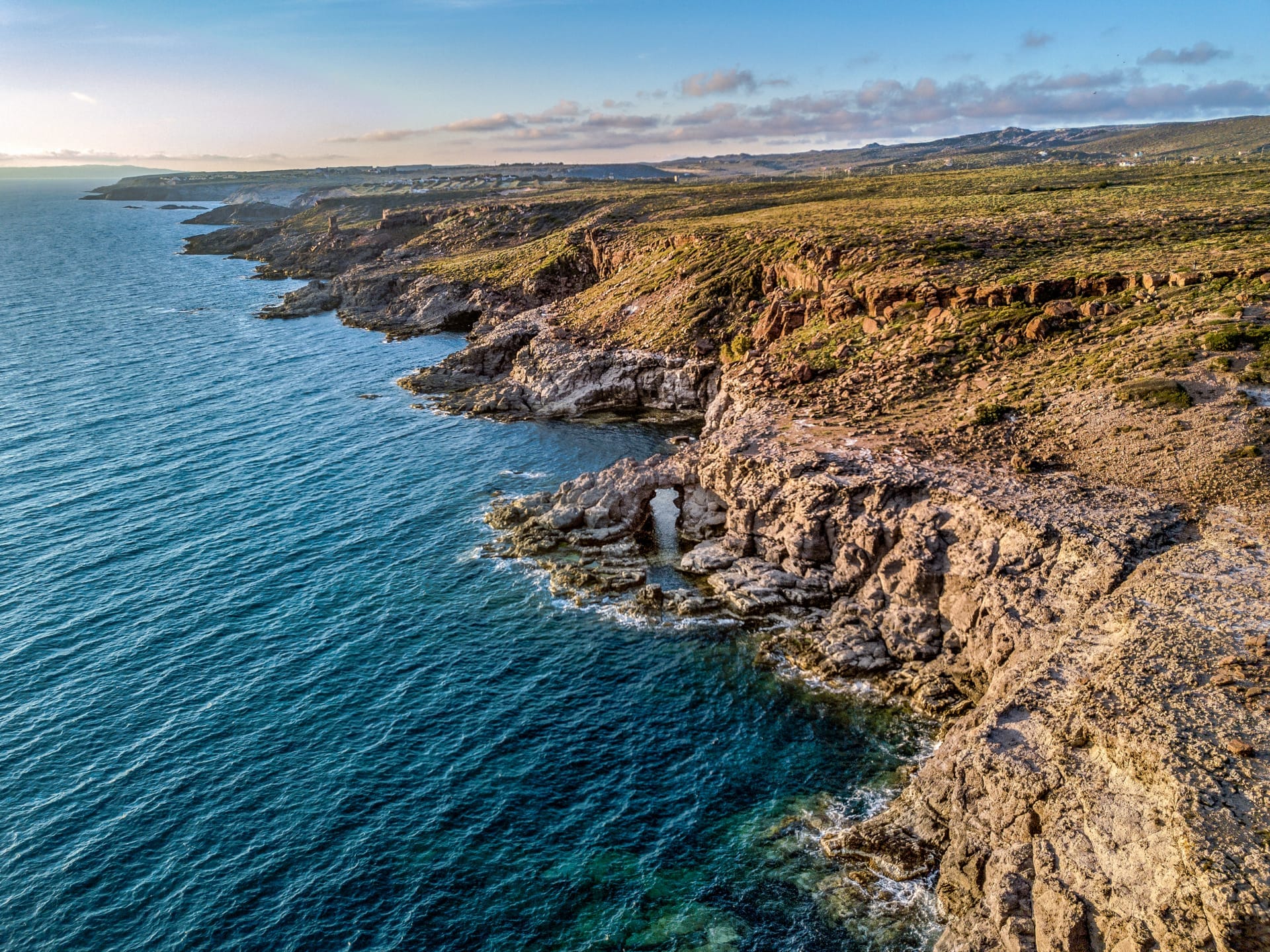
Sulcis occupies the extreme southwest of Sardinia, a broad peninsula-like territory that juts toward North Africa and faces the Channel of Sardinia to the west. The region is part of the Province of South Sardinia (Sud Sardegna) and sits roughly one hour by road from Cagliari, the island's capital and main transport hub. Its western coastline runs from around Capo Altano in the north, sweeping through the Gulf of Palmas and continuing south toward Capo Teulada, one of the southernmost points of Italy.
The Sulcis Mountains form a natural eastern spine to the region, covered in dense Mediterranean forest and separated from the rest of the Campidano plain by enough relief to give the whole area a sense of semi-isolation. Access from Cagliari follows the flat Campidano corridor before roads begin to climb and narrow into the Iglesiente hills. The main towns — Carbonia, Iglesias, Sant'Antioco, and Calasetta — are spread across this territory, each with its own distinct character. To the southwest, the Sulcis archipelago extends into the sea: the large island of Sant'Antioco (linked to the mainland by a causeway across an ancient isthmus) and the smaller island of San Pietro, reached by ferry from Calasetta.
For travelers who want to understand the geography before arriving, the Sardinia road trip guide offers a useful overview of how the southwest fits into an island-wide itinerary. The nearest gateway city for flights is Cagliari Elmas Airport (IATA: CAG), about 7 km northwest of central Cagliari.
Character & Atmosphere
This is not a region that performs for visitors. Walk into the center of Carbonia on a weekday morning and you find a planned industrial town built under Fascism in the 1930s, its rational grid and monumental piazza still intact. Walk the waterfront of Sant'Antioco in early evening and you find an old Phoenician city whose foundations are literally older than Rome, with residents sitting outside as they have for generations. The contrast between the two — built in the same century but separated by three millennia of history — captures something essential about the southwest.
In the early morning, the fishing towns along the Gulf of Palmas smell of salt and diesel. The light in this part of Sardinia is particular: the coast faces west and northwest, which means afternoons turn golden early, and the sea stacks near Masua catch the last direct sun long after the coastal roads fall into shade. In high summer, temperatures here can reach 36-38°C inland, but coastal breezes along the Iglesiente cliffs make conditions more tolerable than the numbers suggest. September is arguably the best month to visit: the sea is warm from summer, crowds have thinned, and the scrubland carries the dried-herb smell of late Mediterranean summer.
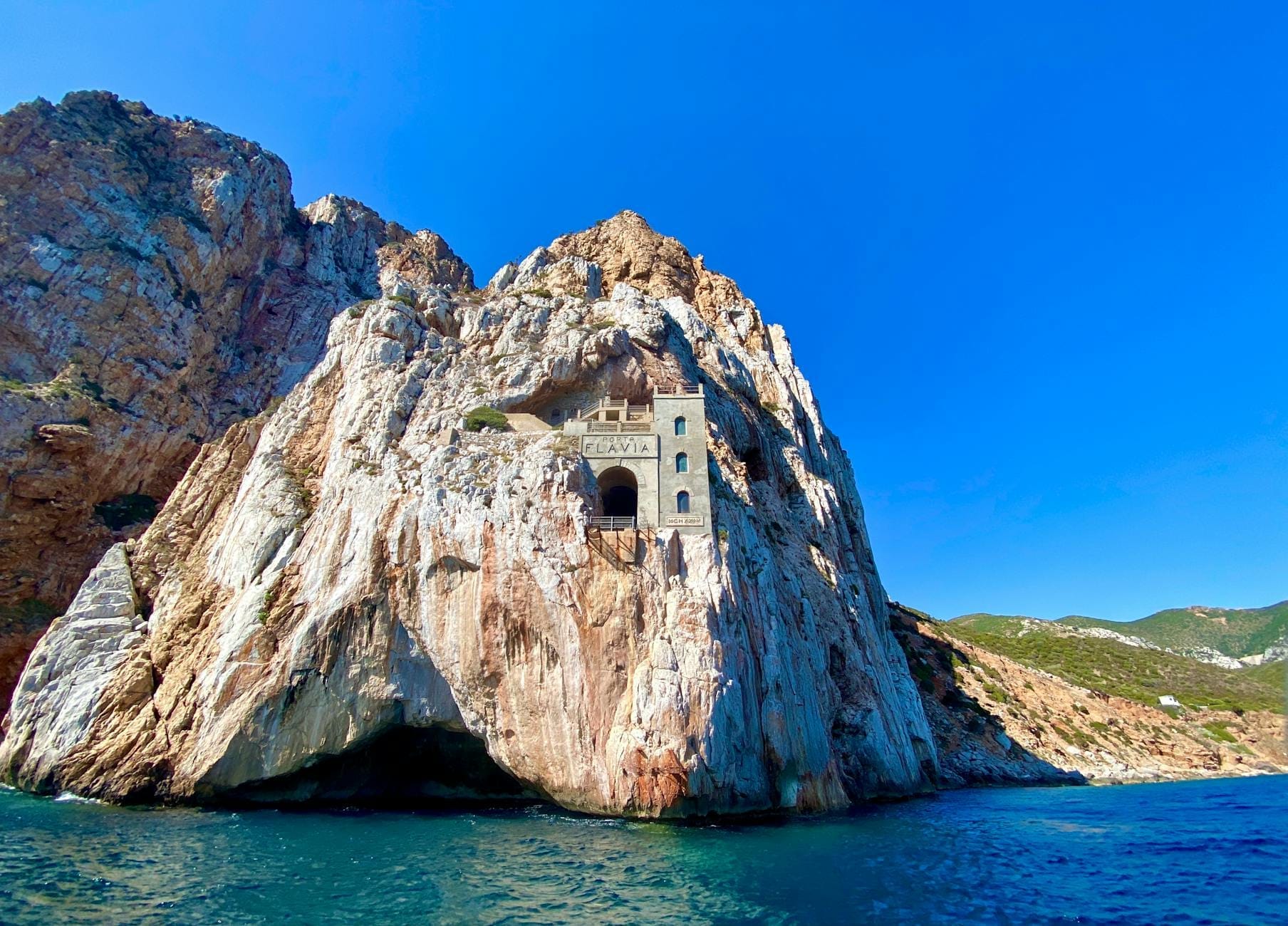
Tourist infrastructure exists here, but it is thin by Sardinian standards. You will not find rows of beach bars or souvenir shops at most access points. What you do find is a functioning, lived-in region where the economy has long been shaped by mining and fishing, and where the landscapes bear the marks of both. The former mine workings at Porto Flavia, cut directly into a coastal cliff with a loading platform suspended over the sea, are as dramatic as anything in Sardinia — and you may have them nearly to yourself outside August.
ℹ️ Good to know
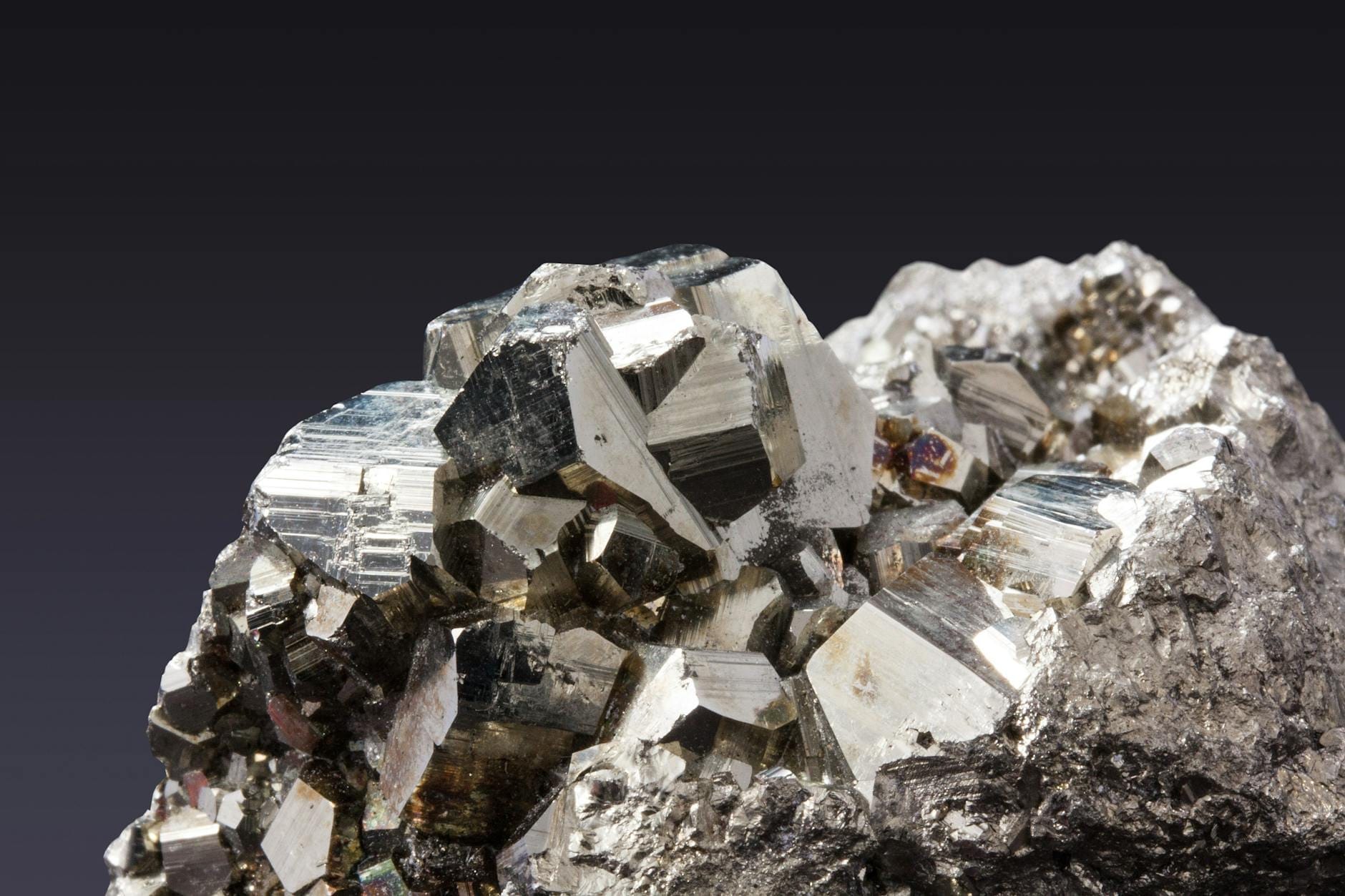
Sulcis sits within the Sardinia Geo-Mining Historical and Environmental Park, a UNESCO tentative list site that encompasses the industrial mining heritage of the Sulcis-Iglesiente area alongside its natural landscapes.
What to See & Do
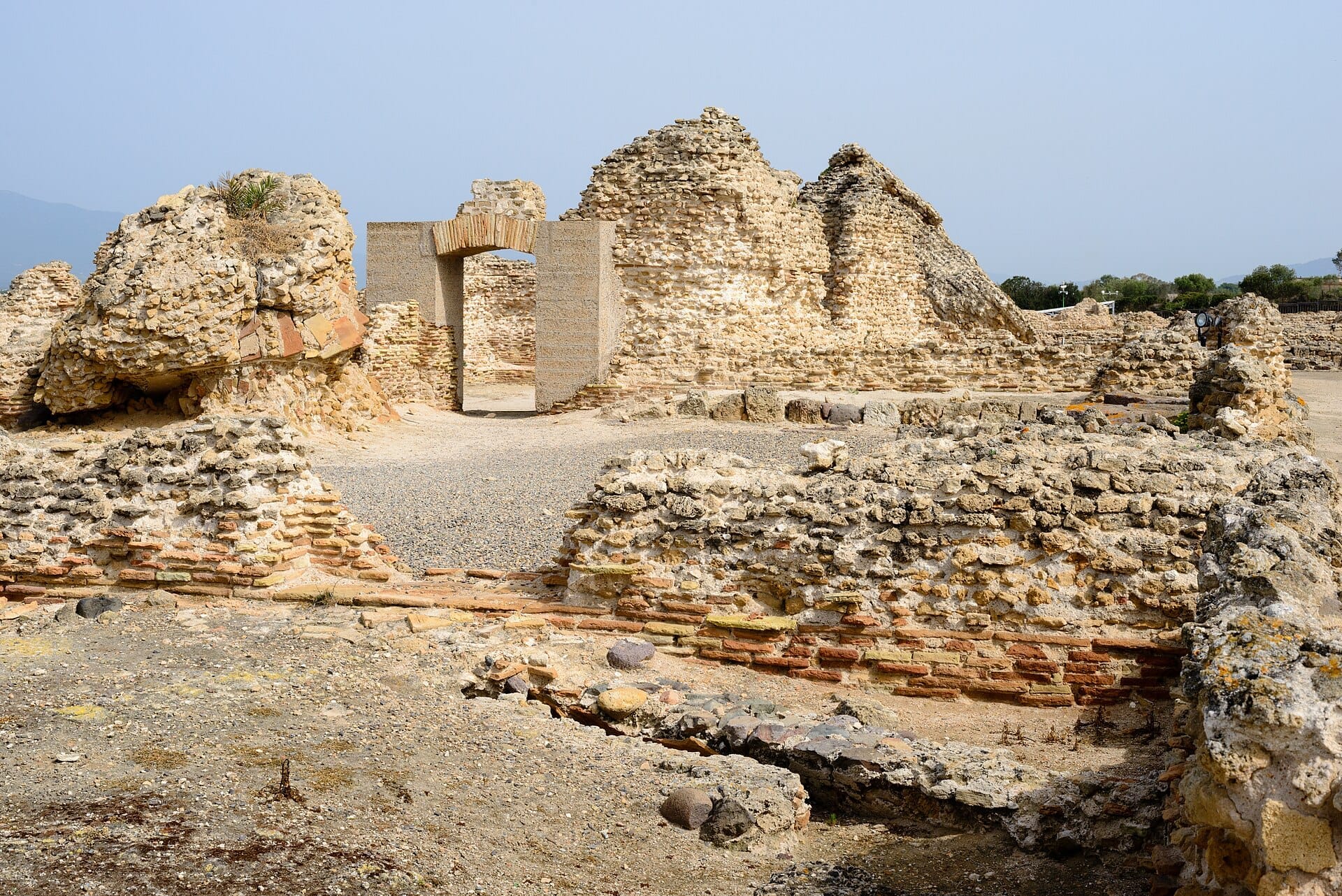
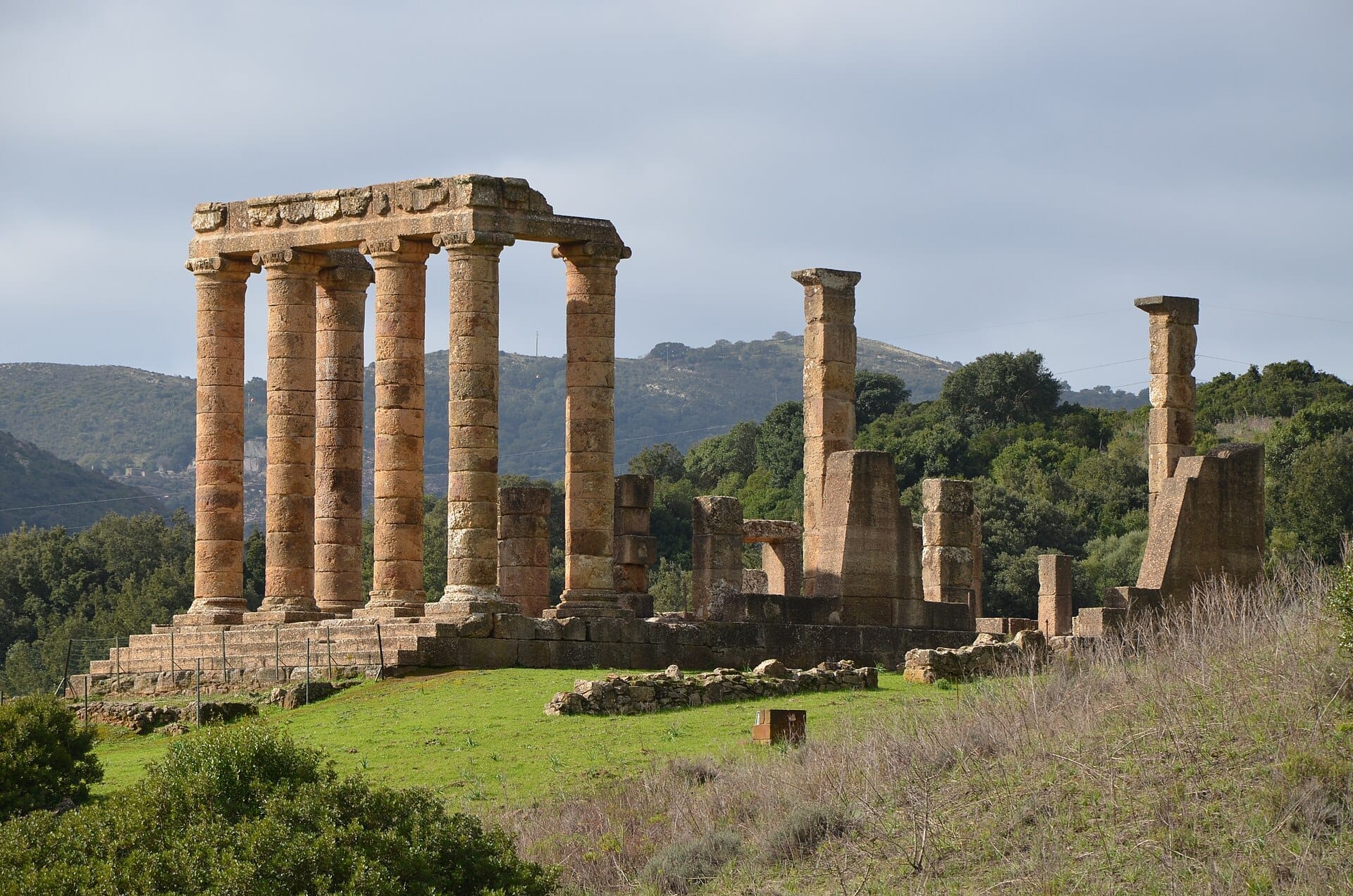
The island of Sant'Antioco is the single most historically layered destination in the southwest. The ancient city of Sulci — one of the oldest Phoenician settlements in the western Mediterranean — was established here, and the town built over it has been continuously inhabited ever since. The archaeological sites include a tophet (a Phoenician ritual site), catacombs later used by early Christians, and a civic museum with finds spanning Phoenician, Punic, Roman, and Byzantine periods. The island of Sant'Antioco is connected to the mainland by a causeway that crosses the ancient isthmus, making it accessible by car or bus from Carbonia.
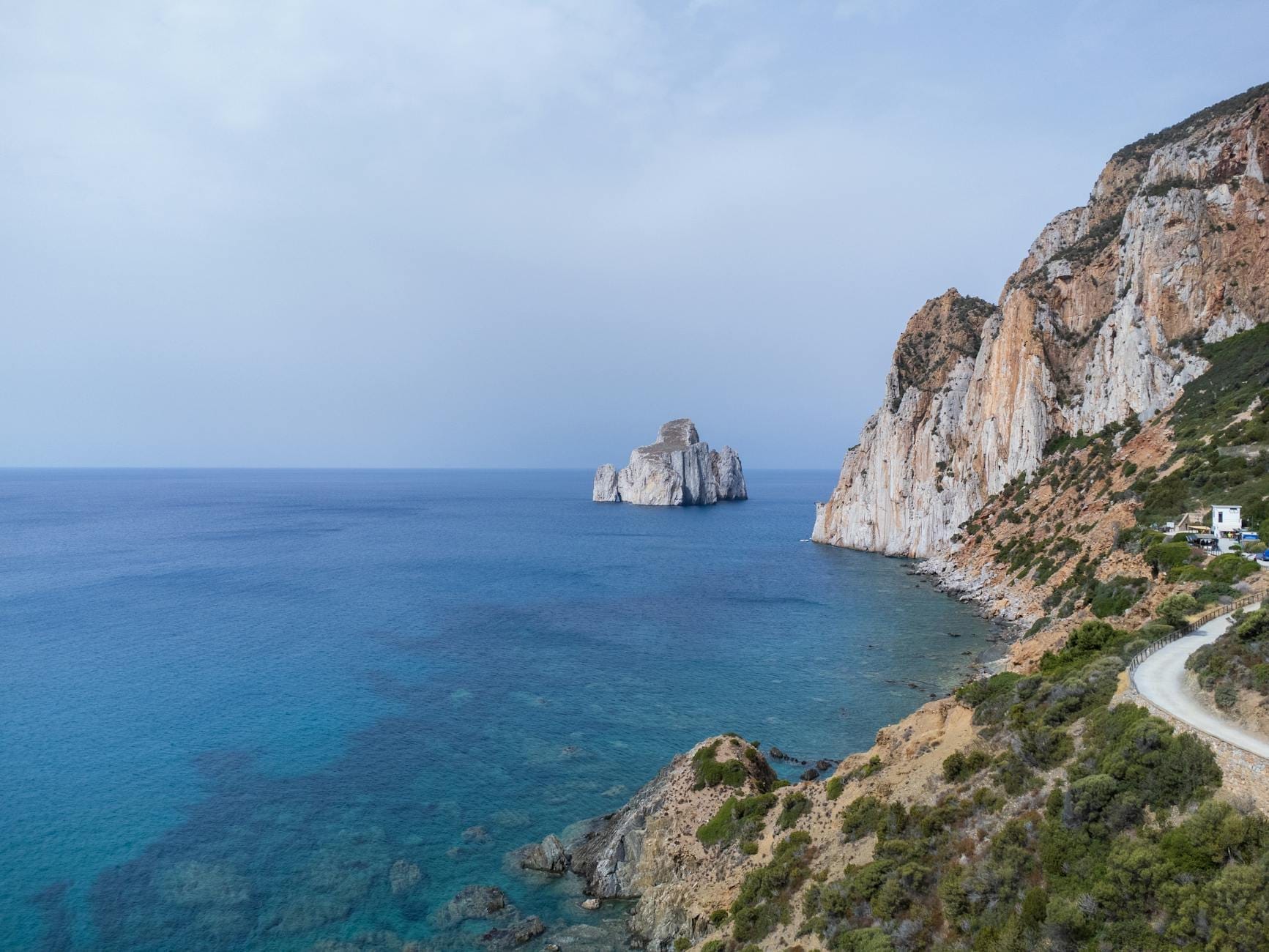
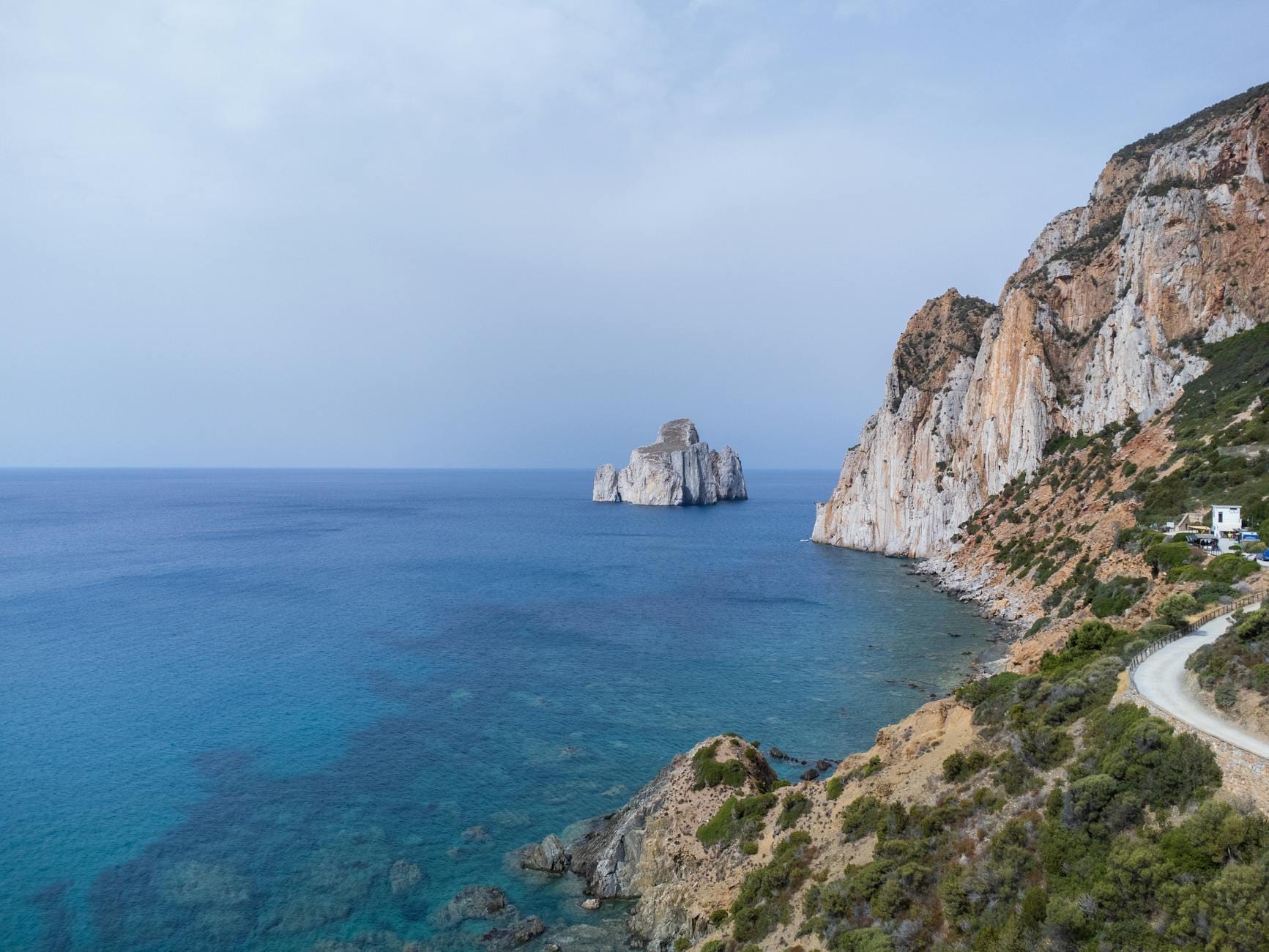
Along the Iglesiente coast north of Sant'Antioco, the former mining infrastructure at Porto Flavia represents one of Sardinia's most unusual industrial heritage sites. The loading facility was engineered in the 1920s and cut directly into the cliff face above the sea, with tunnels used to move ore directly onto ships moored below. It is part of the wider Sulcis-Iglesiente mining park landscape and can be visited on guided tours. Nearby, the sea stack of Pan di Zucchero rises 133 meters from the water off the coast near Masua — the largest faraglione (sea stack) in Italy. Views from the cliff road above Masua are among the most dramatic coastal perspectives in southern Sardinia.
Also part of the Masua area, Porto Flavia deserves dedicated time. Book ahead for guided tours in high season, as capacity is limited and access to the cliff-side tunnels requires an organized group.
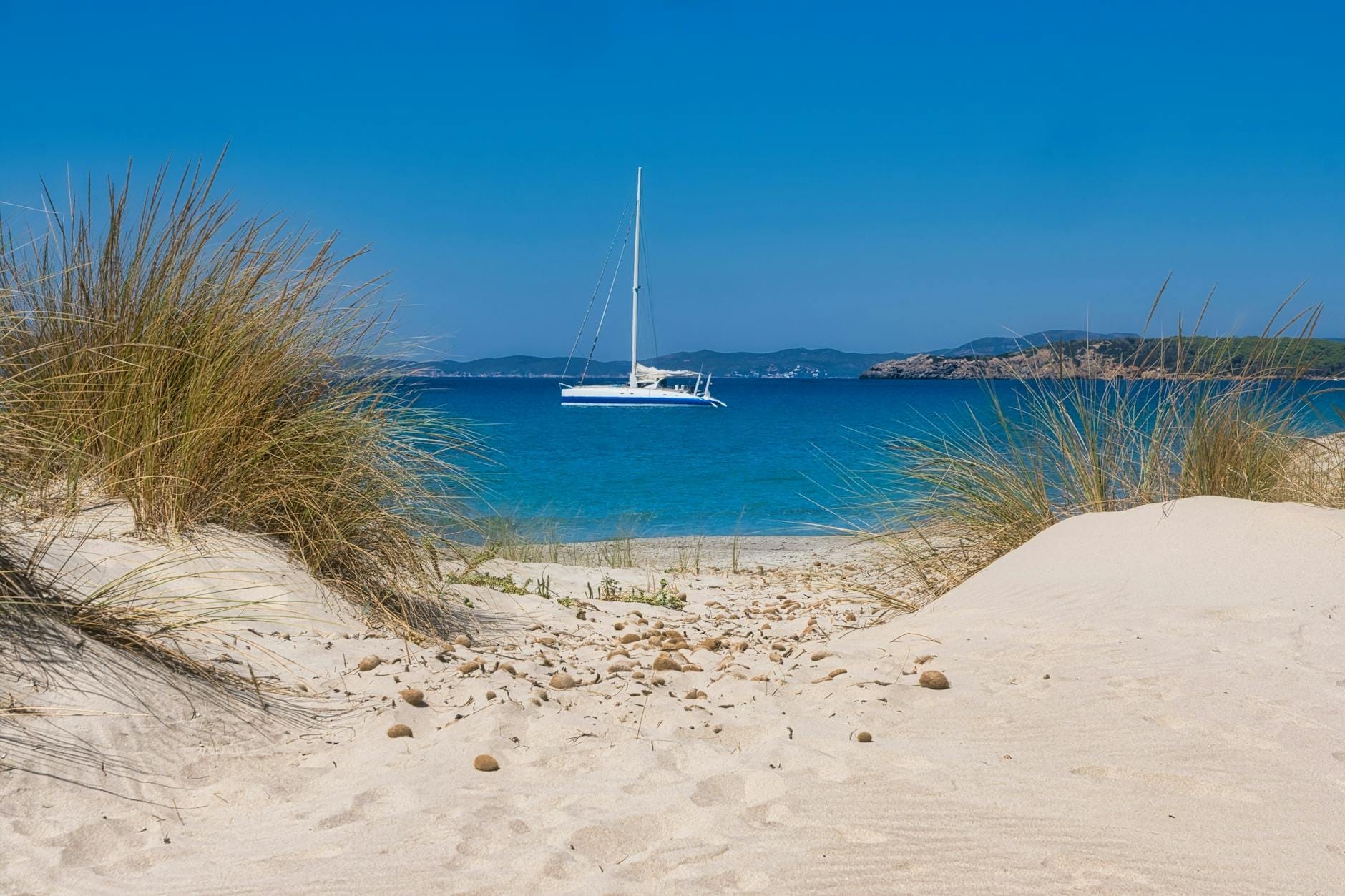
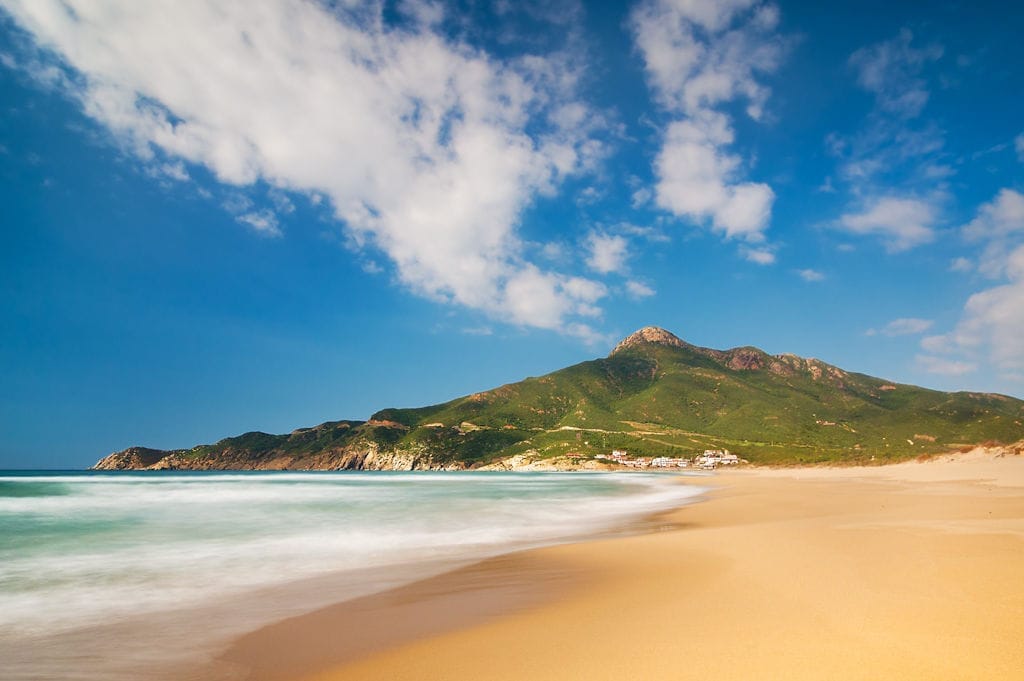
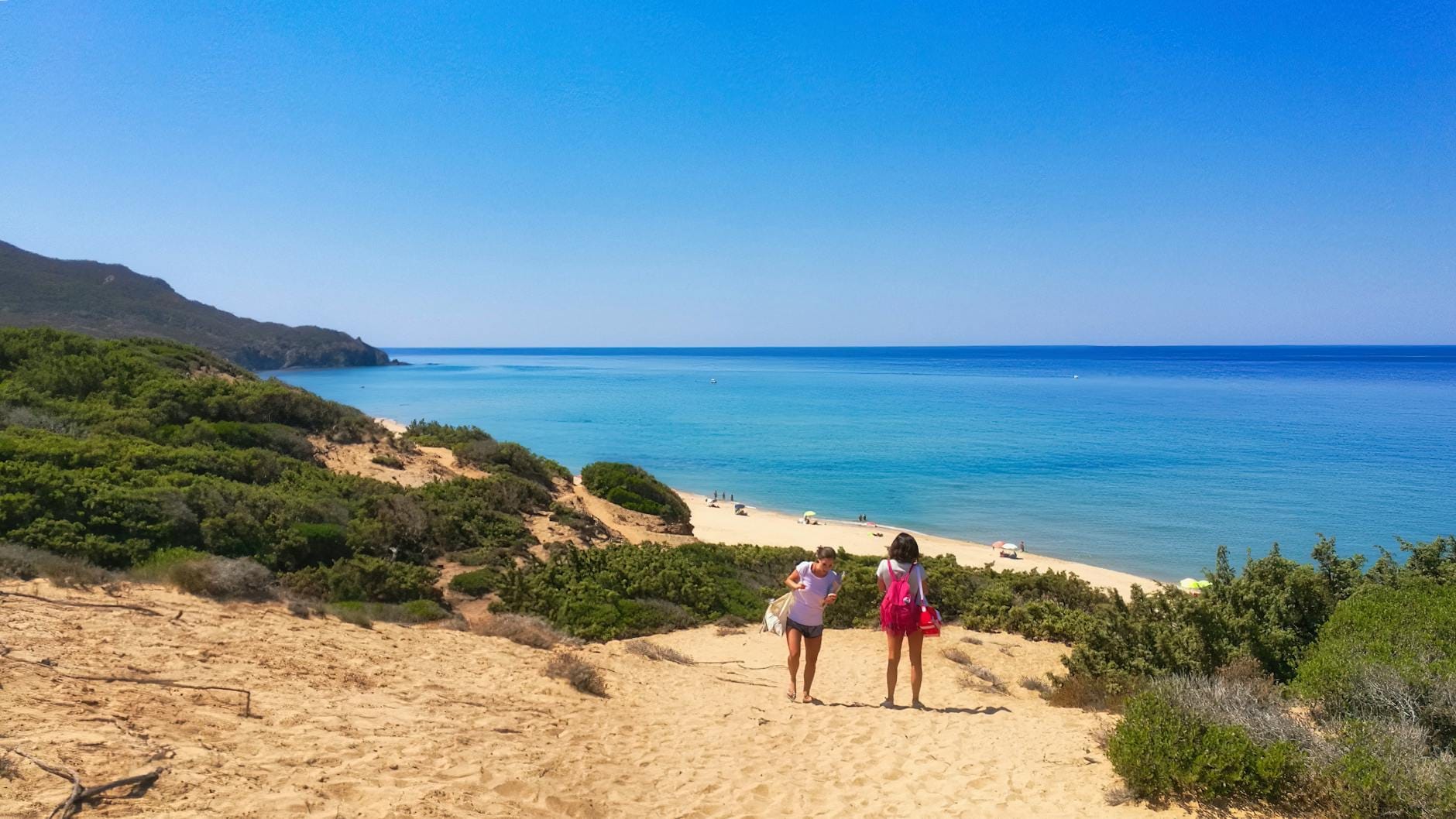
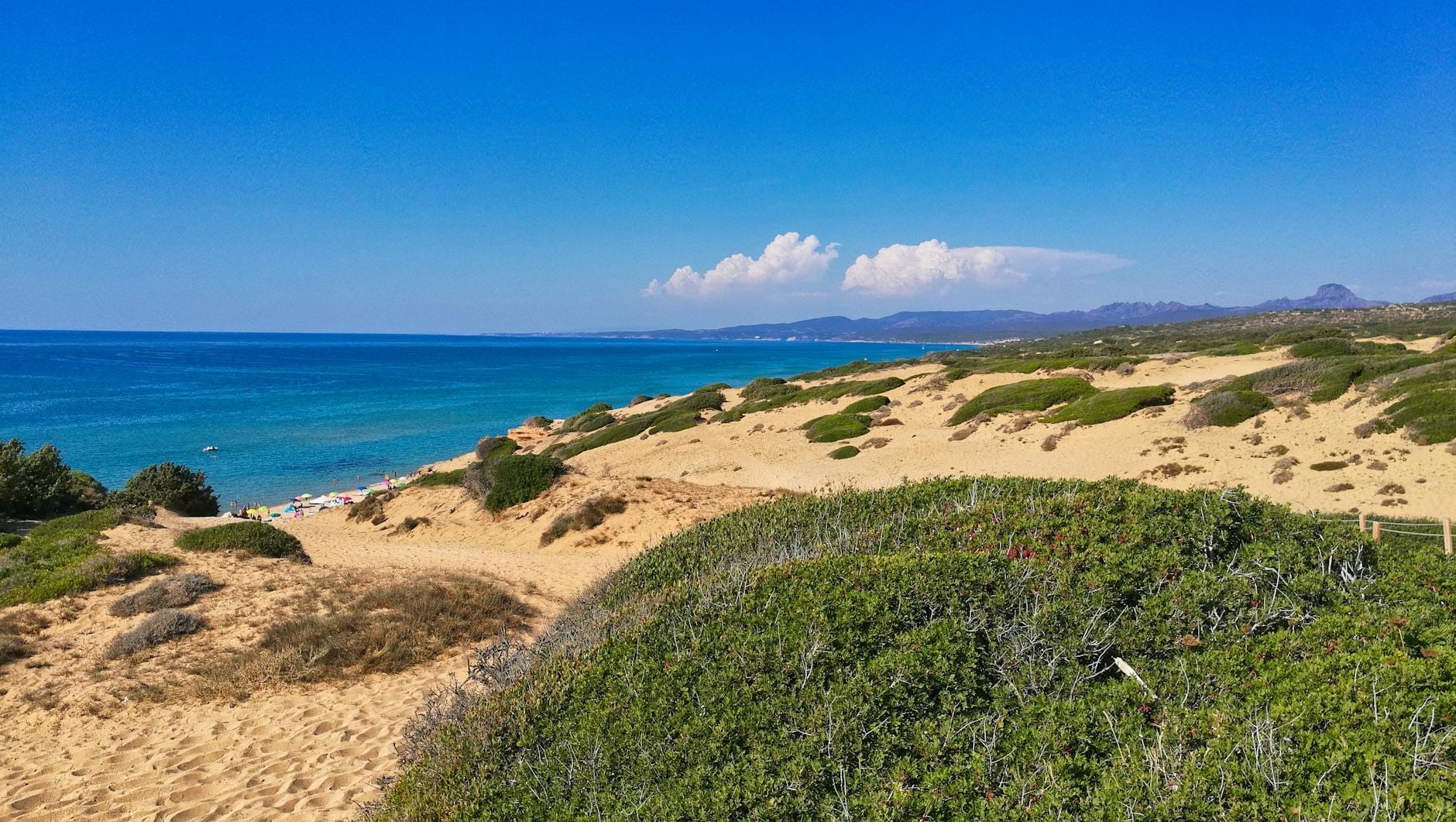
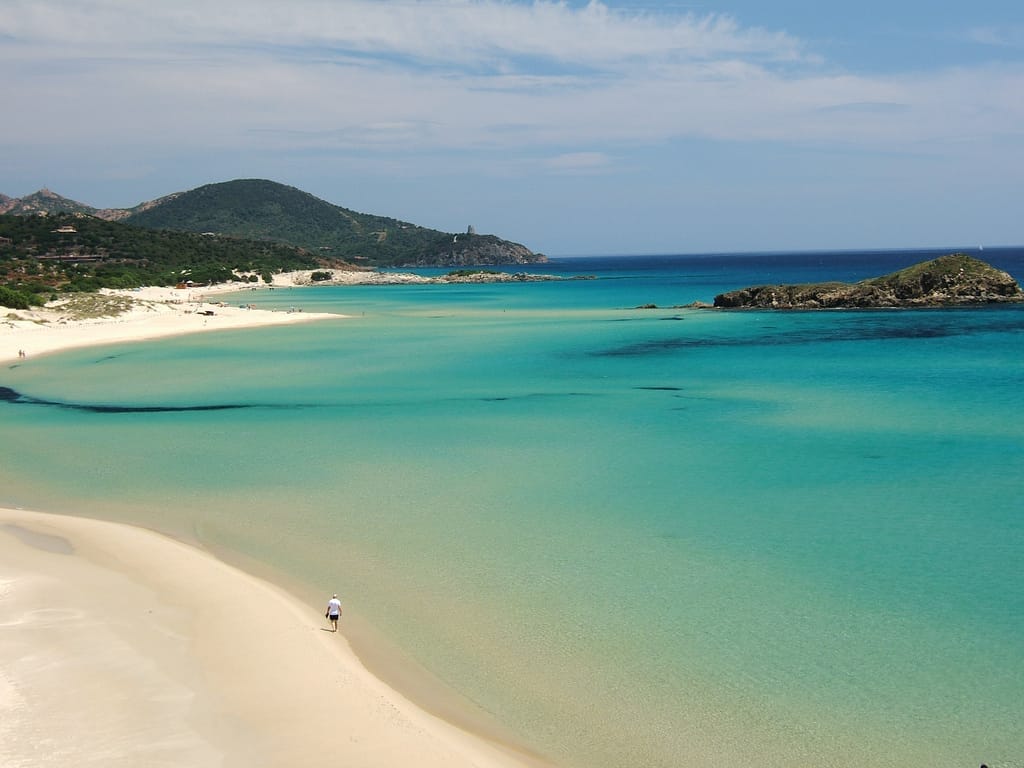
The beaches of the southwest range from the long sandy arc at Porto Pino, backed by umbrella pines and dunes, to the rougher, rockier coves near Capo Teulada. Porto Pino is arguably the most complete beach environment on this coast: the combination of white sand, clear shallow water, and pine forest makes it popular with Sardinian families in summer, though it remains quiet compared to the island's more famous beaches. Capo Teulada and its immediate surroundings include a military zone; access to certain sections of this coastline may be restricted, so check local signage.
Sant'Antioco: Phoenician-Punic tophet, catacombs, and the Museo Archeologico
Carbonia: Museo Archeologico Villa Sulcis and the planned Fascist town architecture
Iglesias: a well-preserved medieval center with a cathedral dating to the 13th century and a strong mining museum
Porto Flavia: cliff-cut industrial loading facility with guided tours
Pan di Zucchero: Italy's largest sea stack, visible from the cliff road near Masua
Porto Pino: pine-backed dune beach on the Gulf of Palmas
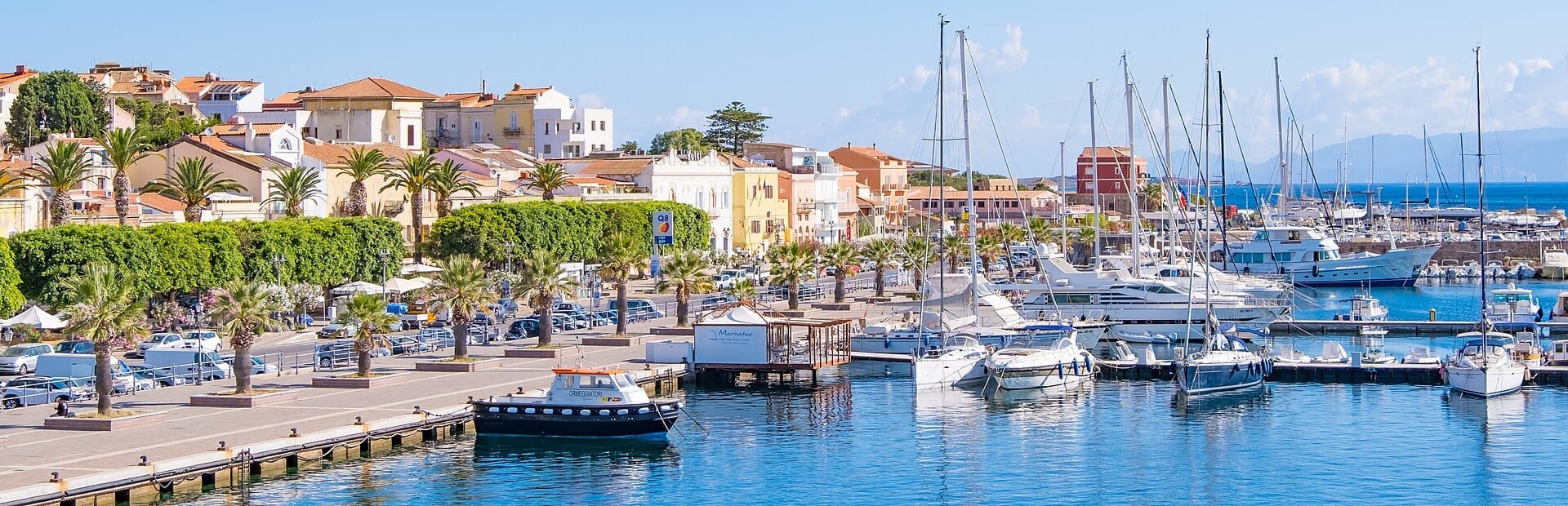
San Pietro island: the town of Carloforte, settled by Ligurian coral fishermen in the 18th century, with its own dialect and cuisine
The island of San Pietro and its only town, Carloforte, deserve a special mention. Settled in the 18th century by Ligurian fishermen from Tabarca (off the Tunisian coast), Carloforte has a distinct culture — including a Ligurian-origin dialect called Tabarchino — and an annual bluefin tuna festival in May and June. Ferries run from Calasetta on Sant'Antioco island. Read more about Carloforte and San Pietro island before planning a visit, as the ferry schedule and accommodation options on the island are limited outside summer.
Eating & Drinking
The food culture of the southwest is rooted in the sea and the land in roughly equal measure. Carloforte's cuisine is the most distinctive in the region: the influence of Ligurian and North African origins shows up in dishes like cascà (a Tabarchino couscous made with vegetables), tuna prepared every way imaginable during the June mattanza season, and pasta sauces built from bottarga — compressed, dried fish roe. If you visit San Pietro island in May or June, the tuna festival Girotonno is one of the most authentic food events in all of Sardinia.
On the mainland coast, restaurants in Sant'Antioco and along the Gulf of Palmas focus on grilled fish, sea urchin pasta (ricci di mare when in season), and locally caught shellfish. Portions are generous and prices are considerably lower than on the Costa Smeralda or in Cagliari's tourist center. A full fish dinner with wine in Sant'Antioco will cost roughly what a tourist-facing lunch costs in Porto Cervo.
Inland, Iglesias has a modest but functional café and restaurant scene concentrated around Piazza Municipio and the surrounding streets. It is a working town rather than a tourist destination, which means bar prices are local prices and the lunch menus are written for residents. The Sardinia food guide covers regional specialties island-wide if you want context for what to order.
💡 Local tip
In Carloforte, look for cascà on restaurant menus — this local couscous dish made with vegetables and chickpeas is a direct legacy of the town's North African-Ligurian heritage and you will not find it anywhere else in Sardinia.
Wine in the southwest comes primarily from the Carignano del Sulcis DOC zone, which produces some of Sardinia's most serious reds from old-vine Carignano (Carignan) grapes grown in coastal sandy soils. The wines tend to be deep-colored and fruit-forward, and local restaurants pour them without the markup you would find in resort areas. Ask specifically for Sulcis wines rather than accepting whatever house red is on offer.
Getting There & Around
The southwest is a car-dependent region. While regional buses run from Cagliari to Carbonia, Sant'Antioco, and Iglesias (operated by ARST, the regional transport authority), the frequency is limited and the schedule makes day-tripping by public transport logistically tight. If you want to reach Porto Flavia, Porto Pino, or the wilder sections of coastline independently, a rental car is effectively required.
From Cagliari, the main road southwest is the SS130, which runs directly toward Iglesias and the Sulcis plain in about 55-70 minutes depending on your destination. The road is single carriageway for most of its length and passes through industrial-agricultural lowlands before rising into the Iglesiente. Carbonia is reached by branching off toward Portoscuso and the coast. Sant'Antioco is accessed via a causeway from the mainland near the town of Carbonia.
Ferries connect Calasetta (Sant'Antioco island) with Carloforte on San Pietro island. The crossing takes around 30-40 minutes and ferries run regularly during the day, though frequency drops in winter. There is also a ferry connection between Portoscuso (on the mainland) and Carloforte. Verify current schedules with the ferry operators before planning a trip, as timetables adjust seasonally.
⚠️ What to skip
Some sections of coastline near Capo Teulada are within or adjacent to a military zone. Access restrictions can apply and signage at access roads should be respected. Check locally before driving toward the cape.
For broader context on moving around the island, the guide to getting around Sardinia covers car rental, regional buses, and train connections in detail. The southwest is also reachable as a day trip from Cagliari if your base is the capital, though an overnight stay allows for a much more relaxed pace.
Where to Stay
Accommodation in the southwest is dispersed rather than concentrated. Sant'Antioco town has the broadest selection, with a mix of small hotels, B&Bs, and apartment rentals spread through the old center and along the waterfront. It is the most practical base for exploring the island, the Gulf of Palmas beaches, and making the ferry crossing to Carloforte.
Carloforte on San Pietro island offers a more atmospheric option: staying in the pastel-painted town itself, where the streets are narrow enough that cars are scarce and the evening passeggiata is local, feels like a different Sardinia from the resort coasts. Room availability is limited, however, especially in July and August, and prices rise sharply in peak season. Book months ahead for a summer stay on San Pietro.
Iglesias suits travelers interested in the mining heritage and medieval townscape. It is a functional place to base yourself for the Iglesiente coast without paying beach-zone prices. For those interested in rural stays, the broader southwest has several agriturismo properties in the Sulcis hills and along the plains — the Sardinia agriturismo guide is worth consulting if that style of accommodation appeals.
The southwest is not the right choice for travelers who want resort infrastructure, beach clubs, or nightlife. It is, however, well-suited to couples traveling independently, history-focused visitors, and anyone who specifically wants to explore the less-trafficked side of Sardinia. High summer (mid-July to late August) brings Italian domestic tourists to Porto Pino and the Gulf of Palmas beaches, but the crowds remain manageable by Sardinian standards.
Who This Region Is For
The Sulcis southwest rewards visitors who arrive with low expectations for convenience and high tolerance for doing their own research. Roads can be empty in ways that feel almost surreal by the standards of other Mediterranean coastlines. Some of the most spectacular sites — the cliff above Masua, the approach to Porto Pino, the old town of Sant'Antioco at dusk — require no ticket, no reservation, and no particular planning. Others, like Porto Flavia, require advance booking and arrive with limited infrastructure.
For travelers trying to decide whether to include this region in a broader Sardinia trip, the one-week Sardinia itinerary can help with sequencing. The southwest makes most sense combined with Cagliari or the southern coast — it is not efficiently combined with the northeast of the island unless you have at least two weeks.
The region also connects naturally to the archaeological sites of the south. The Sardinia nuragic sites guide covers several monuments reachable from this area, including nuraghe complexes in the Sulcis hills that see very few international visitors.
TL;DR
Sulcis and the southwest coast cover a large territory about one hour from Cagliari, bounded by the sea and the Sulcis Mountains, including the islands of Sant'Antioco and San Pietro.
Key draws: Phoenician-Punic archaeology at Sant'Antioco, industrial heritage at Porto Flavia, the Pan di Zucchero sea stack, Porto Pino's pine-backed beaches, and the unique Ligurian-origin culture of Carloforte.
A car is essential for exploring the region independently; public bus connections exist to main towns but do not reach coastal highlights.
Best suited to independent travelers with an interest in history, geology, and less-visited landscapes — not a good fit for those seeking resort amenities or lively nightlife.
Visit in May, June, or September to avoid peak-season heat and domestic crowds while still getting swimmable water and long evenings.
Fourteen days is the right amount of time to properly explore Sardinia's four coastlines, mountainous interior, and ancient ruins. This itinerary covers the full circuit by car, from Cagliari in the south to Alghero in the northwest, with practical advice on timing, logistics, and where to skip the tourist traps.
Sardinia has about 1,850 kilometres of coastline and some of the clearest water in the Mediterranean. This guide covers the best beaches across the island, from the famous to the hard-to-reach, with practical advice on access, crowds, and when to go.
Sardinia rewards visitors differently depending on when they arrive. This guide cuts through the vague advice to explain exactly what each season delivers, from peak-summer beach conditions to spring wildflower hikes and quiet winter city breaks, so you can match your trip to your priorities.
Cagliari sits at the southern tip of Sardinia, placing you within striking distance of some of the island's finest beaches, archaeological sites, and natural landscapes. These 20 day trips range from quick 30-minute drives to full-day adventures into the island's wild interior.
Sardinia covers 24,090 km² of mountains, coastline, and rural roads with no motorways. This guide breaks down every realistic transport option, from renting a car to catching the right ferry, so you can plan a trip that actually works.
Sardinia is far more than a beach destination. Its limestone canyons, granite peaks, and ancient shepherd paths offer some of the most dramatic hiking in the Mediterranean. This guide covers the best trails from day walks to multi-day epics.
Sardinia is Italy's second-largest island and one of the Mediterranean's most remarkable destinations — but it rewards those who plan well and punishes those who assume it's just another beach holiday. This guide cuts through the marketing to give you a clear-eyed picture of what Sardinia offers, who it suits best, and what to expect.
Sardinia delivers some of Europe's most coveted luxury travel experiences, from the yacht-lined marina at Porto Cervo to secluded villas with private pools above crystalline coves. This guide breaks down where to stay, when to go, and how to build a high-end Sardinian itinerary that goes beyond the obvious.
Olbia is where most visitors to northeast Sardinia first set foot, then immediately drive away toward Costa Smeralda. That's a mistake. This guide covers what the city actually offers, from its Nuragic roots and early Christian basilica to boat trips around Tavolara, the best nearby beaches, and everything you need to arrive, orient yourself, and explore the Gallura region properly.
Seven days in Sardinia is enough time to experience the island's best beaches, ancient sites, and coastal scenery — but only if you plan carefully. This day-by-day itinerary covers the most rewarding route, with practical logistics, timing advice, and the practical details most guides leave out.
Agriturismo is one of the most rewarding ways to experience Sardinia beyond the coast. This guide covers what a real agriturismo is, where to find the best ones, what food to expect, prices to budget for, and how to avoid countryside guesthouses masquerading as working farms.
Sardinia is home to the world's first identified Blue Zone, a cluster of inland villages in the Ogliastra region where living past 100 is far from unusual. This guide breaks down the research, the lifestyle factors, the villages worth visiting, and how to experience the culture behind the longevity — without the tourist traps.
Sardinia's most spectacular landscapes are only reachable by water. This guide covers the best boat trips across the island, from the pink-sand coves of La Maddalena to the towering limestone cliffs of the Gulf of Orosei, with tips on what to expect, when to go, and how to book.
Sardinia has some of the most spectacular camping terrain in the Mediterranean, from cliff-backed coves to pine-shaded coastal pitches. But the rules around wild camping are strict and widely misunderstood. This guide covers the legal framework, regional campsite highlights, realistic costs, and seasonal booking strategy.
Two islands, 11 km apart, yet remarkably different in culture, cost, and character. This guide breaks down the real differences between Sardinia and Corsica so you can choose the one that actually matches your trip.
Sardinia's festival calendar runs nearly year-round, from winter carnival traditions to autumn food fairs. This guide covers the major events by season, what to expect at each, and how to plan your trip around them without getting caught off-guard.
Sardinian food is not Italian food with a regional accent — it is a cuisine shaped by centuries of pastoral life, coastal abundance, and fierce cultural independence. This guide covers the dishes you need to try, the wines worth seeking out, and how to eat well without getting steered toward the tourist menu.
Sardinia rewards those who look beyond the famous beaches. This guide uncovers the island's lesser-known archaeological wonders, dramatic inland landscapes, and coastal stretches that see a fraction of the summer crowds, from Bronze Age cities to wild dune deserts.
Sardinia delivers some of the Mediterranean's most striking coastal scenery, and it rewards couples who look beyond the obvious. This guide covers the best romantic beaches, the right season to visit, where to base yourself, and the experiences that actually make a trip feel special rather than simply scenic.
May and June are arguably the best months to visit Sardinia. Temperatures sit in the low-to-mid 20s°C, rainfall is minimal, beaches are largely empty, and prices are a fraction of August rates. This guide covers everything you need to plan a trip during Sardinia's sweet spot.
September and October are arguably the smartest months to visit Sardinia. The sea is still warm, the beaches clear out, prices drop by up to 50% compared to August, and the island's food and culture festivals hit their stride. This guide covers everything: what the weather is really like, which beaches and attractions to prioritize, what closes early, and how to plan a trip that beats the summer crowds without missing out on anything.
July and August in Sardinia mean scorching heat, crystal-clear water, and the most crowded beaches in the Mediterranean. This guide breaks down exactly what to expect: temperatures, sea conditions, crowd patterns, transport logistics, and the honest trade-offs of visiting during peak season.
Sardinia's drink culture runs much deeper than Cannonau and Vermentino. From bitter chinotto and blood orange spremuta to coffee granita and herbal aperitivi, the island offers a full range of non-alcoholic options rooted in Italian tradition. This guide covers what to order, when to order it, and what to expect to pay.
Sardinia holds more than 7,000 surviving nuraghe, making it the richest Bronze Age landscape in the Mediterranean. This guide covers the essential Nuragic sites across the island, from towering fortress complexes and sacred wells to rock-cut tombs, colossal stone statues, and hidden village ruins inside mountain sinkholes.
Sardinia has a reputation as a playground for superyachts and celebrity holidays. That reputation is earned in places like Costa Smeralda — but it doesn't apply to the rest of the island. With the right timing, transport choices, and a few local habits, visiting Sardinia on a budget is entirely realistic. This guide breaks down exactly how.
Sardinia rewards self-drivers more than almost anywhere in the Mediterranean. This guide covers everything you need: which airport to fly into, how long routes actually take, when to go, what to rent, and the coastal and inland drives worth building your itinerary around.
Sardinia has some of the clearest water in the Mediterranean, protected by a network of marine reserves that have allowed groupers, barracuda, and Posidonia seagrass meadows to thrive. This guide covers the best snorkelling and diving destinations across the island, from the sheltered coves of the Golfo di Orosei to the offshore shoals of Capo Caccia and the archipelago waters of La Maddalena.
Sardinia has one of the most reliable Mediterranean climates in Europe, but the difference between a perfect trip and a sweaty, overpriced one often comes down to timing. This guide breaks down Sardinia's weather month by month, covers regional climate differences, and tells you exactly when to visit based on what you want to do.
Sardinia is one of Europe's premier destinations for windsurfing and kitesurfing, with reliable Mistral winds, warm water, and spots suited to everyone from first-timers to competition riders. This guide covers the island's top locations, from the world-famous flats of Porto Pollo to the wave-lashed beaches of the south.
Sardinia produces some of Italy's most distinctive wines, from the rich, age-worthy Cannonau of the Barbagia highlands to the mineral Vermentino di Gallura DOCG on the granite soils of the northeast. This guide covers every major grape, appellation, regional style, and where to taste them on the island.
Sardinia is one of the Mediterranean's top destinations for families, with shallow turquoise bays, a long swimming season, and a wealth of activities beyond the beach. This guide covers the best family-friendly beaches by region, when to go, how to get around, and what to do when the kids have had enough sun.
Sardinia rewards travelers who look beyond its famous beaches. This guide covers the island's top experiences — prehistoric ruins, sea caves, coastal hikes, boat trips, and cultural towns — with practical advice on timing, costs, and what to skip.
Sardinia is bigger than most visitors expect, and picking the right base makes or breaks a trip. This guide breaks down every major area, from the glamour of Porto Cervo to the cultural depth of Cagliari, with practical advice on prices, seasonal timing, and how many bases you actually need.