One Week in Sardinia: The Perfect 7-Day Itinerary
Seven days in Sardinia is enough time to experience the island's best beaches, ancient sites, and coastal scenery — but only if you plan carefully. This day-by-day itinerary covers the most rewarding route, with practical logistics, timing advice, and the practical details most guides leave out.
Plan and book this trip
Tools from our partner Travelpayouts help you compare flights and hotels. If you book through them, we may earn a commission at no extra cost to you.
Flights
Hotels map
TL;DR
- One week covers roughly two regions well — trying to see the entire island in 7 days will leave you exhausted and driving constantly.
- A rental car is non-negotiable for any multi-stop itinerary; public transport outside main towns is too infrequent to rely on.
- Fly into Cagliari (CAG) and out of Olbia (OLB) — or vice versa — to avoid backtracking. See getting around Sardinia for full transport options.
- Shoulder season (late May to mid-June, or September) gives you warm water, open restaurants, and a fraction of August crowds.
- It is illegal to remove sand, shells, or pebbles from Sardinian beaches — fines can be steep.
Before You Go: Logistics That Make or Break a Week in Sardinia
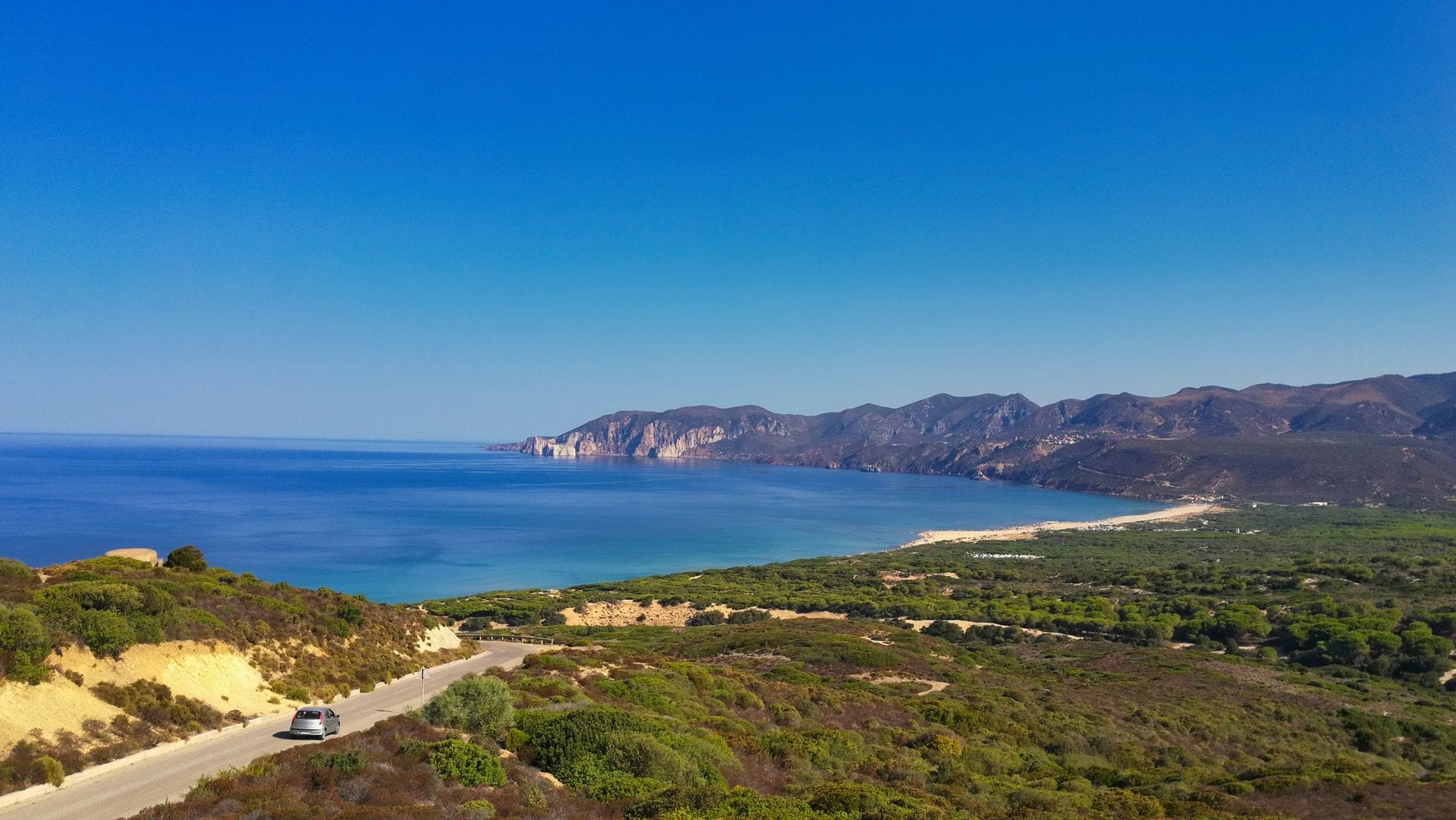
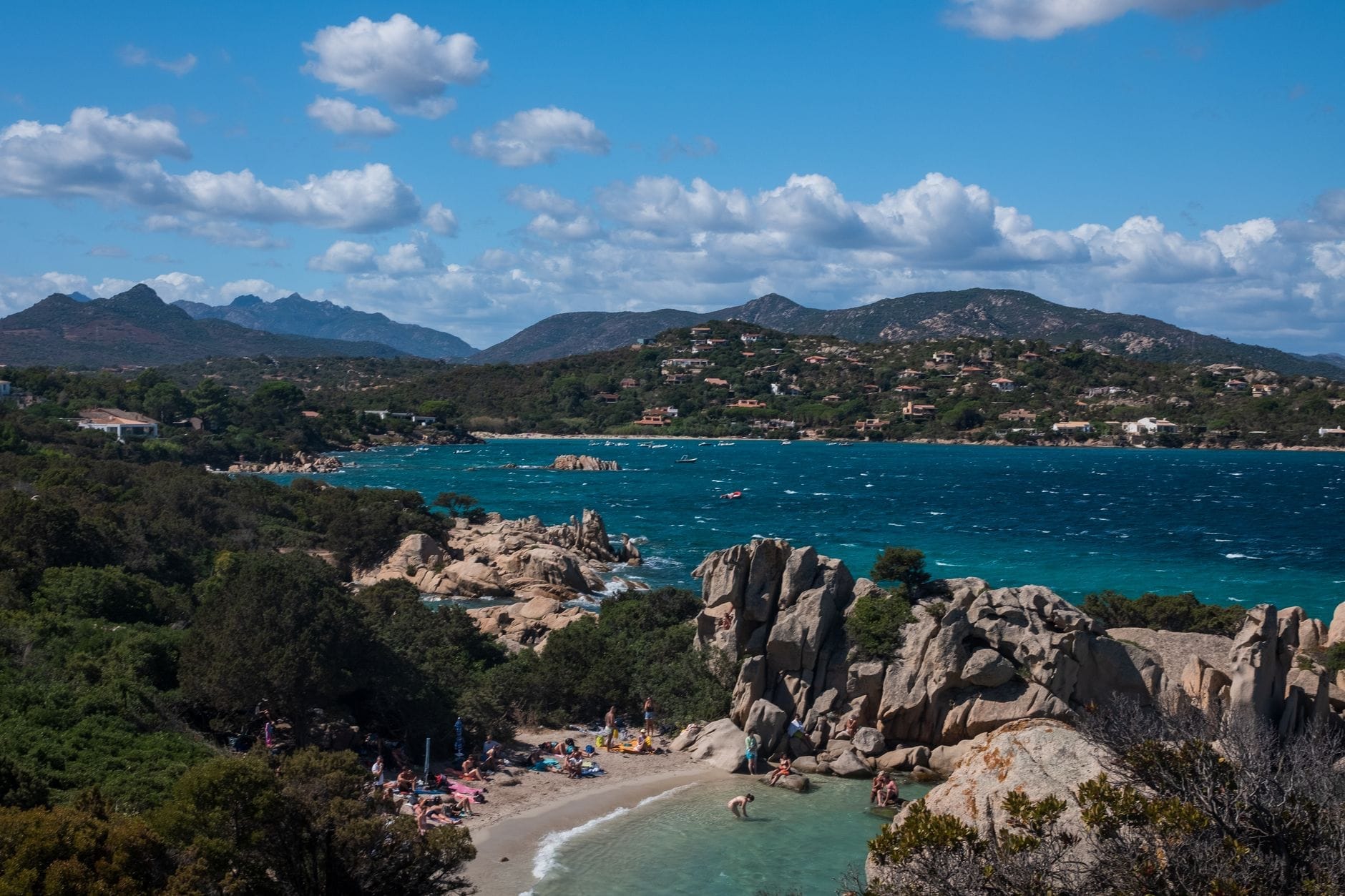
Sardinia is Italy's second-largest island, stretching roughly 270 km from north to south and about 145 km east to west. That scale matters when planning a 7-day trip. Driving from Cagliari in the south to the Costa Smeralda in the northeast takes around 3.5 to 4 hours on the SP and SS roads — and Sardinia has no motorways, making it the only Italian region without one. Build driving time into every day, and don't plan more than two major stops per day.
The three main airports are Cagliari Elmas (CAG, about 7 km from the city centre), Olbia Costa Smeralda (OLB, about 4 km from Olbia), and Alghero-Fertilia (AHO, about 8 km northwest of Alghero). For a south-to-north itinerary — the most logical one-week route — fly into CAG and out of OLB, or do the reverse. This saves you two days of doubling back on the same roads.
⚠️ What to skip
Book your rental car early, especially for July and August travel. Sardinian car hire inventory shrinks fast in peak season, and last-minute rates can be punishing. Pick up the car at your arrival airport and return it at your departure airport if doing a one-way route.
Ferries from mainland Italy are an alternative arrival option: Civitavecchia (near Rome), Livorno, and Genoa all have services to Sardinia via operators including Tirrenia, Moby, and GNV. The overnight crossing to Cagliari from Civitavecchia takes around 13-15 hours — useful if you're bringing a car from the mainland, but rarely the fastest option for a 7-day trip.
When to Go: Matching Your Week to the Season
In short, is that the best time to visit Sardinia for a one-week trip is late May to mid-June, or September into early October. Sea temperatures are comfortable from around 22°C upward, the beaches are open but not saturated, and accommodation costs less than August rates — sometimes significantly less.
- Late May to mid-June Warm days (22-26°C), swimmable sea, wildflowers still visible in the interior. Some smaller beach clubs haven't opened yet, which is a minor inconvenience.
- Late June to August Peak season. Temperatures can reach 38°C inland, beaches are crowded, and prices peak around Ferragosto (August 15). Worth it if you love full summer energy, but book everything 3-4 months ahead.
- September Arguably the best single month for a week in Sardinia. Sea temperatures are at their warmest (around 25-26°C), crowds thin considerably after the first week, and the light is exceptional for photography.
- October Still warm and swimmable in the south. Some northern beach restaurants close after mid-October. Good for hiking and inland exploration.
ℹ️ Good to know
Sardinia operates on Central European Time (CET, UTC+1 in winter; CEST, UTC+2 in summer). Currency is the Euro. Tap water is generally safe to drink across the island, though in some rural or remote areas you should check for 'acqua non potabile' signs.
The 7-Day Itinerary: Day by Day
This route runs south to north, starting in Cagliari and finishing near Olbia. It concentrates on three broad zones: the south (Cagliari and surroundings), the east coast Golfo di Orosei, and the northeast around the Costa Smeralda and La Maddalena. If you fly into Olbia, simply reverse the order.
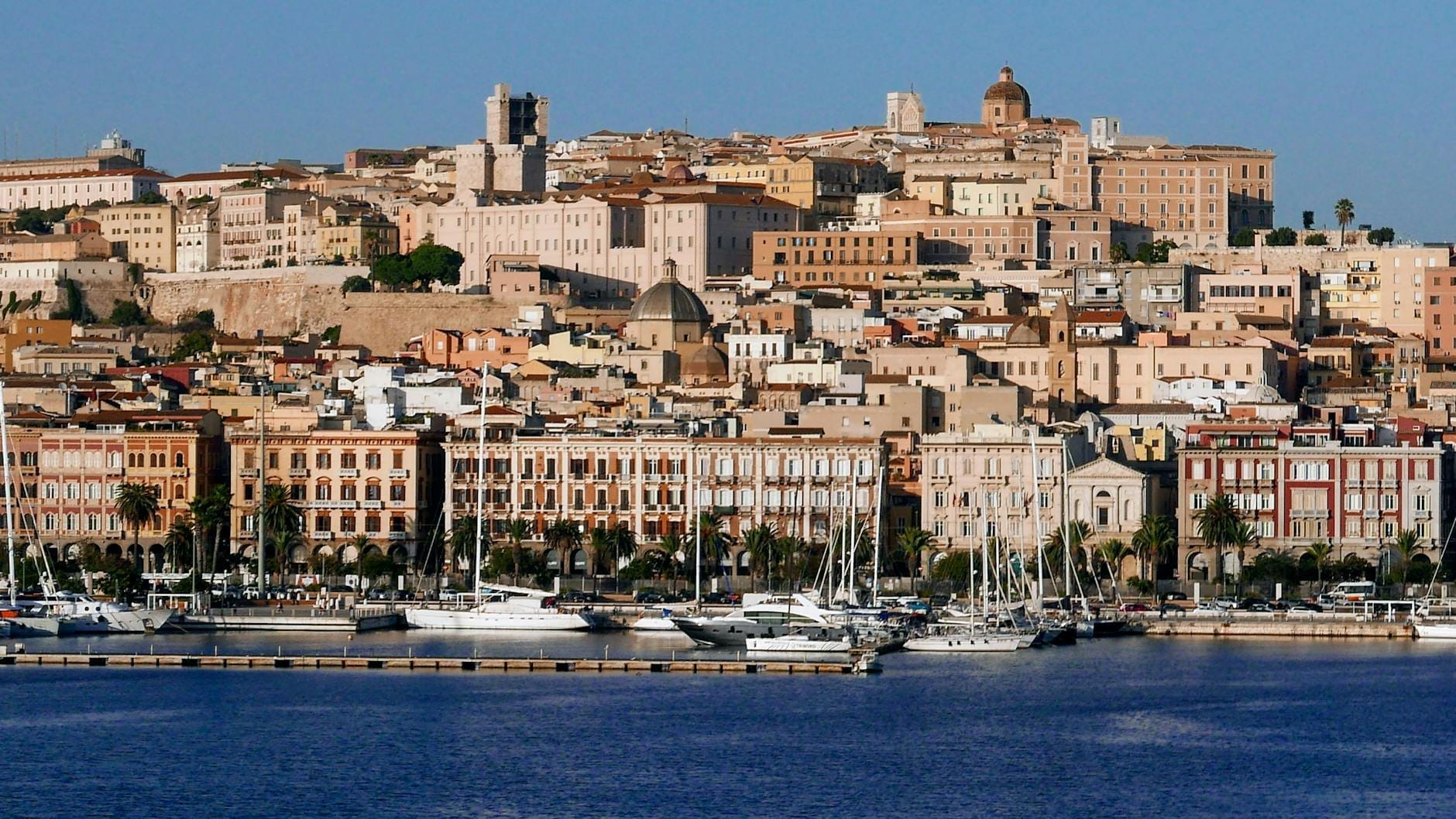
- Day 1 – Cagliari: Castello District and Poetto Beach Arrive at CAG, pick up your rental car, and check in. Spend the afternoon in the Castello district — the medieval hilltop neighbourhood with views over the city and the Parco Molentargius lagoon. Walk the Bastione di Saint Remy for panoramic views. In the evening, head to the Poetto beach promenade (8 km long) for aperitivo. Cagliari is an underrated city with genuine character.
- Day 2 – Villasimius and the Southeast Coast Drive east from Cagliari (about 50 km, under an hour) to Villasimius. Porto Giunco beach, with its brackish lagoon behind it, is one of the most photogenic spots on the island. The water is shallow and intensely turquoise. Return via the SS125 coastal road for views.
- Day 3 – Nuraghe Su Nuraxi and Drive North Head west briefly to visit Su Nuraxi di Barumini, Sardinia's most important Nuragic site and a UNESCO World Heritage Site. The guided tour takes about an hour and provides genuine context for the island's 3,500-year-old Bronze Age civilisation. Then drive north toward the Ogliastra coast, stopping at the red rocks of Arbatax if time allows. Base yourself in or near Cala Gonone for nights 3 and 4.
- Day 4 – Golfo di Orosei: Boat Trip to Cala Luna and Cala Mariolu Book a morning boat excursion from Cala Gonone to the sea caves and beaches accessible only by water. Cala Luna's arched cave entrance and Cala Mariolu's pebble beach with crystalline water are the highlights. Most boats return by early afternoon, leaving time to walk the Gorropu gorge trailhead in the evening.
- Day 5 – Drive North: Nuoro Interior or SS131 to Sassari This is your longest driving day (roughly 3 hours depending on route). Consider a lunch stop in Nuoro or pass through the Barbagia heartland. If time is tight, take the SS131 west of the mountains for a faster run north. Overnight near Alghero or Sassari.
- Day 6 – Alghero, Capo Caccia, and the Grotte di Nettuno Alghero's historic centre is one of Sardinia's most walkable and visually coherent old towns, with Catalan Gothic architecture and genuine café culture. Spend the morning there. In the afternoon, drive 25 km to Capo Caccia and take the Escala del Cabirol — 656 steps carved into the cliff — down to the Grotte di Nettuno, dramatic limestone caves at sea level. Boat access is also available from Alghero port.
- Day 7 – Palau, La Maddalena, and Olbia Drive east across the northern tip of the island to Palau (around 1.5 hours from Alghero). Take the 15-minute ferry to La Maddalena island and spend 2-3 hours exploring. If you have a morning flight from Olbia the next day, drive the final 40 km to Olbia in the evening. Alternatively, join a boat tour of the La Maddalena archipelago from Palau — these run daily from May through September.
✨ Pro tip
On Day 4, book your Golfo di Orosei boat trip in advance during any visit between June and September. Operators in Cala Gonone fill up quickly, and some coves have daily visitor caps enforced by marine park rangers.
What This Itinerary Skips (and Why)
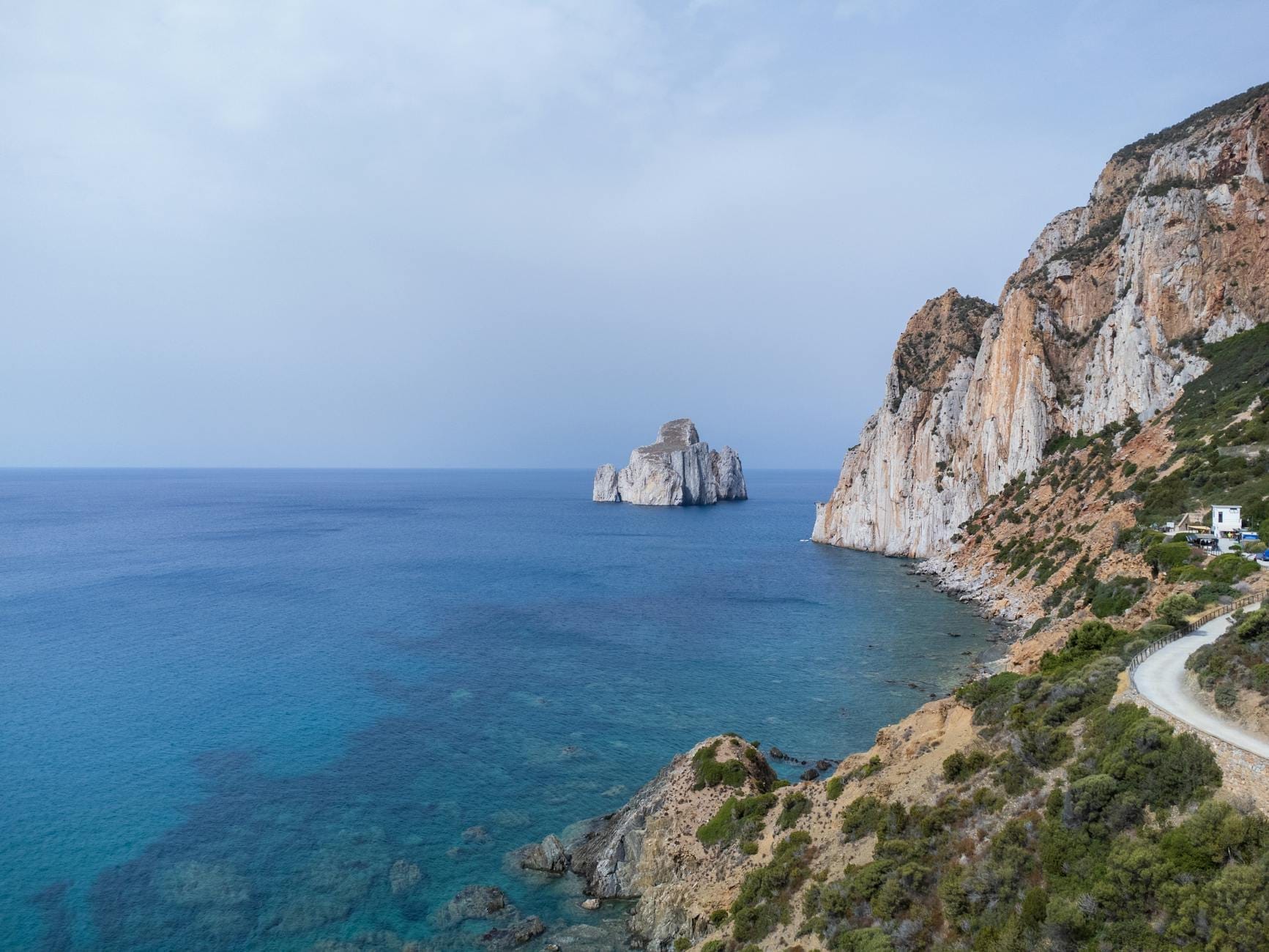
A week in Sardinia means making deliberate trade-offs. This route skips the southwest coast around Iglesias and the Sulcis region, which has impressive beaches like Cala Domestica and the dramatic sea stack of Pan di Zucchero. It also skips the Sinis Peninsula west of Oristano, home to the Tharros archaeological site and Is Arutas beach with its quartz-grain sand.
If beaches are your priority over archaeology and cave tours, consider spending 2 nights near Villasimius and Costa Rei instead of one, and skip the Golfo di Orosei section. If you're more interested in the Nuragic civilisation, add time at Nuraghe Santu Antine in the north or visit the Museo Archeologico Nazionale in Cagliari on Day 1 to frame the rest of the trip.
The Costa Smeralda around Porto Cervo is deliberately limited to a drive-through in this itinerary. Unless you're staying at one of the luxury resorts there, the area can feel like a high-end shopping mall with a beach attached — beautiful water, but not representative of Sardinia's real character. A morning walk and lunch in one of the smaller villages nearby is more rewarding than a full day.
Practical Essentials for a Week on the Island
Italian emergency services are reached on 112 (the EU-wide number), with 118 for medical emergencies and 115 for fire and rescue. Italy's country dialling code is +39. English is spoken reasonably well in tourist areas; in inland villages, Italian is essential and a few Sardinian words are warmly received.
Italy uses Type C, F, and L plugs at 230V/50Hz — travellers from North America and the UK will need adapters. Tipping is not mandatory and service is often included in the bill via a 'coperto' (cover charge); leaving small change is appreciated but rounding up by a euro or two is sufficient. For a deeper look at the food culture that makes Sardinia distinctive, the Sardinia food guide covers everything from pane carasau to bottarga.
- Book accommodation in coastal areas at least 2-3 months ahead for July and August travel — quality options near popular beaches sell out fast.
- Carry cash in smaller towns and at beach parking areas; card acceptance improves every year but is not universal.
- Many beaches require paid parking in peak season (often around 3-8 EUR per day); arrive before 9am to secure spots at popular coves.
- Do not remove sand, shells, or pebbles from beaches — this is illegal under Sardinian law and fines can reach several hundred euros.
- Beachwear is for beaches only; walking in swimwear in town centres violates local ordinances in several Sardinian municipalities.
- Sunscreen and hat are non-negotiable in July and August; UV index regularly reaches 9-10 and shade is scarce on open beaches.
💡 Local tip
For the Cagliari airport to city centre transfer, the regional train takes about 5-7 minutes and costs only a few euros — far cheaper and often faster than a taxi for most travellers. Trains run frequently throughout the day, roughly every 20-30 minutes from early morning until late evening.
If a week feels too short (it will), consider whether a two-week trip is feasible — our two weeks in Sardinia guide builds on this base itinerary with a full southern loop and more time on the west coast. Alternatively, the Sardinia road trip guide covers logistics for self-drive touring in more detail, including fuel costs, road conditions, and the best scenic routes.
Budget Expectations for 7 Days
Sardinia is not a budget destination in July and August, but it can be managed well in shoulder season. For a general breakdown, the Sardinia on a budget guide goes into detail, but here are the key parameters for a 7-day trip.
- Accommodation Budget travellers can find agriturismos and B&Bs from around 60-90 EUR per night in shoulder season. Mid-range hotels near popular beaches typically run 100-180 EUR. Prices in peak August can double or more for the same rooms.
- Car hire A small car for 7 days booked in advance costs around 200-350 EUR in shoulder season, rising to 400-600 EUR or more in August. Fuel costs roughly 1.80-2.00 EUR per litre (petrol). Budget around 50-80 EUR in fuel for a south-to-north route.
- Food A sit-down lunch at a local trattoria costs around 15-25 EUR per person including wine. Dinner at a coastal restaurant runs 25-45 EUR. Supermarkets and bakeries allow significant savings for breakfast and picnic lunches.
- Boat trips Golfo di Orosei half-day boat excursions typically run 35-55 EUR per person. La Maddalena archipelago day tours from Palau are usually 40-65 EUR including snorkelling gear. Ferry to La Maddalena island is around 5-7 EUR each way.
- Beaches Most beaches are free to access. Beach clubs (stabilimenti) charge for sun loungers and umbrellas, typically 15-30 EUR for a pair of chairs and an umbrella per day at mid-range establishments.
FAQ
Is one week enough time for Sardinia?
One week gives you enough time to explore two or three regions well — for example, the south around Cagliari, the east coast Golfo di Orosei, and the northeast. It is not enough to cover the whole island without spending most of your time driving. Locals and frequent visitors generally say 10-14 days is the minimum to do Sardinia justice, but a carefully planned week is rewarding.
Do you need a car in Sardinia for a week?
Yes, for any multi-stop itinerary a rental car is essential. Public transport on the island is limited to main towns and does not serve most beaches or inland attractions at useful frequencies. The only exception is if you plan to stay in one place — for example, spending the full week based in Cagliari with day trips — but that limits your experience considerably.
What is the best base for a week in Sardinia?
There is no single best base for a one-week trip because the island is too large. A more effective approach is to move between 2-3 bases: for example, Cagliari for nights 1-2, Cala Gonone or Arbatax for nights 3-4, and Alghero or Palau for nights 5-7. This reduces daily driving while covering the main areas.
Is it safe to drink tap water in Sardinia?
Tap water in Sardinia is generally safe to drink and meets EU quality standards. In remote rural areas, look for signs reading 'acqua non potabile', which indicate the water is not suitable for drinking. In cities and established tourist areas, tap water is fine.
What should I not do in Sardinia as a tourist?
Do not take sand, shells, or pebbles from beaches — this is illegal and fines can be substantial. Do not wear beachwear in town centres; local ordinances in several municipalities prohibit this. Do not expect to cover the whole island in a week and plan your driving time realistically. And do not skip the food: Sardinian cuisine is distinct from mainland Italian cooking and one of the best reasons to visit.