Museo Archeologico Nazionale di Cagliari: Sardinia's 7,000-Year Story in One Building
The Museo Archeologico Nazionale di Cagliari is the most comprehensive archaeological collection in Sardinia, housing over 4,000 artifacts that trace the island's history from the Neolithic period through the early Middle Ages. Occupying a purpose-built complex inside the historic Castello district, it is the essential starting point for understanding everything from Nuragic civilization to Phoenician and Roman settlement on this ancient island.
Quick Facts
- Location
- Piazza Arsenale 1, Cittadella dei Musei, Castello district, Cagliari
- Getting There
- City buses serve the Castello area; the Cittadella dei Musei is a short walk uphill from Piazza Yenne or reachable by taxi
- Time Needed
- 2 to 3 hours for a thorough visit; allow more if you plan to explore the Nuragic bronzes in depth
- Cost
- Paid entry; free on the first Sunday of every month (national 'Domenica al Museo' initiative). Verify current prices at museinazionalicagliari.cultura.gov.it
- Best for
- History enthusiasts, archaeology lovers, rainy-day culture, families with older children
- Official website
- museinazionalicagliari.cultura.gov.it
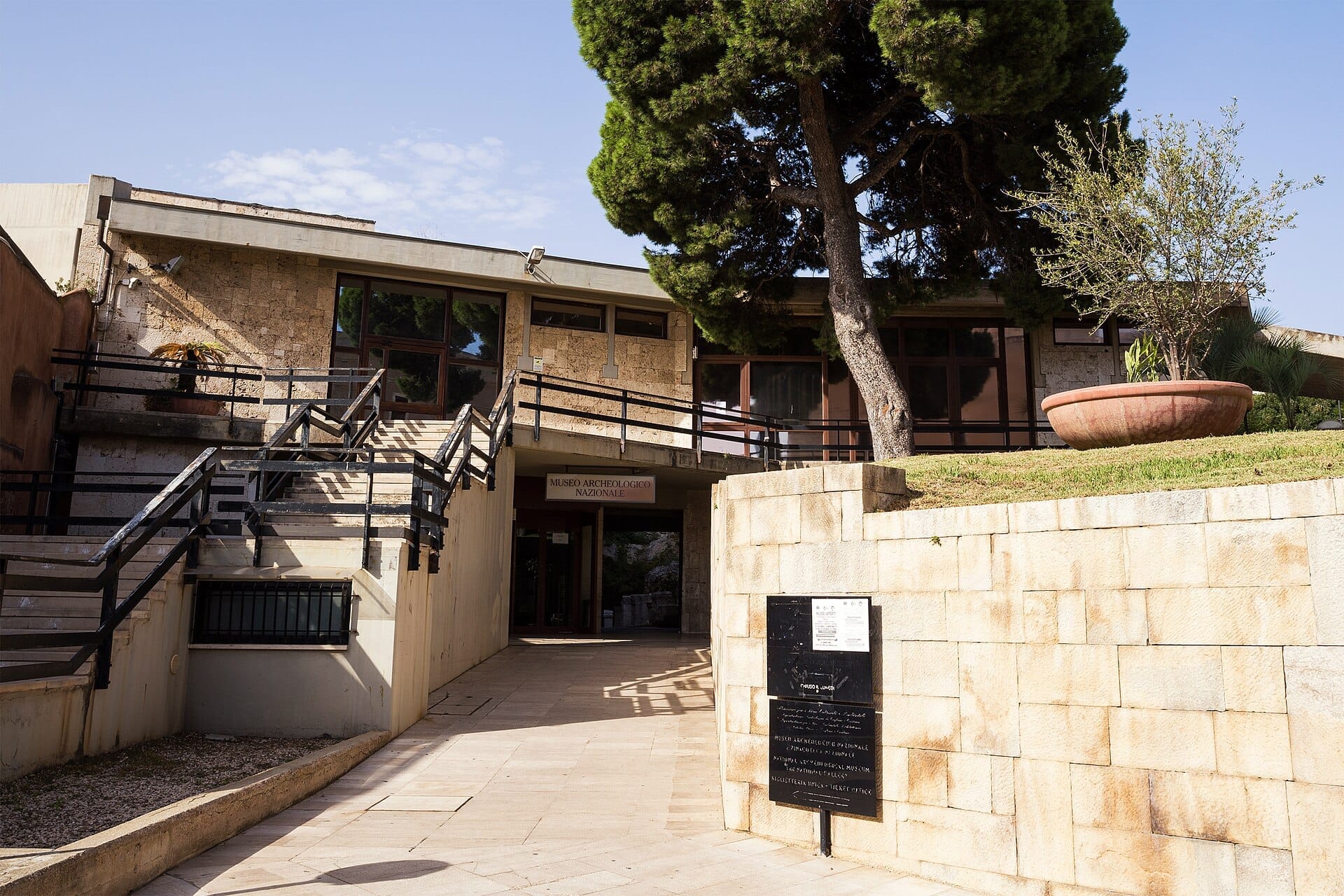
What the Museo Archeologico Nazionale di Cagliari Actually Is
The Museo Archeologico Nazionale di Cagliari — the National Archaeological Museum of Cagliari — is the principal repository of Sardinian archaeological heritage, and it earns that title. Over 4,000 catalogued artifacts cover nearly 7,000 years of continuous human presence on the island, from Neolithic obsidian tools to early medieval grave goods. No other institution in Sardinia assembles this breadth of material in a single place.
The museum sits within the Cittadella dei Musei, a complex built between 1956 and 1979 by architects Libero Cecchini and Piero Gazzola. Rather than demolishing the old royal arsenal and medieval defensive walls in the Castello district, the architects incorporated their remains into the new structure — a decision that gives the building an unusual character: modernist concrete coexisting with centuries-old masonry. Since 2019 it has operated as part of the National Museums of Cagliari, an institution with special administrative autonomy under the Italian Ministry of Culture.
💡 Local tip
Opening hours are Monday to Sunday, 08:30 to 19:30, with the ticket office operating from 08:30 to 18:45. Arrive by 17:00 at the latest if you want unhurried time with the collections.
The Collections: What You Will Actually See
Prehistoric and Nuragic Sardinia
The Nuragic section is the museum's heart, and for good reason. The Nuragic civilization — which built the island's distinctive stone towers between roughly 1700 and 500 BCE — left behind a material culture unlike anything on the Italian mainland. The bronzetti, small votive bronze figurines, are the centerpiece: warriors with horned helmets, wrestlers, musicians, boats. These objects are cast with a confident, almost abstracted style that feels unexpectedly modern. Many were found at sacred well sanctuaries across the island and are thought to have been offerings.
The scale and variety of the Nuragic collection here sets this museum apart from the site-specific displays you find near individual nuraghi. If you plan to visit Su Nuraxi di Barumini or other Nuragic sites, the Cagliari museum is the ideal preparation: it provides the interpretive context that open-air ruins alone cannot supply.
Phoenician, Punic, and Roman Periods
After the Nuragic galleries, the collections walk you through the successive layers of foreign influence on the island. Phoenician traders arrived around the 9th century BCE, followed by Carthaginian control, then Roman annexation in 238 BCE. The museum holds a significant collection of Punic funerary objects — amulets, terracotta masks, razors with engraved decoration — excavated from necropoleis across Sardinia. Roman-era material includes inscriptions, mosaic fragments, coins, and sculptures recovered from sites such as Nora and Tharros.
If you find the Roman exhibits compelling, the archaeological park at Nora — about 40 kilometres southwest of Cagliari — shows many of these same periods in situ. The two experiences complement each other well.
The Giants of Monte Prama Casts
The museum displays cast reproductions of some of the Giants of Monte Prama, the monumental stone statues discovered near Cabras in the 1970s and dated to the Nuragic period. The originals are held at the Museo Civico Giovanni Marongiu in Cabras after years of restoration, but seeing the casts here — some reaching nearly two and a half metres tall — gives you a sense of scale that photographs cannot replicate. These are among the oldest monumental sculptures in the Mediterranean, predating comparable Greek kouros statues by centuries.
To see the original restored statues, the Giants of Monte Prama are worth the journey to Cabras if your itinerary allows it.
Tickets & tours
Hand-picked options from our booking partner. Prices are indicative; availability and final rates are confirmed when you complete your booking.
Cagliari's historic centre tour with National Archaeological Museum
From 66 €Instant confirmationFree cancellationGulf of Cagliari kayak tour
From 72 €Instant confirmationFree cancellationCagliari Sunset Boat Tour With Prosecco, Focaccia and Swimming
From 75 €Instant confirmationFree cancellationSmall Group Tour to Su Nuraxi Unesco Site From Cagliari
From 90 €Instant confirmationFree cancellation
The Building and Its Setting
The Cittadella dei Musei occupies the highest point of the Castello district, the medieval walled hilltop that has served as Cagliari's political and religious center for centuries. Arriving here means climbing — either on foot up stone staircases from the lower city, or by taxi directly to Piazza Arsenale. The effort is part of the experience: by the time you reach the entrance, you are already inside the old city walls, with views down over the rooftops of Cagliari and, on clear days, toward the Poetto beach shoreline and the lagoons beyond.
The Castello district itself rewards exploration before or after your visit. The Castello district contains the cathedral, medieval towers, and a density of historical atmosphere that few Italian island capitals can match. Budget at least half a day to take in both the museum and the surrounding streets.
How the Experience Changes Through the Day
Morning visits — arriving at or shortly after the 08:30 opening — are the quietest. School groups tend to arrive between 09:30 and 11:30, particularly outside summer months, which can make the Nuragic galleries noisier during that window. By early afternoon, especially in summer, visitor numbers thin out as people retreat from the heat; the museum's climate-controlled interior becomes appealing around 13:00 to 15:00 when Cagliari bakes outside.
Late afternoon, from around 16:00 onward, brings a calmer atmosphere and softer light filtering through the building's upper windows. This is a good time if you want to photograph the bronzetti without competing for space, though you should ensure you have enough time before the 18:45 ticket office closure.
ℹ️ Good to know
The museum is free on the first Sunday of every month as part of Italy's national 'Domenica al Museo' initiative. Expect higher visitor numbers on these days, particularly in the morning.
Practical Information for Your Visit
Getting There
The museum is at Piazza Arsenale 1 in the Cittadella dei Musei. Cagliari's CTM city bus network serves the Castello area; check current routes at the CTM website before your visit, as routes are subject to change. Taxis are reliable and straightforward — ask for 'Cittadella dei Musei' or 'Piazza Arsenale.' On foot from the lower city, the most direct ascent is via the staircases near the Bastione di Saint Remy, which is itself worth a brief stop for panoramic views over the city.
Accessibility
The museum has a dedicated route for blind and visually impaired visitors, including tactile maps. For detailed accessibility planning, contact the museum directly at +39 070 655911. The Cittadella dei Musei complex was designed with ramps and adapted routes, though the surrounding Castello streets are steep and uneven, so planning your approach in advance is advisable if mobility is a concern.
What to Bring
- Photo ID, as it may be requested at the ticket desk
- A jacket or light layer in summer — the interior is air-conditioned and can feel cool after time in the heat outside
- A notebook or sketchbook if you plan to document artifacts; photography is generally permitted without flash for personal use, but verify at the ticket desk
- Water, since there is no café inside the main museum galleries
Who This Museum Is For — and Who Might Skip It
The Museo Archeologico Nazionale di Cagliari rewards visitors who arrive with some curiosity about Sardinian prehistory. The bronze figurines alone — intricate, strange, and unlike anything in mainland Italian collections — justify the visit for anyone with even a passing interest in ancient Mediterranean cultures. History travelers, archaeology enthusiasts, and anyone who has read about the Nuragic civilization before arriving will find this museum exceeds expectations.
The museum is less suited to visitors looking for a quick cultural tick between beaches. The displays are text-heavy in places, and while English translations are available, the interpretive depth assumes a degree of engagement. If your Sardinia trip is primarily beach-focused and you have only a day in Cagliari, it is fair to say that the Bastione di Saint Remy terrace and a walk through Castello might give you a faster but still meaningful experience of the city. The museum is the right choice when you want substance.
Very young children may find the displays less engaging than the open spaces and towers of the Castello district nearby. Families with children aged ten and older, who can appreciate the scale and strangeness of the bronzetti, tend to get more from the visit.
Insider Tips
- Tickets purchased online in advance can save time at the desk, particularly on free-entry Sundays when queues form before opening.
- The Cittadella dei Musei complex also houses the Museum of Siamese Art and the Gallery of Prints — your ticket may provide access to more than just the archaeological collection, so check at the desk what is included.
- The view from Piazza Arsenale at the top of the Cittadella is one of the better panoramic points in Cagliari, looking south toward the lagoons. Arrive with a few extra minutes before your museum entry to take it in.
- If you are visiting multiple archaeological sites in Sardinia, ask about combined ticketing options at the National Museums of Cagliari — periodic promotions have linked the museum with other sites.
- The museum's collection of Nuragic bronzes is the largest publicly accessible collection of its kind; arrive with images of the Giants of Monte Prama fresh in mind, as the scale comparison with the smaller bronzetti is revealing.
Who Is Museo Archeologico Nazionale di Cagliari For?
- Archaeology and prehistory enthusiasts who want the full Nuragic context before visiting sites across the island
- History travelers spending at least a full day in Cagliari
- Visitors caught in summer heat who want a meaningful, climate-controlled afternoon
- Families with children aged 10 and older who can engage with ancient artifacts
- Anyone building an itinerary around Sardinia's nuraghi, sacred wells, or coastal archaeological parks
Nearby Attractions
Other things to see while in Cagliari:
- Anfiteatro Romano di Cagliari
The Roman Amphitheatre of Cagliari is the most significant Roman monument in Sardinia, partially carved into the limestone hillside of Colle di Buoncammino. With a capacity estimated at 10,000 spectators, it dates to the late 1st or early 2nd century AD. Ongoing restoration limits what you can explore, but the scale of the structure and its setting repay the modest entrance fee.
- Bastione di Saint Remy
Standing at the southern edge of the Castello district, the Bastione di Saint Remy is a monumental Belle Époque terrace that offers some of the most commanding views in Cagliari. Free to enter and, as a public terrace, generally accessible at all hours, it rewards visitors who time their ascent right — especially at dusk, when the city lights begin to compete with the last colour in the sky.
- Castello District
Perched about 100 metres above sea level on a fortified limestone hill, the Quartiere Castello is the oldest and most historically layered part of Sardinia's capital. Enclosed by 13th-century Pisan walls, it holds the city's cathedral, major museums, and some of the best rooftop views in the Mediterranean. Entry is free, and the streets can be walked at any hour.
- Cattedrale di Santa Maria (Cagliari)
Rising above the Castello quarter on Piazza Palazzo, the Cattedrale di Santa Maria e Santa Cecilia is Cagliari's most important religious monument. First documented in the mid‑13th century and remodelled across several centuries, it layers Pisan Romanesque, Gothic, Baroque, and Neo-Romanesque styles into a single compelling structure. Entry is free, and the interior rewards anyone willing to look closely.