Sardinia on a Budget: How to Visit Without Overspending
Sardinia has a reputation as a playground for superyachts and celebrity holidays. That reputation is earned in places like Costa Smeralda — but it doesn't apply to the rest of the island. With the right timing, transport choices, and a few local habits, visiting Sardinia on a budget is entirely realistic. This guide breaks down exactly how.
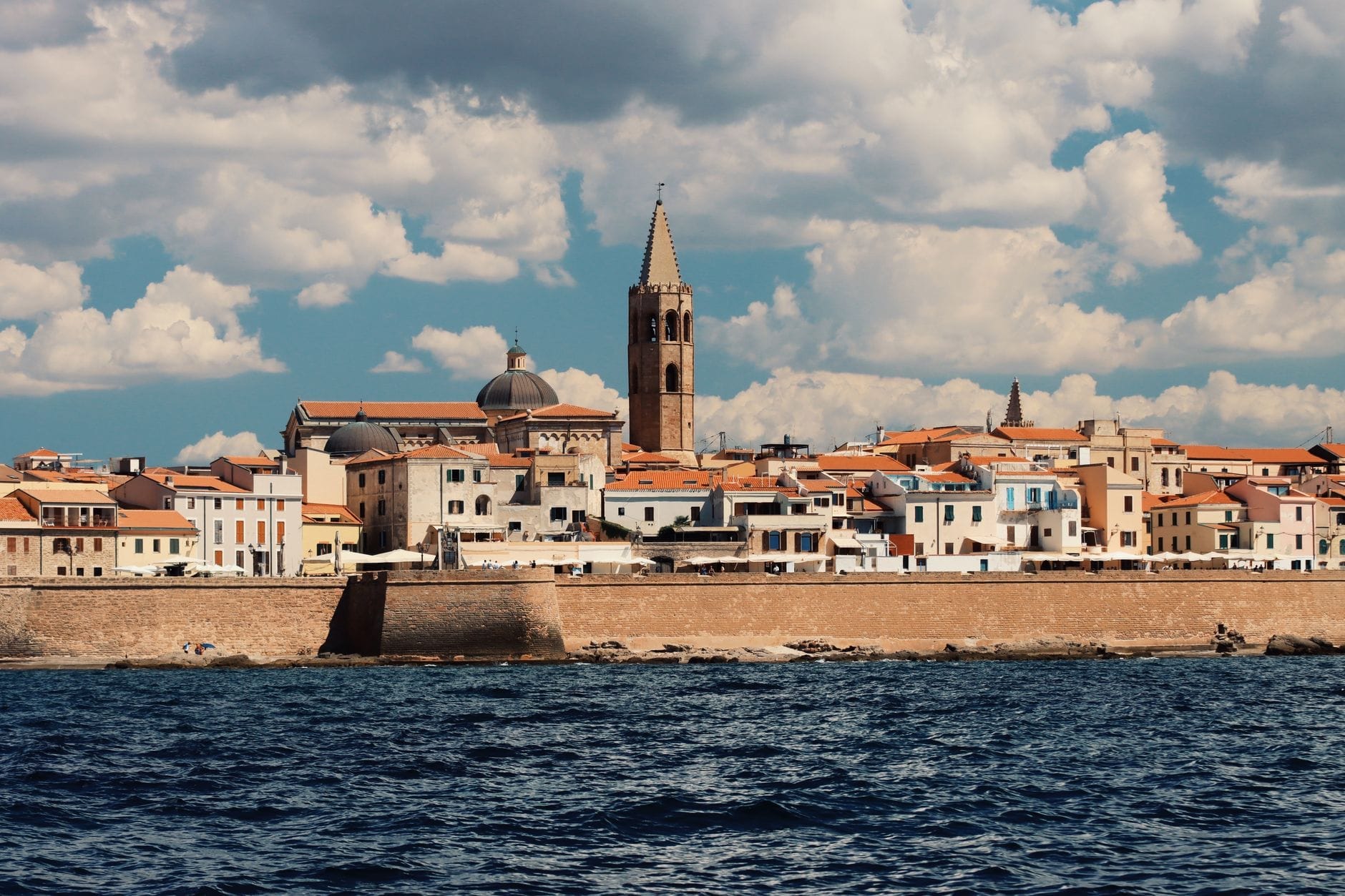
Plan and book this trip
Tools from our partner Travelpayouts help you compare flights and hotels. If you book through them, we may earn a commission at no extra cost to you.
Flights
Hotels map
TL;DR
- Avoid July and August: accommodation and car rental prices can double compared to May, June, or September.
- Shoulder season (May-early June, September-October) gives you warm weather, swimmable seas, and dramatically lower costs — see our best time to visit Sardinia guide for the full seasonal breakdown.
- A realistic daily budget is €60-90 per person (hostel or budget B&B, local meals, free beaches), versus €130-180 for mid-range travel.
- The island is not well served by public transport beyond main routes — budget for a rental car if you want to explore the coast freely. Off-season rates start around €25/day.
- Costa Smeralda and Porto Cervo are expensive. Base yourself in Cagliari, Alghero, or smaller inland towns to cut costs significantly.
The Truth About Sardinia's Prices
Sardinia is the second-largest island in the Mediterranean, covering 24,100 km² with a population of around 1.59 million. It is an autonomous region of Italy, which means Italian prices, the euro (EUR), and Italian tipping customs apply throughout. The expensive reputation comes almost entirely from one area: the northeastern Costa Smeralda, developed in the 1960s for the international jet set and still priced accordingly. Porto Cervo marina, in particular, operates in a different economic universe from the rest of the island.
Away from that corner of the island, prices are broadly in line with southern Italy — cheaper than the Amalfi Coast, roughly comparable to Sicily. Comparing Sardinia to Sicily on price, both islands reward travelers who do their homework on timing and location. A pizza costs around €6-9. An espresso is about €1.20. A two-course set lunch (menù del giorno) runs €10-15 at a local trattoria. These numbers hold whether you're in Cagliari, Oristano, or a hill town in Barbagia.
⚠️ What to skip
The 'coperto' (cover charge) at restaurants is standard in Italy and not a scam. Expect €1.50-3 per person added to your bill at sit-down restaurants. It's not a tip — tipping is optional and typically just rounding up or leaving a euro or two. Service charge is sometimes included separately; check your bill before leaving anything extra.
When to Go: The Single Biggest Budget Decision
Timing your trip is the most powerful lever you have. July and August are peak season in Sardinia, and prices across accommodation, car rental, and ferry crossings from mainland Italy can double — or more — compared to shoulder months. Beach resorts that charge €80/night in May often list the same room at €180 in August. Car rental that costs €25-30/day in April can reach €70-100/day in the second week of August. The island also becomes crowded: beaches that are serene in June have umbrella-to-umbrella density by late July.
The shoulder seasons deliver a compelling trade-off. In May and early June, daytime temperatures reach 20-25°C, the sea is swimmable from May onwards (particularly in the south), and you'll have many beaches almost to yourself. September and October remain warm — highs around 26-27°C in September — and the sea stays at its warmest after months of summer sun. September in Sardinia is widely considered the optimal month for combining good weather, lower prices, and manageable crowds. May is the best value month overall if you prioritize budget above all else.
- July-August (Peak) Highest prices across the board. Beaches crowded. Some parking near popular spots requires fees. Book everything months in advance or expect limited options.
- June & September (Near-Shoulder) Good weather, sea temperature excellent, prices 20-40% lower than peak. A practical compromise if school holidays constrain your timing.
- May & October (Shoulder) Best value. Warm and dry. Sea swimmable, especially in the south. Most tourist infrastructure open. Significantly cheaper accommodation and car hire.
- November-April (Off-Season) Cheapest prices but some coastal resorts close entirely. Inland Sardinia — Barbagia, Cagliari, Alghero — remains active. Good for culture, hiking, and food travel.
Getting There and Getting Around on a Budget
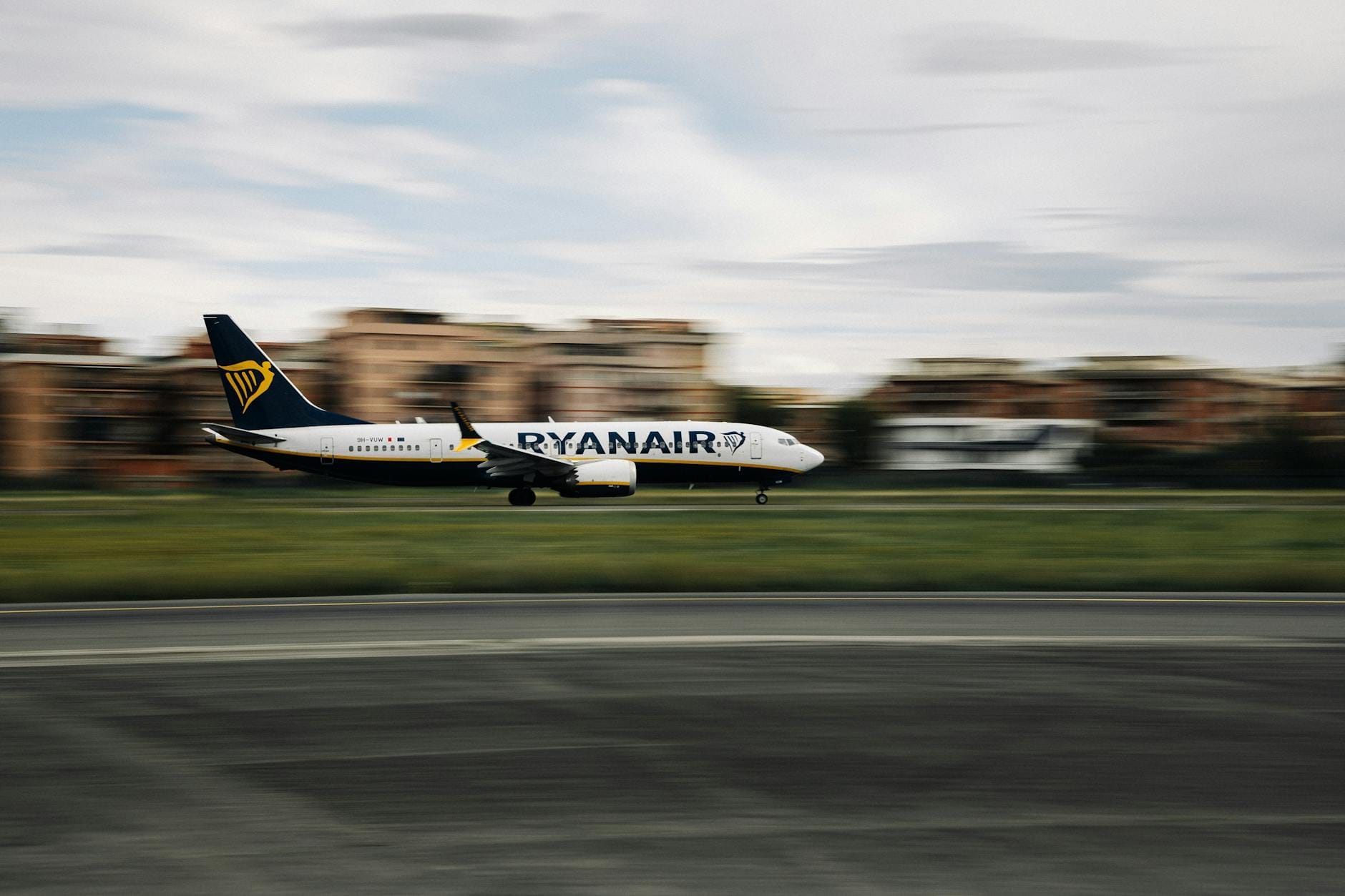
Sardinia has three main airports: Cagliari Elmas (CAG) in the south, Olbia Costa Smeralda (OLB) in the northeast, and Alghero-Fertilia (AHO) in the northwest. Low-cost carriers including Ryanair, easyJet, Volotea, and Wizz Air serve all three from multiple European cities, particularly in summer. Cagliari tends to have the widest year-round schedule. Flying into Alghero often gives the best fares for exploring the north and west without paying Costa Smeralda proximity prices.
Getting from the airports to city centres is straightforward and cheap. From Cagliari Elmas, a regional train (Trenitalia) takes around 5-7 minutes to Cagliari central station for a few euros. From Olbia airport, ASPO buses connect to the city centre. From Alghero-Fertilia, ARST buses run to Alghero and onward to Sassari. Taxis exist at all three airports but are significantly more expensive — useful for groups sharing a fare, otherwise skip them.
On the island, Trenitalia runs regional trains on core routes (Cagliari-Oristano-Sassari-Olbia), with tickets typically €5-15 depending on distance. ARST operates an extensive bus network covering towns and many rural areas at low fares. The caveat: public transport works well between main cities but is slow and infrequent for coastal exploration. If you want to reach beaches like Chia or the coves of the Golfo di Orosei independently, a rental car is close to essential. Book early in the shoulder season for rates around €25-35/day. Sardinia also lacks a true motorway network, so factor in slower driving times on state and regional roads.
✨ Pro tip
If you're arriving by ferry from mainland Italy (Genoa, Civitavecchia, Livorno, Naples) with a car, book 3-4 months ahead for summer crossings. Operators include Tirrenia, Moby Lines, and Grandi Navi Veloci. Overnight ferries mean you skip a night's accommodation cost — bring a sleeping bag for a deck seat or book a cabin for comfort. Fares vary enormously by season and how far in advance you book.
Where to Stay: Budget Options Beyond the Beach Resort
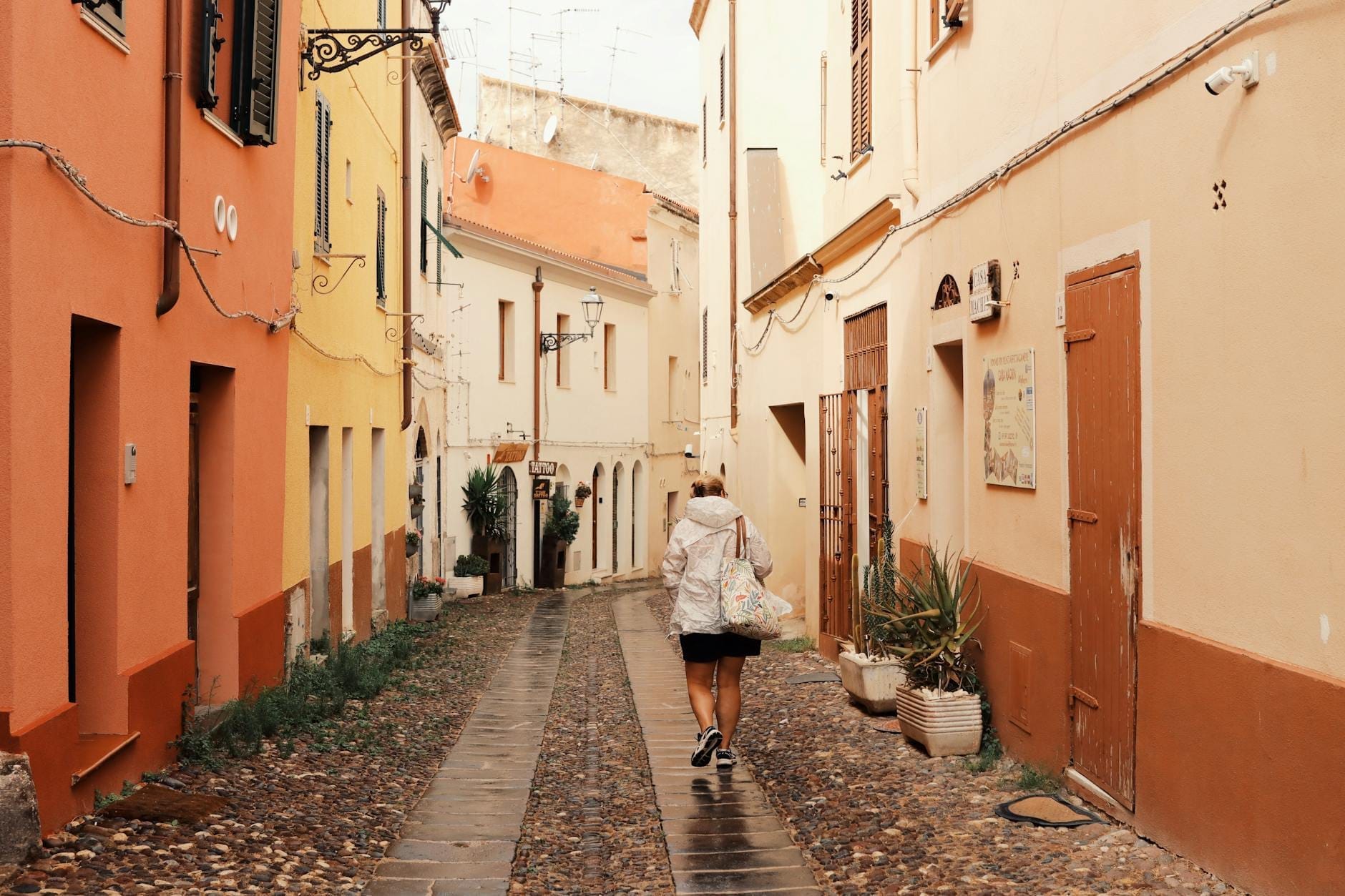
The most reliable way to reduce accommodation costs is to avoid sleeping in prime beachfront locations during peak months. The choice isn't between expensive and unpleasant — Sardinia has good budget options, they're just not always on the waterfront.
Hostel dorm beds in cities like Cagliari, Alghero, and Olbia run around €15-25 per night. Basic double rooms at B&Bs or smaller hotels in the same cities cost roughly €50-80. Staying in Cagliari and doing day trips from Cagliari to southern beaches is a consistently underrated strategy — you get a proper city with restaurants, markets, and nightlife, and you're 30-45 minutes from some excellent beaches.
Agriturismi (farm stays) deserve special mention. They typically cost €70-110 per night including meals, which makes them competitive with standard hotels once you factor in food costs. The meals are often the highlight: local cheese, cured meats, handmade pasta, and wine from the estate. The Sardinia agriturismo guide covers the best options by region. Inland areas like Barbagia and the Oristano hinterland have a strong agriturismo culture and are significantly cheaper than coastal equivalents.
- Cagliari city Best urban base for south Sardinia. Good hostels and B&Bs. Mercato San Benedetto for cheap food shopping. Easy day-trip access to Villasimius and Chia.
- Alghero Compact historic centre, good budget accommodation, cheaper than northeast Sardinia. Strong base for northwest beaches and Grotte di Nettuno.
- Oristano / Sinis Peninsula Genuinely off the tourist radar. Much cheaper than coastal resorts. Access to Is Arutas beach (quartz-sand, remarkable) and Tharros archaeological site.
- Nuoro / Barbagia Inland, cheap, culturally rich. Best base for Gennargentu hiking and the villages of the interior. Agriturismi in this area offer exceptional value.
- Smaller towns near (not in) resorts Staying in Arzachena rather than Porto Cervo, or Siniscola rather than Cala Gonone, can cut accommodation costs by 40-60% while keeping beach access.
Eating Well Without Spending Much
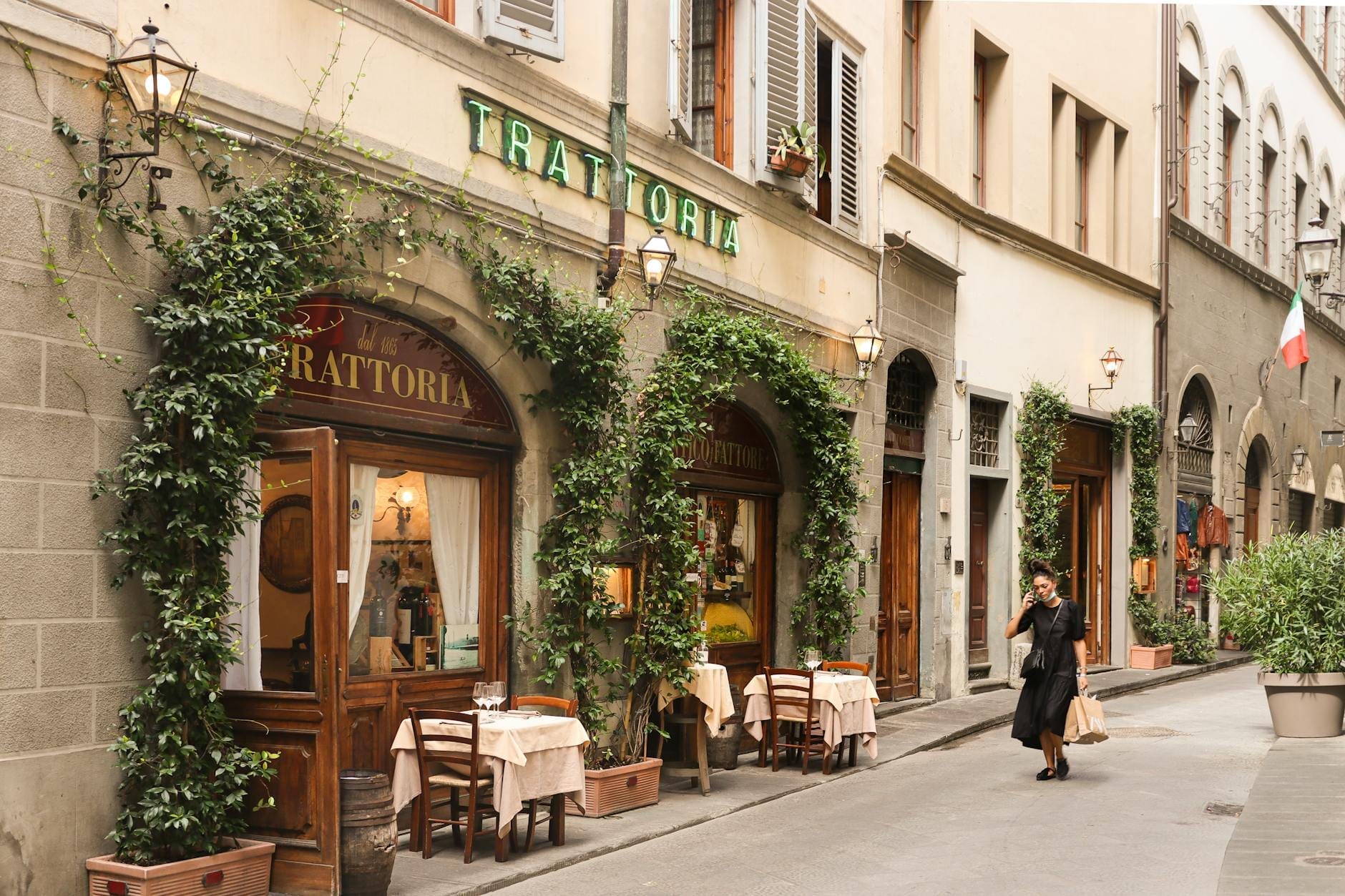
Sardinian food is excellent and not inherently expensive if you eat the way locals do. The menù del giorno — a set two or three-course lunch offered at trattorias and local restaurants — is the single best value meal on the island. For €10-15 you typically get a primo (pasta or soup), a secondo (meat or fish), and sometimes a dessert or coffee. Dinner at the same restaurants costs more, partly because of the tourism premium on evening service.
Street food and market eating keep costs down further. In Cagliari, the Mercato San Benedetto is one of the largest covered markets in Italy — a genuine local institution, not a tourist market. Pick up pecorino, local olives, bread, and fruit for a self-catered lunch. Panifici (bakeries) sell pane carasau (the crisp flatbread) and various stuffed breads cheaply. Pizza by the slice (al taglio) is available in most towns for €2-4 per slice.
💡 Local tip
Restaurants near beaches and in marina areas apply a significant tourist premium. Walk 10-15 minutes inland or into the residential part of any town and prices drop noticeably. The rule applies everywhere from Cagliari's Poetto waterfront to the harbour at Cala Gonone.
Free and Low-Cost Things to Do
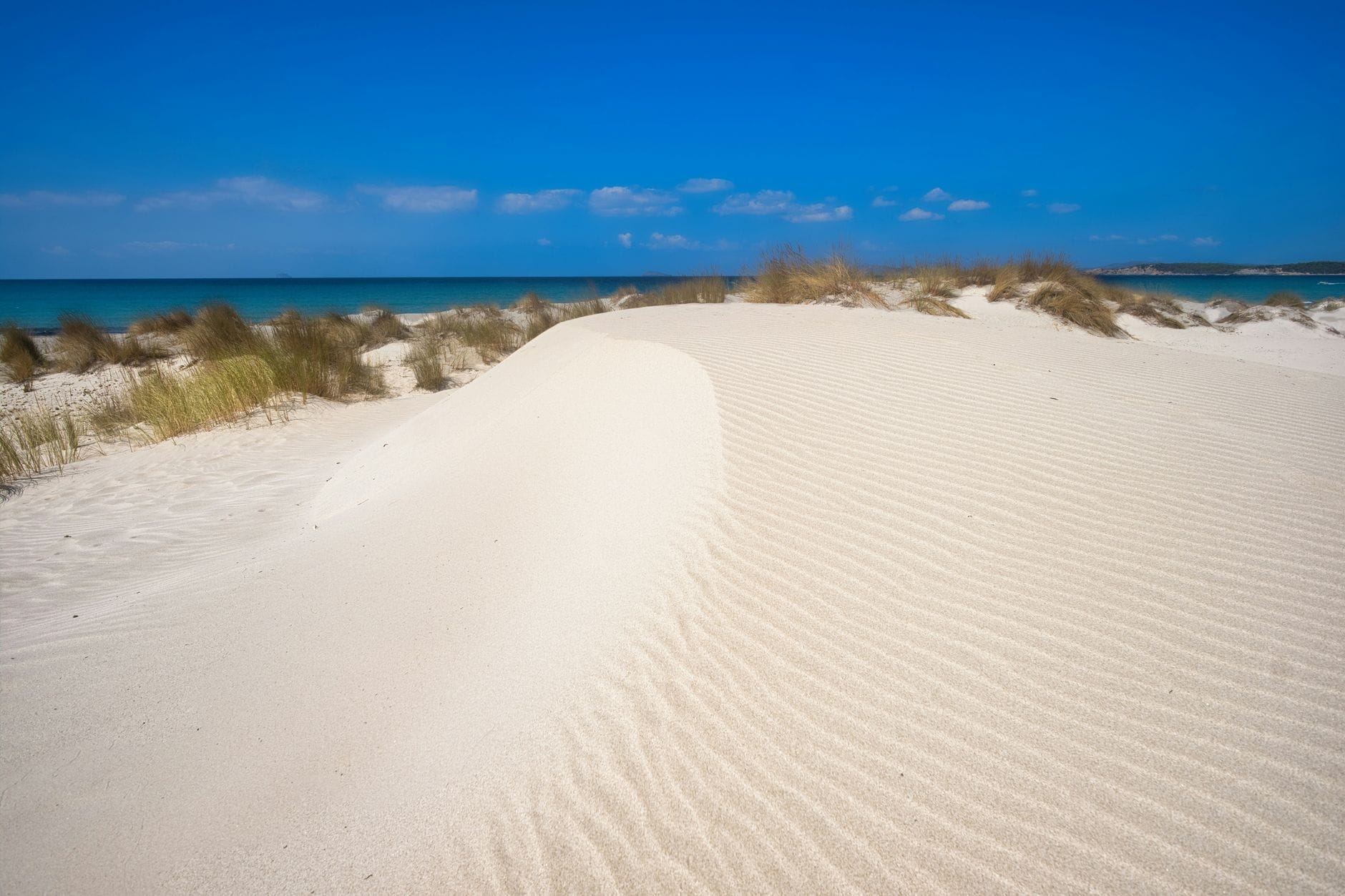
The best things in Sardinia cost nothing or close to it. Nearly all beaches are free to access — you pay only if you choose to hire a sunbed and umbrella, which is optional. Many of the most spectacular beaches in the Mediterranean are here: the white quartz grains of Is Arutas, the pink-tinged sand at Budelli (viewable from a boat), the turquoise coves of the Golfo di Orosei. You need legs and, in some cases, a boat or hike to reach the best ones, but the access itself is free.
Historic centres cost nothing to walk through. The Castello district in Cagliari is a walled medieval quarter with panoramic terraces, churches, and streets worth half a day of exploration at zero cost. Alghero's sea bastions are free to walk. The hill town of Bosa is one of the most photogenic places on the island — coloured houses along the Temo river, a castle above — and costs nothing to explore.
Nuragic sites vary in cost. Su Nuraxi di Barumini (UNESCO-listed) charges admission, but many nuraghi are accessible with minimal or no fee. Sardinia's Nuragic sites include over 7,000 structures across the island, and independent exploration of many lesser-known ones is free. Hiking is largely free: the hiking trails in Sardinia range from coastal walks to mountain routes in the Gennargentu, the highest massif on the island, topped by Punta La Marmora at 1,834 metres.
- Most beaches: free access year-round
- Historic town centres (Cagliari, Alghero, Bosa, Castelsardo): free to explore
- Many nuraghi and archaeological landscapes: free or minimal entry
- Hiking trails including Gennargentu and coastal paths: free
- Local festivals (sagre): free entry, cheap food and wine on-site
- Church interiors, including Romanesque basilicas: generally free
- Scenic drives through Barbagia, Ogliastra, and the SW coast: free
FAQ
Is Sardinia expensive compared to other Mediterranean destinations?
It depends heavily on where you go and when. The Costa Smeralda is among the most expensive coastal areas in the Mediterranean. Everywhere else, prices are comparable to southern Italy — cheaper than the Amalfi Coast, roughly similar to Sicily. In shoulder season (May-June, September-October), a budget of €60-90 per person per day covers accommodation, meals, and transport comfortably.
What is the cheapest time to visit Sardinia?
May and October offer the best combination of low prices and usable weather. November through April is cheapest overall but some coastal resorts close. July and August are the most expensive months by a significant margin — accommodation and car hire can cost twice as much as shoulder season rates.
Do I need a car in Sardinia on a budget?
For main cities and towns, public transport (Trenitalia trains and ARST buses) is adequate and cheap. For coastal exploration — especially reaching the best beaches independently — a rental car makes a big practical difference. Book early in shoulder season for the best rates, around €25-35/day. Without a car, you're limited to beaches accessible by bus or organised tours.
Are beaches in Sardinia free?
Yes, beach access is free throughout Sardinia. Sunbed and umbrella hire is optional — usually €10-20 per day per set — and always avoidable if you bring your own towel. A small number of beaches have parking fees in peak season, but the sand itself does not cost anything to use.
Where should I stay in Sardinia to save money?
Base yourself in a city (Cagliari is the best value urban base) or an inland town rather than a beachfront resort. Cagliari has hostels from €15-25/night and good B&Bs from €50-80 for a double. Agriturismi in the interior (€70-110 including meals) often undercut coastal hotels on total cost. Avoid staying in Porto Cervo, Porto Rotondo, or beachside in Villasimius in July-August if budget is a priority.