Hiking in Sardinia: Best Trails & Trekking Routes
Sardinia is far more than a beach destination. Its limestone canyons, granite peaks, and ancient shepherd paths offer some of the most dramatic hiking in the Mediterranean. This guide covers the best trails from day walks to multi-day epics.
Plan and book this trip
Tools from our partner Travelpayouts help you compare flights and hotels. If you book through them, we may earn a commission at no extra cost to you.
Flights
Hotels map
Most visitors come to Sardinia for the sea, and leave without ever discovering what lies inland: a landscape of limestone massifs, basalt plateaus, river canyons, and mountain ridges laced with trails that shepherds have walked for thousands of years. The island's hiking ranges from gentle coastal ambles to the most remote and technical routes in Italy. Whether you have a single afternoon near Cagliari or a week to spend in the Supramonte, Sardinia rewards walkers with scenery and solitude that its beaches simply cannot match.
The best seasons for hiking are spring (April to June) and autumn (September to October), when temperatures are comfortable and the scrubland is green. Summer hiking is possible but demands very early starts and plenty of water, especially on exposed limestone routes. For planning your wider trip around these trails, the Sardinia road trip guide is useful since most trailheads are remote and require a car. Detailed GPS tracks for all routes mentioned here are available on AllTrails and Outdooractive.
✨ Pro tip
Always carry at least 2 litres of water per person on Sardinian trails. Shade is scarce on limestone routes, springs are unreliable, and summer temperatures can exceed 38°C. Good grip hiking boots are essential on the island's polished rock surfaces.
Epic Multi-Day & Bucket-List Treks
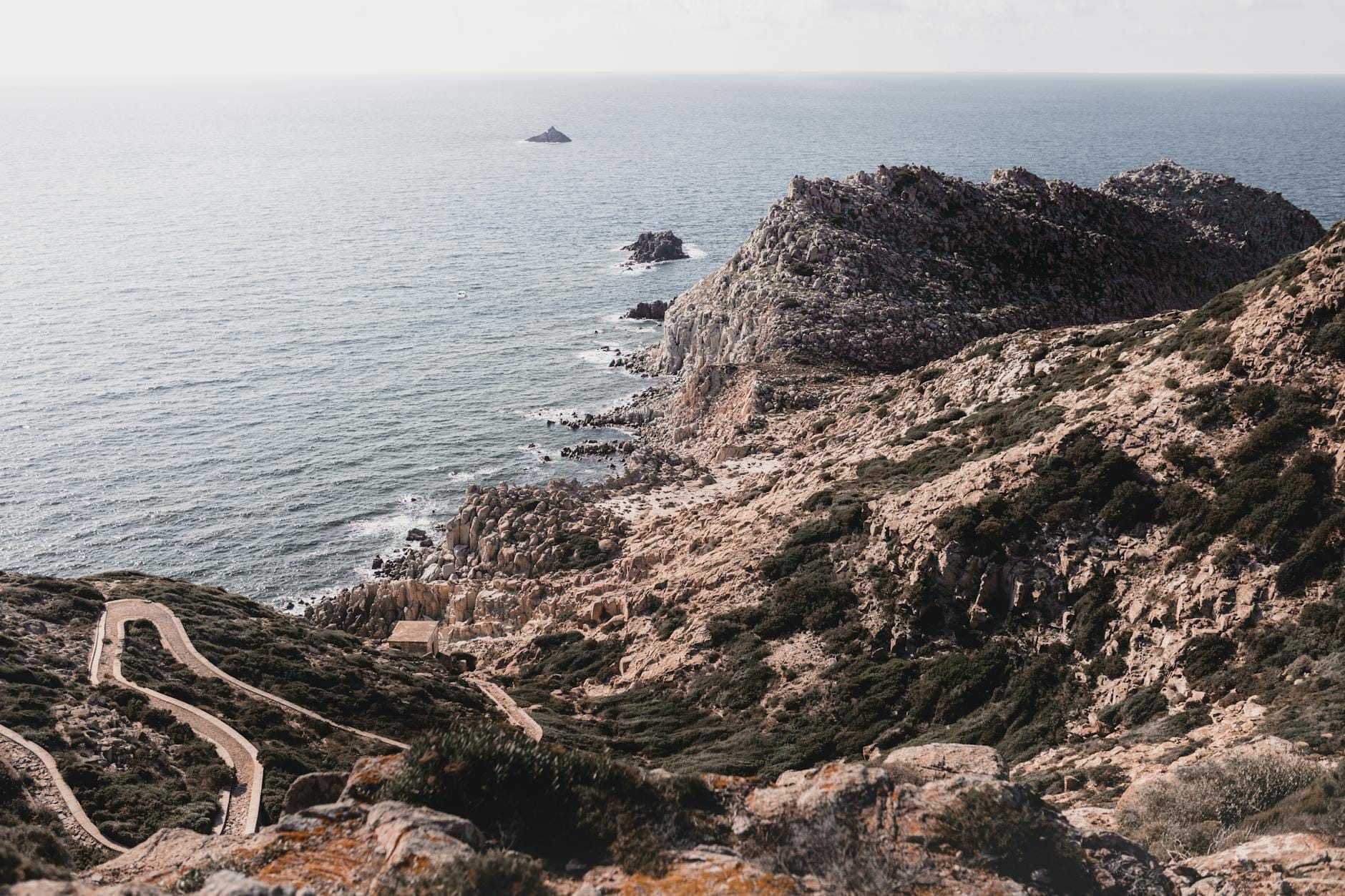
These are the routes that put Sardinia on the serious hiking map. The Golfo di Orosei coastline and the Supramonte limestone massif together form one of the most spectacular walking landscapes in Europe. These hikes require good fitness, solid route-finding skills, and in some cases a certified guide.
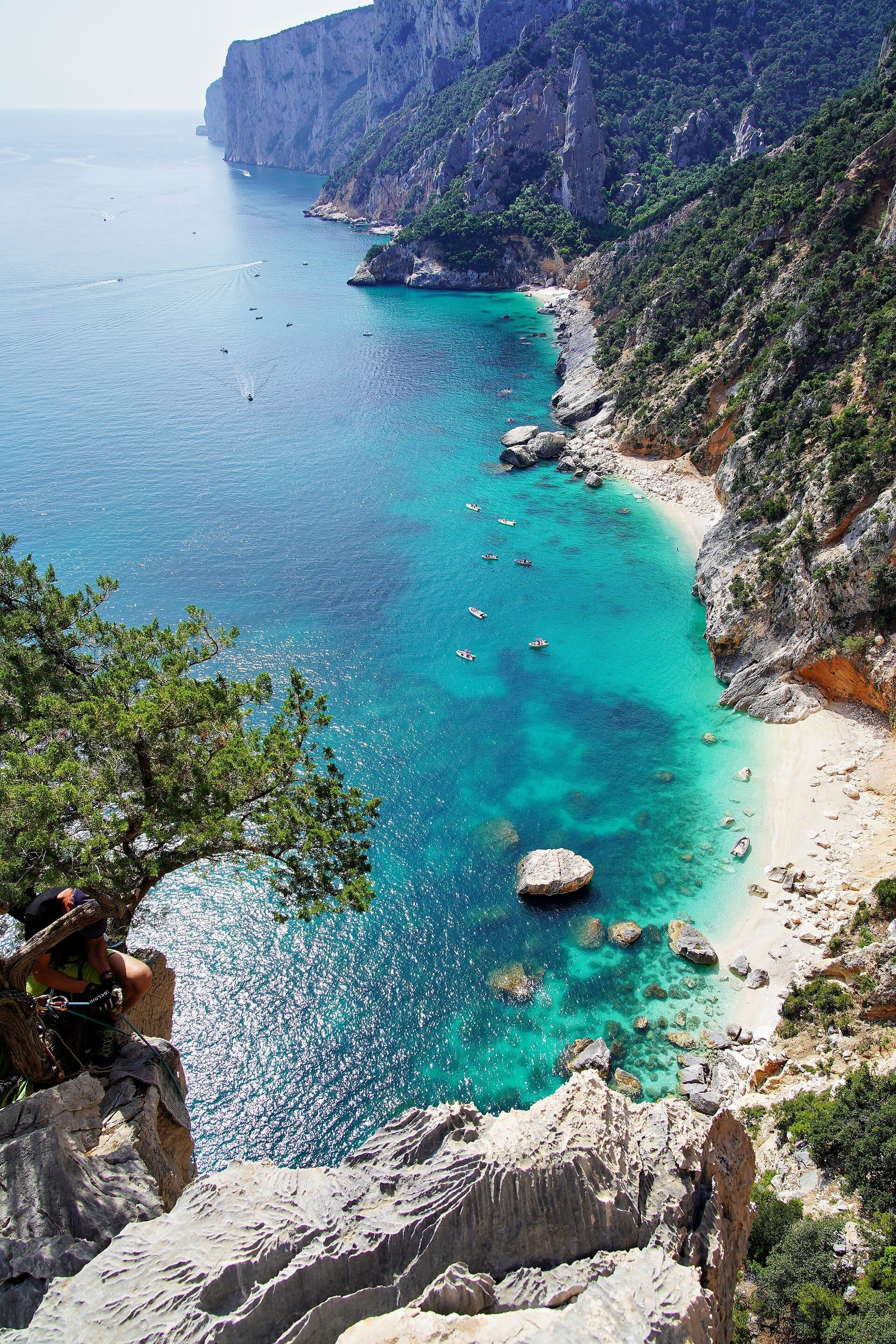
1. Tackle Italy's Most Demanding Long-Distance Trek: Selvaggio Blu
Approximately 40-50 km over six to seven days along the Golfo di Orosei cliffs, requiring scrambling, abseiling, and rope work. Book a certified guide, as the route is unmarked. Spring is the only realistic season for most hikers.
Explore1. Tackle Italy's Most Demanding Long-Distance Trek: Selvaggio Blu
Approximately 40-50 km over six to seven days along the Golfo di Orosei cliffs, requiring scrambling, abseiling, and rope work. Book a certified guide, as the route is unmarked. Spring is the only realistic season for most hikers.
Explore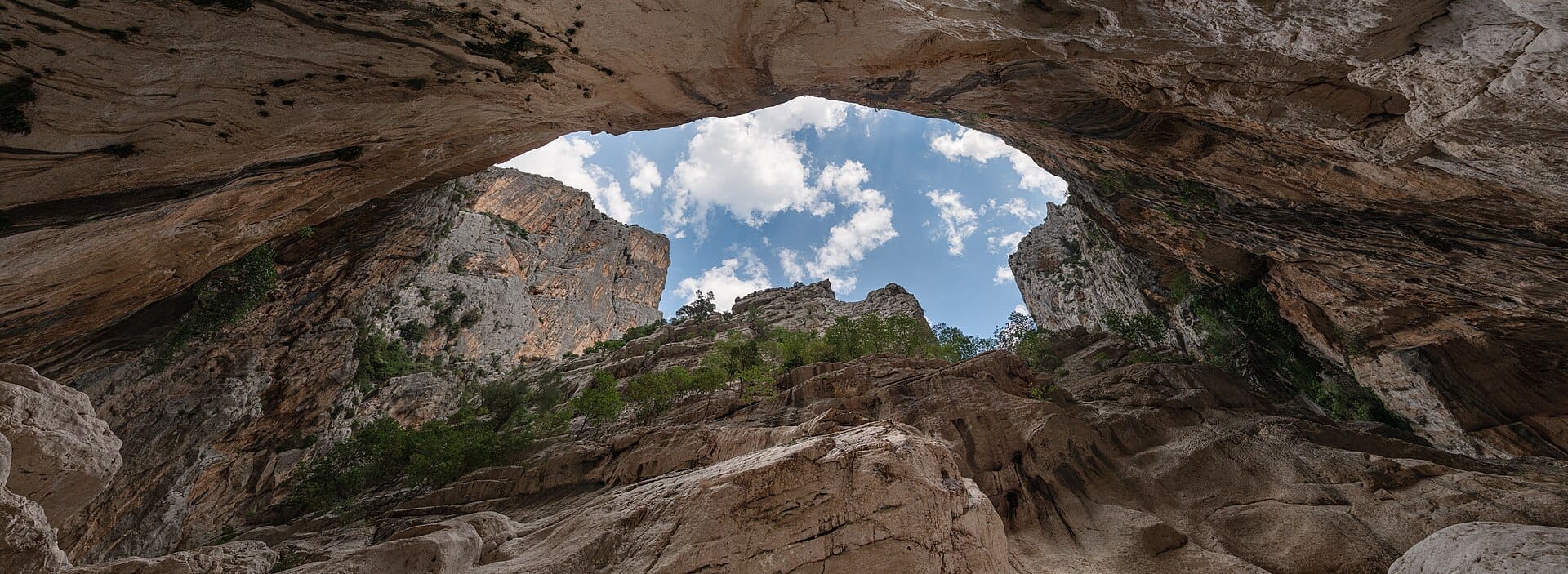
2. Hike Into Europe's Deepest Canyon: Gola di Su Gorropu
The classic out-and-back from the Flumineddu valley is roughly 8 km, dropping into a gorge where 500-metre walls block the sun. Expect around 2 hours down and 4 hours back up. Go early and bring trekking poles for the boulder-strewn floor.
Explore2. Hike Into Europe's Deepest Canyon: Gola di Su Gorropu
The classic out-and-back from the Flumineddu valley is roughly 8 km, dropping into a gorge where 500-metre walls block the sun. Expect around 2 hours down and 4 hours back up. Go early and bring trekking poles for the boulder-strewn floor.
Explore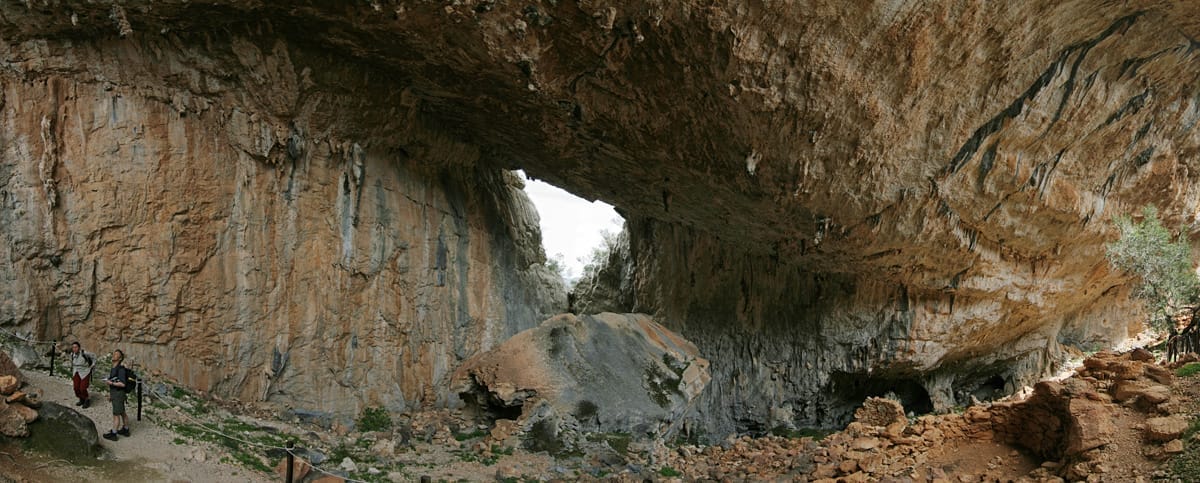
3. Trek to a Hidden Nuragic Village Inside a Mountain: Tiscali
The hike from Valle di Lanaittu takes around 3 hours return through the Supramonte scrub to a Bronze Age village sealed inside a collapsed sinkhole. The combination of archaeology and wild landscape is unlike anything else in the Mediterranean.
Explore3. Trek to a Hidden Nuragic Village Inside a Mountain: Tiscali
The hike from Valle di Lanaittu takes around 3 hours return through the Supramonte scrub to a Bronze Age village sealed inside a collapsed sinkhole. The combination of archaeology and wild landscape is unlike anything else in the Mediterranean.
Explore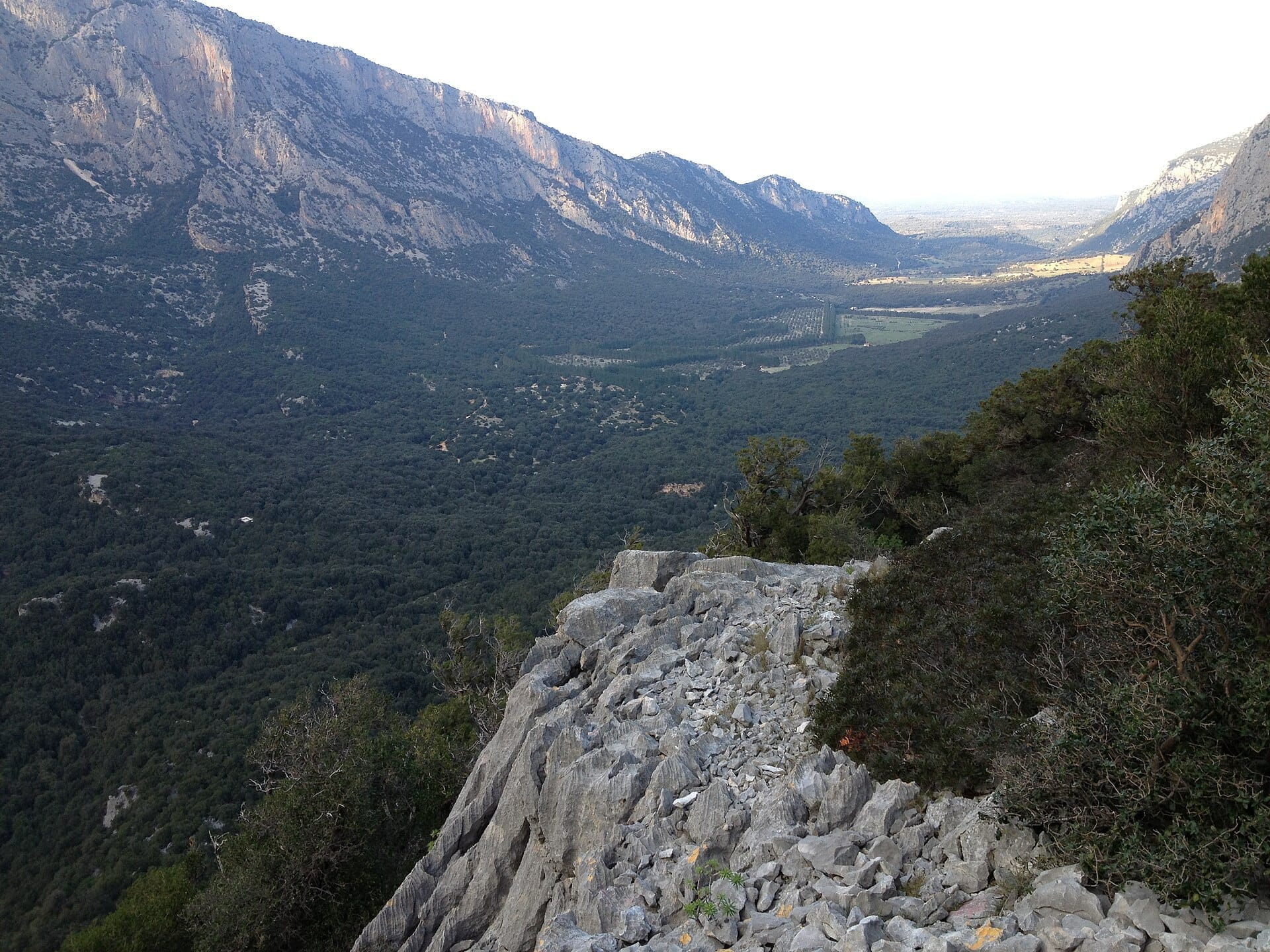
4. Explore the Supramonte's Hidden Valley: Valle di Lanaittu
The valley near Oliena serves as the base for hikes to Tiscali and the cave systems of Sa Oche e Su Ventu. The trail through the gorge itself, flanked by oleander and wild fig, is rewarding even without reaching the further destinations.
Explore4. Explore the Supramonte's Hidden Valley: Valle di Lanaittu
The valley near Oliena serves as the base for hikes to Tiscali and the cave systems of Sa Oche e Su Ventu. The trail through the gorge itself, flanked by oleander and wild fig, is rewarding even without reaching the further destinations.
ExploreCoastal Hikes with Spectacular Payoffs
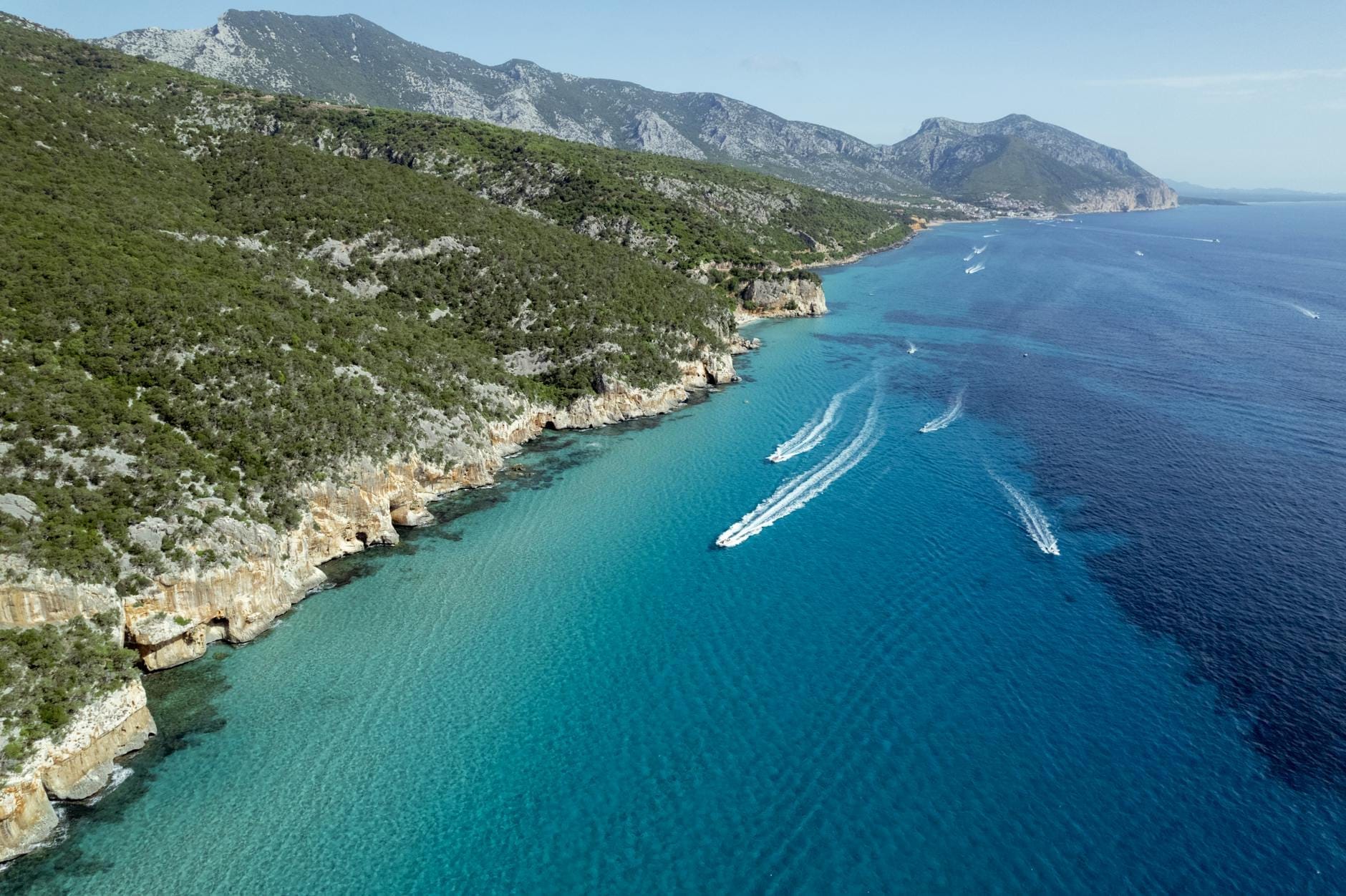
Sardinia's most coveted beaches are often inaccessible by road, which means the hikers who reach them on foot arrive to far fewer crowds than those coming by boat. The Ogliastra coast and the Golfo di Orosei offer the highest concentration of rewarding coastal hikes on the island, though the Sulcis and the northwest have strong options too.
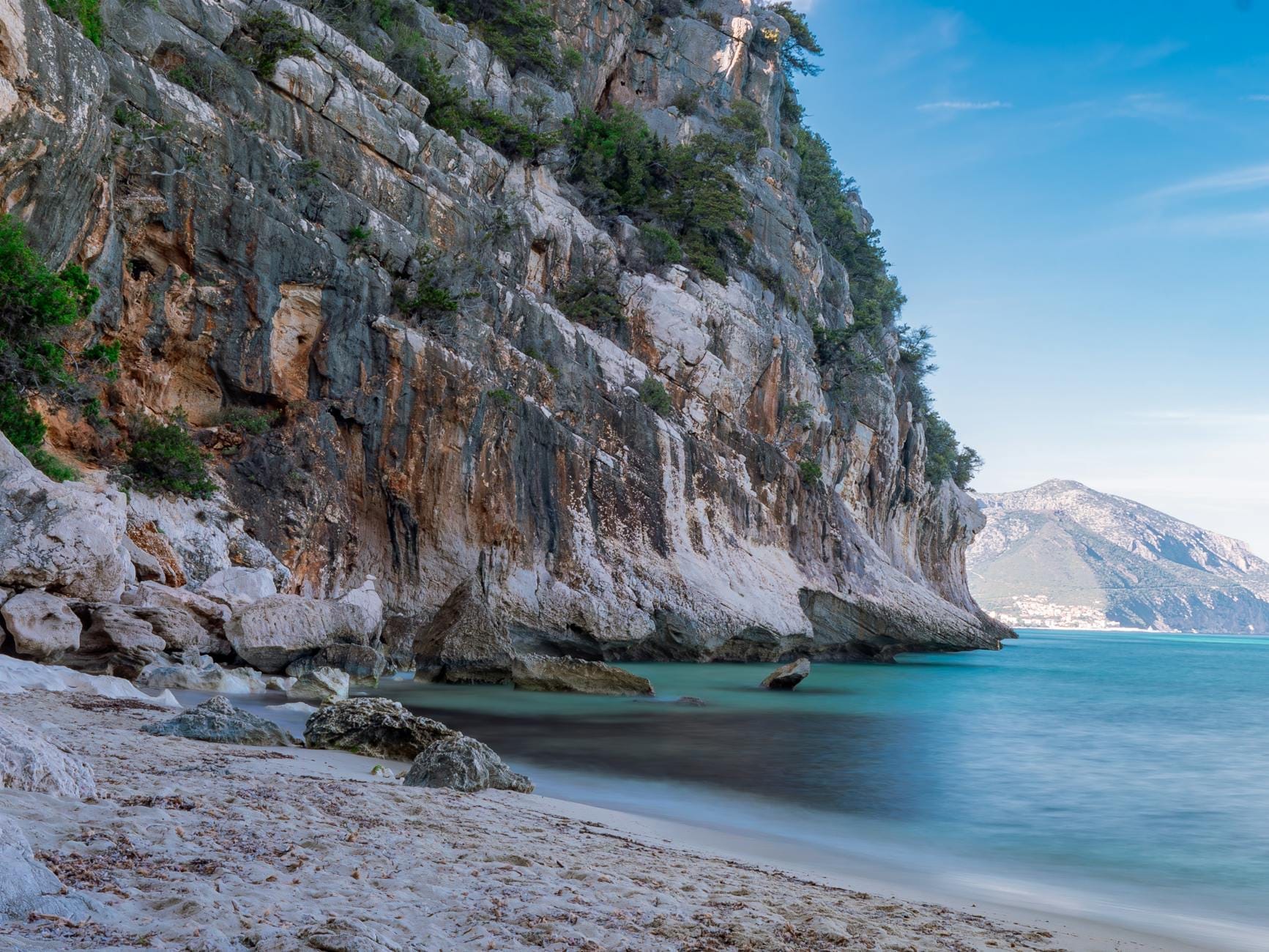
5. Earn One of Italy's Most Beautiful Beaches on Foot: Cala Goloritzè
A two-hour descent from Baunei on a signed trail rewards you with a nationally protected natural monument beneath a 143-metre pinnacle. Start before 9am in summer to beat the boat crowds. The return climb is steep; trekking poles help considerably.
Explore5. Earn One of Italy's Most Beautiful Beaches on Foot: Cala Goloritzè
A two-hour descent from Baunei on a signed trail rewards you with a nationally protected natural monument beneath a 143-metre pinnacle. Start before 9am in summer to beat the boat crowds. The return climb is steep; trekking poles help considerably.
Explore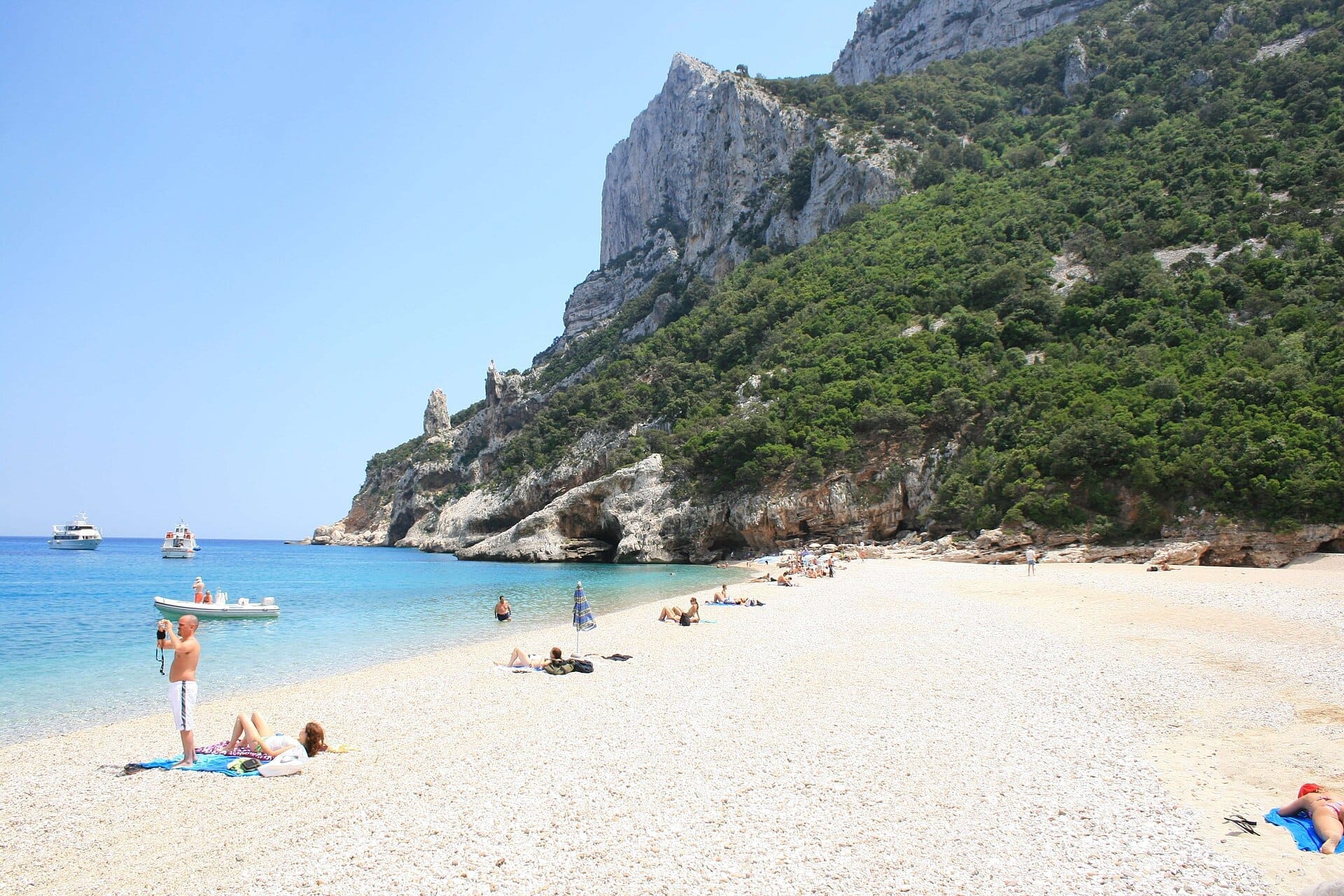
6. Hike a Canyon to a Remote Cove: Cala Sisine
The four-hour trail from Baunei descends through the Sisine canyon, a gorge of oleander, wild fig, and limestone walls, before arriving at a pristine beach. One of the most scenic canyon hikes in Sardinia, reward guaranteed.
Explore6. Hike a Canyon to a Remote Cove: Cala Sisine
The four-hour trail from Baunei descends through the Sisine canyon, a gorge of oleander, wild fig, and limestone walls, before arriving at a pristine beach. One of the most scenic canyon hikes in Sardinia, reward guaranteed.
Explore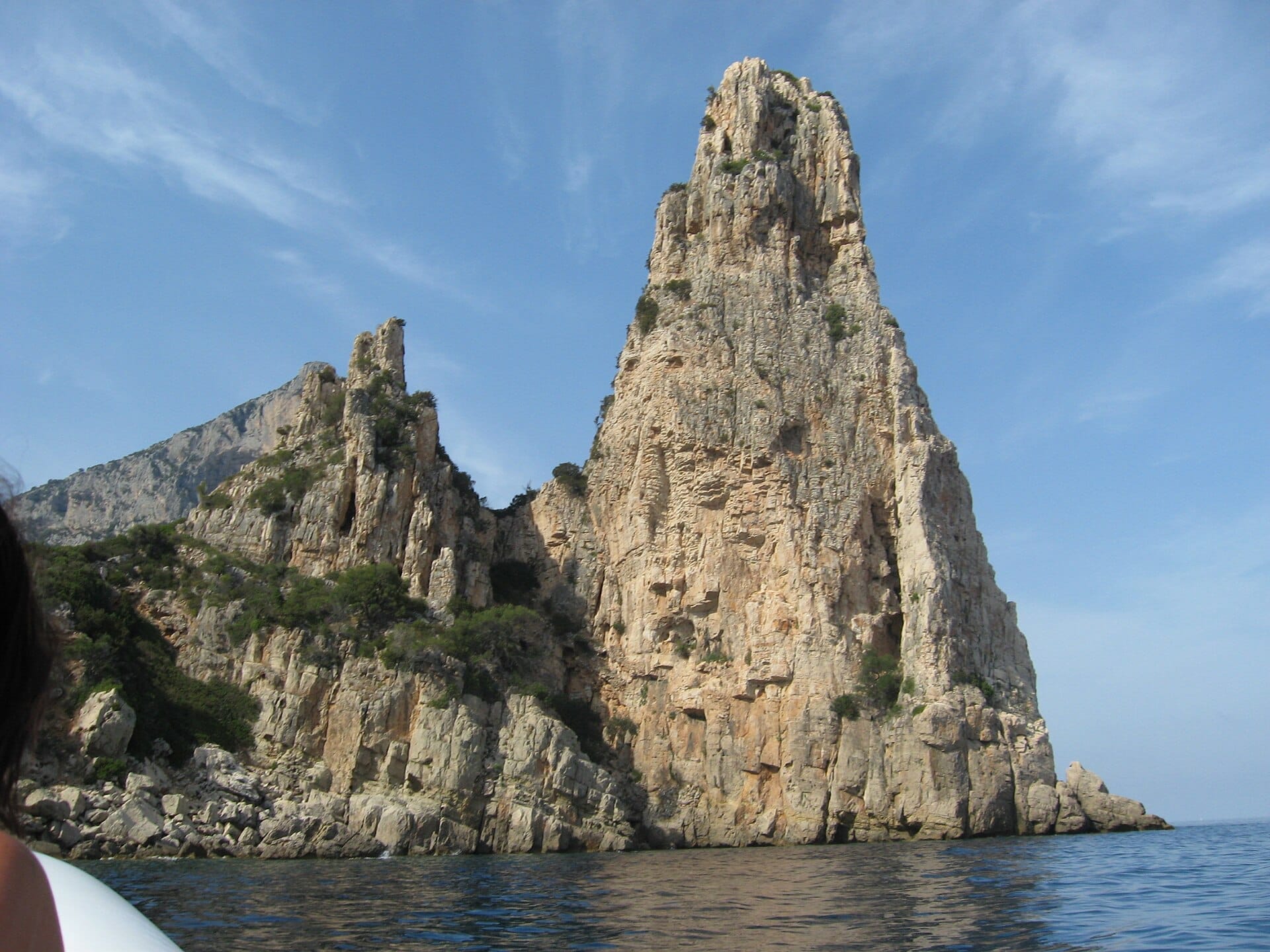
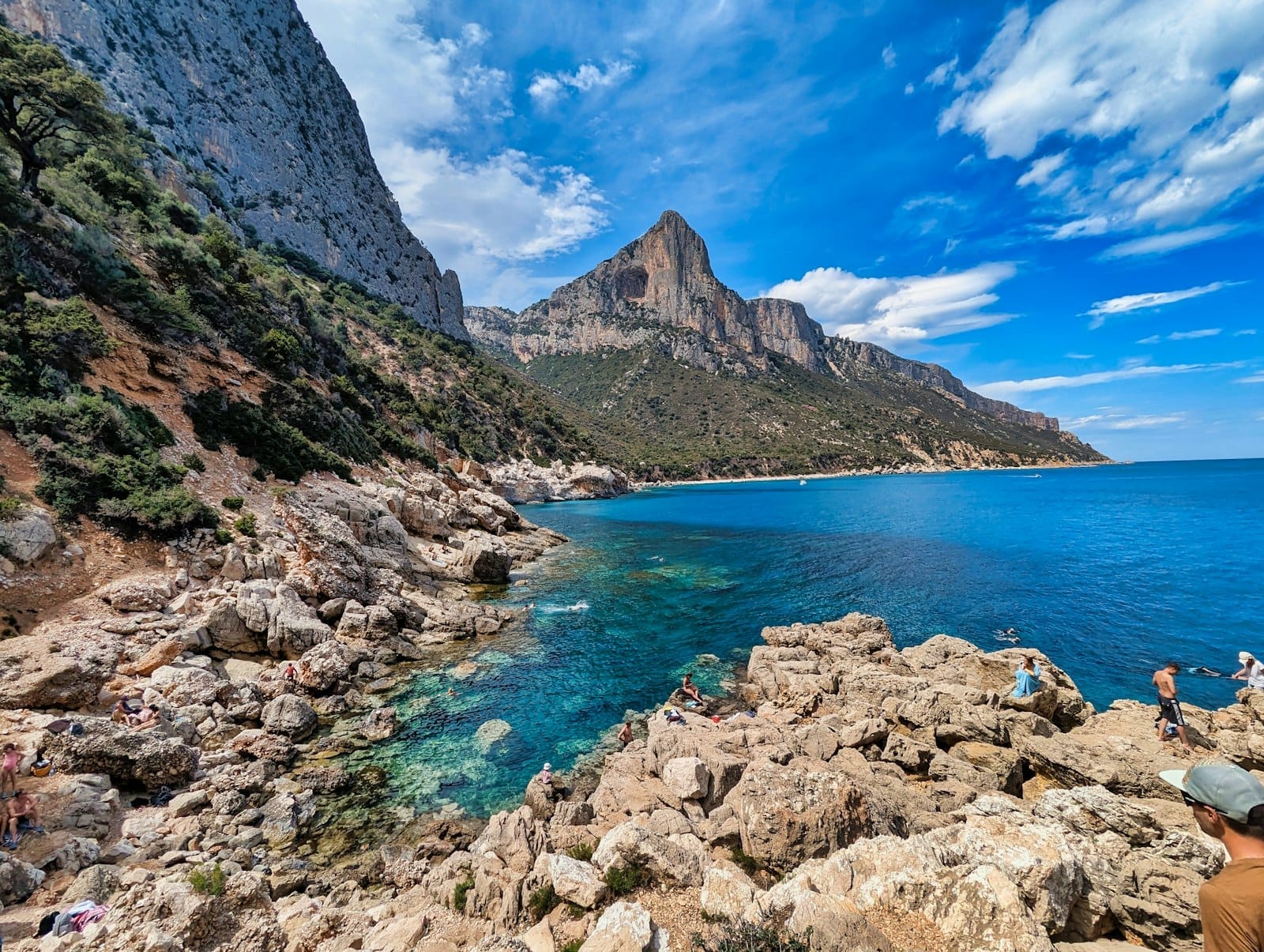
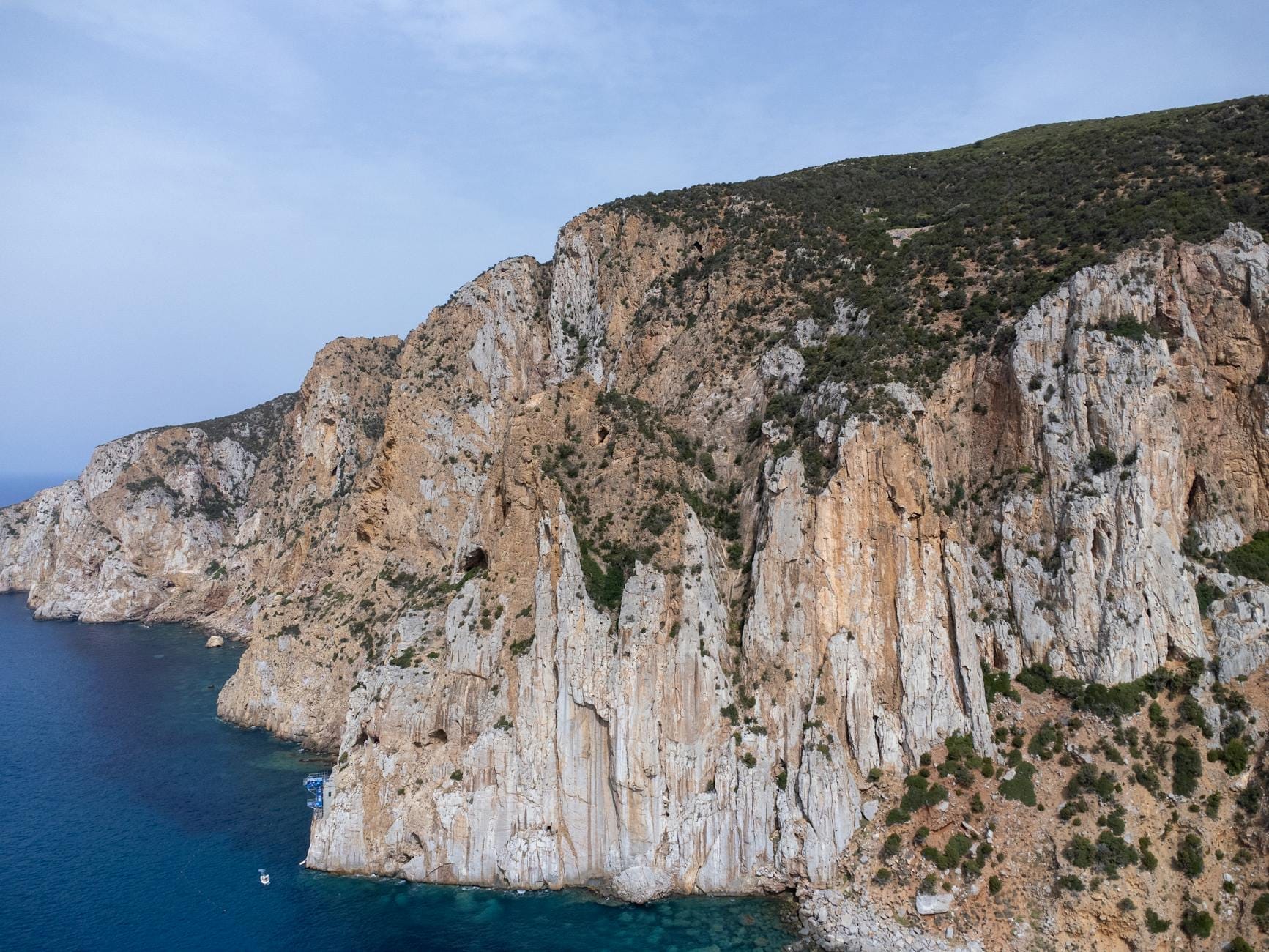
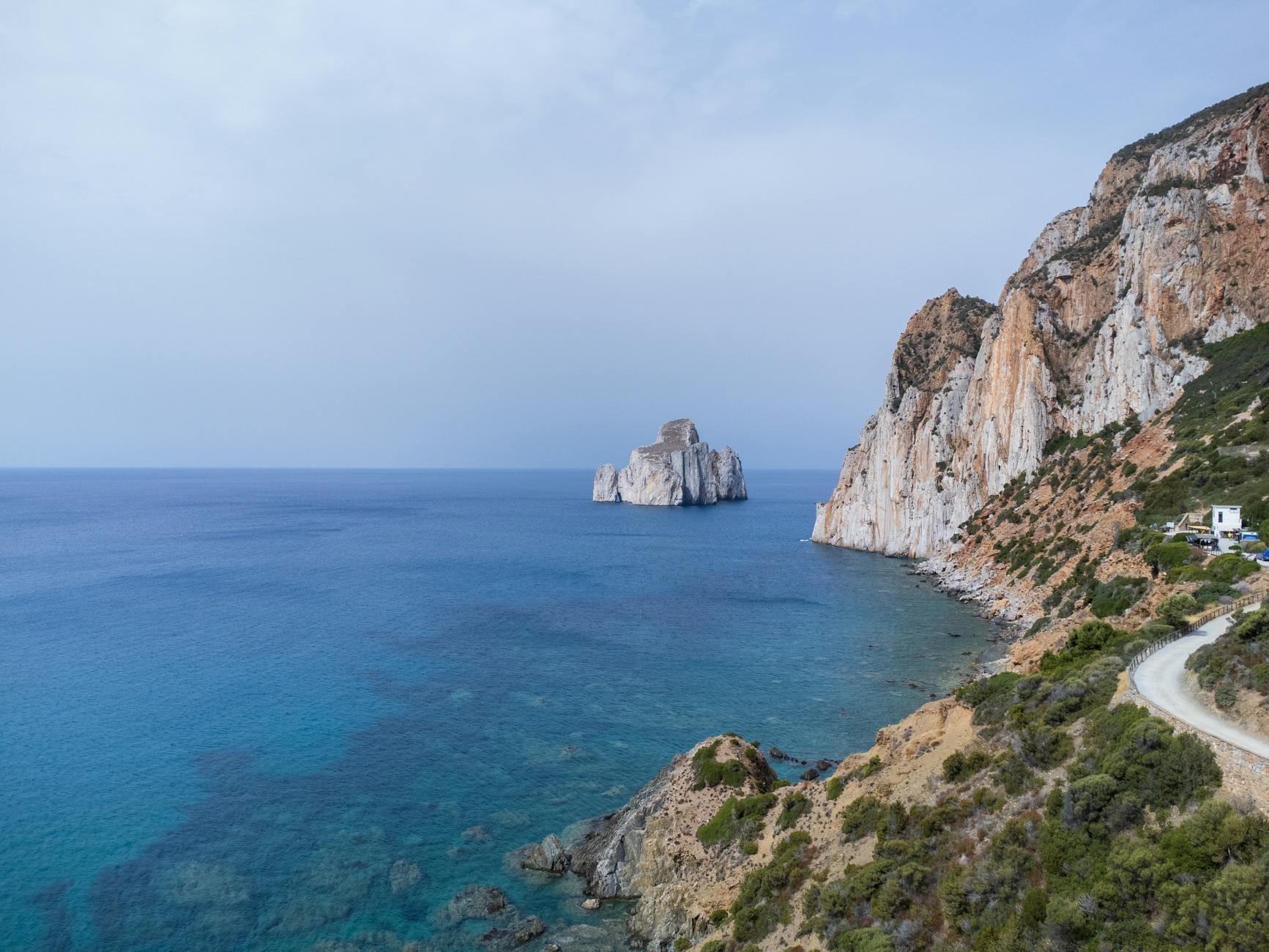
7. Walk the Baunei Cliffs to a Towering Sea Stack: Pedra Longa
The clifftop trail from Baunei down to the 128-metre sea stack at Pedra Longa takes around 90 minutes one way, with vertiginous views over the gulf throughout. Rock climbers use the stack itself; walkers are content with the approach path.
Explore7. Walk the Baunei Cliffs to a Towering Sea Stack: Pedra Longa
The clifftop trail from Baunei down to the 128-metre sea stack at Pedra Longa takes around 90 minutes one way, with vertiginous views over the gulf throughout. Rock climbers use the stack itself; walkers are content with the approach path.
Explore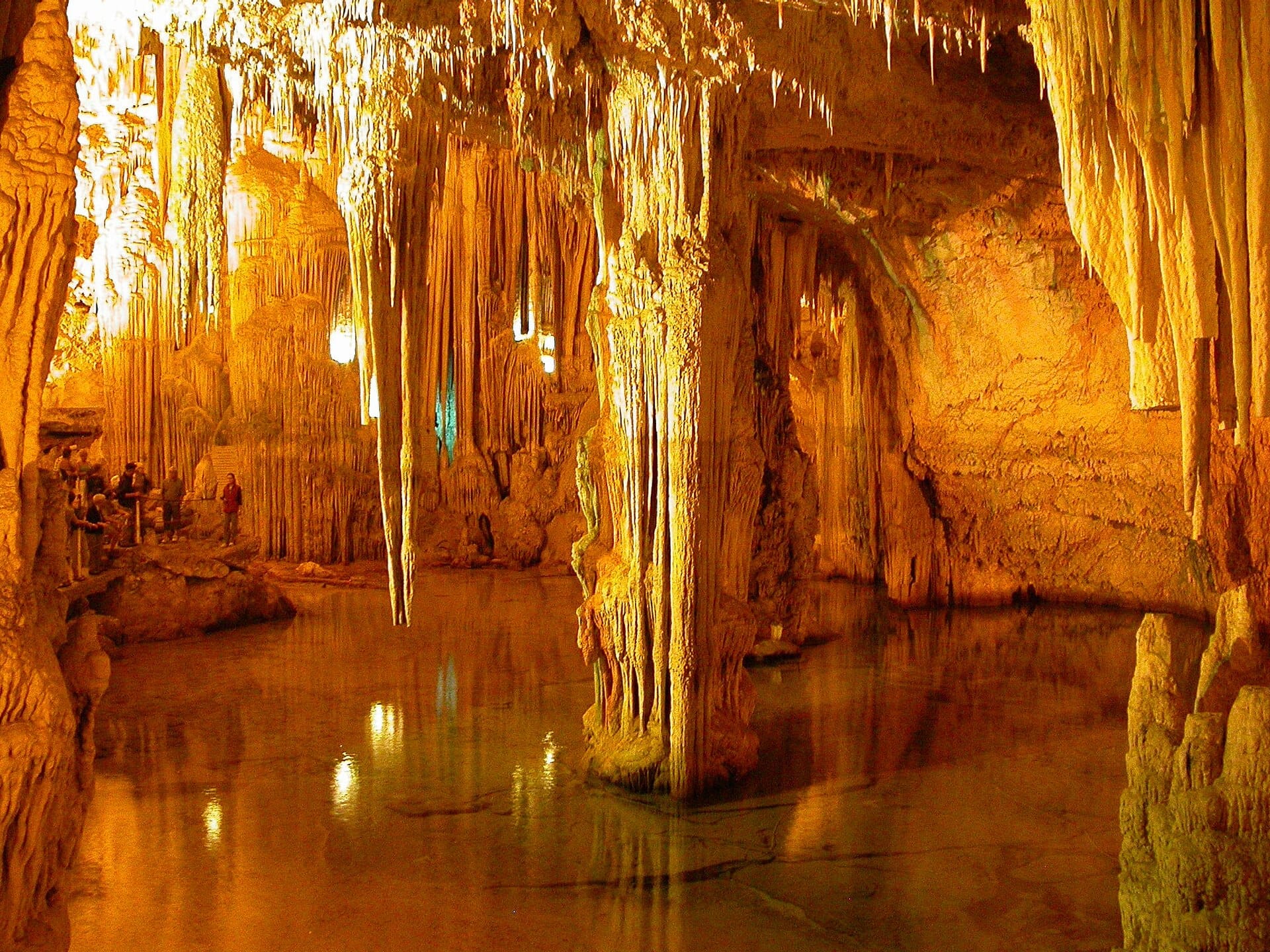
8. Descend the Capo Caccia Staircase to Neptune's Grotto
The Escala del Cabirol, 654 steps cut into the Capo Caccia cliff face, is one of Sardinia's most dramatic short walks. The descent to sea level takes around 20 minutes; the cave system at the bottom is a separate guided tour lasting roughly an hour.
Explore8. Descend the Capo Caccia Staircase to Neptune's Grotto
The Escala del Cabirol, 654 steps cut into the Capo Caccia cliff face, is one of Sardinia's most dramatic short walks. The descent to sea level takes around 20 minutes; the cave system at the bottom is a separate guided tour lasting roughly an hour.
Explore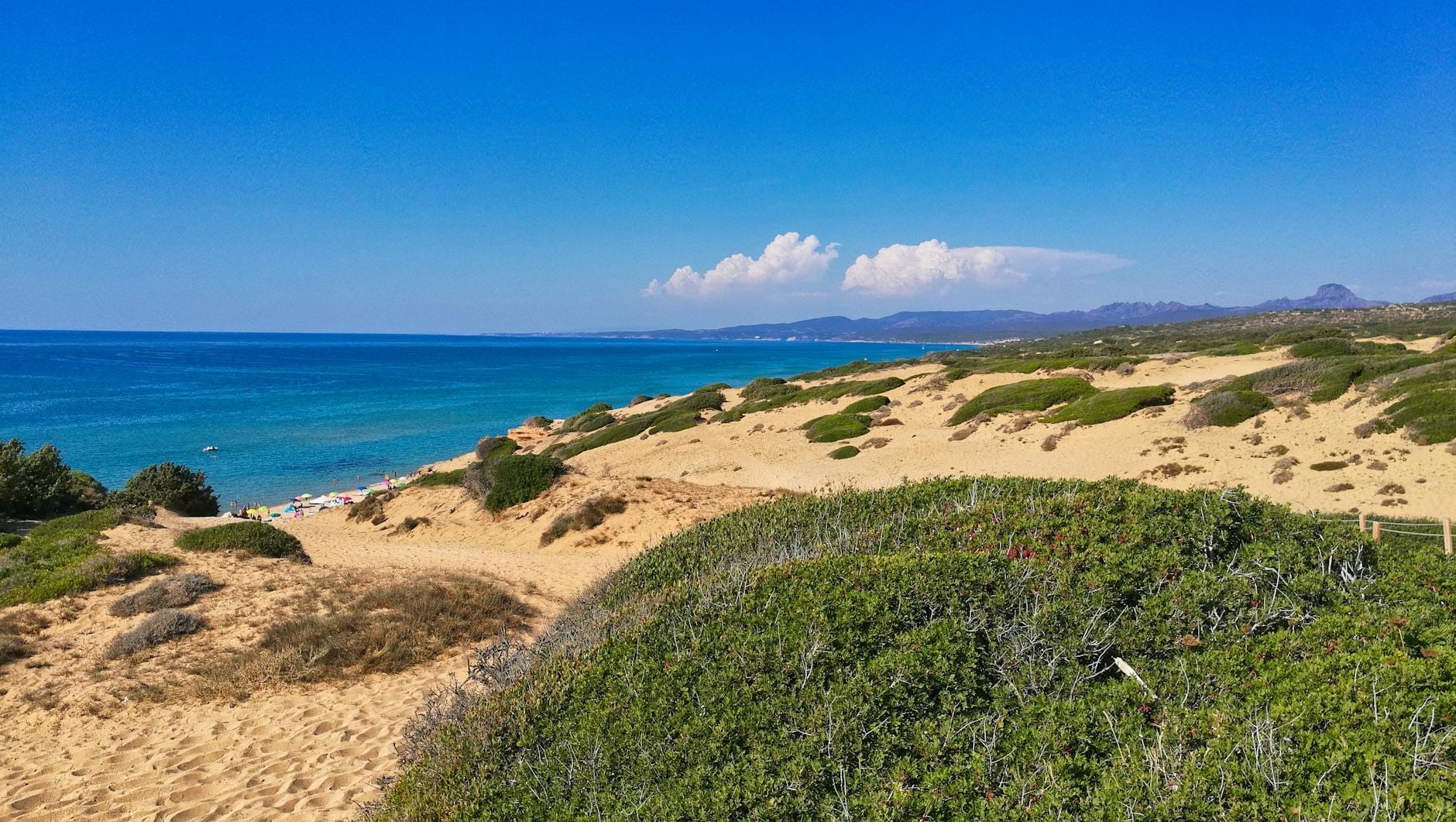
9. Walk Sardinia's Sahara: The Piscinas Dunes
The Costa Verde's dunes, rising up to 60 metres above a wild beach, are best explored on foot at dawn or dusk when the light and temperature cooperate. There are no marked trails, just open dune landscape in every direction.
Explore9. Walk Sardinia's Sahara: The Piscinas Dunes
The Costa Verde's dunes, rising up to 60 metres above a wild beach, are best explored on foot at dawn or dusk when the light and temperature cooperate. There are no marked trails, just open dune landscape in every direction.
Explore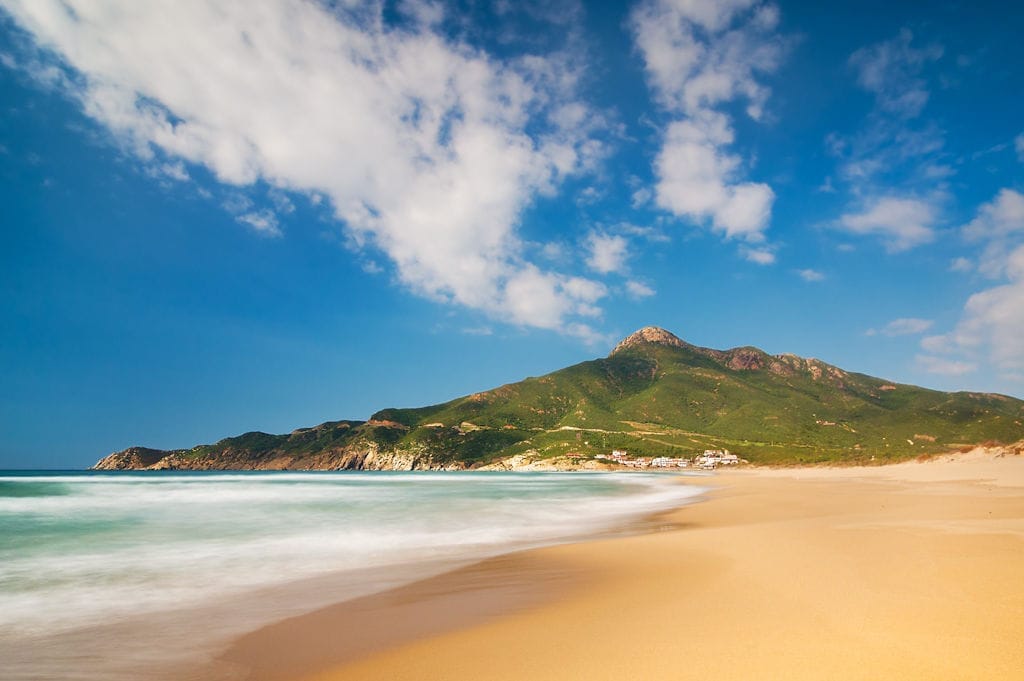
10. Trek the Wildest Coastline in Sardinia: Costa Verde
The stretch between Capo Pecora and the Piscinas dunes offers rough coastal walking through maquis and past abandoned mining ruins. No facilities, no crowds, and a coast that feels undiscovered. A car is essential to reach the trailheads.
Explore10. Trek the Wildest Coastline in Sardinia: Costa Verde
The stretch between Capo Pecora and the Piscinas dunes offers rough coastal walking through maquis and past abandoned mining ruins. No facilities, no crowds, and a coast that feels undiscovered. A car is essential to reach the trailheads.
ExploreMountain Hikes & Highland Walks
Sardinia's interior is dominated by the Gennargentu massif, the Supramonte, and a series of plateaus that most visitors never see. These are the landscapes that shaped the island's culture, described in detail in the Blue Zone guide, and they reward walkers with silence, wildlife, and panoramas that stretch to both coasts on clear days.
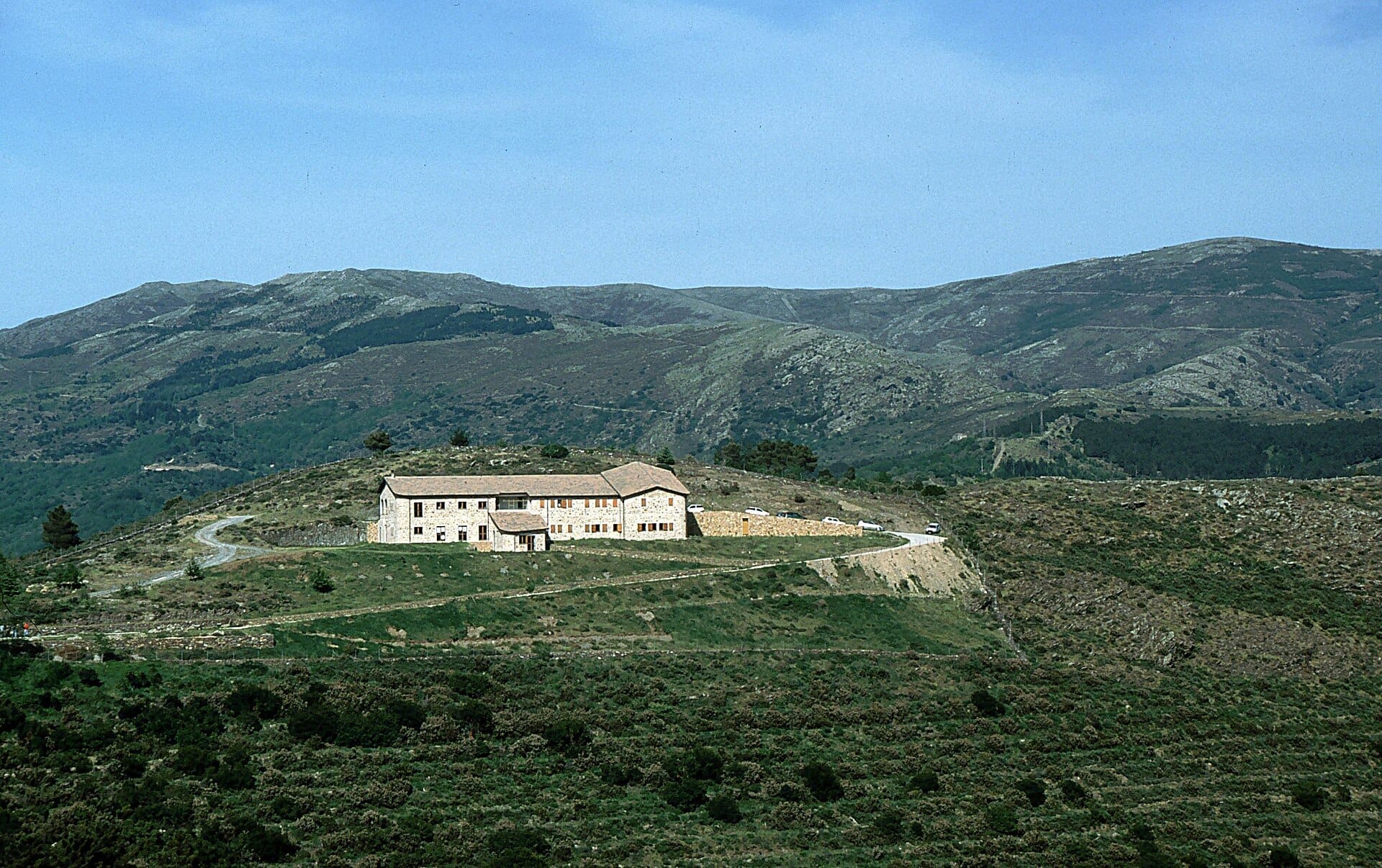
11. Summit Sardinia's Highest Peak: Punta La Marmora
At 1,834 metres, the island's highest point is a full-day hike from Fonni or Desulo through moorland and granite boulders. On clear days, views reach both coasts. The terrain is straightforward but exposed; check weather carefully before setting out.
Explore11. Summit Sardinia's Highest Peak: Punta La Marmora
At 1,834 metres, the island's highest point is a full-day hike from Fonni or Desulo through moorland and granite boulders. On clear days, views reach both coasts. The terrain is straightforward but exposed; check weather carefully before setting out.
Explore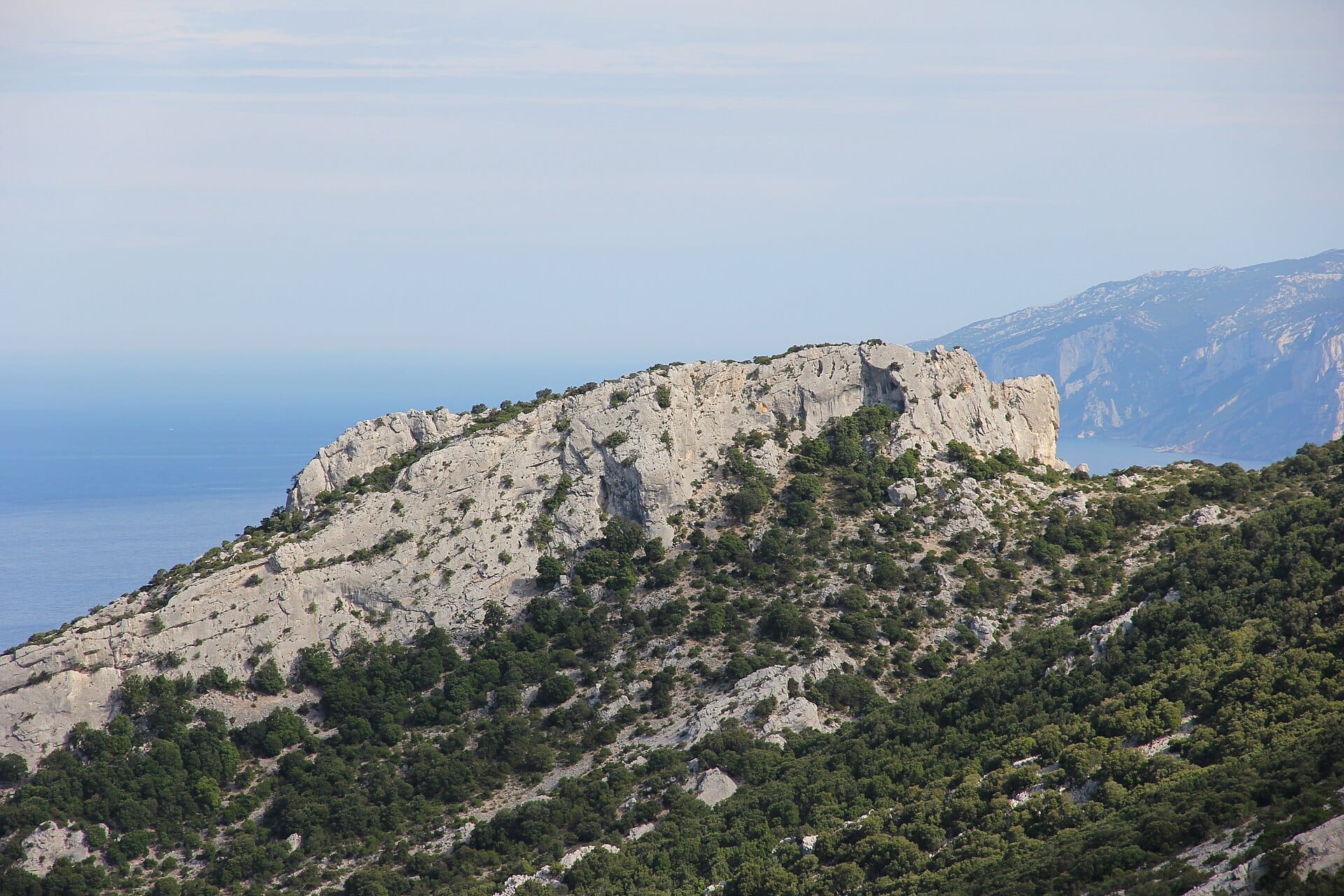
12. Walk in Sardinia's Only National Park: Gennargentu
The 74,000-hectare park offers trails ranging from half-day ridge walks to multi-day routes through golden eagle and mouflon territory. The Supramonte sector has the most dramatic limestone scenery; the Gennargentu peaks suit those wanting altitude.
Explore12. Walk in Sardinia's Only National Park: Gennargentu
The 74,000-hectare park offers trails ranging from half-day ridge walks to multi-day routes through golden eagle and mouflon territory. The Supramonte sector has the most dramatic limestone scenery; the Gennargentu peaks suit those wanting altitude.
Explore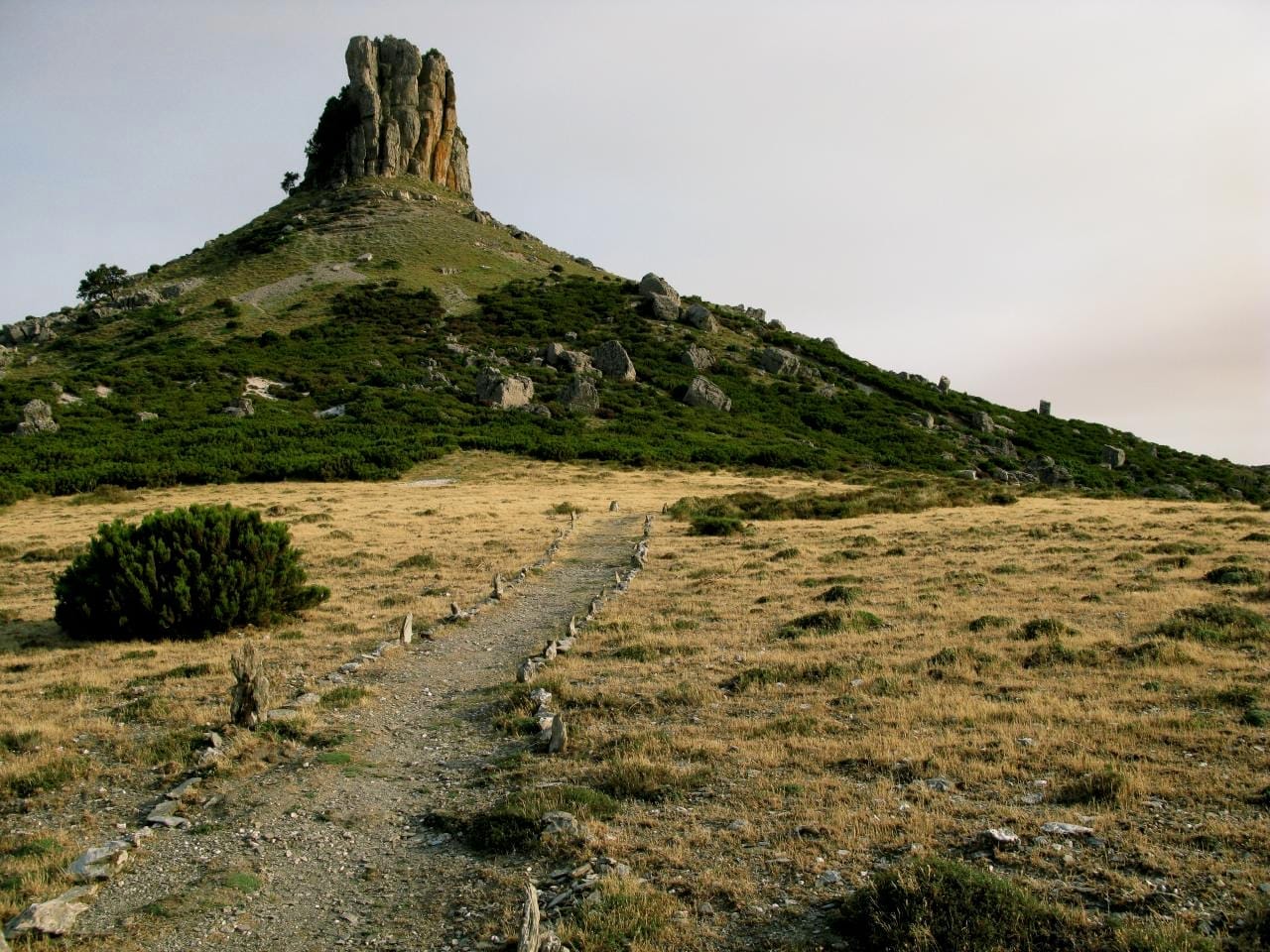
13. Hike the Lunar Limestone Plateaus: Tacchi d'Ogliastra
The flat-topped limestone towers of Ogliastra rise abruptly from valley floors, offering trail routes along their edges with sheer drop panoramas. Ulassai and Gairo are the main bases. Some sections require via ferrata equipment; day hikes are widely accessible.
Explore13. Hike the Lunar Limestone Plateaus: Tacchi d'Ogliastra
The flat-topped limestone towers of Ogliastra rise abruptly from valley floors, offering trail routes along their edges with sheer drop panoramas. Ulassai and Gairo are the main bases. Some sections require via ferrata equipment; day hikes are widely accessible.
Explore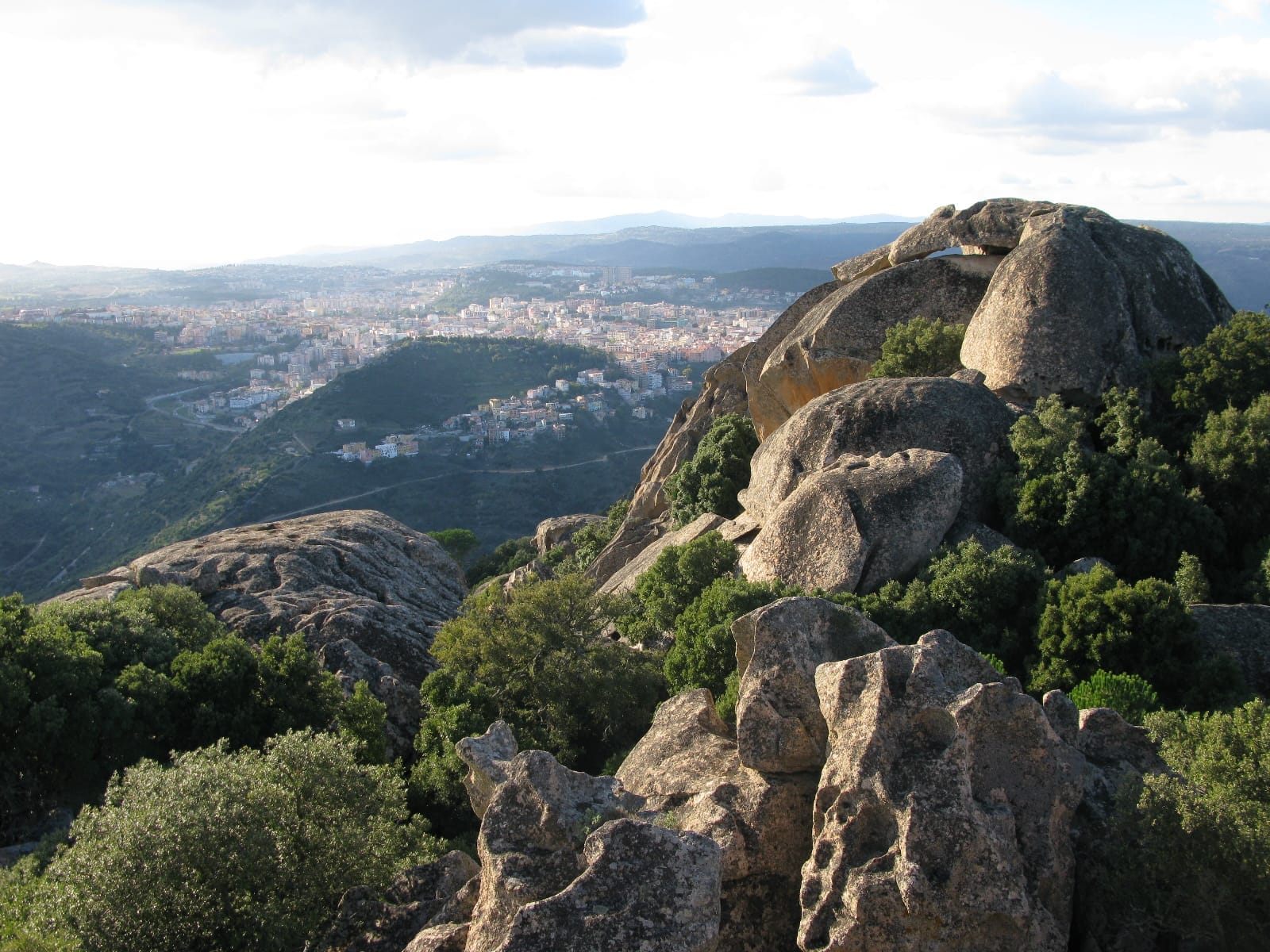
14. Walk the Sacred Mountain Above Nuoro: Monte Ortobene
A series of shaded trails wind through granite and holm oak to the 955-metre summit above Nuoro, crowned by a bronze Redeemer statue. The walk from town takes around 90 minutes. It is one of the most accessible mountain hikes in central Sardinia.
Explore14. Walk the Sacred Mountain Above Nuoro: Monte Ortobene
A series of shaded trails wind through granite and holm oak to the 955-metre summit above Nuoro, crowned by a bronze Redeemer statue. The walk from town takes around 90 minutes. It is one of the most accessible mountain hikes in central Sardinia.
Explore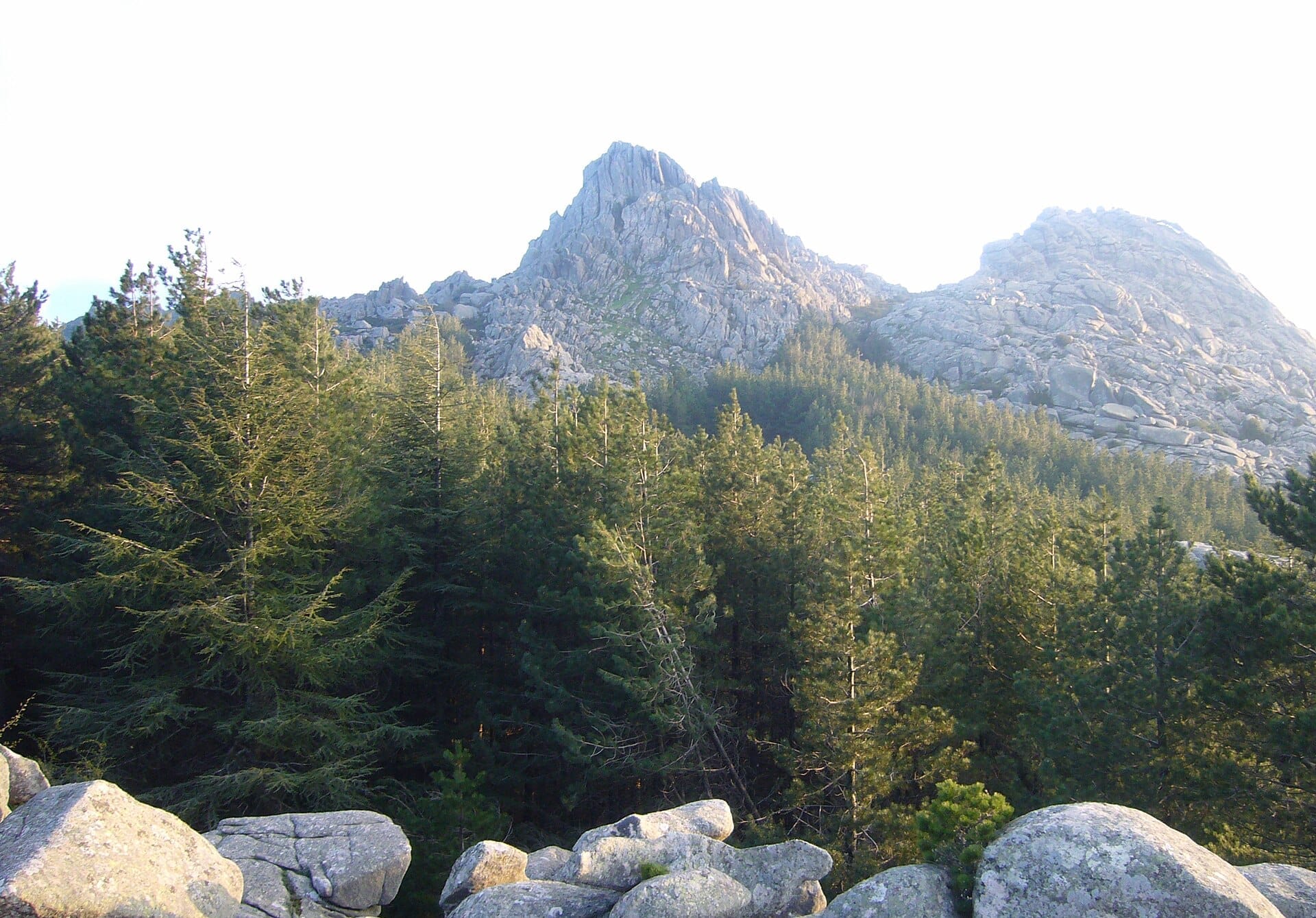
15. Hike Through Cork Forest to Gallura's Highest Point: Monte Limbara
Trails from Tempio Pausania wind through dense cork oak and holm oak to 1,362-metre viewpoints over northern Sardinia. The ascent is steady rather than dramatic, making this a good choice when the coastal sun is too intense for lower routes.
Explore15. Hike Through Cork Forest to Gallura's Highest Point: Monte Limbara
Trails from Tempio Pausania wind through dense cork oak and holm oak to 1,362-metre viewpoints over northern Sardinia. The ascent is steady rather than dramatic, making this a good choice when the coastal sun is too intense for lower routes.
Explore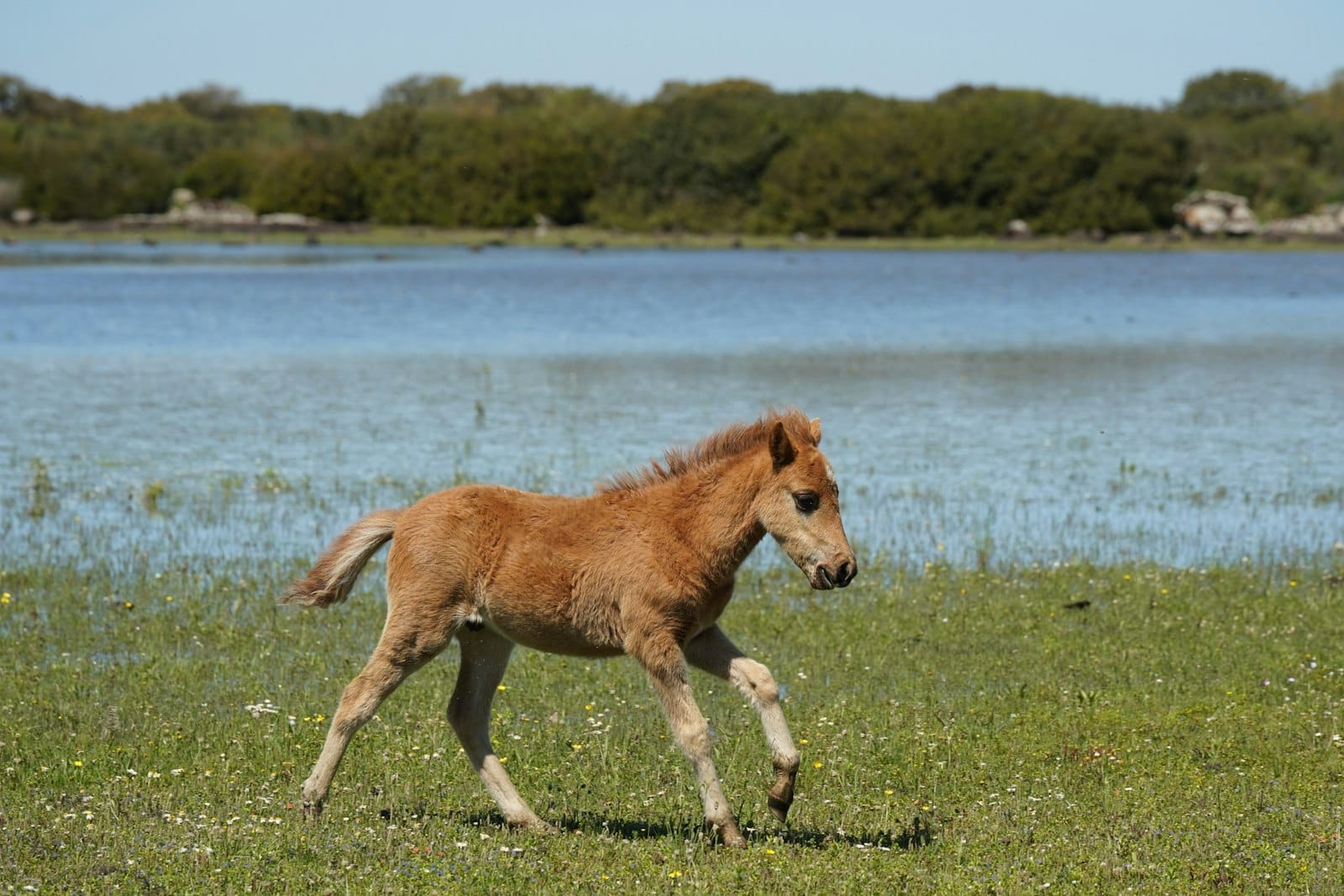
16. Walk a Basalt Plateau With Wild Horses: Giara di Gesturi
Flat-topped and cork-oak covered, the Giara plateau offers easy 2-4 hour walking circuits where sightings of the prehistoric Sardinian wild pony are realistic, especially near the seasonal ponds in spring. No technical skills needed; a peaceful contrast to the mountains.
Explore16. Walk a Basalt Plateau With Wild Horses: Giara di Gesturi
Flat-topped and cork-oak covered, the Giara plateau offers easy 2-4 hour walking circuits where sightings of the prehistoric Sardinian wild pony are realistic, especially near the seasonal ponds in spring. No technical skills needed; a peaceful contrast to the mountains.
ExploreShort Hikes & Rewarding Half-Day Walks
Not every walk needs to be an expedition. These routes deliver exceptional scenery in two to three hours and suit travellers combining hiking with other activities. Several are close to the island's main coastal resorts, making them easy to fit into a beach-focused trip. See the one-week itinerary for ideas on how to combine these with other highlights.
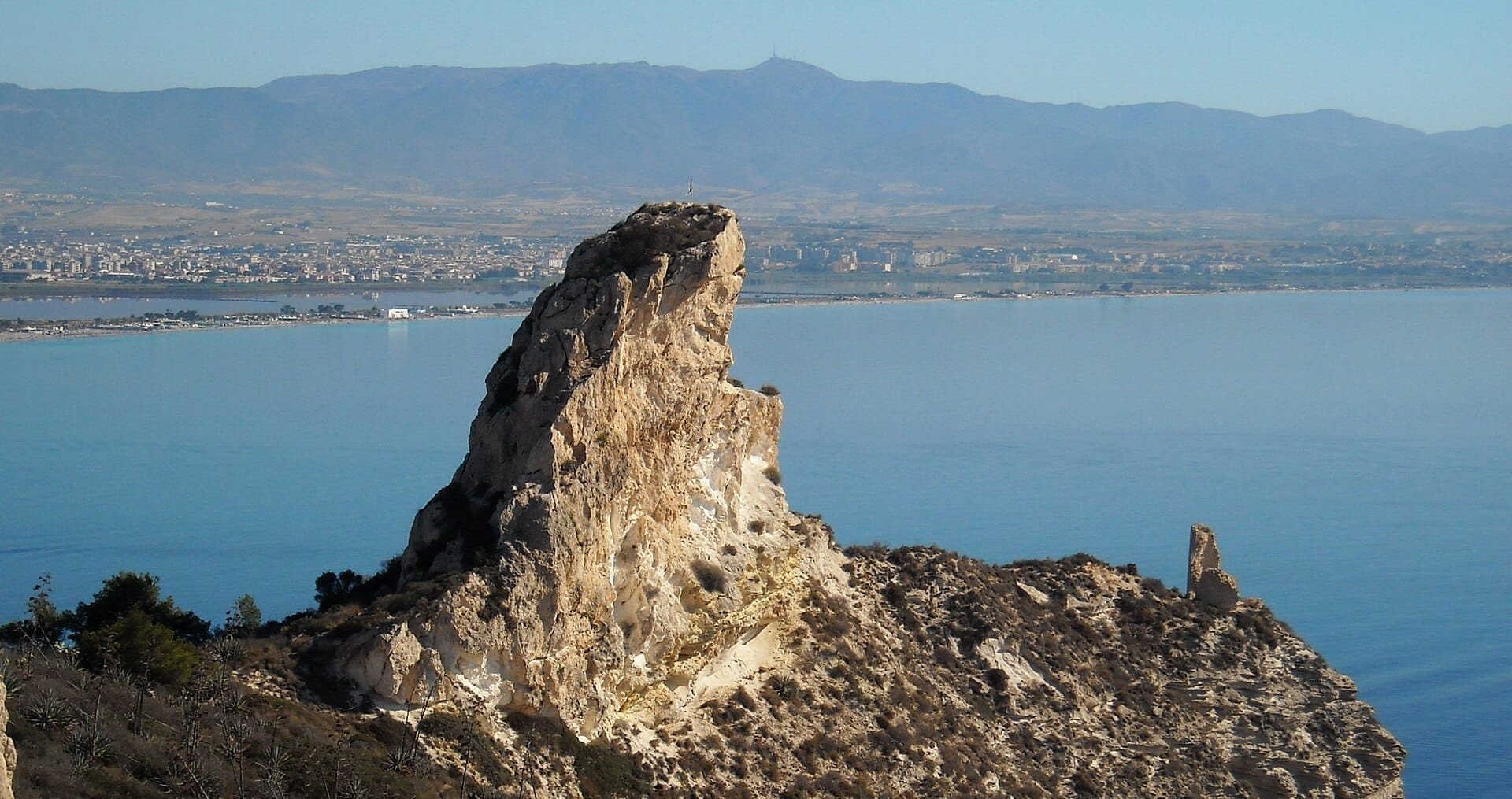
17. Hike Cagliari's Best Viewpoint in Under Two Hours: Sella del Diavolo
A well-marked trail from Cagliari's Poetto beach climbs the Devil's Saddle headland in around 45 minutes, delivering panoramic views over the city, the gulf, and the flamingo lagoons. Free, accessible, and one of the best short hikes in southern Sardinia.
Explore17. Hike Cagliari's Best Viewpoint in Under Two Hours: Sella del Diavolo
A well-marked trail from Cagliari's Poetto beach climbs the Devil's Saddle headland in around 45 minutes, delivering panoramic views over the city, the gulf, and the flamingo lagoons. Free, accessible, and one of the best short hikes in southern Sardinia.
Explore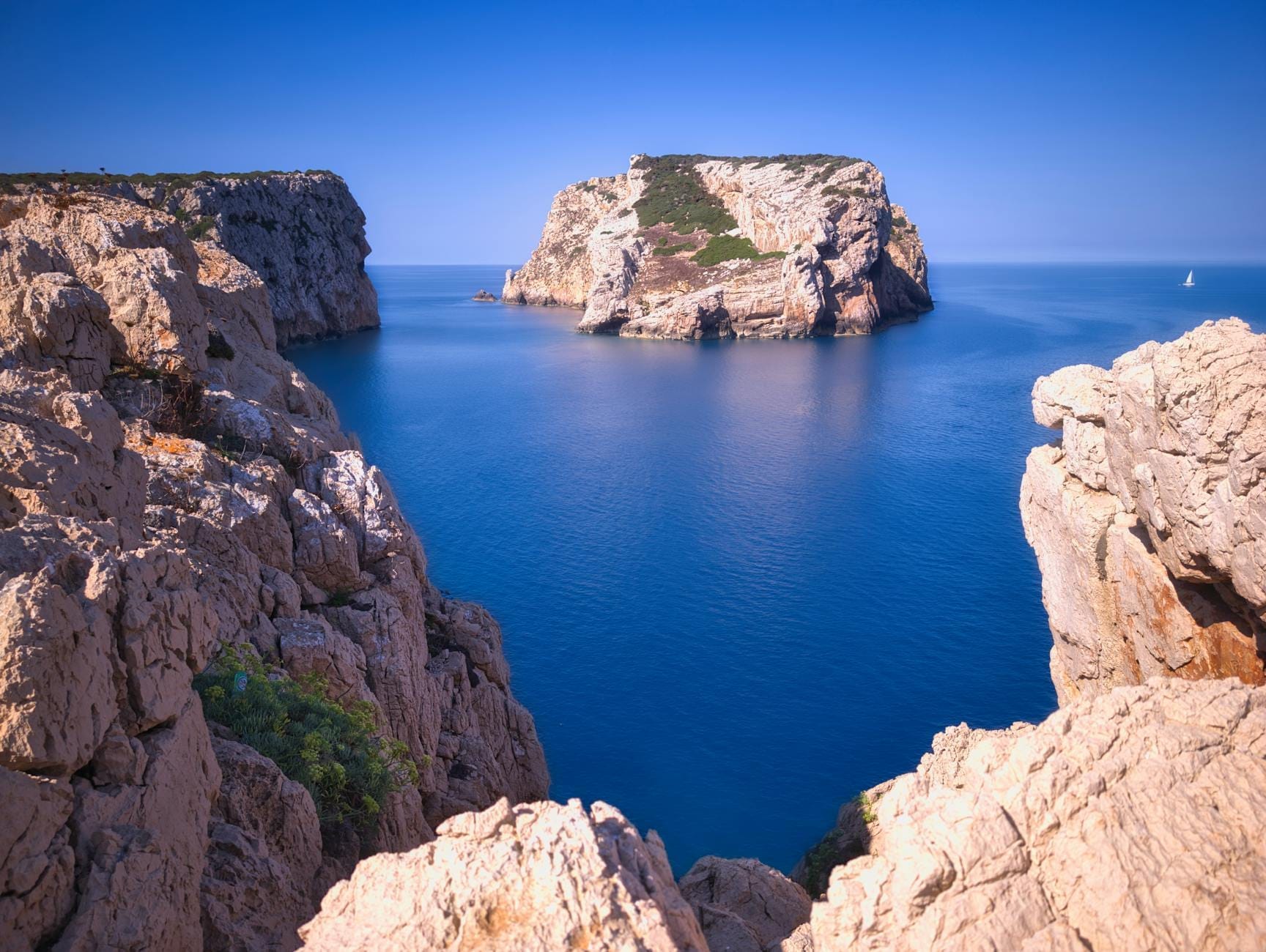
18. Walk the Cliff Tops Above Neptune's Grotto: Capo Caccia
The clifftop path above Capo Caccia follows the headland edge with views straight down to the sea and across to Alghero. The 170-metre cliffs are among the most dramatic coastal landforms in the western Mediterranean and take around an hour to walk.
Explore18. Walk the Cliff Tops Above Neptune's Grotto: Capo Caccia
The clifftop path above Capo Caccia follows the headland edge with views straight down to the sea and across to Alghero. The 170-metre cliffs are among the most dramatic coastal landforms in the western Mediterranean and take around an hour to walk.
Explore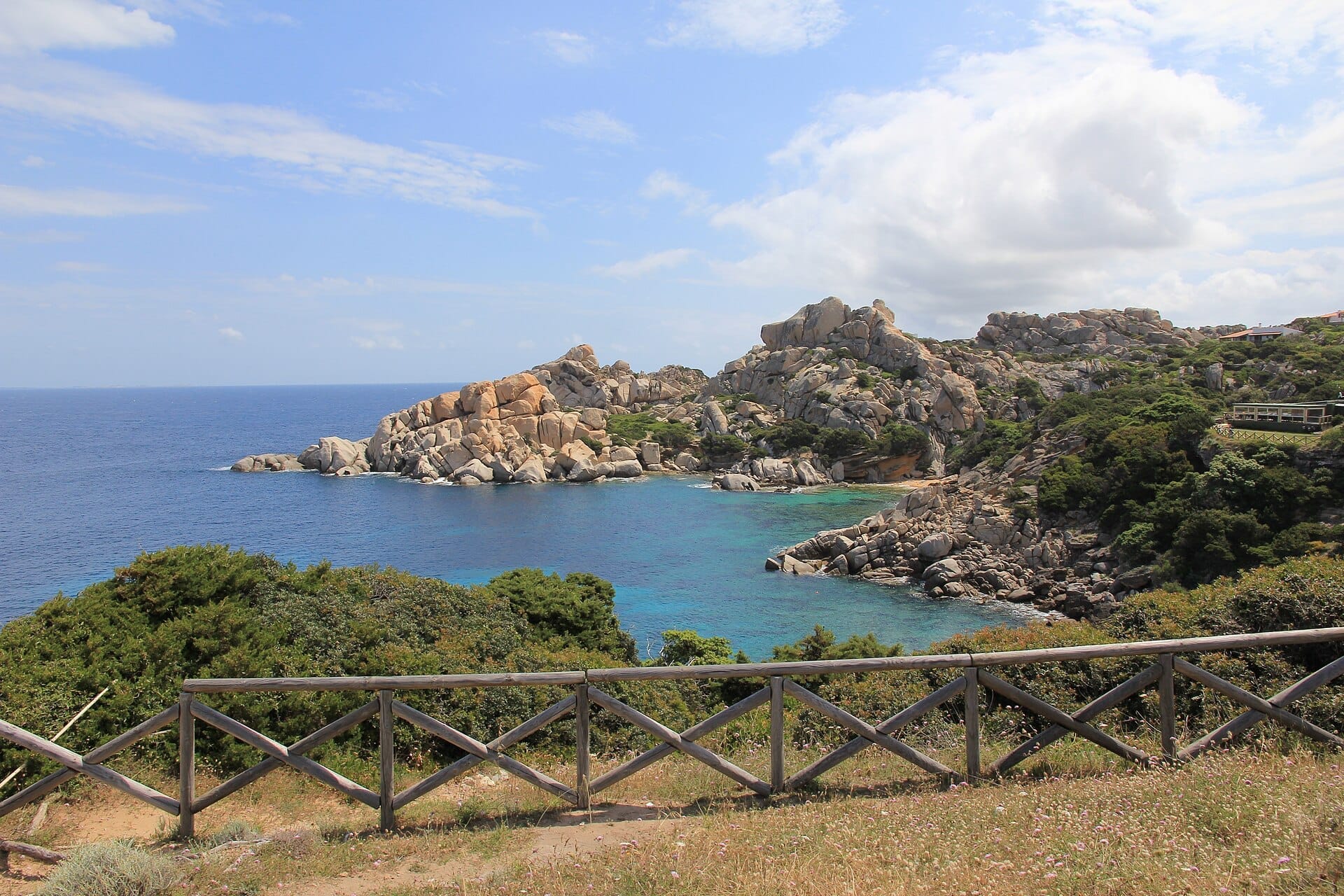
19. Wander a Sculptor's Landscape of Wind-Carved Granite: Capo Testa
The peninsula near Santa Teresa Gallura requires no trail: you simply walk between enormous sculpted boulders, past Roman quarry blocks, to hidden coves. Allow two to three hours to explore properly. Go at golden hour for the best photography of your trip.
Explore19. Wander a Sculptor's Landscape of Wind-Carved Granite: Capo Testa
The peninsula near Santa Teresa Gallura requires no trail: you simply walk between enormous sculpted boulders, past Roman quarry blocks, to hidden coves. Allow two to three hours to explore properly. Go at golden hour for the best photography of your trip.
Explore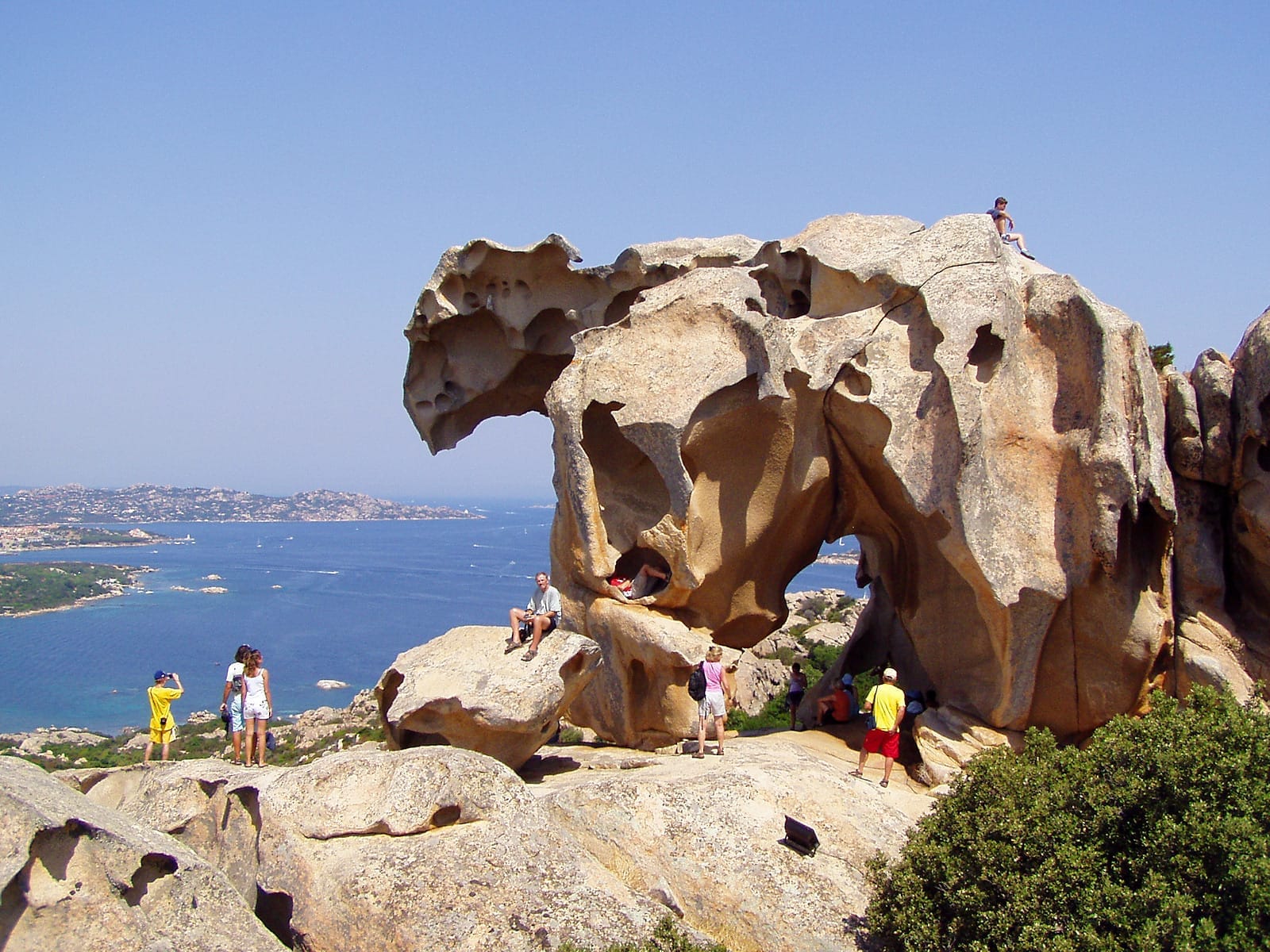
20. Short Hike to Sweeping Archipelago Views: Roccia dell'Orso
A paved path climbs to the granite bear formation above Palau in under 30 minutes, but the real draw is the panorama over the Maddalena Archipelago and the Strait of Bonifacio. A perfect add-on to a day of island-hopping from Palau.
Explore20. Short Hike to Sweeping Archipelago Views: Roccia dell'Orso
A paved path climbs to the granite bear formation above Palau in under 30 minutes, but the real draw is the panorama over the Maddalena Archipelago and the Strait of Bonifacio. A perfect add-on to a day of island-hopping from Palau.
Explore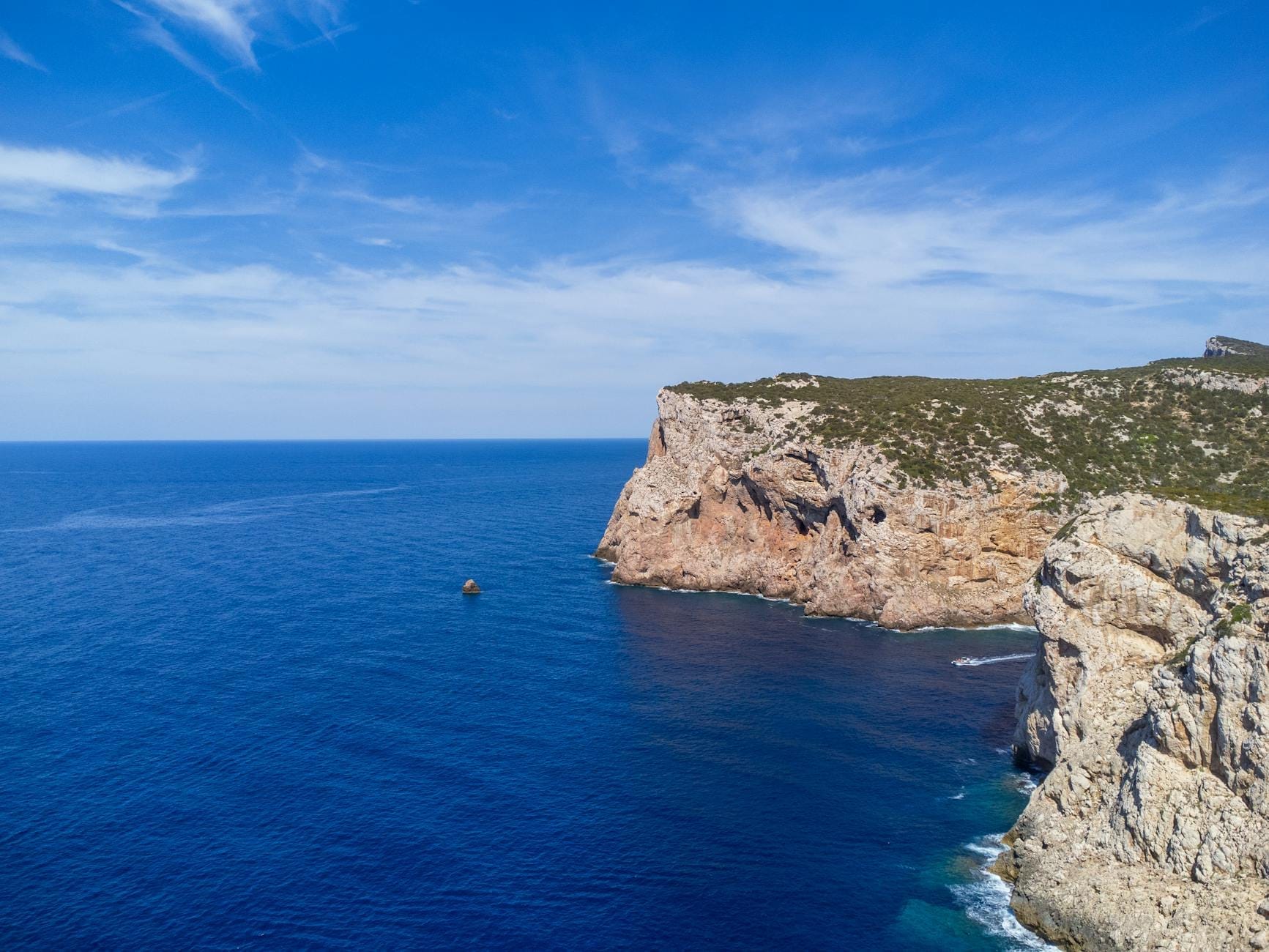
21. Trail Through a Protected Park Near Alghero: Porto Conte
The protected park west of Alghero has signed hiking and cycling trails through Mediterranean scrub and Aleppo pine, with Sardinian deer and rare birds regularly spotted. Trails range from 2 to 10 km, making it a flexible option for all fitness levels.
Explore21. Trail Through a Protected Park Near Alghero: Porto Conte
The protected park west of Alghero has signed hiking and cycling trails through Mediterranean scrub and Aleppo pine, with Sardinian deer and rare birds regularly spotted. Trails range from 2 to 10 km, making it a flexible option for all fitness levels.
Explore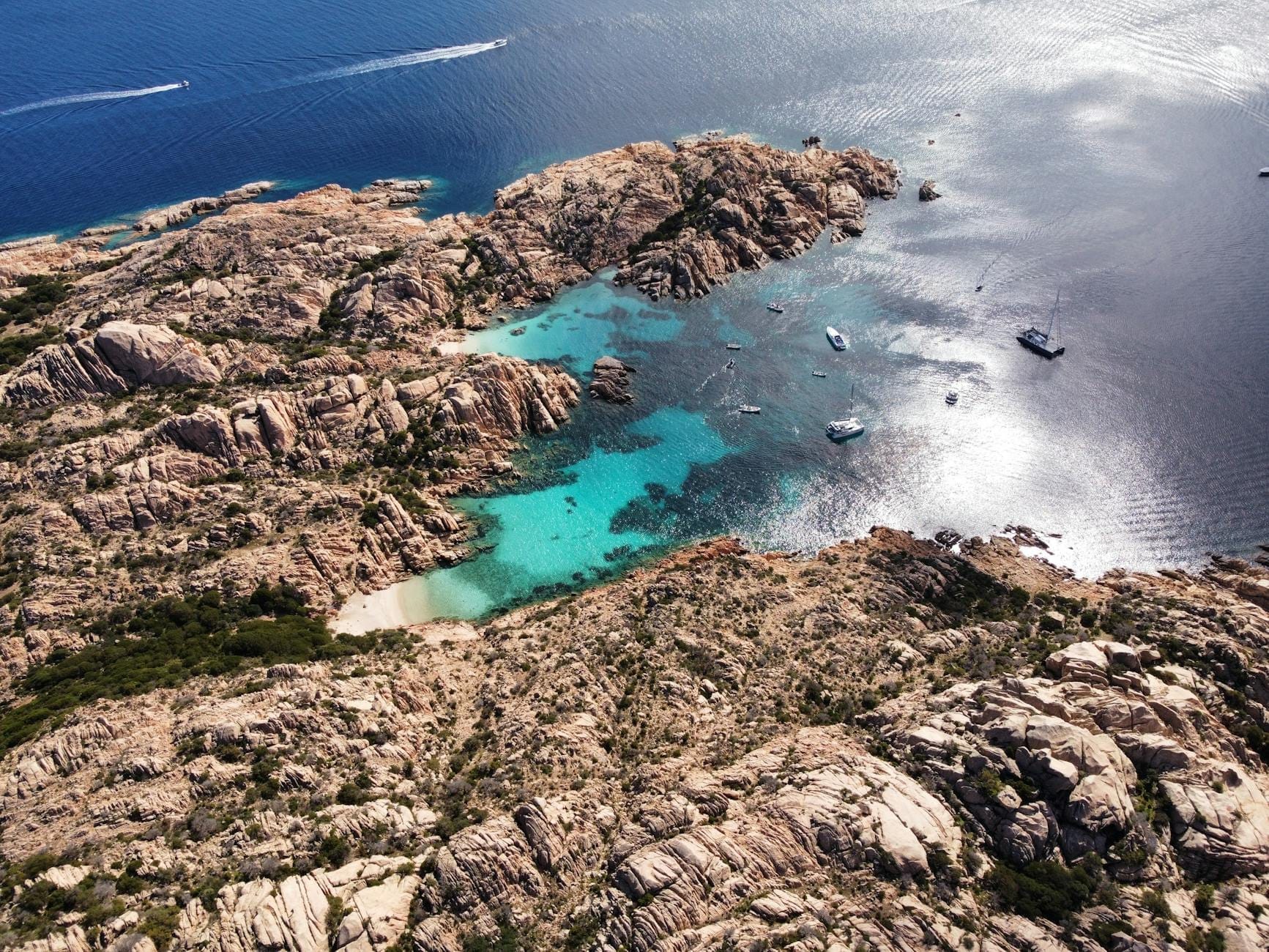
22. Hike a Forested Island in the Maddalena Archipelago: Caprera
Caprera has a network of trails through pine and juniper forest connecting its wild beaches and Garibaldi museum. The full-island circuit takes around five hours; individual beaches such as Cala Coticcio can be reached on 45-minute out-and-back paths.
Explore22. Hike a Forested Island in the Maddalena Archipelago: Caprera
Caprera has a network of trails through pine and juniper forest connecting its wild beaches and Garibaldi museum. The full-island circuit takes around five hours; individual beaches such as Cala Coticcio can be reached on 45-minute out-and-back paths.
ExploreHike-Access Beaches & Scenic Nature Walks
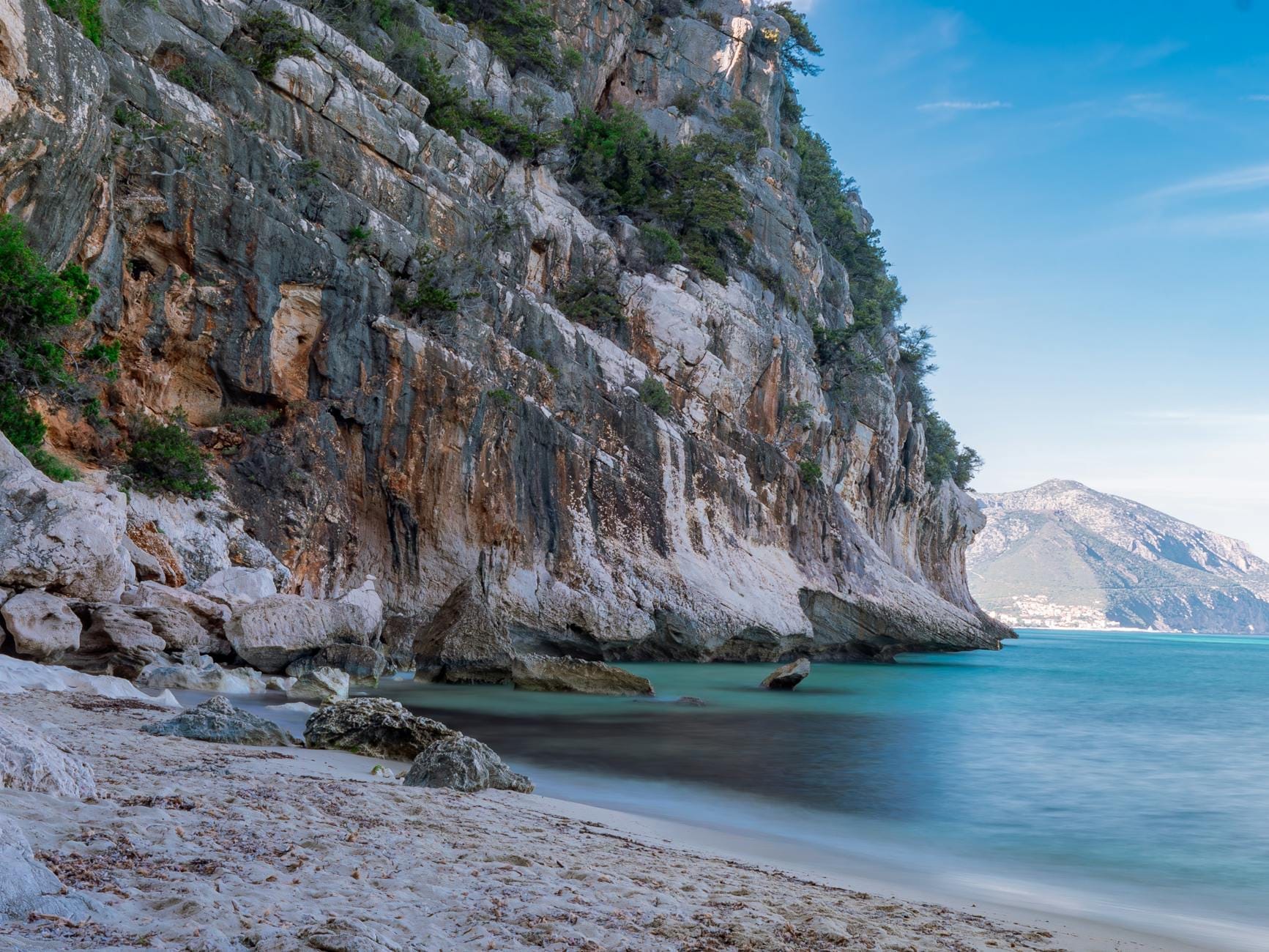
Some of Sardinia's most spectacular natural features sit at the end of a manageable trail rather than a boat queue. These walks are not technical, but they reward effort with scenery that the car-park crowds never reach. For context on the broader coastal landscape, the best beaches guide explains which coves are worth the walk.
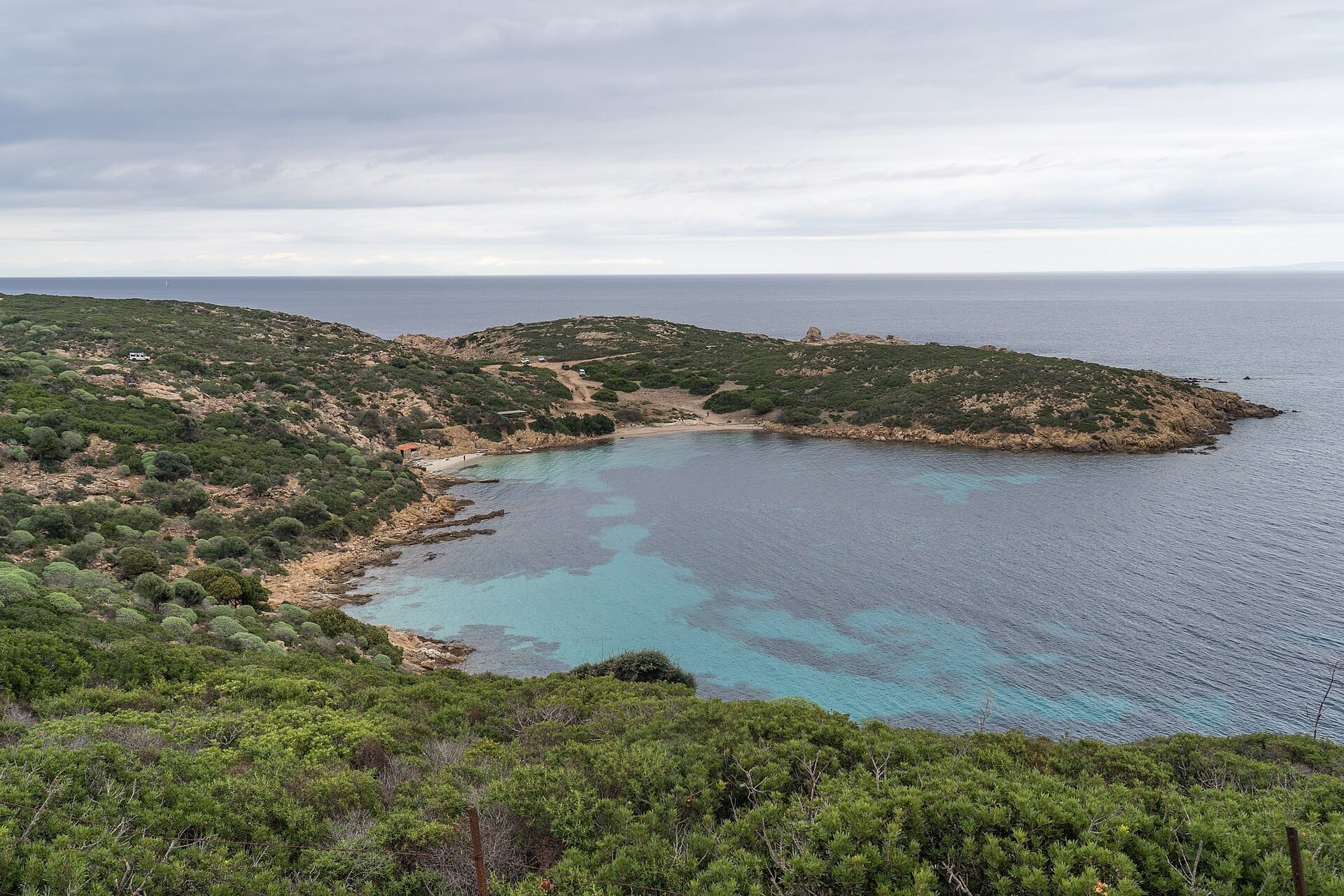
23. Walk a Former Prison Island Turned National Park: Asinara
Asinara's trails wind through a car-free landscape of wild beaches, crumbling penal colony buildings, and albino donkeys. Access is by authorized boat from Stintino only; once there, guided jeep or cycling tours supplement walking. A other-worldly hiking experience.
Explore23. Walk a Former Prison Island Turned National Park: Asinara
Asinara's trails wind through a car-free landscape of wild beaches, crumbling penal colony buildings, and albino donkeys. Access is by authorized boat from Stintino only; once there, guided jeep or cycling tours supplement walking. A other-worldly hiking experience.
Explore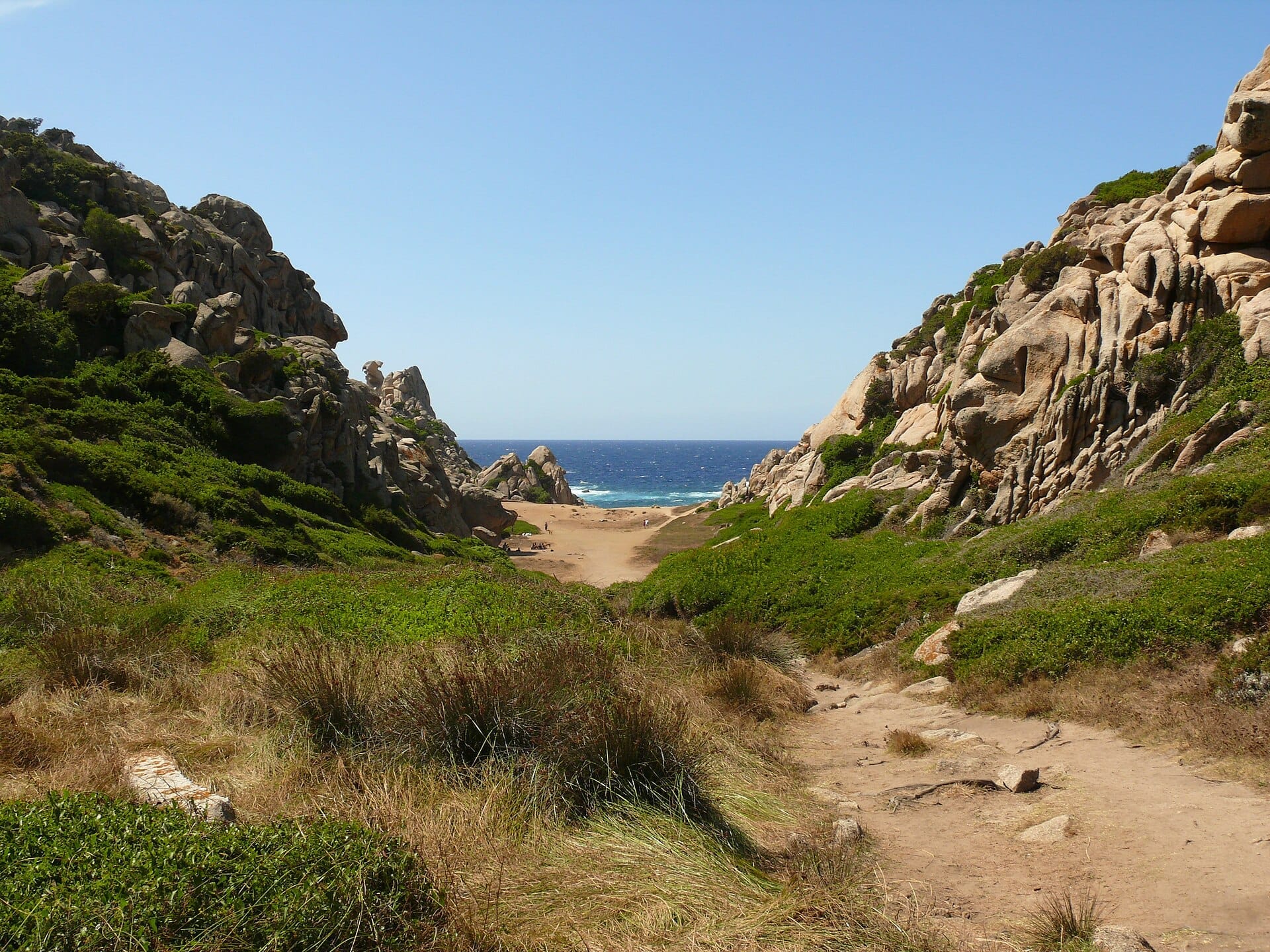
24. Walk Through an Ancient Roman Quarry: Valle della Luna
The Valley of the Moon at Capo Testa is a short walk from the car park but feels like another planet, with house-sized granite blocks draped in vegetation. Walk through in the evening when the warm light turns the boulders gold and the crowds have gone.
Explore24. Walk Through an Ancient Roman Quarry: Valle della Luna
The Valley of the Moon at Capo Testa is a short walk from the car park but feels like another planet, with house-sized granite blocks draped in vegetation. Walk through in the evening when the warm light turns the boulders gold and the crowds have gone.
Explore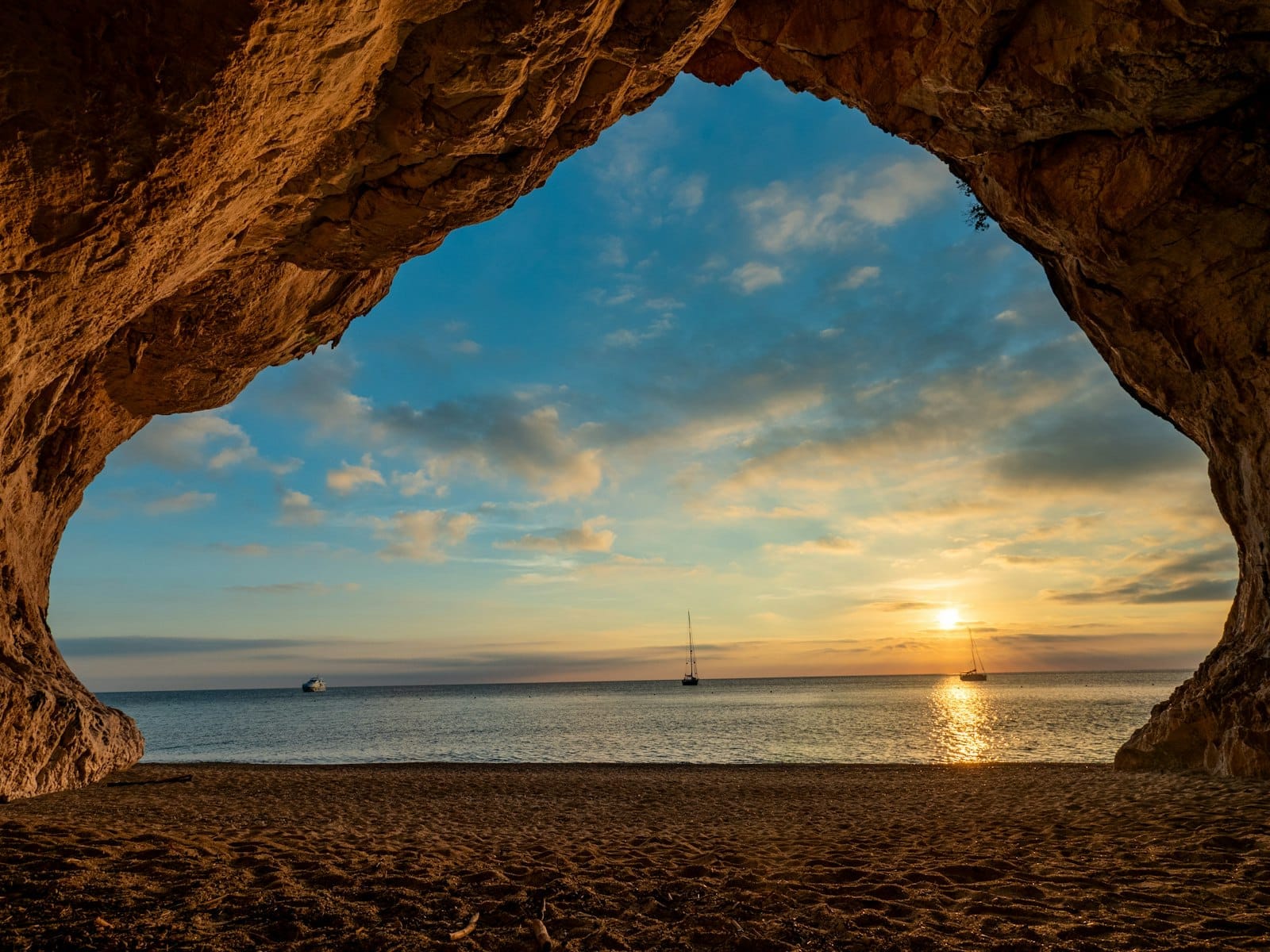
25. Hike Into the Golfo di Orosei's Most Famous Cove: Cala Luna
The trail from Cala Gonone to Cala Luna takes around 3 hours through coastal maquis with sea views throughout. Most visitors arrive by boat; arriving on foot means you have the beach almost to yourself before the morning boats arrive. Plan an early start.
Explore25. Hike Into the Golfo di Orosei's Most Famous Cove: Cala Luna
The trail from Cala Gonone to Cala Luna takes around 3 hours through coastal maquis with sea views throughout. Most visitors arrive by boat; arriving on foot means you have the beach almost to yourself before the morning boats arrive. Plan an early start.
ExploreFAQ
When is the best time to hike in Sardinia?
April to June and September to October are ideal. Spring brings green landscapes and wildflowers; autumn keeps temperatures manageable after the summer heat. Summer hiking is possible but requires very early starts (before 7am on exposed routes) and large water reserves. Winter is mild at sea level but some mountain paths become slippery after rain.
Do I need a guide for the Selvaggio Blu?
Yes, for most hikers. The Selvaggio Blu is unmarked, involves abseiling, and navigating near-vertical limestone terrain with no mobile signal for long stretches. Several local guiding companies based in Baunei offer multi-day packages with logistics, rope work, and boat transfers. It is not a route to attempt independently without significant technical experience.
Is it possible to hike to Cala Goloritzè without a boat?
Yes. The hiking trail from Baunei is approximately two hours each way on a signed path descending through limestone scrub. It is more rewarding than the boat approach and far less crowded on arrival. Trekking poles are useful for the steep final descent. The trail is not suitable in wet conditions when limestone becomes very slippery.
What gear do I need for hiking in Sardinia?
Sturdy hiking boots with good grip are essential on the island's polished limestone and granite surfaces. Carry at least 2 litres of water per person on any route longer than 90 minutes. Sun protection, a hat, and layered clothing matter more than technical gear on most routes. For the Selvaggio Blu and via ferrata sections on the Tacchi d'Ogliastra, specific technical equipment is required.
Can I hike in Sardinia without a car?
Most of the best trails are difficult to reach without a car, as trailheads are remote and bus services are infrequent. Exceptions include Sella del Diavolo in Cagliari (accessible by bus to Poetto beach), Monte Ortobene above Nuoro (summer shuttle from town), and Capo Testa (reachable from Santa Teresa Gallura on foot). For all other major routes, renting a car is strongly recommended.