Hidden Gems of Sardinia: 20 Off-the-Beaten-Path Experiences Worth Seeking Out
Sardinia rewards those who look beyond the famous beaches. This guide uncovers the island's lesser-known archaeological wonders, dramatic inland landscapes, and coastal stretches that see a fraction of the summer crowds, from Bronze Age cities to wild dune deserts.
Plan and book this trip
Tools from our partner Travelpayouts help you compare flights and hotels. If you book through them, we may earn a commission at no extra cost to you.
Flights
Hotels map
Most visitors to Sardinia never make it past the Costa Smeralda and a handful of postcard beaches. That is their loss. The island's real character lives in its interior mountains, prehistoric ruins, and wild southwestern coastline, places where you can spend an entire afternoon without seeing another tourist. Whether you have one week or two, building in time for these off-the-radar experiences transforms a beach holiday into something far more memorable. The key is a rental car: Sardinia has no autostrade (toll motorways), and the slow, winding roads to its best places are half the experience. This guide covers 20 attractions that rarely appear on mainstream itineraries, organised by theme so you can combine them efficiently as you move around the island.
✨ Pro tip
Visit between mid-May and mid-June, or in September and October. Coastal crowds are minimal, temperatures are ideal for hiking, and many of these sites feel deserted. Mid-October can still hit 25°C in the south.
Prehistoric Wonders Few Tourists Reach
Sardinia has more ancient monuments per square kilometre than almost anywhere in Europe, yet most of them see only a trickle of visitors. The Nuragic civilisation left behind over 7,000 stone towers across the island, and several of the finest complexes are completely uncrowded. Pair these with the island's pre-Nuragic and Phoenician sites for a full picture of Sardinia's extraordinary deep history.
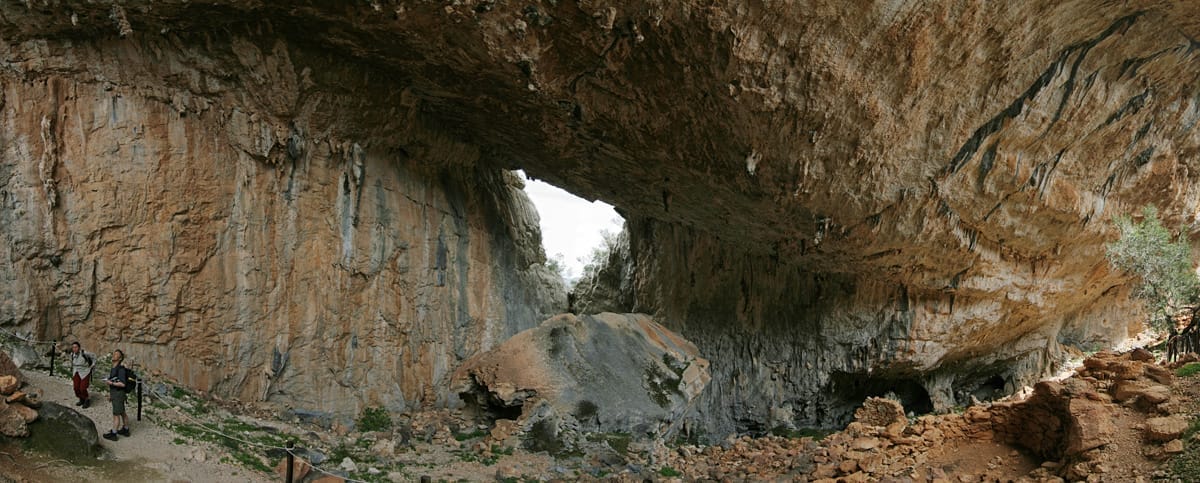
1. Discover a Nuragic Village Hidden Inside a Mountain at Tiscali
A Bronze Age settlement concealed inside a collapsed sinkhole in the Supramonte, Tiscali requires a 2-3 hour hike to reach. The reward is one of the most atmospheric archaeological sites in the Mediterranean, sealed by the cave ceiling above.
Explore1. Discover a Nuragic Village Hidden Inside a Mountain at Tiscali
A Bronze Age settlement concealed inside a collapsed sinkhole in the Supramonte, Tiscali requires a 2-3 hour hike to reach. The reward is one of the most atmospheric archaeological sites in the Mediterranean, sealed by the cave ceiling above.
Explore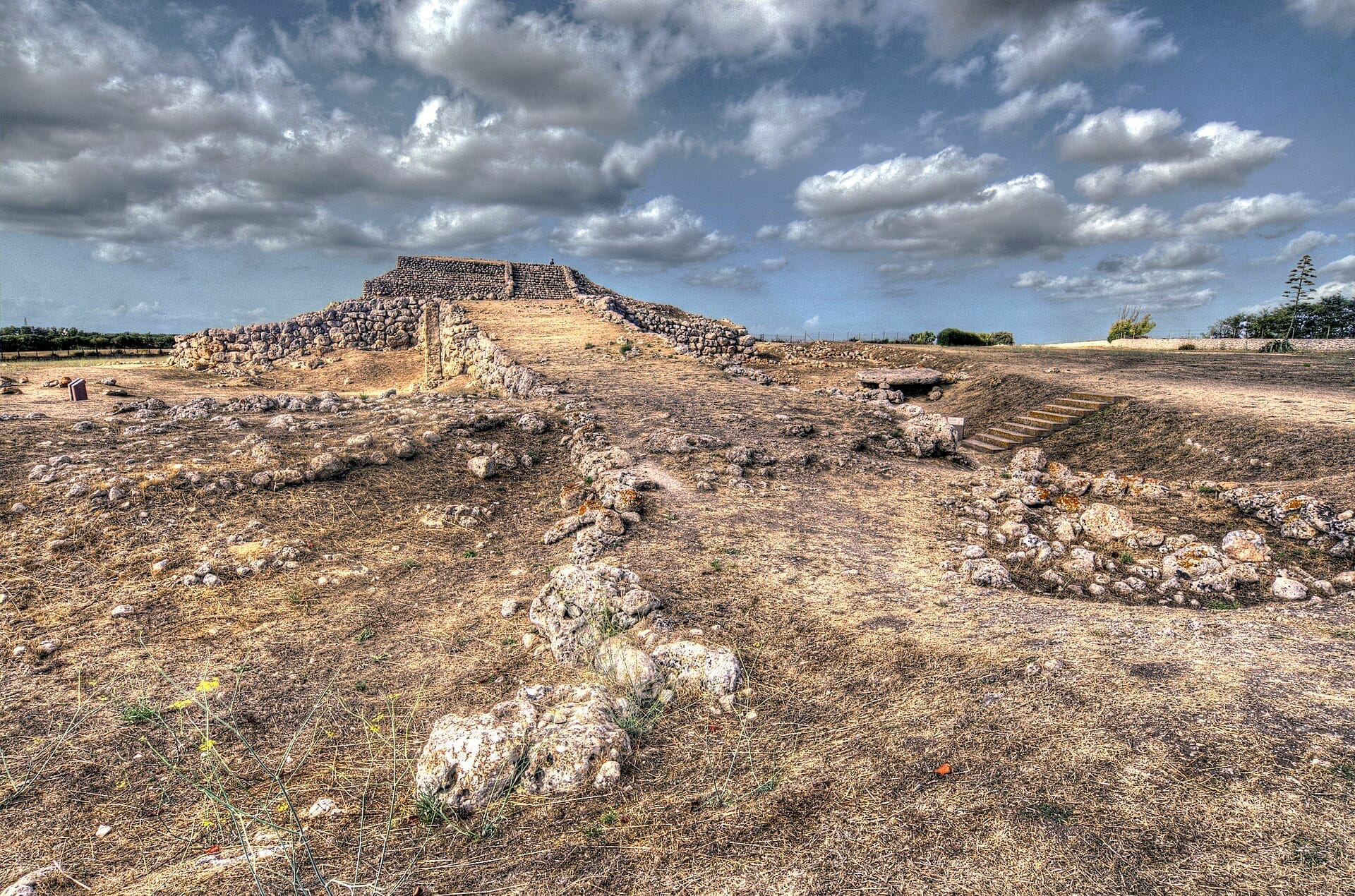
2. Stand Before the Only Ziggurat in Western Europe at Monte d'Accoddi
A stepped altar-pyramid near Sassari dating from 4000 BC, Monte d'Accoddi has no parallel in European prehistory. It is signposted from the main road but almost universally skipped. Allow 30 minutes and bring water; the site has minimal shade.
Explore2. Stand Before the Only Ziggurat in Western Europe at Monte d'Accoddi
A stepped altar-pyramid near Sassari dating from 4000 BC, Monte d'Accoddi has no parallel in European prehistory. It is signposted from the main road but almost universally skipped. Allow 30 minutes and bring water; the site has minimal shade.
Explore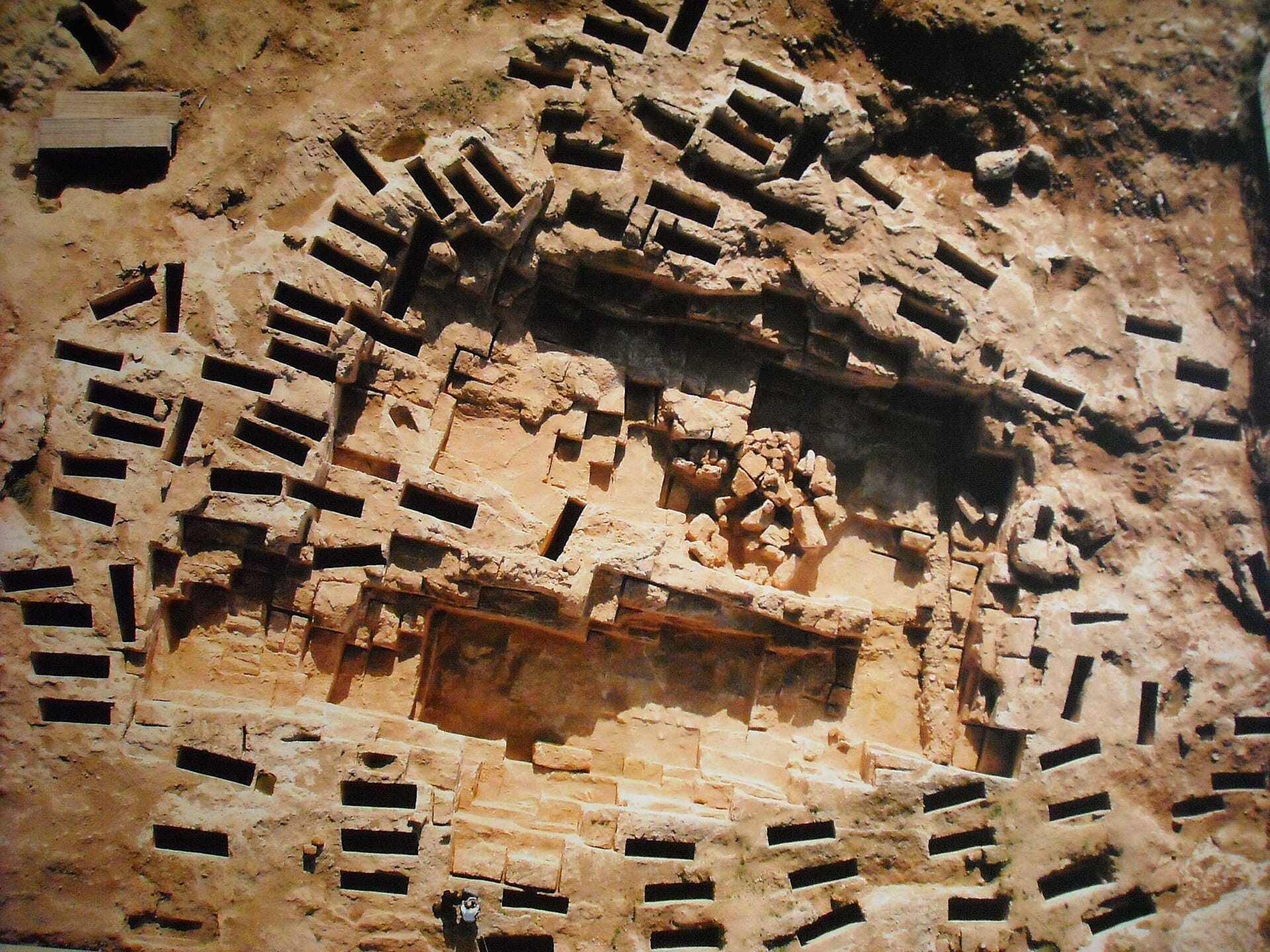
3. Explore the World's Largest Punic Necropolis on Cagliari's Edge
Over a thousand rock-cut tombs from the 6th century BC cover this hillside on Cagliari's western edge. It is one of the most significant archaeological parks in the Mediterranean and almost completely overlooked by visitors to the capital.
Explore3. Explore the World's Largest Punic Necropolis on Cagliari's Edge
Over a thousand rock-cut tombs from the 6th century BC cover this hillside on Cagliari's western edge. It is one of the most significant archaeological parks in the Mediterranean and almost completely overlooked by visitors to the capital.
Explore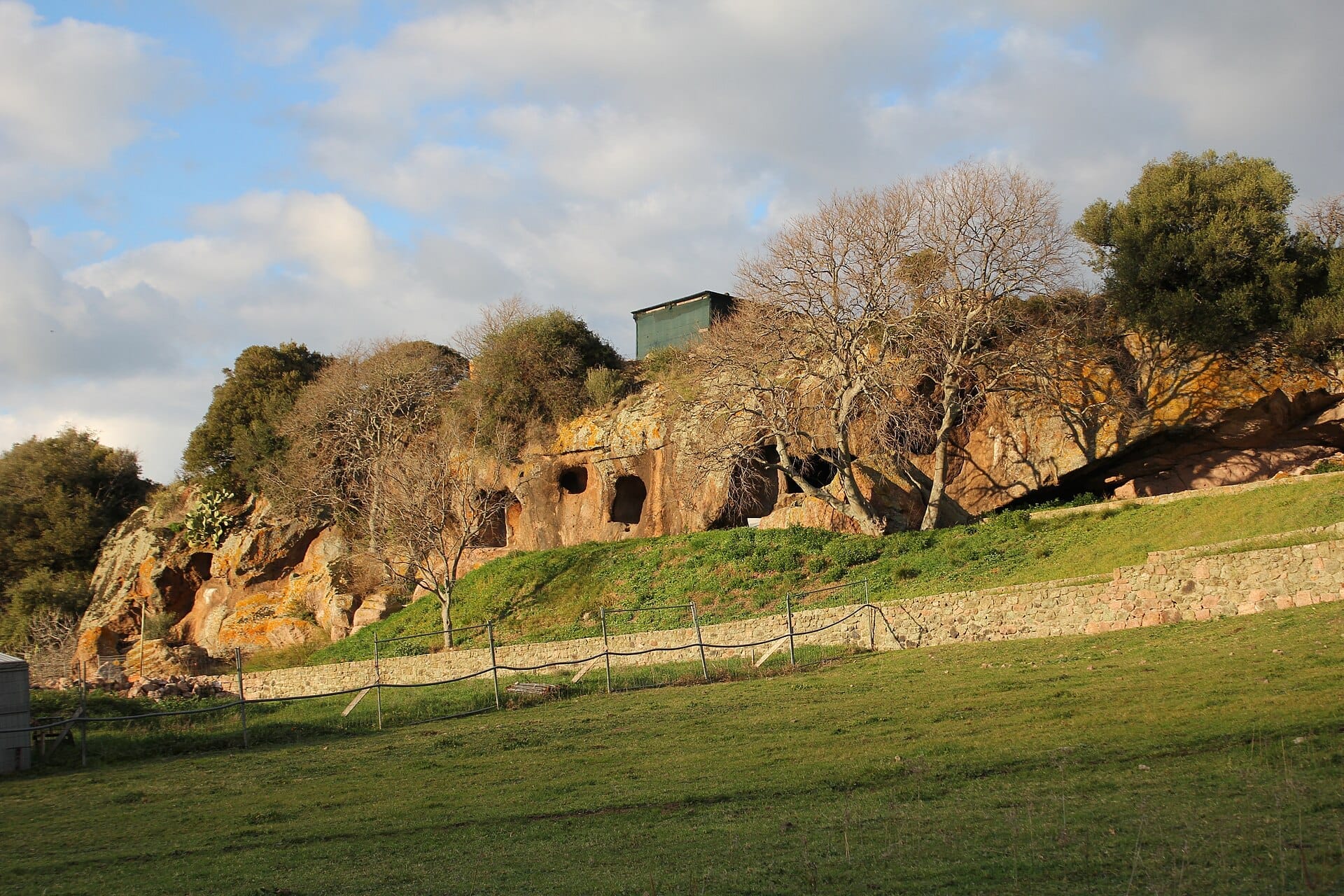
4. Enter a 5,000-Year-Old Tomb Converted into a Byzantine Church at Sant'Andrea Priu
Near Bonorva, this Domus de Janas necropolis contains over 20 rock-cut chambers, including a vast hypogeum later adapted as an early Christian church with surviving Byzantine frescoes. One of the most layered and least-visited sites in Sardinia.
Explore4. Enter a 5,000-Year-Old Tomb Converted into a Byzantine Church at Sant'Andrea Priu
Near Bonorva, this Domus de Janas necropolis contains over 20 rock-cut chambers, including a vast hypogeum later adapted as an early Christian church with surviving Byzantine frescoes. One of the most layered and least-visited sites in Sardinia.
Explore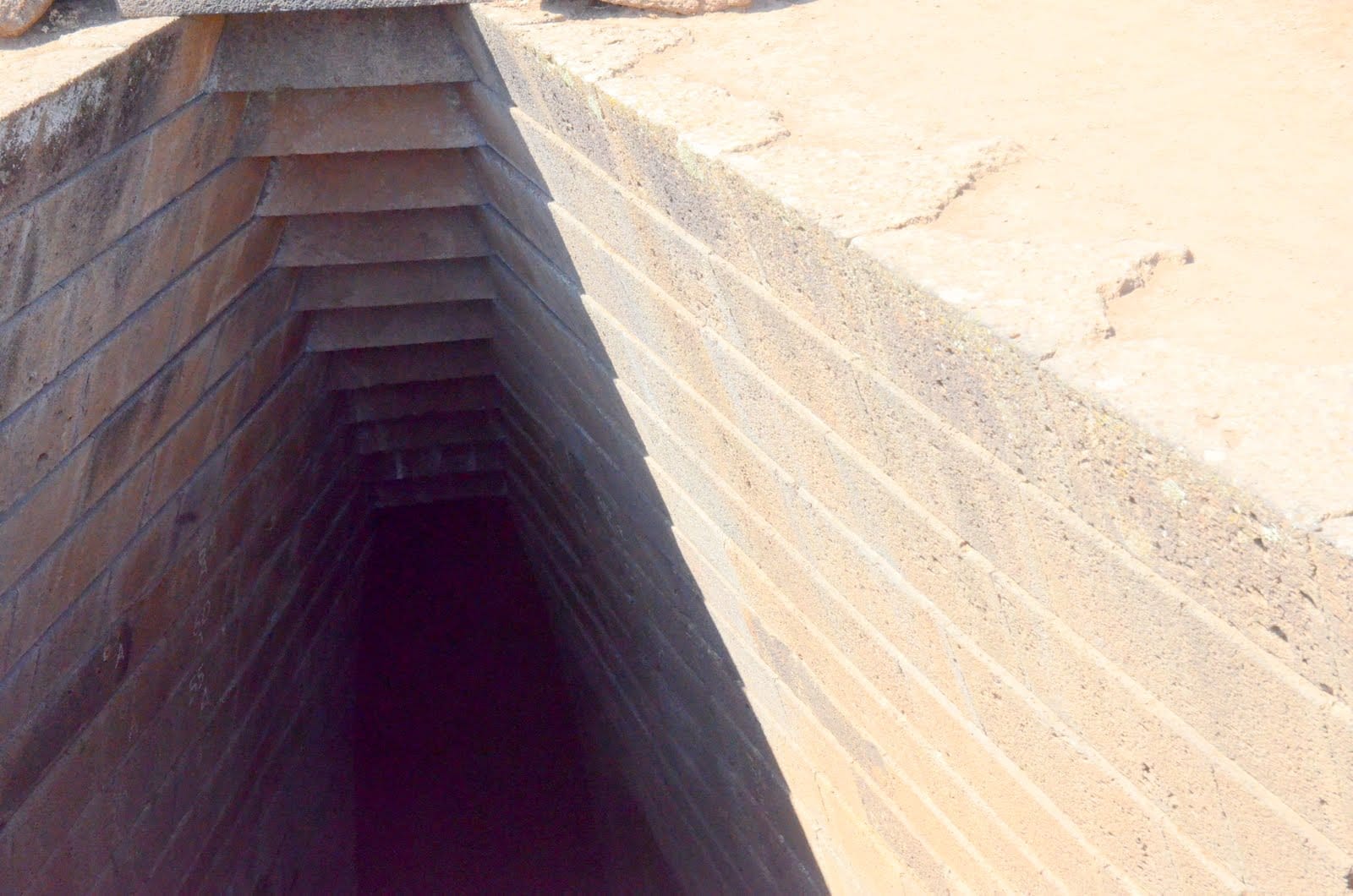
5. See Nuragic Astronomical Engineering at the Sacred Well of Santa Cristina
This perfectly cut stone staircase descends to a subterranean chamber where the water aligns with the stars at the equinox. Near Paulilatino in central Sardinia, it is the finest sacred well on the island and rarely crowded even in summer.
Explore5. See Nuragic Astronomical Engineering at the Sacred Well of Santa Cristina
This perfectly cut stone staircase descends to a subterranean chamber where the water aligns with the stars at the equinox. Near Paulilatino in central Sardinia, it is the finest sacred well on the island and rarely crowded even in summer.
Explore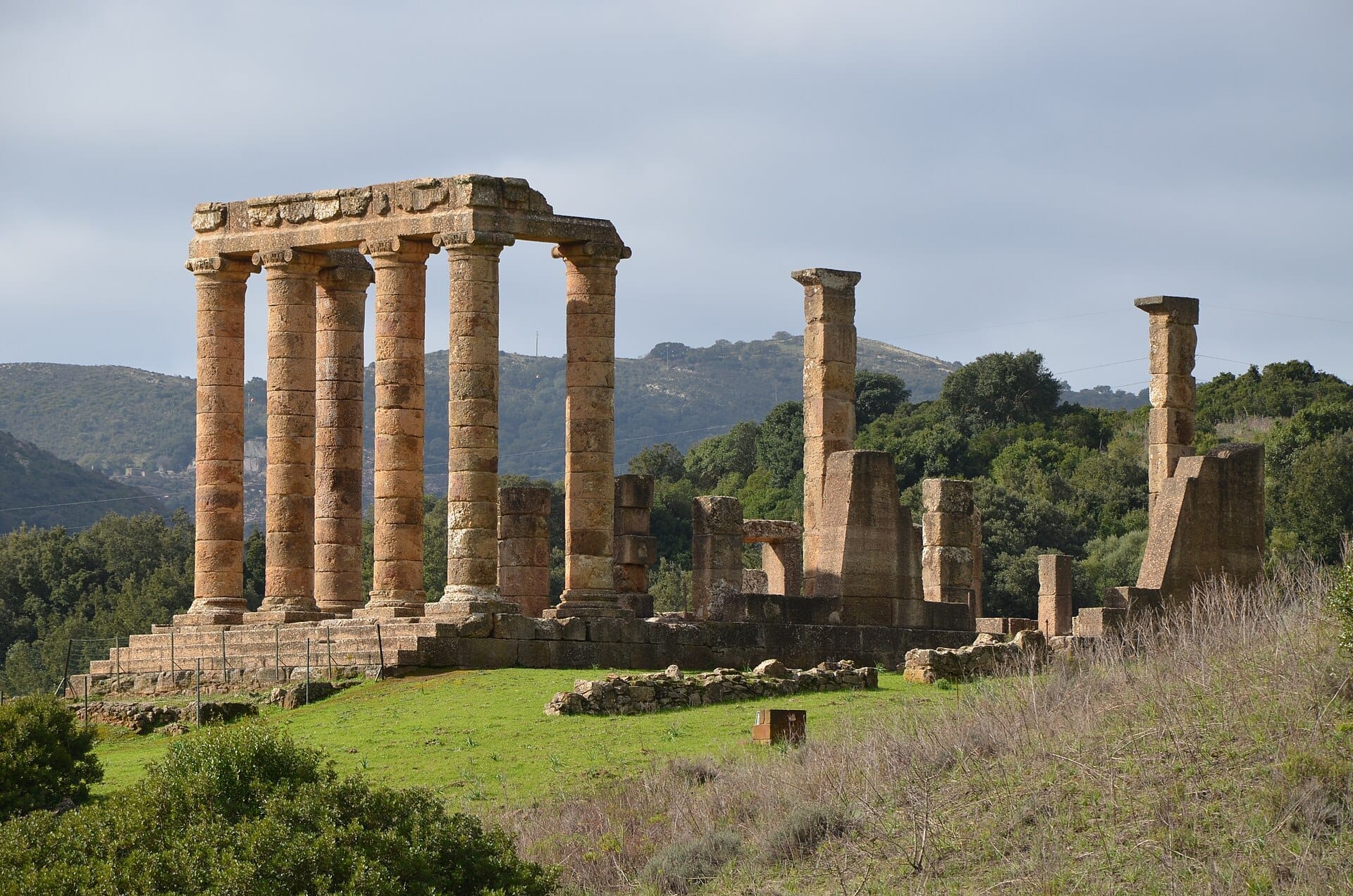
6. Find a Roman Temple Dedicated to a Sardinian God in a Remote Valley
Built over a Nuragic sacred site near Fluminimaggiore, Antas is a Roman temple to the indigenous god Sardus Pater. The drive through the valley alone is worth making: the ruins appear dramatically at the end of a narrow road with no other traffic.
Explore6. Find a Roman Temple Dedicated to a Sardinian God in a Remote Valley
Built over a Nuragic sacred site near Fluminimaggiore, Antas is a Roman temple to the indigenous god Sardus Pater. The drive through the valley alone is worth making: the ruins appear dramatically at the end of a narrow road with no other traffic.
ExploreWild Coastlines Beyond the Famous Beaches
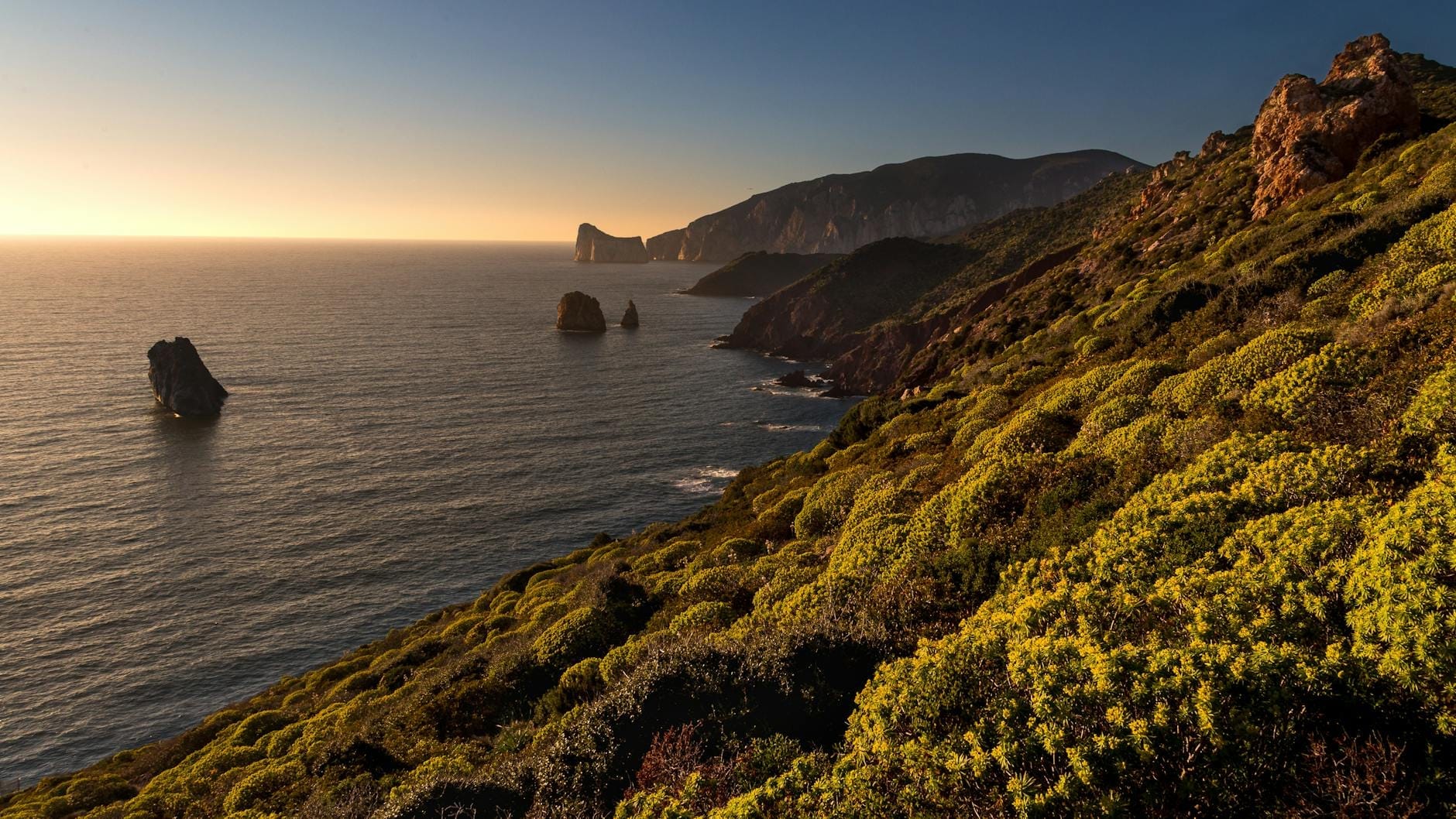
Sardinia's most celebrated beaches, La Pelosa, Cala Gonone, and the Costa Smeralda coves, are beautiful but crowded in July and August. The island's less-publicised coastlines offer comparable scenery with a fraction of the visitors. The Sulcis and southwest coast in particular is one of the most rewarding and underexplored regions on the island, combining dramatic geology with real industrial heritage.
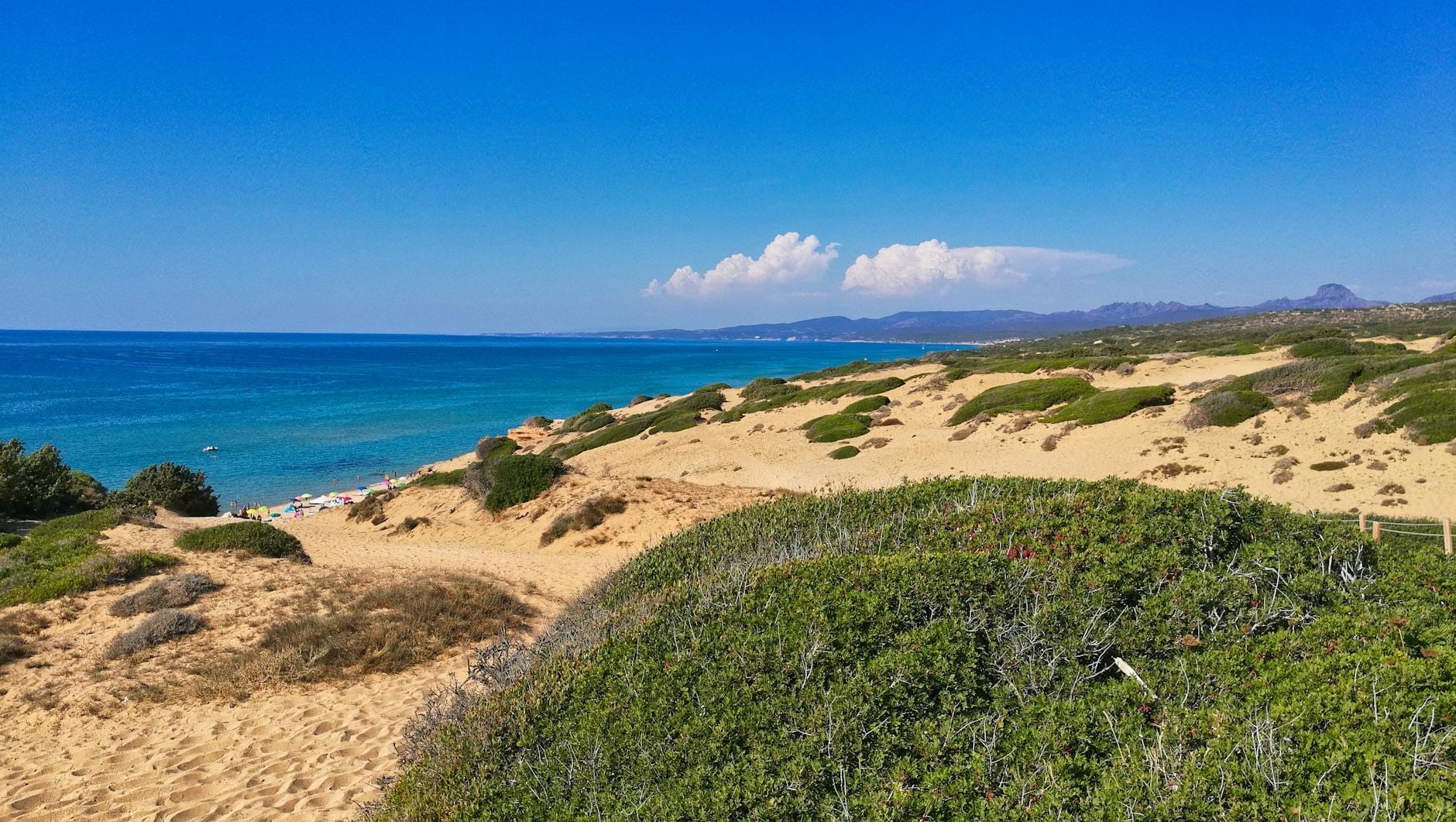
7. Walk Sardinia's Sahara: the Towering Dunes of Piscinas on the Costa Verde
Sand dunes up to 60 metres tall back a wild, unpatrolled beach on the Costa Verde. The road in is unpaved and the nearest facilities are basic, but Piscinas is one of the most dramatically remote coastal landscapes in the entire Mediterranean.
Explore7. Walk Sardinia's Sahara: the Towering Dunes of Piscinas on the Costa Verde
Sand dunes up to 60 metres tall back a wild, unpatrolled beach on the Costa Verde. The road in is unpaved and the nearest facilities are basic, but Piscinas is one of the most dramatically remote coastal landscapes in the entire Mediterranean.
Explore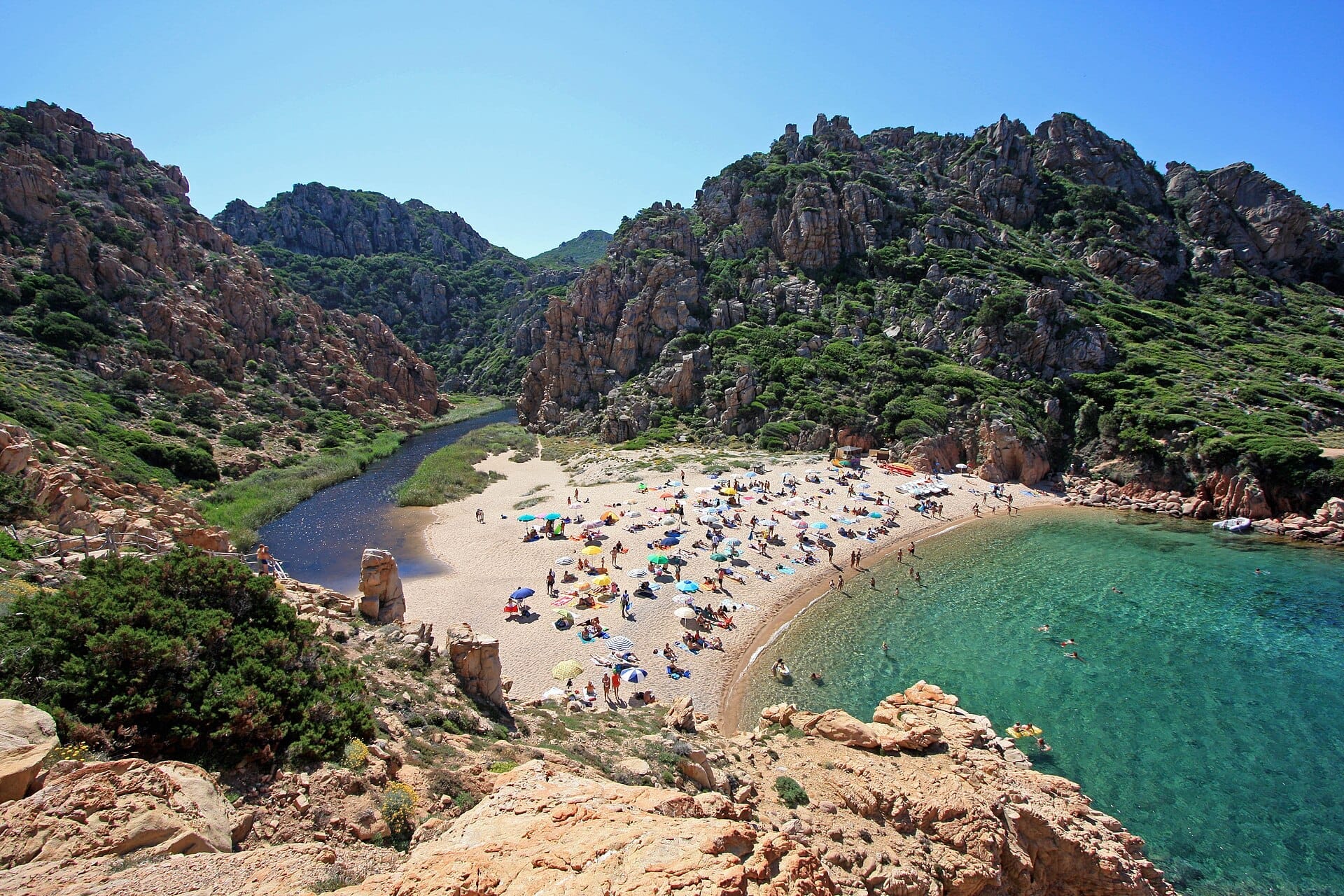
8. Find Red Porphyry Coves at Costa Paradiso Without the Costa Smeralda Crowds
Near Trinità d'Agultu in the northwest, Costa Paradiso offers dramatic red rock formations, hidden coves, and clear water that equal the northeast in beauty. Development here is minimal, and the area sees far fewer visitors than areas further east.
Explore8. Find Red Porphyry Coves at Costa Paradiso Without the Costa Smeralda Crowds
Near Trinità d'Agultu in the northwest, Costa Paradiso offers dramatic red rock formations, hidden coves, and clear water that equal the northeast in beauty. Development here is minimal, and the area sees far fewer visitors than areas further east.
Explore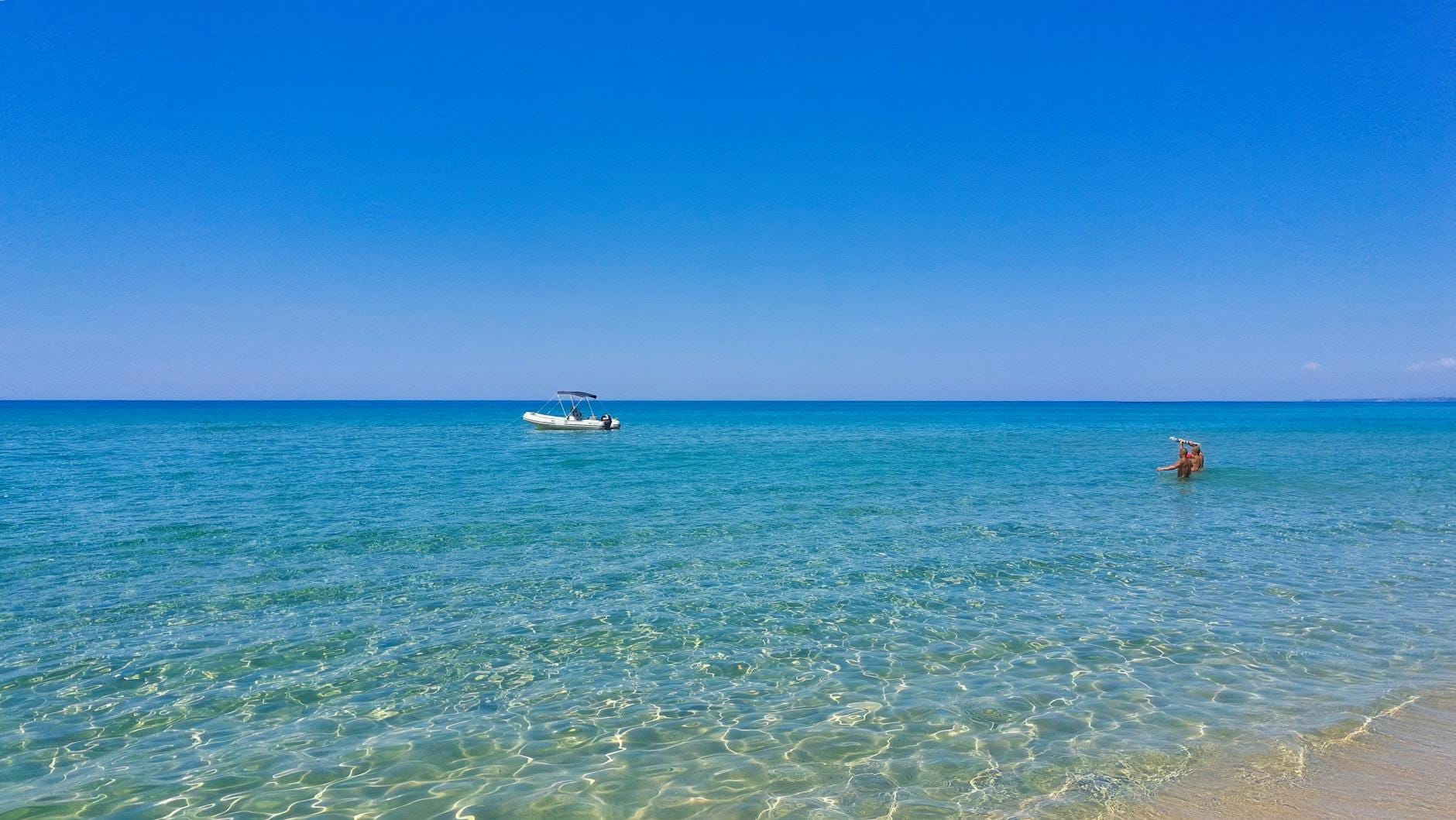
9. Access a Permit-Only Pristine Beach Reserve at Biderosa
Entry is limited to a daily permit and shuttle bus, which keeps Biderosa among the least-disturbed beaches on Sardinia's east coast. A pristine arc of white sand backed by juniper and pine, with no beach bars and no noise, near Orosei.
Explore9. Access a Permit-Only Pristine Beach Reserve at Biderosa
Entry is limited to a daily permit and shuttle bus, which keeps Biderosa among the least-disturbed beaches on Sardinia's east coast. A pristine arc of white sand backed by juniper and pine, with no beach bars and no noise, near Orosei.
Explore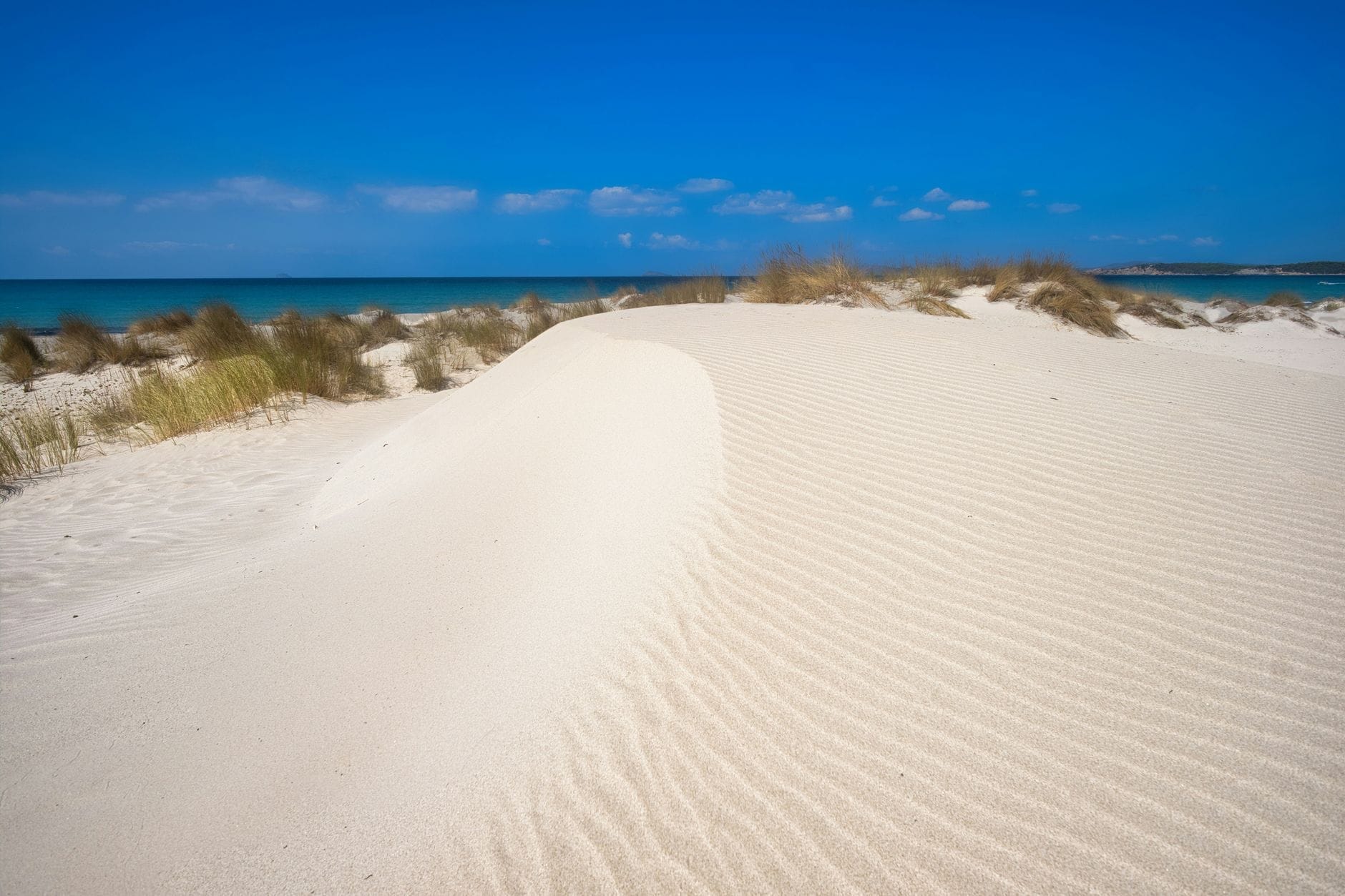
10. Watch Sea Turtles Nest at the Wild Dunes of Capo Comino
One of the last loggerhead sea turtle nesting sites in Sardinia, Capo Comino is a stretch of undeveloped dunes, juniper scrub, and a historic lighthouse between Siniscola and Orosei. Come in June or July for the best chance of seeing nest markers.
Explore10. Watch Sea Turtles Nest at the Wild Dunes of Capo Comino
One of the last loggerhead sea turtle nesting sites in Sardinia, Capo Comino is a stretch of undeveloped dunes, juniper scrub, and a historic lighthouse between Siniscola and Orosei. Come in June or July for the best chance of seeing nest markers.
Explore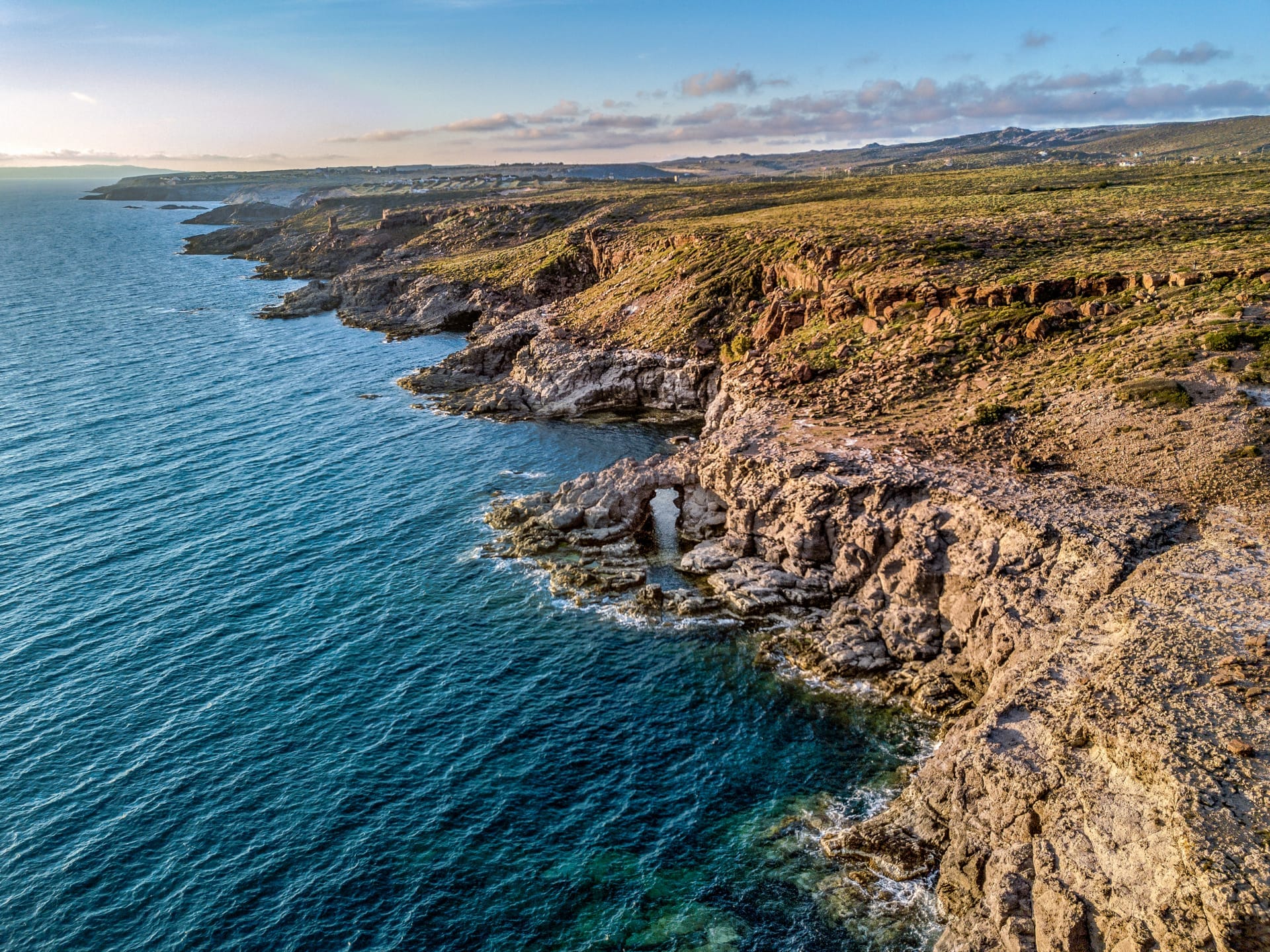
11. Cross a Roman Causeway to an Island of Phoenician Ruins and Empty Beaches
Sant'Antioco is connected to the mainland by a causeway built on Roman foundations. The island combines a Punic tophet, early Christian catacombs, and quiet beaches in a package that sees only a small fraction of the visitors who crowd the north.
Explore11. Cross a Roman Causeway to an Island of Phoenician Ruins and Empty Beaches
Sant'Antioco is connected to the mainland by a causeway built on Roman foundations. The island combines a Punic tophet, early Christian catacombs, and quiet beaches in a package that sees only a small fraction of the visitors who crowd the north.
ExploreInland Villages and Mountain Landscapes
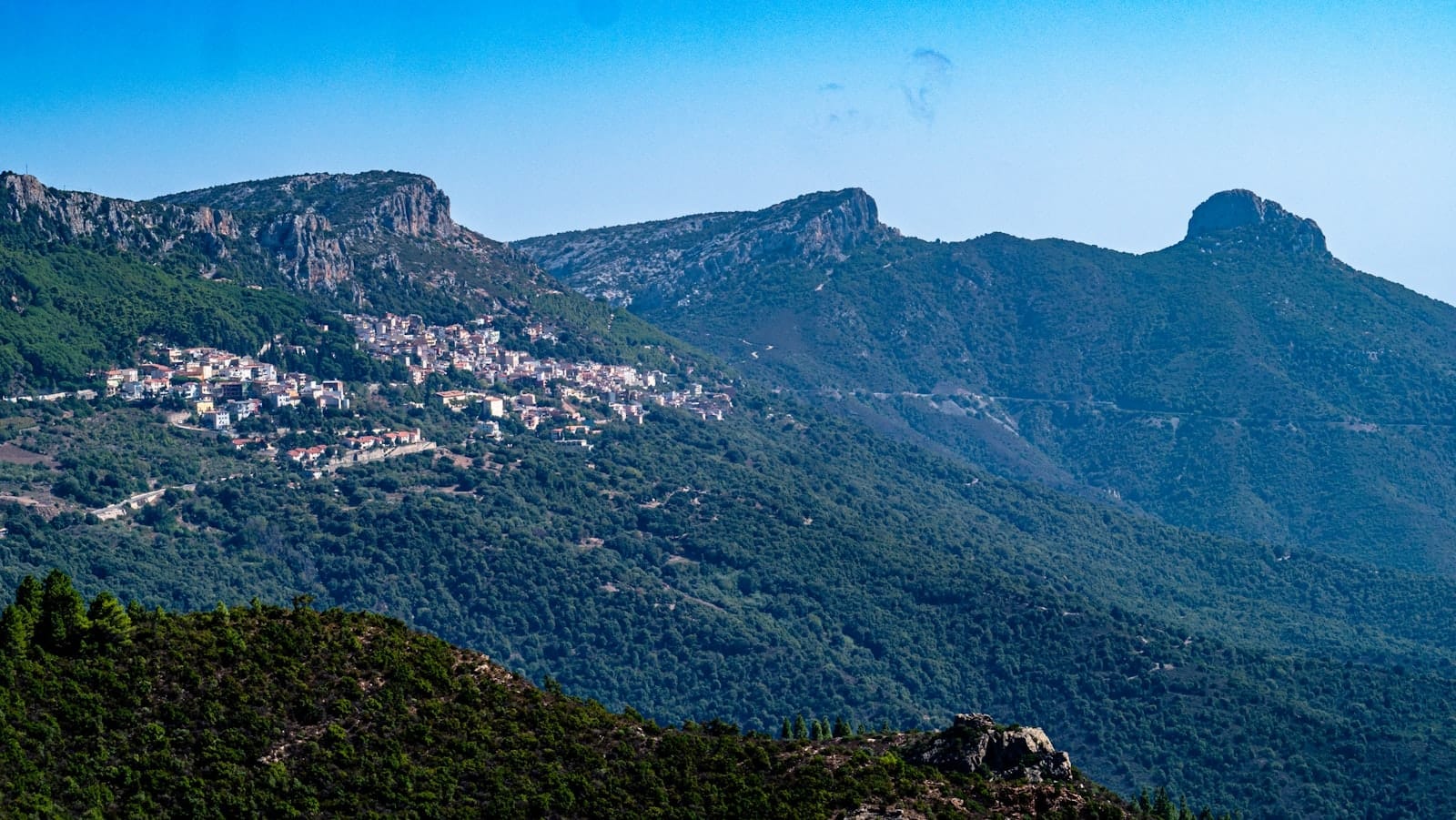
The interior of Sardinia is a world almost entirely separate from the coast: ancient villages, cork oak forests, and a pastoral culture that has changed little in centuries. The Barbagia region around Nuoro is the heartland of this interior Sardinia, and it rewards slow travel by car, or ideally by the Trenino Verde narrow-gauge railway, which threads through landscapes the main roads miss entirely. September is the best month for village festivals and cooler hiking temperatures.
12. Read Sardinian History on the Walls of Orgosolo's Open-Air Mural Gallery
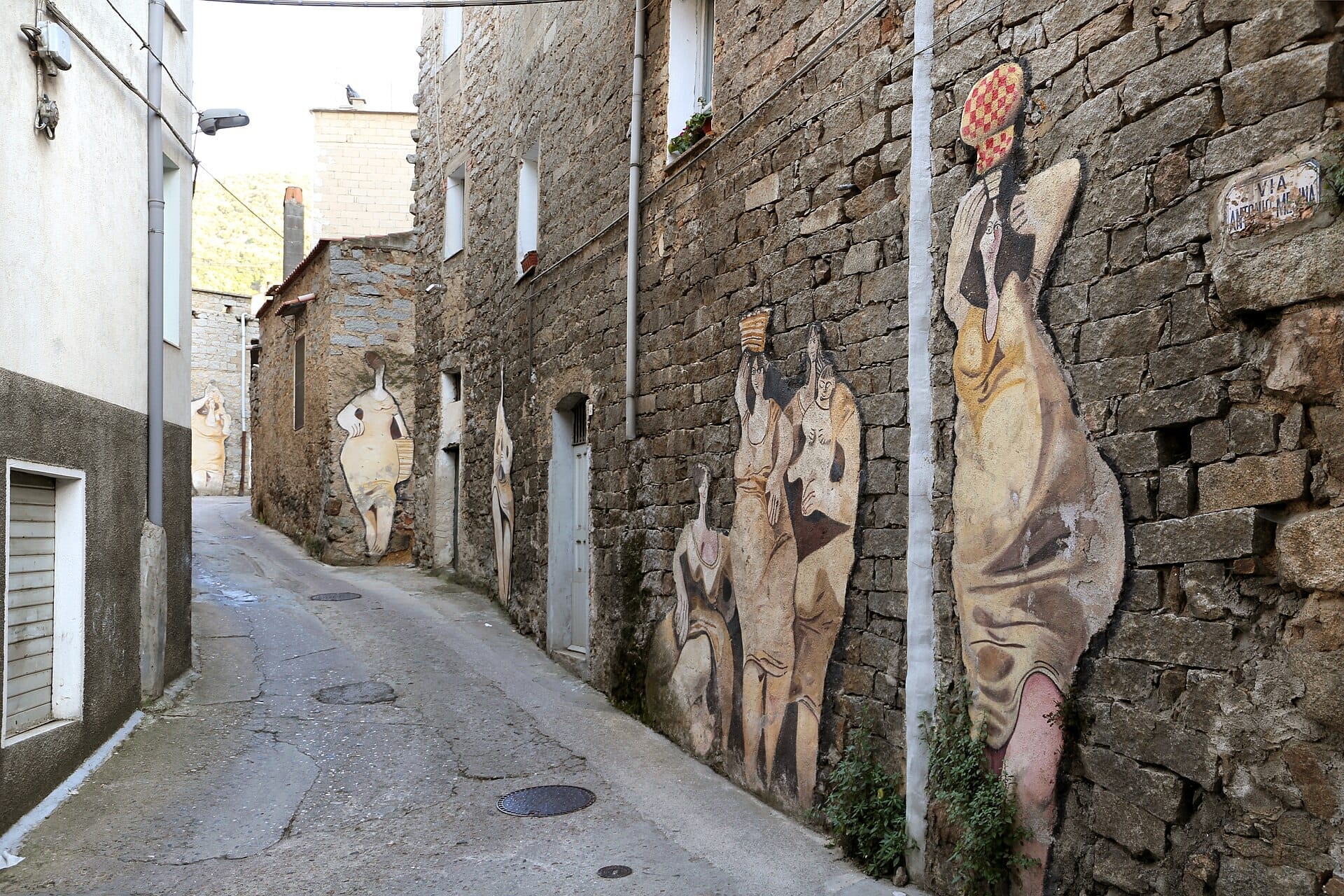
Over 150 political murals painted since 1969 cover the walls of this mountain village, documenting resistance, identity, and social struggle. Orgosolo is an easy half-day detour from Nuoro and entirely free to explore on foot at your own pace.
Explore12. Read Sardinian History on the Walls of Orgosolo's Open-Air Mural Gallery
Over 150 political murals painted since 1969 cover the walls of this mountain village, documenting resistance, identity, and social struggle. Orgosolo is an easy half-day detour from Nuoro and entirely free to explore on foot at your own pace.
Explore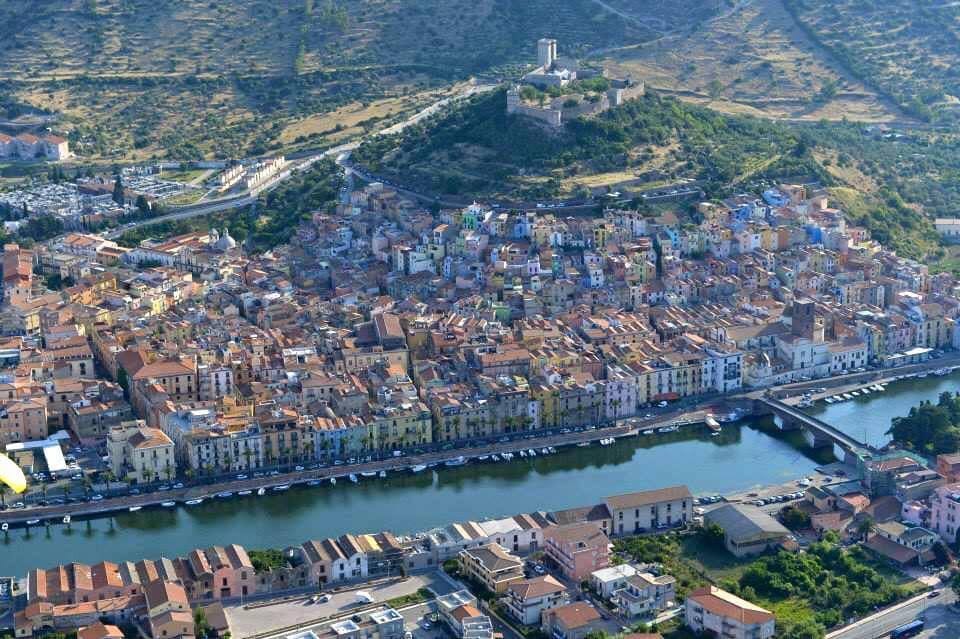
13. Follow the Only Navigable River in Sardinia to the Colourful Town of Bosa
Pastel-coloured houses cascade down a hillside to the Temo river, with a Malaspina castle on the crown and historic tanneries along the water. Bosa is one of the most scenic small towns in Sardinia and rarely on the standard tourist circuit.
Explore13. Follow the Only Navigable River in Sardinia to the Colourful Town of Bosa
Pastel-coloured houses cascade down a hillside to the Temo river, with a Malaspina castle on the crown and historic tanneries along the water. Bosa is one of the most scenic small towns in Sardinia and rarely on the standard tourist circuit.
Explore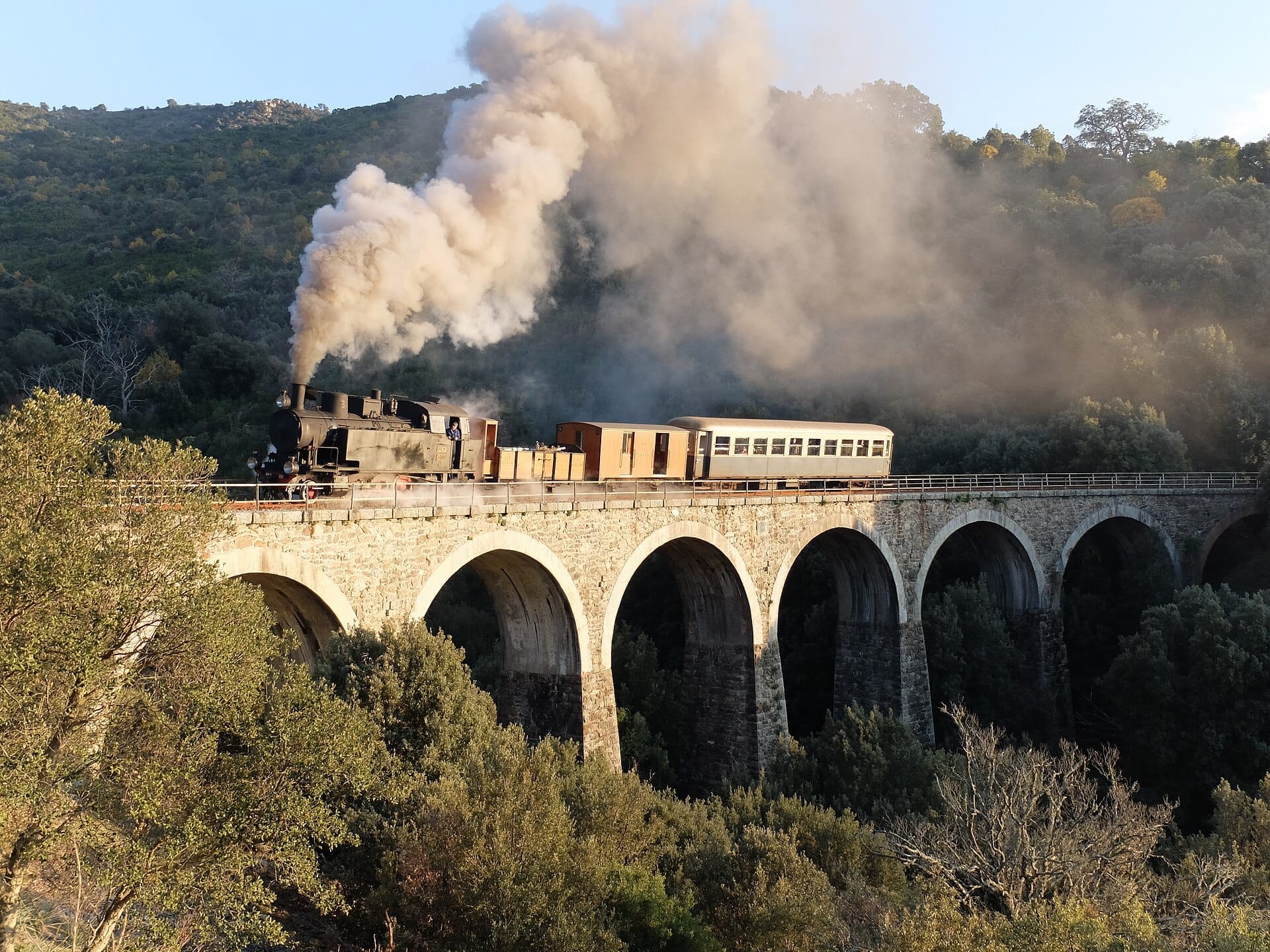
14. Ride the 19th-Century Narrow-Gauge Railway Through Sardinia's Interior
The Trenino Verde winds through river gorges, cork oak forests, and mountain villages on routes running since the 1800s. Seasonal services operate on several lines; the Mandas-Arbatax route through the Gennargentu foothills is the most spectacular.
Explore14. Ride the 19th-Century Narrow-Gauge Railway Through Sardinia's Interior
The Trenino Verde winds through river gorges, cork oak forests, and mountain villages on routes running since the 1800s. Seasonal services operate on several lines; the Mandas-Arbatax route through the Gennargentu foothills is the most spectacular.
Explore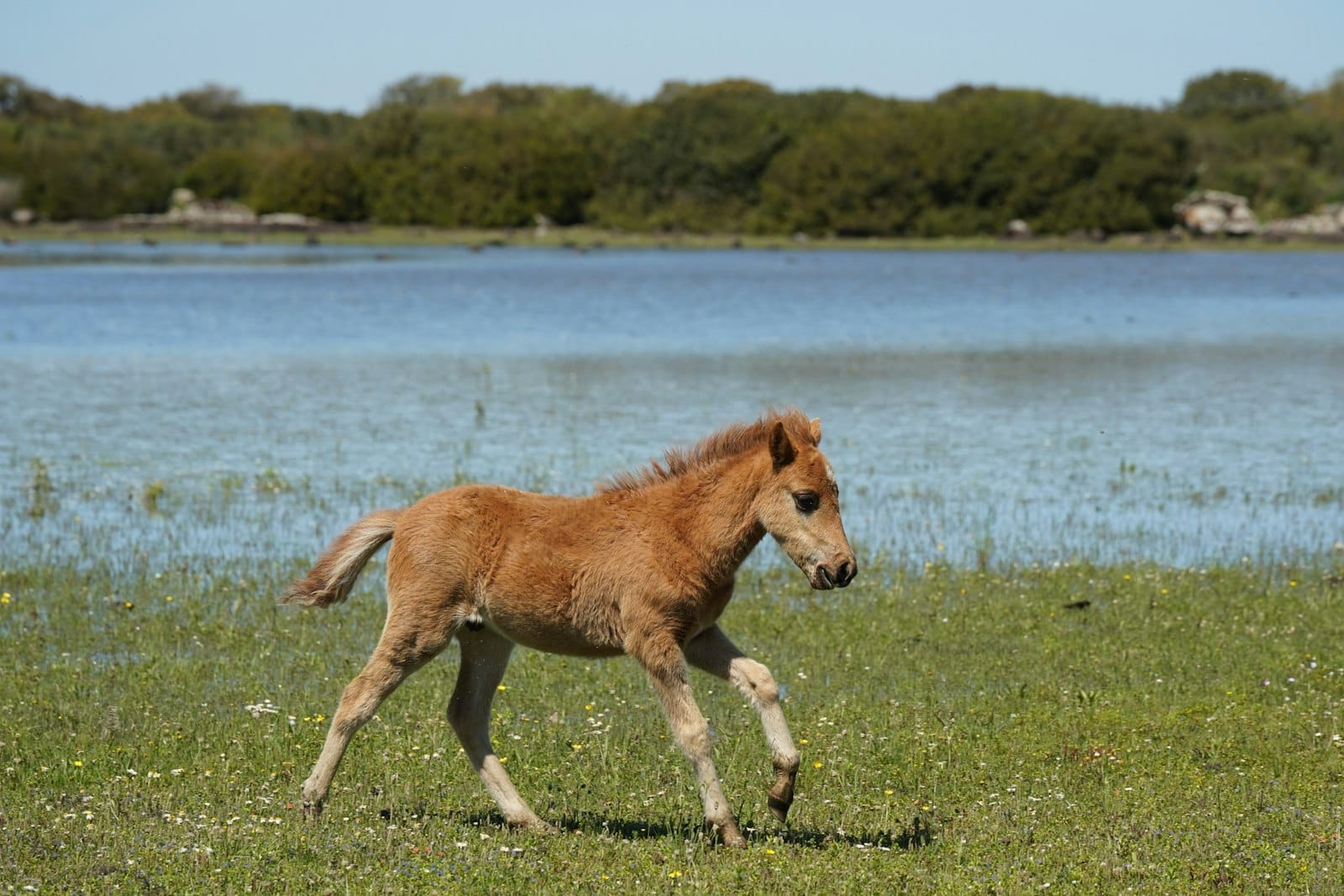
15. Watch Wild Sardinian Ponies Roam Free on the Giara Plateau
A basalt plateau above the Campidano plain, the Giara is the last stronghold of the Sardinian wild horse, a small prehistoric-looking pony. Early morning visits in spring, when seasonal ponds attract the herds, offer the best sightings in complete silence.
Explore15. Watch Wild Sardinian Ponies Roam Free on the Giara Plateau
A basalt plateau above the Campidano plain, the Giara is the last stronghold of the Sardinian wild horse, a small prehistoric-looking pony. Early morning visits in spring, when seasonal ponds attract the herds, offer the best sightings in complete silence.
Explore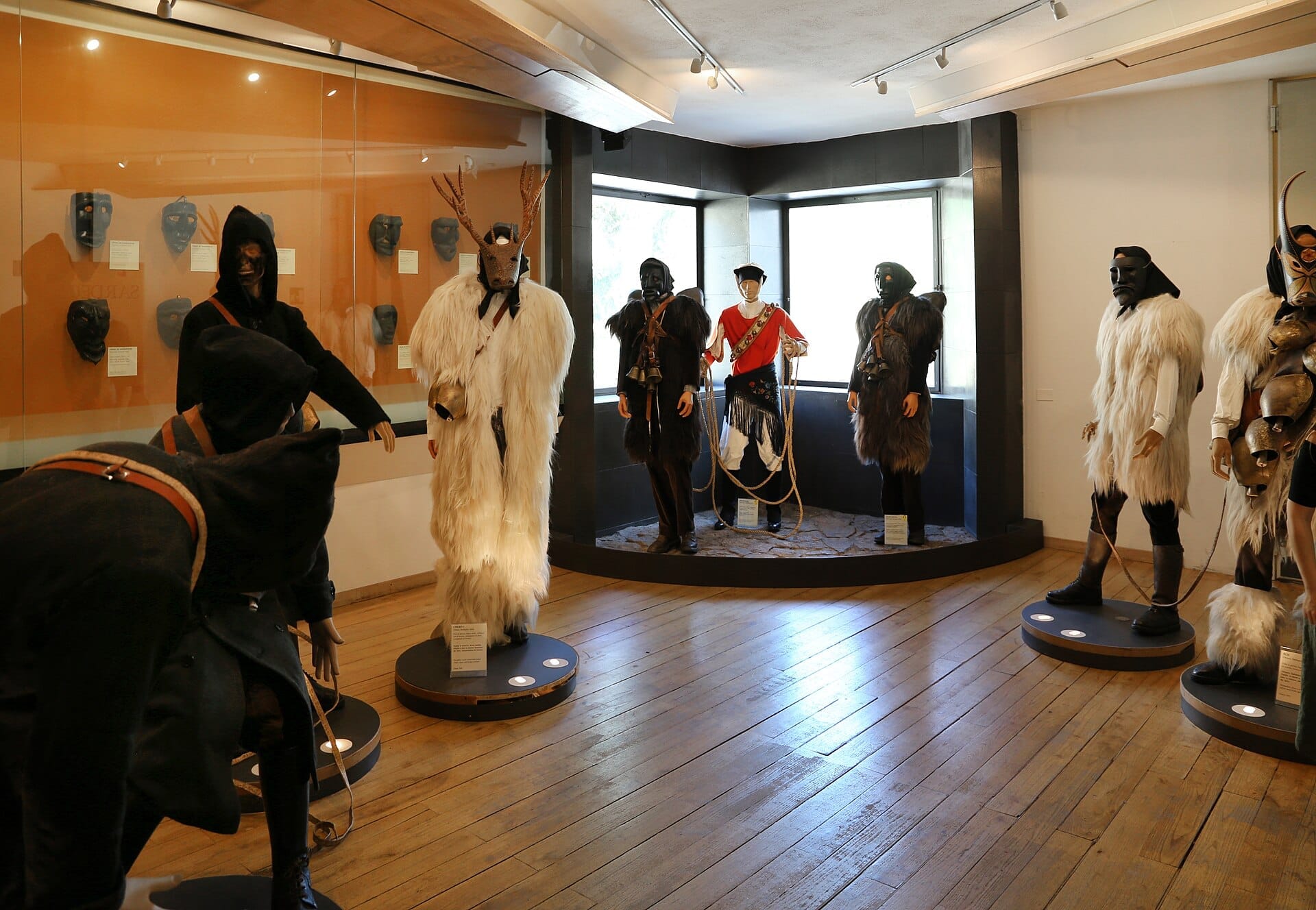
16. Come Face to Face with the Terrifying Mamuthones Masks in Mamoiada
The Museum of Mediterranean Masks in Mamoiada houses the iconic Mamuthones costumes alongside a comparative collection from across the Mediterranean. The carnival tradition here is one of the oldest in Europe and the museum explains it with real depth.
Explore16. Come Face to Face with the Terrifying Mamuthones Masks in Mamoiada
The Museum of Mediterranean Masks in Mamoiada houses the iconic Mamuthones costumes alongside a comparative collection from across the Mediterranean. The carnival tradition here is one of the oldest in Europe and the museum explains it with real depth.
Explore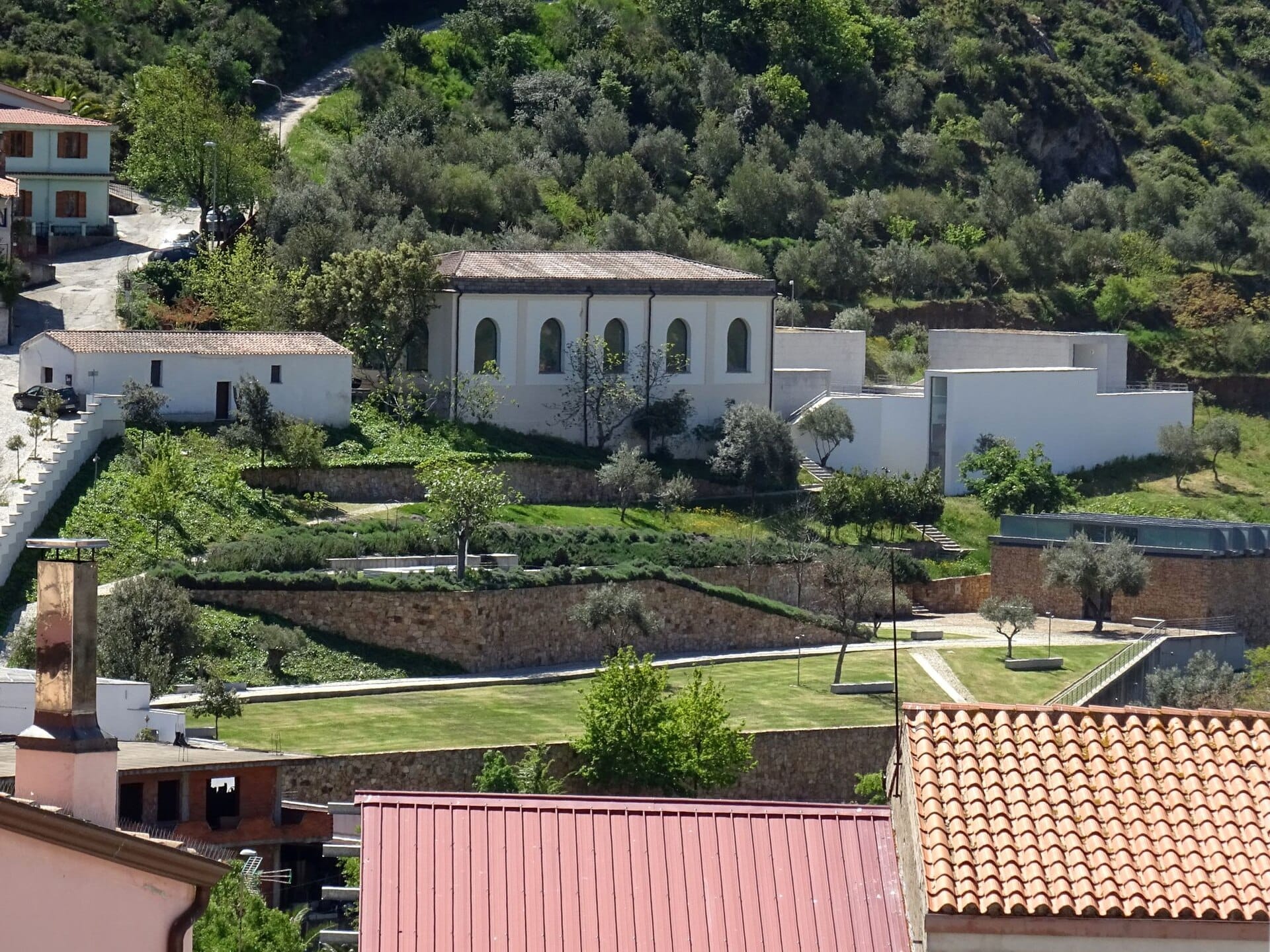
17. Visit a World-Class Sculpture Museum in a Village Nobody Has Heard Of
The Museo Nivola in the small Barbagia village of Orani celebrates Costantino Nivola, a Sardinian sculptor who became a major figure in post-war New York. The quality of the collection is completely out of proportion to the village's size or fame.
Explore17. Visit a World-Class Sculpture Museum in a Village Nobody Has Heard Of
The Museo Nivola in the small Barbagia village of Orani celebrates Costantino Nivola, a Sardinian sculptor who became a major figure in post-war New York. The quality of the collection is completely out of proportion to the village's size or fame.
ExploreEngineering Feats and Industrial Heritage
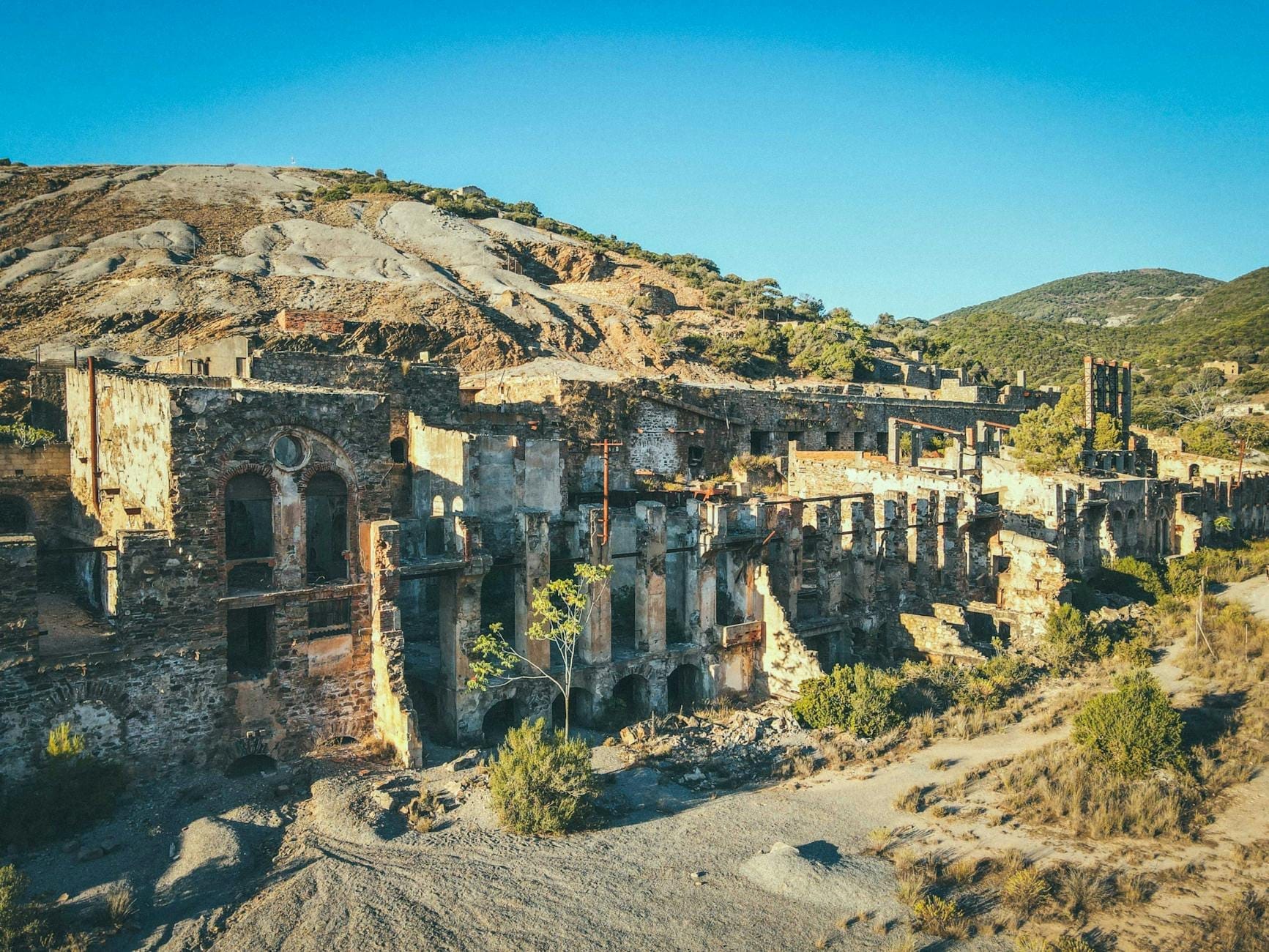
Sardinia's mining past produced some of the most dramatic industrial architecture in Italy, and much of it sits in landscapes of extraordinary natural beauty along the southwest coast. These sites are almost entirely off the tourist radar and pair well with the wild beaches of the Costa Verde into a two or three-day circuit that stands completely apart from anything else on the island.
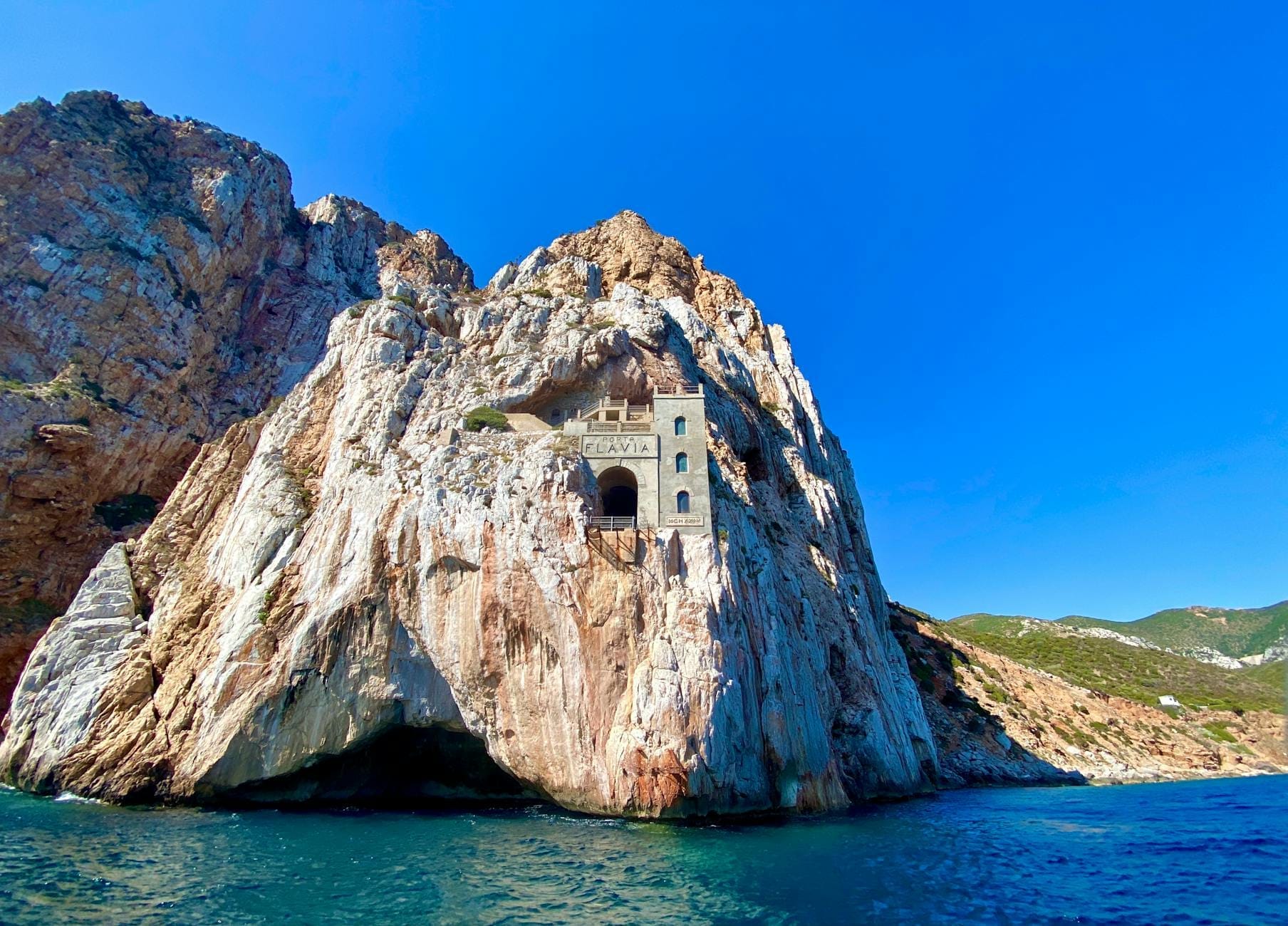
18. Walk Through a Mining Port Carved Entirely into the Cliffs at Porto Flavia
Engineers carved this entire ore-loading facility into the Masua clifftop in the 1920s: tunnels, galleries, and a cantilevered platform that fed ships directly from the rock face. Guided tours run daily in season and last about an hour.
Explore18. Walk Through a Mining Port Carved Entirely into the Cliffs at Porto Flavia
Engineers carved this entire ore-loading facility into the Masua clifftop in the 1920s: tunnels, galleries, and a cantilevered platform that fed ships directly from the rock face. Guided tours run daily in season and last about an hour.
Explore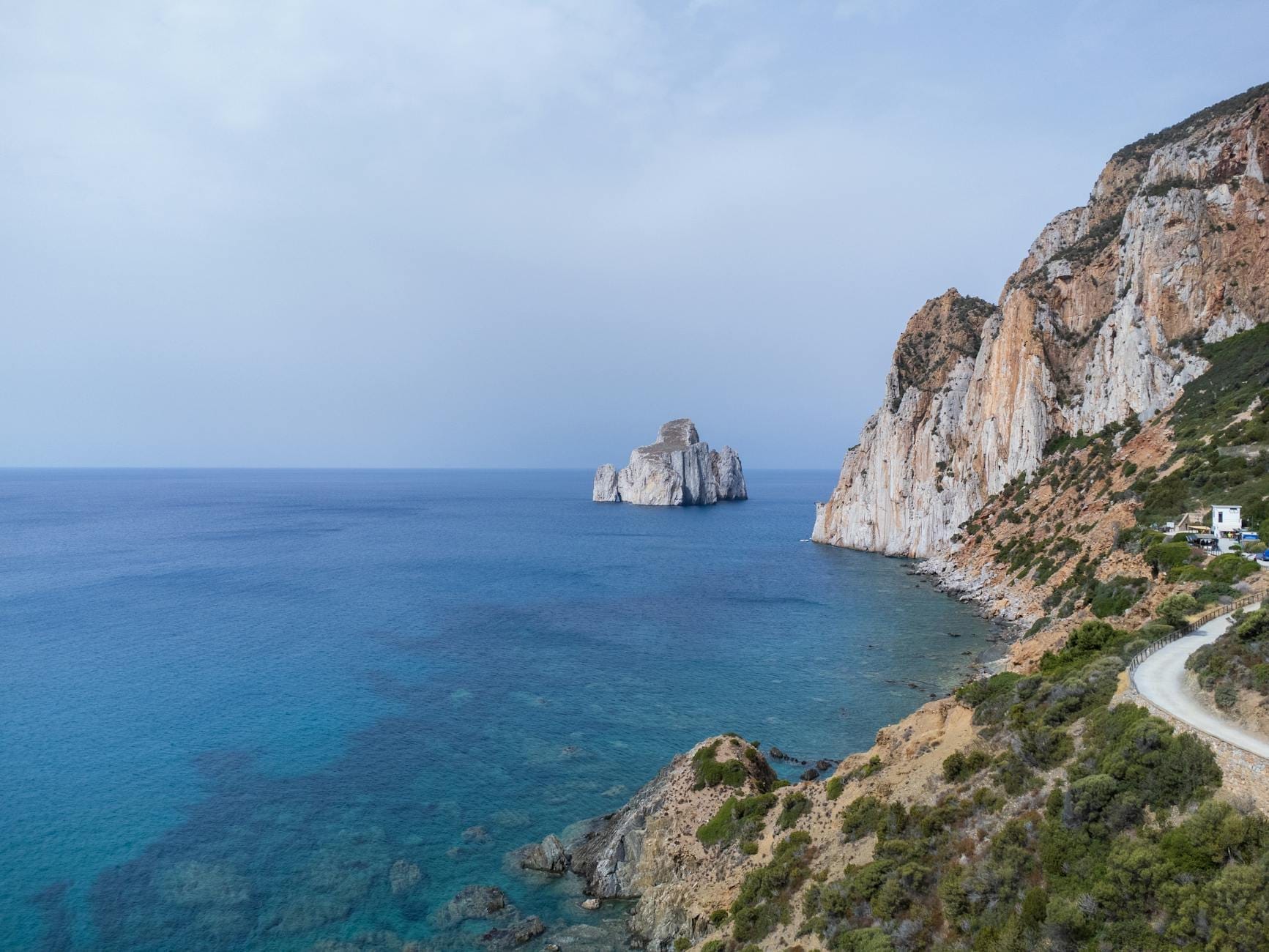
19. Kayak Around the 133-Metre Sea Stack at Pan di Zucchero
The 'Sugar Loaf' is one of the most dramatic coastal formations in the Mediterranean, rising vertically from the sea off Masua. It is best seen from a kayak rented locally, or from the clifftop viewpoint above Masua beach, combined with a visit to Porto Flavia.
Explore19. Kayak Around the 133-Metre Sea Stack at Pan di Zucchero
The 'Sugar Loaf' is one of the most dramatic coastal formations in the Mediterranean, rising vertically from the sea off Masua. It is best seen from a kayak rented locally, or from the clifftop viewpoint above Masua beach, combined with a visit to Porto Flavia.
Explore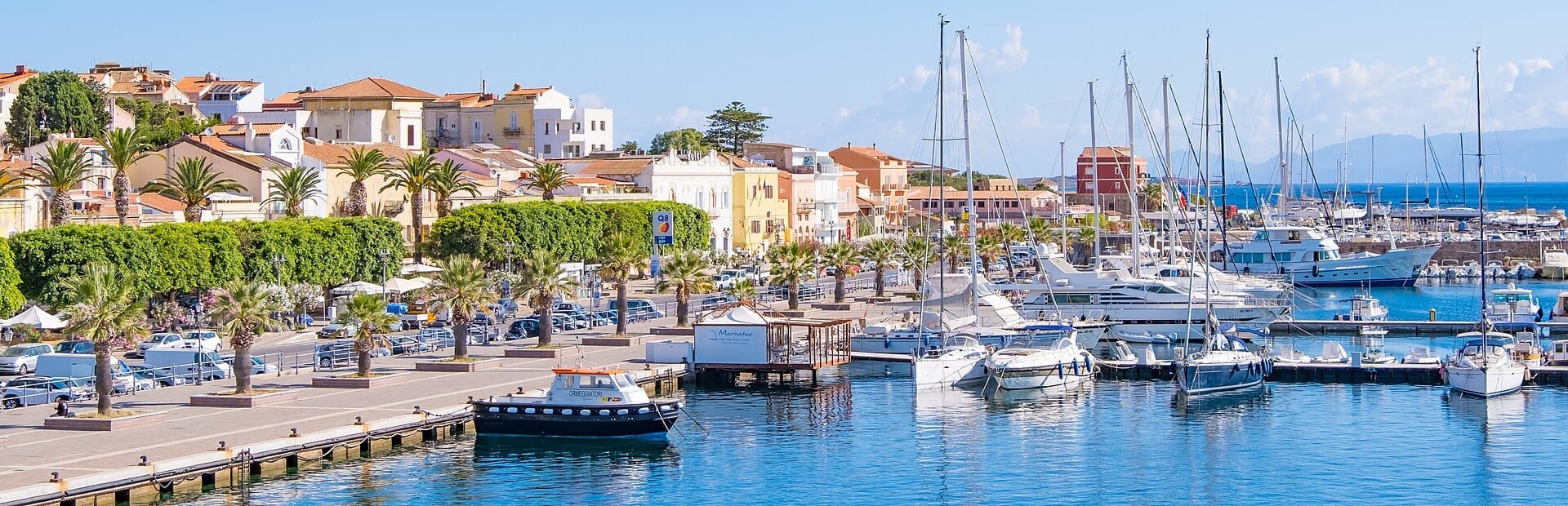
20. Take a Ferry to an 18th-Century Ligurian Village Transplanted to Sardinia
Carloforte on the island of San Pietro is a genuine anomaly: a Genoese fishing colony founded in 1738 that still has its own dialect and cuisine. A short ferry from Portovesme brings you to a pastel harbour town unlike anywhere else on the island.
Explore20. Take a Ferry to an 18th-Century Ligurian Village Transplanted to Sardinia
Carloforte on the island of San Pietro is a genuine anomaly: a Genoese fishing colony founded in 1738 that still has its own dialect and cuisine. A short ferry from Portovesme brings you to a pastel harbour town unlike anywhere else on the island.
ExploreCaves, Geology, and Natural Oddities
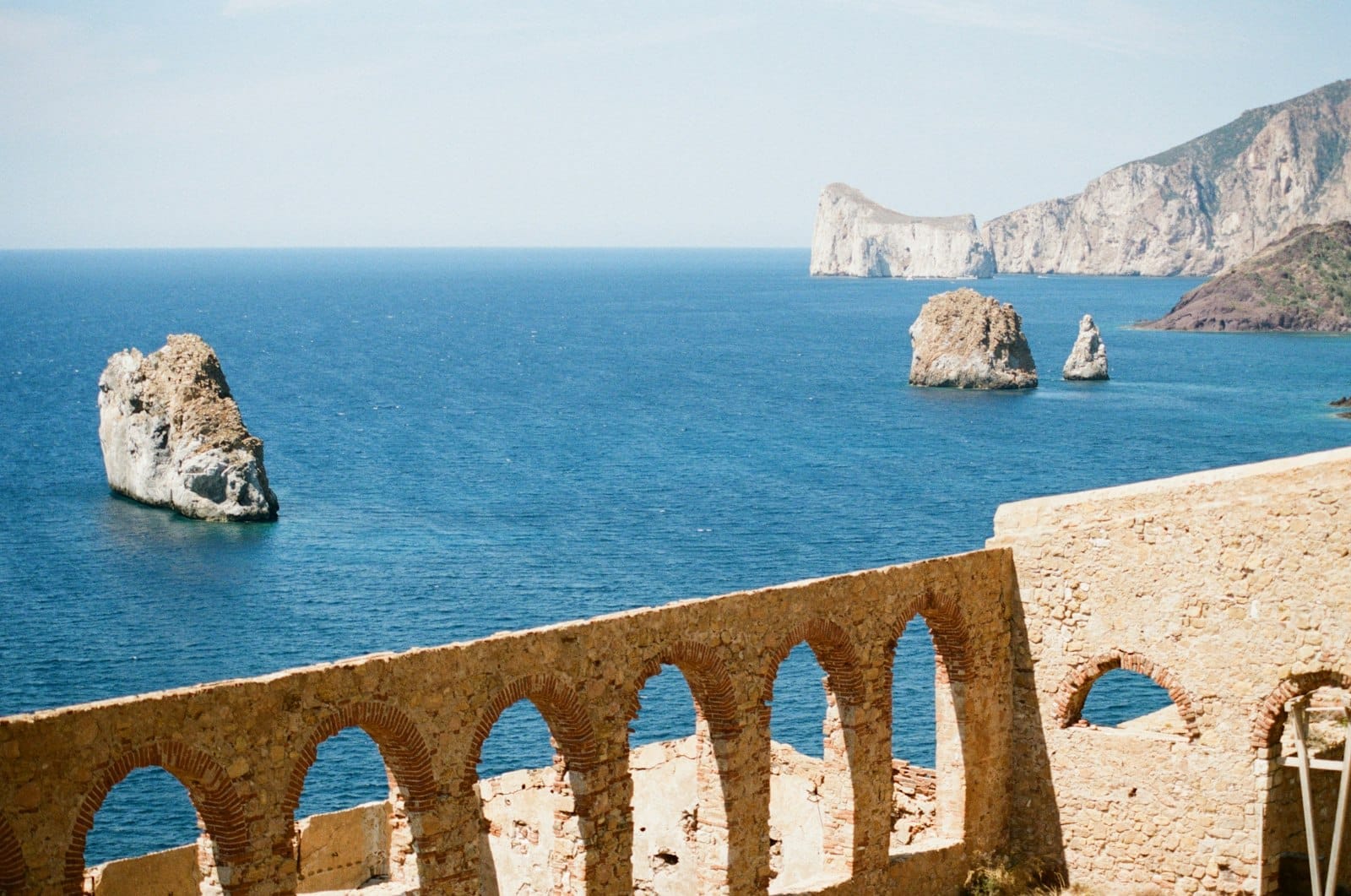
Sardinia's limestone interior hides some of the most remarkable cave systems and geological formations in the Mediterranean. Most visitors know Neptune's Grotto near Alghero, but the island's other caves are far less frequented and, in some cases, even more spectacular. These combine well with hiking routes through the Supramonte and Gennargentu for multi-day itineraries in the island's wild interior.
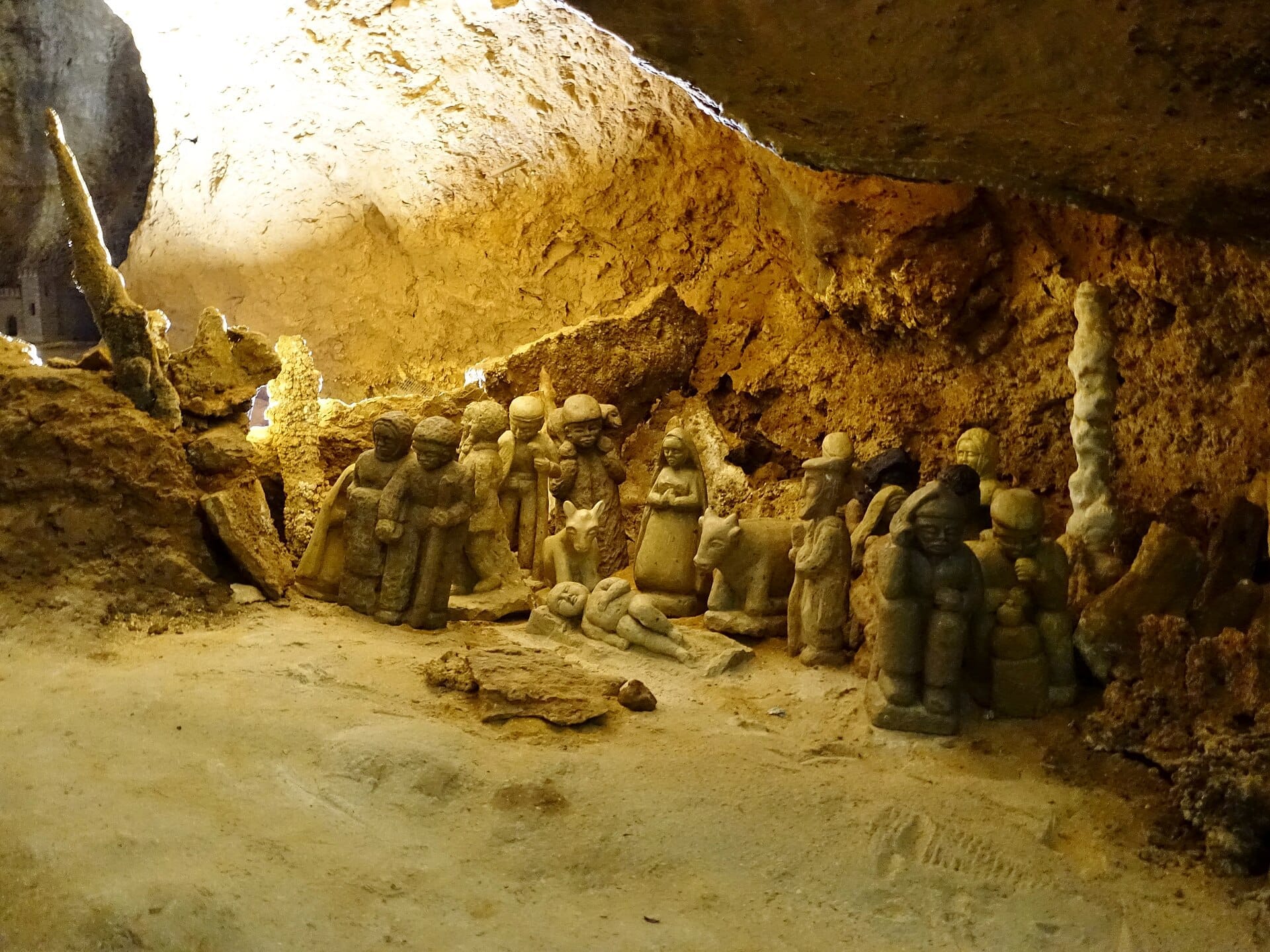
21. See Crystals That Grow Against Gravity in the Is Zuddas Caves Near Santadi
The aragonite helictite formations inside Is Zuddas grow in all directions regardless of gravity, creating a cave interior found nowhere else in Sardinia. The caves are in the Sulcis hills and easy to visit on a circuit with the Sant'Antioco island day.
Explore21. See Crystals That Grow Against Gravity in the Is Zuddas Caves Near Santadi
The aragonite helictite formations inside Is Zuddas grow in all directions regardless of gravity, creating a cave interior found nowhere else in Sardinia. The caves are in the Sulcis hills and easy to visit on a circuit with the Sant'Antioco island day.
Explore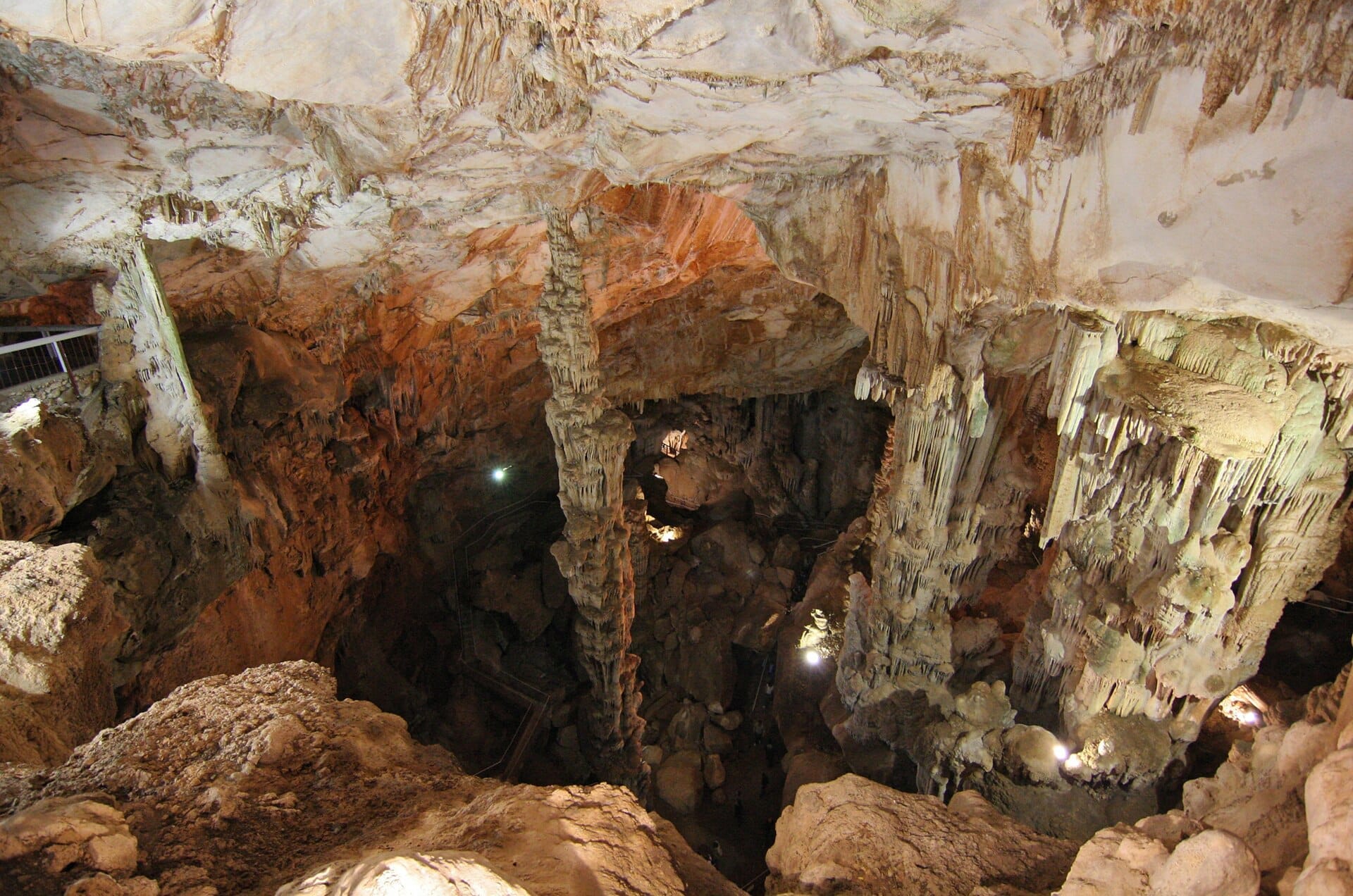
22. Descend to a Phoenician Sacrificial Site Beneath a 38-Metre Stalagmite
The Ispinigoli caves near Dorgali contain one of the world's tallest stalagmites and a Phoenician sacrificial altar discovered in the cave depths. Far less visited than the Bue Marino sea caves, the guided tour here covers both geology and ancient history.
Explore22. Descend to a Phoenician Sacrificial Site Beneath a 38-Metre Stalagmite
The Ispinigoli caves near Dorgali contain one of the world's tallest stalagmites and a Phoenician sacrificial altar discovered in the cave depths. Far less visited than the Bue Marino sea caves, the guided tour here covers both geology and ancient history.
Explore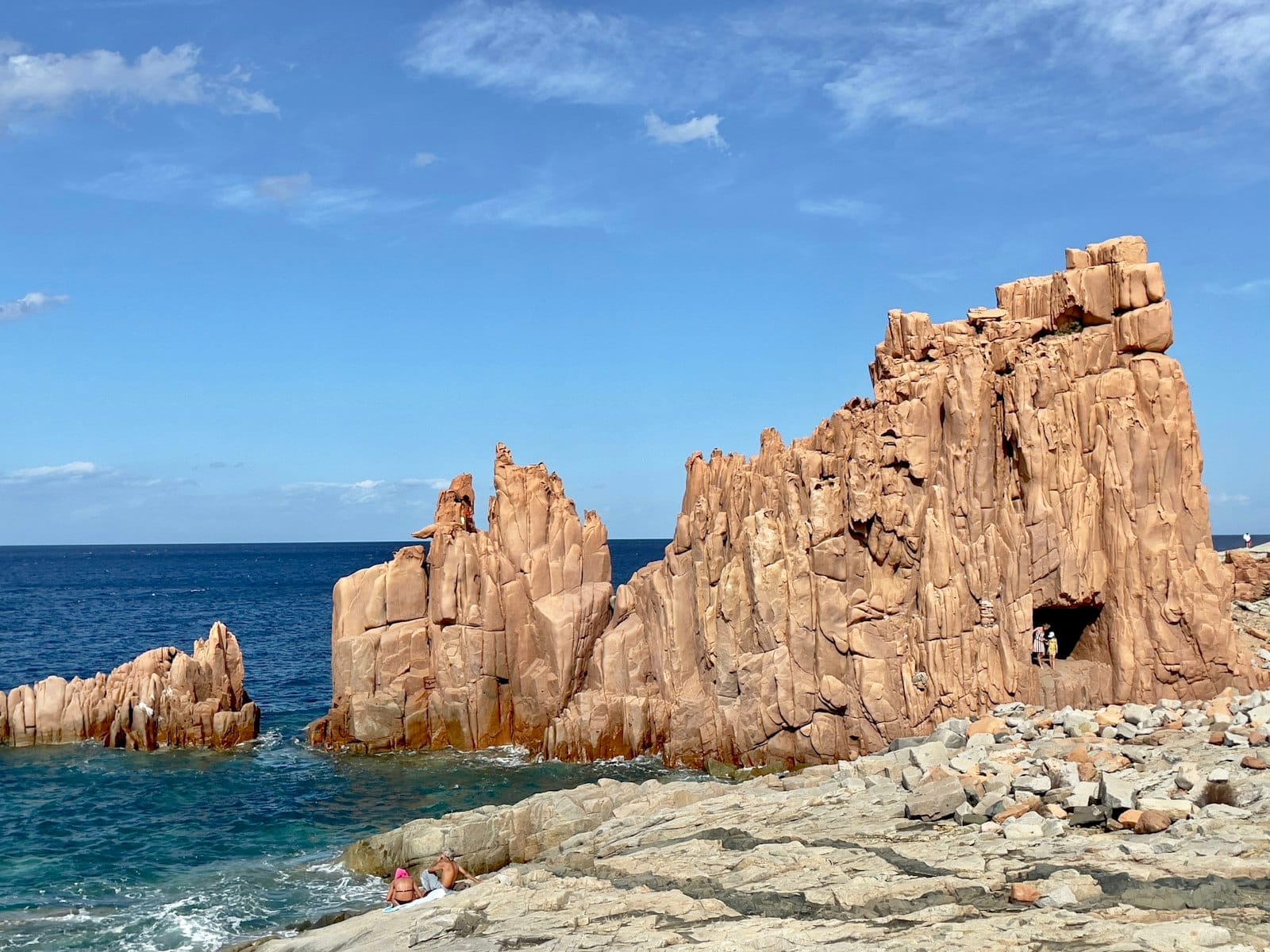
23. Photograph the Shocking Red Porphyry Boulders of Arbatax
Porphyry boulders in vivid shades of red, pink, and purple emerge from the sea at the port of Arbatax, one of Sardinia's most distinctive geological formations. They are accessible on foot from the port and entirely free to visit at any hour.
Explore23. Photograph the Shocking Red Porphyry Boulders of Arbatax
Porphyry boulders in vivid shades of red, pink, and purple emerge from the sea at the port of Arbatax, one of Sardinia's most distinctive geological formations. They are accessible on foot from the port and entirely free to visit at any hour.
ExploreFAQ
Do I need a car to reach Sardinia's hidden gems?
For almost all of the sites in this guide, yes. Sardinia has no motorways and its most rewarding places are connected by narrow rural roads served by infrequent buses. Car rental is widely available at all three airports; book in advance for summer visits as availability drops sharply in peak season.
What is the best time of year to visit Sardinia's lesser-known sites?
May, June, and September are ideal. Crowds are thin, temperatures are comfortable for hiking and driving, and most sites are fully open. Mid-October can still reach 25°C on the coast. July and August bring traffic and parking problems even at remote locations, and some secondary sites reduce guided tour frequency outside summer.
Are Sardinia's archaeological sites safe to visit independently, or do I need a guide?
Most Nuragic sites, including Su Nuraxi, Nuraghe Santu Antine, and Tharros, can be visited independently with an audio guide or information panels. However, Tiscali, the Selvaggio Blu route, and the Su Gorropu canyon strongly benefit from a local guide for navigation and safety. The cave systems all require paid guided tours.
How much does it cost to visit Sardinia's lesser-known attractions?
Most archaeological sites charge €5-10 per adult. Cave tours are typically €10-15. The murals of Orgosolo and most geological formations like Rocce Rosse are free. Biderosa beach requires a permit and shuttle, usually booked through local tourism offices. Budget around €20-30 per day for paid attractions if you visit two or three sites.
Can I visit Sardinia's interior and beaches on the same trip?
Absolutely, and the contrast is one of the best things about the island. A standard approach is to base yourself on the coast and make day trips inland, or to structure a road trip that alternates between mountain villages and coastal stops. The drive from Villasimius to Nuoro via the SS125 Orientale Sarda, roughly 170km and about 3 hours, gives you both in a single day.