Ogliastra is Sardinia's most rugged and least-visited corner, where the island's highest cliffs plunge into waters of extraordinary clarity and ancient mountain villages sit largely untouched by mass tourism. Stretching along the eastern coast between the Gulf of Orosei and the Gennargentu foothills, it rewards travelers who come prepared to explore on their own terms.
Ogliastra is the eastern edge of Sardinia where the mountains meet the sea with almost theatrical abruptness: limestone massifs drop straight into water that ranges from pale green in the shallows to deep cobalt offshore. It was long considered one of the least densely populated provinces in Italy, and that sparseness is precisely what makes it exceptional.
Orientation
Ogliastra occupies a long vertical strip of eastern Sardinia, running roughly from the southern end of the Gulf of Orosei down toward the Salto di Quirra plateau. Its historical administrative capitals were Lanusei, sitting on a ridge in the interior at around 600 metres elevation, and the coastal town of Tortolì, which together with the port of Arbatax forms the main urban cluster on the coast. The former province was originally carved from the larger province of Nuoro and re‑established as a distinct administrative unit; it covered approximately 1,854 square kilometres and held only around 53,700 inhabitants, giving it a density of roughly 29 people per square kilometre.
To build a mental map: the SS125 Orientale Sarda highway is the main artery running north to south through the region, connecting Ogliastra to the Golfo di Orosei in the north and to Cagliari in the south. To the west, the land rises steeply into the Gennargentu mountains, which form a natural wall separating Ogliastra from the central Barbagia. This geography is not incidental — it explains why the coast here feels isolated even in summer, and why the interior has preserved traditions that have mostly disappeared elsewhere.
Ogliastra sits directly south of the Golfo di Orosei, and travelers often combine the two areas in a single itinerary along the eastern coast. The nearest major city is Cagliari to the south, roughly 140 kilometres by road. Nuoro lies about 90 kilometres to the northwest, serving as the main inland hub for the broader region.
Character and Atmosphere
The clearest way to understand Ogliastra is to contrast it with the polished tourism of the Costa Smeralda in the north or the city energy of Cagliari in the south. This is a place defined by what it does not have: no grand resort strips, no designer marinas, no pedestrian boulevards lined with souvenir shops. Instead you get narrow coastal roads that wind through macchia scrub, small fishing ports where the day's catch is still unloaded in the early morning, and mountain villages where the silence in the afternoon is total.
Mornings in Tortolì and Arbatax have the unhurried rhythm of working Sardinian towns. The market stalls around Tortolì's central piazza open early with local fruit, vegetables, and occasionally fresh fish from the port. By mid-morning, the light on the eastern coast is already intense, bleaching the limestone cliffs white and turning the inshore water into layered bands of colour. In high summer, temperatures in the coastal strip regularly reach 34 to 36 degrees Celsius, and the afternoon hours are quiet — locals disappear and the villages seem to hold their breath until early evening.
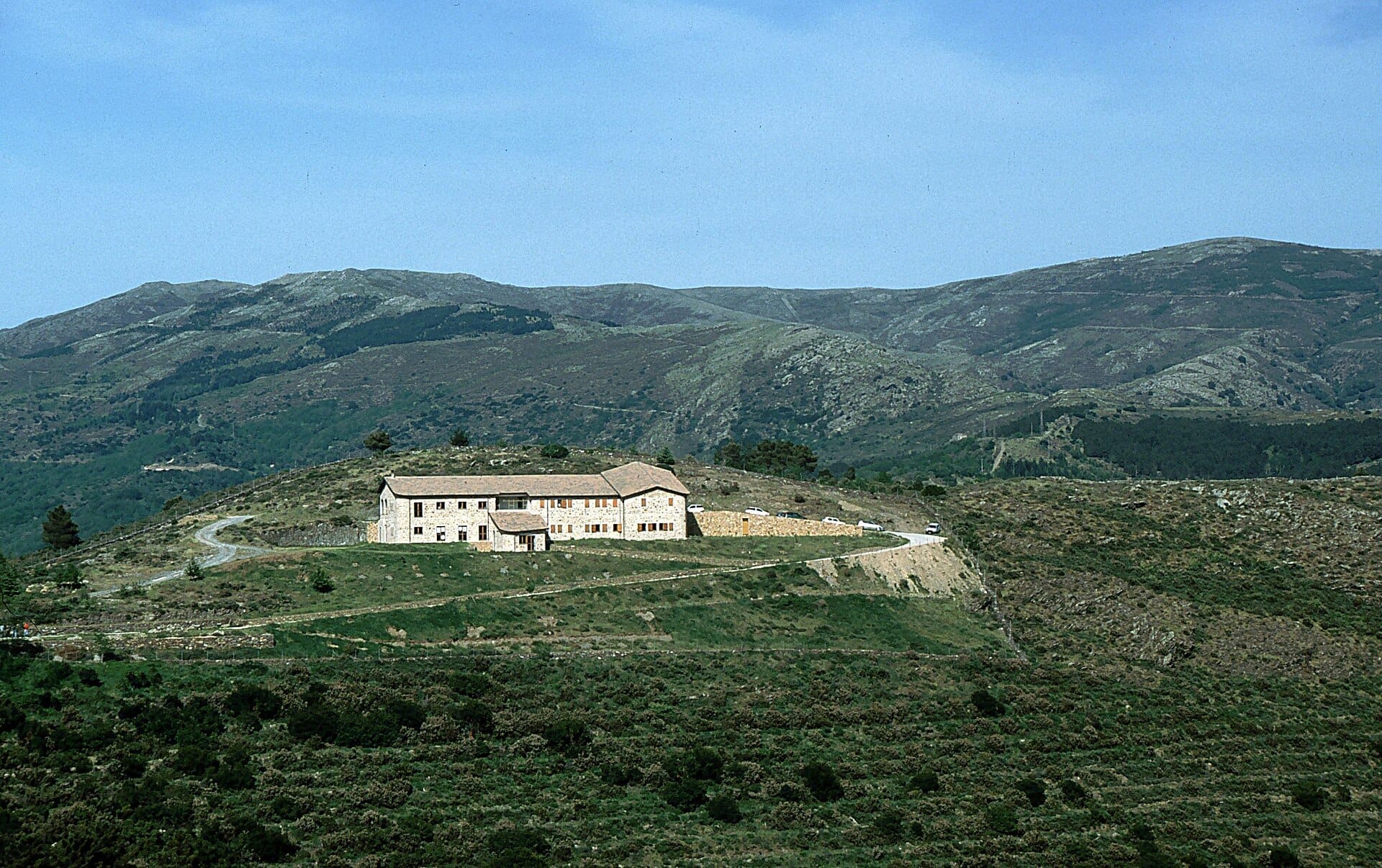
The interior is a different experience entirely. Lanusei, the inland capital, sits among oak and chestnut woodland at an elevation that keeps it noticeably cooler than the coast. The air carries the smell of resin and dry grass. Walking through the town's older streets, you encounter the dense stone architecture typical of highland Sardinia: low doorways, thick walls, narrow alleys that turn unexpectedly into small squares with a single bar and a few elderly men playing cards. This is not performance for visitors — it is simply how life is organized here.
ℹ️ Good to know
Part of inland Ogliastra is included in the Sardinia Blue Zone, one of the world's regions with an unusually high concentration of centenarians. The combination of a traditional Mediterranean diet, physical activity from mountain living, and tight community structures is believed to contribute to exceptional longevity in the area.
After dark, activity concentrates in Tortolì rather than the smaller coastal hamlets. The waterfront at Arbatax gets some evening foot traffic in summer, but this is not a nightlife destination in any conventional sense. The appeal here is the quality of stillness: sitting outside a bar in Lanusei watching the sun set behind the Gennargentu, or hearing the sea from a hillside terrace above the coast without another voice anywhere nearby.
What to See and Do
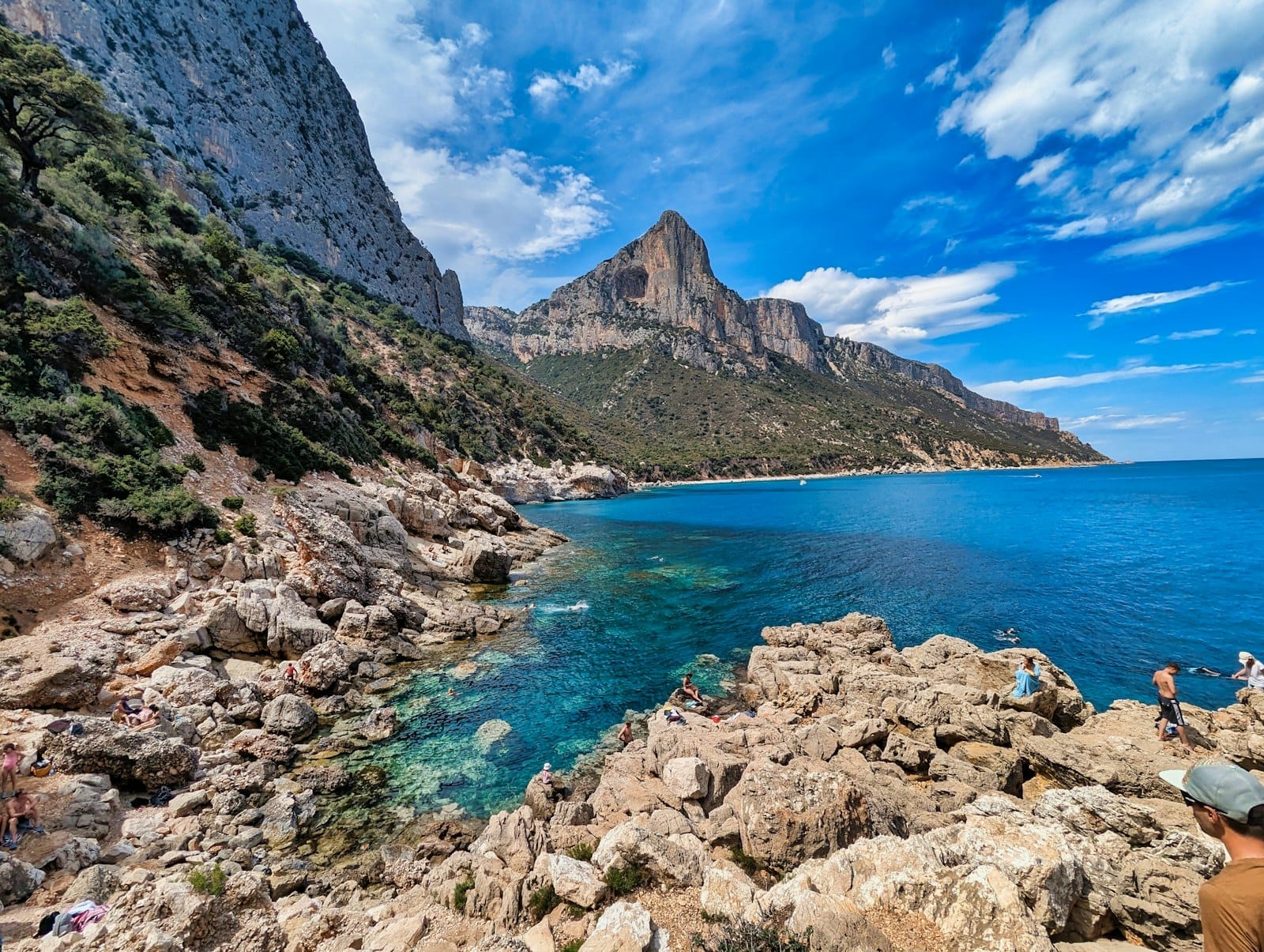
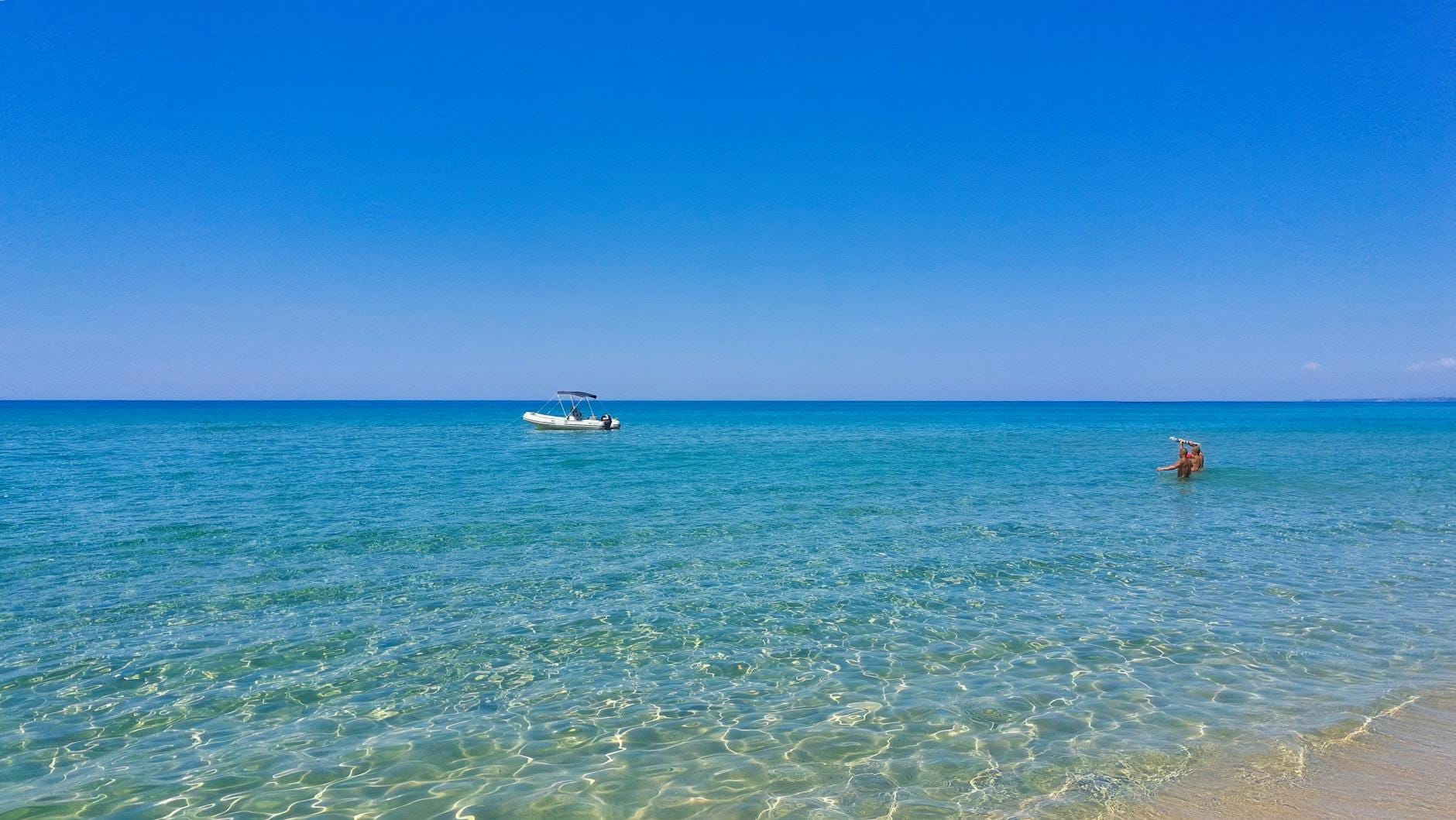
The single greatest draw is the coastline, and specifically the series of coves that run along the southern end of the Gulf of Orosei and continue down through the Baunei coastal strip. These are not beaches you drive to — accessing them requires either a boat from Arbatax or one of the other small departure points, or a serious hike down from the plateau above. The effort is the point.
Cala Goloritzé: a cove at the base of sheer white cliffs, designated an Italian National Monument, reachable by a roughly two-hour trail descent from the plateau (private boats are not allowed to land at the beach)
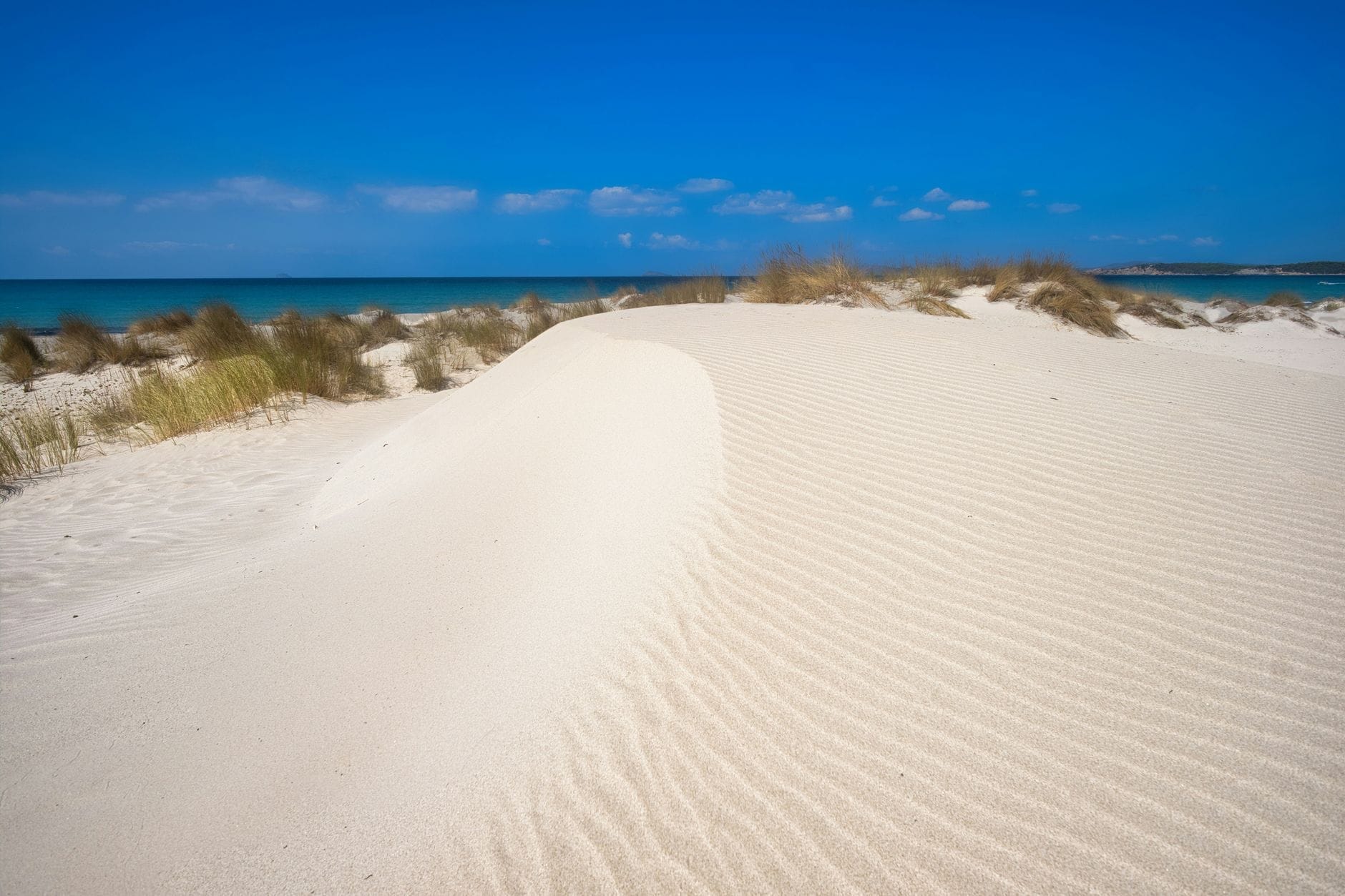
Cala Luna: a large crescent of pale sand backed by cave openings in the rock — one of the most visually dramatic beaches on the entire island
Cala Mariolu: narrow shingle and boulders in shades of white and rose, with water clarity that makes depth difficult to judge
Cala Sisine: more remote than the others, accessible primarily by boat or via a demanding trail from the interior
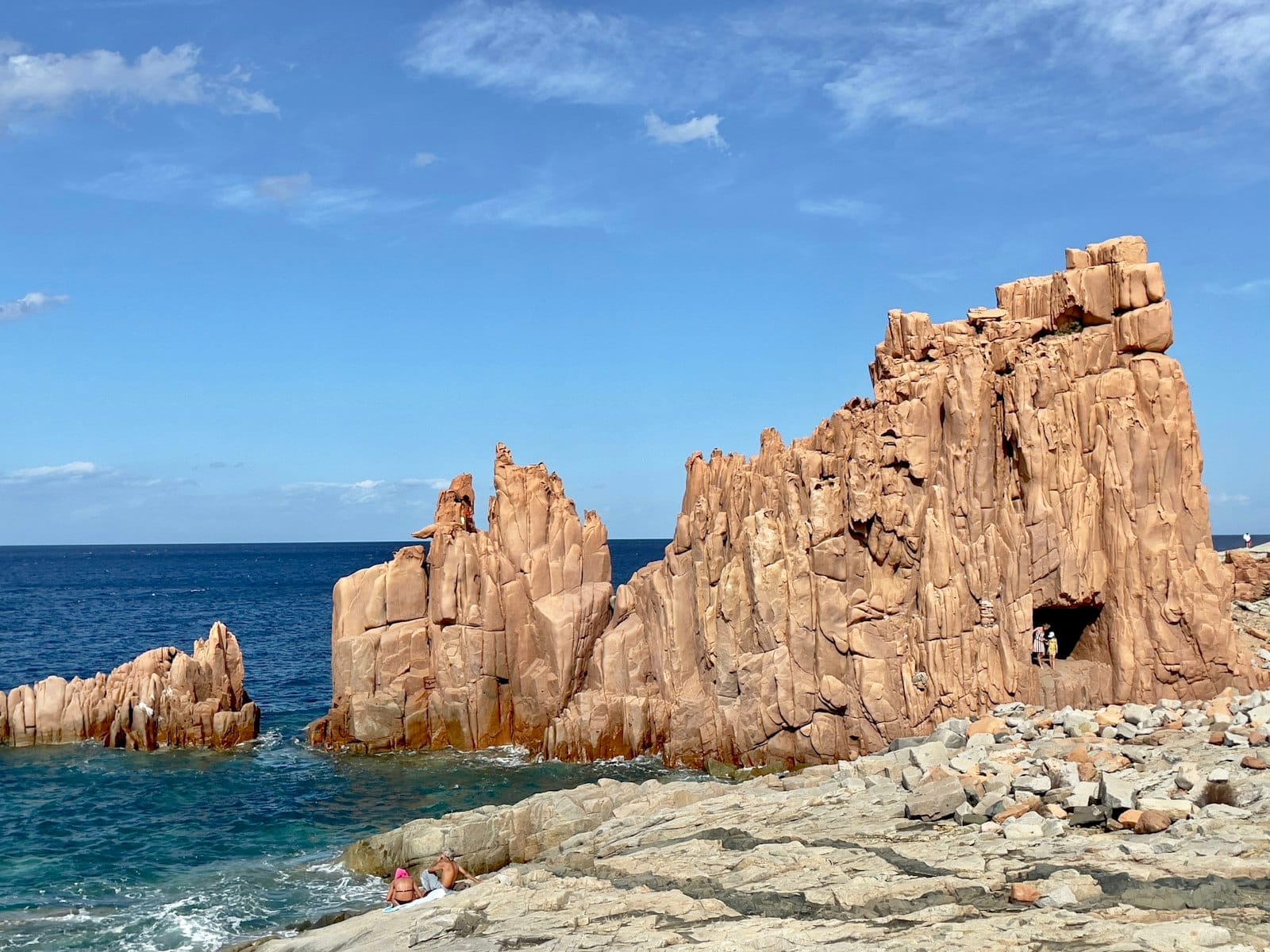
Rocce Rosse di Arbatax: a formation of red porphyry rocks at the Arbatax headland, distinctive against the blue water and easily reached on foot from the port
The dramatic cliff terrain around Baunei is also the starting point for the Selvaggio Blu, widely regarded as the most demanding long-distance trekking route in Italy. The week-long traverse runs along the cliff tops above the eastern coast and is intended only for experienced mountain hikers with technical equipment. Even sections of the access trails offer perspectives that are difficult to find elsewhere in the Mediterranean.
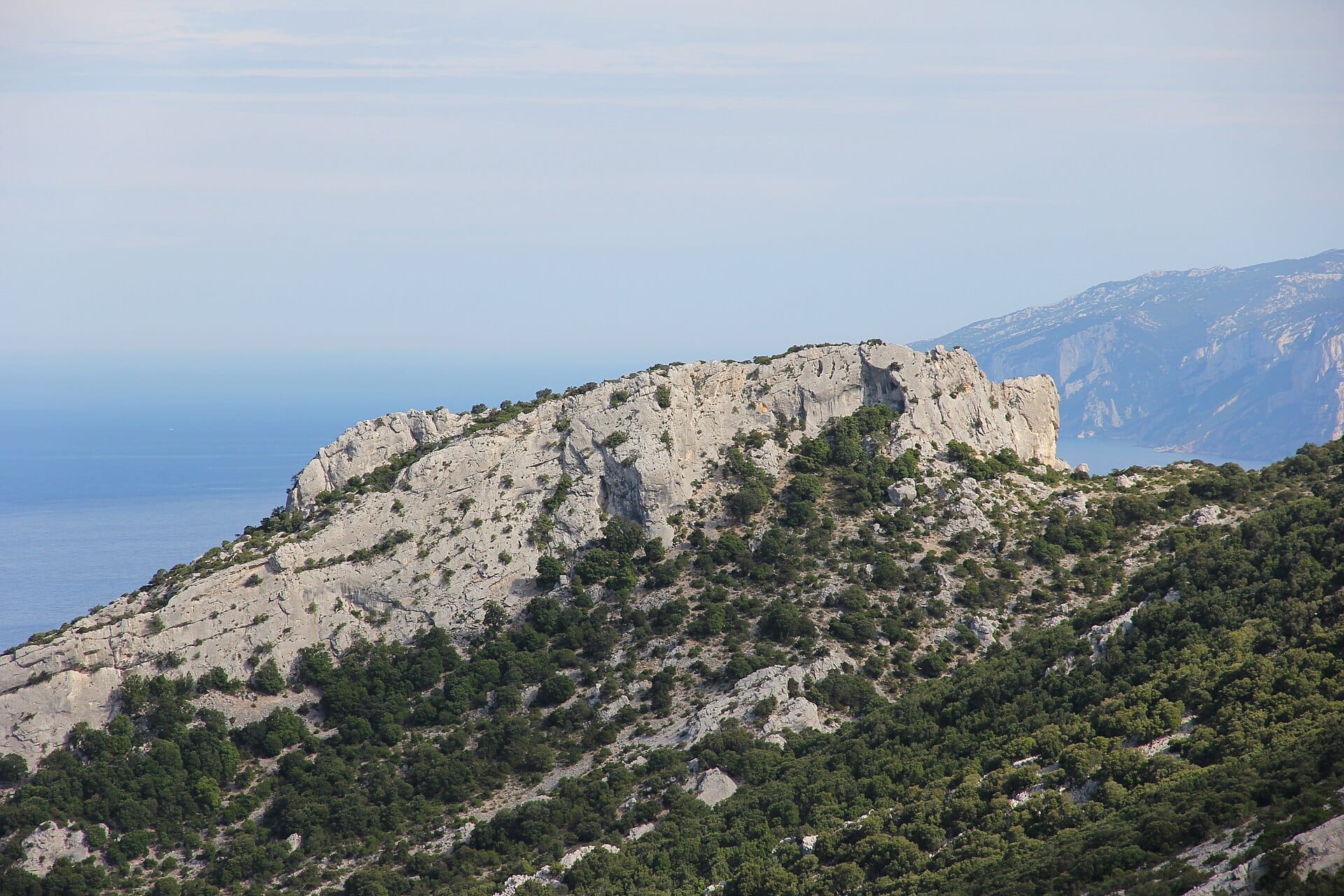
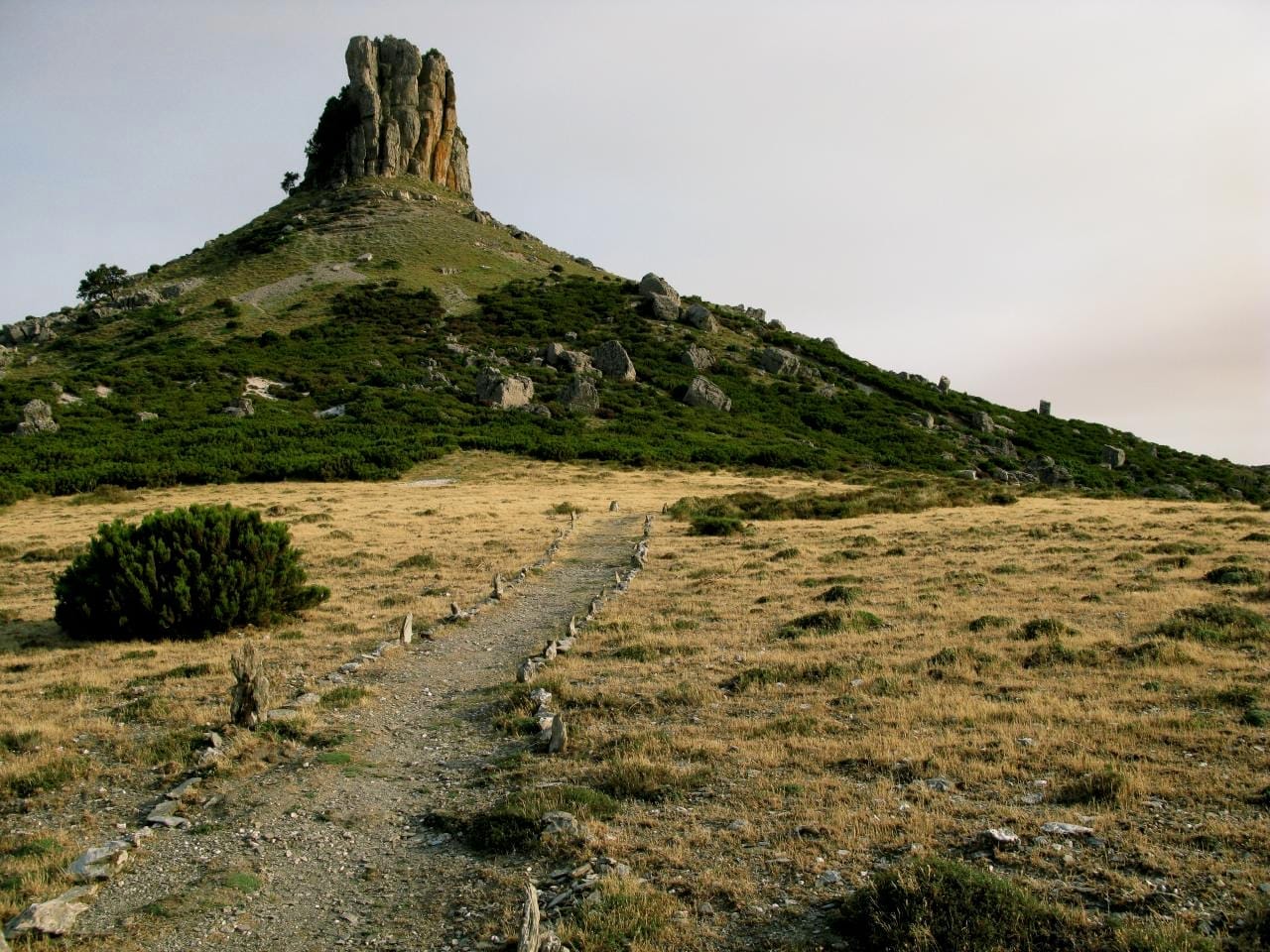
Inland, the Tacchi d'Ogliastra are a series of isolated limestone plateaux rising abruptly from the surrounding valleys, their flat tops covered in Mediterranean scrub and their sheer sides dropping hundreds of metres. The Genna Silana pass on the SS125 gives a first clear view of this landscape and is worth a stop even if you are just driving through.
For those interested in Sardinia's deep archaeological past, the area contains nuragic remains and sacred well sites that predate recorded history. The broader context of these sites is well covered in a dedicated guide to Sardinia's nuragic sites. Within Ogliastra, the nuraghe at Seleni near Jerzu and the domus de janas (rock-cut tombs) scattered across the hillsides are accessible without crowds and without entrance fees.
💡 Local tip
Boat excursions from Arbatax to the coves of the Baunei coast operate from roughly May through October, with frequency increasing sharply in July and August. In peak season, the most popular coves (especially Cala Goloritzé) have daily visitor number limits enforced by the municipality of Baunei. Book your excursion in advance if visiting in July or August.
Eating and Drinking
Ogliastra's food culture is a direct expression of its geography. The coastal towns serve fresh seafood: aragosta (spiny lobster), ricci di mare (sea urchin), and orata (sea bream) grilled simply with olive oil and local herbs. The interior has an older, more austere tradition built around pecorino sardo, cured meats, and dishes involving dried legumes, wild fennel, and game. Both traditions exist in the same area, often on the same menu.
One of Ogliastra's most distinctive culinary contributions is culurgiones, a type of filled pasta specific to this subregion. Unlike other Sardinian pasta shapes, culurgiones are sealed with an elaborate braided closure that resembles an ear of wheat, and the filling typically combines potato, pecorino, and fresh mint — a combination that is simultaneously rich and clean. Every family has a slightly different recipe, and you will find versions across the region ranging from handmade at home to commercially produced for export.
The local wine worth knowing is Cannonau, the deep red made from a grape variety found across Sardinia but particularly associated with the Jerzu area in Ogliastra. The Cantina Sociale di Jerzu, a cooperative winery in the inland town of Jerzu, has been producing notable Cannonau for decades and offers tastings. For a broader introduction to Sardinian wine culture, the Sardinia wine guide covers the island's main varieties and regions in detail.
In terms of where to eat, Tortolì has the widest selection of restaurants, ranging from straightforward trattorie near the town centre to more considered seafood restaurants closer to the Arbatax waterfront. Prices are moderate by Italian standards: a full meal with local wine in Tortolì typically falls between 25 and 45 euros per person. In the smaller inland villages, the choice may be limited to a single bar serving simple food at lunch, but the quality of ingredients tends to be high and the prices very low.
💡 Local tip
If you are passing through Lanusei or any of the smaller inland comuni during the morning, look for the local bar serving seadas for breakfast or as a mid-morning snack. These deep-fried pastry parcels filled with fresh cheese and drizzled with honey are one of Sardinia's great underrated pleasures and are more commonly found in the interior than on the coast.
Getting There and Around
Getting to Ogliastra requires either a ferry to Arbatax or a drive along Sardinia's road network. There is no direct flight into the region. The nearest major airports are Cagliari Elmas (CAG), approximately 140 kilometres to the south by road, and Olbia Costa Smeralda (OLB), roughly 170 kilometres to the north. Both are connected to Tortolì and Arbatax by the SS125, which is a single-carriageway regional highway that requires careful driving, especially on the mountain sections — allow at least three hours from Cagliari and a similar time from Olbia.
Arbatax has a ferry terminal with seasonal connections operated by Tirrenia and other companies to Civitavecchia (near Rome) and Genoa on the Italian mainland. Crossing times range from around seven hours to overnight sailings. This is a practical entry point if you are combining a Sardinia trip with mainland travel, and it avoids the need to cross the whole island by road.
A narrow-gauge railway line formerly connected Tortolì with Cagliari and with Arbatax port, and today ARST operates the Trenino Verde tourist services on sections of this network rather than a regular passenger link. There is also the famous Trenino Verde, the historic tourist train that runs through the Sardinian interior on narrow-gauge tracks. One of its routes passes through Ogliastra's mountain territory and is operated primarily in summer as a scenic excursion rather than a practical transport service. Journey times on the narrow-gauge lines are long — this is heritage rail, not a commuter system.
Once in Ogliastra, a rental car is close to essential. The ARST regional bus network covers the main towns, but frequencies are low outside school hours and the timetable is oriented toward local residents rather than visitors. To reach the inland villages, the coastal coves by trail, or the viewpoints on the Genna Silana pass, independent transport is the only realistic option. Roads in the interior are well-maintained but narrow and often winding — driving requires attention and the distances between fuel stops can be longer than expected.
For practical logistics on moving around the island more broadly, the guide to getting around Sardinia covers car hire, bus routes, and ferry connections in detail.
Where to Stay
Accommodation in Ogliastra ranges from small hotels and B&Bs in Tortolì to agriturismi (farm stays) in the interior hills and self-catering apartments along the coast. There are no large resort complexes of the kind you find around the Costa Smeralda, which either appeals to you or it does not.
For most visitors, Tortolì is the most practical base: it has the largest concentration of accommodation, easy access to the Arbatax ferry and port, and decent restaurants. From here you can reach the main coastal coves by boat and drive inland to Lanusei or Jerzu in under 30 minutes. If you want a quieter base closer to the mountains, Lanusei itself has a handful of small hotels and is cooler in summer. For those interested in a genuine agriturismo experience, the hills around Baunei and Urzulei have working farms that offer rooms and meals built around their own produce — a format that suits this landscape particularly well. More context on this accommodation style is in the Sardinia agriturismo guide.
Camping is also an option: several sites operate along the coast between Tortolì and the Baunei shoreline, some positioned close to the departure points for boat excursions to the coves. These fill quickly in July and August and booking ahead is necessary. Outside the peak weeks, the campsite atmosphere is relaxed and the setting — scrub woodland above a rocky coast — is hard to argue with.
⚠️ What to skip
High season in Ogliastra runs from mid-July to mid-August, when coastal accommodation books out well in advance and the most popular coves operate visitor caps. If you have flexibility, the shoulder months of June or September offer almost identical weather, far fewer people, and noticeably lower prices — without losing any of the essential character of the place.
Practical Considerations
Ogliastra is one of the least commercially developed parts of Sardinia, and that comes with some practical realities. ATMs are available in Tortolì and Lanusei but scarce in smaller villages — carry cash if you are spending time in the interior. Mobile phone coverage is good on the coast and in the main towns but can drop entirely in the mountain valleys. Petrol stations are fewer than you might expect given the road distances involved.
For hiking on the coastal cliffs or in the Tacchi d'Ogliastra interior, proper footwear and sun protection are non-negotiable. The terrain is rocky, exposed, and in summer the heat reflection from limestone is intense. Several trail descents to the coves involve sections of fixed rope or chain; these are not technical climbs but they are not casual walks either. Anyone with limited mobility should focus on the boat excursions rather than the trail approaches.
The best general framework for timing a visit is to think in terms of what you want from Sardinia as a whole. For beaches and sea, September in Sardinia offers warm water and far quieter conditions than August. For hiking and archaeology, spring from April through June gives cooler temperatures and green landscapes before the summer drought turns everything brown.
TL;DR
Ogliastra is Sardinia's most rugged and least populated province, combining dramatic cliffed coastline, crystal-clear coves, and a mountainous interior with genuine rural character.
The main practical base is Tortolì, with Arbatax providing ferry connections to mainland Italy and boat access to the famous coves of the Baunei coast.
A rental car is essential: public transport covers the main towns but not the places that make this region worth visiting.
Peak season (mid-July to mid-August) brings real crowds to the most famous coves; June and September offer the same landscape with a fraction of the pressure.
Best suited to travelers who want natural scenery, outdoor activity, and authentic local life rather than resort infrastructure or conventional tourist amenities.
Fourteen days is the right amount of time to properly explore Sardinia's four coastlines, mountainous interior, and ancient ruins. This itinerary covers the full circuit by car, from Cagliari in the south to Alghero in the northwest, with practical advice on timing, logistics, and where to skip the tourist traps.
Sardinia has about 1,850 kilometres of coastline and some of the clearest water in the Mediterranean. This guide covers the best beaches across the island, from the famous to the hard-to-reach, with practical advice on access, crowds, and when to go.
Sardinia rewards visitors differently depending on when they arrive. This guide cuts through the vague advice to explain exactly what each season delivers, from peak-summer beach conditions to spring wildflower hikes and quiet winter city breaks, so you can match your trip to your priorities.
Cagliari sits at the southern tip of Sardinia, placing you within striking distance of some of the island's finest beaches, archaeological sites, and natural landscapes. These 20 day trips range from quick 30-minute drives to full-day adventures into the island's wild interior.
Sardinia covers 24,090 km² of mountains, coastline, and rural roads with no motorways. This guide breaks down every realistic transport option, from renting a car to catching the right ferry, so you can plan a trip that actually works.
Sardinia is far more than a beach destination. Its limestone canyons, granite peaks, and ancient shepherd paths offer some of the most dramatic hiking in the Mediterranean. This guide covers the best trails from day walks to multi-day epics.
Sardinia is Italy's second-largest island and one of the Mediterranean's most remarkable destinations — but it rewards those who plan well and punishes those who assume it's just another beach holiday. This guide cuts through the marketing to give you a clear-eyed picture of what Sardinia offers, who it suits best, and what to expect.
Sardinia delivers some of Europe's most coveted luxury travel experiences, from the yacht-lined marina at Porto Cervo to secluded villas with private pools above crystalline coves. This guide breaks down where to stay, when to go, and how to build a high-end Sardinian itinerary that goes beyond the obvious.
Olbia is where most visitors to northeast Sardinia first set foot, then immediately drive away toward Costa Smeralda. That's a mistake. This guide covers what the city actually offers, from its Nuragic roots and early Christian basilica to boat trips around Tavolara, the best nearby beaches, and everything you need to arrive, orient yourself, and explore the Gallura region properly.
Seven days in Sardinia is enough time to experience the island's best beaches, ancient sites, and coastal scenery — but only if you plan carefully. This day-by-day itinerary covers the most rewarding route, with practical logistics, timing advice, and the practical details most guides leave out.
Agriturismo is one of the most rewarding ways to experience Sardinia beyond the coast. This guide covers what a real agriturismo is, where to find the best ones, what food to expect, prices to budget for, and how to avoid countryside guesthouses masquerading as working farms.
Sardinia is home to the world's first identified Blue Zone, a cluster of inland villages in the Ogliastra region where living past 100 is far from unusual. This guide breaks down the research, the lifestyle factors, the villages worth visiting, and how to experience the culture behind the longevity — without the tourist traps.
Sardinia's most spectacular landscapes are only reachable by water. This guide covers the best boat trips across the island, from the pink-sand coves of La Maddalena to the towering limestone cliffs of the Gulf of Orosei, with tips on what to expect, when to go, and how to book.
Sardinia has some of the most spectacular camping terrain in the Mediterranean, from cliff-backed coves to pine-shaded coastal pitches. But the rules around wild camping are strict and widely misunderstood. This guide covers the legal framework, regional campsite highlights, realistic costs, and seasonal booking strategy.
Two islands, 11 km apart, yet remarkably different in culture, cost, and character. This guide breaks down the real differences between Sardinia and Corsica so you can choose the one that actually matches your trip.
Sardinia's festival calendar runs nearly year-round, from winter carnival traditions to autumn food fairs. This guide covers the major events by season, what to expect at each, and how to plan your trip around them without getting caught off-guard.
Sardinian food is not Italian food with a regional accent — it is a cuisine shaped by centuries of pastoral life, coastal abundance, and fierce cultural independence. This guide covers the dishes you need to try, the wines worth seeking out, and how to eat well without getting steered toward the tourist menu.
Sardinia rewards those who look beyond the famous beaches. This guide uncovers the island's lesser-known archaeological wonders, dramatic inland landscapes, and coastal stretches that see a fraction of the summer crowds, from Bronze Age cities to wild dune deserts.
Sardinia delivers some of the Mediterranean's most striking coastal scenery, and it rewards couples who look beyond the obvious. This guide covers the best romantic beaches, the right season to visit, where to base yourself, and the experiences that actually make a trip feel special rather than simply scenic.
May and June are arguably the best months to visit Sardinia. Temperatures sit in the low-to-mid 20s°C, rainfall is minimal, beaches are largely empty, and prices are a fraction of August rates. This guide covers everything you need to plan a trip during Sardinia's sweet spot.
September and October are arguably the smartest months to visit Sardinia. The sea is still warm, the beaches clear out, prices drop by up to 50% compared to August, and the island's food and culture festivals hit their stride. This guide covers everything: what the weather is really like, which beaches and attractions to prioritize, what closes early, and how to plan a trip that beats the summer crowds without missing out on anything.
July and August in Sardinia mean scorching heat, crystal-clear water, and the most crowded beaches in the Mediterranean. This guide breaks down exactly what to expect: temperatures, sea conditions, crowd patterns, transport logistics, and the honest trade-offs of visiting during peak season.
Sardinia's drink culture runs much deeper than Cannonau and Vermentino. From bitter chinotto and blood orange spremuta to coffee granita and herbal aperitivi, the island offers a full range of non-alcoholic options rooted in Italian tradition. This guide covers what to order, when to order it, and what to expect to pay.
Sardinia holds more than 7,000 surviving nuraghe, making it the richest Bronze Age landscape in the Mediterranean. This guide covers the essential Nuragic sites across the island, from towering fortress complexes and sacred wells to rock-cut tombs, colossal stone statues, and hidden village ruins inside mountain sinkholes.
Sardinia has a reputation as a playground for superyachts and celebrity holidays. That reputation is earned in places like Costa Smeralda — but it doesn't apply to the rest of the island. With the right timing, transport choices, and a few local habits, visiting Sardinia on a budget is entirely realistic. This guide breaks down exactly how.
Sardinia rewards self-drivers more than almost anywhere in the Mediterranean. This guide covers everything you need: which airport to fly into, how long routes actually take, when to go, what to rent, and the coastal and inland drives worth building your itinerary around.
Sardinia has some of the clearest water in the Mediterranean, protected by a network of marine reserves that have allowed groupers, barracuda, and Posidonia seagrass meadows to thrive. This guide covers the best snorkelling and diving destinations across the island, from the sheltered coves of the Golfo di Orosei to the offshore shoals of Capo Caccia and the archipelago waters of La Maddalena.
Sardinia has one of the most reliable Mediterranean climates in Europe, but the difference between a perfect trip and a sweaty, overpriced one often comes down to timing. This guide breaks down Sardinia's weather month by month, covers regional climate differences, and tells you exactly when to visit based on what you want to do.
Sardinia is one of Europe's premier destinations for windsurfing and kitesurfing, with reliable Mistral winds, warm water, and spots suited to everyone from first-timers to competition riders. This guide covers the island's top locations, from the world-famous flats of Porto Pollo to the wave-lashed beaches of the south.
Sardinia produces some of Italy's most distinctive wines, from the rich, age-worthy Cannonau of the Barbagia highlands to the mineral Vermentino di Gallura DOCG on the granite soils of the northeast. This guide covers every major grape, appellation, regional style, and where to taste them on the island.
Sardinia is one of the Mediterranean's top destinations for families, with shallow turquoise bays, a long swimming season, and a wealth of activities beyond the beach. This guide covers the best family-friendly beaches by region, when to go, how to get around, and what to do when the kids have had enough sun.
Sardinia rewards travelers who look beyond its famous beaches. This guide covers the island's top experiences — prehistoric ruins, sea caves, coastal hikes, boat trips, and cultural towns — with practical advice on timing, costs, and what to skip.
Sardinia is bigger than most visitors expect, and picking the right base makes or breaks a trip. This guide breaks down every major area, from the glamour of Porto Cervo to the cultural depth of Cagliari, with practical advice on prices, seasonal timing, and how many bases you actually need.