Sardinia in Summer: What to Expect in July & August
July and August in Sardinia mean scorching heat, crystal-clear water, and the most crowded beaches in the Mediterranean. This guide breaks down exactly what to expect: temperatures, sea conditions, crowd patterns, transport logistics, and the honest trade-offs of visiting during peak season.
Plan and book this trip
Tools from our partner Travelpayouts help you compare flights and hotels. If you book through them, we may earn a commission at no extra cost to you.
Flights
Hotels map
TL;DR
- July and August are the hottest and driest months, with daytime highs of 29–31°C and sea temperatures around 23–25°C.
- These are the most expensive and crowded months, particularly around Costa Smeralda and Ferragosto (mid-August).
- Midday hiking is uncomfortable and potentially dangerous — plan outdoor activities for early morning or late afternoon.
- Book flights, ferries, and accommodation well in advance: popular spots sell out months ahead.
- If you want summer sun with fewer crowds, September is a significantly better option — still warm, still swimmable, far less chaotic.
Summer Weather in Sardinia: Heat, Sun, and Sea
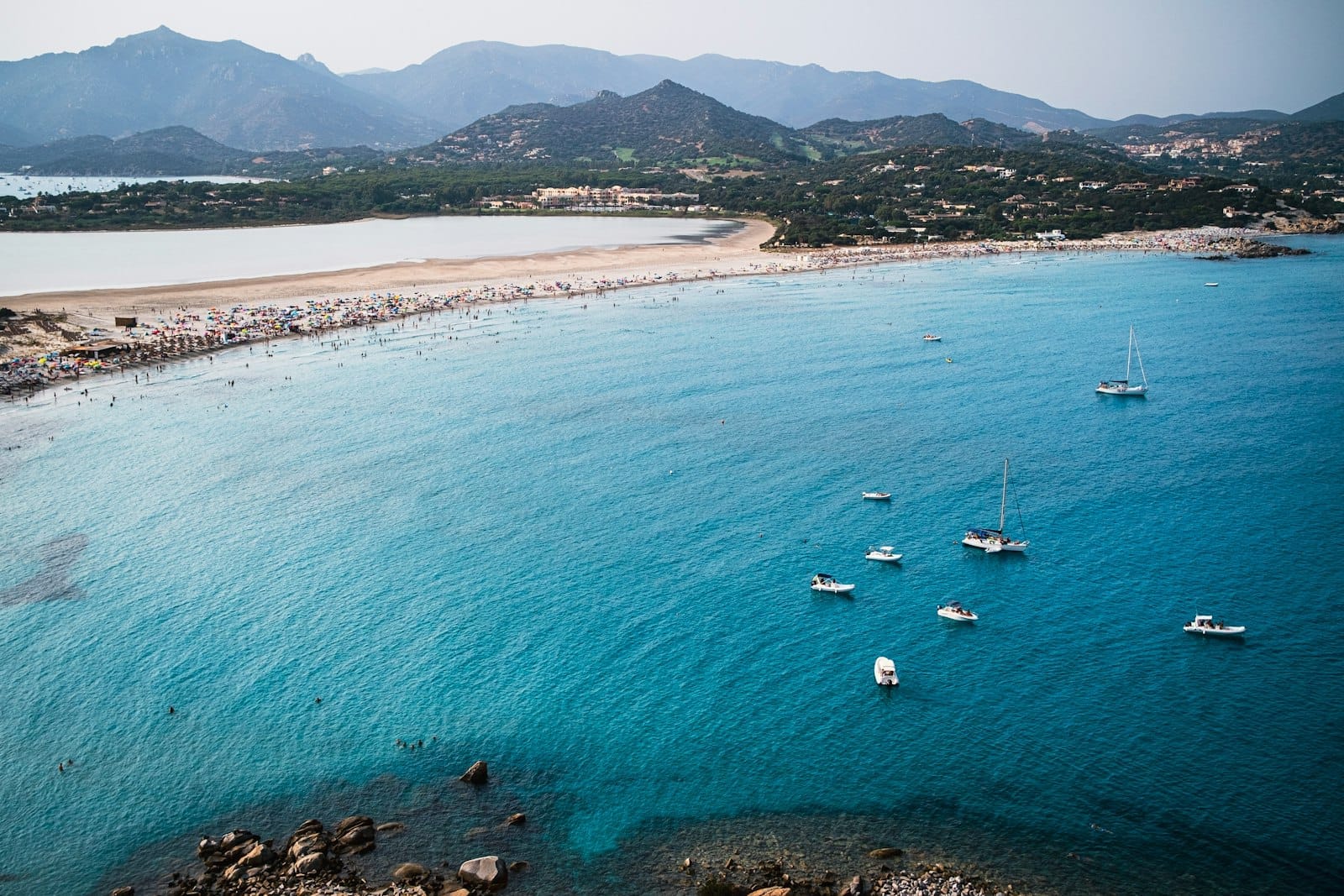
Sardinia in July and August operates under a classic Mediterranean climate taken to its extreme. Rainfall is almost nonexistent — expect around 2 millimetres across the entire month and perhaps two or three days with any measurable precipitation. This is one of the driest corners of Europe in summer. The sun is up for 11 to 12 hours a day in July, dropping slightly to 10 to 11 hours in August, and UV levels are intense enough to burn within 20 minutes without protection.
Daytime temperatures in coastal areas like Cagliari typically sit between 29°C and 31°C. Inland and in sheltered valleys, 35°C is common, and spikes well above 38°C have been recorded during heat waves, which are becoming more frequent. Nights cool down to around 19–21°C on the coast, which is comfortable enough to sleep with windows open. The sea temperature reaches 23–24°C in July and climbs to around 25°C by late August — warm for swimming by any standard.
⚠️ What to skip
Inland Sardinia, including the Barbagia region and the Gennargentu mountains, runs significantly hotter in summer than coastal areas. If you're driving cross-island in July or August, keep water in the car and factor in midday stops in shade. Roads can be remote and exposed.
Crowds, Costs, and the Ferragosto Factor
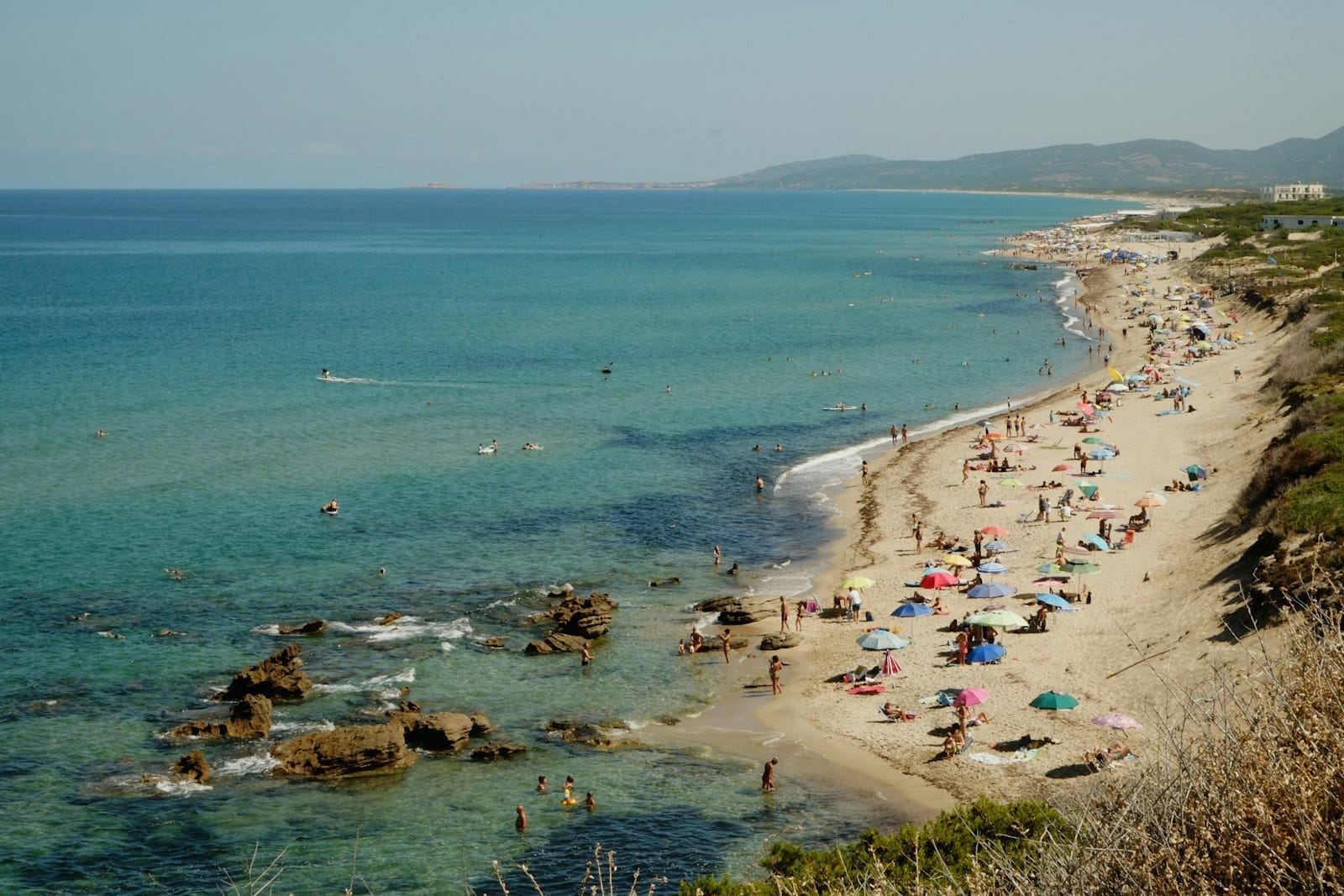
The single most important thing to understand about Sardinia in summer is the Ferragosto effect. Ferragosto is the Italian national holiday on 15 August, but in practice the entire two-week window around it — roughly 10 to 20 August — sees the island at maximum capacity. Italian domestic tourism floods in from Rome, Milan, and Naples. Ferry crossings fill weeks in advance. Prices for accommodation, car hire, and restaurant meals all peak. Popular beaches like La Pelosa near Stintino or the coves of the Golfo di Orosei can feel overcrowded by 10am.
The northeast coast, especially Costa Smeralda, represents the extreme end of this pricing curve. Porto Cervo in August is one of the most expensive resort areas in Europe. If you're not specifically seeking that scene, there are far better-value options elsewhere on the island. The southeast coast around Villasimius and Costa Rei and the southwest beaches near Chia offer similar water quality at noticeably lower prices.
- Early July (1–10 July) Schools are still out in some regions, but the peak rush hasn't fully arrived. Prices are high but slightly below their August ceiling. Beaches are busy but navigable.
- Mid-July to early August Full peak season. Book everything at least 2–3 months ahead. Expect beach parking lots to fill by 9am at top spots.
- Ferragosto fortnight (10–20 August) The absolute peak. Avoid if you're budget-conscious or crowd-averse. If you're committed, book accommodation 4–6 months ahead and accept premium pricing.
- Late August (21–31 August) Italian families begin leaving. Crowds ease slightly. Prices start to drop. Sea temperature is at its annual warmest. This is the sweet spot for late-summer visitors.
💡 Local tip
Ferry crossings to Sardinia — particularly from Civitavecchia (Rome), Genoa, and Livorno to Olbia or Cagliari — sell out for the Ferragosto period as early as February or March. If you're planning an August trip that involves bringing a car on a ferry, book the moment you know your dates.
What to Do (and What to Avoid) in the Summer Heat
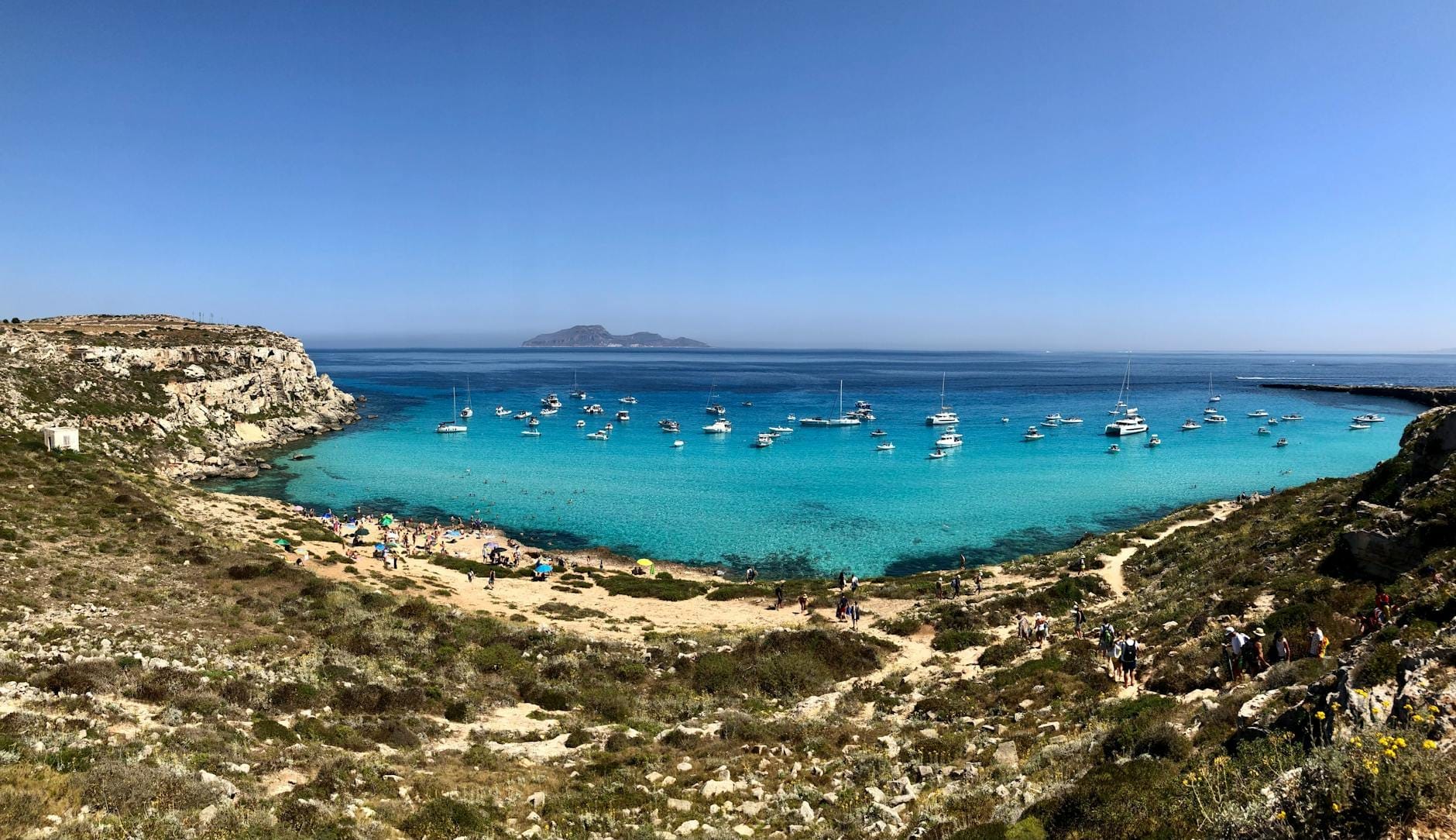
Summer in Sardinia is almost entirely structured around the sea. The beaches are world-class: fine white sand, turquoise water with visibility stretching to 20 metres in calm conditions, and a variety of settings from long family-friendly stretches to remote coves accessible only by boat or a 30-minute hike. Snorkelling and diving are excellent, particularly in the marine protected areas around Capo Caccia, the Maddalena Archipelago, and along the Ogliastra coast.
What summer is not well-suited to is strenuous inland activity. The trail to Gola di Su Gorropu, Sardinia's dramatic gorge, or the approach to Punta La Marmora at 1,834 metres, are both manageable in July if you start before 7am and return before noon. After that, exposed rocky terrain in 33°C heat is unpleasant and carries real risk of heat exhaustion. Guides and responsible travel operators consistently recommend May, June, or September for trekking and cycling.
- Boat trips along the Golfo di Orosei coast to reach beaches like Cala Mariolu and Cala Luna — avoid the midday sun and the boats keep you cool
- Early morning visits to Nuragic sites like Su Nuraxi di Barumini or Nuraghe Santu Antine, before heat peaks
- Sea kayaking along the Ogliastra coastline — operators typically run morning departures only in summer
- Evening passeggiata in Alghero, Cagliari, or Bosa — coastal towns come alive after 7pm when temperatures drop
- Snorkelling trips around the La Maddalena Archipelago — the water clarity in August is exceptional
Sardinia also has a calendar of summer festivals and events worth factoring in. The festival season runs through summer with local sagre (food festivals), traditional music events, and the Cavalcata Sarda celebrations. These are genuine cultural events, not tourist productions, and they give context to a trip that might otherwise become entirely beach-focused.
Getting There and Getting Around in Summer
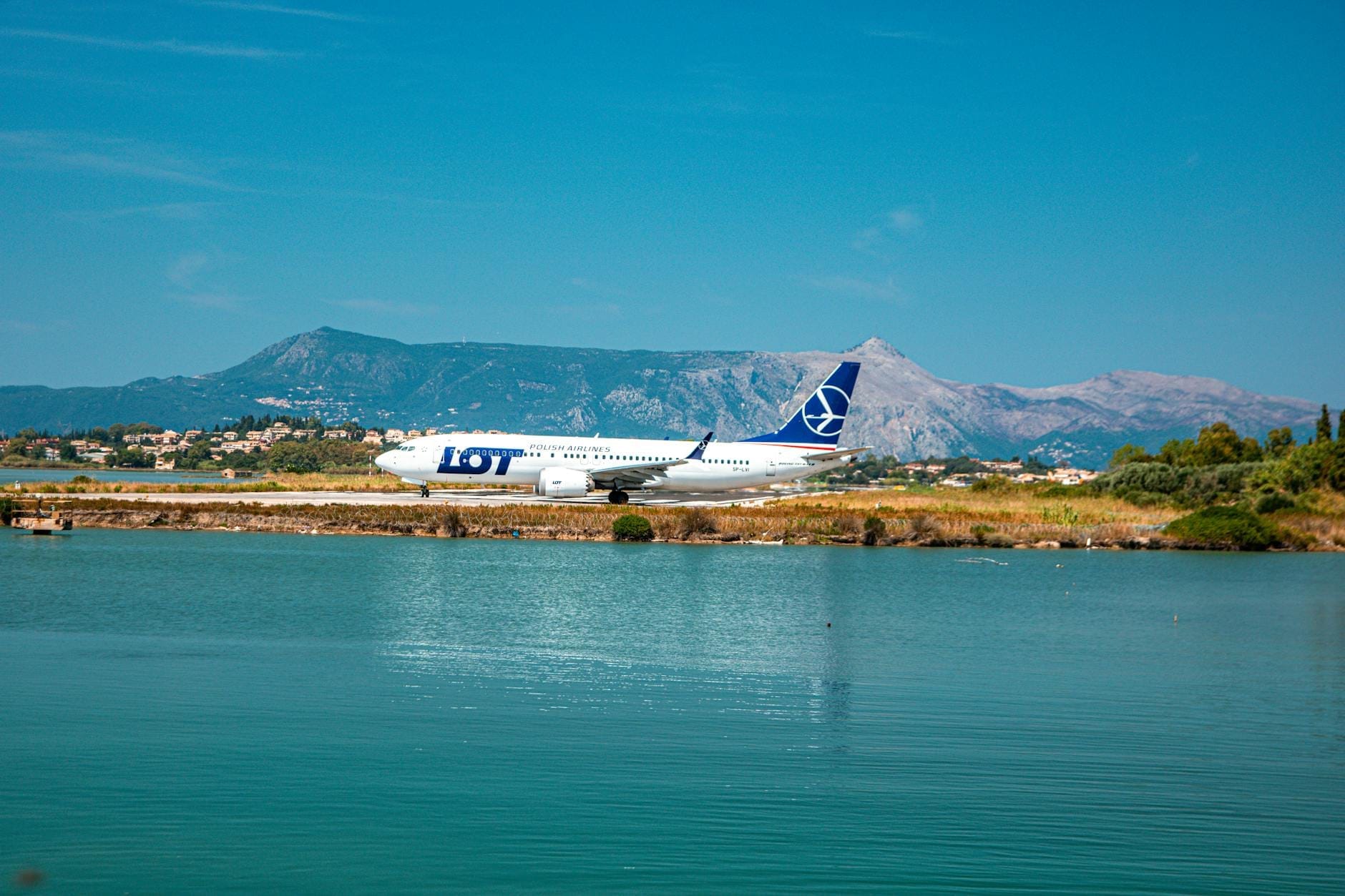
Sardinia has three main airports: Cagliari Elmas (CAG) in the south, Olbia Costa Smeralda (OLB) in the northeast, and Alghero-Fertilia (AHO) in the northwest. In summer, all three receive direct seasonal flights from dozens of European cities, including many low-cost routes that don't operate outside June to September. Which airport to use depends entirely on where you're based on the island: OLB for the north and Costa Smeralda, AHO for Alghero and the northwest, CAG for the south and southwest.
Arriving by ferry is a slower but often more relaxed option. The main ferry routes connect Genoa, Livorno, Civitavecchia, Naples, and Palermo with Sardinian ports. Crossing times range from around 6–7 hours (Civitavecchia to Olbia) to over 12 hours on some overnight routes. Ferry operators including Moby, Tirrenia, GNV, and Corsica Ferries significantly increase frequency in summer. For getting around once you're on the island, renting a car is almost essential for anything beyond the main towns — public buses reach most places, but infrequently and slowly. For a structured approach, consider planning a road trip route in advance rather than improvising, especially in July and August when rental cars are scarce at short notice.
✨ Pro tip
Book your rental car at the same time as your flights, not after. In high summer, the cheapest categories sell out fast, and walk-in prices at Sardinian airports in August can be 2–3 times higher than pre-booked rates. Collect at the airport rather than in-town offices to save time.
Sardinia is the only Italian region with no motorway network. The main roads are fast and well-maintained on the major corridors (SS131 from Cagliari to Sassari is the main artery), but coastal roads in tourist areas get heavily congested in summer. Road SS125 along the east coast through Ogliastra, while spectacular, should be treated as a scenic drive rather than a fast transfer route. Allow significantly more time for road travel between 10am and 6pm in peak season.
Where to Stay and How Much to Budget
Accommodation in summer Sardinia spans everything from ultra-luxury resort complexes on the Costa Smeralda to family-run agriturismi in the interior. For most visitors, the key choice is between staying on the coast (convenient for beaches but expensive and noisy in peak season) or inland (quieter, cheaper, and better for cultural exploration but requiring more daily driving). The agriturismo network is excellent and often offers full board, giving you a fixed nightly cost that includes dinner — useful when restaurant prices spike in tourist zones.
Budget travellers are not shut out of Sardinia in summer, but they need to plan differently. Camping is legal in designated areas and there are well-run campgrounds near many coastal areas. The camping options in Sardinia are broader than most visitors expect, including some sites with direct beach access. For accommodation costs, budget hotels and B&Bs in smaller towns start from around €60–90 per night in July; coastal resort areas in high season typically run €120–250 for a standard room. The Ferragosto window often commands a 20–40% premium on top of already-elevated July prices.
Practical Summer Essentials
Italy uses the euro (EUR). Tipping is not obligatory — a coperto (cover charge) is often already included in restaurant bills, and any additional tip is discretionary. A round-up or a couple of euros left on the table is common and appreciated. The country dialling code is +39 and the emergency number across Italy is 112.
Italian plugs use Type C, F, and L sockets at 230V/50Hz. Tap water in Sardinia is generally potable — Sardinian municipal water meets EU quality standards — though some rural areas may have signs indicating otherwise. In coastal towns, many visitors buy bottled water out of habit rather than necessity. Sun protection is the more pressing practical concern: with 11–12 hours of daylight and intense UV levels, SPF 50 sunscreen, a hat, and consistent hydration are not optional extras in July and August.
For entry requirements: Sardinia is part of Italy and the Schengen Area. EU and EEA citizens can enter with a national ID card. Citizens of many non-EU countries including the United States, Canada, Australia, and Japan can visit visa-free for up to 90 days within any 180-day period. All visa and entry details should be verified through official EU or Italian government sources before travel, as rules including the forthcoming ETIAS system for visa-exempt travellers are subject to change. For a broader view of planning a trip, the best time to visit Sardinia guide covers how summer compares to every other season.
FAQ
Is Sardinia too hot in July and August?
For beach holidays, the heat is part of the appeal — sea temperatures of 23–25°C and guaranteed sunshine suit most visitors. However, temperatures regularly exceed 35°C inland, and midday heat between noon and 4pm is punishing. If you're planning hiking, cycling, or sightseeing on foot, you'll need to structure days around early mornings and evenings. For purely beach-focused trips, July and August are ideal if you can handle the crowds and cost.
How far in advance should I book for July or August in Sardinia?
For the Ferragosto period (roughly 10–20 August), book accommodation, ferry crossings, and car hire at least 4–6 months ahead. For the rest of July and early August, 2–3 months is a reasonable minimum for popular areas. Leaving it to the last month, especially for anything involving a car on a ferry or a coastal resort room, will mean limited availability and significantly higher prices.
What are the best beaches in Sardinia for summer?
The most celebrated beaches include Cala Mariolu and Cala Gonone on the east coast, La Pelosa in the northwest, Spiaggia del Principe near Costa Smeralda, and the beaches around Villasimius in the southeast. Each has very different character and crowd levels. Note that the most famous beaches fill up early — arrival before 9am is standard practice for securing a good spot in July and August.
Is Sardinia expensive in summer?
Summer is the most expensive period by a significant margin. Flights, accommodation, car hire, and restaurant prices in tourist zones all peak in July and August, with Ferragosto commanding the highest rates of the year. Budget-conscious travellers can reduce costs by staying inland or in smaller towns, self-catering, visiting beaches mid-week, and avoiding the Costa Smeralda area. Sardinia in May, June, or September offers nearly identical weather at substantially lower prices.
Can I do hiking in Sardinia in summer?
Technically yes, but it requires early starts and realistic expectations. Trails above 1,000 metres in the Gennargentu range are more manageable, but most exposed coastal or lowland trails become dangerous in midday heat. The Selvaggio Blu trekking route, for example, is strongly recommended for late spring or autumn rather than midsummer. Serious hikers consistently report that May, June, or September deliver far better conditions — both in terms of temperature and the landscapes themselves, which are often parched brown by August.