Sardinia vs Corsica: Which Mediterranean Island Should You Visit?
Two islands, 11 km apart, yet remarkably different in culture, cost, and character. This guide breaks down the real differences between Sardinia and Corsica so you can choose the one that actually matches your trip.
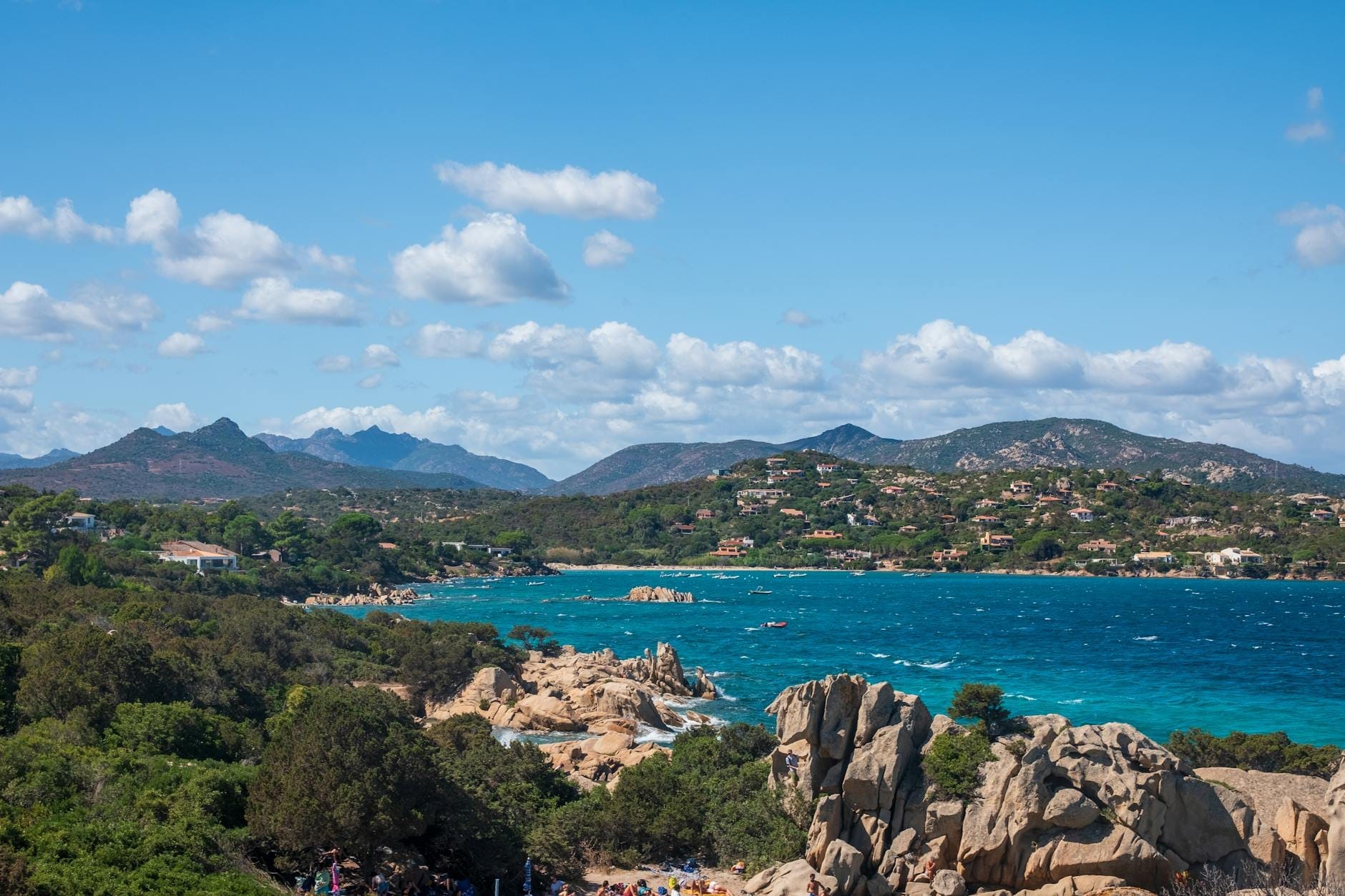
Plan and book this trip
Tools from our partner Travelpayouts help you compare flights and hotels. If you book through them, we may earn a commission at no extra cost to you.
Flights
Hotels map
TL;DR
- Sardinia (Italy) and Corsica (France) sit just 11 km apart at their closest point but feel like entirely different countries — because they are.
- Sardinia is significantly larger (24,100 km² vs 8,680 km²), more affordable, and better suited for beach holidays and cultural exploration.
- Corsica is more mountainous, wilder, and better for serious hikers and travelers who prefer a French-flavored Mediterranean experience.
- Both islands are best explored by rental car. For Sardinia trip planning, see the complete guide to getting around Sardinia.
- Don't try to do both in a short trip — slow roads and ferry times make it feel rushed. Pick one, and go deep.
The Basics: Size, Country, and Culture
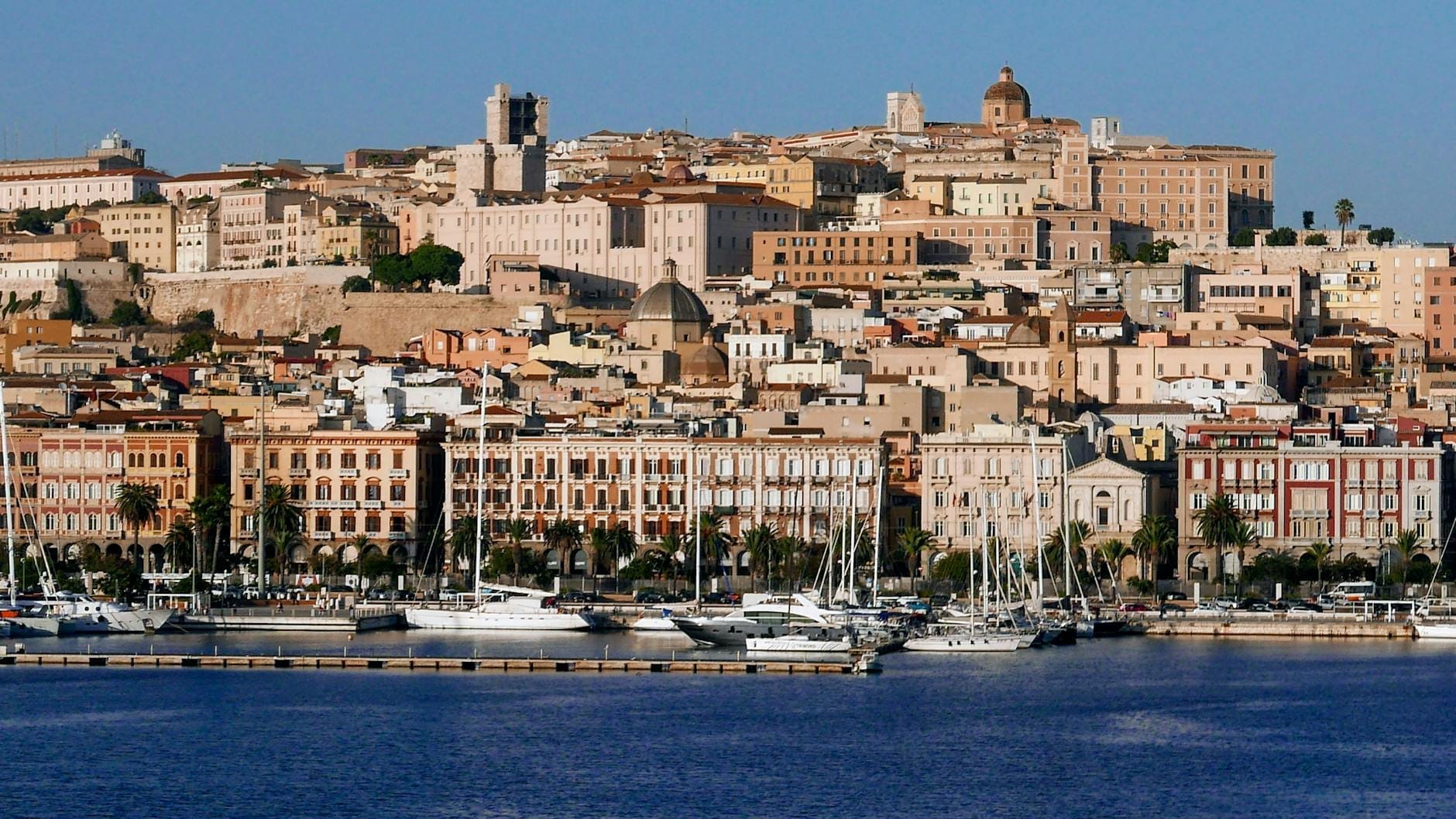
Sardinia is the Autonomous Region of Sardinia (Regione Autonoma della Sardegna), part of Italy. It covers around 24,100 km², making it the second-largest island in the Mediterranean after Sicily, with a population of approximately 1.59 million. The capital is Cagliari. Corsica, by contrast, is a French territorial collectivity covering about 8,680 km² with a population around 340,000. Its administrative capital is Ajaccio.
The cultural gap between the two islands is wider than the 11 km of sea that separates them. Sardinia feels distinctly Italian: espresso bars, pasta, Catholic festivals, and the rhythms of Italian daily life. Corsica feels French: boulangeries, charcuterie boards, French bureaucracy, and a more Gallic sense of pace. Both islands have their own regional languages — Sardinian (sardu) on one side, Corsican (corsu) on the other — and both have strong local identities that run deeper than either Rome or Paris.
⚠️ What to skip
A common misconception: because the islands are geographically close, travelers assume they're culturally similar. They're not. You'll encounter different languages, cuisines, price structures, and tourist infrastructures. Don't plan one trip expecting the other.
Landscape and Terrain: What Each Island Actually Looks Like
Corsica earns its nickname 'the Island of Beauty' largely through drama. Monte Cinto rises to 2,706–2,710 m, and much of the island is steep, forested mountain terrain crossed by winding single-track roads. The GR20, one of Europe's most demanding long-distance hiking trails, runs the length of the island. If you're after wilderness, Corsica delivers it in concentrated form.
Sardinia is more varied and, frankly, more beach-friendly. The interior holds the Gennargentu range, with Punta La Marmora reaching 1,834 m — impressive, but not Corsican in scale. Around 80% of the island is hilly or mountainous, yet it opens to wide coastal plains, pink-sand coves, and about 1,850 km of coastline. The east coast features the dramatic limestone cliffs of the Golfo di Orosei, while the south and northwest offer long sandy beaches that are among the finest in Europe.
- Corsica terrain Heavily mountainous, dense forest, rugged coastline, fewer sandy beaches, world-class hiking.
- Sardinia terrain Rolling hills, plateaus, granite formations, extensive sandy beaches, some dramatic sea cliffs in the east.
- Best for hikers Corsica, decisively — especially for multi-day trekking.
- Best for beach holidays Sardinia, with more variety, more space, and easier access to long stretches of sand.
Beaches: Where the Comparison Gets Decisive
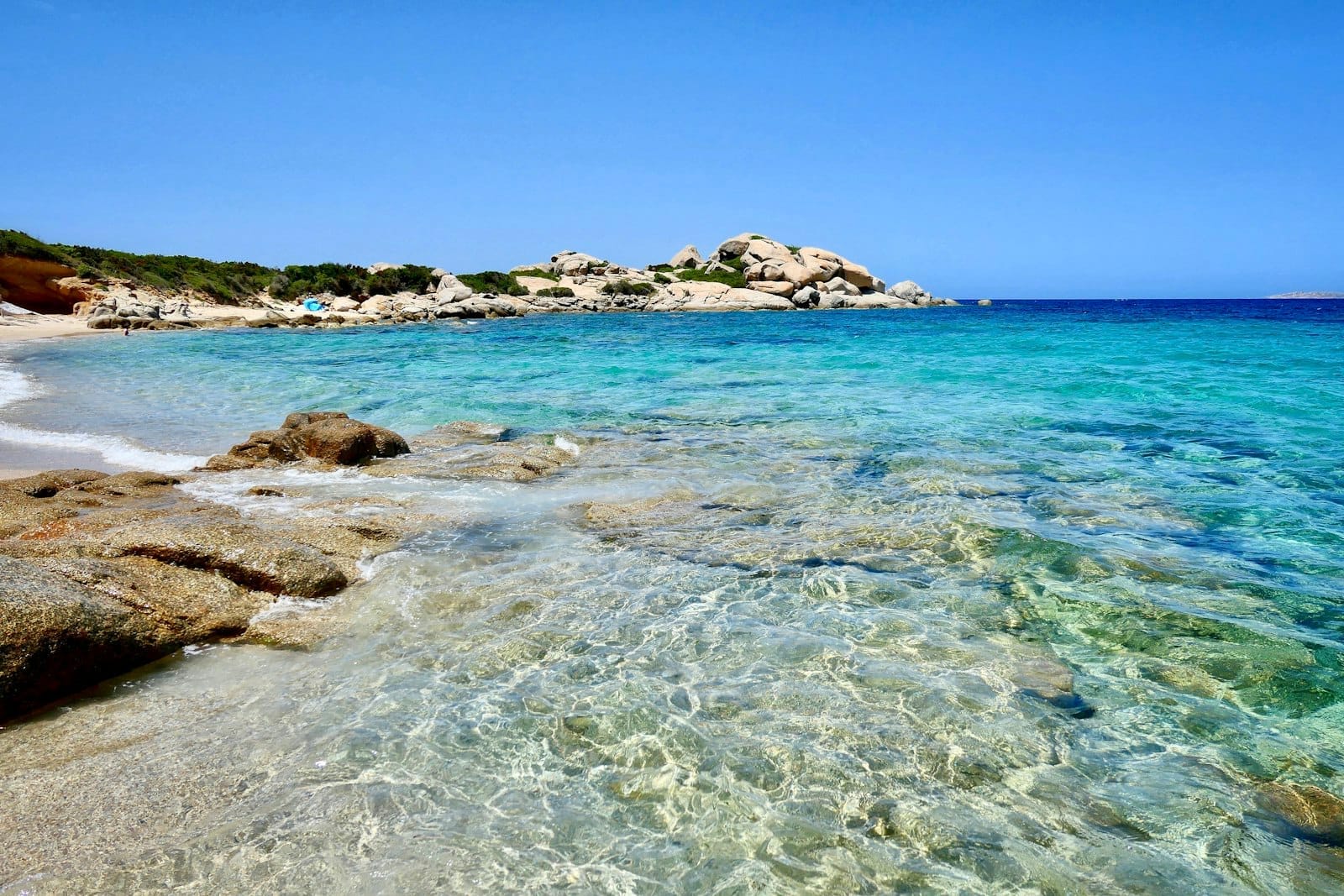
Sardinia's beaches are its strongest argument. The island has some of the most varied and consistently beautiful coastline in the Mediterranean. The northwest has La Pelosa near Stintino, with shallow turquoise water over white sand. The southeast clusters around Villasimius and Costa Rei. The east coast, accessible from Cala Gonone, has inaccessible-by-road coves like Cala Luna and Cala Mariolu that require a boat or serious hiking to reach. The northeast's Costa Smeralda has crystal-clear water but comes with premium prices.
Corsica has beautiful beaches — particularly in the south around Bonifacio and Palombaggia — but fewer long sandy stretches than Sardinia. Corsican beaches tend to be smaller, more pebbly in places, and more quickly crowded in summer. If beach quality and variety is your primary criterion, Sardinia is the stronger choice.
💡 Local tip
For Sardinia's beaches, shoulder season is the sweet spot. Late May to mid-June and September offer warm sea temperatures (around 22-24°C), almost no crowds, and significantly lower accommodation prices than peak July-August.
Costs: A Real-World Comparison
Both islands use the euro. But the cost difference is real and meaningful. Multiple travel sources consistently note that Sardinia is more affordable than Corsica across hotels, restaurants, and tours. In Corsica, you're paying French prices — a sit-down lunch in a mid-range restaurant can run €20-30 per person without wine. Sardinia's equivalent meal at a local trattoria runs €12-20. Supermarket costs, fuel prices, and accommodation rates follow a similar pattern.
That said, Sardinia has its own internal price gradient. The Costa Smeralda around Porto Cervo is one of Europe's most expensive destinations — comparable to the French Riviera. If you're staying near Porto Cervo, budget accordingly. Travel further south to Cagliari or west to Alghero and costs drop considerably. For a full breakdown of managing costs, the Sardinia on a budget guide covers practical strategies.
- Car rental: available on both islands, roughly similar rates from major operators. Book well ahead in summer.
- Fuel: slightly cheaper in Sardinia (Italian prices) than Corsica (French prices).
- Accommodation: both islands have a huge range. Corsica's average is higher. Sardinian agriturismo stays offer exceptional value.
- Dining: Sardinia is noticeably cheaper except in Costa Smeralda resort zones.
- Beach access: most beaches on both islands are free, though Sardinia has more private lido setups with sunbed hire in peak season.
Getting There and Getting Around
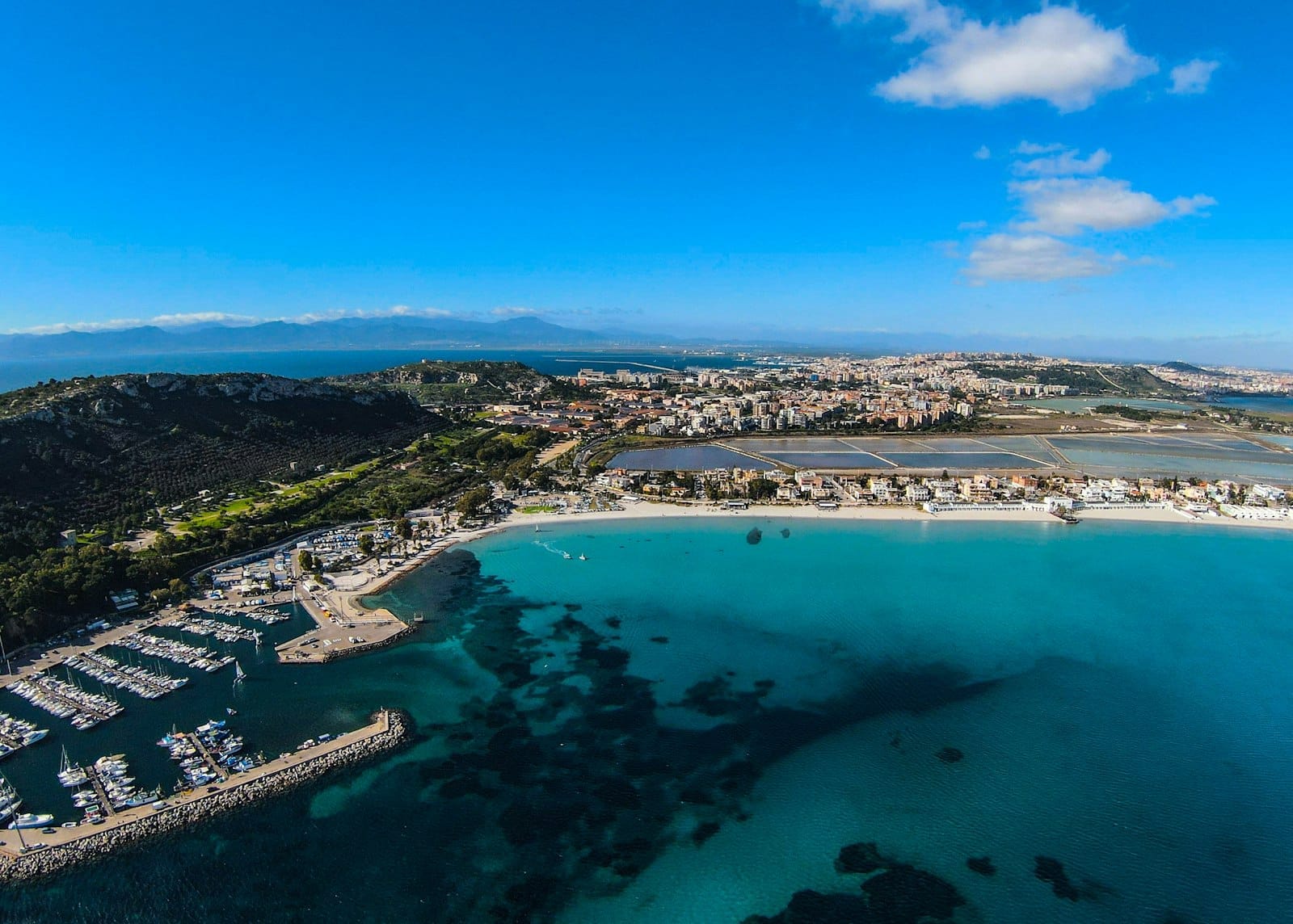
Sardinia has three main airports: Cagliari Elmas (CAG) in the south, Olbia Costa Smeralda (OLB) in the northeast, and Alghero-Fertilia (AHO) in the northwest. All three receive direct flights from major European cities, with the widest connections in summer. Corsica's main hub is Ajaccio (AJA), with additional airports at Bastia, Calvi, and Figari. Both islands also have ferry connections from mainland ports — Sardinia primarily from Civitavecchia, Genova, and Livorno; Corsica from Nice and Marseille.
You can travel between the two islands by ferry only — there are no direct flights. Operators including Corsica Ferries and Moby Lines run seasonal routes, typically from Santa Teresa Gallura in northern Sardinia to Bonifacio in southern Corsica. The crossing takes around 50 minutes. Check current schedules directly with operators, as routes and frequencies change seasonally.
Once on either island, a rental car is strongly recommended. Sardinia has no motorways — it is one of the few Italian regions without a true autostrada network — and rural roads are slow. Corsica's mountain roads are even more demanding: narrow, frequently single-track, with sheer drops. Public transport covers the main towns but reaches very few beaches and coastal areas. For a Sardinian road trip, the driving distances and logistics are worth planning carefully before you go.
✨ Pro tip
If you fly into one Sardinian airport and out of another, you can structure a linear road trip without backtracking. Fly into Cagliari, drive north, fly home from Olbia — or reverse it. This is not possible on Corsica without more complex logistics.
Culture, History, and What to Do Beyond the Beach
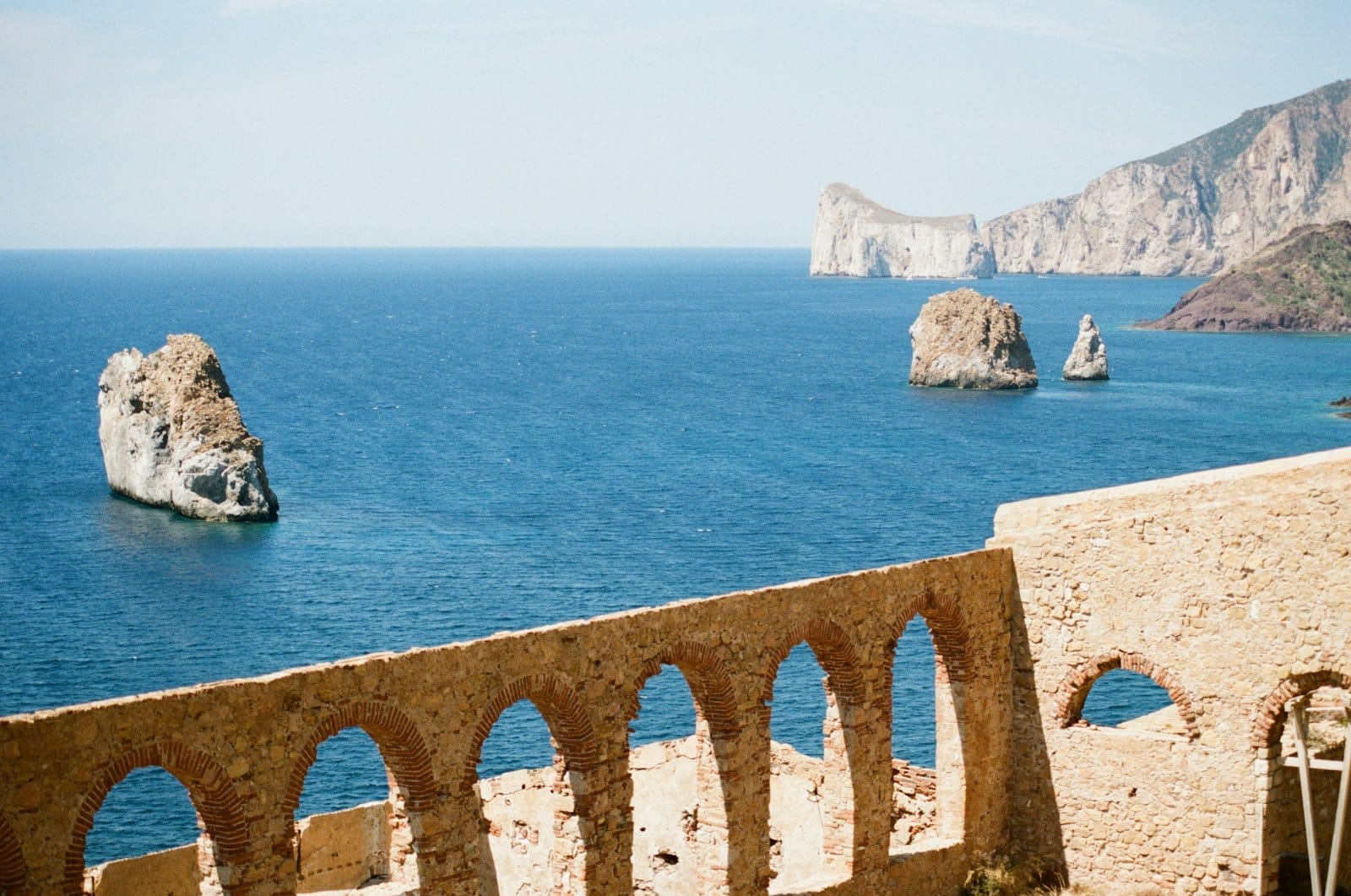
Sardinia's cultural depth is underappreciated by first-time visitors. The island was home to the Nuragic civilization from around 1800 BCE, leaving behind roughly 7,000 stone towers called nuraghi — one of the highest concentrations of megalithic structures per square kilometer anywhere on Earth. Su Nuraxi di Barumini is a UNESCO World Heritage Site and the most impressive example. The island also has Phoenician, Carthaginian, Roman, and Spanish layers of history visible in places like Tharros, Nora, and Alghero's Catalan-speaking old town.
Corsica's history centers more on Napoleon (born in Ajaccio), Genoese watchtowers, and the ongoing Corsican nationalist movement. The island's interior villages feel remote. For food, Sardinia offers a distinct cuisine: culurgiones pasta, porceddu (roast suckling pig), bottarga (cured mullet roe), and the notorious Casu marzu cheese. Corsican food is more French-continental with island inflections: charcuterie, chestnuts, and brocciu cheese. Both cuisines are worth seeking out. For a deeper dive into Sardinian eating, the Sardinia food guide is the best starting point.
Sardinia is also one of the world's original Blue Zones — areas with unusually high concentrations of centenarians. The Barbagia region in particular has attracted significant research interest. The Sardinia Blue Zone guide explores what this actually means for a traveler visiting the area.
So Which Island Should You Actually Choose?
In short,: it depends on what you're optimizing for. This isn't a case where one island is objectively better. They serve different travelers well.
- Choose Sardinia if... You want beaches as your primary focus, prefer Italian food and culture, are traveling with kids or less mobile companions, are working with a tighter budget, or want more variety across a longer trip.
- Choose Corsica if... Serious hiking is your main goal (the GR20 is exceptional), you prefer French language and culture, you want wilder and less-developed landscapes, or you're combining it with a trip to the French Riviera.
- Choose both only if... You have at least 2-3 weeks and a clear plan. The ferry crossing is quick, but island roads are slow and doing justice to either requires time. A rushed loop of both leaves you feeling like you've seen neither properly.
For most first-time visitors to this part of the Mediterranean, Sardinia offers the more rounded experience: better beaches, easier logistics, more cultural variety, lower average costs, and more developed tourist infrastructure outside the luxury zone. If you're debating whether Sardinia alone justifies a dedicated trip, the is Sardinia worth visiting guide makes the case in detail.
ℹ️ Good to know
Climate note: both islands share a Mediterranean climate with hot, dry summers and mild winters. Corsica sits slightly further north and tends to run a few degrees cooler at altitude. Sea temperatures on both islands typically make swimming comfortable from June through October. July and August can see Sardinian coastal temperatures reach 38°C — manageable at the beach, uncomfortable if you're inland without air conditioning.
FAQ
Is Sardinia or Corsica better for beaches?
Sardinia, by a clear margin. It has more coastline (around 1,850 km), a wider variety of beach types, and more consistently sandy stretches. Corsica has beautiful beaches — especially around Bonifacio — but fewer long sandy beaches and more competition for space in summer.
Is Sardinia cheaper than Corsica?
Generally yes. Sardinia follows Italian pricing, while Corsica follows French pricing. Restaurants, fuel, and accommodation typically cost less in Sardinia, though the Costa Smeralda resort area is a notable exception and rivals Corsica's most expensive zones.
Can you visit both Sardinia and Corsica in one trip?
Technically yes — there are ferry connections from Santa Teresa Gallura in northern Sardinia to Bonifacio in southern Corsica (around 50 minutes crossing time). But most travel experts advise against combining both islands in under two weeks. Slow roads and distances mean you'll feel rushed.
Which island is better for hiking?
Corsica. The GR20 is one of Europe's premier long-distance trails. Sardinia has excellent hiking — particularly the Selvaggio Blu coastal route and the Gennargentu mountains — but it doesn't match Corsica's overall scale and ambition for trekkers.
Do I need a visa for Sardinia or Corsica?
Both islands are in the Schengen Area (Sardinia as part of Italy, Corsica as part of France). EU/EEA citizens can enter with a national ID. Citizens of the US, Canada, Australia, Japan, and many other countries can visit visa-free for up to 90 days in any 180-day period. Check the European Commission's official Schengen visa list for your nationality before traveling, as rules can change.