Is Sardinia Worth Visiting? A Straightforward Assessment
Sardinia is Italy's second-largest island and one of the Mediterranean's most remarkable destinations — but it rewards those who plan well and punishes those who assume it's just another beach holiday. This guide cuts through the marketing to give you a clear-eyed picture of what Sardinia offers, who it suits best, and what to expect.
Plan and book this trip
Tools from our partner Travelpayouts help you compare flights and hotels. If you book through them, we may earn a commission at no extra cost to you.
Flights
Hotels map
TL;DR
- Sardinia is worth visiting for its exceptional beaches, prehistoric Nuragic sites, and a culture distinct from mainland Italy — but it requires at least a week and a rental car to do it justice.
- Peak season (late June to early September) brings crowded beaches and high prices; May and September offer the best balance of warm weather, swimmable sea, and manageable crowds.
- Three airports serve the island — Cagliari (CAG), Olbia (OLB), and Alghero (AHO) — and public transport outside cities is limited, making car hire effectively essential for most itineraries.
- It is not a budget destination by Italian standards, especially in the north and at coastal resorts, though the interior and shoulder season travel are considerably more affordable.
- The island is far more than beaches: ancient nuraghi, dramatic mountain gorges, Blue Zone longevity culture, and food and wine that bears no resemblance to the mainland make it a multi-layered destination.
What Sardinia Actually Is — and Why It Matters
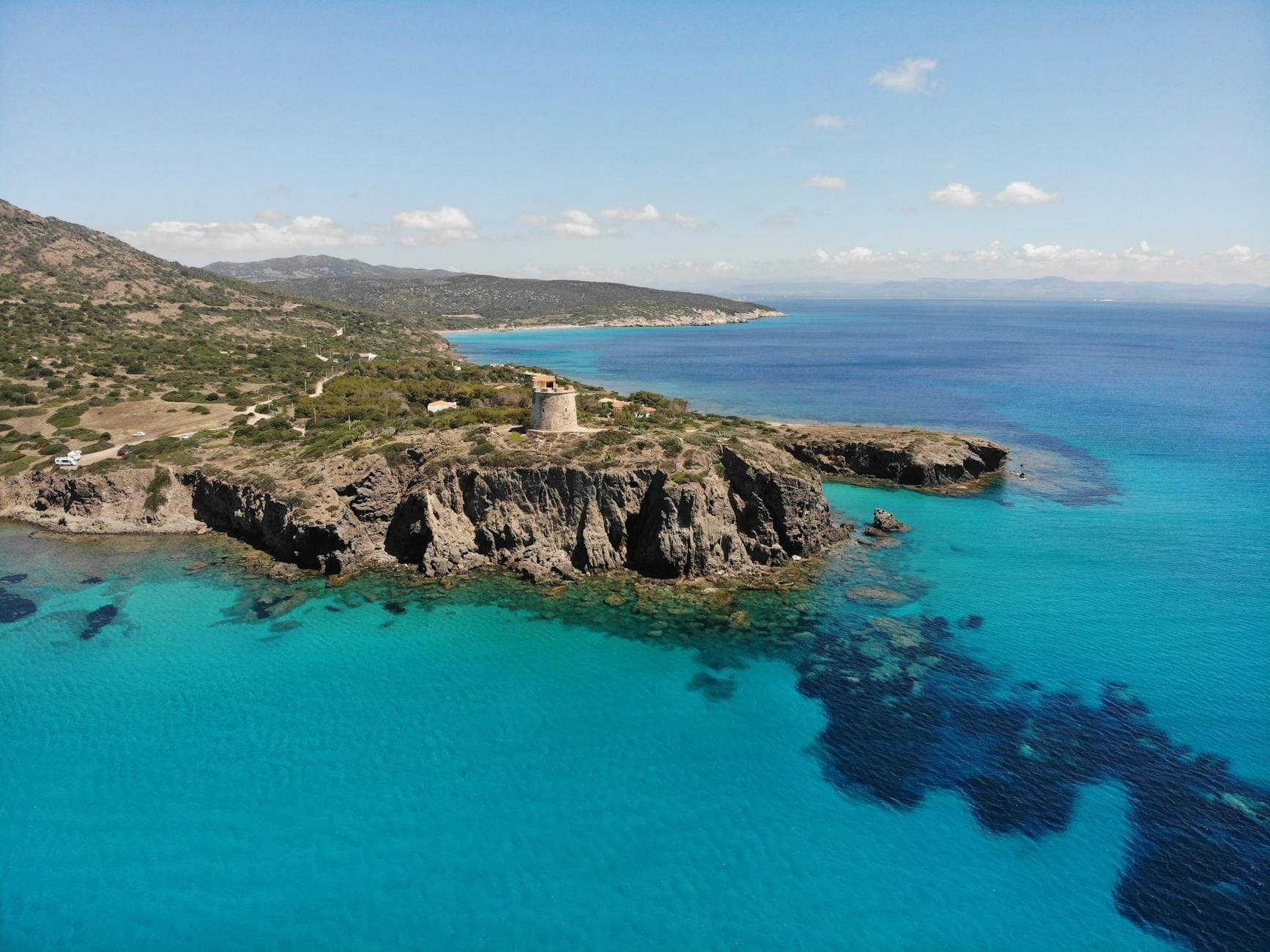
Sardinia is the Autonomous Region of Sardinia (Regione Autonoma della Sardegna), an island of 24,090 km² in the central Mediterranean with a population of roughly 1.55 million. It is the second-largest island in the Mediterranean Sea after Sicily, and it sits about 200 km west of the Italian peninsula, 200 km north of Tunisia, and just 16.5 km south of Corsica. The capital and largest city is Cagliari, in the south. Understanding this geography matters for trip planning: Sardinia is not small. It runs approximately 270 km north to south and 145 km east to west, with around 1,840 km of coastline.
Politically, Sardinia holds special autonomous status — one of five Italian regions with a statuto speciale — meaning it has more legislative and administrative independence than a standard Italian region. Culturally, this autonomy has practical consequences for the traveler: the island has its own Romance language (Sardinian, or sardu), distinct dialects including Catalan in Alghero, Gallurese in the north, and a cuisine, architecture, and festive calendar that share little with Rome or Naples. Anyone expecting a typical Italian holiday may be pleasantly surprised — or disoriented.
ℹ️ Good to know
Currency: Euro (EUR). Electricity: 230V/50Hz, plug types C, F, and L. Emergency number: 112 (EU-wide). Country dialing code: +39. Tap water is generally potable across the island but check local signage in rural areas.
The Case For Visiting: What Sardinia Does Better Than Almost Anywhere
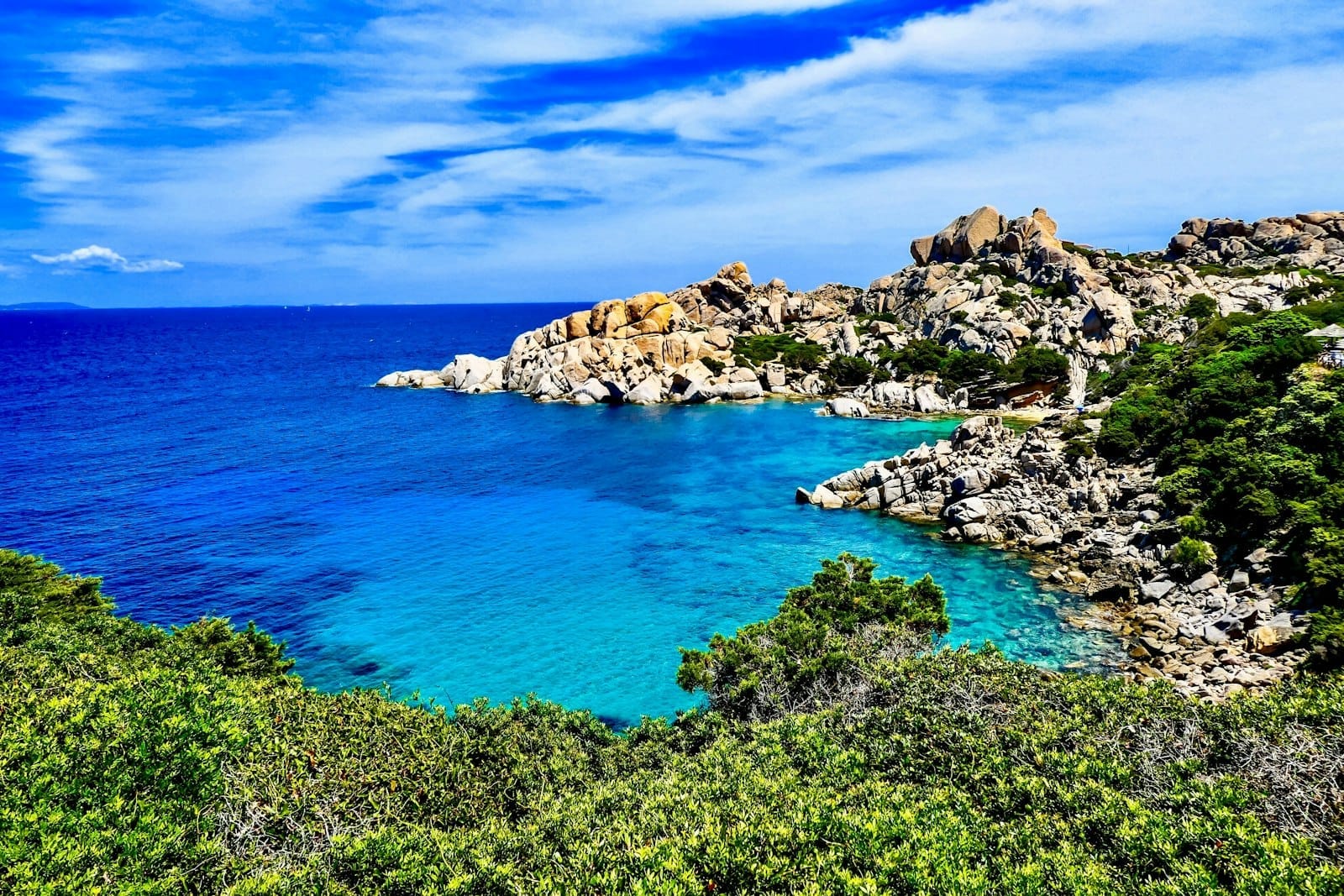
The beaches are the obvious draw, and the hype is justified. The water along stretches of the Golfo di Orosei, the Costa Smeralda, and the southwestern coast around Chia reaches a transparency and turquoise intensity that rivals the Caribbean — without the long-haul flight from Europe. Cala Goloritzè, accessible only by boat or a demanding hike, is among the most photographed coves in the Mediterranean for good reason. But reducing Sardinia to its coastline is a serious mistake.
The island contains roughly 7,000 nuraghi — prehistoric stone towers built by the Nuragic civilization between approximately 1900 and 730 BCE — more megalithic monuments per square kilometer than anywhere else on Earth. Su Nuraxi di Barumini, a UNESCO World Heritage Site, is the most complete example, but structures like Nuraghe Santu Antine in the Sassari province and the enigmatic Giants of Monte Prama statues add depth that no beach destination in the Mediterranean can match.
- Beaches Consistently ranked among Europe's best, with shallow turquoise water, white sand, and quartz coves. Not overcrowded outside July and August.
- Ancient history Over 7,000 nuraghi plus Phoenician, Roman, and medieval sites across the island. More prehistory per square km than Greece.
- Food and wine Culurgiones pasta, bottarga, porceddu roast suckling pig, Cannonau wine, and Pecorino Sardo cheese — a distinct culinary identity.
- Landscape variety Mountains reaching 1,834m (Punta La Marmora), canyon gorges like Gola Su Gorropu, flamingo lagoons, and wild interior plateaus.
- Blue Zone culture Barbagia in central Sardinia is one of the world's original Blue Zones, associated with exceptional longevity and a specific way of life.
The Honest Drawbacks: What Sardinia Gets Wrong
Sardinia is not a seamless travel destination. The infrastructure outside major cities is thin, and the public transport network — operated by Trenitalia for standard-gauge railways and ARST for regional buses and narrow-gauge lines — does not come close to covering the coastline adequately in summer. If you plan to visit more than one region of the island, a rental car is not optional, it is essential. Major rental platforms (Rentalcars, DiscoverCars) list small cars from around €40-60 per day in high season at the three main airports, though prices rise sharply in July and August.
Cost is a genuine issue in certain areas. The Costa Smeralda around Porto Cervo is one of the most expensive resort areas in Europe — beach club day beds, restaurant prices, and marina-side aperitivo tabs reflect a clientele that arrives by superyacht. This is not representative of the whole island: the interior, the south, and the west offer significantly more value. But visitors expecting cheap-and-cheerful Italian holiday pricing will find parts of northern Sardinia a shock.
⚠️ What to skip
Sardinia has no motorway network — it is the only Italian region without one. This is worth factoring into journey times. Crossing from Cagliari in the south to Olbia in the northeast takes around 3 hours by car under good conditions. Budget for driving time in any multi-region itinerary.
Seasonal closures affect the experience significantly. Many coastal hotels, restaurants, and beach businesses operate only between May and October. Visiting outside this window — particularly between November and March — means encountering shuttered facilities, reduced transport services, and a very different island. This is not necessarily bad (Cagliari, Alghero, and Sassari function as year-round cities), but beach-focused holidays are seasonal. August is the extreme: Italian domestic tourism floods the island, roads clog around popular beaches, and prices peak across the board.
When to Go: Seasonal Breakdown by Traveler Type
Timing is the single most consequential planning decision for a Sardinia trip. The island has a classic Mediterranean climate: hot, dry summers from roughly May to October; mild, wetter winters from November to April. Sea temperatures become swimmable around May and remain comfortable into early November, particularly in the south. For a full breakdown of monthly conditions, see the best time to visit Sardinia.
- May and early June Ideal for hiking, sightseeing, and beach days without peak crowds. Sea temperature reaches around 18-20°C — refreshing rather than warm. Most facilities are open. Prices are lower than summer.
- Late June to mid-September (peak) Hottest and most crowded. Highs of 28-31°C on the coast, up to 38°C inland. Beaches are spectacular but popular ones get busy. Book accommodation months in advance. Prices are highest in August.
- September and October Often the best overall window. Sea temperature peaks in late summer and stays warm through September (~23-25°C). Crowds thin after mid-September, prices drop, and the landscape is still dry and golden. September in Sardinia is excellent.
- November to March For city breaks in Cagliari, Alghero, or Sassari, and for archaeological sites without tour groups. Some rural agriturismo stays work well. Coastal resort infrastructure largely closed.
✨ Pro tip
The second half of September is arguably the sweet spot of the Sardinian calendar: sea still warm enough for daily swimming, most facilities still open, domestic Italian tourists gone home after Ferragosto, and accommodation prices 20-30% below August peaks.
Getting There and Getting Around
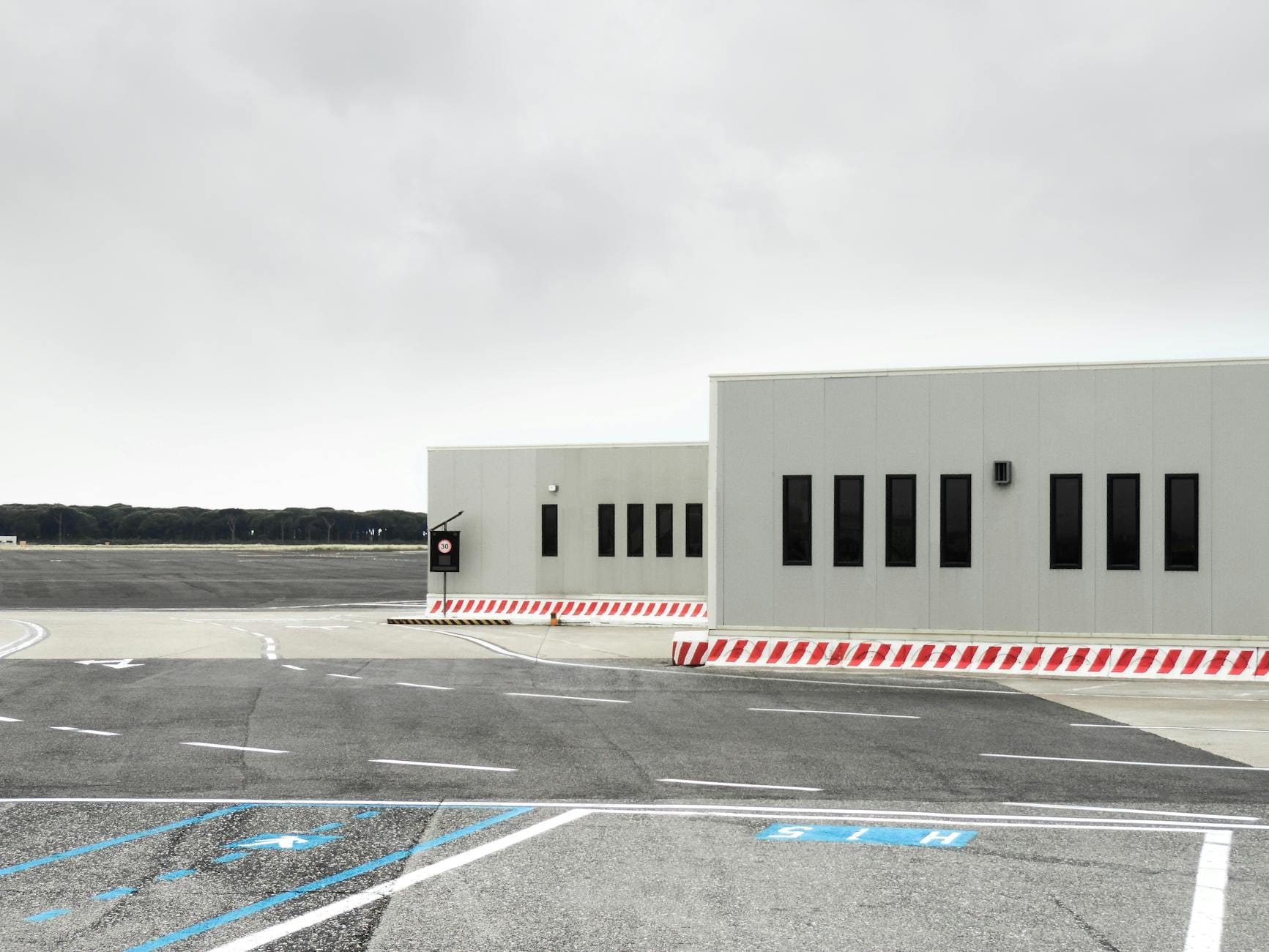
Three airports handle almost all air traffic to Sardinia. Cagliari Elmas (CAG), about 7 km northwest of the capital, serves the south and is the most connected year-round. Olbia Costa Smeralda (OLB), 4 km from Olbia city centre, is the gateway to the northeast and Costa Smeralda — it handles high volumes of charter and low-cost flights in summer. Alghero-Fertilia (AHO), 8 km northwest of Alghero, serves the northwest and is the smallest of the three. Which airport to use depends entirely on your primary destination.
From Cagliari airport, a train service reaches the city centre in around 5-7 minutes. From Olbia, ASPO bus lines connect the airport to the city centre. From Alghero, ARST buses run to both Alghero and Sassari. Ferry access is substantial: Civitavecchia (Rome's port) to Olbia or Cagliari takes around 13–15 hours on overnight crossings; Nice to Cagliari or Olbia takes roughly 12-17 hours on overnight crossings. Moby Lines, Tirrenia, Grimaldi Lines, and Corsica Ferries all serve Sardinian ports. A car ferry for two adults in high season typically starts around €80-150 one way before cabins.
Once on the island, a rental car is the practical choice for most visitors. Public transport — Trenitalia's railway lines connecting Cagliari, Oristano, Sassari, and Olbia, plus ARST buses — covers urban centres reasonably well but leaves large coastal areas inaccessible. Uber does not operate meaningfully outside major mainland Italian cities. Local taxis are available in Cagliari, Olbia, and Alghero but not on-demand everywhere. For anyone planning to explore more than one area, see getting around Sardinia for logistics and route planning.
Which Part of Sardinia Is Right for You?
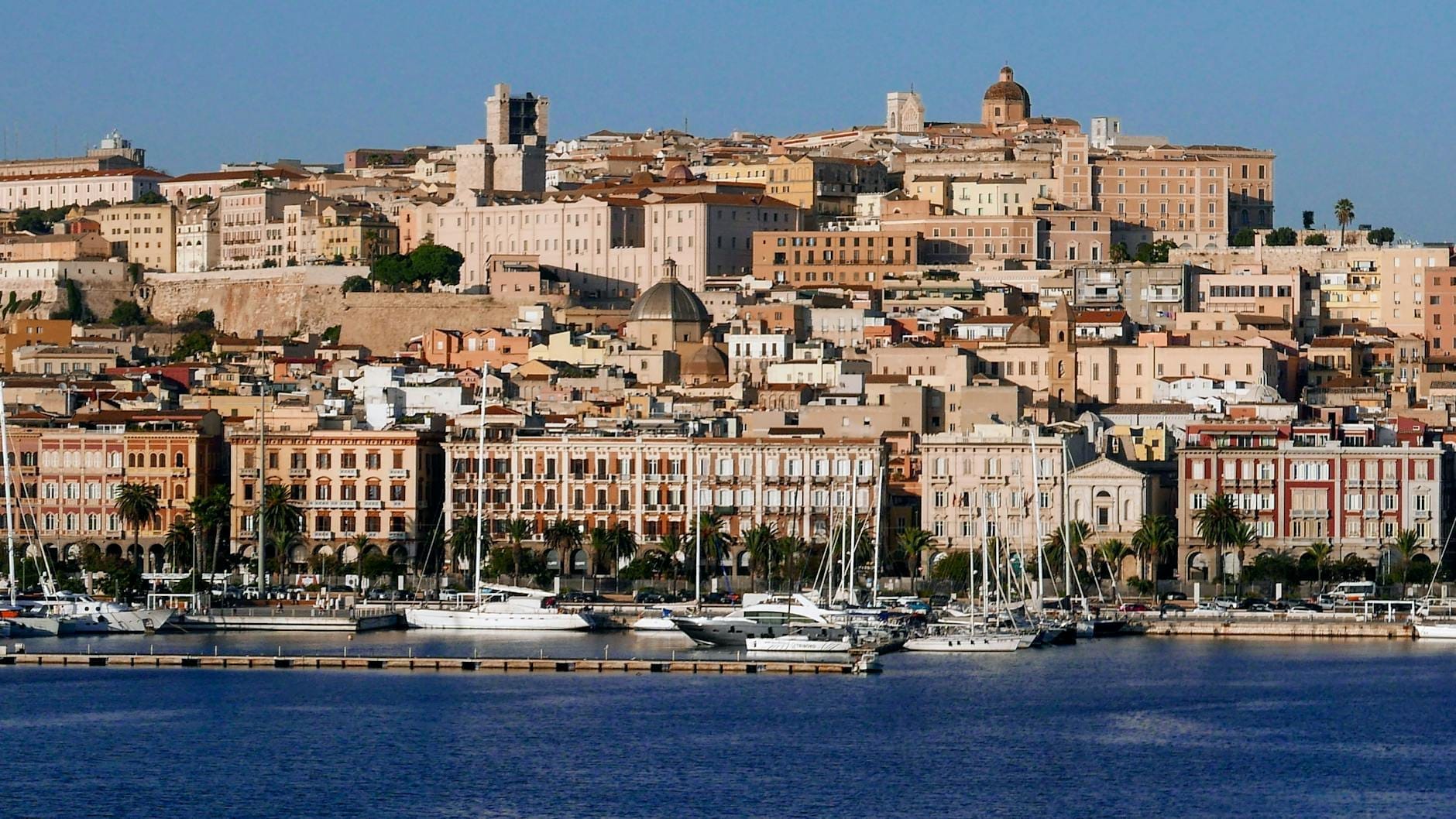
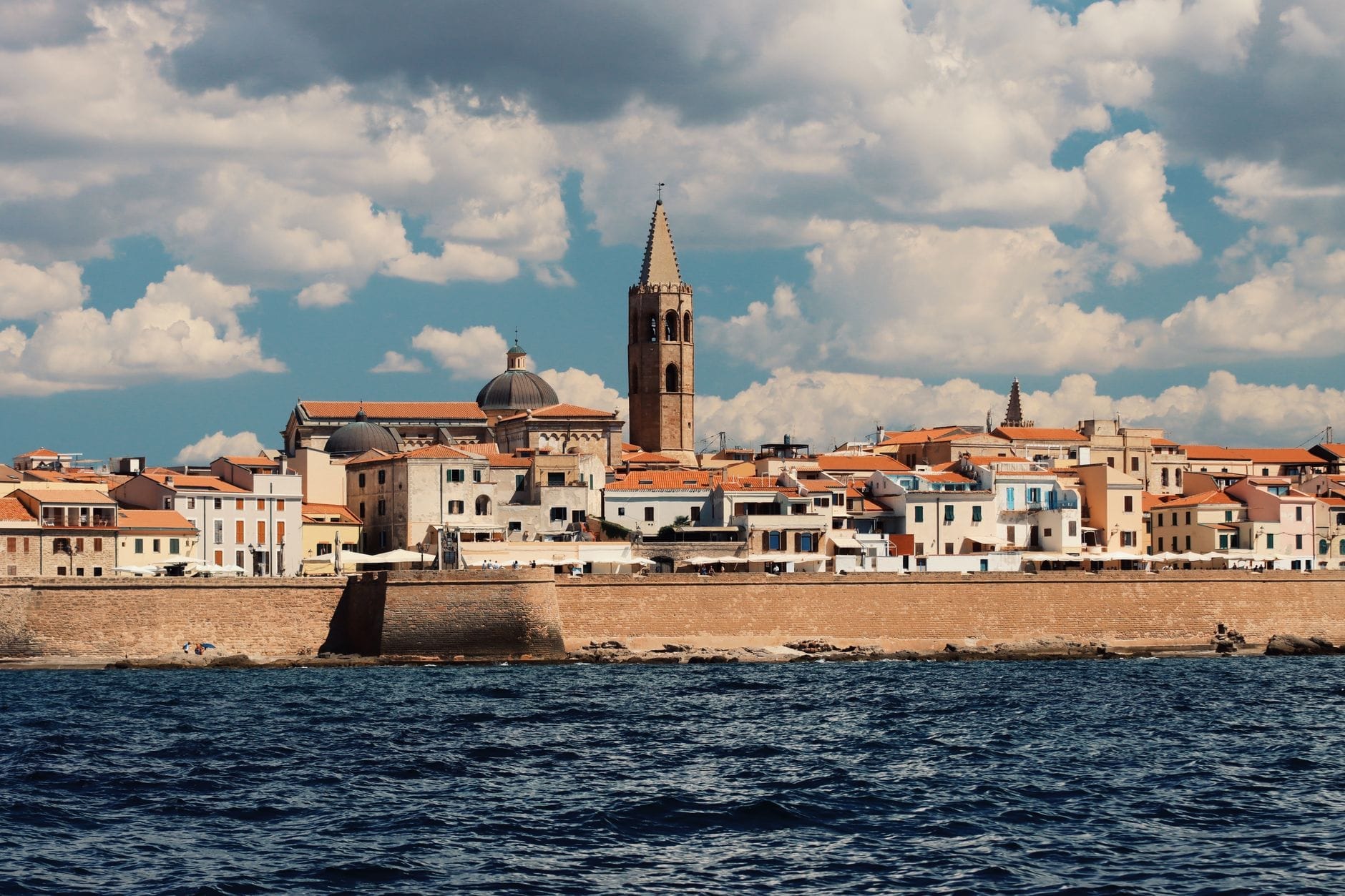
Sardinia's six provinces each offer a distinct character. Cagliari is the capital and most cosmopolitan city, with a working port, a layered historical centre including the Castello district, and beaches like Poetto stretching 8 km from the city edge. It works as a base for southern Sardinia and for day trips to the Nora archaeological site, the Sinis Peninsula, and the pink flamingo lagoons at Molentargius.
The northeast — the Costa Smeralda and Gallura region — is what most people picture when they think of Sardinia: granite outcrops, emerald water, and the kind of beach club infrastructure that caters to serious money. It is beautiful and expensive. The east coast — specifically the Golfo di Orosei — offers some of the most dramatic coastal scenery anywhere in the Mediterranean, with limestone cliffs dropping into clear water and beaches reachable only by boat or on foot.
The northwest, centred on Alghero, is a strong all-rounder: the old city is attractive, the nearby Grotte di Nettuno sea caves are spectacular, and the Nurra Plain offers flat, easy cycling territory. The interior — particularly Barbagia and Nuoro — is the least-visited part of the island and arguably the most authentic: traditional festivals (including masked carnival celebrations), agriturismo farmhouses, nuraghi in every direction, and the mountain landscapes of the Gennargentu. This is Sardinia for people who have already done the coast and want something more.
💡 Local tip
If this is your first visit to Sardinia and you have 7-10 days, consider splitting between the Golfo di Orosei on the east coast (for the beaches and boat trips) and either Cagliari or Alghero (for history and city life). This covers the island's range without over-stretching on driving.
Practical Considerations Before You Book
Sardinia is part of Italy and the Schengen Area, so EU and EEA nationals enter with a valid national ID. Citizens of the US, Canada, Australia, Japan, and many other countries can enter visa-free for stays up to 90 days in any 180-day period under standard Schengen rules. Nationals of countries not on the visa-exempt list require a Schengen visa. Visa policy details and the forthcoming ETIAS pre-travel authorisation for visa-exempt visitors should be verified against current EU official guidance before travel.
Italian tipping culture applies: service is often included in restaurant bills via the coperto cover charge, and tipping beyond rounding up is entirely optional. Beachwear is for the beach — several Sardinian coastal towns have local ordinances restricting swimwear in town centres, so carry a cover-up. Religious sites require covered shoulders and knees. Plug types are C, F, and L at 230V/50Hz. UK and most European visitors need only a plug adapter. North American visitors should check device labels: most phone and laptop chargers work on 230V with an adapter alone; only older or single-voltage appliances may need a converter.
Beach clubs (lidos) are a significant part of the coastal experience and can be an unexpected cost. A set of sun lounger and umbrella at a popular lido runs roughly €20-40 per day in peak season, more at premium spots. Not all beaches are managed — many stretches, particularly along the Golfo di Orosei and southwest coast, remain free and wild. For budget-conscious travel, see how to visit Sardinia on a budget for strategies that work.
FAQ
Is Sardinia worth visiting for a week?
Yes, one week is a realistic minimum for getting a genuine sense of the island. You can cover one or two regions comfortably — for example, the Golfo di Orosei plus Cagliari, or Alghero plus the Costa Smeralda. A week is not enough to see all of Sardinia, which is the size of a small country, but it is enough to understand why people come back.
Is Sardinia expensive compared to other Mediterranean islands?
It depends heavily on where you go and when. The Costa Smeralda area is among the most expensive resort zones in Europe. But southern Sardinia, the interior, and shoulder-season travel (May, June, September, October) are much more affordable. Accommodation, food, and transport in Cagliari or Alghero compare reasonably with other Italian cities.
Do you need a car in Sardinia?
For most itineraries, yes. Public transport (Trenitalia trains and ARST buses) connects major cities but does not serve the coastal areas where most visitors want to spend time. Without a car, you are essentially limited to what is walkable or accessible from a base town. Car hire is available at all three airports and is strongly recommended.
Is Sardinia safe for tourists?
Sardinia has a very low rate of violent crime and is considered safe for tourists. The main practical concerns are standard travel precautions: keeping valuables secure in beach bags, watching for pickpockets in crowded areas, and taking care on mountain roads, which can be narrow and winding. The island has good emergency infrastructure — call 112 for any EU emergency service.
What is Sardinia like outside of beach season?
Genuinely interesting, but different. November through March, most coastal resorts are closed, but cities like Cagliari, Alghero, and Sassari function normally. Archaeological sites are quieter and often more atmospheric. The interior comes alive with carnival festivals in February, and agriturismo stays in Barbagia offer a slow-travel experience that is impossible in summer. Winter temperatures average 14-16°C on the coast — mild, not warm.