Sardinia's Blue Zone: The Science and Culture Behind Living Past 100
Sardinia is home to the world's first identified Blue Zone, a cluster of inland villages in the Ogliastra region where living past 100 is far from unusual. This guide breaks down the research, the lifestyle factors, the villages worth visiting, and how to experience the culture behind the longevity — without the tourist traps.
Plan and book this trip
Tools from our partner Travelpayouts help you compare flights and hotels. If you book through them, we may earn a commission at no extra cost to you.
Flights
Hotels map
TL;DR
- Sardinia's Blue Zone is centered on the Ogliastra and Barbagia regions in the island's mountainous interior, not the coastal resort areas most visitors see.
- It was the first Blue Zone ever identified, based on peer-reviewed demographic research, not marketing.
- Longevity here is linked to a combination of daily physical activity, a traditional plant-forward diet, and tight family structures — no single 'secret' explains it. See our Sardinia food guide for what locals actually eat.
- Sardinia is the only Blue Zone where men live as long as women — a pattern researchers find unusual.
- Visiting the Blue Zone villages is possible independently by car — there is no entry fee, no official tour circuit, and no single site to tick off. Spring and autumn are the best seasons for inland travel. Check the best time to visit Sardinia before you plan.
What Is the Blue Zone and Where Exactly Is It?
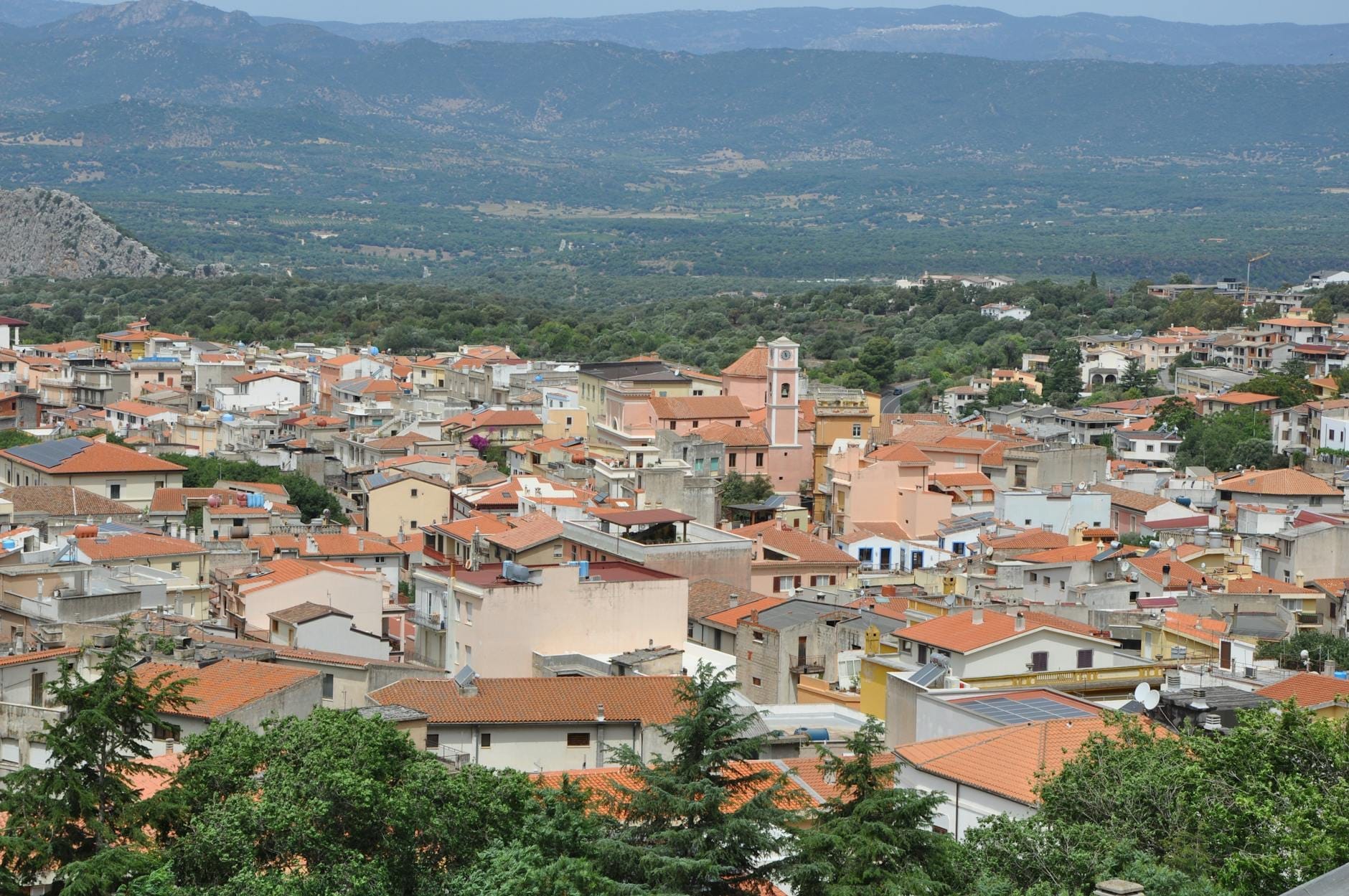
The term 'Blue Zone' was coined by Belgian demographer Michel Poulain and Italian physician Gianni Pes after they identified an unusually high concentration of centenarians in a specific cluster of Sardinian villages. They marked the area with blue ink on a map — hence the name. Researcher Dan Buettner later popularized the concept globally, expanding it to five recognized Blue Zones worldwide: Sardinia (Italy), Okinawa (Japan), Ikaria (Greece), the Nicoya Peninsula (Costa Rica), and Loma Linda (California). Sardinia's was the first.
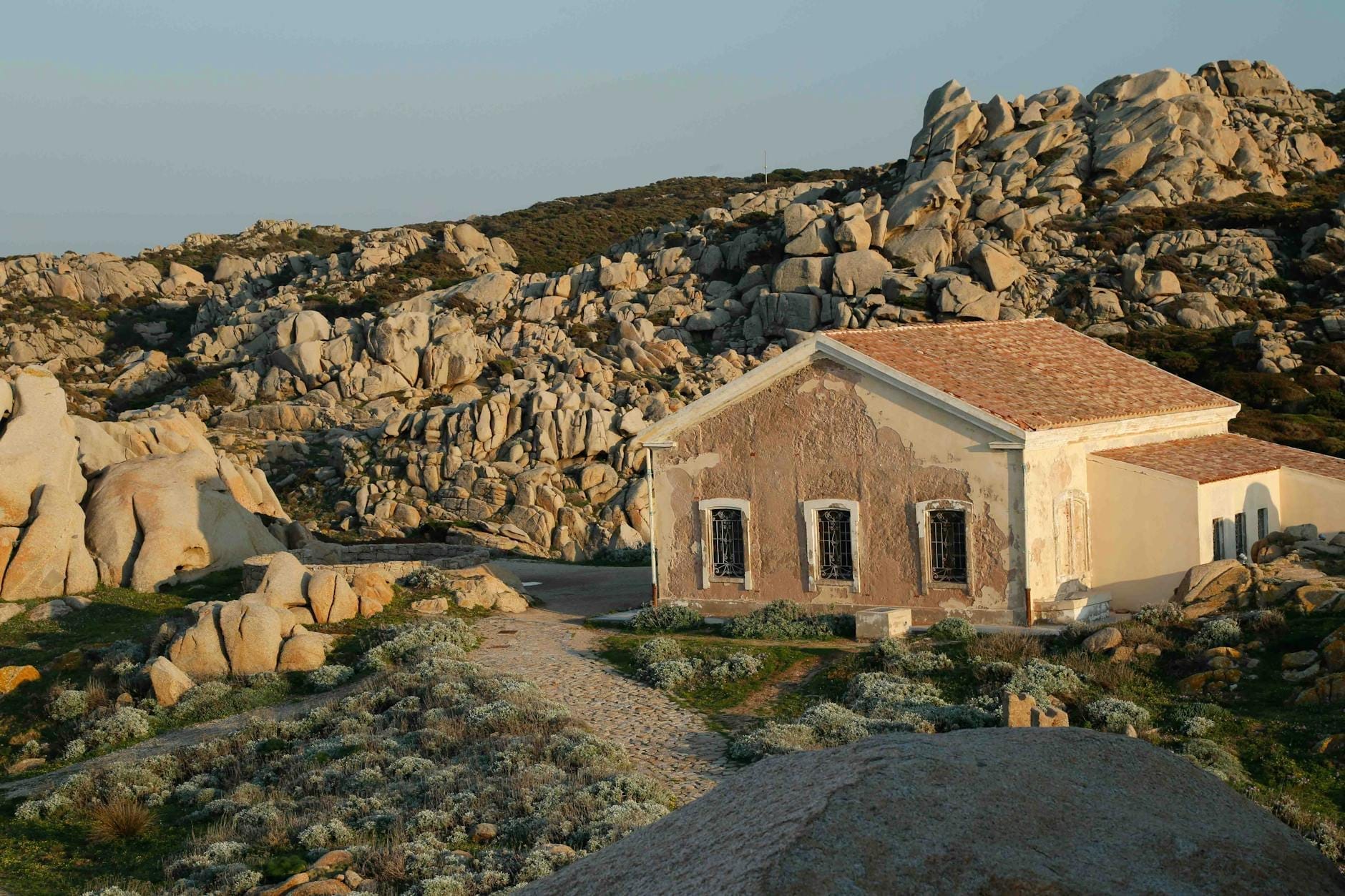
The Sardinian Blue Zone is not a coastal resort area. It sits in the rugged interior of the island, primarily within the Ogliastra province and the broader Barbagia and Nuoro region. The terrain is mountainous — large areas of Sardinia's interior reach elevations close to or above 1,000 metres, with the island's highest peak, Punta La Marmora, reaching about 1,834 metres in the Gennargentu range. Villages like Seulo, Arzana, Urzulei, and Villagrande Strisaili sit in this landscape, connected by winding mountain roads and separated by valleys. This is not a place you visit accidentally on a beach holiday.
ℹ️ Good to know
There is no 'Blue Zone entrance,' official visitor centre, or ticketed attraction. The Blue Zone is simply a geographic area of villages. Visiting means driving through the Ogliastra and Barbagia highlands, stopping in towns, eating local food, and absorbing a way of life — not checking off a landmark.
The Research: What the Data Actually Shows
The Sardinian Blue Zone is not a wellness brand claim or a tourism slogan. It is backed by demographic analysis. Poulain, Pes, and colleagues published peer-reviewed research identifying that specific municipalities in this region had an extraordinary ratio of centenarians to total population — significantly above both the Italian national average and global norms. The research focused on birth and death records spanning multiple generations, cross-referencing them for accuracy. This is what separates Sardinia's Blue Zone from anecdotal longevity claims made elsewhere.
One finding stands out as particularly striking to demographers: Sardinia is the only Blue Zone where male and female longevity is roughly equal. In most populations worldwide, women outlive men by several years. In the Ogliastra villages, that gap narrows dramatically or disappears. Researchers attribute this partly to the social status of men in traditional Sardinian culture — men are not marginalised after retirement but remain active, respected figures in family and community life. That sustained sense of purpose appears to matter as much as diet.
⚠️ What to skip
Be cautious about specific statistics you may encounter online — claims like 'Sardinia has the world's highest centenarian rate' or precise figures about how many centenarians live there require up-to-date demographic sourcing. The research is real, but the numbers are often misquoted or outdated in tourist content. Rely on peer-reviewed publications and the Blue Zones organization's official materials for precise claims.
The Lifestyle Factors: Why People Here Live So Long
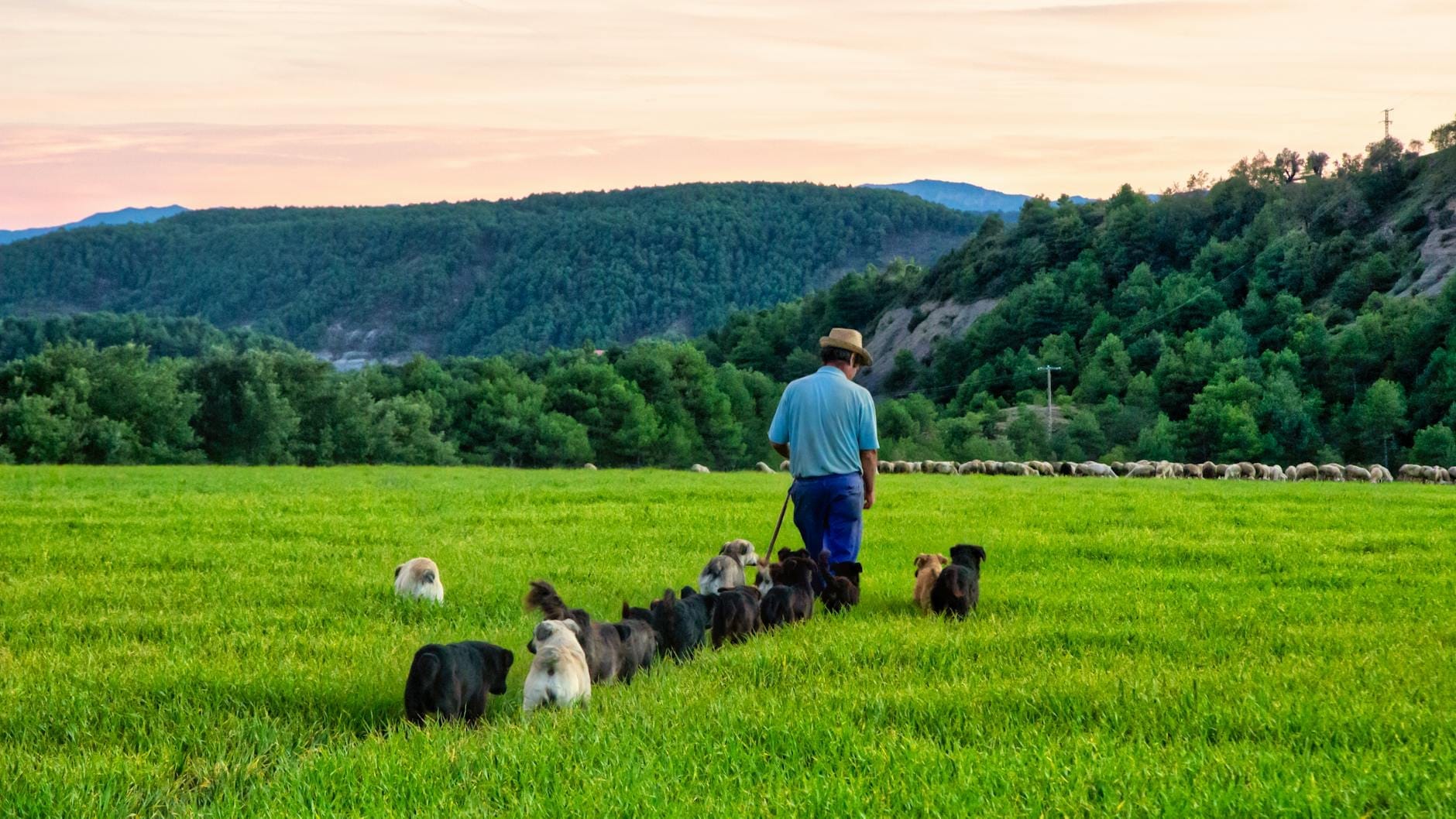
Blue Zones researchers are consistent on one point: there is no single secret. Longevity in Sardinia's interior is a product of several overlapping lifestyle factors that have been maintained across generations. Understanding them is useful both for curious travelers and for anyone trying to apply the lessons at home.
- Daily physical movement Villagers in the Blue Zone have historically walked steep terrain daily — herding sheep, tending gardens, moving between homes and fields. This is low-intensity, consistent movement built into daily life, not structured exercise. The landscape essentially demands it.
- A traditional plant-forward diet The traditional diet in these villages is built around legumes, whole grains, seasonal vegetables, and modest amounts of dairy — particularly sheep's milk cheese like Pecorino Sardo — and cured meats. Meat was historically eaten rarely, reserved for celebrations. Bread here is often sourdough-fermented and made from durum wheat, which has a lower glycaemic index than refined white bread.
- Moderate wine consumption Cannonau wine — a Sardinian red made from Grenache grapes grown in the island's interior — is frequently mentioned in Blue Zone coverage. It contains relatively high levels of polyphenols. Consumption in this context is moderate and social, not isolated. It is worth noting that researchers do not frame wine as a longevity treatment; it is one element of a broader social and dietary pattern.
- Strong family and community ties Elderly people in Blue Zone villages are not isolated or warehoused in care facilities. They live within multigenerational households or in close proximity to family. They are consulted, useful, and socially embedded. Research consistently identifies social connection and a sense of purpose as among the strongest predictors of longevity.
- Low chronic stress Traditional Sardinian village life, while not easy, operates at a different pace from urban life. Community structures, religious practice, and a culture of mutual support appear to buffer against the chronic, low-grade stress that modern research links to accelerated aging.
For travelers interested in the food dimension specifically, the ingredients at the heart of this diet — Pecorino Sardo, Cannonau, legume-based soups, pane carasau flatbread — are available throughout Sardinia. Our guide to Sardinian food covers what to order, where to find it, and how the island's culinary traditions vary by region. The Blue Zone villages are where these traditions are most intact, but the food is accessible island-wide.
The Villages Worth Visiting and How to Get There
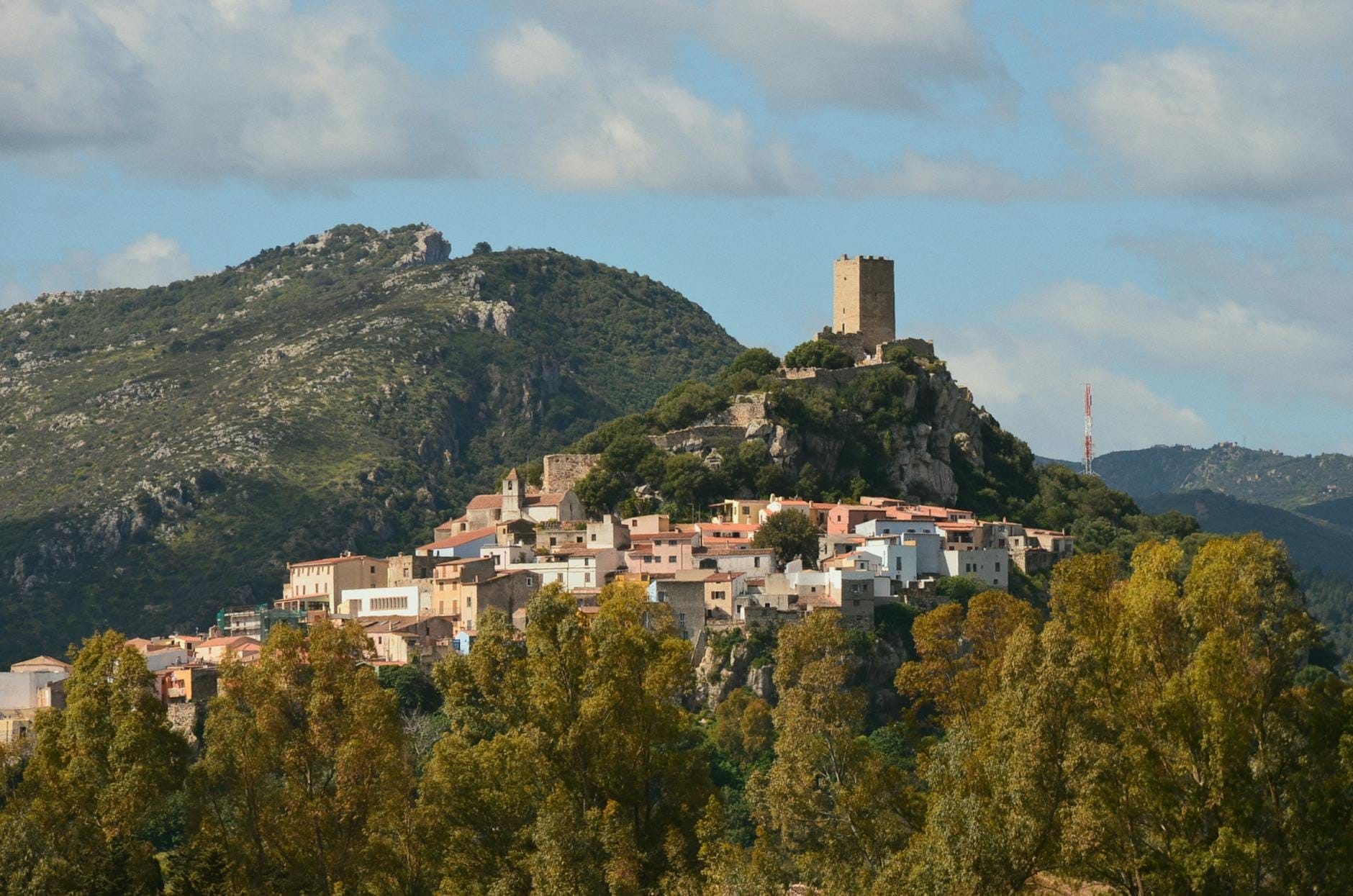
The core Blue Zone cluster spans a loose arc of villages through the Ogliastra and southern Barbagia highlands. There is no single 'Blue Zone village' to visit — the effect is distributed across an area. That said, a few places are particularly associated with the research and offer the most authentic experience of traditional inland Sardinian life.
- Seulo A small village in the Sarcidano highlands, Seulo has been cited in demographic research as having one of the highest centenarian ratios. It is quiet, unhurried, and essentially unchanged by tourism. Population is under 1,000.
- Villagrande Strisaili Situated in the Ogliastra interior at around 820 metres elevation, Villagrande is one of the more accessible Blue Zone villages and has a modest local food and wine tradition worth exploring. The surrounding landscape is excellent for walking.
- Arzana A gateway village for access to the Gennargentu range and one of the communities included in longevity studies. The town has a strong traditional crafts culture and is near trails into the highland interior.
- Urzulei Located above the Gorropu canyon in the Supramonte plateau, Urzulei is spectacular in terms of landscape. It sits at the edge of the Blue Zone geography and makes a logical base for combining longevity tourism with hiking.
Getting to these villages requires a car. Sardinia has no true autostrada motorway network — it is the only Italian region without a toll-paying autostrada — and the inland roads are narrow and winding. From Cagliari (roughly 100 km to the southwest), allow 2 to 2.5 hours to reach the Ogliastra highlands. From Nuoro (the regional capital nearest to the Blue Zone), most villages are between 30 and 60 minutes by road. A dedicated Sardinia road trip is the most practical framework for combining Blue Zone villages with the island's other interior highlights.
💡 Local tip
Visit in May, June, or September. The Ogliastra highlands sit at altitude, so summer heat is more manageable here than on the coast — but August still brings warmth and occasional tourist traffic on the scenic routes. Spring brings wildflowers and cooler walking temperatures. Autumn is excellent for the Cannonau harvest period, when local wineries and festivals are active.
What to Eat and Drink in the Blue Zone
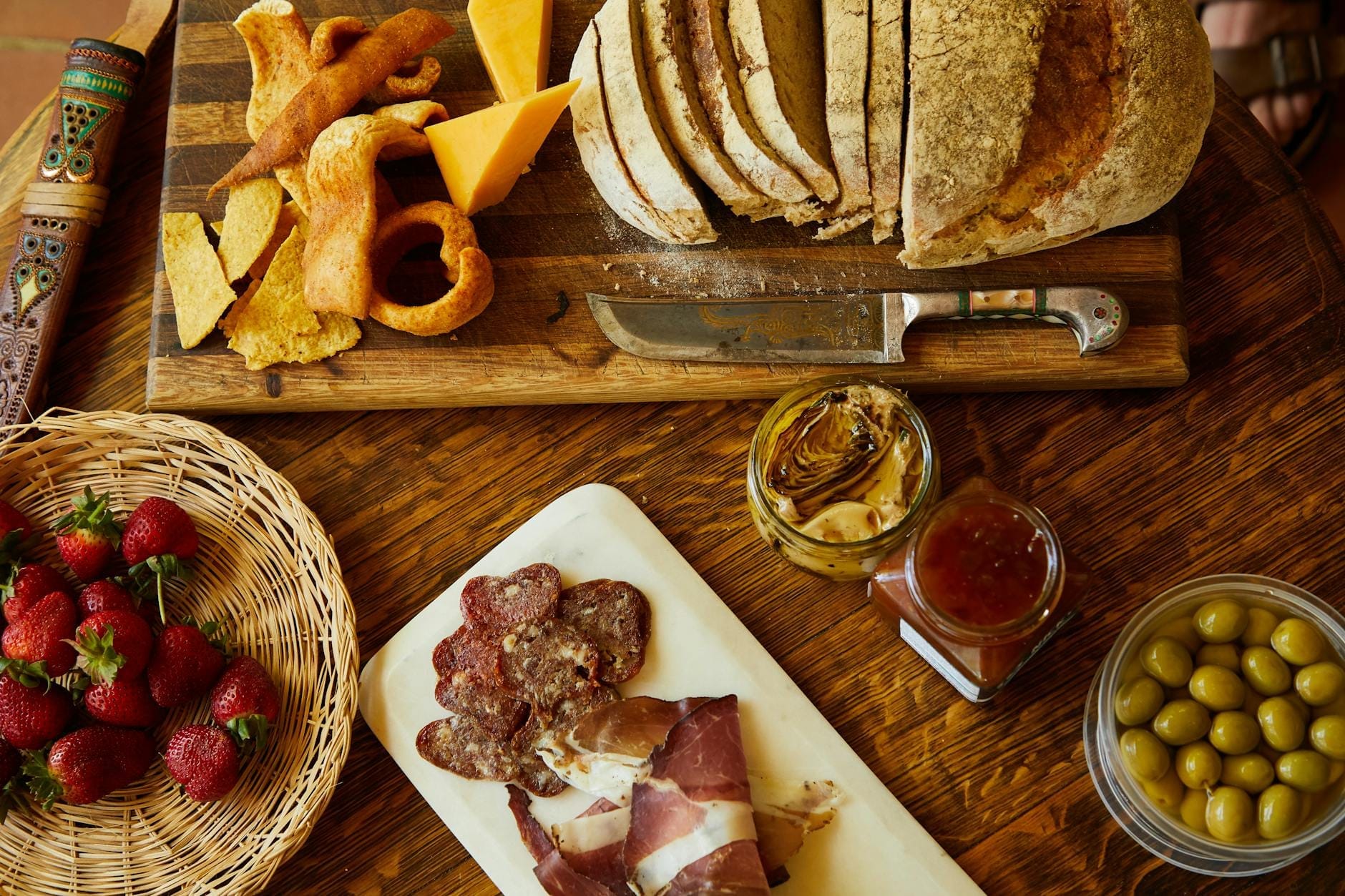
The Blue Zone diet is not a curated wellness menu. It is what poor, isolated mountain communities ate for centuries because it was what the land provided. Understanding that context makes the food more interesting, not less. Meals in Ogliastra villages tend to be simple, seasonal, and deeply satisfying.
Pane carasau is the iconic flatbread of the Sardinian interior — thin, twice-baked, and originally designed to last months when shepherds were out with flocks. Minestrone-style legume soups made with fava beans, chickpeas, and local greens are a staple. Pecorino Sardo — aged sheep's milk cheese — appears at almost every table, in varying degrees of maturation from mild to sharp. Porchetto (roasted suckling pig) is the celebratory meat dish, present at festivals but historically eaten rarely in daily life. Seadas, a fried pastry filled with fresh cheese and drizzled with honey, is the dessert most strongly associated with this region.
Cannonau di Sardegna is the wine to seek out. Produced from Grenache grapes that thrive in the dry, mineral-rich soils of the Ogliastra and Nuoro hinterlands, it is a full-bodied red with earthy, spiced character. Look for DOC-certified bottles from producers in the Mamoiada and Jerzu areas. For a broader picture of Sardinian wine culture and what to look for on a label, the Sardinia wine guide is a useful companion.
How to Plan a Blue Zone Trip: Practical Logistics
There is no official Blue Zone tour or package sold by a government body. What exists is an area of Sardinia that you visit independently, armed with context. A few practical points will make the trip work.
The nearest airports with regular international connections are Cagliari (CAG), roughly 100 km to the southwest of the Ogliastra core, and Olbia (OLB), around 120 km to the north. Both have car hire desks at the terminal. From Cagliari airport, a train runs to the city centre in around 6-7 minutes, but for the Blue Zone interior, a rental car is essential from day one. There is no practical public transport linking these villages on a schedule suitable for independent travel.
A logical itinerary pairs the Blue Zone with the nearby Golfo di Orosei coast to the east, where the Ogliastra mountains meet the sea. The contrast between the austere highland villages and the turquoise water is one of Sardinia's defining experiences. The Gola di Su Gorropu canyon — one of Europe's deepest — sits at the junction of these two landscapes and is accessible on a half-day hike from the Ogliastra side. If you want to extend the trip into a full week of island coverage, see the one week in Sardinia itinerary.
- Accommodation in Blue Zone villages is limited to small agriturismi and B&Bs — book ahead, especially May through September. The agriturismo format (working farm with meals) is ideal here and directly connects you to the food culture. Our Sardinia agriturismo guide covers what to expect.
- Mobile coverage in the mountain interior can be patchy; download offline maps (Google Maps or Maps.me) before leaving coastal towns.
- Roads into the Supramonte plateau and toward villages like Urzulei and Tiscali are narrow and sometimes unpaved for short stretches. A small SUV or crossover is more comfortable than a standard low-clearance hatchback.
- Petrol stations in the deep interior are sparse. Fill up in larger towns like Tortolì, Lanusei, or Baunei before heading into the highlands.
- Many village restaurants and agriturismi serve lunch only — or dinner only with advance reservation. Do not show up without checking first.
✨ Pro tip
If you want guided context for the Blue Zone, look for locally operated cultural or food-focused tours based out of Nuoro or the Ogliastra towns — local guides bring genuine knowledge of the villages and can arrange introductions to elderly residents, traditional food producers, and Cannonau winemakers that no self-guided visit replicates. This is not a heavily commercialised circuit, so operators are small and worth booking early in the season.
FAQ
Where exactly is Sardinia's Blue Zone?
The Sardinian Blue Zone is concentrated in the mountainous interior of the island, primarily in the Ogliastra province and the southern Barbagia highlands. Key villages associated with the research include Seulo, Villagrande Strisaili, Arzana, and Urzulei. It is not a coastal area — it is roughly 20-80 km inland from the east coast, depending on the specific village.
Can you visit the Blue Zone as a tourist?
Yes, entirely. There is no restricted access, no entry fee, and no formal visitor infrastructure. You visit by driving to the villages, eating in local restaurants or agriturismi, and spending time in the landscape. Spring and autumn are the best seasons. A rental car is essential — public transport does not serve these villages on a practical schedule for visitors.
What makes Sardinia's Blue Zone different from the others?
Sardinia was the first Blue Zone identified, based on peer-reviewed demographic research rather than anecdote. It is also the only Blue Zone where men live as long as women — a statistically unusual pattern that researchers link to the high social status and active community role of older men in traditional Sardinian culture.
Is Cannonau wine actually healthy?
Cannonau contains high levels of polyphenols compared to many other red wines, which has attracted research interest. However, Blue Zones researchers are careful not to position wine as a longevity treatment. In the context of Sardinia's Blue Zone, moderate wine consumption is one element of a broader lifestyle — social, dietary, and physical — not a standalone health intervention.
What is the best time of year to visit the Blue Zone villages?
May, June, and September offer the most comfortable conditions for inland travel. The Ogliastra highlands sit at elevation, so summer heat is more manageable than on the coast, but August brings warmth and some tourist traffic on scenic routes. Late September coincides with the Cannonau harvest, making it a particularly good time to visit for food and wine culture. Winter is quiet, cold at altitude, and some agriturismi close.