Sardinia Weather: A Month-by-Month Climate Guide
Sardinia has one of the most reliable Mediterranean climates in Europe, but the difference between a perfect trip and a sweaty, overpriced one often comes down to timing. This guide breaks down Sardinia's weather month by month, covers regional climate differences, and tells you exactly when to visit based on what you want to do.
Plan and book this trip
Tools from our partner Travelpayouts help you compare flights and hotels. If you book through them, we may earn a commission at no extra cost to you.
Flights
Hotels map
TL;DR
- Sardinia has a classic Mediterranean climate: hot, dry summers (June–September) and mild, wetter winters (November–March).
- Average temperatures range from around 9–10°C in January to 25°C in July–August at sea level; inland mountain areas run several degrees cooler.
- July and August are the most crowded and expensive months; May, June, and September offer the best balance of warm weather and manageable crowds.
- The sea is swimmable from May through October; for the best beach conditions without peak chaos, late May and early June or September are the sweet spots.
- Winter is quiet, cheap, and pleasant for sightseeing, but many coastal resorts close entirely from October to April.
Sardinia's Climate at a Glance
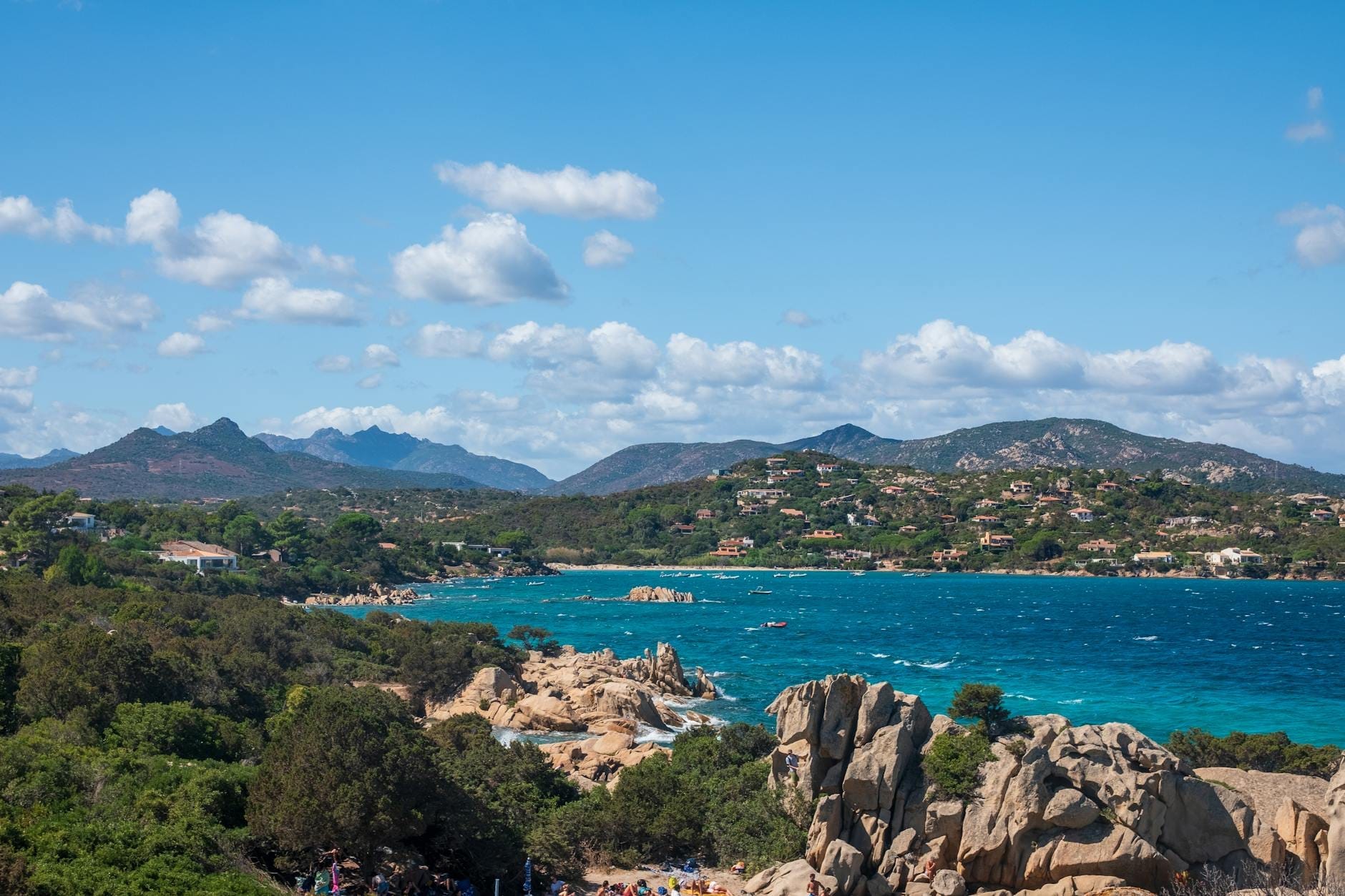
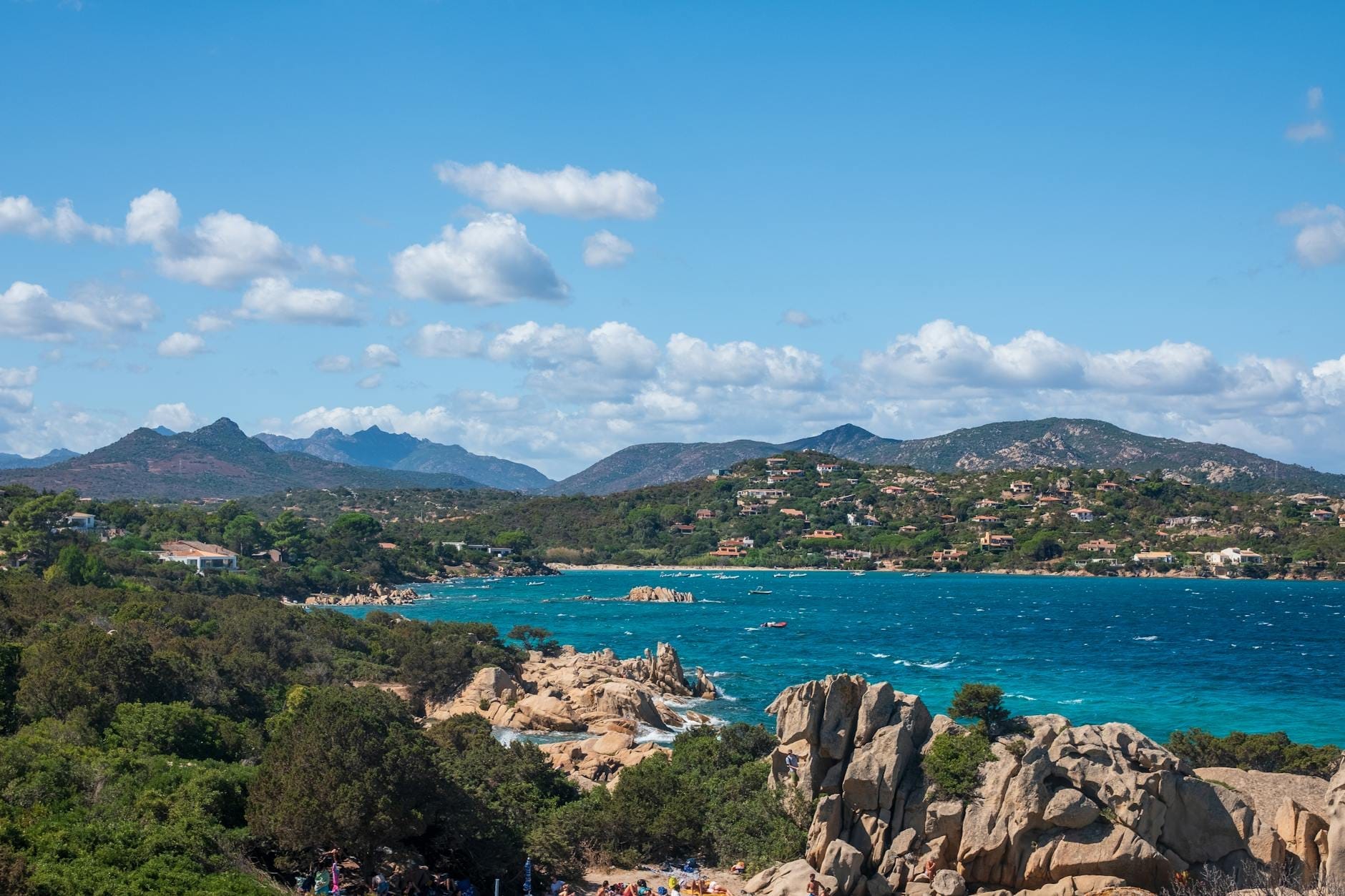
Sardinia sits at roughly 40°N latitude in the central Mediterranean, approximately 200 km west of mainland Italy. That position gives it a textbook Mediterranean climate: long, dry summers, mild winters, and two shoulder seasons that are underrated. Annual rainfall on the coast runs between roughly 450 and 650 mm, most of it falling between November and March. Summers are almost entirely rain-free, especially June through August.
What complicates this picture is elevation. A large share of Sardinia's 24,090 km² is mountainous or hilly. The Gennargentu range in the centre peaks at Punta La Marmora (1,834 m), and inland areas like Barbagia run noticeably cooler in summer and receive significantly more rainfall in winter than the coast. If your trip involves hiking in the mountains as well as beach days, expect to pack for two different climates.
ℹ️ Good to know
Sardinia is not tropical and not year-round warm. January and February average around 9–10°C at sea level with regular rain. Anyone expecting a warm winter escape should consider the south of the island around Cagliari, which is slightly milder than the north, but still not comparable to, say, the Canary Islands in winter.
The island's Mediterranean character is also shaped by wind. The Mistral (locally called Maestrale) blows strongly across the northwest, particularly around Alghero and the Sassari coastline. The Scirocco brings warm, dusty air from North Africa in spring and autumn. Wind is a genuine feature of Sardinian life, not just an occasional inconvenience, and it's a big reason why spots like Porto Pollo have become a draw for windsurfing and kitesurfing enthusiasts.
Month-by-Month Weather Breakdown
- January and February The coldest and wettest months. Coastal highs around 14–16°C, lows dropping to 5–7°C. Significant rainfall, grey skies, and strong winds are common. Most beach resorts are closed. Good for nuraghi visits, city exploration in Cagliari or Alghero, and very low prices. Not good for swimming (sea temperatures around 13–14°C).
- March Transitional month. Rain still common but temperatures begin to climb toward 17–18°C highs. Wildflowers start appearing. Crowds are minimal and accommodation costs are low. A reasonable option for hiking and cultural sightseeing, less so for the beach.
- April Spring arrives properly. Highs reach 19–21°C on the coast, the landscape is green and flowering, and the sea begins to warm (around 16°C). Easter week (Settimana Santa) brings local festivals and some domestic tourism, so book accommodation in advance if travelling around Easter.
- May One of the best months to visit. Temperatures climb to 22–24°C, rainfall drops sharply, and the sea reaches around 18–19°C, swimmable for most people. Crowds are still thin and prices are well below summer peaks. Almost everything is open.
- June Early June extends the shoulder season magic. Highs around 26–28°C, very little rain, and sea temperatures of 21–22°C. Schools haven't broken up yet across most of Europe, so beaches are pleasantly uncrowded until mid-month. From the third week of June, the island starts filling up fast.
- July Peak summer. Average daily temperatures reach around 25°C (with highs regularly hitting 30–35°C and occasionally touching 38°C inland). Sea temperatures reach 25–26°C. Beaches are packed, accommodation prices are at their highest, and popular coastal roads can be slow. Book months in advance.
- August The absolute peak. Ferragosto (August 15) sees massive domestic Italian tourism. Every beach is busy, prices hit their maximum, and the famous beaches like La Pelosa or Cala Luna can feel overcrowded. That said, the water is warm, the light is extraordinary, and evening culture is at its most alive. Just go in with realistic expectations.
- September Arguably the best single month to visit Sardinia. Temperatures settle to comfortable 25–27°C highs, the sea is still warm (24–25°C), and Italian families have gone home after school starts. Prices drop noticeably from mid-September, yet conditions remain ideal for beaches and activities.
- October The shoulder season extends into early October, especially in the south around Cagliari and Villasimius. By mid to late October, rain becomes more frequent and some coastal businesses begin closing for winter. Sea temperatures are still around 21–22°C in the first half of the month.
- November, December Quiet, wet, and cool. Temperatures drop to 14–17°C highs, rain returns in earnest, and most tourist infrastructure on the coast shuts down. Cagliari, Sassari, Alghero, and Olbia remain active year-round and offer authentic off-season travel at minimal cost. The landscape turns green again after summer's dry brown.
Regional Climate Differences Worth Knowing
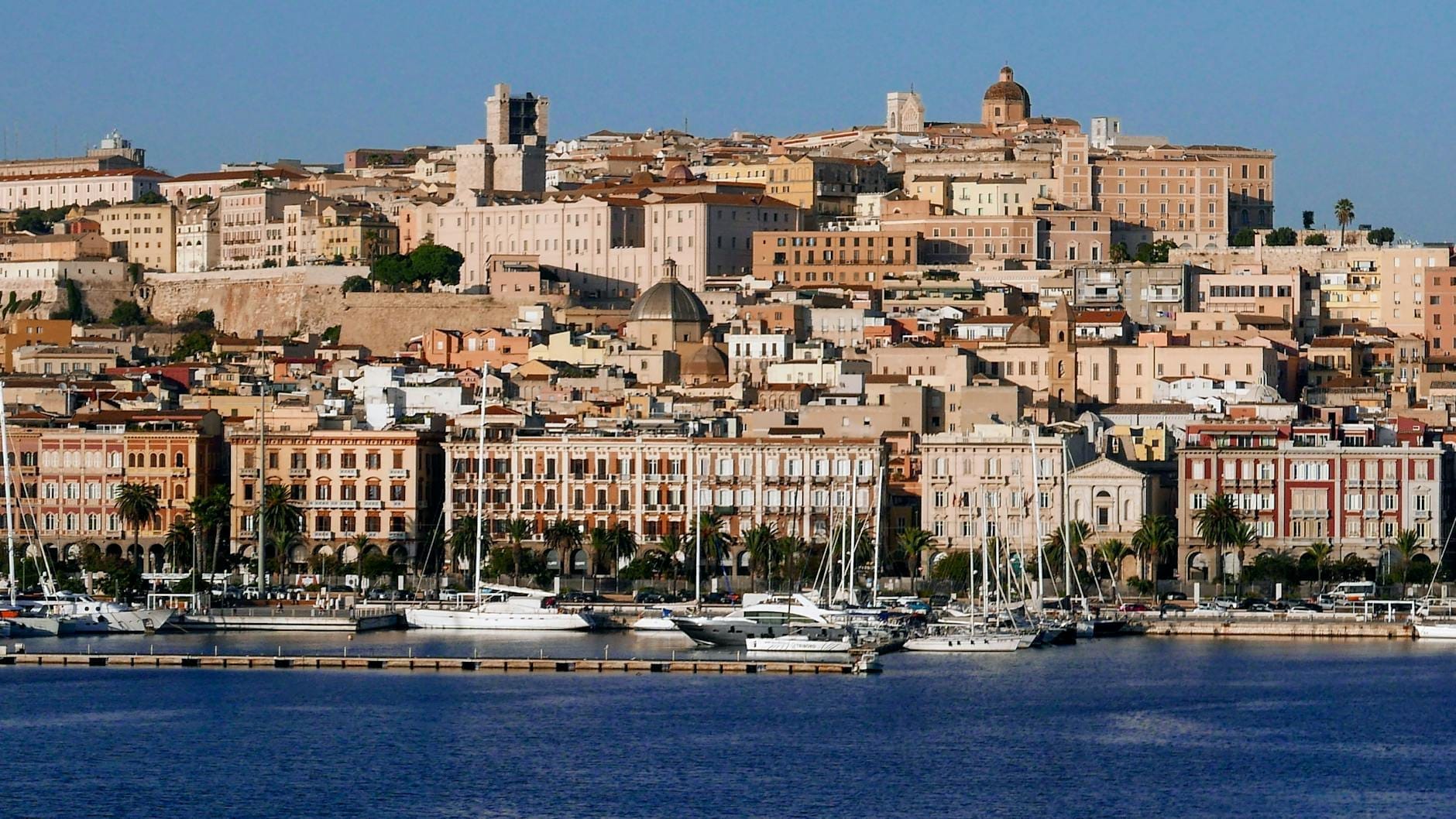
Most climate summaries treat Sardinia as a single unit, which glosses over meaningful regional variation. The south, centred on Cagliari, is generally the warmest and driest zone year-round, making it the best option for winter sightseeing. The north, including Olbia and the Gallura region, tends to be a few degrees cooler and receives more wind, particularly from the Maestrale.
The eastern coast, particularly the Golfo di Orosei and Ogliastra, is sheltered from the Maestrale and often sees calmer sea conditions. This is one reason the beaches around Cala Gonone and Cala Luna are so reliably clear and turquoise. The Barbagia interior, however, often sits between roughly 500 and 1,000 m elevation and runs several degrees cooler than the coast in all seasons. Snow on the Gennargentu in January and February is not unusual.
💡 Local tip
If you're planning a mix of beach and mountain hiking, the Golfo di Orosei coastline combined with the Supramonte interior is the most compact combination of both. You can move from sea level beaches to limestone plateaus approaching 800 m within about 45–60 minutes by car.
When to Visit Sardinia Based on What You Want
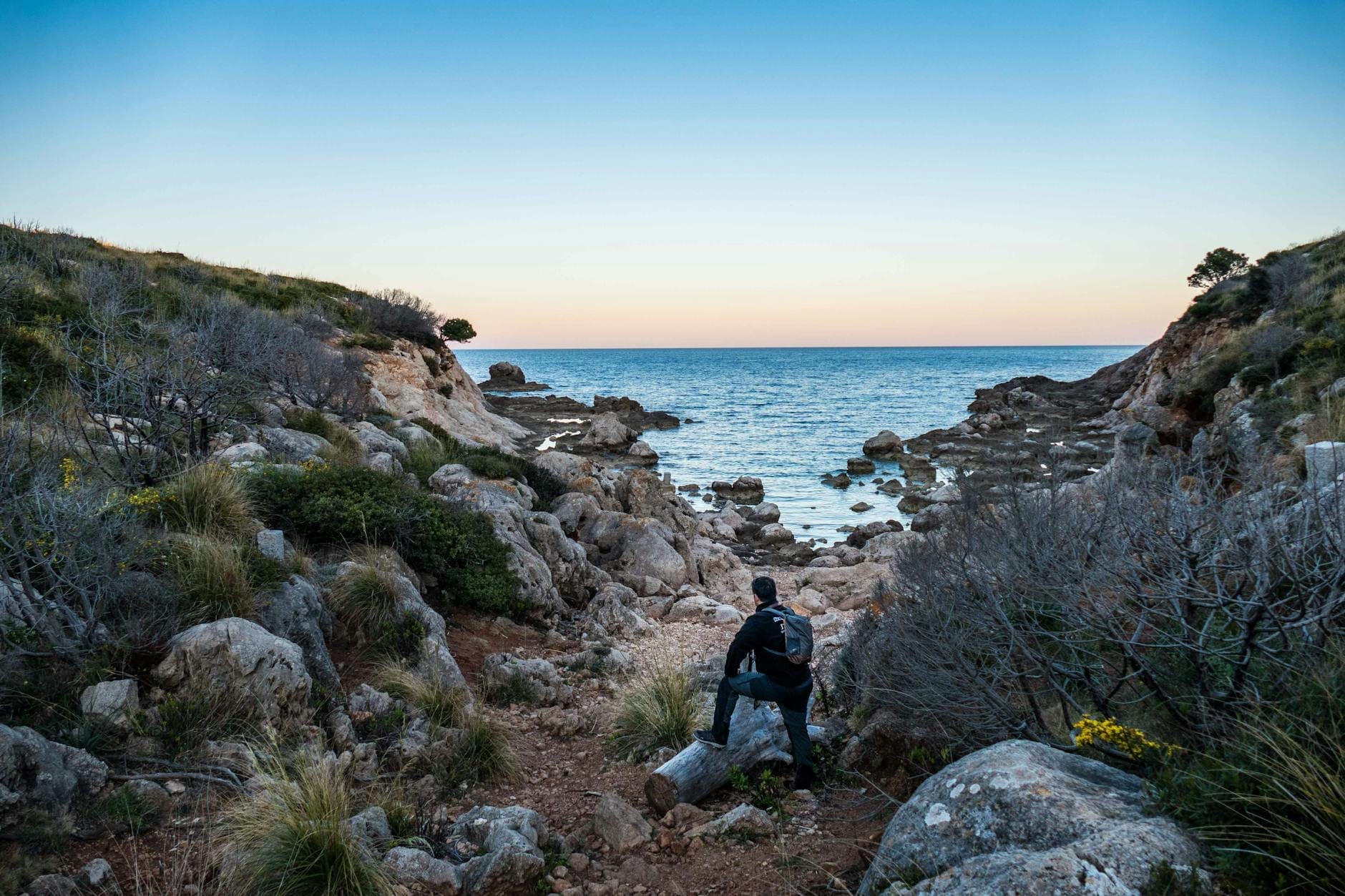
In short, to 'when should I visit?' depends entirely on your priorities. If you care about beaches and swimming, the best windows are May–June and September. If you're more interested in cultural sites, hiking, or rural food experiences, spring and autumn open up the entire island without the summer heat or price premium.
- Beaches and swimming Late May to early June, and September. Warm sea, open facilities, dramatically lower prices and crowds than July–August. The sea temperature in early May (around 17–18°C) suits wetsuits or cold-water tolerant swimmers; by late May it's comfortable for most people.
- Hiking and outdoor activities April, May, and October are ideal. Spring wildflowers, green landscapes, and cool temperatures make hiking trails like the Selvaggio Blu or Gorropu Gorge far more enjoyable than in midsummer heat. The Gennargentu and Supramonte areas are particularly spectacular in spring.
- Cultural sightseeing and food tourism October through April works well, especially in the cities. Nuragic sites like Su Nuraxi di Barumini or Nuraghe Santu Antine are far easier to appreciate without summer heat. Autumn is also harvest and festival season for local food and wine.
- Budget travel November through March offers the lowest prices on flights and accommodation by a significant margin. You'll sacrifice beach access and some coastal businesses, but Cagliari, Sassari, Alghero, and Olbia remain fully operational.
- Families with children July and August are the practical reality for most families tied to school calendars. Book accommodation 4–6 months ahead. Early July is marginally less intense than the Ferragosto week around August 15.
Sea Temperatures and Swimming Conditions
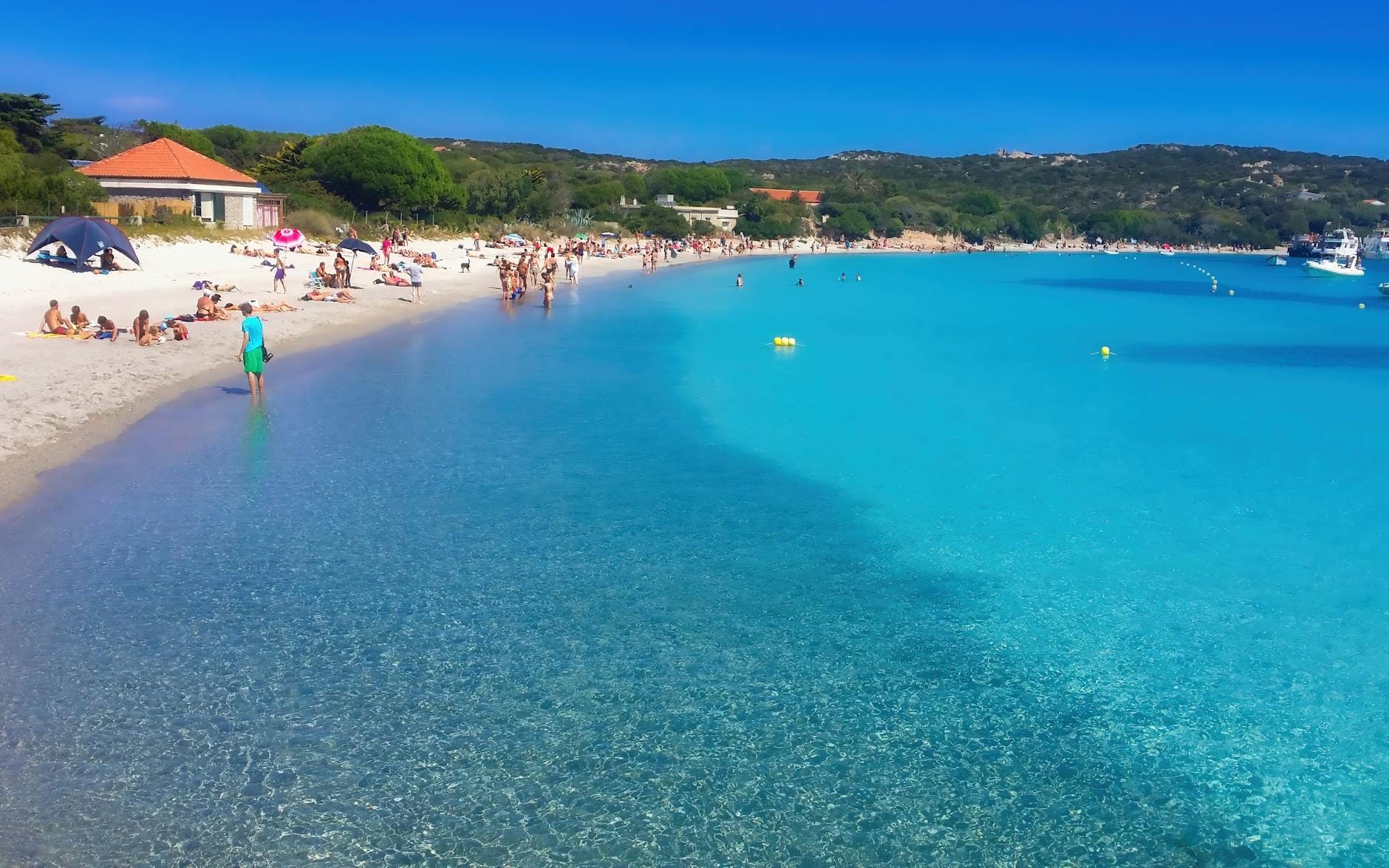
Sea temperatures follow air temperatures with a lag of about four to six weeks. The sea is at its coolest in February and March (around 13–14°C), warming slowly through spring. By late May it reaches around 18–19°C, which is swimmable for most people without a wetsuit. The peak is in August, when coastal waters regularly hit 25–26°C. The sea stays warm well into autumn: 23–24°C in September and around 21°C in October, which is one of the most compelling reasons to visit in shoulder season.
Water clarity in Sardinia is exceptional at almost any time of year, but summer crowds and boat traffic can stir sediment near popular beaches. For pristine water conditions, the weeks immediately after the summer rush in late September are hard to beat. Beaches like Cala Sisine and Cala Mariolu, which require boat access or a long hike, see dramatically reduced visitors in September without any loss of swimming quality.
⚠️ What to skip
Strong Maestrale winds can make the sea rough and swimming conditions poor even in peak summer. This is most common on the northwest and west coasts. If the Maestrale is blowing, consider moving to the sheltered east coast beaches around the Golfo di Orosei or the southeast around Villasimius, which are better protected.
Practical Planning Notes
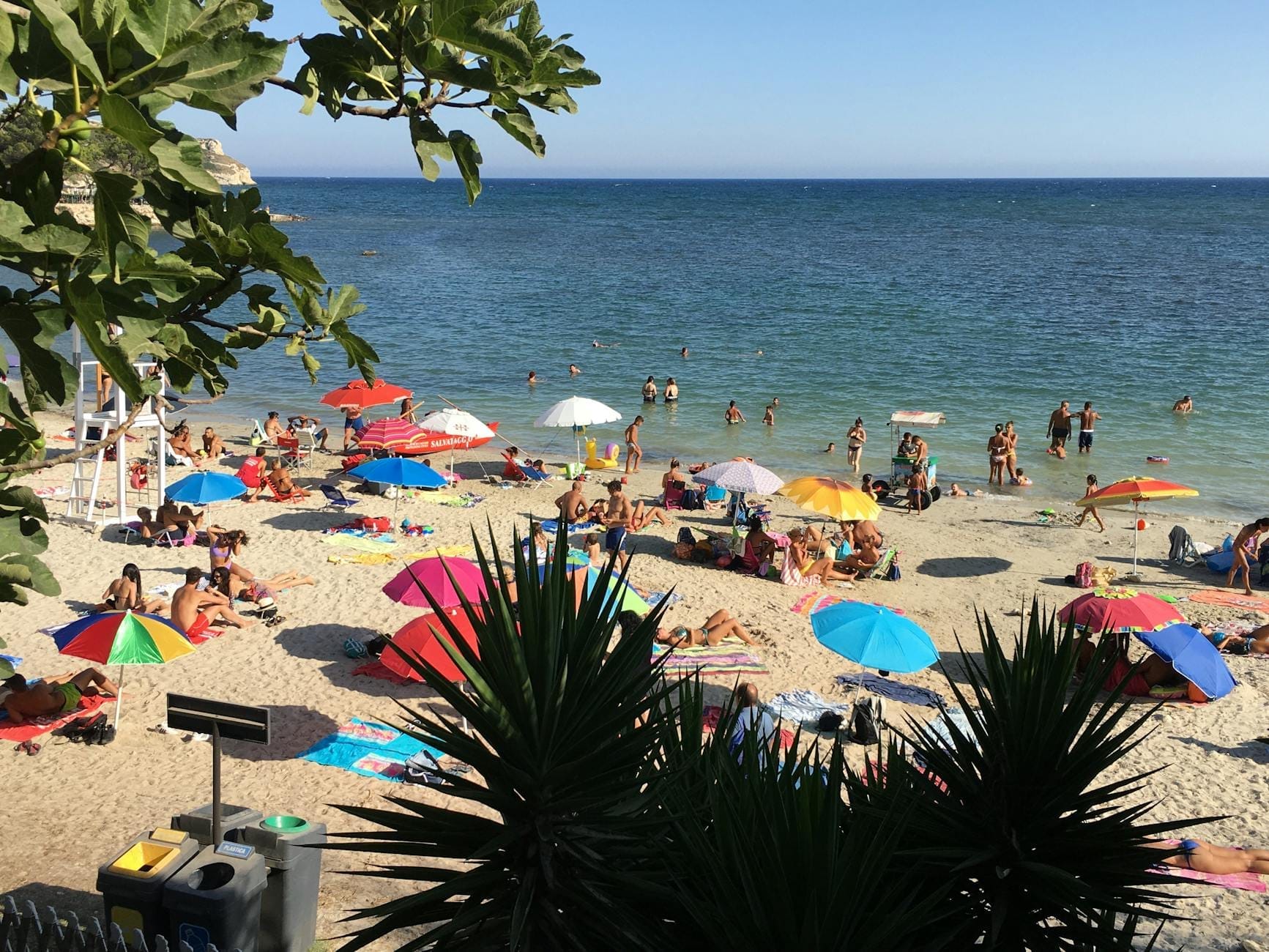
Sardinia's three airports (Cagliari-Elmas CAG, Olbia Costa Smeralda OLB, and Alghero-Fertilia AHO) all receive increased international flights from around Easter through September. Outside summer, route availability drops considerably, especially to and from northern European cities. If you're travelling in November through February, check flight availability early and consider whether ferry connections from Genoa, Livorno, or Civitavecchia might work better. For help planning movement around the island, see our guide on getting around Sardinia.
Sardinia is part of Italy and the Schengen Area, on Central European Time (CET, UTC+1), switching to CEST (UTC+2) during summer daylight saving. The currency is the Euro. For more context on planning a full trip, the one-week Sardinia itinerary and Sardinia road trip guide both account for seasonal factors in their recommendations.
✨ Pro tip
Many agriturismo farms and smaller coastal hotels operate on strict seasonal calendars, often closing entirely from late October to Easter. If you're booking accommodation for October or April, confirm opening dates directly with the property before committing to transport. This is especially true in rural areas of Ogliastra and Barbagia.
For travellers interested in Sardinia's cultural calendar alongside the weather, the island's festival season runs from late winter through autumn. The Sa Sartiglia festival in Oristano takes place in late February regardless of weather, and numerous medieval and religious festivals run through spring. The Sardinia festivals and events guide has full details on timing.
FAQ
What is the best month to visit Sardinia for good weather and fewer crowds?
September is widely considered the optimal month. Air temperatures are comfortable at 25–27°C, the sea is still warm (around 24–25°C), and the crowds from Italian summer holidays have largely dispersed. Late May and early June run it close, especially if you want lower prices and a green landscape. July and August have the best weather on paper but the worst crowds and highest costs.
Does it rain a lot in Sardinia?
Not in summer. June through August are almost entirely rain-free on the coast. Annual coastal rainfall is typically 400–550 mm, concentrated in the November to March period. Autumn storms can bring heavy rainfall in short bursts. The interior mountains receive significantly more rainfall than the coast throughout the year.
Can you swim in Sardinia in May or October?
In May, sea temperatures reach around 18–19°C by late in the month, which is comfortable for most swimmers without a wetsuit. In October, particularly in the first half, the sea remains around 21–23°C and is warm for swimming. The south of the island around Cagliari and Villasimius tends to be slightly warmer and calmer than the north in these shoulder months.
How hot does Sardinia get in summer?
Average daily temperatures at sea level peak around 25°C in July and August, but highs regularly reach 30–35°C during the day, and heat waves can push temperatures to 38°C or above, particularly inland. Coastal sea breezes provide some relief. The Gennargentu mountains stay noticeably cooler, with highs in the low 20s even in peak summer.
Is Sardinia worth visiting in winter?
It depends entirely on what you want. Cagliari, Alghero, and Sassari are interesting cities that operate year-round, and winter visits offer minimal crowds, very low prices, and a completely different, greener landscape. The coast is largely closed, hiking trails are muddy or closed at altitude, and ferry and flight connections are reduced. If your priority is beaches, winter is the wrong call. If you want cities, archaeological sites, and local life, it can be excellent.