Luxury Sardinia: The Definitive Guide to Resorts, Villas & High-End Experiences
Sardinia delivers some of Europe's most coveted luxury travel experiences, from the yacht-lined marina at Porto Cervo to secluded villas with private pools above crystalline coves. This guide breaks down where to stay, when to go, and how to build a high-end Sardinian itinerary that goes beyond the obvious.
Plan and book this trip
Tools from our partner Travelpayouts help you compare flights and hotels. If you book through them, we may earn a commission at no extra cost to you.
Flights
Hotels map
TL;DR
- Luxury stays concentrate around Costa Smeralda, Villasimius/Costa Rei, and the southwest — but inland retreats and boutique coastal properties offer real alternatives to the resort circuit. See our where to stay in Sardinia guide for a full regional breakdown.
- Private villa rentals typically start around €4,000 per week and scale past €15,000 for the most exclusive properties in peak July–August.
- Shoulder season (May–June and September–October) gives you warm seas, fewer crowds, and meaningfully lower rates — often 20–40% below August peaks.
- Getting around requires planning: most guests fly into Olbia (OLB) for the northeast or Cagliari (CAG) for the south, then rent a car. There are no motorways on the island. Check our getting around Sardinia guide before you book transfers.
- Luxury in Sardinia is not just sun-loungers and cocktails — sailing charters, nuragic archaeology, and Michelin-starred cooking all sit within reach of the major resort zones.
Why Sardinia Works as a Luxury Destination
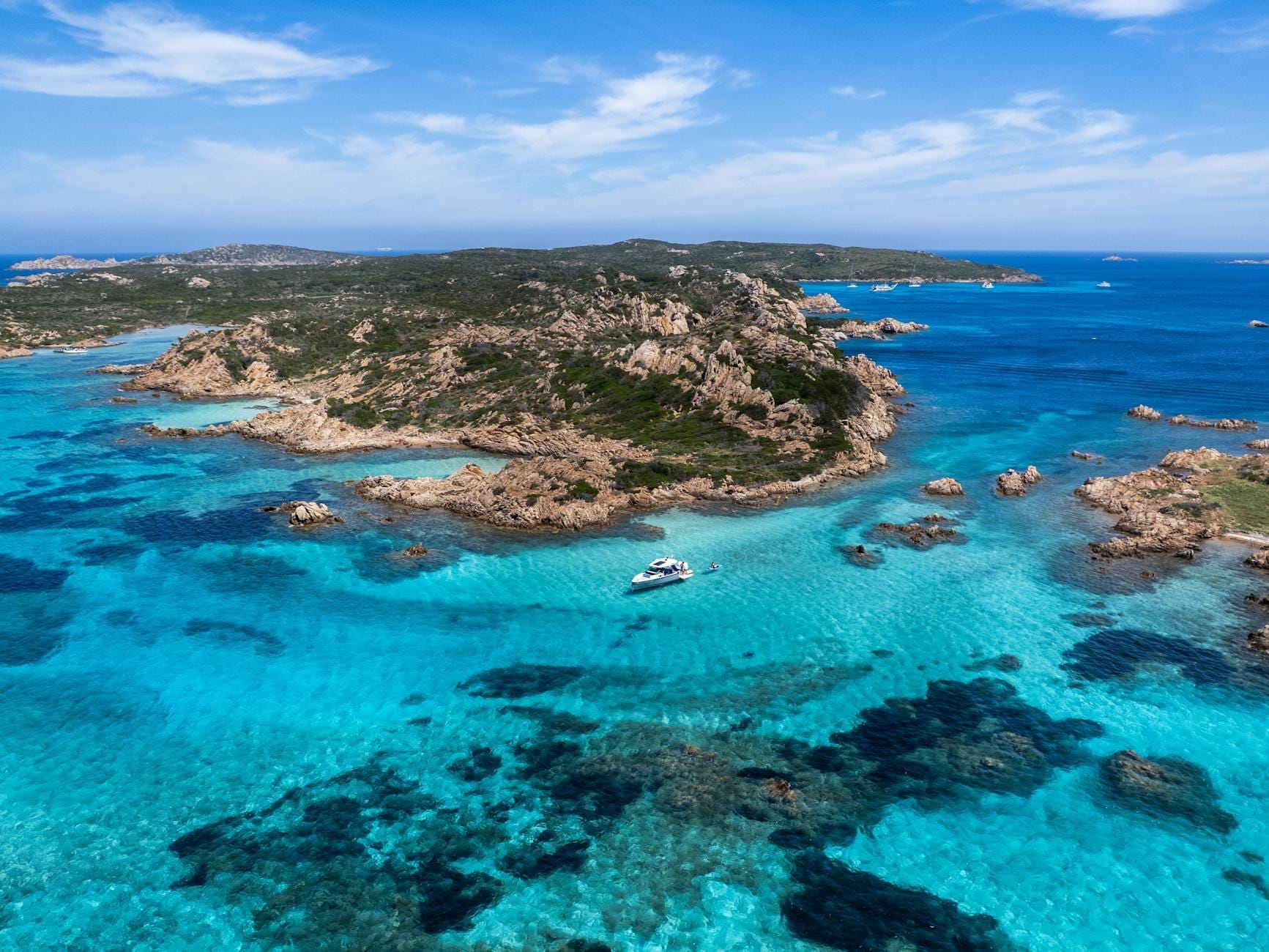
Sardinia, the Autonomous Region of Sardinia (Regione Autonoma della Sardegna), is Italy's second-largest island and the second-largest island in the entire Mediterranean at about 24,100 km². That scale matters for luxury travel: the island is large enough to offer genuine seclusion while retaining the infrastructure — international-calibre resorts, private jet terminals, superyacht marinas — that high-end travellers expect. With a coastline stretching close to 1,900 km, the variety of settings is remarkable: pink granite headlands in the north, white dune beaches in the west, towering limestone cliffs above the Golfo di Orosei in the east.
The climate reinforces the appeal. Coastal Sardinia runs hot and dry from late May through to October, with summer highs around 28–31 °C at sea level and sea temperatures comfortable for swimming from roughly late May through to October. August can push inland temperatures toward 38 °C, which is why serious luxury travellers increasingly target June or September: the light is brilliant, the water is warm, and the island does not feel as compressed as it does during the Ferragosto peak.
✨ Pro tip
If you are booking a luxury villa or high-demand resort suite, September is arguably the best month in Sardinia: sea temperatures peak in late summer, the tourist masses thin out after mid-August, and rates drop noticeably. Early bookings (6–12 months ahead) are still advisable for the best properties.
Where to Stay: Luxury Zones Compared
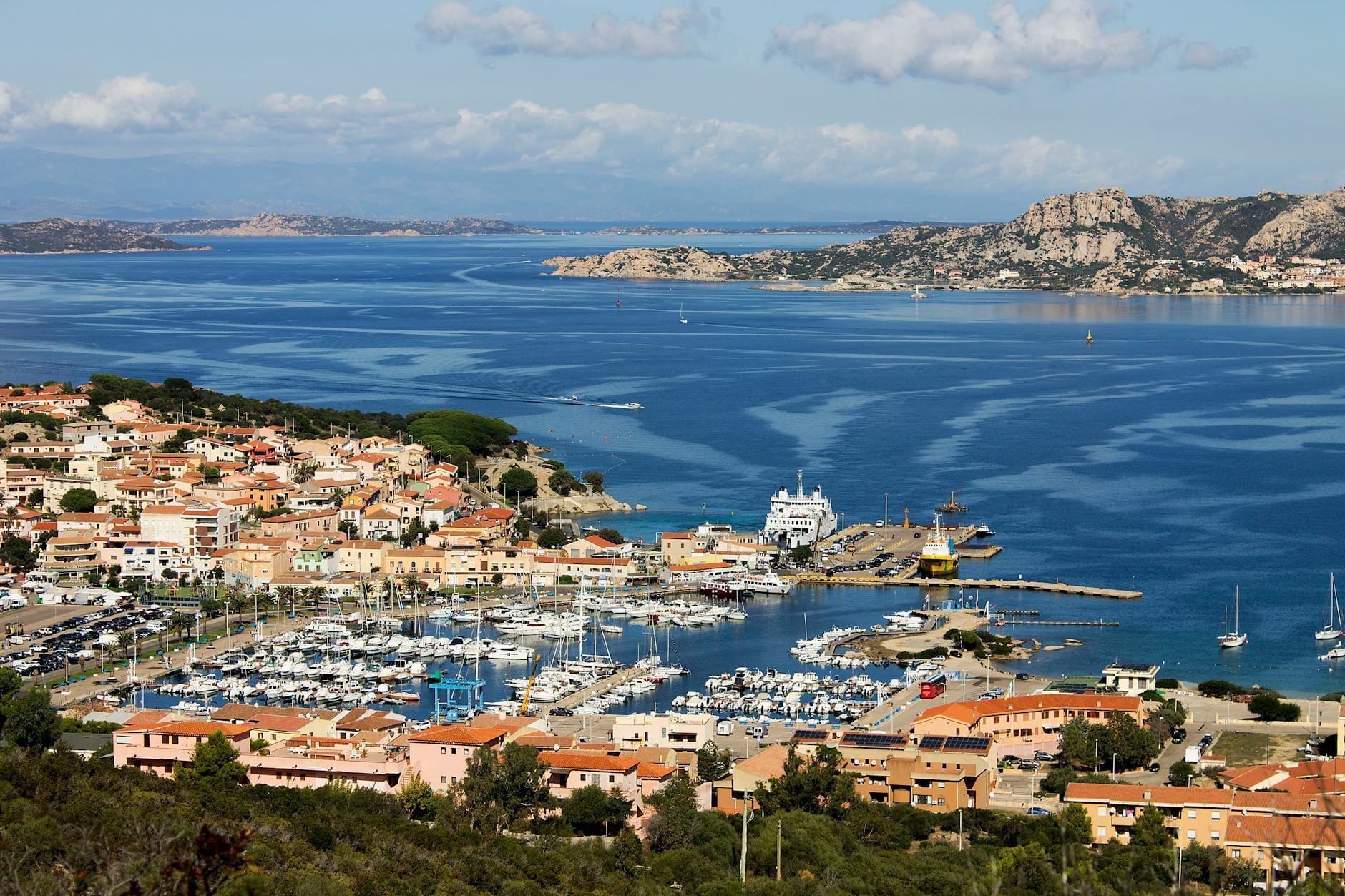
The Costa Smeralda remains the reference point for luxury Sardinia. Developed from the 1960s by the Aga Khan, this 55-km stretch of northeast coastline around Arzachena and Porto Cervo was designed specifically for high-net-worth visitors. Porto Cervo marina is one of the largest superyacht harbours in the Mediterranean, and the surrounding hills contain a concentration of five-star hotels and exclusive villa estates found almost nowhere else in Italy. Expect rates at leading hotels here to start around €600–800 per night in shoulder season and comfortably exceed €2,000 per night in August.
The southeast corner — particularly Villasimius and Costa Rei — offers a quieter, slightly more understated luxury register. The beaches here, including Porto Giunco with its brackish lagoon and pink flamingos, rival anything in the north for water quality. Boutique hotels and villa complexes in this zone tend to attract couples and families who want refinement without the scene. Rates are generally 10–25% lower than equivalent properties on the Costa Smeralda.
The southwest, particularly the area around Pula and Chia, anchors a different kind of resort luxury: large-scale beach resort complexes set against dramatic sand dune landscapes. The Forte Village Resort near Pula is probably the most famous single luxury property in all of Sardinia. It operates 13 luxury villas on-site, each with its own garden and most with a private pool, while villa guests retain access to the resort's full facilities: multiple restaurants, sports academies, a substantial spa (Acquaforte SPA), and a private beach. This is a genuine all-world property, though it suits those who want a structured resort environment more than pure seclusion.
- Costa Smeralda (northeast) Italy's most established luxury coast. Best for superyacht culture, high-end shopping, celebrity sightings, and Michelin-level dining. Fly into Olbia OLB, 30 minutes away. Busiest and most expensive in July–August.
- Villasimius & Costa Rei (southeast) Quieter and slightly more accessible. Exceptional beaches, good diving, strong boutique hotel and villa scene. Fly into Cagliari CAG, roughly 45–60 minutes by road.
- Chia & Pula (southwest of Cagliari) Home to Forte Village and several large beachfront resorts. Strong family-luxury market. Accessible via Cagliari, 40–50 km. Dune beaches are among the most photogenic in the Mediterranean.
- Golfo di Orosei & Ogliastra (east coast) The most dramatic coastal scenery on the island — limestone cliffs, sea caves, inaccessible coves. Smaller boutique properties rather than full resorts. Ideal for combining luxury with active travel: boat trips, snorkelling, hiking.
- Inland Barbagia & Gennargentu The emerging frontier for agriturismo-meets-luxury stays. Think restored stone farmhouses, locally sourced dinners, complete quiet. Not for everyone, but pairs well with a coastal base.
Luxury Villa Rentals: What to Know Before You Book
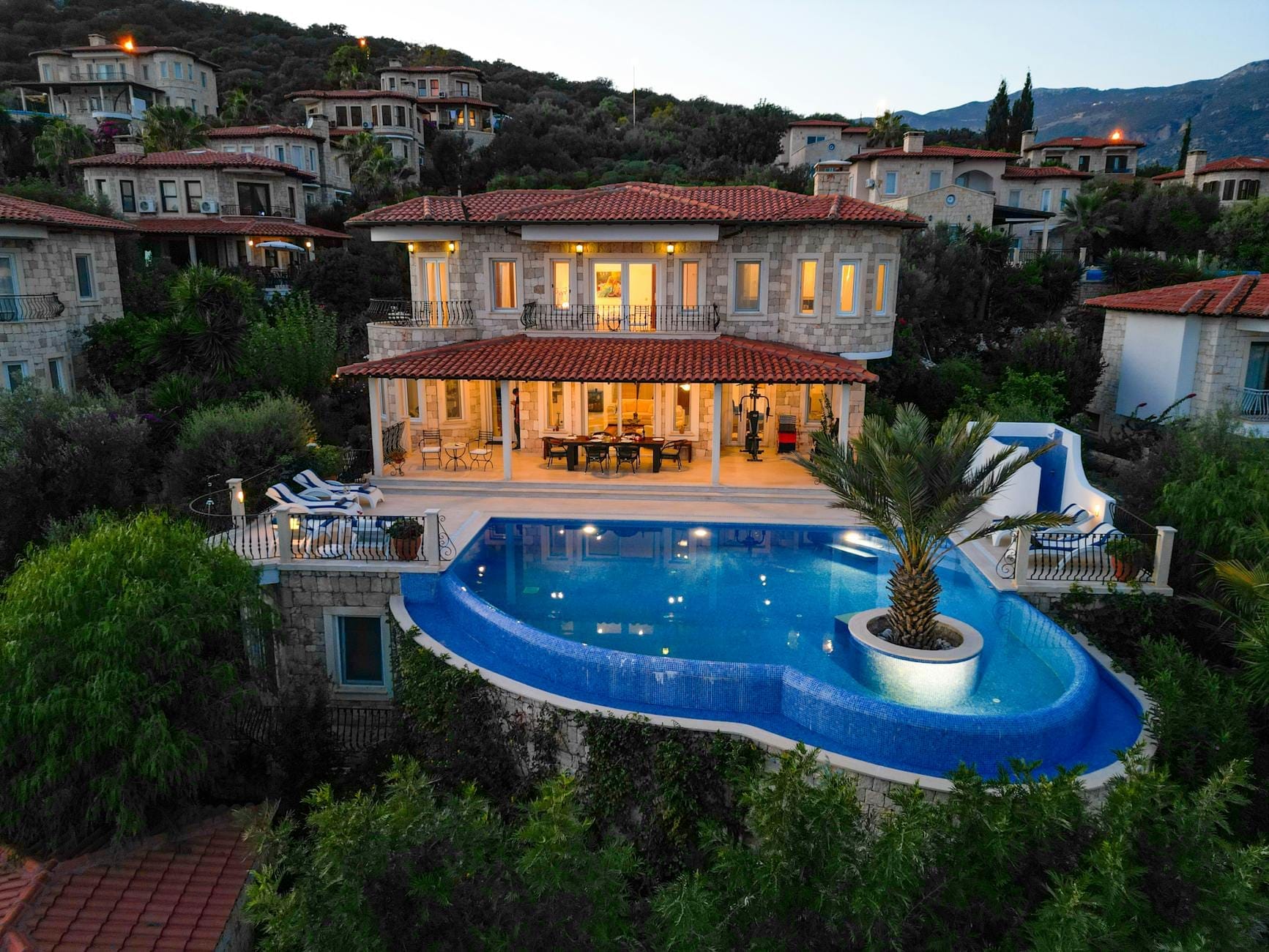
Private villa rental is the preferred accommodation format for many luxury visitors to Sardinia, particularly groups and families who value privacy over hotel services. The market is large and varied. Entry-level luxury villas — private pool, sea views, three or four bedrooms, weekly housekeeping — typically start around €4,000 per week in shoulder season. Mid-range properties with more refined interiors, better locations, and daily staffing run €4,000–€9,000 per week. At the top of the market, fully staffed villas with chef service, private jetties, and direct beach access exceed €15,000 per week, with some exceptional Costa Smeralda properties reaching multiples of that in peak season.
Location is the single biggest price driver. A villa 10 minutes' drive from the nearest beach costs a fraction of an equivalent property with direct sea access. The most sought-after villas on the Costa Smeralda, around Baja Sardinia, Porto Cervo, and Cala di Volpe, book out 6–12 months in advance for July and August. Realistically, anyone planning an August stay should start looking in late autumn of the previous year. For September or June, a 3–4 month lead time is usually sufficient for most properties, though the very best options still reward early booking.
⚠️ What to skip
Many online villa listings for Sardinia carry cleaning fees, security deposits, linen charges, and tourist tax (imposta di soggiorno) that are not included in the advertised weekly rate. Always request a full cost breakdown before confirming. In coastal municipalities the tourist tax typically ranges from €1 to €5 per person per night, though rates vary by location and season.
Curated booking platforms and specialist villa agencies generally offer better due diligence than large generic aggregators for high-value rentals: properties are typically inspected, descriptions are more accurate, and support during the stay is more reliable. For comparison research, Five Star Alliance and Tripadvisor's luxury filter are reasonable starting points for hotels and resorts, but dedicated villa specialists tend to cover the private rental market more thoroughly.
Luxury Experiences Beyond the Beach
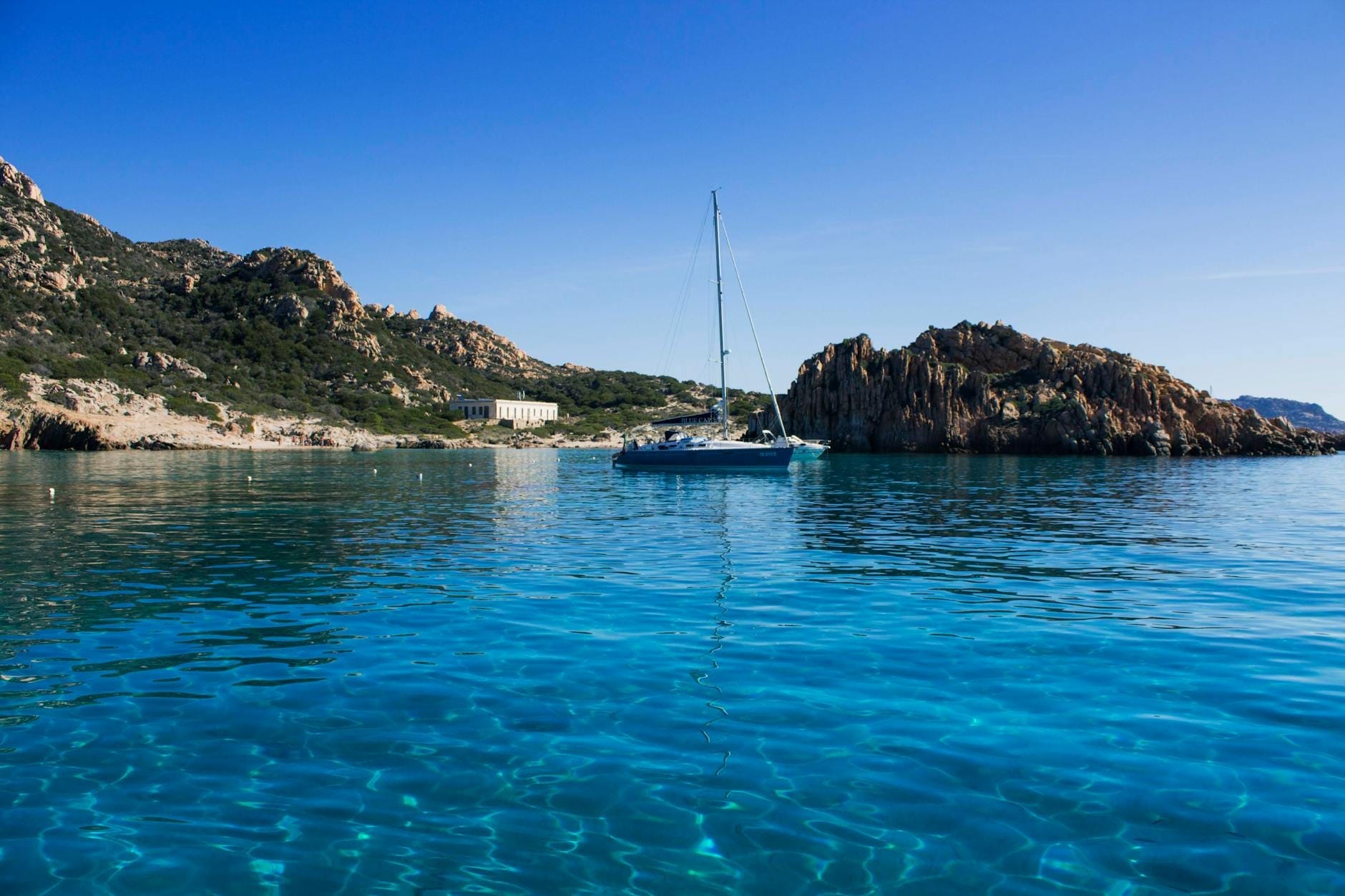
Sardinia's luxury offer extends considerably further than sunbeds and infinity pools. Private boat charters rank among the best experiences on the island: a skippered day charter from Porto Cervo, Cala Gonone, or Villasimius opens up coves and sea caves completely inaccessible by land. Half-day charters for small groups typically start around €300–500; full-day private charters with a skipper and snorkelling equipment commonly run €600–1,500 depending on vessel size and location. Multi-day sailing itineraries along the east coast or around the La Maddalena archipelago are an entirely different level of experience.
The island's food scene rewards exploration. Sardinia has its own distinct culinary identity — think hand-rolled malloreddus pasta, slow-roasted suckling pig (porceddu), aged Pecorino Sardo, bottarga di muggine (cured grey mullet roe) — and the best restaurants source ingredients with genuine rigour. For serious wine lovers, Sardinian wine is an underrated area: Vermentino di Gallura DOCG in the north and Cannonau di Sardegna DOC from the Barbagia highlands both pair exceptionally well with local food and are rarely seen at their best outside the island.
Archaeology is another genuine luxury draw. Sardinia has more nuraghi (Bronze Age stone towers) than anywhere else on earth, and visiting key sites like Su Nuraxi di Barumini — a UNESCO World Heritage Site — or the enigmatic Giants of Monte Prama with a private guide is a very different experience from joining a tour group. Several cultural agencies in Cagliari and Olbia offer private half-day archaeology experiences that combine two or three sites, often including a winery or agriturismo lunch.
- Private skippered yacht charter along the Costa Smeralda or Golfo di Orosei
- Helicopter transfers between resorts (Olbia, Cagliari, and Costa Smeralda all have helicopter services — verify operators seasonally)
- Private guided nuragic archaeology tours with expert guides from Cagliari or Sassari
- Tasting menus at top-end restaurants featuring local Vermentino and Cannonau pairings
- Freediving and technical diving in the Golfo di Orosei sea caves
- Horseback riding through the cork oak forests of the Gallura interior
- Wellness and spa days at Forte Village's Acquaforte SPA or equivalent five-star spa facilities
💡 Local tip
For the most photogenic boat experience on the island, target the La Maddalena Archipelago north of Palau. The protected marine park contains beaches of almost Caribbean-quality water clarity, including the famous pink-sand Spiaggia Rosa on Budelli (currently viewable only from designated offshore distances, with landing and close approach prohibited). Day and multi-day charters depart from Palau and Santa Teresa Gallura year-round in summer.
Getting to and Around Luxury Sardinia
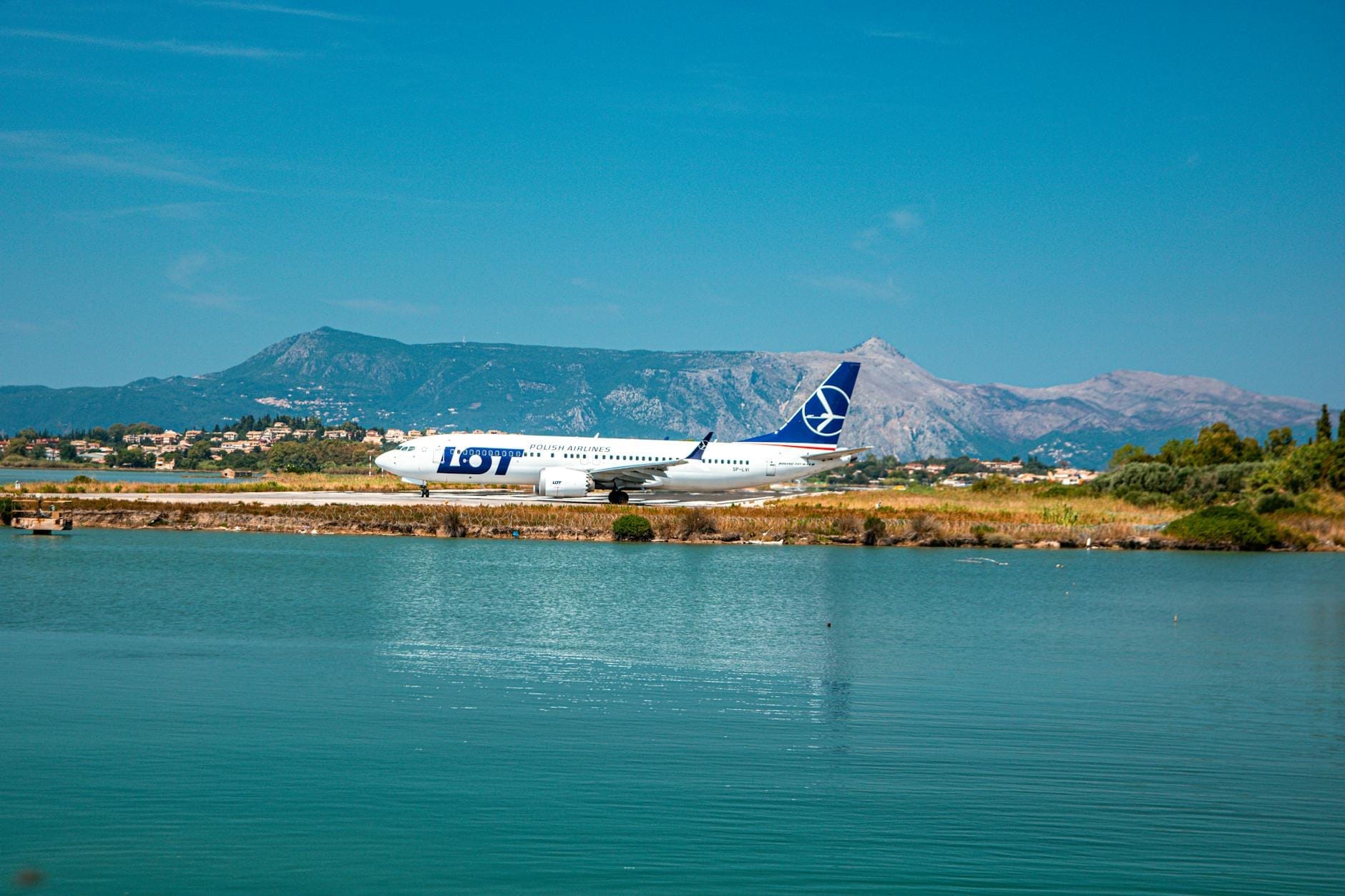
Sardinia has three principal international airports. Olbia Costa Smeralda (OLB), roughly 4 km from Olbia centre, is the gateway for the northeast and Costa Smeralda — the obvious choice for anyone heading to Porto Cervo, Palau, or the La Maddalena area. Cagliari Elmas (CAG), about 7 km from the capital, serves the south and southwest, including Villasimius, Pula, and Chia. Alghero–Fertilia (AHO), about 10 km from Alghero, is the access point for the northwest. Most transatlantic and non-European travellers connect via Rome Fiumicino (FCO) or Milan Malpensa (MXP).
There are no motorways in Sardinia — it is the only Italian region without them. Roads are generally well-maintained but winding, and distances that look short on a map can take considerably longer than expected, particularly in summer with traffic. A rental car is essential for almost any itinerary that extends beyond a single resort zone. Driving from Olbia to Cagliari typically takes about 3–3.5 hours, mainly via the SS131 and connecting routes under normal conditions. Helicopter transfers are available between the major resort areas and airports for those who want to avoid the road entirely.
Practical Details: Currency, Tipping, and Staying Safe
Sardinia uses the Euro (EUR) as part of Italy's membership of the eurozone. As an autonomous region of Italy and part of the Schengen Area, EU and EEA citizens enter with a national ID card or passport. Most nationals from the US, Canada, Australia, Japan, and other visa-exempt countries can stay up to 90 days in any 180-day period without a visa. The ETIAS pre-travel authorisation system for visa-exempt travellers is in development — verify current entry requirements from official EU or Italian government sources before booking.
Tipping follows Italian national norms. Service charges (coperto) are often included in restaurant bills; additional tipping is optional and typically modest — rounding up or leaving a few euros is the standard gesture at all but the most formal establishments. Unlike the US or UK, 15–20% service additions are not expected and would look unusual in most Sardinian restaurants. In luxury resort hotels, a small tip for porterage and housekeeping is appreciated but not obligatory.
Italy uses 230V electricity at 50Hz, with Type C, F, and L plugs. Visitors from the US, UK, or Australia will need adaptors. Tap water is generally potable across Sardinia in line with Italian national standards, though signs indicating non-potable water (acqua non potabile) are occasionally posted at rural sources — follow those indications. The EU-wide emergency number 112 works across Sardinia, with Italian-specific numbers 118 (medical), 115 (fire), and 113 (police) also in operation.
ℹ️ Good to know
Sardinia observes Central European Time (CET, UTC+1) in winter and Central European Summer Time (CEST, UTC+2) from late March to late October — the same as mainland Italy. Most luxury resort restaurants and beach clubs keep flexible hours in summer, but many inland restaurants still observe traditional Italian dining times: lunch roughly 12:30–14:30, dinner from 20:00 or later.
FAQ
What is the best time to visit Sardinia for a luxury holiday?
June and September are the strongest months for a luxury Sardinia visit. The weather is reliably warm and dry, sea temperatures are excellent for swimming and snorkelling, and both hotel availability and villa rates are noticeably better than in August. July and August are the peak of the season — conditions are beautiful but the island is at its most crowded and expensive, particularly on the Costa Smeralda. May and October are viable for culture-focused or active itineraries but are cooler for swimming.
How much does a luxury villa in Sardinia cost per week?
Expect to pay roughly €4,000 per week at the entry level for a private pool villa with sea views. Mid-range properties with better finishes, staffing, and locations run €4,000–€9,000 per week. At the top of the market — fully staffed villas, private beach access, chef service, premium Costa Smeralda addresses — prices exceed €15,000 per week and can go considerably higher in peak August. Always request a full cost breakdown including cleaning fees, linen, tourist tax, and security deposit before confirming a booking.
Which airport should I fly into for the Costa Smeralda?
Olbia Costa Smeralda Airport (IATA: OLB) is the correct choice for the Costa Smeralda, Porto Cervo, Palau, and the La Maddalena area. The airport is about 4 km from Olbia city centre and roughly 30 minutes by road from Porto Cervo. Most European visitors connect through Rome Fiumicino or Milan Malpensa; direct international services expand significantly in summer. For the south of the island — Villasimius, Pula, Chia, Cagliari — use Cagliari Elmas (CAG) instead.
Is the Costa Smeralda worth the price, or are there better-value luxury alternatives?
The Costa Smeralda justifies its premium for visitors who specifically want the superyacht culture, the high-end restaurant and bar scene, and the architectural environment of Porto Cervo. If that social scene is not your priority, Villasimius and Costa Rei in the southeast offer comparable beach quality at meaningfully lower prices, with a quieter atmosphere. The southwest around Pula and Chia has the Forte Village Resort as a world-class anchor property. The east coast (Golfo di Orosei) provides the most dramatic scenery on the island with a more intimate accommodation offer.
Do I need a car for a luxury holiday in Sardinia?
Almost certainly yes, unless you are staying at a single large resort with its own shuttle service and beach. Sardinia has no motorway network and public transport, while adequate for basic city connections, does not serve the coastal areas where most luxury properties are located. A rental car gives you freedom to reach remote beaches, archaeological sites, and inland restaurants that make a Sardinian holiday memorable. For transfers between airports and resort zones, private car hire with a driver or helicopter transfers are also available — the latter worth considering for the Olbia–Costa Smeralda leg if budget allows.