Best Boat Trips in Sardinia: Coves, Caves & Archipelagos
Sardinia's most spectacular landscapes are only reachable by water. This guide covers the best boat trips across the island, from the pink-sand coves of La Maddalena to the towering limestone cliffs of the Gulf of Orosei, with tips on what to expect, when to go, and how to book.
Plan and book this trip
Tools from our partner Travelpayouts help you compare flights and hotels. If you book through them, we may earn a commission at no extra cost to you.
Flights
Hotels map
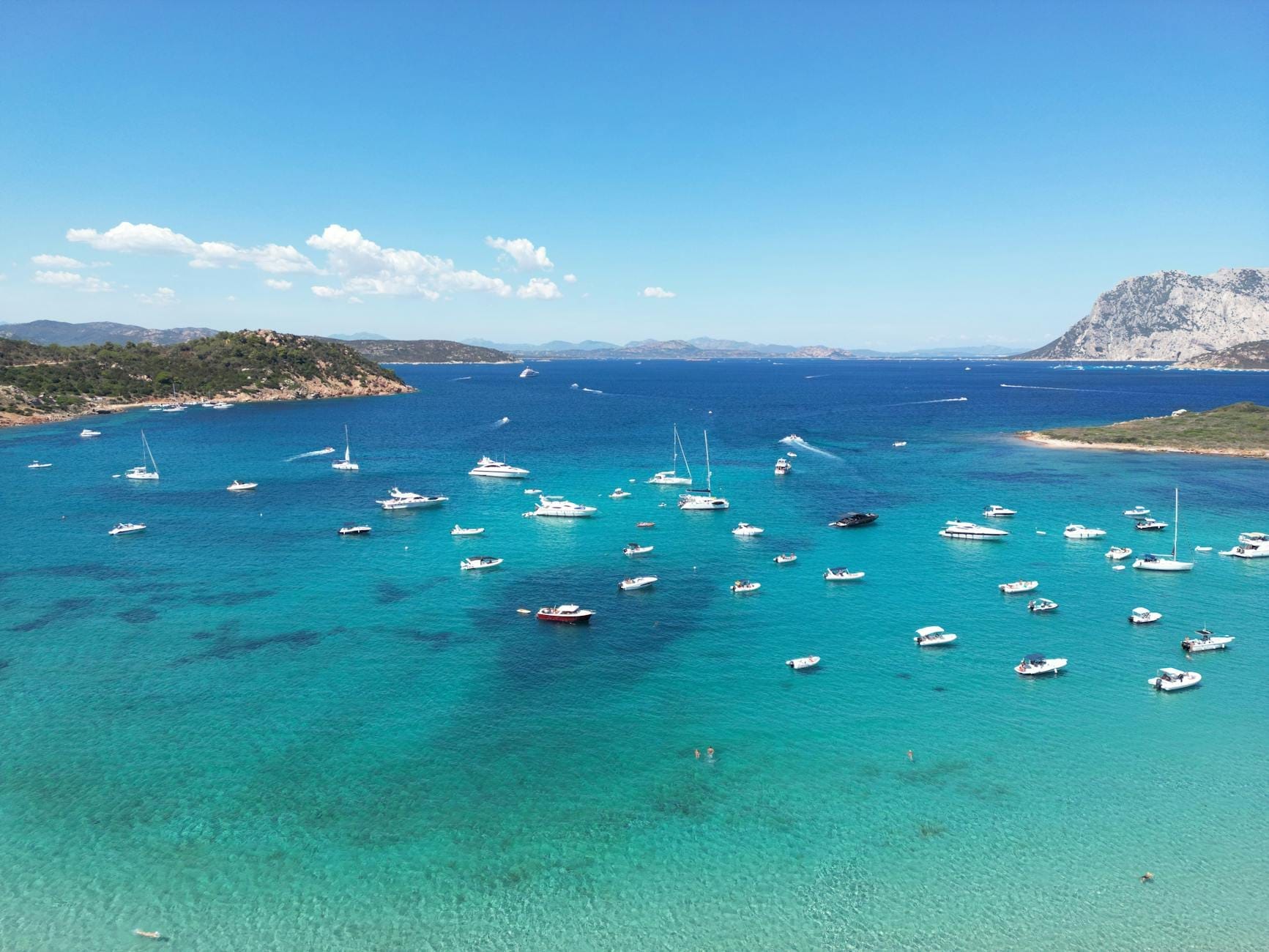
No other way of travelling reveals Sardinia quite like being on the water. The island has roughly 1,850 to 2,000 kilometres of coastline, and many of its finest beaches, sea caves, and marine protected areas are inaccessible by road. Boat trips here range from shared day tours costing around €90 per person to private yacht charters running into thousands of euros, with the sweet spot sitting somewhere in between: a small-group motorboat or sailing catamaran with eight to fourteen passengers, a skipper who knows the anchorages, and a full day exploring one of the four main boating zones. The best areas are the La Maddalena Archipelago in the north, the Costa Smeralda coast, the Gulf of Orosei on the east, and the southern gulfs around Villasimius and Chia. The season runs from May to October, with June and September offering the best balance of calm seas, manageable crowds, and reasonable prices.
✨ Pro tip
Book private charters in January to March if you want the best boat and price for July or August. Shared small-group tours can usually be booked a few days ahead, except in peak summer when popular routes sell out.
La Maddalena Archipelago
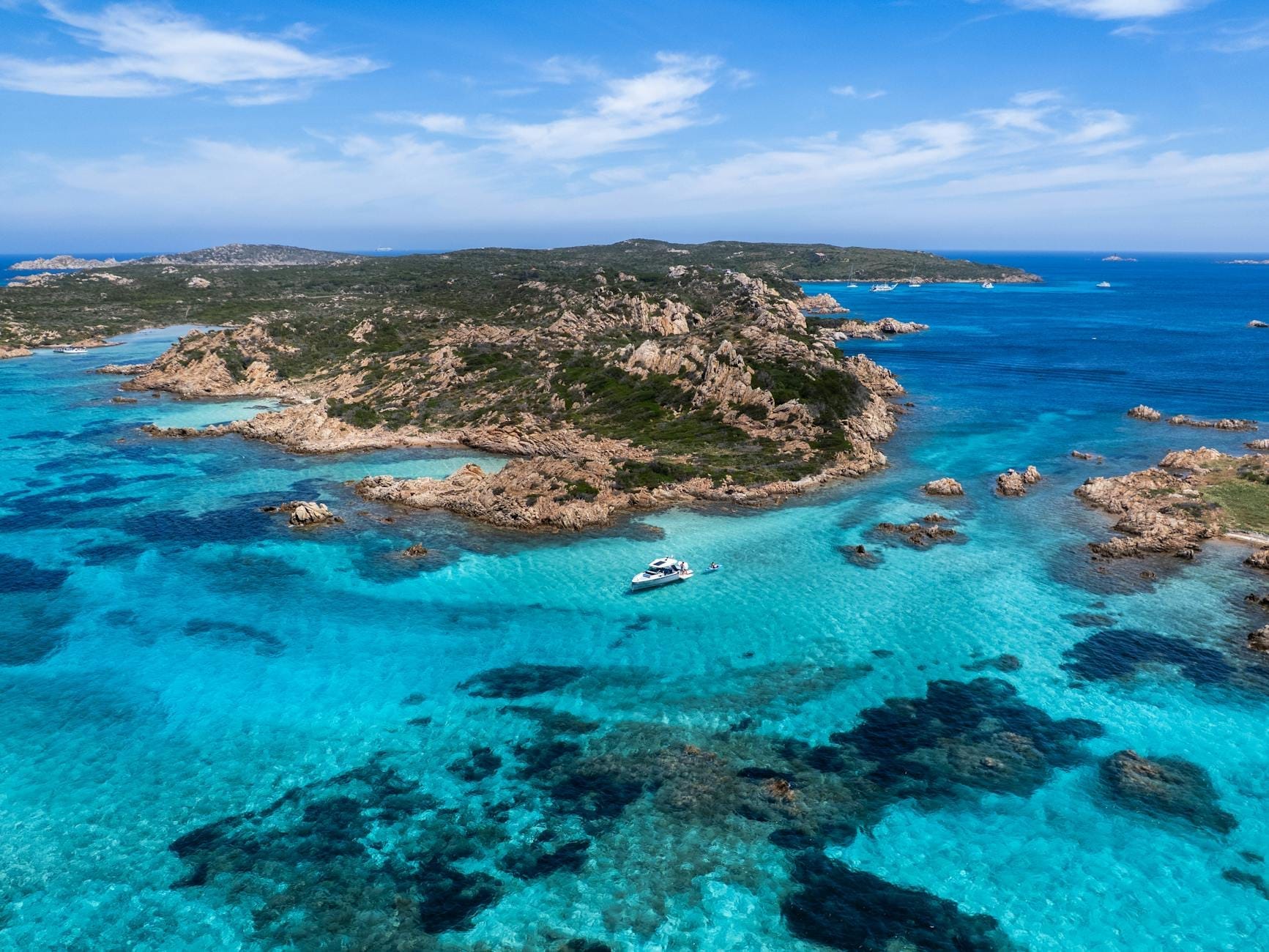
The seven main islands and dozens of islets of the La Maddalena Archipelago form Sardinia's most rewarding boat trip destination. The national park protects some of the most vivid water colours in the Mediterranean, and no road reaches the best spots. Day tours depart from Palau, Cannigione, La Maddalena town, and Porto Pollo, typically lasting eight hours and including national park fees. For more context on what makes this area special, the Sardinia snorkelling and diving guide covers the underwater highlights in detail.
1. Admire the Pink Beach of Budelli from the Water
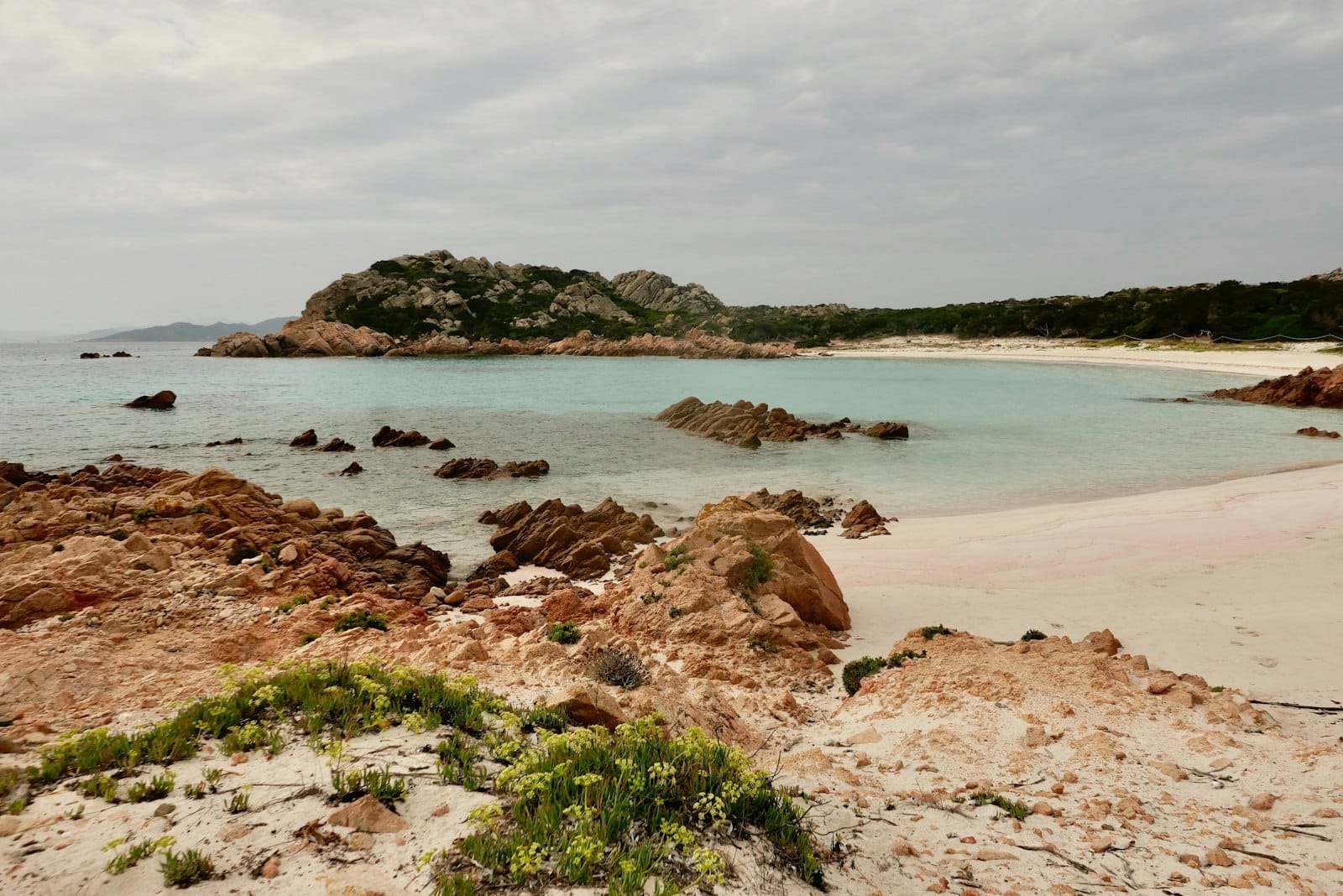
Budelli's famous Spiaggia Rosa is now a protected nature reserve where landing is prohibited, but every La Maddalena boat tour passes close enough to see the blush sand, tinted by coral and shell fragments. The view from the water is the only legal way to experience it.
Explore1. Admire the Pink Beach of Budelli from the Water
Budelli's famous Spiaggia Rosa is now a protected nature reserve where landing is prohibited, but every La Maddalena boat tour passes close enough to see the blush sand, tinted by coral and shell fragments. The view from the water is the only legal way to experience it.
Explore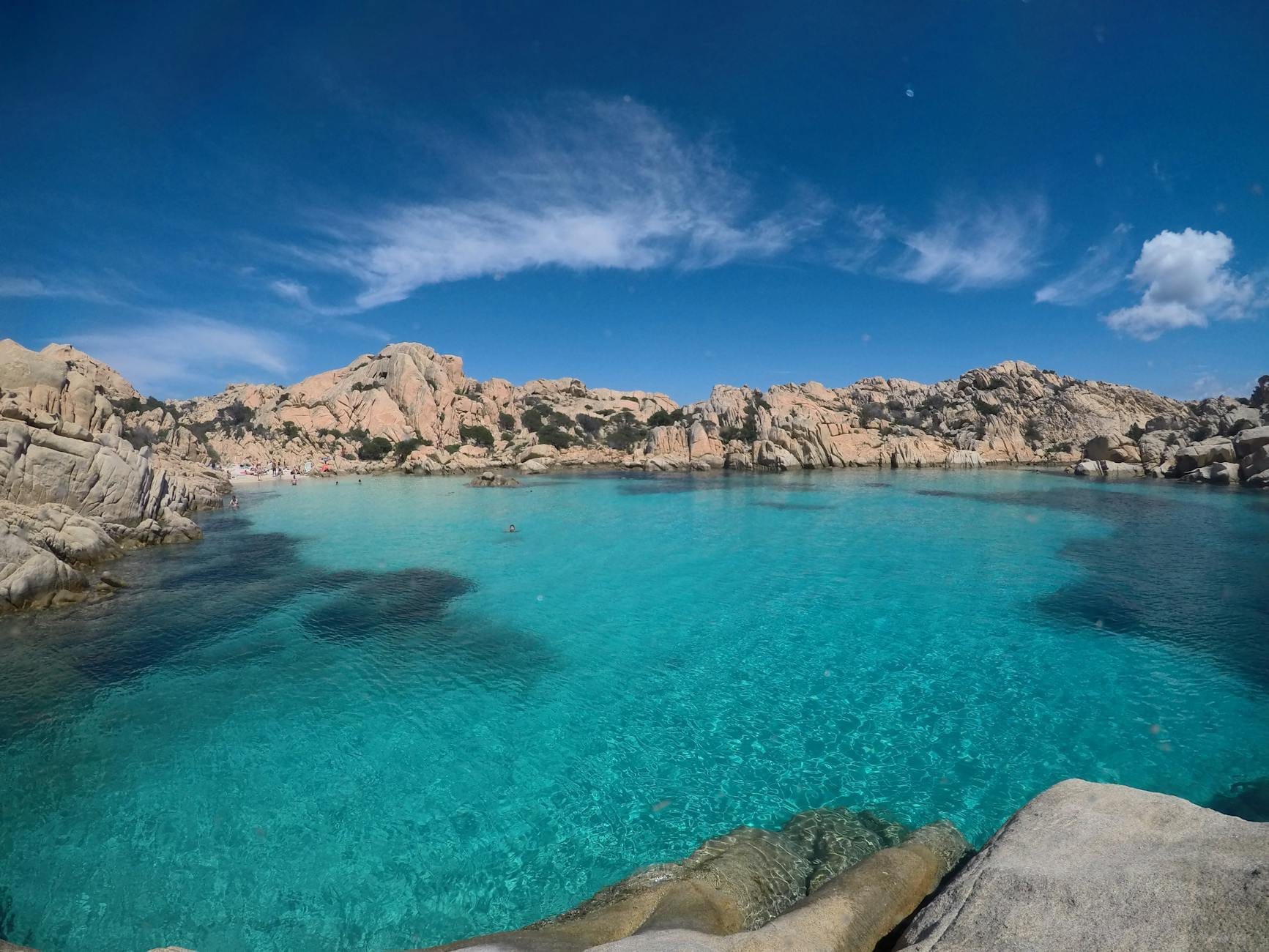
2. Swim the Impossibly Blue Waters of Cala Coticcio
Called 'Tahiti' by locals, Cala Coticcio on Caprera is a double cove of white sand and water that shifts from turquoise to deep cobalt. Most boat tours anchor here for a swim stop. Arrive before 11am for the best light and fewer boats.
Explore2. Swim the Impossibly Blue Waters of Cala Coticcio
Called 'Tahiti' by locals, Cala Coticcio on Caprera is a double cove of white sand and water that shifts from turquoise to deep cobalt. Most boat tours anchor here for a swim stop. Arrive before 11am for the best light and fewer boats.
Explore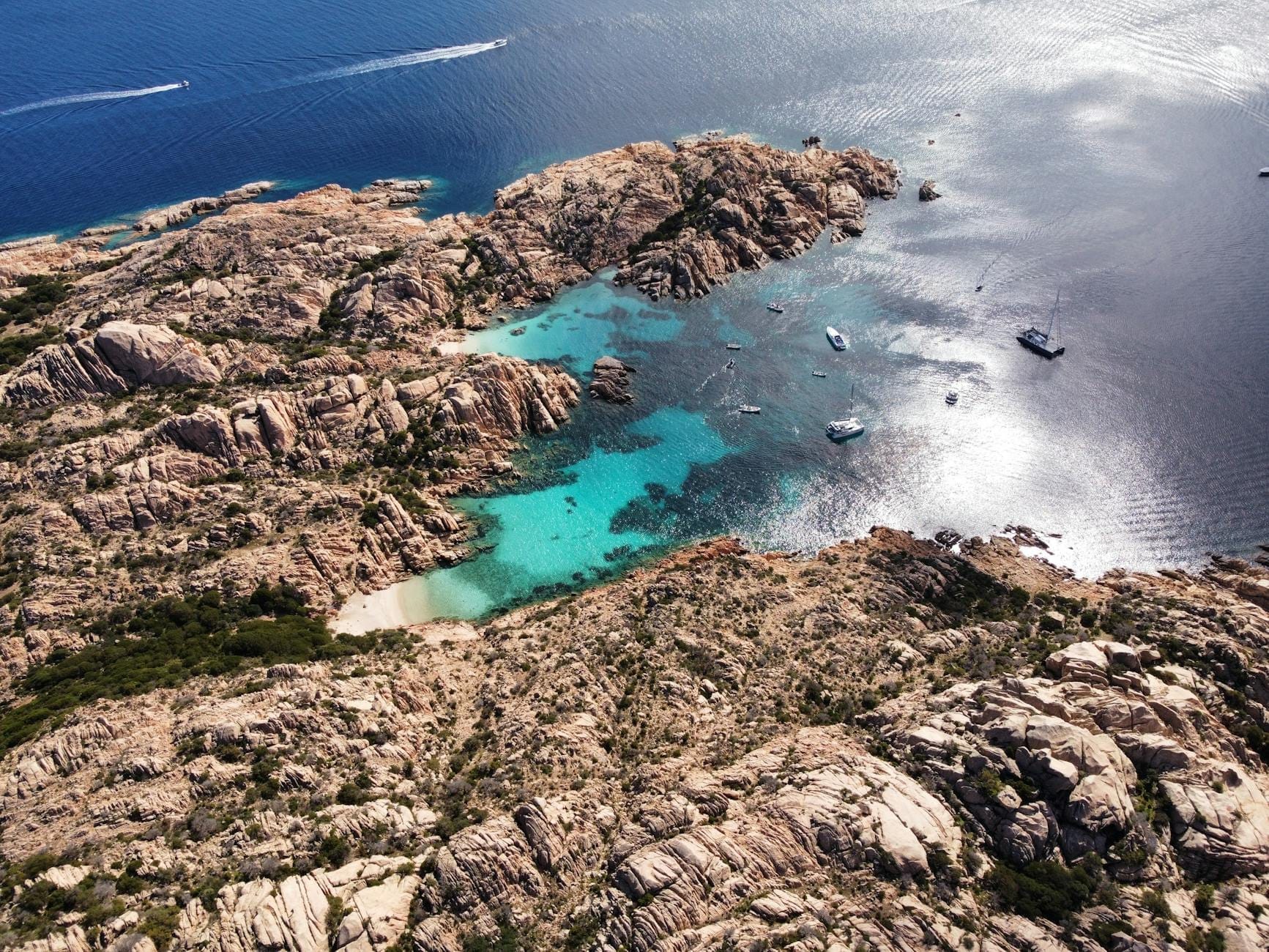
3. Explore the Wild Beaches of Caprera Island
Caprera is connected to La Maddalena by causeway but its wilder northern beaches are best reached by boat. Forested and relatively quiet, it rewards those who explore beyond the main swimming spots with empty coves and outstanding snorkelling.
Explore3. Explore the Wild Beaches of Caprera Island
Caprera is connected to La Maddalena by causeway but its wilder northern beaches are best reached by boat. Forested and relatively quiet, it rewards those who explore beyond the main swimming spots with empty coves and outstanding snorkelling.
Explore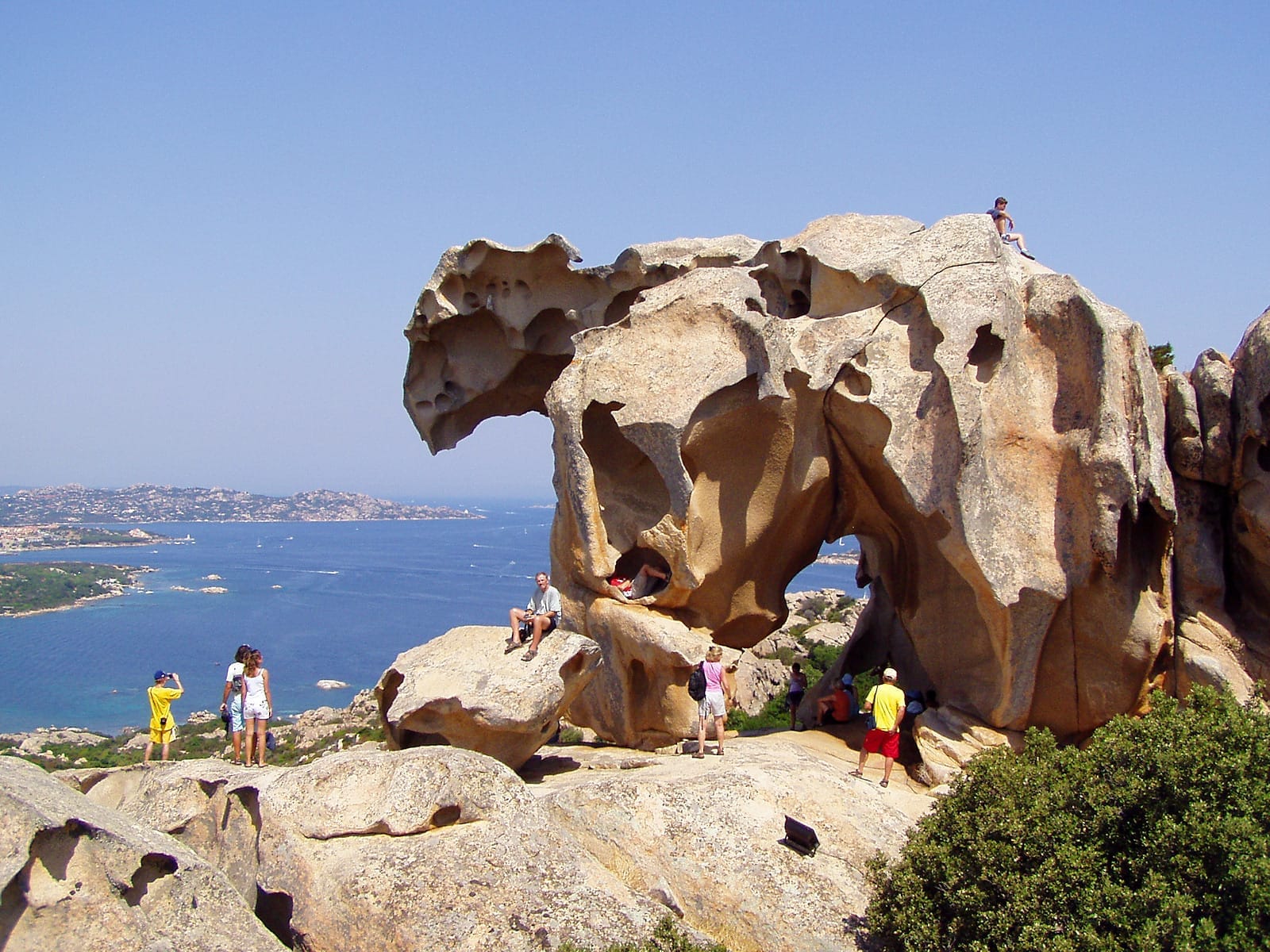
4. Spot the Bear Rock Before Departing from Palau
Palau is the main departure point for La Maddalena day trips from the mainland side. While waiting for your boat, walk up to the Bear Rock for sweeping views over the Strait of Bonifacio and the archipelago you're about to explore.
Explore4. Spot the Bear Rock Before Departing from Palau
Palau is the main departure point for La Maddalena day trips from the mainland side. While waiting for your boat, walk up to the Bear Rock for sweeping views over the Strait of Bonifacio and the archipelago you're about to explore.
ExploreGulf of Orosei: Cliffs, Caves & Coves
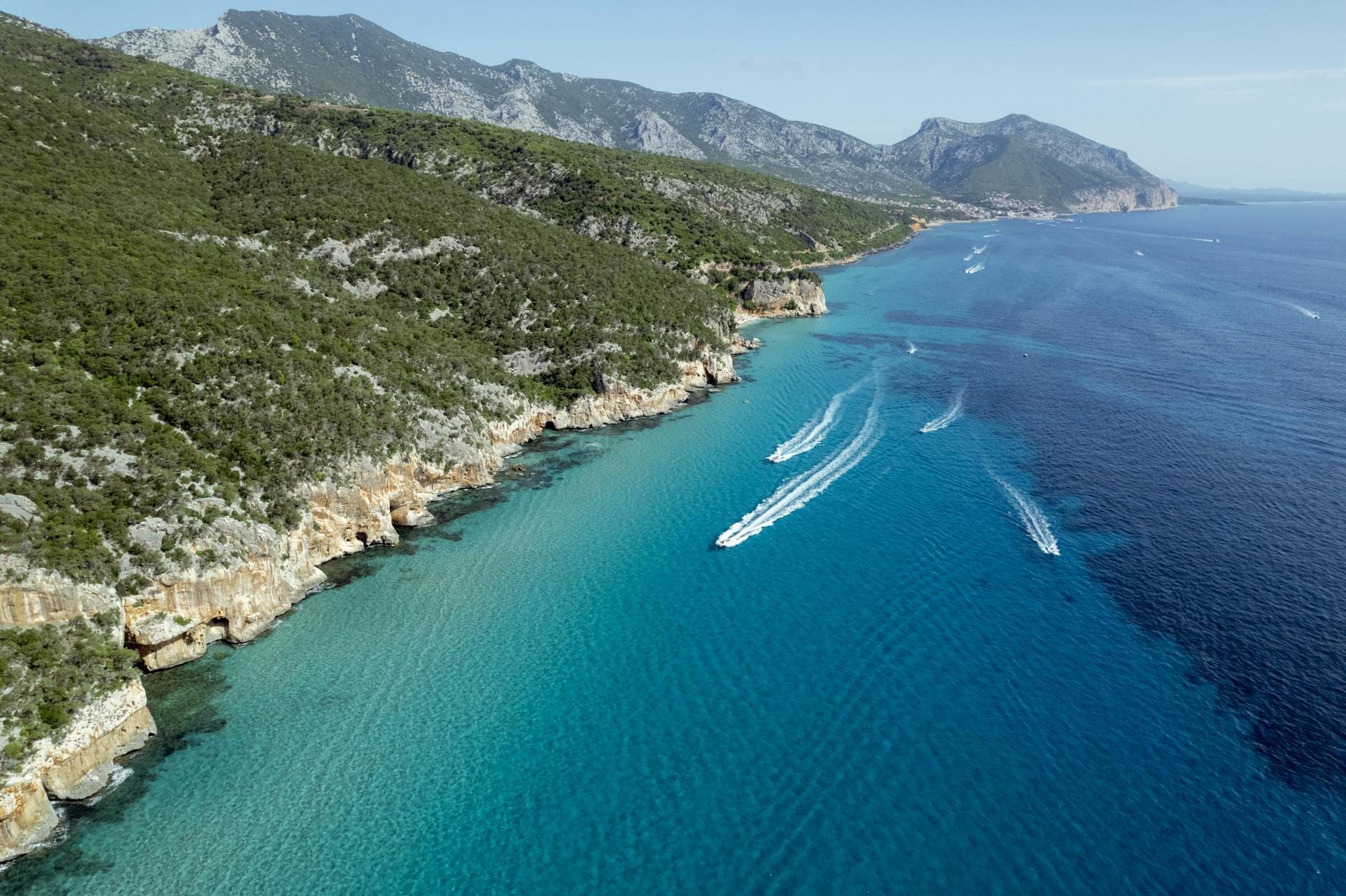
The Gulf of Orosei is Sardinia's most dramatic coastal landscape: about 40 kilometres of limestone cliffs dropping vertically into the sea, broken only by coves accessible exclusively by boat or multi-hour hike. Cala Gonone is the main departure hub, with boats leaving every morning from the small harbour. Full-day tours typically cover four to six coves including the major ones below. This coastline is also the setting for the legendary Selvaggio Blu trek, which traverses the cliffs above the routes your boat will follow.
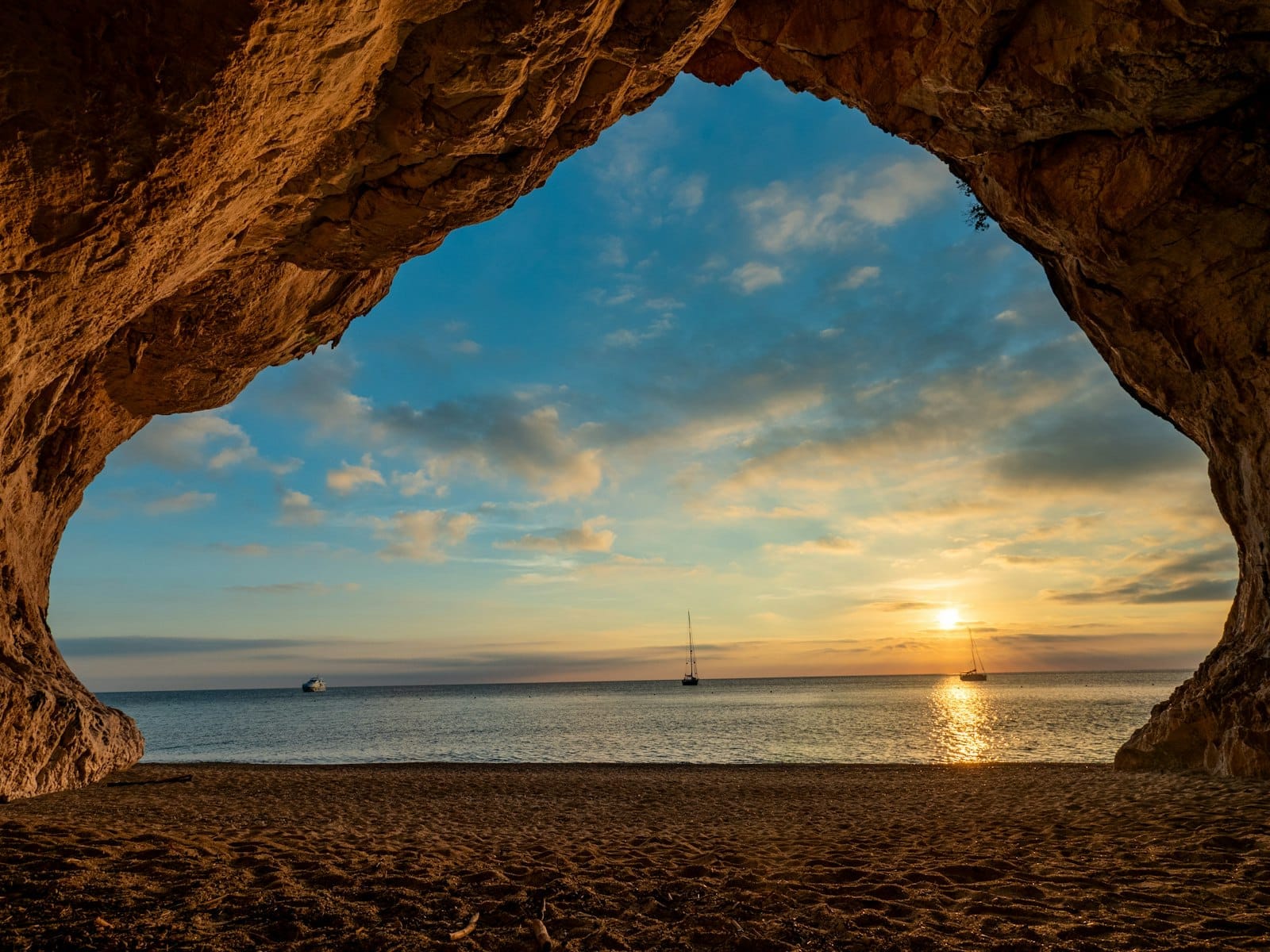
5. Anchor at Cala Luna, the Gulf's Most Famous Beach
A wide crescent of white pebbles backed by pink oleander and sea caves at a canyon mouth, Cala Luna is the centrepiece of every Gulf of Orosei boat tour. Most boats stop here for two to three hours. Arrive early: by noon, the beach is packed.
Explore5. Anchor at Cala Luna, the Gulf's Most Famous Beach
A wide crescent of white pebbles backed by pink oleander and sea caves at a canyon mouth, Cala Luna is the centrepiece of every Gulf of Orosei boat tour. Most boats stop here for two to three hours. Arrive early: by noon, the beach is packed.
Explore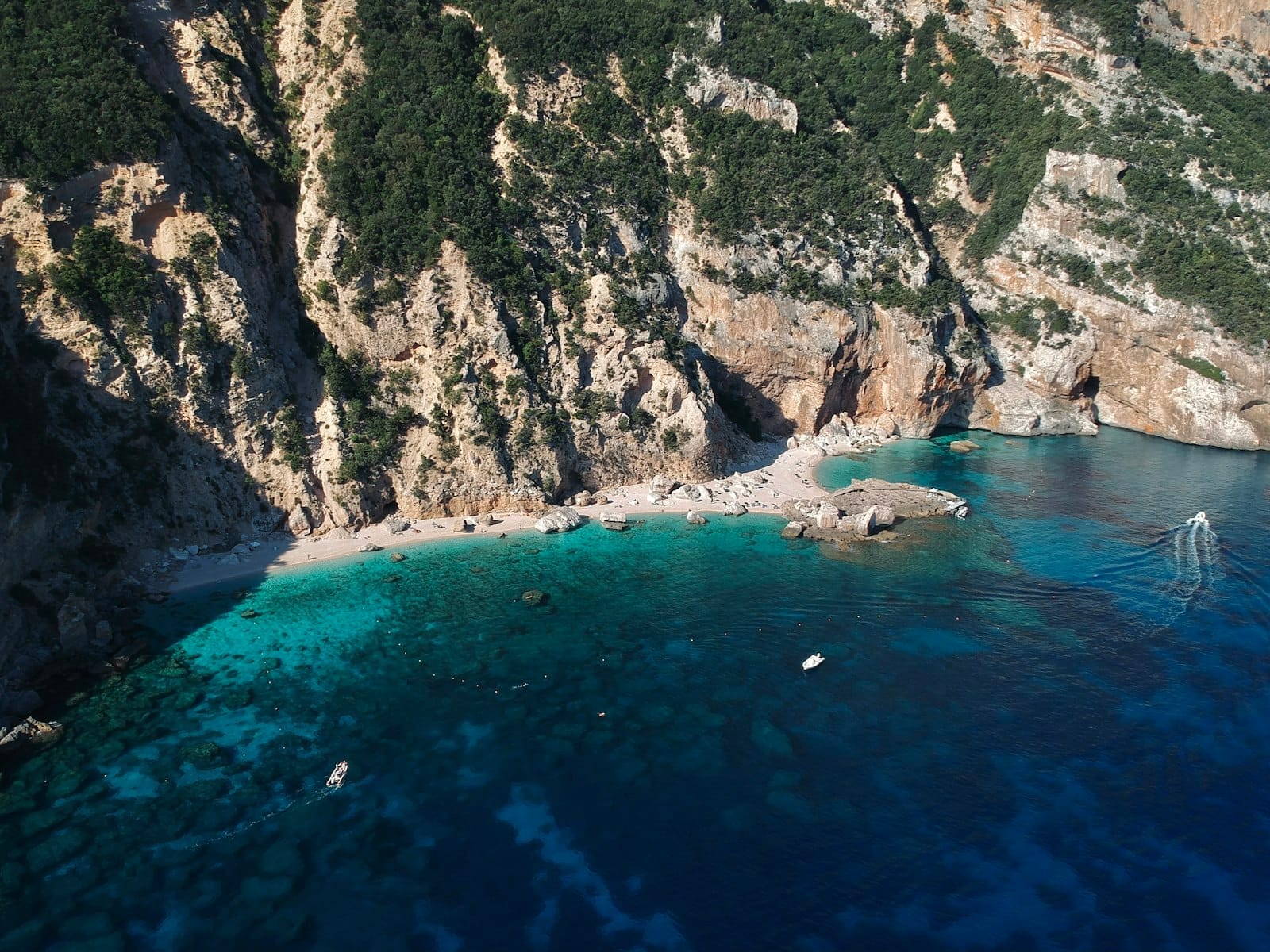
6. Swim the Luminescent Waters of Cala Mariolu
Two coves of white and pink pebbles with water so clear it appears lit from below, Cala Mariolu is the most spectacular swimming stop on the gulf. Reachable only by boat from Cala Gonone or Santa Maria Navarrese. Go in June or September to avoid peak crowds.
Explore6. Swim the Luminescent Waters of Cala Mariolu
Two coves of white and pink pebbles with water so clear it appears lit from below, Cala Mariolu is the most spectacular swimming stop on the gulf. Reachable only by boat from Cala Gonone or Santa Maria Navarrese. Go in June or September to avoid peak crowds.
Explore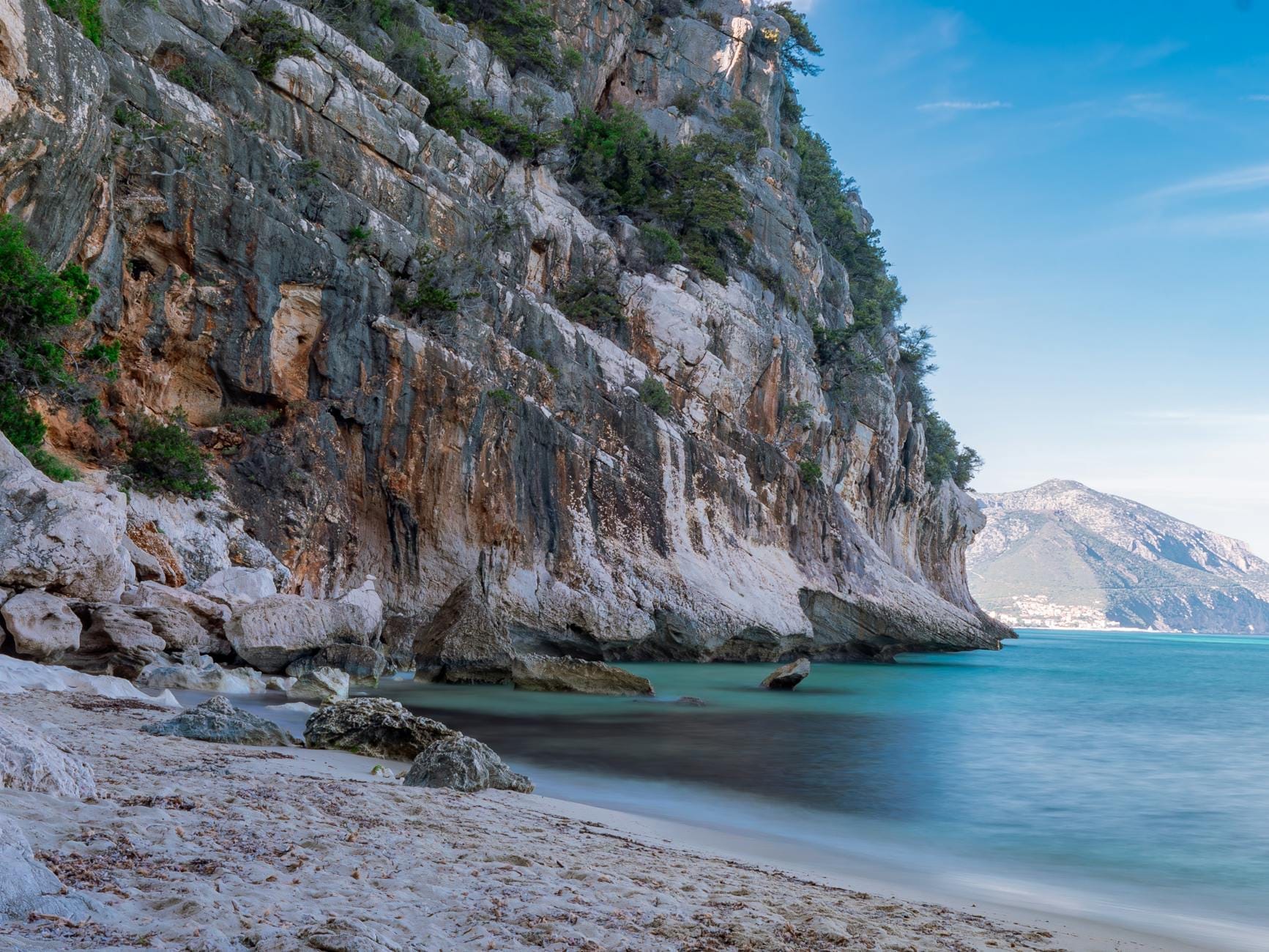
7. See Cala Goloritzè, Italy's Most Beautiful Beach, from the Sea
A nationally protected natural monument beneath a 143-metre limestone pinnacle, Cala Goloritzè is best appreciated by approaching on the water. Boat tours pause here for swimming. Landing is also possible, but the sea approach makes the scale of the cliffs and the colour of the water fully apparent.
Explore7. See Cala Goloritzè, Italy's Most Beautiful Beach, from the Sea
A nationally protected natural monument beneath a 143-metre limestone pinnacle, Cala Goloritzè is best appreciated by approaching on the water. Boat tours pause here for swimming. Landing is also possible, but the sea approach makes the scale of the cliffs and the colour of the water fully apparent.
Explore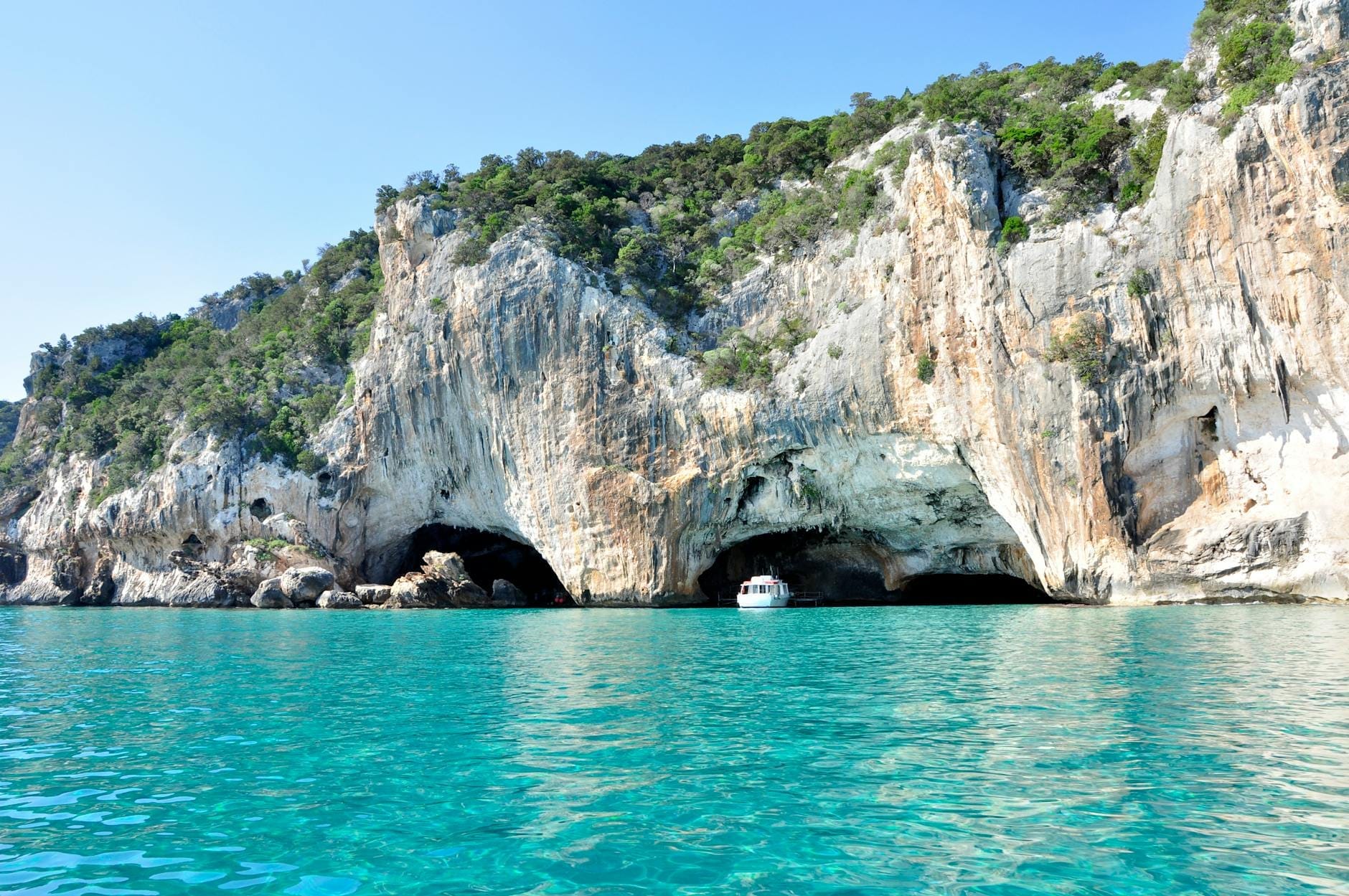
8. Enter the Sea Caves of Bue Marino by Boat
The Cave of the Monk Seal is a spectacular sea cave system carved into the Gulf of Orosei cliffs. Accessed by boat from Cala Gonone, guided tours lead you deep into chambers of stalactites once inhabited by the now-extinct Mediterranean monk seal.
Explore8. Enter the Sea Caves of Bue Marino by Boat
The Cave of the Monk Seal is a spectacular sea cave system carved into the Gulf of Orosei cliffs. Accessed by boat from Cala Gonone, guided tours lead you deep into chambers of stalactites once inhabited by the now-extinct Mediterranean monk seal.
Explore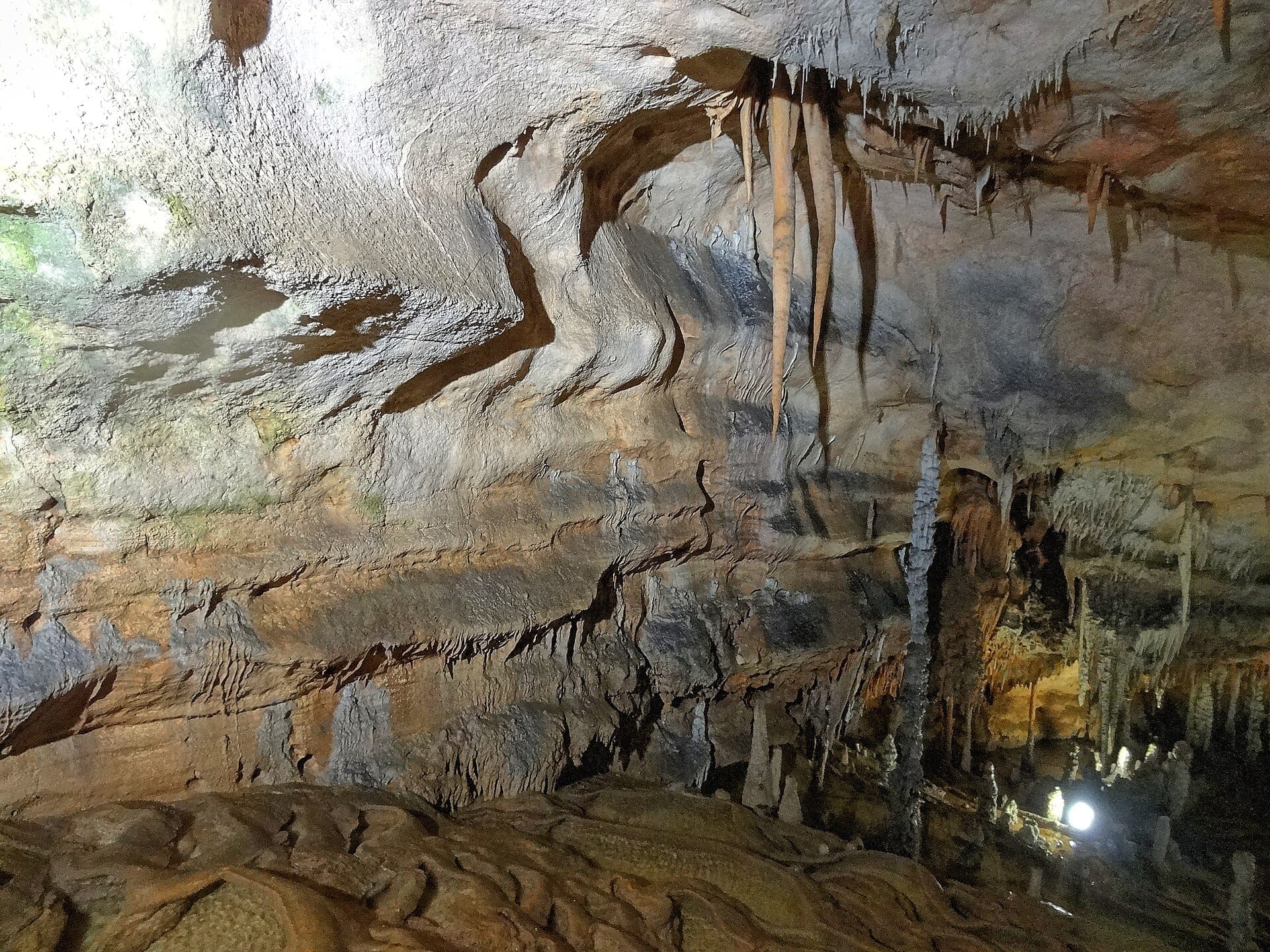
9. Discover the Stalactite Chambers of the Fig Tree Caves
Accessible only by boat on the Baunei coast, the Grotte del Fico contain dramatic stalactite formations and a subterranean beach. Combined stops with Cala Mariolu are common. The cave entrance visible from the water is one of the most atmospheric sights on the entire gulf.
Explore9. Discover the Stalactite Chambers of the Fig Tree Caves
Accessible only by boat on the Baunei coast, the Grotte del Fico contain dramatic stalactite formations and a subterranean beach. Combined stops with Cala Mariolu are common. The cave entrance visible from the water is one of the most atmospheric sights on the entire gulf.
Explore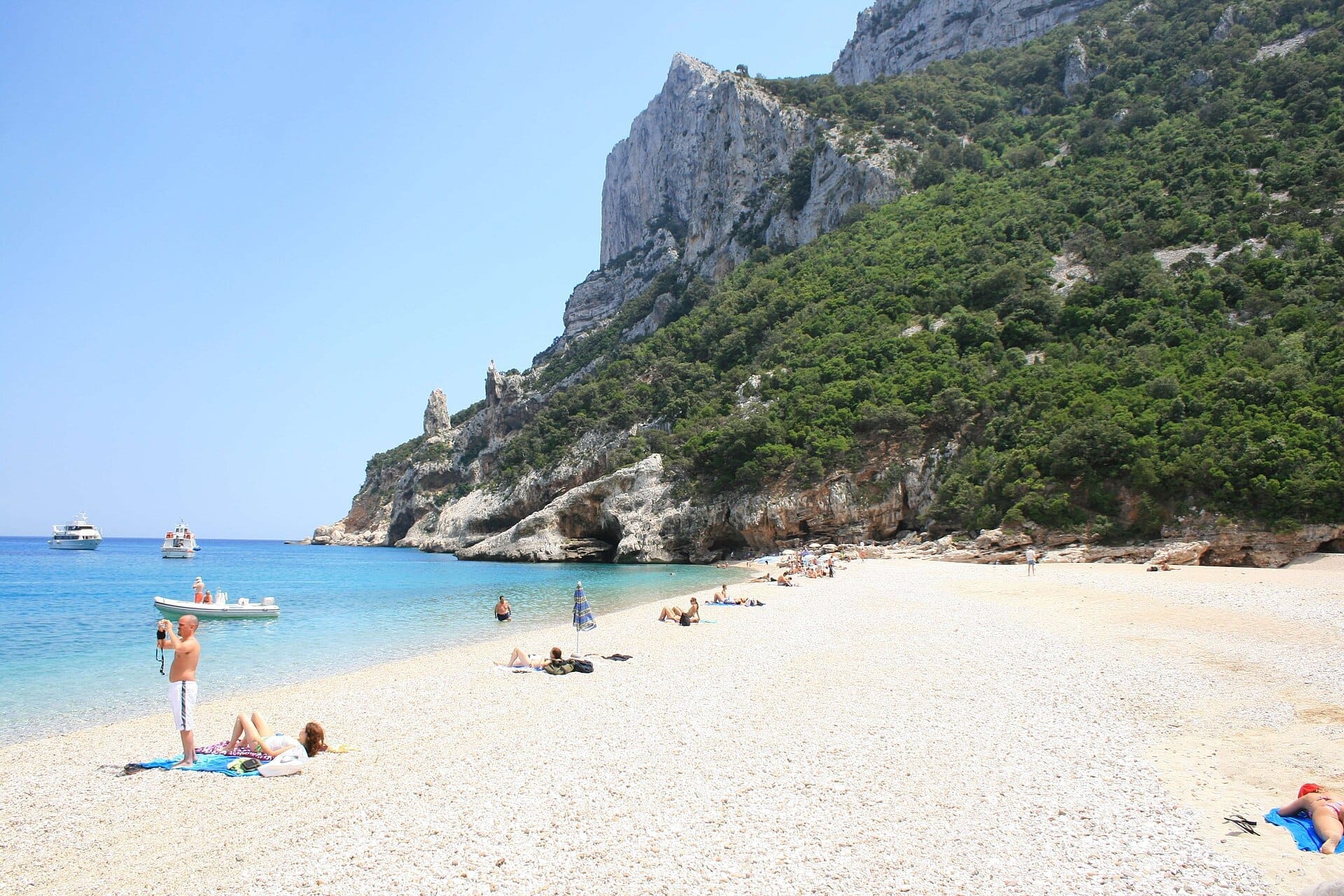
10. Reach Remote Cala Sisine by Boat
A wild cove at the mouth of the Sisine canyon, Cala Sisine gets far fewer visitors than Cala Luna despite matching it for beauty. Boats from Cala Gonone include it on longer day tours. The canyon walls rising behind the beach are visible from the water on approach.
Explore10. Reach Remote Cala Sisine by Boat
A wild cove at the mouth of the Sisine canyon, Cala Sisine gets far fewer visitors than Cala Luna despite matching it for beauty. Boats from Cala Gonone include it on longer day tours. The canyon walls rising behind the beach are visible from the water on approach.
Explore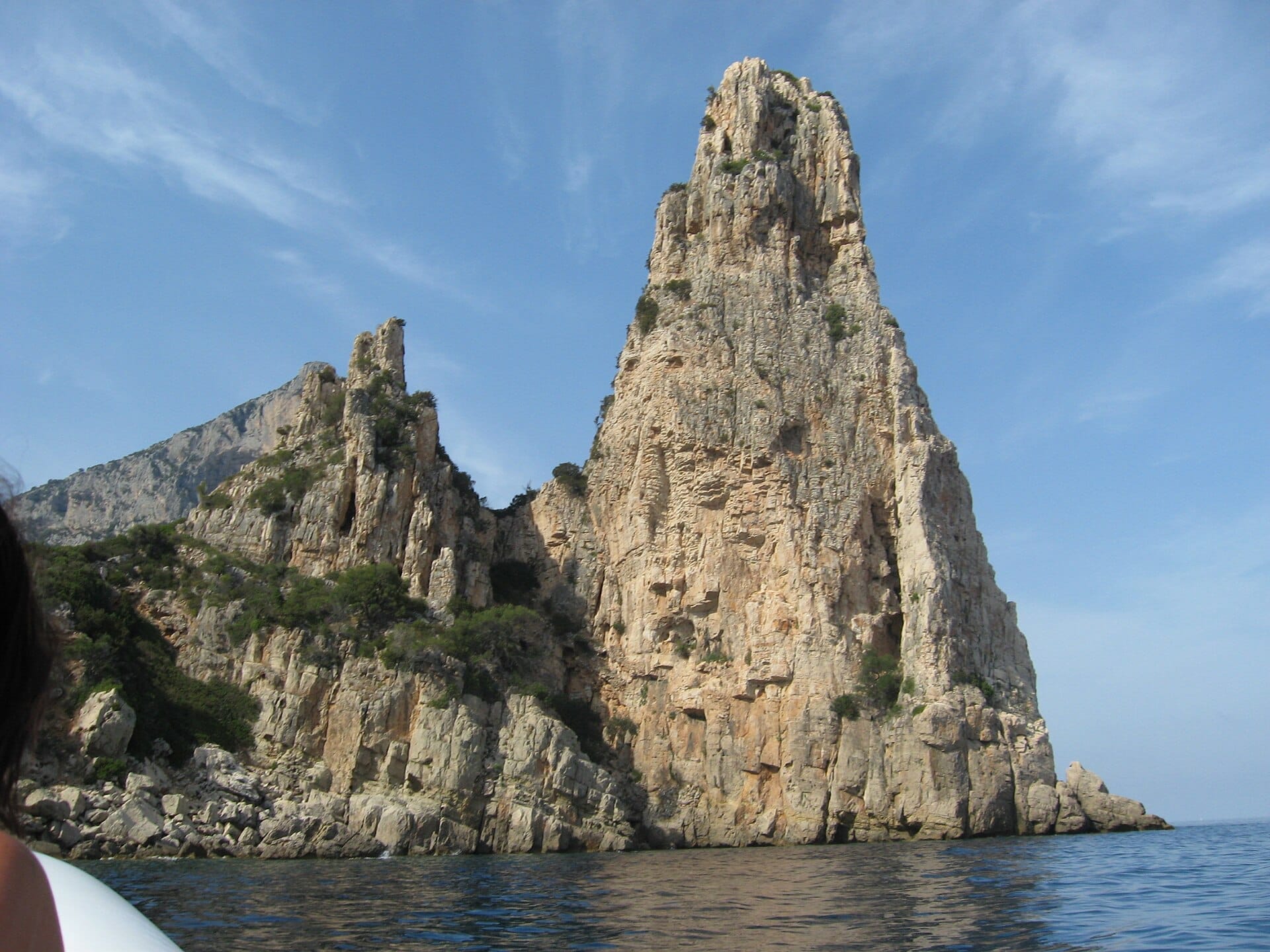
11. Pass Pedra Longa, the Gulf's Most Dramatic Sea Stack
A 128-metre limestone needle rising from the water near Baunei, Pedra Longa is the most striking landmark on the southern stretch of the Gulf of Orosei. Boat tours from Santa Maria Navarrese pass directly alongside it. The scale only becomes clear when a swimmer is next to the base.
Explore11. Pass Pedra Longa, the Gulf's Most Dramatic Sea Stack
A 128-metre limestone needle rising from the water near Baunei, Pedra Longa is the most striking landmark on the southern stretch of the Gulf of Orosei. Boat tours from Santa Maria Navarrese pass directly alongside it. The scale only becomes clear when a swimmer is next to the base.
Explore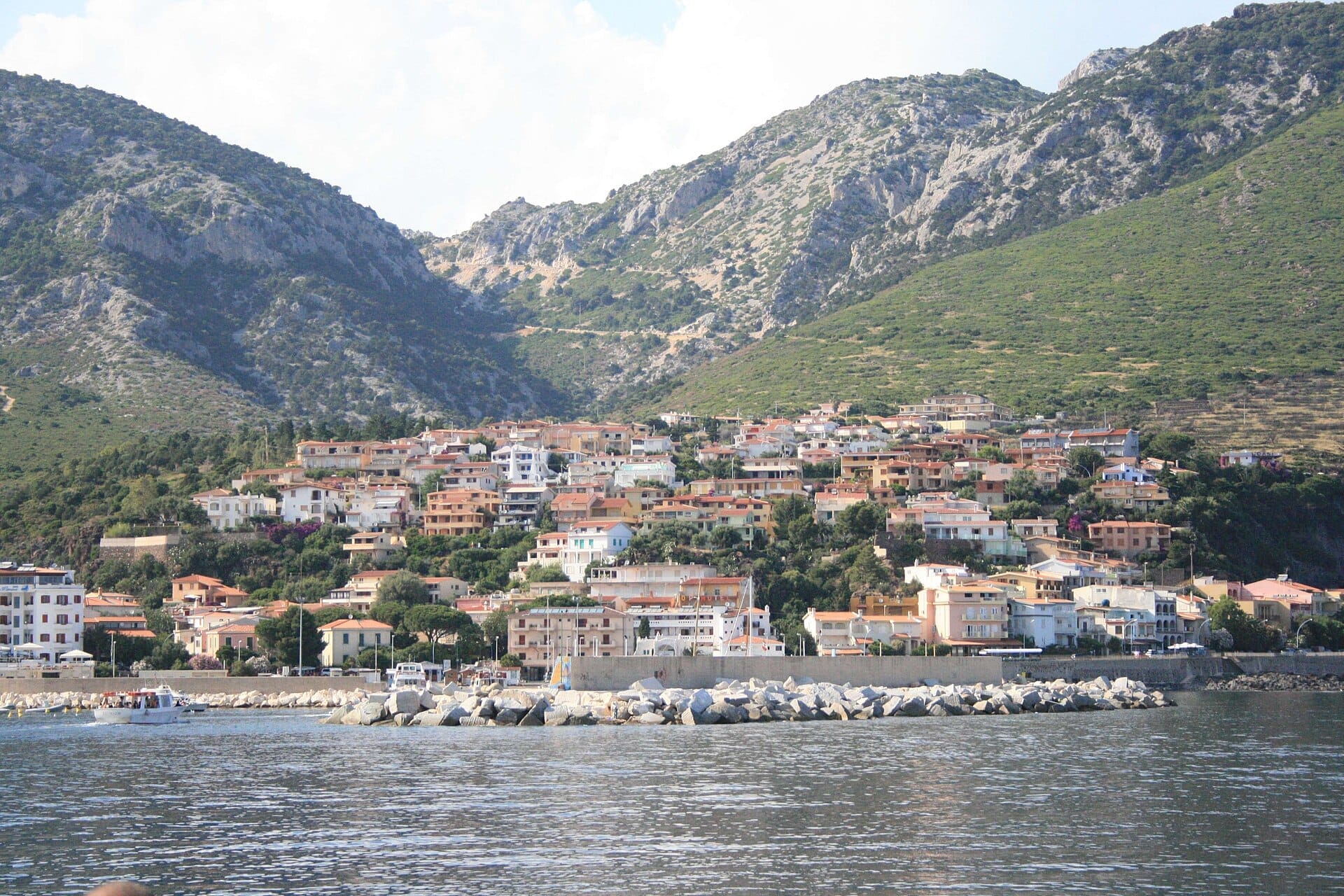
12. Use Cala Gonone as Your Gulf of Orosei Boat Base
The main gateway village to the Gulf of Orosei, Cala Gonone is where the majority of boat tours and cave excursions depart. The small harbour is manageable on foot and offers a range of operators from budget shared tours to private motorboat hire for the day.
Explore12. Use Cala Gonone as Your Gulf of Orosei Boat Base
The main gateway village to the Gulf of Orosei, Cala Gonone is where the majority of boat tours and cave excursions depart. The small harbour is manageable on foot and offers a range of operators from budget shared tours to private motorboat hire for the day.
ExploreAlghero & Northwest Sardinia
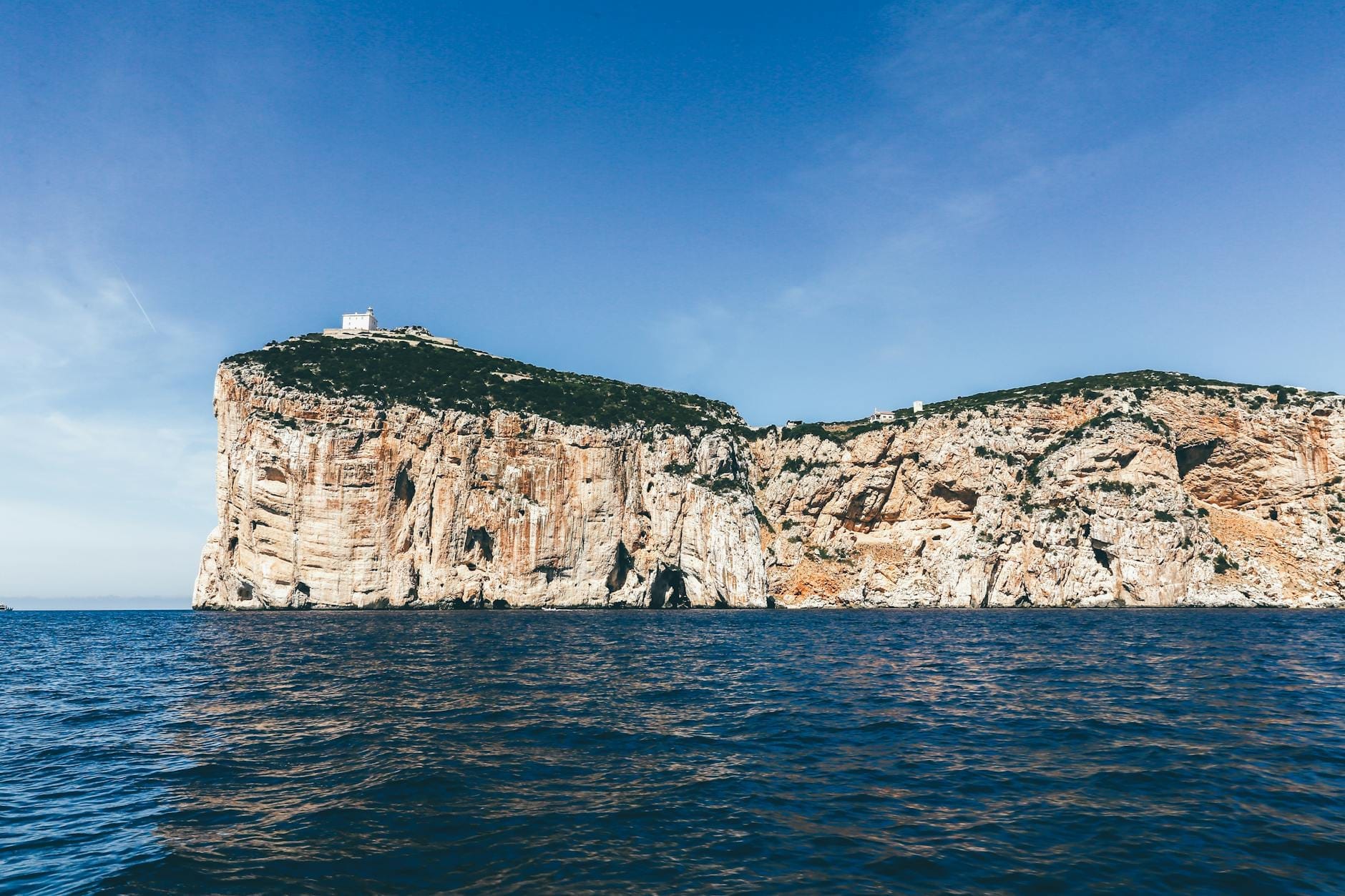
The northwest coast around Alghero offers boat trips focused on the Capo Caccia headland and the extraordinary Neptune's Grotto sea cave. This is also one of the most accessible boat-trip areas for visitors staying in the city. Tours depart daily from Alghero harbour throughout summer and are a reliable half-day option even in shoulder season.
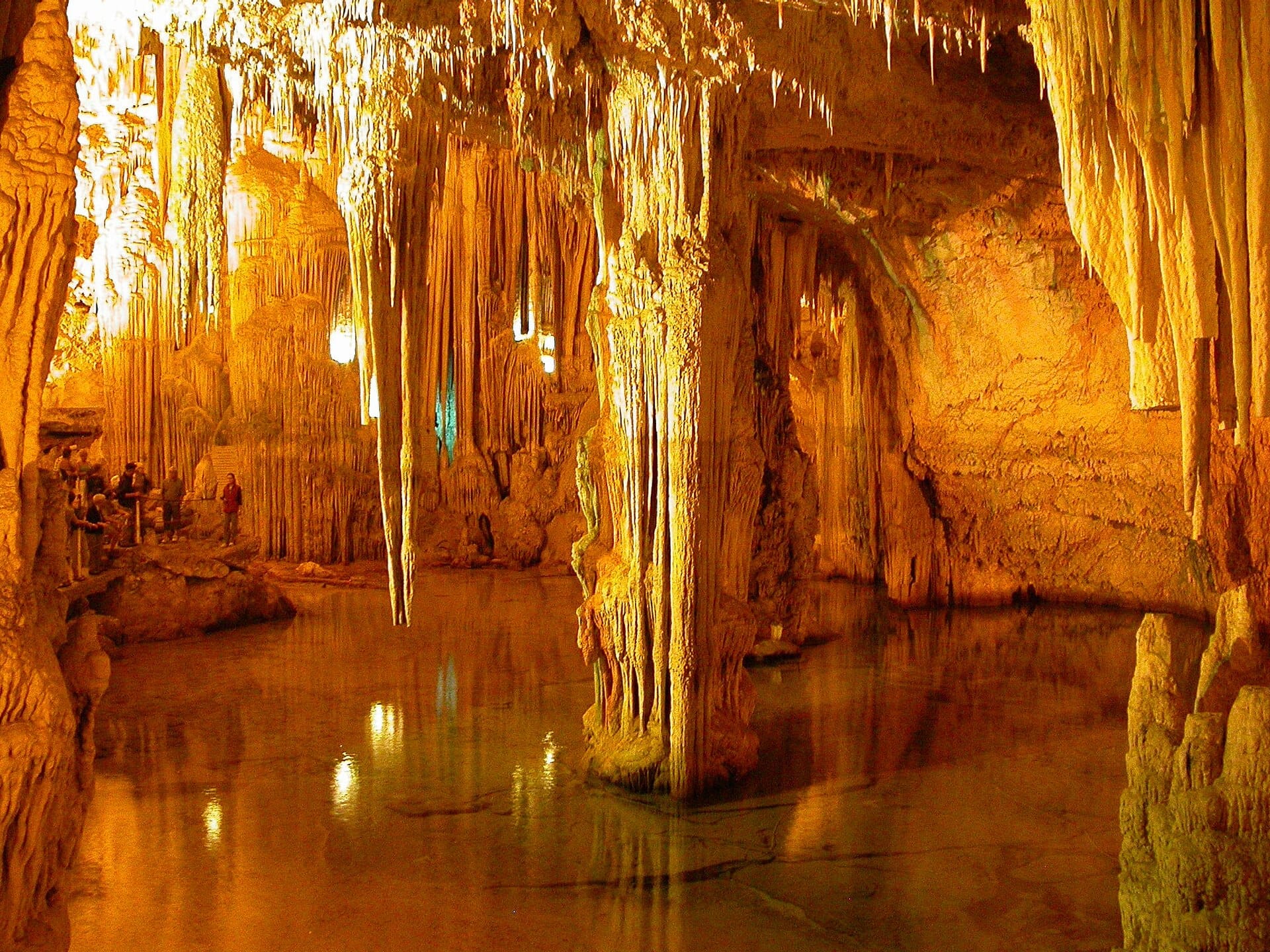
13. Reach Neptune's Grotto by Boat from Alghero
Neptune's Grotto at the base of Capo Caccia is reachable by boat from Alghero harbour in about 50 minutes, or by 654 cliff steps from above. The boat approach, watching the cave entrance emerge from the headland face, is the more dramatic arrival. Tours run daily from April to October.
Explore13. Reach Neptune's Grotto by Boat from Alghero
Neptune's Grotto at the base of Capo Caccia is reachable by boat from Alghero harbour in about 50 minutes, or by 654 cliff steps from above. The boat approach, watching the cave entrance emerge from the headland face, is the more dramatic arrival. Tours run daily from April to October.
Explore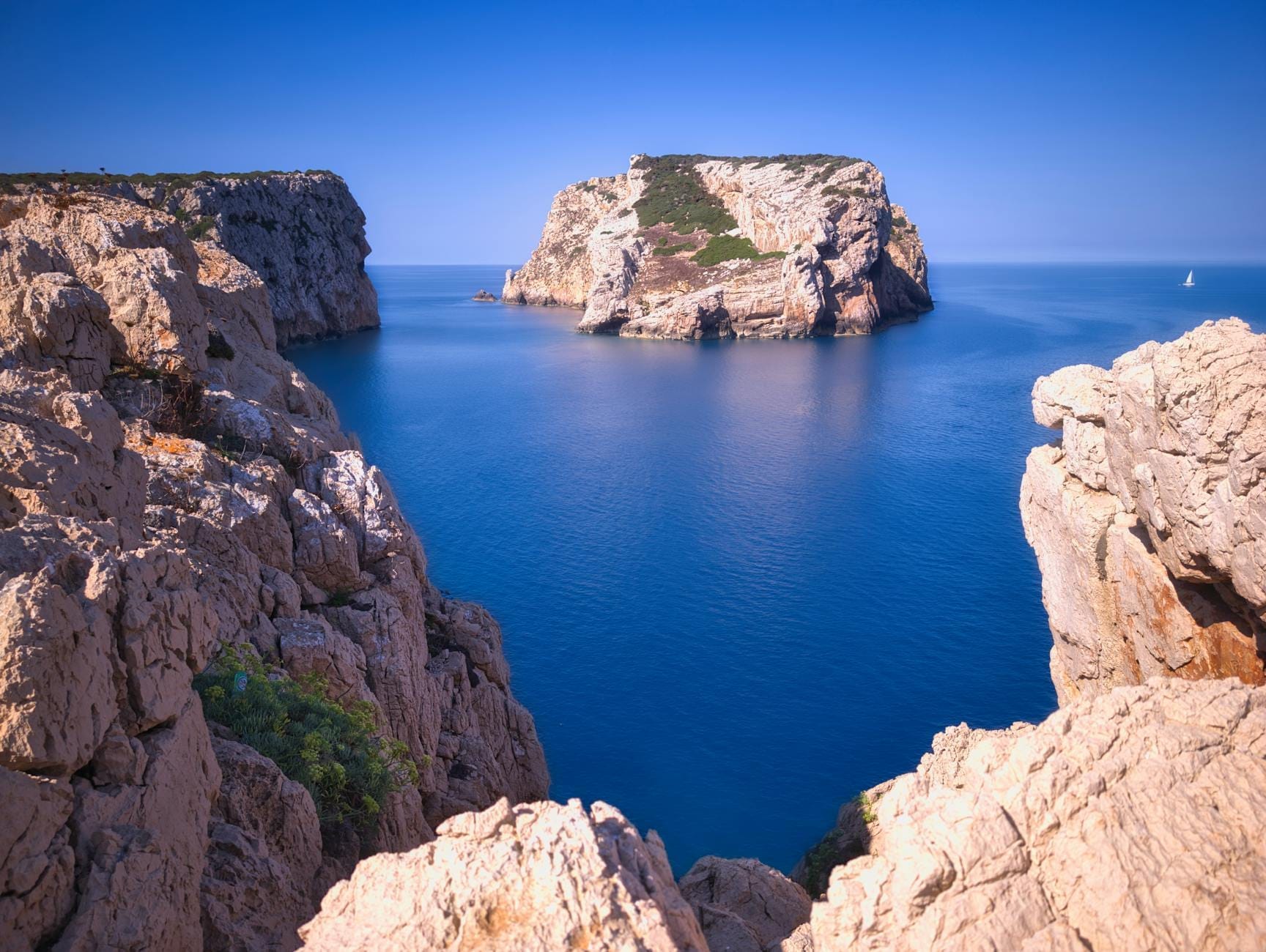
14. Cruise Past the 170-Metre Cliffs of Capo Caccia
The boat journey from Alghero to Neptune's Grotto takes you along the base of Capo Caccia's towering white limestone walls. The headland is a marine protected area with outstanding diving clarity. Even if you skip the cave, the cliff scenery alone justifies taking the boat.
Explore14. Cruise Past the 170-Metre Cliffs of Capo Caccia
The boat journey from Alghero to Neptune's Grotto takes you along the base of Capo Caccia's towering white limestone walls. The headland is a marine protected area with outstanding diving clarity. Even if you skip the cave, the cliff scenery alone justifies taking the boat.
ExploreSouthern Sardinia: Sulcis, Masua & the Southwest
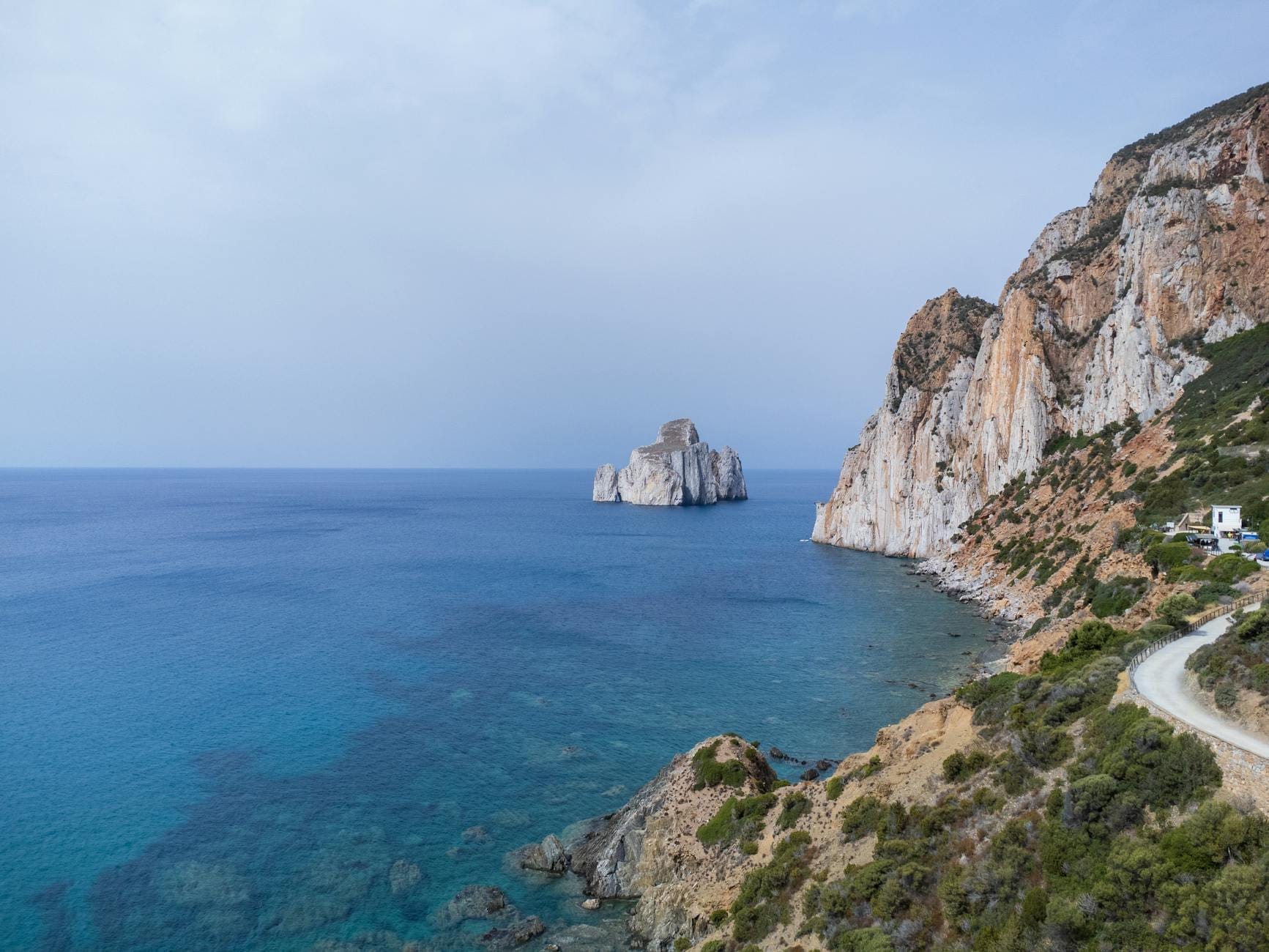
The southwest coast from Cagliari to the Sulcis is far less explored by boat than the north and east, which makes it rewarding for those wanting dramatic scenery without the crowds. The Sulcis coast combines geological spectacle with history, and kayak or small-boat tours around the Pan di Zucchero sea stack rank among the most memorable experiences in Sardinia.
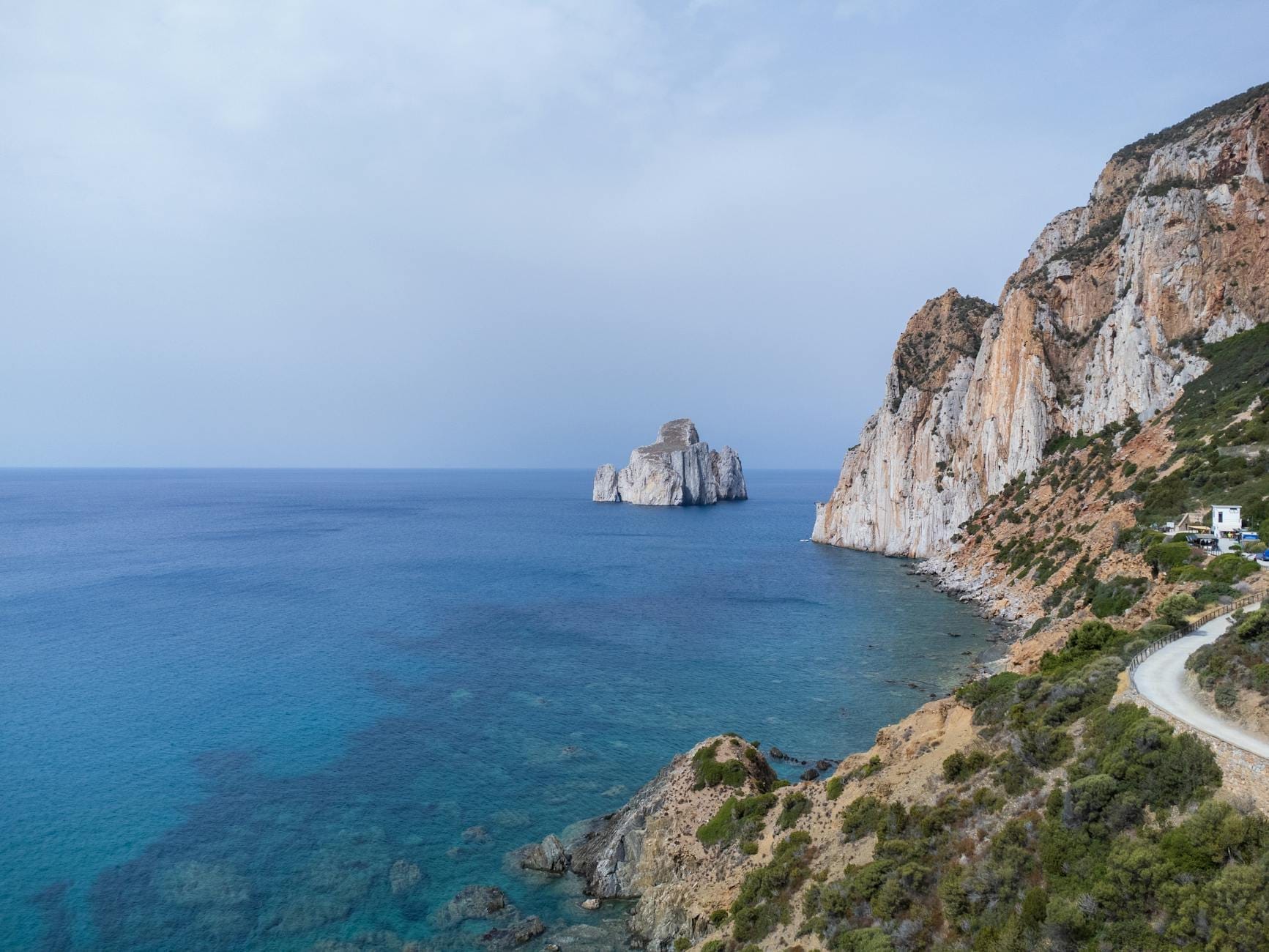
15. Circumnavigate the Pan di Zucchero Sea Stack by Kayak or Boat
A 133-metre sugar-loaf stack rising from the sea off Masua, Pan di Zucchero is best seen from the water. Kayak and small-boat tours depart from Masua beach and circle the stack, passing sea caves and sheer cliff faces. One of the most dramatic boat experiences in southern Sardinia.
Explore15. Circumnavigate the Pan di Zucchero Sea Stack by Kayak or Boat
A 133-metre sugar-loaf stack rising from the sea off Masua, Pan di Zucchero is best seen from the water. Kayak and small-boat tours depart from Masua beach and circle the stack, passing sea caves and sheer cliff faces. One of the most dramatic boat experiences in southern Sardinia.
Explore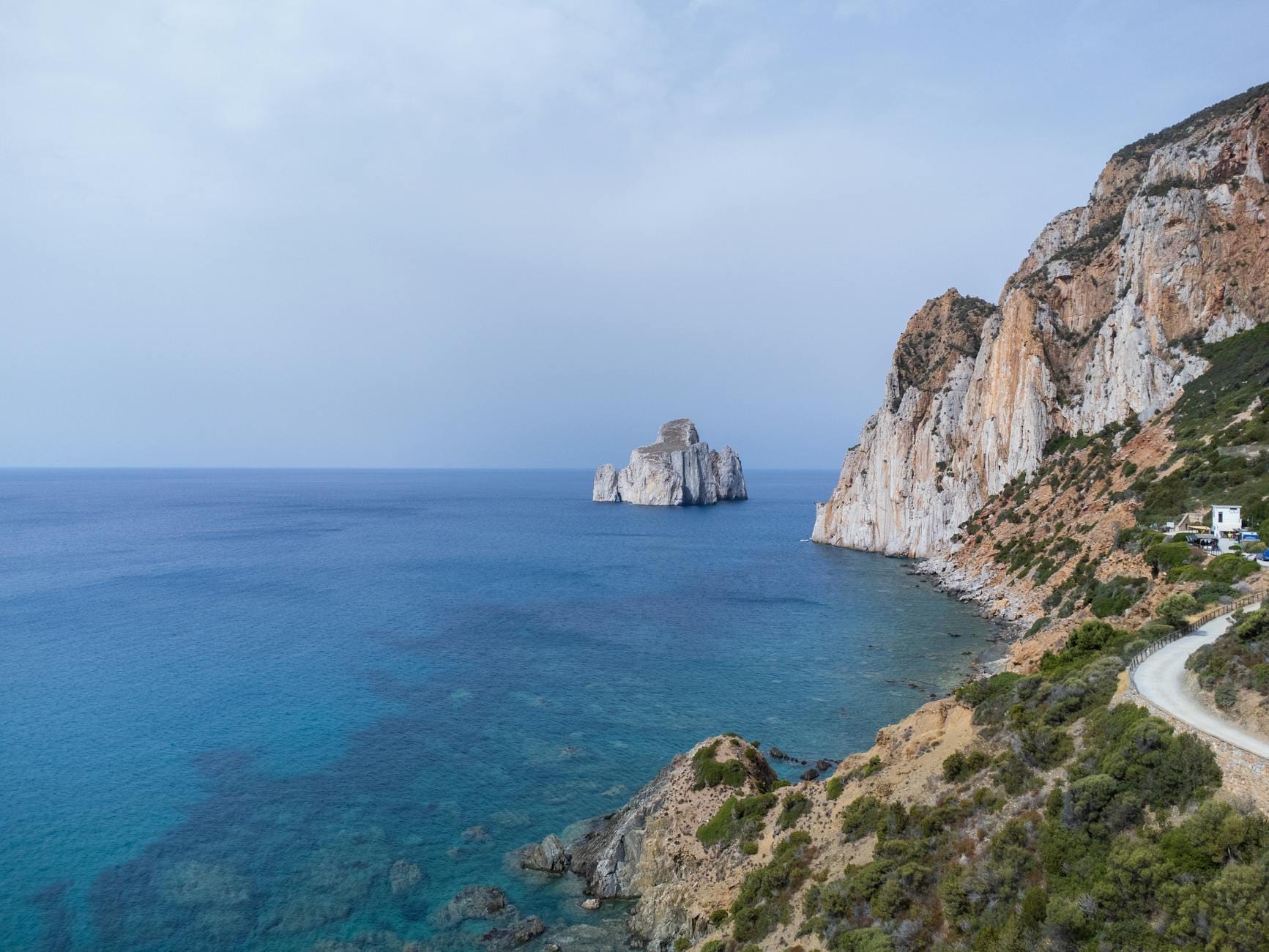
16. Explore the Masua Coast by Sea
The beach at Masua sits below Porto Flavia and faces the Pan di Zucchero stack directly. Small-boat excursions from here take you into sea caves and along cliff faces that are inaccessible on foot. The combination of geological drama and industrial history makes this coast unique.
Explore16. Explore the Masua Coast by Sea
The beach at Masua sits below Porto Flavia and faces the Pan di Zucchero stack directly. Small-boat excursions from here take you into sea caves and along cliff faces that are inaccessible on foot. The combination of geological drama and industrial history makes this coast unique.
Explore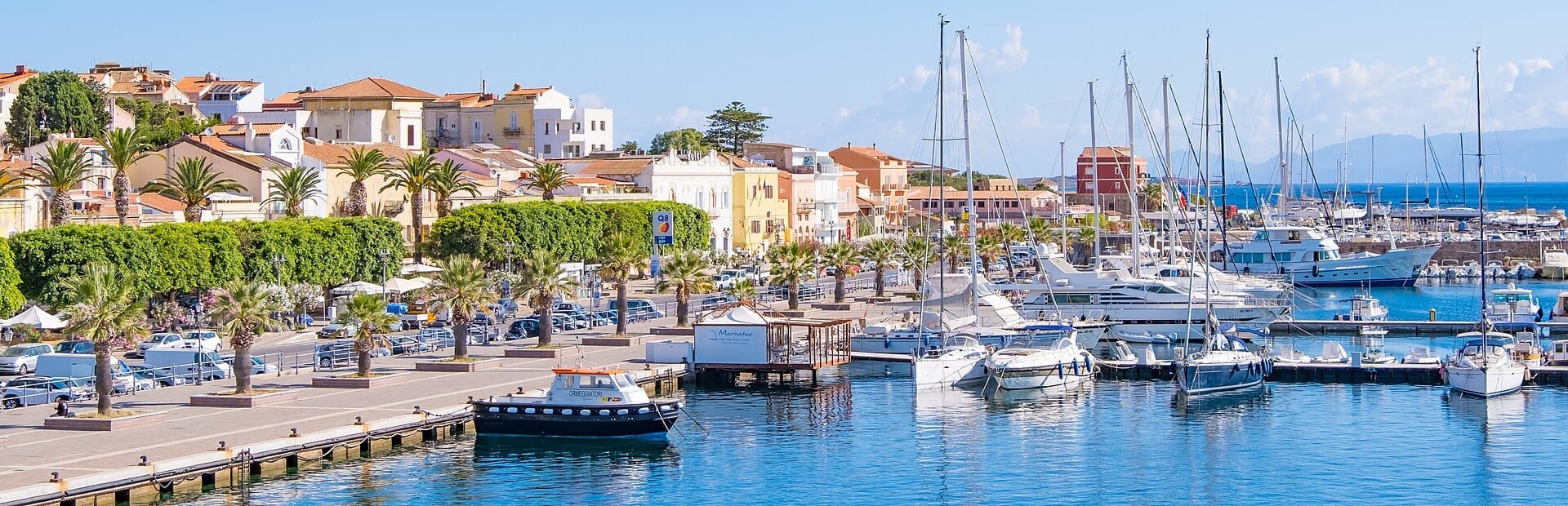
17. Take the Ferry to Carloforte on Isola di San Pietro
The Ligurian fishing village of Carloforte on San Pietro island is reached by a short ferry from Portoscuso or Calasetta. The approach across the channel reveals a pastel-coloured harbour town unchanged in character. Spend a day walking the town and eating tuna before returning in the evening.
Explore17. Take the Ferry to Carloforte on Isola di San Pietro
The Ligurian fishing village of Carloforte on San Pietro island is reached by a short ferry from Portoscuso or Calasetta. The approach across the channel reveals a pastel-coloured harbour town unchanged in character. Spend a day walking the town and eating tuna before returning in the evening.
Explore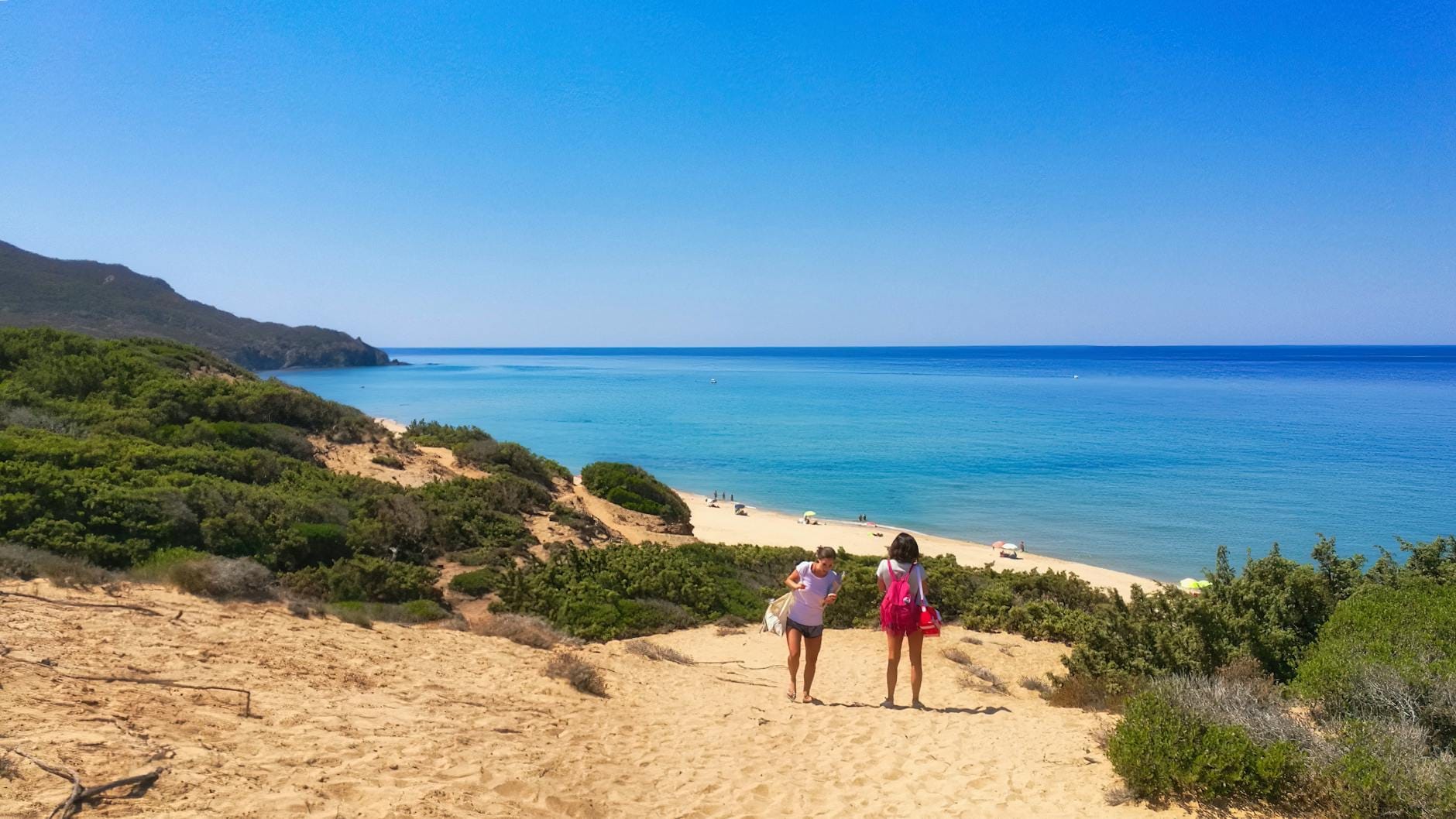
18. Join a Sunset Boat Tour Along the Chia Coastline
The Chia coast south of Cagliari has a string of white-sand coves, Phoenician ruins, and juniper-backed dunes that are beautiful from the sea. Small-boat evening tours follow the cliff line at sunset, finishing with a swim at a cove inaccessible from the road.
Explore18. Join a Sunset Boat Tour Along the Chia Coastline
The Chia coast south of Cagliari has a string of white-sand coves, Phoenician ruins, and juniper-backed dunes that are beautiful from the sea. Small-boat evening tours follow the cliff line at sunset, finishing with a swim at a cove inaccessible from the road.
ExploreCosta Smeralda & Gallura
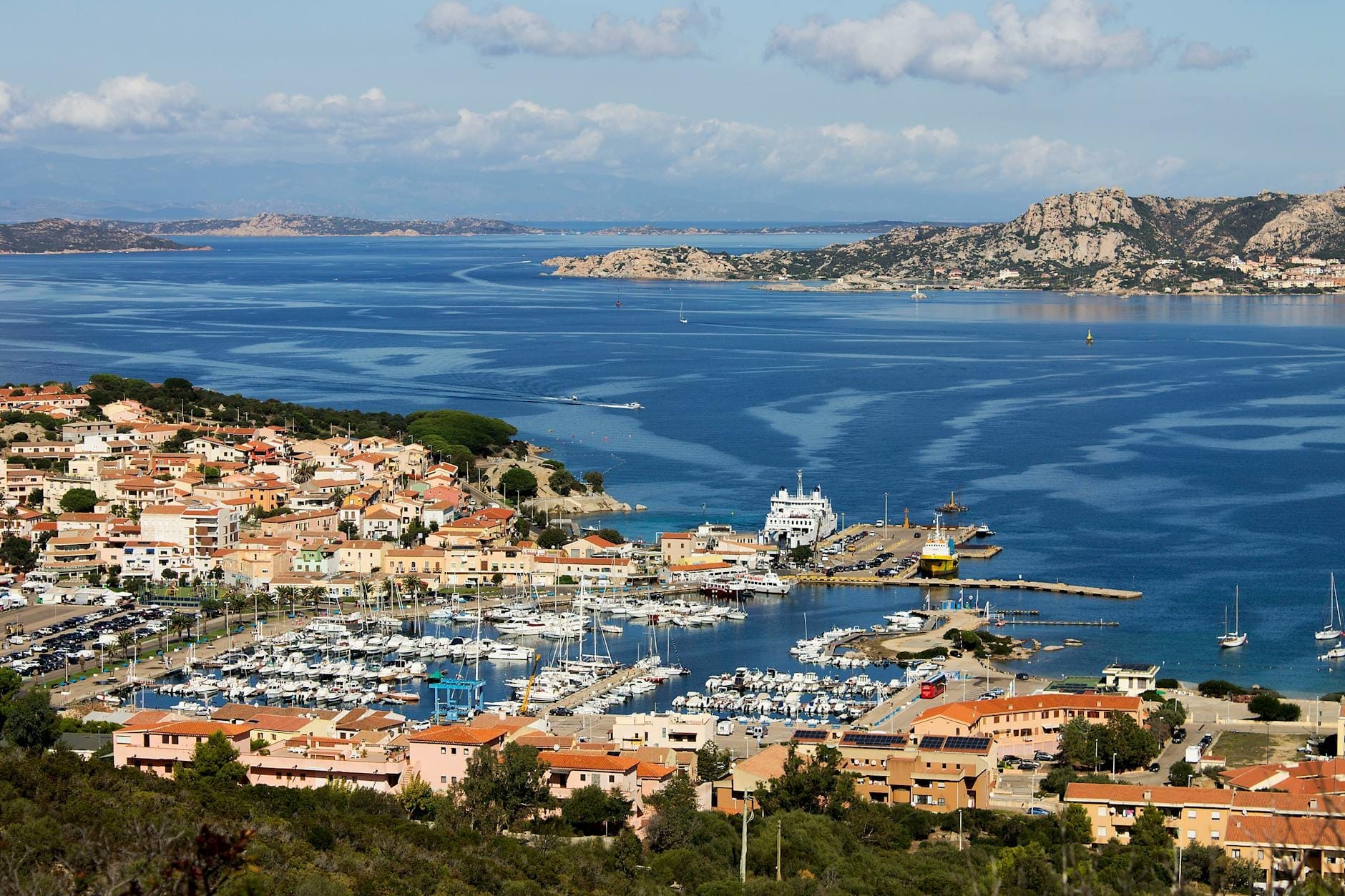
The northeast coast from the Costa Smeralda to Capo Testa is yacht country. Porto Cervo marina is the hub of the superyacht world in the Mediterranean, but the same waters are accessible on smaller shared tours from Baja Sardinia, Cannigione, and Santa Teresa Gallura. For those considering a longer sailing trip, the route from Sardinia to Corsica passes through some of the finest sailing waters in the western Mediterranean, and the Sardinia versus Corsica guide has useful context on what each island offers by sea.
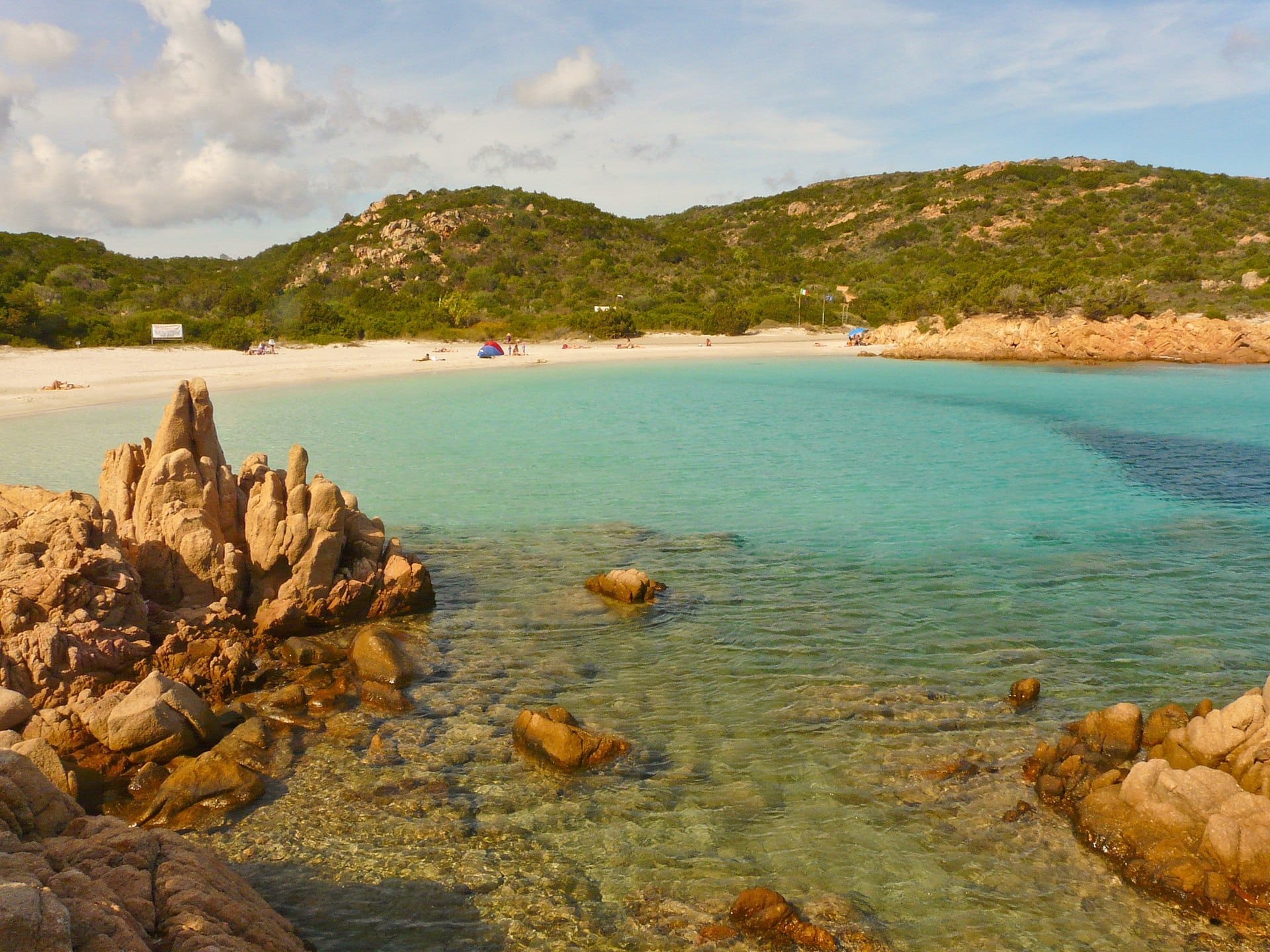
19. Anchor Off Spiaggia del Principe for a Perfect Swim Stop
Named after the Aga Khan, Spiaggia del Principe is a sheltered cove of white sand and emerald water framed by granite. Approaching by boat lets you anchor in shallow water and swim ashore, avoiding the road access queue. Best visited on weekdays in June or September.
Explore19. Anchor Off Spiaggia del Principe for a Perfect Swim Stop
Named after the Aga Khan, Spiaggia del Principe is a sheltered cove of white sand and emerald water framed by granite. Approaching by boat lets you anchor in shallow water and swim ashore, avoiding the road access queue. Best visited on weekdays in June or September.
Explore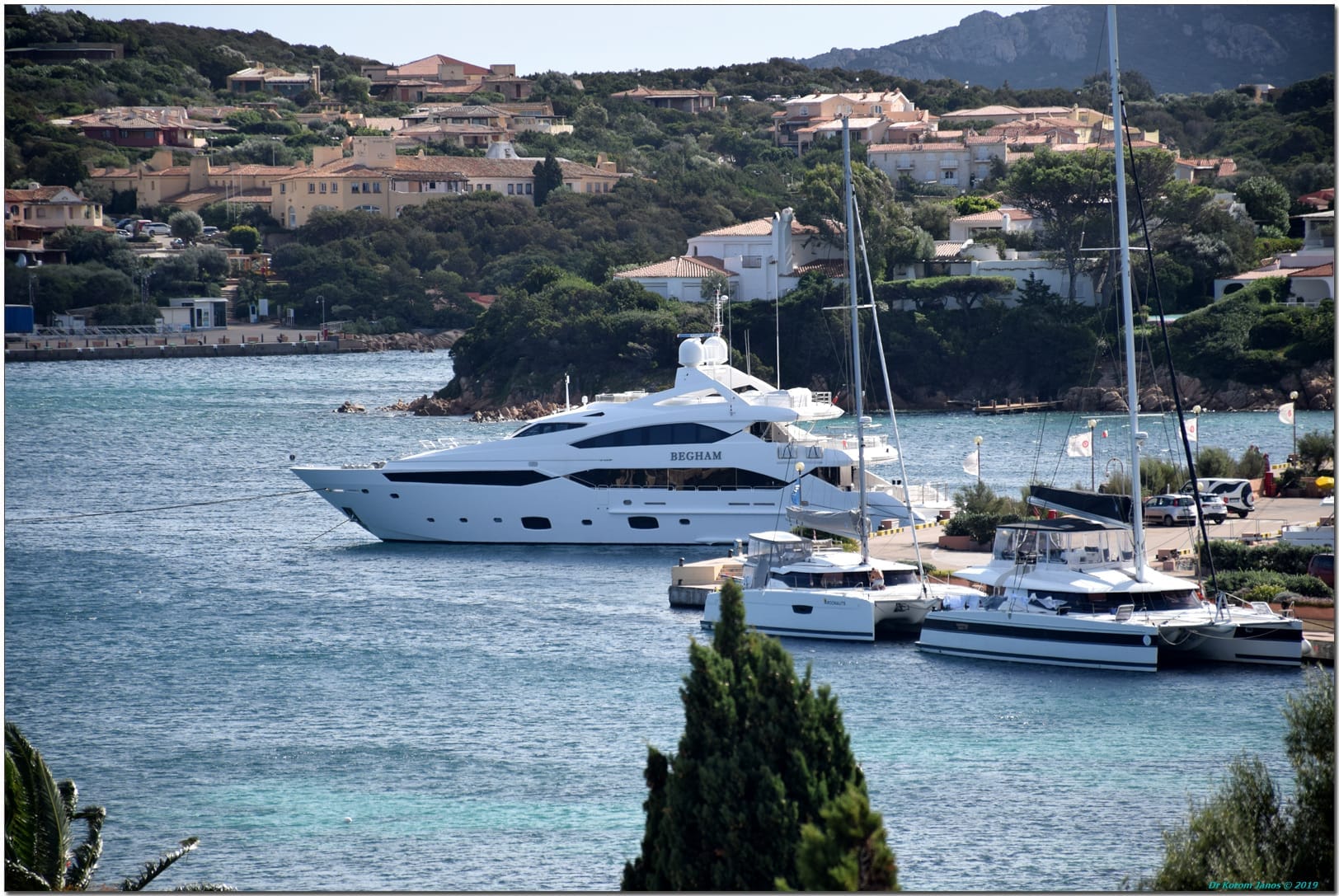
20. Sail into Porto Cervo for a Glimpse of the Superyacht World
Porto Cervo's marina is one of the most exclusive in the world, with superyachts lining the quay throughout summer. Even arriving on a modest day charter feels theatrical. The annual Maxi Yacht Rolex Cup in September is the best time to see the harbour at its most spectacular.
Explore20. Sail into Porto Cervo for a Glimpse of the Superyacht World
Porto Cervo's marina is one of the most exclusive in the world, with superyachts lining the quay throughout summer. Even arriving on a modest day charter feels theatrical. The annual Maxi Yacht Rolex Cup in September is the best time to see the harbour at its most spectacular.
Explore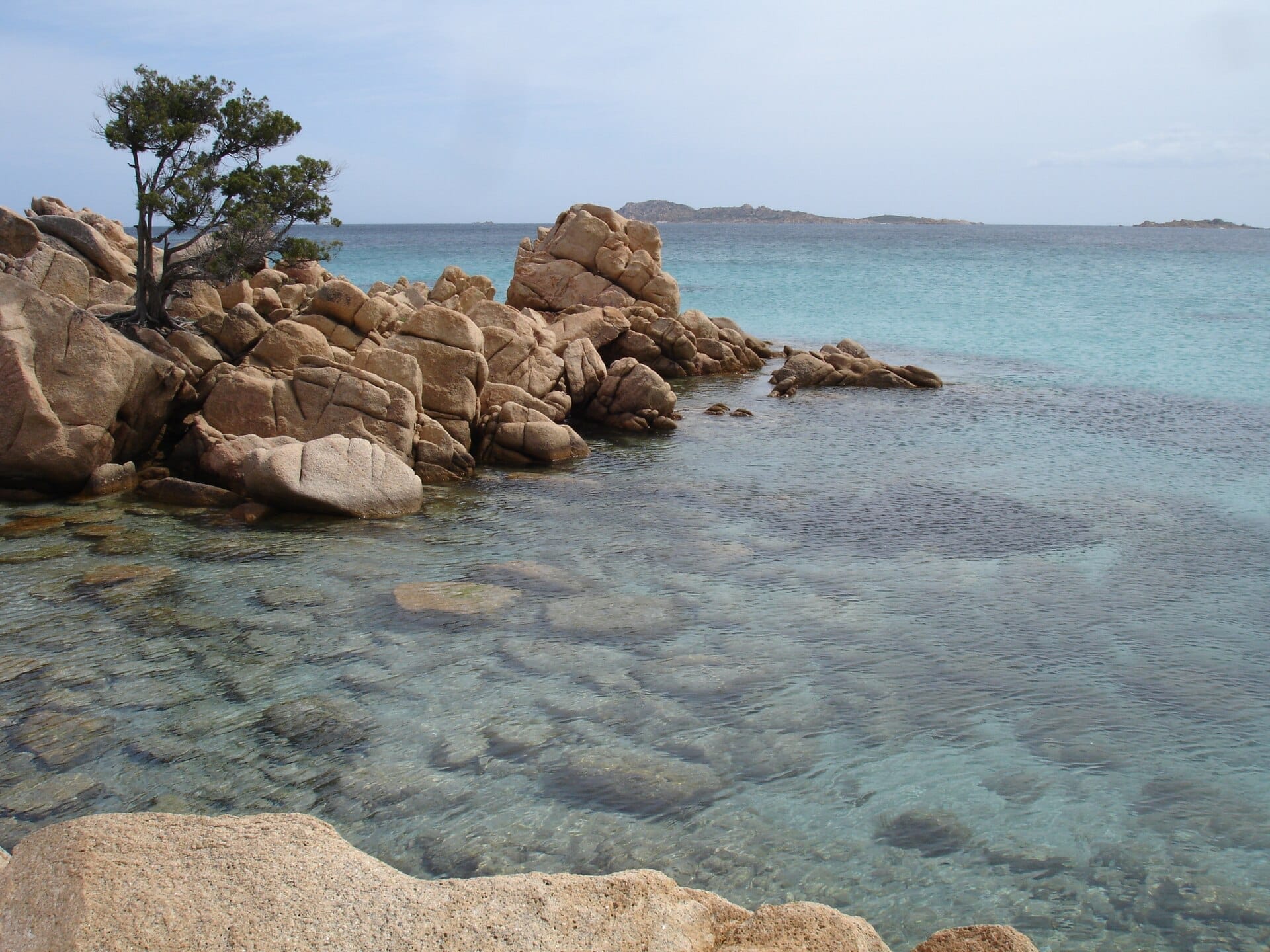
21. Snorkel the Granite Boulders at Capriccioli by Boat
Capriccioli is a sheltered double cove less crowded than Principe, with excellent snorkelling among submerged granite formations. Boat access lets you drop anchor in clear water and explore the cove without fighting the parking situation. One of Costa Smeralda's best-kept swimming stops.
Explore21. Snorkel the Granite Boulders at Capriccioli by Boat
Capriccioli is a sheltered double cove less crowded than Principe, with excellent snorkelling among submerged granite formations. Boat access lets you drop anchor in clear water and explore the cove without fighting the parking situation. One of Costa Smeralda's best-kept swimming stops.
Explore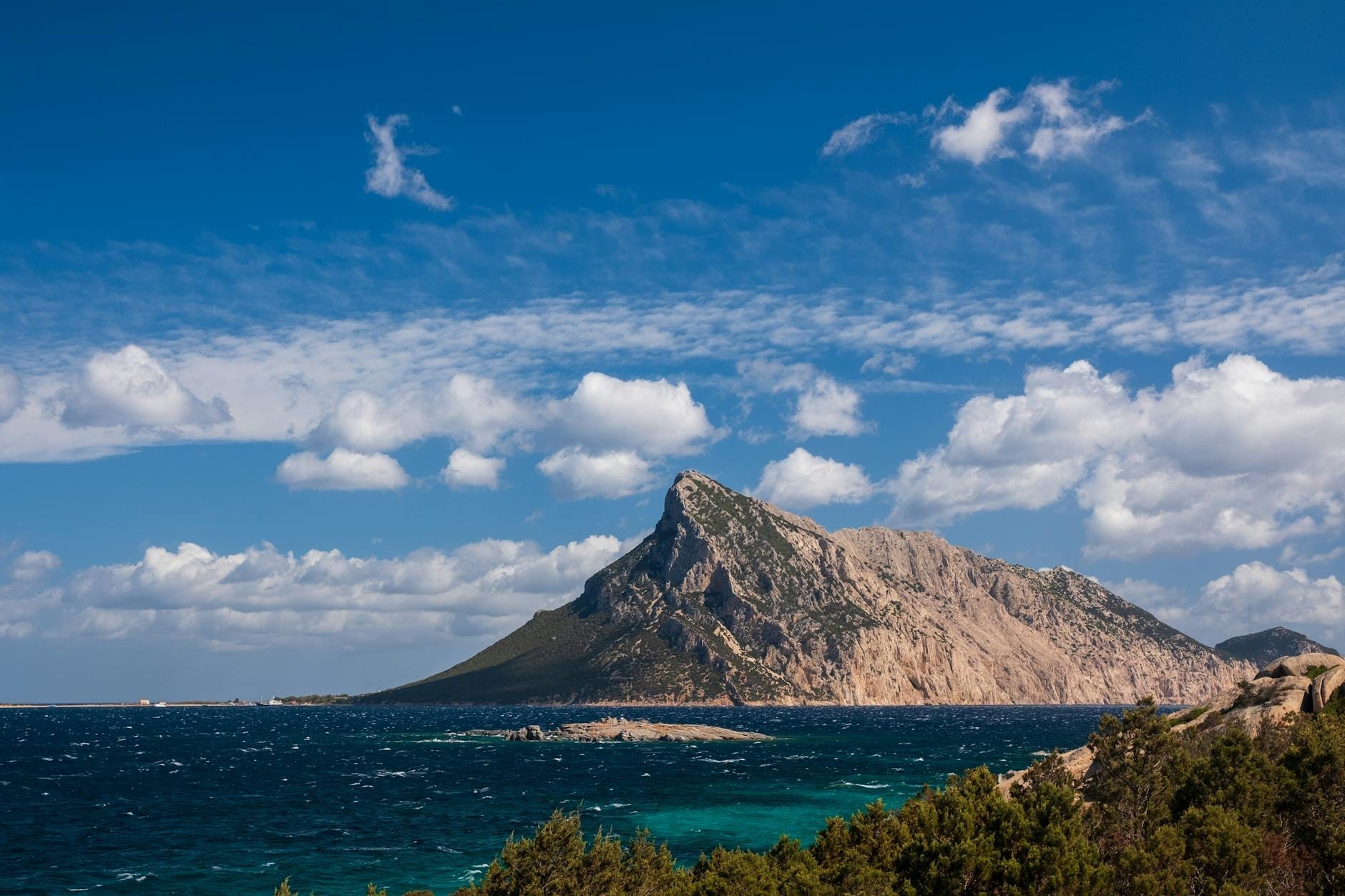
22. Day Trip to the Kingdom of Tavolara by Boat
Tavolara is a sheer table-mountain island rising 564 metres from the sea near Olbia, with a marine reserve beneath it. Ferries and tour boats run from Olbia and San Teodoro. The underwater visibility here is exceptional, and the tiny resident community gives it an atmosphere unlike any other island day trip.
Explore22. Day Trip to the Kingdom of Tavolara by Boat
Tavolara is a sheer table-mountain island rising 564 metres from the sea near Olbia, with a marine reserve beneath it. Ferries and tour boats run from Olbia and San Teodoro. The underwater visibility here is exceptional, and the tiny resident community gives it an atmosphere unlike any other island day trip.
Explore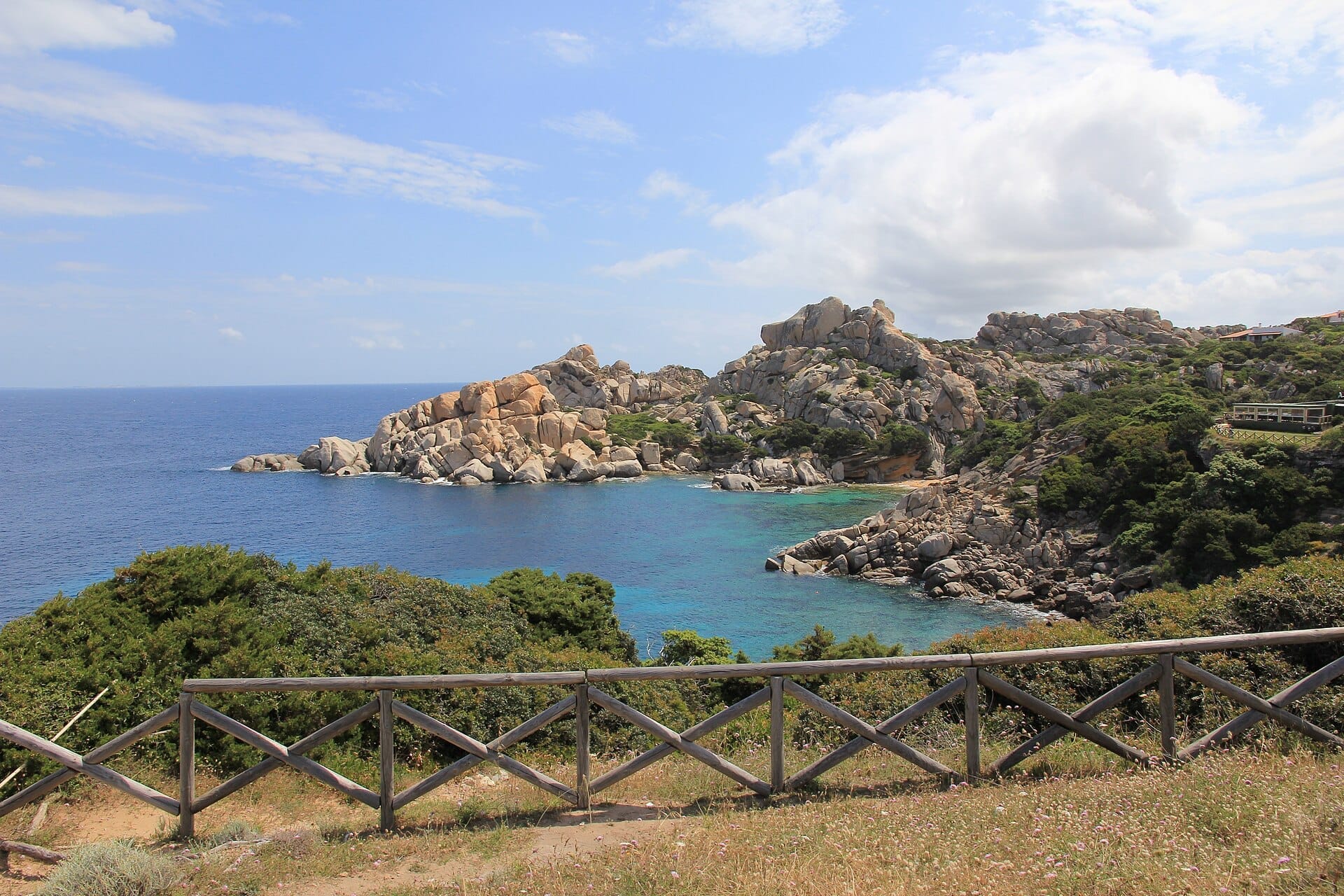
23. Explore the Hidden Coves of Capo Testa from the Sea
Capo Testa's wild granite peninsula near Santa Teresa Gallura has a series of small coves invisible from the road. Boat tours from Santa Teresa skirt the headland and enter narrow inlets between wind-sculpted boulders. The Strait of Bonifacio views toward Corsica are exceptional from the water.
Explore23. Explore the Hidden Coves of Capo Testa from the Sea
Capo Testa's wild granite peninsula near Santa Teresa Gallura has a series of small coves invisible from the road. Boat tours from Santa Teresa skirt the headland and enter narrow inlets between wind-sculpted boulders. The Strait of Bonifacio views toward Corsica are exceptional from the water.
ExploreFAQ
When is the best time for boat trips in Sardinia?
May to October offers the best conditions, with June and September the sweet spot: water temperatures are warm, sea conditions are generally calm, and crowds and prices are lower than July and August. July and August have reliably good weather but peak boat traffic and higher costs.
How much does a boat trip in Sardinia cost?
Shared small-group day tours start around €90 per person, typically covering four to six stops over eight hours including park entry fees. Private day charters start at roughly €750 for a small group (up to 12 people) on a basic motorboat, rising to €2,000 to €6,000 or more for larger or luxury vessels.
Do I need to book a boat trip in advance?
For shared day tours, booking two to five days ahead is usually sufficient in shoulder season, but popular Gulf of Orosei and La Maddalena routes can sell out in July and August and are worth booking as soon as your dates are fixed. For private charters in peak summer, booking in January to March gives the best choice and price.
Where do boat trips to La Maddalena depart from?
Tours depart from several points: Palau (the most common), Cannigione, La Maddalena town itself, Porto Pollo, Baja Sardinia, and Santa Teresa Gallura. Palau has the most frequent departures and the shortest crossing to the park. All full-day tours include national park fees.
Can I do a boat trip in Sardinia without swimming?
Yes, though most tours are designed around swim stops. If you don't swim, you can still join tours for the scenic cruising, cave visits, and cove views. The Neptune's Grotto trip from Alghero is particularly well suited as it focuses on cave exploration rather than beach swimming.