Snorkelling & Diving in Sardinia: Best Spots & Marine Reserves
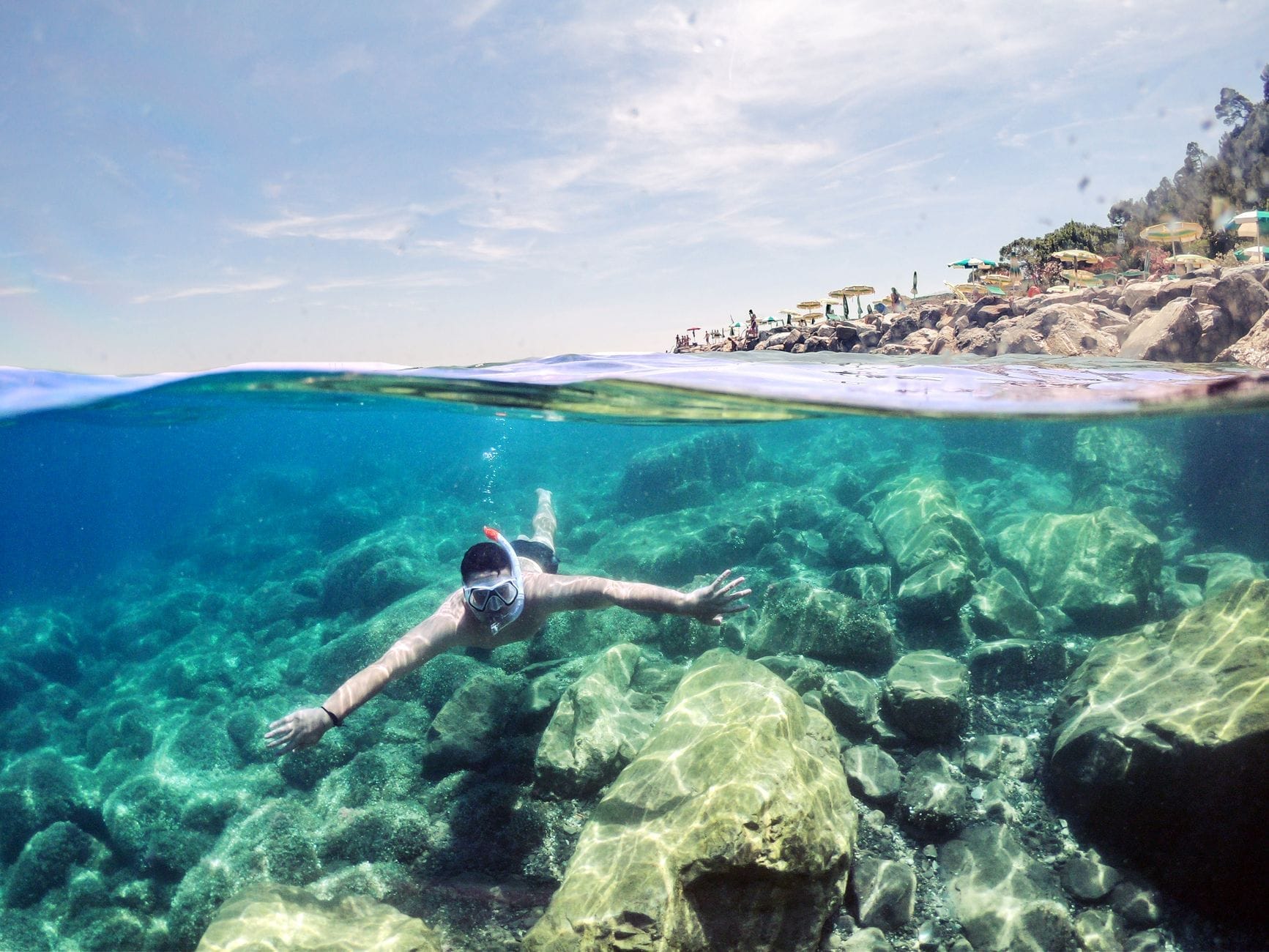
Sardinia has some of the clearest water in the Mediterranean, protected by a network of marine reserves that have allowed groupers, barracuda, and Posidonia seagrass meadows to thrive. This guide covers the best snorkelling and diving destinations across the island, from the sheltered coves of the Golfo di Orosei to the offshore shoals of Capo Caccia and the archipelago waters of La Maddalena.
Plan and book this trip
Tools from our partner Travelpayouts help you compare flights and hotels. If you book through them, we may earn a commission at no extra cost to you.
Flights
Hotels map
Sardinia's underwater world is one of the Mediterranean's best-kept secrets. The island's coastline is protected by several official marine protected areas (MPAs), many of which are divided into zones that regulate access and keep fish stocks and habitats in exceptional condition. Whether you're a certified diver looking for pinnacles and wrecks or a snorkeller happy to float above a Posidonia meadow, the island delivers across every region. The key is knowing which areas reward which type of visit. For context on planning your trip around the water, see our guide to the best beaches in Sardinia and our overview of boat trips in Sardinia, which covers many of the coastal access points mentioned here.
ℹ️ Good to know
Many of Sardinia's top dive and snorkel sites sit inside marine protected areas with A/B/C zones. Some require a licensed operator to enter. Always check current MPA regulations before booking independently.
The Golfo di Orosei: Sea Caves & Crystal Coves
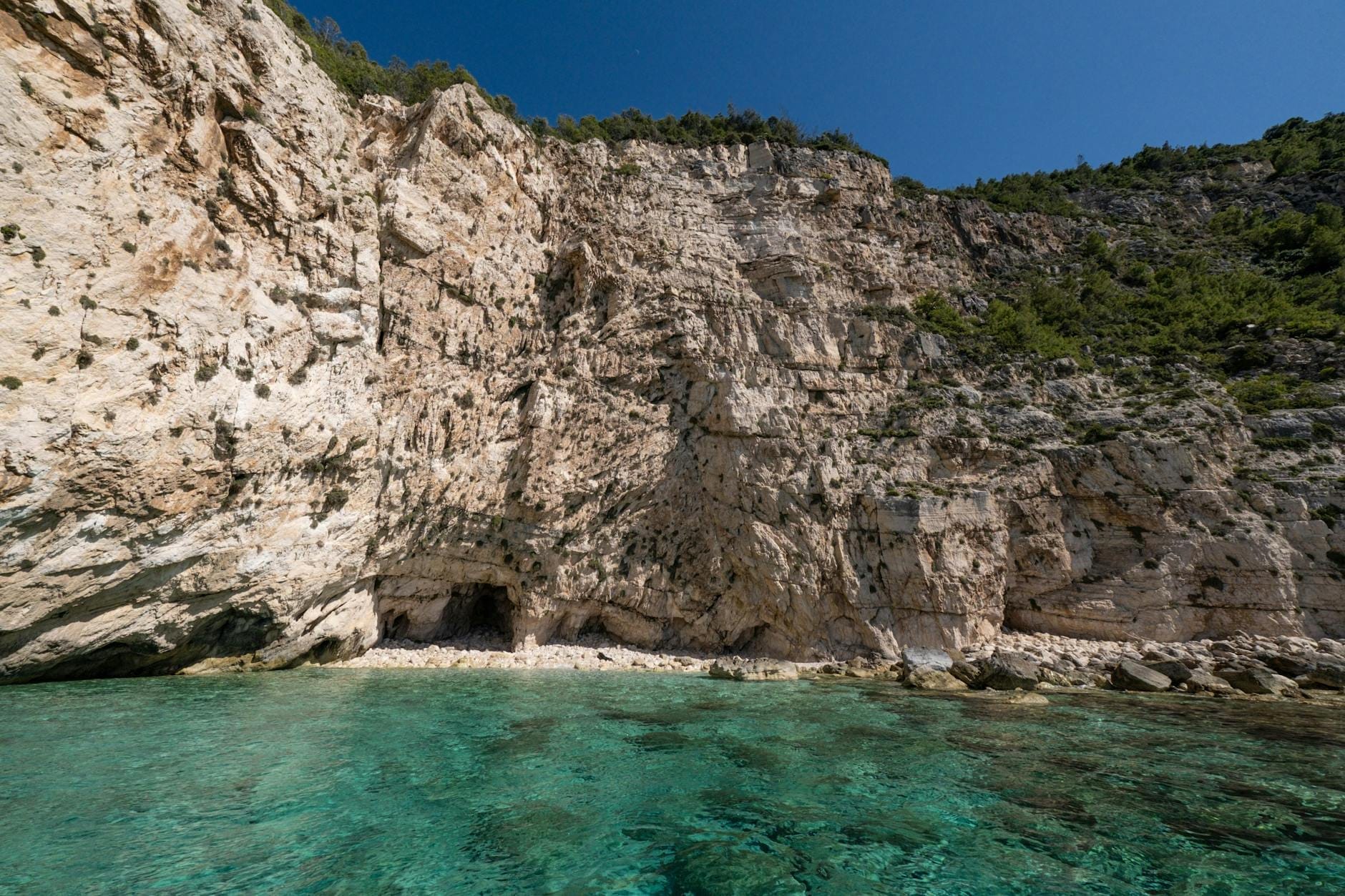
The Golfo di Orosei is the jewel of Sardinia's east coast: an approximately 40-kilometre arc of vertical limestone cliffs, sea caves, and inaccessible coves where the water turns extraordinary shades of turquoise. Almost every beach here is reachable only by boat, which means the underwater environment stays pristine. Dive centres in Cala Gonone run daily trips to the best sites from May through October, and snorkelling off the prow of a boat into these coves is one of the defining Sardinian experiences.
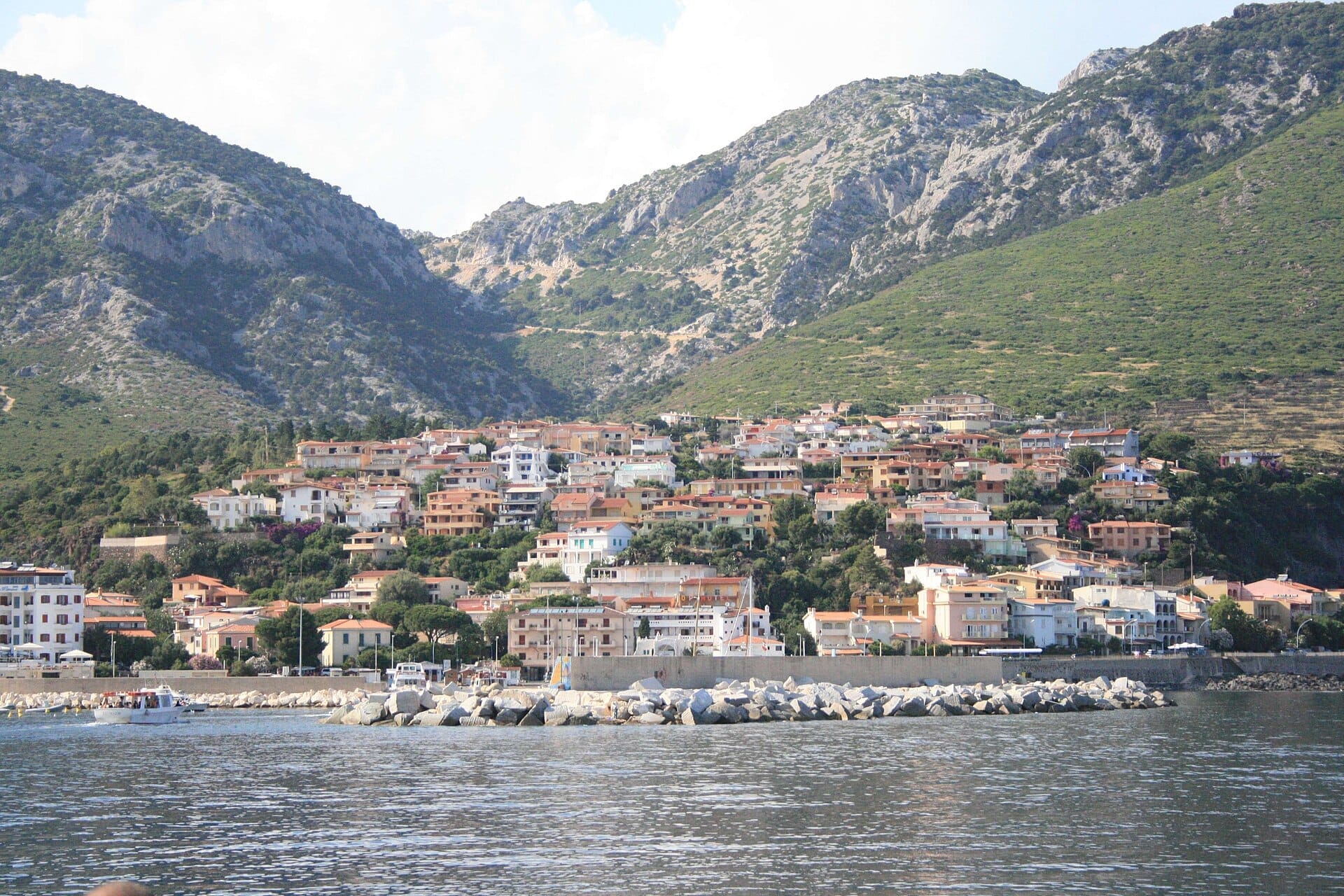
1. Base Yourself in Cala Gonone for Dive Centre Access
The main hub for underwater exploration on the east coast. Dive centres here run certified diver boat trips and snorkelling tours daily to the gulf's best sites. Single dives typically cost €45–€70; snorkelling half-days from around €50.
Explore1. Base Yourself in Cala Gonone for Dive Centre Access
The main hub for underwater exploration on the east coast. Dive centres here run certified diver boat trips and snorkelling tours daily to the gulf's best sites. Single dives typically cost €45–€70; snorkelling half-days from around €50.
Explore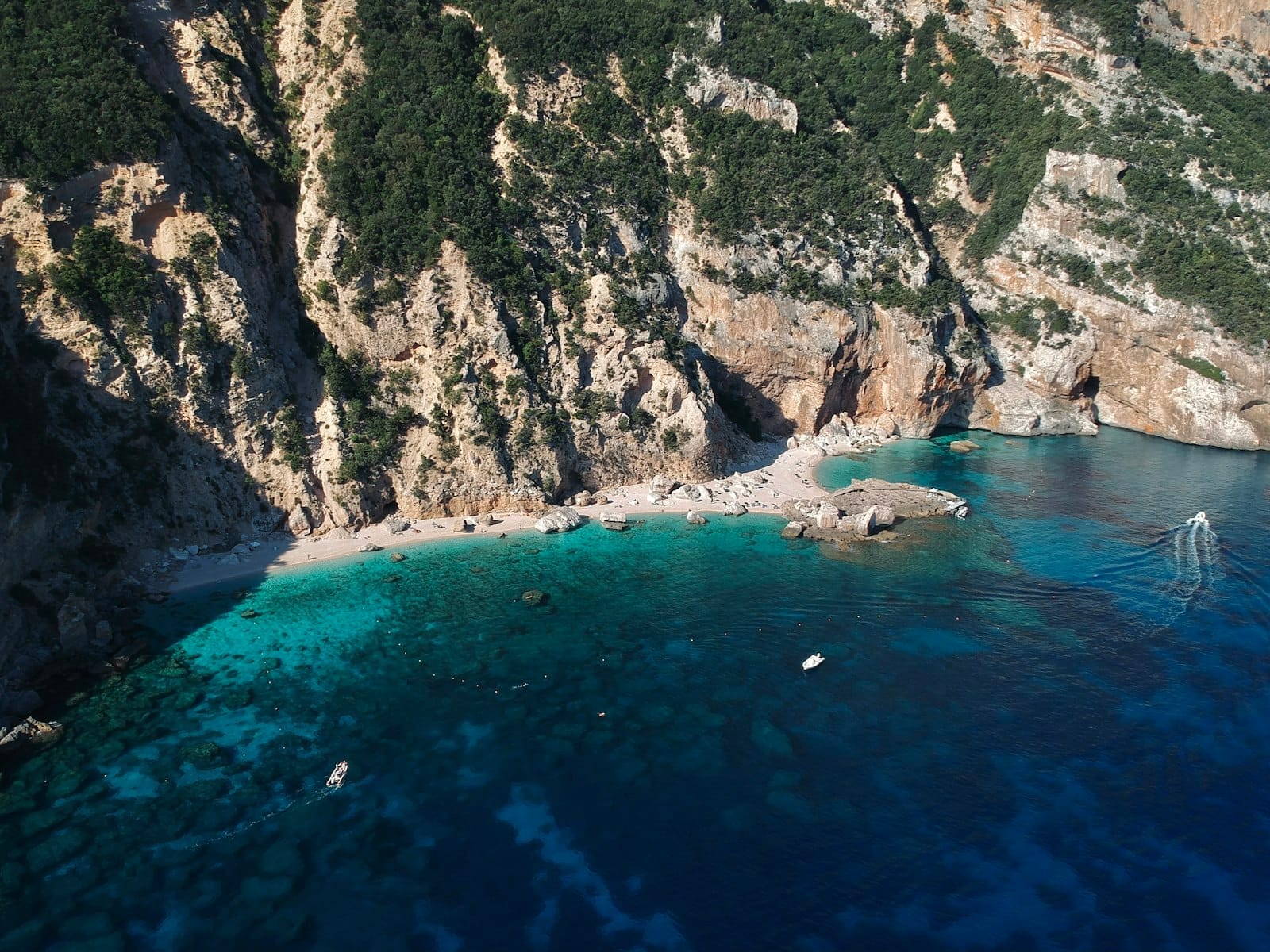
2. Snorkel the Pink-Pebble Shallows of Cala Mariolu
The double cove's white and pink pebble floor gives the water a luminescent quality that makes snorkelling here feel surreal. Granite boulders create swim-throughs just below the surface. Boat access only from Cala Gonone or Santa Maria Navarrese.
Explore2. Snorkel the Pink-Pebble Shallows of Cala Mariolu
The double cove's white and pink pebble floor gives the water a luminescent quality that makes snorkelling here feel surreal. Granite boulders create swim-throughs just below the surface. Boat access only from Cala Gonone or Santa Maria Navarrese.
Explore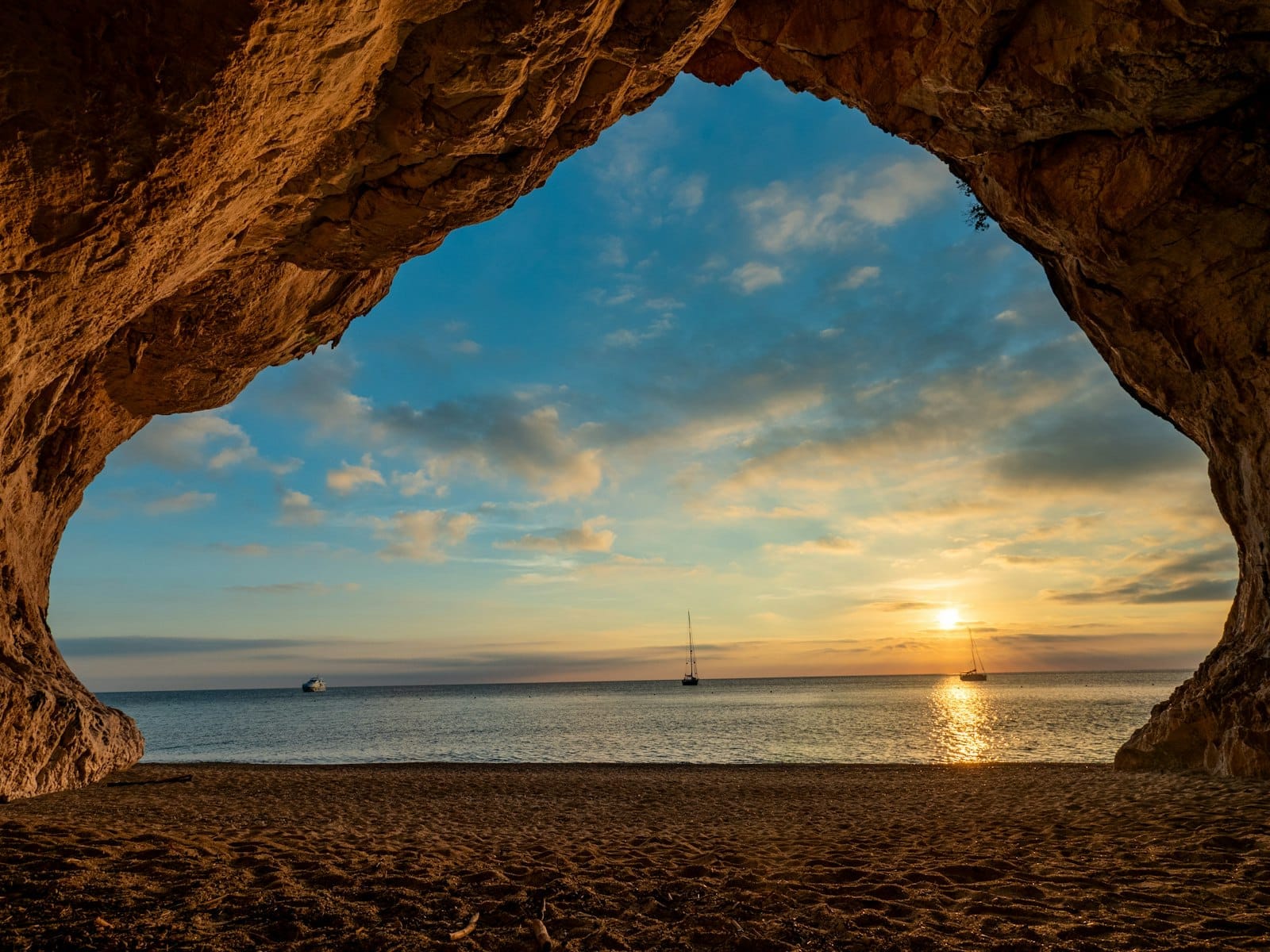
3. Explore the Sea Caves at Cala Luna by Snorkel
The sea caves backing this famous crescent beach are accessible to snorkellers on calm days. The canyon mouth feeds cold freshwater into the bay, creating a thermocline visible to divers. Best explored early morning before day-trippers arrive by boat.
Explore3. Explore the Sea Caves at Cala Luna by Snorkel
The sea caves backing this famous crescent beach are accessible to snorkellers on calm days. The canyon mouth feeds cold freshwater into the bay, creating a thermocline visible to divers. Best explored early morning before day-trippers arrive by boat.
Explore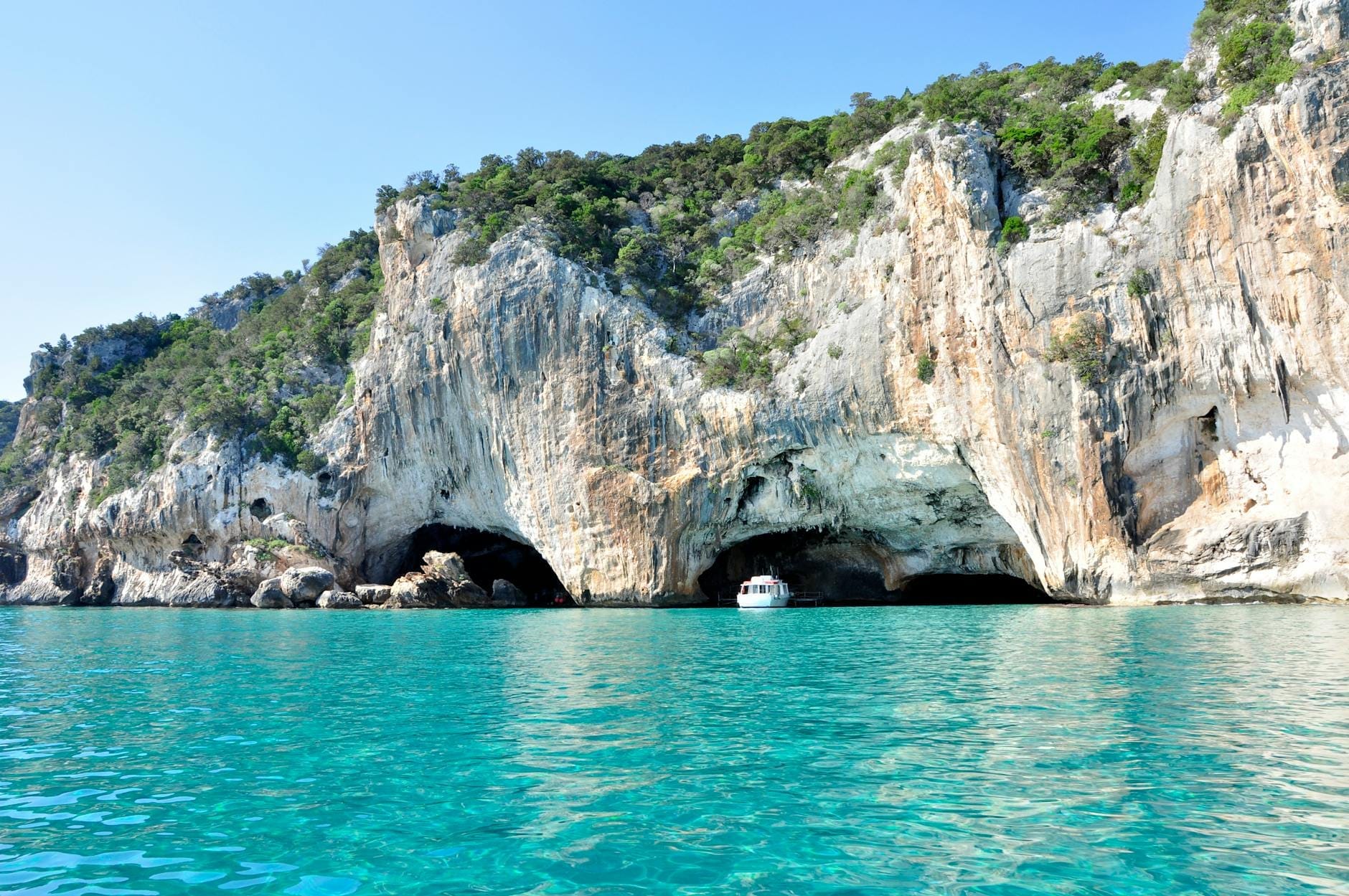
4. Dive Near the Monk Seal Caves at Bue Marino
The waters outside this sea cave system are among the richest in the gulf, with Posidonia meadows and groupers. Named for the Mediterranean monk seal once resident here. Dive centres combine cave visits with underwater exploration of the surrounding cliffs.
Explore4. Dive Near the Monk Seal Caves at Bue Marino
The waters outside this sea cave system are among the richest in the gulf, with Posidonia meadows and groupers. Named for the Mediterranean monk seal once resident here. Dive centres combine cave visits with underwater exploration of the surrounding cliffs.
Explore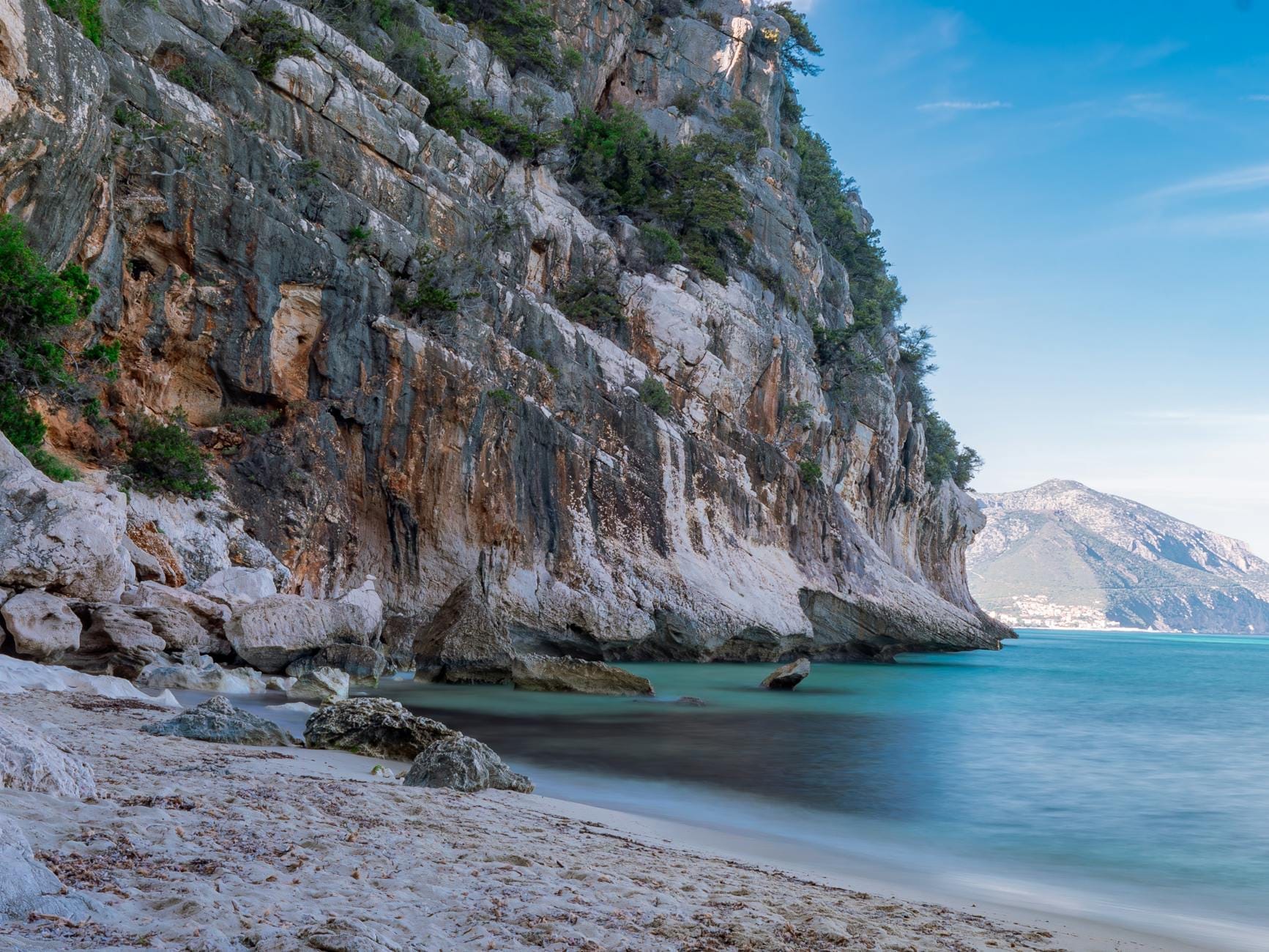
5. Snorkel Beneath the Pinnacle at Cala Goloritzè
The limestone walls drop sheer into the sea here, making for dramatic snorkelling along vertical rock faces. The beach is UNESCO-protected and accessible by boat or a 2-hour hike. Underwater visibility is exceptional, often exceeding 30 metres on calm days.
Explore5. Snorkel Beneath the Pinnacle at Cala Goloritzè
The limestone walls drop sheer into the sea here, making for dramatic snorkelling along vertical rock faces. The beach is UNESCO-protected and accessible by boat or a 2-hour hike. Underwater visibility is exceptional, often exceeding 30 metres on calm days.
Explore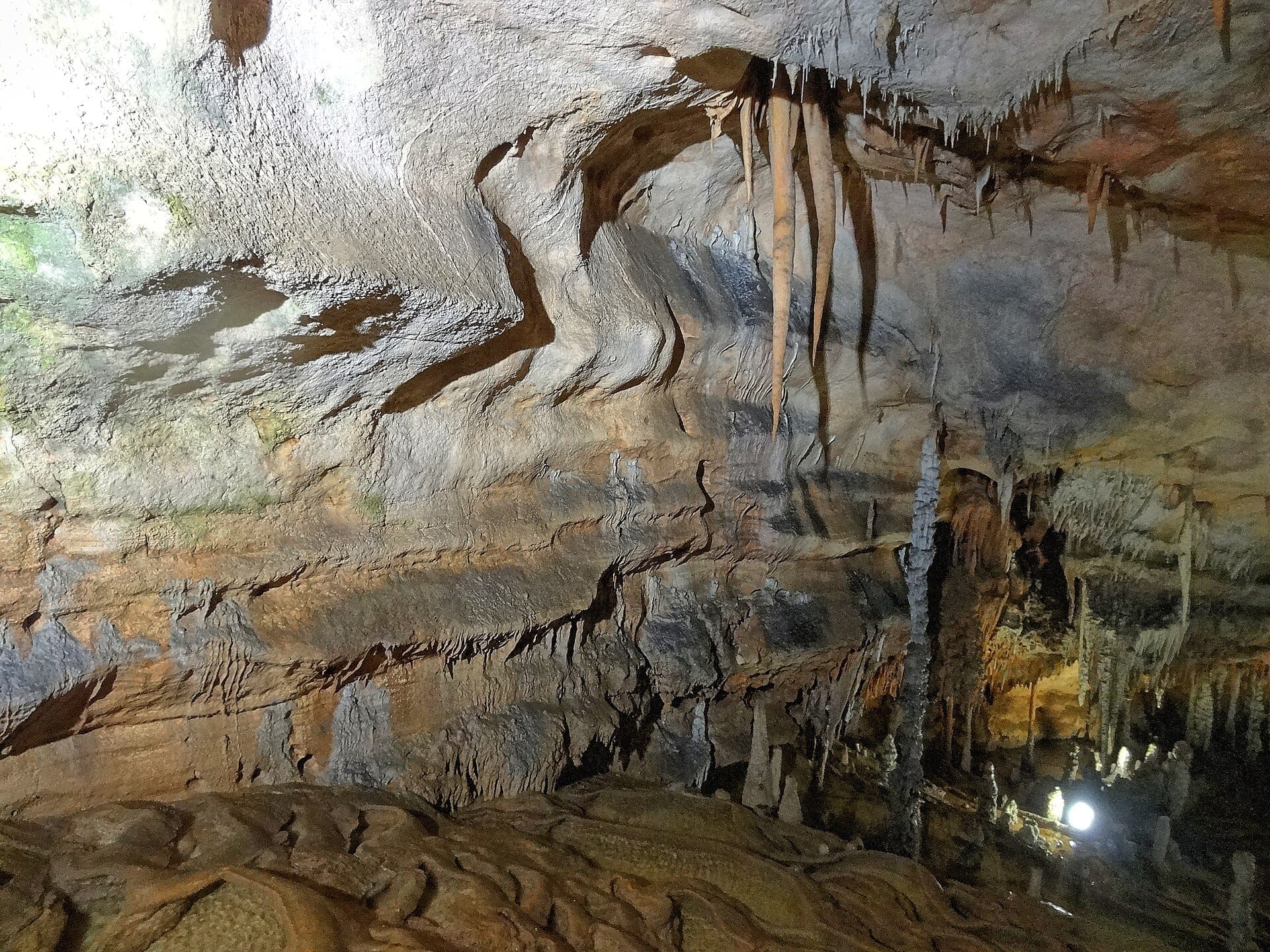
6. Enter the Fig Tree Caves from the Sea
Accessible by boat from Cala Gonone, this sea cave system on the Baunei coast allows snorkellers to swim directly into the grotto entrance. The mix of light, stalactites, and crystal water creates one of the most atmospheric experiences on the gulf.
Explore6. Enter the Fig Tree Caves from the Sea
Accessible by boat from Cala Gonone, this sea cave system on the Baunei coast allows snorkellers to swim directly into the grotto entrance. The mix of light, stalactites, and crystal water creates one of the most atmospheric experiences on the gulf.
ExploreLa Maddalena Archipelago: The Northern Benchmark
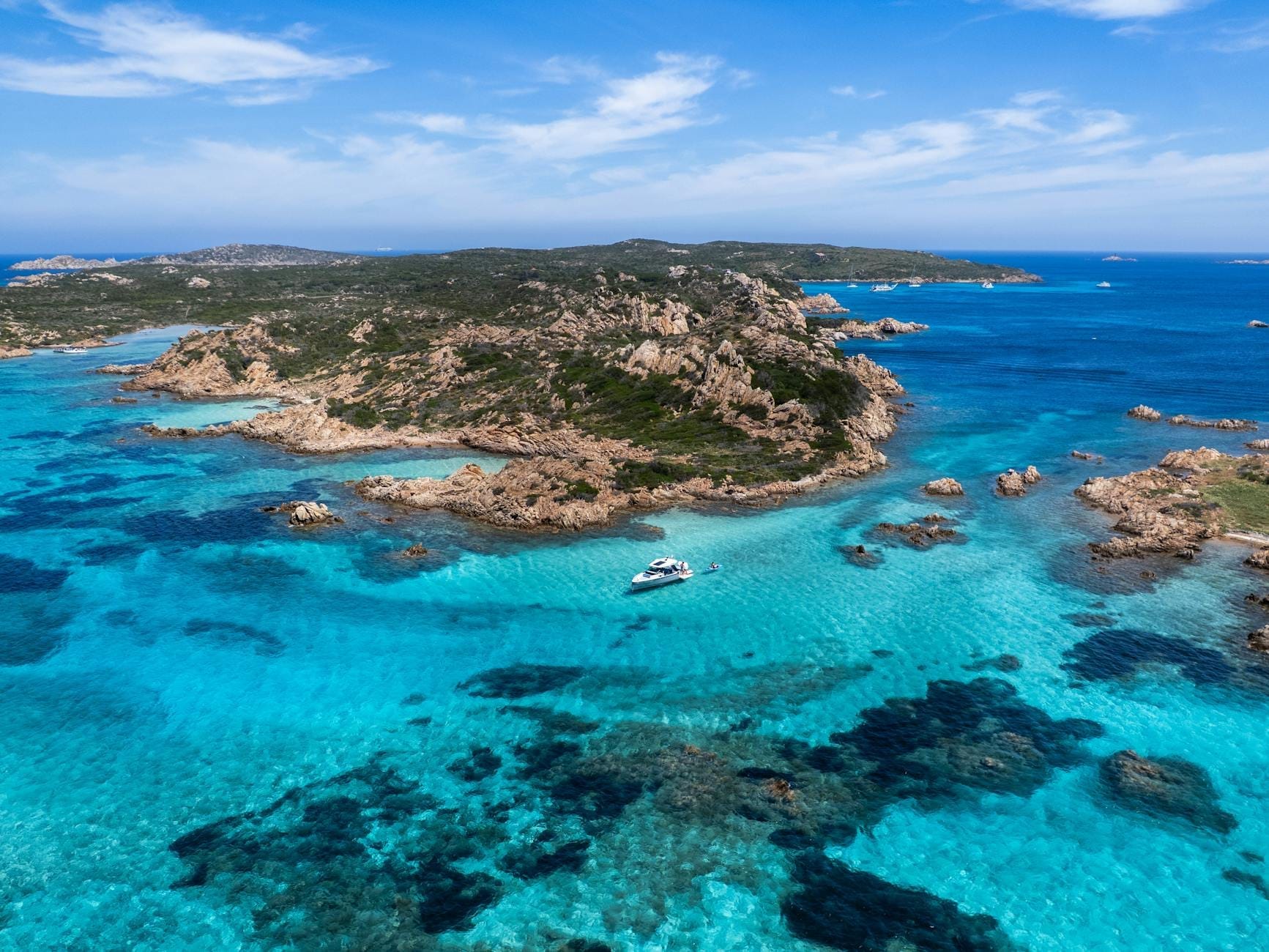
The La Maddalena Archipelago National Park is one of Sardinia's two most significant marine environments for divers. The protected waters between the islands of Spargi, Budelli, and Caprera contain granite pinnacles, offshore shoals like Secca di Washington, and visibility that can exceed 30–40 metres in good conditions. Day boats depart from La Maddalena town and from Palau, and the park's zone system means the best sites are well-preserved. See the full La Maddalena Archipelago guide for logistics.
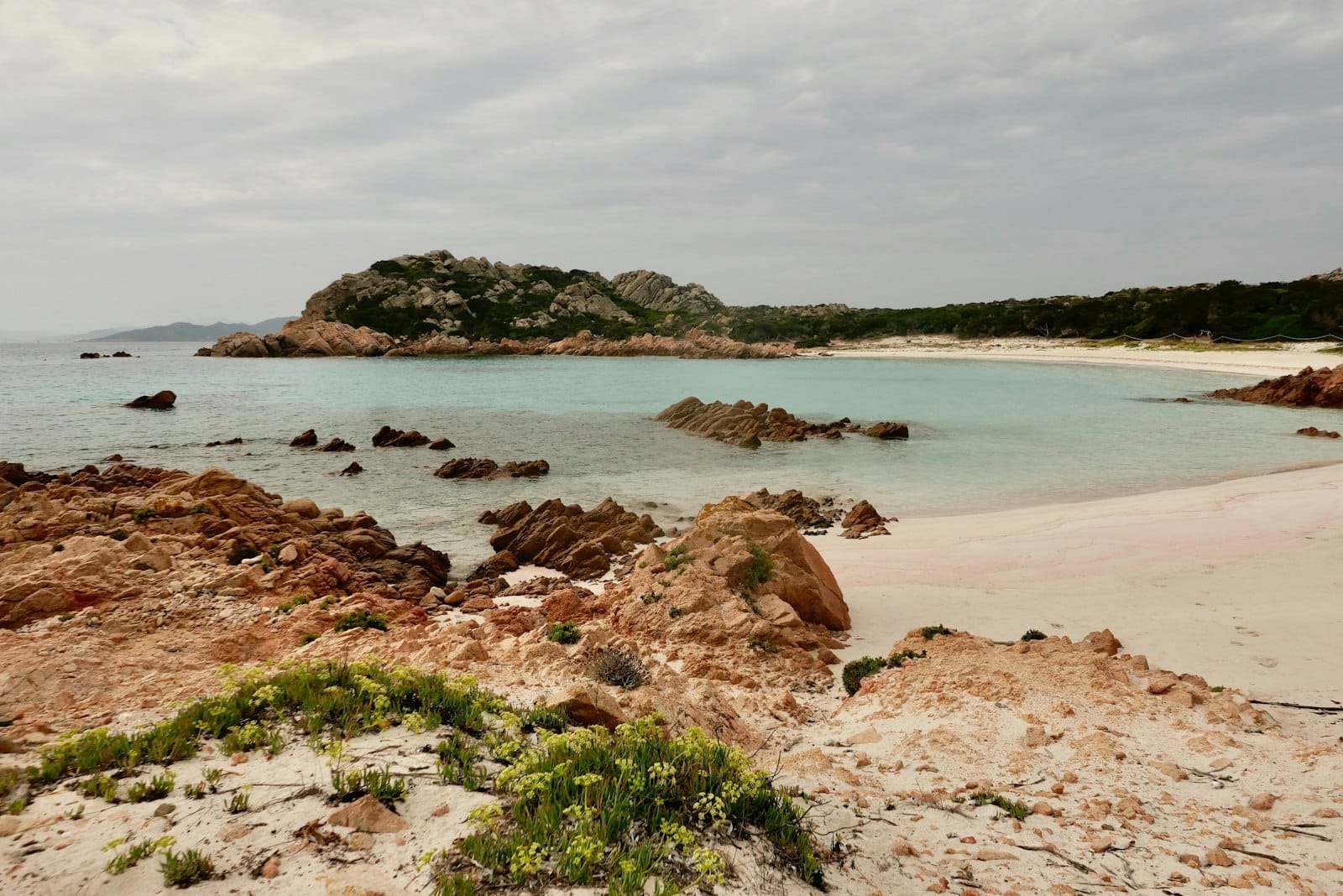
7. Drift Snorkel Around Budelli's Protected Waters
Landing on the Pink Beach is prohibited, but the surrounding waters are open to snorkelling from authorised boat tours. The seabed here is rich Posidonia and the water colour, fed by the famous pink sediment, is extraordinary. Book a park boat tour from La Maddalena.
Explore7. Drift Snorkel Around Budelli's Protected Waters
Landing on the Pink Beach is prohibited, but the surrounding waters are open to snorkelling from authorised boat tours. The seabed here is rich Posidonia and the water colour, fed by the famous pink sediment, is extraordinary. Book a park boat tour from La Maddalena.
Explore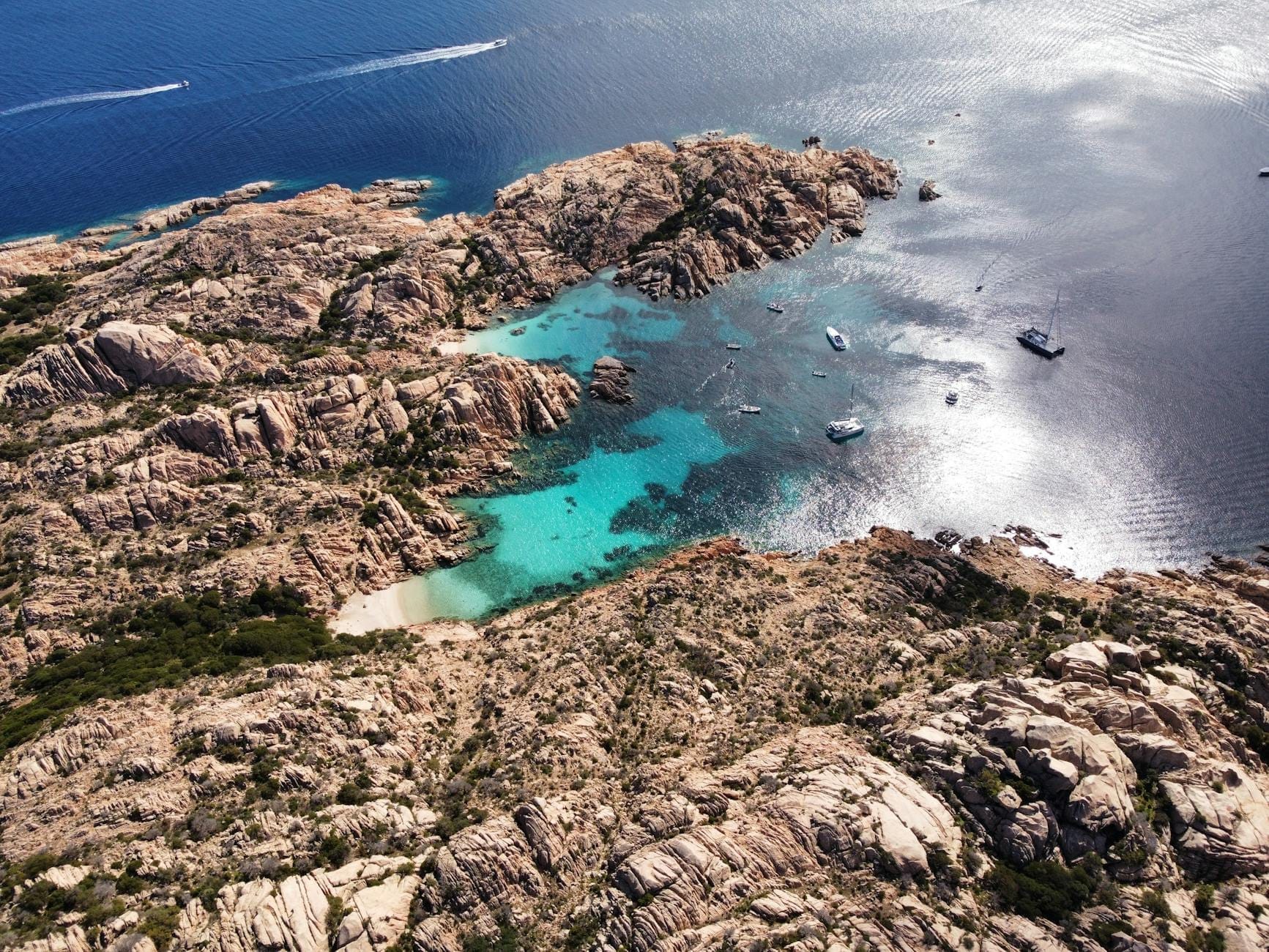
8. Snorkel the Wild Coves of Caprera Island
Caprera has accessible beaches where independent snorkelling is permitted in certain zones. Cala Coticcio, reachable on foot, has a sandy floor and clear turquoise water ideal for beginners. The rock formations around the island's southern tip reward more adventurous swimmers.
Explore8. Snorkel the Wild Coves of Caprera Island
Caprera has accessible beaches where independent snorkelling is permitted in certain zones. Cala Coticcio, reachable on foot, has a sandy floor and clear turquoise water ideal for beginners. The rock formations around the island's southern tip reward more adventurous swimmers.
Explore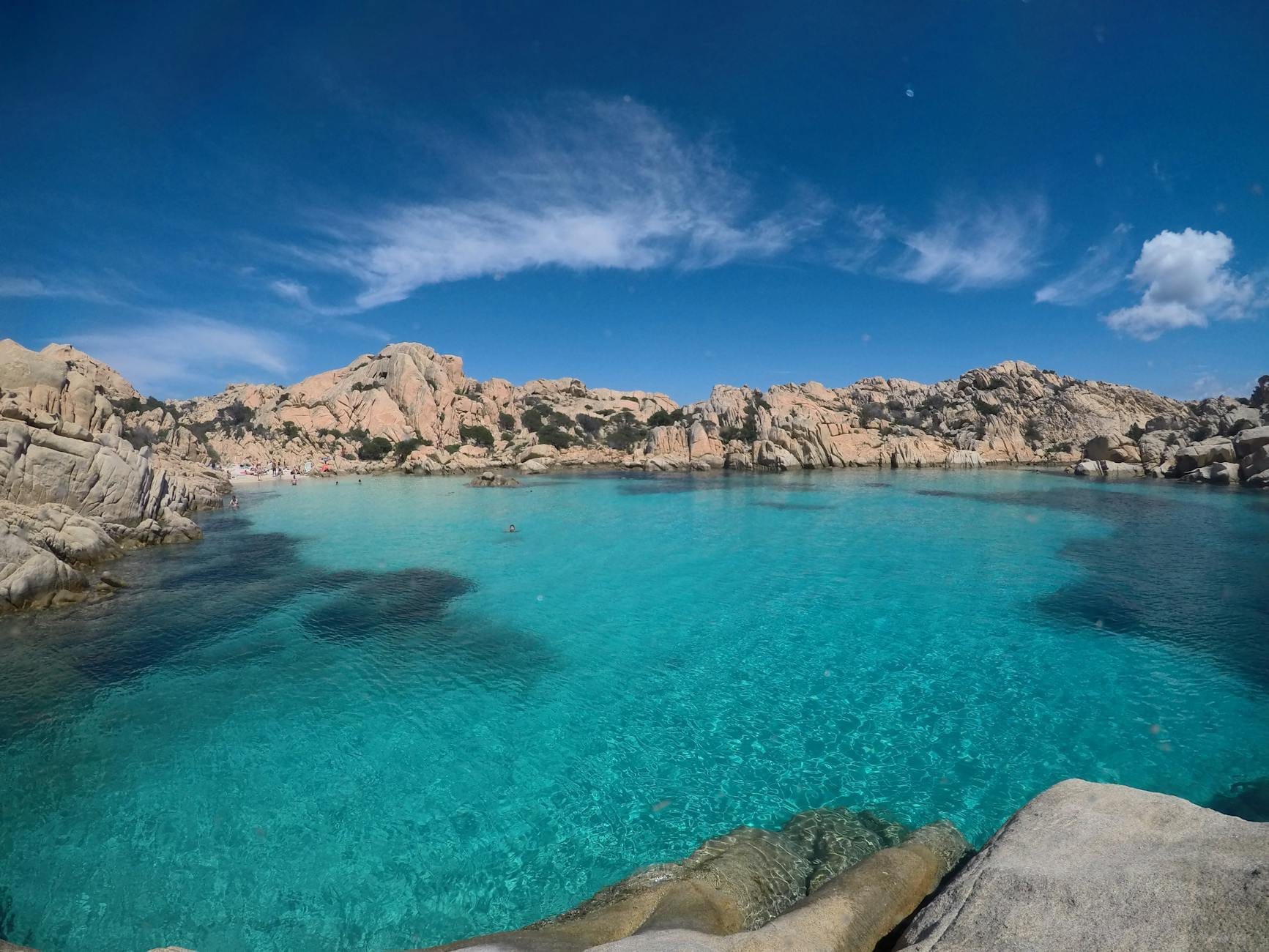
9. Snorkel the Twin-Lobed Lagoon of Cala Coticcio
Known locally as Tahiti, this double cove on Caprera has shallow, sandy water perfect for snorkelling over Posidonia beds. The granite walls around the cove create sheltered conditions even when wind picks up elsewhere in the archipelago. Access on foot from Caprera.
Explore9. Snorkel the Twin-Lobed Lagoon of Cala Coticcio
Known locally as Tahiti, this double cove on Caprera has shallow, sandy water perfect for snorkelling over Posidonia beds. The granite walls around the cove create sheltered conditions even when wind picks up elsewhere in the archipelago. Access on foot from Caprera.
ExploreAlghero & Capo Caccia: Caves, Walls & the MPA
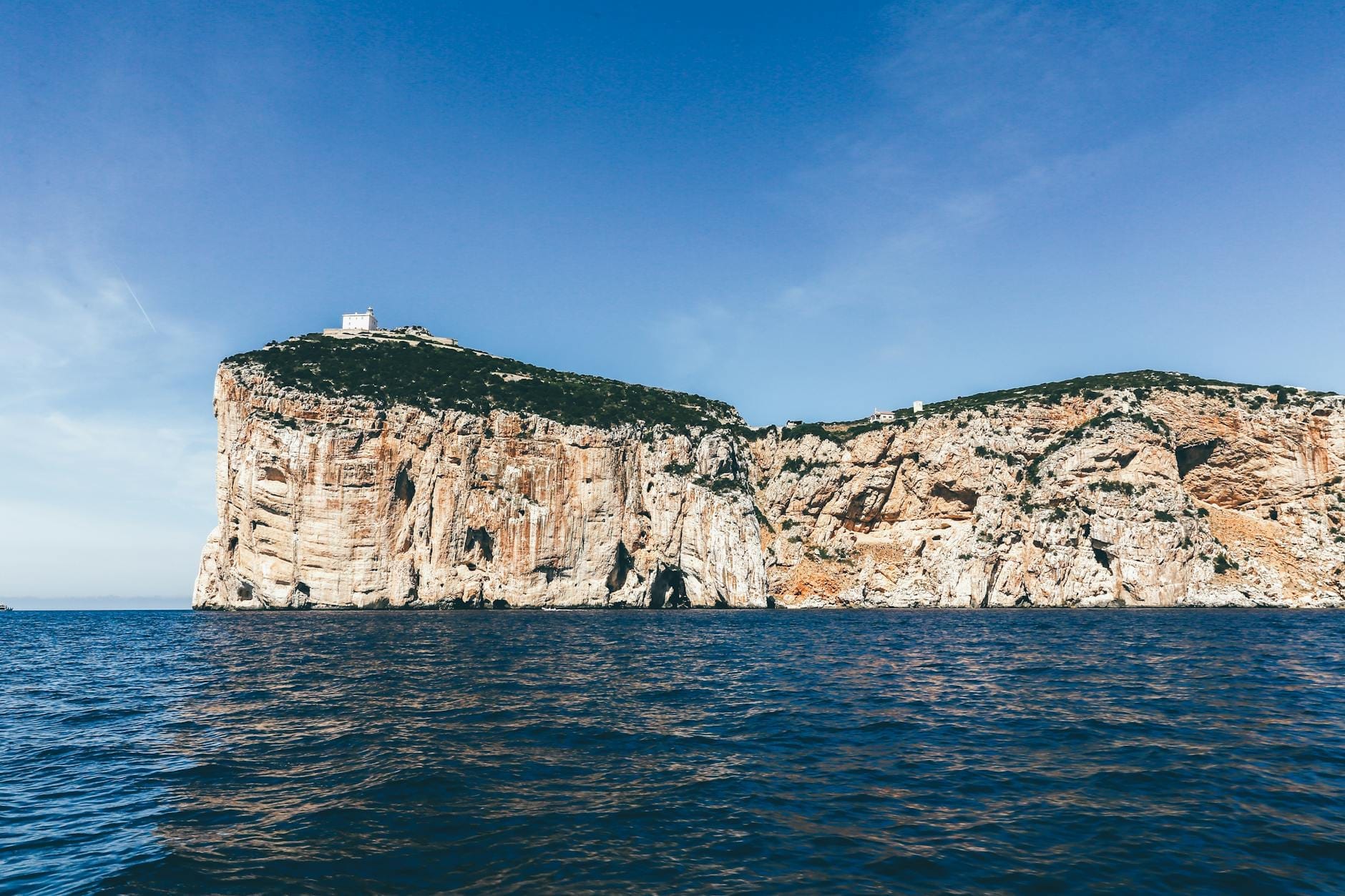
The Capo Caccia – Isola Piana marine protected area covers a stretch of north-west Sardinian coast that is among the most dramatic above and below the waterline. The limestone headland drops vertically into the sea, creating wall dives to depths of 40 metres and beyond, and the cave systems here include one of Sardinia's most famous landmarks. Dive centres operate from Alghero and from the small port below the cliffs at Tramariglio inside the Porto Conte natural park.
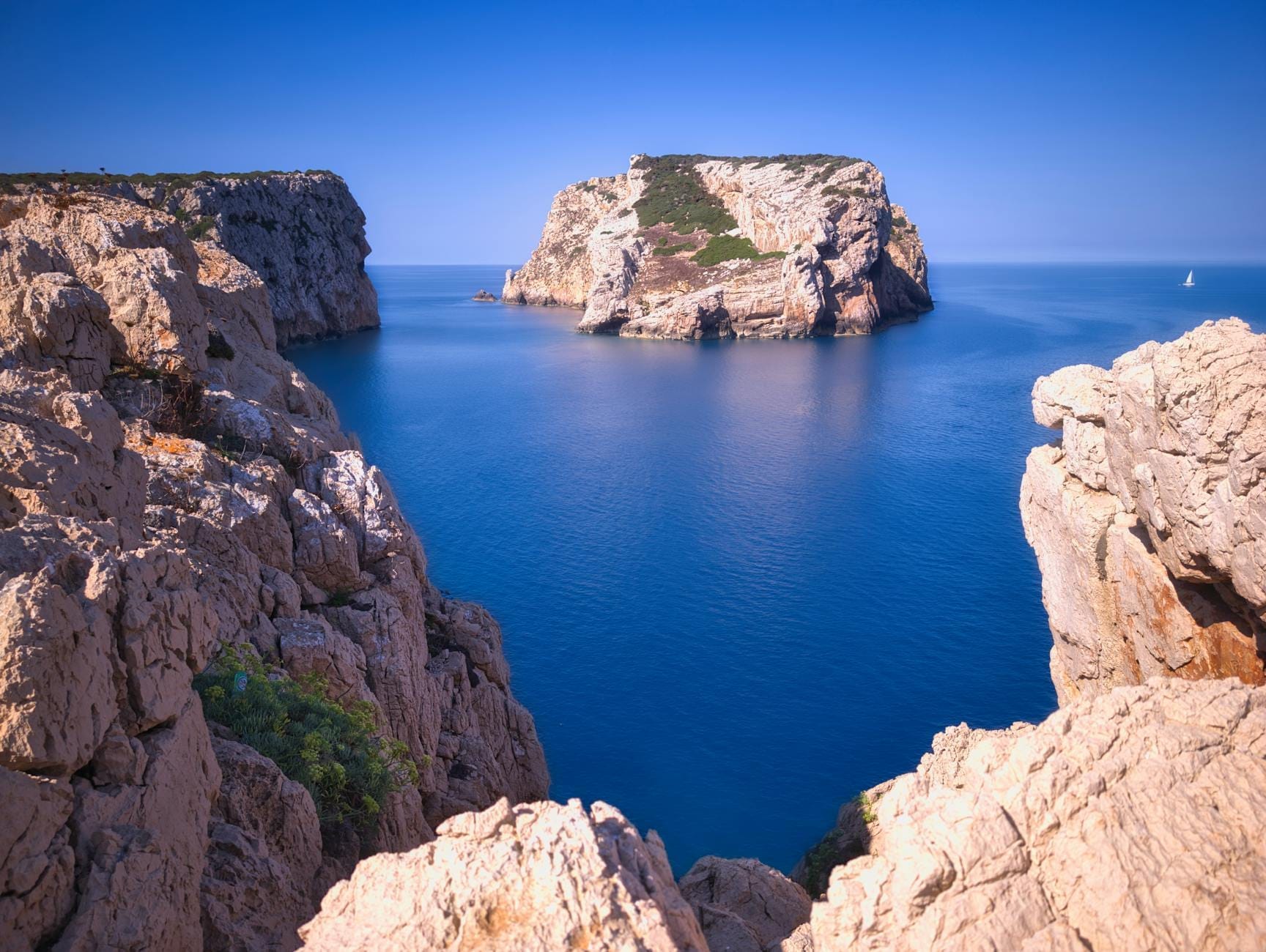
10. Dive the Vertical Walls of the Capo Caccia MPA
The Capo Caccia MPA protects some of the clearest and most biodiverse waters in the western Mediterranean. Wall dives here descend past gorgonian fans, moray eels, and large groupers. The headland's north face is reserved for certified divers with an operator.
Explore10. Dive the Vertical Walls of the Capo Caccia MPA
The Capo Caccia MPA protects some of the clearest and most biodiverse waters in the western Mediterranean. Wall dives here descend past gorgonian fans, moray eels, and large groupers. The headland's north face is reserved for certified divers with an operator.
Explore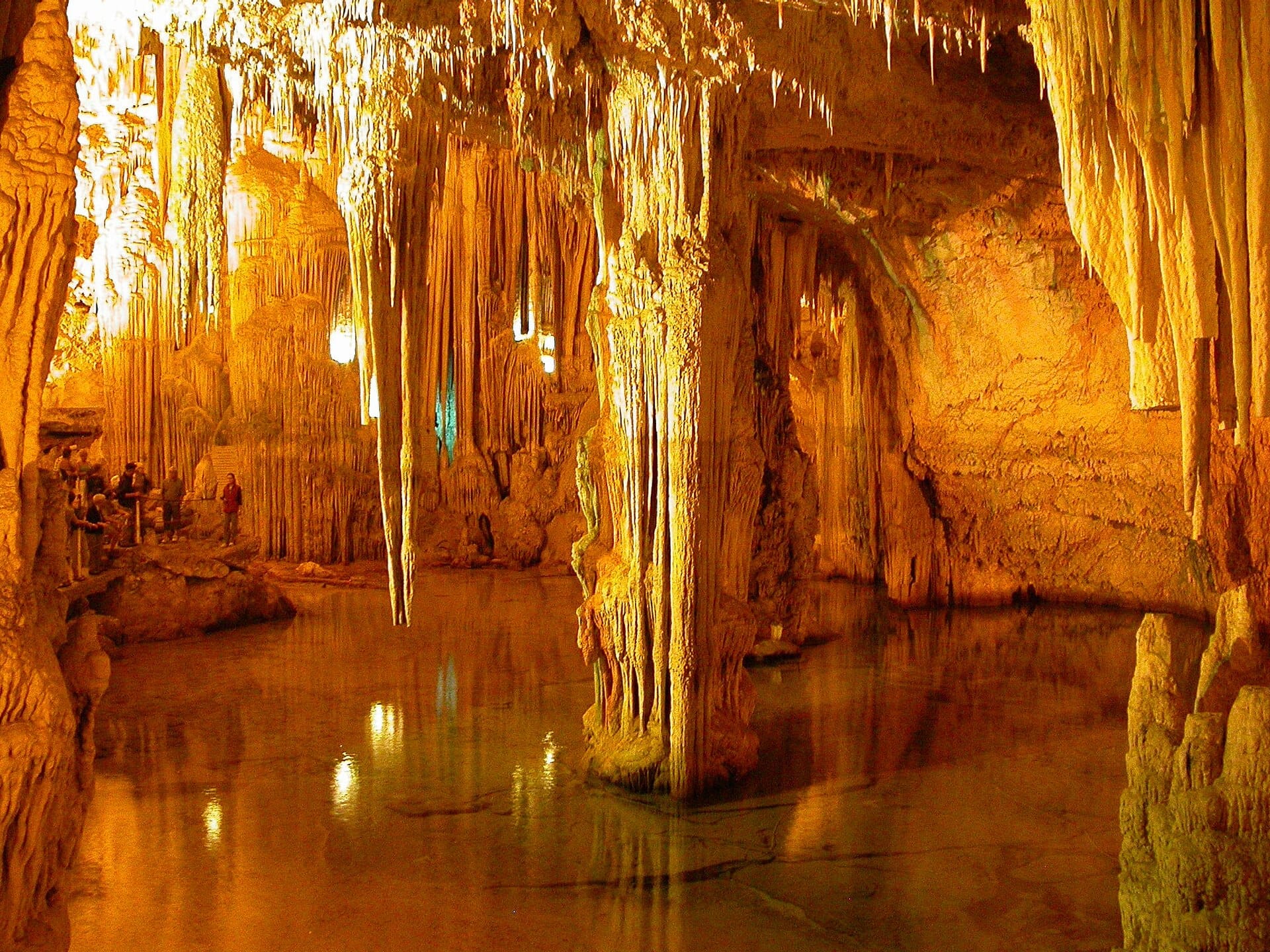
11. Approach Neptune's Grotto by Boat for the Best Water Views
The boat approach from Alghero passes over some of the clearest water on the island, and snorkelling the bay beneath the cliff on calm days is possible. Many dive centres include the approach here on longer Capo Caccia circuit tours. Visibility often exceeds 25 metres.
Explore11. Approach Neptune's Grotto by Boat for the Best Water Views
The boat approach from Alghero passes over some of the clearest water on the island, and snorkelling the bay beneath the cliff on calm days is possible. Many dive centres include the approach here on longer Capo Caccia circuit tours. Visibility often exceeds 25 metres.
Explore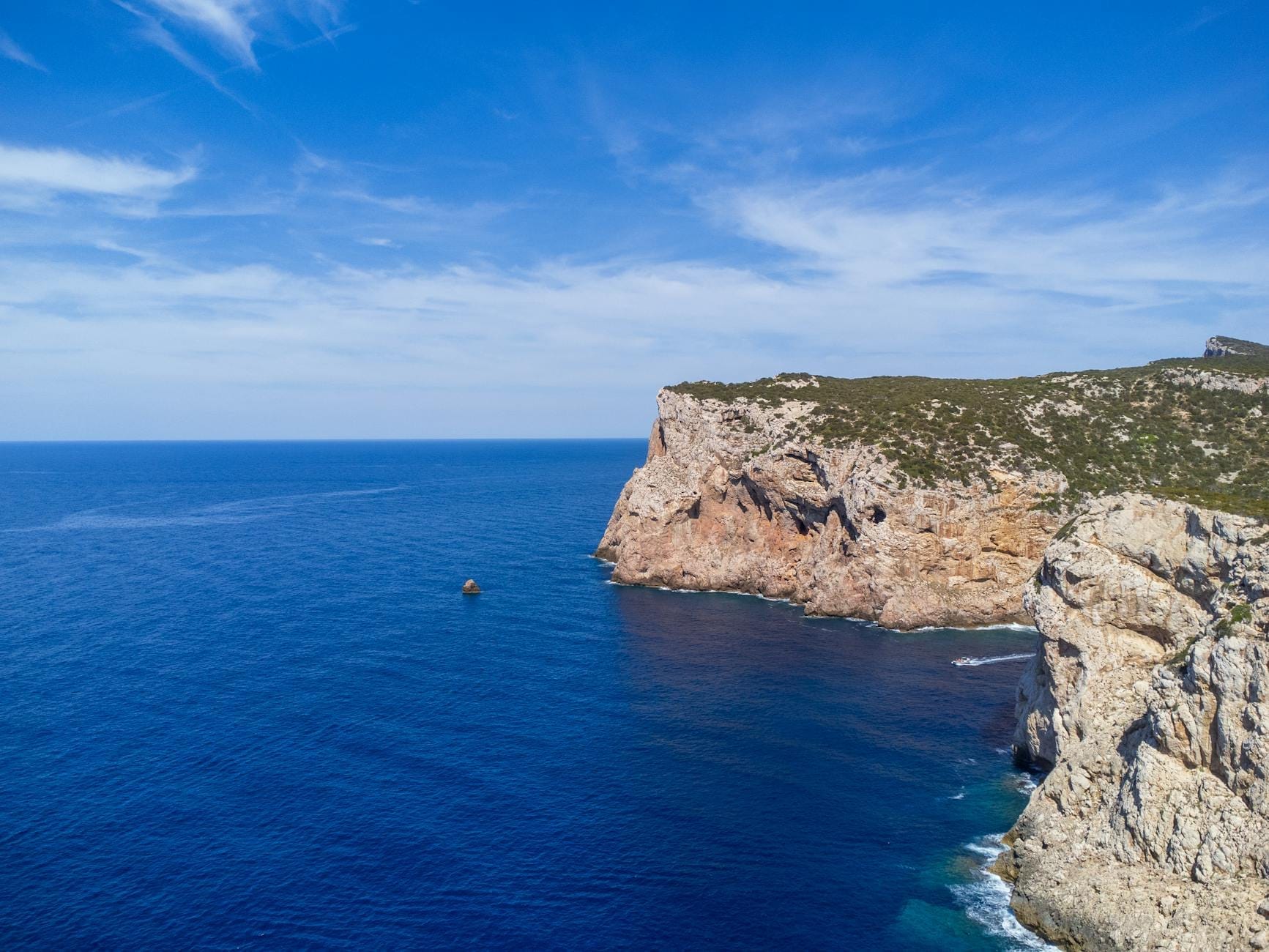
12. Snorkel the Sheltered Bay of Porto Conte
The deep, sheltered bay of Porto Conte inside the natural park offers calm conditions ideal for snorkellers and beginner divers. The bay's Posidonia meadows are extensive and host sea horses, octopus, and bream. Accessible directly from the park's small harbours.
Explore12. Snorkel the Sheltered Bay of Porto Conte
The deep, sheltered bay of Porto Conte inside the natural park offers calm conditions ideal for snorkellers and beginner divers. The bay's Posidonia meadows are extensive and host sea horses, octopus, and bream. Accessible directly from the park's small harbours.
ExploreSouth-East Sardinia: The Capo Carbonara MPA
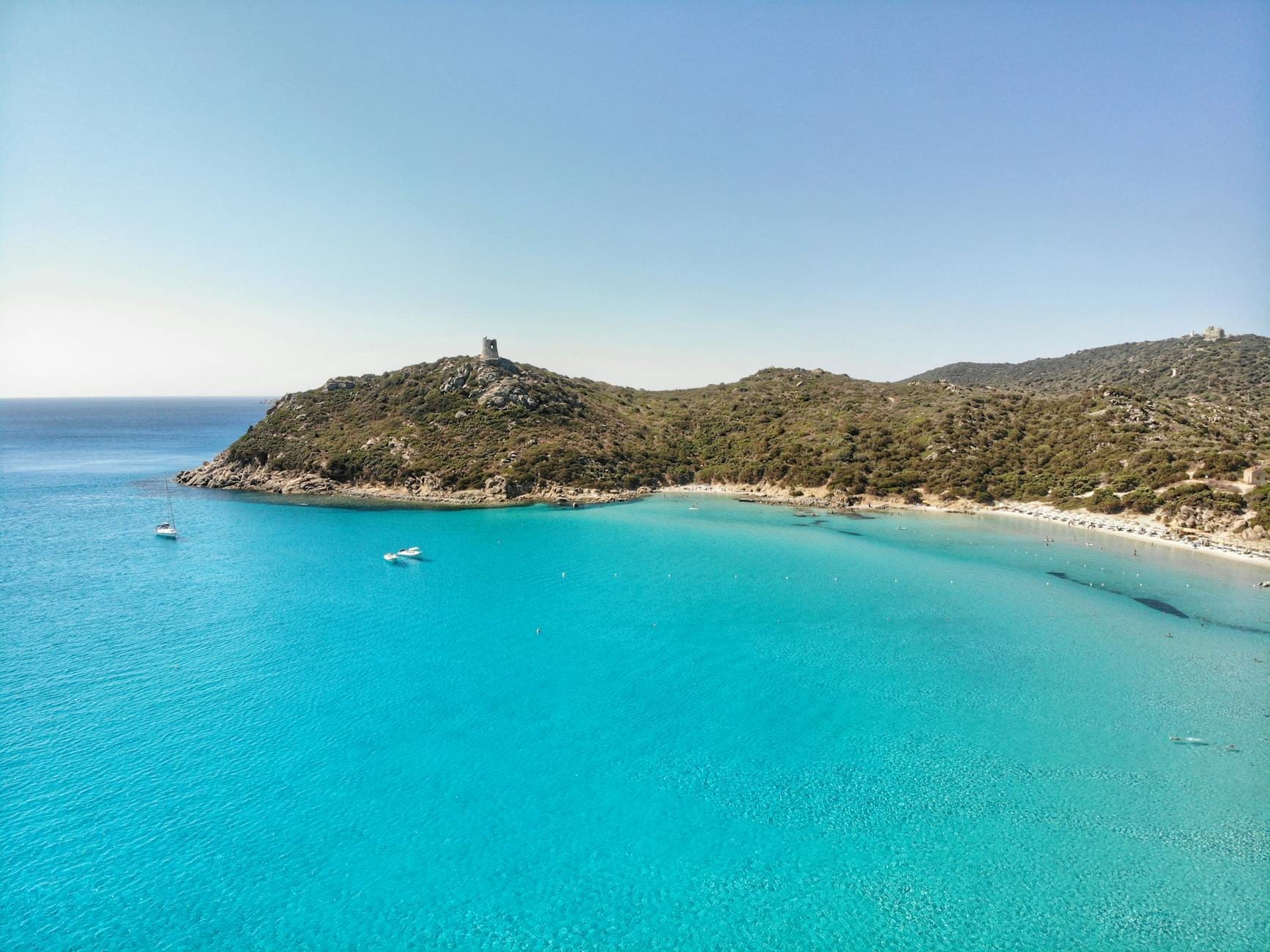
The Capo Carbonara marine protected area around Villasimius is the reference point for diving in southern Sardinia. The MPA includes the offshore islands of Cavoli and Serpentara, whose waters harbour groupers, barracuda, and a wreck at accessible depths. Dive centres in Villasimius are well-organised and cater to all levels, with introductory dives and PADI courses as well as guided boat dives for certified divers. The shoulder months of May and September offer the best balance of warm water and fewer boats.
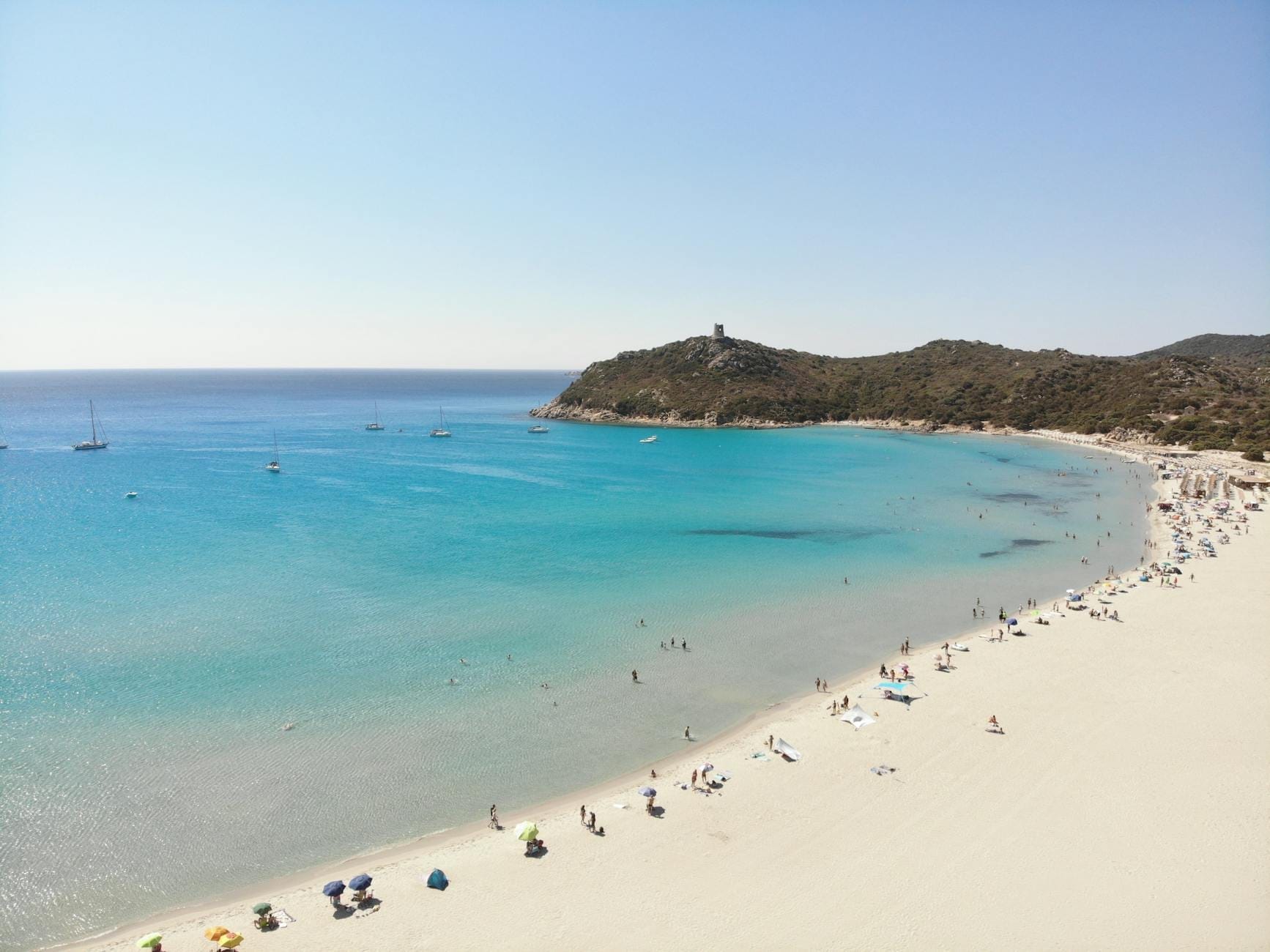
13. Snorkel Inside the Capo Carbonara Reserve at Porto Giunco
Porto Giunco sits at the edge of the Capo Carbonara MPA, and snorkelling from the beach over the Posidonia meadows here is outstanding. The water is consistently clear and shallow enough for beginners. The Spanish watchtower at the headland marks the reserve boundary.
Explore13. Snorkel Inside the Capo Carbonara Reserve at Porto Giunco
Porto Giunco sits at the edge of the Capo Carbonara MPA, and snorkelling from the beach over the Posidonia meadows here is outstanding. The water is consistently clear and shallow enough for beginners. The Spanish watchtower at the headland marks the reserve boundary.
Explore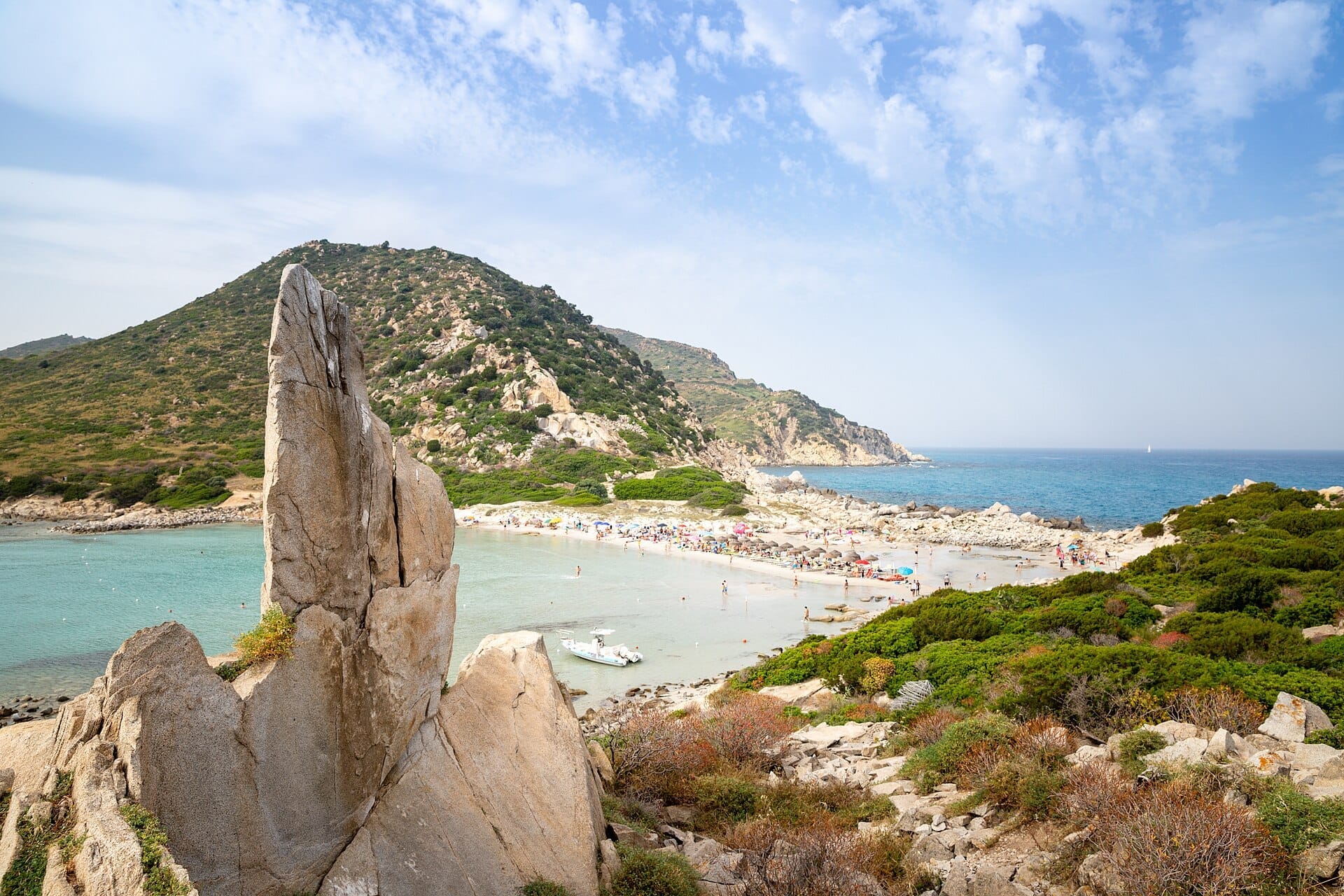
14. Snorkel the Rocky Headlands of Punta Molentis
The granite reef between the two coves at Punta Molentis creates a rich snorkelling habitat with sargos, wrasse, and occasional octopus at less than 3 metres depth. The double cove is sheltered from north winds, making it reliable when elsewhere is choppy.
Explore14. Snorkel the Rocky Headlands of Punta Molentis
The granite reef between the two coves at Punta Molentis creates a rich snorkelling habitat with sargos, wrasse, and occasional octopus at less than 3 metres depth. The double cove is sheltered from north winds, making it reliable when elsewhere is choppy.
ExploreNorth-East Sardinia: Tavolara MPA & Costa Smeralda
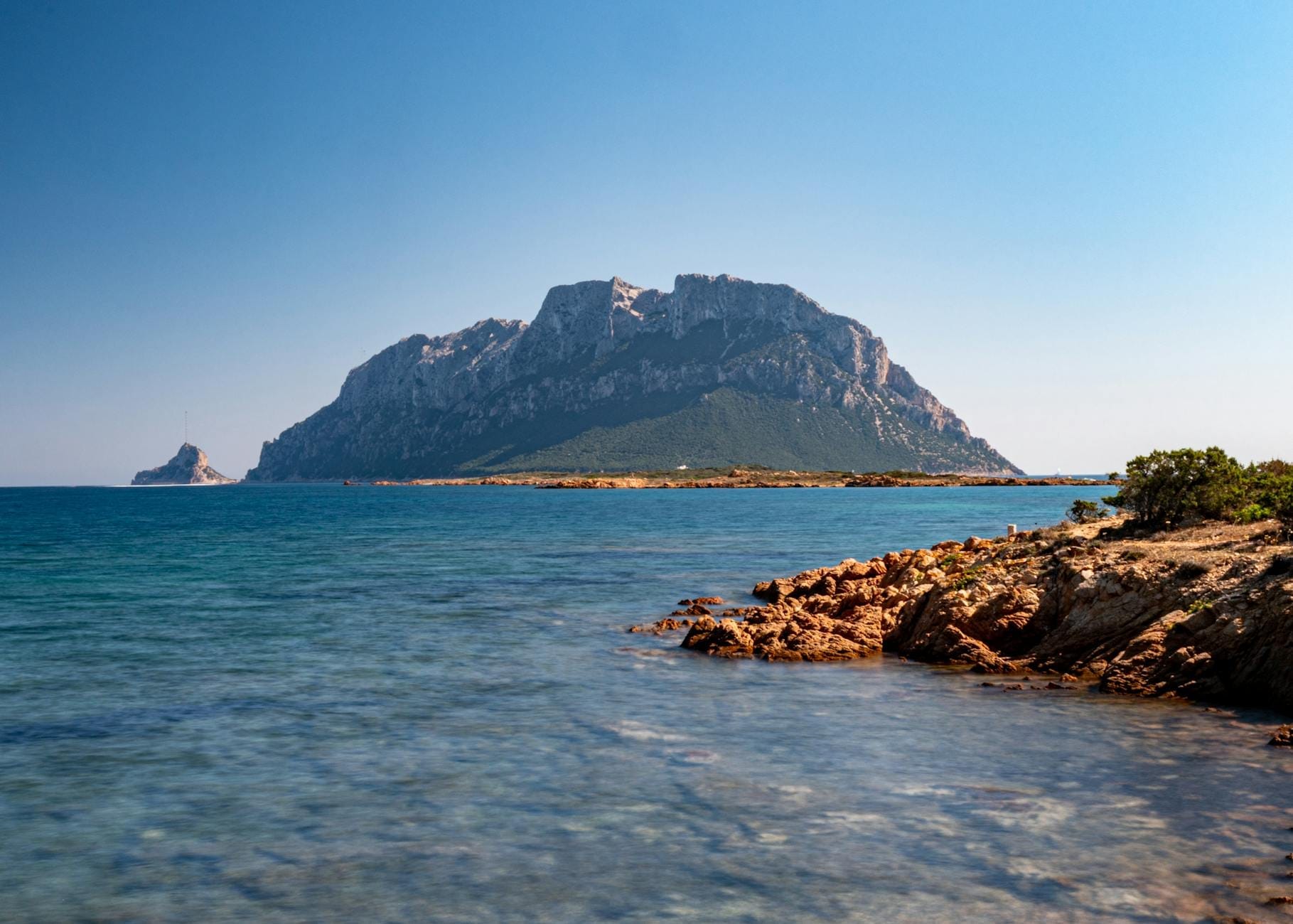
The Tavolara–Punta Coda Cavallo MPA in the north-east protects some of Sardinia's most visited and most beautiful shallow waters. Isola Tavolara itself is one of the island's top dive destinations, with walls descending to over 40 metres and large resident fish. The surrounding Costa Smeralda beaches, though famous for their looks, also offer excellent snorkelling among granite boulders. For more on the region, see the Costa Smeralda guide.
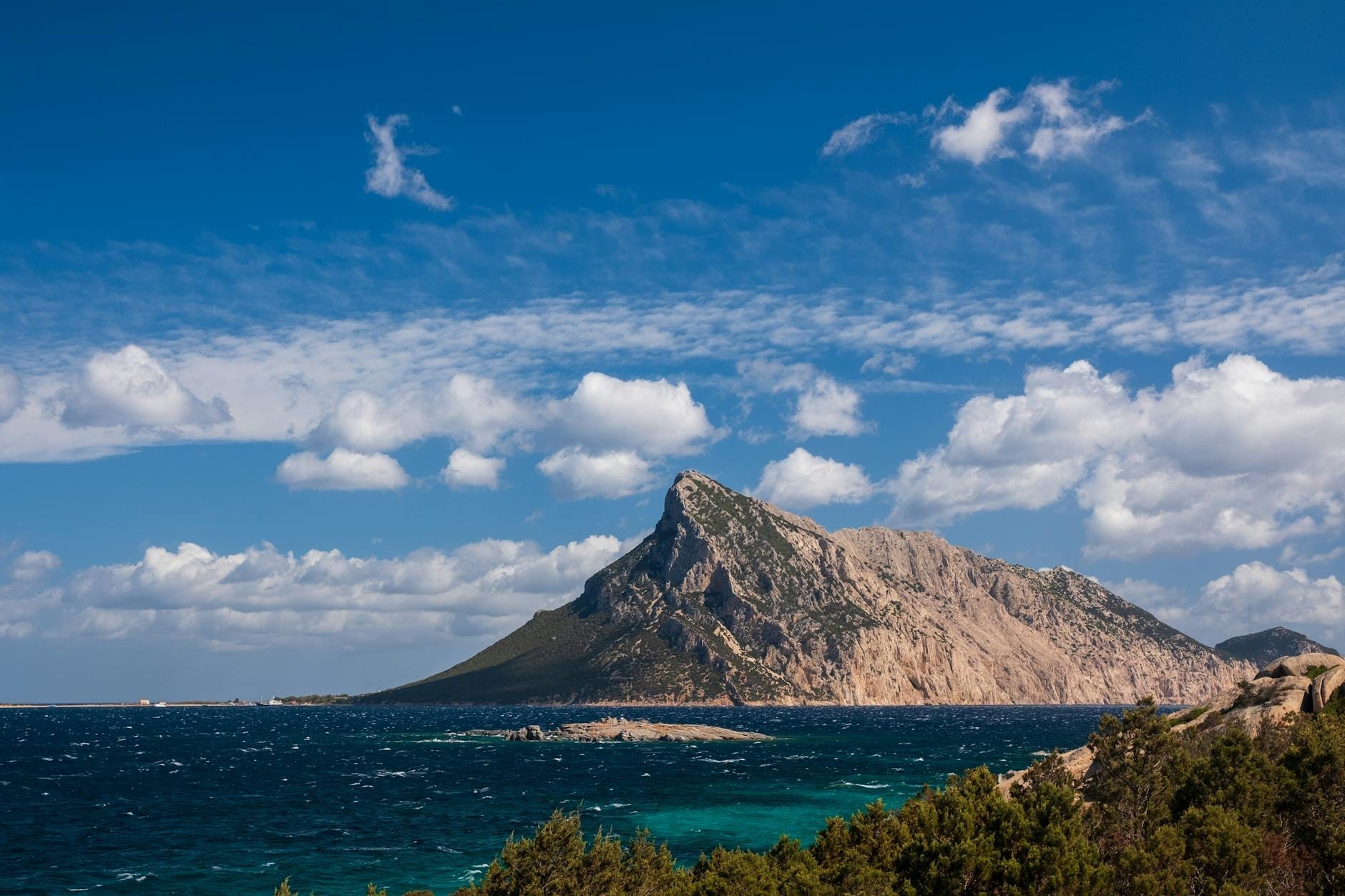
15. Dive Around the Walls of Tavolara's Marine Reserve
Tavolara is one of Sardinia's premier dive destinations, with wall dives dropping to 40+ metres along the island's south face. Barracuda schools, large groupers, and dentex are common sightings. Day boats operate from San Teodoro and Olbia in high season.
Explore15. Dive Around the Walls of Tavolara's Marine Reserve
Tavolara is one of Sardinia's premier dive destinations, with wall dives dropping to 40+ metres along the island's south face. Barracuda schools, large groupers, and dentex are common sightings. Day boats operate from San Teodoro and Olbia in high season.
Explore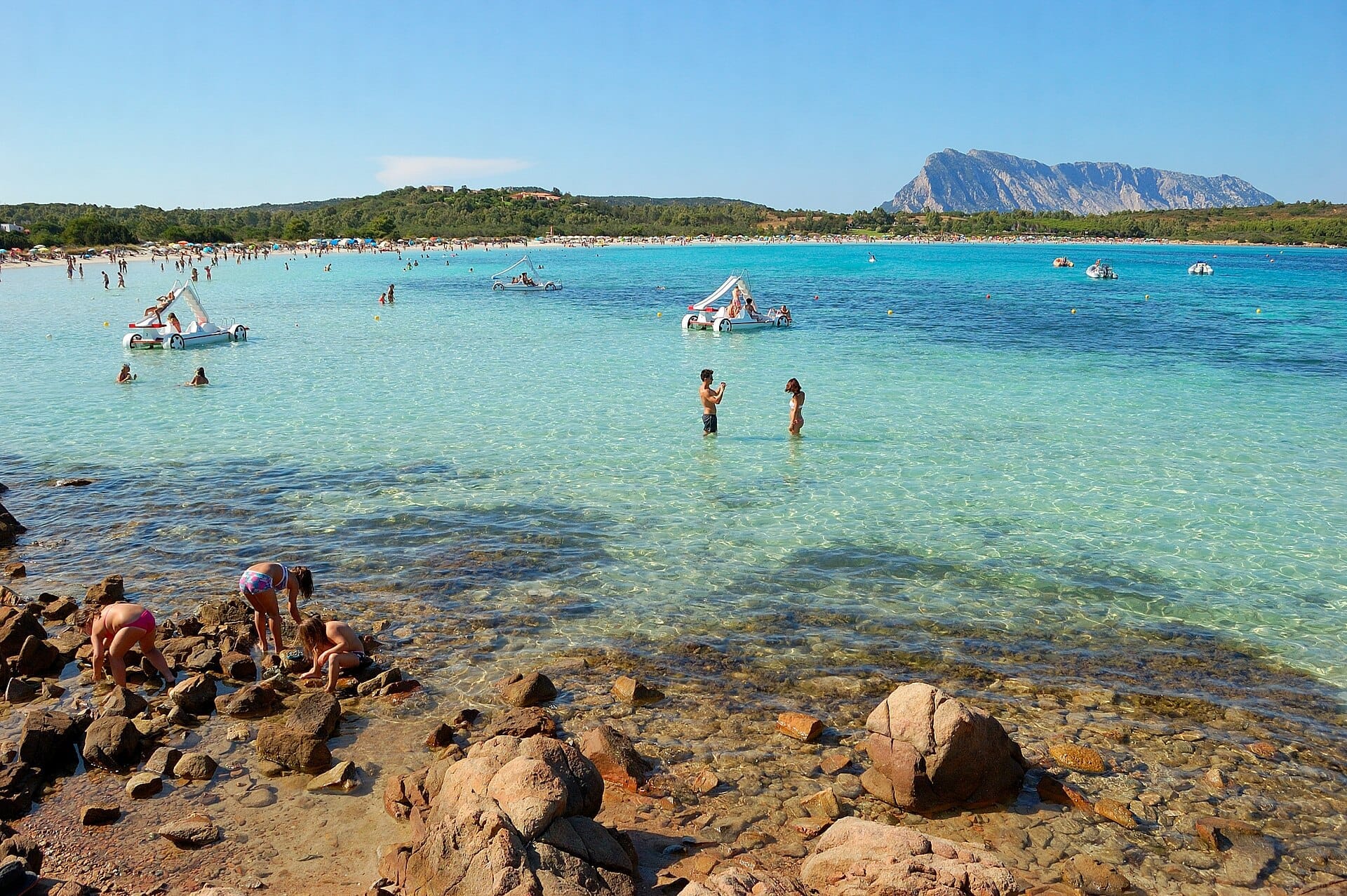
16. Snorkel the Shallow Lagoon of Cala Brandinchi
The electric-blue lagoon of Cala Brandinchi sits inside the Tavolara MPA and has exceptional water clarity over its sandy and Posidonia floor. Snorkelling here is suitable for all ages and abilities. The beach entry is gentle and current-free in most conditions.
Explore16. Snorkel the Shallow Lagoon of Cala Brandinchi
The electric-blue lagoon of Cala Brandinchi sits inside the Tavolara MPA and has exceptional water clarity over its sandy and Posidonia floor. Snorkelling here is suitable for all ages and abilities. The beach entry is gentle and current-free in most conditions.
Explore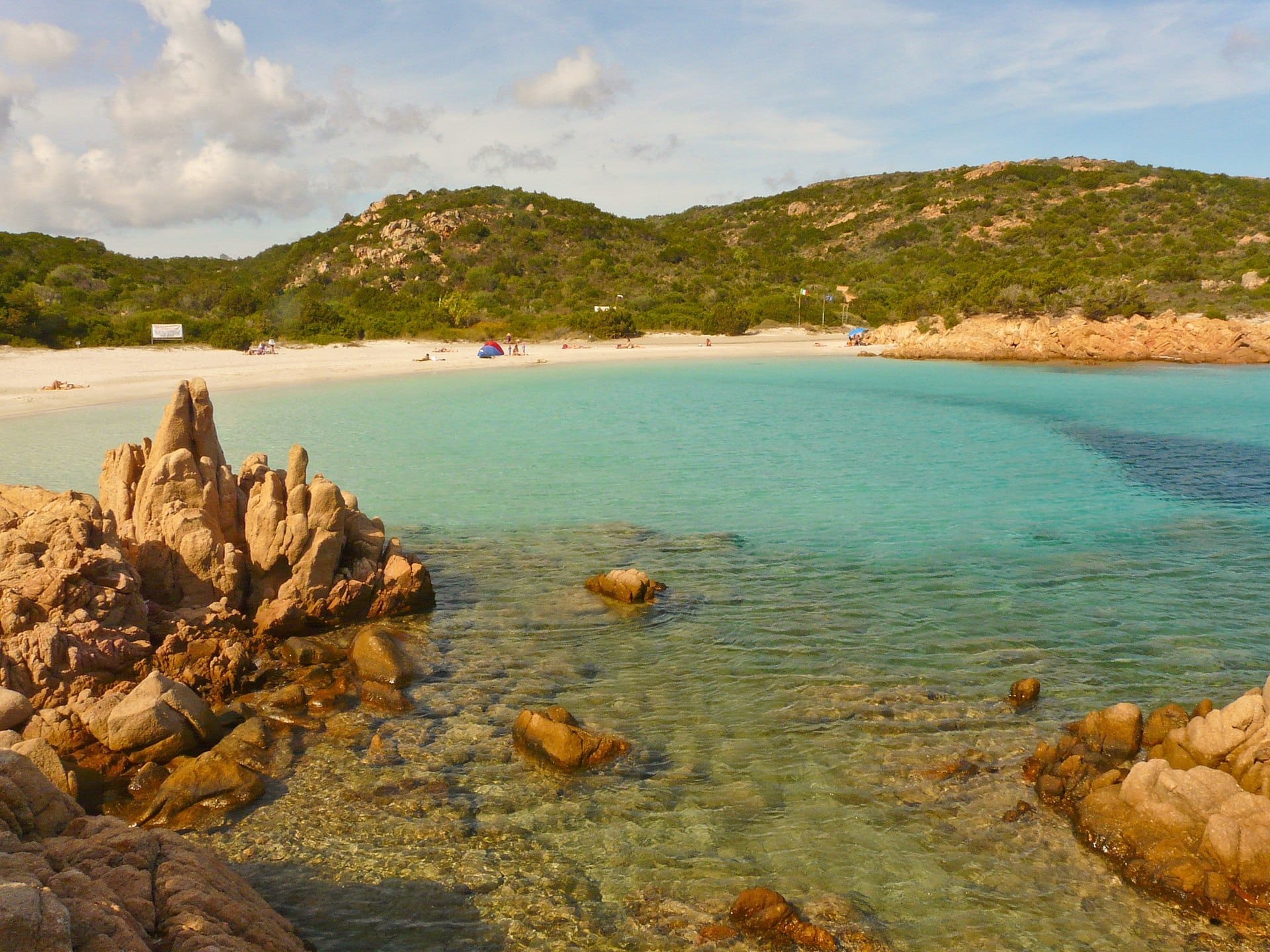
17. Snorkel Among Granite Boulders at Spiaggia del Principe
The granite reef system around the headlands flanking Principe creates natural snorkelling terrain with sargos, wrasse, and sea urchins at 1–5 metres depth. The sheltered cove means calm water most of the summer. Best explored at the quieter north end of the beach.
Explore17. Snorkel Among Granite Boulders at Spiaggia del Principe
The granite reef system around the headlands flanking Principe creates natural snorkelling terrain with sargos, wrasse, and sea urchins at 1–5 metres depth. The sheltered cove means calm water most of the summer. Best explored at the quieter north end of the beach.
Explore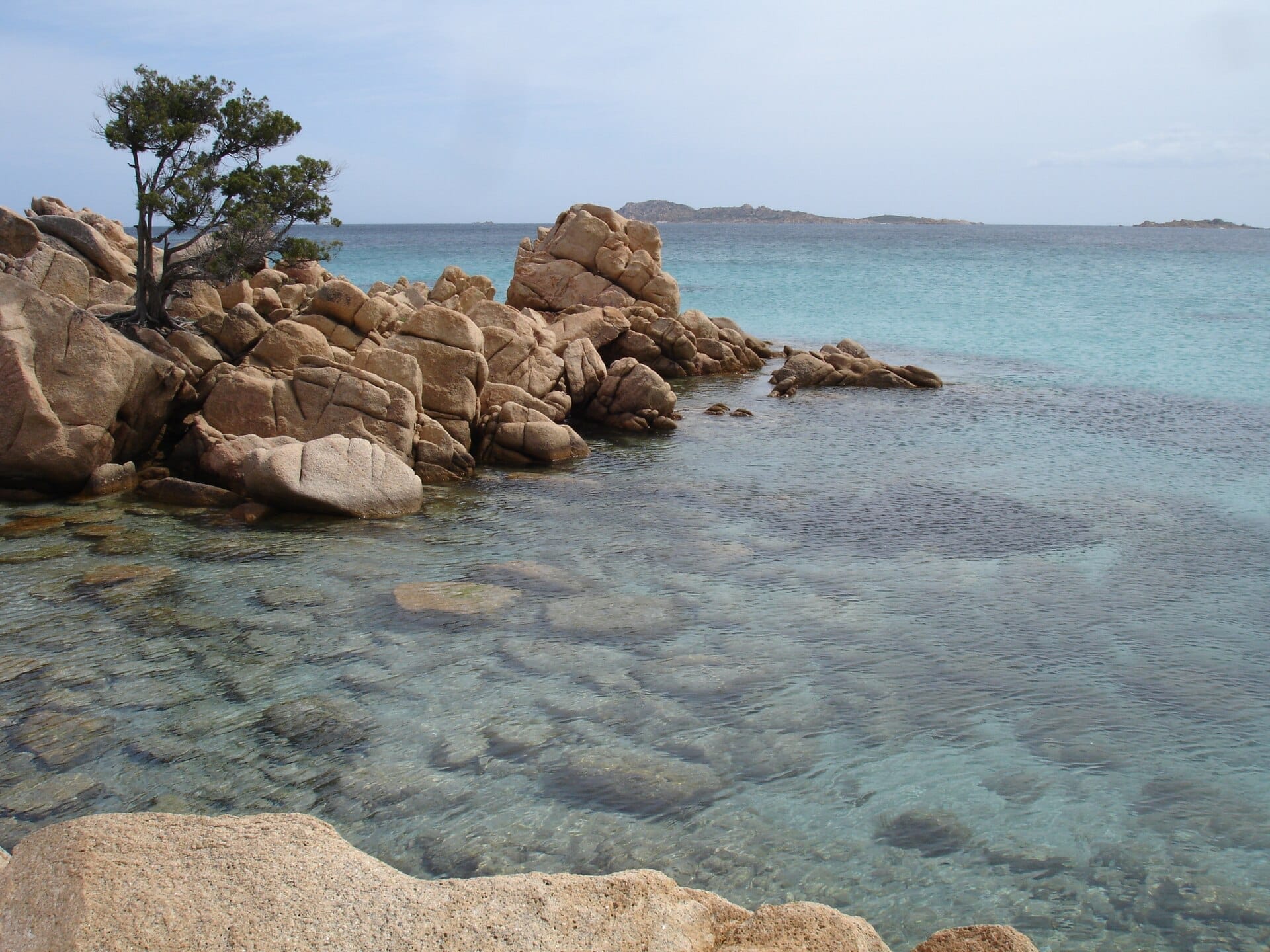
18. Snorkel the Submerged Boulders of Capriccioli
Capriccioli's partially submerged granite boulders create a natural reef less than 100 metres from shore. Wrasse, damselfish, and occasional moray eels are resident here year-round. Arguably the best easy-access snorkelling on the Costa Smeralda coast.
Explore18. Snorkel the Submerged Boulders of Capriccioli
Capriccioli's partially submerged granite boulders create a natural reef less than 100 metres from shore. Wrasse, damselfish, and occasional moray eels are resident here year-round. Arguably the best easy-access snorkelling on the Costa Smeralda coast.
ExploreOther Notable Spots Worth Planning Around
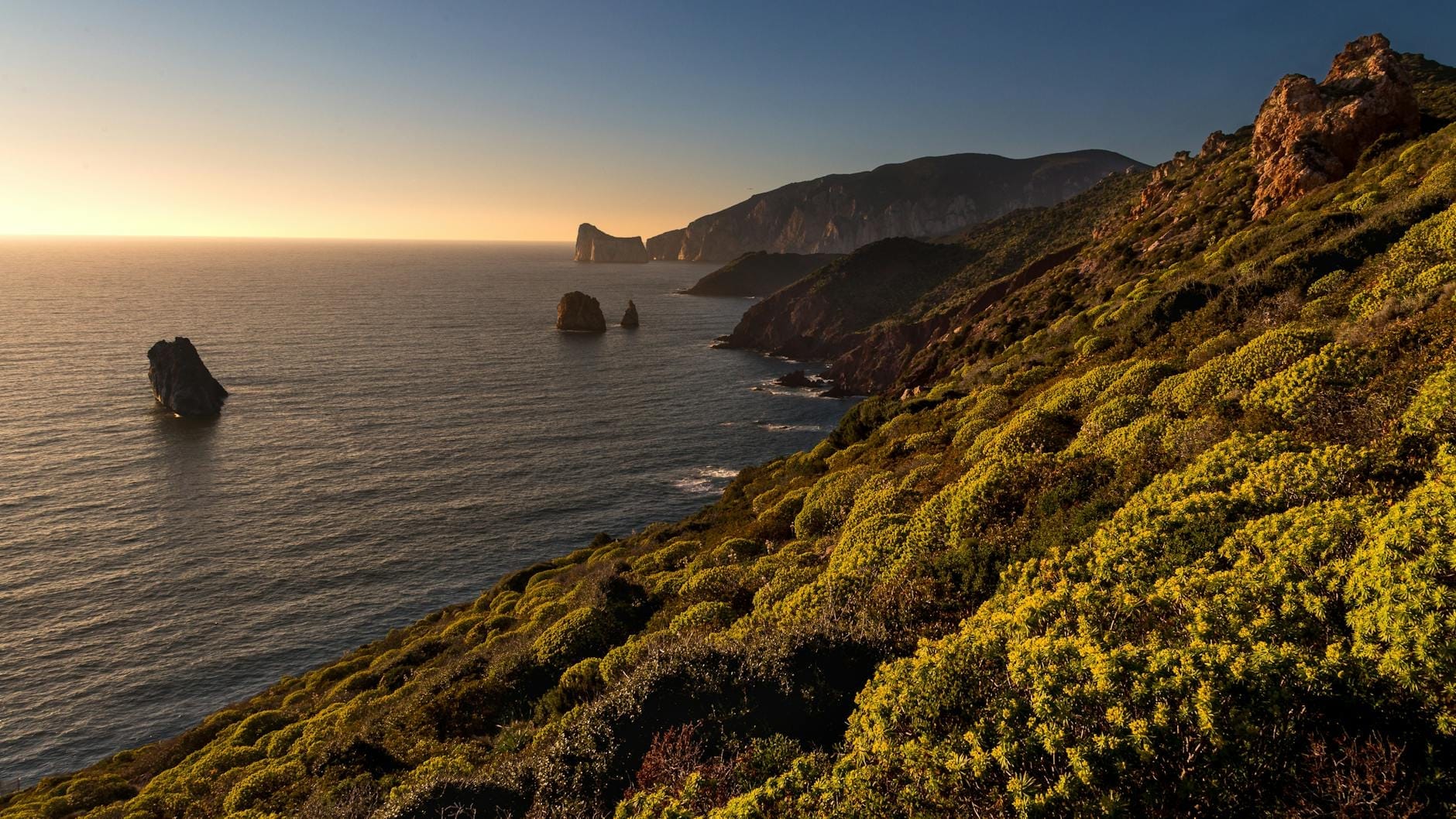
Beyond the main marine reserves, several other coastal locations around Sardinia reward snorkellers and divers who are willing to travel a little further from the main tourist circuits. The south-west coast around the Sulcis, the remote beaches of the west, and the dramatic geology of Ogliastra all offer underwater experiences with far fewer visitors than the north-east. For a broader view of what Sardinia's less-visited coastlines offer, the Sardinia hidden gems guide is a useful companion.
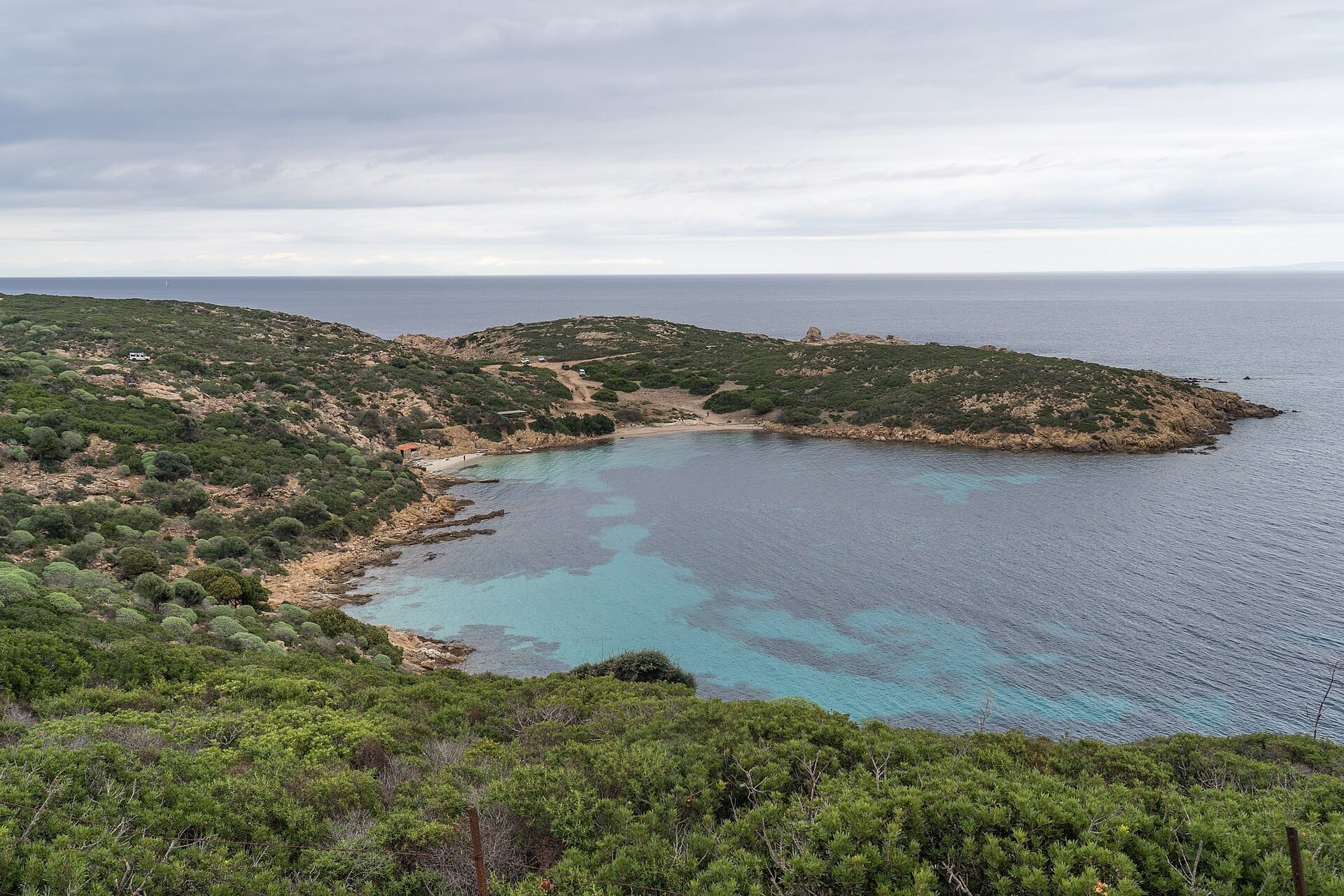
19. Dive the Pristine Waters of Asinara National Park
Asinara's decades as a closed prison island mean its waters are among the least disturbed in Sardinia. Dive operators run authorised trips from Stintino with exceptional visibility and large fish. All access is regulated through the national park; independent diving is not permitted.
Explore19. Dive the Pristine Waters of Asinara National Park
Asinara's decades as a closed prison island mean its waters are among the least disturbed in Sardinia. Dive operators run authorised trips from Stintino with exceptional visibility and large fish. All access is regulated through the national park; independent diving is not permitted.
Explore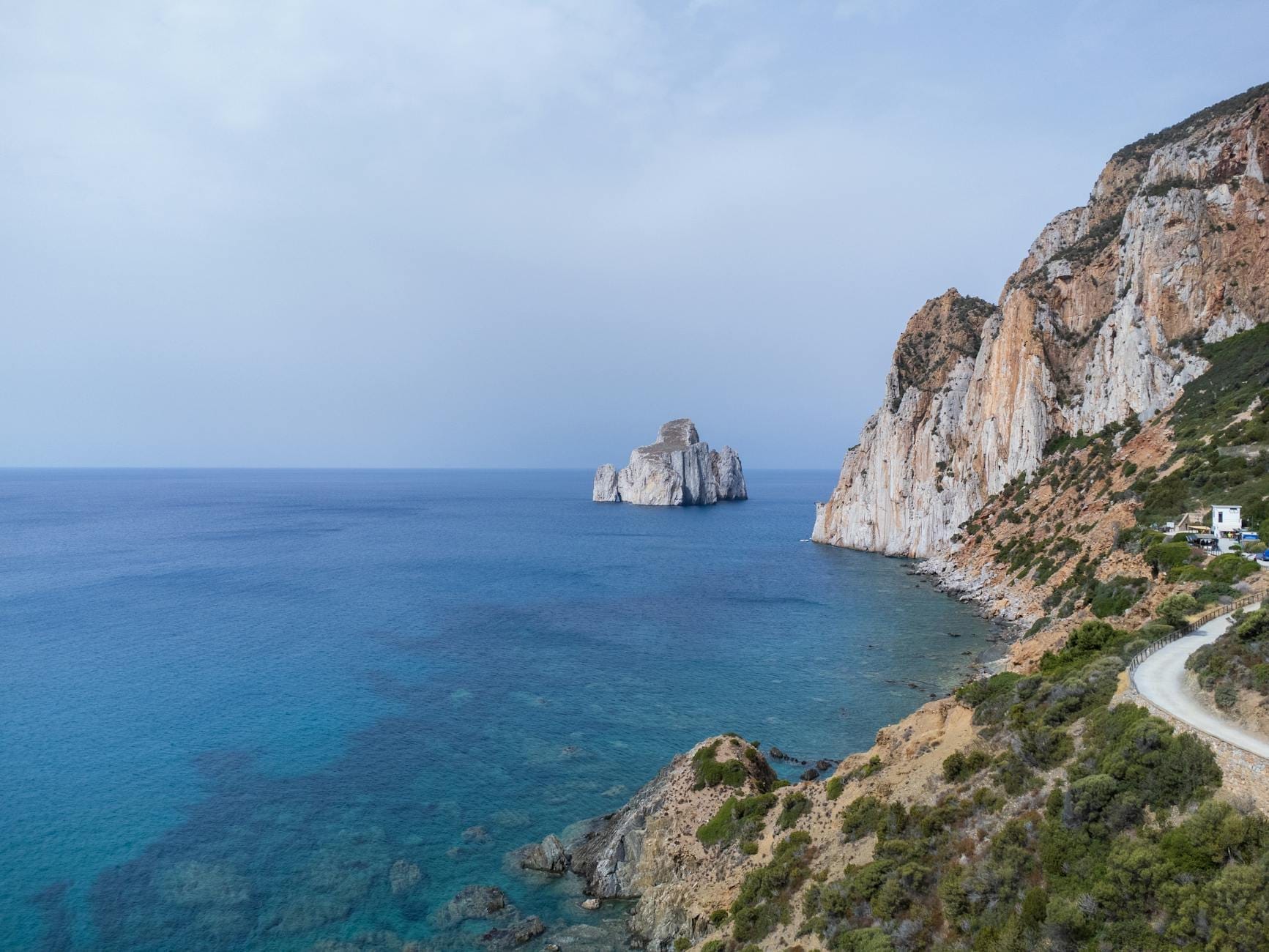
20. Kayak and Snorkel Around the Pan di Zucchero Sea Stack
The base of this 133-metre sea stack is surrounded by rocky reef habitat with sea bass, wrasse, and colourful sponges at 2–10 metres depth. Kayak rental operators in Masua run guided circumnavigation tours that include stops for snorkelling.
Explore20. Kayak and Snorkel Around the Pan di Zucchero Sea Stack
The base of this 133-metre sea stack is surrounded by rocky reef habitat with sea bass, wrasse, and colourful sponges at 2–10 metres depth. Kayak rental operators in Masua run guided circumnavigation tours that include stops for snorkelling.
Explore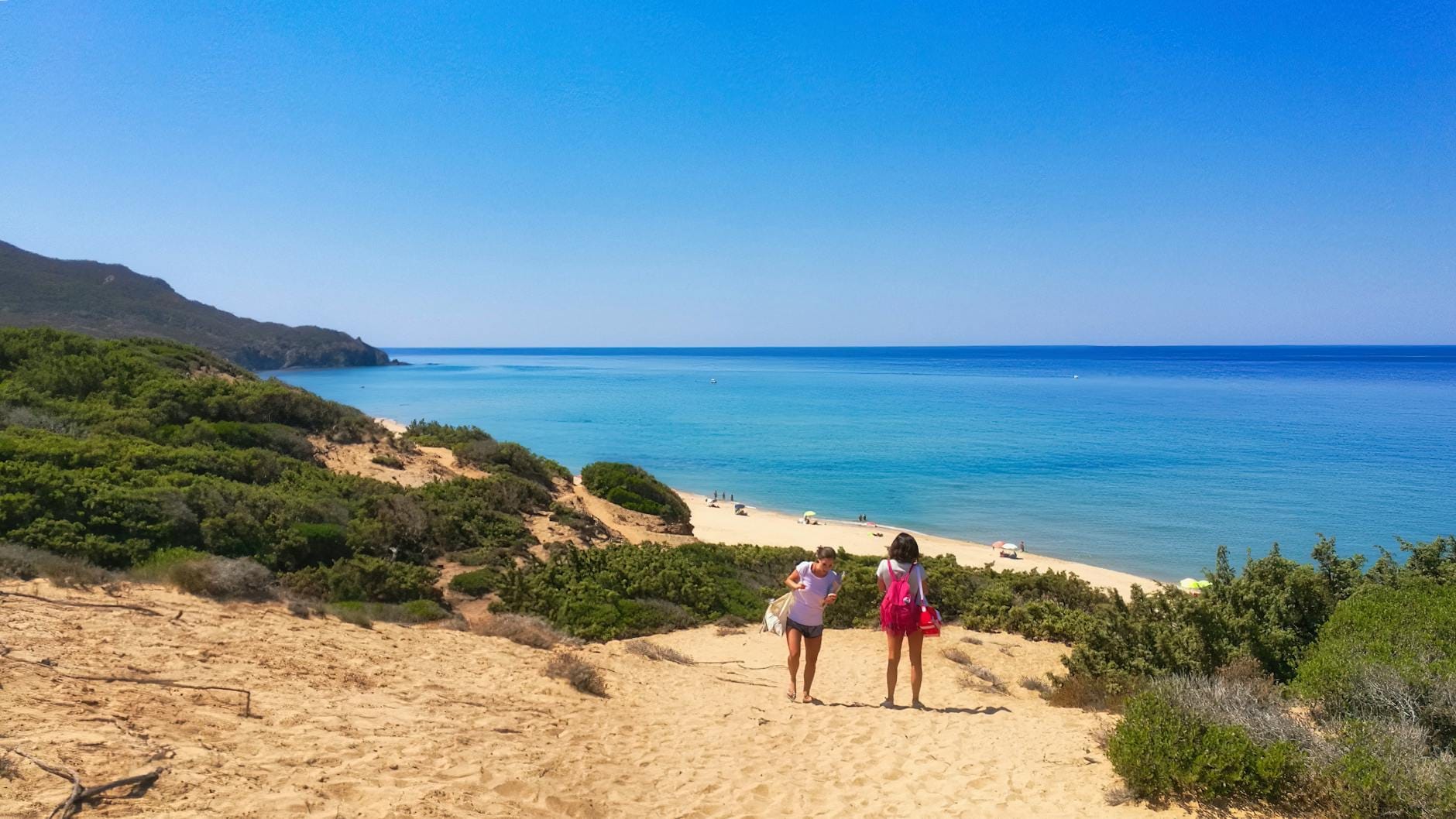
21. Snorkel the Headland Reefs Around Chia
The rocky points flanking Chia's famous dune beach have clear water over low granite reef to about 5 metres, with resident octopus, wrasse, and schools of bream. Snorkelling is accessible directly from shore, making it one of the south-west's best independent options.
Explore21. Snorkel the Headland Reefs Around Chia
The rocky points flanking Chia's famous dune beach have clear water over low granite reef to about 5 metres, with resident octopus, wrasse, and schools of bream. Snorkelling is accessible directly from shore, making it one of the south-west's best independent options.
Explore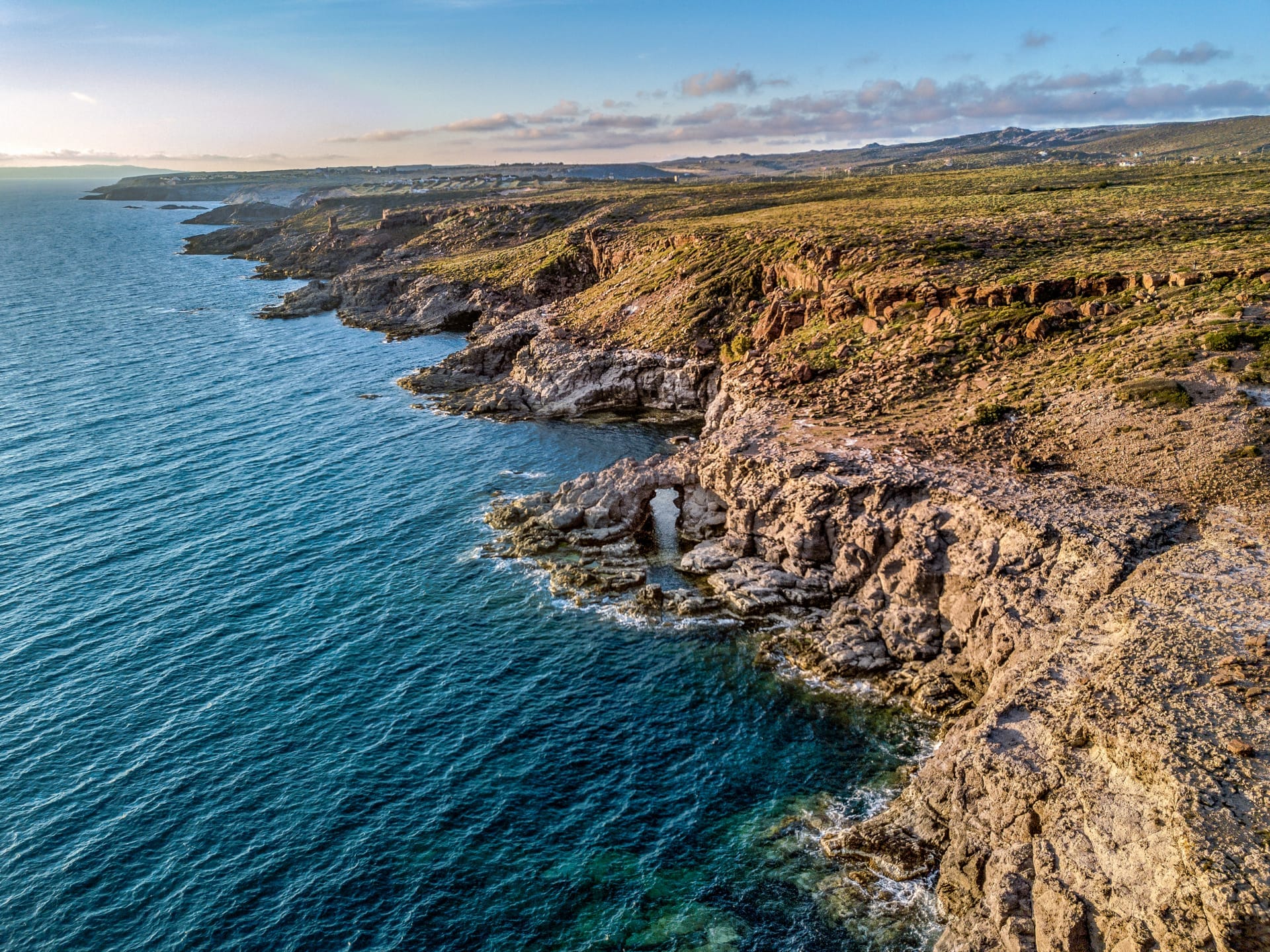
22. Explore the Quiet Reefs Around Sant'Antioco Island
The waters off Sant'Antioco see far less snorkelling pressure than northern Sardinia. The rocky coastline around the island's south offers clear water, Posidonia meadows, and diverse reef fish. Local dive operators run guided trips from the town harbour in season.
Explore22. Explore the Quiet Reefs Around Sant'Antioco Island
The waters off Sant'Antioco see far less snorkelling pressure than northern Sardinia. The rocky coastline around the island's south offers clear water, Posidonia meadows, and diverse reef fish. Local dive operators run guided trips from the town harbour in season.
ExploreFAQ
Do I need a permit to snorkel or dive in Sardinia's marine protected areas?
Most MPAs allow snorkelling in their outer zones without a permit. However, inner zones (Zone A) often restrict or prohibit access, and diving in protected areas typically requires going with a licensed local dive centre. Always check the specific MPA's current zone regulations before visiting.
What is the best time of year for diving and snorkelling in Sardinia?
Late June to early September offers the warmest sea temperatures (typically around 23–26°C in shallow water) and best visibility. May and October are excellent shoulder months with fewer boats and still good conditions for experienced snorkellers and wetsuit divers. Most dive centres operate May through October, with reduced services outside that window.
Can beginners snorkel and dive in Sardinia, or is it mainly for experienced divers?
Both. Many of Sardinia's best snorkelling spots are accessible directly from beaches with no experience needed, particularly at Cala Brandinchi, Capriccioli, and Porto Giunco. Dive centres at all major resorts offer PADI introductory dives (Discover Scuba) and open-water courses for complete beginners.
Which area of Sardinia is best for diving: the north, south, or east?
Each region has strengths. The Golfo di Orosei (east) is best for dramatic cave and cliff diving. La Maddalena and Tavolara (north) offer the most biodiverse open-water and wall dives. Capo Carbonara (south-east, near Villasimius) is the best-organised area for a mix of beginner and intermediate diving, including a wreck. Capo Caccia (north-west) is the top choice for wall dives and large marine life.
What marine life can I expect to see snorkelling and diving in Sardinia?
Common sightings include groupers, moray eels, barracuda schools, dentex, octopus, sea horses, and nudibranchs. Posidonia seagrass meadows cover much of the seabed in protected areas and support high biodiversity. Larger pelagic species including tuna and amberjack are possible around offshore shoals and island walls.