Olbia, Sardinia: Gateway to the North and What to Do There
Olbia is where most visitors to northeast Sardinia first set foot, then immediately drive away toward Costa Smeralda. That's a mistake. This guide covers what the city actually offers, from its Nuragic roots and early Christian basilica to boat trips around Tavolara, the best nearby beaches, and everything you need to arrive, orient yourself, and explore the Gallura region properly.
Plan and book this trip
Tools from our partner Travelpayouts help you compare flights and hotels. If you book through them, we may earn a commission at no extra cost to you.
Flights
Hotels map
TL;DR
- Olbia (population around 60,500) sits in the Gallura region of northeast Sardinia and is served by both the Costa Smeralda Airport (OLB) and a major passenger port — making it the primary entry point for the island's north.
- The city is routinely treated as a pass-through for Costa Smeralda, but it holds genuine historic depth: a UNESCO-linked early Christian basilica, Nuragic sites, a well-regarded archaeological museum, and a walkable town centre.
- Nearest beaches include Porto Istana, Pittulongu, and Bados — all reachable in under 20 minutes. Tavolara Island and the La Maddalena Archipelago make excellent day trips.
- Shoulder season (May to June and September to October) is the smartest time to use Olbia as a base: warm enough to swim, far fewer crowds, and lower prices across the board.
- Sardinia has no motorways, so renting a car in Olbia unlocks the entire Gallura coastline and interior — public transport connections exist but are limited beyond the city itself.
What Olbia Actually Is (and Why It Gets Underestimated)
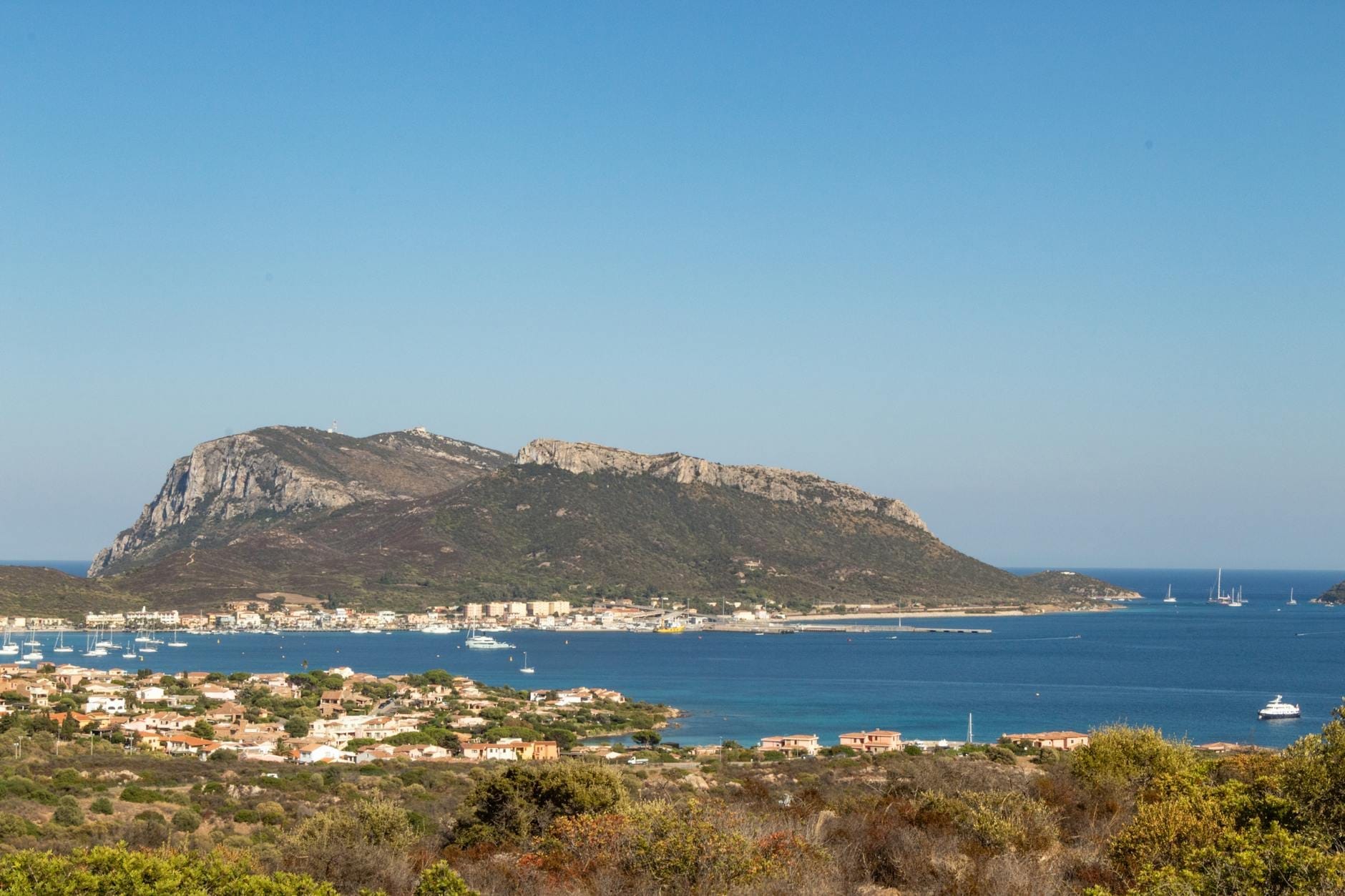
Olbia is northeast Sardinia's logistical spine. Its airport (IATA: OLB, officially the Olbia Costa Smeralda Airport, located about 4 km south-southeast of the city centre) handles millions of passengers annually, the majority of them heading straight north toward Porto Cervo and the Costa Smeralda coast without spending a night in the city itself. That pattern is understandable but leaves a lot on the table.
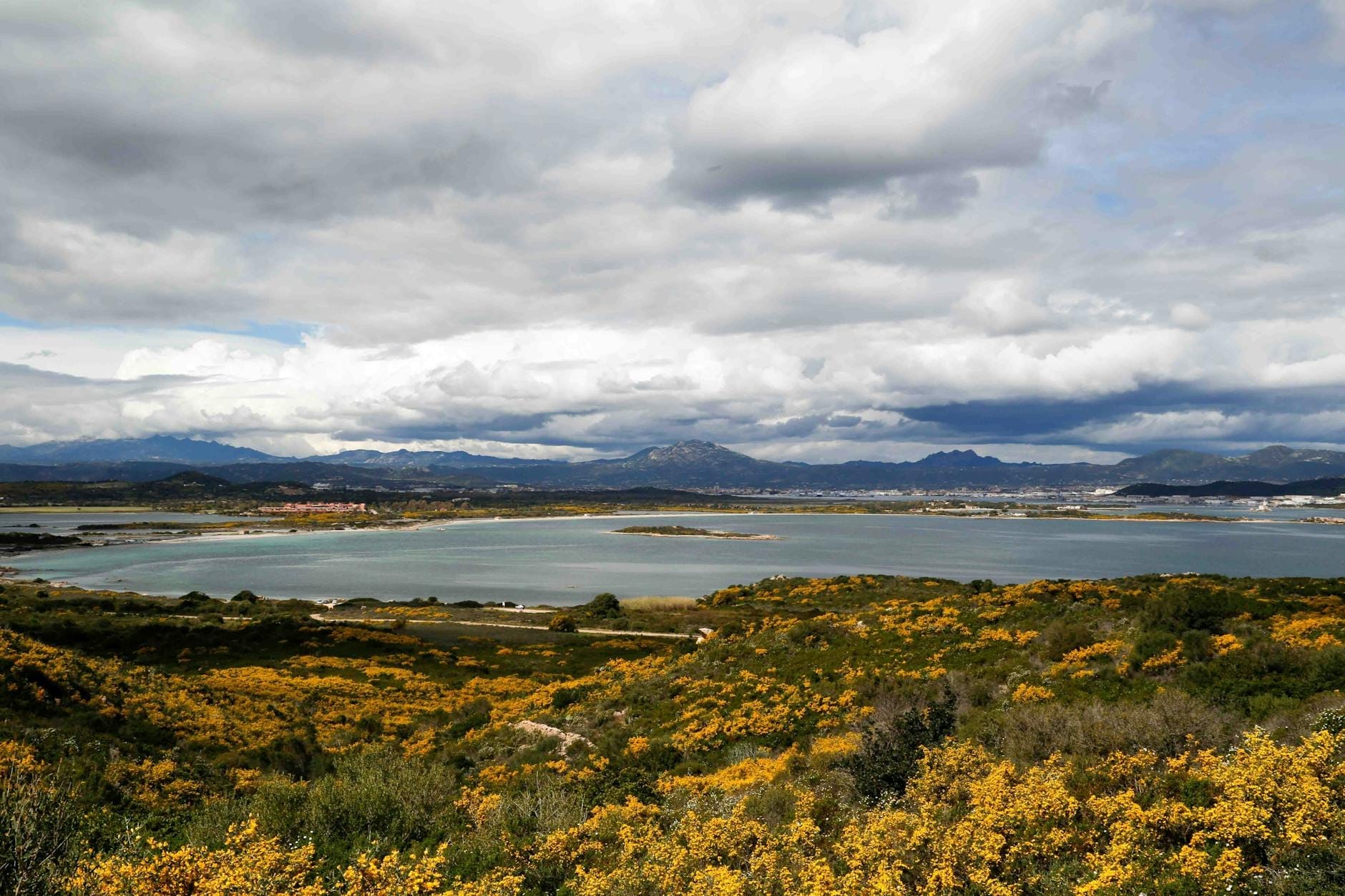
The city sits in the Gallura region, the granite-sculpted, wind-shaped northeast corner of Sardinia. Gallurese, a Romance variety related to Corsican dialects, is still spoken locally alongside Italian. This cultural distinctiveness from the rest of Sardinia runs deep: the food is different (roast pork over juniper wood, Gallura-style 'suppa cuata' bread soup), the landscape is different (low macchia scrub, granite outcrops, a flooded coastal lagoon), and the pace is different from the Costa Smeralda circus happening just 30 kilometres to the north.
The city has Phoenician and Roman roots, and was an important port for centuries before falling into decline during the medieval period. Its comeback as a modern gateway city is relatively recent. Understanding this arc makes Olbia more interesting — it is not a purpose-built resort, and it is not trying to be. For context on how it compares to other bases in northern Sardinia, see the Gallura region overview.
ℹ️ Good to know
Olbia's port connects to Civitavecchia (Rome), Genoa, Livorno, and other mainland Italian ports via Tirrenia, Grimaldi Lines, GNV, and Moby Lines ferries. If you are arriving by sea, the terminal is within walking distance of the town centre for many visitors — a convenience less common among Sardinia's other major ports, where terminals are typically farther from central areas.
Top Things to Do in Olbia
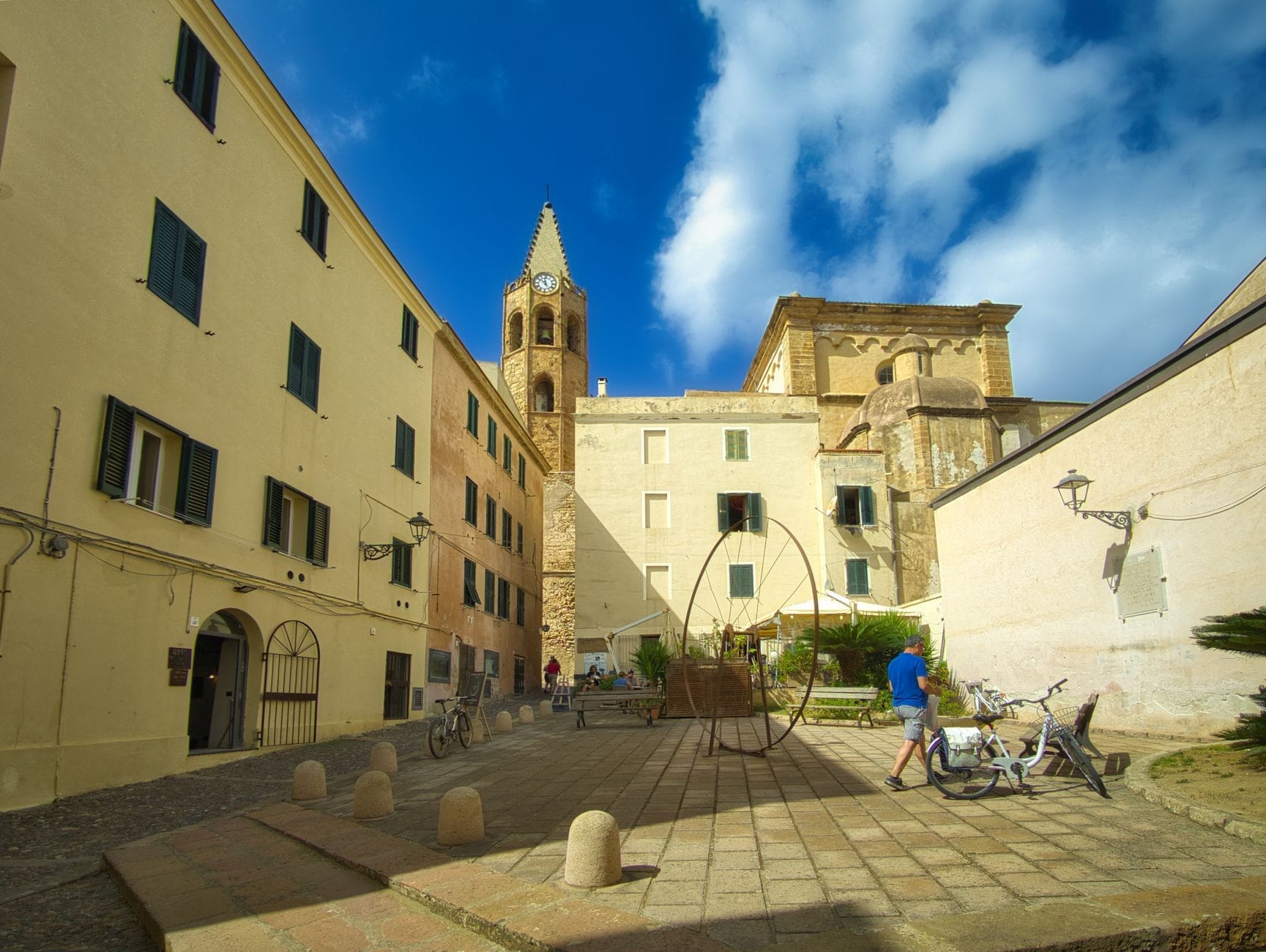
The Basilica di San Simplicio is the non-negotiable stop. Dating mainly to the 11th–12th centuries, this Romanesque church built in local granite is considered one of the most significant pre-Romanesque and Romanesque monuments in Sardinia. It sits in a square just behind the main corso and is typically uncrowded, which makes visiting it a peaceful experience even in August. The interior is spare and cool, with ancient inscriptions embedded in the walls. Every May, the Festa di San Simplicio draws large crowds for three days of processions and local celebration — one of Gallura's most important religious events.
The Museo Archeologico di Olbia, housed in a striking building on the small island of Peddone near the port, covers the city's Phoenician, Punic, and Roman history with a particularly notable collection of shipwreck material recovered from the harbour. Admission is low (verify current rates on-site), and the museum is manageable in under two hours. For anyone interested in Sardinia's broader ancient history, pairing this with the National Archaeological Museum in Cagliari gives a full picture of the island's deep past.
- Basilica di San Simplicio 11th-century Romanesque granite basilica, the city's defining monument. Free entry. Central location, 5 minutes from Corso Umberto.
- Museo Archeologico di Olbia Covers Phoenician through Roman periods with strong shipwreck material. Located on the Peddone islet near the ferry port.
- Corso Umberto The pedestrianised main street for evening passeggiata, aperitivo bars, and casual dining. Most active from around 6pm onward.
- Sa Testa Sacred Well A Nuragic sacred well site a few kilometres from the city centre, rarely visited by tourists. Compact but atmospheric, with a tholos roof structure.
- Riu Mulinu Nuraghe Another accessible Nuragic monument in the Olbia hinterland, often overlooked in favour of better-known sites elsewhere on the island.
💡 Local tip
If you arrive by ferry at night and have a morning flight, Olbia's town centre is worth a very early walk — the granite streets around San Simplicio and the port area are atmospheric before the heat sets in, and the market near the port sometimes runs early-morning hours in peak season.
Beaches Near Olbia: What to Expect and When to Go
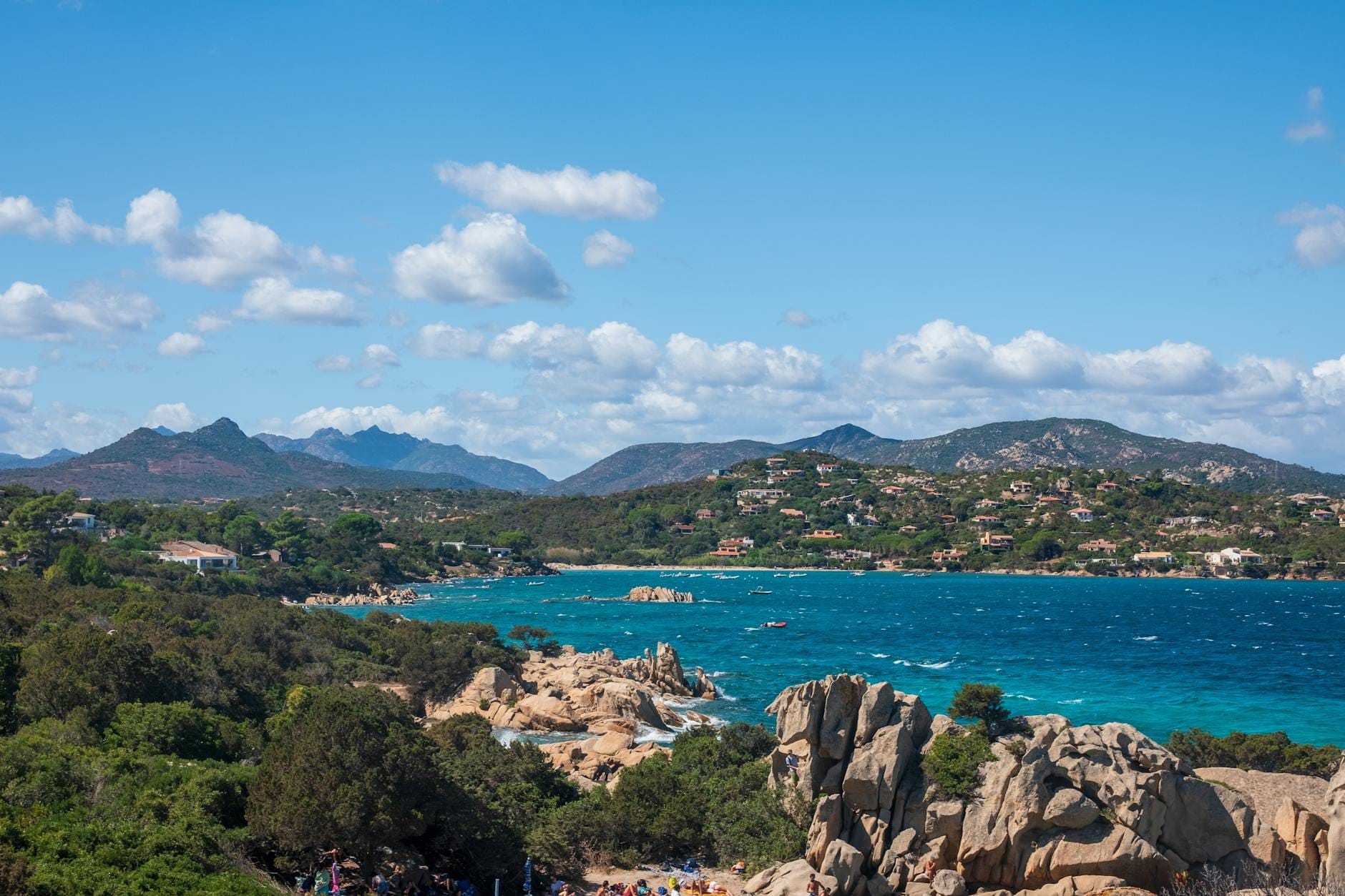
The Olbia coastline is not Costa Smeralda — and that is partly what makes it worth visiting. Prices at beach clubs are lower, parking is easier (though still competitive in July and August), and the water quality is consistently good thanks to the granite-filtered coastal environment that defines Gallura.
- Porto Istana Around 15 km south of Olbia. A long sandy beach with shallow water, facing the island of Tavolara. Gets busy in August but has space to spread out. Amenities include beach rentals and bars.
- Pittulongu About 8 km from the city centre, making it the most convenient option for day trips without a car. Three adjacent coves with facilities. Popular with locals and families.
- Bados A quieter stretch north of Pittulongu with clearer water and fewer amenities — better for those who prefer fewer sunbeds and more space.
- Lo Squalo (The Shark) Named for a rock formation visible offshore. Smaller and less commercialised than Porto Istana, with good snorkelling conditions around the rocks.
- Capo Comino (further south) Technically outside the immediate Olbia area but worth the drive — a long dune system and wild beach with no development.
For swimmers and snorkellers, the Capo Comino dunes represent some of the most undeveloped coastline accessible from Olbia with a car. The drive takes roughly 45 minutes south along the SS125. Go early or in September to avoid the parking scramble.
Day Trips from Olbia: Islands, Ruins, and the Interior
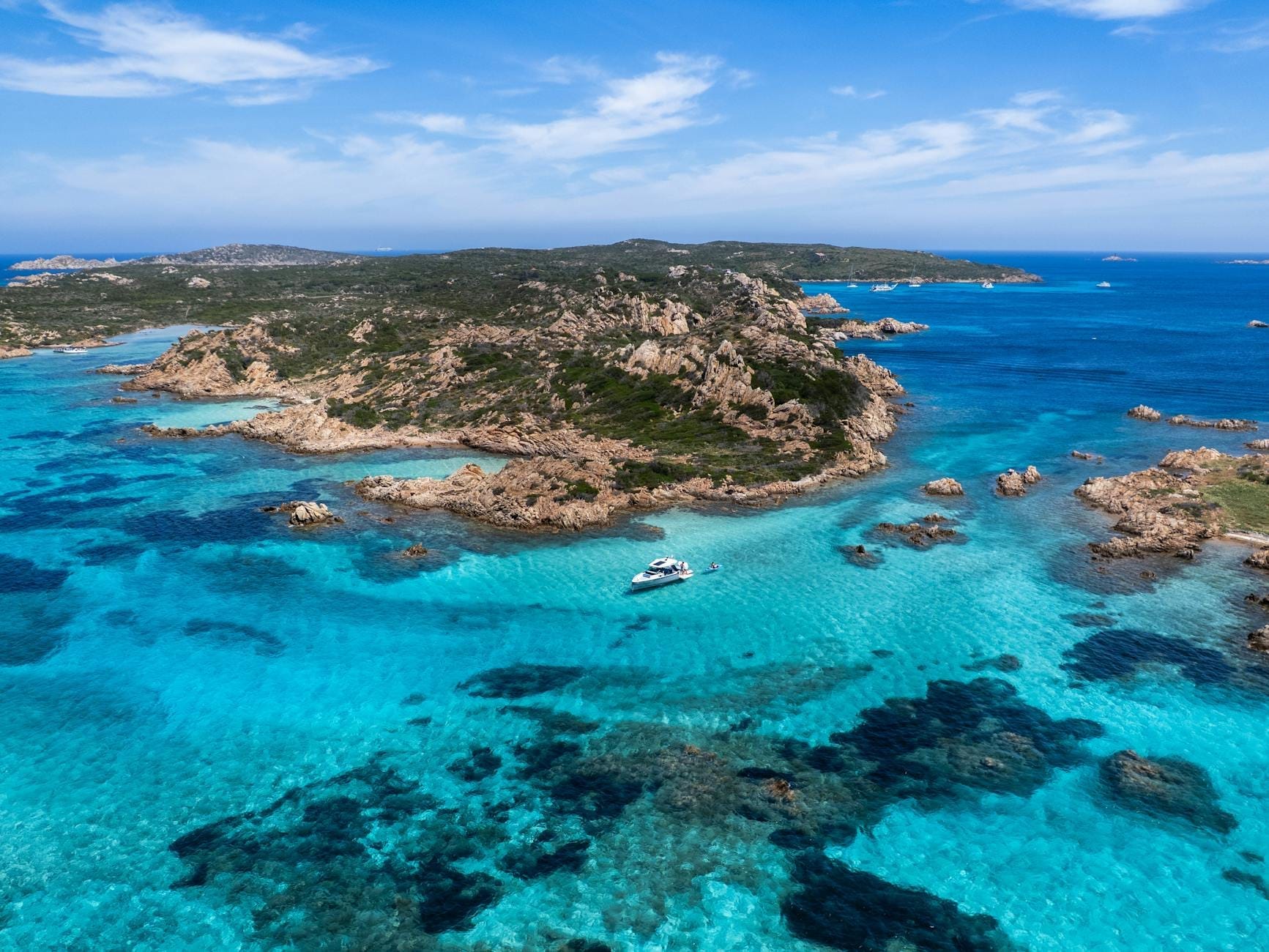
Olbia's position makes it an unusually versatile base. To the north, the La Maddalena Archipelago is reachable in about an hour (ferry from Palau, itself about 45–60 minutes by car from Olbia, depending on traffic and route). The archipelago's national park encompasses granite islands, turquoise channels, and Garibaldi's former home on Caprera — a full day is needed to do it justice.
Tavolara Island is another strong option. Departures run from Porto San Paolo, about 20 km south of Olbia. The island is dominated by a dramatic limestone plateau rising about 565 metres straight from the sea, and the snorkelling and diving in the marine protected area around it rank among the best in the Tyrrhenian. The Tavolara Island day trip typically includes a boat transfer, snorkelling stop, and beach time — full-day tours depart throughout summer.
Inland from Olbia, the Gallura landscape rewards those willing to leave the coast. The Aggius area, about 50 km northwest, sits in a valley of enormous granite boulders with a small museum dedicated to local banditry history — a topic that is deeply woven into Sardinian cultural identity without being a tourist gimmick. The drive itself, through low macchia and past the Limbara mountain massif, is worth the time.
✨ Pro tip
For La Maddalena, drive to Palau rather than taking a tour from Olbia — the ferry crossing is short (about 15–20 minutes), runs frequently, and allows you to explore at your own pace with a scooter or bicycle hired on the island. Pre-book the car ferry in summer; it fills up quickly.
Getting to Olbia and Getting Around
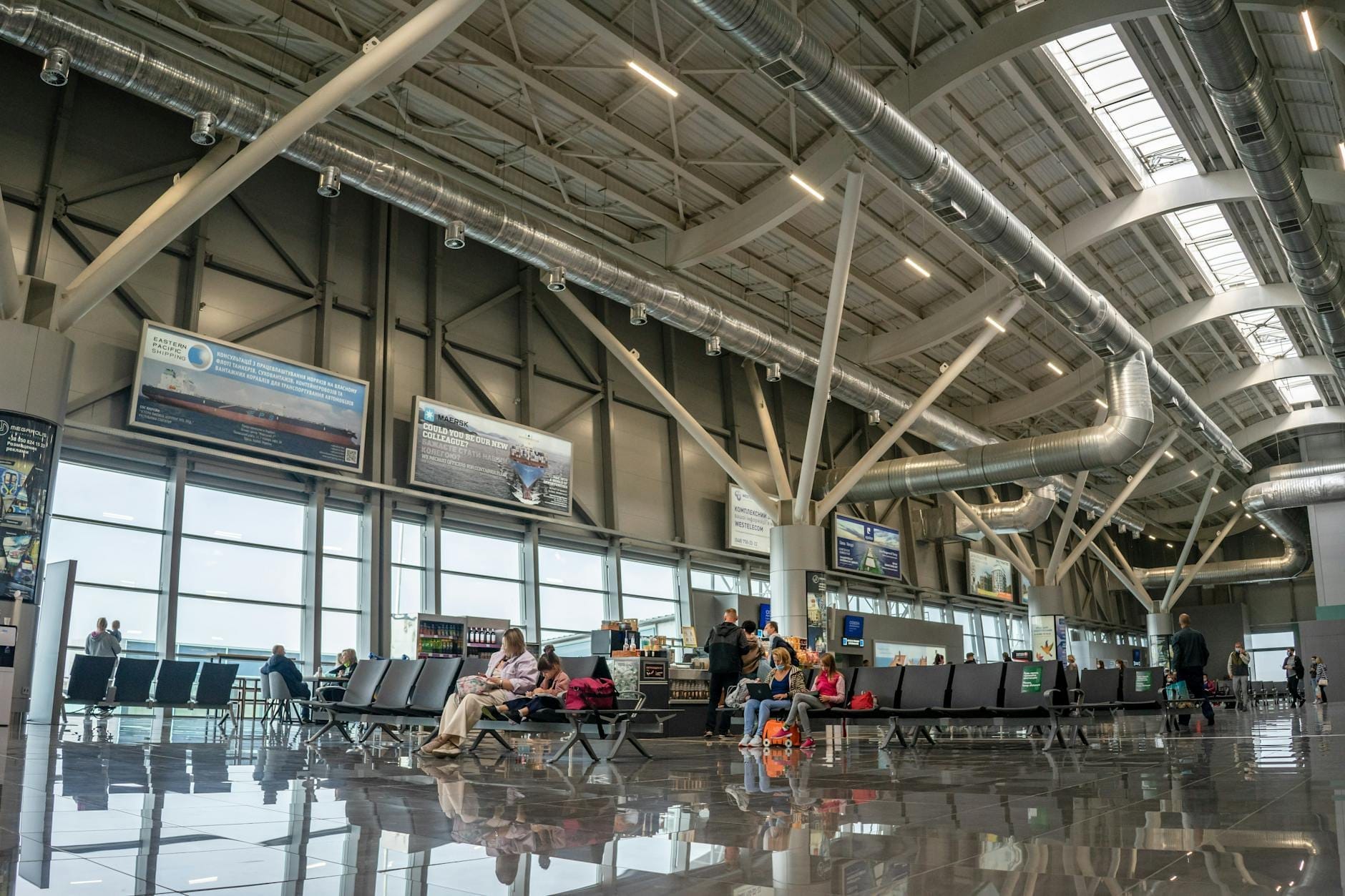
Olbia Costa Smeralda Airport (OLB) sits about 4 km from the city centre and handles direct flights from many European cities, with service peaking heavily between June and September. Budget carriers including Ryanair and EasyJet operate here, alongside Alitalia's successor ITA Airways and international carriers. Outside summer, direct flight options thin considerably — check connections through Rome Fiumicino (FCO) or Milan Malpensa (MXP) if travelling in winter.
From the airport to the city, ASPO urban buses (lines 2 and 10, with some services of line 9 reaching the port area) connect the terminal to Olbia centre — an inexpensive and straightforward option if you are not renting a car immediately. Taxis are available outside the terminal; official fares are regulated locally but verify current rates at the airport's official transport page (geasar.it) before travelling, as costs adjust seasonally. The ride to the city centre takes roughly 10 minutes in normal traffic.
Train connections link Olbia to Cagliari via Trenitalia on the standard-gauge line, with journey times of roughly 3.5 to 4 hours and advance fares often starting around €15-20 (verify current prices on trenitalia.com before booking). Sassari is also reachable by train. For anything beyond the main rail corridor, a hire car is the practical choice — Sardinia has no tolled autostrade-class motorways, and the SS roads connecting Gallura's coast and interior are scenic but require time. The getting around Sardinia guide breaks down all transport options in detail.
⚠️ What to skip
Car hire demand in Olbia is extreme in July and August. Book months in advance if you plan to pick up a vehicle at the airport during peak summer. Last-minute rentals at the airport in high season are either unavailable or priced at a significant premium. Picking up from the town centre rather than the airport terminal can sometimes yield better rates.
When to Visit Olbia and How Long to Stay
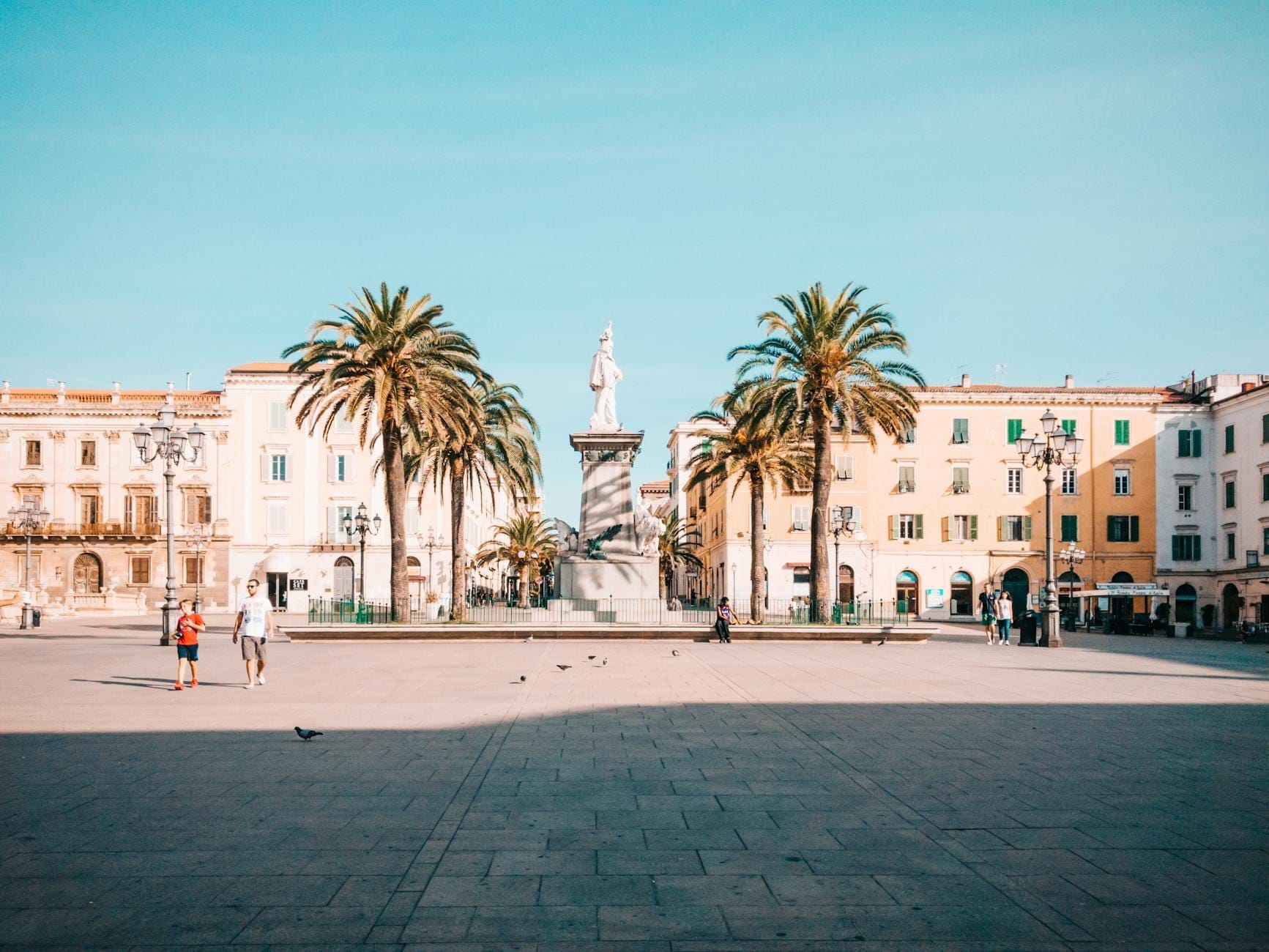
In short, for most travellers is: don't visit in August unless you are prepared for high prices, full beaches, and traffic queues on the approach roads to every popular beach. The best time to visit Sardinia is broadly May to June or September to October — and this applies equally to Olbia. In those shoulder months, sea temperatures typically sit between about 18–23°C, beach clubs are open without the crowds, and accommodation rates can be 30-50% lower than August peaks.
For the town itself, two nights is enough to see San Simplicio, the archaeological museum, Corso Umberto, and get to one or two nearby beaches. Using Olbia as a week-long base is viable if you plan a mix of coastal driving, island day trips, and interior excursions — the Gallura region has enough variety to sustain that. If your primary interest is the Costa Smeralda itself, be realistic: Olbia is the budget-friendly base camp, but the drive to Porto Cervo or Santa Teresa Gallura still takes 30 to 60 minutes depending on your destination.
Olbia in May hosts the Festa di San Simplicio (dates shift slightly year to year around mid-May), which brings genuine local life into the main piazzas and is worth timing a visit around. For a broader view of Sardinian celebrations worth building a trip around, the Sardinia festivals and events guide covers the full calendar.
FAQ
Is Olbia worth visiting or is it just an airport city?
Olbia is more than a transit hub. The Basilica di San Simplicio is one of Sardinia's finest Romanesque monuments, the archaeological museum covers Phoenician and Roman history with genuine depth, and the town centre on a warm evening is a pleasant, unpretentious place to eat and drink. Most visitors write it off because Costa Smeralda sits just up the road, but one or two nights here — especially in shoulder season — is time well spent rather than wasted.
How far is Olbia from Costa Smeralda and Porto Cervo?
Porto Cervo, the main hub of the Costa Smeralda, is about 30-35 km north of Olbia by road, roughly 30-40 minutes without traffic. In peak August, that drive can stretch to an hour or more on the SS125 and local coastal roads. Santa Teresa Gallura in the far north is about 75–80 km and around 1 hour 15–30 minutes.
What is the best way to get from Olbia Airport to the city centre?
ASPO city buses connect the airport terminal to the town centre and are the cheapest option. Taxis are available immediately outside the terminal and take around 10 minutes to reach the centre; confirm current fares with the driver before departing or check the official airport transport page. If you are renting a car, pick-up desks are in the terminal building — book well ahead in summer.
Can I do a day trip to La Maddalena Archipelago from Olbia?
Yes, easily. Drive to Palau (around 40 minutes north of Olbia), take the regular ferry to La Maddalena island (crossing takes about 20 minutes), and you have a full day to explore the island, hire a bike or scooter, or join a boat tour around the smaller islands in the national park. It is one of the most rewarding day trips from Olbia and requires no pre-booked tour if you have your own transport to Palau.
Is Olbia a good base for a week in northern Sardinia?
It is a practical base if you have a car and plan to cover ground. From Olbia you can reach the La Maddalena Archipelago, Tavolara Island, the Costa Smeralda beaches, Alghero (about 2 hours–2 hours 15 minutes by car), the Gallura interior including Aggius and Monte Limbara, and the Golfo Aranci coast. Accommodation is generally cheaper in Olbia than in the resort towns to the north, and the ferry port makes it convenient if you are combining a drive through the island with a sea arrival or departure.