Museo dell'Arte Mineraria: Inside Iglesias' Underground Mining World
Housed in a 1911 Liberty-style technical institute and extending into a real underground training mine, the Museo dell'Arte Mineraria in Iglesias preserves the tools, machinery, and human story of Sardinia's centuries-old mineral industry. It is one of the few places in Europe where you can walk through actual mine tunnels beneath a working school building.
Quick Facts
- Location
- Via Roma 45–47, 09016 Iglesias (SU), Sardinia — on the main street of the historic town centre
- Getting There
- Regional trains and ARST buses connect Cagliari to Iglesias; the museum is a short walk from the town centre along Via Roma 45–47
- Time Needed
- 1.5 to 2.5 hours, including the guided underground tunnel section
- Cost
- Fee charged; reported at around €5 adults / €3 children (verify directly with the museum before visiting)
- Best for
- Industrial history enthusiasts, families with older children, travellers combining with Iglesias' medieval old town
- Official website
- www.iglesiasturismo.it/museo-istituto-minerario
What This Museum Actually Is
The Museo dell'Arte Mineraria is not a polished heritage theme park. It is a working memory of an industry that shaped southwest Sardinia for over a century, and it occupies a building that was itself part of that industry. The museum sits inside the Istituto Tecnico Minerario 'Giorgio Asproni', a Liberty-style technical school inaugurated on 13 December 1911 and built under the auspices of engineer Giorgio Asproni thanks to his generous loan of 100,000 lire. The mining school in Iglesias dates back to 1871 as a dedicated mining education institution, and it trained the engineers and foremen who ran Sardinia's lead, zinc, and silver operations across the Sulcis-Iglesiente region.
The museum was formally established in 1998 by former miners, which matters. The people who created it worked in these industries. The exhibits reflect that: there is a specificity and seriousness to the collection that you do not always find in heritage mining displays assembled by outside curators. Surface-level galleries display antique drilling equipment, ore-sorting machinery, ventilation apparatus, and personal tools, but the defining feature of the museum is below ground.
ℹ️ Good to know
Opening hours are limited: June through September, Friday to Sunday from 17:00 to 20:00. From October through May, visits are by reservation only, and in the summer period visits on other days may also be arranged by reservation. Contact the museum in advance at infoturistiche@comune.iglesias.ca.it or +39 0781 350037 (listed for the museum on Sardegna Cultura) before making the trip.
The Underground Training Mine
Beneath the Asproni Institute, extending for roughly 300 metres through the basement and surrounding ground, lies a real mine. Construction of this training gallery began around 1934, giving students a place to practice extraction techniques before entering commercial operations. During the Second World War, the tunnels were repurposed as air-raid shelters for Iglesias residents, a detail that gives the already atmospheric underground a second, more human layer of history.
The tunnel visit is guided, and guides must accompany all visitors into the underground section. This is not a restriction to resent — it is what makes the experience worth having. A good guide points out where drill marks were made by hand versus machine, explains the ventilation systems still visible in the rock walls, and identifies the different ore-bearing strata that made this corner of Sardinia one of the most mineralogically rich zones in the Mediterranean basin.
The atmosphere underground is immediately different from anything above. The temperature drops noticeably even on warm Sardinian afternoons, and the air has a mineral coldness and faint damp smell that no exhibit case can replicate. The rock walls are close, and the passages in places are narrow enough that you begin to understand, in a physical way, the working conditions miners lived inside for shifts of many hours. Bring a light layer regardless of the season.
⚠️ What to skip
The underground section involves confined passages and uneven ground. No official accessibility statement for reduced-mobility visitors is published online. If this is a concern, contact the museum directly before visiting to ask about specific tunnel conditions.
Tickets & tours
Hand-picked options from our booking partner. Prices are indicative; availability and final rates are confirmed when you complete your booking.
Cagliari's historic centre tour with National Archaeological Museum
From 66 €Instant confirmationFree cancellationBread Workshop and Visit to the Bread Museum in Orgosolo
From 84 €Instant confirmationFree cancellationAlghero Porto Conte Park Eco-Museum Tickets
From 15 €Instant confirmationFree cancellationBerchidda Wine Museum entrance ticket with wine tasting
From 24 €Instant confirmationFree cancellation
The Surface Collection and the Building Itself
The Liberty-style building is worth attention before you even look at an exhibit. Liberty architecture — the Italian strain of Art Nouveau — arrived in Sardinia largely through institutional and civic buildings in the early twentieth century, and the Asproni Institute is one of the better examples in the island's southwest. The exterior detailing and proportions reflect the optimism of an era when Sardinia's mineral industry was at its commercial peak and local patrons were investing in permanent infrastructure.
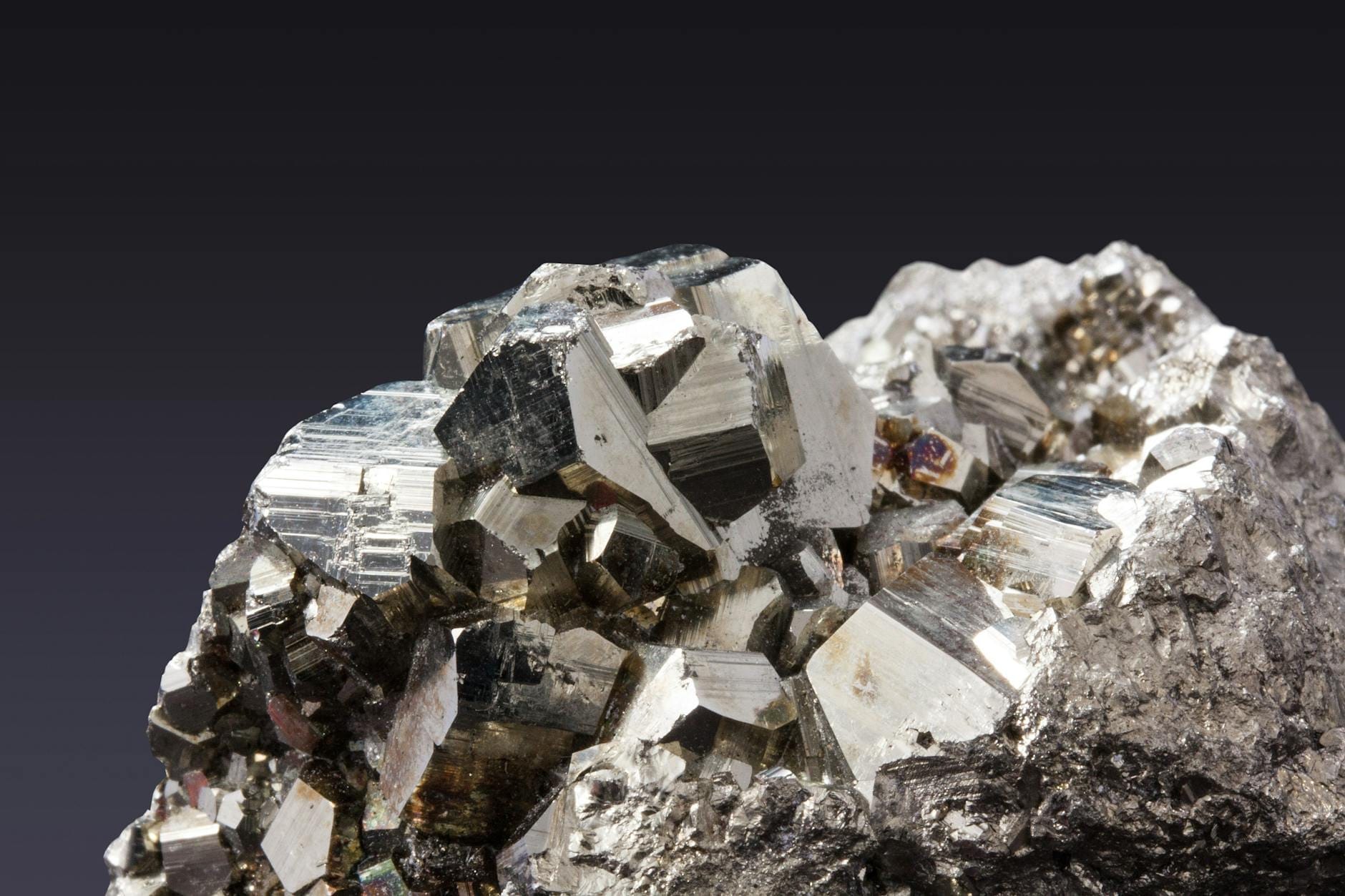
The surface galleries hold a substantial collection of mining tools spanning hand-forged picks and chisels from early extraction periods through to pneumatic drilling equipment from the mid-twentieth century. Ore samples on display show the variety of minerals extracted from the Iglesiente area: lead, zinc, silver, and fluorite among them. Maps and technical drawings document the layout of major nearby mines, some of which are now UNESCO-recognised industrial heritage sites within the Parco Geominerario Storico e Ambientale della Sardegna.
The Iglesiente region's mining past extends far beyond this single institution. Visitors interested in exploring the broader landscape of Sardinia's industrial archaeology might also consider the Porto Flavia mineral loading facility on the coast, one of the most striking engineering achievements of the 1920s mining era, cut directly into a sea cliff.
Timing Your Visit
The evening opening hours in summer (17:00 to 20:00) are not accidental. Iglesias in July and August can be hot in the middle of the day, and an afternoon museum visit that moves into an underground tour naturally avoids the worst heat. Arriving at opening time means you are likely among the first visitors and will have the guided tunnel section with fewer people around you, which noticeably improves the experience in confined spaces.
Outside summer, the reservation-only model works to the visitor's advantage in one respect: you are often visiting with a small, intentional group rather than whoever happened to walk in. The guide's attention is more focused. If you are visiting Sardinia in spring or autumn, this museum pairs naturally with the quieter character of Iglesias in shoulder season, when the town's medieval streets and Gothic cathedral can be explored without high-season crowds.
For broader context on when to visit the southwest, the guide to Sardinia in May covers shoulder-season conditions across the island, while the September travel guide addresses the post-peak period when the Sulcis coast is considerably calmer.
Iglesias as Context
The museum makes most sense when visited as part of a broader engagement with Iglesias rather than as a standalone stop. The town itself carries significant medieval and Spanish colonial heritage: a cathedral begun in the thirteenth century, Aragonese defensive walls, and a street layout that retains its historic character. During Settimana Santa, Iglesias hosts one of the most elaborate Holy Week processions in Sardinia, drawing visitors from across the island.
The southwest coast of Sardinia — the Sulcis and southwest coast — is generally undervisited relative to its northern and eastern counterparts. That works in the attentive traveller's favour. Iglesias sees a fraction of the tourist pressure that affects Cagliari or the Costa Smeralda, and the museum reflects this: it is a place maintained by genuine local commitment rather than optimised for high visitor throughput.
If you are building a route through this part of the island, the guide to Sardinia's lesser-known destinations includes southwest Sardinia among its recommendations and gives useful orientation for planning several days in the area.
Practical Walkthrough
Iglesias is reached from Cagliari by regional train, with the journey taking roughly one hour to one hour and fifteen minutes depending on the service. ARST buses also serve the route. From the Iglesias train station, the walk to Via Roma 47 is short — the museum sits on the main artery of the town centre and is straightforward to find on foot.
Wear closed shoes with a grip. The underground mine tunnels have uneven rock floors that become slippery in places where moisture collects. Sandals or flat-soled footwear will make the underground section uncomfortable and slightly risky. A light jacket or sweater is useful underground even in summer — the temperature difference between the surface at 17:00 in July and the mine gallery is significant enough to feel uncomfortable without a layer.
Photography inside the tunnels is possible without flash in many areas, and the combination of mine lamps, rough-hewn rock, and period equipment creates composition opportunities that require patience rather than technical complexity. The surface galleries are better lit and more straightforward to document.
💡 Local tip
If you are visiting during the October-to-May reservation period, email or call at least several days in advance. The museum is staffed by a small team and unannounced visits during off-season are likely to result in a closed door. A brief email in Italian increases your chances of a prompt response.
Who This Museum Is Not For
Visitors expecting a large, well-funded museum with multimedia installations and multilingual digital guides may find the Museo dell'Arte Mineraria modest by comparison. The collection is serious and the underground experience is genuine, but the institution operates with limited resources and most signage is in Italian. Travellers with little patience for unpolished presentation, or those who find industrial heritage abstractly uninteresting, are unlikely to feel the visit was worth the trip to Iglesias specifically. The same applies to visitors with significant mobility limitations, given the physical demands of the tunnel section and the absence of confirmed accessibility infrastructure.
Young children under around eight or nine may find the experience less engaging than older children and adults, though the tactile nature of the underground environment and the visual drama of mine equipment do hold attention for curious younger visitors. The confined tunnel sections can feel overwhelming for children or adults prone to claustrophobia.
Insider Tips
- The evening opening hours in summer mean you exit the museum into Iglesias at dusk, which is the ideal time to walk the town's historic centre. The light on the cathedral facade and the Aragonese walls at that hour is worth planning around.
- Ask the guide specifically about the World War II air-raid shelter use of the tunnels. It is not always the lead part of the tour, but it adds a layer to the experience that is distinct from the mining history.
- The Parco Geominerario Storico e Ambientale della Sardegna — the island-wide UNESCO-recognised geopark that includes the Iglesiente mining sites — has an official map available online. Cross-referencing it before your visit gives the museum exhibits considerably more geographic context.
- If you are contacting the museum to arrange an out-of-season visit, mentioning a specific interest (geological, historical, architectural) in your message tends to produce a more detailed and responsive reply than a general enquiry.
- Combine the museum visit with the Palazzo di Città and the medieval cathedral of Santa Chiara nearby in Iglesias — both are within a few minutes' walk and make for a half-day that covers the town's full historical range from medieval to industrial.
Who Is Museo dell'Arte Mineraria (Iglesias) For?
- Industrial heritage and mining history enthusiasts who want a credible, non-commercialised experience
- Travellers spending several days in the Sulcis-Iglesiente area and looking for depth beyond the beaches
- Architecture observers interested in Liberty-style civic buildings in Sardinia
- Families with older children (10+) who respond well to hands-on and atmospheric environments
- Anyone pairing the museum with a broader exploration of southwest Sardinia's UNESCO geopark sites
Nearby Attractions
Other things to see while in Sulcis & the Southwest Coast:
- Carloforte (Isola di San Pietro)
Carloforte is the sole inhabited centre on Isola di San Pietro, a small island off Sardinia's southwestern coast with a strikingly un-Sardinian character. Founded in 1738 by Ligurian settlers from Tabarka, it retains its own dialect, cuisine, and urban architecture — a place that rewards slow exploration rather than quick sightseeing.
- Costa Verde
Costa Verde is a 47-kilometre arc of coastline in the Comune di Arbus, in Sardinia's southwest, running from Capo Frasca to Capo Pecora. It holds some of the most remote beaches on the island, including Piscinas, where dunes reach up to 60 metres high, making it one of the largest dune systems in Europe. There are no entry fees, minimal resort infrastructure directly on the beaches, and no public transport. That combination is exactly why it rewards visitors who make the effort to get here.
- Is Zuddas Caves (Santadi)
Carved into 530-million-year-old Cambrian dolomite beneath Monte Meana, the Is Zuddas Caves near Santadi are among the most geologically significant showcaves in Sardinia. Guided tours of a flat 500-metre route reveal towering stalactites, aragonite helictites, and chambers that once served as an alabaster quarry before local speleologists rescued them for science and tourism in 1971.
- Isola di Sant'Antioco
Sant'Antioco Island sits off Sardinia's southwest coast, connected to the mainland by a bridge over an ancient isthmus. With roots stretching back to Phoenician colonizers in the 8th century BC, it pairs serious archaeology with quiet beaches, a still-functioning fishing port, and some of the least-crowded coastline in the region.