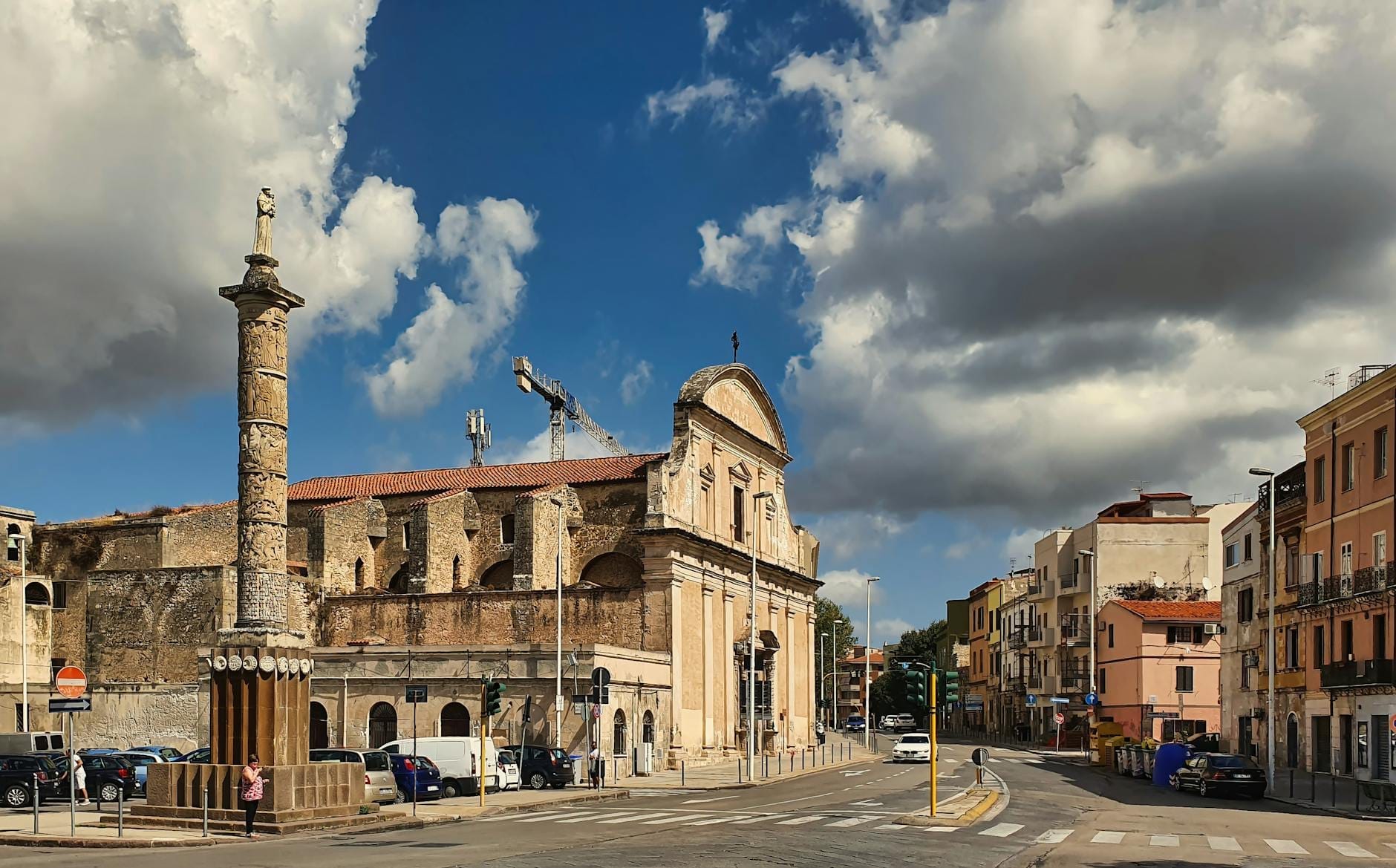
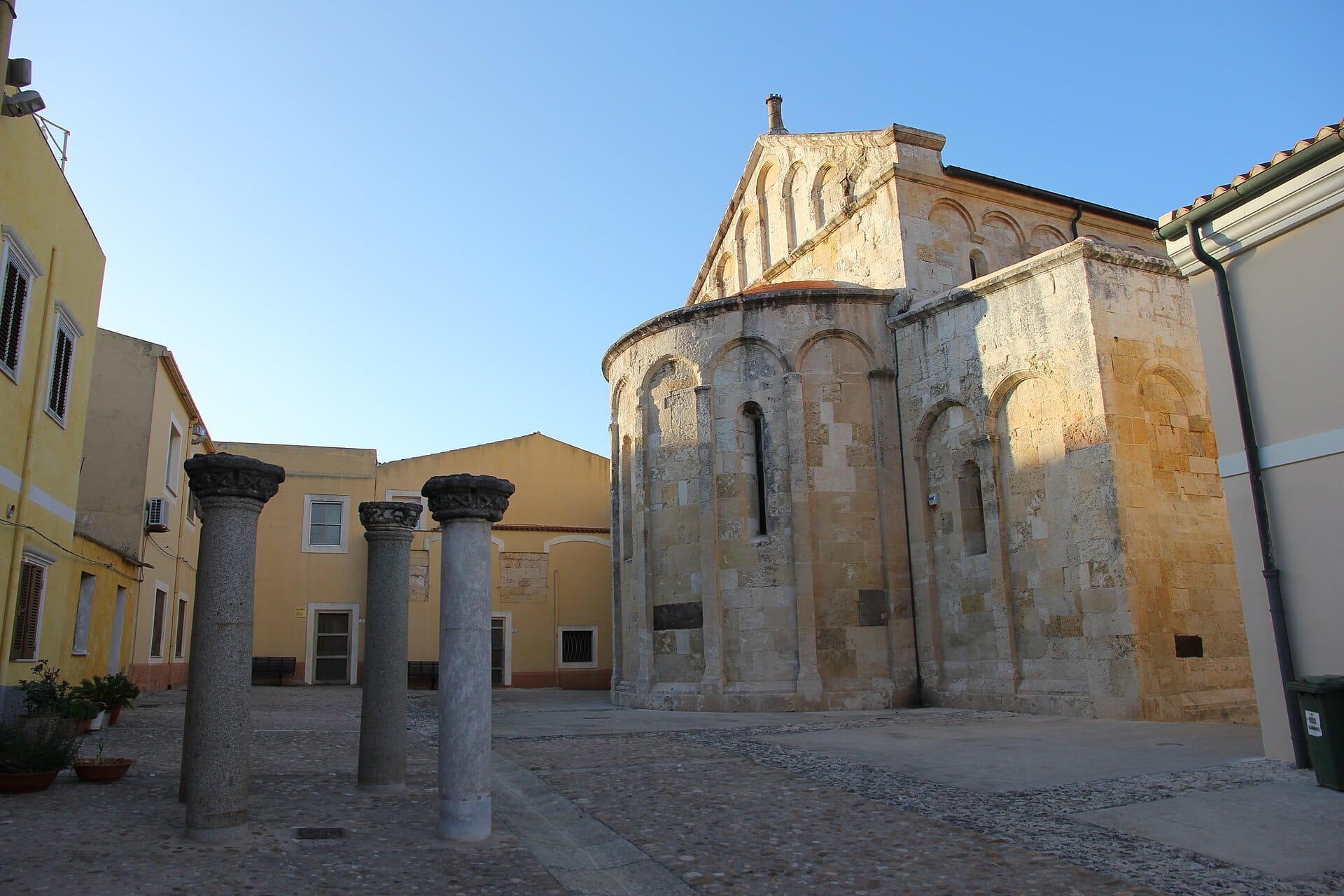
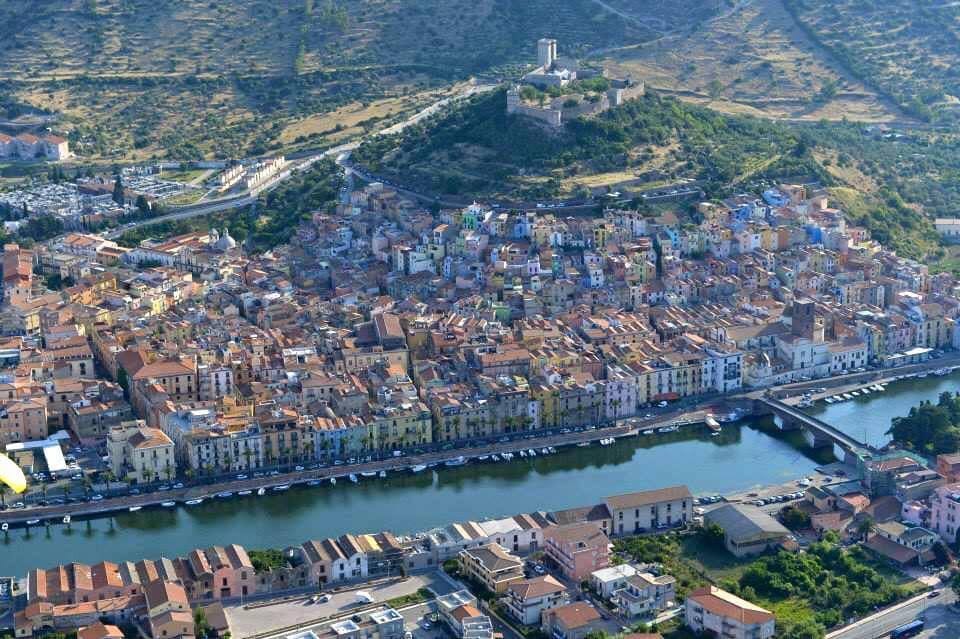
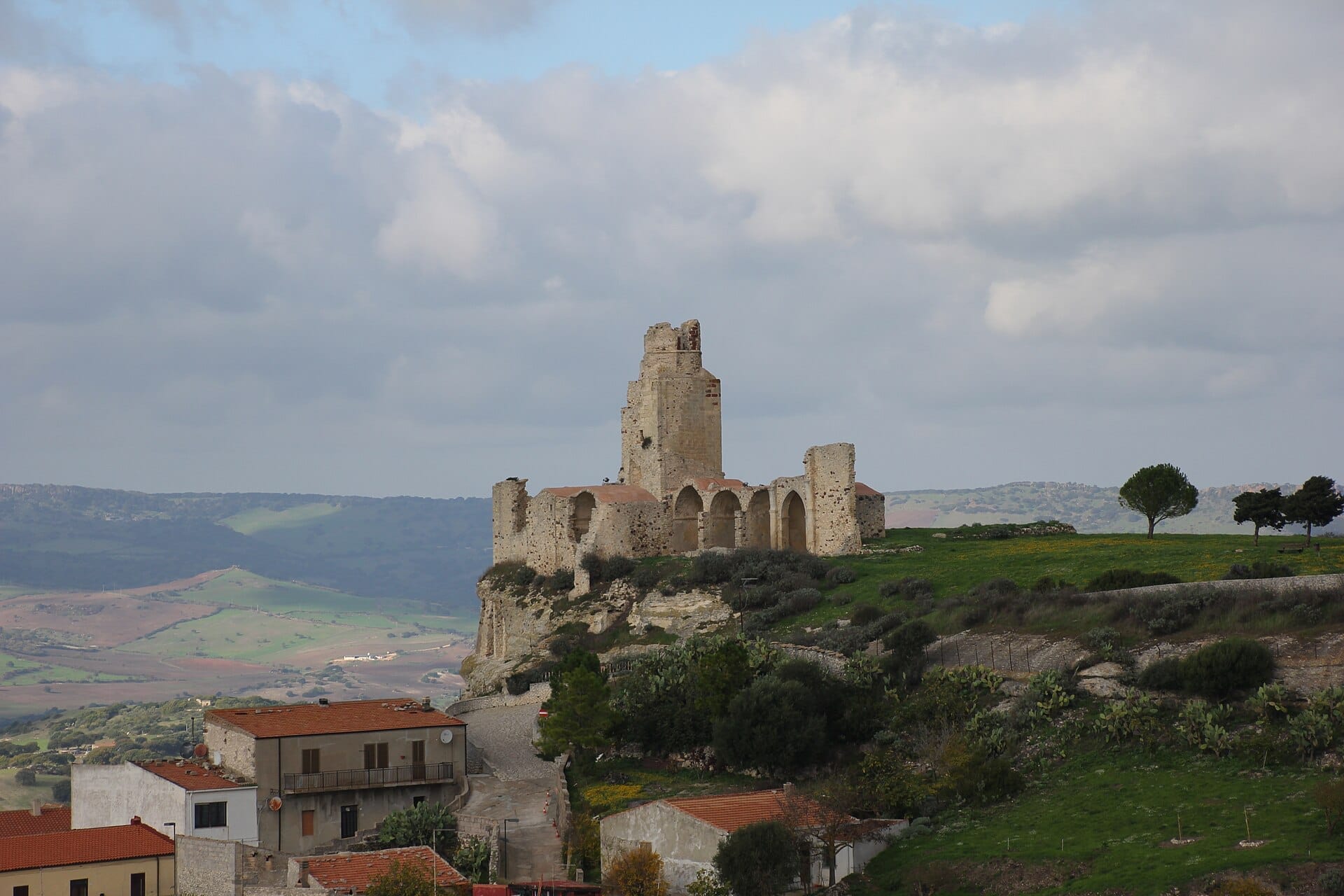
Sassari sits on a plateau in northern Sardinia, functioning as the island's second city and a genuine urban centre with a medieval core, neoclassical architecture, and cultural traditions stretching back centuries. It is the kind of place where Sardinians actually live, shop, and argue politics over coffee, largely undisturbed by the beach tourism that defines much of the island.
Sassari is northern Sardinia's real city: not a resort, not a gateway, but a proper urban centre with a medieval cathedral quarter, grand neoclassical squares, and street life that runs entirely on its own terms. At 225 metres above sea level on a broad plateau, it sits inland from the coast with a self-sufficient character that sets it apart from every other destination on the island.
Orientation: Where Sassari Sits
Sassari is the capital of the Metropolitan City of Sassari and the island's second-largest city by population, positioned in the northwestern corner of Sardinia. It occupies a limestone plateau roughly 225 metres above sea level, which explains both the city's slightly cooler temperatures compared to coastal towns and the compact, elevated feel of its historic centre.
The city sits about 15 to 20 kilometres from the nearest stretch of coast, depending on direction. To the northwest, Porto Torres on the Golfo dell'Asinara serves as Sassari's main ferry port, reachable in around 20 to 25 minutes by road. To the southwest, Alghero and its airport (IATA: AHO) are roughly 30 to 35 kilometres away, a 30- to 40-minute drive. This positioning makes Sassari a natural hub for exploring the entire northwestern quarter of the island, from the nuragic sites of the Nurra plain to the dramatic coastline near Capo Caccia and the old town of Alghero.
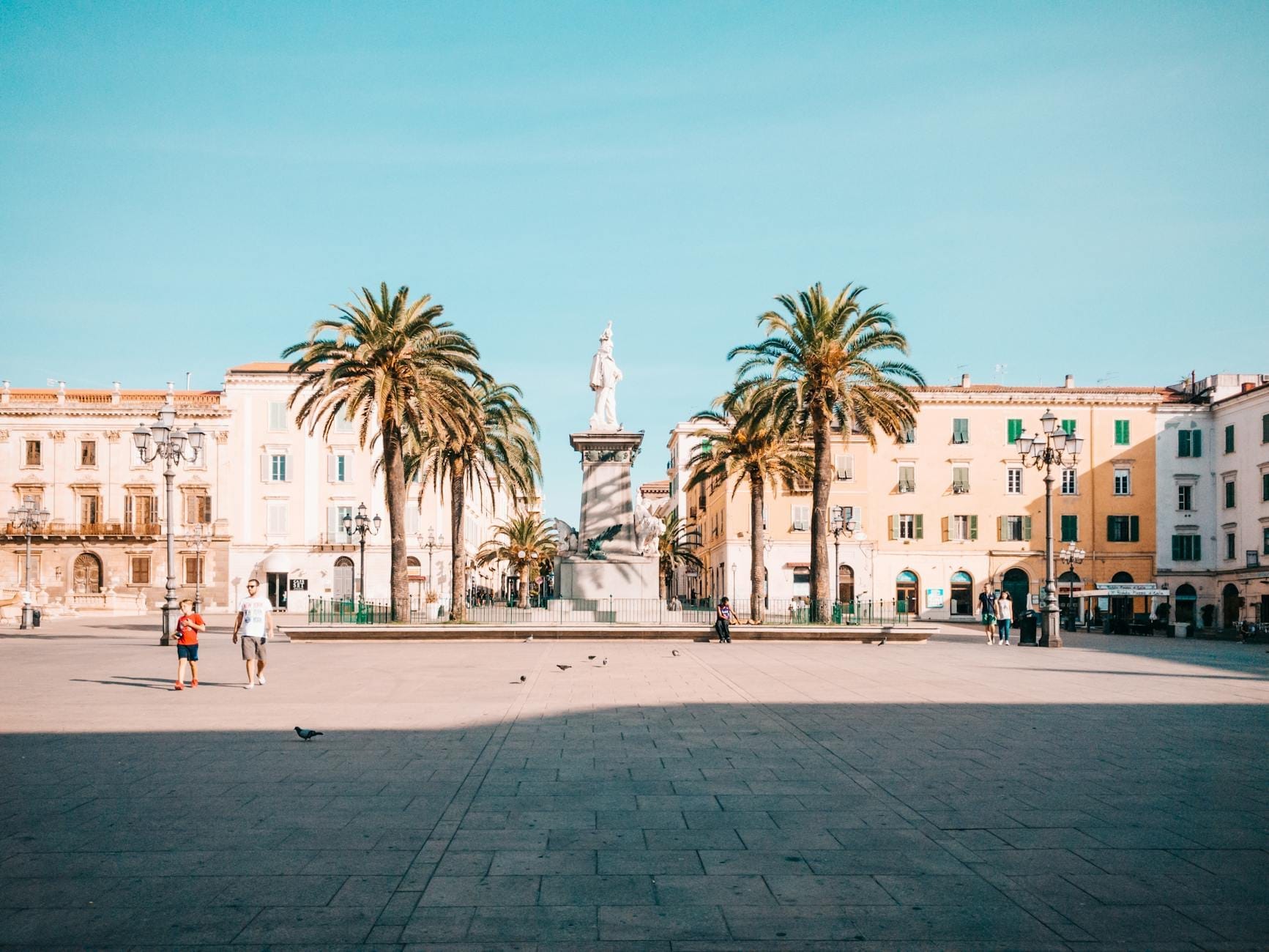
Within the city itself, the mental map is straightforward. Piazza d'Italia is the gravitational centre of modern Sassari: a large neoclassical square flanked by important palazzi that anchors the grid of 19th- and early 20th-century streets. From there, moving northwest, the streets narrow and the buildings age as you enter the medieval historic core around the Cathedral of Saint Nicholas. The main train station lies south of the centre, connected by the city's tram-train line.
Character and Atmosphere
Sassari does not perform for visitors. The city has a university, a court, a hospital system, and a functioning civic culture, and all of that shows in how the streets operate. In the mornings, the area around the historic market fills with locals buying produce, and the cafés along Corso Vittorio Emanuele II see regulars standing at the bar for a quick espresso before work. There is none of the resort-town quiet of coastal Sardinia where everything waits for the summer season to switch on.
Midday in the old town, particularly around the lanes leading to the Cathedral of Saint Nicholas, is quiet in a different way. The narrow medieval streets trap shade in the summer heat, and between roughly 13:00 and 16:00 the city observes a genuine pause. Shops close, traffic thins, and the sound of the city drops to footsteps and pigeons. It is the rhythm of an Italian city that has never felt the pressure to stay open for tourists around the clock.
By late afternoon, Piazza d'Italia reclaims its role as the city's living room. Families, students from the University of Sassari, and older residents fill the benches and the surrounding bars as the light goes amber over the neoclassical facades. Evenings in the centre are relaxed rather than rowdy. The city has a student population that supports a reasonable bar scene, but Sassari is not a nightlife destination in any conventional sense. Expect good wine, local conversation, and a terrace that closes before midnight.
ℹ️ Good to know
Sassari follows Italian urban rhythms closely. Most shops close between 13:00 and 16:00, and many close entirely on Sunday. Plan any errands or shopping for morning hours, particularly in the historic centre.
The city has some rough-edged blocks on the fringes of the historic centre, where older buildings show their age and foot traffic drops off sharply after dark. Standard urban awareness applies in these areas, but Sassari is not considered particularly dangerous by Italian standards, and major tourism sources do not flag specific safety concerns for visitors staying in the central districts.
What to See and Do
The Cathedral of Saint Nicholas (Cattedrale di San Nicola) is the architectural anchor of the old town. The building is a Gothic structure at its bones, but the facade you see today is a rich Spanish-influenced Baroque composition added in the 18th century, with carved stonework that rewards close attention. The interior is considerably quieter in atmosphere than the exterior suggests. The surrounding lanes, particularly those between the cathedral and the Fontana di Rosello, are among the most characterful in the city.
The Fontana di Rosello, located at the northern edge of the old town in a small sunken piazza, is the city's most recognized symbol. Built at the end of the 16th century in late Renaissance style, it features marble dolphins and a figure of San Gavino. It is not signposted particularly well from the centre, which means most casual visitors miss it entirely, but it is a ten-minute walk from Piazza d'Italia and worth the detour.
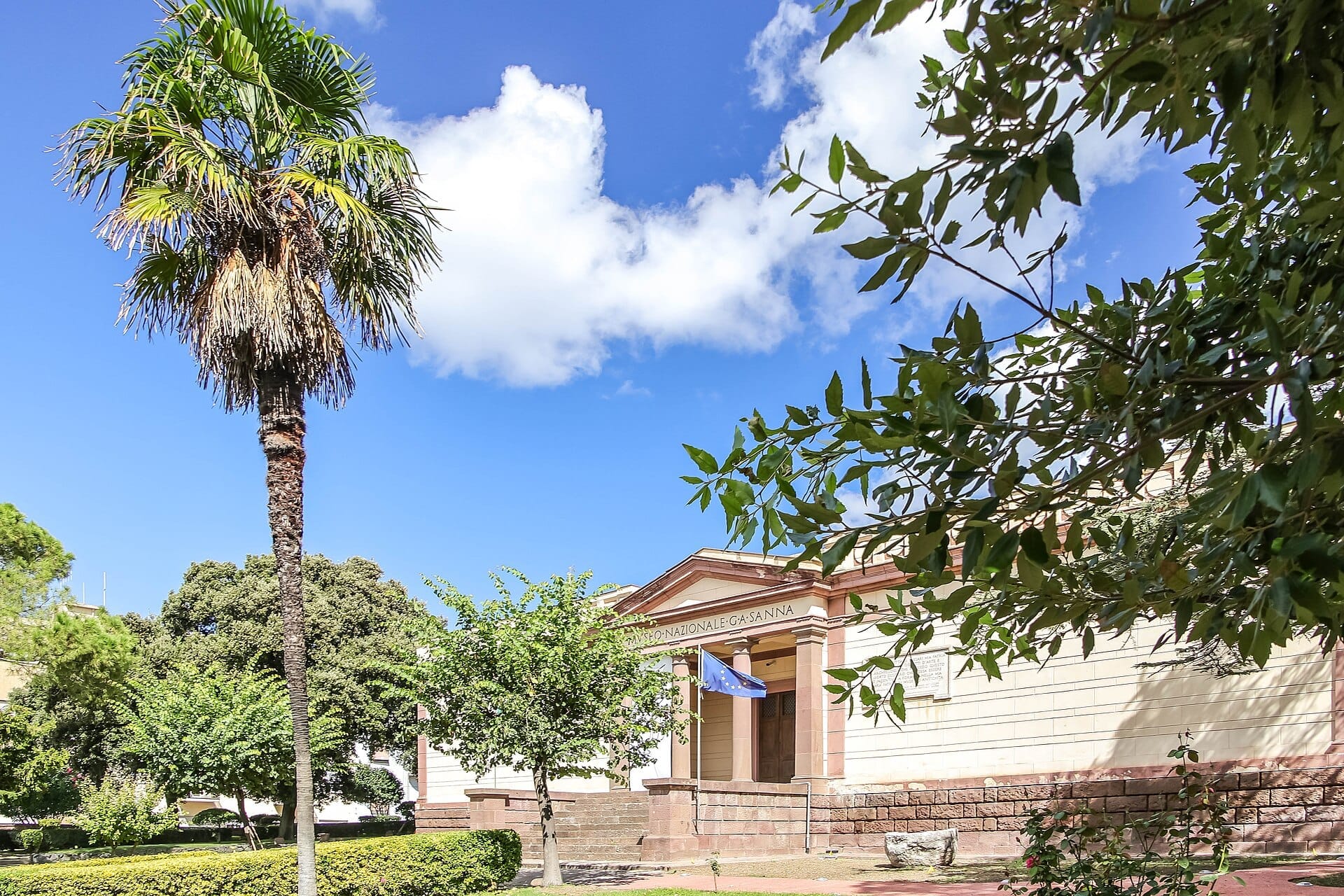
The Museo Nazionale Sanna is the city's main archaeological and ethnographic museum and one of the most important in Sardinia. Its collections cover Nuragic bronzes, Roman-era finds from northwestern Sardinia, and traditional Sardinian costumes and material culture. For anyone with an interest in the island's deep history, it provides context that the sites themselves cannot always offer. Pairing it with a visit to Museo Nazionale Sanna before heading out to sites like Nuraghe Santu Antine makes the landscape around Sassari much more readable.
Cathedral of Saint Nicholas (Cattedrale di San Nicola): Gothic structure with a striking Baroque facade in the historic centre
Fontana di Rosello: 16th-century Renaissance fountain at the northern edge of the old town, the city's civic symbol
Piazza d'Italia: Neoclassical square with the Palazzo della Provincia and surrounding 19th-century architecture
Museo Nazionale Sanna: Major archaeological museum with Nuragic, Phoenician, and Roman collections
Palazzo Ducale and the old Jesuit College: Historic civic buildings adjacent to the cathedral quarter
Teatro Civico: Neoclassical civic theatre still in use for performances
Sassari's two great annual events define it as a living cultural city rather than a museum piece. The Faradda dei Candelieri (Descent of the Candlesticks) takes place on 14 August each year and involves the major city guilds carrying enormous wooden candelabra through the streets in a procession rooted in a 16th-century vow against the plague. It is recognised by UNESCO as Intangible Cultural Heritage. The Cavalcata Sarda, held in May, brings elaborate traditional costumes from across the region into the city for a large parade. Both events draw significant local crowds and are worth planning around. See the Sardinia festivals and events guide for timing and context.
Eating and Drinking
Sassari has its own distinct culinary identity within Sardinia. The city is associated with farinata sassarese, a chickpea flatbread cooked in wood-fired ovens and sold by the slice in dedicated shops called farinate. It is cheap, filling, and eaten standing up at the counter, and it tells you immediately that this is a city with working-class food traditions quite separate from the seafood-and-suckling-pig image of coastal Sardinia.
The area around the historic market and the streets leading toward the cathedral has the highest concentration of local cafés, bakeries, and small trattorie. Prices here are low by Italian standards: a proper sit-down lunch with wine costs considerably less than in Cagliari or any coastal resort. The further you move toward Piazza d'Italia and the surrounding corso, the more the options shift toward slightly more polished wine bars and restaurants catering to the professional and university crowd.
Sassari's position in northern Sardinia means the food leans toward the inland and pastoral: roasted meats, pane carasau, aged pecorino, and cured meats feature heavily. Seafood is available but arrives from the coast and is less central to the local table than in Alghero or Cagliari. For wine, the Sassari area sits close to the Vermentino di Gallura DOCG zone, and northern Sardinian whites are well represented in most osterie.
💡 Local tip
Look for a farinata shop near the historic centre for the most authentic Sassari food experience. The chickpea flatbread is best eaten hot, straight from the pan, around lunchtime when the ovens are at peak output.
For a broader understanding of what to eat and drink across the island, the Sardinia food guide and Sardinia wine guide cover the regional context in detail.
Getting There and Around
Sassari is well-connected by Sardinian standards, which means it is reachable but requires some planning. The city has two rail connections: Trenitalia's standard-gauge line links Sassari to Cagliari (with stops at Oristano and other towns) in a journey of roughly 3.5 to 4 hours, while the Ferrovie della Sardegna narrow-gauge network (now operated by ARST) formerly connected to Alghero and other smaller towns, though regular passenger services on the Alghero branch are currently suspended. Sassari railway station sits south of the historic centre, about a 10- to 15-minute walk from Piazza d'Italia.
The Metropolitana di Sassari (officially the Metrotranvia di Sassari) is a tram-train line operated by ARST that runs from the railway station through the centre and out toward suburban and university districts. It is useful for navigating between the station and the urban core without needing to take a taxi or walk uphill with luggage. Within the centre itself, the city is walkable: the distance from Piazza d'Italia to the Fontana di Rosello is around 700 metres, and to the Museo Nazionale Sanna roughly 800 metres.
The nearest airport is Alghero-Fertilia (AHO), approximately 35 kilometres southwest of the city. ARST buses connect the airport to Sassari directly, making this the most practical air gateway. Olbia Costa Smeralda (OLB) is around 100 kilometres to the east and is served by more international routes, but the road transfer is significantly longer. Porto Torres ferry port, about 20 kilometres northwest of the city, offers crossings to Genoa and Civitavecchia, making Sassari a logical arrival point for travellers coming by sea from mainland Italy or Spain.
For travelling onward from Sassari to other parts of the island, ARST regional buses provide coverage to most northern towns. Having a rental car significantly expands your options, particularly for reaching coastal areas and nuragic sites west and south of the city. See the getting around Sardinia guide for a full breakdown of transport options across the island.
⚠️ What to skip
Sardinia has no fully grade-separated motorway network, which is unusual for an Italian region of its size. Road transfers take longer than distances suggest, particularly between Sassari and Cagliari. Allow at least 4 hours if travelling between the two cities by car.
Day Trips from Sassari
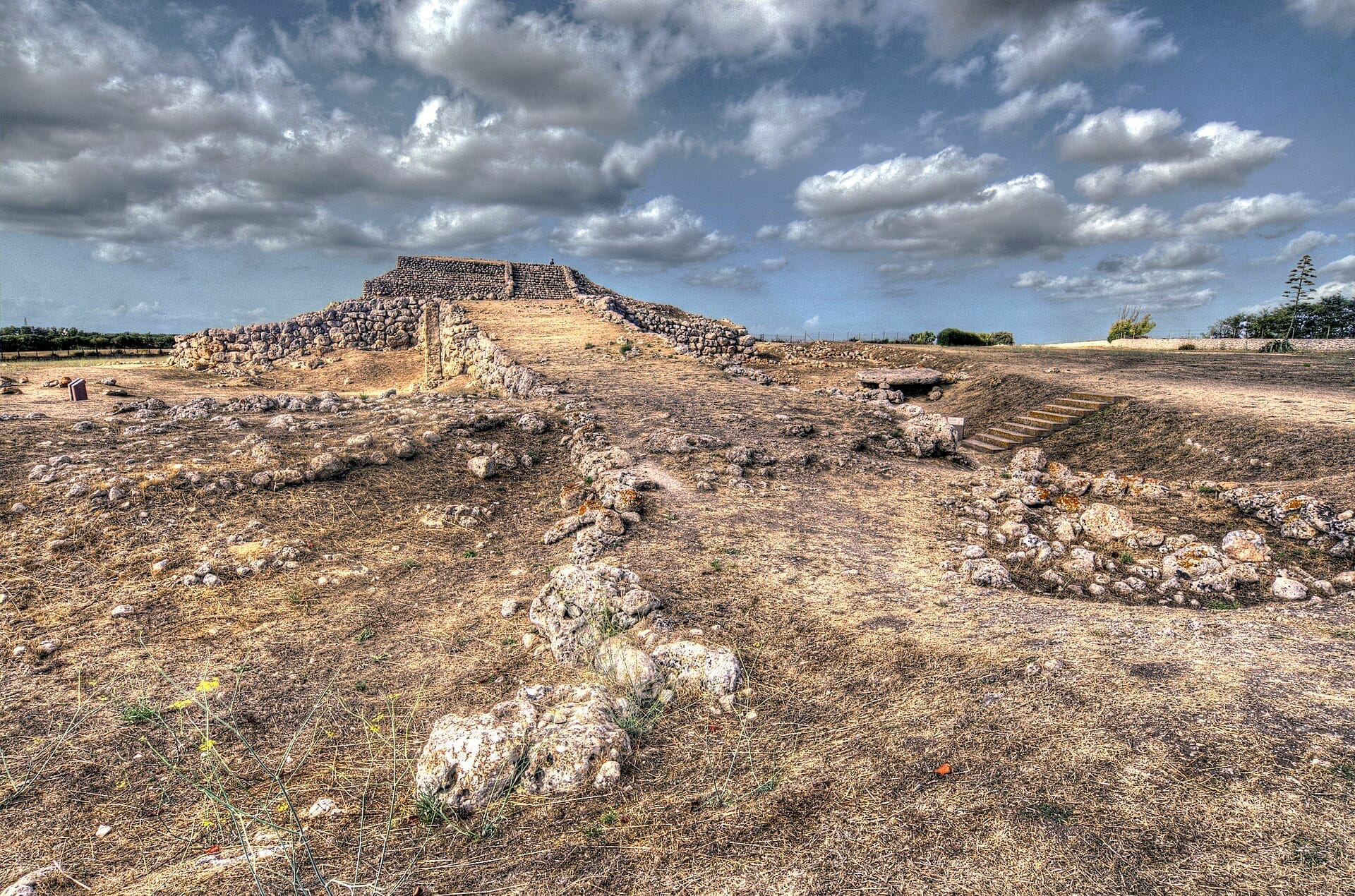
Sassari's plateau position makes it an excellent base for northern Sardinia. The nuragic tower of Nuraghe Santu Antine, one of the most impressive Bronze Age monuments on the island, is about 40 kilometres south near Torralba, reachable in under an hour by car. The mysterious Monte Accoddi altar complex, a unique ziggurat-like pre-Nuragic structure, lies just 11 kilometres from the city on the road toward Porto Torres.
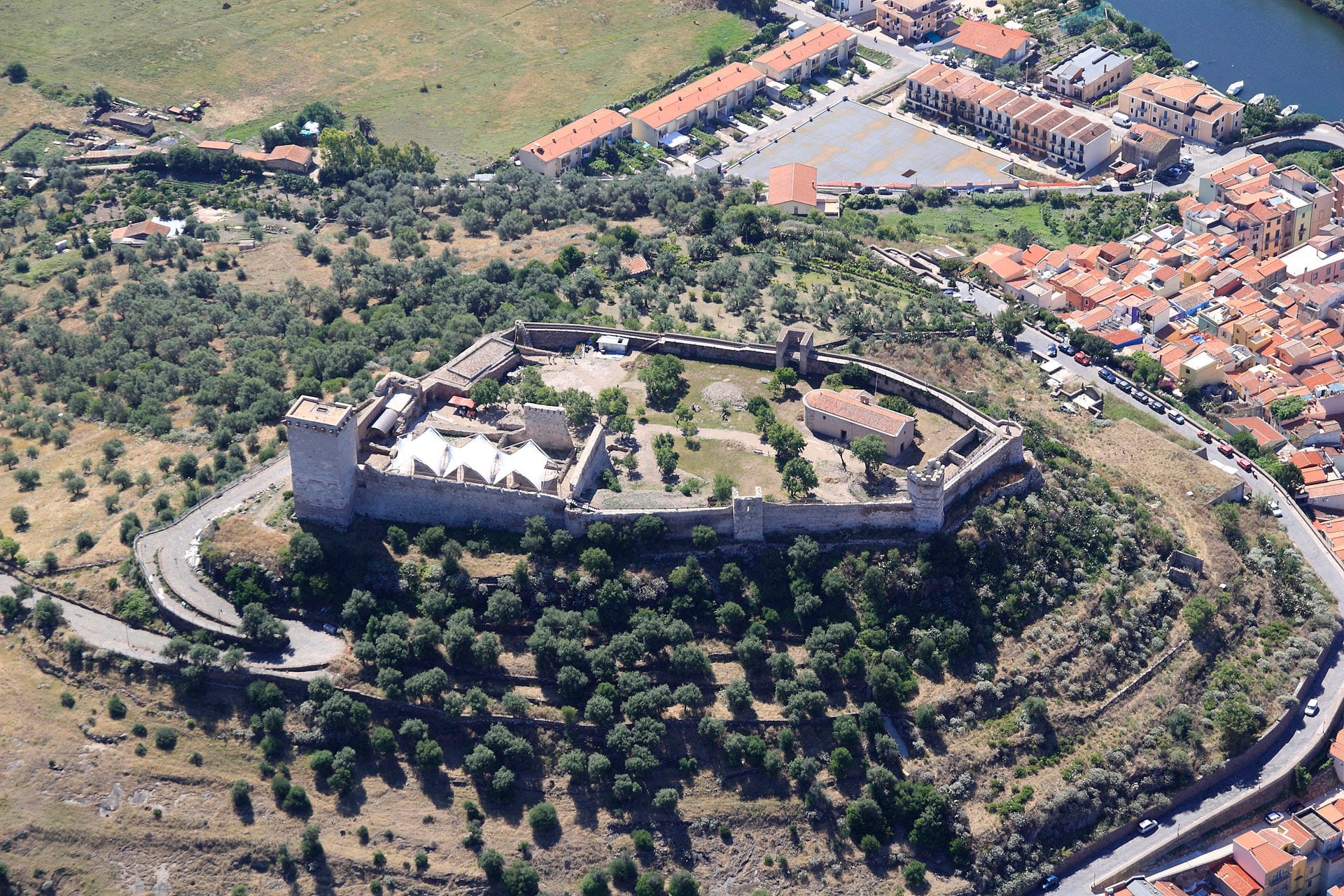
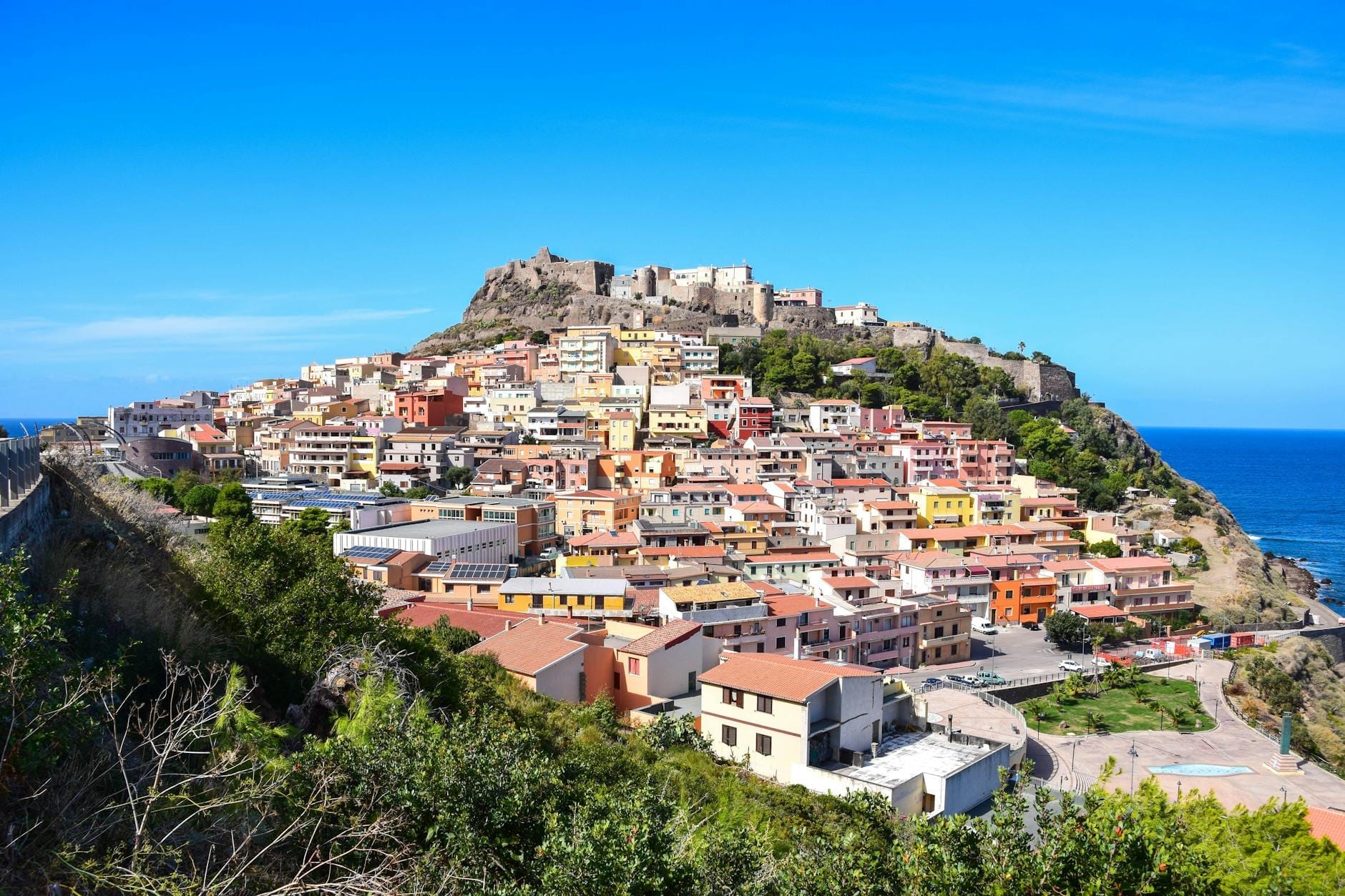
The medieval town of Castelsardo, dramatically positioned on a rocky promontory above the Gulf of Asinara, is around 60 kilometres northeast and offers the Castello dei Doria and sweeping coastal views. To the northwest, the Parco Nazionale dell'Asinara requires a boat from Stintino but rewards with near-empty beaches and a haunting ex-prison landscape. Alghero's walled old town and the sea caves of Grotte di Nettuno at Capo Caccia are classic half-day combinations that work well from a Sassari base.
Where to Stay
Sassari is not a hotel city in the way Cagliari or Alghero are. Accommodation options are more limited, oriented toward business travellers and Italian domestic visitors rather than international tourism. That said, the hotels that do exist in the centre are generally well-priced by Italian standards, and staying in Sassari gives access to a local city experience that coastal resorts cannot replicate.
The most practical location for visitors is within walking distance of Piazza d'Italia or along the main corso, which puts you close to restaurants, the tram line, and the historic centre without requiring daily taxi rides. Budget travellers have fewer options than in major Italian cities, with B&Bs and small guesthouses making up much of the supply. The city is not set up for backpacker infrastructure.
For most visitors focused on beaches and coastal Sardinia, staying in Sassari is a niche choice, better suited to those specifically interested in the city's history and culture or using it as a base for northern Sardinia. If you are undecided about where to anchor yourself in the north, the where to stay in Sardinia guide compares the main options across the island.
ℹ️ Good to know
Sassari sees very little tourist infrastructure in the summer months compared to coastal towns. Hotel prices do not spike the way they do near the beaches, making it a reasonable base for travellers who want to avoid peak-season coastal pricing while still exploring the north.
Is Sassari Worth Visiting?
Sassari will disappoint anyone expecting a prettified historic centre geared toward tourism. There are no seafront restaurants, no beach clubs, and no perfectly curated piazzas full of aperitivo crowds. What it offers instead is the texture of an actual Sardinian city: a cathedral quarter that looks the same as it did a century ago, a market culture rooted in practical life rather than performance, and civic events of genuine weight.
For travellers interested in Sardinian culture beyond the beaches, Sassari rewards a full day or an overnight stop. Pair it with a visit to Castelsardo and the nuragic sites of the Sassari plateau, and it becomes the centre of a compelling two or three-day itinerary in northern Sardinia. For those on a strict beach-and-coast itinerary, it makes more sense as a half-day detour from Alghero than as a primary destination.
TL;DR
Sassari is Sardinia's second city, sitting on an inland plateau in the northwest with a medieval core, Baroque cathedral, and neoclassical civic architecture that reflects its history as a genuine urban centre.
It is best suited to travellers interested in Sardinian history, culture, and food traditions rather than beaches, with the Museo Nazionale Sanna and the annual Faradda dei Candelieri procession as highlights.
Practically, it works well as a base for northern Sardinia: Alghero airport is 35 kilometres away, the nuragic site of Nuraghe Santu Antine is under an hour by car, and Castelsardo and Asinara National Park are within easy range.
Food here is distinctly local: farinata sassarese (chickpea flatbread), roasted meats, aged pecorino, and northern Sardinian Vermentino wines dominate a scene priced well below coastal tourist areas.
Not ideal for travellers whose priority is beach access or resort infrastructure. Those seeking an authentic, unhurried Sardinian city experience will find Sassari one of the most credible urban destinations on the island.
Fourteen days is the right amount of time to properly explore Sardinia's four coastlines, mountainous interior, and ancient ruins. This itinerary covers the full circuit by car, from Cagliari in the south to Alghero in the northwest, with practical advice on timing, logistics, and where to skip the tourist traps.
Sardinia has about 1,850 kilometres of coastline and some of the clearest water in the Mediterranean. This guide covers the best beaches across the island, from the famous to the hard-to-reach, with practical advice on access, crowds, and when to go.
Sardinia rewards visitors differently depending on when they arrive. This guide cuts through the vague advice to explain exactly what each season delivers, from peak-summer beach conditions to spring wildflower hikes and quiet winter city breaks, so you can match your trip to your priorities.
Cagliari sits at the southern tip of Sardinia, placing you within striking distance of some of the island's finest beaches, archaeological sites, and natural landscapes. These 20 day trips range from quick 30-minute drives to full-day adventures into the island's wild interior.
Sardinia covers 24,090 km² of mountains, coastline, and rural roads with no motorways. This guide breaks down every realistic transport option, from renting a car to catching the right ferry, so you can plan a trip that actually works.
Sardinia is far more than a beach destination. Its limestone canyons, granite peaks, and ancient shepherd paths offer some of the most dramatic hiking in the Mediterranean. This guide covers the best trails from day walks to multi-day epics.
Sardinia is Italy's second-largest island and one of the Mediterranean's most remarkable destinations — but it rewards those who plan well and punishes those who assume it's just another beach holiday. This guide cuts through the marketing to give you a clear-eyed picture of what Sardinia offers, who it suits best, and what to expect.
Sardinia delivers some of Europe's most coveted luxury travel experiences, from the yacht-lined marina at Porto Cervo to secluded villas with private pools above crystalline coves. This guide breaks down where to stay, when to go, and how to build a high-end Sardinian itinerary that goes beyond the obvious.
Olbia is where most visitors to northeast Sardinia first set foot, then immediately drive away toward Costa Smeralda. That's a mistake. This guide covers what the city actually offers, from its Nuragic roots and early Christian basilica to boat trips around Tavolara, the best nearby beaches, and everything you need to arrive, orient yourself, and explore the Gallura region properly.
Seven days in Sardinia is enough time to experience the island's best beaches, ancient sites, and coastal scenery — but only if you plan carefully. This day-by-day itinerary covers the most rewarding route, with practical logistics, timing advice, and the practical details most guides leave out.
Agriturismo is one of the most rewarding ways to experience Sardinia beyond the coast. This guide covers what a real agriturismo is, where to find the best ones, what food to expect, prices to budget for, and how to avoid countryside guesthouses masquerading as working farms.
Sardinia is home to the world's first identified Blue Zone, a cluster of inland villages in the Ogliastra region where living past 100 is far from unusual. This guide breaks down the research, the lifestyle factors, the villages worth visiting, and how to experience the culture behind the longevity — without the tourist traps.
Sardinia's most spectacular landscapes are only reachable by water. This guide covers the best boat trips across the island, from the pink-sand coves of La Maddalena to the towering limestone cliffs of the Gulf of Orosei, with tips on what to expect, when to go, and how to book.
Sardinia has some of the most spectacular camping terrain in the Mediterranean, from cliff-backed coves to pine-shaded coastal pitches. But the rules around wild camping are strict and widely misunderstood. This guide covers the legal framework, regional campsite highlights, realistic costs, and seasonal booking strategy.
Two islands, 11 km apart, yet remarkably different in culture, cost, and character. This guide breaks down the real differences between Sardinia and Corsica so you can choose the one that actually matches your trip.
Sardinia's festival calendar runs nearly year-round, from winter carnival traditions to autumn food fairs. This guide covers the major events by season, what to expect at each, and how to plan your trip around them without getting caught off-guard.
Sardinian food is not Italian food with a regional accent — it is a cuisine shaped by centuries of pastoral life, coastal abundance, and fierce cultural independence. This guide covers the dishes you need to try, the wines worth seeking out, and how to eat well without getting steered toward the tourist menu.
Sardinia rewards those who look beyond the famous beaches. This guide uncovers the island's lesser-known archaeological wonders, dramatic inland landscapes, and coastal stretches that see a fraction of the summer crowds, from Bronze Age cities to wild dune deserts.
Sardinia delivers some of the Mediterranean's most striking coastal scenery, and it rewards couples who look beyond the obvious. This guide covers the best romantic beaches, the right season to visit, where to base yourself, and the experiences that actually make a trip feel special rather than simply scenic.
May and June are arguably the best months to visit Sardinia. Temperatures sit in the low-to-mid 20s°C, rainfall is minimal, beaches are largely empty, and prices are a fraction of August rates. This guide covers everything you need to plan a trip during Sardinia's sweet spot.
September and October are arguably the smartest months to visit Sardinia. The sea is still warm, the beaches clear out, prices drop by up to 50% compared to August, and the island's food and culture festivals hit their stride. This guide covers everything: what the weather is really like, which beaches and attractions to prioritize, what closes early, and how to plan a trip that beats the summer crowds without missing out on anything.
July and August in Sardinia mean scorching heat, crystal-clear water, and the most crowded beaches in the Mediterranean. This guide breaks down exactly what to expect: temperatures, sea conditions, crowd patterns, transport logistics, and the honest trade-offs of visiting during peak season.
Sardinia's drink culture runs much deeper than Cannonau and Vermentino. From bitter chinotto and blood orange spremuta to coffee granita and herbal aperitivi, the island offers a full range of non-alcoholic options rooted in Italian tradition. This guide covers what to order, when to order it, and what to expect to pay.
Sardinia holds more than 7,000 surviving nuraghe, making it the richest Bronze Age landscape in the Mediterranean. This guide covers the essential Nuragic sites across the island, from towering fortress complexes and sacred wells to rock-cut tombs, colossal stone statues, and hidden village ruins inside mountain sinkholes.
Sardinia has a reputation as a playground for superyachts and celebrity holidays. That reputation is earned in places like Costa Smeralda — but it doesn't apply to the rest of the island. With the right timing, transport choices, and a few local habits, visiting Sardinia on a budget is entirely realistic. This guide breaks down exactly how.
Sardinia rewards self-drivers more than almost anywhere in the Mediterranean. This guide covers everything you need: which airport to fly into, how long routes actually take, when to go, what to rent, and the coastal and inland drives worth building your itinerary around.
Sardinia has some of the clearest water in the Mediterranean, protected by a network of marine reserves that have allowed groupers, barracuda, and Posidonia seagrass meadows to thrive. This guide covers the best snorkelling and diving destinations across the island, from the sheltered coves of the Golfo di Orosei to the offshore shoals of Capo Caccia and the archipelago waters of La Maddalena.
Sardinia has one of the most reliable Mediterranean climates in Europe, but the difference between a perfect trip and a sweaty, overpriced one often comes down to timing. This guide breaks down Sardinia's weather month by month, covers regional climate differences, and tells you exactly when to visit based on what you want to do.
Sardinia is one of Europe's premier destinations for windsurfing and kitesurfing, with reliable Mistral winds, warm water, and spots suited to everyone from first-timers to competition riders. This guide covers the island's top locations, from the world-famous flats of Porto Pollo to the wave-lashed beaches of the south.
Sardinia produces some of Italy's most distinctive wines, from the rich, age-worthy Cannonau of the Barbagia highlands to the mineral Vermentino di Gallura DOCG on the granite soils of the northeast. This guide covers every major grape, appellation, regional style, and where to taste them on the island.
Sardinia is one of the Mediterranean's top destinations for families, with shallow turquoise bays, a long swimming season, and a wealth of activities beyond the beach. This guide covers the best family-friendly beaches by region, when to go, how to get around, and what to do when the kids have had enough sun.
Sardinia rewards travelers who look beyond its famous beaches. This guide covers the island's top experiences — prehistoric ruins, sea caves, coastal hikes, boat trips, and cultural towns — with practical advice on timing, costs, and what to skip.
Sardinia is bigger than most visitors expect, and picking the right base makes or breaks a trip. This guide breaks down every major area, from the glamour of Porto Cervo to the cultural depth of Cagliari, with practical advice on prices, seasonal timing, and how many bases you actually need.