Museo Nazionale G.A. Sanna: Sardinia's Definitive Archaeological Museum
The Museo Archeologico Nazionale ed Etnografico 'G. A. Sanna' in Sassari holds one of the most comprehensive collections of Nuragic, Phoenician, and Roman artefacts on the island, alongside a rich ethnographic section covering traditional Sardinian costume and craft. For anyone serious about understanding what makes Sardinia distinct, this museum is the clearest starting point in the north.
Quick Facts
- Location
- Via Roma 64, Sassari, Sardinia
- Getting There
- Short walk from Piazza d'Italia; city buses stop nearby on Via Roma
- Time Needed
- 1.5 to 2.5 hours for a full visit
- Cost
- €6.00 standard; free on the first Sunday of each month
- Best for
- History enthusiasts, archaeology lovers, rainy-day visits, families with older children
- Official website
- http://musei.sardegna.beniculturali.it
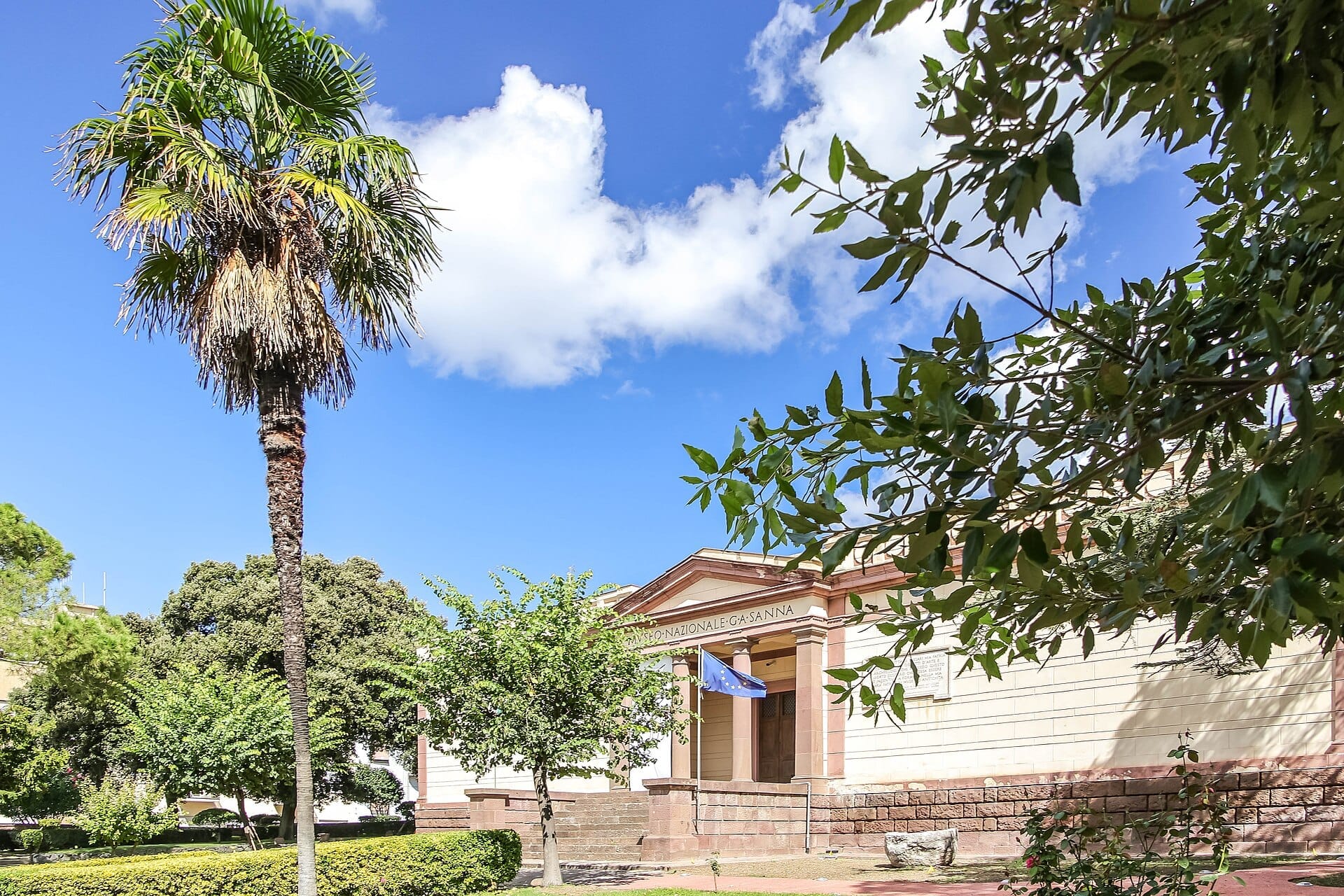
What the Museum Actually Is
The Museo Archeologico Nazionale ed Etnografico 'G. A. Sanna' is the oldest state museum in Sardinia and one of the most important on the entire island. It takes its name from Giovanni Antonio Sanna, a 19th-century deputy of the Kingdom of Sardinia from Sassari who amassed a significant private collection of artworks and archaeological finds and donated the nucleus of what would become this institution. The current building on Via Roma dates from the late 1920s–early 1930s, and the museum was formally established by royal decree in 1931.
The collection spans several thousand years: pre-Nuragic and Nuragic bronze figurines, Phoenician and Punic artefacts from the western Sardinian coast, Roman-era objects including glassware and ceramics, and an extensive ethnographic section dedicated to traditional Sardinian costume, jewelry, and domestic objects. For visitors coming to the north of the island, this museum provides historical grounding that makes the landscape and archaeological sites around Sassari considerably more legible.
ℹ️ Good to know
Opening hours are staggered by day and not symmetrical: Tuesday, Thursday, and Saturday open 9:00–13:45; Wednesday and Friday open 14:00–19:30. The museum is closed on Monday; on the first Sunday of the month it is open 9:00–13:45 with free admission. Double-check hours before visiting, as seasonal adjustments are common.
The Nuragic Collection: The Core of the Visit
The Nuragic section is where most visitors spend the majority of their time, and rightly so. Sardinia's Bronze Age Nuragic civilization, which flourished roughly between 1800 and 238 BCE, left behind thousands of stone towers, ritual sites, and an extraordinary body of small bronze sculpture. The Sanna Museum holds a substantial collection of these bronzetti, the small votive figurines that represent warriors, priests, animals, and abstract human forms. Up close, their detail is striking: tiny shields, careful facial features, and expressive postures cast in metal that has survived over two millennia.
The bronzetti complement what you can see at outdoor sites in the region. If you plan to visit Nuraghe Santu Antine or the Su Nuraxi di Barumini complex further south, spending time with the museum's contextual displays first makes those structures far more comprehensible. The exhibition panels explain settlement patterns, social organization, and the function of the nuraghe towers in a way that no on-site information board can match in depth.
The broader archaeological picture of Nuragic Sardinia is also covered well in the guide to Nuragic sites across Sardinia, which helps place the Sanna collection in island-wide context.
Tickets & tours
Hand-picked options from our booking partner. Prices are indicative; availability and final rates are confirmed when you complete your booking.
Sassari Historic Center Guided Tour
From 54 €Instant confirmationFree cancellationCagliari's historic centre tour with National Archaeological Museum
From 66 €Instant confirmationFree cancellationBread Workshop and Visit to the Bread Museum in Orgosolo
From 84 €Instant confirmationFree cancellationAlghero Porto Conte Park Eco-Museum Tickets
From 15 €Instant confirmationFree cancellation
Phoenician, Punic, and Roman Rooms
Sardinia's strategic position in the central Mediterranean made it a contested territory throughout antiquity. The Phoenicians established trading posts along the western coast from the 9th century BCE onward, followed by Carthaginian (Punic) control, and eventually Roman conquest in 238 BCE. The Sanna Museum traces this layered history through objects recovered from Sardinian sites: painted terracotta masks, amulets, amphorae, oil lamps, and jewelry that demonstrate the island's deep integration into ancient Mediterranean trade networks.
The Roman section includes everyday objects, funerary items, and inscriptions that reflect the long period of Roman administration. These rooms are less visually dramatic than the Nuragic bronzetti but reward patient visitors: the Latin inscriptions from Sardinian towns are a reminder that Sassari and its surrounding area were part of a functioning Roman provincial system for over six centuries.
The Ethnographic Collection: Traditional Sardinian Material Culture
The upper floor houses the ethnographic section, which covers a different kind of depth: the material culture of Sardinian rural life from roughly the 16th through early 20th centuries. Traditional costumes from different villages across the island are displayed here, and the variation is remarkable. Each Sardinian village historically maintained its own distinct dress, with differences in embroidery patterns, headgear, and jewelry that marked community identity. The Sanna collection is one of the better places in the north to see this diversity laid out systematically.
Alongside the costumes, there are examples of weaving, baskets, agricultural tools, and domestic ceramics. It is a quieter part of the museum and often has fewer visitors than the archaeological floors. If you are traveling with children who have been unmoved by bronzetti and Roman amphorae, the vivid textiles and elaborate silver jewelry in this section sometimes catch their attention.
💡 Local tip
The ethnographic floor is frequently undervisited. Budget at least 30 minutes here rather than rushing through it on the way out. The embroidered ceremonial costumes, in particular, reward close attention.
Visiting in Practice: Time of Day and Crowd Patterns
The Sanna Museum is not a blockbuster tourist draw in the way that major mainland Italian museums are, which works in its favor. On most weekday mornings, the rooms are quiet. You can stand directly in front of the bronze figurines without crowds, which changes the experience considerably. The afternoon opening on Wednesday and Friday can attract local school groups during term time, so if you prefer solitude, the morning opening on Tuesday, Thursday, or Saturday is often a quieter choice.
The building itself is pleasantly cool inside, making it a natural refuge during the hottest part of a summer day. In July and August, when temperatures in Sassari can climb well above 30°C, the museum offers a legitimate reason to step out of the heat between noon and 3 pm. The entrance hall is airy and high-ceilinged, with a slight smell of old stone and archival paper that sets a tone immediately.
First-Sunday-of-the-month free admission draws a noticeably larger local crowd, which can feel pleasant or crowded depending on your preference. It is worth noting that free-entry Sundays in Italian state museums tend to attract volume, so if you want a calm visit, a regular weekday with the standard €6 ticket is often the better call.
Getting There and Accessibility
The museum sits on Via Roma, one of Sassari's main avenues, within easy walking distance of Piazza d'Italia, the city's grand 19th-century civic square. From the piazza, the walk takes under ten minutes. City buses run along Via Roma, and the Sassari tram-train/Metrotranvia line has stops within walking distance near the city centre. There is no dedicated parking at the museum, but street parking is available in the surrounding streets.
The museum is described as accessible to people with motor disabilities, with didactic provisions including accessible explanatory panels developed in “Easy to read” format in collaboration with ANFFAS; guided paths for visually impaired visitors are also mentioned by the local tourism board. Key parts of the visit route, including the current exhibition pavilion and garden, are level and designed to be easy to navigate. Confirm specific accessibility arrangements with the museum directly before visiting if you have particular needs, as provision can vary.
⚠️ What to skip
The museum is closed on Mondays, with opening on the first Sunday of each month and additional Sunday or holiday openings announced separately. Given the split morning/afternoon schedule across the week, double-check which session applies to your visiting day before making the trip.
Who Should Skip This
The Sanna Museum is a serious archaeological and ethnographic institution. The displays are scholarly in tone, and while there are Italian-language explanatory panels, English signage is limited in some sections. Visitors looking for interactive, multimedia-heavy experiences will find the presentation somewhat traditional. It is also a small museum: the collection is significant, but a thorough visit takes at most two and a half hours. Anyone expecting a full-day institution on the scale of Rome's national museums will be surprised by the compact scope.
Young children with no interest in history are likely to lose patience quickly, particularly in the archaeological rooms. The ethnographic textiles on the upper floor are more visually accessible, but even those require some tolerance for display-case browsing.
Insider Tips
- The €6 standard / €2 reduced admission is still low by the standards of many state-run museums in Italy. Even if you only spend an hour here, it is worth the cost as a contextual briefing for the Nuragic sites you will see elsewhere in the north.
- English-speaking visitors should consider bringing a general guide to Nuragic civilization, as the in-museum explanatory panels are primarily in Italian and the depth of English labeling varies by gallery.
- The morning sessions (Tuesday, Thursday, Saturday) are consistently quieter than the afternoon sessions on Wednesday and Friday. If you want the bronze figurines to yourself, aim for a Tuesday morning.
- Ask at the ticket desk about any temporary exhibitions. The museum occasionally hosts rotating displays drawn from the broader state collection that add to the permanent galleries at no extra cost.
- Pairing this museum with a walk around central Sassari works well: Piazza d'Italia is five minutes away and the medieval historic quarter is within easy reach. Budget a half-day for museum plus city exploration.
Who Is Museo Nazionale G.A. Sanna (Sassari) For?
- Archaeology and history enthusiasts who want substantive context for Sardinia's Nuragic past
- Travelers visiting Sassari on a rainy day or seeking shade during summer heat
- Cultural travelers interested in traditional Sardinian costume and ethnographic material
- Those combining the museum with a broader exploration of central Sassari
- Budget travelers: at €6 standard, €2 reduced, and free on the first Sunday, it is among the best-value cultural stops in northern Sardinia
Nearby Attractions
Other things to see while in Sassari:
- Basilica di San Gavino (Porto Torres)
Standing on Monte Agellu in Porto Torres, the Basilica dei Santi Gavino, Proto e Gianuario is the largest Romanesque church in Sardinia and one of the most architecturally singular in Italy. Built in the first half of the 11th century, it is the only Romanesque monument in the country originally designed with two opposing apses. For anyone tracing the island's medieval history, this is as significant as it gets.
- Bosa
Bosa sits on the north bank of the Temo River in western Sardinia, its medieval quarter tumbling down a hillside in layers of terracotta, ochre, and faded pink. It is the only town in Sardinia built along a navigable river, and that distinction shapes everything about it: the old tanneries along the water, the boat-lined banks, the slow pace that has little to do with the island's summer beach circus.
- Castello dei Doria (Castelsardo)
Perched on a volcanic promontory above the Gulf of Asinara, Castello dei Doria is a 12th-century Ligurian fortress that has shaped northern Sardinia for nearly a thousand years. Today it houses the Museo dell'Intreccio Mediterraneo, dedicated to Mediterranean basketry, while its ramparts offer some of the most commanding coastal views on the island.
- Castello Malaspina (Bosa)
Perched 81 metres above the Temo river on Serravalle hill, Castello Malaspina is the medieval landmark that defines Bosa's skyline. Inside its walls stands the Romanesque Church of Nostra Signora de Sos Regnos Altos, sheltering rare 14th-century frescoes. The climb is steep, but the views over terracotta rooftops, vineyards, and coastline are exceptional.