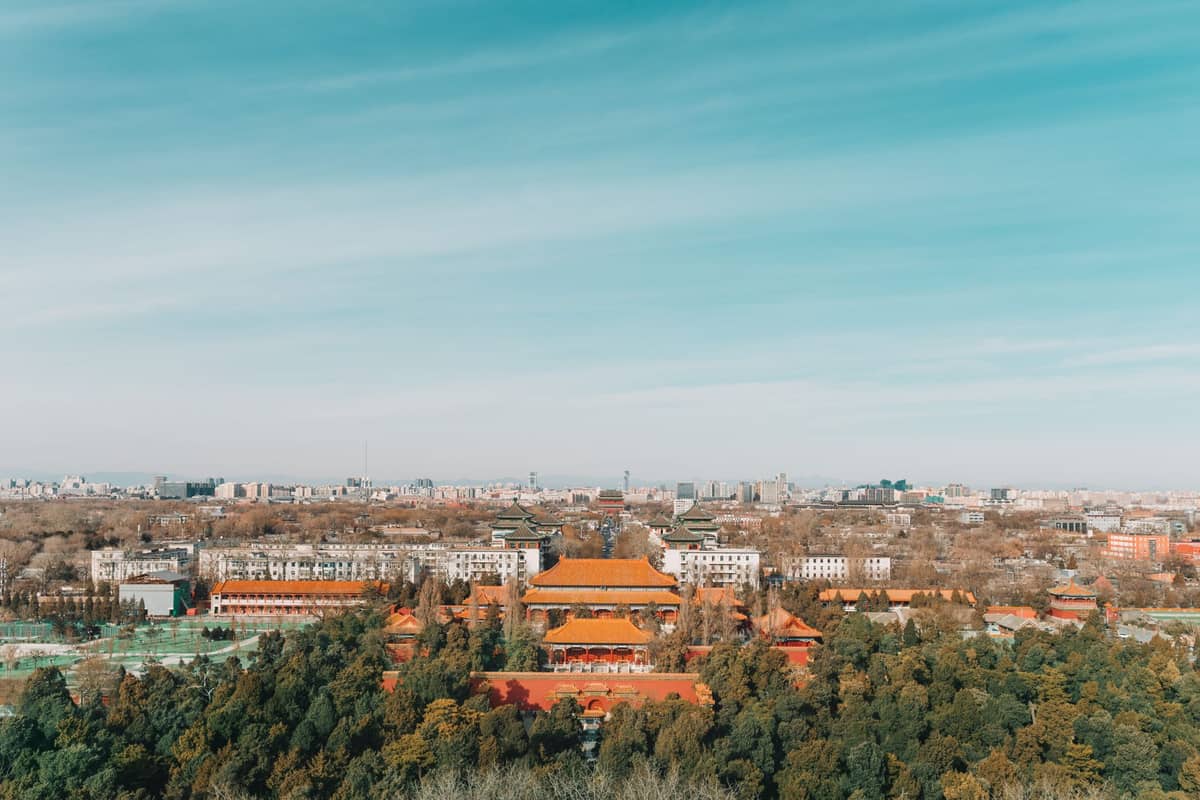
Xicheng District covers 50.7 km² of central Beijing west of the imperial axis, combining some of the city's oldest parks, traditional hutong neighborhoods around Shichahai, major cultural institutions, and the modern commercial corridors of Xidan and Financial Street. It rewards visitors who want depth over convenience, with quieter lakeside streets sitting minutes from subway interchanges.
Xicheng is Beijing's historic western quarter, where imperial garden walls meet canal-side hutongs, and centuries-old commercial streets share the district with gleaming bank headquarters. It holds some of the city's most rewarding parks and cultural sites, with a slower pace than the tourist corridors across the central axis in Dongcheng.
Orientation
Xicheng District occupies 50.7 km² of central Beijing, sitting directly west of Dongcheng District across the imperial central axis. The North Second Ring Road forms its northern boundary, while the district extends south toward the outer ring and west toward Haidian. In practical terms for visitors, the area most people think of as Xicheng runs from the Drum and Bell Towers and Shichahai lakes in the north, down through Beihai Park and Jingshan's western flank, continuing south through the older residential grid around Xidan and Xuanwumen, and reaching the traditional cultural street of Liulichang near the southern edge.
To the east, Xicheng shares the Forbidden City's western moat with Dongcheng District, meaning many visitors move between the two without noticing the boundary. To the northwest, the district extends to Xizhimen, where it borders Haidian District and where the zoo, aquarium, and major rail connections cluster. Understanding this layout matters for planning: the northern lake zone around Shichahai, the central park corridor from Beihai to Jingshan, and the southern cultural and commercial strips each have a distinct character and are best approached from different subway exits.
Financial Street, Beijing's equivalent of a banking district, cuts through the central-western section of Xicheng. It is predominantly weekday territory and can feel unexpectedly quiet on weekends. Xidan, by contrast, is one of the city's most concentrated retail corridors and stays busy seven days a week.
Character and Atmosphere
The strongest impression Xicheng makes is of layering. Walk from the Xidan subway exit north toward Shichahai and you move through roughly eight centuries of urban history in about forty minutes on foot: department stores give way to courtyard residences, which open onto willow-lined canal paths, which eventually reach the red-walled drum towers at the northern end of the old city grid. Few neighborhoods in Beijing make that transition so clearly.
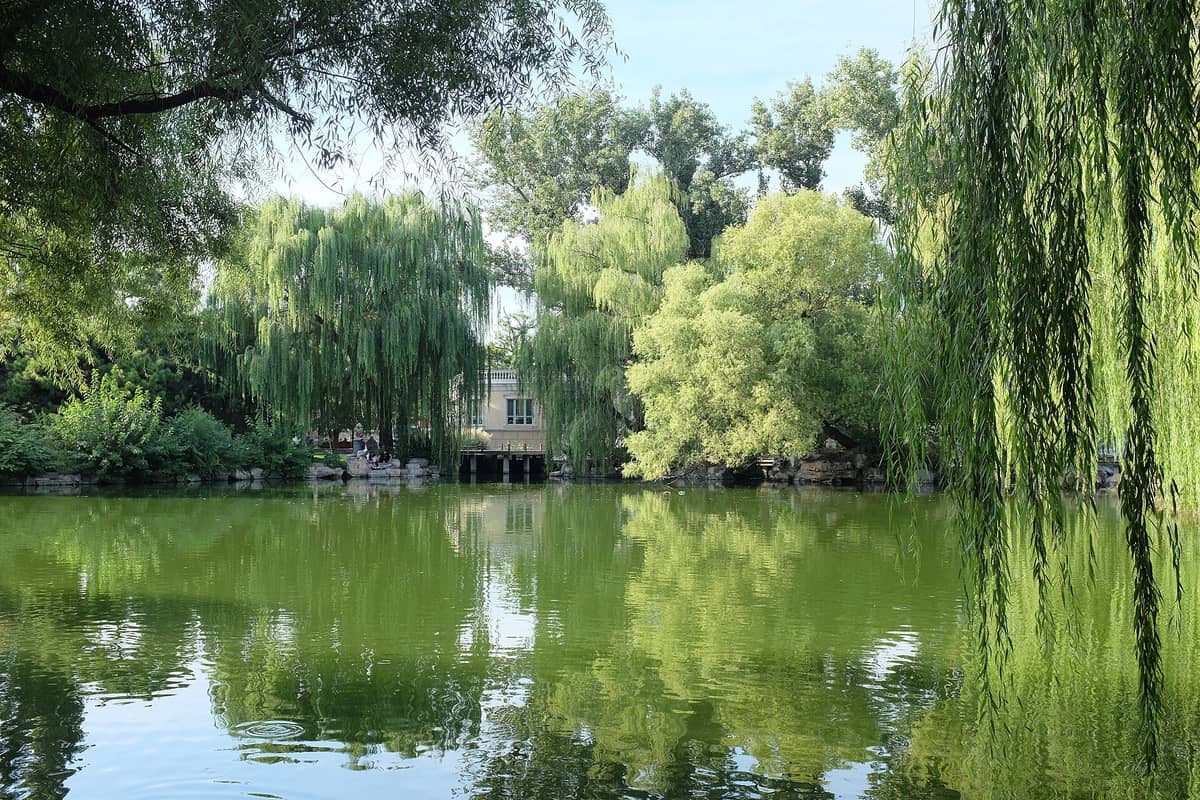
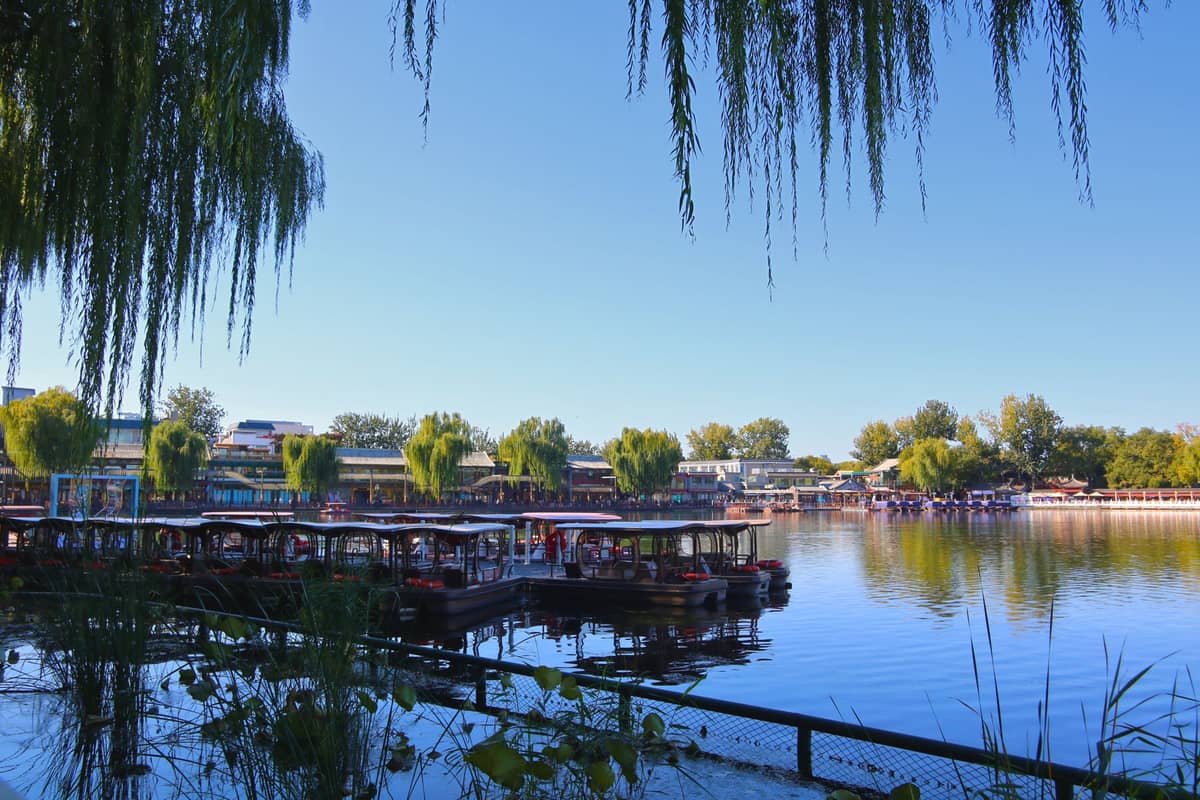
Early mornings around the Shichahai lakes are worth experiencing on their own terms. By 6am, older residents have already claimed the lakeside paths around Houhai and Shichahai for tai chi, slow walking, and occasional group singing. The water catches low morning light, the air smells of willow and canal damp, and the bar strips along the south bank are completely silent. This is one of the few corners of central Beijing where the morning genuinely belongs to local residents rather than visitors.
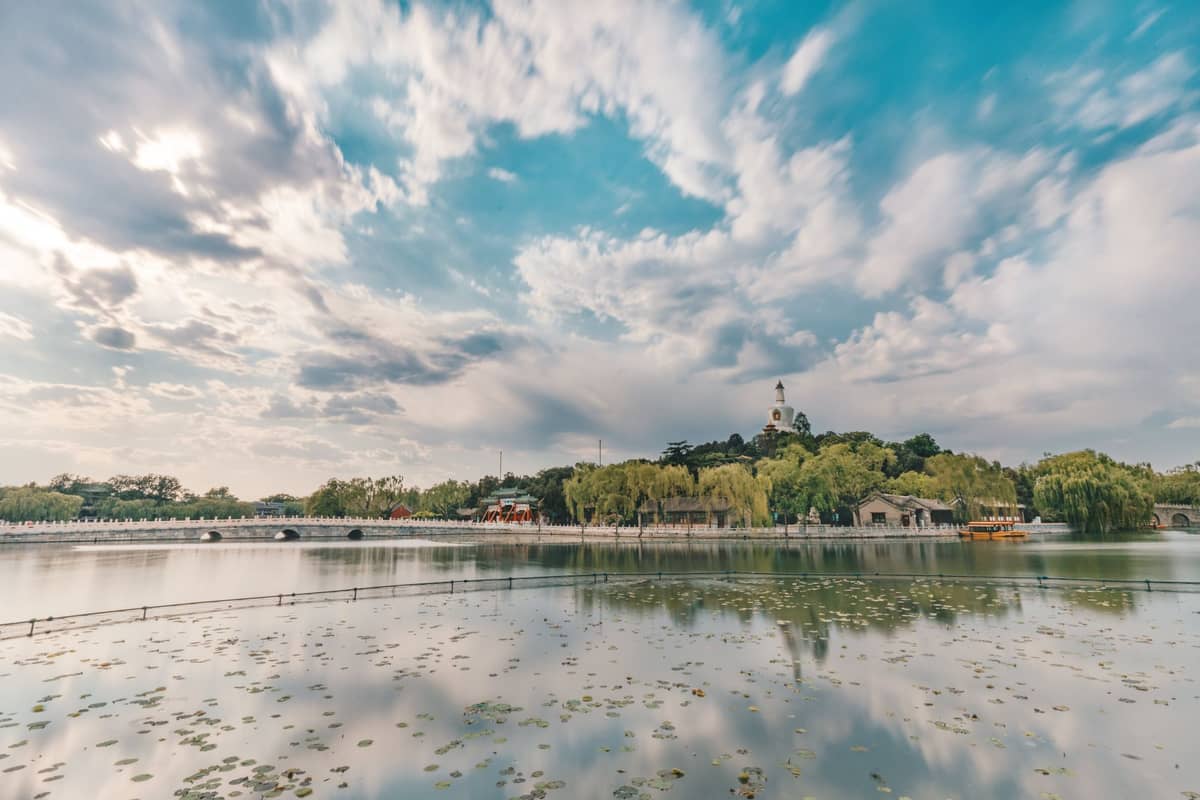
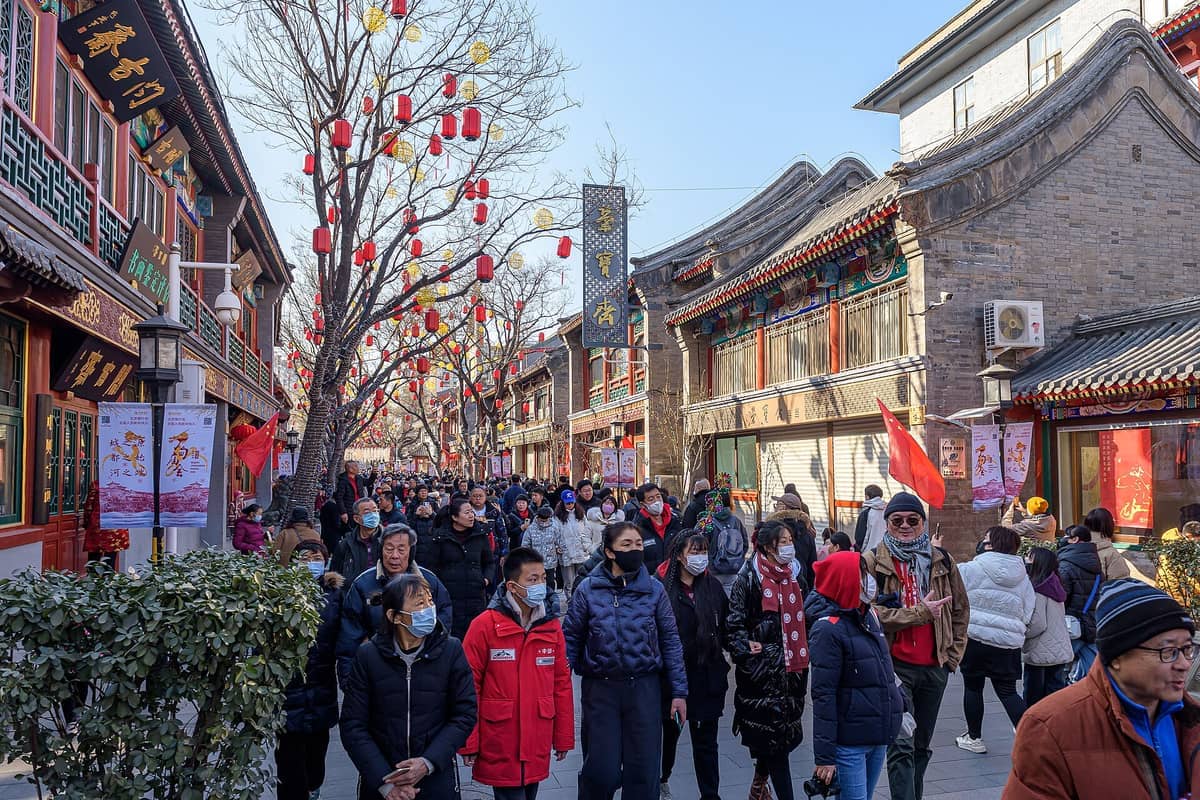
By midday, the lakeside fills with tour groups and cycle-rickshaw operators, and the hutong lanes between the lakes and Prince Gong's Mansion become noticeably congested. The southern sections around Liulichang and Niujie tend to maintain a quieter rhythm throughout the day. Afternoon light in autumn falls beautifully across Beihai Park's white dagoba, and the park itself is popular with families and retirees playing cards near the southern gate.
After dark, Xicheng splits into two very different experiences. The bar street running along the south bank of Houhai operates from late afternoon into the early hours, with amplified music and tourist-facing vendors. A few blocks north or south of that strip, the hutongs are quiet enough to hear residents talking through open courtyard gates. This is not a district known for a late-night scene in the way that Sanlitun is, and that suits a significant portion of its visitors.
ℹ️ Good to know
Xicheng is generally safe for visitors throughout the day and evening. Apply standard urban precautions around crowded lakeside areas and popular hutong lanes: keep bags secure and stay alert around cycle-rickshaw touts, some of whom quote prices well above the going rate before the ride begins. Emergency contacts: 110 (police), 120 (medical).
What to See and Do
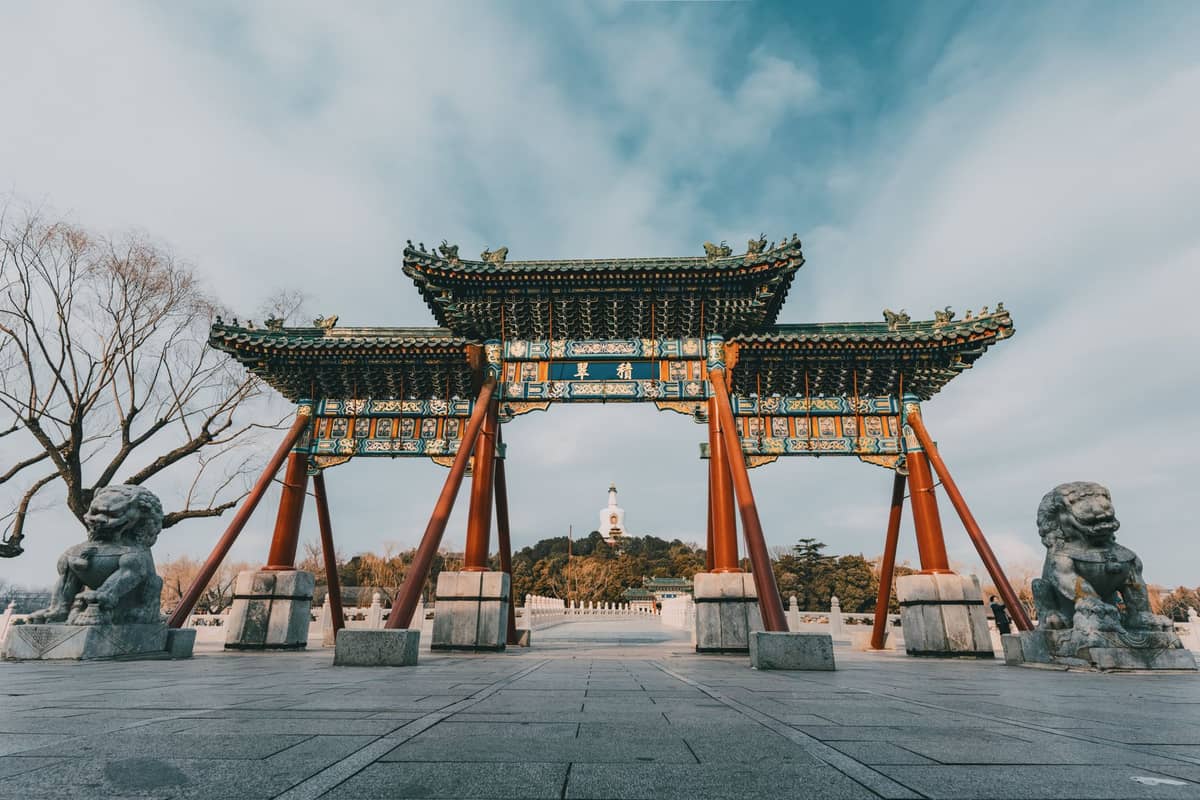
The Beihai Park complex is Xicheng's most significant imperial site. The park dates to the tenth century and was developed extensively under Kublai Khan and later Ming and Qing emperors. The White Dagoba on Jade Island is visible from a surprising distance across central Beijing. Boat hire is available on the lake in warmer months, and the temple complexes on the northern shore see fewer visitors than the main island. Combined with a walk through Jingshan Park immediately to the east (just across the Forbidden City's northern wall), this forms one of the best half-day routes in central Beijing.
The Drum Tower and Bell Tower anchor the northern end of the district, at the point where the old imperial axis meets the Shichahai lake system. Both towers are open to visitors and the views from the Drum Tower's upper platform over the surrounding hutong rooftops are among the best low-cost views in Beijing. The surrounding area, including Yandaixie Street running southwest toward Houhai, is one of the more atmospheric hutong commercial strips in the city, despite its popularity with visitors.
Houhai and Shichahai lakes: best on foot in the early morning or around sunset
Beihai Park: allow 2-3 hours; the northern shore temples are quieter than Jade Island
Prince Gong's Mansion: the best-preserved Qing-era princely residence open to the public, set in an elaborate garden
Liulichang Cultural Street: the traditional center of Beijing's antiques, art supply, and calligraphy trade
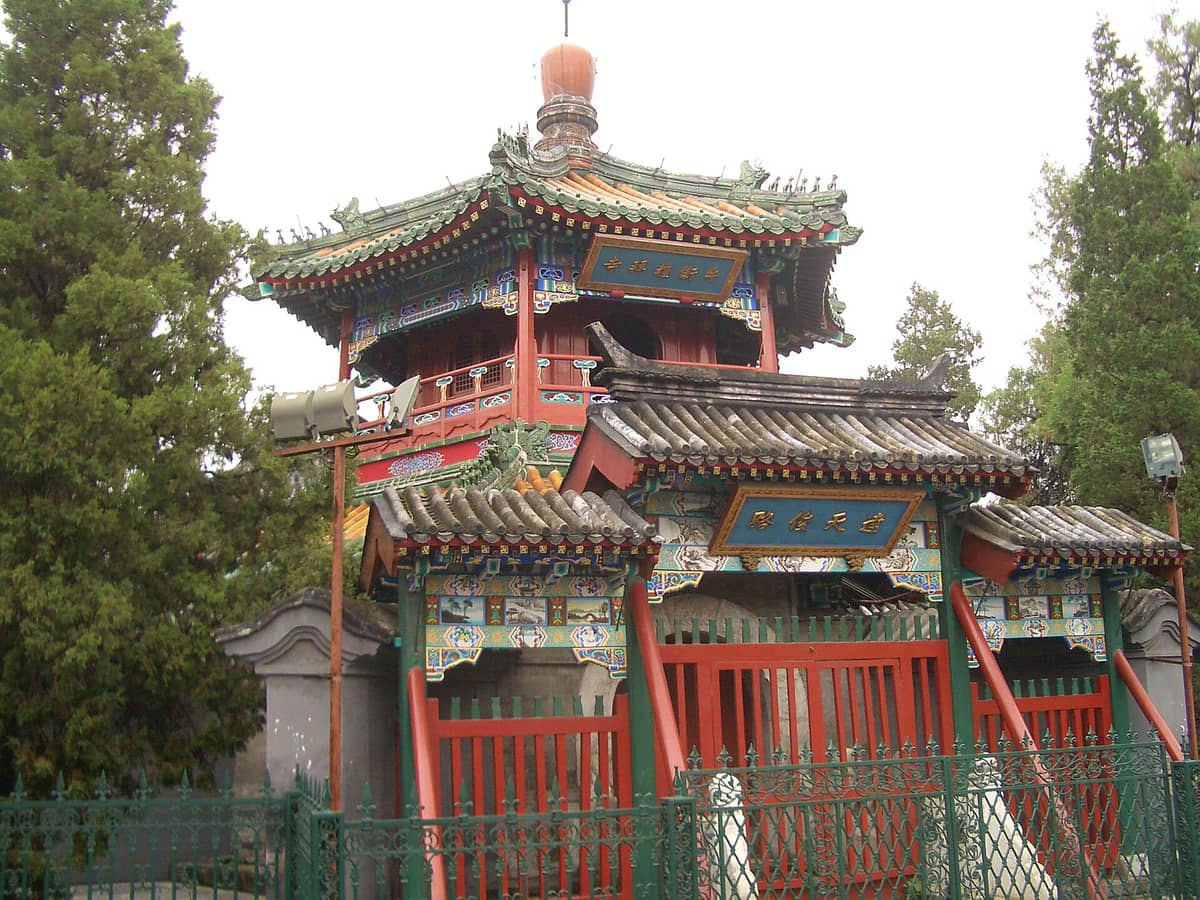
Niujie Mosque: Beijing's oldest mosque, built in 996 CE, in the Muslim quarter of southern Xicheng
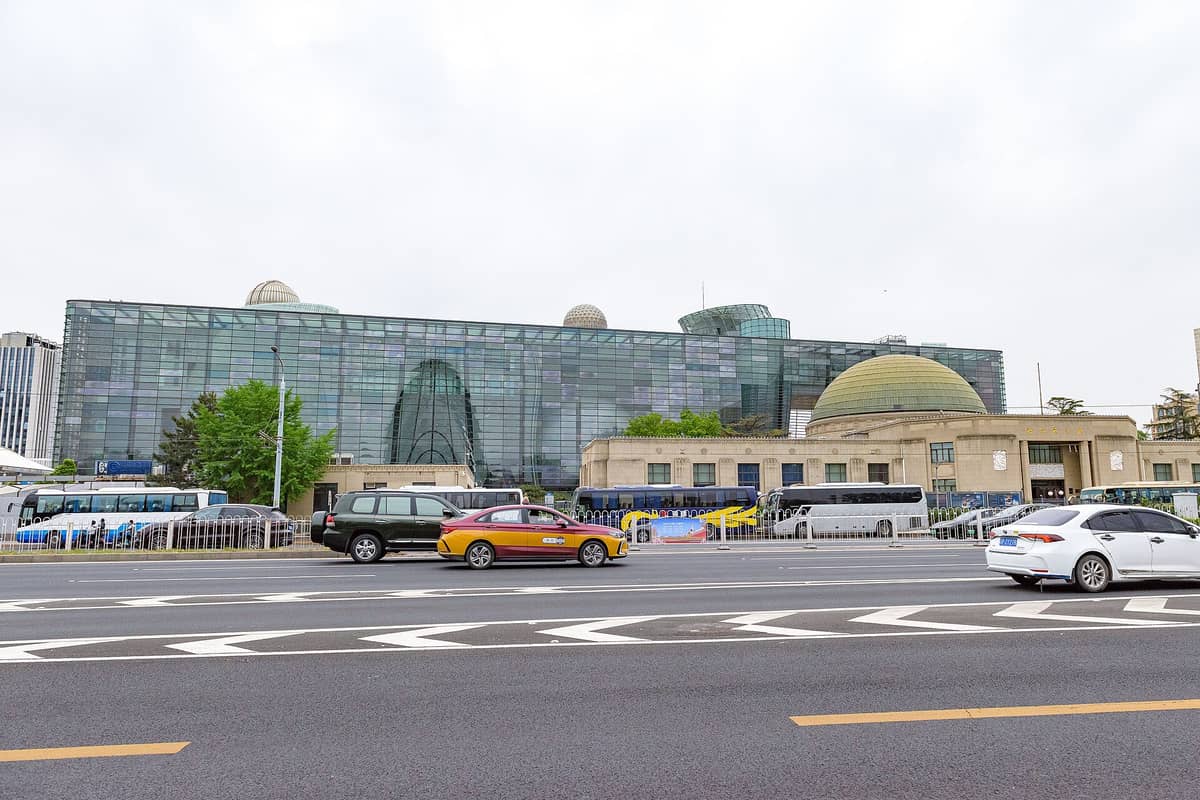
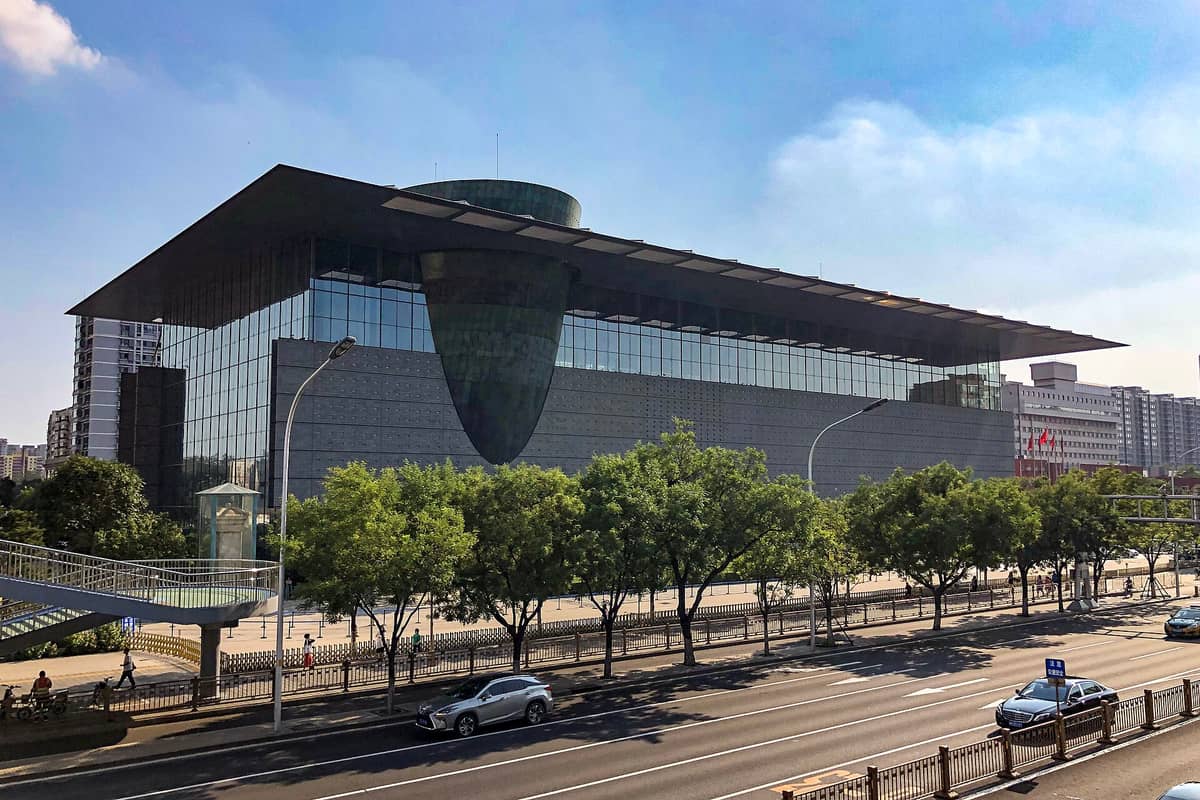
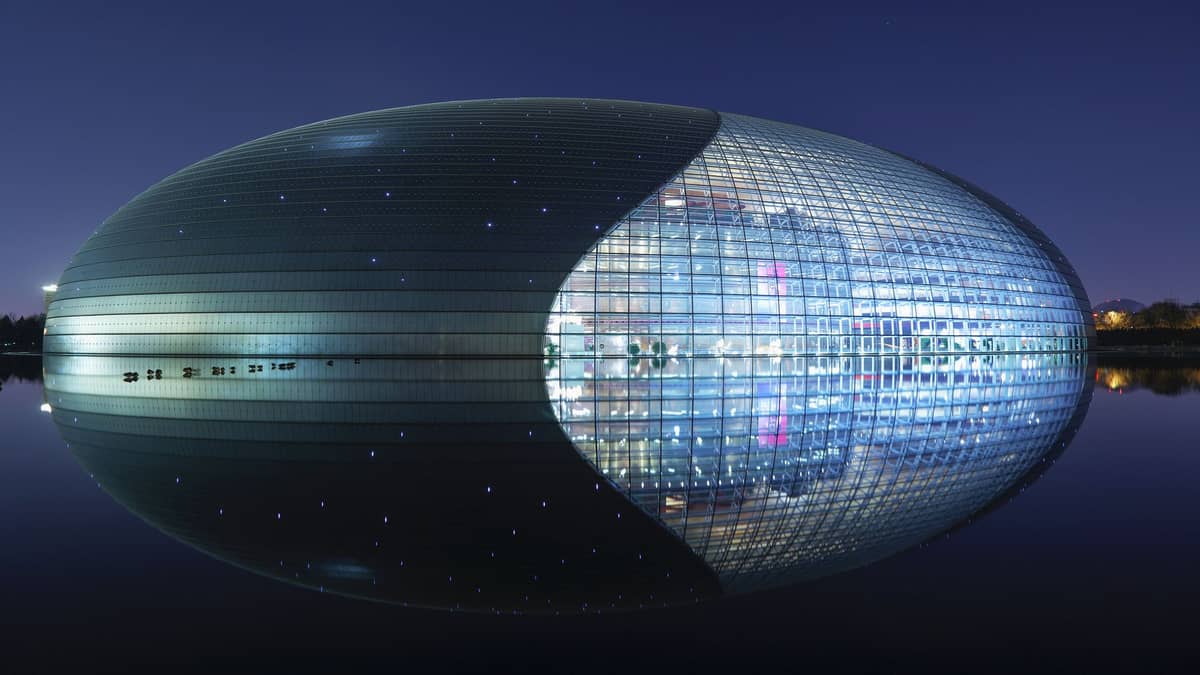
Capital Museum: a large modern museum with strong collections on Beijing history and ancient Chinese art
Beijing Zoo and Beijing Aquarium: practical for families, especially combined with Xizhimen transport links
Southern Xicheng rewards slower exploration. Liulichang Cultural Street is divided into two sections by Nanxinhua Street: the eastern section focuses on antiques, art books, and curios, while the western section is dominated by art supply shops and calligraphy materials. It is genuinely frequented by artists and collectors, not only tourists. Nearby, the Niujie Mosque sits in a neighborhood with a distinct character, with halal restaurants and food stalls lining the street outside.
💡 Local tip
Visitors combining Xicheng with the Forbidden City should approach Jingshan Park from the west side, which places them inside Xicheng and allows a natural walk down through Beihai Park afterward. This direction is less crowded than the main Jingshan south gate approach from Dongcheng.
Eating and Drinking
Xicheng covers enough ground that eating here means making choices based on which part of the district you are in. The Niujie area in the south offers some of Beijing's most accessible halal food: lamb dishes, sesame flatbreads, and various street-side snacks sold by vendors outside the mosque on weekends. This is one of the few areas in central Beijing where the food culture has a genuinely distinct regional character rooted in the neighborhood's history.
Around Houhai and Shichahai, the bar strip along the south bank of the lake targets visitors with cocktail lists and lake-view seating. Prices are higher than elsewhere in Xicheng, and quality varies. The better eating in this area tends to be in the hutong lanes one or two blocks back from the water. For a specifically Beijing cultural experience, the Lao She Teahouse near Qianmen (just south of Xicheng's boundary, but easily combined with a southern Xicheng itinerary) offers traditional tea ceremony and Beijing Opera performances alongside food, though it is openly tourist-facing and priced accordingly.
Xidan's commercial blocks and underground shopping malls contain the full range of chain restaurants, fast food outlets, and food courts you would expect from a major retail corridor. These are practical and inexpensive, though not particularly distinctive. The area around Financial Street has a higher concentration of business lunch venues and Cantonese restaurants serving the district's working population.
Street food around Xicheng tends toward Beijing classics: jianbing (savory crepes cooked to order on a griddle), baozi (steamed buns with various fillings), and sesame-coated flatbreads called shaobing. In cooler months, vendors selling roasted sweet potatoes and chestnuts appear around major exits. Prices for street food are consistently low across the district.
💡 Local tip
The Niujie area on weekends draws local families for food as much as for worship. Arriving mid-morning when the street vendors are fully set up gives the best selection of snacks before the main lunch crowd arrives. Most signage is in Chinese only, so pointing and watching what others order works well.
Getting There and Around
Beijing Subway serves Xicheng comprehensively. The most useful lines are Line 4, running north-south through the heart of the district with stops at Xizhimen, Xinjiekou, Ping'anli, Xidan, and Xuanwumen; Line 2, the loop line, which touches the district at Fuchengmen, Fuxingmen, and Changchunjie; and Line 6 runs east-west through northern and central Xicheng, with stops including Chegongzhuang, Ping'anli, and Beihai Bei. Line 8 serves the northern section toward the Drum and Bell Tower area. For full transit planning, see the guide to getting around Beijing.
Key interchange stations worth knowing: Xizhimen in the northwest handles Lines 2, 4, and 13, and connects directly to Beijing North railway station. Xidan, served by Lines 1 and 4, is the most central point in the district and the best base for reaching Beihai Park or Shichahai on foot. Xuanwumen, on Lines 4 and 2, is the most useful entry point for southern Xicheng, including Liulichang and Niujie.
Bus routes and trolleybuses provide useful supplementary coverage, particularly around Beihai Park. Trolleybuses 107, 108, and 111, along with bus routes 13, 701, and 823, serve the Beihai Houmen stop on the park's northern side. For short distances between Shichahai and Beihai, walking is usually faster than waiting for a bus.
On foot, the district is highly walkable in its central sections. From Xidan subway station to the south gate of Beihai Park is roughly 25 minutes at a moderate pace. From Beihai's north gate to the Drum Tower is another 20 minutes. The main challenge is that some of the most interesting hutong routes are not well-signed, so downloading an offline map before arriving pays off. Cycling, via the shared bike systems (Meituan and Hello Bike are widely available), works well for the flat lakeside paths but is impractical in the narrowest hutong lanes.
Where to Stay
Xicheng is a reasonable base for visitors whose priority is Beijing's imperial history and traditional neighborhoods, though it has less accommodation variety than Chaoyang or the Wangfujing area of Dongcheng. The most appealing option for many visitors is a courtyard hotel (siheyuan) in the hutong lanes around Shichahai. These converted courtyard residences offer a genuinely different experience from standard hotel rooms, with rooms arranged around planted central courtyards, typically no more than a few stories, and immediate access to the lake and hutong network. Expect to pay a premium for this setting, and verify that rooms have functional heating and air conditioning before booking.
For travelers who want modern hotel amenities and easy transit access, the area around Xizhimen and Xidan has larger business hotels with standard international facilities. These are practical but have less neighborhood character than the hutong options. For a broader view of where accommodation fits across the city, the guide to where to stay in Beijing covers the tradeoffs between districts in detail.
The lakeside bar strip along Houhai's south bank is noisy until late on weekends, so accommodations on or immediately adjacent to that stretch may not suit light sleepers. Staying one or two hutong lanes back from the water resolves this without losing the atmospheric location.
Honest Assessment: Who Xicheng Is For
Xicheng rewards travelers who want to understand Beijing's historical depth rather than cover a maximum number of sights. It is not the easiest district to navigate quickly, and several of its best experiences, the lakeside mornings, the slow walk through Liulichang, exploring the hutong grid between the lakes and the towers, require time rather than ticket money. If you are in Beijing for a single short trip focused on the major imperial sites, you can cover the Xicheng highlights as day trips from a base in Dongcheng without needing to stay in the district. If you are staying longer, consider reading through the Beijing hutong guide before visiting, as Xicheng's street-level character makes most sense once you understand how these neighborhoods developed.
The district is also a practical choice for visitors interested in Beijing's living food cultures, its traditional crafts trade, or its religious diversity. The Niujie area introduces a side of Beijing that most visitor itineraries skip entirely. For photographers, the canal-side light around Shichahai in the early morning and the rooftop view from the Drum Tower toward the hutong grid are both genuinely rewarding. More detail on photographic locations across the city is in the Beijing photography guide.
TL;DR
Xicheng combines imperial parks, hutong lake districts, and cultural institutions in 50.7 km² of central-western Beijing, making it one of the city's most historically layered districts.
Best experienced early morning around Shichahai or Beihai Park, when local residents outnumber tourists and the atmosphere is distinctly different from midday.
Key subway lines 1, 2, 4, 6, and 8 provide good coverage; Xidan and Xizhimen are the most useful interchanges for most visitors.
Not ideal for travelers focused purely on efficiency or nightlife: the pace is slower than Chaoyang, and the most rewarding experiences here require time on foot.
Strongest appeal for visitors interested in Beijing history, traditional culture, halal food culture around Niujie, or staying in a courtyard hotel near the Shichahai lakes.
Three days is enough to cover Beijing's imperial core, climb the Great Wall, and wander centuries-old hutong lanes. This itinerary is built around real booking logistics, seasonal crowd patterns, and a candid take on what's worth your time.
Five days is enough time to move beyond Beijing's headline sights and get a real feel for the city: imperial history, Great Wall day trips, traditional neighborhoods, and contemporary culture. This itinerary is structured to minimize backtracking, front-load booking requirements, and leave room to breathe.
Beijing has two major international airports: Capital (PEK) to the northeast and Daxing (PKX) to the south. This guide covers every transport option between both airports and the city center, with current fares, journey times, and straightforward guidance on which option suits your trip.
Chinese New Year transforms Beijing into one of the world's great festival cities. From ticketed temple fairs at Ditan and Longtan to free lantern displays and park programs, here is everything you need to plan a rewarding visit during the Spring Festival holiday.
Beijing's contemporary art scene reaches far beyond its most famous address. This guide covers the 798 Art Zone in depth, plus the city's best independent museums, seasonal logistics, ticketing realities, and neighborhoods where serious collectors and curious visitors find the most rewarding art experiences.
Beijing rewards visitors who come prepared. This guide covers the essentials for first-timers: when to go, how to get around, which neighborhoods to base yourself in, what to book in advance, and the practical details that make the difference between a frustrating trip and a seamless one.
The Forbidden City is Beijing's single most visited site, and getting in requires advance planning. This guide covers ticket prices, official booking steps, opening hours by season, entry logistics, and a clear take on what's worth your time inside the palace complex.
Beijing rewards the curious traveler who looks past the Forbidden City and Great Wall. This guide uncovers the city's overlooked temples, eccentric museums, quiet hutong streets, and extraordinary day trips that reveal a deeper, stranger, and more rewarding side of the capital.
Beijing's hutongs are a world apart from the grand imperial sights most visitors come for. These narrow residential lanes, some over 700 years old, are where the city's daily life actually plays out. This guide covers the best hutong areas, how to navigate them, what things cost, and how to avoid the tourist traps.
Beijing served as the imperial capital of China for more than 500 years across the Ming and Qing dynasties. This guide covers every major imperial site, how to visit them efficiently, what to skip, and the historical context that makes it all make sense.
Beijing rewards travellers willing to spend well. This guide covers the city's finest hotels, its 2026 Michelin-starred restaurant scene, private cultural experiences, and the practical logistics that separate a genuinely exceptional trip from an overpriced one.
Beijing at night is a different city entirely. This guide covers every layer of the evening scene, from rooftop cocktail bars in Chaoyang to hutong speakeasies, live music venues, cultural performances, and summer night markets, with practical logistics for getting home safely when the subway stops running.
Beijing is one of Asia's most rewarding cities to explore on a tight budget. With free parks, cheap metro fares, and world-class sights that cost less than a coffee back home, careful planning can stretch every yuan further than you'd expect.
Peking Opera is one of China's most elaborate performing arts, and Beijing is the best city in the world to see it. This guide covers the top venues, ticket prices, what actually happens during a performance, and practical tips for first-time visitors.
Beijing rewards photographers at every turn, from sweeping imperial vistas and crumbling Great Wall ramparts to neon-lit hutong lanes and avant-garde factory galleries. This guide covers the city's 20 best photography locations, with specific advice on timing, light, and what makes each spot worth your shot.
Beijing is one of Asia's safest capitals for tourists, but specific scams, transport traps, and health risks catch visitors off guard every year. This guide breaks down the real threats, how to spot them, and what to do if something goes wrong.
Choosing between the Beijing to Shanghai train and a flight comes down to more than just ticket prices. This guide breaks down total journey times, costs, booking logistics, and seasonal factors so you can make the right call for your trip.
Beijing rewards walkers more than almost any major city on earth. From the UNESCO-listed Central Axis to centuries-old hutong alleyways and cutting-edge contemporary art districts, these self-guided walking tours cover the city's most compelling neighborhoods with practical logistics, frank warnings, and seasonal guidance.
Beijing delivers a remarkable range of experiences for families: world-class wildlife, interactive museums, imperial parks, and theme parks sit within a single city. This guide covers the top family-friendly attractions, realistic assessments of what works for different ages, and the practical details parents need to make the trip run smoothly.
Beijing's museums span 5,000 years of Chinese civilization, from the world's largest palace complex to cutting-edge contemporary art factories. This guide covers the essential museums by theme, with practical notes on reservations, crowds, and how to make the most of each visit.
Beijing's temples span over a thousand years of religious history, from Tang-dynasty Buddhist courtyards to Ming imperial ceremonial complexes. This guide covers the city's most significant and rewarding temples, with practical advice on when to visit, what to look for, and how to get the most from each site.
The best time to visit Beijing is April to May or September to October, when temperatures are comfortable and rainfall is low. But the full picture is more nuanced: holidays, air quality, and attraction hours all shift the calculation. This guide covers every season with specific temperatures, crowd forecasts, and booking advice.
Beijing rewards slow exploration, but the surrounding region is packed with day-trip destinations that rival anything inside the city. From legendary Great Wall sections to preserved Ming villages and dramatic gorges, here are the best excursions you can make from the capital in a single day.
Beijing is one of the world's great cities for budget travelers. From Tiananmen Square and sprawling imperial parks to the 798 Art District and ancient hutong streets, dozens of the city's most rewarding experiences are completely free. This guide covers the best no-entry-fee attractions across every corner of the capital.
Beijing's transport network is extensive and affordable, but it rewards those who understand how it works. This guide covers the subway, taxis, DiDi, airport connections, intercity rail, and everything in between, with straightforward guidance on what to use when.
Not all Great Wall sections are equal. This guide breaks down the five main sections accessible from Beijing, including real admission prices, crowd levels, difficulty ratings, and a candid take on which one actually suits your trip.
Beijing duck (北京烤鸭) is one of the world's great dishes, and eating it in the city where it was perfected is an experience worth planning carefully. This guide covers the top restaurants, real-world price breakdowns, ordering etiquette, and practical tips for first-timers and repeat visitors alike.
Beijing's shopping scene runs from chaotic weekend antique markets to polished luxury malls, with every stop in between. This guide breaks down the best places to shop, what's worth buying, where to negotiate, and what to skip.
Beijing rewards visitors who go beyond the headline sights. This guide covers the top things to do in Beijing, from imperial landmarks and ancient temples to hutong streets and contemporary art, with practical notes on reservations, crowds, and seasonal timing.
Beijing food is far more than Peking duck. This guide covers the dishes you should not leave the city without trying, where to find the best versions, what things actually cost, and a few traps worth sidestepping.
Beijing has 16 districts and two international airports, which makes choosing accommodation more complicated than it first looks. This guide cuts through the noise with district-by-district breakdowns, realistic price ranges, and the seasonal timing details that booking platforms won't tell you.