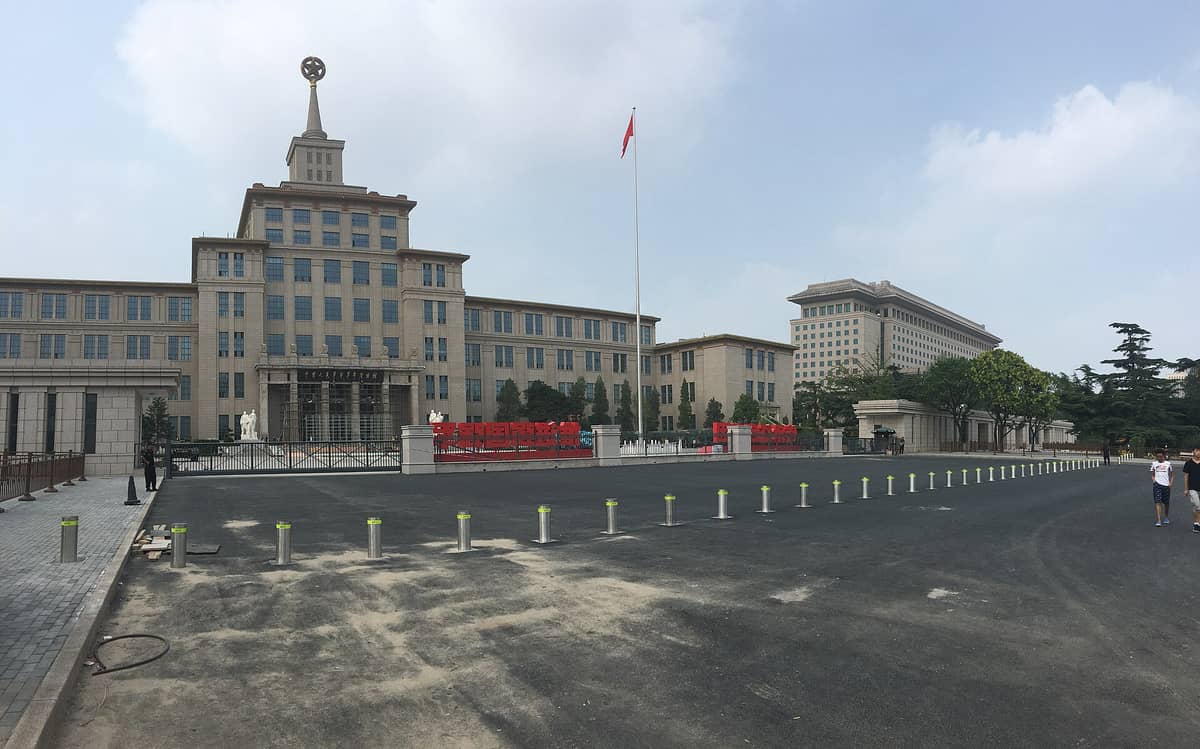
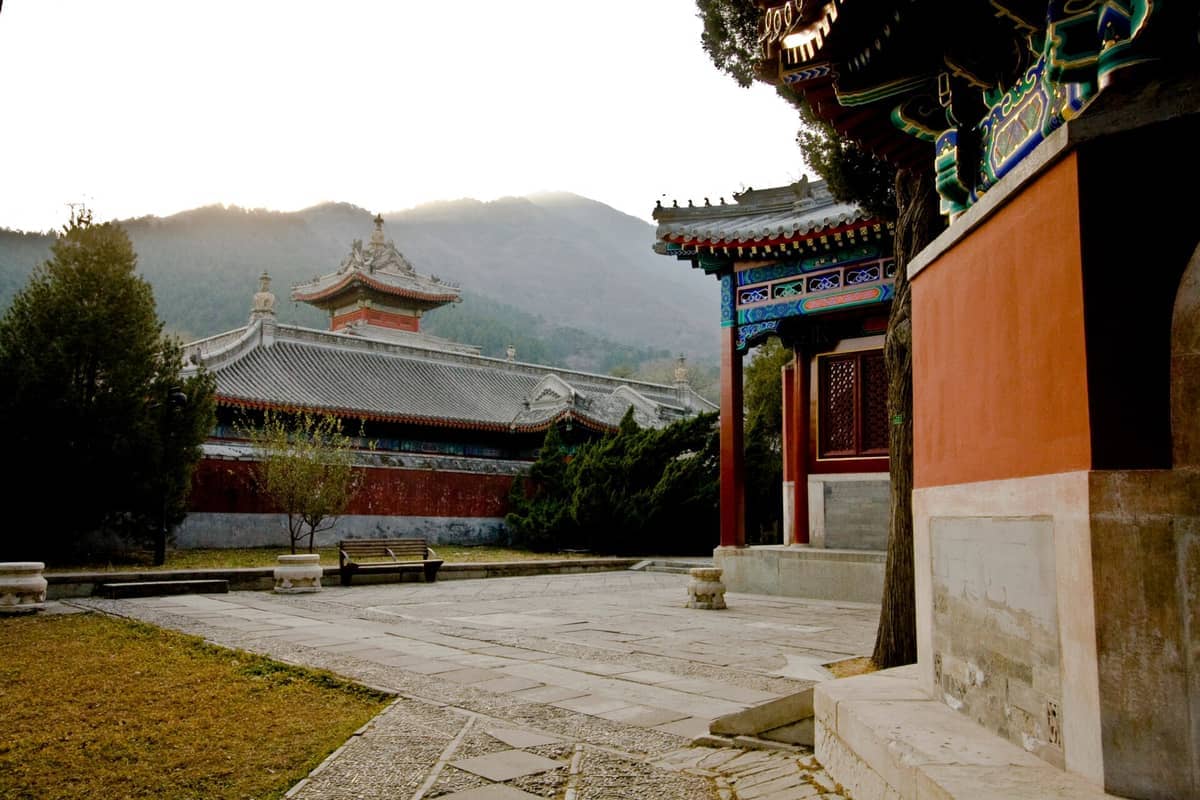
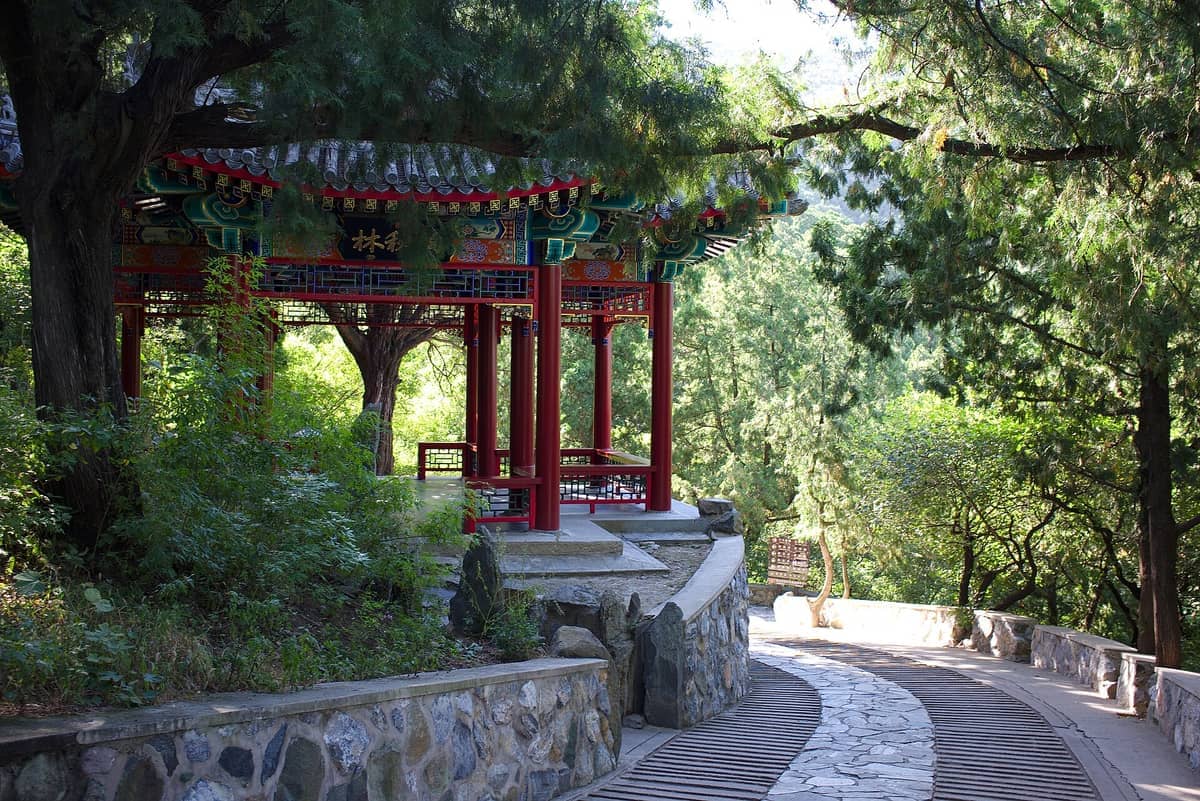
Haidian District in northwestern Beijing combines some of the city's most celebrated imperial landscapes with China's densest concentration of universities and its most prominent technology corridor. It is where the Summer Palace and the Old Summer Palace ruins sit within cycling distance of Peking University, and where bookshops and research institutes line the same streets as shopping malls and start-up offices.
Haidian District is northwestern Beijing's intellectual and scenic heart: a place where students cycle past century-old campus gates, imperial garden walls stretch for kilometers through residential neighborhoods, and the Fragrant Hills turn copper-red each autumn. It operates on a different rhythm from the tourist-dense historic center, and that difference is precisely its appeal.
Orientation
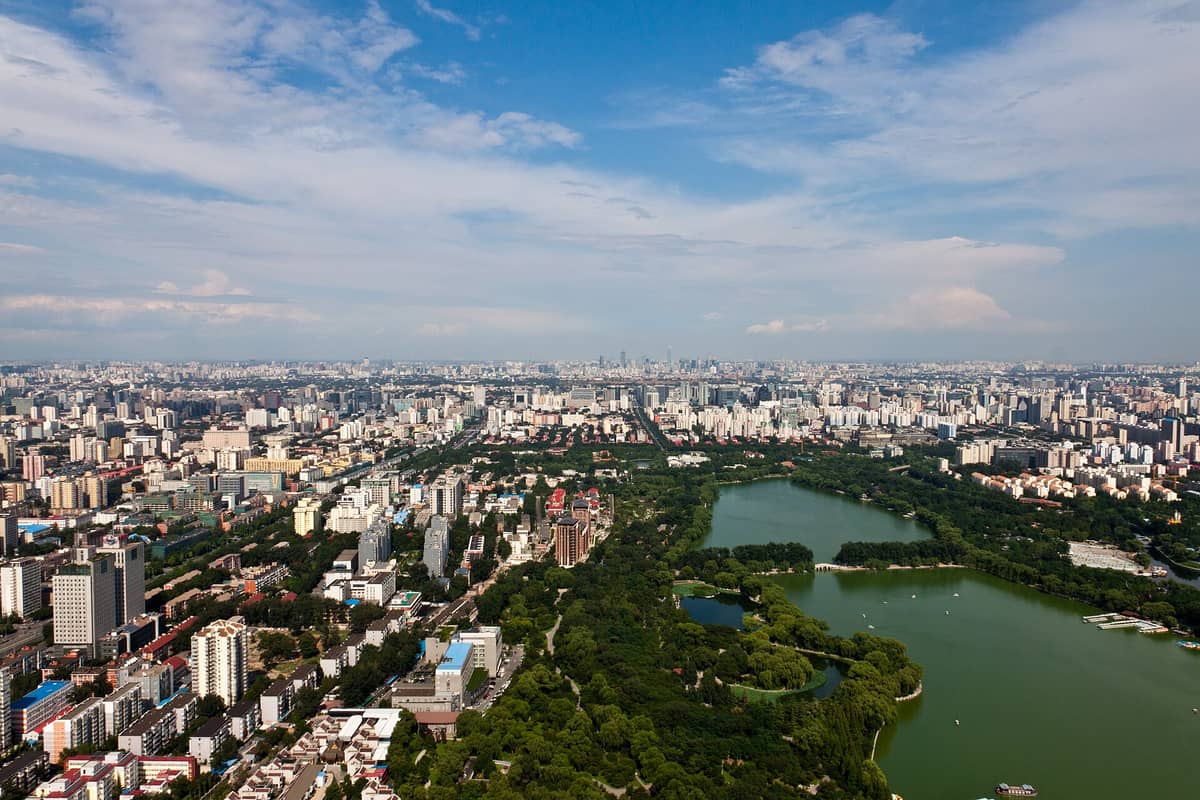
Haidian covers 430.77 square kilometers in the northwestern arc of Beijing, making it one of the largest urban districts in the municipality. Its eastern edge runs roughly along the 4th Ring Road, where it meets Chaoyang District. To the south it borders Fengtai, to the north it gives way to Changping, and to the west the land rises into the forested hills of Mentougou. The district spans everything from dense urban blocks around Zhongguancun in the east to the broad, forested slopes of Fragrant Hill in the far west, a range that few single districts in any major city can match.
Visitors usually encounter Haidian in two distinct zones. The eastern portion, centered on the Zhongguancun corridor and the university cluster around Peking University and Tsinghua University, is urban, walkable, and commercially energetic. The western and northern portions are defined by parks, gardens, and hills: the Summer Palace, the Old Summer Palace ruins, Fragrant Hill, and the Beijing Botanical Garden anchor a broad green belt that locals treat as weekend escape territory. Moving between these two zones takes 20 to 40 minutes by metro, and the character shifts almost completely.
The district sits entirely outside the 2nd Ring Road and mostly outside the 3rd Ring Road, which means it does not share the compressed, monument-dense geography of Dongcheng or Xicheng. Think of it as the city spreading outward and upward into the hills: less concentrated history, more breathing room, and a population shaped as much by academic and tech culture as by commerce or government.
Character and Atmosphere
Early mornings in Haidian carry a specific quality. Around the Summer Palace's North Gate, retirees are already doing tai chi along the lakeside causeway before ticket offices open, the willows still pale in the mist off Kunming Lake. A few kilometers east, near Peking University's West Gate on Zhongguancun North Street, delivery riders are setting up alongside the first students of the day. The two worlds coexist without much friction: garden walkers and grad students, tech workers and park vendors, all sharing the same metro lines and noodle shops.
By midday the character shifts depending on where you are standing. The commercial strips around Zhongguancun feel distinctly like a campus town scaled up: bookshops, cheap canteens, phone accessory stalls, and the occasional high-end coffee shop occupied by someone typing code. The parks fill with school groups and tour buses on weekends. Weekday afternoons in the university quarter have a low-key collegiate atmosphere that feels unusual in a city as driven as Beijing.
After dark, the eastern university corridors get livelier than the tourist brochures suggest. The streets around Wudaokou, Haidian's principal nightlife concentration, attract students from across Beijing's northwest university cluster. It is not the polished scene you find in Sanlitun, but it is genuinely local: cheap beer, Korean barbecue joints, karaoke rooms, and late-night noodle stalls. The western park zones are quiet by 8 p.m., making them poor choices for nightlife but excellent for early-morning walks with minimal company.
ℹ️ Good to know
Haidian is not a neighborhood built for concentrated sightseeing. Its attractions are spread across a large area, and the district rewards travelers who are happy to spend half a day in one park rather than ticking off five monuments in an afternoon.
What to See and Do
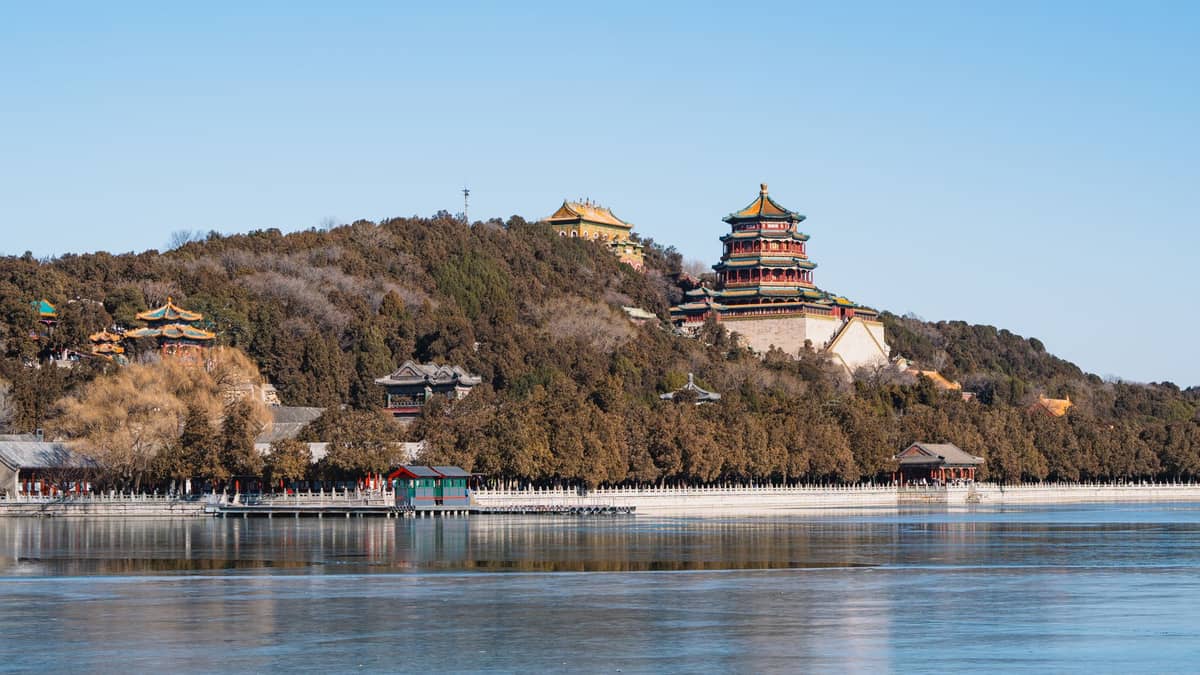
The Summer Palace is the single most visited attraction in Haidian, and with good reason. The complex covers 290 hectares, most of it water and open landscape, centered on Kunming Lake and Longevity Hill. The covered Long Corridor along the northern lake shore is one of Beijing's most atmospheric walks, its painted beams running for nearly 730 meters. Entry requires a ticket to the grounds plus a separate ticket if you want to access specific buildings on the hill. Arriving before 9 a.m. dramatically reduces crowd pressure, especially on weekends and public holidays.
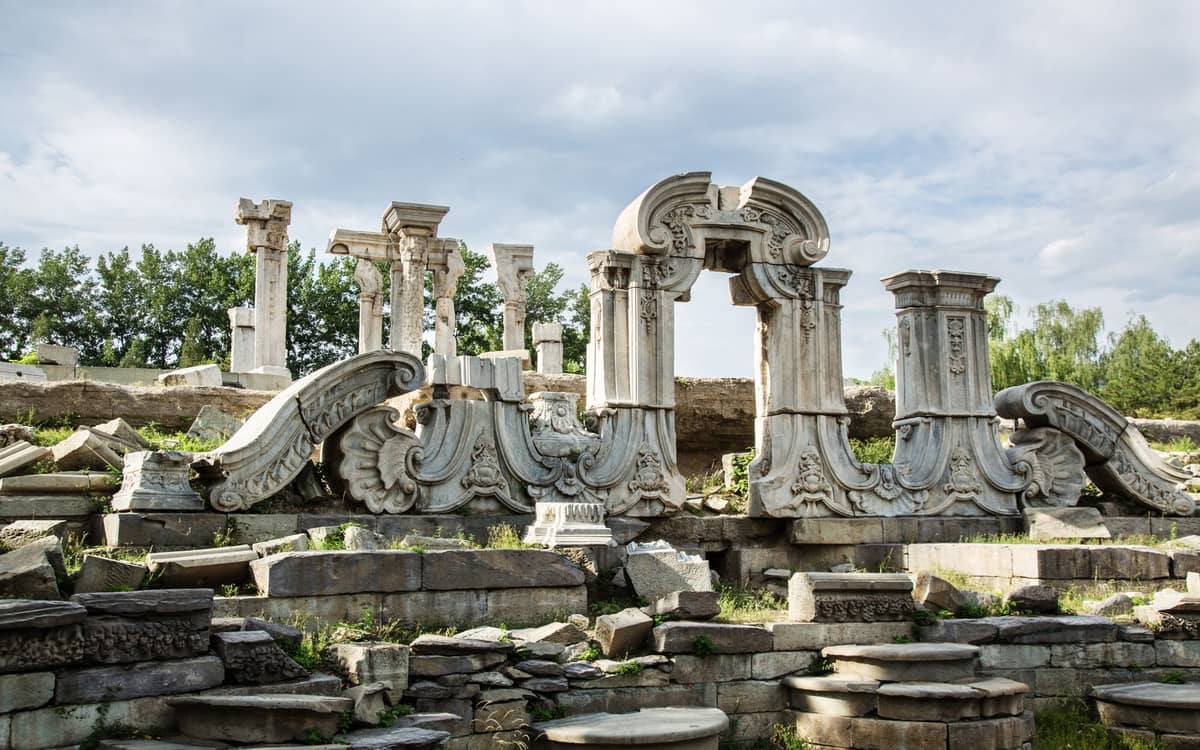
About two kilometers east of the Summer Palace, the Old Summer Palace (Yuanmingyuan) offers a completely different experience. The ruins of the European-style pavilions, destroyed during the Second Opium War in 1860, stand in a large landscape park that is far less visited than its neighbor. The ruined marble columns and fountain bases are a striking and sobering counterpoint to the restored grandeur of the Summer Palace nearby.
For those willing to travel further west, Fragrant Hill (Xiangshan Park) is the destination during October and early November when the maple and smoke-tree foliage turns red and orange across the hillside. The hillside itself is steep enough to feel like a proper hike, with a cable car available for those who prefer not to climb. The Beijing Botanical Garden, located at the foot of the same hills, offers a more relaxed alternative with greenhouse collections and a large peony garden.
Zhongguancun, the commercial and tech corridor along the middle of the district, is best appreciated as a cultural phenomenon rather than a tourist attraction. It is often called China's Silicon Valley, though the comparison oversimplifies it: Zhongguancun is simultaneously a retail electronics district, a university support zone, and a genuine research and venture capital hub. Walking the stretch between Haidian Huangzhuang Station and Peking University gives a clearer picture of contemporary Beijing than most places the standard first-timer itinerary covers.
Summer Palace: imperial lakeside complex, best before 9 a.m.
Old Summer Palace (Yuanmingyuan): ruined European fountains and pavilions in a large park
Xiangshan Park (Fragrant Hill): forested hillside, spectacular in autumn foliage season
Beijing Botanical Garden: greenhouses, peony garden, and a 1,000-year-old ginkgo tree
Zizhuyuan Park (Purple Bamboo Park): calm lakeside park with bamboo groves, close to Haidian's eastern edge
Wudaokou area: the district's main student nightlife strip, also good for Korean food
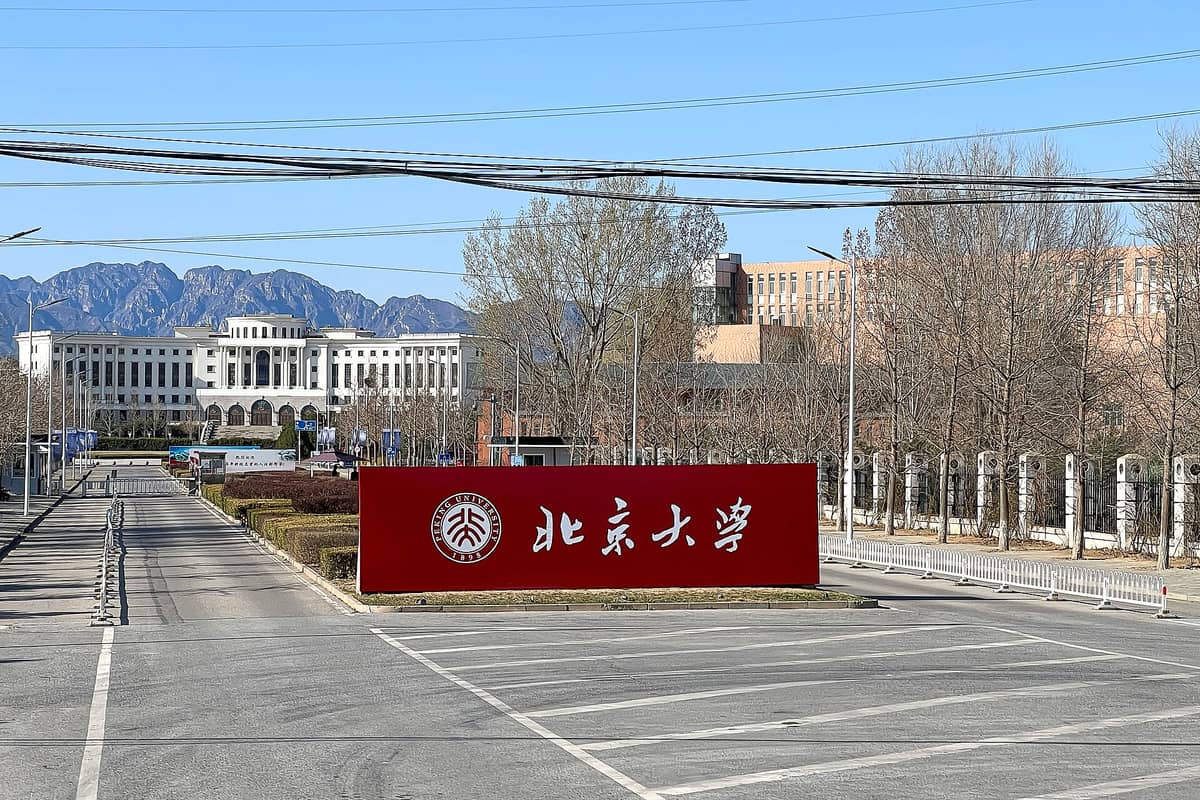
Peking University campus: publicly accessible, worth walking in for the weiming lake and historic gate
💡 Local tip
The Summer Palace and Old Summer Palace are close enough to visit on the same day if you start early. Walk or take a short bus ride between them rather than returning to a metro station.
Eating and Drinking
Haidian's food scene is shaped by its student population and its park visitors, which produces a split between cheap and practical on one hand, and scenic and unhurried on the other. Around the university areas, canteens and small restaurants offer some of Beijing's best value eating: hand-pulled noodles, dumplings, clay pot rice, and regional Chinese cuisines at prices well below what comparable food costs in Dongcheng or Chaoyang.
The Wudaokou area, a 10-minute walk north of Wudaokou Station on Line 13, has a notably strong Korean food corridor, a legacy of the area's large Korean student population. Barbecue restaurants, Korean fried chicken spots, and tofu soup houses cluster along the streets east of the station. The area is busiest after 7 p.m. and stays active well past midnight on weekends.
Near the Summer Palace, food options skew toward tourist pricing, particularly inside the park and along the main approach roads. Better value is found if you walk one or two blocks off the main axis. The streets north and east of the North Gate have small local restaurants and breakfast shops used by residents rather than visitors. Inside the park, lakeside teahouses offer snacks and drinks at a significant premium, but the setting is worth it for at least one stop.
For a broader sense of what Beijing's food culture looks like in a residential district, Beijing's wider food scene includes several Haidian staples: Beijing-style zhajiang noodles, lamb hot pot, and baked sweet potatoes sold from roadside carts in cooler months. The district also has a growing number of specialty coffee shops and international food courts in its commercial malls, particularly around Zhongguancun.
Getting There and Around
Beijing Metro Line 4 is the most useful line for visitors to Haidian. It runs from downtown Beijing northwestward through the district, with stops at National Library, Weigongcun, Renmin University, Haidian Huangzhuang (also served by Line 10), Zhongguancun, Xiyuan, Beigongmen (North Palace Gate, for the Summer Palace), and Anheqiao North. This single line connects most of the major attractions in the eastern and central parts of the district.
Line 16 serves the western scenic areas, with stations near Zizhuyuan Park and continuing toward the Summer Palace area. Line 13 connects Wudaokou to the northern university cluster and provides a link to central Beijing at Xizhimen, where Lines 2, 4, and 13 intersect. Most visitors arriving from the historic center in Dongcheng or Xicheng will find Line 4 the most direct route, taking roughly 20 to 30 minutes from central stations.
For Fragrant Hill and the Beijing Botanical Garden in the western reaches of the district, the metro does not serve these destinations directly. Public buses run from several metro stations including Xiangshan-area services from Beigong Men station, or you can take a taxi or DiDi from the Summer Palace area, which typically takes 20 to 30 minutes depending on traffic. Ride-hailing is the most practical option for moving between the western parks.
Cycling is practical within the university corridor and between the Summer Palace and the Old Summer Palace, where a shared bicycle path runs along a canal route. Dockless bike-share services including Meituan and Hello Bike operate throughout Haidian. For more on navigating Beijing by public transport, see the guide to getting around Beijing.
⚠️ What to skip
Road traffic in Haidian can be slow during morning and evening peak hours, particularly around Zhongguancun and the university gates. If you are timing a visit to the Summer Palace, the metro is more reliable than surface transport for arrival.
Where to Stay
Haidian is not Beijing's primary hotel district, and most first-time visitors stay closer to the historic center in Dongcheng or the international commercial cluster of Chaoyang. That said, Haidian makes sense as a base for specific types of travelers: those whose trip centers on the Summer Palace and western parks, academic visitors, or travelers who prefer a less touristy residential atmosphere.
The areas around Zhongguancun and Haidian Huangzhuang offer the best transit connectivity, with Line 4 providing a direct link to the Forbidden City corridor in under 30 minutes. Hotels near Beigong Men station suit travelers who want to walk to the Summer Palace each morning. Budget options concentrate around the university streets, where small guesthouses and business hotels cater to visiting academics and domestic travelers.
Luxury accommodation is limited in Haidian compared to Chaoyang or central Dongcheng. Travelers looking for upscale options in this part of the city will find a better selection in those districts. For a full comparison of where to stay across Beijing, the where to stay in Beijing guide covers each district's accommodation strengths in detail.
Practical Notes
The Summer Palace and Old Summer Palace have separate entry fees, and some pavilions and garden areas within the Summer Palace require additional tickets beyond the general admission. Verify current prices and reservation requirements before visiting, as ticketing rules have changed in recent years and online booking may be required during peak periods.
Fragrant Hill is at a higher elevation than central Beijing, and October visits coincide with the peak foliage season, which means it is extremely popular on weekends. If you want the hillside without overwhelming crowds, a weekday visit in mid-October is significantly calmer. Temperatures at the hill can be several degrees cooler than the city center, so carry an extra layer even if the morning feels warm.
Haidian is generally considered safe for visitors. The main risk areas are pockets of congestion around major park entrances on busy weekends, where pickpocketing can occur in crowded queues. Standard precautions apply. For broader safety advice across Beijing, the Beijing scams and safety guide covers the most common situations tourists encounter.
Visitors combining Haidian with a broader Beijing itinerary will find the district fits naturally into a five-day Beijing itinerary, typically reserving one day for the Summer Palace corridor and optionally a second half-day for Fragrant Hill or the Old Summer Palace.
TL;DR
Haidian District suits travelers who want to experience imperial gardens, academic culture, and local Beijing life away from the concentrated tourist circuits of the historic center.
The Summer Palace is the district's headline attraction and justifies the trip for most visitors on its own; the Old Summer Palace ruins and Fragrant Hill reward those with an extra day.
Transit is reliable via Metro Line 4 through the university and park corridor, but the western scenic areas require a bus or taxi and more planning.
The district is not the right choice for travelers whose priority is nightlife, high-end dining, or proximity to the Forbidden City and Tiananmen area, all of which are better served from Dongcheng.
Wudaokou offers a genuinely local after-dark scene built around students rather than tourists, making it worth an evening for travelers curious about a less curated side of the city.
Three days is enough to cover Beijing's imperial core, climb the Great Wall, and wander centuries-old hutong lanes. This itinerary is built around real booking logistics, seasonal crowd patterns, and a candid take on what's worth your time.
Five days is enough time to move beyond Beijing's headline sights and get a real feel for the city: imperial history, Great Wall day trips, traditional neighborhoods, and contemporary culture. This itinerary is structured to minimize backtracking, front-load booking requirements, and leave room to breathe.
Beijing has two major international airports: Capital (PEK) to the northeast and Daxing (PKX) to the south. This guide covers every transport option between both airports and the city center, with current fares, journey times, and straightforward guidance on which option suits your trip.
Chinese New Year transforms Beijing into one of the world's great festival cities. From ticketed temple fairs at Ditan and Longtan to free lantern displays and park programs, here is everything you need to plan a rewarding visit during the Spring Festival holiday.
Beijing's contemporary art scene reaches far beyond its most famous address. This guide covers the 798 Art Zone in depth, plus the city's best independent museums, seasonal logistics, ticketing realities, and neighborhoods where serious collectors and curious visitors find the most rewarding art experiences.
Beijing rewards visitors who come prepared. This guide covers the essentials for first-timers: when to go, how to get around, which neighborhoods to base yourself in, what to book in advance, and the practical details that make the difference between a frustrating trip and a seamless one.
The Forbidden City is Beijing's single most visited site, and getting in requires advance planning. This guide covers ticket prices, official booking steps, opening hours by season, entry logistics, and a clear take on what's worth your time inside the palace complex.
Beijing rewards the curious traveler who looks past the Forbidden City and Great Wall. This guide uncovers the city's overlooked temples, eccentric museums, quiet hutong streets, and extraordinary day trips that reveal a deeper, stranger, and more rewarding side of the capital.
Beijing's hutongs are a world apart from the grand imperial sights most visitors come for. These narrow residential lanes, some over 700 years old, are where the city's daily life actually plays out. This guide covers the best hutong areas, how to navigate them, what things cost, and how to avoid the tourist traps.
Beijing served as the imperial capital of China for more than 500 years across the Ming and Qing dynasties. This guide covers every major imperial site, how to visit them efficiently, what to skip, and the historical context that makes it all make sense.
Beijing rewards travellers willing to spend well. This guide covers the city's finest hotels, its 2026 Michelin-starred restaurant scene, private cultural experiences, and the practical logistics that separate a genuinely exceptional trip from an overpriced one.
Beijing at night is a different city entirely. This guide covers every layer of the evening scene, from rooftop cocktail bars in Chaoyang to hutong speakeasies, live music venues, cultural performances, and summer night markets, with practical logistics for getting home safely when the subway stops running.
Beijing is one of Asia's most rewarding cities to explore on a tight budget. With free parks, cheap metro fares, and world-class sights that cost less than a coffee back home, careful planning can stretch every yuan further than you'd expect.
Peking Opera is one of China's most elaborate performing arts, and Beijing is the best city in the world to see it. This guide covers the top venues, ticket prices, what actually happens during a performance, and practical tips for first-time visitors.
Beijing rewards photographers at every turn, from sweeping imperial vistas and crumbling Great Wall ramparts to neon-lit hutong lanes and avant-garde factory galleries. This guide covers the city's 20 best photography locations, with specific advice on timing, light, and what makes each spot worth your shot.
Beijing is one of Asia's safest capitals for tourists, but specific scams, transport traps, and health risks catch visitors off guard every year. This guide breaks down the real threats, how to spot them, and what to do if something goes wrong.
Choosing between the Beijing to Shanghai train and a flight comes down to more than just ticket prices. This guide breaks down total journey times, costs, booking logistics, and seasonal factors so you can make the right call for your trip.
Beijing rewards walkers more than almost any major city on earth. From the UNESCO-listed Central Axis to centuries-old hutong alleyways and cutting-edge contemporary art districts, these self-guided walking tours cover the city's most compelling neighborhoods with practical logistics, frank warnings, and seasonal guidance.
Beijing delivers a remarkable range of experiences for families: world-class wildlife, interactive museums, imperial parks, and theme parks sit within a single city. This guide covers the top family-friendly attractions, realistic assessments of what works for different ages, and the practical details parents need to make the trip run smoothly.
Beijing's museums span 5,000 years of Chinese civilization, from the world's largest palace complex to cutting-edge contemporary art factories. This guide covers the essential museums by theme, with practical notes on reservations, crowds, and how to make the most of each visit.
Beijing's temples span over a thousand years of religious history, from Tang-dynasty Buddhist courtyards to Ming imperial ceremonial complexes. This guide covers the city's most significant and rewarding temples, with practical advice on when to visit, what to look for, and how to get the most from each site.
The best time to visit Beijing is April to May or September to October, when temperatures are comfortable and rainfall is low. But the full picture is more nuanced: holidays, air quality, and attraction hours all shift the calculation. This guide covers every season with specific temperatures, crowd forecasts, and booking advice.
Beijing rewards slow exploration, but the surrounding region is packed with day-trip destinations that rival anything inside the city. From legendary Great Wall sections to preserved Ming villages and dramatic gorges, here are the best excursions you can make from the capital in a single day.
Beijing is one of the world's great cities for budget travelers. From Tiananmen Square and sprawling imperial parks to the 798 Art District and ancient hutong streets, dozens of the city's most rewarding experiences are completely free. This guide covers the best no-entry-fee attractions across every corner of the capital.
Beijing's transport network is extensive and affordable, but it rewards those who understand how it works. This guide covers the subway, taxis, DiDi, airport connections, intercity rail, and everything in between, with straightforward guidance on what to use when.
Not all Great Wall sections are equal. This guide breaks down the five main sections accessible from Beijing, including real admission prices, crowd levels, difficulty ratings, and a candid take on which one actually suits your trip.
Beijing duck (北京烤鸭) is one of the world's great dishes, and eating it in the city where it was perfected is an experience worth planning carefully. This guide covers the top restaurants, real-world price breakdowns, ordering etiquette, and practical tips for first-timers and repeat visitors alike.
Beijing's shopping scene runs from chaotic weekend antique markets to polished luxury malls, with every stop in between. This guide breaks down the best places to shop, what's worth buying, where to negotiate, and what to skip.
Beijing rewards visitors who go beyond the headline sights. This guide covers the top things to do in Beijing, from imperial landmarks and ancient temples to hutong streets and contemporary art, with practical notes on reservations, crowds, and seasonal timing.
Beijing food is far more than Peking duck. This guide covers the dishes you should not leave the city without trying, where to find the best versions, what things actually cost, and a few traps worth sidestepping.
Beijing has 16 districts and two international airports, which makes choosing accommodation more complicated than it first looks. This guide cuts through the noise with district-by-district breakdowns, realistic price ranges, and the seasonal timing details that booking platforms won't tell you.