Best Museums in Beijing: From Imperial Palaces to Contemporary Art
Beijing's museums span 5,000 years of Chinese civilization, from the world's largest palace complex to cutting-edge contemporary art factories. This guide covers the essential museums by theme, with practical notes on reservations, crowds, and how to make the most of each visit.
Plan and book this trip
Tools from our partner Travelpayouts help you compare flights and hotels. If you book through them, we may earn a commission at no extra cost to you.
Flights
Hotels map
Beijing is one of the great museum cities on earth. Its collections range from Neolithic jade and imperial bronzes to missile launchers and avant-garde installation art. The sheer scope can be overwhelming, so this guide organizes the best museums by theme to help you build a coherent itinerary. If you are planning your first visit, the Beijing first-timer guide is a useful starting point, while the imperial history guide gives deeper context for the palace and tomb sites. For a practical day-by-day framework, see the 3-day Beijing itinerary. One critical note: Beijing's top institutions now require advance, timed, real-name reservations. Book before you arrive, not on the morning you plan to go.
✨ Pro tip
Many major Beijing museums require advance online reservations with identification details. The Forbidden City and National Museum of China do not sell same-day tickets at the gate. Book at least 3-7 days ahead, especially during national holidays and the April-October peak season.
Imperial Collections & Palace Museums
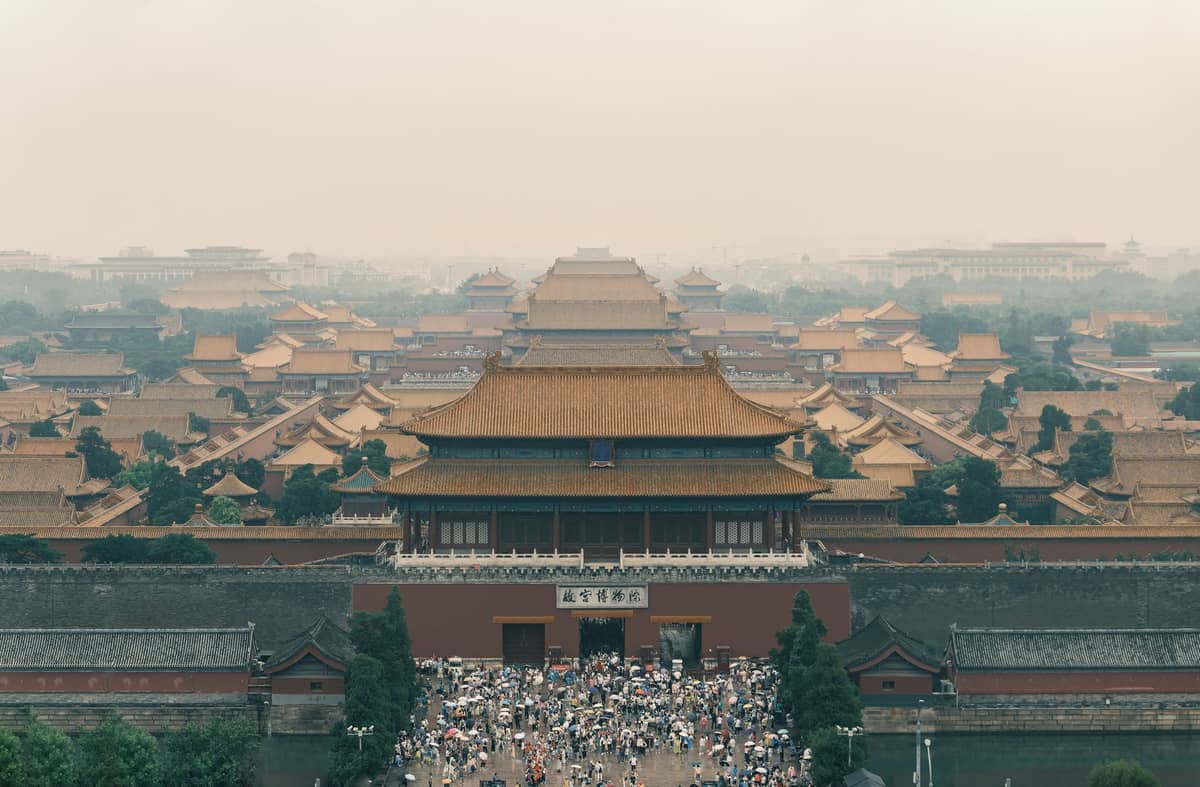
The core of Beijing's museum world is built around its imperial legacy. The city served as China's capital for nearly 700 years, and the surviving palaces, ritual sites, and tombs hold collections of extraordinary depth and breadth. Most of these sites require advance reservations, so check the Forbidden City ticket guide before planning your visit.
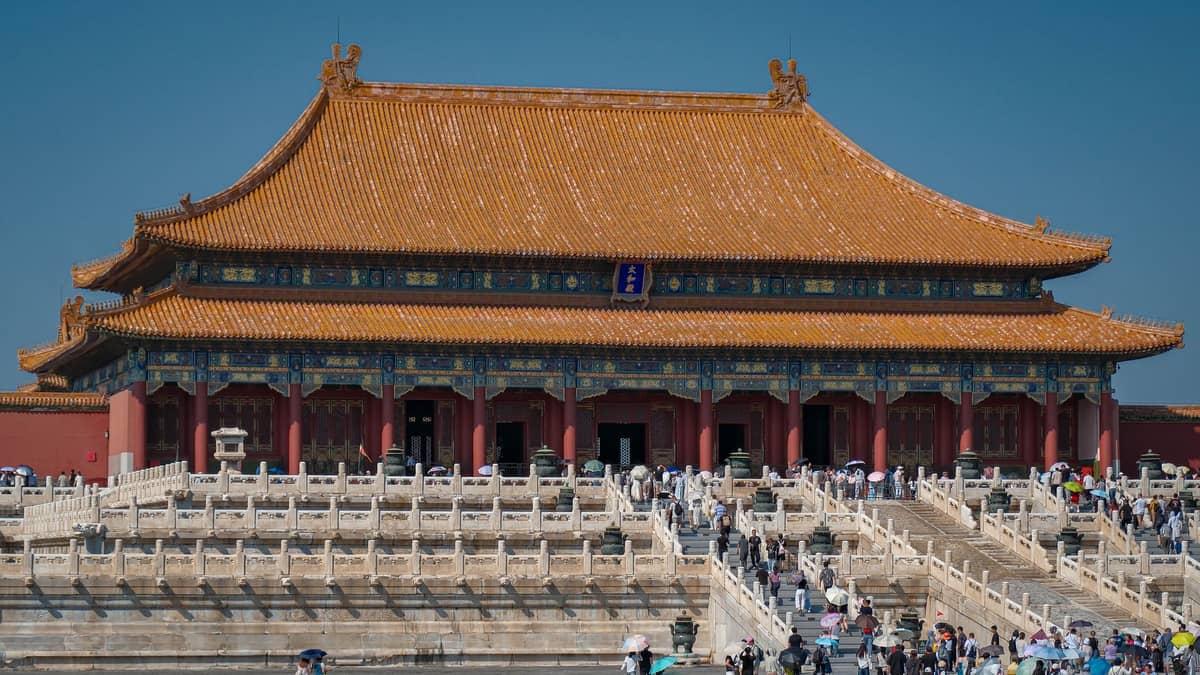
1. Explore the World's Largest Palace at the Forbidden City
Home to 24 emperors and nearly 1,000 buildings across 72 hectares, the Palace Museum holds over 1.86 million artifacts. Book timed entry well in advance via the official site. Admission: CNY 40-60 depending on season.
Explore1. Explore the World's Largest Palace at the Forbidden City
Home to 24 emperors and nearly 1,000 buildings across 72 hectares, the Palace Museum holds over 1.86 million artifacts. Book timed entry well in advance via the official site. Admission: CNY 40-60 depending on season.
Explore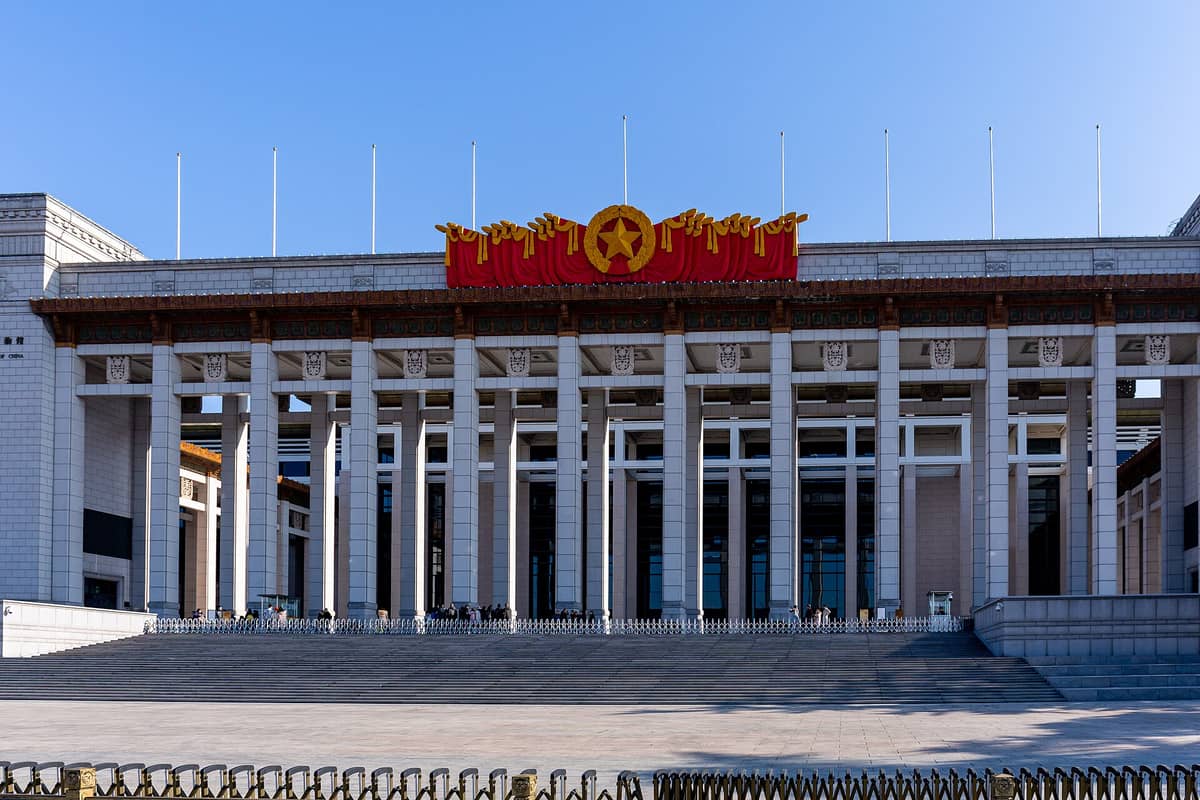
2. See 5,000 Years of Chinese History at the National Museum
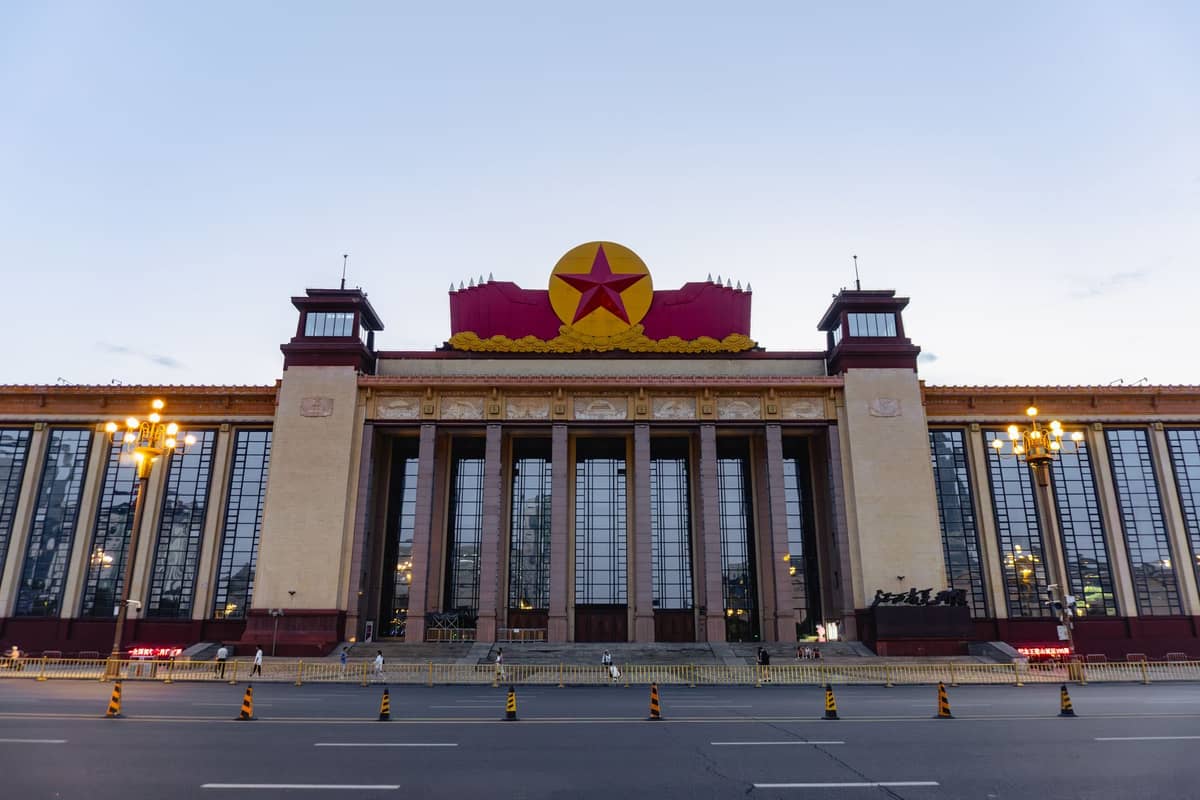
One of the world's largest museums, flanking Tiananmen Square with encyclopedic permanent galleries. Admission is free but timed reservations open just seven days ahead and fill fast. Allow a full day for the ancient China galleries alone.
Explore2. See 5,000 Years of Chinese History at the National Museum
One of the world's largest museums, flanking Tiananmen Square with encyclopedic permanent galleries. Admission is free but timed reservations open just seven days ahead and fill fast. Allow a full day for the ancient China galleries alone.
Explore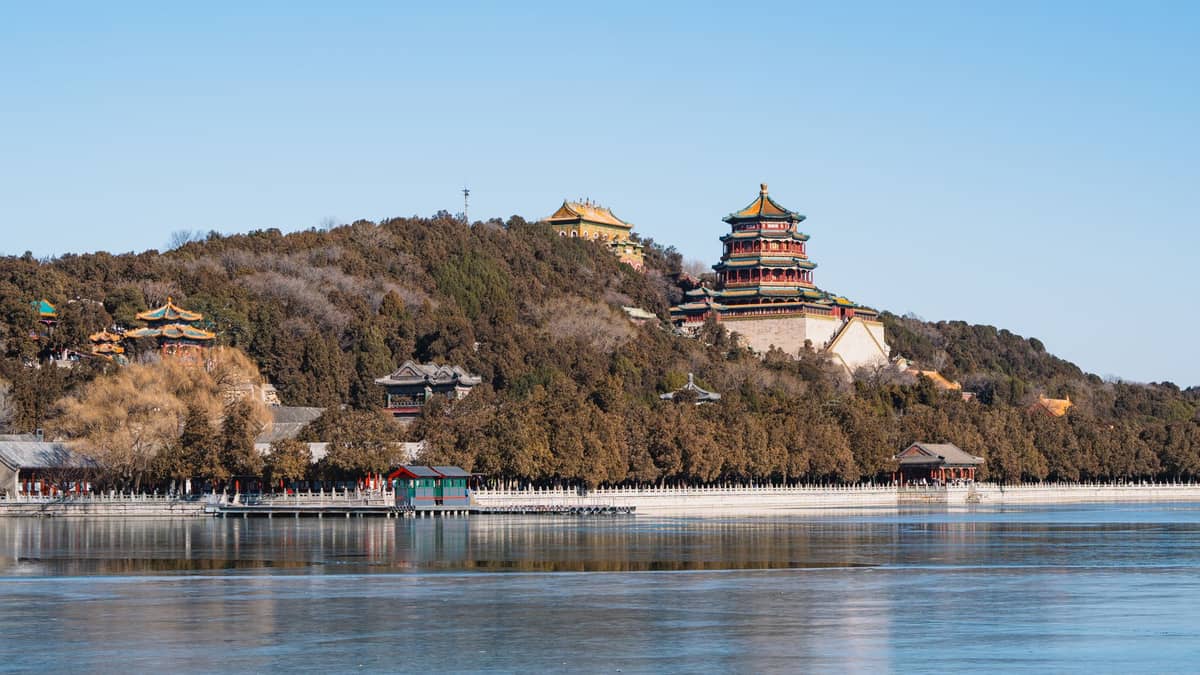
3. Walk the Imperial Garden Complex at the Summer Palace
More than a park, the Summer Palace is a vast open-air museum of Qing imperial design. The Long Corridor's 14,000 painted scenes, the Marble Boat, and Longevity Hill together tell the story of a court at its height.
Explore3. Walk the Imperial Garden Complex at the Summer Palace
More than a park, the Summer Palace is a vast open-air museum of Qing imperial design. The Long Corridor's 14,000 painted scenes, the Marble Boat, and Longevity Hill together tell the story of a court at its height.
Explore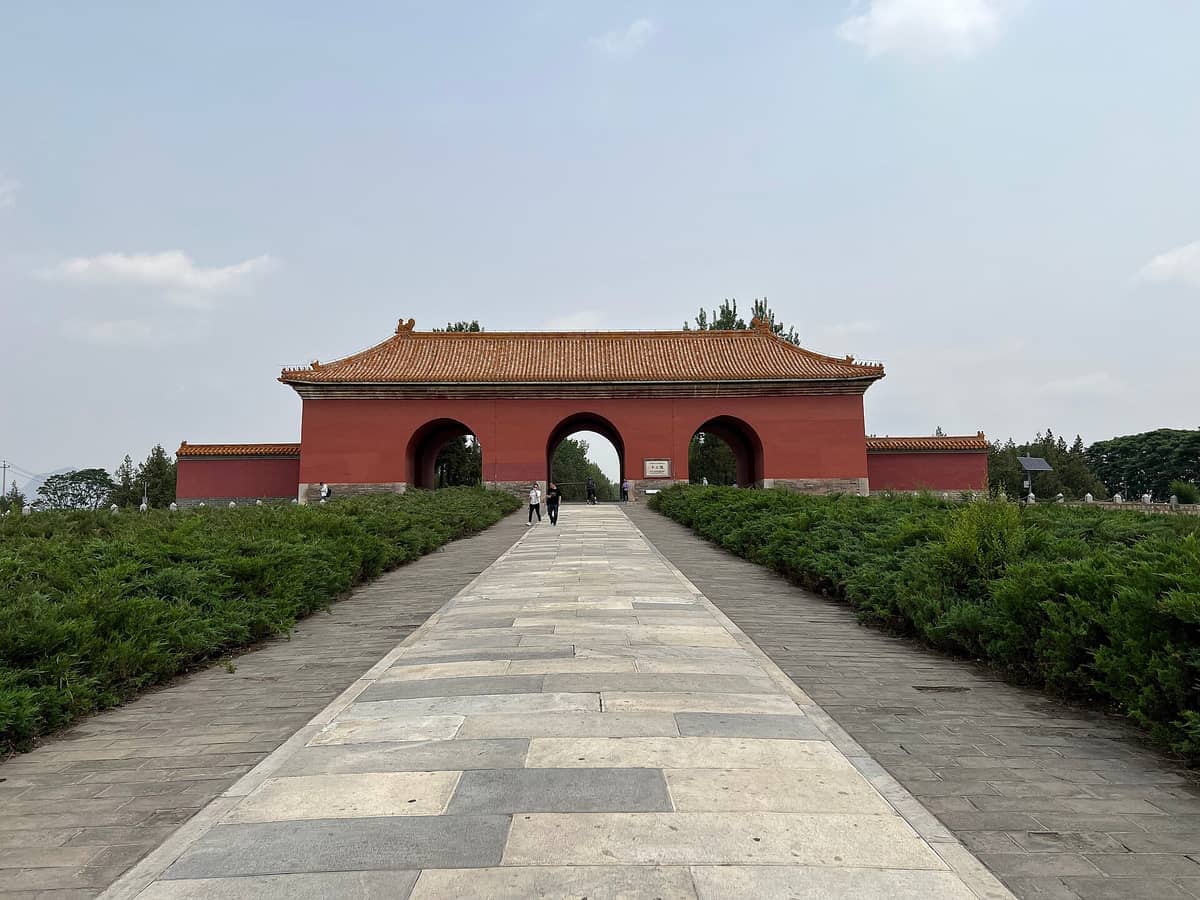
4. Walk the Spirit Way at the Ming Tombs
The burial site of 13 Ming emperors, 50km north of Beijing, is as much museum as monument. The Dingling underground palace opens the actual burial chamber to visitors. The Spirit Way processional road lined with stone guardians is unmissable.
Explore4. Walk the Spirit Way at the Ming Tombs
The burial site of 13 Ming emperors, 50km north of Beijing, is as much museum as monument. The Dingling underground palace opens the actual burial chamber to visitors. The Spirit Way processional road lined with stone guardians is unmissable.
Explore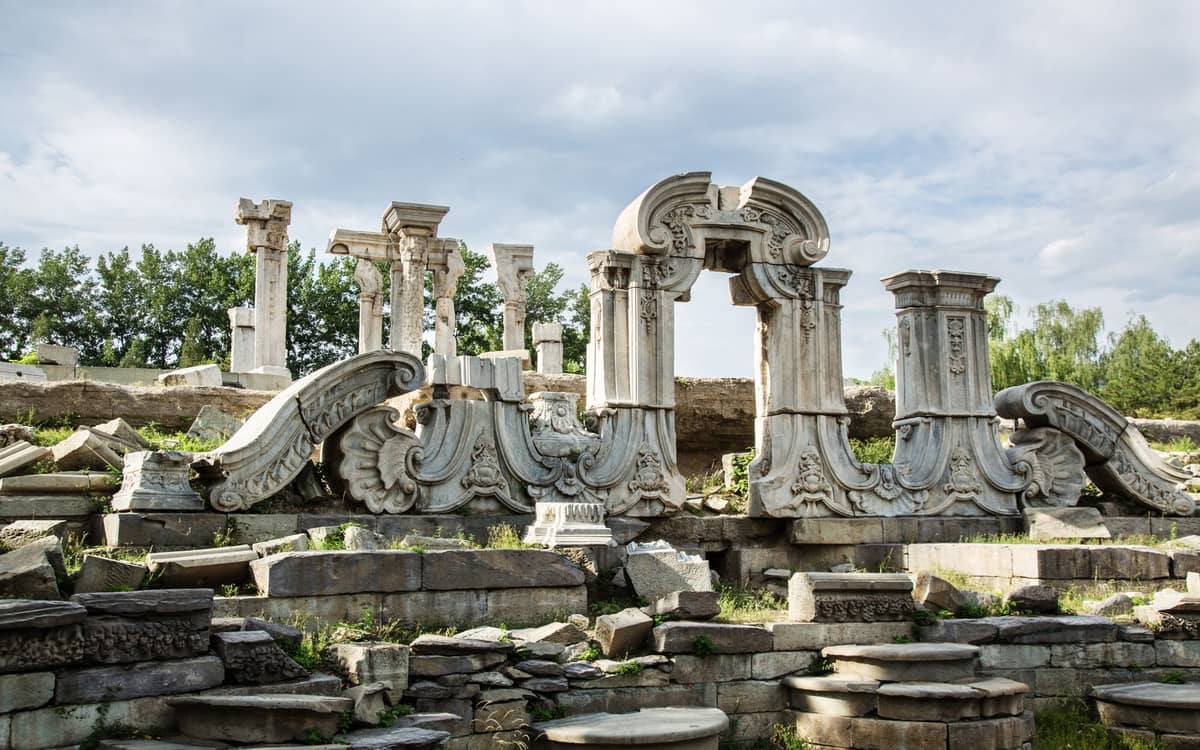
5. Contemplate History at the Old Summer Palace Ruins
Destroyed by Anglo-French forces in 1860, Yuanmingyuan is now a vast ruin park where European baroque stonework rises from lotus ponds. The site functions as an open-air museum of loss, with a small exhibition hall covering the palace's original splendor.
Explore5. Contemplate History at the Old Summer Palace Ruins
Destroyed by Anglo-French forces in 1860, Yuanmingyuan is now a vast ruin park where European baroque stonework rises from lotus ponds. The site functions as an open-air museum of loss, with a small exhibition hall covering the palace's original splendor.
ExploreHistory, Science & Specialist Collections
Beyond the imperial sites, Beijing has serious specialist museums that reward dedicated visits. The Xicheng district alone contains three first-rate collections that most tourists skip entirely.
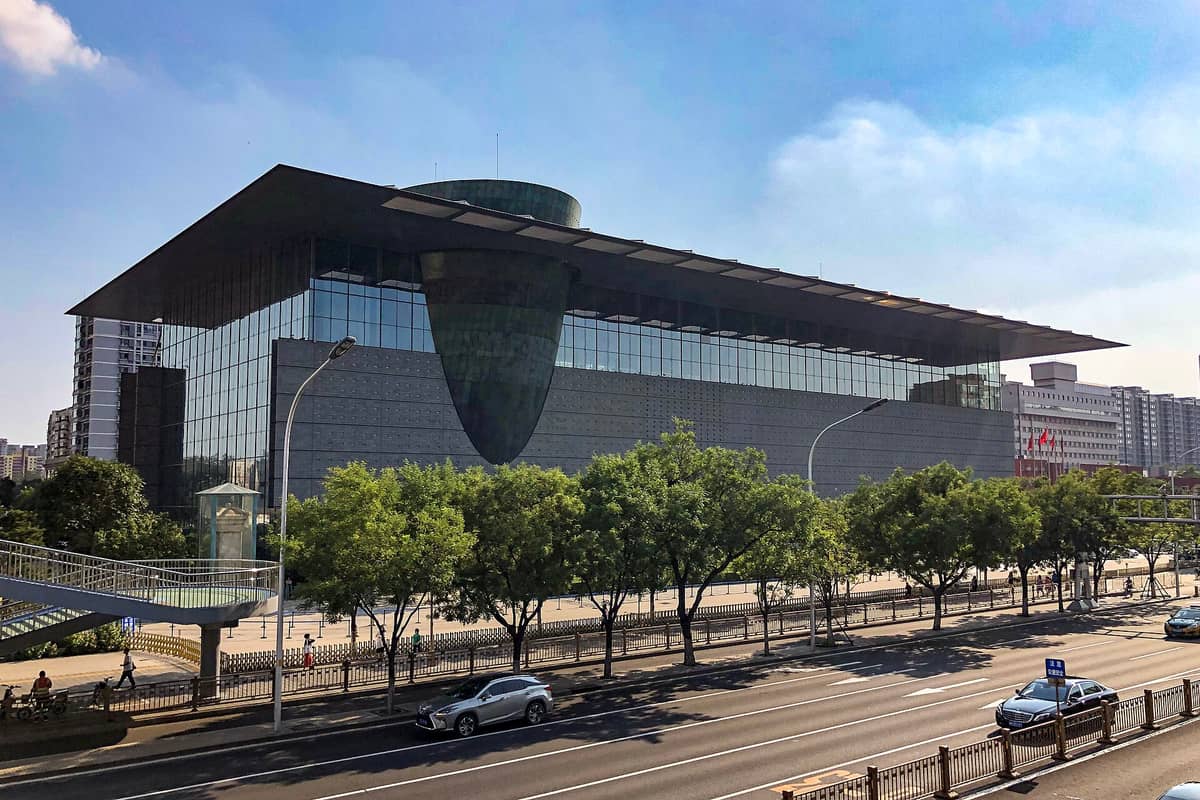
6. Discover Beijing's Story at the Capital Museum
The finest dedicated city history museum in China, with exceptional permanent displays of Beijing porcelain, bronze, calligraphy, and folk art across six floors. Rarely crowded compared to the major sites, and the building itself is architecturally impressive.
Explore6. Discover Beijing's Story at the Capital Museum
The finest dedicated city history museum in China, with exceptional permanent displays of Beijing porcelain, bronze, calligraphy, and folk art across six floors. Rarely crowded compared to the major sites, and the building itself is architecturally impressive.
Explore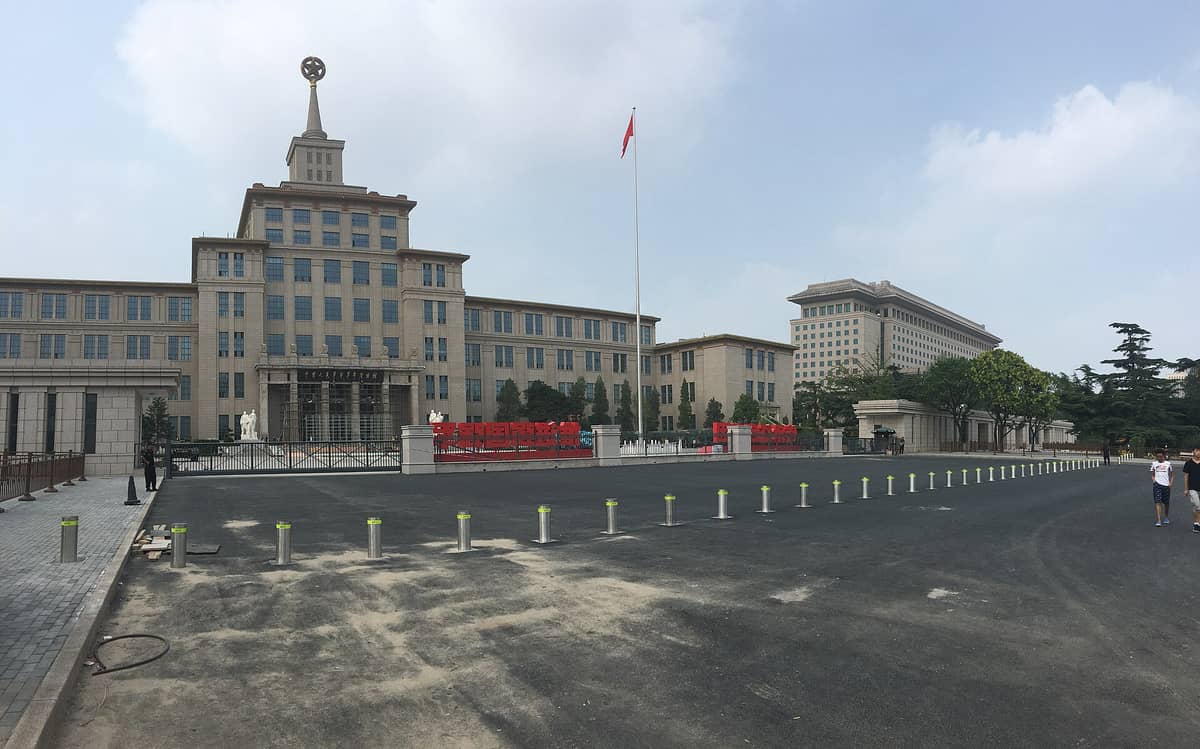
7. Trace China's Military History at the People's Revolution Museum
A vast collection of aircraft, tanks, missiles, and weapons documenting Chinese military history from ancient warfare to the present. The outdoor exhibition of decommissioned hardware, including early intercontinental ballistic missiles, is genuinely striking.
Explore7. Trace China's Military History at the People's Revolution Museum
A vast collection of aircraft, tanks, missiles, and weapons documenting Chinese military history from ancient warfare to the present. The outdoor exhibition of decommissioned hardware, including early intercontinental ballistic missiles, is genuinely striking.
Explore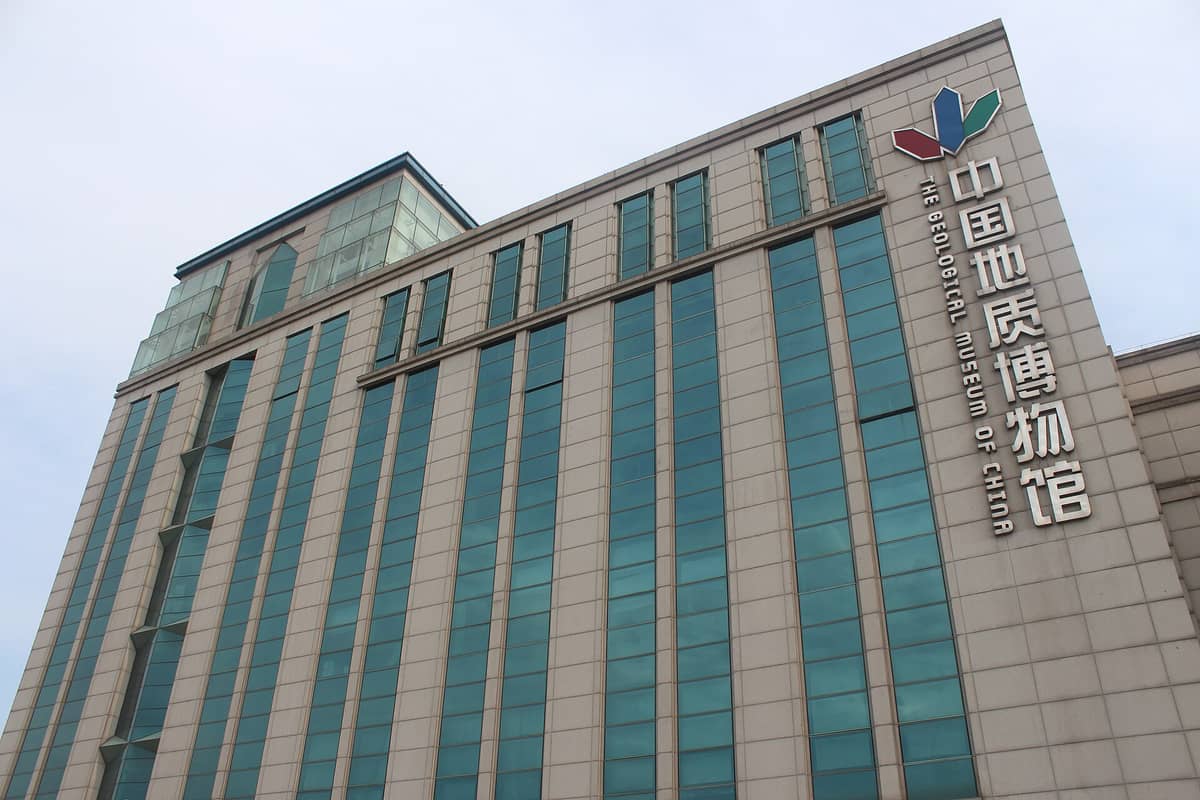
8. Marvel at Gemstones and Dinosaurs at the Geological Museum
One of Asia's finest natural history collections, with a crystal hall housing enormous gemstone specimens, a dinosaur gallery with complete skeletons, and a minerals collection spanning every geological period. Underrated and rarely crowded on weekdays.
Explore8. Marvel at Gemstones and Dinosaurs at the Geological Museum
One of Asia's finest natural history collections, with a crystal hall housing enormous gemstone specimens, a dinosaur gallery with complete skeletons, and a minerals collection spanning every geological period. Underrated and rarely crowded on weekdays.
Explore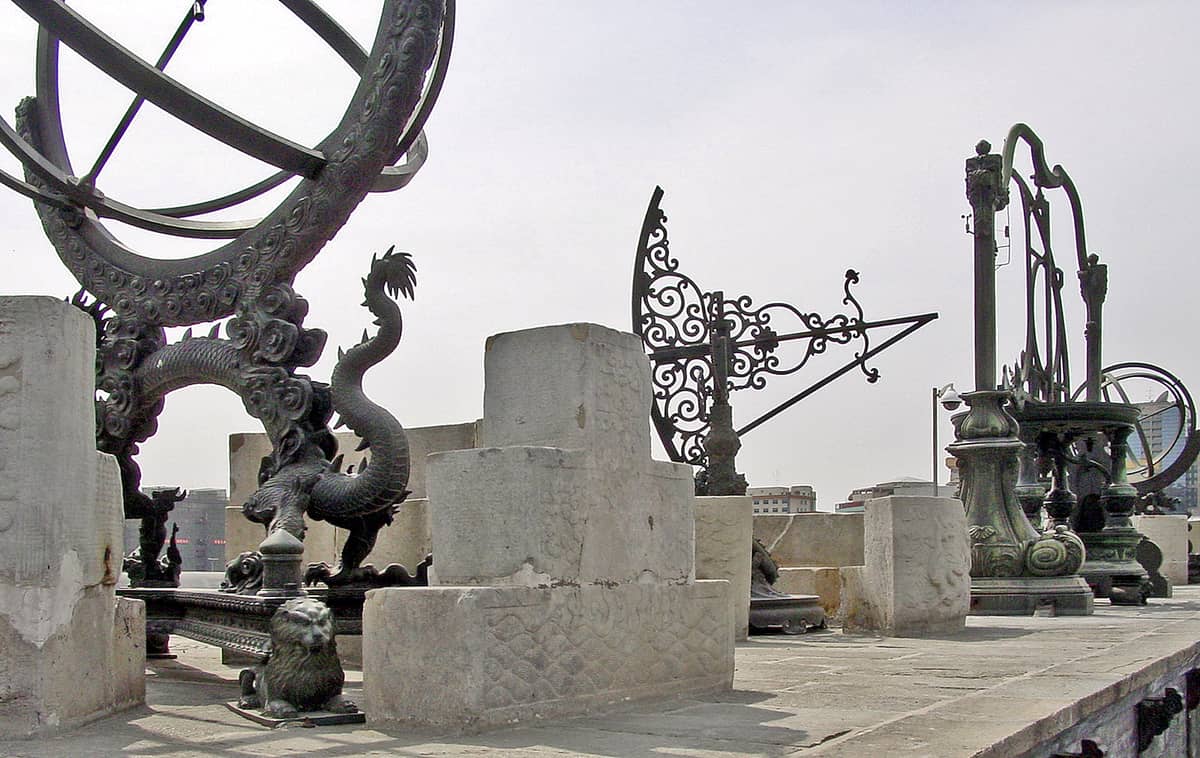
9. Discover Jesuit Astronomy at the Ancient Observatory
A Ming-dynasty watchtower housing eight magnificent Qing-era bronze instruments designed by Jesuit missionaries. The rooftop terrace displays the instruments in their original position. One of Beijing's most underrated attractions, an hour is plenty.
Explore9. Discover Jesuit Astronomy at the Ancient Observatory
A Ming-dynasty watchtower housing eight magnificent Qing-era bronze instruments designed by Jesuit missionaries. The rooftop terrace displays the instruments in their original position. One of Beijing's most underrated attractions, an hour is plenty.
Explore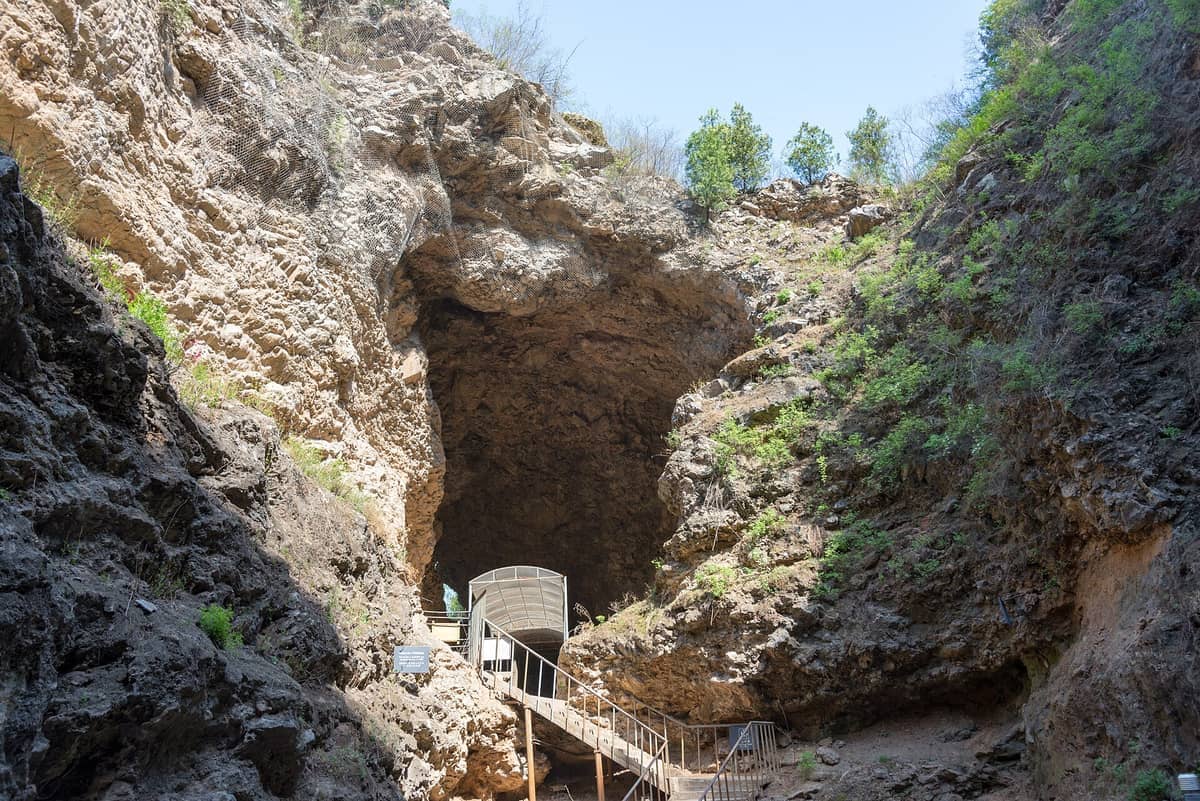
10. Visit the UNESCO Site Where Peking Man Was Discovered
A UNESCO World Heritage Site 50km southwest of Beijing where Homo erectus fossils were found in the 1920s. The on-site museum covers the excavation history and broader story of human evolution in Asia. Best combined with a half-day trip from the city.
Explore10. Visit the UNESCO Site Where Peking Man Was Discovered
A UNESCO World Heritage Site 50km southwest of Beijing where Homo erectus fossils were found in the 1920s. The on-site museum covers the excavation history and broader story of human evolution in Asia. Best combined with a half-day trip from the city.
Explore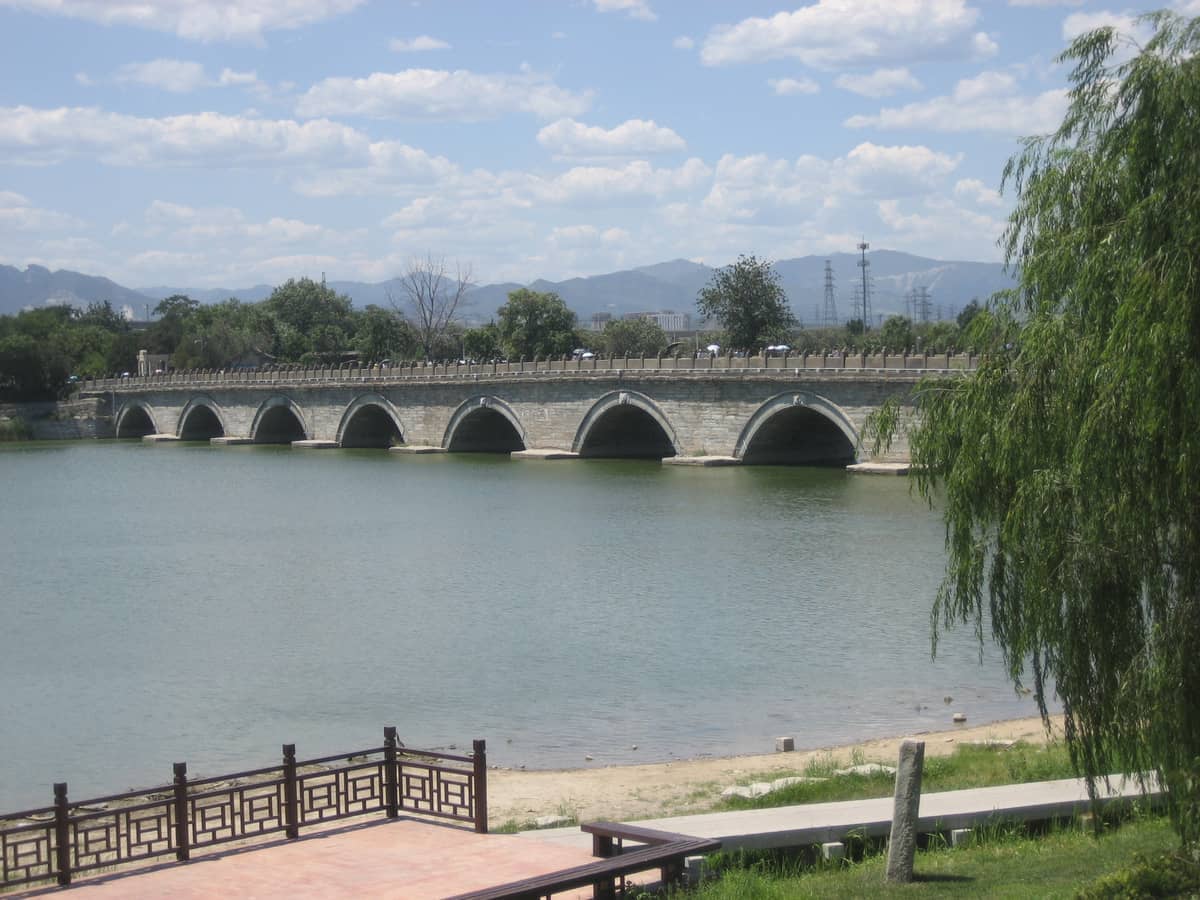
11. Explore the 1189 Bridge and Its War Memorial Museum
The 11-arch stone bridge spanning the Yongding River dates to 1189 and carries 485 individually carved stone lions. The adjacent Memorial Hall of the War of Chinese People's Resistance documents the events of July 1937 that sparked the Second Sino-Japanese War.
Explore11. Explore the 1189 Bridge and Its War Memorial Museum
The 11-arch stone bridge spanning the Yongding River dates to 1189 and carries 485 individually carved stone lions. The adjacent Memorial Hall of the War of Chinese People's Resistance documents the events of July 1937 that sparked the Second Sino-Japanese War.
Explore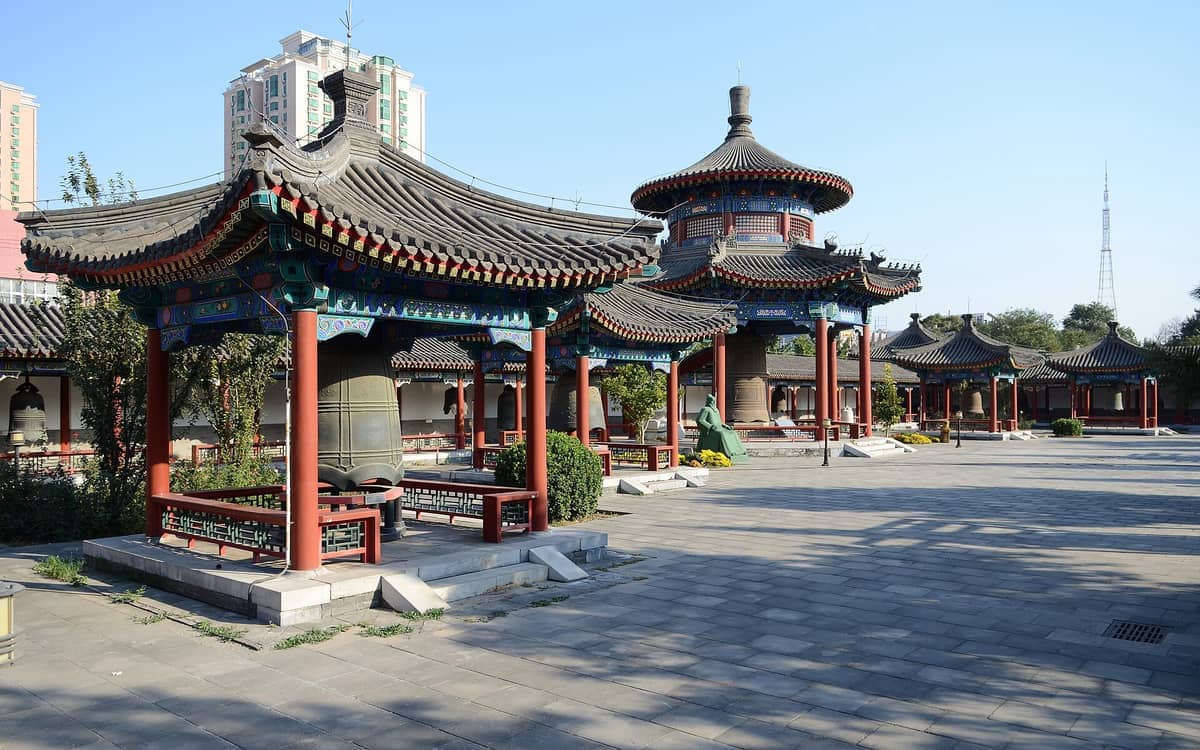
12. Hear 4,000 Years of Bell History at Dazhongsi
The centerpiece is the 46-tonne Yongle Bell, one of the world's largest ancient bells, still hanging in its original pavilion. The surrounding museum holds over 700 bells spanning Chinese history from the Bronze Age forward. Rarely visited by foreign tourists.
Explore12. Hear 4,000 Years of Bell History at Dazhongsi
The centerpiece is the 46-tonne Yongle Bell, one of the world's largest ancient bells, still hanging in its original pavilion. The surrounding museum holds over 700 bells spanning Chinese history from the Bronze Age forward. Rarely visited by foreign tourists.
ExploreContemporary Art & Architecture Museums
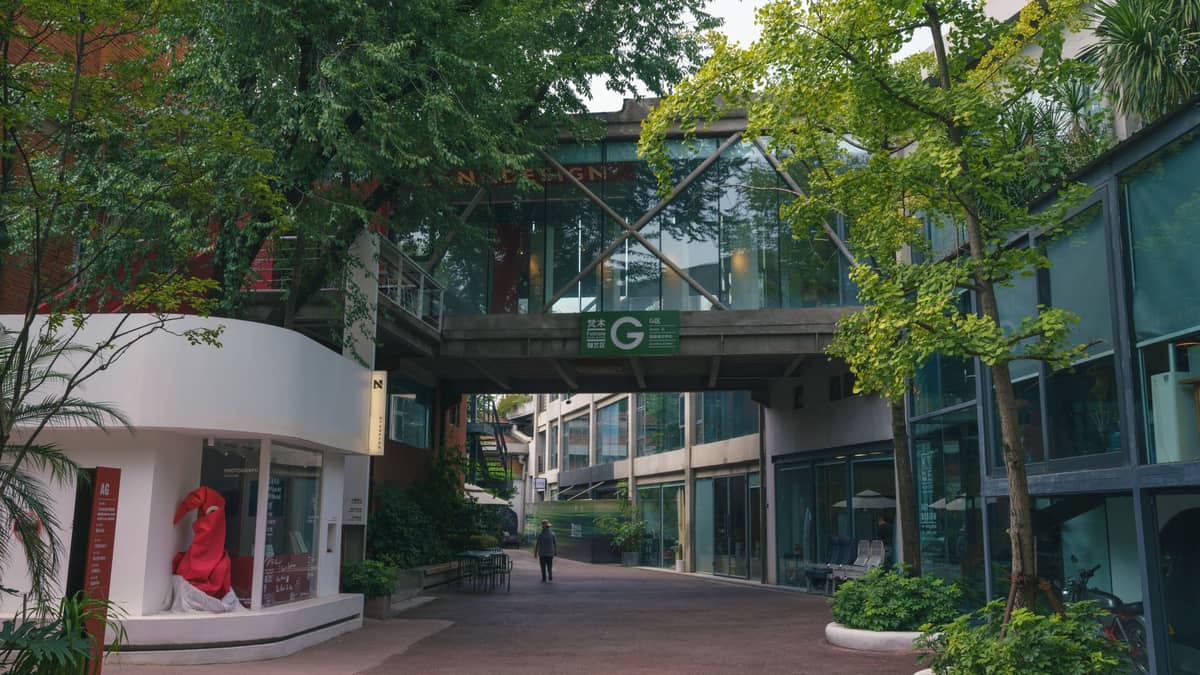
Beijing's contemporary art scene is concentrated in the Chaoyang district and is best explored through the Beijing contemporary art guide. These spaces function as a counterpoint to the imperial collections, documenting how Chinese culture has transformed since 1978.
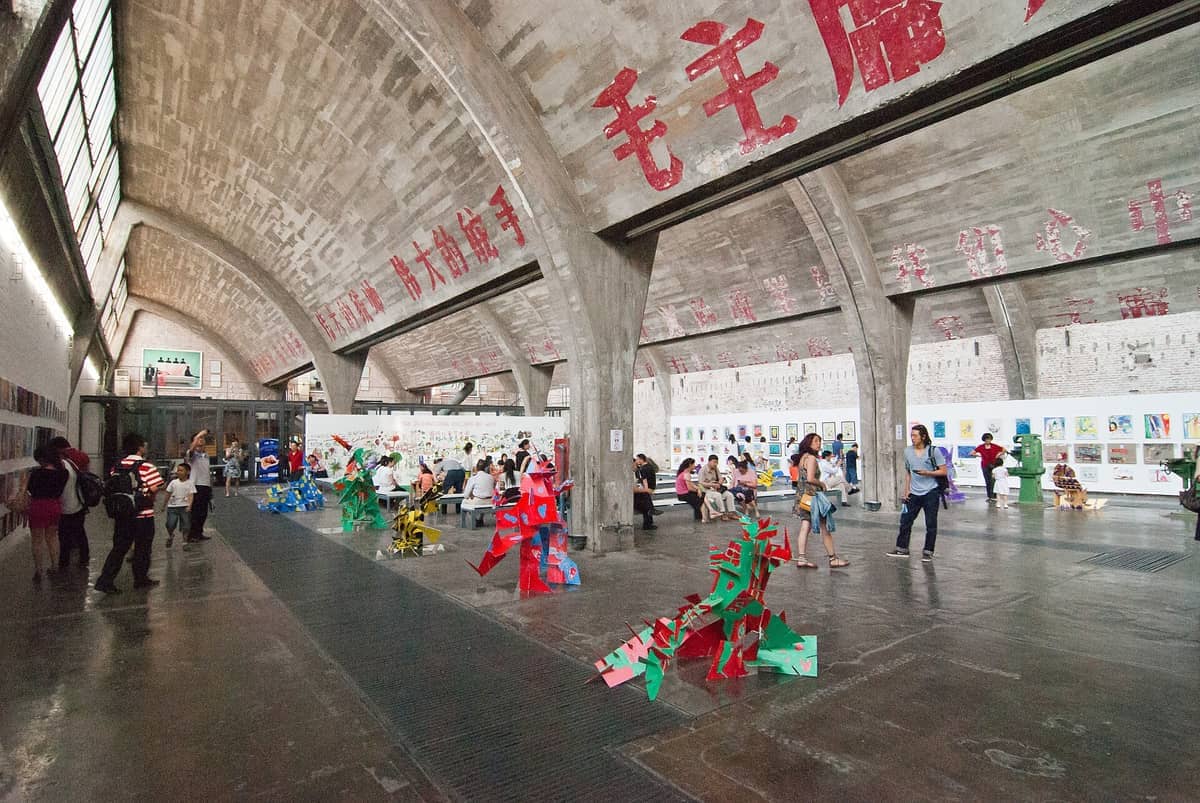
13. Tour China's Most Important Contemporary Art Hub at 798
Converted Bauhaus-era factory buildings in northeast Chaoyang house hundreds of galleries, design studios, and public sculpture installations. UCCA Center for Contemporary Art anchors the district with serious international programming. Budget two to four hours minimum.
Explore13. Tour China's Most Important Contemporary Art Hub at 798
Converted Bauhaus-era factory buildings in northeast Chaoyang house hundreds of galleries, design studios, and public sculpture installations. UCCA Center for Contemporary Art anchors the district with serious international programming. Budget two to four hours minimum.
Explore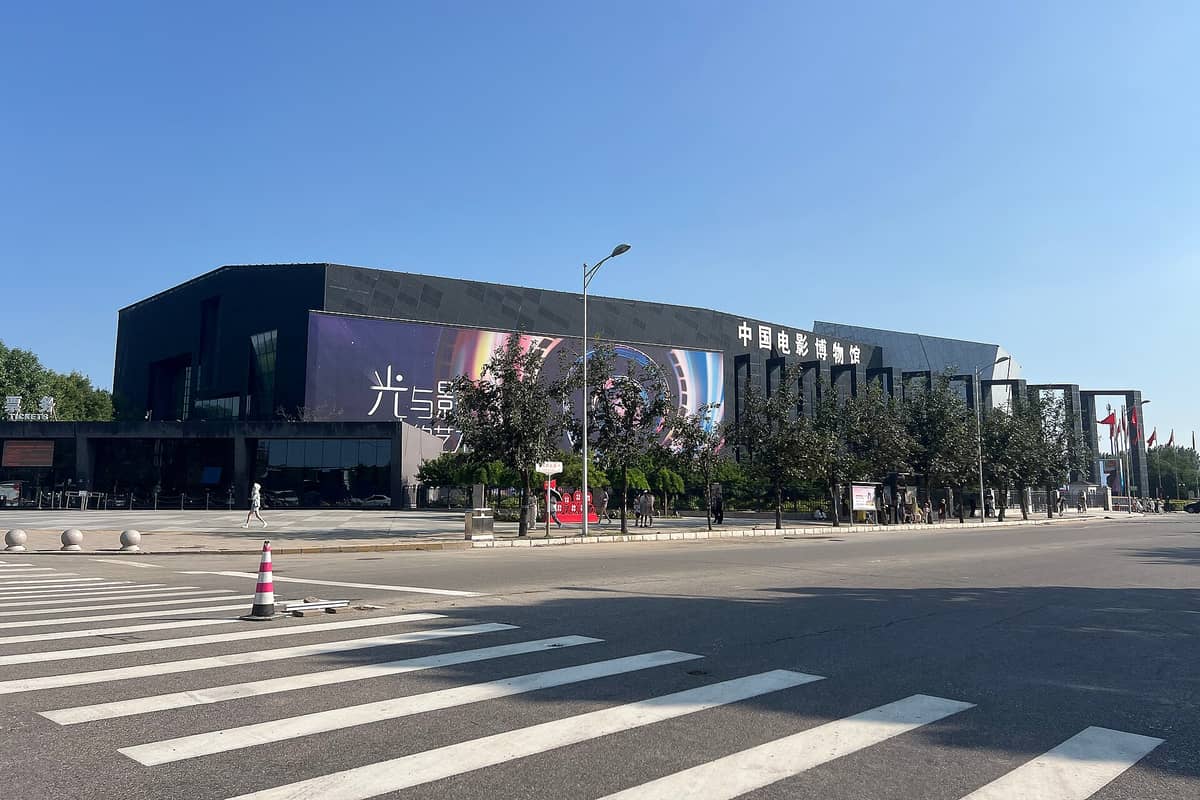
14. Trace Chinese Cinema from 1905 to the Present
Among the world's largest film museums, with 20 exhibition halls covering a century of Chinese cinema, restored early films, director retrospectives, and multiple screening rooms. A rewarding half-day for anyone interested in film or 20th-century Chinese cultural history.
Explore14. Trace Chinese Cinema from 1905 to the Present
Among the world's largest film museums, with 20 exhibition halls covering a century of Chinese cinema, restored early films, director retrospectives, and multiple screening rooms. A rewarding half-day for anyone interested in film or 20th-century Chinese cultural history.
Explore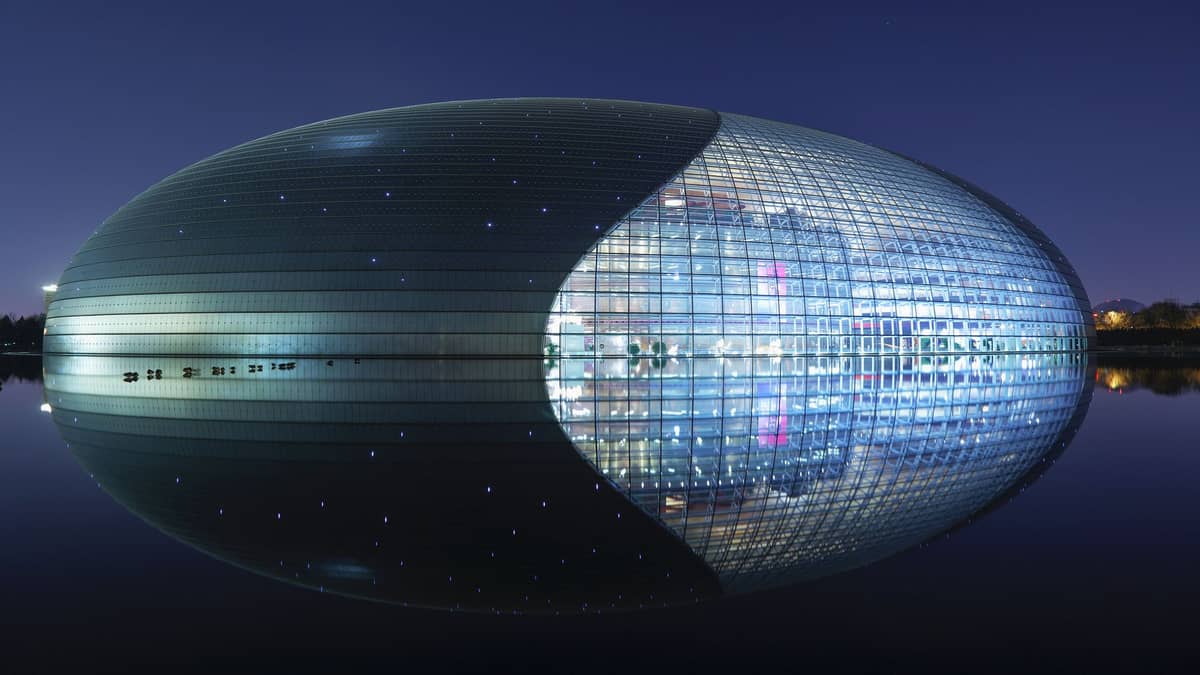
15. Visit Paul Andreu's Titanium Egg on the Reflecting Pool
The NCPA is itself a museum piece: a titanium-and-glass ellipsoid that seems to float on water. Walk through the entrance tunnel, explore the lobby exhibition on Chinese performing arts history, or book a ticket for opera or chamber music in one of three venues.
Explore15. Visit Paul Andreu's Titanium Egg on the Reflecting Pool
The NCPA is itself a museum piece: a titanium-and-glass ellipsoid that seems to float on water. Walk through the entrance tunnel, explore the lobby exhibition on Chinese performing arts history, or book a ticket for opera or chamber music in one of three venues.
ExploreReligious & Cultural Heritage Sites with Museum Collections
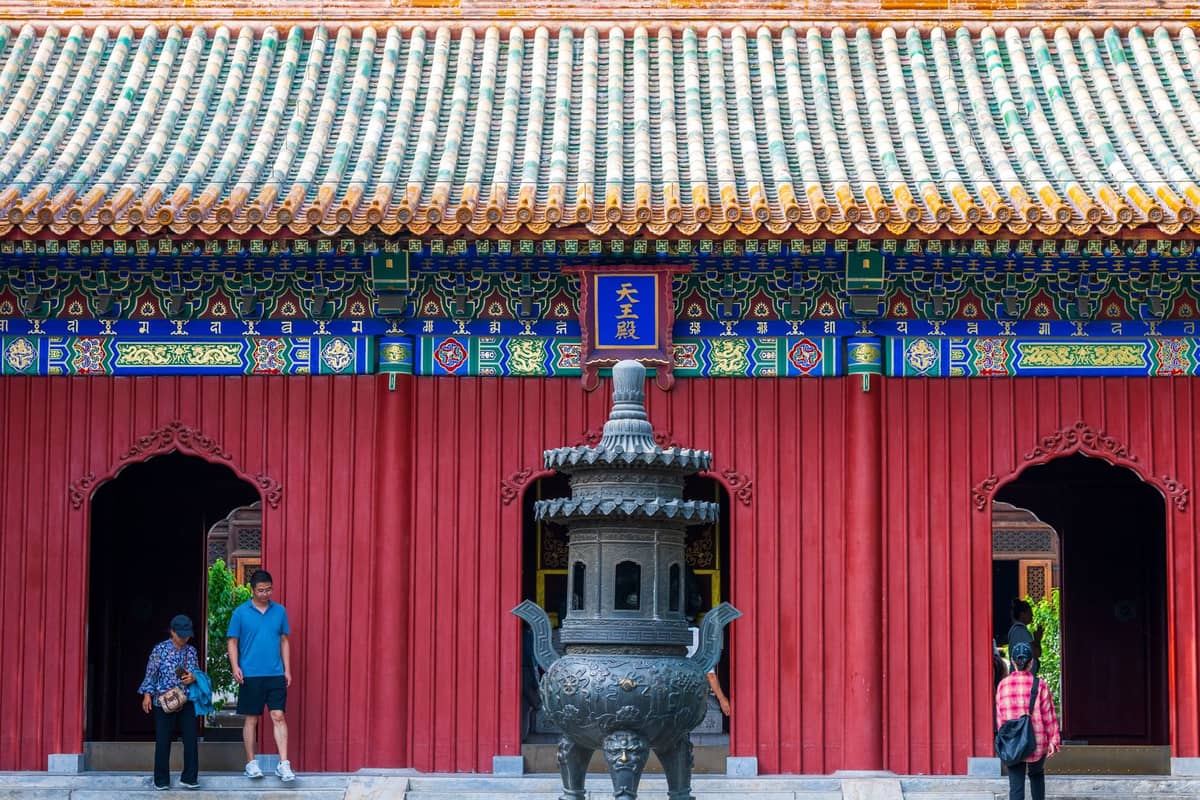
Several of Beijing's most important temples function as working museum collections, with objects that range from Tang dynasty Buddhist sculpture to Qing imperial ritual implements. For a broader overview of the city's sacred sites, the best temples in Beijing guide provides useful context.
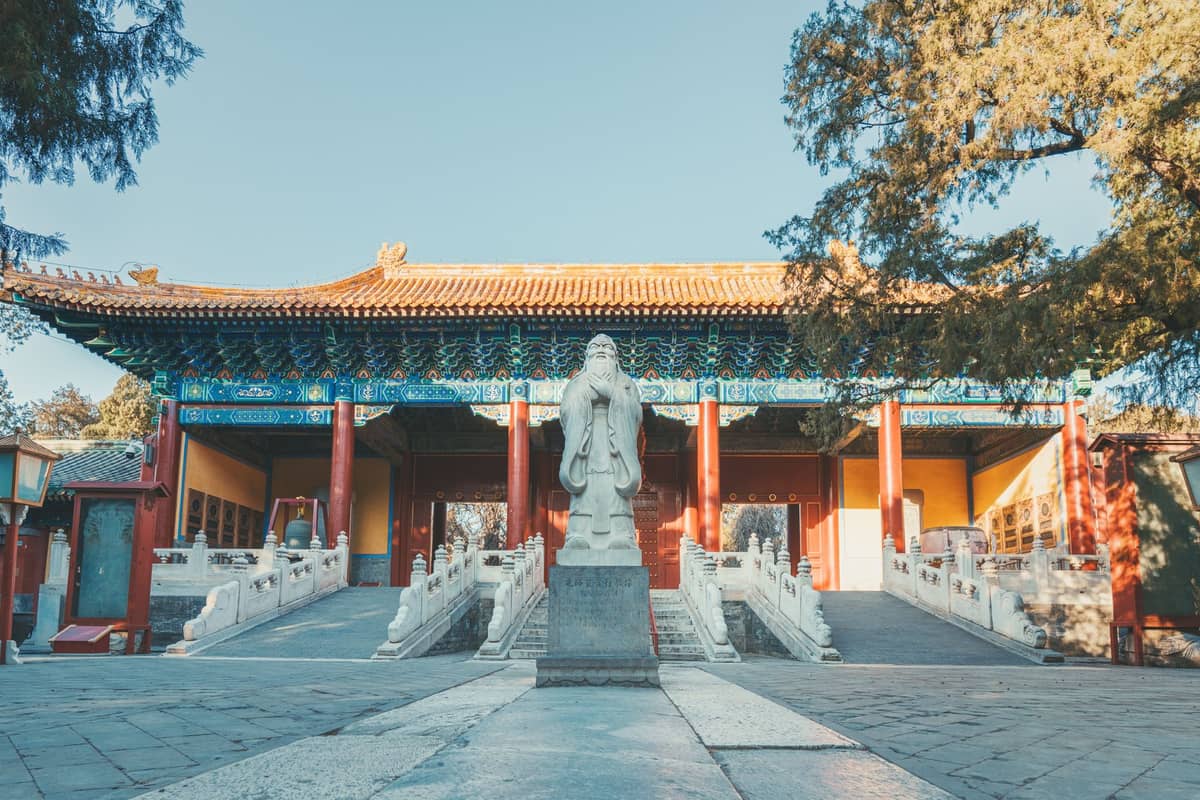
16. Study Imperial Scholarship at the Confucius Temple and Imperial College
The Guozijian complex combines an active Confucius Temple with the restored Imperial College, where stone steles record the names of 51,624 successful candidates from the imperial examination system. The ancient cypress courtyard is one of Beijing's most peaceful spaces.
Explore16. Study Imperial Scholarship at the Confucius Temple and Imperial College
The Guozijian complex combines an active Confucius Temple with the restored Imperial College, where stone steles record the names of 51,624 successful candidates from the imperial examination system. The ancient cypress courtyard is one of Beijing's most peaceful spaces.
Explore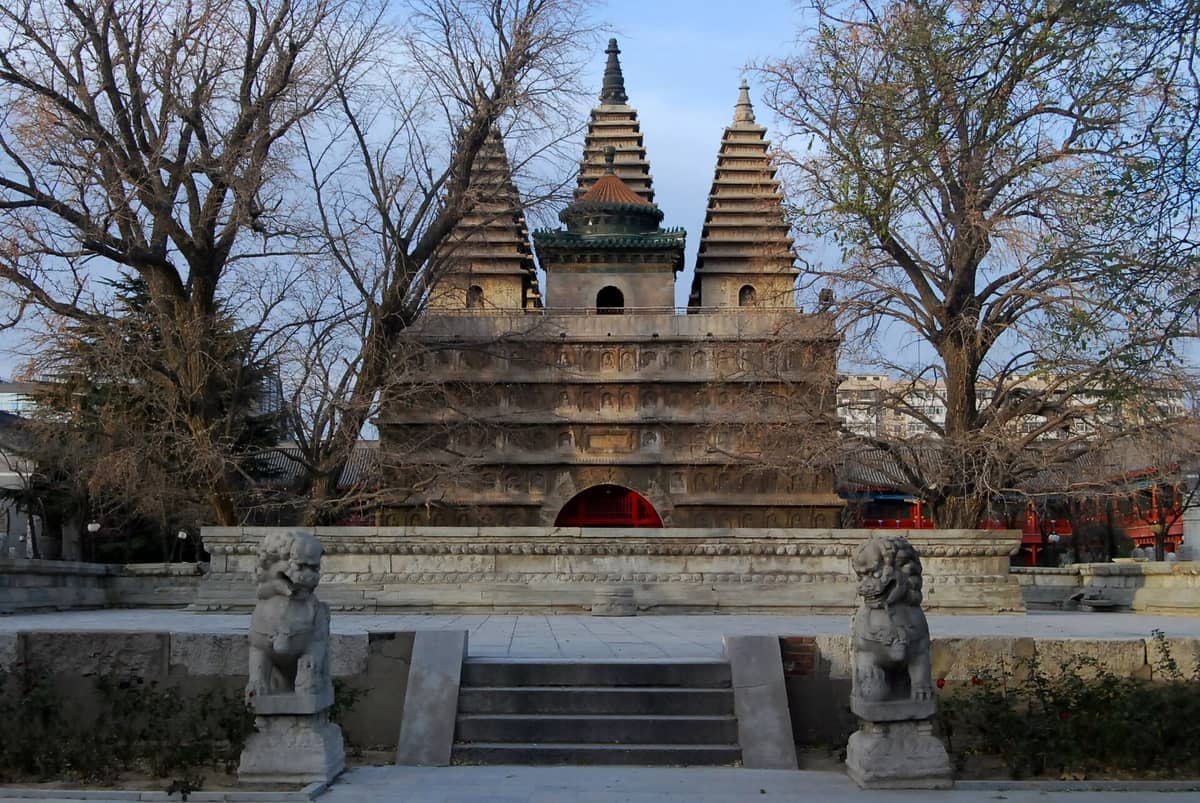
17. See India Meet China at the Five Pagoda Temple Stone Carving Museum
Five stone pagodas rising from a single platform showcase the rarest architectural style in Beijing: Indian-influenced Buddhist construction from the 15th century. The surrounding Beijing Stone Carving Art Museum holds hundreds of carved steles and bas-reliefs from across the city.
Explore17. See India Meet China at the Five Pagoda Temple Stone Carving Museum
Five stone pagodas rising from a single platform showcase the rarest architectural style in Beijing: Indian-influenced Buddhist construction from the 15th century. The surrounding Beijing Stone Carving Art Museum holds hundreds of carved steles and bas-reliefs from across the city.
Explore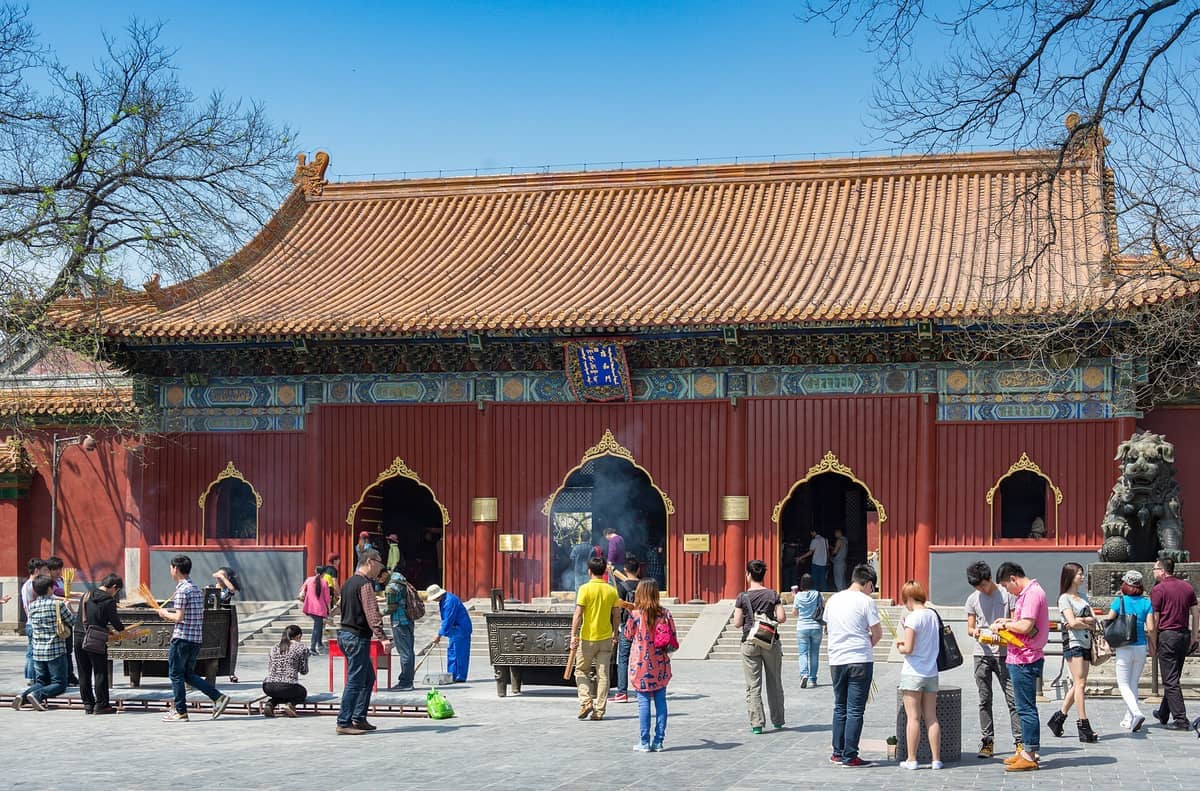
18. Stand Before the 26-Metre Sandalwood Buddha at the Lama Temple
Yonghe Gong's five halls contain an extraordinary collection of Tibetan Buddhist art, ritual objects, and a 26-metre Maitreya carved from a single white sandalwood tree. One of Beijing's most genuinely magnificent interiors. Arrive early to avoid crowds and incense smoke.
Explore18. Stand Before the 26-Metre Sandalwood Buddha at the Lama Temple
Yonghe Gong's five halls contain an extraordinary collection of Tibetan Buddhist art, ritual objects, and a 26-metre Maitreya carved from a single white sandalwood tree. One of Beijing's most genuinely magnificent interiors. Arrive early to avoid crowds and incense smoke.
Explore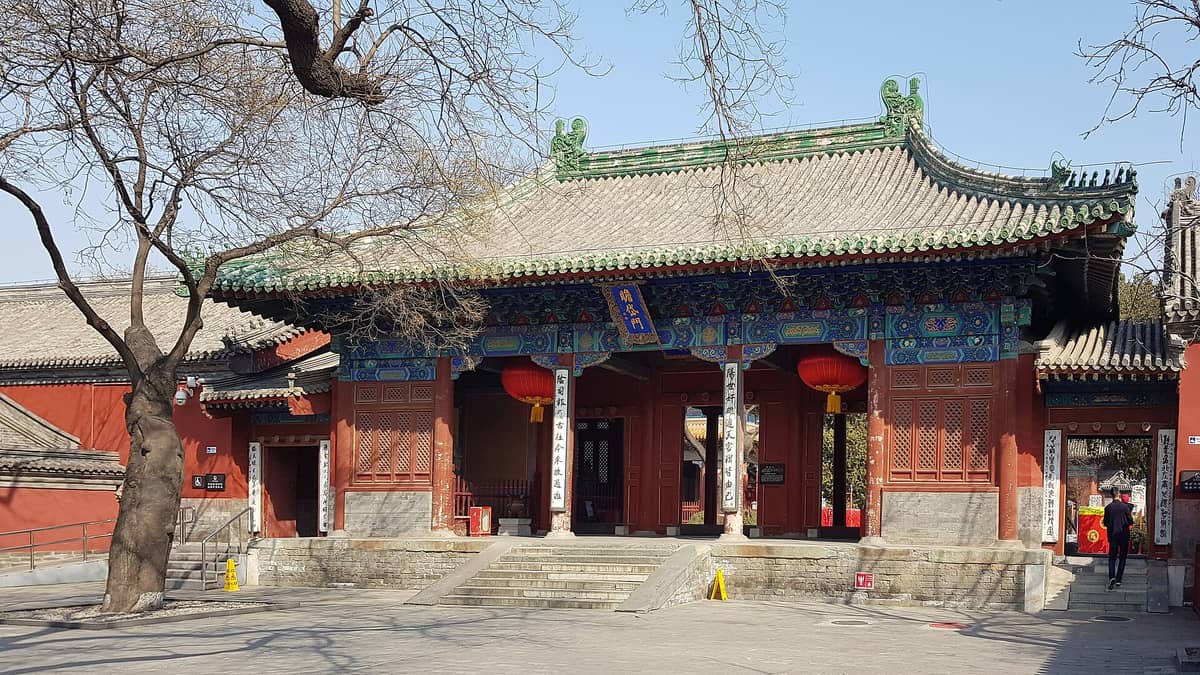
19. Walk Through the 76 Departments of the Afterlife at Dongyue Temple
This active Taoist temple is also a deeply strange and memorable museum of folk religion. The 76 departments of the underworld, each populated with vivid painted statues, document how Beijing's common people understood justice, fate, and the afterlife for centuries.
Explore19. Walk Through the 76 Departments of the Afterlife at Dongyue Temple
This active Taoist temple is also a deeply strange and memorable museum of folk religion. The 76 departments of the underworld, each populated with vivid painted statues, document how Beijing's common people understood justice, fate, and the afterlife for centuries.
ExploreFamily-Friendly Science & Outdoor Museums
Beijing has several institutions designed specifically for younger visitors or families who want interactive and outdoor experiences alongside traditional collections. For a full list of family-appropriate attractions, see the dedicated Beijing with kids guide.
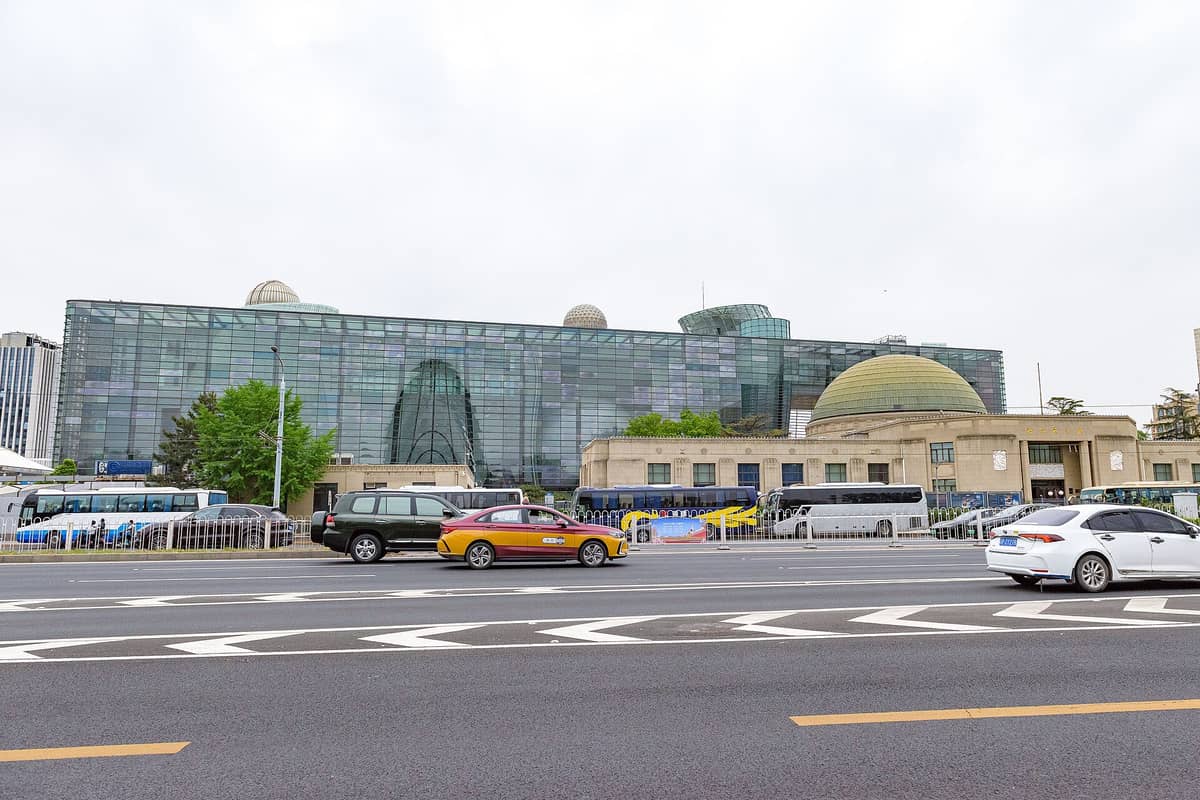
20. Explore Space Science at China's First and Largest Planetarium
Multiple dome theaters, a public rooftop observatory, and permanent exhibitions on astronomy and cosmology make this one of Beijing's best science institutions for families. Dome shows sell out on weekends; book ahead. Located near Beijing Zoo in Xicheng.
Explore20. Explore Space Science at China's First and Largest Planetarium
Multiple dome theaters, a public rooftop observatory, and permanent exhibitions on astronomy and cosmology make this one of Beijing's best science institutions for families. Dome shows sell out on weekends; book ahead. Located near Beijing Zoo in Xicheng.
Explore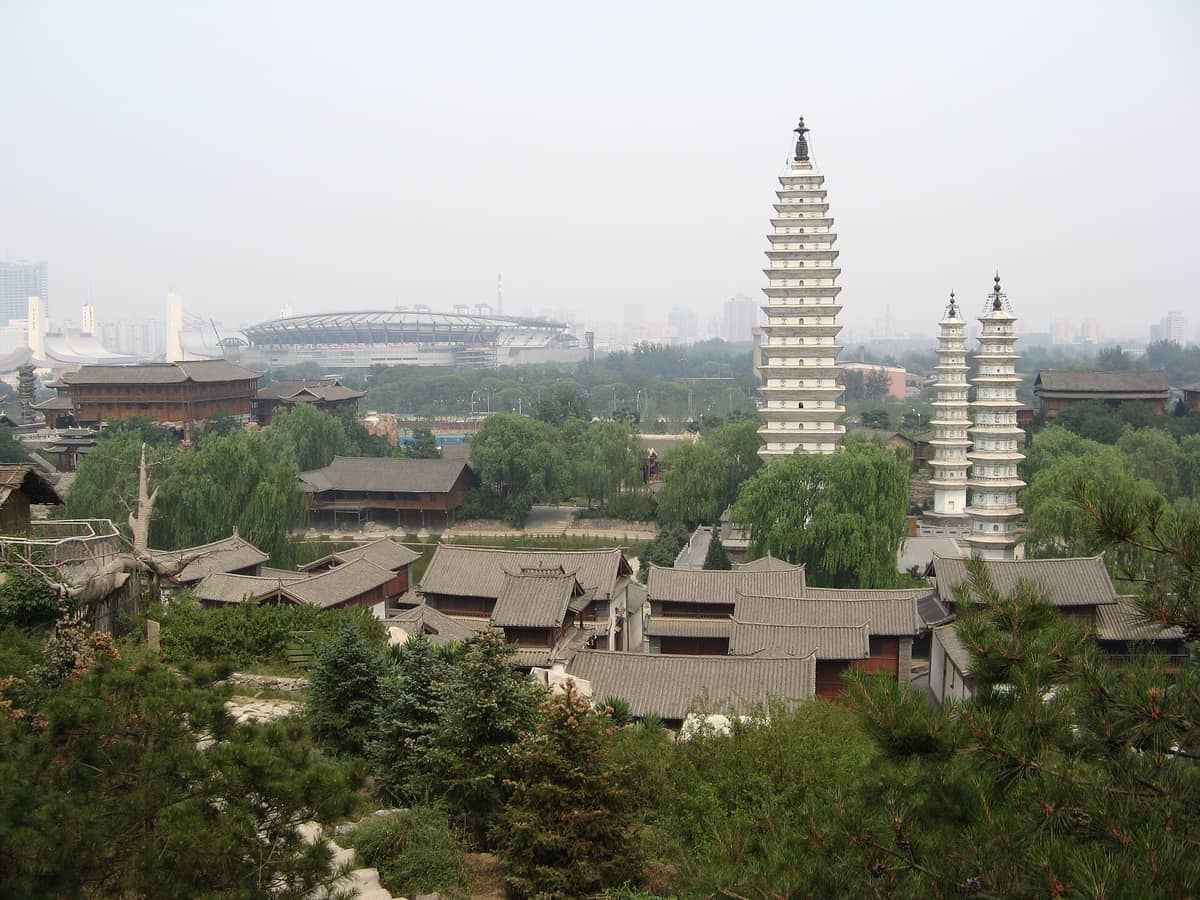
21. Visit Reconstructed Villages at the Chinese Ethnic Culture Park
An open-air museum documenting China's 56 recognized ethnic groups through full-scale architectural reconstructions, costumed performances, and craft demonstrations. The scale is impressive: allow three to four hours to cover the north and south sections properly.
Explore21. Visit Reconstructed Villages at the Chinese Ethnic Culture Park
An open-air museum documenting China's 56 recognized ethnic groups through full-scale architectural reconstructions, costumed performances, and craft demonstrations. The scale is impressive: allow three to four hours to cover the north and south sections properly.
Explore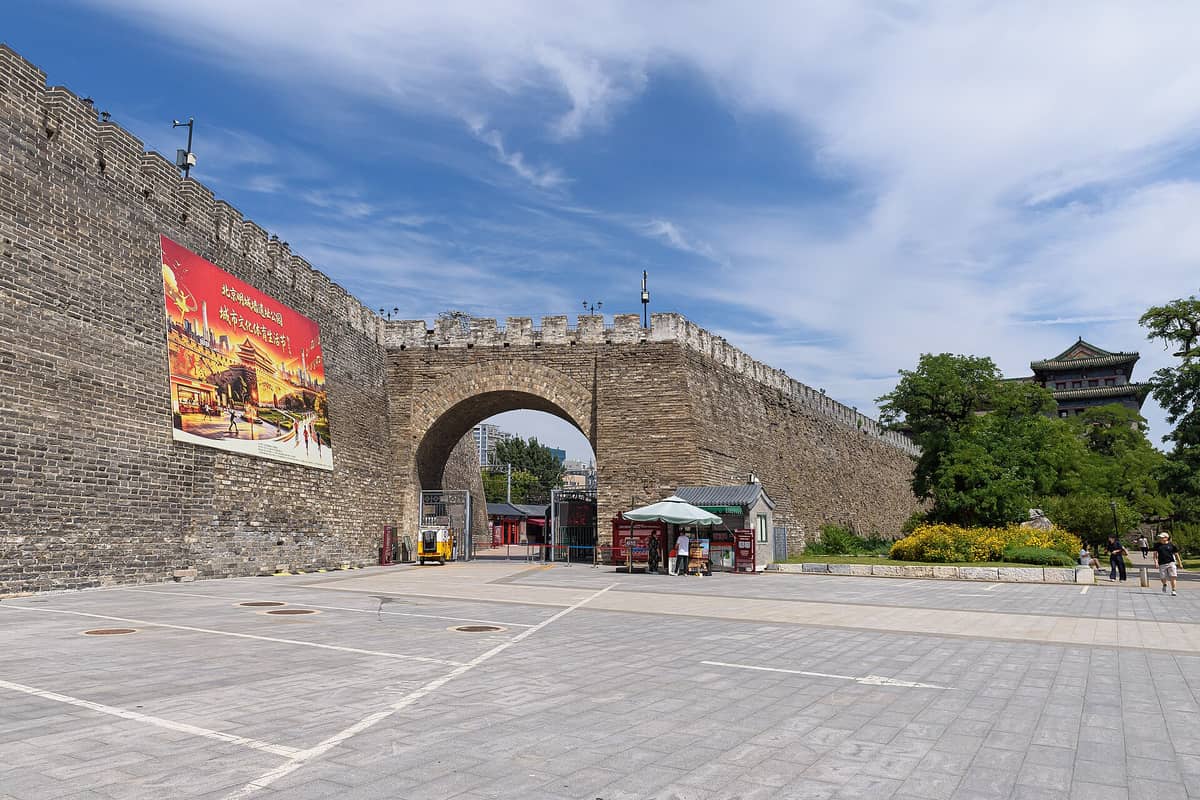
22. Walk a Surviving Section of Beijing's Original City Wall
A 1.5km restored stretch of the Ming dynasty city wall in southeast Dongcheng, with an excellent small museum at the Southeast Corner Watchtower documenting the wall's construction and the city it once enclosed. Free to enter the park; watchtower has a small admission fee.
Explore22. Walk a Surviving Section of Beijing's Original City Wall
A 1.5km restored stretch of the Ming dynasty city wall in southeast Dongcheng, with an excellent small museum at the Southeast Corner Watchtower documenting the wall's construction and the city it once enclosed. Free to enter the park; watchtower has a small admission fee.
Explore💡 Local tip
The National Museum of China and Capital Museum are both free but require advance reservations. If your schedule is tight, prioritize the Forbidden City and National Museum on separate days, as each requires a full morning to appreciate properly.
FAQ
Do I need to book Beijing museum tickets in advance?
Yes, for the major institutions. The Forbidden City does not sell same-day tickets at the gate; book on the official Palace Museum website with your passport number, ideally up to 7 days ahead. The National Museum of China is free but also requires timed real-name reservations opening 7 days in advance. Other museums such as the Capital Museum and Military Museum have their own advance-reservation systems, especially during peak season and national holidays.
Which Beijing museum is best for a half-day visit?
The Capital Museum in Xicheng is ideal for a focused 2-3 hour visit: outstanding permanent collections, manageable crowds, and a clear layout. The Ancient Observatory is another excellent half-day option, taking around an hour. Save the Forbidden City and National Museum of China for full days.
Are Beijing museums free?
Several are free, including the National Museum of China (reservation required), the Military Museum, the Geological Museum of China, and the Capital Museum. The Forbidden City charges CNY 40-60 depending on season. The Summer Palace and Temple of Heaven also charge admission. Free entry never means walk-in: most free museums still require advance online reservations.
What is the best museum in Beijing for Chinese history?
The National Museum of China is the most comprehensive, covering prehistoric China through the modern era with an enormous collection. For imperial history specifically, the Forbidden City's Palace Museum is unmatched. The Capital Museum is the best choice for Beijing's own history, from Neolithic settlements to the Qing dynasty.
How many days do I need to cover Beijing's main museums?
Plan a minimum of one full day each for the Forbidden City and the National Museum of China. The Capital Museum, Military Museum, and 798 Art District each warrant a half day. A serious museum itinerary covering 6-8 institutions requires at least 4-5 days. The 5-day Beijing itinerary guide has a suggested structure that balances museums with other sights.