Beijing with Kids: The Best Family Activities and How to Plan Them
Beijing delivers a remarkable range of experiences for families: world-class wildlife, interactive museums, imperial parks, and theme parks sit within a single city. This guide covers the top family-friendly attractions, realistic assessments of what works for different ages, and the practical details parents need to make the trip run smoothly.
Plan and book this trip
Tools from our partner Travelpayouts help you compare flights and hotels. If you book through them, we may earn a commission at no extra cost to you.
Flights
Hotels map
TL;DR
- Beijing with kids works best in spring (April-May) or autumn (September-October), when temperatures are mild and outdoor sites are at their most comfortable.
- The Mutianyu section of the Great Wall is the top family pick: a cable car up, toboggan down, and far fewer crowds than Badaling.
- Book timed-entry tickets for the Forbidden City and Summer Palace in advance through official channels; same-day entry is not guaranteed during peak season.
- Beijing Zoo opens at 07:30 in peak season, and the Giant Panda House at 08:00 — arrive early to see the pandas active before midday heat sets in.
- Carry bottled or boiled water, download a translation app, and check air quality forecasts before planning outdoor days. See the first-timer's guide to Beijing for broader logistics.
Why Beijing Works Well for Families
Beijing is a municipality of 21.80 million people covering approximately 16,410 km², and its sheer scale means family attractions are spread across the city and into the surrounding mountains. That breadth is an asset: you can fill a week without repeating the same type of experience. Imperial history, wildlife, science museums, amusement parks, and outdoor adventures are all accessible by metro or a short taxi ride, keeping costs manageable even for larger families.
The city runs on China Standard Time (UTC+8) year-round with no daylight saving changes, which means long summer evenings for extra sightseeing. Payment is overwhelmingly cashless via WeChat Pay or Alipay, though major attractions accept card or cash at the gate. For a practical overview of transport, see the guide to getting around Beijing before you start planning routes between sites.
💡 Local tip
Air quality in Beijing varies significantly by season and weather. Winter temperature inversions and spring dust storms can push pollution levels high enough to make extended outdoor activity uncomfortable for young children. Check real-time AQI readings (apps like AirVisual or the Beijing Municipal Ecology and Environment Bureau data) the morning of any outdoor visit and have an indoor backup plan ready.
Top Outdoor and Nature Experiences for Families
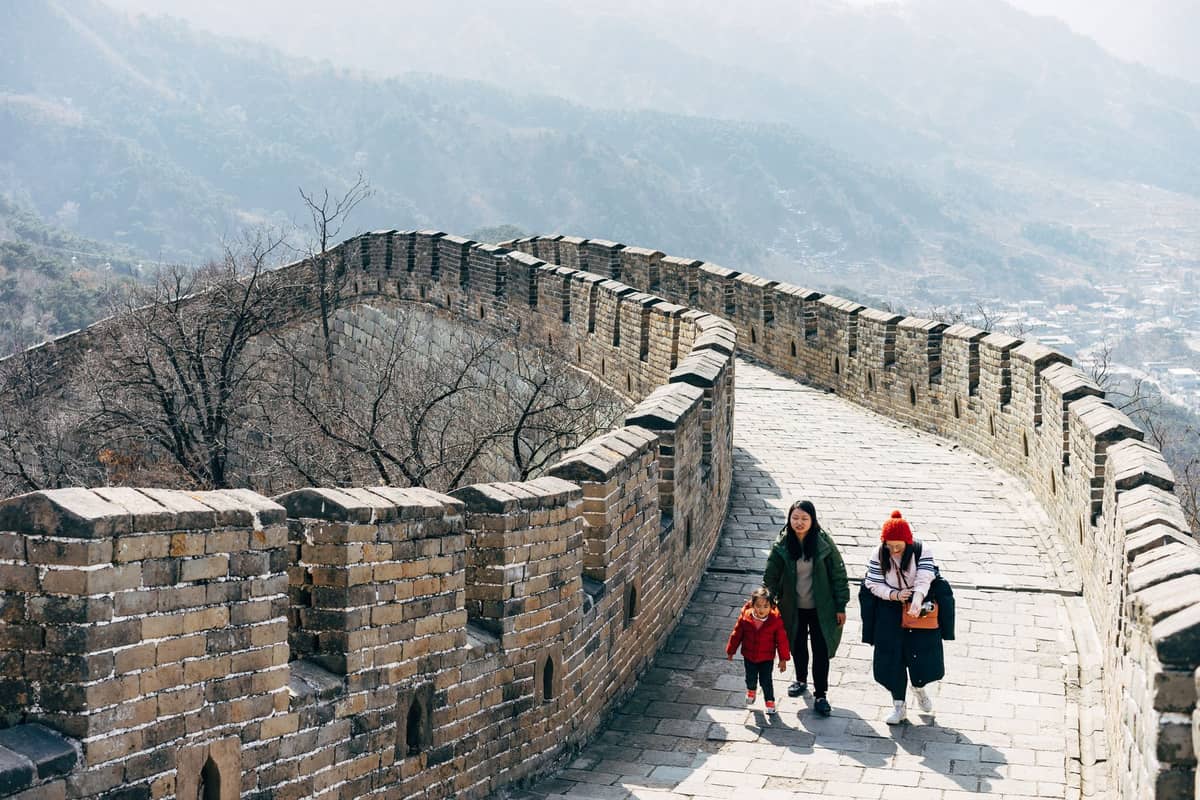
The Mutianyu Great Wall is the single best family outing in Beijing. The section sits in Huairou District, roughly 70 km north of the city centre, and combines a gondola cable car ride up, restored watchtowers to explore, and a toboggan slide back down — the toboggan alone makes it memorable for children. The wall here is less crowded than Badaling, and the forested hillside setting is far more atmospheric. Allow a full day: the drive or bus from central Beijing takes around 90 minutes each way.
Closer to the city, the Summer Palace offers a full day of activity without feeling like a sightseeing march. Kids can take a boat across Kunming Lake, walk the Long Corridor (with its 14,000 painted scenes), and roam the Garden of Harmonious Interests. Peak-season gate hours run 06:00-19:00 (park closes at 20:00); off-season hours are shorter. Tickets can be booked 1-7 days ahead via the official WeChat account, and visitors should bring their passport. Note that some separately ticketed attractions inside the park close on Mondays.
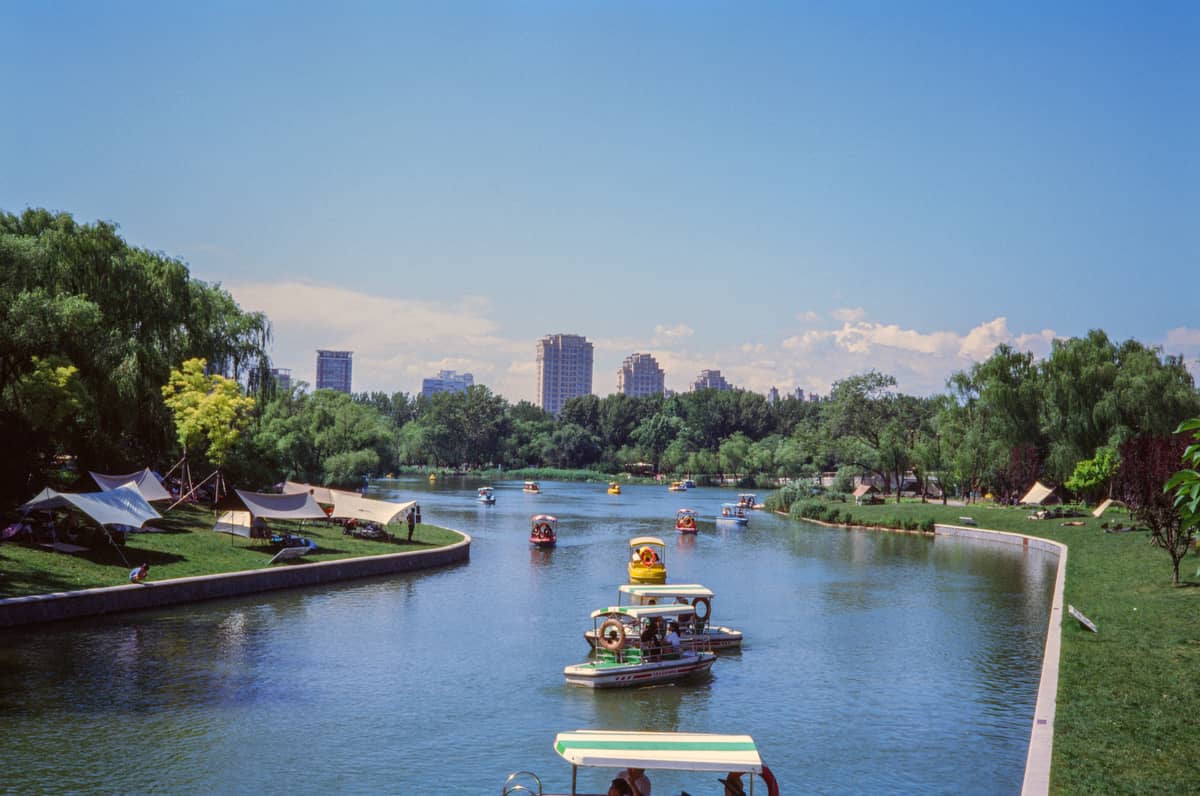
For younger children who need more structured outdoor space, Beihai Park is a strong alternative to the Summer Palace: paddle boats on the lake, the iconic White Dagoba to spot from the shore, and wide paths that work well for strollers. Entry fees are low and the park never feels as overwhelming as the larger imperial sites.
Wildlife and Science: Museums and Zoos
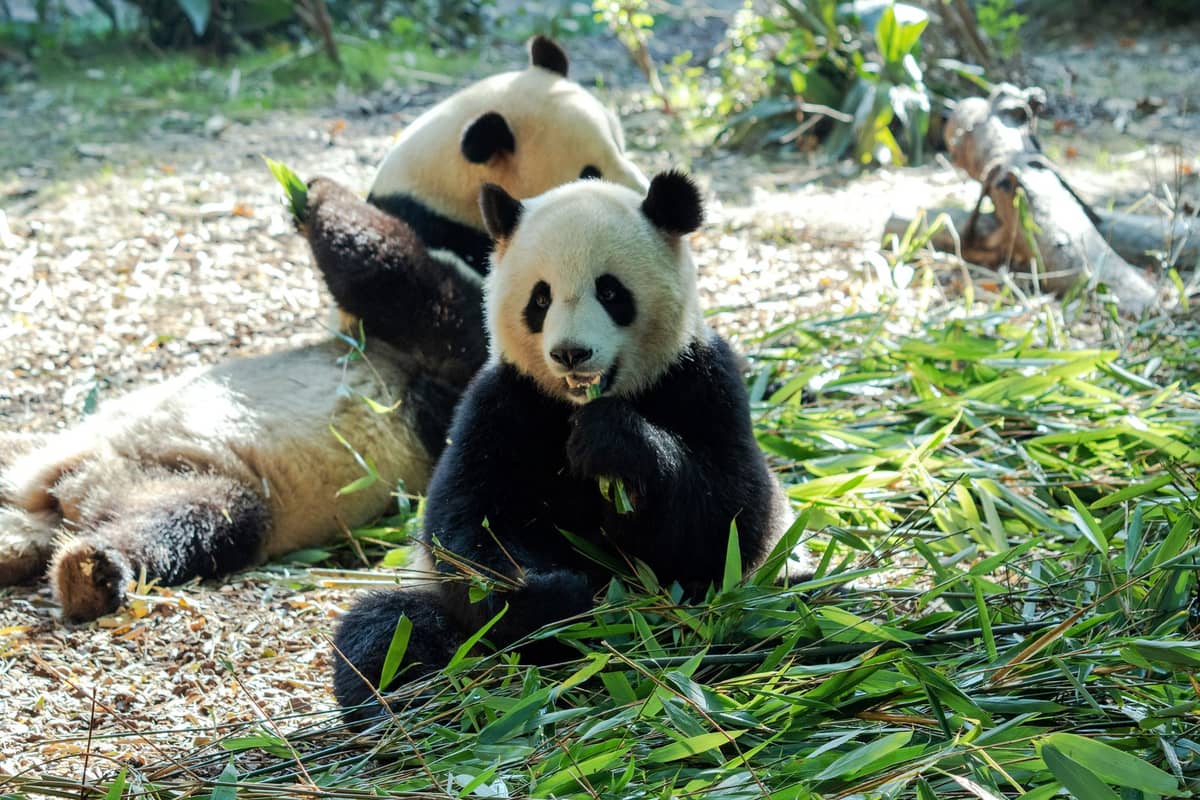
Beijing Zoo, in Haidian District, is one of the largest in China and houses the Giant Panda House, which is the main draw for most families. The zoo opens at 07:30; the panda enclosure opens separately at 08:00. Arriving right at opening is the best strategy: pandas are most active in the cooler morning hours, and you avoid the midday crowds that form later. The zoo also houses Siberian tigers, African elephants, and marine mammals in the adjacent Beijing Aquarium.
The Beijing Aquarium sits within the zoo grounds and is ticketed separately. It is one of the larger freshwater and marine aquariums in China, with shark tanks and dolphin shows. Combined zoo-and-aquarium visits make for a full day. For a science-oriented afternoon, the Beijing Planetarium in the same district runs dome shows and has interactive astronomy exhibits well suited to children aged 7 and above.
- Beijing Zoo + Giant Panda House Zoo opens 07:30, Panda House opens 08:00. Arrive early for active pandas. Ticketed separately from the Beijing Aquarium.
- Beijing Aquarium Within the zoo complex, separate ticket. Shark tanks, dolphin shows, large freshwater exhibits.
- Beijing Planetarium Dome shows and interactive exhibits, great for ages 7+. Closed Mondays; verify schedule before visiting.
- China Science and Technology Museum Large interactive science centre in Chaoyang, near the Olympic Park. Hands-on exhibits across multiple floors, ideal for ages 5-14.
⚠️ What to skip
Opening hours for museums and parks in Beijing are time-sensitive. Many venues use peak-season (roughly April-October) and off-season (November-March) schedules. Monday closures are common for museums. Always verify current hours directly on the venue's official website or the Beijing Municipal Government's English portal before building your itinerary around a specific site.
Theme Parks and High-Energy Days
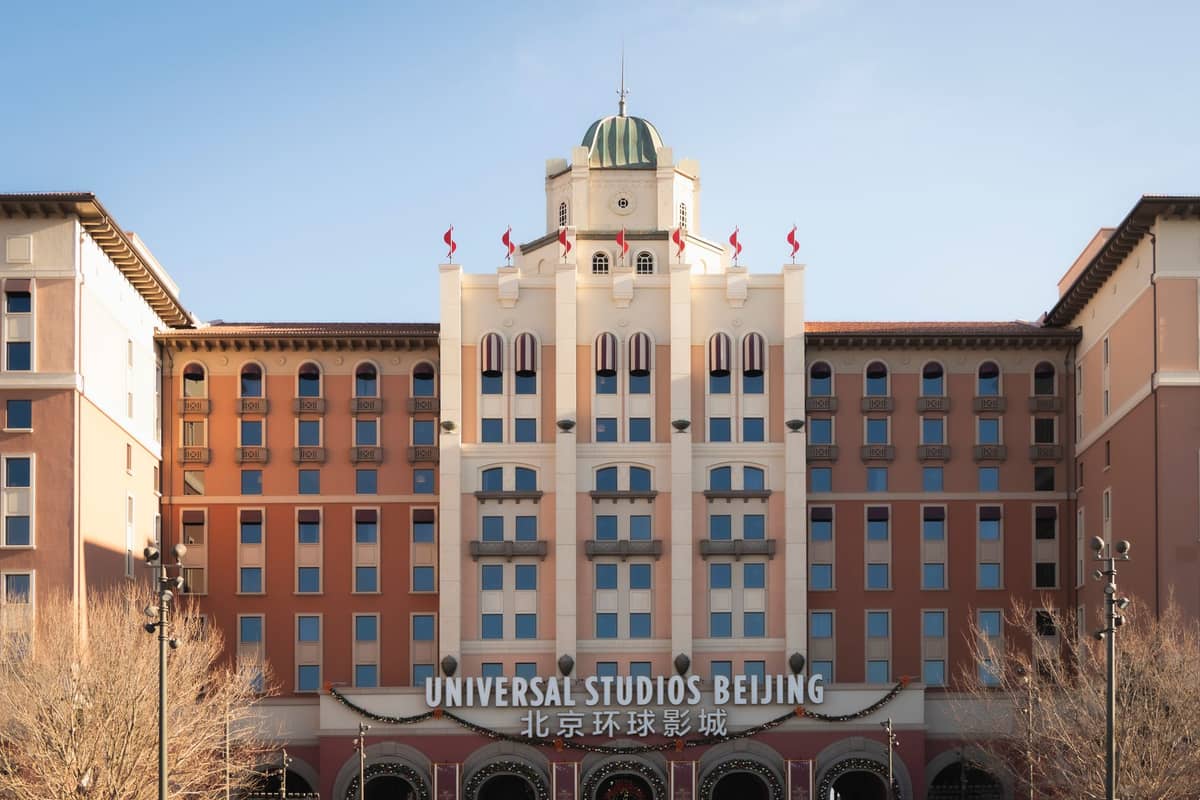
Universal Beijing Resort, which opened in 2021 in Tongzhou District, is now the headline theme park in the city. It includes zones themed around Harry Potter (including Hogsmeade), Kung Fu Panda, Jurassic World, and Transformers. Operating hours vary by date and season — a Beijing government listing cited 10:00-19:00 for one period, but check the resort's official channels before visiting, as hours shift for school holidays and special events. The park draws large domestic crowds; booking tickets well in advance, especially for the Forbidden Forest rides in the Harry Potter zone, is essential.
For a more local amusement park experience, Beijing Happy Valley in Chaoyang District operates from 09:00-22:00 and offers rollercoasters, water rides, and a dedicated children's area. It is cheaper than Universal and significantly less crowded on weekdays. The park is at the southeast corner of Sifang Bridge on the East Fourth Ring Road, accessible by subway on Line 7 (Caoqiao transfer) or directly by taxi.
The Olympic Park in Chaoyang is a free outdoor space that children enjoy simply for the open ground, fountains, and the dramatic scale of the Bird's Nest and Water Cube. Tours of the Bird's Nest stadium interior are ticketed, and the National Aquatics Center (Water Cube) operates a public water park in summer — one of the more unusual experiences in the city.
History Without the Glazed Eyes: Making Imperial Beijing Work for Kids
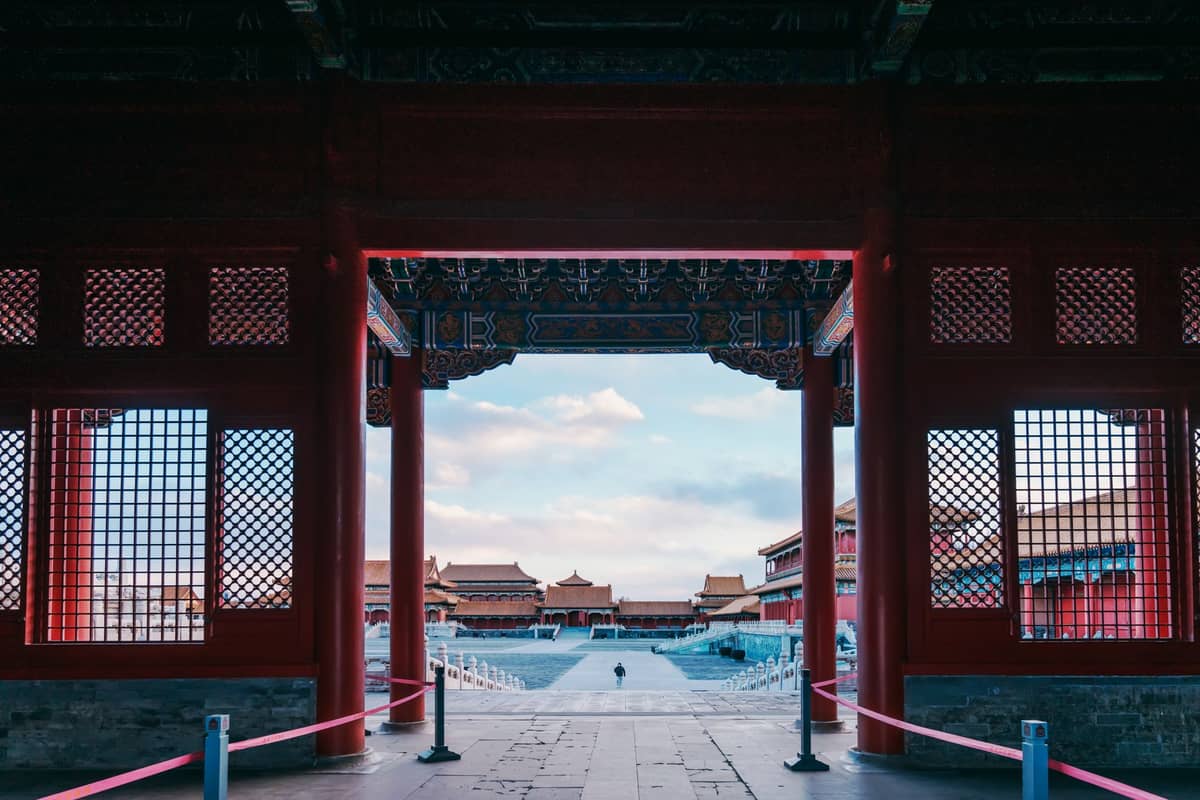
The Forbidden City is large enough to overwhelm adults, let alone children. The standard approach — entering at Tiananmen, walking straight north for 2 km through gate after gate — produces fatigue and disengagement by the halfway mark. The better strategy with kids is to pick a single interior courtyard or hall to spend real time in, then exit via the east or west perimeter for a look at the less-visited outer buildings. The Treasure Gallery and the Clock and Watch Exhibition (both separately ticketed inside) tend to hold children's attention far better than open ceremonial courtyards.
Immediately north of the Forbidden City, Jingshan Park offers a short climb to the hilltop pavilion with one of the best panoramic views of Beijing's roofscape. The climb takes around 15 minutes and the payoff is genuinely impressive for children who have just walked through the Forbidden City and can now see the whole complex from above. Admission is low and the park is rarely overcrowded.
For a gentler introduction to imperial history, the Temple of Heaven complex in Dongcheng has open parkland surrounding the famous Circular Mound Altar and Hall of Prayer. Early mornings bring locals practicing tai chi, flying kites, and playing instruments in the park grounds — a cultural moment that registers far more viscerally with children than any exhibit.
✨ Pro tip
Pre-purchase timed-entry tickets for the Forbidden City through the official Palace Museum WeChat mini-program or website. Tickets can sell out days in advance during Golden Week (October 1-7), Chinese New Year, and summer school holidays. Without a booking, entry may not be available even after queuing.
Practical Planning: Timing, Transport, and Staying Comfortable
The best months for a family trip are April-May and September-October. Temperatures sit roughly between 8°C and 25°C in these periods, outdoor walking is comfortable, and school holiday congestion is lower than in summer. July and August are hot (22-31°C), humid, and rainy, and coincide with peak domestic tourism season. Winter (December-February) sees temperatures drop to -5°C and below during cold snaps, which limits outdoor time significantly for young children. For a detailed breakdown, see the guide to the best time to visit Beijing.
- Use the Beijing Subway for most cross-city movement: it is clean, air-conditioned, and inexpensive. Line 1 and Line 2 form the central loop; Line 4 connects the Summer Palace and Peking University area. Strollers fit through the wider gates at major stations.
- Taxis and DiDi (China's primary ride-hailing app) are practical for trips that require a car, especially with young children and luggage. Fares from Beijing Capital Airport (PEK) to central hotels run roughly ¥100-¥200 depending on destination, traffic, and tolls.
- Carry bottled water at all times. Tap water is treated but not recommended for drinking untreated; large 550ml bottles cost around ¥2-3 from convenience stores.
- Download a Chinese-English translation app with camera translation before you arrive. Restaurant menus and attraction signs are often Chinese-only outside major tourist zones.
- Power sockets in Beijing use 220V/50Hz with Type A, C, and I outlets. Pack a universal adapter to charge devices — a near-essential for keeping children with tablets or phones content during travel between sites.
Food is rarely a problem with children in Beijing. Familiar international chains are present in every major shopping district, but the more rewarding approach is trying baozi (steamed buns), jianbing (savory crepes), and noodle dishes at local spots near your hotel. Wangfujing's snack street is often cited in tourist guides but functions primarily as a spectacle; for a more genuine street food experience, areas like Ghost Street (Guijie) or the alleys around your accommodation are a better bet. Tipping is not standard practice in mainland China, so there's no need to calculate gratuities at restaurants.
For families considering a multi-day structure, the 3-day Beijing itinerary provides a logical sequencing of the main sites. If you have more time, the 5-day itinerary adds day trips and outer-district attractions that give older children in particular a more rounded picture of the city.
FAQ
What is the best age for kids to visit Beijing?
There is no single right answer, but families report the most engaged experiences with children aged 6 and above. Younger children enjoy the parks, zoo, and open spaces, but the historical and cultural sites require a level of attention that primary-school-aged children handle better. Teenagers with an interest in history, architecture, or Chinese culture tend to get the most from the Forbidden City and Great Wall visits.
Is the Great Wall suitable for young children?
Yes, with the right section. Mutianyu is the best family choice: the cable car eliminates the steep climb, the restored wall is safe and wide, and the toboggan slide provides a memorable descent. The steeper, unrestored sections such as Jinshanling are not appropriate for small children. Badaling is accessible but extremely crowded, especially on weekends and public holidays.
Do I need to book Beijing attractions in advance with kids?
Yes, for the most popular sites. The Forbidden City, Summer Palace, and Universal Beijing Resort all require or strongly benefit from advance bookings. The Forbidden City and Summer Palace sell timed-entry slots through WeChat mini-programs; Universal requires park tickets purchased in advance and separate ride reservations. Beijing Zoo does not currently require advance booking but this can change; verify on the official Beijing Municipal Government site before your visit.
How is the air quality in Beijing for children?
Air quality varies significantly by season, weather, and location. Autumn (September-October) generally sees the city's clearest skies; winter inversions and spring dust storms can push AQI to levels considered unhealthy for children with respiratory sensitivities. Check real-time AQI readings on the day and plan indoor alternatives for high-pollution days. Children with asthma or similar conditions should consult a doctor before the trip and carry appropriate medication.
What are the best free or low-cost family activities in Beijing?
Several excellent options cost very little. Jingshan Park charges a small entry fee and offers one of the best views in the city. The Olympic Park is largely free to walk through. Tiananmen Square itself is open to the public at no charge. Local hutong neighborhoods offer an absorbing street-level experience at zero cost. The Temple of Heaven park entry is low-priced, and early mornings offer the bonus of watching local residents exercise and socialize in the grounds.