First Time in Beijing: Everything You Need to Know
Beijing rewards visitors who come prepared. This guide covers the essentials for first-timers: when to go, how to get around, which neighborhoods to base yourself in, what to book in advance, and the practical details that make the difference between a frustrating trip and a seamless one.
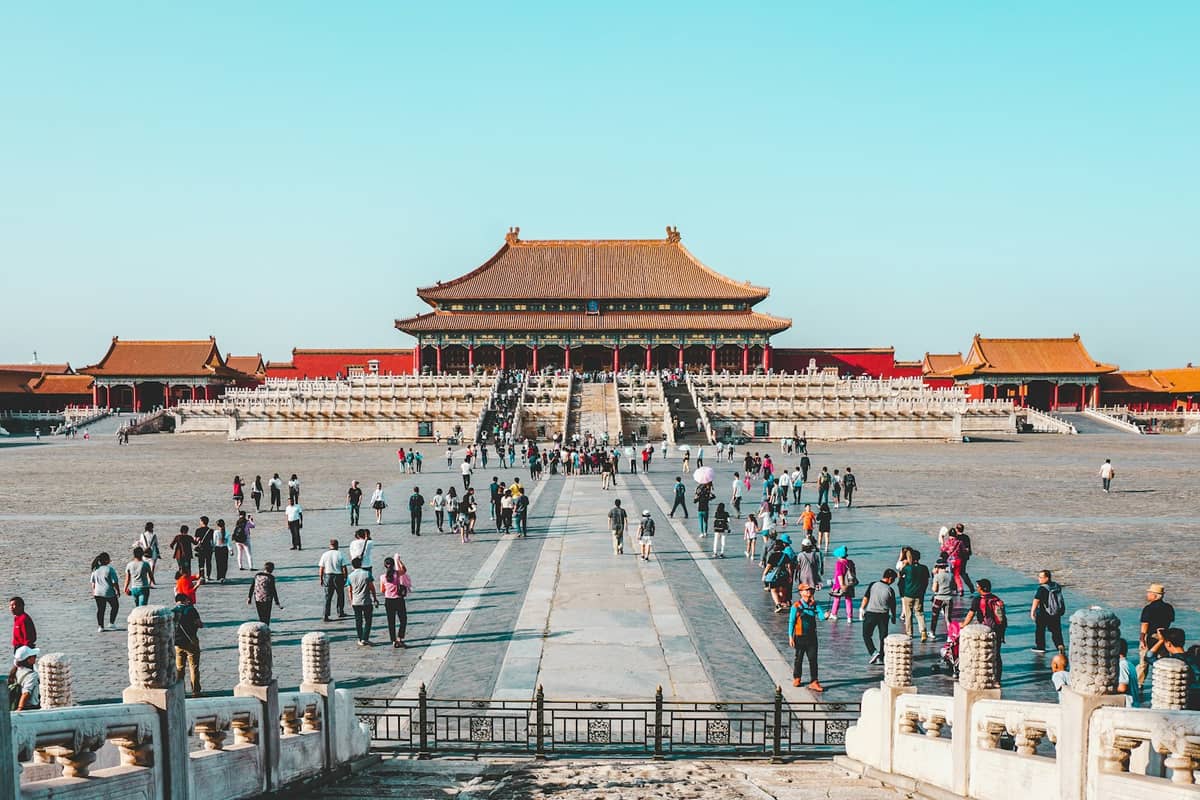
Plan and book this trip
Tools from our partner Travelpayouts help you compare flights and hotels. If you book through them, we may earn a commission at no extra cost to you.
Flights
Hotels map
TL;DR
- September and October are the best months to visit: clear skies, mild temperatures (8–25°C), and fewer crowds than the summer peak. See the best time to visit Beijing for a month-by-month breakdown.
- Book major attractions before you arrive. The Forbidden City and National Museum of China require real-name advance reservations — you cannot simply turn up and buy a ticket at the gate.
- The Beijing Subway covers most sights and costs a fraction of a taxi fare. Get a transit card on arrival. Full details in our getting around Beijing guide.
- Tipping is not customary in mainland China. Cash in CNY (Chinese yuan / RMB) is useful for markets and small restaurants; major hotels and chain restaurants accept WeChat Pay and Alipay, which international visitors can now load via linked foreign cards.
- Visa-free entry is available to nationals of many countries for up to 30 days, plus a 240-hour visa-free transit policy for eligible nationalities. Verify your eligibility with China's National Immigration Administration before booking anything.
Before You Arrive: Visas, Entry, and What to Set Up
China's National Immigration Administration currently offers unilateral visa-free entry for nationals of a growing list of countries, typically for ordinary-passport holders staying up to 30 days for tourism, business, or transit. Separately, the 240-hour (10-day) visa-free transit policy applies to eligible nationalities transiting through China to a third country or region, with Beijing Capital International Airport (PEK) and Beijing Daxing International Airport (PKX) among the designated entry ports. These policies change, so verify your specific nationality and passport type on the NIA website before you book flights.
Beyond entry documents, first-timers should set up a few things before landing. China's internet filtering blocks Google, WhatsApp, Instagram, and most Western social platforms. Download offline maps (Maps.me or Apple Maps with offline areas saved), set up a VPN if you need access to blocked services, and consider a Chinese SIM or an international eSIM with a generous data plan. WeChat is essential: it doubles as a messaging app, payment platform, and booking tool for everything from restaurants to tourist attractions.
⚠️ What to skip
Do not rely on Google Maps for navigation in Beijing. It works poorly or not at all without a VPN, and even then real-time transit data is unreliable. Use Baidu Maps (Chinese interface) or Amap (Gaode Maps), both of which have English-language options and accurate Beijing Subway data.
Read up on Beijing scams and safety tips before you go. The city is generally safe for tourists, but a handful of well-worn cons target first-timers around Wangfujing, Tiananmen, and the main tourist corridors. Knowing them in advance makes them easy to sidestep.
Getting There and Into the City
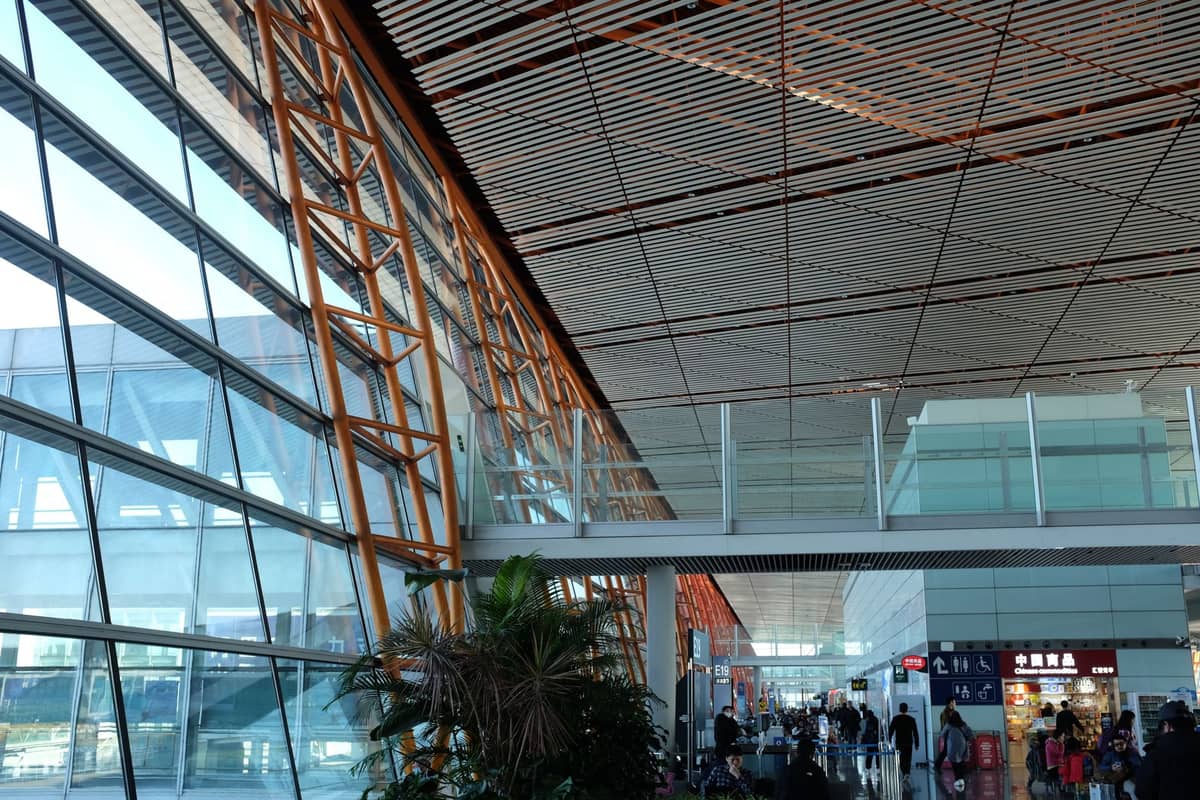
Beijing is served by two international airports. Beijing Capital International Airport (IATA: PEK) sits roughly 25–30 km northeast of the city center in Shunyi District and handles the majority of international traffic. Beijing Daxing International Airport (IATA: PKX) is approximately 45 km south of central Beijing, near the Beijing-Hebei boundary, and serves a growing number of routes including several international carriers. Check which airport your flight uses before planning your ground transport.
- PEK Airport Express The fastest and most reliable option from Capital Airport. Trains run every 10 minutes to Dongzhimen, with intermediate stops at Sanyuanqiao and Guomao (Line 10 interchange). Typical fare around ¥25; journey time roughly 20–30 minutes to Dongzhimen. From there, connect to the subway network.
- PEK Airport Buses Multiple routes serve central districts and major hotels. Slower than the express train due to traffic, but useful if your hotel is far from subway interchanges. Fares and routes vary; check the official Beijing airport site for current schedules.
- Daxing Airport Express Links PKX directly to Caoqiao station, where passengers transfer to Line 10 of the Beijing Subway. Journey times and fares are time-sensitive; verify current details before travel.
- Taxi or DiDi Ride-Hailing Door-to-door from either airport. Typical fares to central Beijing range roughly ¥100–¥250+ depending on the airport, destination, traffic, and tolls. Always use metered taxis from official ranks or the DiDi app to avoid overcharging.
- Pre-Booked Private Transfer Worth considering if you are arriving late at night, traveling with children, or carrying significant luggage. Several licensed operators offer fixed-price transfers from both airports. Arrange in advance through your hotel or a reputable booking platform.
💡 Local tip
If you arrive at PEK and plan to use the Airport Express, have your subway card ready or budget a few minutes to purchase one at the station. The Airport Express uses a separate ticketing system from the main subway network, so you will buy a separate ticket for this leg even with a transit card.
Neighborhoods: Where to Stay and Orient Yourself
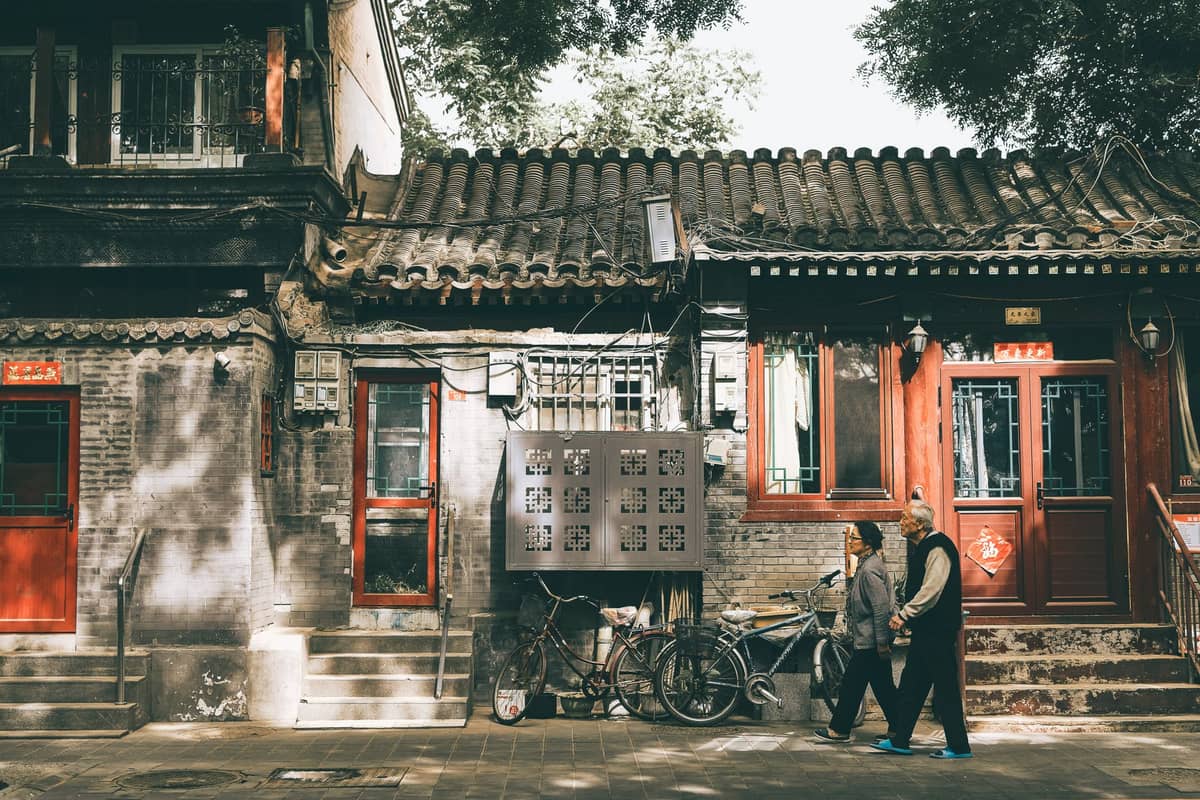
Beijing is a municipality of 16 districts covering roughly 16,410 km², but first-time visitors will spend most of their time in four central districts. Understanding the geography early saves a lot of confusion.
Dongcheng District is the historic heart of the city: the Forbidden City, Tiananmen Square, Wangfujing shopping street, and a dense network of hutong alleyways are all here. Staying in Dongcheng puts you within walking distance of more history per square kilometer than almost anywhere on earth. It is the most logical base for first-timers who want to minimize transit time to the major imperial sights.
Xicheng District sits west of the central axis and contains Shichahai (the lakeside bar and hutong area), Beihai Park, and some of the city's best-preserved traditional neighborhoods. It is slightly quieter than Dongcheng for accommodation and appeals to visitors who want easy access to both imperial sites and the lake district. Chaoyang District is the modern, international quarter, home to Sanlitun's restaurant and bar scene, the embassy area, and the 798 Art District. It suits visitors more interested in contemporary Beijing than historical sightseeing. Haidian District to the northwest covers the Summer Palace and several of China's top universities, and is a reasonable base if those attractions are priorities.
ℹ️ Good to know
Beijing does not use daylight saving time. The city operates on China Standard Time (UTC+8) year-round. This matters for calculating jet lag, coordinating international calls, and understanding why summer days feel very long: sunrise in late June can be before 5:00 AM.
Top Attractions and How to Book Them
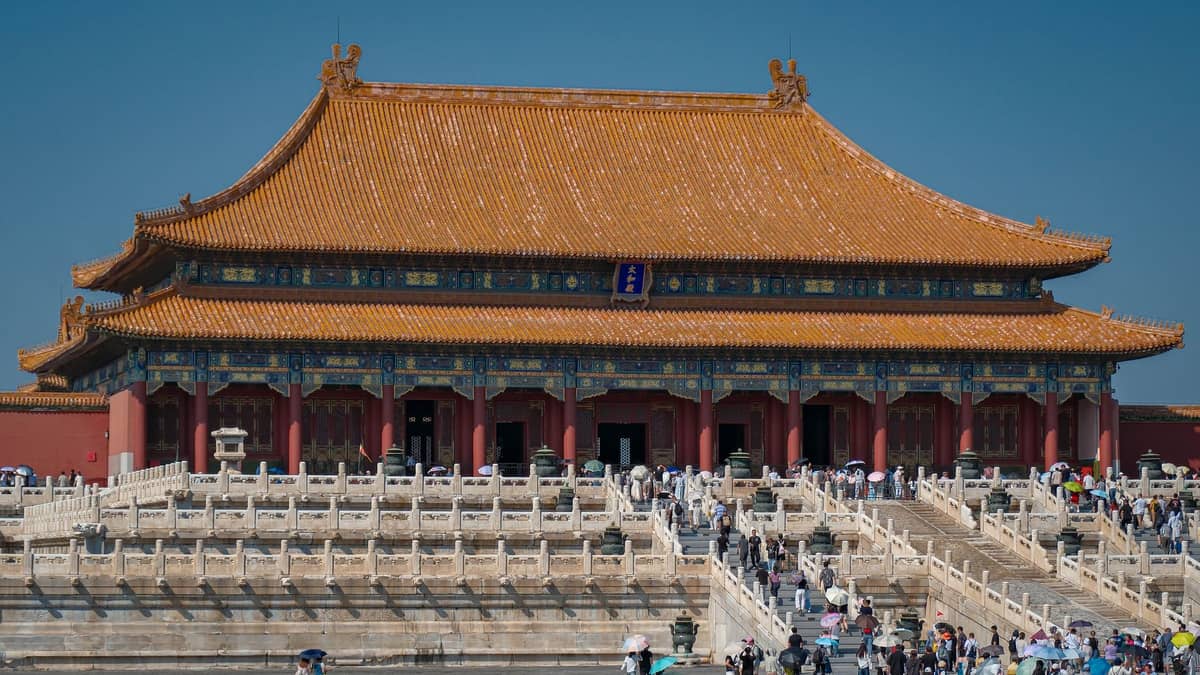
Beijing's major attractions increasingly require real-name advance reservations through official online channels — you cannot assume you can simply walk up and purchase a ticket. This is one of the most common mistakes first-time visitors make, and it results in people being turned away at the gate of the Forbidden City or National Museum of China.
The Forbidden City (Palace Museum) opens reservations seven days ahead at 20:00 Beijing time via its official website. Tickets sell out for popular dates, especially during national holidays and the October Golden Week. Check the dedicated Forbidden City tickets guide for the full booking process. The National Museum of China, directly east of Tiananmen Square, opens reservations seven days ahead at 17:00 and is similarly popular.
For municipal parks including the Temple of Heaven, Summer Palace, and Beihai Park, foreign visitors can book real-name tickets through the official Changyou Gongyuan (Visiting Beijing Parks) website, WeChat account, or Jingtong mini-program. The Great Wall is a separate process: the official 'Throughout the Great Wall' WeChat mini-program handles reservations for several sections, but procedures differ by site, so check individually for Mutianyu, Badaling, or other sections you plan to visit.
- Forbidden City: Book via the Palace Museum official site, 7 days ahead at 20:00. Real-name reservation required.
- National Museum of China: Book via official site, 7 days ahead at 17:00. Free entry but reservation mandatory.
- Tiananmen Square: Reservation available through the official platform and designated Beijing government apps.
- Municipal parks (Temple of Heaven, Summer Palace, Jingshan Park, etc.): Use the Changyou Gongyuan platform or Jingtong mini-program.
- Great Wall sections: Use the 'Throughout the Great Wall' WeChat mini-program for applicable sections; confirm the reservation process for your chosen section before traveling.
- Not everything requires advance booking: some attractions including certain commercial venues sell tickets at the gate. Verify per attraction before assuming.
Ticket prices vary by attraction and season. Many sites use peak and off-season pricing, so the figure you see in one article may not apply on your travel dates. The official Visit Beijing platform (english.beijing.gov.cn) is the most reliable source for current admission fees. For a broader overview of what to prioritize, the things to do in Beijing guide covers the full range of experiences across the city.
Getting Around: Subway, Taxis, and Practical Transport
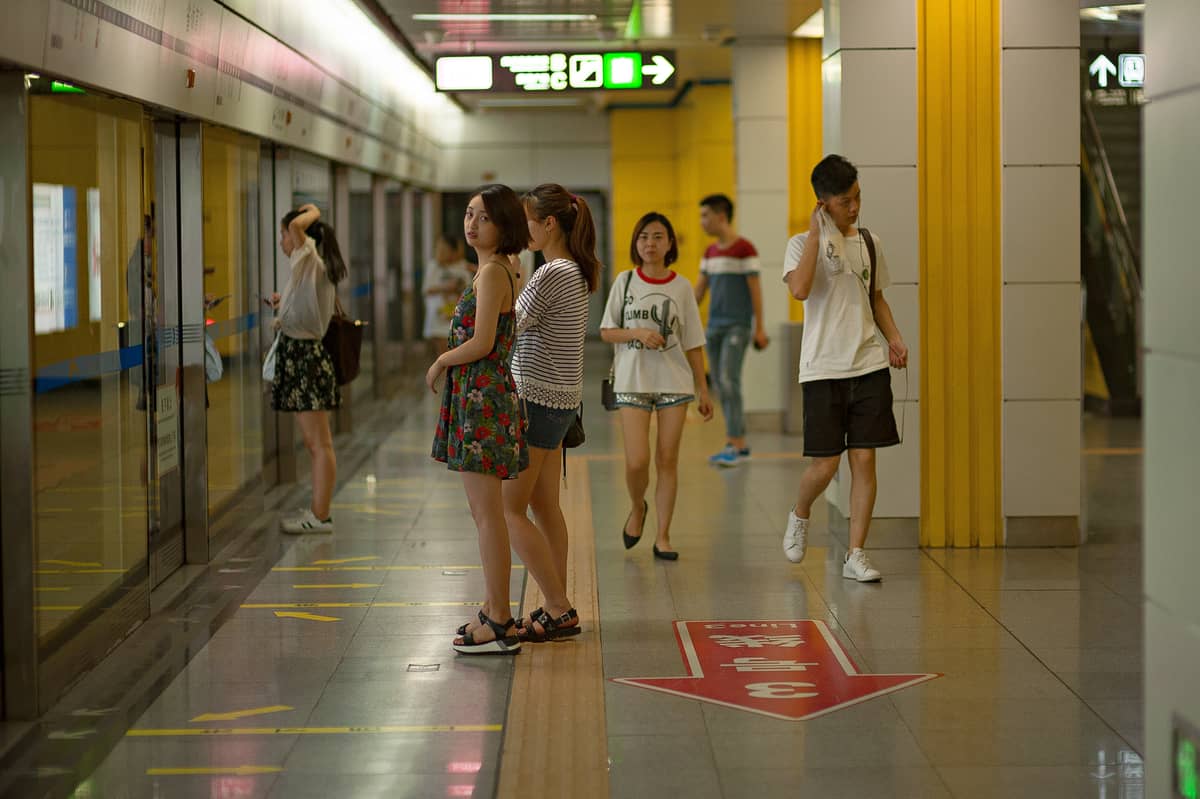
The Beijing Subway is the backbone of city transport. It is extensive, inexpensive, air-conditioned, and remarkably easy to navigate even without Chinese language skills, as station names and line maps appear in both Chinese and pinyin. Fares start at ¥3 for short journeys. A rechargeable transit card (Yikatong) can be picked up at most stations and works on both subway and buses; it also offers a small fare discount compared to single-journey tickets. Operating hours vary by line, but most lines run roughly 05:00–23:00.
Taxis are metered and reasonably priced by major-city standards. The main challenge for first-timers is communication: have your destination written in Chinese characters (not just pinyin) on your phone to show the driver. DiDi, China's dominant ride-hailing platform, is increasingly foreigner-accessible and allows you to input destinations without speaking Mandarin. Ridesharing fares are comparable to taxis for most central journeys. Avoid unmarked private cars that approach you at tourist sites or stations; these are not part of the regulated system and overcharging is common.
Practical Essentials: Money, Language, Food, and Health
The currency is the Chinese yuan, officially called renminbi (RMB), written as ¥ or CNY. Mobile payments via WeChat Pay and Alipay dominate daily transactions in Beijing, to the point that some small vendors no longer stock change for cash. International visitors can now link foreign Visa or Mastercard to Alipay or WeChat Pay international wallets, which makes day-to-day spending much easier than it was a few years ago. That said, keep some cash in small denominations for markets, traditional tea houses, and older hutong businesses that may not have card readers.
Mandarin is the official language, and English proficiency is uneven outside international hotels and tourist attraction staff. In hutong neighborhoods, local markets, and neighborhood restaurants, you should expect zero English. Download a translation app with offline Chinese capability (Pleco for vocabulary, Google Translate for camera-based translation if you have VPN access). Food in Beijing is varied and excellent, and the city is far more than Peking duck: the Beijing food guide covers everything from lamb skewers at Guijie (Ghost Street) to dumplings in hutong canteens.
Tap water in Beijing is treated but is not generally recommended for visitors to drink untreated. Use bottled water, or boil tap water if you prefer. Most hotel rooms provide an electric kettle and bottled water. Air quality varies significantly by season and weather conditions: winter days can see elevated pollution levels, while September and October typically see Beijing's cleanest air. Check real-time readings on an AQI monitoring app (IQAir or the Chinese MEP app) before planning outdoor activities on any given day.
- Electricity: 220V, 50Hz. Socket types include Type A, Type C, and Type I. Carry a universal adapter.
- Emergency numbers: 110 (police), 119 (fire), 120 (ambulance), 122 (traffic police).
- Tipping: Not standard or expected in mainland China. Some upscale hotels and tour services may add a service charge.
- Dress code: Casual for most settings. Modest clothing (covered shoulders and knees) is appropriate at temples and religious sites.
- International dialing: China country code is +86; Beijing area code is 010 (domestic) or 10 (international).
- Time zone: China Standard Time, UTC+8, year-round. No daylight saving time.
✨ Pro tip
If you only have 3–5 days, resist the temptation to over-schedule. Beijing's major sites are large and take longer than most itineraries allow. The Forbidden City alone warrants 3–4 hours minimum; the Summer Palace could easily fill a full day. See the 3-day and 5-day itinerary guides for realistic pacing built around actual distances and queue times.
Building Your Itinerary: Key Resources
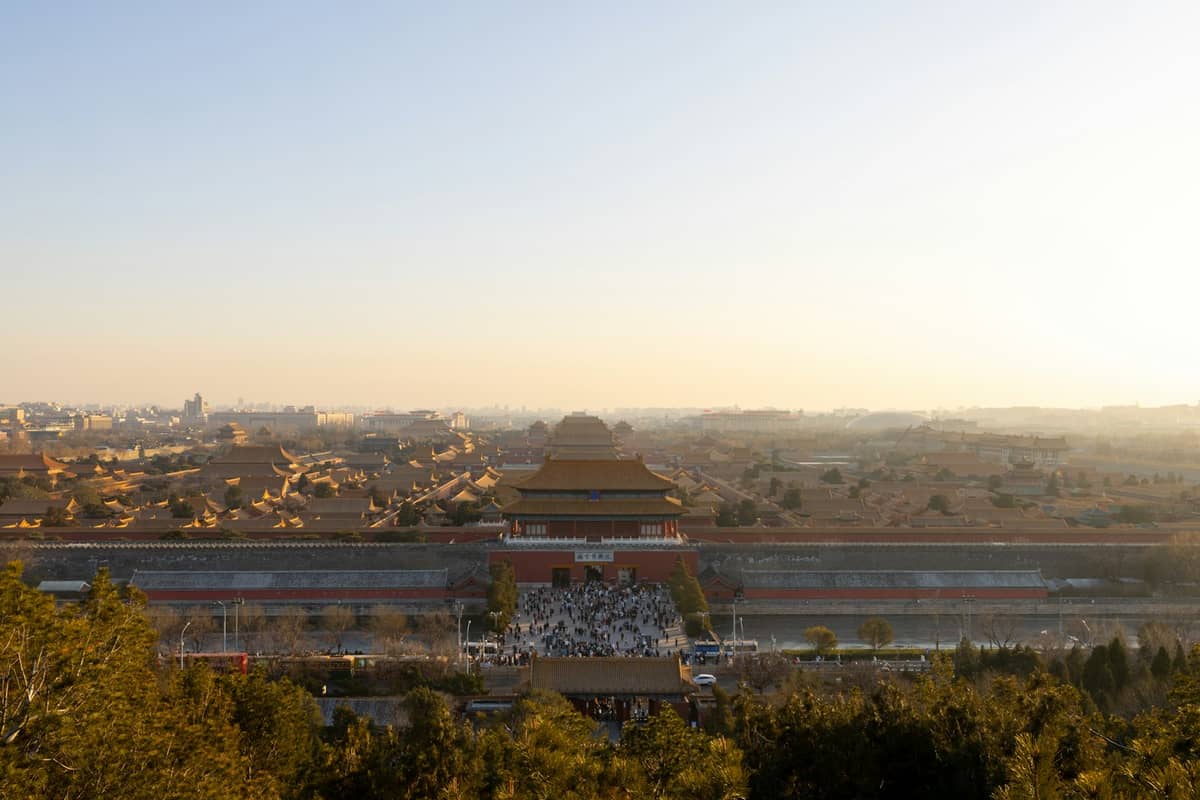
For most first-timers, three to five days is enough to see the headline imperial sights without burning out. The 3 days in Beijing itinerary covers the Forbidden City, Great Wall, Temple of Heaven, and hutong neighborhoods in a tight but doable schedule. If you have more time, the 5-day Beijing itinerary adds the Summer Palace, 798 Art District, and space to explore the city at a more relaxed pace.
The Beijing hutong guide is worth reading before you arrive: Beijing's network of traditional alleyways is one of the city's most distinctive experiences, but a lot of the most-visited hutong streets have become heavily commercialized. Knowing which neighborhoods to seek out and which to skip makes a real difference. Similarly, if the Great Wall is a priority, the Great Wall sections guide explains the practical differences between Badaling (most accessible, most crowded), Mutianyu (well-restored, better cable car options), Jinshanling (more challenging, spectacular scenery), and Simatai (night visits possible).
FAQ
Do I need a visa to visit Beijing?
It depends on your nationality. China offers unilateral visa-free entry to nationals of a growing number of countries for up to 30 days on an ordinary passport. There is also a 240-hour (10-day) visa-free transit policy for eligible nationalities transiting to a third country, with Beijing Capital and Beijing Daxing airports among the designated entry ports. Policies change, so verify your specific situation on China's National Immigration Administration website (en.nia.gov.cn) before booking.
How far in advance should I book Forbidden City tickets?
The Palace Museum opens reservations exactly 7 days ahead at 20:00 Beijing time. For popular dates including weekends, national holidays, and the October Golden Week, tickets can sell out within minutes. Set a reminder and book as soon as the window opens. The National Museum of China also requires advance real-name reservation, opening 7 days ahead at 17:00.
What is the best way to get from the airport to central Beijing?
From Beijing Capital Airport (PEK), the Airport Express train is the fastest option: around ¥25, roughly 20–30 minutes to Dongzhimen station, where you connect to the wider subway network. From Beijing Daxing Airport (PKX), take the Daxing Airport Express to Caoqiao and transfer to Line 10. Taxis and DiDi are available from both airports for door-to-door service at roughly ¥100–¥250+ depending on destination and traffic. Verify current fares before travel.
Is Beijing safe for first-time solo travelers?
Beijing is generally considered safe for tourists, including solo travelers. Violent crime targeting visitors is rare. The main practical risks are tourist-oriented scams (overpriced 'art student' galleries, fake tea ceremonies, unmetered taxis) which are easy to avoid once you know the patterns. Petty theft is relatively uncommon but standard precautions apply in crowded areas. The emergency number for police is 110.
Can I use my phone and apps normally in Beijing?
Many Western apps and websites are blocked in China, including Google services, WhatsApp, Instagram, Facebook, and the New York Times. A VPN can restore access but must be set up before you arrive (downloading VPN apps from Chinese app stores is difficult). For navigation, download offline maps before flying. For payments, set up WeChat Pay or Alipay with a linked foreign card to access mobile payment systems that dominate daily transactions in Beijing.