Where to Eat Peking Duck in Beijing: The Definitive Restaurant Guide
Beijing duck (北京烤鸭) is one of the world's great dishes, and eating it in the city where it was perfected is an experience worth planning carefully. This guide covers the top restaurants, real-world price breakdowns, ordering etiquette, and practical tips for first-timers and repeat visitors alike.
Plan and book this trip
Tools from our partner Travelpayouts help you compare flights and hotels. If you book through them, we may earn a commission at no extra cost to you.
Flights
Hotels map
TL;DR
- Peking duck and Beijing duck are the same dish — "Peking" is simply the older English romanization of Beijing (北京烤鸭).
- The three names every visitor should know: Quanjude for history, Da Dong for prestige, and Siji Minfu for the local favorite — each with a very different price tag and atmosphere.
- Budget for the full bill, not just the duck: pancakes, condiments, side dishes, tea, and service charges routinely add 30-50% on top of the duck price.
- Popular branches fill up fast — use Dianping or WeChat mini-programs to queue remotely rather than arriving and waiting in person. See our full Beijing food guide for more dining context.
- Verify prices and opening hours directly with each restaurant before your visit — branches vary significantly and schedules change around Chinese public holidays.
Understanding the Dish Before You Order
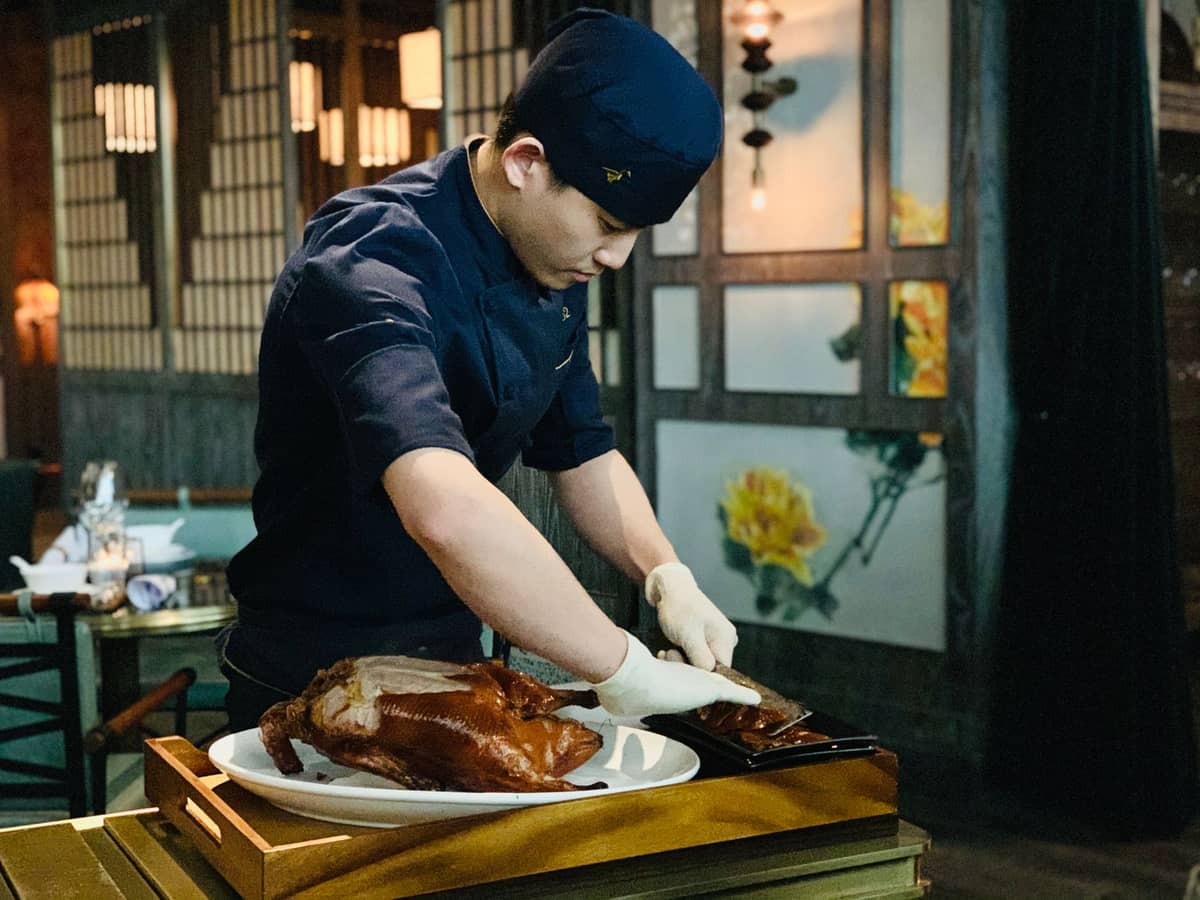
Peking duck is a roasted whole duck, prized for its lacquered, paper-thin skin that crackles when bitten. The preparation involves air-drying the bird, coating it in a maltose glaze, and roasting it in a wood-fired or hung oven at high heat. At the table, a trained chef carves the duck tableside into 100 or more thin slices, separating the prized skin from the meat. Diners wrap slices in thin wheat pancakes (荷叶饼, hé yè bǐng) with sliced cucumber, spring onion, and sweet bean sauce (甜面酱, tián miàn jiàng). The ritual is as important as the food.
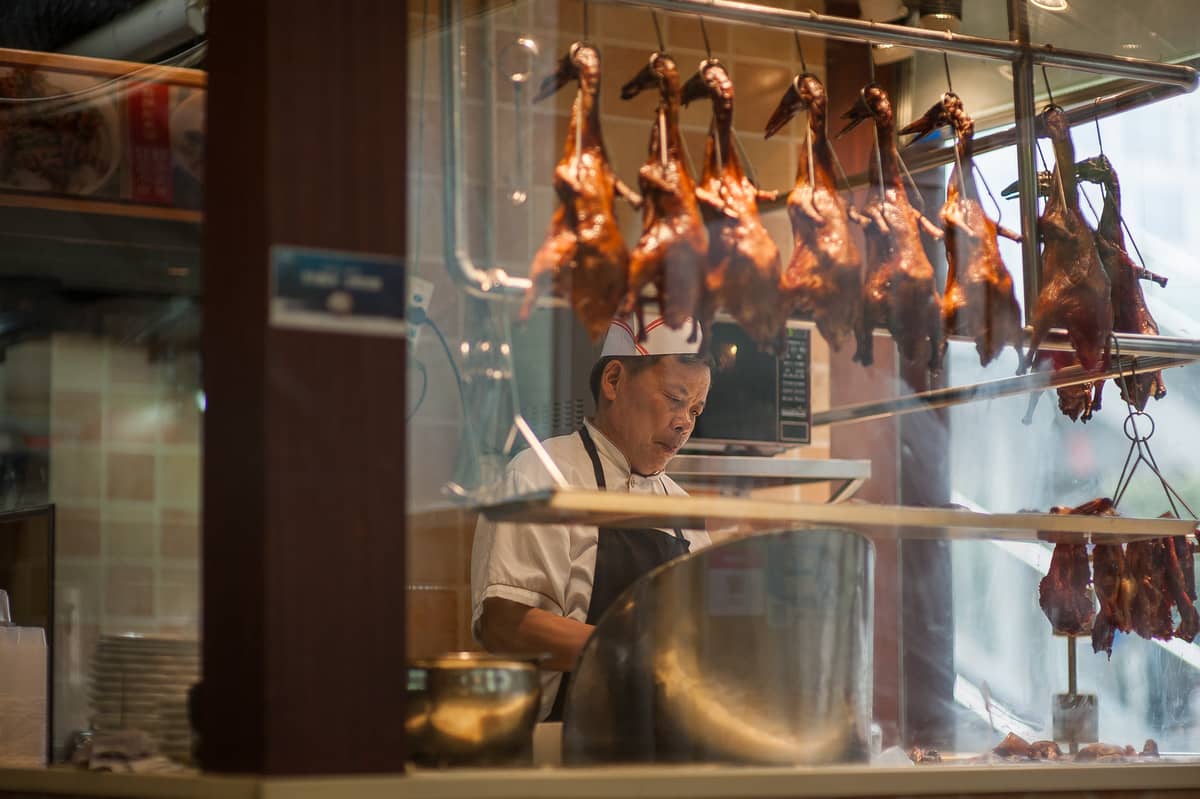
There are two main roasting traditions in Beijing. The hung-oven method (挂炉, guà lú) uses radiant heat from burning fruitwood, typically jujube or pear, and produces the crispiest skin with a slightly fruity aroma. This is the style associated with Quanjude. The stuffed-oven method (焖炉, mèn lú) seals the duck inside a brick oven that has been preheated by burning sorghum stalks, then cooks the bird in residual heat. This method produces juicier, fattier meat. Bianyifang, one of Beijing's oldest duck restaurants, specializes in this second style. Knowing the difference helps you choose a restaurant that matches what you actually want to eat.
ℹ️ Good to know
When a menu lists a price for "whole duck" (整鸭), that figure covers only the duck itself. Pancakes, sauces, the soup made from the carcass, tea, and cold appetizers are all charged separately. A whole duck priced at ¥268 can easily become a ¥450–¥600 bill for two people once the extras are added. This is not a scam — it is standard practice at every level of the market.
The Top Restaurants for Peking Duck in Beijing
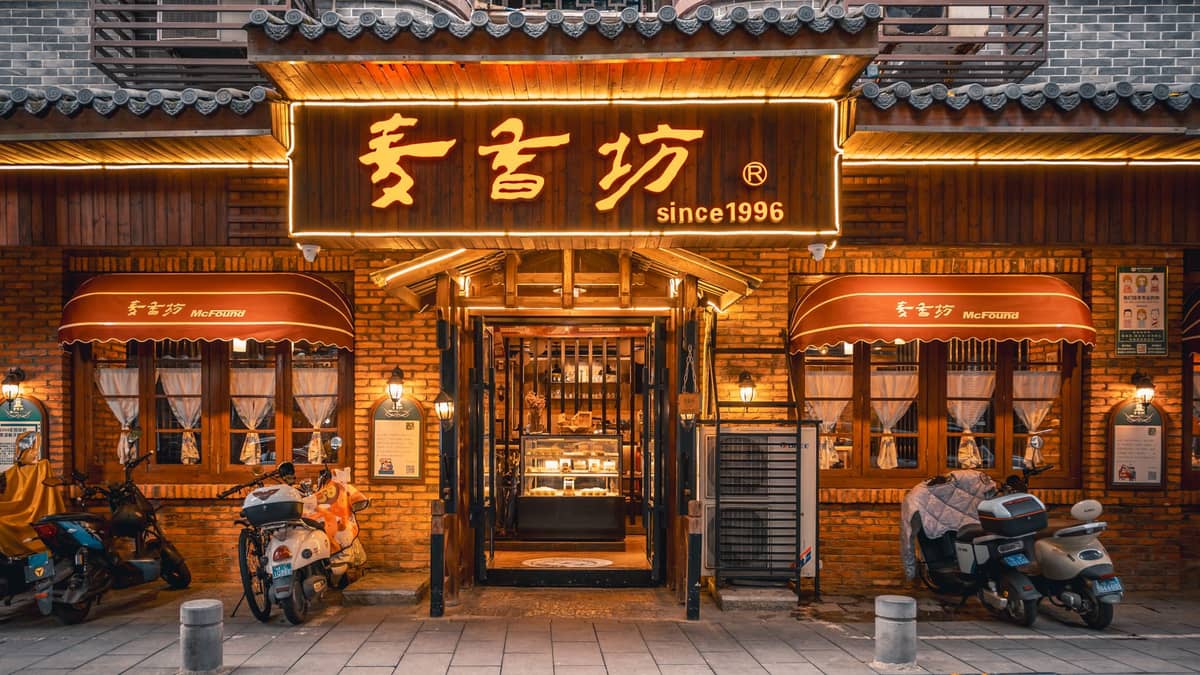
The restaurant landscape for Beijing duck divides fairly cleanly into three tiers: the historic institution, the modern prestige restaurant, and the local crowd-pleaser. Each serves a different experience. For a broader sense of where these restaurants sit geographically, the Dongcheng District and Chaoyang District hold the highest concentration of notable duck restaurants.
- Quanjude (全聚德) — The Historic Institution Founded in 1864, Quanjude is Beijing's most famous duck restaurant and one of China's most recognized culinary brands. The flagship Qianmen branch sits at No. 30 Qianmen Street, a few minutes' walk from Tiananmen Square. Whole duck prices are commonly reported in the range of ¥258–¥398 depending on the branch. Published service hours at the Qianmen location are approximately 11:00–13:30 for lunch and 16:30–20:00 for dinner, though these should be verified before visiting. The experience is formal, the portions are tourist-scale, and the service is efficient rather than intimate. Quanjude's reputation rests on consistency across its many branches, not on cutting-edge cooking.
- Da Dong (大董) — The Prestige Choice Da Dong is the restaurant Beijing food-obsessives recommend to serious eaters. Chef Dong Zhenxiang developed a leaner roasting method that reduces subcutaneous fat, making the skin crispier and the overall dish lighter. The dining rooms are sleek and contemporary, the menu extends well beyond duck into refined Chinese cooking, and the whole experience positions itself as fine dining. A whole duck is commonly listed around ¥398, and the total bill for two with sides, drinks, and service will frequently exceed ¥800–¥1,000. Branches include Dongsishitiao in Dongcheng and locations in Chaoyang. Published hours at some branches are 11:00–22:00 daily. Book via Dianping or direct channels in advance.
- Siji Minfu (四季民福) — The Local Favorite If Quanjude is the tourist choice and Da Dong is the special-occasion choice, Siji Minfu is what many Beijing residents actually eat. The Gugong branch, listed at 11 Nanchizi Street beside the east wall of the Forbidden City, is the most sought-after location and requires planning. A whole duck runs approximately ¥238–¥268, and a half duck is available for around ¥154, making it accessible for solo diners or smaller groups. Remote queuing is available through the Siji Minfu WeChat mini-program. The atmosphere is casual and the wait can be long on weekends and holidays, but the quality-to-price ratio is widely considered the best in this category.
- Bianyifang (便宜坊) — The Stuffed-Oven Alternative For travelers who want to try the mèn lú (stuffed-oven) style, Bianyifang is the place. Founded in 1416, it predates Quanjude by more than four centuries. The duck here is juicier and less crackling-centric than the hung-oven version, which some diners genuinely prefer. Prices are generally comparable to or slightly below Quanjude. The Chongwenmen branch is the most accessible from central Beijing.
⚠️ What to skip
Quanjude's Qianmen branch operates on a split-shift schedule with a gap between lunch and dinner service. Arriving at 14:30 expecting to eat may leave you waiting outside. Always check current hours directly with the restaurant or via Dianping before going.
How to Order and What the Bill Actually Includes
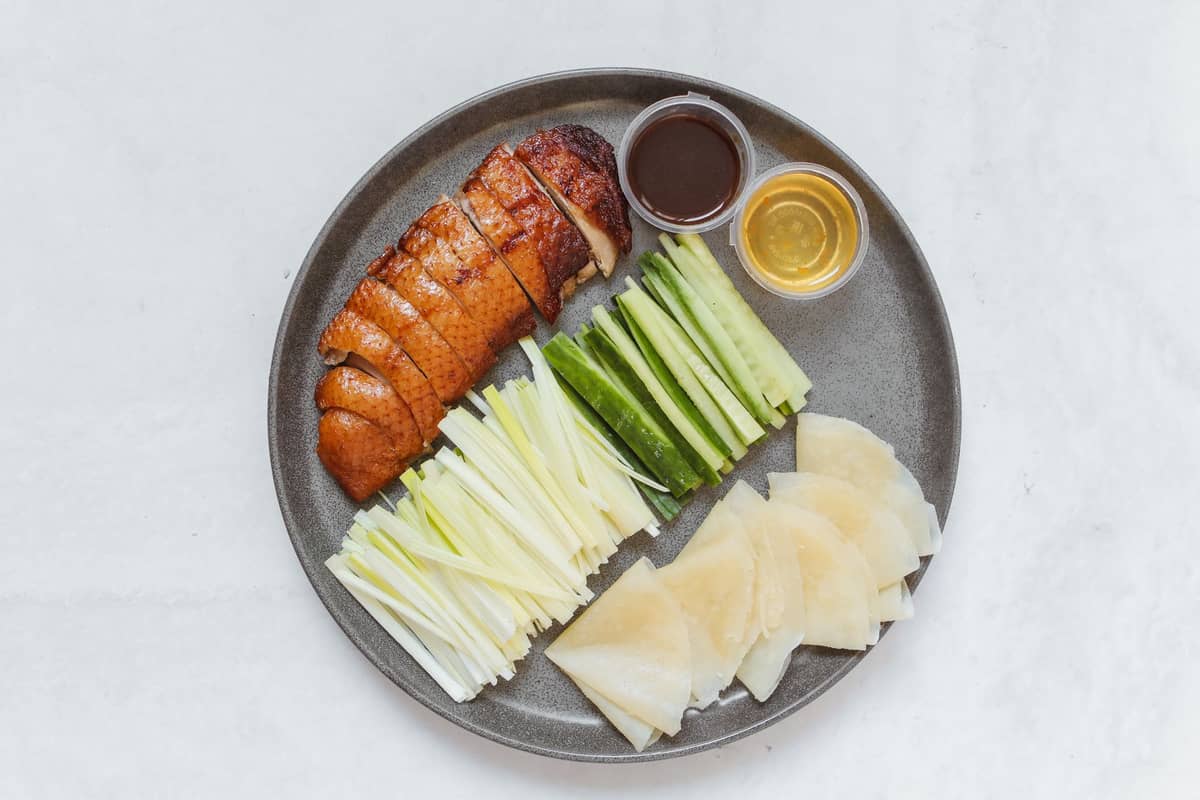
Ordering Peking duck in Beijing follows a predictable structure at any serious restaurant. You order the duck first, then build around it. The standard accompaniments are: thin wheat pancakes (usually charged per portion of 10–12 pancakes), sweet bean sauce, julienned cucumber, sliced spring onion, and sometimes garlic paste or sugar for dipping the skin alone. Many restaurants also offer scallion oil pancakes or thicker sesame pancakes as an alternative wrapper.
After the duck is carved tableside, the carcass is typically taken back to the kitchen and used to make a duck-bone soup (鸭架汤), which arrives toward the end of the meal. This is included at some restaurants and charged separately at others. Ask when ordering. Finishing the meal with duck soup is considered the traditional way to complete the experience, and skipping it would be a missed opportunity.
- Order a whole duck (整鸭) for three or more diners — half ducks are available at some restaurants for smaller groups
- Confirm whether pancakes, sauce, and soup are included or priced separately
- Ask about the wood used for roasting at hung-oven restaurants — jujube and pear are considered premium
- Request the skin and meat to be carved separately if you want to taste pure crispy skin with a pinch of sugar — a classic pairing
- Avoid ordering too many cold appetizers; the duck alone is filling and the side dishes add up quickly on the bill
✨ Pro tip
For the best skin experience, eat it within seconds of it being carved. Peking duck skin loses its crunch rapidly as steam from the meat softens it. The tableside carving ceremony exists partly to ensure you are eating at peak texture.
Practical Logistics: Queues, Booking, and Timing
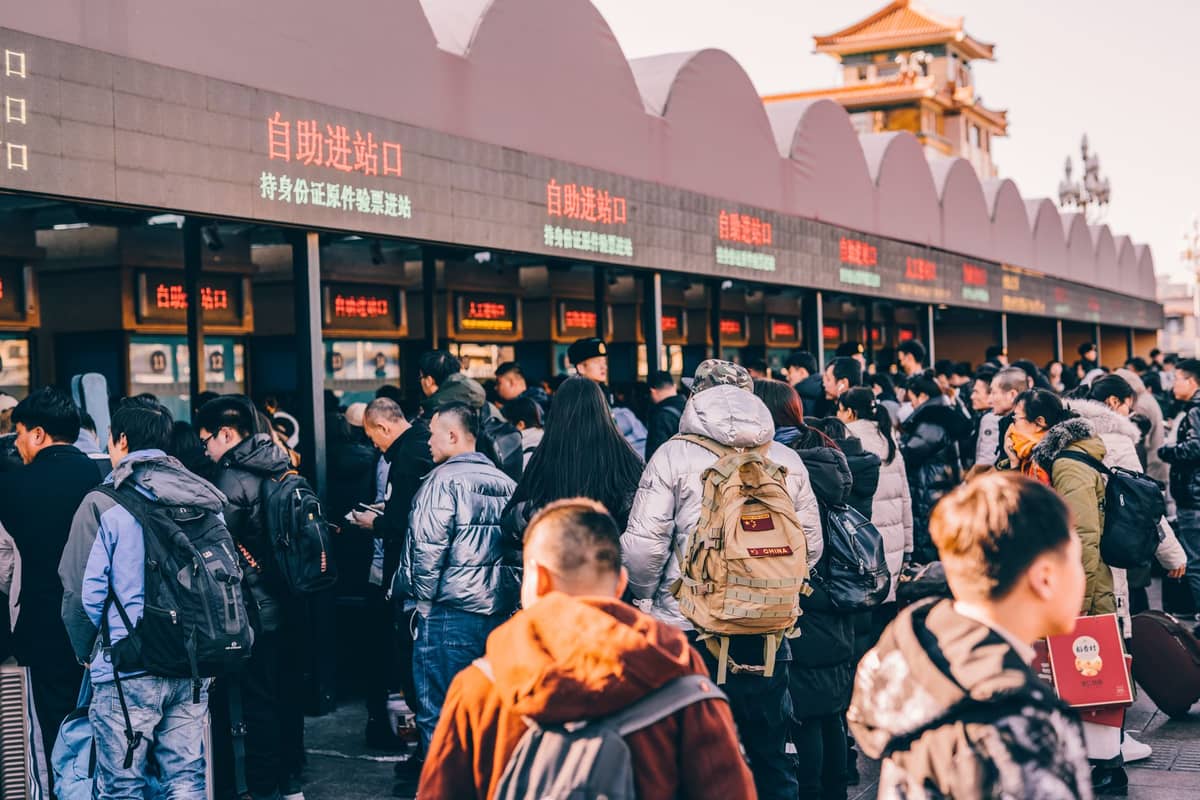
Getting a table at the most popular Beijing duck restaurants requires more planning than most visitors expect. Siji Minfu's Gugong branch in particular operates a remote queuing system through its WeChat mini-program. You can join the queue from your phone before you arrive, receive a queue number, and get a notification when your table is ready. This is far more practical than standing outside for 90 minutes, which is what happens to people who show up without a plan on a Saturday evening.
Da Dong accepts reservations through Dianping (大众点评), China's dominant restaurant review and booking platform, as well as through direct booking channels. For context on navigating Beijing's restaurant neighborhoods, the Sanlitun area in Chaoyang and the historic core near Qianmen Street both have multiple options within walking distance of major attractions.
Timing matters beyond just reservation logistics. Lunch service tends to be less crowded than dinner at most branches. Weekday lunches are the quietest and easiest walk-in option. Avoid national holidays and Golden Week periods unless you have a confirmed reservation — demand for top restaurants during Chinese New Year, National Day week (early October), and Labor Day week (early May) is extreme, and some restaurants adjust their hours or menus during these periods. The general guidance for visiting Beijing applies here too: September and October are the most pleasant months to eat your way through the city.
💡 Local tip
Download Dianping (大众点评) before arriving in Beijing. It is the most reliable source for current menus, prices, user photos, and queue or reservation systems at duck restaurants. Google Maps restaurant listings are often outdated or incomplete for Chinese establishments.
Tourist Traps and Honest Caveats
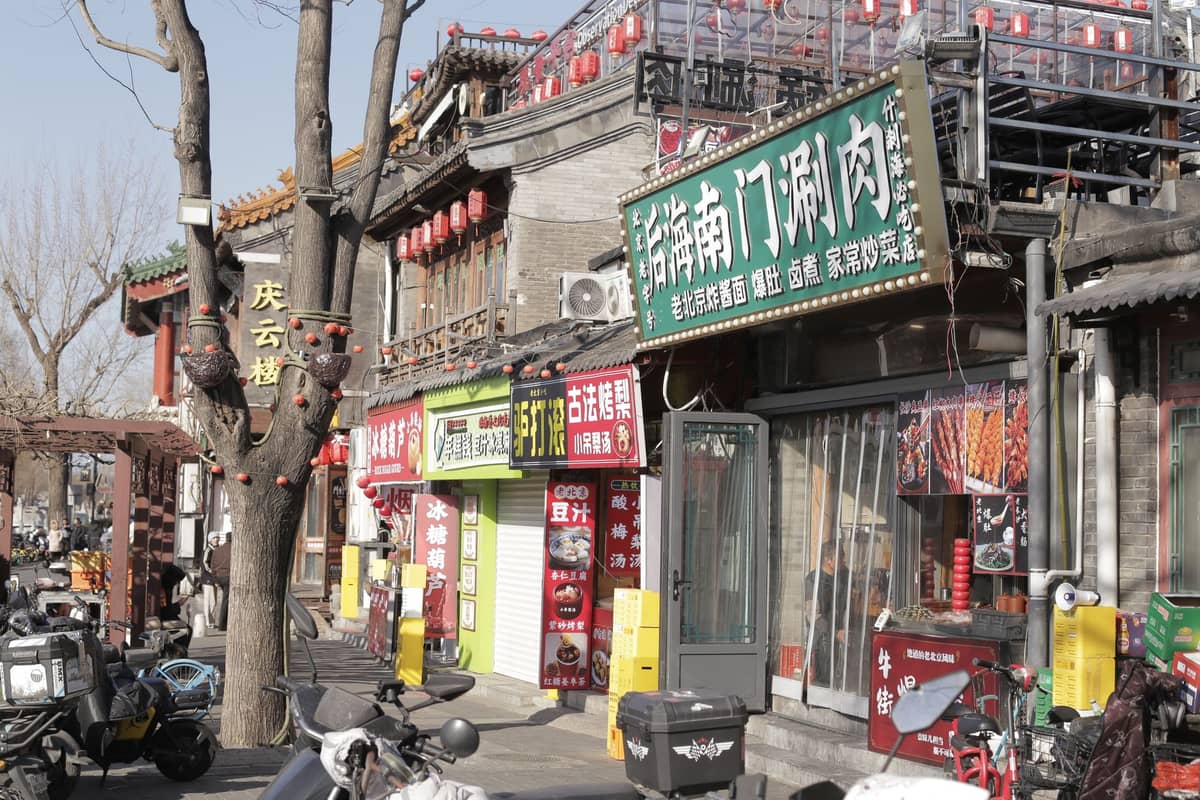
Quanjude is worth visiting once for the historical experience, but it would be misleading to call it the best Peking duck in Beijing. The brand has expanded aggressively, and quality control across its many branches is inconsistent. The Qianmen flagship in particular serves a high volume of tourists, and the cooking can feel mechanical rather than exceptional. If your trip to Beijing only has room for one duck meal, Siji Minfu or Da Dong will almost certainly give you a more memorable experience.
Be cautious of restaurants near major tourist sites, particularly around Wangfujing and the immediate surroundings of Tiananmen Square, that market themselves aggressively to foreign visitors with English menus and photos outside. These are not necessarily bad restaurants, but the price-to-quality ratio is frequently poor. Any restaurant where a staff member is stationed outside to flag down pedestrians should be approached with skepticism.
One more honest note: Peking duck is a rich meal. A whole duck, properly ordered with all accompaniments, is easily enough for three adults who have not eaten since breakfast. Two people ordering a whole duck plus a couple of side dishes will likely take food home. Factor this into your dining plan for the day, and consider pairing the duck meal with a lighter lunch or a long walk beforehand. The area around the Forbidden City or a stroll through the hutong neighborhoods makes excellent preparation.
Beyond the Classics: Other Good Options

The restaurants above cover the most widely recommended options, but Beijing's duck landscape is broader. Duck de Chine (全鸭季) in the 1949 courtyard complex near Chaoyang is a frequently cited mid-to-upscale option with a strong wine list and a more international dining atmosphere. It appeals to expats and travelers who want good duck without the tourist-crowd energy of Quanjude. Pricing is broadly comparable to Da Dong.
For travelers combining a duck meal with sightseeing, Siji Minfu's Gugong branch is exceptionally well-placed: it sits directly outside the east side of the Forbidden City and makes a logical lunch stop after a morning touring the palace. The branch near Nanluoguxiang in Dongcheng is another convenient option if you are exploring the hutong neighborhoods. Planning your meals around your sightseeing route is the most efficient approach in a city as large as Beijing — see our 3-day Beijing itinerary for a practical route that combines both.
FAQ
What is the difference between Peking duck and Beijing duck?
They are the same dish. "Peking" is the older English romanization of Beijing (北京), used before the current Pinyin system became standard. The Chinese name is 北京烤鸭 (Běijīng kǎo yā), meaning Beijing roast duck. No restaurant in China makes a dish called "Peking duck" as distinct from Beijing duck — the distinction exists only in English translation.
How much does Peking duck cost in Beijing?
A whole duck at a quality restaurant ranges from approximately ¥238 at Siji Minfu to ¥398 at Da Dong, with Quanjude falling somewhere in the middle at around ¥258–¥398 depending on the branch. These figures cover the duck only. With pancakes, sauces, soup, drinks, and other side dishes, a full meal for two typically costs ¥400–¥1,000 depending on the restaurant and how much you order. Always check current prices on Dianping before visiting, as branches and prices change.
Do I need to book in advance for Peking duck restaurants in Beijing?
For Da Dong, advance booking through Dianping or direct channels is strongly recommended, especially for dinner or weekend visits. Siji Minfu uses a remote queuing system via its WeChat mini-program rather than conventional reservations — you can join the queue before you arrive. Quanjude's major branches are easier to walk into, but still worth checking in advance during holiday periods. Walking in without any plan on a Saturday dinner service at a top restaurant is a reliable way to wait 60–90 minutes.
Is Quanjude still worth visiting?
Worth visiting once for the historic context, yes — the Qianmen branch has been operating since 1864 and the setting near Tiananmen Square is meaningful. Worth visiting for the best duck in Beijing, probably not. Most knowledgeable local eaters would rank Siji Minfu and Da Dong above Quanjude on pure food quality. The Quanjude experience is as much about eating at an institution as it is about the food itself.
Can I order half a Peking duck instead of a whole one?
Yes, at some restaurants. Siji Minfu explicitly offers a half duck at around ¥154, which makes it practical for one or two diners without forcing an oversized meal. Da Dong and Quanjude primarily focus on whole duck orders, though some branches accommodate smaller portions. Check the specific branch menu on Dianping before visiting if this matters to you.