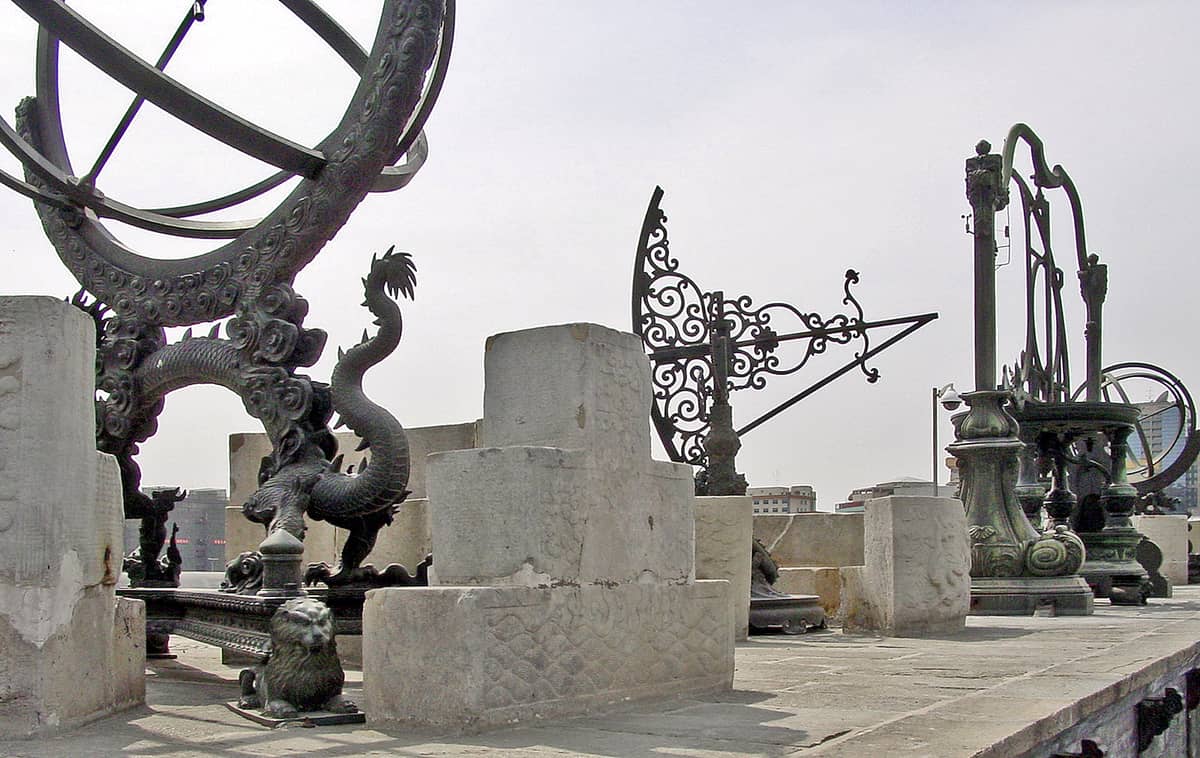
Ancient Observatory (Guguanxiangtai)
Built in 1442 during the Ming dynasty, it holds a remarkable collection of Qing-era bronze instruments and offers a rare window into imperial Chinese astronomy in central Beijing.
DiscoverDongcheng District holds the eastern half of Beijing's historic urban core, packing in more world-class heritage than almost any neighborhood of its size on earth. From the vast ceremonial spaces of Tiananmen Square to the quiet, grey-walled hutong lanes north of the Drum Tower, this is where Beijing's long history is most legible on the ground.
Located in Beijing
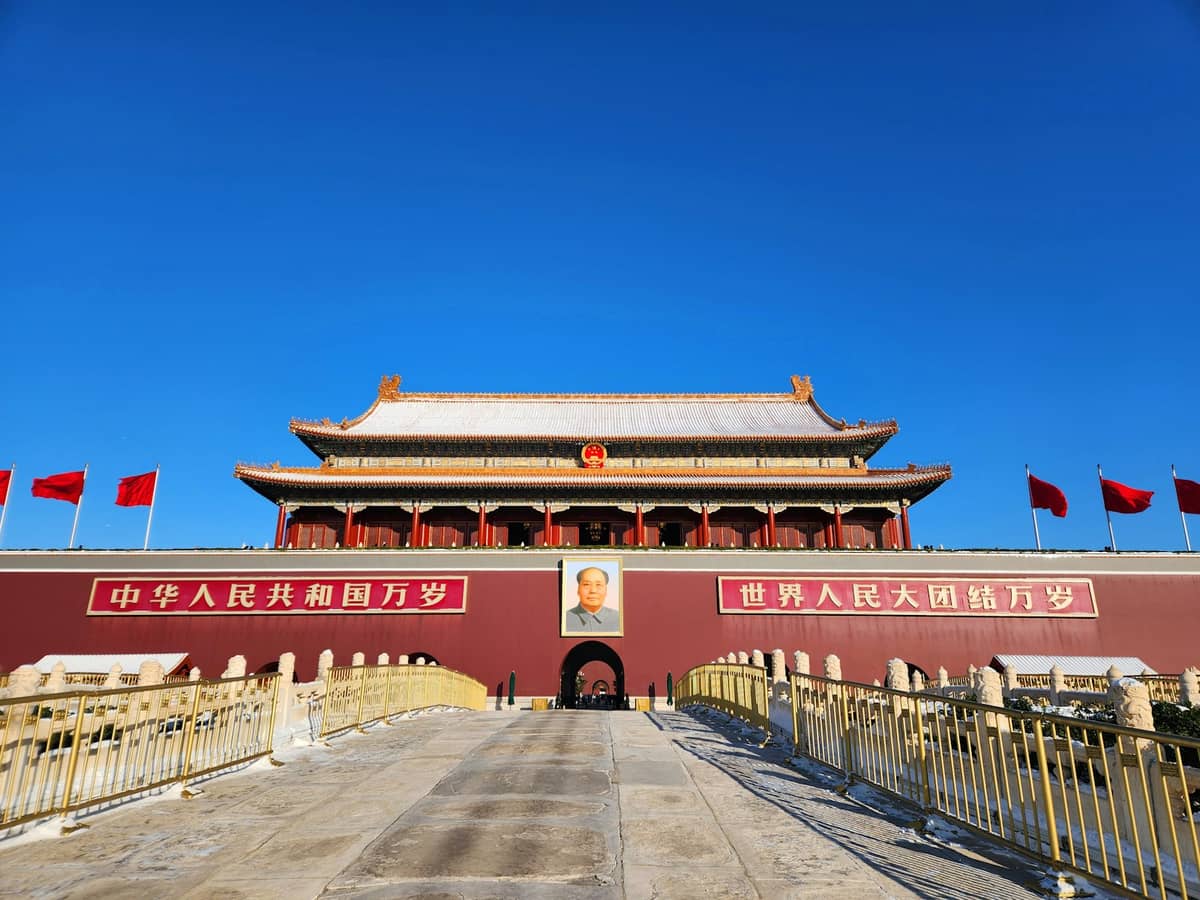
Dongcheng District is where Beijing's imperial past and contemporary city life occupy the same streets. Three UNESCO World Heritage Sites, hundreds of hutong lanes, and some of the city's most important museums sit within a compact, walkable area just inside the Second Ring Road. If you only have time to explore one part of Beijing, this is the one.
Dongcheng covers the eastern portion of Beijing's historic urban core, an area of roughly 41.84 square kilometres that sits largely within the Second Ring Road. Its western boundary runs along the city's historic central north-south axis, where it meets Xicheng District. To the east, the district edges up against Chaoyang. In the north, it extends past the Second Ring Road into areas around the Lama Temple and Confucius Temple.
The district is broadly divided into three zones that feel quite different from each other. The southern section is dominated by the great ceremonial spaces: Tiananmen Square, the Forbidden City, and the Temple of Heaven. The central band, running along Chang'an Avenue and east to Wangfujing, is the city's main commercial and cultural corridor. The northern section, where the Bell Tower and Drum Tower anchor the skyline, is where the old hutong neighbourhoods are densest and the pace slowest.
Understanding this north-south geography makes it much easier to plan your time. Visitors staying in Dongcheng who want to cover the imperial monuments in the south and the hutong neighbourhoods in the north should expect a walk of about 4 to 5 kilometres between the two. Alternatively, the subway connects these zones efficiently. For a broader orientation to how Dongcheng fits into the city as a whole, the where to stay in Beijing guide maps out all the major districts.
No part of Beijing carries its history as visibly as Dongcheng. Walk south from the Bell Tower toward the Forbidden City and you are moving through more than seven centuries of deliberate urban planning, with monuments scaled to project imperial power and hutong lanes scaled to the rhythms of ordinary life. The contrast between these two registers is what gives the district its texture.
Mornings in the hutong neighbourhoods, particularly around Nanluoguxiang and the lanes north and east of the Drum Tower, feel genuinely unhurried. Residents collect deliveries at their courtyard gates, small breakfast stalls sell jianbing from converted tricycles, and the light in winter cuts low and sharp across the grey roof tiles. By mid-morning the atmosphere shifts: tourist groups form outside the Forbidden City's Meridian Gate, the security lines at Tiananmen Square lengthen, and the wide pavements of Wangfujing fill with shoppers. The southern ceremonial zone is at its most photogenic early, before the crowds arrive and before the midday haze diffuses the light.
Afternoons in summer can be oppressive in the open plazas, where there is little shade and temperatures regularly exceed 30 degrees Celsius. The hutong lanes, with their courtyard walls cutting the wind, feel slightly cooler and significantly quieter. The Temple of Heaven's surrounding park, full of retired residents practicing tai chi, playing cards, and singing Beijing opera, is one of the most genuinely local scenes in any tourist-heavy area of the city.
After dark, Dongcheng divides again. Wangfujing stays lit and commercial well into the evening, with the famous snack street drawing curious visitors. The hutong bar scene around Nanluoguxiang and Wudaoying Hutong is lively but contained. The Tiananmen and Forbidden City areas are effectively closed to pedestrian access at night. The northern hutong zone is peaceful to the point of stillness by 10pm, which suits those who want an early start the following morning.
ℹ️ Good to know
Dongcheng contains three UNESCO World Heritage Sites: the Forbidden City, the Temple of Heaven, and the Yuhe River Old Course, part of the Grand Canal World Heritage site. Few urban districts anywhere in the world match this concentration of recognized cultural heritage.
The Forbidden City is the obvious starting point and deserves at least half a day. The palace complex covers 72 hectares and contains nearly a thousand buildings; most visitors see only the central ceremonial axis, which means the quieter eastern and western wings are often far less crowded. Ticket numbers are capped and advance booking online is mandatory, so plan ahead. The Forbidden City tickets guide covers the booking process in detail.
Immediately south of the Forbidden City, Tiananmen Square is the world's largest public square and a significant political and ceremonial site. Photography rules and access restrictions apply in this area; visitors should carry identification and allow time for security screening at the entry checkpoints. The square connects directly to the National Museum of China on its eastern side, which holds an extraordinary collection spanning Chinese history from prehistoric times to the present.
About 2 kilometres north of the Forbidden City, the Bell Tower and Drum Tower mark the northern terminus of the imperial axis. The surrounding hutong neighbourhood is the best place in Dongcheng to wander without a fixed agenda. The lane known as Nanluoguxiang runs north-south from here and has become very well-known among visitors, lined with cafes, craft shops, and snack stalls. It can feel saturated on weekends; the parallel lanes to the east and west are quieter and offer more of the residential character that makes this area worth exploring.
The Lama Temple in the district's northeast is one of Beijing's most significant active Tibetan Buddhist temples and a genuine place of worship as well as a major tourist attraction. Visit on a weekday morning when the incense smoke drifts thickly through the courtyards and the atmosphere is at its most contemplative. A short walk west, the Confucius Temple and Guozijian complex is one of the more underappreciated sites in central Beijing: quieter than the Lama Temple, with a strong sense of scholarly history.
In the district's southeast, the Temple of Heaven occupies a vast parkland where imperial China's ritual relationship with the cosmos was enacted each year. The park surrounding the temple buildings is a draw in its own right, particularly early in the morning when locals gather for exercise and music.
💡 Local tip
Jingshan Park, just north of the Forbidden City, offers the best elevated view of the palace complex. The hill is a short walk from the Forbidden City's northern exit and the climb takes about ten minutes. Go late afternoon when the light is warm.
Dongcheng's food scene runs the full range from street-level snacks to established restaurants in historic courtyard buildings. The question of where to eat Peking duck is one any visitor to Beijing will face, and Dongcheng has several of the city's most storied duck restaurants. The Peking duck guide covers the best options and what to expect. For a broader picture of Beijing's food culture, the what to eat in Beijing guide is a useful companion.
Wangfujing Snack Street, the pedestrianized lane just east of Wangfujing's main shopping boulevard, is where visitors come to photograph scorpions on skewers and other dramatic-looking snacks. Some of the more theatrical items are more spectacle than sustenance; the surrounding food stalls and small restaurants offer genuinely good northern Chinese food, including lamb skewers, roujiamo (pork sandwiches), and scallion flatbreads, at modest prices.
The hutong neighbourhoods around Nanluoguxiang and Wudaoying Hutong have a concentration of independent cafes and small restaurants that cater to a younger, more design-conscious crowd. Wudaoying in particular has a lower tourist density than Nanluoguxiang and a higher proportion of places where locals actually eat. Coffee culture has taken hold firmly in this area, with several specialty roasters occupying converted courtyard spaces.
For traditional Beijing teahouse culture and a taste of imperial-era performance, the area near the Temple of Heaven has options including established venues that pair food and drink with Beijing opera or other traditional arts. These are rarely cheap but they offer a packaged experience that many visitors find worthwhile. Budget travelers will do better grazing at street stalls and local noodle shops, where a full meal rarely costs more than 30 to 50 RMB.
Dongcheng is the best-connected district in Beijing for subway access, with Lines 1, 2, 5, 6, 8, and 13 all serving the area. The key stations to know: Tiananmen East and Tiananmen West (Line 1) for the Forbidden City and Tiananmen Square; Wangfujing and Dongdan (Line 1) for the central shopping area; Qianmen (Line 2) for the southern approach to Tiananmen and the start of the Qianmen pedestrian street; Yonghegong Lama Temple (Lines 2 and 5) for the temple cluster in the northeast; Nanluoguxiang (Lines 6 and 8) for the hutong district; and Dongzhimen (Line 2) for the airport express interchange.
From Beijing Capital International Airport (PEK), the Airport Express runs directly to Dongzhimen station, which is on Line 2 of the subway and sits just inside the northeastern corner of Dongcheng. The fare is approximately 35 RMB. From Dongzhimen, most destinations in Dongcheng are one or two subway stops or a short taxi ride away. From Beijing Daxing Airport (PKX), the Daxing Airport Express connects to the main subway network at Caoqiao, requiring a transfer to reach Dongcheng; journey times are considerably longer.
Walking is genuinely practical within Dongcheng for those willing to cover 2 to 4 kilometres between sites. The flat terrain and the density of interest on every block make it rewarding. Cycling is also effective: shared bikes from platforms like Meituan and Hello Bike are widely available. For navigation context, the getting around Beijing guide covers transit options, apps, and payment methods in full.
⚠️ What to skip
Security screening at Tiananmen Square and around the Forbidden City can cause significant delays, particularly on national holidays and weekends. Budget extra time, carry your passport or other ID, and be aware that access routes to Tiananmen Square can be restricted around major political events or anniversaries. Check locally before you go.
Dongcheng is one of the best bases in Beijing for first-time visitors because it puts you within walking or short metro distance of the most significant imperial sites. Accommodation options range from internationally branded hotels along Wangfujing and near Chang'an Avenue to smaller boutique guesthouses and courtyard hotels in the hutong neighbourhoods to the north.
The hutong guesthouses around Nanluoguxiang, Wudaoying, and the lanes south of the Drum Tower offer the most atmospheric stays in the district, often with courtyard gardens and rooms arranged around traditional siheyuan layouts. Standards and prices vary considerably; read recent reviews carefully. These areas are quieter at night than the Wangfujing corridor, which suits early-rising sightseers well.
The central Wangfujing and Dongdan area has a higher concentration of larger hotels with more predictable international standards, on-site dining, and easier luggage logistics. It is better connected by subway than the hutong north, though it lacks the neighbourhood character that makes the northern area memorable. Wherever you stay, note that foreign visitors are required to register accommodation with Beijing public security authorities; hotels handle this automatically, while other accommodation may require a trip to a local police station.
For a detailed comparison of Dongcheng against other Beijing neighbourhoods for accommodation, see the where to stay in Beijing guide. Travelers on a tighter budget will find useful context in the Beijing on a budget guide.
Most of Dongcheng's major attractions require advance online ticket booking; walk-up entry is either unavailable or significantly more limited at popular sites including the Forbidden City. Booking via official channels is strongly recommended. Arrive at ticket windows or entrance gates earlier than you think necessary, particularly during Chinese national holidays (Golden Week in October, Spring Festival in late January or February) when crowds at headline sites are very large.
English signage is reasonably good at major attractions but drops off sharply in residential hutong areas and at smaller temples. A translation app with a camera function handles most practical situations. Mobile payment via Alipay or WeChat Pay is the norm throughout the district; many small vendors and stalls do not accept cash or international cards, so setting up one of these apps before you arrive is worthwhile.
Air quality in Beijing varies by season and weather conditions. Winter days with low wind can see pollution accumulate; autumn is generally cleaner. For planning purposes, the best time to visit Beijing guide covers seasonal conditions in more detail. Scam awareness is also worth a moment: the Beijing scams and safety tips guide covers the most common approaches, several of which are concentrated in tourist-heavy areas like Wangfujing and around Tiananmen.
Built in 1442 during the Ming dynasty, it holds a remarkable collection of Qing-era bronze instruments and offers a rare window into imperial Chinese astronomy in central Beijing.
Discover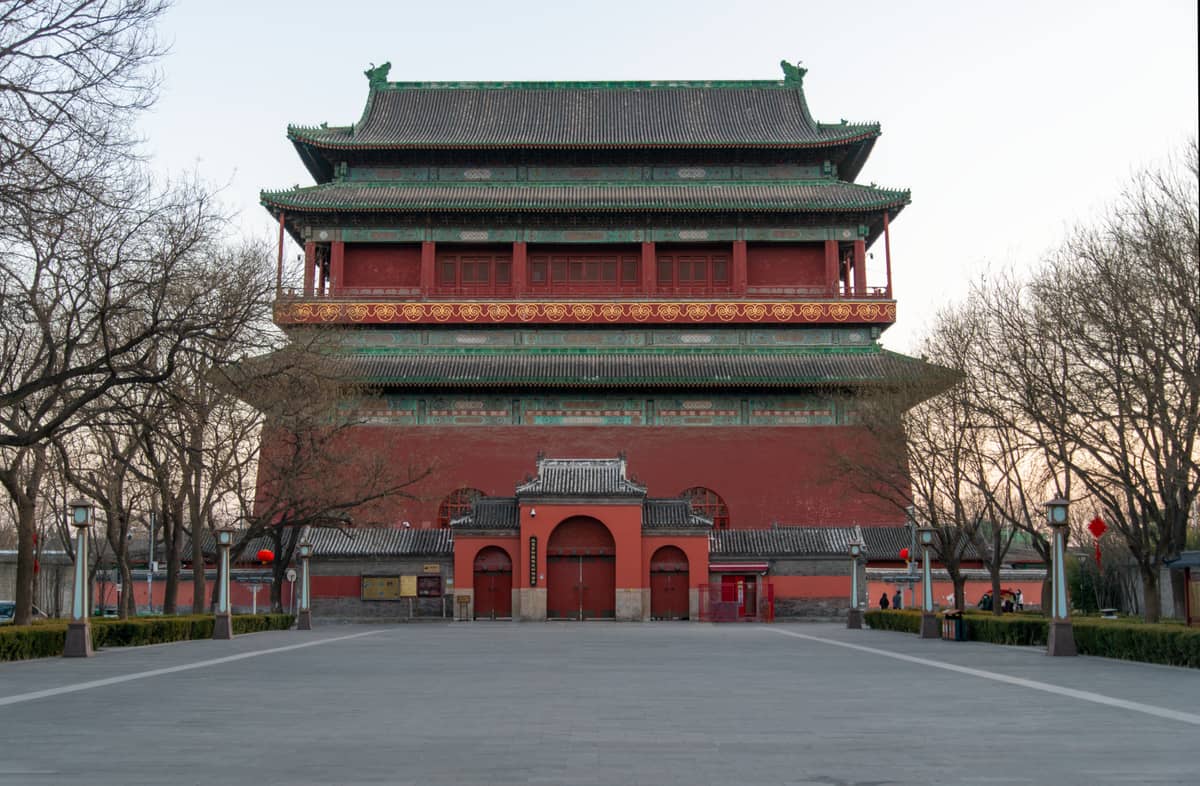
Standing at the northern end of Beijing's ancient central axis, the Bell Tower and Drum Tower have marked time for the city since the Ming dynasty. This guide covers what to see, when to go, how to get there, and whether the climb is worth your while.
Discover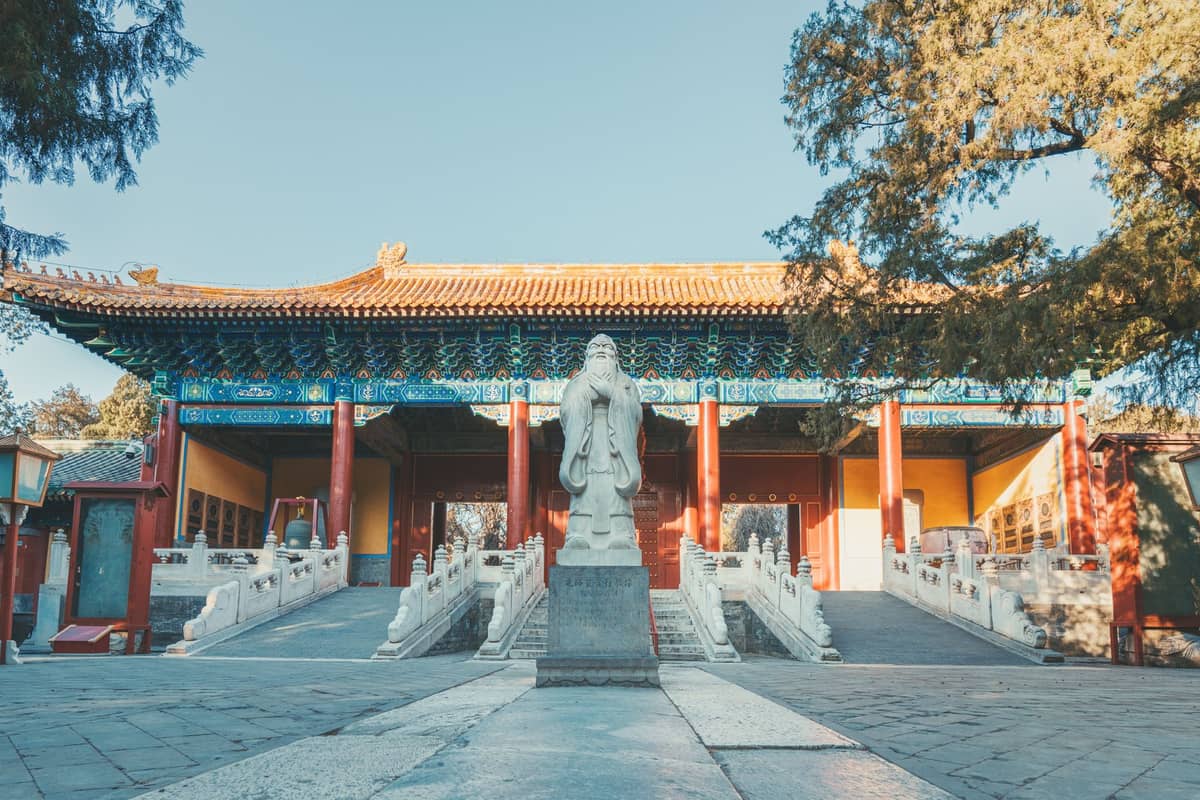
The Confucius Temple and Guozijian Museum preserves two of Beijing's most historically significant sites: a Yuan dynasty Confucian temple and the Imperial College that trained China's governing elite for six centuries. Quieter than most major attractions, it rewards visitors who want genuine historical depth alongside calm, tree-shaded courtyards.
Discover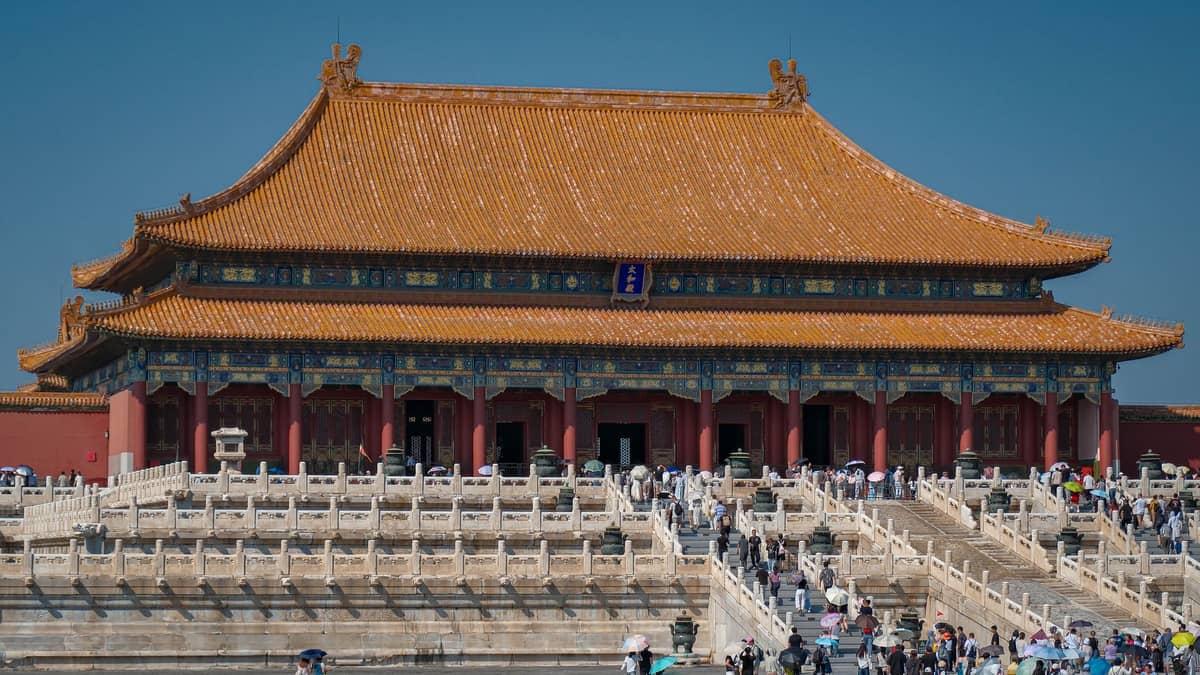
The Forbidden City, officially the Palace Museum, is the world's largest surviving imperial palace complex and Beijing's most significant cultural landmark. Built between 1406 and 1420 under Ming emperor Zhu Di, it served as the ceremonial and political heart of China for nearly five centuries. This guide covers everything you need to visit confidently.
Discover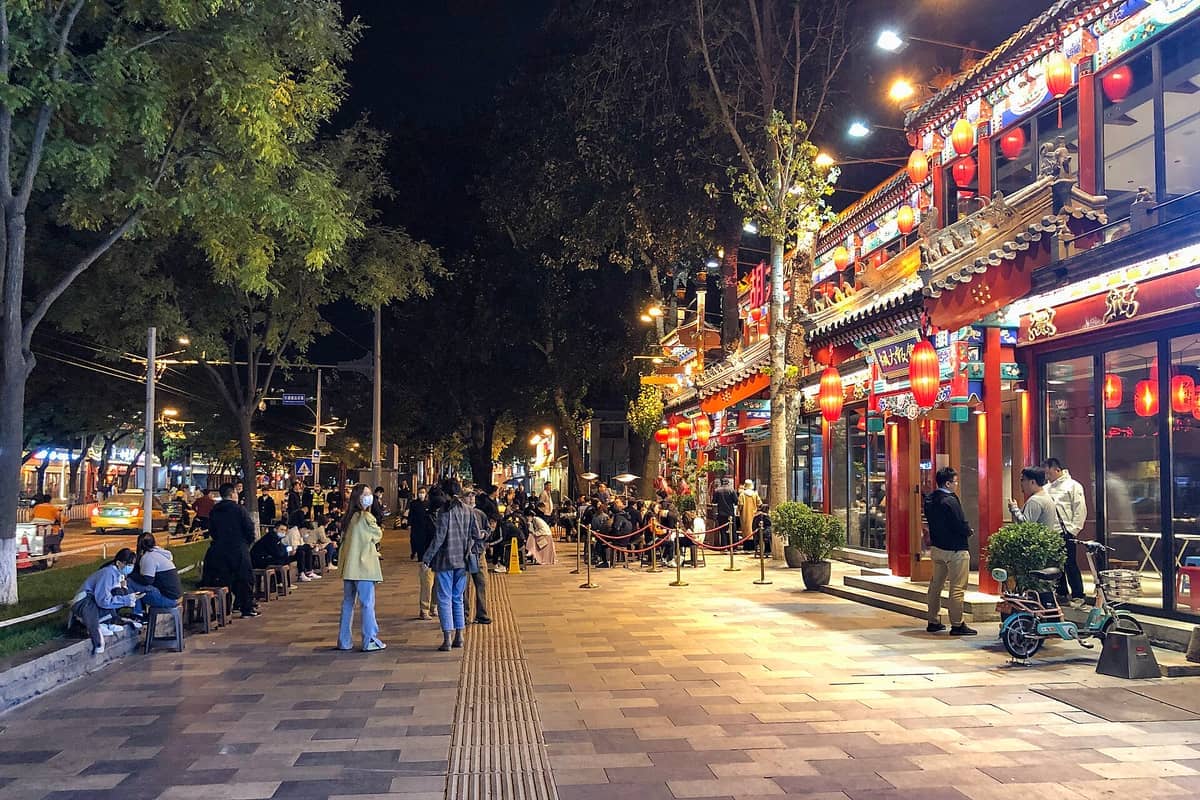
Guijie, officially Dongzhimennei Dajie, is a 1.4-kilometer stretch of more than 100 restaurants in Dongcheng District that comes alive after dark. Known for spicy crawfish, hot pot, and hundreds of red lanterns, it is one of the few places in Beijing where serious eating happens well past midnight. Entry is free.
Discover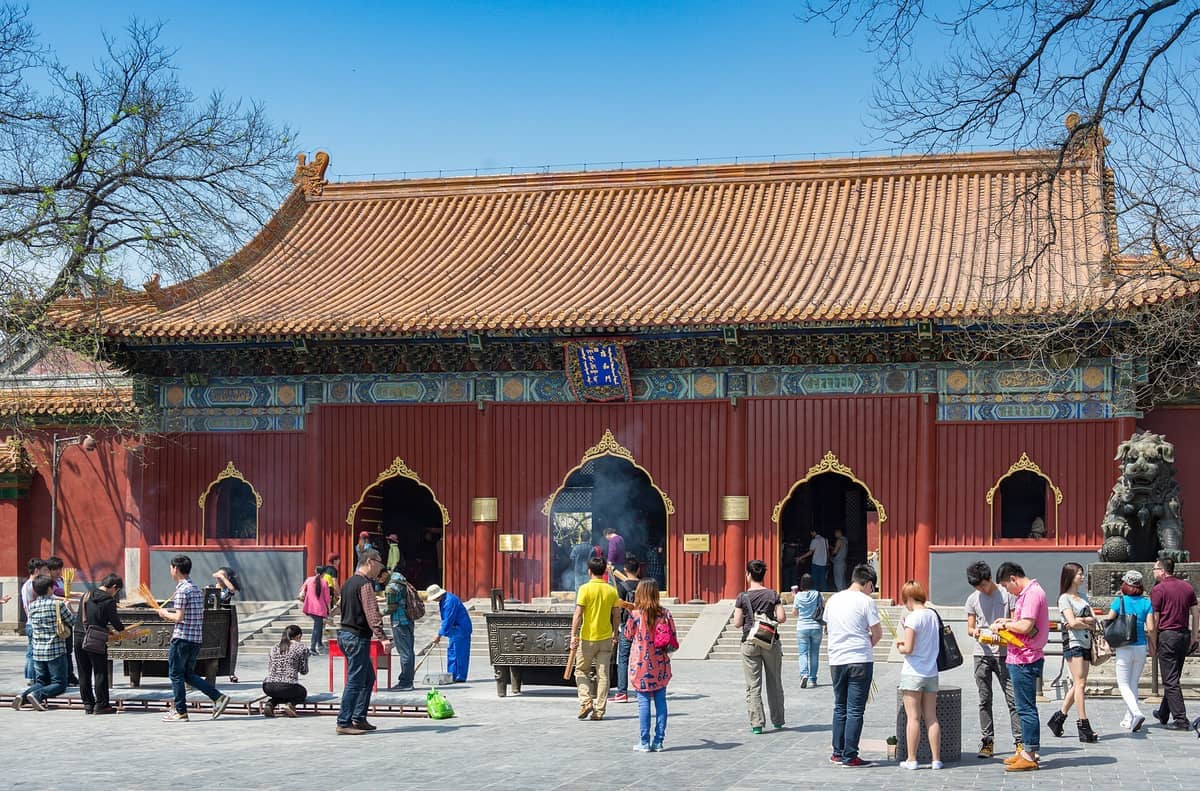
Yonghe Gong, widely known as the Lama Temple, is one of the largest and most significant Tibetan Buddhist monasteries outside Tibet. Built in 1694, it remains an active place of worship in central Dongcheng, drawing both devout pilgrims and curious visitors to its incense-filled courtyards and towering gilded halls.
Discover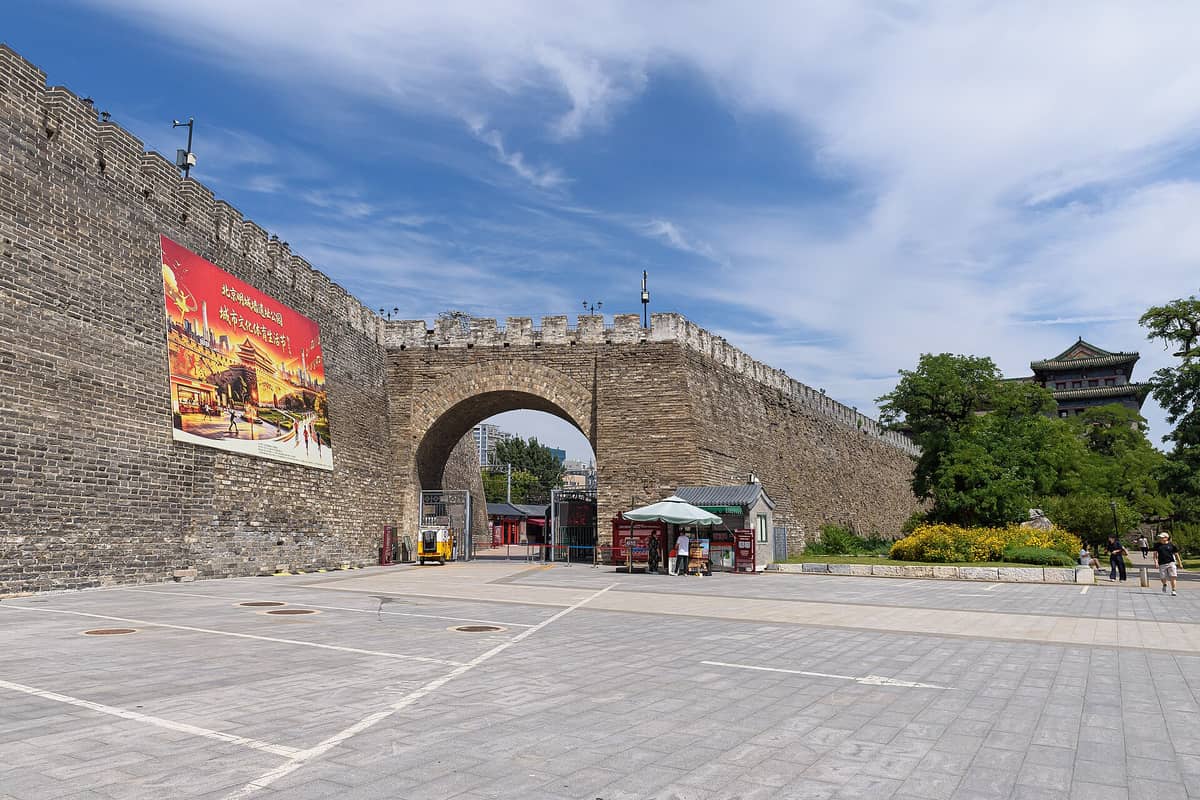
Ming City Wall Relics Park preserves a surviving 1.5-kilometer stretch of Beijing’s original Ming-dynasty city wall, anchored by the restored Southeast Corner Tower. Entry to the park is free, the crowds are thin, and the scale of the remaining wall is quietly impressive for anyone curious about what enclosed the imperial capital for over five centuries.
Discover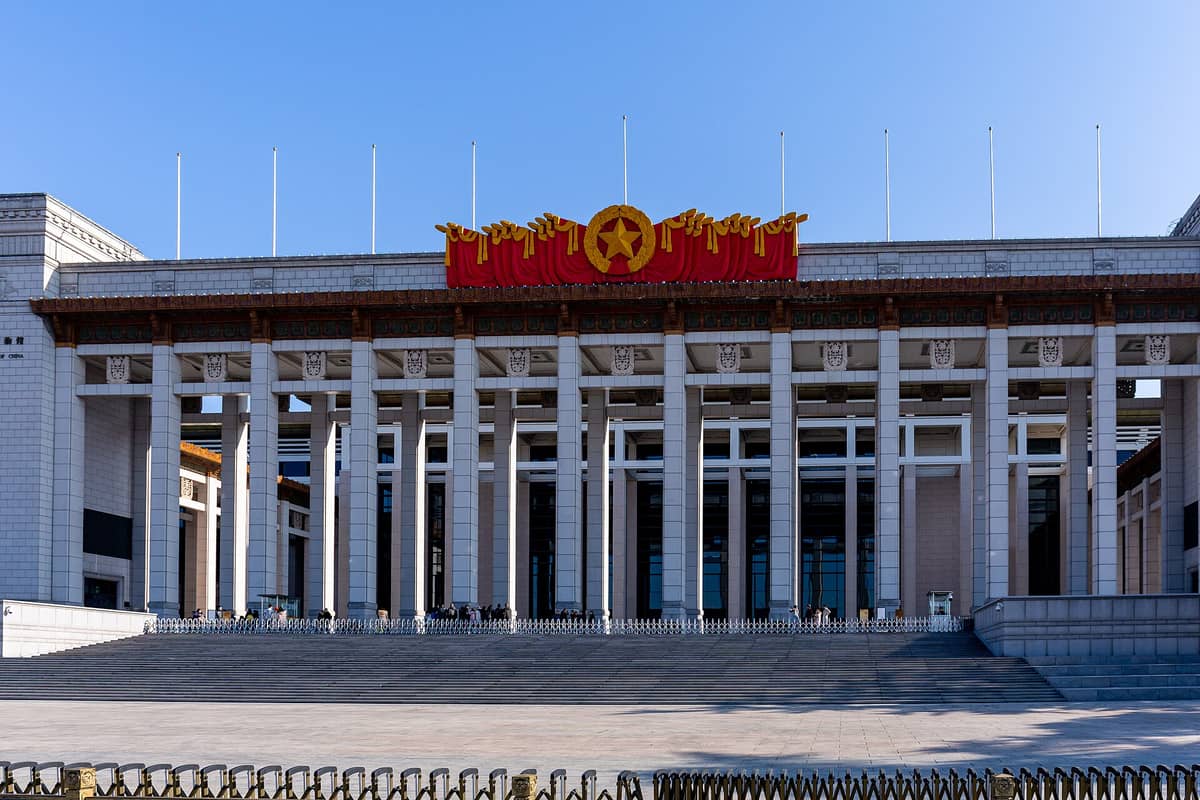
The National Museum of China sits on the east side of Tiananmen Square and holds one of the largest collections of historical artifacts in the world. Free to enter, overwhelming in scale, and rarely fully appreciated by visitors in a single trip — here is how to approach it with purpose.
Discover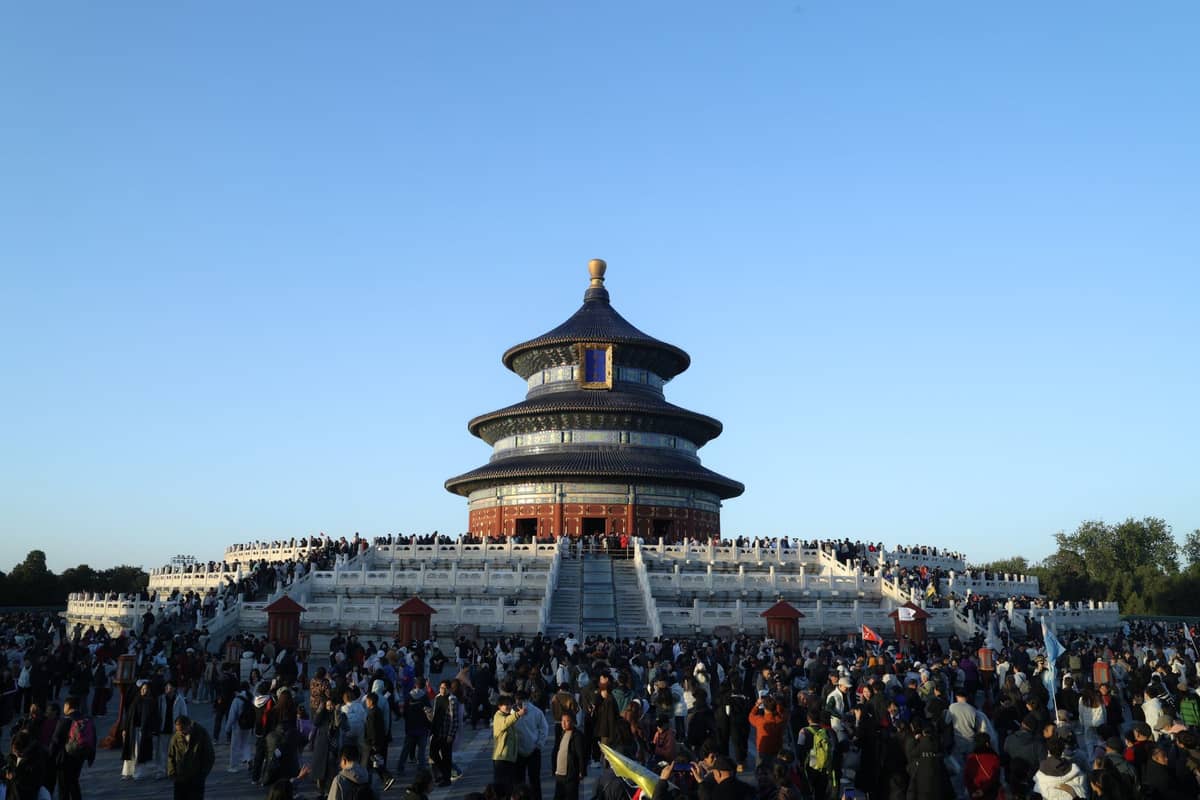
The Temple of Heaven is the best-preserved example of Chinese imperial ceremonial architecture in Beijing, set within a 267-hectare park that doubles as a living neighborhood gathering space. Whether you come for the architecture, the history, or the morning spectacle of tai chi and square dancing, it rewards careful timing and a full morning.
Discover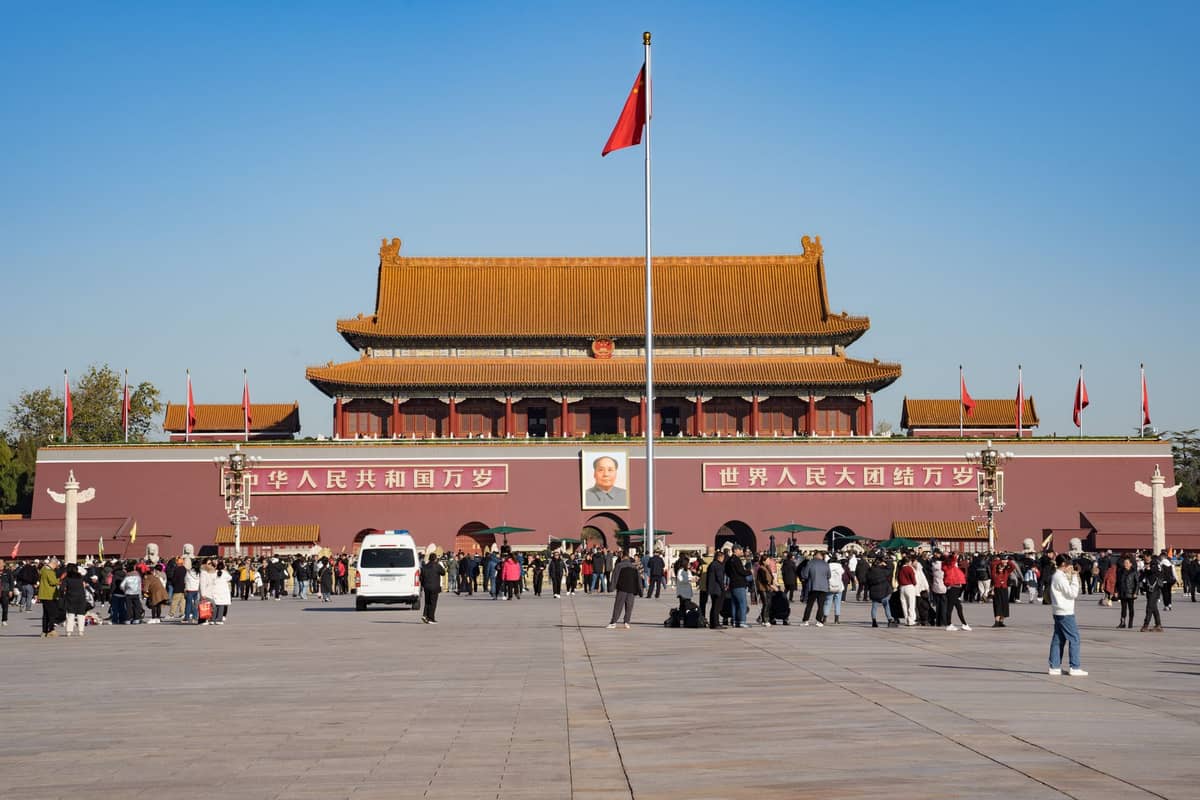
Tian'anmen Square is one of the largest public squares in the world, covering approximately 440,000 square metres at the centre of Beijing. Free to enter but requiring advance reservation, it sits at the intersection of imperial history and modern China, framed by monuments, mausoleums, and the iconic Gate of Heavenly Peace.
Discover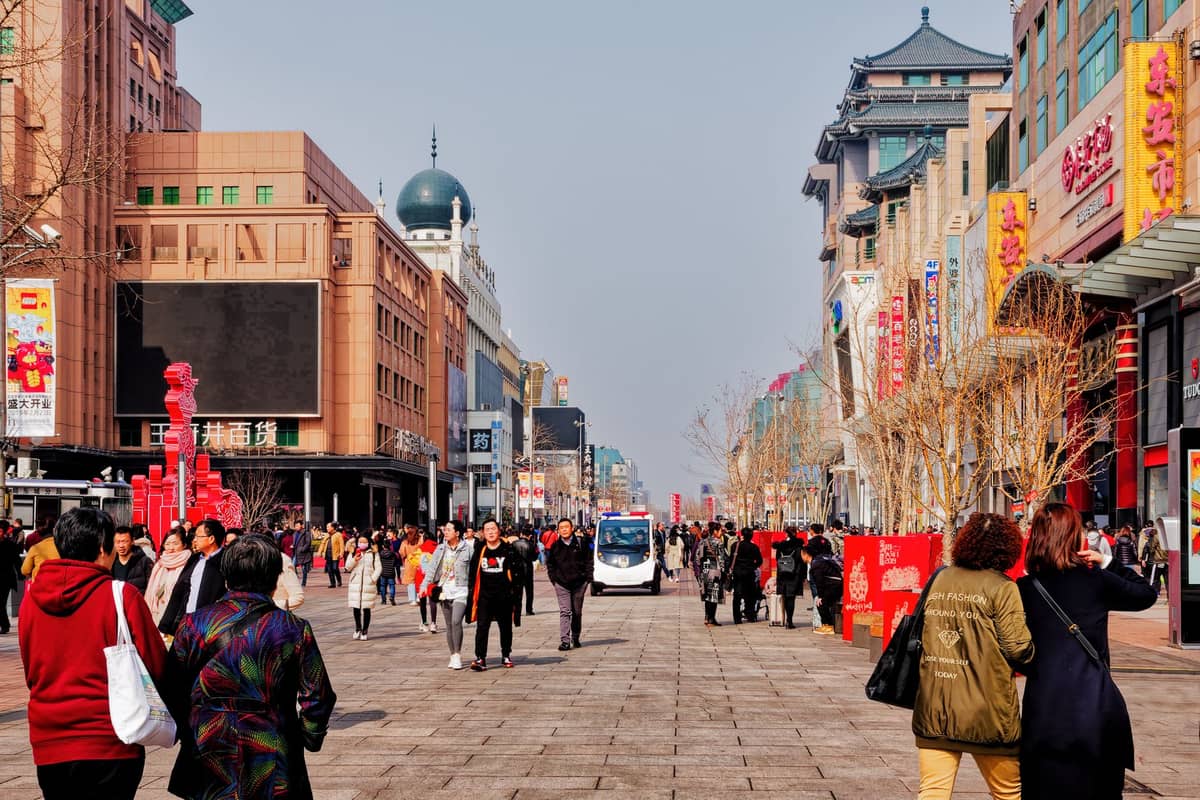
Wangfujing Street (王府井大街) is Beijing's most recognizable commercial thoroughfare, stretching nearly 1,818 meters through Dongcheng District. Free to enter and open around the clock, it layers imperial-era history onto a modern pedestrian spine of department stores, snack alleys, bookshops, and street food. Whether you visit for an hour or an evening, understanding what the street actually offers helps you decide how much time it deserves.
DiscoverThree days is enough to cover Beijing's imperial core, climb the Great Wall, and wander centuries-old hutong lanes. This itinerary is built around real booking logistics, seasonal crowd patterns, and a candid take on what's worth your time.
Five days is enough time to move beyond Beijing's headline sights and get a real feel for the city: imperial history, Great Wall day trips, traditional neighborhoods, and contemporary culture. This itinerary is structured to minimize backtracking, front-load booking requirements, and leave room to breathe.
Beijing has two major international airports: Capital (PEK) to the northeast and Daxing (PKX) to the south. This guide covers every transport option between both airports and the city center, with current fares, journey times, and straightforward guidance on which option suits your trip.
Chinese New Year transforms Beijing into one of the world's great festival cities. From ticketed temple fairs at Ditan and Longtan to free lantern displays and park programs, here is everything you need to plan a rewarding visit during the Spring Festival holiday.
Beijing's contemporary art scene reaches far beyond its most famous address. This guide covers the 798 Art Zone in depth, plus the city's best independent museums, seasonal logistics, ticketing realities, and neighborhoods where serious collectors and curious visitors find the most rewarding art experiences.
Beijing rewards visitors who come prepared. This guide covers the essentials for first-timers: when to go, how to get around, which neighborhoods to base yourself in, what to book in advance, and the practical details that make the difference between a frustrating trip and a seamless one.
The Forbidden City is Beijing's single most visited site, and getting in requires advance planning. This guide covers ticket prices, official booking steps, opening hours by season, entry logistics, and a clear take on what's worth your time inside the palace complex.
Beijing rewards the curious traveler who looks past the Forbidden City and Great Wall. This guide uncovers the city's overlooked temples, eccentric museums, quiet hutong streets, and extraordinary day trips that reveal a deeper, stranger, and more rewarding side of the capital.
Beijing's hutongs are a world apart from the grand imperial sights most visitors come for. These narrow residential lanes, some over 700 years old, are where the city's daily life actually plays out. This guide covers the best hutong areas, how to navigate them, what things cost, and how to avoid the tourist traps.
Beijing served as the imperial capital of China for more than 500 years across the Ming and Qing dynasties. This guide covers every major imperial site, how to visit them efficiently, what to skip, and the historical context that makes it all make sense.
Beijing rewards travellers willing to spend well. This guide covers the city's finest hotels, its 2026 Michelin-starred restaurant scene, private cultural experiences, and the practical logistics that separate a genuinely exceptional trip from an overpriced one.
Beijing at night is a different city entirely. This guide covers every layer of the evening scene, from rooftop cocktail bars in Chaoyang to hutong speakeasies, live music venues, cultural performances, and summer night markets, with practical logistics for getting home safely when the subway stops running.
Beijing is one of Asia's most rewarding cities to explore on a tight budget. With free parks, cheap metro fares, and world-class sights that cost less than a coffee back home, careful planning can stretch every yuan further than you'd expect.
Peking Opera is one of China's most elaborate performing arts, and Beijing is the best city in the world to see it. This guide covers the top venues, ticket prices, what actually happens during a performance, and practical tips for first-time visitors.
Beijing rewards photographers at every turn, from sweeping imperial vistas and crumbling Great Wall ramparts to neon-lit hutong lanes and avant-garde factory galleries. This guide covers the city's 20 best photography locations, with specific advice on timing, light, and what makes each spot worth your shot.
Beijing is one of Asia's safest capitals for tourists, but specific scams, transport traps, and health risks catch visitors off guard every year. This guide breaks down the real threats, how to spot them, and what to do if something goes wrong.
Choosing between the Beijing to Shanghai train and a flight comes down to more than just ticket prices. This guide breaks down total journey times, costs, booking logistics, and seasonal factors so you can make the right call for your trip.
Beijing rewards walkers more than almost any major city on earth. From the UNESCO-listed Central Axis to centuries-old hutong alleyways and cutting-edge contemporary art districts, these self-guided walking tours cover the city's most compelling neighborhoods with practical logistics, frank warnings, and seasonal guidance.
Beijing delivers a remarkable range of experiences for families: world-class wildlife, interactive museums, imperial parks, and theme parks sit within a single city. This guide covers the top family-friendly attractions, realistic assessments of what works for different ages, and the practical details parents need to make the trip run smoothly.
Beijing's museums span 5,000 years of Chinese civilization, from the world's largest palace complex to cutting-edge contemporary art factories. This guide covers the essential museums by theme, with practical notes on reservations, crowds, and how to make the most of each visit.
Beijing's temples span over a thousand years of religious history, from Tang-dynasty Buddhist courtyards to Ming imperial ceremonial complexes. This guide covers the city's most significant and rewarding temples, with practical advice on when to visit, what to look for, and how to get the most from each site.
The best time to visit Beijing is April to May or September to October, when temperatures are comfortable and rainfall is low. But the full picture is more nuanced: holidays, air quality, and attraction hours all shift the calculation. This guide covers every season with specific temperatures, crowd forecasts, and booking advice.
Beijing rewards slow exploration, but the surrounding region is packed with day-trip destinations that rival anything inside the city. From legendary Great Wall sections to preserved Ming villages and dramatic gorges, here are the best excursions you can make from the capital in a single day.
Beijing is one of the world's great cities for budget travelers. From Tiananmen Square and sprawling imperial parks to the 798 Art District and ancient hutong streets, dozens of the city's most rewarding experiences are completely free. This guide covers the best no-entry-fee attractions across every corner of the capital.
Beijing's transport network is extensive and affordable, but it rewards those who understand how it works. This guide covers the subway, taxis, DiDi, airport connections, intercity rail, and everything in between, with straightforward guidance on what to use when.
Not all Great Wall sections are equal. This guide breaks down the five main sections accessible from Beijing, including real admission prices, crowd levels, difficulty ratings, and a candid take on which one actually suits your trip.
Beijing duck (北京烤鸭) is one of the world's great dishes, and eating it in the city where it was perfected is an experience worth planning carefully. This guide covers the top restaurants, real-world price breakdowns, ordering etiquette, and practical tips for first-timers and repeat visitors alike.
Beijing's shopping scene runs from chaotic weekend antique markets to polished luxury malls, with every stop in between. This guide breaks down the best places to shop, what's worth buying, where to negotiate, and what to skip.
Beijing rewards visitors who go beyond the headline sights. This guide covers the top things to do in Beijing, from imperial landmarks and ancient temples to hutong streets and contemporary art, with practical notes on reservations, crowds, and seasonal timing.
Beijing food is far more than Peking duck. This guide covers the dishes you should not leave the city without trying, where to find the best versions, what things actually cost, and a few traps worth sidestepping.
Beijing has 16 districts and two international airports, which makes choosing accommodation more complicated than it first looks. This guide cuts through the noise with district-by-district breakdowns, realistic price ranges, and the seasonal timing details that booking platforms won't tell you.