Best Day Trips from Beijing: 15 Escapes Worth the Journey
Beijing rewards slow exploration, but the surrounding region is packed with day-trip destinations that rival anything inside the city. From legendary Great Wall sections to preserved Ming villages and dramatic gorges, here are the best excursions you can make from the capital in a single day.
Plan and book this trip
Tools from our partner Travelpayouts help you compare flights and hotels. If you book through them, we may earn a commission at no extra cost to you.
Flights
Hotels map
Beijing's day-trip circuit is one of the richest of any capital city in Asia. The Great Wall alone offers half a dozen distinct sections, each with its own character and access logistics. Beyond the wall, there are imperial burial grounds, ancient stone bridges, paleoanthropological wonders, and intact Ming-dynasty villages within 90 minutes of the city center. If you're planning your overall time in the capital, the 3-day Beijing itinerary and the 5-day itinerary both account for at least one full day trip. For Great Wall section comparisons in detail, the Great Wall sections guide is essential reading before you book transport or tickets.
💡 Local tip
Book Great Wall tickets and transport in advance, especially on weekends and public holidays. Each section has its own ticketing system. Confirm which section your tour or transfer is taking you to before paying.
Great Wall Sections
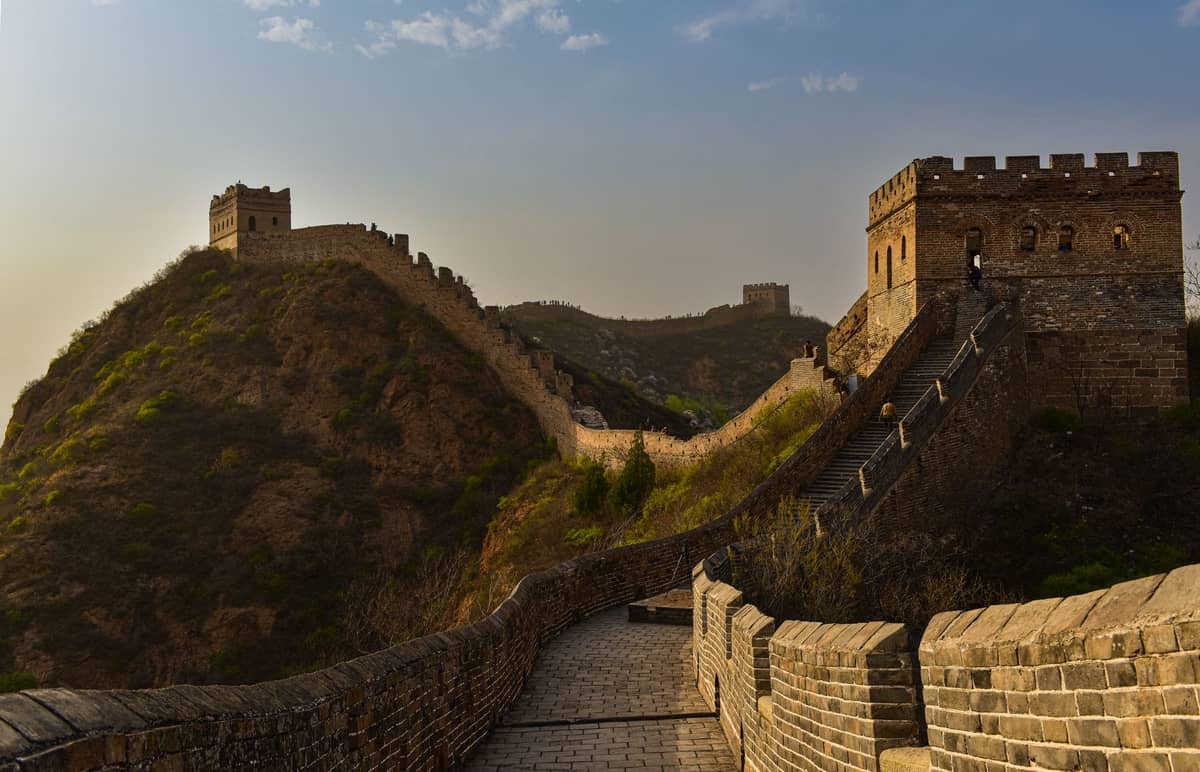
No destination outside central Beijing draws more visitors, and for good reason. The wall sections accessible from Beijing range from the fully restored and cable-car-equipped to wild, crumbling stretches where you may hike for hours without seeing another tourist. The key is choosing the right section for your priorities. Check the complete Great Wall sections guide for side-by-side comparisons of difficulty, crowd levels, and transport options.
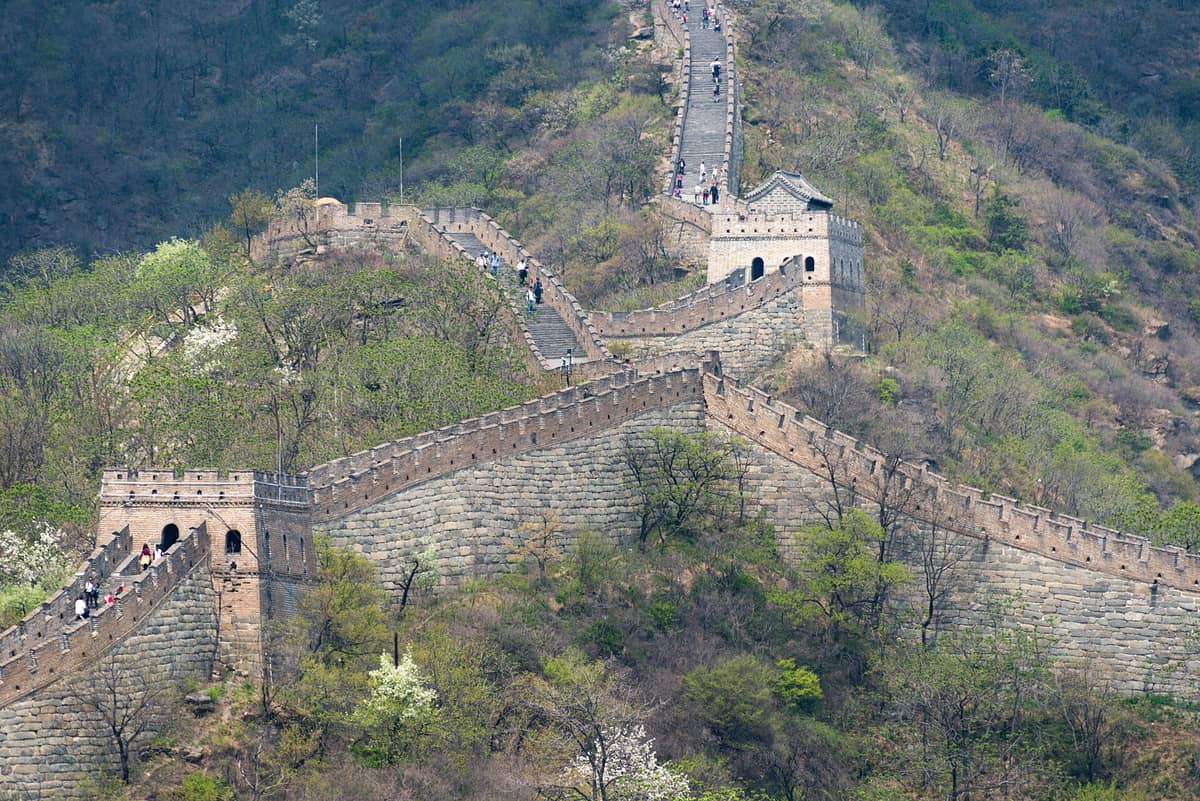
1. Hike and Toboggan at Mutianyu Great Wall
The top pick for independent travelers: well-restored ramparts, forested hills, a cable car up and optional toboggan down, and far fewer crowds than Badaling. Peak season runs March 16–November 15; verify current hours at the official Mutianyu website before departure.
Explore1. Hike and Toboggan at Mutianyu Great Wall
The top pick for independent travelers: well-restored ramparts, forested hills, a cable car up and optional toboggan down, and far fewer crowds than Badaling. Peak season runs March 16–November 15; verify current hours at the official Mutianyu website before departure.
Explore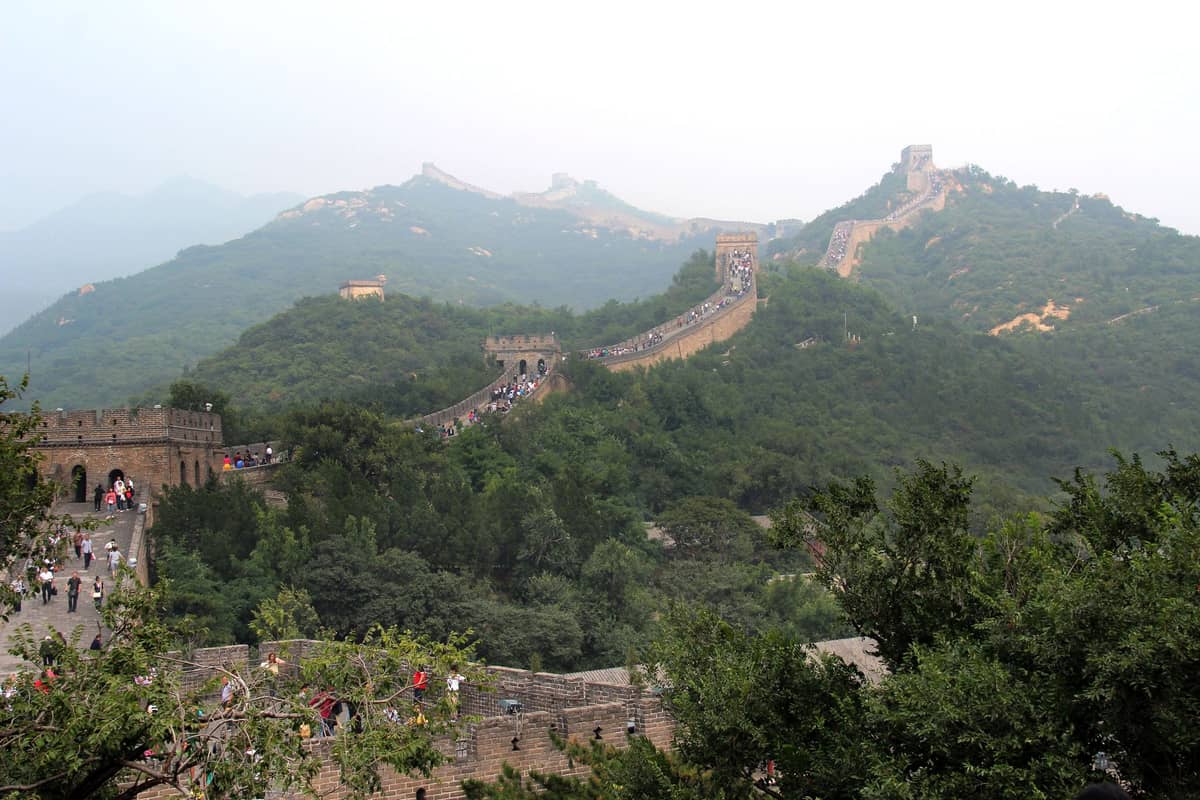
2. See the Most Famous Section at Badaling Great Wall
The best-restored and most visited section, 80km northwest of Beijing, with a cable car and wheelchair-accessible paths. It's crowded by design, built for accessibility. Go on a weekday and arrive early to enjoy the battlements before tour groups arrive.
Explore2. See the Most Famous Section at Badaling Great Wall
The best-restored and most visited section, 80km northwest of Beijing, with a cable car and wheelchair-accessible paths. It's crowded by design, built for accessibility. Go on a weekday and arrive early to enjoy the battlements before tour groups arrive.
Explore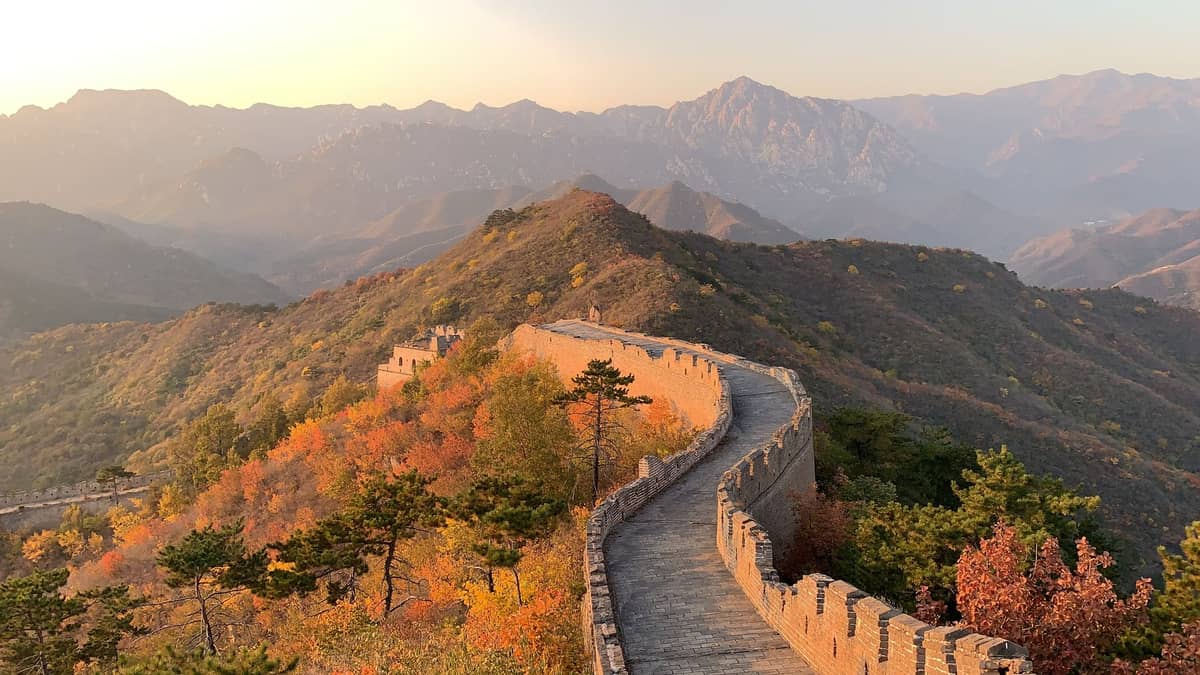
3. Photograph Dramatic Ridgelines at Jinshanling
Photographers and serious hikers favor Jinshanling for its mix of restored and crumbling original Ming towers stretching across ridgelines. The classic point-to-point hike toward Simatai begins here. Plan 4–6 hours for the full traverse.
Explore3. Photograph Dramatic Ridgelines at Jinshanling
Photographers and serious hikers favor Jinshanling for its mix of restored and crumbling original Ming towers stretching across ridgelines. The classic point-to-point hike toward Simatai begins here. Plan 4–6 hours for the full traverse.
Explore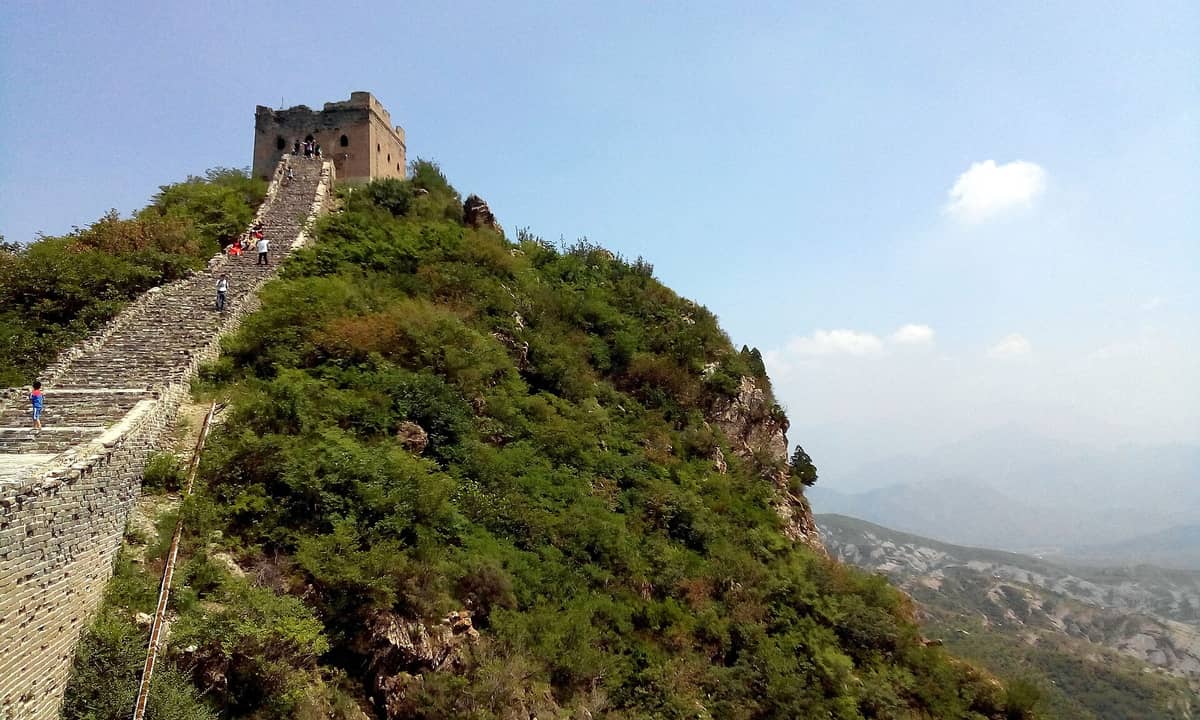
4. Walk the Wall After Dark at Simatai
The only Great Wall section open for night visits, Simatai is adjacent to Gubei Water Town and features steep climbs, original Ming features, and an evening illumination experience unlike anything else on the wall. Book night tickets well in advance.
Explore4. Walk the Wall After Dark at Simatai
The only Great Wall section open for night visits, Simatai is adjacent to Gubei Water Town and features steep climbs, original Ming features, and an evening illumination experience unlike anything else on the wall. Book night tickets well in advance.
Explore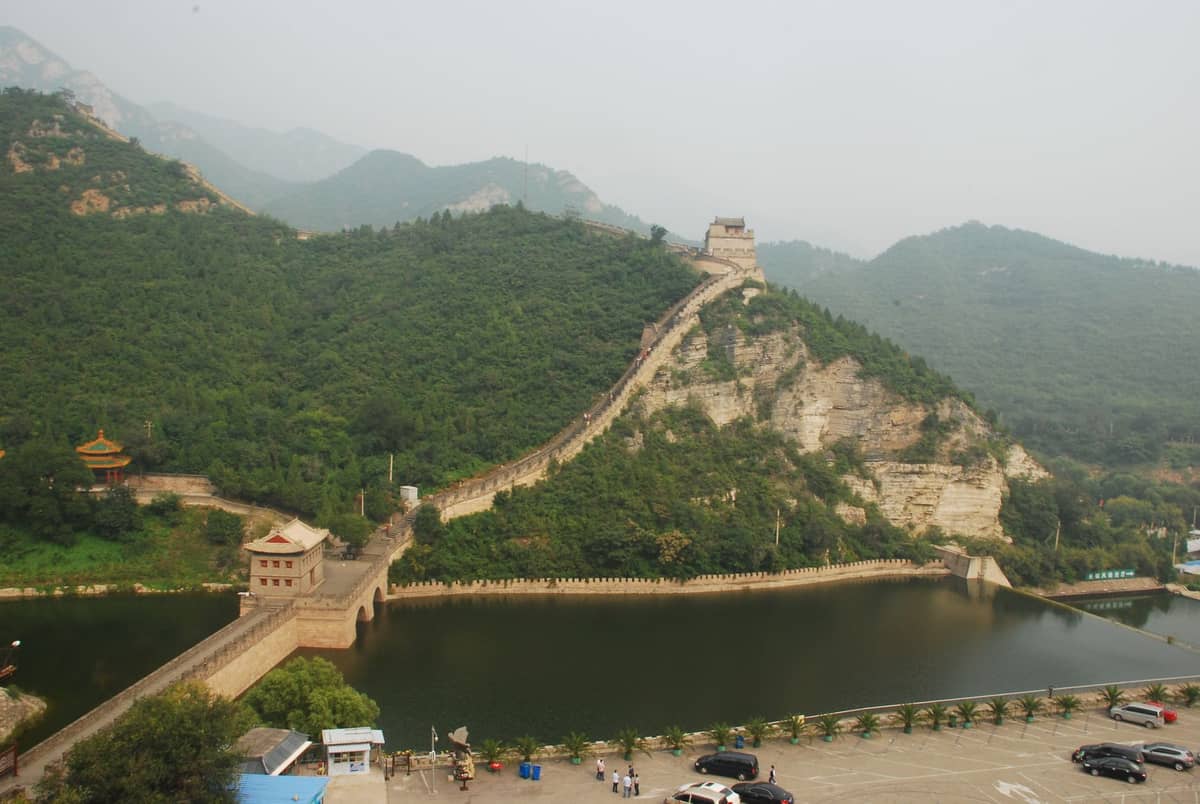
5. Find the Wall in the Water at Huanghuacheng
At Huanghuacheng, the Great Wall descends directly into a reservoir, creating one of the most unusual and photogenic wall landscapes in the Beijing region. Far quieter than Mutianyu, it rewards those willing to handle more complex independent transport logistics.
Explore5. Find the Wall in the Water at Huanghuacheng
At Huanghuacheng, the Great Wall descends directly into a reservoir, creating one of the most unusual and photogenic wall landscapes in the Beijing region. Far quieter than Mutianyu, it rewards those willing to handle more complex independent transport logistics.
ExploreImperial History Beyond the City
The Ming and Qing dynasties left their mark far beyond the city walls. The imperial burial grounds, processional roads, and mountain retreat palaces within reach of Beijing are essential context for anyone interested in China's imperial history. The imperial history guide provides useful background before visiting these sites.
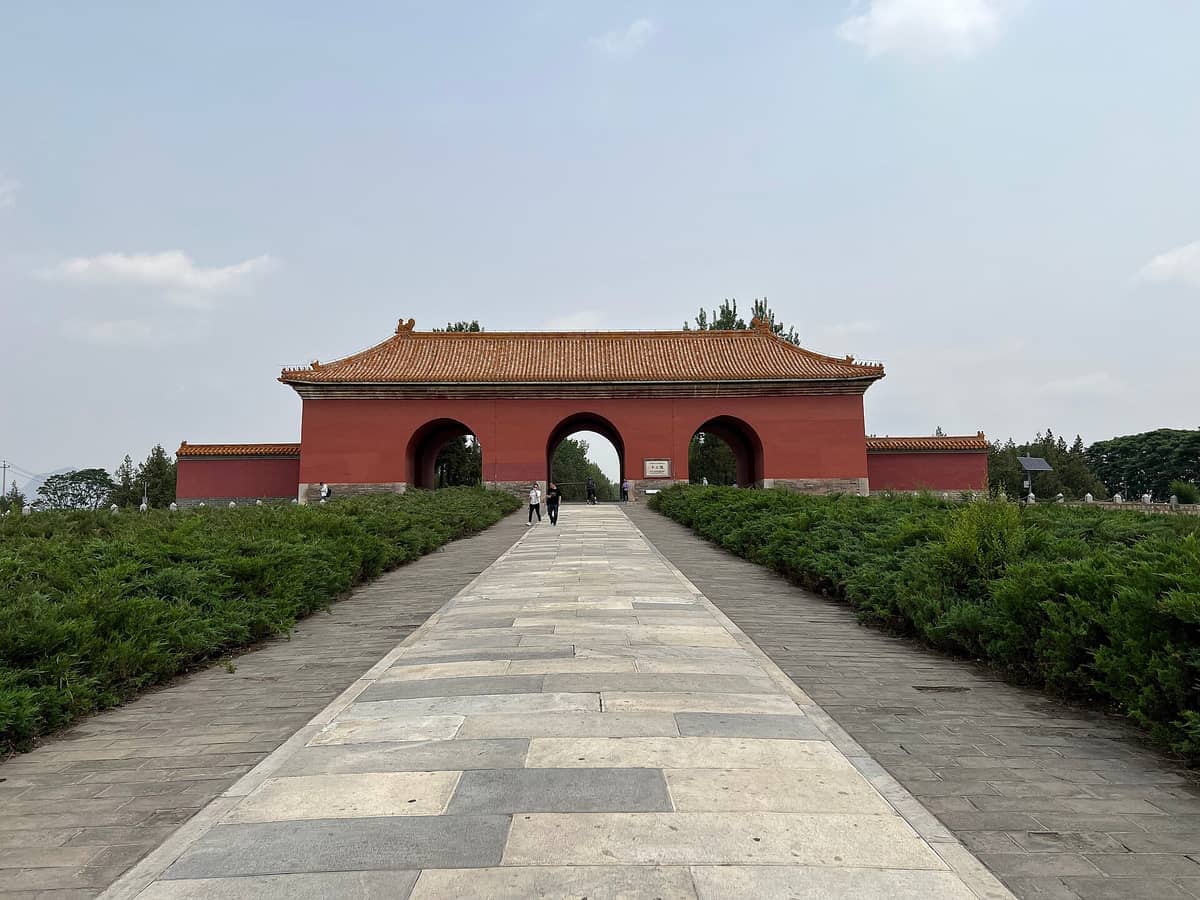
6. Walk the Spirit Way at the Ming Tombs
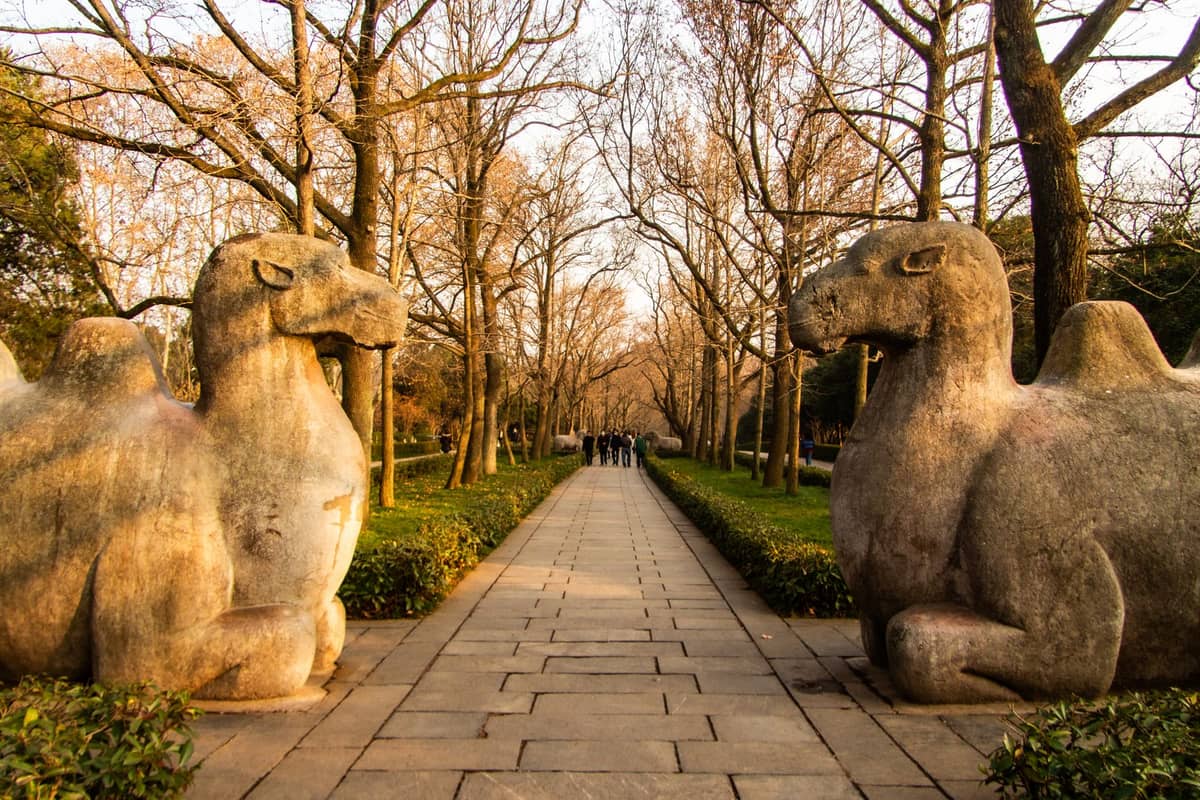
The burial complex of 13 Ming emperors, 50km north of Beijing, is most memorable for its Spirit Way: a processional road lined with oversized stone camels, elephants, and officials frozen mid-stride. Dingling tomb's underground burial chambers are open to visitors.
Explore6. Walk the Spirit Way at the Ming Tombs
The burial complex of 13 Ming emperors, 50km north of Beijing, is most memorable for its Spirit Way: a processional road lined with oversized stone camels, elephants, and officials frozen mid-stride. Dingling tomb's underground burial chambers are open to visitors.
Explore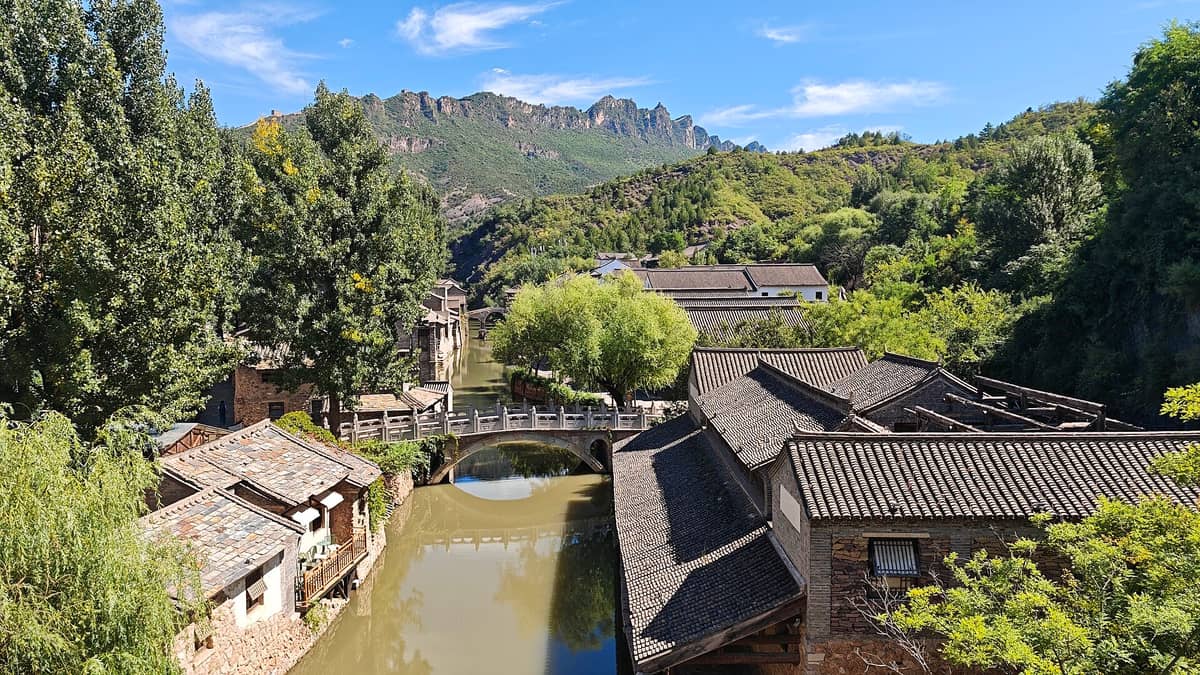
7. Stay for Sunset at Gubei Water Town and Simatai
This reconstructed canal-side town at the foot of Simatai Great Wall makes a natural full-day pairing: hike the wall in the afternoon, then stay for the night illumination. Hot springs, boutique hotels, and canal dining make it an easy overnight extension too.
Explore7. Stay for Sunset at Gubei Water Town and Simatai
This reconstructed canal-side town at the foot of Simatai Great Wall makes a natural full-day pairing: hike the wall in the afternoon, then stay for the night illumination. Hot springs, boutique hotels, and canal dining make it an easy overnight extension too.
Explore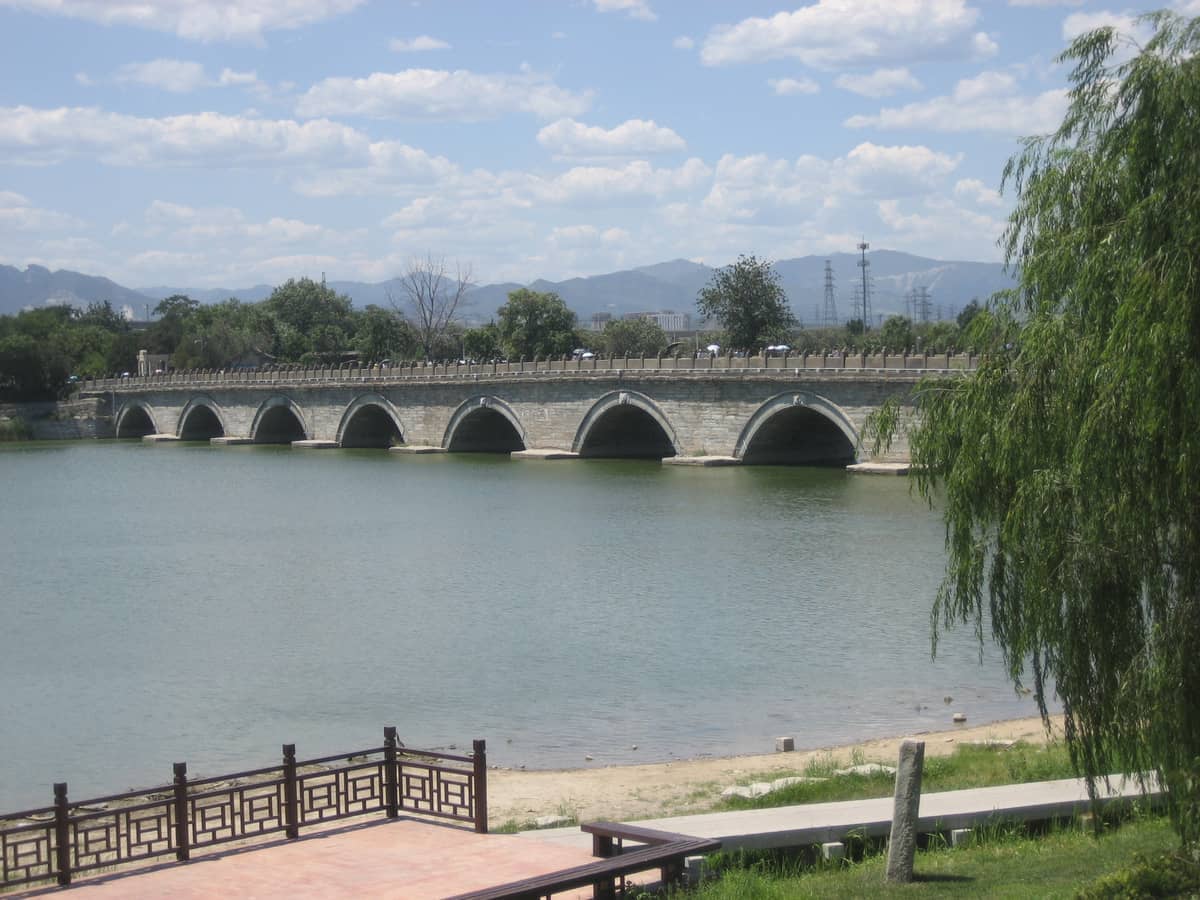
8. Cross the Bridge Marco Polo Described at Lugou Qiao
Built in 1189 and described in detail by Marco Polo himself, this 11-arch stone bridge is lined with 485 individual stone lions and flanked by a museum marking where the Second Sino-Japanese War began in 1937. About 15km southwest of central Beijing.
Explore8. Cross the Bridge Marco Polo Described at Lugou Qiao
Built in 1189 and described in detail by Marco Polo himself, this 11-arch stone bridge is lined with 485 individual stone lions and flanked by a museum marking where the Second Sino-Japanese War began in 1937. About 15km southwest of central Beijing.
ExploreAncient Villages and Natural Landscapes
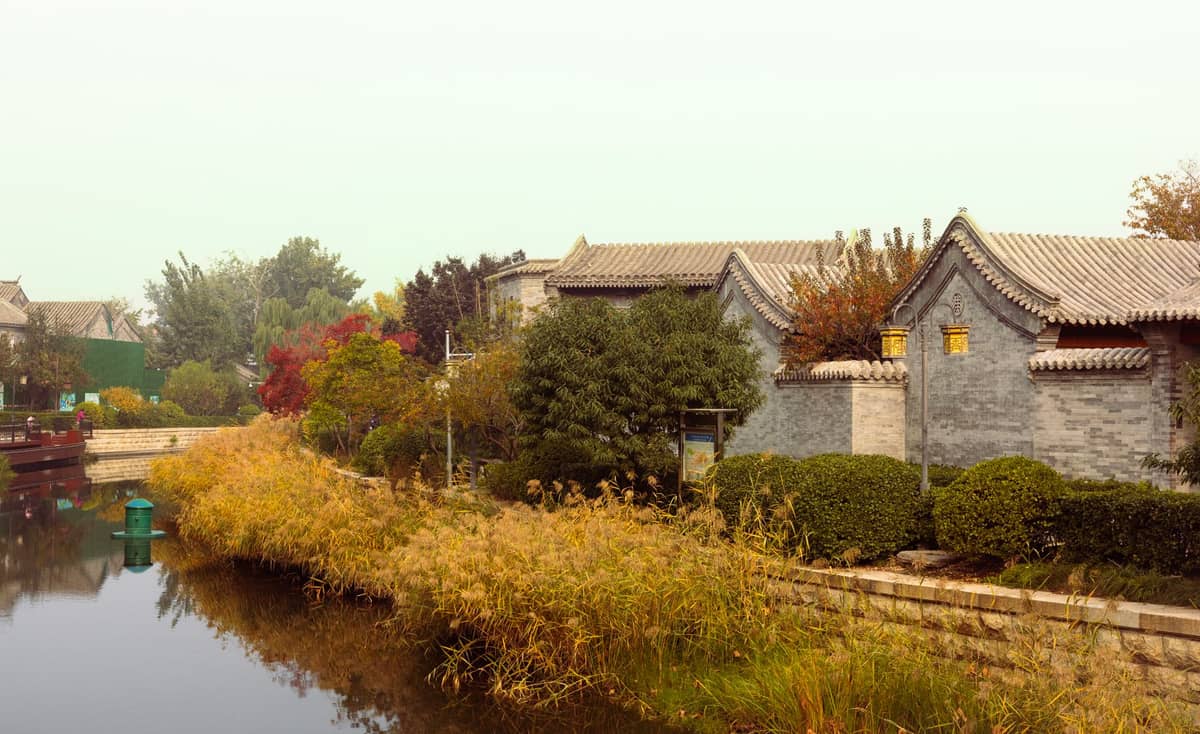
Some of the most rewarding day trips from Beijing require no ticket booth or audio guide: just a mountain road, a stone-paved lane, and the time to wander. These destinations reward those willing to travel 90 minutes from the center for landscapes and village architecture that feel centuries removed from the capital.
9. Step into a Living Ming-Qing Village at Cuandixia
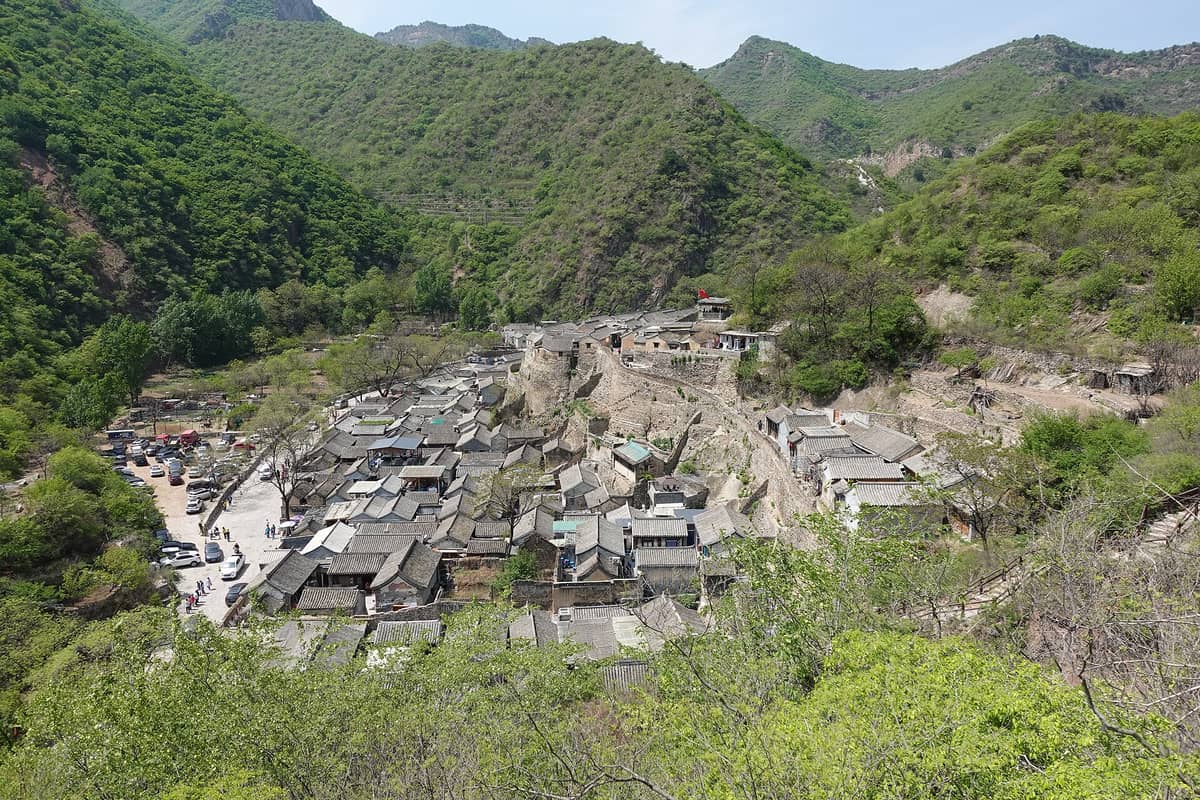
One of China's most intact ancient villages, 90km west of Beijing, where stone lanes wind between traditional courtyard homes on a terraced hillside. Most residents are elderly and live in the same buildings their ancestors built centuries ago. Arrive early or stay overnight.
Explore9. Step into a Living Ming-Qing Village at Cuandixia
One of China's most intact ancient villages, 90km west of Beijing, where stone lanes wind between traditional courtyard homes on a terraced hillside. Most residents are elderly and live in the same buildings their ancestors built centuries ago. Arrive early or stay overnight.
Explore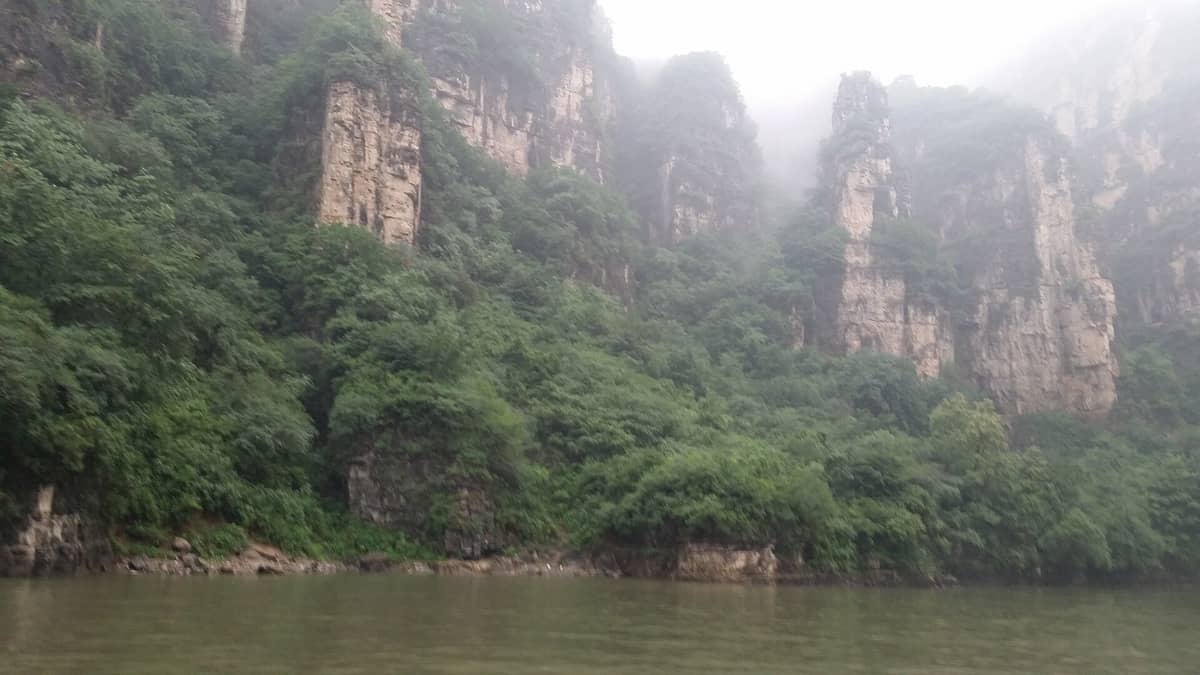
10. Take a Boat Through Longqing Gorge
A dramatic reservoir gorge 90km northwest of Beijing, with towering cliffs, summer boat trips, and a famous winter ice lantern festival. You reach the gorge via an escalator built directly into the cliff face, which is an attraction in itself.
Explore10. Take a Boat Through Longqing Gorge
A dramatic reservoir gorge 90km northwest of Beijing, with towering cliffs, summer boat trips, and a famous winter ice lantern festival. You reach the gorge via an escalator built directly into the cliff face, which is an attraction in itself.
Explore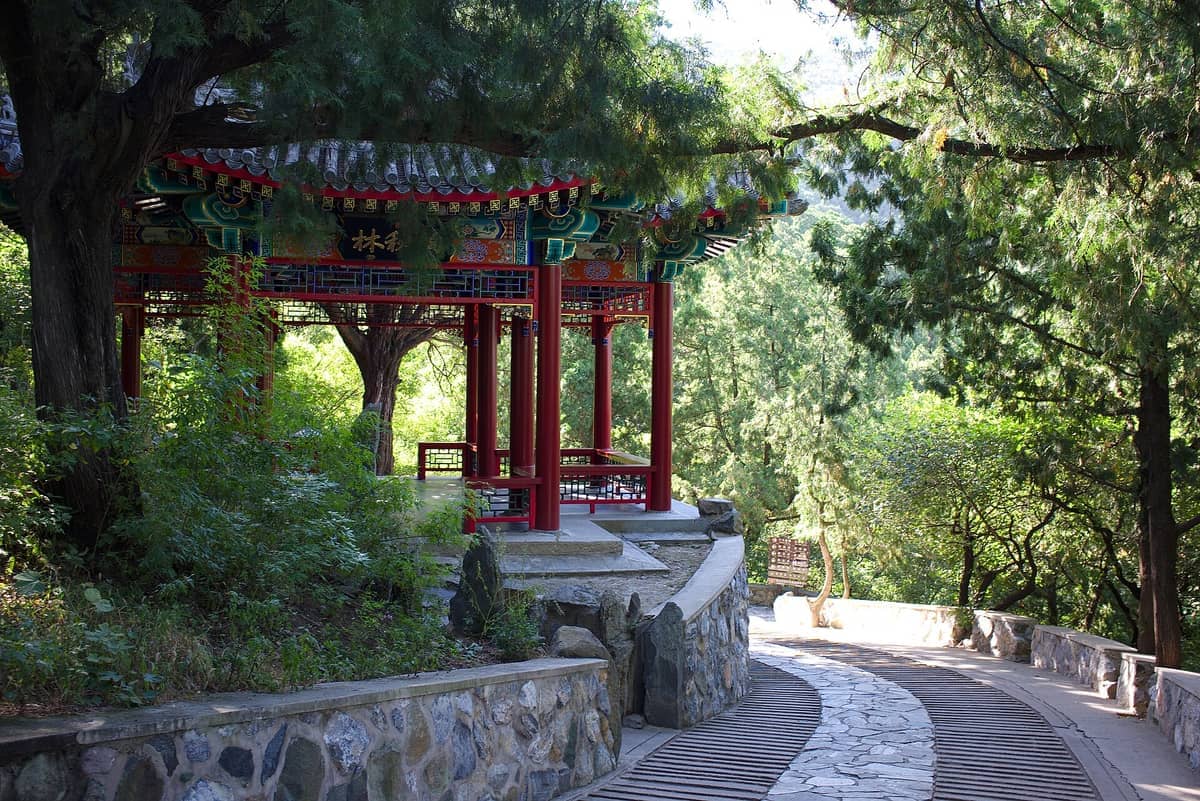
11. Hike the Fragrant Hills for Autumn Color
A former imperial hunting ground in Beijing's Western Hills, Xiangshan is most spectacular in mid-October to early November when hillsides turn deep crimson. A chairlift reaches the summit year-round, and the Temple of Azure Clouds sits within the park grounds.
Explore11. Hike the Fragrant Hills for Autumn Color
A former imperial hunting ground in Beijing's Western Hills, Xiangshan is most spectacular in mid-October to early November when hillsides turn deep crimson. A chairlift reaches the summit year-round, and the Temple of Azure Clouds sits within the park grounds.
ExploreHistory and Heritage Sites
Several significant heritage destinations sit just outside Beijing's central districts and work well as half-day or full-day excursions, particularly when combined with each other. The best museums in Beijing guide covers indoor heritage options if weather becomes a factor in your planning.
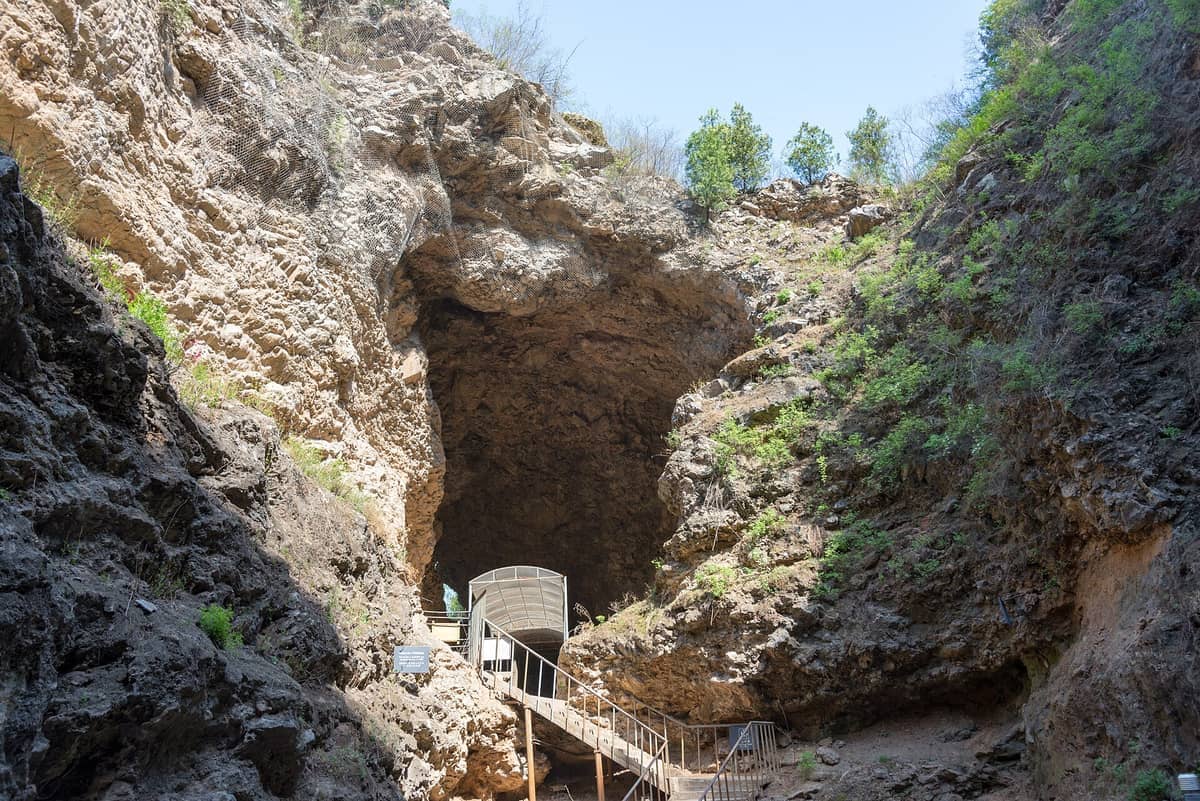
12. Visit the Birthplace of Peking Man at Zhoukoudian
A UNESCO World Heritage Site 50km southwest of Beijing where Homo erectus fossils were found in the 1920s in one of the most significant paleoanthropological discoveries ever made. The on-site museum contextualizes the finds clearly, even for non-specialists.
Explore12. Visit the Birthplace of Peking Man at Zhoukoudian
A UNESCO World Heritage Site 50km southwest of Beijing where Homo erectus fossils were found in the 1920s in one of the most significant paleoanthropological discoveries ever made. The on-site museum contextualizes the finds clearly, even for non-specialists.
Explore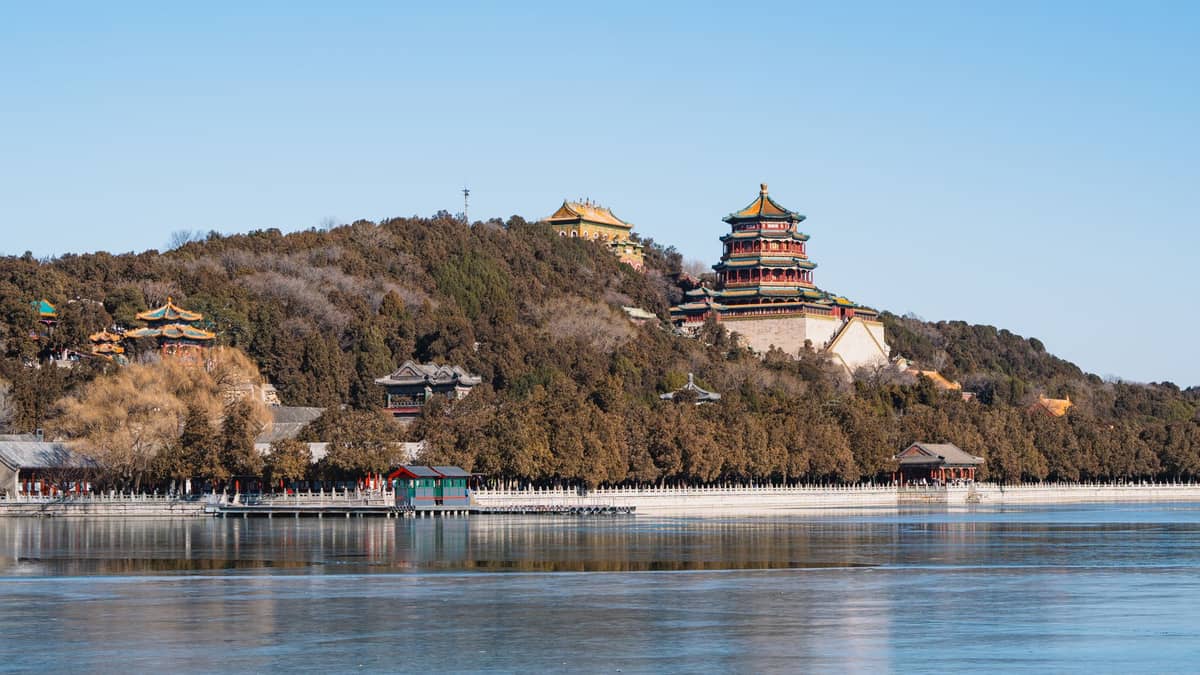
13. Spend a Morning at the Summer Palace
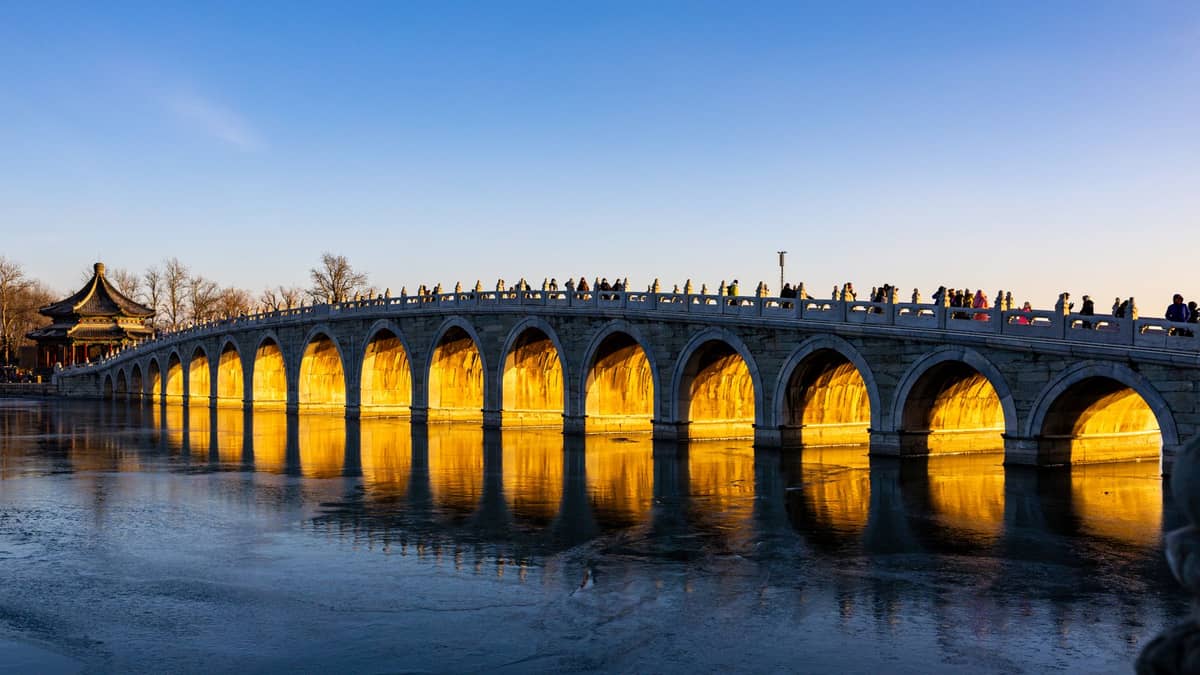
Though technically within Beijing Municipality, the Summer Palace feels like a world apart: Kunming Lake, Longevity Hill, the Long Corridor, and marble pavilions create an imperial garden of extraordinary scale. Best visited early on a weekday to avoid peak crowds.
Explore13. Spend a Morning at the Summer Palace
Though technically within Beijing Municipality, the Summer Palace feels like a world apart: Kunming Lake, Longevity Hill, the Long Corridor, and marble pavilions create an imperial garden of extraordinary scale. Best visited early on a weekday to avoid peak crowds.
Explore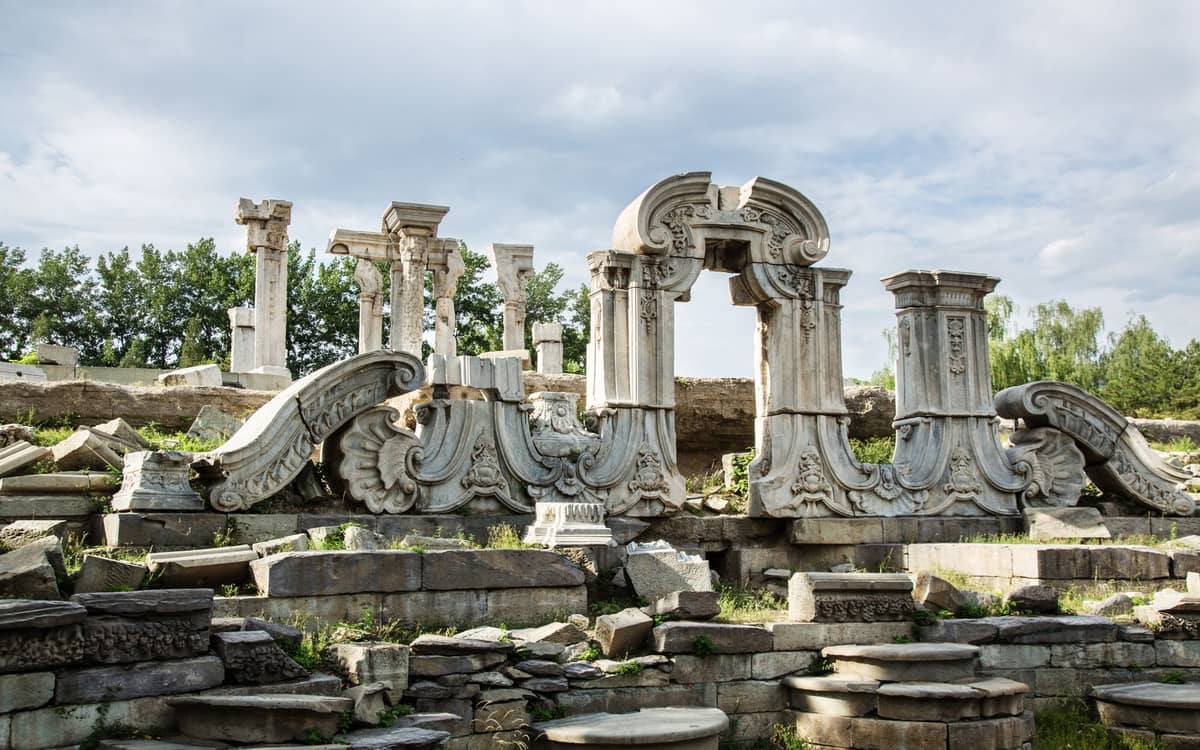
14. Explore the Haunting Ruins of Yuanmingyuan
The original imperial garden complex was looted and burned by Anglo-French forces in 1860. Its marble European-style ruins now rise from lotus ponds in a vast park that rewards slow, reflective exploration. Combine with the nearby Summer Palace for a full day in Haidian.
Explore14. Explore the Haunting Ruins of Yuanmingyuan
The original imperial garden complex was looted and burned by Anglo-French forces in 1860. Its marble European-style ruins now rise from lotus ponds in a vast park that rewards slow, reflective exploration. Combine with the nearby Summer Palace for a full day in Haidian.
Explore✨ Pro tip
Combine the Old Summer Palace and the Summer Palace in a single day. They are about 2km apart and share the same general area of Haidian District. The ruins park opens earlier and draws fewer visitors in the morning.
Combined Day Trip Pairings
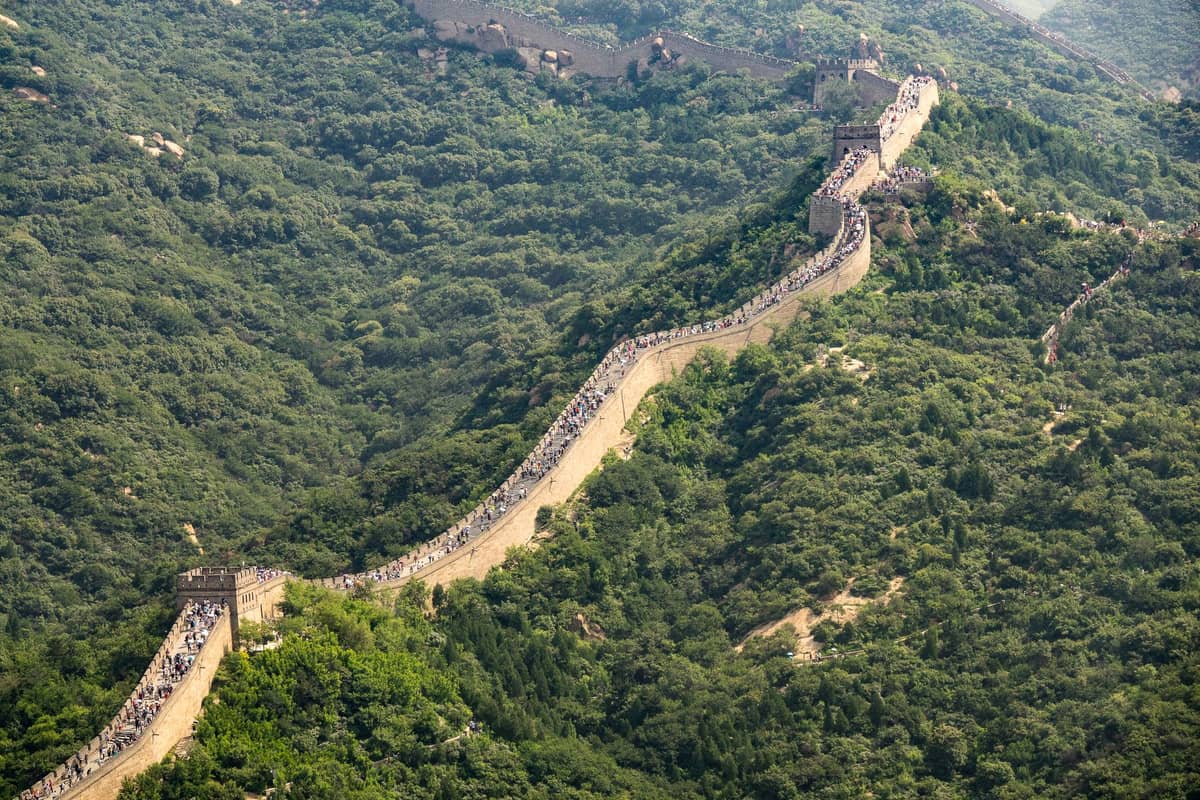
Several attractions outside central Beijing are geographically close enough to pair efficiently in one day. The Badaling Great Wall and Ming Tombs are on the same northward route and are commonly combined on organized tours. For self-guided visitors, the guide to getting around Beijing explains transport options including high-speed trains, buses, and private transfers to outer-district destinations.
15. Add the Temple of Azure Clouds to a Xiangshan Visit
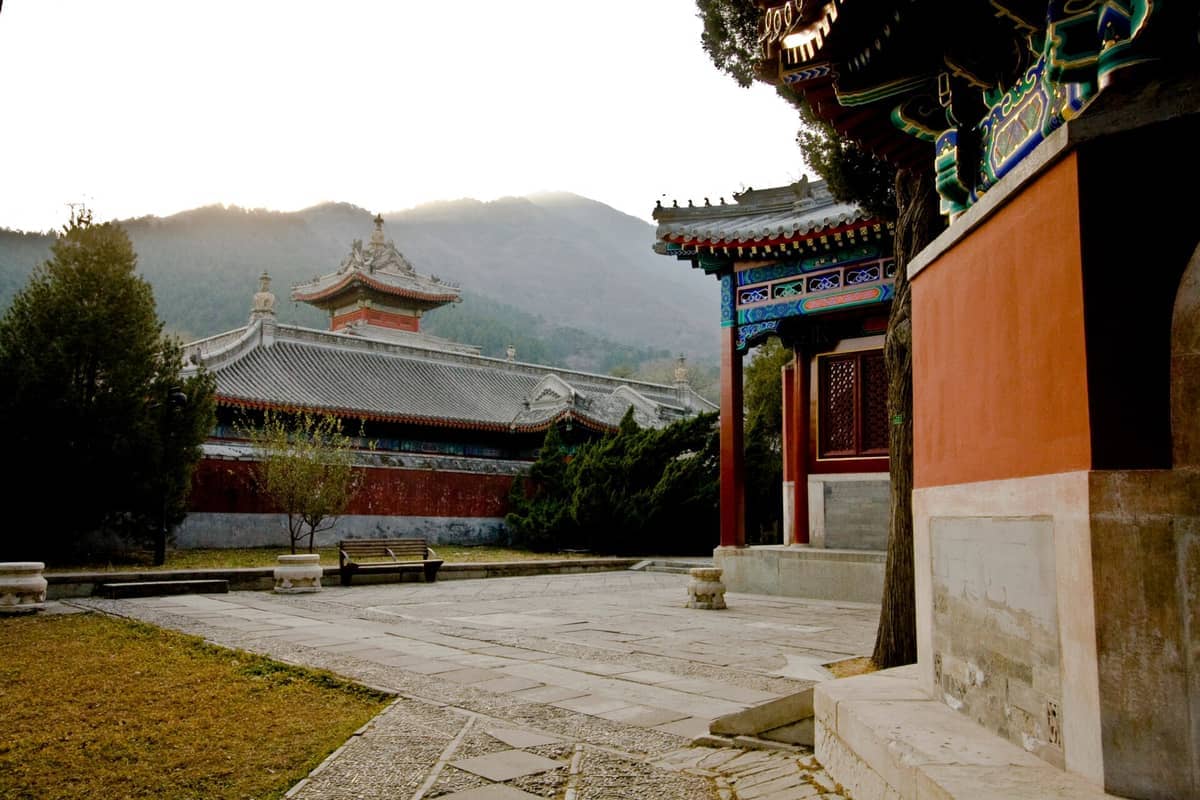
Located inside Xiangshan Park, this well-preserved Buddhist complex features an Indian-style Diamond Throne Pagoda and a Sun Yat-sen memorial hall shaded by ancient cypresses. It costs nothing extra beyond the park entrance fee and takes about an hour to explore.
Explore15. Add the Temple of Azure Clouds to a Xiangshan Visit
Located inside Xiangshan Park, this well-preserved Buddhist complex features an Indian-style Diamond Throne Pagoda and a Sun Yat-sen memorial hall shaded by ancient cypresses. It costs nothing extra beyond the park entrance fee and takes about an hour to explore.
Explore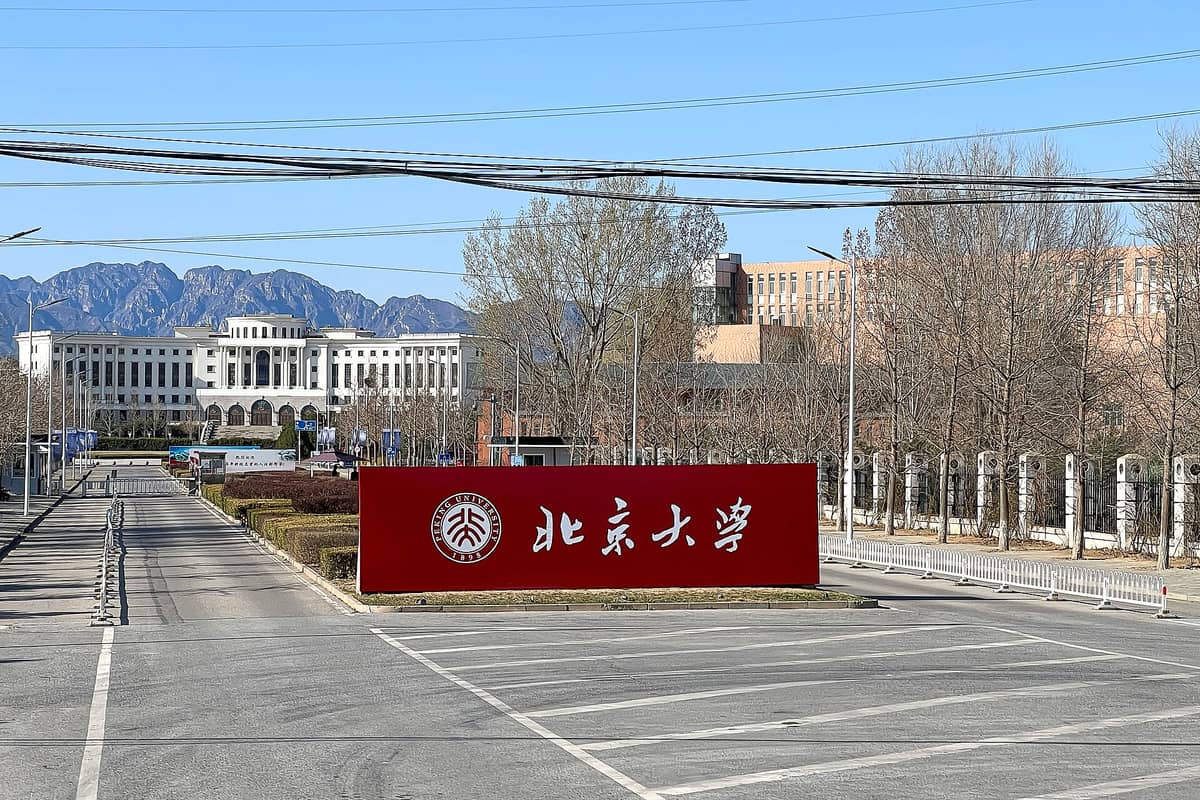
16. Walk the Imperial Garden at Peking University
The Weiming Lake garden at Peking University incorporates classical Chinese architecture, stone bridges, and ancient trees from a former imperial estate. Open to visitors and a peaceful counterpoint to Yuanmingyuan nearby. Allow 1–2 hours for a leisurely circuit.
Explore16. Walk the Imperial Garden at Peking University
The Weiming Lake garden at Peking University incorporates classical Chinese architecture, stone bridges, and ancient trees from a former imperial estate. Open to visitors and a peaceful counterpoint to Yuanmingyuan nearby. Allow 1–2 hours for a leisurely circuit.
ExploreFAQ
Which Great Wall section is best for a day trip from Beijing?
Mutianyu is the most practical choice for most independent travelers: well-restored, less crowded than Badaling, with a cable car and toboggan option. Badaling is the most accessible and most visited. Jinshanling and Simatai suit hikers and photographers willing to handle more complex transport. Each section has its own ticket system and access arrangements, so confirm before booking.
How do I get to the Great Wall from Beijing without a tour?
For Mutianyu, take Express Bus 916 from Dongzhimen to Huairoubeidajie, then transfer to Bus H23, H3, or H71. For Badaling, a direct tourist bus (S2 line or tourist bus 877) runs from Beijing. Private transfers and chartered cars offer door-to-door convenience at higher cost. Book through reputable platforms and confirm which section the transfer covers.
Can I visit the Ming Tombs and Great Wall in the same day?
Yes. Badaling and the Ming Tombs are on roughly the same northbound route from central Beijing and are commonly combined on group tours. If traveling independently, factor in transit time between sites. Allow at least 3 hours at the wall and 2 hours at the Ming Tombs for a meaningful visit to each.
How far is Cuandixia Village from Beijing, and how do I get there?
Cuandixia is approximately 90km west of central Beijing, around 2 hours by public transport. Take the subway to Pingguoyuan, then bus 929 branch line to Zhaitang, followed by a local bus or taxi to the village. Weekend service is more frequent. Some visitors hire a private car for convenience.
What is the best time of year for day trips from Beijing?
April to May and September to October offer the most reliable weather for outdoor excursions: mild temperatures, lower rainfall than the July to August monsoon season, and clear skies more often than winter. October is peak season for autumn foliage at Xiangshan Park and along the Great Wall ridgelines. Summer trips to the wall are possible but hot; winter visits are cold but often crowd-free.