Which Great Wall Section to Visit: The Complete Beijing Comparison
Not all Great Wall sections are equal. This guide breaks down the five main sections accessible from Beijing, including real admission prices, crowd levels, difficulty ratings, and a candid take on which one actually suits your trip.
Plan and book this trip
Tools from our partner Travelpayouts help you compare flights and hotels. If you book through them, we may earn a commission at no extra cost to you.
Flights
Hotels map
TL;DR
- Badaling is the most visited and most crowded section; good for accessibility, not for atmosphere. Mutianyu is the best all-around choice for most visitors, with restored walls, far fewer crowds, and a toboggan descent.
- Jinshanling and Simatai suit hikers and photographers willing to travel farther. Jinshanling is the top pick for a challenging day hike with rewarding views.
- Each section requires a separate ticket; admission at one does not cover any other. Cable cars, shuttle buses, and toboggan rides are all priced separately at most sections.
- Peak season at Badaling runs April 1 to October 31 (CNY 40); Mutianyu adult tickets are CNY 45. Both prices are subject to change, so verify before booking.
- Visit on a weekday and arrive before 9 AM to beat the worst crowds, especially at Badaling and Mutianyu.
Why the Section Choice Matters More Than You Think
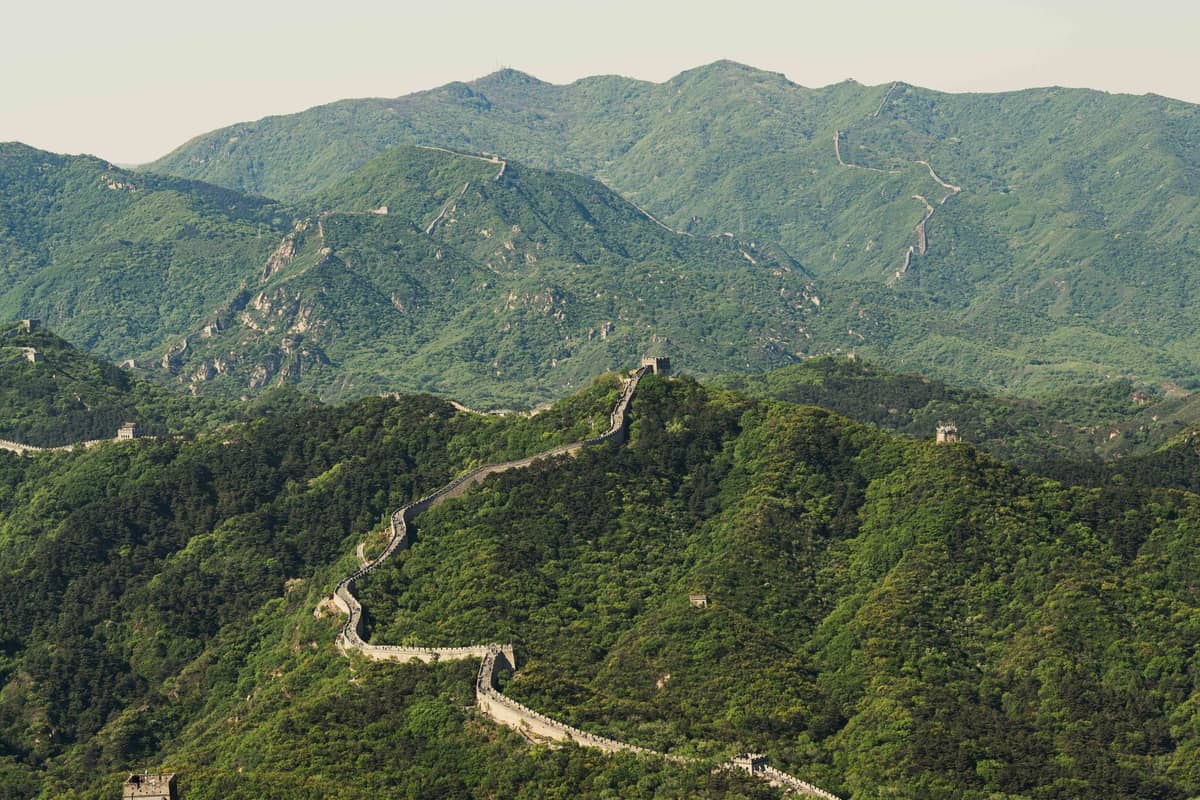
The Great Wall of China is not a single attraction you tick off a list. It is a system of walls, towers, and fortifications built across different dynasties, spanning thousands of kilometers. The sections accessible from Beijing were mostly built during the Ming dynasty (1368-1644) and vary enormously in restoration quality, visitor numbers, accessibility, and the physical experience they offer. Choosing the wrong one for your fitness level, timeline, or travel style is one of the most common mistakes first-time visitors make.
Beijing's mountainous northern districts each host different sections. Badaling and Mutianyu get the vast majority of international visitors. Beyond those two, sections like Jinshanling and Simatai require more planning but reward you with dramatically fewer crowds and a more raw, atmospheric experience. If you are short on time, read the quick comparison below and decide before you leave the city.
Section-by-Section Breakdown
- Badaling Located in Yanqing District, roughly 75 km northwest of central Beijing. The most heavily restored and most visited section in the world. Peak season admission is CNY 40, off-season CNY 35. Hours: 06:30-16:30 (peak), 07:30-16:00 (off-season). Fully accessible for visitors with limited mobility. Expect very large crowds on weekends and public holidays.
- Mutianyu Located in Huairou District, about 70 km northeast of Beijing. Adult admission CNY 45 (CNY 25 discounted). Ticket check-in 07:30-17:30, sales end 17:00. Cable car and toboggan rides are separate charges. A seasonal night-tour program operates on select dates with check-in until 21:00. Significantly fewer crowds than Badaling with comparable restoration quality.
- Jinshanling Located in Hebei Province, roughly 130 km northeast of Beijing. One of the best-preserved unrenovated sections, with a mix of restored and original Ming-era masonry. A serious hiking destination; the full section walk takes around 3-4 hours. Often described as the best balance between accessibility and authenticity. Popular for photography.
- Simatai Located in Miyun District, about 120 km from central Beijing. The only section with a formal night-tour offering that operates year-round (Gubei Water Town adjacent). Steep terrain, narrow walkways, and exposed edges make it unsuitable for young children or those with vertigo. Advance booking is typically required.
- Jiankou (Wild Wall) An unrestored, unmanaged section in Huairou District. No official facilities, no ticket booth, no guardrails. Steep scrambles and crumbling sections make it genuinely dangerous without experience. Attempted by experienced hikers and photographers for its dramatic ridge-top scenery. Not appropriate as a casual day trip.
⚠️ What to skip
Tickets for one Great Wall section do not give you access to any other. Each section is a completely separate attraction with its own admission fee, operating hours, and transportation logistics. Plan your visit around one section per day.
Badaling: The Benchmark and Its Trade-Offs
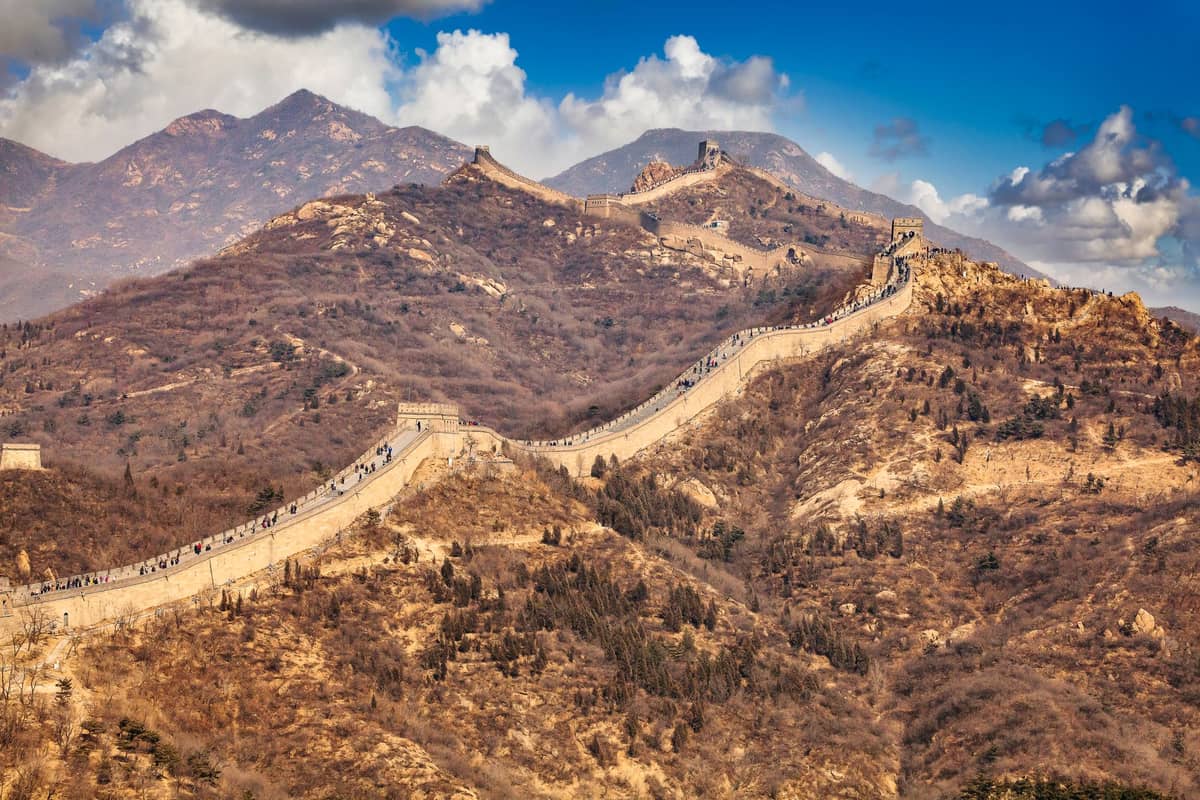
Badaling is where most tour buses go, and there is a practical reason for that: it is the closest major section to the city, the most comprehensively restored, and has the infrastructure to handle millions of visitors per year. The wall itself is wide, well-maintained, and has guardrails throughout, making it the most accessible option for elderly visitors, families with strollers, or anyone with mobility concerns.
The trade-off is crowds. On a summer weekend or national holiday, Badaling can feel closer to a theme park queue than a historical site. The experience on the wall is genuinely diluted when you cannot move freely or stop to take in the view without someone immediately behind you. For visitors whose primary goal is a photograph on the Great Wall, Badaling delivers. For visitors who want to feel the scale and solitude of this structure, it rarely does.
If Badaling is your only option due to time or accessibility needs, go on a weekday in spring or autumn and arrive at opening. The first 90 minutes are substantially quieter than the rest of the day. The North 8 Tower viewpoint offers the most recognizable panoramas, though reaching it requires a steady climb. The cable car reduces the ascent time but is a separate charge and has its own queues during busy periods.
💡 Local tip
Yanqing District, where Badaling is located, sits at a higher elevation than central Beijing. Temperatures are noticeably cooler, especially in autumn and winter. Bring an extra layer even if it feels warm in the city before you leave.
Mutianyu: The Practical Best Choice for Most Visitors
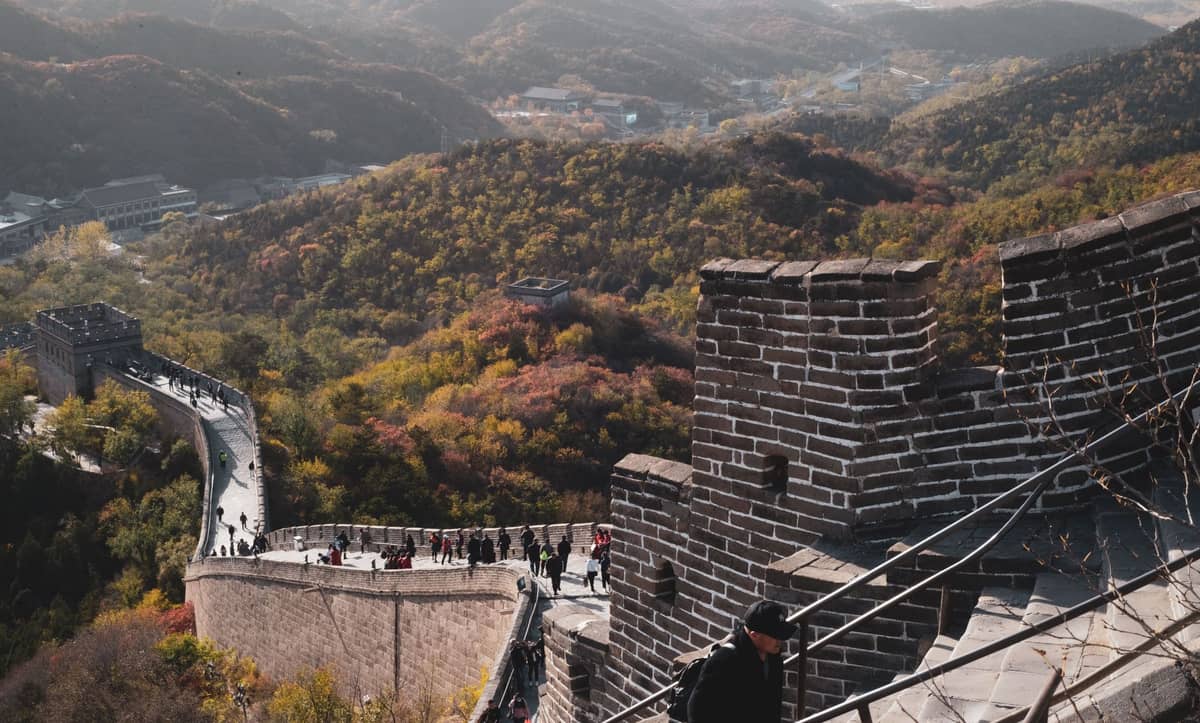
Mutianyu is the section most often recommended by experienced Beijing travelers, and the reasons hold up under scrutiny. The restoration quality is comparable to Badaling, but visitor numbers are significantly lower, the scenery includes dense forested hillsides that frame the wall particularly well in autumn, and the toboggan descent is genuinely fun and practical. The section stretches roughly 2.2 km with 23 watchtowers, which gives most visitors a solid two to three hours of walking without repeating ground.
Getting there independently is straightforward. From central Beijing, bus routes and private transfers connect to Mutianyu in approximately 1.5 hours depending on departure point and traffic. The scenic area operates an internal shuttle from the entrance to the wall base. From there, you either hike up via stone steps (around 20-30 minutes) or take the cable car. Check the Mutianyu Great Wall page for current transport options and seasonal hours before you go.
One practical note: the cable car, toboggan, and shuttle bus are each separate charges on top of the base admission. Budget accordingly. The toboggan (a seated luge-style sled on a fixed track) costs extra but is worth it for the descent speed and the novelty. It closes in wet or icy conditions, so have a backup plan in winter or during rainy weather.
Mutianyu's peak season runs from March 16 to November 15. If you visit in late October, the maple and oak canopy around the wall turns amber and red, which makes for exceptional photography and justifies the trip on its own terms. Visitor numbers can be high during autumn, so the weekday-and-early-arrival strategy still applies.
✨ Pro tip
Mutianyu's eastern end (around towers 14-23) sees far fewer visitors than the cable car exit zone. If you want space and quiet, head east from where most people cluster near the central section and keep walking. The wall thins out noticeably within 15 minutes.
Jinshanling and Simatai: For Hikers and Serious Visitors
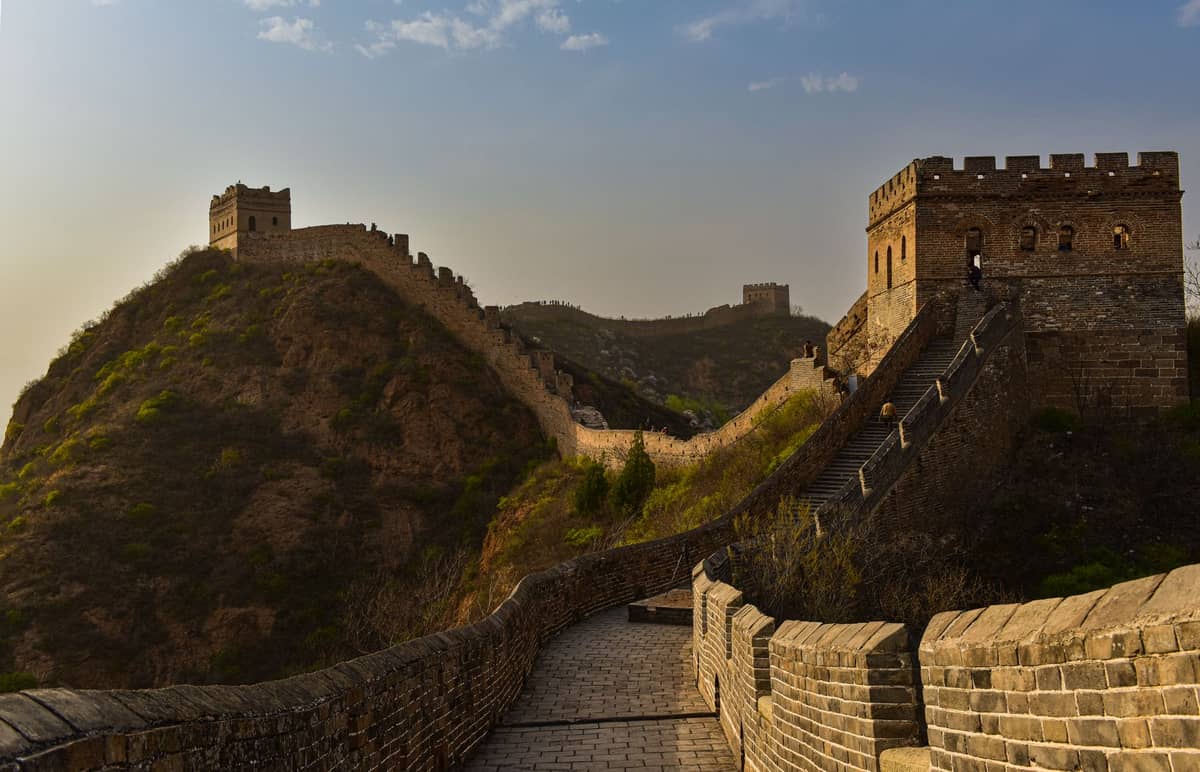
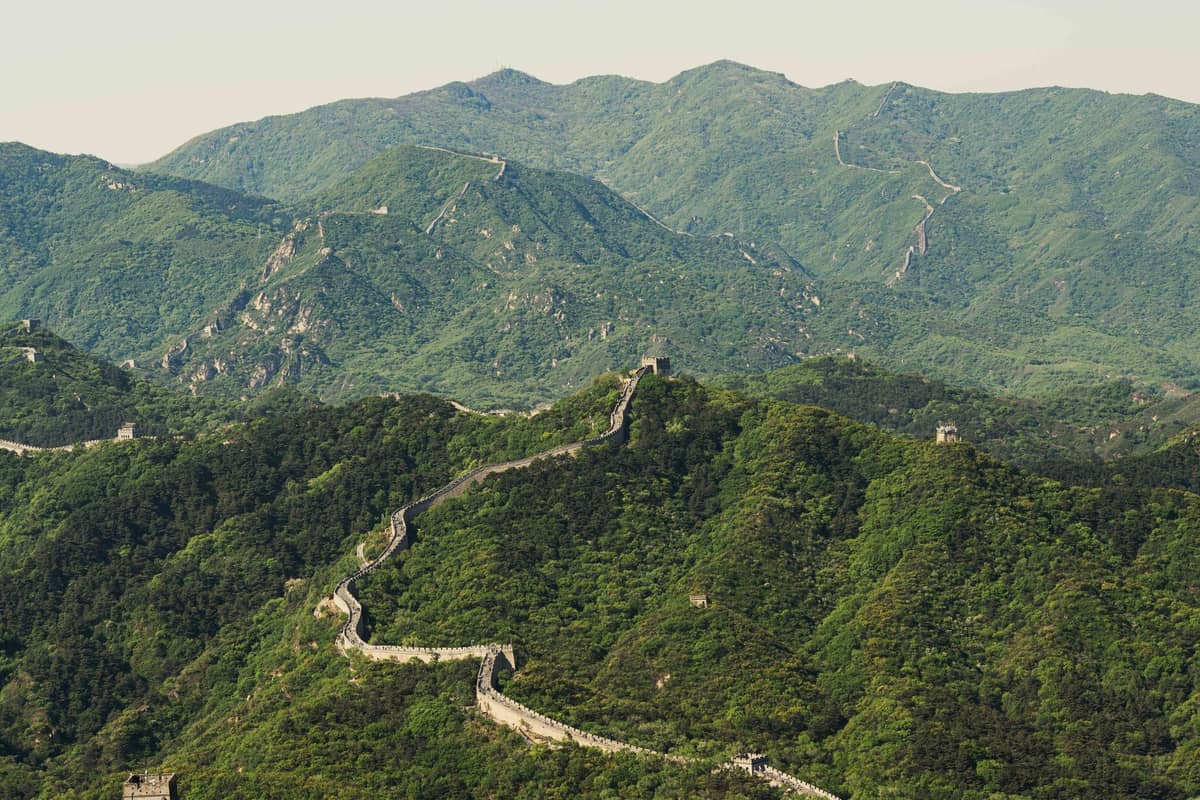
Jinshanling sits in Hebei Province, just over the Beijing municipal boundary, and the extra distance (roughly 130 km from the city center) keeps the crowds down to a manageable level even on weekends. The wall here mixes heavily restored sections with older, partially crumbled stretches, giving it an authenticity that Badaling and Mutianyu cannot match. The classic visit involves walking the section from Jinshanling toward Simatai over three to four hours, passing through varied terrain with genuine elevation changes.
Simatai, for its part, is the only section offering a structured night-tour experience year-round, operated in conjunction with the adjacent Gubei Water Town resort. The nighttime lighting of the wall against the sky is visually striking, but Simatai's terrain is steeper and more exposed than Jinshanling or Mutianyu, with narrow walkways at elevation. It is not appropriate for young children, anyone with a fear of heights, or visitors who underestimate the physical demand. Advance booking is generally required.
- Jinshanling: Best for experienced walkers who want both restoration and authenticity in the same section. Allow a full day from Beijing.
- Simatai: Best for visitors specifically seeking a night-tour experience or staying at Gubei Water Town. Book well ahead.
- Jiankou: For experienced hikers and photographers only. No facilities, no guarantees, no rescue infrastructure. Research the route carefully before attempting it.
- Badaling: Best for first-timers with limited time or mobility requirements who prioritize convenience over atmosphere.
- Mutianyu: Best overall for international visitors balancing restoration quality, scenery, manageable crowds, and practical logistics.
Seasonal Strategy and Crowd Patterns
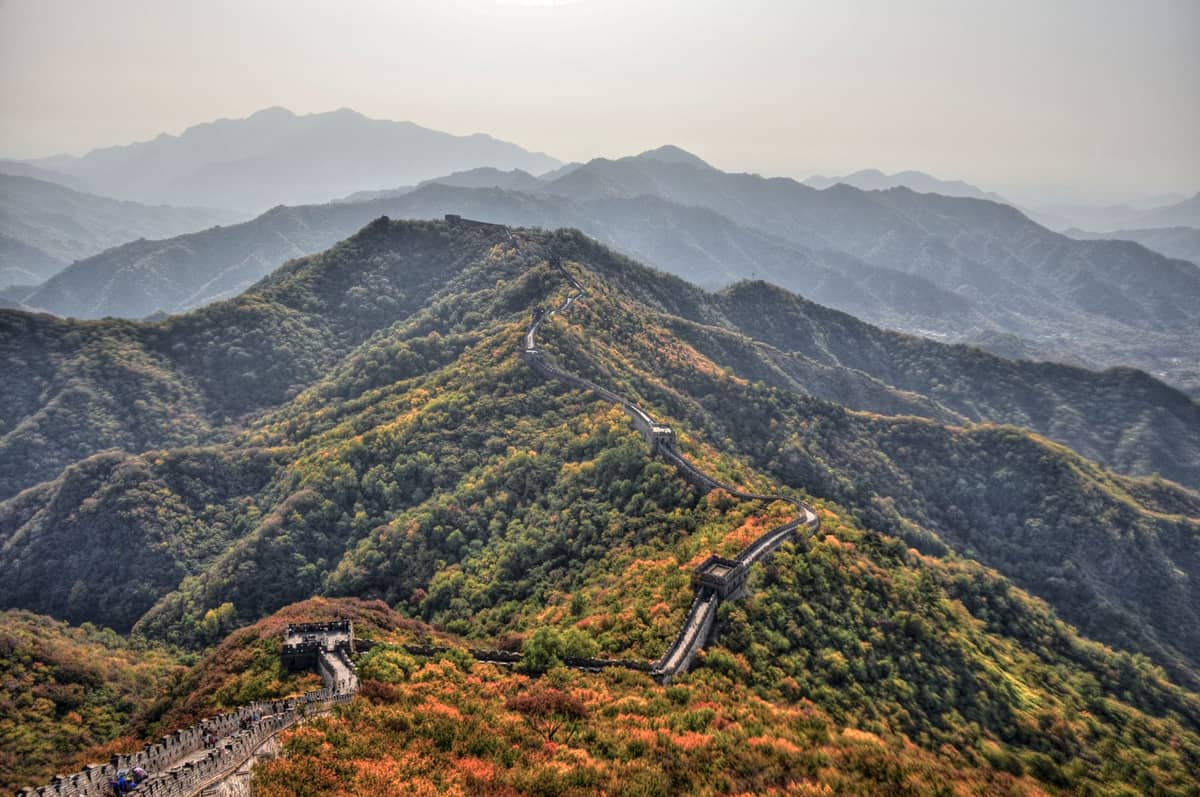
Timing your Great Wall visit correctly matters almost as much as choosing the right section. The best months to visit Beijing generally align with the best months for the Wall: April to May and September to October offer mild temperatures, lower rainfall than the summer monsoon period, and the most photogenic light and vegetation. Summer visits (June to August) bring longer daylight hours and extended operating times at some sections, but also the hottest weather, occasional haze, and the peak of domestic tourism.
Chinese national holidays, particularly Golden Week in early October (October 1-7) and the Spring Festival period in January or February, bring extraordinary crowd volumes to Badaling. Both sections require advance ticket reservations on booking platforms during these windows, and queues can extend hours even with a ticket. If your travel dates fall during a major Chinese public holiday, Jinshanling or Simatai become significantly more attractive by default, since their remoteness naturally limits visitor numbers.
Winter visits (November to March) are underrated if you can tolerate the cold. Snow on the wall produces genuinely dramatic scenery, especially at Mutianyu where the forested backdrop holds snow well. Crowds are thin, and the operating hours, while shorter, are less of a constraint when you are not fighting for wall space. Temperatures at wall elevation can drop significantly below city temperatures, so warm, windproof layers are non-negotiable.
ℹ️ Good to know
Beijing's air quality varies by season and weather conditions. Summer and autumn months generally see better visibility than winter, when temperature inversions can trap pollution. Check current air quality readings before a wall visit, as haze can significantly reduce long-distance views from the ramparts.
Practical Logistics: Getting There and What to Bring
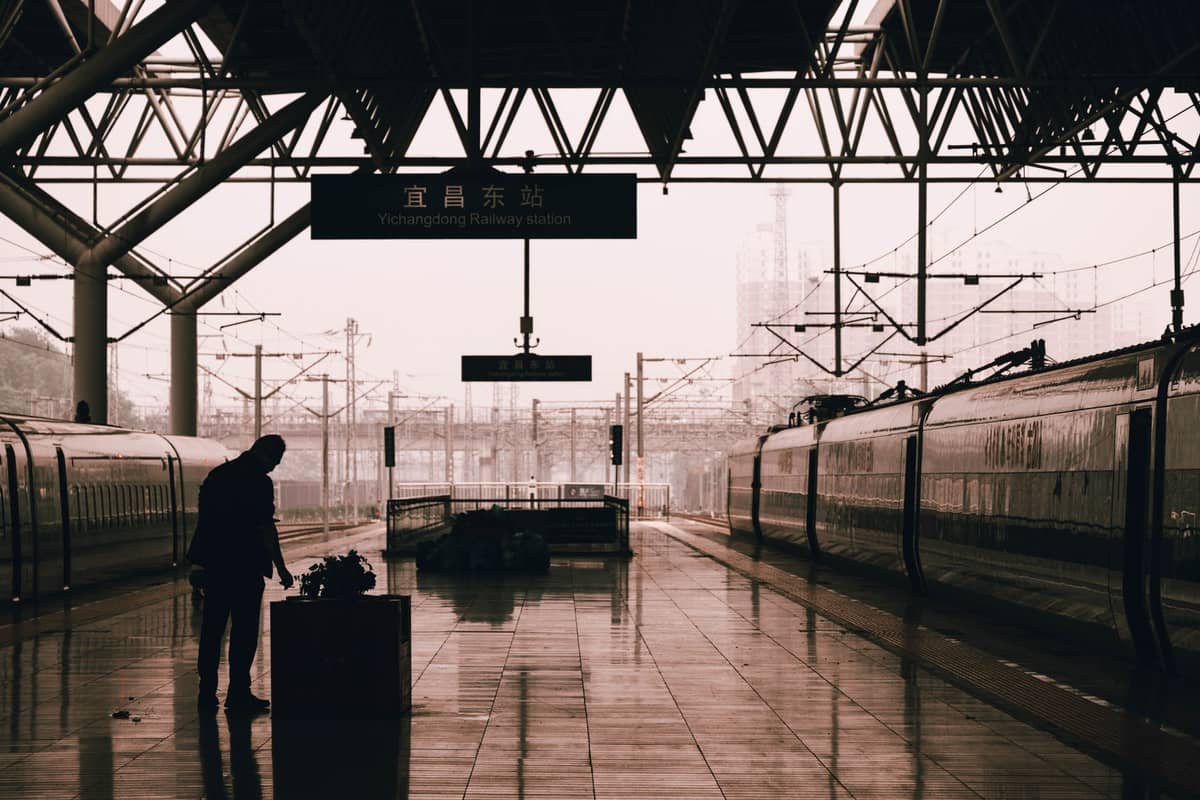
Transportation from Beijing to the Great Wall is one area where it pays to plan ahead. The subway does not reach any of the major sections. For Badaling, a direct high-speed train from Beijing North station (Xizhimen) reaches Badaling station in under an hour and is the most efficient option for independent travelers. For Mutianyu, official tour buses from selected city stops, private transfers, or organized day tours are the main options. The guide to getting around Beijing covers the full transport picture if you are navigating independently.
Organized day tours from the city handle transport to the wall and back, often combining the visit with a stop at the Ming Tombs or other northern Beijing attractions. The convenience is real, especially for first-time visitors, but check whether the itinerary includes shopping detours, which are common on budget tours. A direct round-trip transport arrangement, whether private transfer or official bus, often gives you more flexibility on the wall itself.
- Footwear: Proper walking shoes with grip are essential. Sandals and flat-soled shoes are genuinely hazardous on steep, uneven stone steps.
- Water: Bring more than you expect to need. Prices for drinks on or near the wall are high, and on hot days dehydration sets in faster than expected at elevation.
- Sun protection: The wall offers little shade on most sections. Sunscreen, a hat, and sunglasses are practical necessities from April through September.
- Cash and mobile payment: Most sections accept WeChat Pay and Alipay for incidentals. Have some CNY cash available as backup.
- Layers: Temperature drops quickly if clouds move in or wind picks up at elevation. A light packable jacket fits easily in a day bag.
- Time buffer: Allow at least 30 minutes on each end of your wall time for shuttle buses, ticket queues, and the walk between transport and the wall itself.
If you are combining a wall visit with other Beijing sights, the northern suburbs have enough to fill a full day. The area around Mutianyu in Huairou is worth exploring beyond the wall itself. Visitors building a multi-day itinerary can find structure in the 3-day Beijing itinerary, which allocates one day to the Great Wall and balances it against the city's central attractions.
FAQ
Which Great Wall section is best for first-time visitors?
Mutianyu is the most consistently recommended section for first-time visitors. It combines strong restoration quality with manageable crowd levels, good scenery, and practical add-ons like the toboggan descent. Badaling is fine if accessibility or direct train access is your priority, but the crowds can undermine the experience significantly on busy days.
How far is the Great Wall from Beijing city center?
The main sections range from about 70 km (Mutianyu and Badaling) to 120-130 km (Jinshanling and Simatai) from central Beijing. Travel times by ground transport are roughly 1.5 to 2.5 hours each way depending on section, route, and traffic conditions.
Do I need to book Great Wall tickets in advance?
During peak periods (Golden Week, major Chinese holidays, summer weekends) advance booking is strongly advisable for Badaling. Mutianyu uses current ticketing and reservation arrangements that can vary by date and program, especially for night tours, so check its official booking page before visiting. Simatai typically requires advance booking. Always check the official site or a current source before your visit.
Is the Great Wall suitable for children?
Badaling and Mutianyu are both manageable for older children and families, though the stone steps are steep in places and young children will need close supervision. Simatai and Jiankou are not appropriate for young children due to exposed terrain, steep gradients, and limited safety infrastructure. The toboggan at Mutianyu has age and height requirements; check these directly with the attraction before visiting with small children.
What is the difference between the wild wall and the restored sections?
Restored sections like Badaling and Mutianyu have been structurally reinforced, with repaired parapets, even surfaces, and guardrails. Wild or unrestored sections like Jiankou have original or partially collapsed Ming-era masonry with no safety infrastructure, no facilities, and no official management. Wild wall visits offer dramatic scenery and isolation but carry genuine physical risk and are only appropriate for experienced, well-equipped hikers.