3 Days in Beijing: The Perfect Itinerary
Three days is enough to cover Beijing's imperial core, climb the Great Wall, and wander centuries-old hutong lanes. This itinerary is built around real booking logistics, seasonal crowd patterns, and a candid take on what's worth your time.
Plan and book this trip
Tools from our partner Travelpayouts help you compare flights and hotels. If you book through them, we may earn a commission at no extra cost to you.
Flights
Hotels map
TL;DR
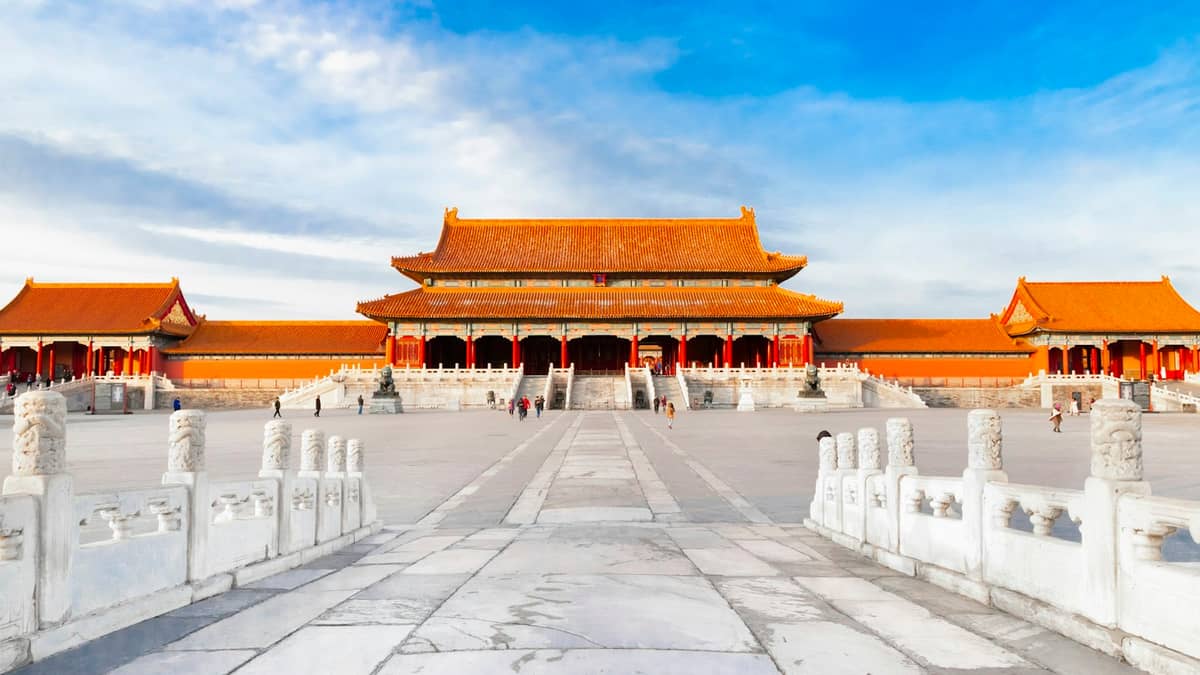
- Book the Forbidden City in advance via the Palace Museum WeChat mini-program. Tickets sell out days ahead, especially on weekends and holidays. See the full Forbidden City tickets guide for step-by-step instructions.
- Dedicate a full Day 2 to the Great Wall. The Mutianyu section is the most practical for independent travelers: well-restored, less crowded than Badaling, and accessible by direct bus.
- Temple of Heaven's park and its inner monuments have separate tickets and different closing times. Don't arrive after 17:00 expecting to see the Hall of Prayer for Good Harvests.
- The Beijing Subway covers nearly every attraction on this itinerary. Load a transit card or use Alipay/WeChat Pay. For full transport logistics, check getting around Beijing.
- September and October are the best months for this itinerary: clear skies, comfortable temperatures, and golden foliage near the Wall. Avoid the first week of October (Golden Week) unless you book everything two months in advance.
Before You Go: Booking, Timing, and Logistics
A 3-day Beijing itinerary sounds straightforward until you discover that two of its three anchor attractions require advance reservations through Chinese platforms. The Forbidden City operates a real-name ticketing system: you submit your passport number when booking, and the ticket is non-transferable. Slots open on a rolling basis and disappear fast, particularly for weekend mornings. Book the moment your travel dates are confirmed, not the day before you fly.
The Temple of Heaven allows reservations 1 to 7 days in advance through the official "Visiting Beijing Parks" or "Temple of Heaven" WeChat accounts. The Great Wall sections also use reservation systems. For Mutianyu Great Wall, tickets and cable car slots can be pre-booked online. Official guidance lists Great Wall opening hours as approximately 6:30 to 16:30, though this varies by season and section. Always confirm hours for the specific site before you travel.
⚠️ What to skip
Beijing uses a high season (April 1 to October 31) and low season (November 1 to March 31) ticketing calendar. Inner attraction closing times shift significantly in winter, often an hour earlier than summer. If you're visiting outside peak season, verify current opening hours directly with each venue before setting your daily schedule.
On the transport side, the Capital Airport Express from Beijing Capital International Airport (PEK) to central Beijing costs CNY 25 and is the fastest option to Dongzhimen, where you connect to the subway. Taxis and DiDi to central districts run roughly CNY 100 to CNY 200 depending on traffic and destination. For more detail on both airports and all transit options, the Beijing airport guide covers everything you need.
Day 1: The Imperial Core — Tiananmen, Forbidden City, and Jingshan
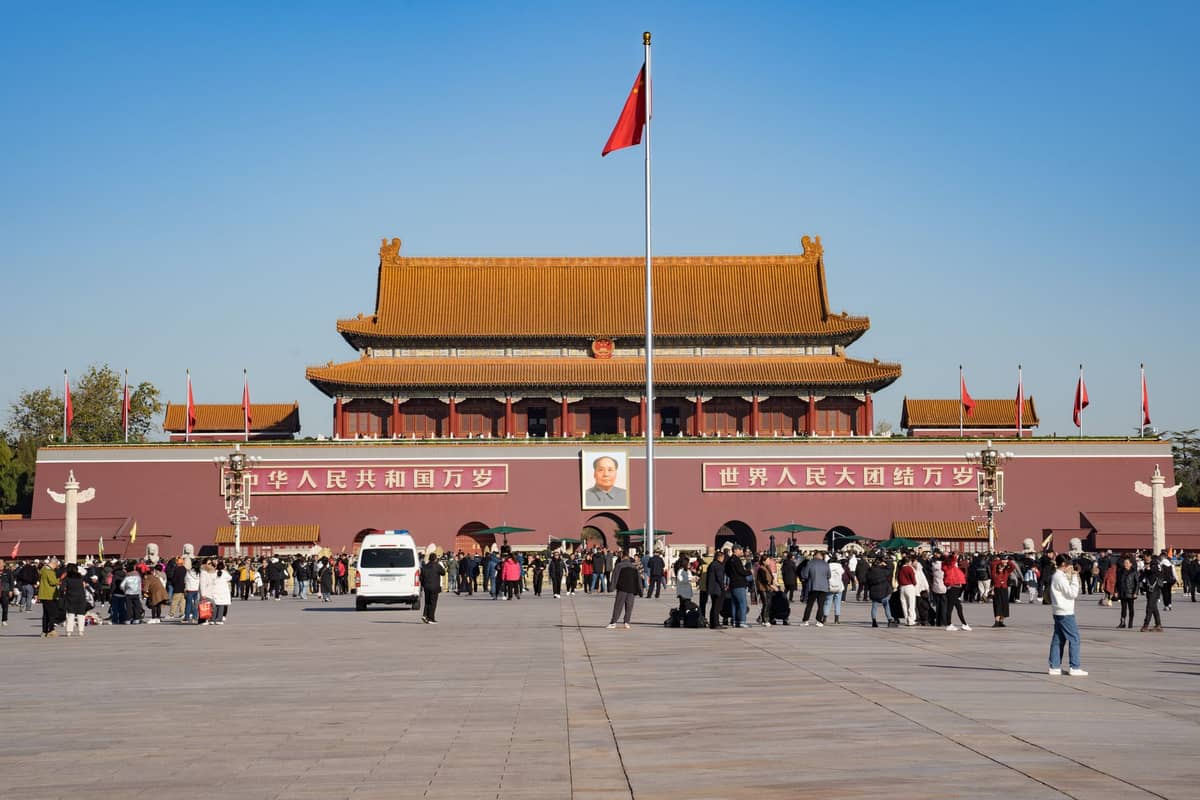
Start early. The Forbidden City opens at 8:30 and the crowds that arrive by 9:30 are substantial. Aim to be at the Tiananmen Square Gate by 8:00 so you can walk the vast square without fighting tour groups, then enter the Palace Museum when the gates open. The complex covers 720,000 square meters: you need at least three to four hours to walk the central axis and explore the side halls. Pick two or three secondary exhibitions to focus on rather than rushing through everything.
After the Forbidden City, exit through the north gate and climb Jingshan Park directly opposite. The hill is a coal heap from when the palace moat was dug, now landscaped, and the pavilion at the top gives you the single best aerial view of the Forbidden City's yellow-roofed halls. Entry is cheap (around CNY 2, verify current price), the climb takes about 10 minutes, and the view justifies the detour completely.
For the afternoon, walk or take a short taxi to Nanluoguxiang or the hutong neighborhoods around Shichahai. The narrow alleyways here were laid out during the Yuan Dynasty and remained largely intact until recent decades. Wander without a fixed route: the value is in the residential textures, the repair shops, the old courtyard gates, not the souvenir stalls on the main drag. Nanluoguxiang's central lane is now heavily commercialized; consider turning off into the side alleys almost immediately.
End the day near Houhai and Shichahai. In good weather, the lakes are calm at dusk and the surrounding bars and restaurants fill up after 18:00. For dinner, Peking duck is the obvious choice for a first night. The canonical experience comes from institutions like Quanjude or Da Dong, though both are expensive and very touristy. Better value comes from mid-tier local spots in the Dongcheng and Xicheng districts. See the full Peking duck guide for ranked options and price points.
Day 2: The Great Wall — The Full Day Trip
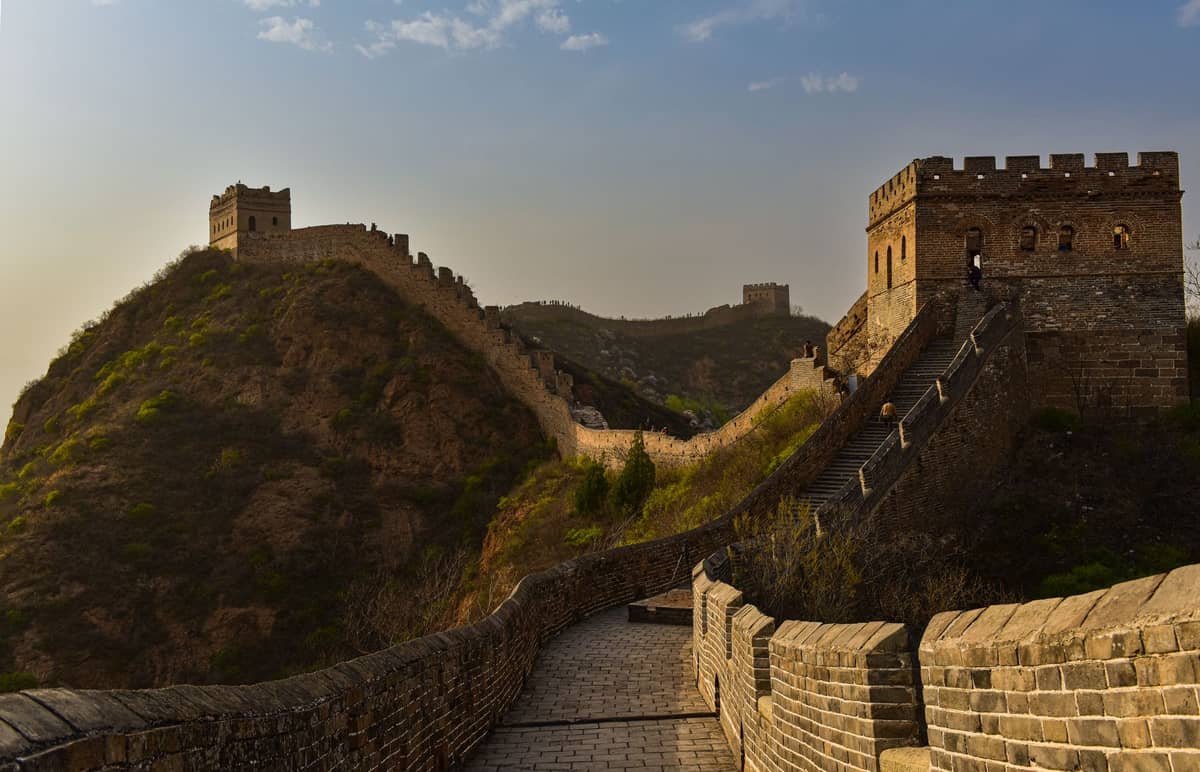
The Great Wall deserves a full day, not a half-day afterthought. Getting there, climbing, and returning realistically consumes six to eight hours. Mutianyu, located about 75 km northeast of central Beijing in Huairou District, is the section most recommended for independent travelers: it's well-restored, has a cable car and toboggan, and sees significantly fewer visitors than Badaling on most weekdays.
Badaling is the most visited section in the world and closest to the city (around 70 km from central Beijing), which makes it the most congested. On a summer weekend, sections of the wall at Badaling can feel like a stadium concourse. It's not without merit: the restoration is thorough and the facilities are comprehensive. But if you have a choice between the two on a busy date, Mutianyu is calmer. For the more adventurous, Jinshanling offers a longer, more rugged hike with far fewer crowds, though it requires more planning.
✨ Pro tip
For Mutianyu: take the cable car up and the toboggan down. The toboggan is a short, controlled sled run that costs around CNY 100 (verify current pricing). It sounds touristy. It is touristy. It also happens to be genuinely fun and saves your knees on the descent. The wall section at Mutianyu runs for about 2.2 km between restored towers; allow 90 minutes minimum on the wall itself.
Transport to Mutianyu from central Beijing takes 1.5 to 2 hours each way. Options include: public buses from Dongzhimen bus terminal (seasonal, verify schedules), tourist shuttle buses from central pick-up points, or a hired car or DiDi. The return journey in late afternoon can be slow if you're sharing a shuttle. If budget allows, a pre-arranged private transfer for the day gives you flexibility on departure time. For broader options including day trips to the Ming Tombs combined with the Wall, see the day trips from Beijing guide.
Day 3: Temple of Heaven, Qianmen, and a Final Wander
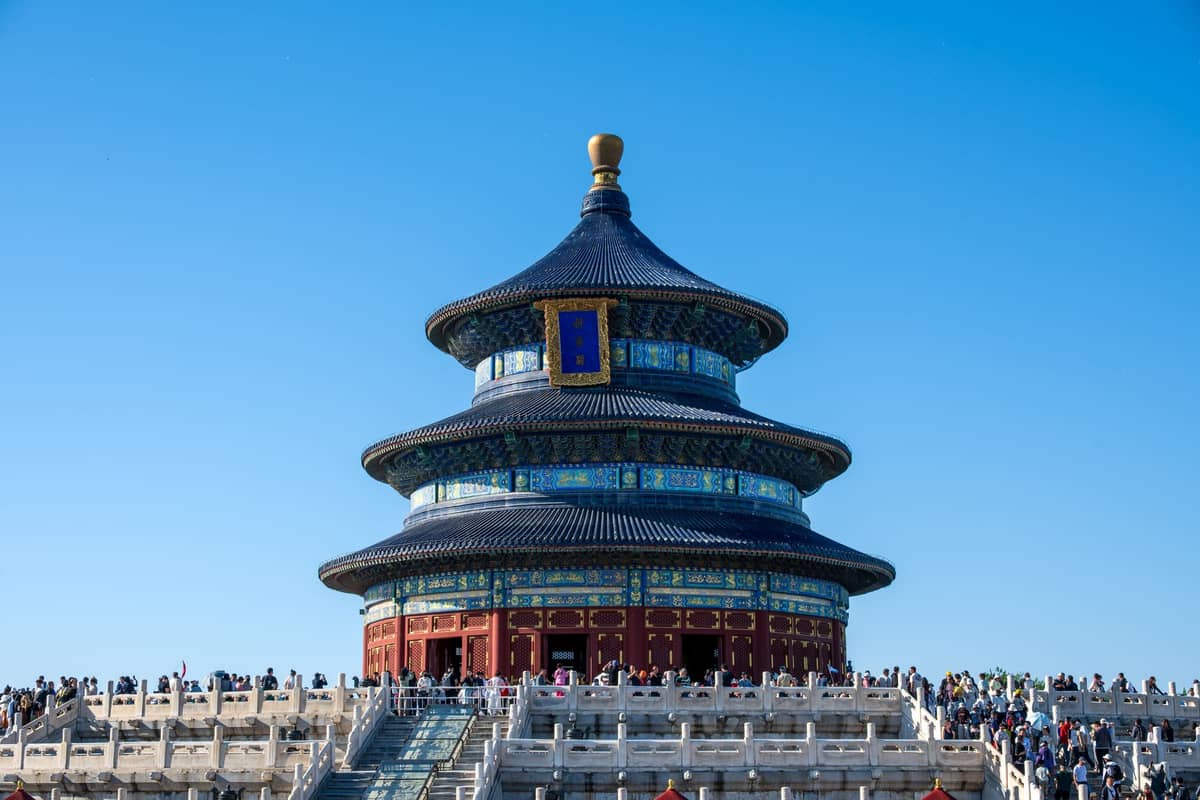
The Temple of Heaven is one of Beijing's most architecturally distinctive complexes: a collection of Ming Dynasty ritual structures set within a large park in the Dongcheng/Fengtai border area. The Hall of Prayer for Good Harvests, with its triple-tiered blue-tiled circular roof, is the centrepiece, but the broader park grounds are where many locals spend their mornings doing tai chi, playing cards, or practicing erhu. Arrive before 9:00 to see this version of the park before tour groups dominate.
Pay close attention to the ticketing structure here. The outer park (circular walking paths, gardens) has one admission price. The inner attractions including the Hall of Prayer, the Echo Wall, and the Circular Mound Altar require a separate ticket or a combined ticket. The inner attractions operate Tuesday through Sunday, approximately 8:00 to 18:00 in high season and 8:00 to 17:00 in the off-season, and are closed on Mondays except statutory holidays. If you visit on a Monday, you can still walk the park grounds but you will not be able to enter the main ceremonial buildings.
From the Temple of Heaven, it's a short subway or taxi ride north to Qianmen Street, the restored pedestrian thoroughfare just south of Tiananmen Square. The street itself is heavily commercialized and feels more like a theme park reproduction than a living historic district in parts. That said, the surrounding Dashilar area contains genuine old commercial alleys worth exploring: traditional medicine shops, old fabric stores, and a few craft workshops that have been there for generations.
If you have energy on your final afternoon, the Lama Temple (Yonghe Gong) in Dongcheng is one of the most important Tibetan Buddhist monasteries in China. It's genuinely active as a religious site, not just a tourist attraction: monks conduct ceremonies, incense burns throughout the day, and the atmosphere is different from the imperial sites you've already visited. Note that photography inside the main halls is restricted. Arrive before 15:00 to have adequate time before closing.
Practical Details: Money, Food, and Getting Around
- Payment China operates predominantly on mobile payments via WeChat Pay and Alipay. Cash (CNY) is accepted at major attractions and markets but increasingly rare in restaurants and shops. International visitors can now link foreign credit cards to Alipay for small transactions, though the process requires setup before arrival. Carry some CNY as backup.
- Subway navigation The Beijing Subway has over 20 lines and is the fastest way to get between major sites. A transit card (Yikatong) loaded with CNY at any station makes boarding fast. Fares start at CNY 3 for short journeys. Maps are available in English at ticket machines, and station signage is bilingual.
- Food budget Breakfast at a street stall or local bakery: CNY 10 to 20. Lunch at a mid-range restaurant: CNY 50 to 100 per person. Peking duck dinner at a reputable mid-tier restaurant: CNY 150 to 300 per person including sides and drinks. Budget travelers can eat well for under CNY 100 per day by sticking to noodle shops, dumplings, and food courts.
- Tipping Tipping is not standard or expected in mainland China. Do not leave cash on restaurant tables expecting it to reach your server as a tip. Some upscale hotels add a service charge automatically.
- Water Tap water is treated but not generally recommended for visitors to drink untreated. Buy bottled water, or bring a filter. Hotel rooms in mid-range and above properties typically supply bottled water daily.
💡 Local tip
Download offline maps before you arrive. Google Maps has limited functionality in China due to network restrictions. Use Apple Maps (which works better in China), Baidu Maps (in Chinese), or download an offline map through a VPN. Many visitors also use a VPN for general internet access: set it up and test it before you land, as configuration from inside China can be difficult.
What to Skip (or Reschedule) on a 3-Day Visit
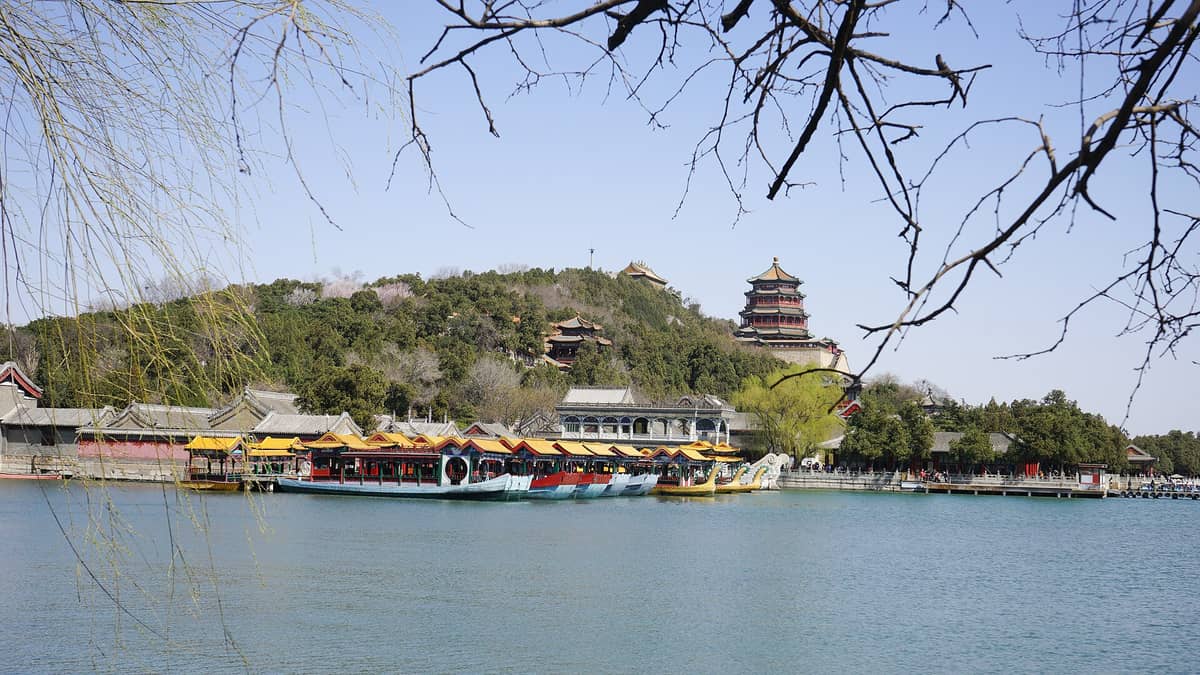
Three days is genuinely not enough to see everything in Beijing, a municipality of 16,410 km² and over 21 million permanent residents. Some things that look appealing on maps do not justify the time for a short trip. The Summer Palace is a spectacular imperial garden in Haidian District, roughly 15 km from central Beijing. It deserves half a day on its own. Adding it to a 3-day itinerary alongside the Forbidden City and Great Wall either means cutting one of those or rushing all three. If you can extend to four or five days, include it. If not, prioritize.
Similarly, the 798 Art District in Chaoyang is interesting for contemporary art and has a good cafe scene, but it pulls you far east on a tight schedule. The Ming Tombs are often bundled with Great Wall day trips, which can work logistically but means a long day and shallower experience at both sites. On a 5-day visit, the combination makes more sense. For a more complete picture of what Beijing offers beyond the three-day circuit, see the full things to do in Beijing guide.
- Skip the Olympic Park (Chaoyang) unless you have a specific interest in architecture or the 2008 Games. The Bird's Nest and Water Cube are impressive as engineering but the surrounding area is largely empty plaza.
- Wangfujing pedestrian street is fine for a quick look but offers little that justifies a dedicated slot. The attached side alleys with snack stalls are more interesting than the main shopping boulevard.
- Avoid booking the cheapest hutong tours that advertise 'authentic' rickshaw rides: these are heavily touristic, overpriced, and unlikely to go anywhere the subway can't take you for a fraction of the cost.
FAQ
Is 3 days in Beijing enough?
Three days is enough to cover the non-negotiable imperial sights: the Forbidden City, the Great Wall, and the Temple of Heaven. You'll also have time for hutong walking, a good meal, and one or two secondary stops. What you won't have time for includes the Summer Palace, the Lama Temple in depth, most of the museum circuit, and the contemporary art scene. If you can manage four or five days, the experience is substantially less rushed.
How do I book Forbidden City tickets as a foreign visitor?
The Palace Museum uses a real-name reservation system that requires your passport number. Bookings open through the official Palace Museum WeChat mini-program. Tickets are non-transferable. Book as early as possible, particularly for weekend dates. Tickets typically become available on a rolling basis up to several days ahead. For a detailed walkthrough of the booking process, see the dedicated Forbidden City tickets guide.
Which Great Wall section is best for a day trip from Beijing?
Mutianyu is the most practical for independent travelers: about 75 km from central Beijing, well-restored, has a cable car and toboggan option, and is less crowded than Badaling on most weekdays. Badaling is closer and has better public transport links but is heavily visited. Jinshanling is the best for serious hikers who want solitude and original wall sections, but it requires more planning and a longer journey.
What time of year is best for a 3-day Beijing itinerary?
September and October offer the best combination of clear skies, moderate temperatures (roughly 8 to 25°C), and manageable crowds. Spring (April to May) is also good but can be dusty and windy. Avoid the first week of October (National Day Golden Week) when domestic tourism surges and every major site is packed. Summer (June to August) is hot and rainy. Winter (December to February) is cold and dry but crowds are thin and the Forbidden City looks striking under occasional snow.
Do I need a visa to visit Beijing?
It depends on your nationality. China operates a unilateral visa-exemption policy for nationals of specified countries for qualifying visits of up to 30 days. There is also a 240-hour (10-day) visa-free transit policy for eligible nationalities transiting to a third country via designated ports, including Beijing Capital and Beijing Daxing airports. Eligibility conditions change, so verify your specific situation with the China National Immigration Administration or your country's Chinese embassy before booking.