Exploring Beijing's Hutongs: A Complete Guide
Beijing's hutongs are a world apart from the grand imperial sights most visitors come for. These narrow residential lanes, some over 700 years old, are where the city's daily life actually plays out. This guide covers the best hutong areas, how to navigate them, what things cost, and how to avoid the tourist traps.
Plan and book this trip
Tools from our partner Travelpayouts help you compare flights and hotels. If you book through them, we may earn a commission at no extra cost to you.
Flights
Hotels map
TL;DR
- Hutongs are networks of historic residential lanes, not ticketed attractions. Walking through them is free.
- The most accessible areas are Nanluoguxiang and Shichahai, both reachable on Beijing Subway Line 8.
- Rickshaw rides from the regulated Shichahai station cost around ¥120–¥180 per person depending on duration. Always check posted fares before boarding.
- Weekday mornings and late afternoons are significantly quieter than weekend afternoons, especially at Nanluoguxiang.
- Combine hutong exploration with the Drum and Bell Towers (combined ticket ¥30) for a full half-day in historic Dongcheng.
What Hutongs Actually Are (And What They Are Not)
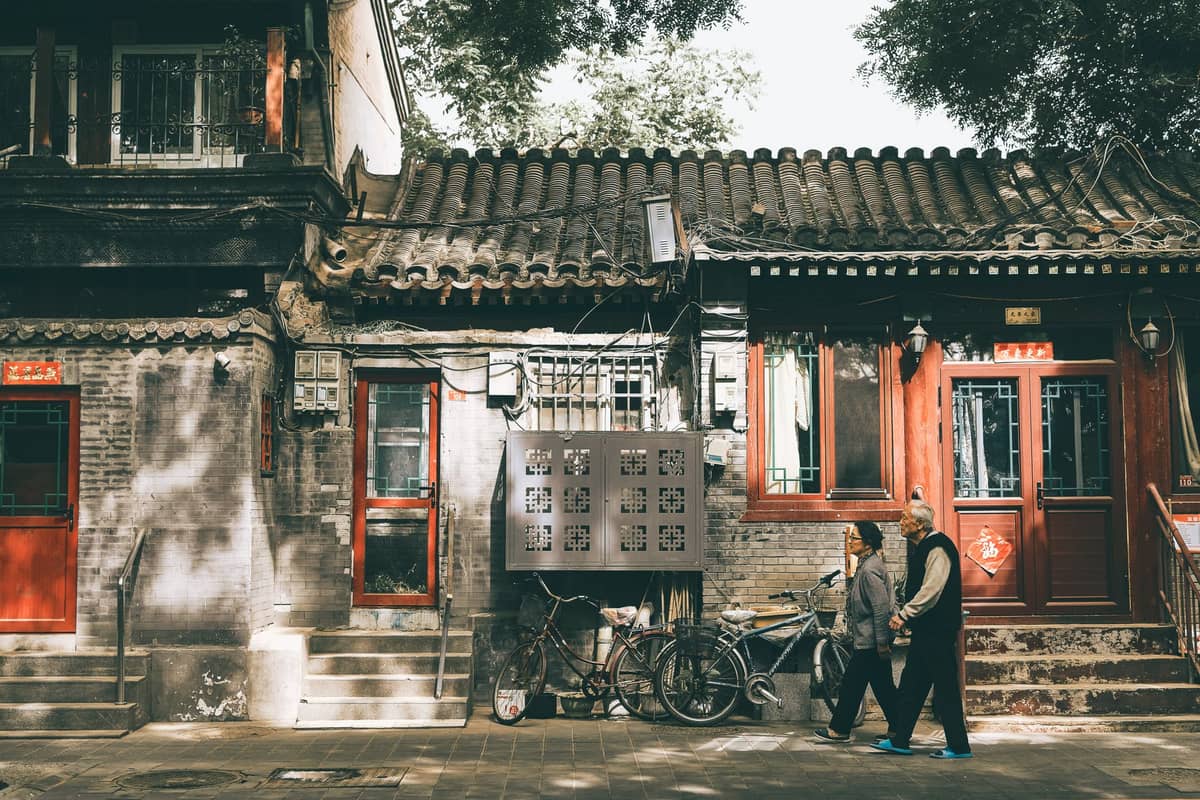
The word 'hutong' comes from the Mongolian term for a water well, a clue to how these lanes developed around communal resources during the Yuan Dynasty (1271–1368). By the Ming and Qing dynasties, Beijing's hutong network had grown into thousands of alleys radiating outward from the imperial palace, organizing the city into courtyard residential blocks called siheyuan. At their peak in the mid-20th century, Beijing had over 3,000 named hutongs. Today, roughly 1,300 remain, concentrated in the central districts of Dongcheng and Xicheng.
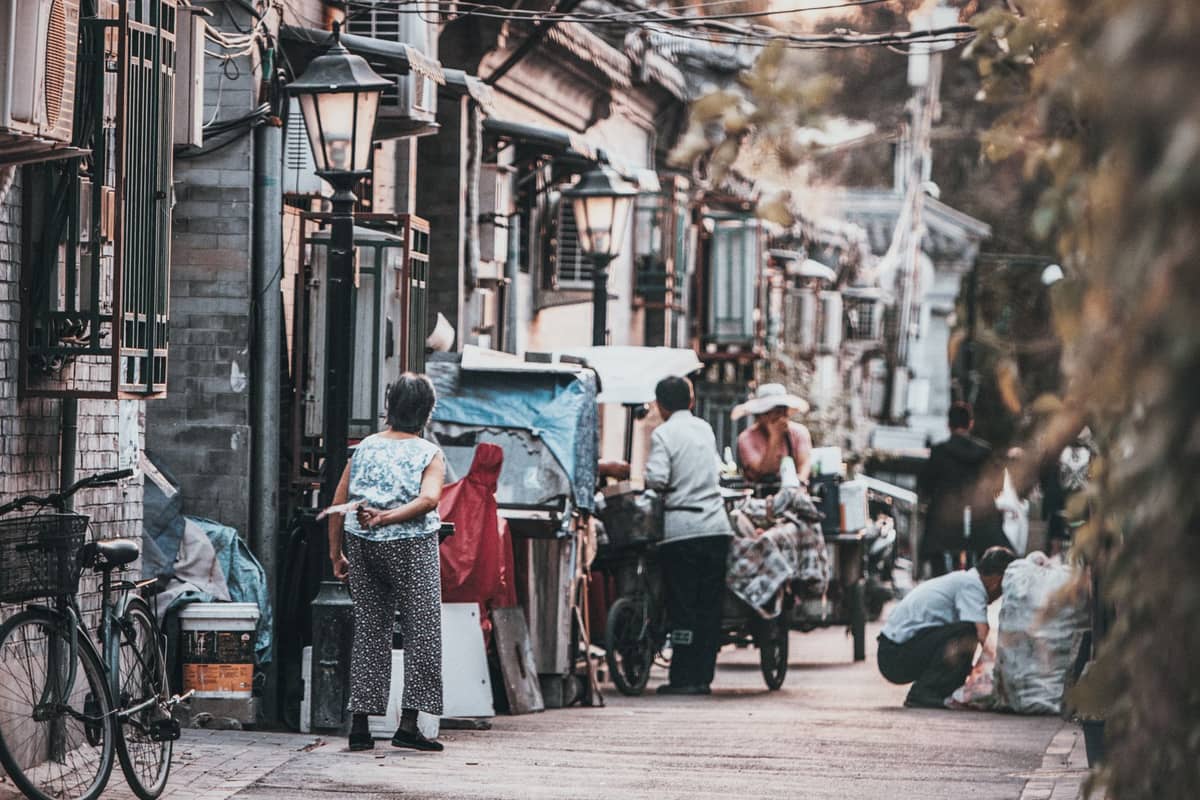
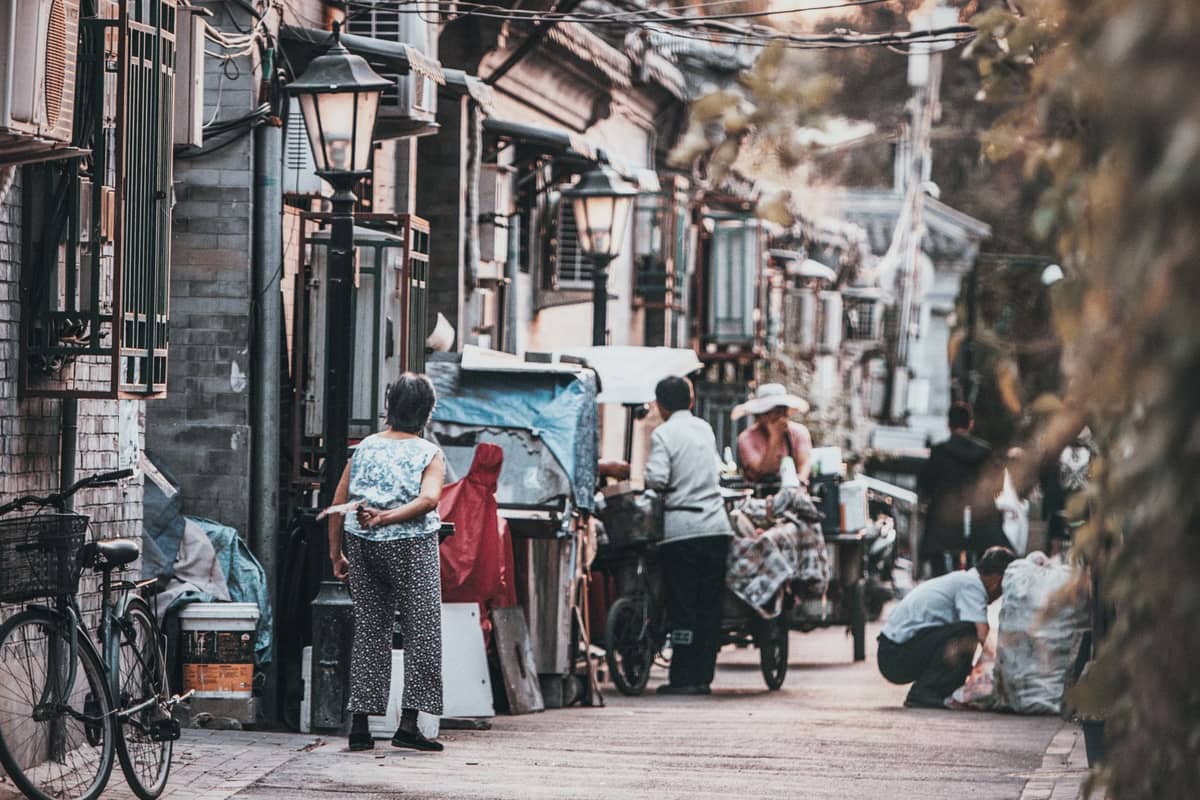
A common misconception is that hutongs are a single tourist site you enter and exit. They are not. They are lived-in urban neighborhoods with residents, local shops, small restaurants, and temples woven between the old courtyard houses. Some lanes are wide enough for a car; others narrow to barely a meter. Walking through them costs nothing. The money comes in when you stop to eat, shop, take a guided ride, or visit ticketed landmarks nearby.
ℹ️ Good to know
Hutong preservation is an ongoing political and urban planning issue in Beijing. Many historic lanes were demolished between the 1980s and 2000s for new development. The remaining designated areas now have varying levels of protection, but commercial pressure continues to reshape the character of lanes like Nanluoguxiang significantly.
The Best Hutong Areas and What to Expect from Each
The three areas most worth your time are Nanluoguxiang, Shichahai, and the quieter cluster around Wudaoying Hutong. Each has a very different character, and choosing the right one depends entirely on what you are after.
- Nanluoguxiang The most famous and most commercialized of Beijing's hutong lanes. About 800 meters long, lined with snack vendors, cafes, souvenir shops, and bars. Accessible via Nanluoguxiang Station (Lines 6 and 8). Best visited on a weekday morning before 10:00. On weekend afternoons in spring and autumn, crowds can be genuinely difficult to move through.
- Shichahai and the Back Lakes A broader area centered on three interconnected lakes (Houhai, Qianhai, Nanhai) in Xicheng District. Less of a single-lane experience, more of a neighborhood to wander. The lanes immediately behind the lakes contain some of Beijing's most intact courtyard mansions, including former residences of Qing Dynasty princes. Reached via Shichahai Station (Line 8).
- Wudaoying Hutong A 500-meter lane running east from the Lama Temple area in Dongcheng. Noticeably less crowded than Nanluoguxiang and favored by Beijing's design and food community. Independent coffee shops, bookstores, and small restaurants occupy renovated courtyard spaces. Good choice if Nanluoguxiang feels too touristy.
- Yandaixie Street A short, curved lane connecting the Drum Tower area to the Shichahai lakefront. Tobacco Pipe Alley in loose translation, and one of Beijing's oldest surviving commercial hutongs. Antique shops and quirky small vendors make this a good half-hour detour on the Shichahai walking route.
⚠️ What to skip
Nanluoguxiang is heavily oriented toward tourism. Most of the 'traditional' snacks sold on the main lane are generic across all of Beijing's tourist zones. For genuinely local food and a quieter atmosphere, turn off the main lane into the side alleys — Mao'er Hutong and Ju'er Hutong run parallel and feel completely different.
A Practical Walking Route: Drum Tower to Nanluoguxiang
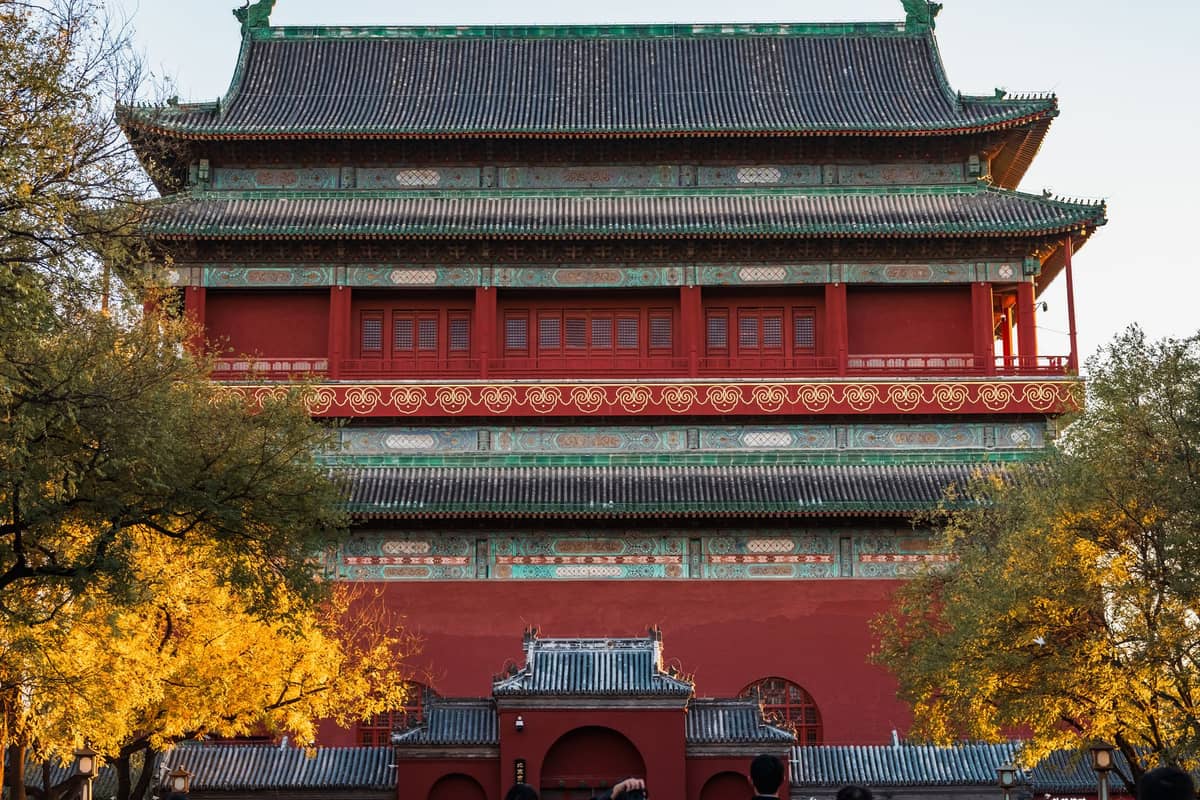
The single best introduction to the hutong district combines the lake area, a key historic monument, and ends in the most accessible hutong lane. Start at Shichahai Station (Line 8), walk north along the lakeside to Yandaixie Street, then head east to the Drum and Bell Towers. From there, walk south through the lanes toward Yinding Bridge, then continue to Nanluoguxiang Station. The whole route covers around 2.5 kilometers and takes 1.5 to 3 hours depending on how often you stop.
The Drum Tower (Gulou) and Bell Tower (Zhonglou) stand at the northern end of Beijing's historic central axis. Admission for 2026 is ¥20 for the Drum Tower alone, ¥15 for the Bell Tower, or ¥30 for a combined ticket. Opening hours are 09:30 to 17:30 from April 26 through October 25, and 09:30 to 16:30 from October 26 through April 25, though these schedules can change. Climb the Drum Tower for one of the clearest panoramic views over the grey-tiled rooftops of the hutong district below — this is among the best vantage points for understanding the scale of what you are walking through.
Yinding Bridge, a small stone bridge over the channel connecting Qianhai and Houhai lakes, offers a view of Jingshan Hill and the Drum Tower in the same frame. It appears in many photographs of the area and is worth pausing at, but do not expect to have it to yourself on a clear autumn weekend.
Rickshaw Rides: What They Cost and Whether They Are Worth It
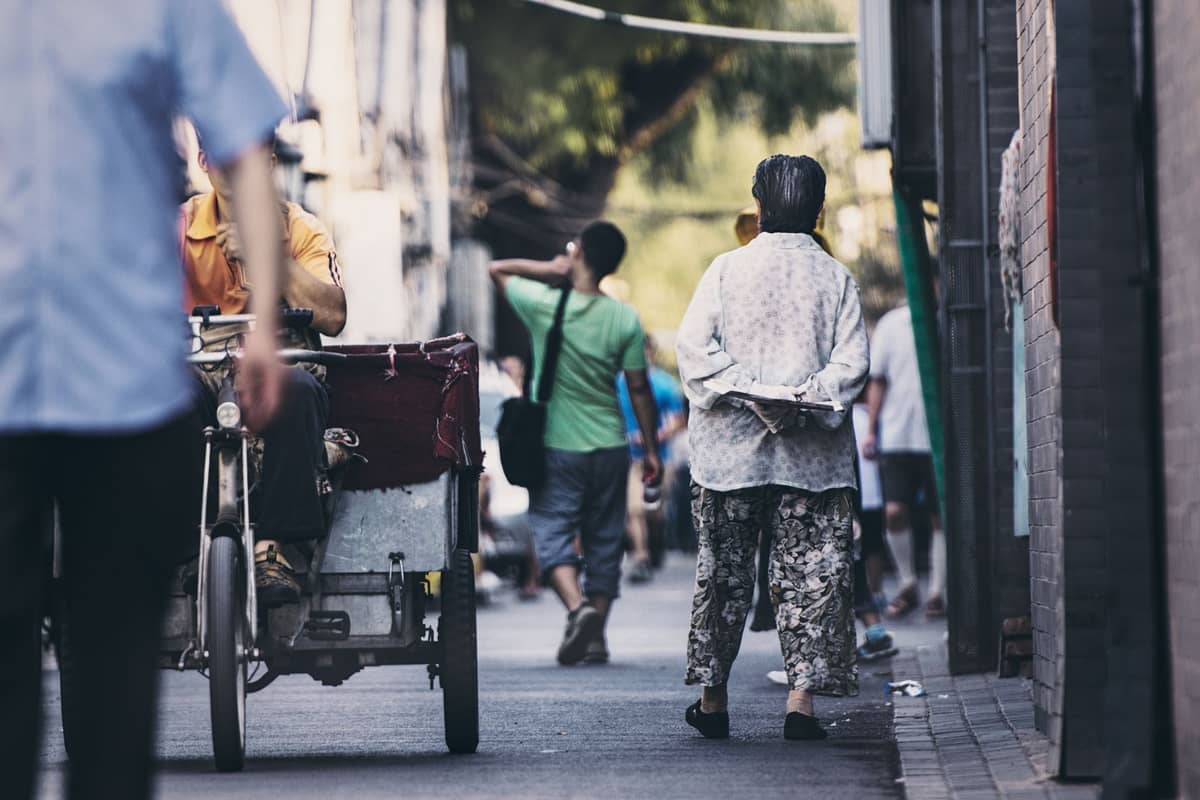
Pedicab rickshaw tours are the most widely marketed hutong experience. Regulated rides depart from an official station near the Shichahai lake area. Current posted prices are approximately ¥120 for 30 to 40 minutes, ¥150 for one hour, and ¥180 for 90 minutes per person. These are per-person fares, not per vehicle.
The honest assessment: a rickshaw ride is a reasonable way to cover more ground faster and to get a driver who knows the lanes. It is not a substitute for walking if you want to stop, look around, or eat. Independent drivers who approach you on the street often quote much lower initial prices that escalate mid-ride, sometimes aggressively. Always use the regulated departure point and confirm the fare and route in writing or on the posted price board before you get in.
✨ Pro tip
If you are short on time, a 40-minute rickshaw ride from the Shichahai station covers the lake loop and several of the more photogenic back lanes more efficiently than walking the same route. If you have a full morning or afternoon, skip the rickshaw and walk. The hutongs reward slow movement.
When to Visit and How to Handle the Crowds
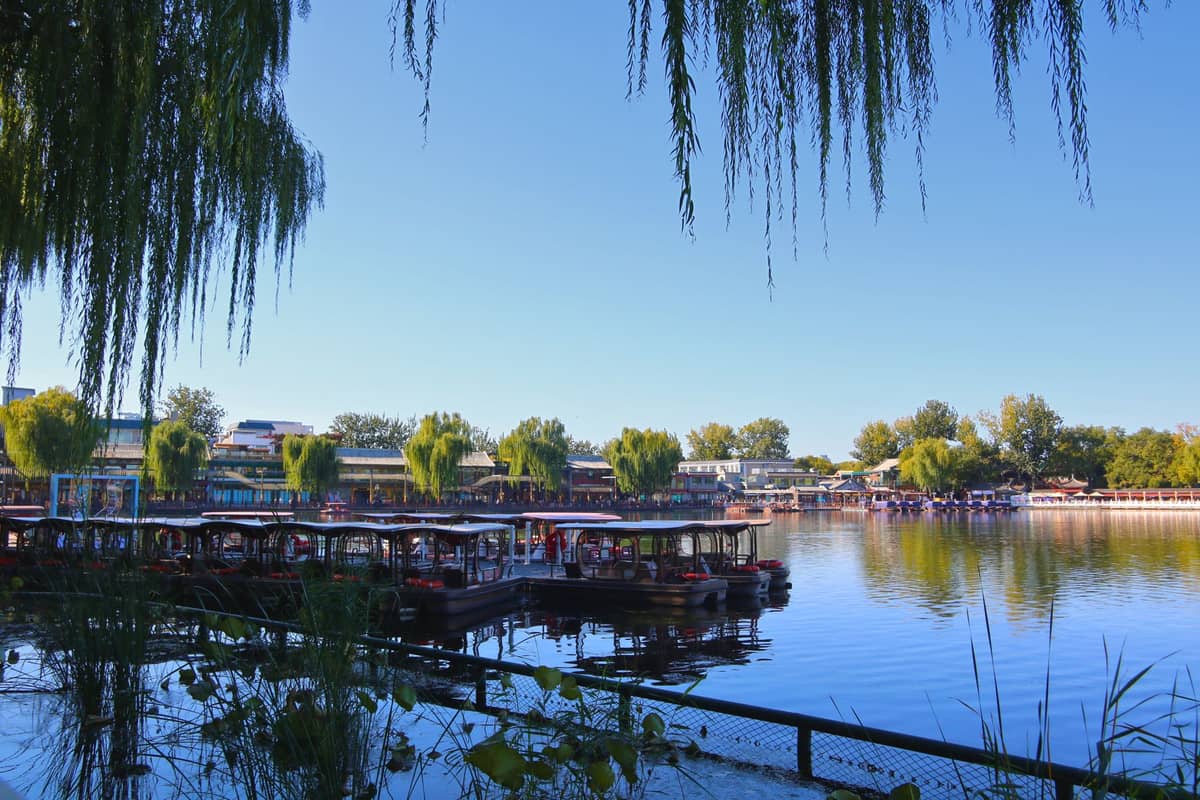
Autumn (September to mid-November) is generally the best time to visit Beijing overall, and the hutong district is no exception. Temperatures are comfortable (roughly 8–25°C), skies are often clear, and the foliage around the lakes at Shichahai adds genuine color. Spring (April to May) is the second-best window, though occasional dust winds can reduce air quality. For more detail on seasonal timing, see the best time to visit Beijing guide.
Summer (June to August) brings heat, humidity, and very heavy crowds, particularly on weekends. Winter is quiet and the lanes have a different character entirely — locals warming themselves in courtyard doorways, the lakes sometimes frozen, far fewer tourists. Cold (down to around -5°C or lower during cold waves) but genuinely atmospheric for those prepared for it.
- Weekday mornings before 10:00 are the quietest time at Nanluoguxiang. The lane is at its worst between 13:00 and 17:00 on weekend afternoons.
- National holidays, particularly National Day Golden Week (October 1–7) and May Day (around May 1), bring enormous visitor numbers to all central Beijing attractions. The hutong areas are no exception.
- Shichahai is busier in the evenings when the lakeside bars and restaurants fill up. If you want the lanes and the lake view without the crowd, early morning before 09:00 is exceptional.
- Photography is best in the golden hours after sunrise and before sunset, when the light hits the grey tiles and red gate panels at an angle.
Getting There and Getting Around
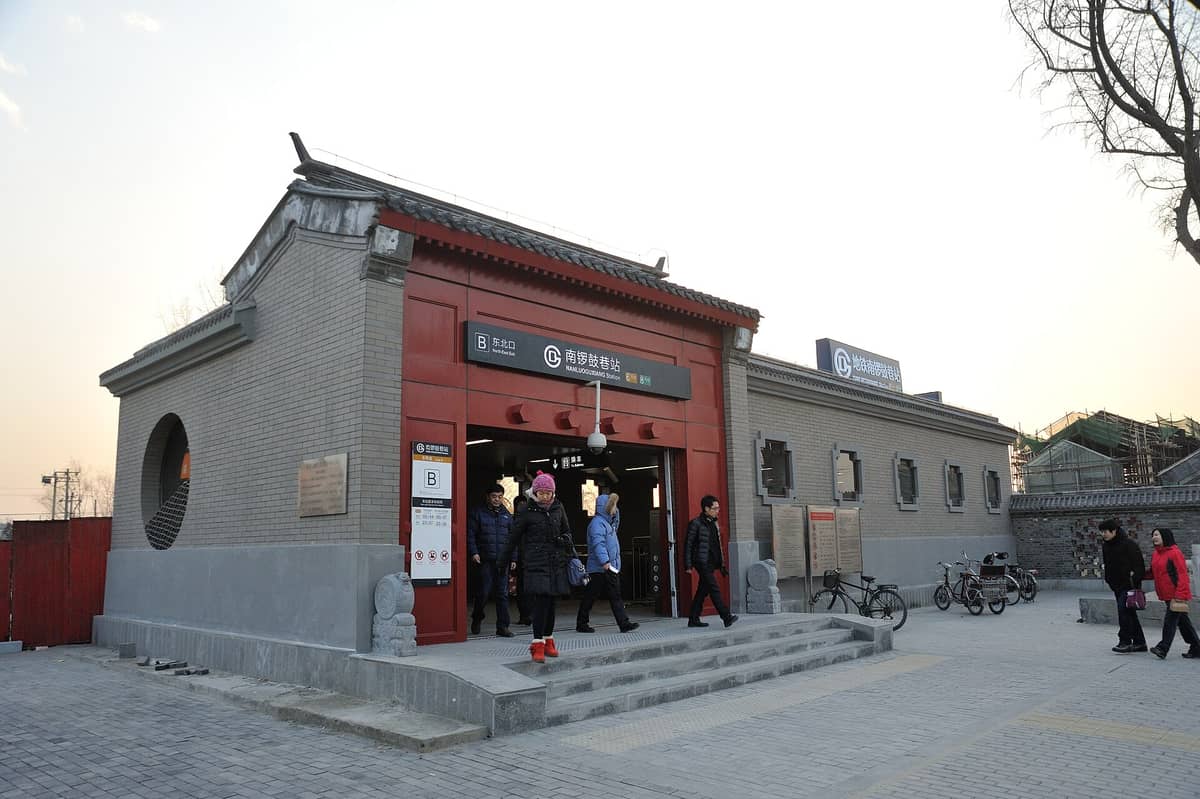
Both main hutong areas are easily reached on the Beijing Subway without transfers from many central locations. Nanluoguxiang Station (Lines 6 and 8) is the most direct stop for the Nanluoguxiang lane and connects conveniently to the Lama Temple (two stops north on Line 5 from Beixinqiao). Shichahai Station (Line 8) serves the lake and Drum Tower area. For a full overview of getting around the city, the getting around Beijing guide covers subway, bus, and ride-hailing in detail.
Within the hutong network, walking is the only realistic option for the narrowest lanes. Electric scooters are used by residents but are not available for tourist rental in the same way as in some other cities. DiDi (the dominant ride-hailing app in Beijing) can drop you at the entrance of the hutong area but cannot navigate the lanes themselves. Bus services also serve the perimeter of the main areas; check the Beijing Public Transport Corporation website for current routes.
For visitors structuring a broader Beijing itinerary, hutong exploration fits naturally into a half-day that also covers the Drum Tower, Shichahai, or the Houhai lake area. A full three-day itinerary structure can be found in the 3 days in Beijing guide.
💡 Local tip
Download an offline map (Maps.me or Google Maps with offline cache) before entering the hutong area. Mobile data can be patchy in the narrow lanes, and getting lost in the back alleys is both easy and, honestly, part of the experience. But a map helps when you need to find your way back to a metro station.
FAQ
Do you need a ticket to visit Beijing's hutongs?
No. The hutong lanes themselves are free to walk through. They are residential neighborhoods, not enclosed attractions. Entry fees apply to specific nearby sites such as the Drum Tower (¥20), Bell Tower (¥15), or combined (¥30), and some courtyard museums charge separately. Rickshaw tours also have their own costs.
How long does it take to explore the hutong area?
A focused walk through Nanluoguxiang alone takes about 30 to 45 minutes end to end. The full Shichahai Station to Nanluoguxiang route, with the Drum Tower and some side-alley exploration, comfortably takes 2 to 3 hours. If you add a sit-down meal and browsing time, plan for a half-day.
Are the hutongs safe to visit?
Yes, the main hutong areas are generally safe for tourists during both daytime and evening hours. Standard urban precautions apply: watch your belongings in crowds, especially at Nanluoguxiang on busy weekend afternoons. The main risk is being approached by touts offering unsolicited rickshaw rides or tours at prices that will change mid-experience. Stick to the regulated rickshaw station if you want a pedicab ride.
What is the best hutong to visit in Beijing?
Nanluoguxiang is the most accessible and the most visited, but it has been heavily commercialized. For a better balance of atmosphere and authenticity, the lanes around Shichahai (particularly behind the lake) and Wudaoying Hutong near the Lama Temple offer a quieter experience with more local character. The 'best' depends on whether you want easy navigation and food options or a quieter, more residential feel.
Is it possible to stay in a hutong courtyard hotel?
Yes. A range of small boutique hotels and guesthouses operate out of converted siheyuan (courtyard houses) in the hutong districts, particularly in Dongcheng and Xicheng. These range from budget-friendly guesthouses to higher-end courtyard hotels. They offer an experience distinct from the large modern hotels in Chaoyang or the central business district, though room sizes can be compact and noise from the lanes varies.