Huanghuacheng Lakeside Great Wall: Where the Ming Wall Meets the Water
At Huanghuacheng, sections of a Ming-dynasty Great Wall built in 1404 descend directly into a reservoir, creating a landscape found nowhere else on the wall. This guide covers what to expect on the ground, how to get there, and whether it belongs on your Beijing itinerary.
Quick Facts
- Location
- Xishuiyu, Jiuduhe Town, Huairou District, Beijing
- Getting There
- By car or tour: Beijing–Chengde Expressway, exit 13 at Beitai Road, follow signs to Jiuduhe/Xishuiyu. No direct metro service.
- Time Needed
- 3–5 hours for a full visit including the wall and lakeside
- Cost
- CNY 60 per adult; concessions available for students, seniors, military, and others
- Best for
- Photographers, hikers seeking fewer crowds, travelers combining scenery with history
- Official website
- huanghuacheng.com
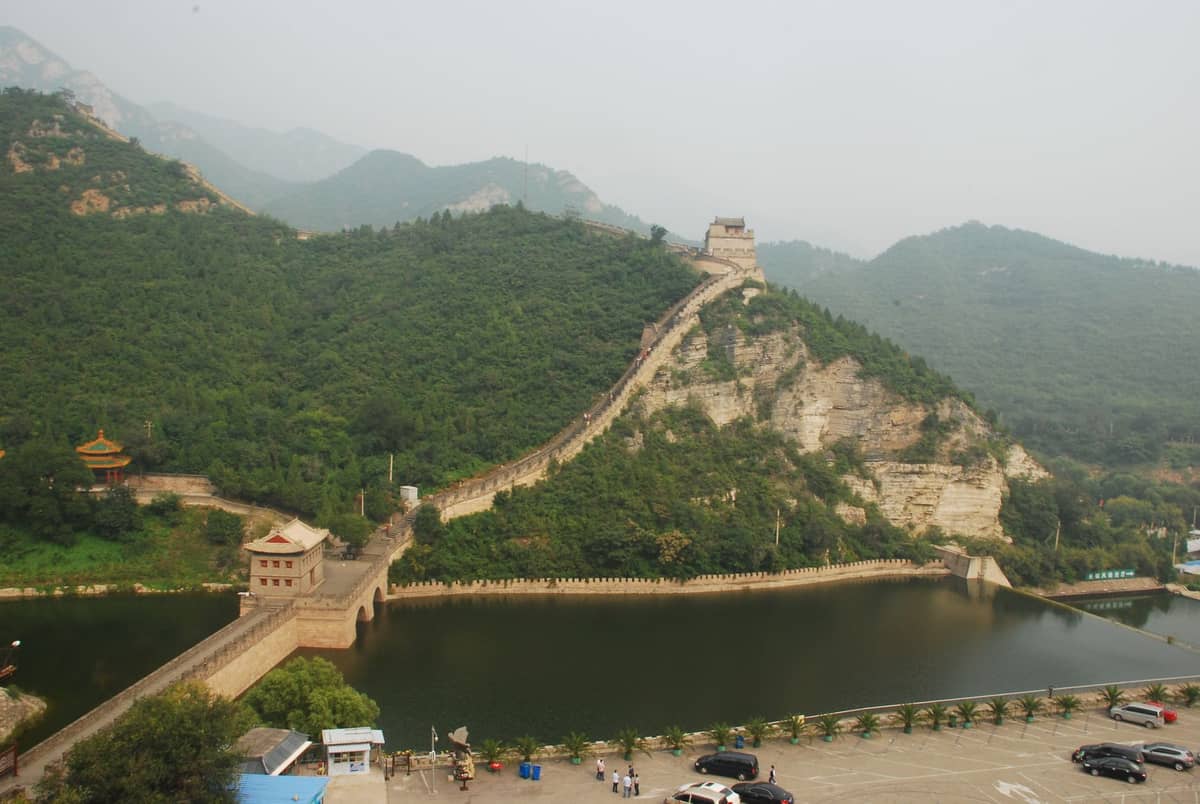
What Makes Huanghuacheng Different
The Huanghuacheng Lakeside Great Wall, known in Chinese as 北京黄花城水长城旅游区, is the only section of the Great Wall in the Beijing municipality where the ancient stone fortifications descend directly into a body of water. The reservoir was created decades after the wall was built, so the submersion is a modern accident of geography rather than a planned design feature. The result is still remarkable: towers and battlements rise from the water's surface on calm days, reflecting back at you in a way that photographs cannot quite prepare you for.
The wall itself dates to 1404, the second year of the Yongle era of the Ming dynasty, placing its construction in the same imperial period that produced the Forbidden City. It was built to guard the northern approach through the Yanshan Mountains, and its strategic position on ridgelines means that even today the climbing is real. This is not a reconstructed promenade like Badaling. Sections here are restored but uneven, with steep pitches and eroded stone surfaces that require reasonable footwear and moderate fitness.
💡 Local tip
Wear proper hiking shoes or trail sneakers. Flat-soled sandals are unsuitable for the steeper wall sections. The descent from the upper towers involves loose gravel paths and uneven stone steps.
The Landscape: Reservoir, Ridgeline, and Stone
Huanghuacheng sits in Huairou District, roughly 80 kilometres north of central Beijing in the Yanshan mountain range. The scenery is substantially different from the open, exposed ridgelines of Jinshanling or the tourist infrastructure of Mutianyu. Here the mountains are lower and rounder, covered in oak, pine, and wild yellow flowers (huanghua in Chinese, which gives the location its name). The reservoir fills the valley below the wall, and the combination of water, forest, and ancient stonework gives the site an atmosphere that feels less overtly dramatic than other sections but more quietly layered.
From the main entrance area, the view down to the reservoir and up to the first towers immediately establishes the scale. Boats are available to cross parts of the water to reach wall sections on the far bank, which adds a practical transport dimension that is genuinely unusual at any Great Wall site. The lake crossing takes only a few minutes but meaningfully changes your spatial experience of the fortification.
For broader context on how Huanghuacheng fits within Beijing's range of Great Wall options, including comparisons to more crowded or more remote sections, see the Great Wall sections guide.
Tickets & tours
Hand-picked options from our booking partner. Prices are indicative; availability and final rates are confirmed when you complete your booking.
Mutianyu Great Wall and Summer Palace small-group tour from Beijing
From 171 €Instant confirmationFree cancellationSmall Group Tour to Mutianyu Great Wall with Lunch
From 101 €Instant confirmationFree cancellationPrivate day tour at Mutianyu Great Wall with VIP perks
From 220 €Instant confirmationFree cancellationBadaling Great Wall online reservation with driver service
From 120 €Instant confirmationFree cancellation
How the Experience Changes by Time of Day
Early morning is reliably the best time to visit. The reservoir reflects the sky before wind disturbs the surface, and the light on the eastern faces of the towers is clean and direct. The site opens at 08:30 on summer weekdays, 08:00 on Saturdays, Sundays, and holidays, and arriving within the first hour means you will share the lower sections with very few other visitors. The air in the mountain valley is noticeably cooler than central Beijing, which makes the physical climb more manageable.
By midday, particularly on weekends and national holidays, the lower sections near the entrance and the lakeside viewing areas become significantly more crowded. Tour groups from Beijing tend to arrive between 10:00 and 11:00. The upper towers remain quieter throughout the day because fewer visitors make the full ascent, so the effort of climbing higher is rewarded with both better views and more solitude.
Late afternoon, especially in autumn, produces warm golden light on the western faces of the wall as it descends toward the water. This is arguably the most photogenic hour if you are willing to plan around it, though you should leave enough time before the gates close: summer weekday closing is 17:00, Saturdays and Golden Week holidays close at 18:00, while Sundays and the final day of holidays close at 17:00. Winter hours end at 16:30.
⚠️ What to skip
Seasonal and holiday hours differ significantly. Summer weekdays close at 17:00; Saturdays and Golden Week holidays stay open until 18:00; Sundays and the final day of holidays close at 17:00; winter closes at 16:30. Always verify current hours before traveling, especially around national holidays.
Walking the Wall: What to Expect on the Ground
The scenic area is divided by the reservoir, with wall sections accessible on both sides. The western bank tends to be the starting point for most visitors and includes restored sections with clearer paths. The eastern bank, reached by boat, offers a more rugged experience with sections that show more visible weathering and require more careful footing. Both involve genuine elevation gain.
The watchtowers are the real reward. Each tower frames a different composition: some look directly down onto the water, others survey long ridgeline views stretching into Hebei Province. Inside the towers, the air smells of old stone and earth, and the crenellations still show the firing slots that made the wall a military architecture rather than just a boundary marker.
Plan for a minimum of three hours if you intend to walk a meaningful length of wall on both sides of the reservoir. Five hours is more comfortable and allows time for the boat crossing, a rest at the lakeside, and a proper exploration of the upper sections. There is a small food and refreshment area near the entrance, but options are limited, so bringing your own water and snacks is advisable.
If you are planning a multi-day Great Wall itinerary, pairing Huanghuacheng with Mutianyu Great Wall on consecutive days makes geographic sense, as both are in Huairou District and accessible from the same general direction out of Beijing.
Photography at Huanghuacheng
The wall-meets-water composition is the signature shot, and it requires calm conditions to get a clear reflection. Wind disturbs the reservoir surface quickly, so calm mornings in spring and autumn are the most reliable windows. A wide-angle lens captures the full sweep from tower to waterline; a telephoto compresses the receding battlements against the mountain ridgeline behind.
Autumn (September to late October) turns the surrounding hillsides amber and red, which adds a color layer that transforms the standard wall photograph. Spring brings the yellow flowers that give the site its name, typically in April and May, and the contrast between the grey stone and the bright flowers on the slopes is distinctive.
For broader advice on shooting historical sites and landscapes around Beijing, the Beijing photography guide covers timing, equipment, and permit considerations.
Getting There and Practical Logistics
Huanghuacheng does not have a direct metro connection. The most straightforward options are a private car, a pre-booked tour, or DiDi from central Beijing. By car, take the Beijing-Chengde Expressway and exit at exit 13, Beitai Road, then follow signs toward Jiuduhe Town and Xishuiyu. The drive from central Beijing typically takes between 90 minutes and two hours depending on traffic, and weekend traffic out of the city can add time. Plan to leave early, ideally before 08:00.
Public bus options exist but involve multiple transfers and significantly longer travel times. Many visitors find it practical to book a day-trip vehicle through a hotel concierge or a licensed tour operator, which also addresses the return journey, since afternoon DiDi availability can be limited in this remote area.
For general advice on reaching outlying areas of Beijing, including the Great Wall sites in Huairou District, the getting around Beijing guide covers transport options from the city center.
Accessibility and Who Should Manage Expectations
The official listing confirms concession pricing for students, minors aged 6 to 18, non-Beijing residents over 60, active military personnel, firefighters, and social-security certificate holders. However, the site does not publish detailed information about step-free routes, wheelchair access, or mobility device availability. Given the uneven stone surfaces, steep grades, and unpaved paths on the upper wall sections, visitors with significant mobility limitations should research conditions carefully before making the journey.
Travelers who are primarily seeking a comfortable viewing experience rather than a physical hike may find the lower lakeside area rewarding, but the wall itself demands effort. If you want Great Wall scenery with minimal climbing, the well-maintained infrastructure at Mutianyu, which includes a gondola and toboggan, may be a better fit.
Families visiting Beijing with children who need manageable terrain should also consult the Beijing with kids guide for age-appropriate site recommendations.
ℹ️ Good to know
Admission is CNY 60 per adult (verified September 2026). Concessions are available for qualifying visitors. Always confirm current pricing directly with the venue before visiting, as rates can change.
Insider Tips
- Take the boat across the reservoir rather than walking the perimeter road. The crossing is short but gives you a completely different spatial perspective on the wall sections rising from the water, and it deposits you at a quieter bank with fewer visitors.
- The yellow wildflowers that give Huanghuacheng its name bloom on the hillsides in April and May. Visiting during this window adds natural color to landscape shots and makes the walk through the lower slopes more pleasant.
- Upper tower sections are significantly less crowded than the lower wall near the entrance, even on busy weekends. The effort of climbing higher filters out casual visitors, so the quietest and most atmospheric spots require earning them on foot.
- If you are driving, arrive by 09:00 at the latest on weekends and Golden Week holidays. Parking fills quickly and later arrivals can face a long walk before even reaching the entrance.
- Bring more water than you think you need. The climb is more demanding than it appears from the entrance, the air in the mountains is drier than central Beijing, and the on-site refreshment options are limited.
Who Is Huanghuacheng Lakeside Great Wall For?
- Photographers seeking a genuinely distinctive Great Wall composition with water reflections and mountain scenery
- Hikers and active travelers who want a wall experience with real physical challenge and fewer tour groups
- Autumn visitors looking for fall foliage combined with historical architecture
- Repeat Beijing visitors who have already done Badaling or Mutianyu and want something less visited
- Travelers combining a Great Wall day trip with the quieter rural landscapes of Huairou District
Nearby Attractions
Other things to see while in Great Wall Area:
- Badaling Great Wall
The Badaling Great Wall is the most visited section of the Great Wall near Beijing, sitting in Yanqing District about 80 km northwest of the city center. Fully restored, highly accessible, and genuinely impressive in scale, it rewards early arrivals and punishes late ones. Here is everything you need to visit well.
- Gubei Water Town
Gubei Water Town (古北水镇) is a large resort village built around Mandarin Duck Lake Reservoir at the foot of the Simatai Great Wall in Miyun District, roughly 120 km northeast of central Beijing. Covering around 9 square kilometres, it blends reconstructed Qing-era canal architecture with modern hotels and evening light shows, making it a popular overnight destination for city residents who want Wall access combined with water scenery.
- Jinshanling Great Wall
Jinshanling Great Wall is one of the best-preserved and least-crowded sections of the Ming-dynasty wall. Located in Hebei's Luanping County and easily reached from Beijing, it rewards those willing to make the journey with dramatic ridge-top scenery, original battlements, and a genuine sense of the wall's scale and age.
- Ming Tombs (Shisanling)
The Ming Tombs, officially 明十三陵, spread across a valley at the foot of Tianshou Mountain in Changping District, roughly 50 km north of central Beijing. Thirteen Ming-dynasty emperors were buried here between 1409 and 1644, making this one of the largest and best-preserved imperial burial complexes in the world. Several tombs plus the Sacred Way are open to visitors, with Changling, Dingling, Zhaoling, and the Sacred Way serving as the regular open attractions; other tombs may require advance reservation., each offering a distinctly different experience.