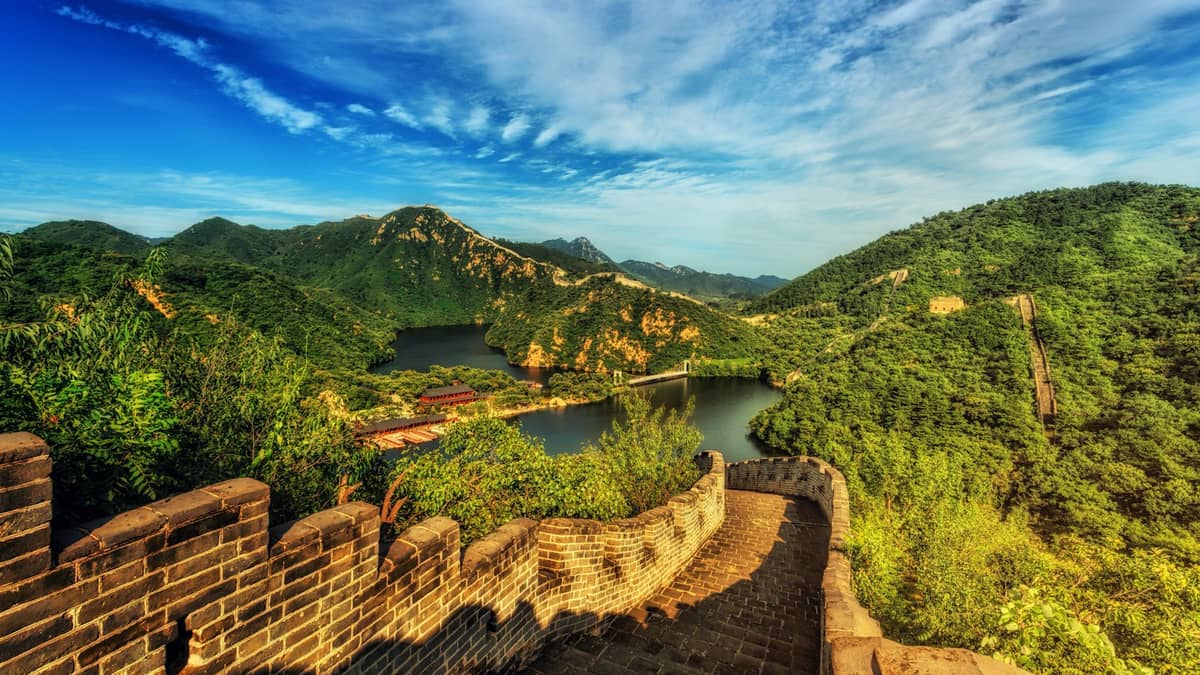
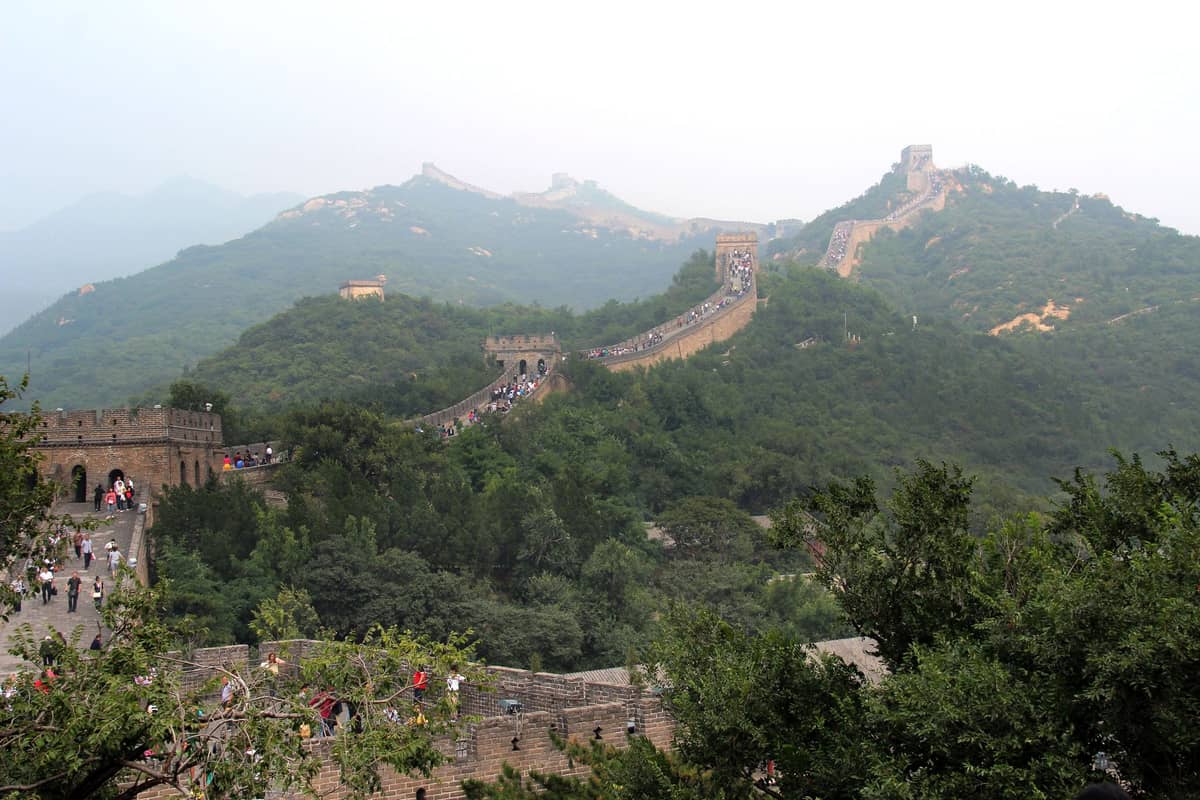
The Great Wall Area covers Beijing's mountainous northern and northwestern outskirts, spanning districts from Yanqing to Huairou. It is defined not by streets or subway stops but by ridgelines, watchtowers, and the stone fortifications that run across them. For most visitors to Beijing, a day trip here is the centerpiece of their itinerary.
Beijing's Great Wall Area is not a neighborhood in any conventional sense. It is a collection of mountain corridors spread across multiple outer districts, connected to the capital by rail and road but separated from it by 60 to 90 kilometers of terrain. Coming here means leaving the city entirely and stepping into a landscape of forested ridges, Ming-dynasty fortifications, and stone staircases that have been wearing down feet for five centuries.
Orientation: Where the Great Wall Area Sits
The Great Wall does not have a single location. What travelers call the Great Wall Area is really a loose cluster of visitor-accessible sections distributed across Beijing's northern and northwestern mountain districts, primarily Yanqing District to the northwest and Huairou District to the northeast. Each section sits at a different distance from central Beijing and requires a different approach.
The two sections that receive the vast majority of international visitors are Badaling Great Wall in Yanqing District and Mutianyu Great Wall in Huairou District. Badaling sits roughly 75 kilometers northwest of central Beijing. Mutianyu is approximately 70 kilometers to the north-northeast. Neither is reachable by the standard Beijing Subway network, and the journey time from the city center is typically 1.5 to 2.5 hours depending on your mode of transport and starting point.
Other sections are accessible from Beijing but require more planning. Jinshanling Great Wall and Simatai Great Wall are farther into Miyun and Luanping territory, roughly 110 to 130 kilometers from the city. Huanghuacheng Great Wall in Huairou District offers a less-visited alternative for those who want more solitude. The sections differ substantially in character, accessibility, and the kind of experience they offer.
ℹ️ Good to know
Yanqing District sits at a higher elevation than central Beijing and experiences noticeably colder and windier conditions, especially in autumn and winter. Pack an extra layer regardless of how warm it feels when you leave your hotel in the morning.
Character and Atmosphere
Arriving at the Great Wall for the first time produces a disorientation that is difficult to describe in advance. The structure is enormous in a way that photographs do not communicate. The towers rise from ridgelines at angles that make no logical sense until you understand that the builders were following the contour of the mountain, not constructing a flat road. The stones are old in a way that feels biological rather than architectural.
Early mornings on a weekday in spring or autumn are when the wall feels most like itself. The coaches have not yet arrived from the city, the light comes in low from the east and catches the texture of every worn stone, and the only sounds are wind and occasionally the distant call of a vendor setting up below. By mid-morning, the main sections at Badaling and Mutianyu fill rapidly. Tour groups arrive in waves, and popular stretches become genuinely crowded around the steeper staircases.
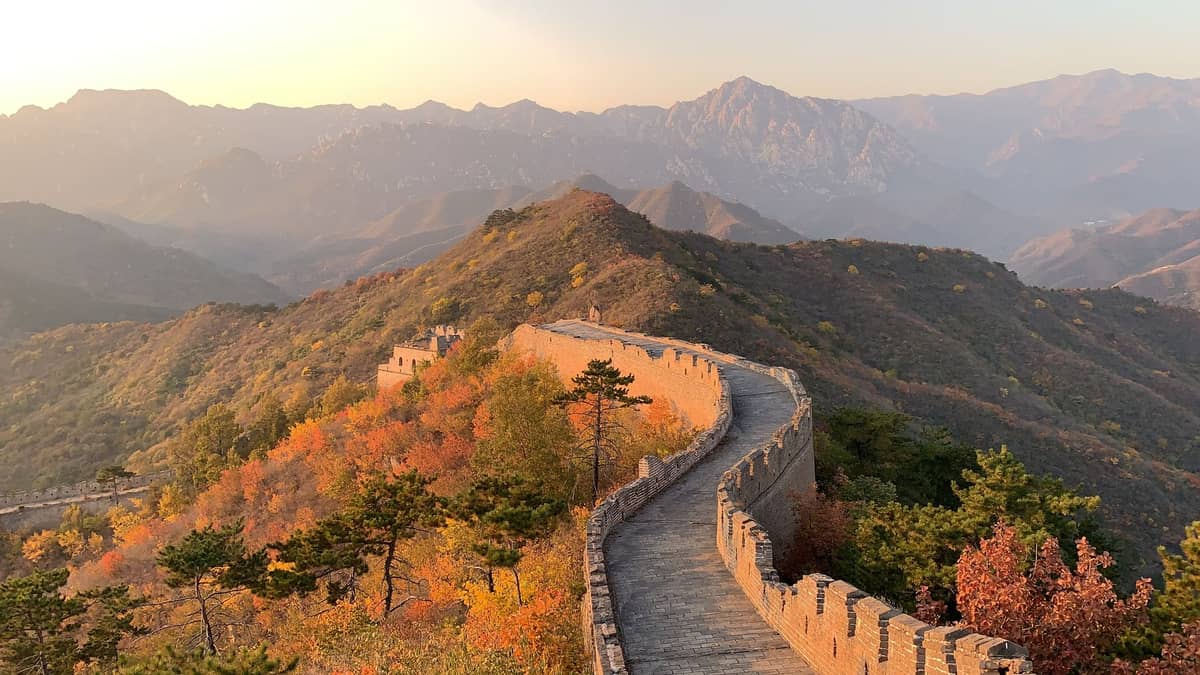
By mid-afternoon, the light shifts and softens, and many day-trippers begin heading back to the buses. If you linger past 3pm, particularly at Mutianyu, the crowds thin considerably and the atmosphere changes. The forested mountain slopes glow in autumn, especially in October when the trees turn gold and red against the grey stone. Summer brings thick green canopy but also heat and haze. Winter is cold and wind-exposed but the wall under snow is photographically exceptional, and visitor numbers drop sharply.
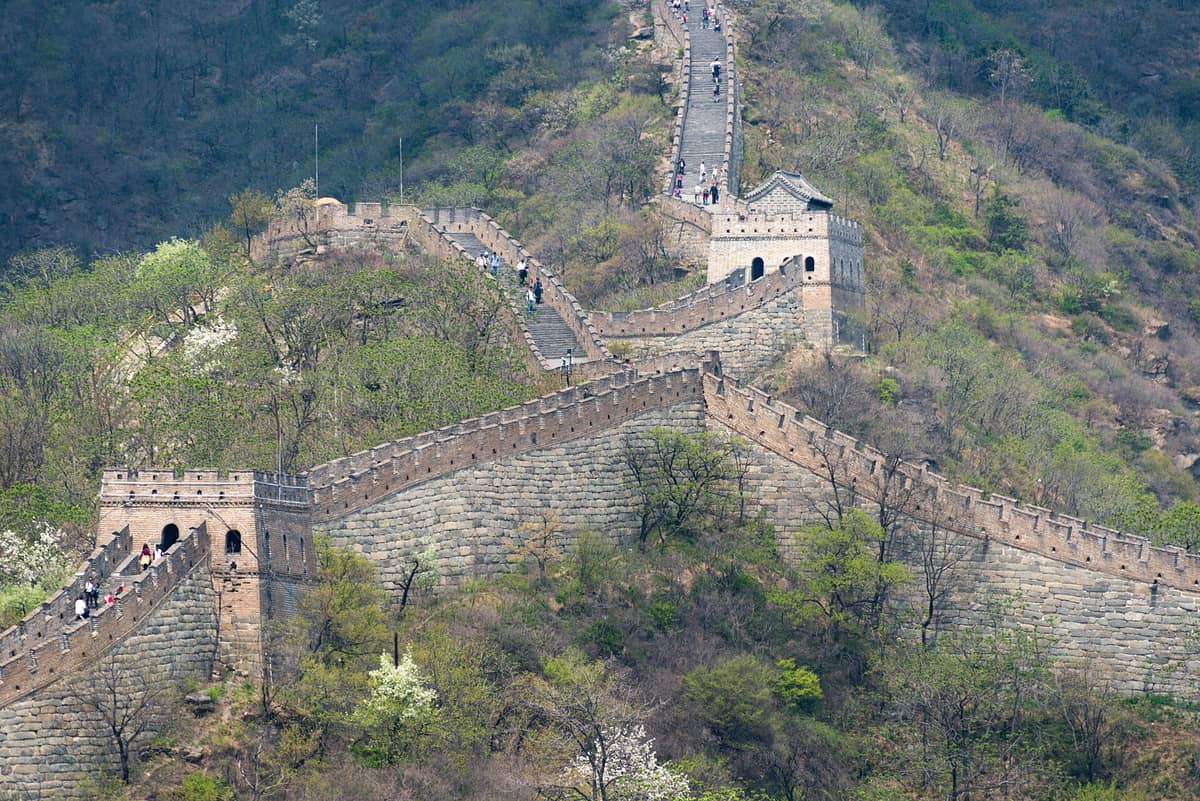
Badaling has more tourist infrastructure than any other section: wider restored walkways, barriers, large visitor centers, and the highest visitor volume in the country. It feels organized and managed in ways that can help or hinder depending on your expectations. Mutianyu is smaller in scale, set in a narrower forested valley, and has an atmosphere that feels slightly less processed, though it is still a major tourist destination with cable cars, a toboggan slide, and a substantial entrance plaza.
What to See and Do
The primary activity is walking the wall itself. At Badaling, the restored sections extend in both directions from the main visitor area, with a split between a southern and northern route. The northern section is steeper but less crowded. At Mutianyu, the wall runs along a high ridge and is accessible via foot path, cable car, or chairlift from the valley floor. A toboggan slide descends from near Tower 6 and is genuinely popular with families.
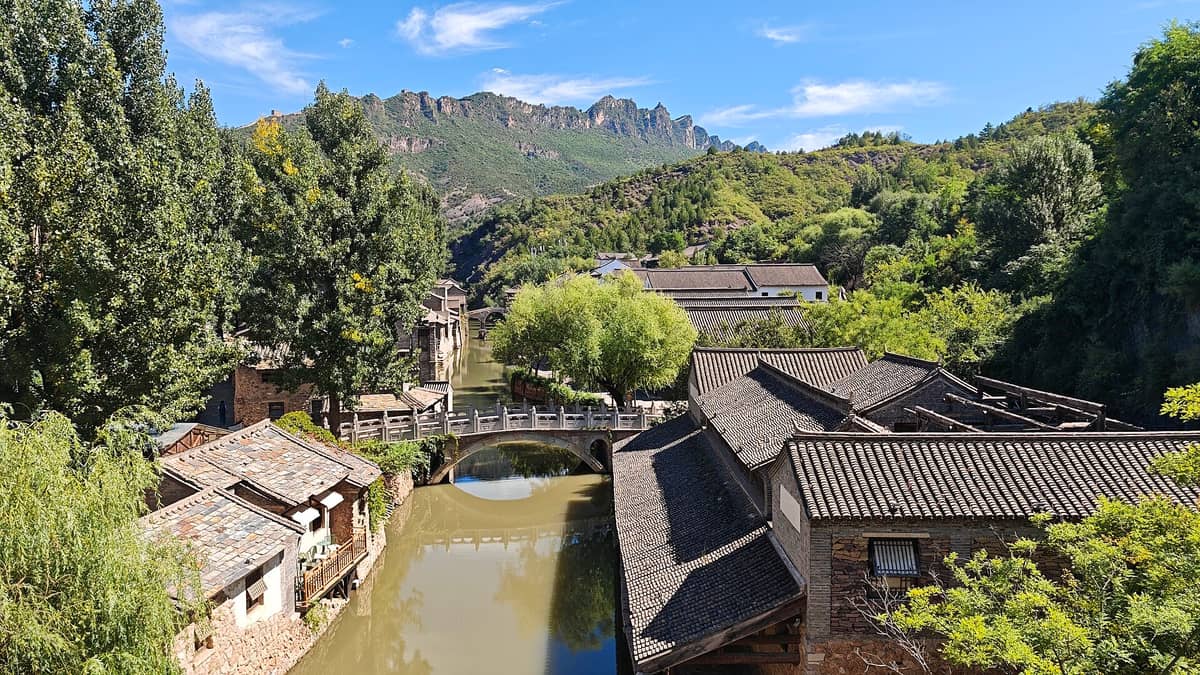
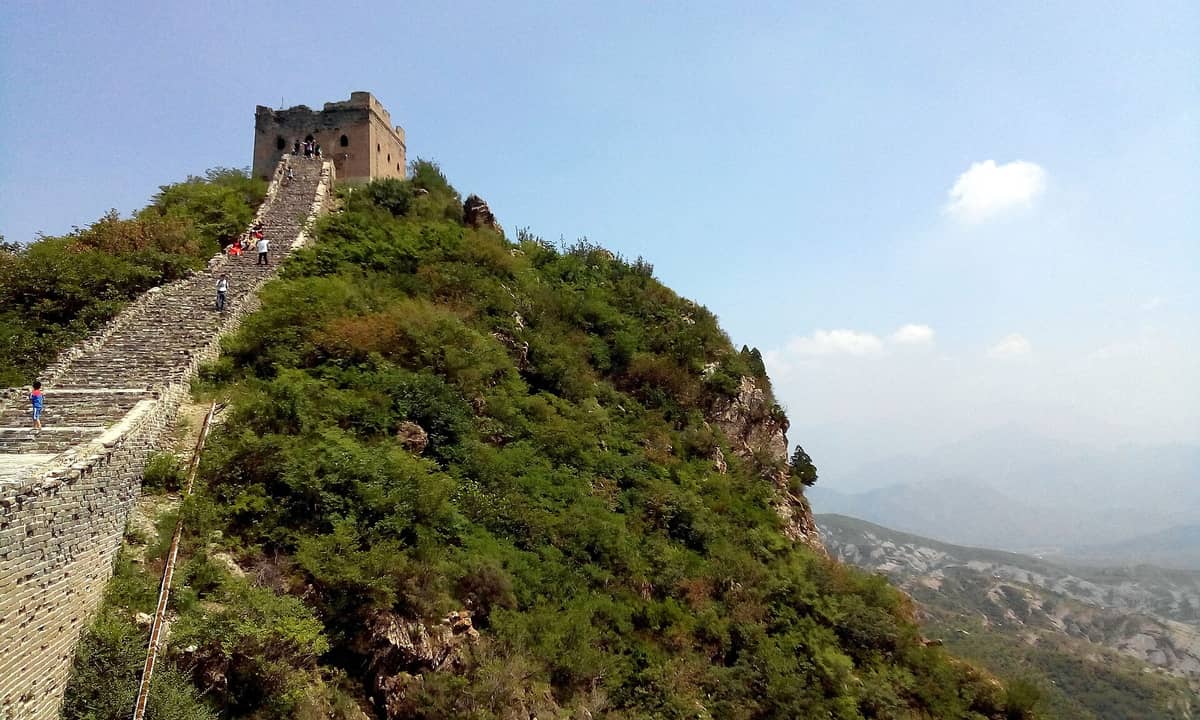
For experienced hikers seeking more demanding terrain, Jinshanling offers a classic route with a mix of restored and unrestored sections. The trek between Jinshanling and Simatai is one of the most celebrated Great Wall hikes in Beijing, though it requires coordination and planning. Simatai has been developed around the Gubei Water Town resort complex and now offers evening illumination tours of the wall, which is a genuinely unusual experience.
Badaling Great Wall: the most accessible and most visited section, 75 km northwest in Yanqing District
Mutianyu Great Wall: forested valley setting in Huairou District, cable car and toboggan options
Jinshanling Great Wall: a longer, more strenuous hike with fewer crowds, about 110 km from central Beijing
Simatai Great Wall: evening tours available, adjacent to Gubei Water Town resort
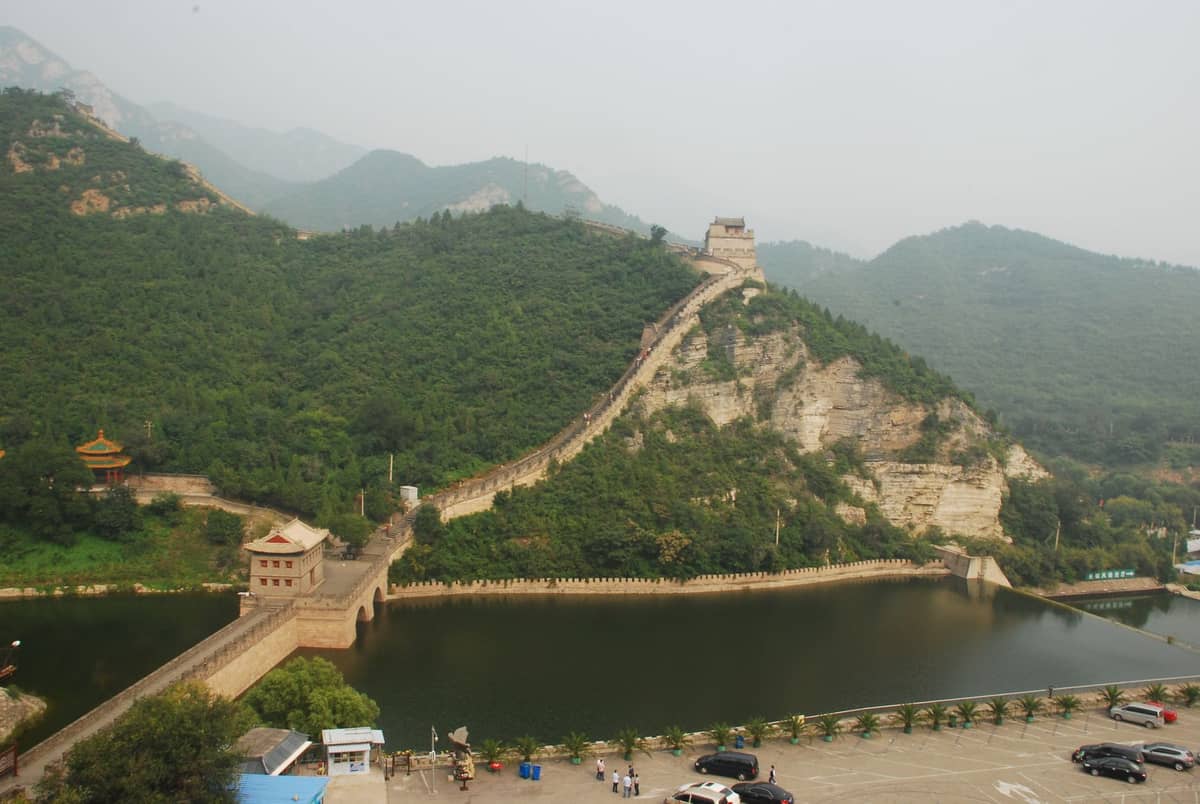
Huanghuacheng Great Wall: partially submerged in a reservoir, less visited and requiring more independent logistics
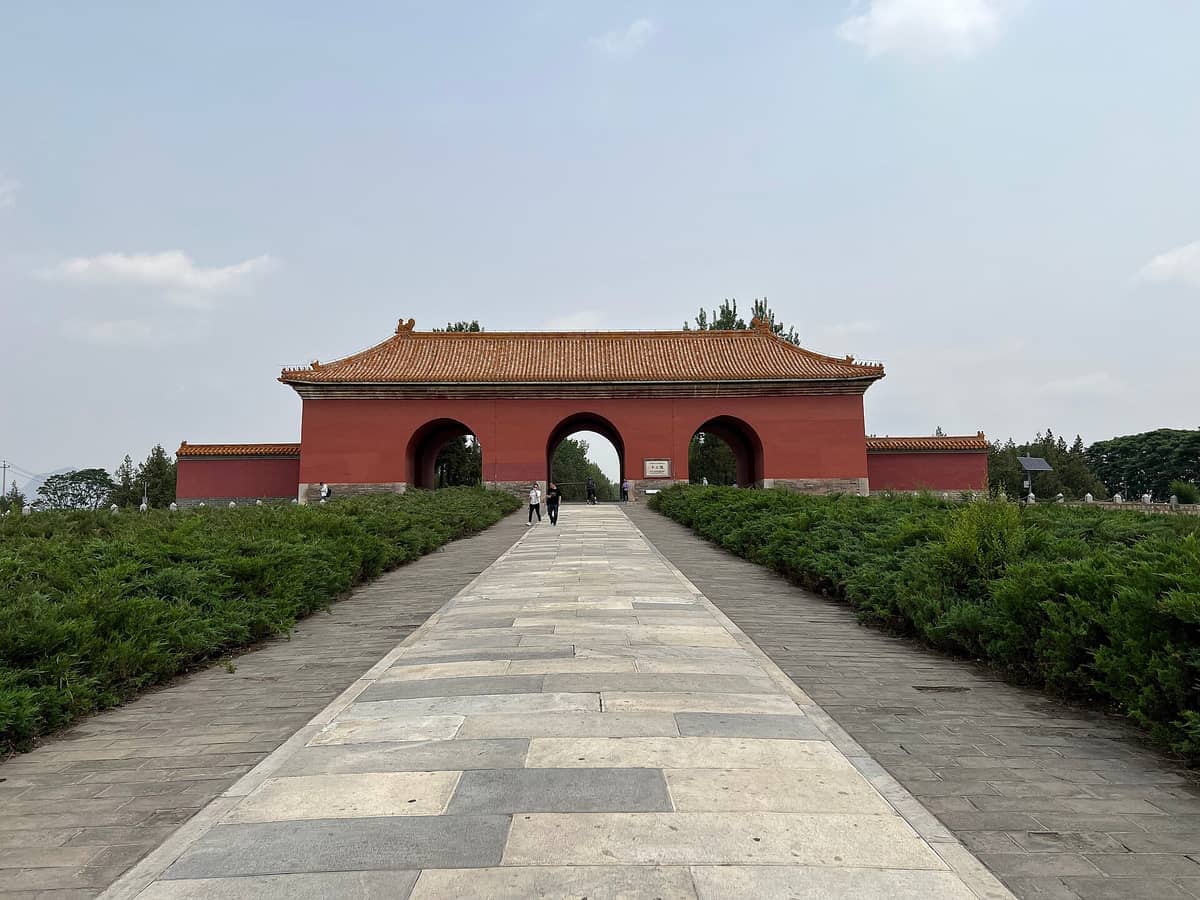
If you are building a multi-day Beijing itinerary, most visitors pair a Great Wall day with nearby sites. The Ming Tombs sit in Changping District on a logical route between central Beijing and Badaling, making a combined visit feasible. Read through a detailed guide to Great Wall sections before committing to a specific destination, since the right choice depends heavily on your fitness level, available time, and tolerance for crowds.
⚠️ What to skip
Visitor flow controls and reservation requirements are being progressively implemented at major Great Wall sections. Check the official scenic-area website for your chosen section before you travel, as walk-up entry may be restricted on public holidays and during peak periods.
Eating and Drinking
Food options at the Great Wall are functional rather than outstanding. Both Badaling and Mutianyu have restaurants and snack vendors within or immediately adjacent to the scenic area. The range is predictable: noodle dishes, fried rice, dumplings, and bottled drinks sold at prices significantly higher than in central Beijing. This is standard for captive-audience tourist sites in China, and there is no reason to expect otherwise.
The more practical approach is to eat before you leave the city, buy food from a convenience store or market near your departure station, and carry it with you. Bottled water is available at the wall but costs more than in the city. In summer, the combination of physical exertion and sun exposure means hydration matters more than most people anticipate, so carry more water than you think you need.
If you are based in Huairou town for a night near Mutianyu, there are more genuine local restaurants offering trout, mountain vegetables, and lamb dishes that reflect the region's agricultural character. The stretch of restaurants along the road leading toward Mutianyu village includes small family-run places where prices are more reasonable and the food reflects what people in this part of Huairou actually eat.
Simatai's adjacent Gubei Water Town offers the widest food selection of any Great Wall-adjacent destination, with restaurants built into a reconstructed traditional town complex. Quality and price vary across venues, but the overall standard is higher than what you find at the wall itself.
Getting There and Around
No metro line reaches any major Great Wall section. Getting to the wall involves a combination of suburban rail, public buses, tourist buses, or private transport. The right choice depends on your section, your budget, and how much coordination you are prepared to manage.
Getting to Badaling
The most straightforward public-transit route to Badaling uses the S2 suburban railway, but its departure station and timetable should be checked immediately before travel because service arrangements have changed. Badaling Station is connected to the Great Wall scenic area by a walk of roughly 10 minutes. The S2 is a practical option for independent travelers willing to manage a transfer.
Tourist buses operate from several central locations including the vicinity of Qianmen and Dongzhimen on certain dates and seasons. Schedules and operating periods vary; verify current service before relying on them. Taxis and ride-hailing apps can take you directly from central Beijing, but the distance and tolls make the cost substantial, and the Badaling Expressway can experience significant congestion on weekends and public holidays.
Getting to Mutianyu
Mutianyu has no direct rail connection. The standard public-transit route begins at Dongzhimen Public Transport Hub, served by Metro Lines 2 and 13. From there, Express Bus 916 travels to Huairoubeidajie. From Huairou, transfer to a current local bus serving the Mutianyu scenic area, such as H23, H3, or H71. Check the current timetable and stop information before departure.
Direct tourist shuttle buses also depart from Dongzhimen, Qianmen, and the Shaoyaoju area on certain days. These are more straightforward for visitors unfamiliar with the local bus system, though they operate on fixed departure times and fill up on busy weekends. Private car hire or organized tours from central Beijing are the most flexible options and allow you to combine Mutianyu with other Huairou-area sites.
💡 Local tip
Arrive at your departure point no later than 7:30am on weekends and public holidays if you want to secure a seat on the tourist shuttle and reach the wall before the main crowd arrives. Midweek visits, particularly Tuesday through Thursday, see noticeably lower volumes at both Badaling and Mutianyu.
Getting to Jinshanling and Simatai
Jinshanling and Simatai are farther out and are best reached by private car, organized tour, or dedicated shuttle services. The Gubei Water Town resort runs shuttle buses from central Beijing to Simatai on a regular schedule. For Jinshanling, buses depart from Wangjing West Station area, but schedules and frequency are limited; verify before planning around them.
Where to Stay Near the Great Wall
Most visitors to the Great Wall stay in central Beijing and make a day trip. This is the most practical arrangement for a short visit to the city, and it means you can use your evenings in areas like Dongcheng or Xicheng where the dining and cultural options are far richer.
Staying overnight near the wall is worth considering if your schedule allows it, particularly for the experience of being on the wall at dawn before day-trippers arrive. Accommodation near Mutianyu ranges from small guesthouses in the village at the base of the mountain to a small number of more comfortable hotels in Huairou town. Standards vary considerably and the options are fewer than in the city, but the experience of waking up beneath the wall with empty ridgelines above you is qualitatively different from the midday crowd experience.
Simatai offers the most self-contained overnight option through the Gubei Water Town resort, which includes hotels, restaurants, and the evening illumination of the wall. It is an artificial environment built around heritage tourism, but it delivers a consistent experience and allows you to visit the wall in early morning or at night, which no other section currently offers.
For those primarily interested in Badaling, Yanqing town has hotels and guesthouses. Yanqing is also the base for visiting Longqing Gorge and was a venue for the 2022 Winter Olympics, so infrastructure in the district is more developed than many outer Beijing areas. If you are deciding where to anchor your stay for a broader itinerary, consult the where to stay in Beijing guide for a full comparison of the city's accommodation zones.
Practical Considerations
The terrain at every Great Wall section is physically demanding. Even the most-restored sections involve uneven stone surfaces, variable step heights, and gradients that will challenge anyone with knee or hip problems. The steeper sections at Badaling's north route and Mutianyu's unrenovated stretches require a reasonable level of fitness. Wear shoes with grip, not sandals or flat-soled dress shoes. This is worth stating clearly because the proportion of visitors who arrive underprepared is surprisingly high.
Sun exposure on the open ridgeline is intense in summer, and wind chill is significant in spring and autumn. Sunscreen, a hat, and a windproof layer are practical necessities rather than optional extras. Trekking poles are permitted and useful on the steeper descents.
Air quality in Beijing varies seasonally and by weather conditions. On days with significant haze, the distant views from the wall are obscured and the experience is diminished. Checking an air-quality index before you travel is worthwhile, and if you have a flexible schedule, adjusting your Great Wall day based on forecast conditions is a practical approach. For a broader picture of planning your visit around conditions and seasons, the best time to visit Beijing guide covers this in detail.
⚠️ What to skip
Unrestored sections of the Great Wall outside designated scenic areas may appear accessible via hiking trails or satellite maps, but entering unauthorized sections is prohibited under Chinese law. Stick to the official scenic-area boundaries at whichever section you visit.
For photography, the Great Wall rewards early starts and lateral thinking. The crowds at popular vantage points are significant from mid-morning onward. Side towers away from the main walking axis, or views back along the wall from a high section, often yield better compositions than the obvious central angles. The Beijing photography guide includes specific notes on wall photography timing and positioning.
TL;DR
The Great Wall Area covers sections in Yanqing (Badaling) and Huairou (Mutianyu) districts, 70-75 km from central Beijing; plan on 1.5 to 2.5 hours travel each way.
Badaling is the most accessible section by public transit via the S2 suburban rail; Mutianyu requires a bus connection from Dongzhimen and suits visitors who prefer a slightly less crowded setting.
Weekday mornings in April-May or September-October offer the best combination of light, weather, and manageable crowd levels; summer heat and holiday weekends bring peak congestion.
Wear proper footwear, carry more water than you expect to need, and check reservation requirements before you go as capacity controls are being introduced at major sections.
Most travelers stay in central Beijing and day-trip to the wall; overnight stays near Mutianyu village or at Gubei Water Town (Simatai) allow early-morning and evening access that transforms the experience.
Three days is enough to cover Beijing's imperial core, climb the Great Wall, and wander centuries-old hutong lanes. This itinerary is built around real booking logistics, seasonal crowd patterns, and a candid take on what's worth your time.
Five days is enough time to move beyond Beijing's headline sights and get a real feel for the city: imperial history, Great Wall day trips, traditional neighborhoods, and contemporary culture. This itinerary is structured to minimize backtracking, front-load booking requirements, and leave room to breathe.
Beijing has two major international airports: Capital (PEK) to the northeast and Daxing (PKX) to the south. This guide covers every transport option between both airports and the city center, with current fares, journey times, and straightforward guidance on which option suits your trip.
Chinese New Year transforms Beijing into one of the world's great festival cities. From ticketed temple fairs at Ditan and Longtan to free lantern displays and park programs, here is everything you need to plan a rewarding visit during the Spring Festival holiday.
Beijing's contemporary art scene reaches far beyond its most famous address. This guide covers the 798 Art Zone in depth, plus the city's best independent museums, seasonal logistics, ticketing realities, and neighborhoods where serious collectors and curious visitors find the most rewarding art experiences.
Beijing rewards visitors who come prepared. This guide covers the essentials for first-timers: when to go, how to get around, which neighborhoods to base yourself in, what to book in advance, and the practical details that make the difference between a frustrating trip and a seamless one.
The Forbidden City is Beijing's single most visited site, and getting in requires advance planning. This guide covers ticket prices, official booking steps, opening hours by season, entry logistics, and a clear take on what's worth your time inside the palace complex.
Beijing rewards the curious traveler who looks past the Forbidden City and Great Wall. This guide uncovers the city's overlooked temples, eccentric museums, quiet hutong streets, and extraordinary day trips that reveal a deeper, stranger, and more rewarding side of the capital.
Beijing's hutongs are a world apart from the grand imperial sights most visitors come for. These narrow residential lanes, some over 700 years old, are where the city's daily life actually plays out. This guide covers the best hutong areas, how to navigate them, what things cost, and how to avoid the tourist traps.
Beijing served as the imperial capital of China for more than 500 years across the Ming and Qing dynasties. This guide covers every major imperial site, how to visit them efficiently, what to skip, and the historical context that makes it all make sense.
Beijing rewards travellers willing to spend well. This guide covers the city's finest hotels, its 2026 Michelin-starred restaurant scene, private cultural experiences, and the practical logistics that separate a genuinely exceptional trip from an overpriced one.
Beijing at night is a different city entirely. This guide covers every layer of the evening scene, from rooftop cocktail bars in Chaoyang to hutong speakeasies, live music venues, cultural performances, and summer night markets, with practical logistics for getting home safely when the subway stops running.
Beijing is one of Asia's most rewarding cities to explore on a tight budget. With free parks, cheap metro fares, and world-class sights that cost less than a coffee back home, careful planning can stretch every yuan further than you'd expect.
Peking Opera is one of China's most elaborate performing arts, and Beijing is the best city in the world to see it. This guide covers the top venues, ticket prices, what actually happens during a performance, and practical tips for first-time visitors.
Beijing rewards photographers at every turn, from sweeping imperial vistas and crumbling Great Wall ramparts to neon-lit hutong lanes and avant-garde factory galleries. This guide covers the city's 20 best photography locations, with specific advice on timing, light, and what makes each spot worth your shot.
Beijing is one of Asia's safest capitals for tourists, but specific scams, transport traps, and health risks catch visitors off guard every year. This guide breaks down the real threats, how to spot them, and what to do if something goes wrong.
Choosing between the Beijing to Shanghai train and a flight comes down to more than just ticket prices. This guide breaks down total journey times, costs, booking logistics, and seasonal factors so you can make the right call for your trip.
Beijing rewards walkers more than almost any major city on earth. From the UNESCO-listed Central Axis to centuries-old hutong alleyways and cutting-edge contemporary art districts, these self-guided walking tours cover the city's most compelling neighborhoods with practical logistics, frank warnings, and seasonal guidance.
Beijing delivers a remarkable range of experiences for families: world-class wildlife, interactive museums, imperial parks, and theme parks sit within a single city. This guide covers the top family-friendly attractions, realistic assessments of what works for different ages, and the practical details parents need to make the trip run smoothly.
Beijing's museums span 5,000 years of Chinese civilization, from the world's largest palace complex to cutting-edge contemporary art factories. This guide covers the essential museums by theme, with practical notes on reservations, crowds, and how to make the most of each visit.
Beijing's temples span over a thousand years of religious history, from Tang-dynasty Buddhist courtyards to Ming imperial ceremonial complexes. This guide covers the city's most significant and rewarding temples, with practical advice on when to visit, what to look for, and how to get the most from each site.
The best time to visit Beijing is April to May or September to October, when temperatures are comfortable and rainfall is low. But the full picture is more nuanced: holidays, air quality, and attraction hours all shift the calculation. This guide covers every season with specific temperatures, crowd forecasts, and booking advice.
Beijing rewards slow exploration, but the surrounding region is packed with day-trip destinations that rival anything inside the city. From legendary Great Wall sections to preserved Ming villages and dramatic gorges, here are the best excursions you can make from the capital in a single day.
Beijing is one of the world's great cities for budget travelers. From Tiananmen Square and sprawling imperial parks to the 798 Art District and ancient hutong streets, dozens of the city's most rewarding experiences are completely free. This guide covers the best no-entry-fee attractions across every corner of the capital.
Beijing's transport network is extensive and affordable, but it rewards those who understand how it works. This guide covers the subway, taxis, DiDi, airport connections, intercity rail, and everything in between, with straightforward guidance on what to use when.
Not all Great Wall sections are equal. This guide breaks down the five main sections accessible from Beijing, including real admission prices, crowd levels, difficulty ratings, and a candid take on which one actually suits your trip.
Beijing duck (北京烤鸭) is one of the world's great dishes, and eating it in the city where it was perfected is an experience worth planning carefully. This guide covers the top restaurants, real-world price breakdowns, ordering etiquette, and practical tips for first-timers and repeat visitors alike.
Beijing's shopping scene runs from chaotic weekend antique markets to polished luxury malls, with every stop in between. This guide breaks down the best places to shop, what's worth buying, where to negotiate, and what to skip.
Beijing rewards visitors who go beyond the headline sights. This guide covers the top things to do in Beijing, from imperial landmarks and ancient temples to hutong streets and contemporary art, with practical notes on reservations, crowds, and seasonal timing.
Beijing food is far more than Peking duck. This guide covers the dishes you should not leave the city without trying, where to find the best versions, what things actually cost, and a few traps worth sidestepping.
Beijing has 16 districts and two international airports, which makes choosing accommodation more complicated than it first looks. This guide cuts through the noise with district-by-district breakdowns, realistic price ranges, and the seasonal timing details that booking platforms won't tell you.