Beijing at Chinese New Year: Temple Fairs, Celebrations & Practical Planning
Chinese New Year transforms Beijing into one of the world's great festival cities. From ticketed temple fairs at Ditan and Longtan to free lantern displays and park programs, here is everything you need to plan a rewarding visit during the Spring Festival holiday.
Plan and book this trip
Tools from our partner Travelpayouts help you compare flights and hotels. If you book through them, we may earn a commission at no extra cost to you.
Flights
Hotels map
TL;DR
- Beijing Chinese New Year (Spring Festival) falls on a different Gregorian date each year. In 2026 it began on February 17.
- The main temple fairs run for roughly seven days from New Year's Day. Major venues include Ditan, Longtan, Grand View Garden, and Badachu. See our best time to visit Beijing guide for seasonal context.
- Tickets for the top fairs cost around ¥10 to ¥54, with online booking and QR-code entry now standard at most venues. Book ahead; capacity limits apply.
- The city empties of migrant workers but fills with domestic tourists. Crowds at fairs peak on the first two to three days of the new year.
- If you are managing a broader trip, the 3-day Beijing itinerary and first-timer's guide both work well as frameworks around the festival schedule.
When Is Chinese New Year in Beijing?
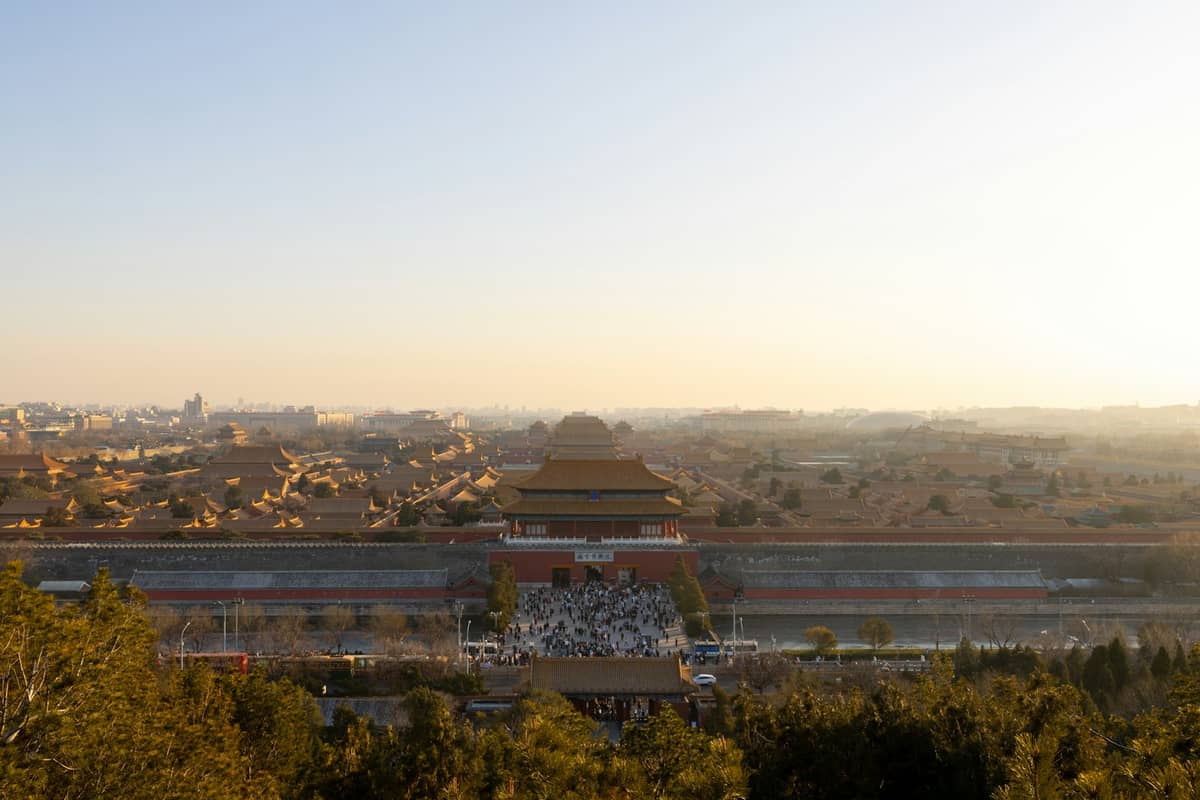
Chinese New Year, officially called Spring Festival (春节, Chūnjié), follows the lunar calendar, which means the date shifts every year against the Gregorian calendar. It typically falls somewhere between late January and mid-February. In 2026, the new year began on February 17. In 2027, it will begin on February 6. You cannot plan around a fixed date, so confirm the year you intend to travel well in advance.
The public holiday is officially seven days, known as Golden Week. Beijing's temple fairs and most festival programming run across these same seven days, with the first two or three days seeing the densest crowds. Some events, particularly park lantern festivals and amusement park programs, extend well beyond the official holiday period. For example, in 2026 the Old Summer Palace festival ran from February 7 through March 3, and Shijingshan Amusement Park ran programming through March 8.
⚠️ What to skip
Venue schedules, admission prices, and ticket availability change every year. Always check the Beijing Municipal Government events calendar and each venue's official ticketing page before making plans. What applied in 2026 may not apply in your year of travel.
The Major Temple Fairs: What They Are and Where to Go
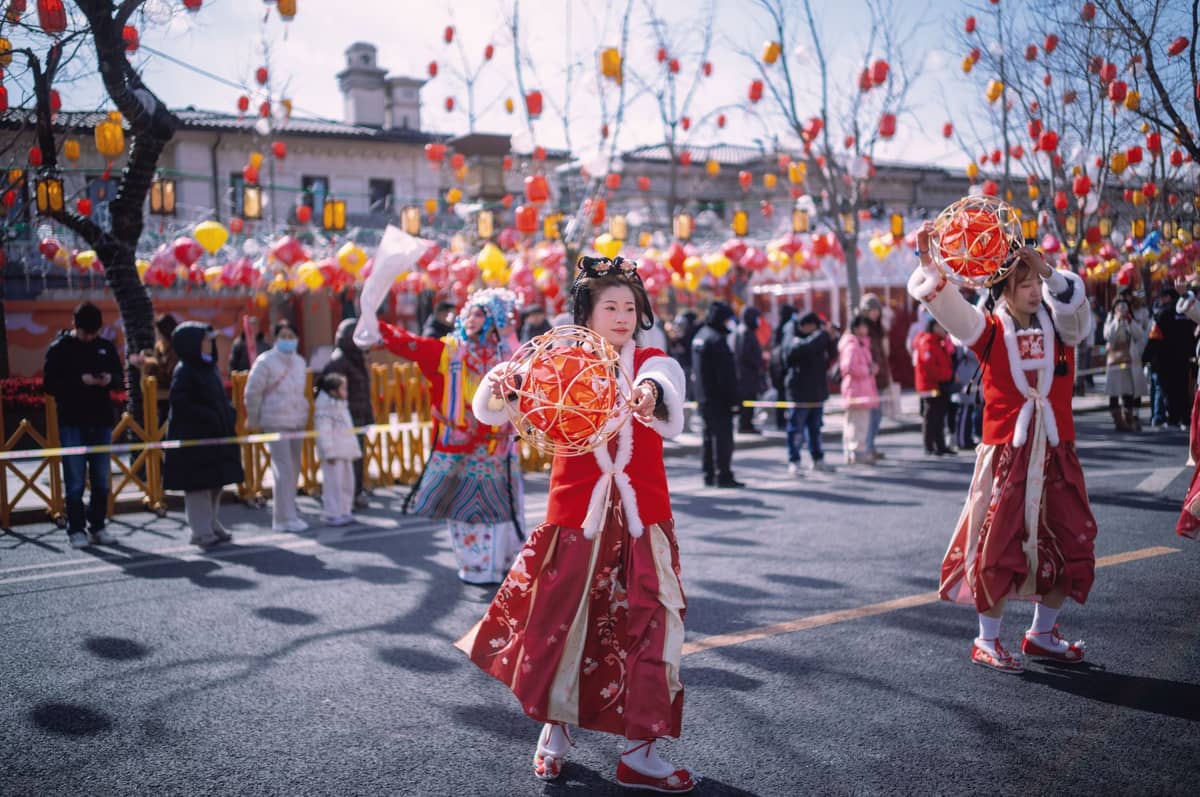
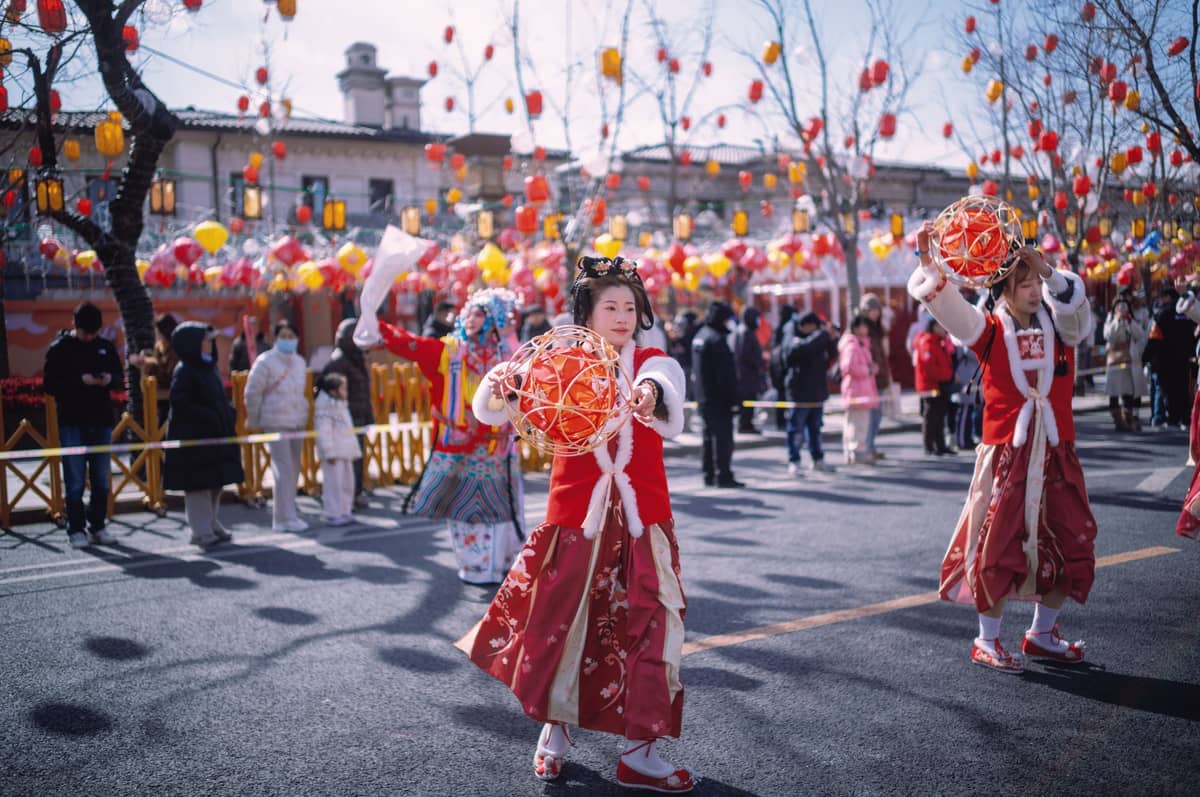
The word 'temple fair' (庙会, miào huì) is worth unpacking. Historically, these were markets and entertainments held in the grounds of Buddhist or Taoist temples. In modern Beijing, the tradition has expanded: the biggest fairs take place in public parks rather than active places of worship, and the programming now blends traditional folk performances, craft stalls, street food, games, and contemporary cultural events. Do not assume that attending a temple fair means visiting a working temple.
- Ditan Temple Fair (地坛庙会) Held at Ditan Park in Dongcheng District, this is consistently one of Beijing's largest and most attended fairs. In 2026 it ran February 17-23, 08:30-17:00, with admission at ¥30. Expect traditional acrobatics, folk costumes, lantern displays, and hundreds of food vendors. The park itself is historically significant as the Earth Altar, where emperors performed rituals. Metro: Yonghegong Lama Temple (Line 2 or 5).
- Longtan Temple Fair (龙潭庙会) Located at Longtan Park in Dongcheng, southeast of the Temple of Heaven area. Also ¥30 admission in 2026, with the same date range as Ditan. Longtan tends to have slightly longer entertainment segments and is a good alternative when Ditan reaches capacity. Both fairs now use QR-code ticketing.
- Changdian Temple Fair (厂甸庙会) Held around the Liulichang cultural street area in Xicheng District. Listed as free admission in 2026. Historically one of Beijing's oldest and most famous temple fairs. The atmosphere is more neighborhood-oriented than the large park fairs, with antique stalls, calligraphy supplies, and traditional snacks prominent.
- Grand View Garden (大观园) Themed around the classic novel Dream of the Red Chamber, this garden in Xicheng runs a Spring Festival program that blended costumed characters and lantern displays. Admission was reported at ¥40 for the 2026 festival program.
- Badachu (八大处) A complex of eight temples in the western hills of Shijingshan District. Admission was around ¥10 for the 2026 fair, making it one of the more affordable options. It is genuinely set among active religious sites and offers a quieter, more atmospheric alternative to the large urban park fairs.
- Hongluo Temple (红螺寺) Located in Huairou District to the north, this is a longer trip from central Beijing but offers a properly temple-based fair experience. Admission was around ¥54 in 2026. Worth it if you want to avoid the dense central-city crowds.
✨ Pro tip
Online ticketing is now standard at Ditan and Longtan, and capacity limits are enforced. Purchase tickets through the official venue apps or authorized platforms at least two to three days before you plan to visit. Walk-up tickets can sell out on peak days.
What to Expect at the Fairs: Sights, Food, and Entertainment
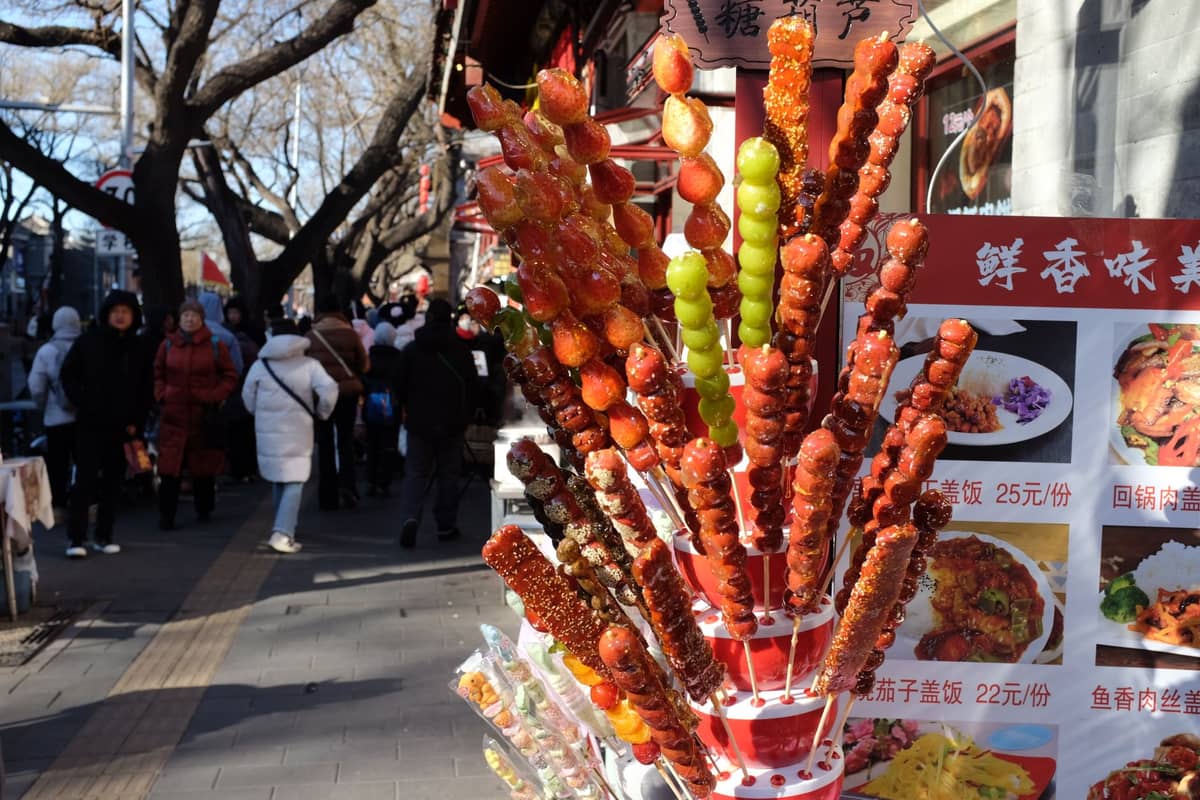
The energy at a Beijing temple fair is unlike any other time of year. Vendors set up hundreds of stalls selling traditional snacks: sugar-coated hawthorn skewers (糖葫芦, táng húlu), fried dough twists (麻花, má huā), stinky tofu, lamb kebabs, and dozens of regional specialties. Prices at fair stalls run higher than at ordinary street food spots, typically ¥15 to ¥40 per item, but eating your way through the fair is genuinely part of the experience.
Folk performance troupes stage lion dances, dragon dances, stilt walking (踩高跷, cǎi gāo qiāo), and face-changing (变脸, biàn liǎn) throughout the day at the larger fairs. Performances at Ditan and Longtan are scheduled in blocks; arriving in the morning gives you the best chance to see multiple acts. If traditional performing arts interest you beyond the festival, Beijing opera venues run programs year-round.
Craft and souvenir stalls sell paper cuttings, clay figurines, kites, calligraphy, and zodiac-themed items specific to the incoming year. Prices are negotiable at most craft stalls, though less so at those with printed price tags. Cash remains widely used at fair stalls, but WeChat Pay and Alipay are accepted at most. International visitors may need to link a foreign card to WeChat Pay in advance, or rely on cash drawn from ATMs.
Crowds, Logistics, and Getting Around
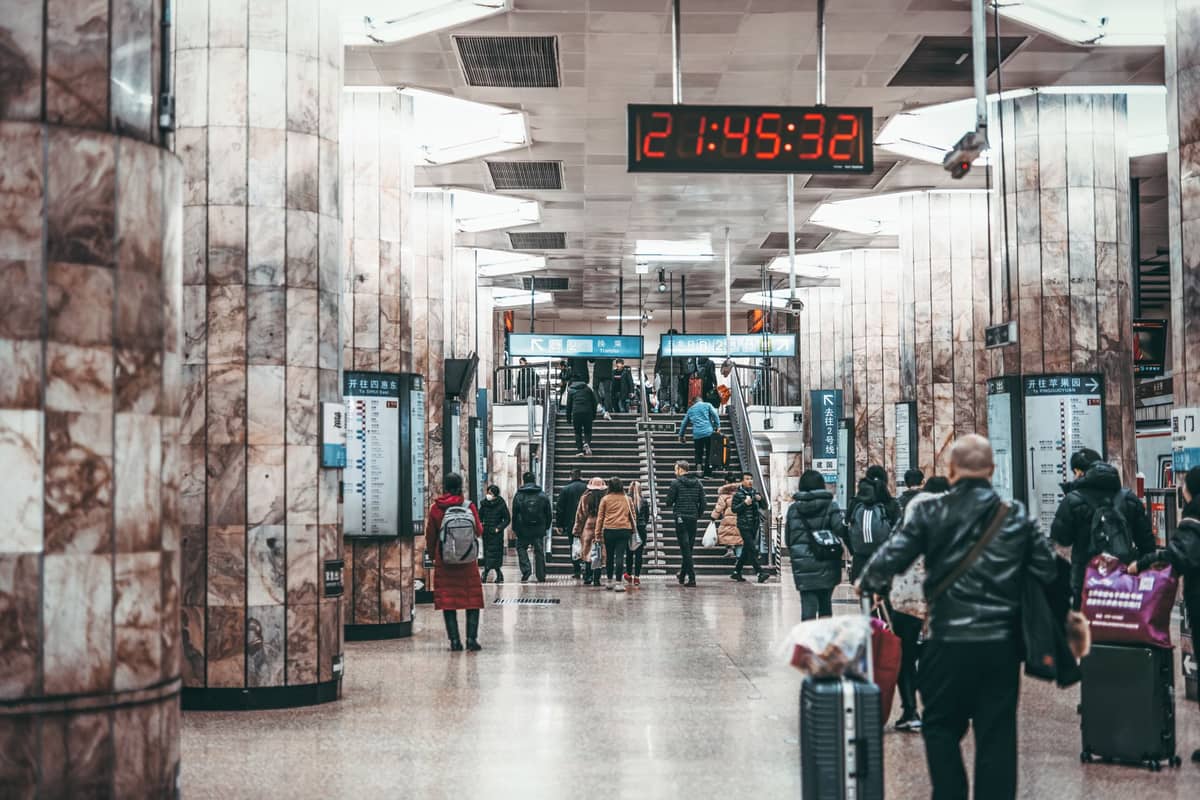
Beijing's population dynamic during Spring Festival is unusual. Millions of migrant workers and students return to their home provinces, so the subway and streets can feel notably less congested than in ordinary weeks. But this is offset by the arrival of domestic tourists from across China, and the fairs themselves are extremely crowded. Ditan in particular can see queues forming at the gates before 08:30 on the first two days of the new year.
The Beijing Subway runs extended hours during Spring Festival, which helps with fair access. Ditan is a short walk from Yonghegong Lama Temple station, where you can also visit the Lama Temple, one of the most important Tibetan Buddhist sites in China, which draws large incense-burning crowds on New Year's morning. Longtan Park is accessible from Jinsong or Longtan stations on Line 10. For Changdian near Liulichang, the nearest metro is Hepingmen on Line 2.
- Go to Ditan or Longtan on days 4-7 of the holiday, not day 1 or 2, to find shorter queues while still experiencing the full program.
- Dress in layers. February in Beijing averages -5 to 5°C and most fair activities are outdoors. Wind chill matters.
- Arrive at opening time (08:30 for Ditan) if you want the folk performance slots before the main crowds build after 10:00.
- Download a transit app. Google Maps works inconsistently in China; Baidu Maps or Amap (高德地图) are the practical alternatives.
- Keep small denominations of cash available. Not every stall at smaller fairs accepts mobile payment.
- Book accommodation well in advance. Hotels near Dongcheng attractions fill up in the weeks before Spring Festival.
ℹ️ Good to know
The 240-hour (10-day) visa-free transit policy applies to qualifying nationals transiting through China to a third country or region via designated ports, including Beijing-area ports, subject to the current eligibility and itinerary rules. Separately, China has unilateral visa-exemption arrangements for nationals of specified countries for qualifying visits of up to 30 days. Check the National Immigration Administration website for current eligibility before booking.
Beyond the Temple Fairs: Other Spring Festival Experiences in Beijing
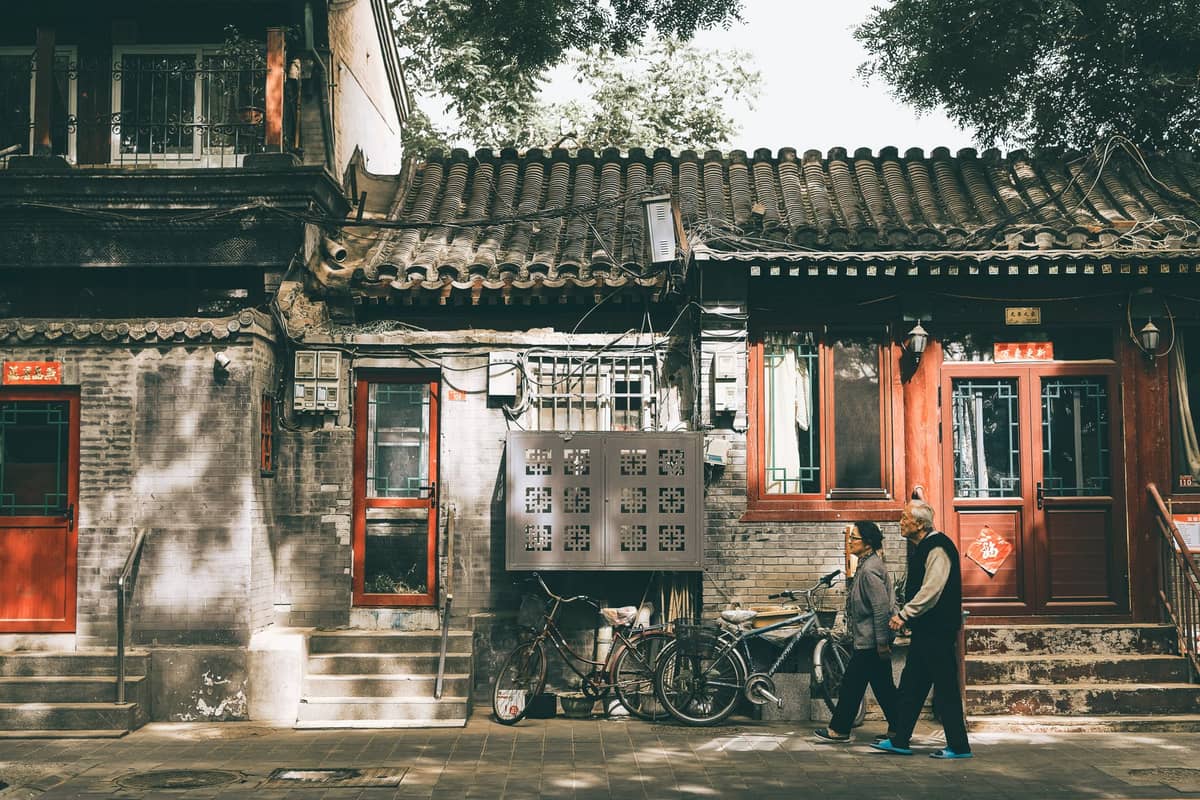
The temple fairs get most of the attention, but the wider city offers compelling alternatives during the holiday. Shichahai and the hutong neighborhoods around it take on a quieter, more atmospheric quality when the usual crowds of workers are gone. Red lanterns hang from gates, local families stroll along the lake, and small businesses that cater to residents rather than tourists remain open. If you have not explored the hutong districts before, this is a rewarding time to do so.
The Temple of Heaven and Summer Palace both run Spring Festival programming of their own. The Summer Palace is particularly striking when the Kunming Lake is frozen, and on the first days of the new year the parks are full of families in traditional dress. Check each venue for their separate festival schedules.
Fireworks are a complicated subject in central Beijing. The city has maintained restrictions on fireworks within the Fifth Ring Road for several years, citing air quality concerns. Fireworks displays do occur in outer districts and some officially sanctioned locations, but the New Year's Eve experience in central Beijing is quieter than in many other Chinese cities. For a full picture of what Beijing looks like at this time of year, the photography guide has practical advice on capturing festival scenes.
Practical Details for International Visitors
February in Beijing is cold and dry. Temperatures during the Spring Festival period typically run between -5°C and 5°C, with occasional drops lower during cold waves. Air quality varies significantly by day and weather pattern. On still, cold days pollution can build; on windy days the air is often clear. Check real-time readings from the Beijing Municipal Ecology and Environment Bureau or a recognized AQI monitoring app before outdoor activities.
Many restaurants and shops in central Beijing close for part or all of Spring Festival Golden Week, particularly smaller locally owned businesses. The hutong neighborhoods can feel noticeably quieter on the first two days. Large hotel restaurants, shopping malls, and venues catering to tourists generally remain open. For food planning beyond the fair stalls, the guide to what to eat in Beijing lists reliable year-round options.
Train and air tickets into and out of Beijing during the Spring Festival migration period (Chunyun, roughly the 40 days surrounding the holiday) sell out weeks in advance. If you are planning to continue to Shanghai or other cities after Beijing, book early. The Beijing to Shanghai travel guide covers your high-speed rail options.
FAQ
When is Chinese New Year in Beijing in 2027?
Chinese New Year 2027 falls on February 6. The main temple fairs in Beijing will likely run from that date through approximately February 12, covering the first seven days of the lunar new year. Confirm specific venue schedules closer to the date through the Beijing Municipal Government events calendar.
Do I need to buy temple fair tickets in advance?
For major fairs like Ditan and Longtan, yes. Both venues used online ticketing with QR-code entry in 2026, and capacity limits mean tickets can sell out on peak days. Purchase through official venue apps or authorized platforms at least two to three days before your planned visit. Smaller fairs like Changdian may remain free or have walk-up tickets available, but check in advance.
Is Beijing Chinese New Year good for families with children?
Generally yes. The folk performances, snack stalls, craft activities, and carnival-style games at temple fairs are well-suited to children. The main challenge is managing the crowds on peak days and keeping children warm in February temperatures. Badachu and Grand View Garden tend to be less overwhelming than Ditan on the first days of the holiday.
Are there fireworks in Beijing during Chinese New Year?
Fireworks within the Fifth Ring Road have been subject to ongoing restrictions due to air quality concerns. Official fireworks displays may be held at designated outer-district locations. Do not expect the dramatic fireworks experience that characterized older accounts of Beijing New Year celebrations in the city center. Check current regulations before your visit, as policy can change.
Is Beijing safe and accessible for tourists during Spring Festival?
Yes, with some practical caveats. The city is safe. The subway and major tourist sites remain operational, though some smaller shops close. Crowds at fairs require patience and crowd-awareness. Book accommodation and transport tickets well in advance, as demand is high across the country during the Chunyun migration period. International visitors should verify their visa status, as requirements depend on nationality and current policy.