Best Photography Spots in Beijing: 20 Iconic Locations for Every Photographer
Beijing rewards photographers at every turn, from sweeping imperial vistas and crumbling Great Wall ramparts to neon-lit hutong lanes and avant-garde factory galleries. This guide covers the city's 20 best photography locations, with specific advice on timing, light, and what makes each spot worth your shot.
Plan and book this trip
Tools from our partner Travelpayouts help you compare flights and hotels. If you book through them, we may earn a commission at no extra cost to you.
Flights
Hotels map
Beijing is one of the most photogenic capitals on earth, layering 3,000 years of history against bold contemporary architecture and a street life that rewards the patient photographer. Whether you are shooting with a DSLR or a smartphone, the city offers an extraordinary range of subjects: golden rooftops at sunrise, lantern-strung hutong alleys at dusk, misty Great Wall ridgelines at dawn. For a broader orientation before you start planning your shots, the Beijing first-timer guide is a useful starting point. Timing matters enormously here: spring and autumn deliver the clearest skies and the best light, while summer haze and winter cold each create their own visual atmosphere. For the most photogenic seasonal windows, see our guide on the best time to visit Beijing. The spots below are organized by theme, so you can cluster your shoots efficiently across the city's districts.
Imperial Architecture & Historic Landmarks
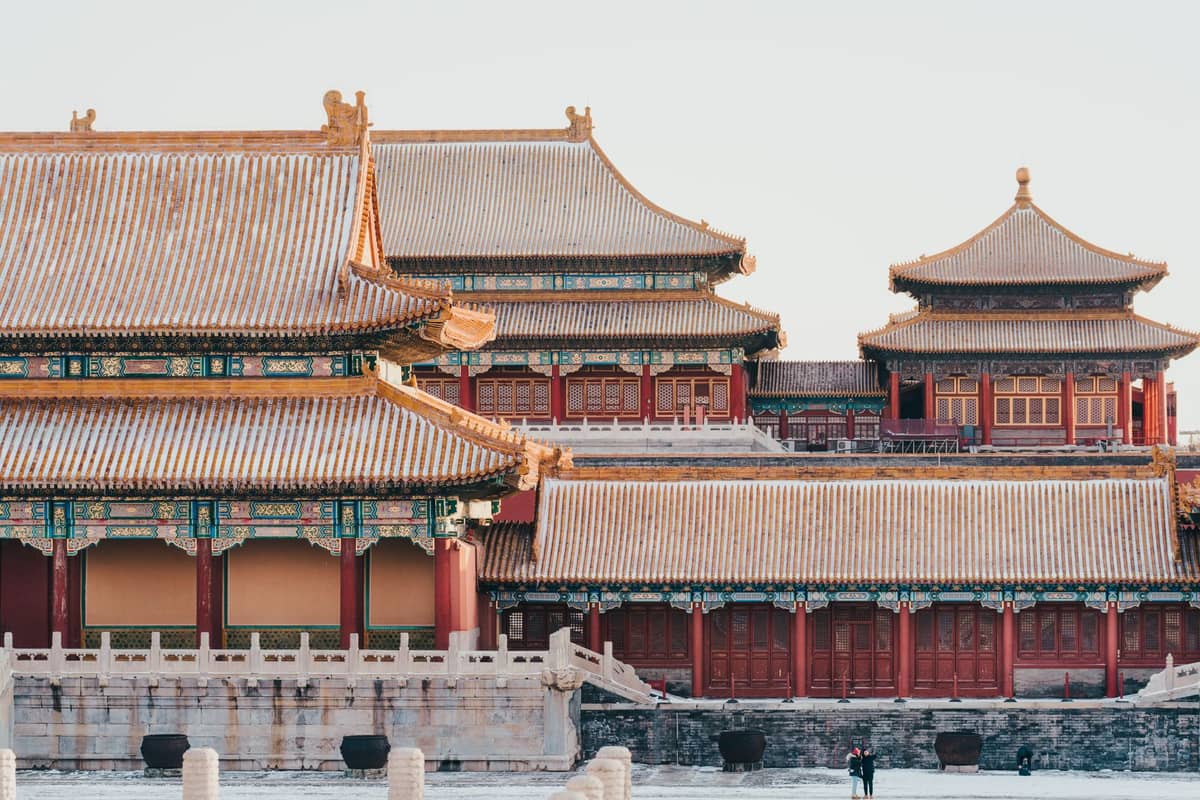
Beijing's imperial core contains the most photographed structures in China. These are not just famous backdrops — each rewards careful timing and considered framing. The Beijing imperial history guide provides context that will help you understand what you are photographing and why. Plan to arrive at the Forbidden City and Tiananmen Square before 8am for golden-hour light and thinner crowds.
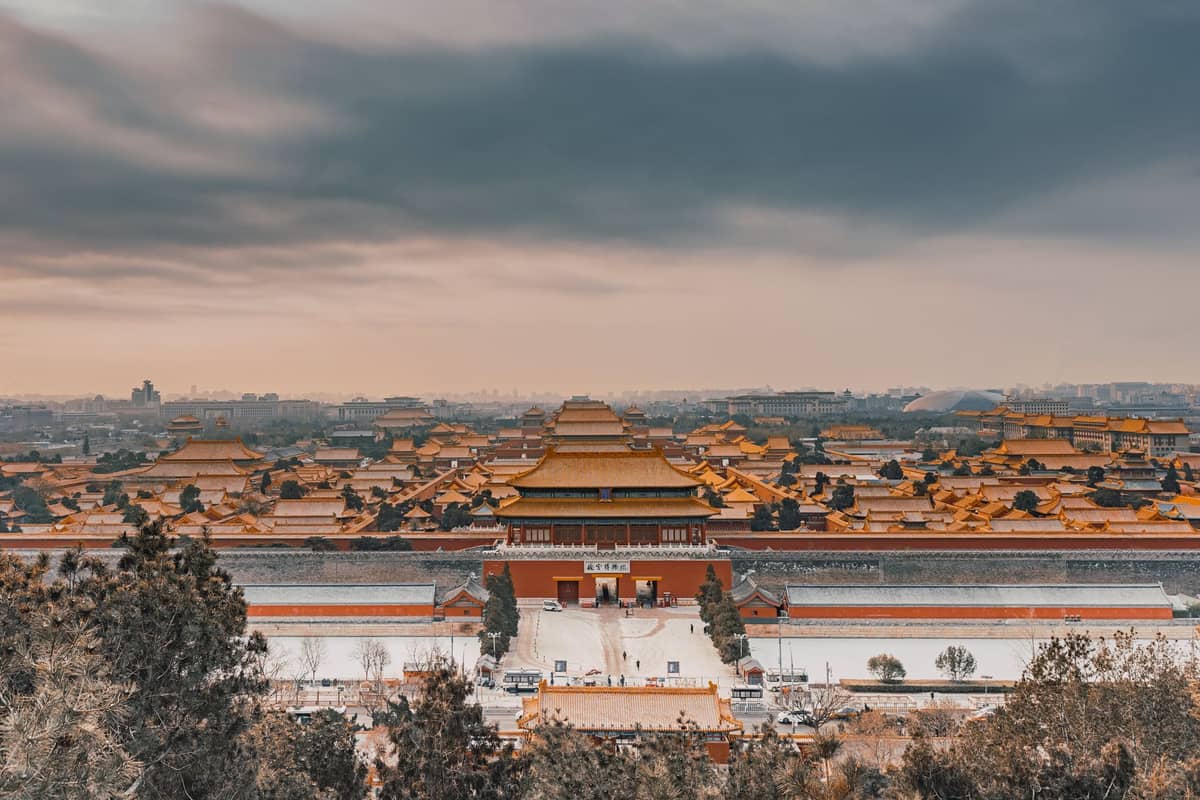
1. Shoot the Forbidden City's Golden Rooftops from Jingshan Park
The classic overhead view of the Forbidden City's 8,700 yellow-glazed rooftops is taken from this artificial hill. Arrive before 7am for soft golden-hour light and near-empty paths. Sunset is equally spectacular when the roofs glow amber.
Explore1. Shoot the Forbidden City's Golden Rooftops from Jingshan Park
The classic overhead view of the Forbidden City's 8,700 yellow-glazed rooftops is taken from this artificial hill. Arrive before 7am for soft golden-hour light and near-empty paths. Sunset is equally spectacular when the roofs glow amber.
Explore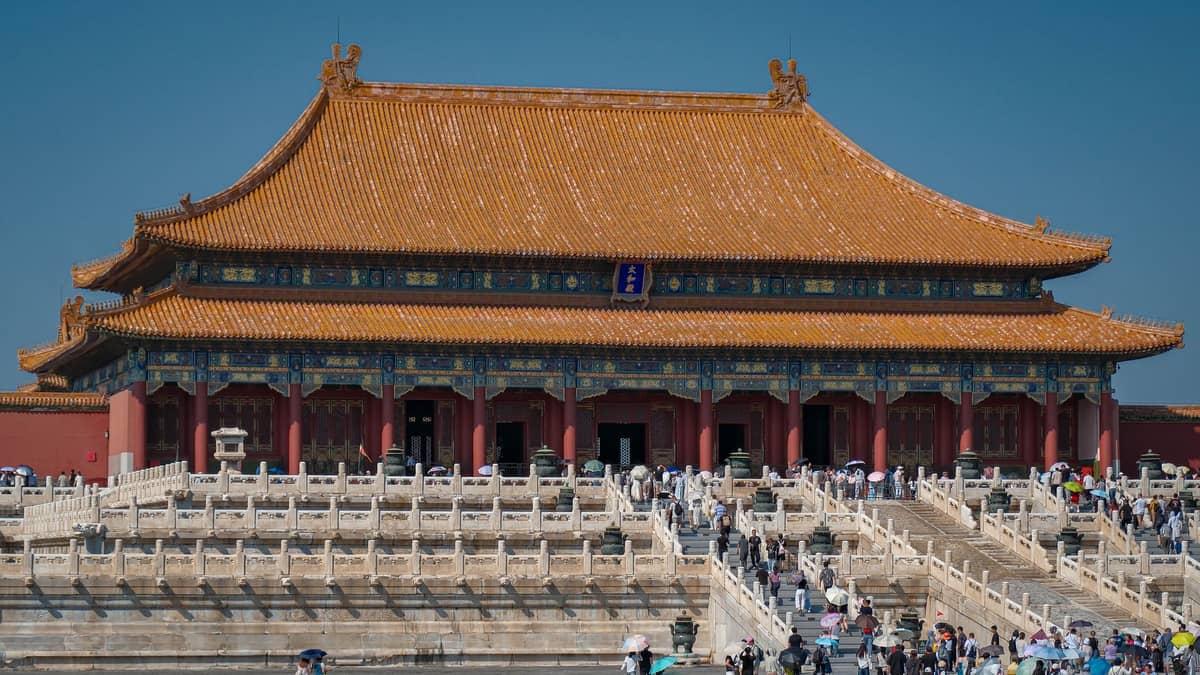
2. Capture Imperial Scale Inside the Forbidden City
The diagonal geometry of the Meridian Gate, the vast empty courtyards, and the red-and-gold Hall of Supreme Harmony reward wide-angle shooting. Book real-name tickets in advance (CNY 60). Arrive at opening, 8:30am, for clean shots before crowds fill the main axis.
Explore2. Capture Imperial Scale Inside the Forbidden City
The diagonal geometry of the Meridian Gate, the vast empty courtyards, and the red-and-gold Hall of Supreme Harmony reward wide-angle shooting. Book real-name tickets in advance (CNY 60). Arrive at opening, 8:30am, for clean shots before crowds fill the main axis.
Explore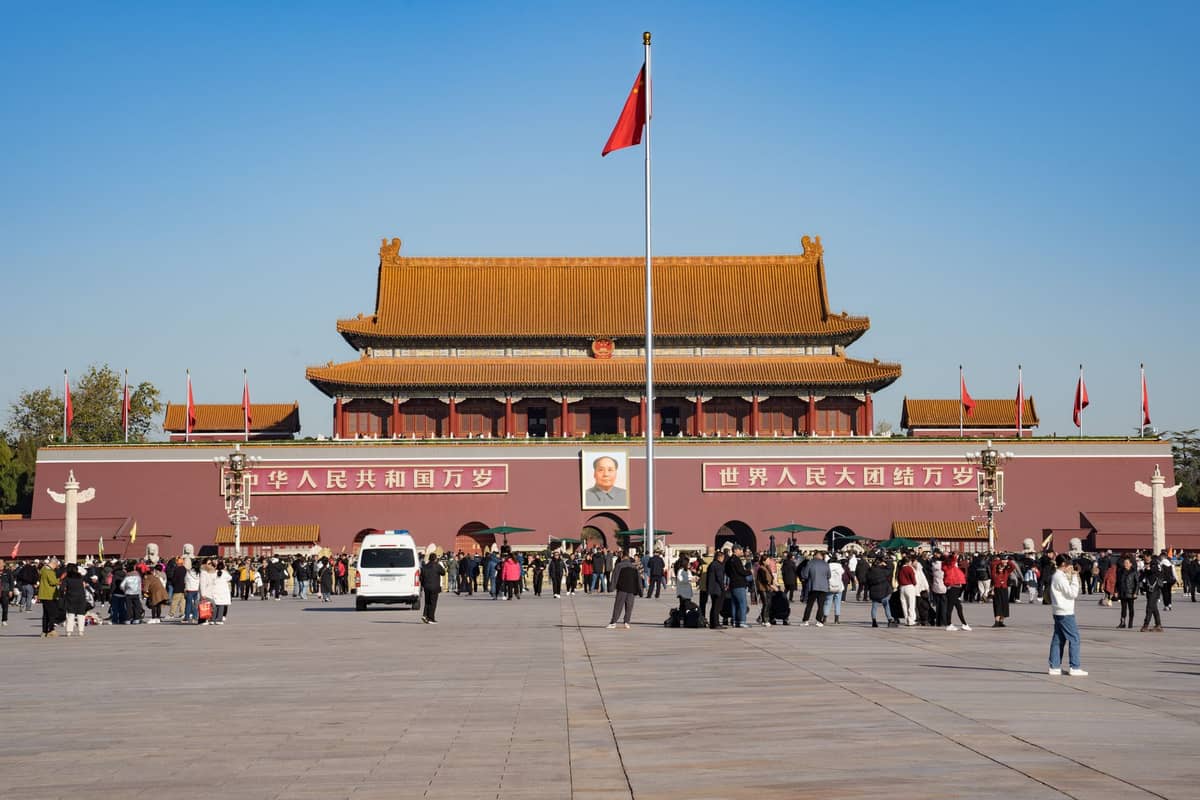
3. Photograph Beijing's Ceremonial Heart at Tiananmen Square
At sunrise, the square's vast stone expanse reflects the early light while the Gate of Heavenly Peace glows red behind it. The daily flag-raising ceremony draws crowds but creates a powerful image. Security checks mean arriving 30 minutes early is essential.
Explore3. Photograph Beijing's Ceremonial Heart at Tiananmen Square
At sunrise, the square's vast stone expanse reflects the early light while the Gate of Heavenly Peace glows red behind it. The daily flag-raising ceremony draws crowds but creates a powerful image. Security checks mean arriving 30 minutes early is essential.
Explore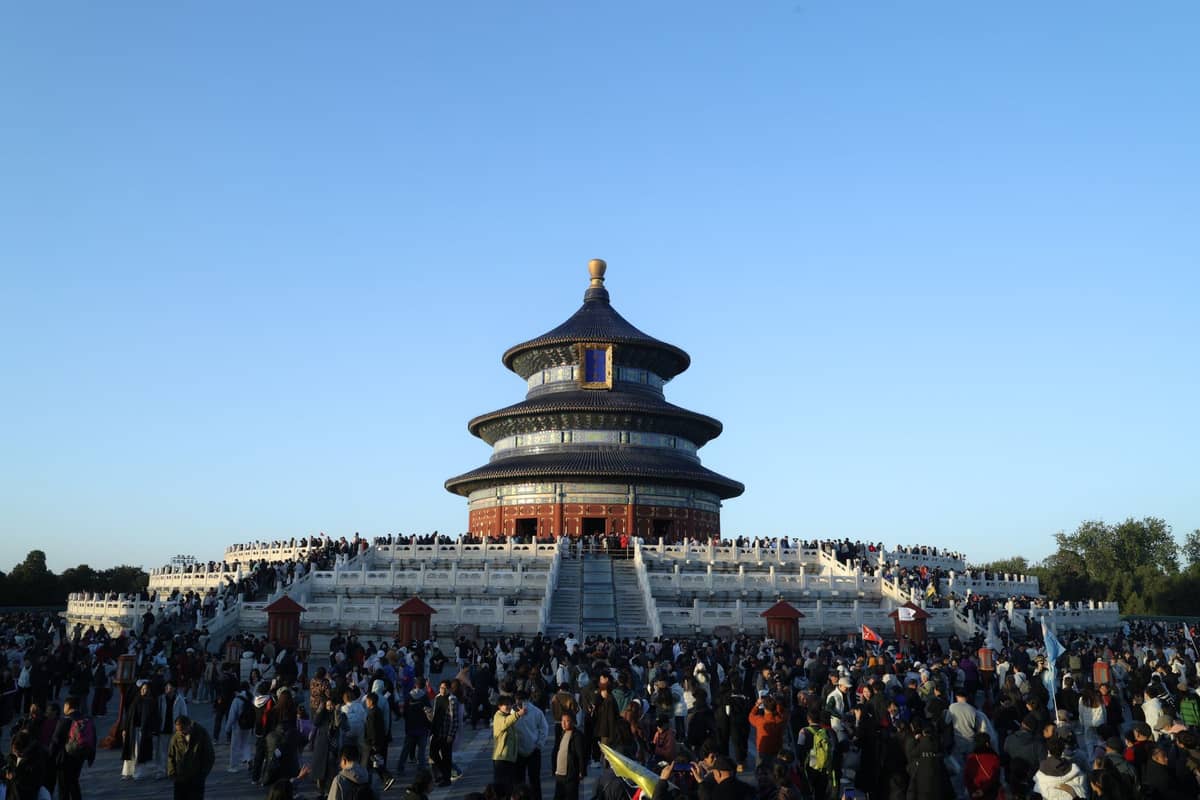
4. Frame the Hall of Prayer for Good Harvests at the Temple of Heaven
The circular blue-roofed hall rising against open sky is one of the most perfectly composed structures in Chinese architecture. Shoot from the south along the raised walkway for symmetrical framing. The park opens at 6am, giving photographers an hour of calm before tour groups arrive.
Explore4. Frame the Hall of Prayer for Good Harvests at the Temple of Heaven
The circular blue-roofed hall rising against open sky is one of the most perfectly composed structures in Chinese architecture. Shoot from the south along the raised walkway for symmetrical framing. The park opens at 6am, giving photographers an hour of calm before tour groups arrive.
Explore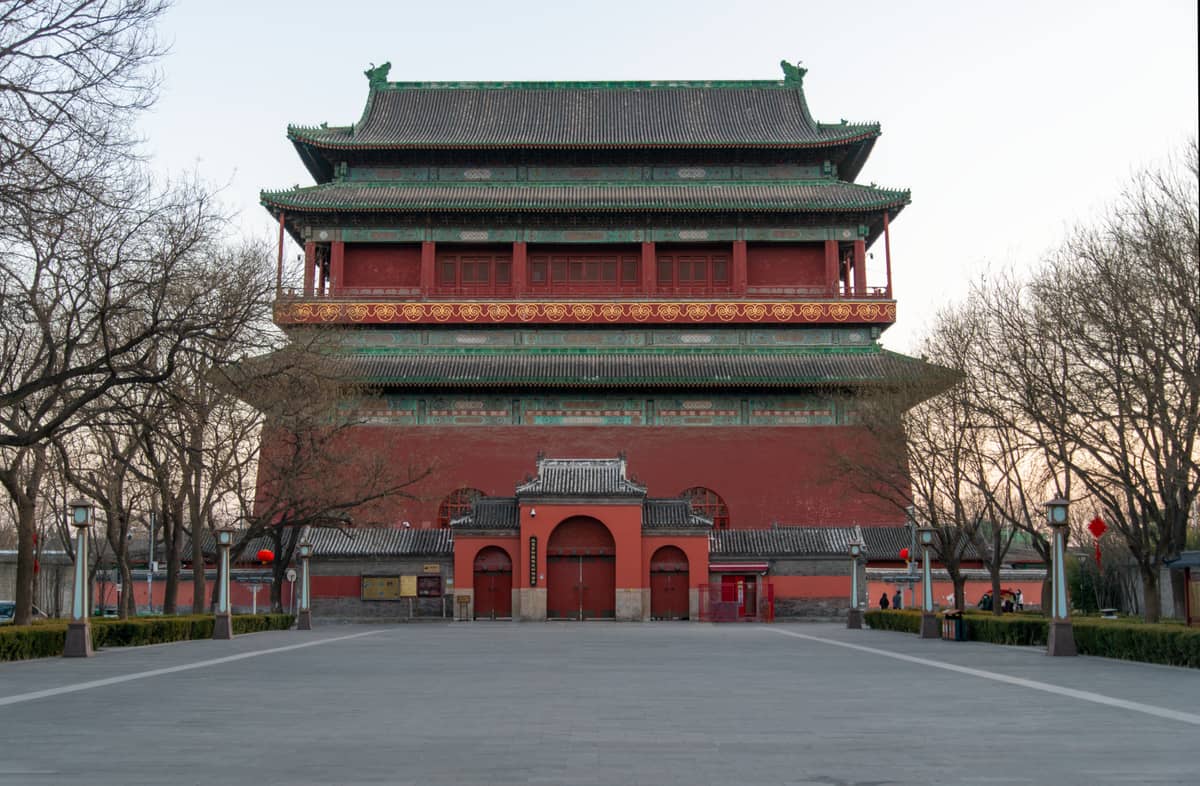
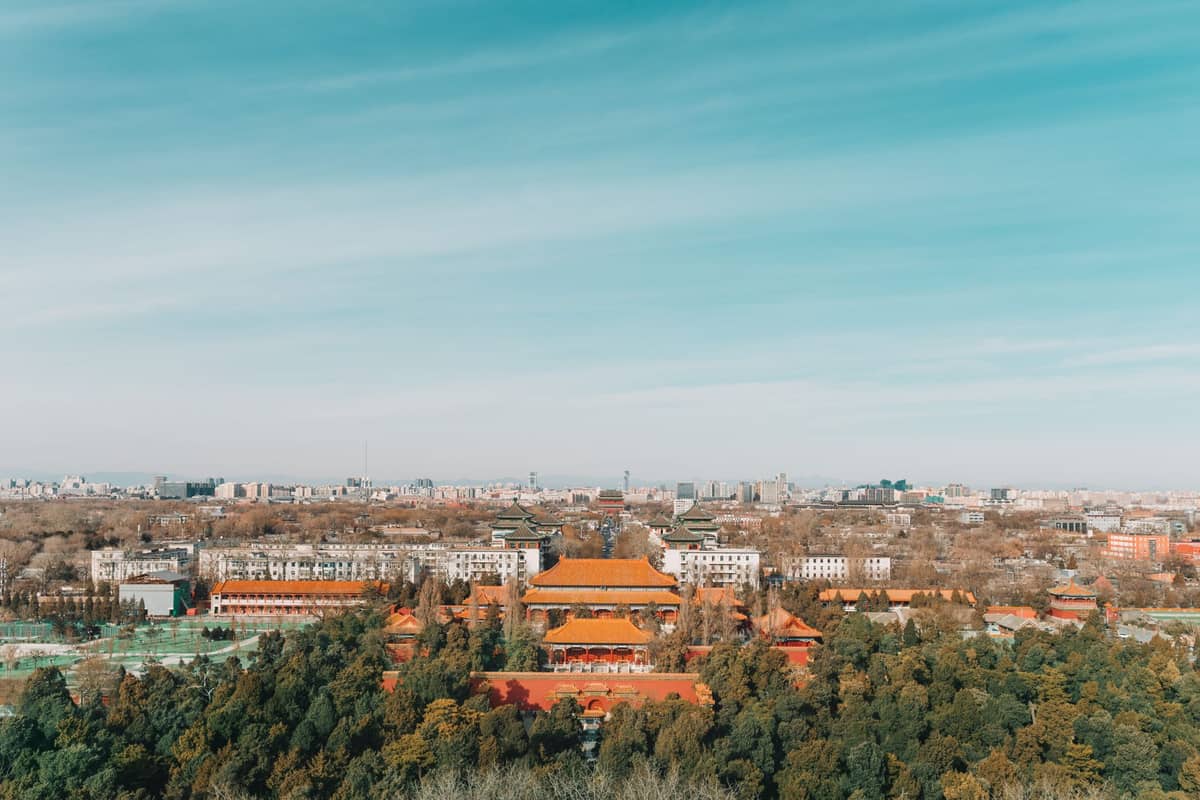
5. Shoot Hutong Roofscapes from the Drum Tower
The Drum Tower's upper platform delivers one of the best elevated views of Beijing's grey-tiled hutong roofscape, framed by the Bell Tower directly to the north. The view is especially compelling in winter morning light when mist hangs over the roofs.
Explore5. Shoot Hutong Roofscapes from the Drum Tower
The Drum Tower's upper platform delivers one of the best elevated views of Beijing's grey-tiled hutong roofscape, framed by the Bell Tower directly to the north. The view is especially compelling in winter morning light when mist hangs over the roofs.
Explore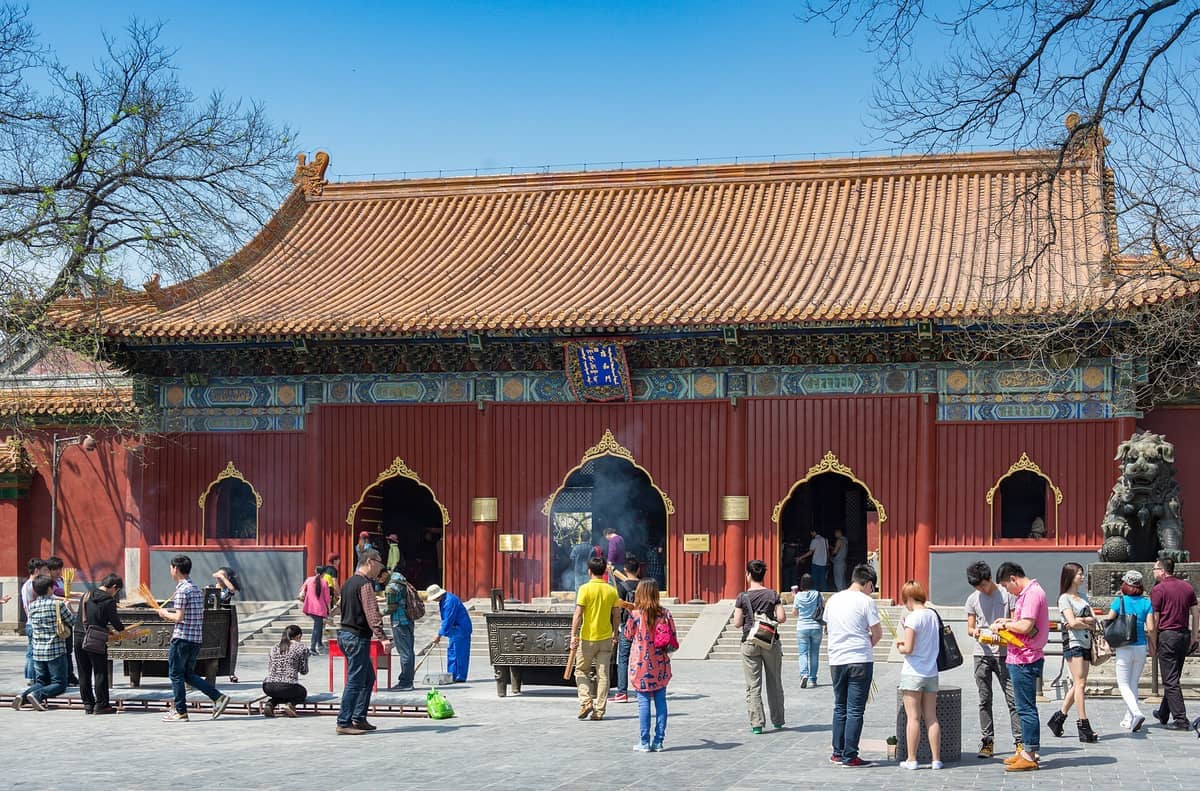
6. Photograph Incense Smoke and Gilded Halls at the Lama Temple
The combination of billowing incense smoke, vermilion courtyard walls, and devotees in prayer creates one of Beijing's most atmospheric shooting environments. The inner halls, including the room housing the 26-metre Maitreya statue, require a flash-free approach but reward patience.
Explore6. Photograph Incense Smoke and Gilded Halls at the Lama Temple
The combination of billowing incense smoke, vermilion courtyard walls, and devotees in prayer creates one of Beijing's most atmospheric shooting environments. The inner halls, including the room housing the 26-metre Maitreya statue, require a flash-free approach but reward patience.
ExploreThe Great Wall: Epic Landscape Photography
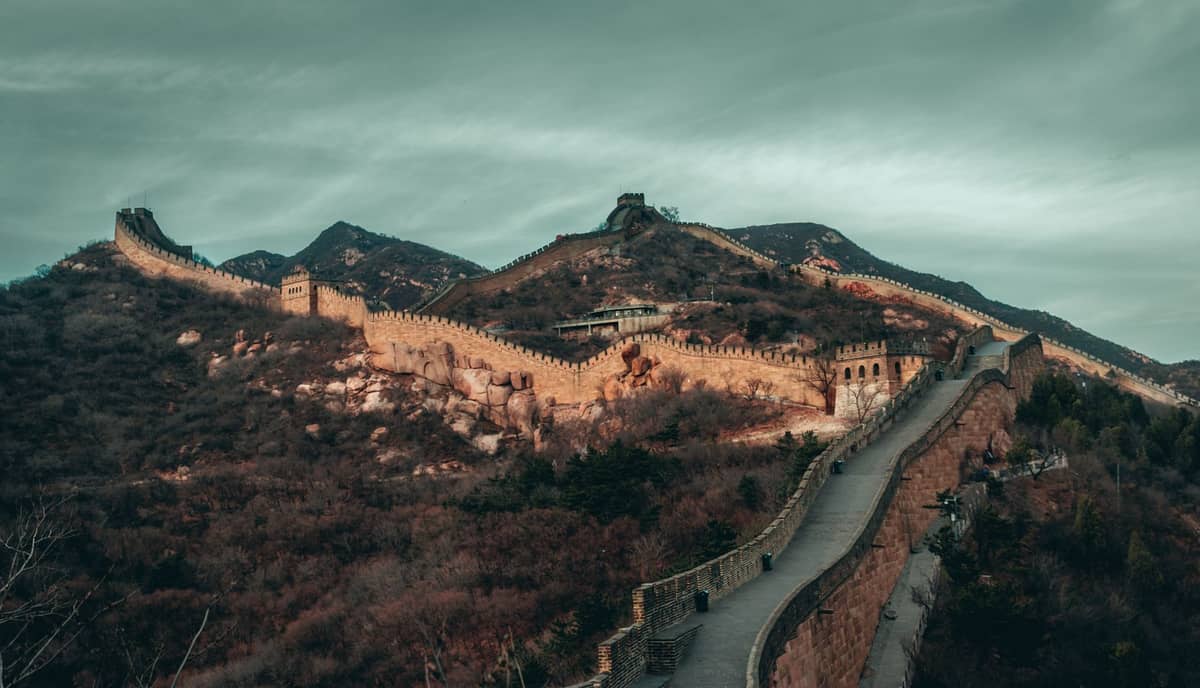
No photography guide to Beijing is complete without the Great Wall, but the section you choose dramatically changes the images you bring home. Crowded, well-lit Badaling suits documentary photography; wild, crumbling Jinshanling suits landscape work. For a full breakdown of which section fits your style and schedule, read the Great Wall sections guide.
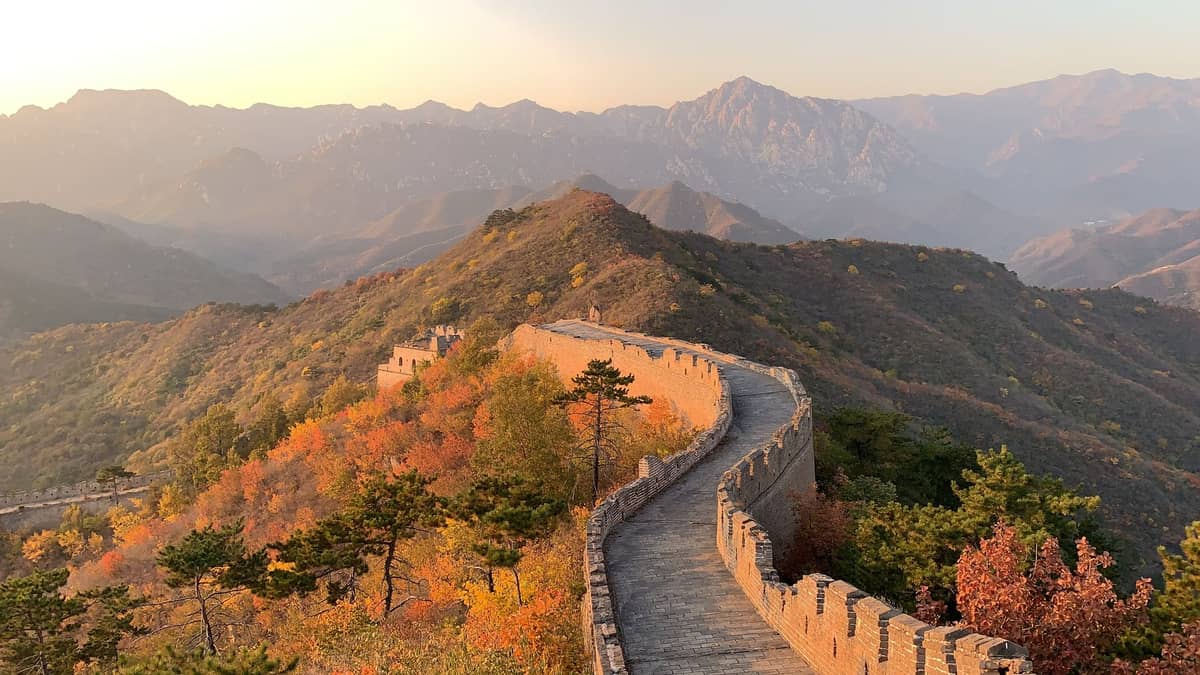
7. Shoot Original Ming Watchtowers at Jinshanling Great Wall
Jinshanling is the top choice for serious landscape photographers: original Ming watchtowers, crumbling ramparts, and ridgelines that stretch to the horizon. The east-facing slope catches dramatic morning light. Arrive at dawn for mist, golden rims on the crenellations, and no other visitors.
Explore7. Shoot Original Ming Watchtowers at Jinshanling Great Wall
Jinshanling is the top choice for serious landscape photographers: original Ming watchtowers, crumbling ramparts, and ridgelines that stretch to the horizon. The east-facing slope catches dramatic morning light. Arrive at dawn for mist, golden rims on the crenellations, and no other visitors.
Explore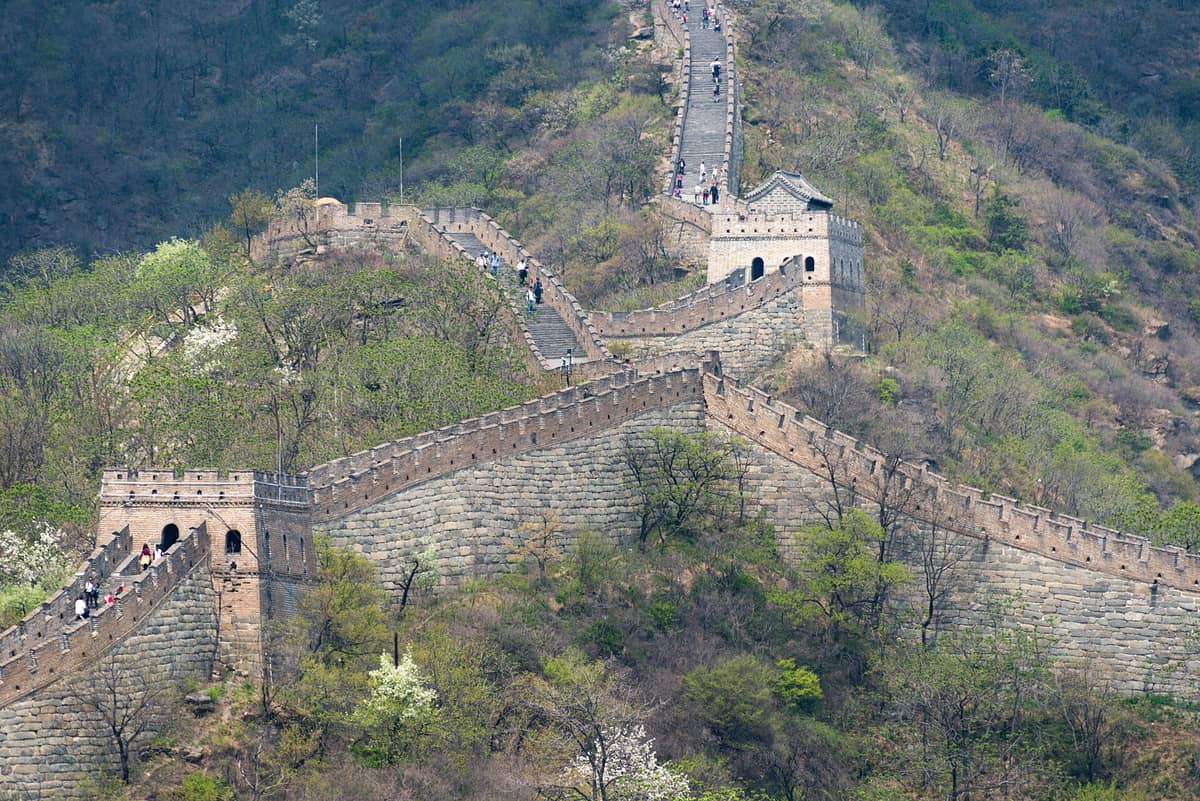
8. Capture Forested Ridgelines at Mutianyu Great Wall
Mutianyu's restored battlements curve through dense forest, offering tree-framed compositions impossible at more open sections. Autumn (October) is the peak season when foliage turns gold around the wall. The cable car gives access quickly; shoot between Watchtowers 14 and 20 for the best ridgeline curves.
Explore8. Capture Forested Ridgelines at Mutianyu Great Wall
Mutianyu's restored battlements curve through dense forest, offering tree-framed compositions impossible at more open sections. Autumn (October) is the peak season when foliage turns gold around the wall. The cable car gives access quickly; shoot between Watchtowers 14 and 20 for the best ridgeline curves.
Explore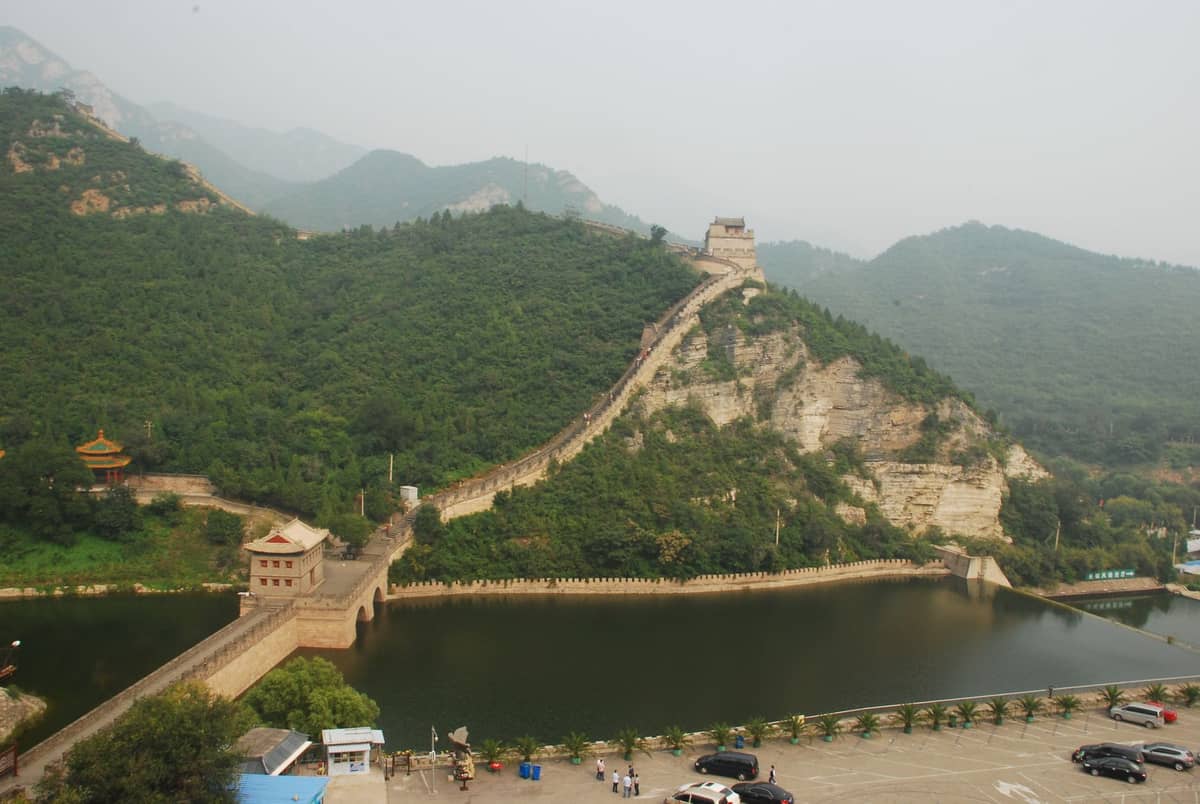
9. Photograph the Wall Submerged in a Reservoir at Huanghuacheng
Huanghuacheng is uniquely photogenic: the Great Wall descends directly into a turquoise reservoir, creating mirror reflections and a surreal landscape. Morning light hits the water from the east. This section requires more planning to reach but the payoff for photographers is exceptional.
Explore9. Photograph the Wall Submerged in a Reservoir at Huanghuacheng
Huanghuacheng is uniquely photogenic: the Great Wall descends directly into a turquoise reservoir, creating mirror reflections and a surreal landscape. Morning light hits the water from the east. This section requires more planning to reach but the payoff for photographers is exceptional.
Explore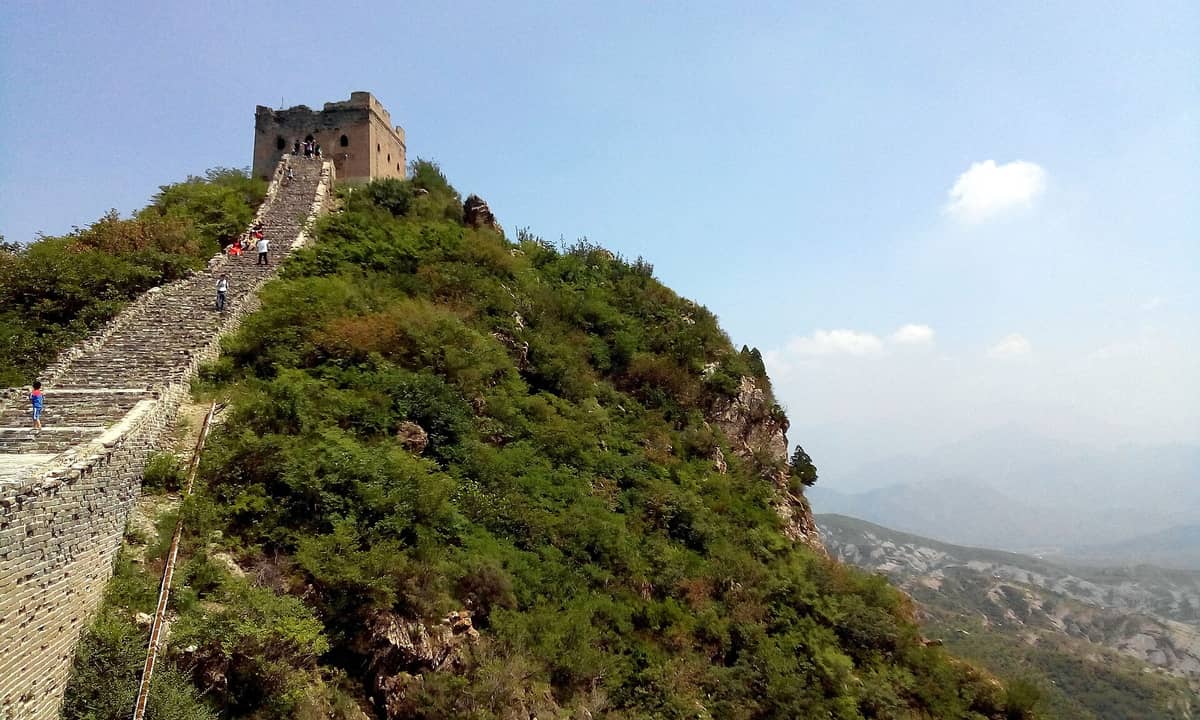
10. Shoot the Only Illuminated Great Wall Section at Night at Simatai
Simatai is the sole section open after dark, with lights illuminating the wall against the night sky. The view from Gubei Water Town below, with its canal reflections, adds a second composition. Night tours run on selected evenings; book through Gubei Water Town in advance.
Explore10. Shoot the Only Illuminated Great Wall Section at Night at Simatai
Simatai is the sole section open after dark, with lights illuminating the wall against the night sky. The view from Gubei Water Town below, with its canal reflections, adds a second composition. Night tours run on selected evenings; book through Gubei Water Town in advance.
ExploreParks, Lakes & Natural Settings
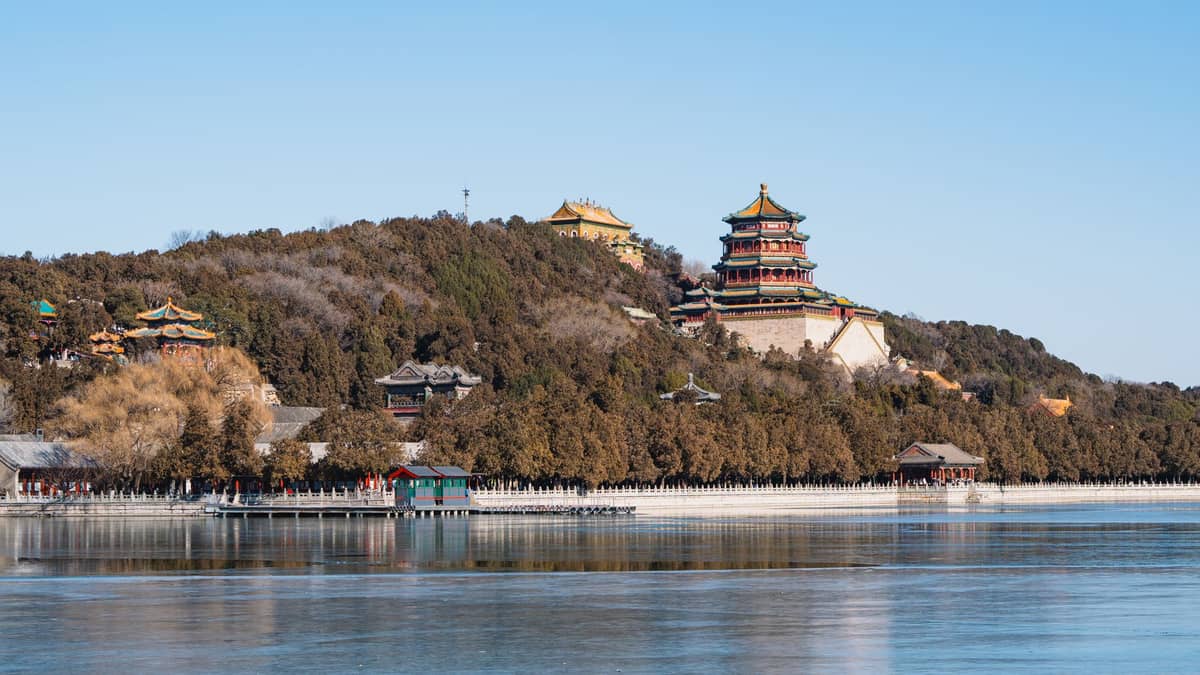
Beijing's imperial parks and lake districts offer a slower, more intimate photography experience than the major monuments. The city's best parks reward repeat visits across seasons: lotus flowers in summer, crimson maples in autumn, ice and snow in winter. For self-guided photography walks through these areas, see our Beijing walking tours guide.
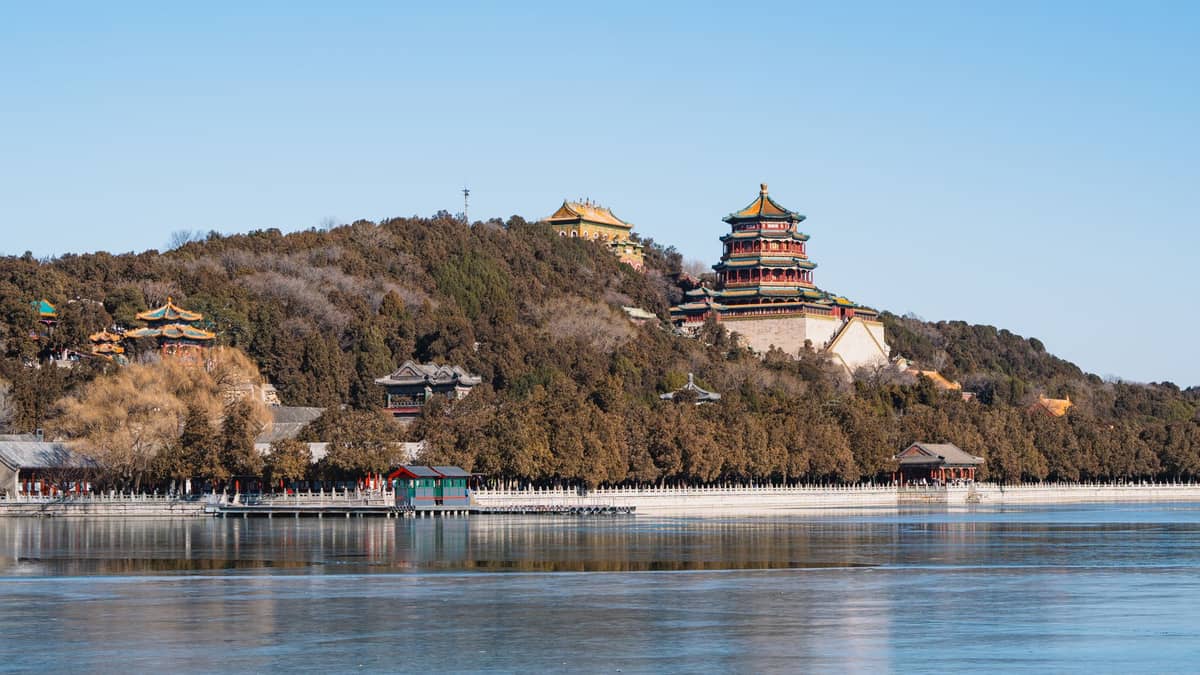
11. Compose Classic Lake-and-Pagoda Shots at the Summer Palace
The Seventeen-Arch Bridge at sunrise, with its reflection in Kunming Lake and the Tower of Buddhist Incense on Longevity Hill behind, is Beijing's most classically composed landscape scene. Visit in early morning to avoid tour groups and catch still-water reflections on the lake.
Explore11. Compose Classic Lake-and-Pagoda Shots at the Summer Palace
The Seventeen-Arch Bridge at sunrise, with its reflection in Kunming Lake and the Tower of Buddhist Incense on Longevity Hill behind, is Beijing's most classically composed landscape scene. Visit in early morning to avoid tour groups and catch still-water reflections on the lake.
Explore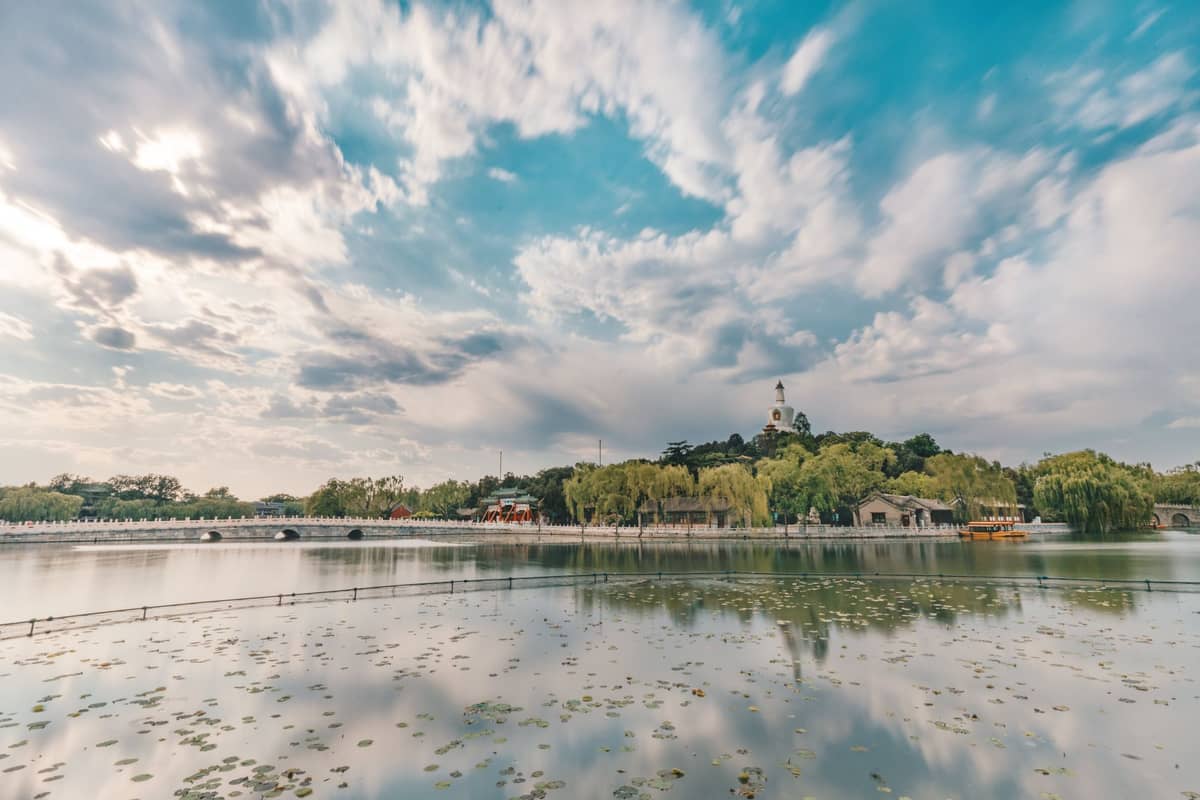
12. Shoot the White Dagoba Reflected in Beihai Lake
The white Tibetan-style dagoba on Jade Island, reflected in the lake below, is one of Beijing's most satisfying symmetrical compositions. Photograph from the north shore for the best angle. Rowing boats on the lake in spring and summer add foreground interest.
Explore12. Shoot the White Dagoba Reflected in Beihai Lake
The white Tibetan-style dagoba on Jade Island, reflected in the lake below, is one of Beijing's most satisfying symmetrical compositions. Photograph from the north shore for the best angle. Rowing boats on the lake in spring and summer add foreground interest.
Explore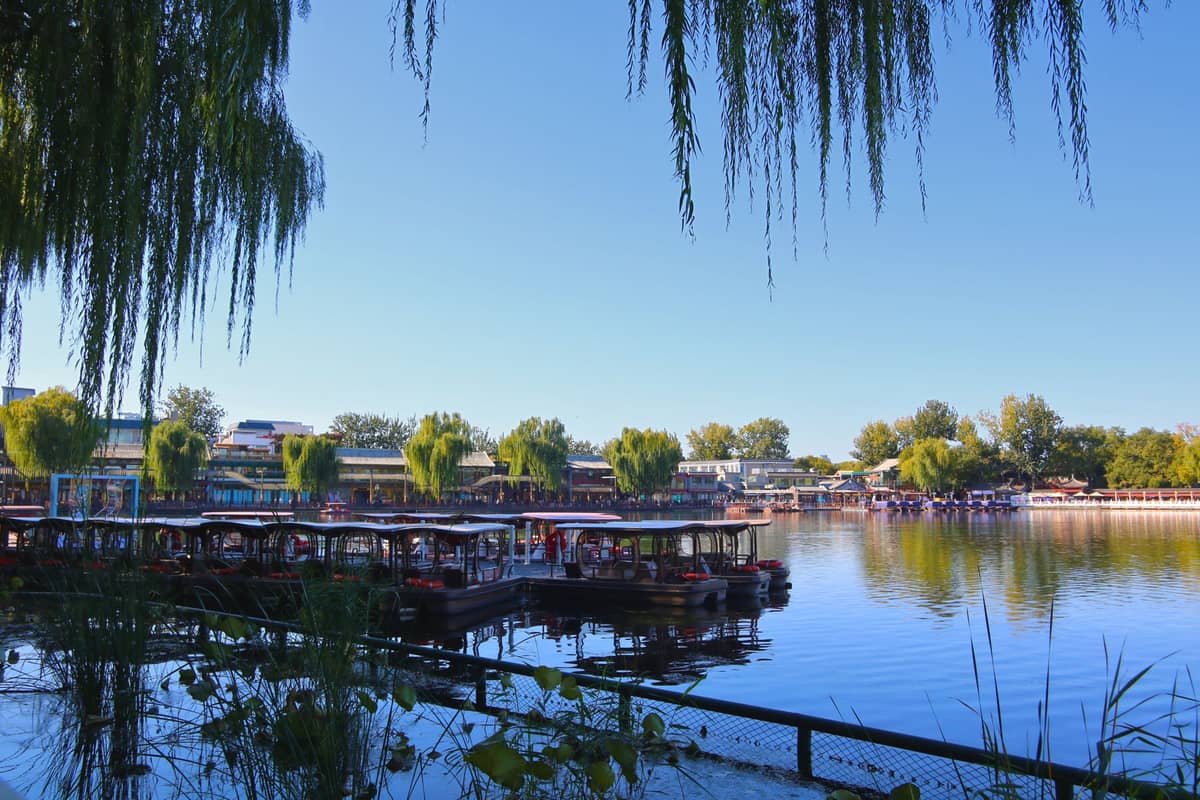
13. Capture Willow Reflections and Hutong Light at Houhai Lakes
The chain of Shichahai lakes changes character hourly: blue-sky reflections at midday, golden willows at dusk, lantern light on the water after dark. The northern shore near Yindingqiao bridge is the classic spot; the hutong alleys running off the lake add texture and human scale.
Explore13. Capture Willow Reflections and Hutong Light at Houhai Lakes
The chain of Shichahai lakes changes character hourly: blue-sky reflections at midday, golden willows at dusk, lantern light on the water after dark. The northern shore near Yindingqiao bridge is the classic spot; the hutong alleys running off the lake add texture and human scale.
Explore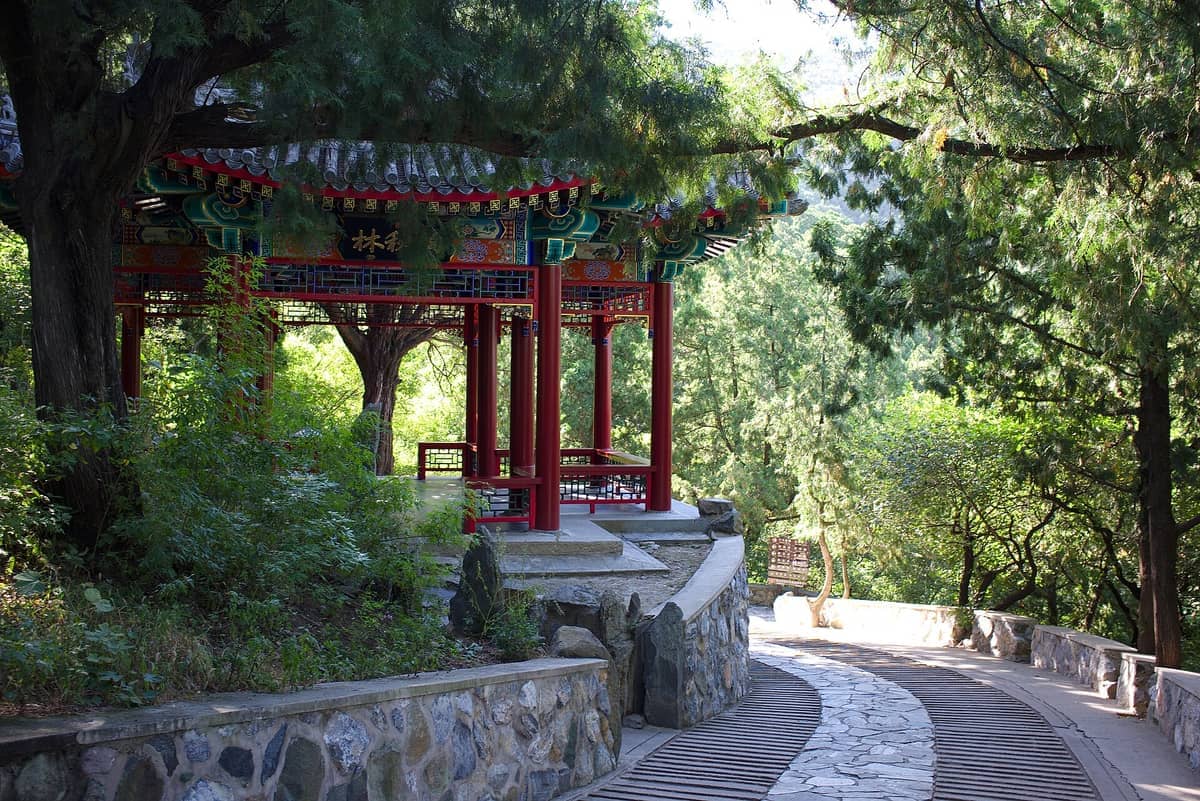
14. Photograph Beijing's Best Autumn Foliage at Xiangshan Park
In late October and early November, the hillsides of Fragrant Hills turn vivid crimson and gold, drawing photographers from across the city. Climb to the summit (chairlift available) for elevated shots of the Western Hills. On clear days you can see the Beijing plain stretching east below.
Explore14. Photograph Beijing's Best Autumn Foliage at Xiangshan Park
In late October and early November, the hillsides of Fragrant Hills turn vivid crimson and gold, drawing photographers from across the city. Climb to the summit (chairlift available) for elevated shots of the Western Hills. On clear days you can see the Beijing plain stretching east below.
Explore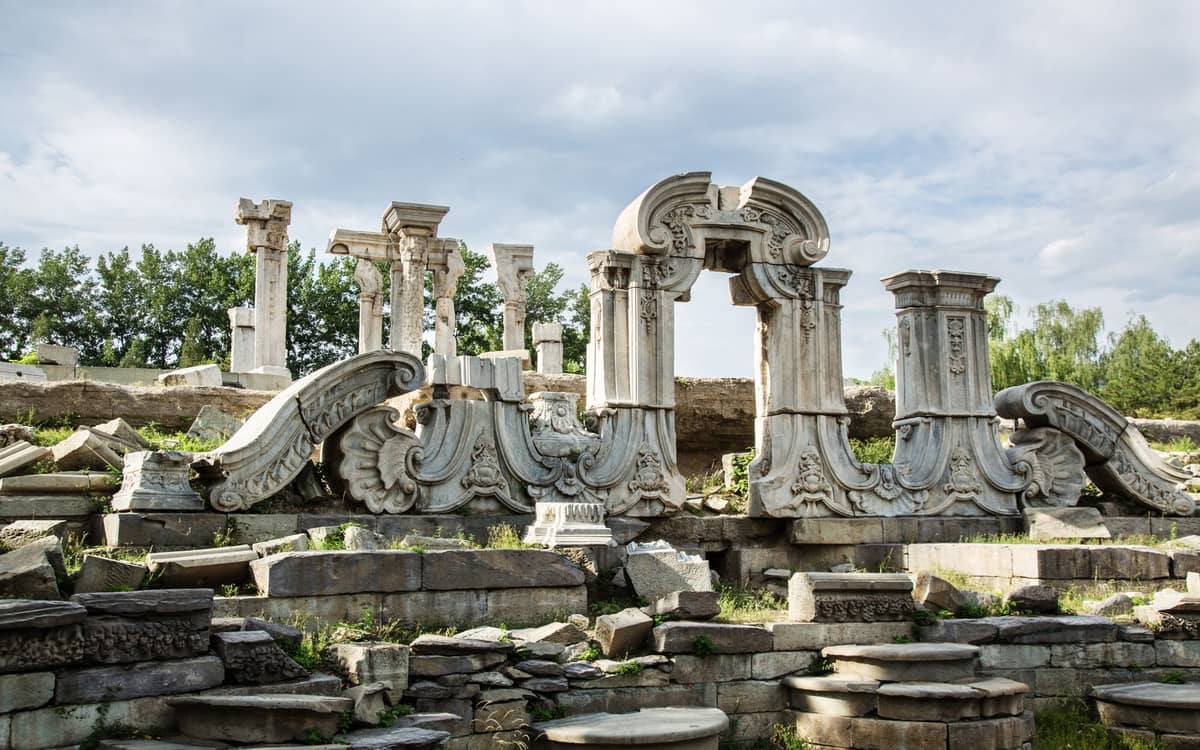
15. Shoot Haunting European Ruins at the Old Summer Palace
The shattered marble columns and ornate stone frames of the European Pavilion ruins rise from lotus ponds in eerie beauty, especially in morning mist. Winter strips the vegetation back and makes the ruins starker. This is one of Beijing's most atmospheric photography locations for moody, melancholy images.
Explore15. Shoot Haunting European Ruins at the Old Summer Palace
The shattered marble columns and ornate stone frames of the European Pavilion ruins rise from lotus ponds in eerie beauty, especially in morning mist. Winter strips the vegetation back and makes the ruins starker. This is one of Beijing's most atmospheric photography locations for moody, melancholy images.
ExploreHutongs, Streets & Urban Life
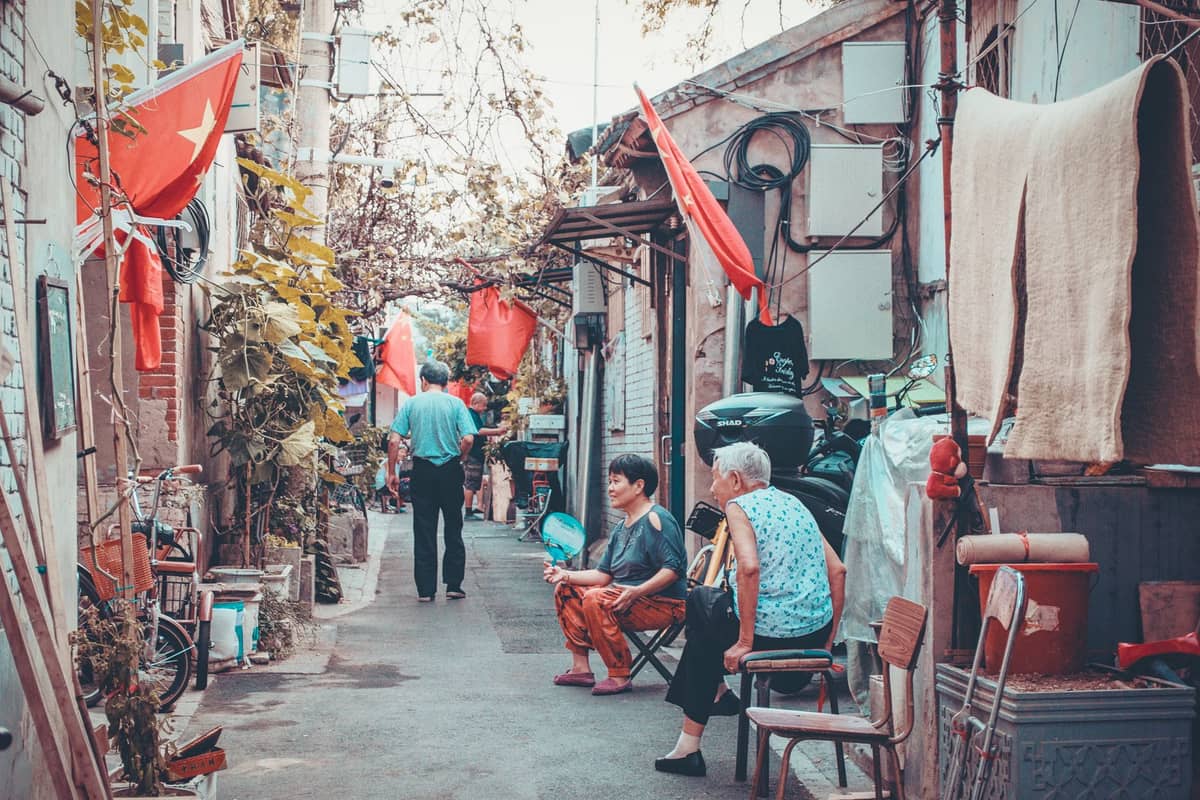
Beijing's hutong alley network is where street photographers find their richest material: elderly residents, morning tai chi, delivery cyclists, and walls plastered with faded slogans. The Beijing hutong guide covers the best neighborhoods in depth. Always ask permission before photographing individuals up close, and be respectful in residential lanes.
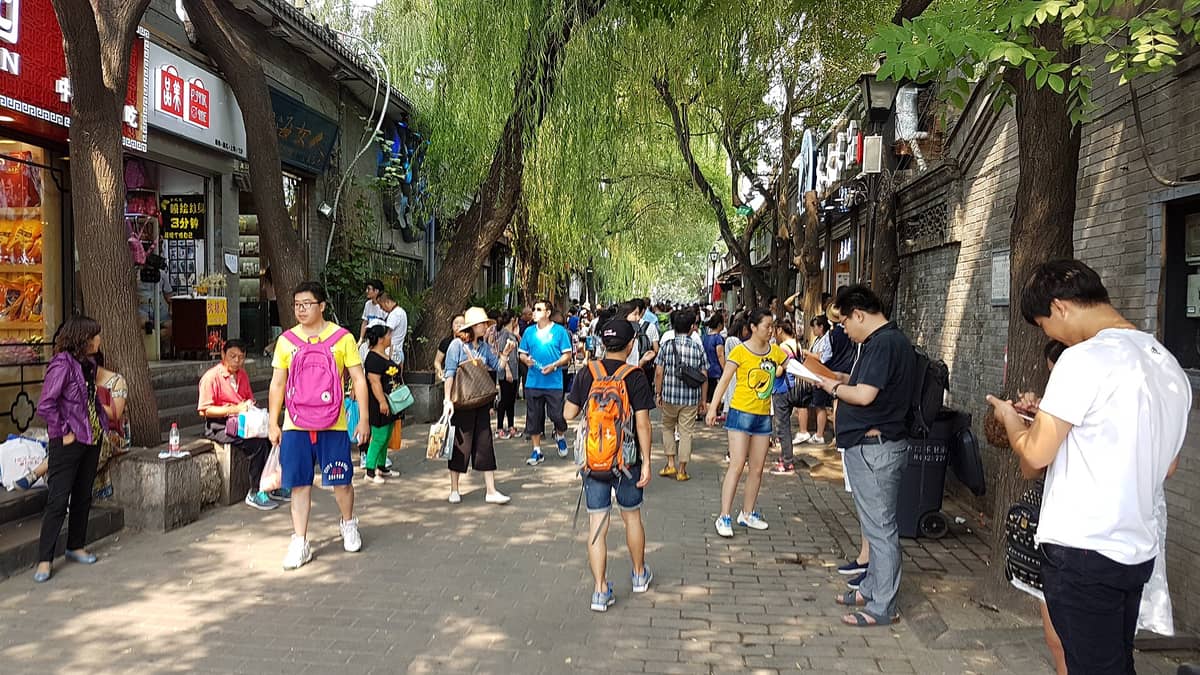
16. Photograph Hutong Street Life on Nanluoguxiang
This 786-metre alley is the most accessible hutong for street photography, with colourful shopfronts, food vendors, and a photogenic crowd. The perpendicular alleys branching off it are quieter and reveal genuine neighbourhood life. Early morning on weekdays offers the best unobstructed shots before day-tripper crowds arrive.
Explore16. Photograph Hutong Street Life on Nanluoguxiang
This 786-metre alley is the most accessible hutong for street photography, with colourful shopfronts, food vendors, and a photogenic crowd. The perpendicular alleys branching off it are quieter and reveal genuine neighbourhood life. Early morning on weekdays offers the best unobstructed shots before day-tripper crowds arrive.
Explore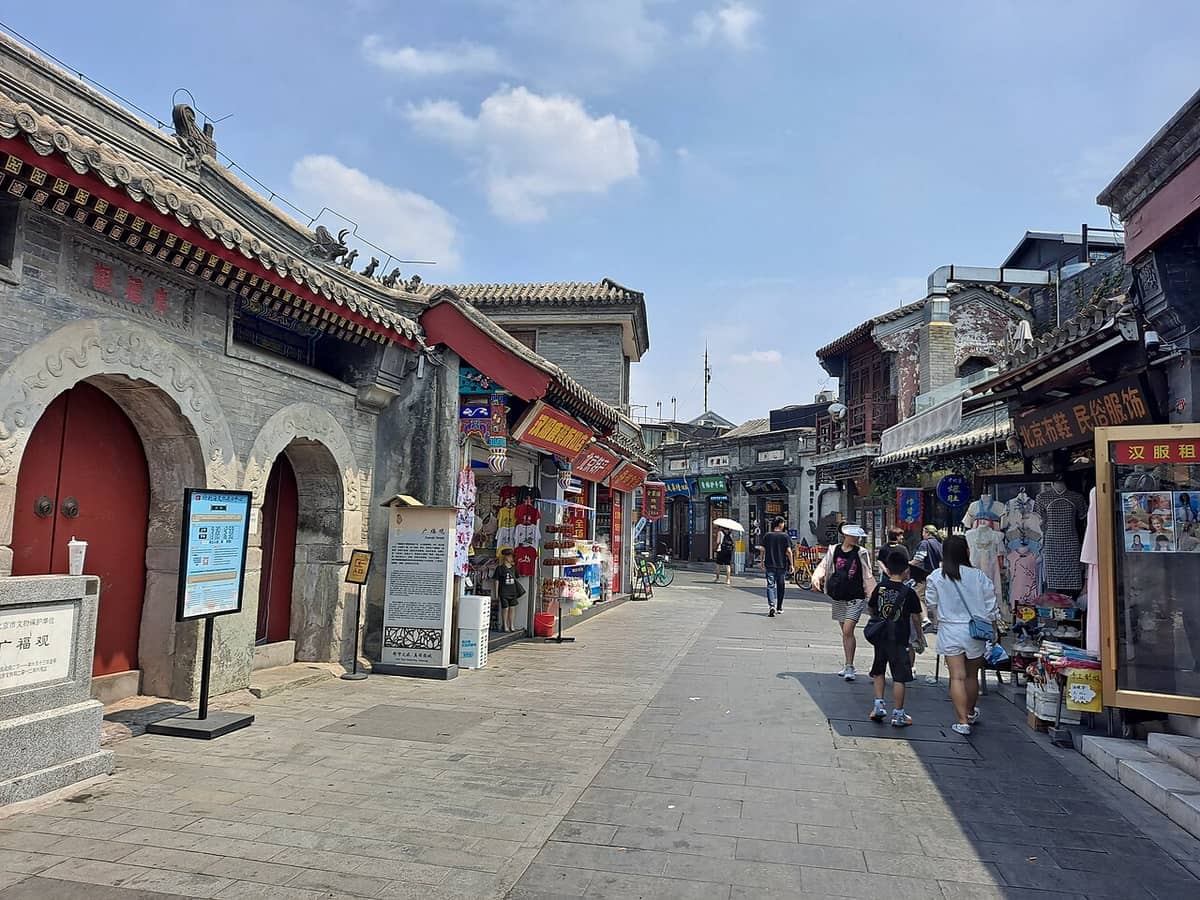
17. Shoot Atmospheric Lantern-Lit Lanes on Yandaixie Street
This narrow hutong runs downhill from the Bell Tower toward Houhai and is one of Beijing's oldest commercial streets. Red lanterns hang overhead year-round, and the mix of antique dealers and quirky boutiques creates layered, textured street scenes. Shoot at dusk when the lanterns glow warm against the fading sky.
Explore17. Shoot Atmospheric Lantern-Lit Lanes on Yandaixie Street
This narrow hutong runs downhill from the Bell Tower toward Houhai and is one of Beijing's oldest commercial streets. Red lanterns hang overhead year-round, and the mix of antique dealers and quirky boutiques creates layered, textured street scenes. Shoot at dusk when the lanterns glow warm against the fading sky.
Explore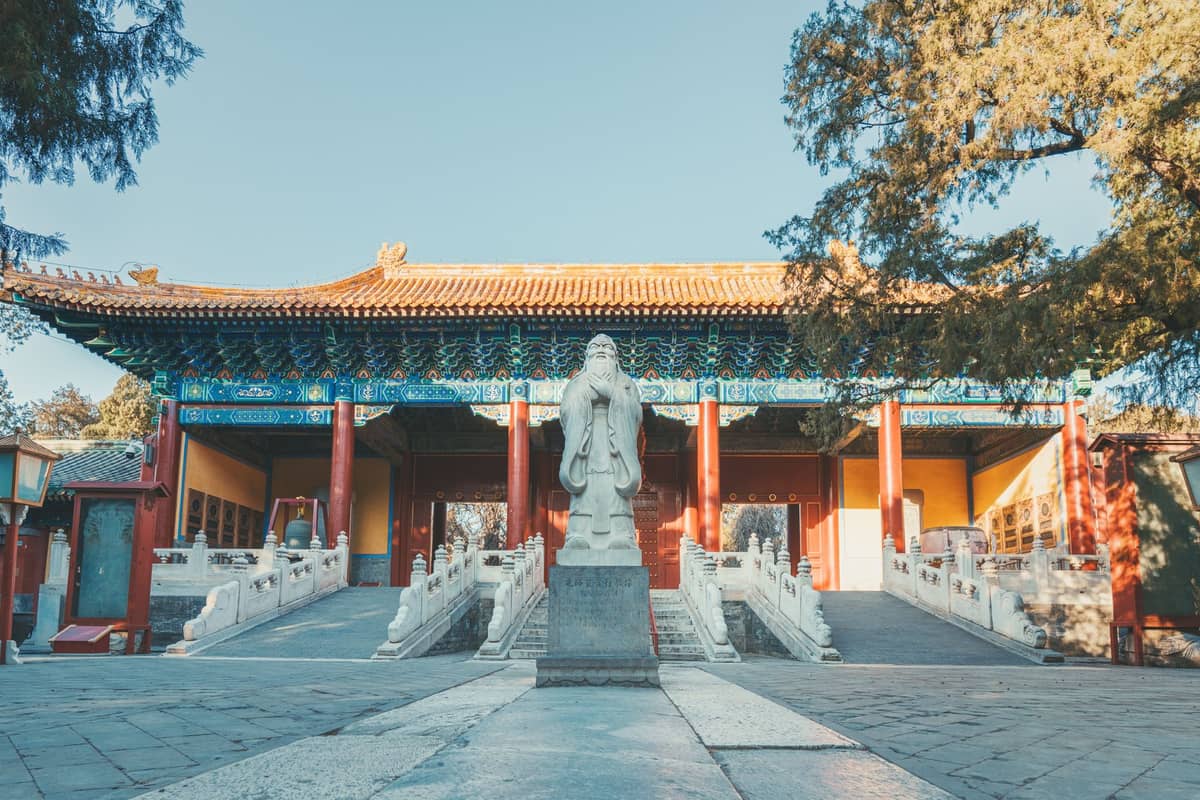
18. Find Ancient Cypress Shadows at the Confucius Temple
The Confucius Temple's courtyards are shaded by ancient cypress trees whose gnarled trunks and filtered light create exceptional conditions for detail and portrait photography. The stele forest of stone tablets recording imperial examination results is a unique photographic subject rarely found elsewhere in Beijing.
Explore18. Find Ancient Cypress Shadows at the Confucius Temple
The Confucius Temple's courtyards are shaded by ancient cypress trees whose gnarled trunks and filtered light create exceptional conditions for detail and portrait photography. The stele forest of stone tablets recording imperial examination results is a unique photographic subject rarely found elsewhere in Beijing.
Explore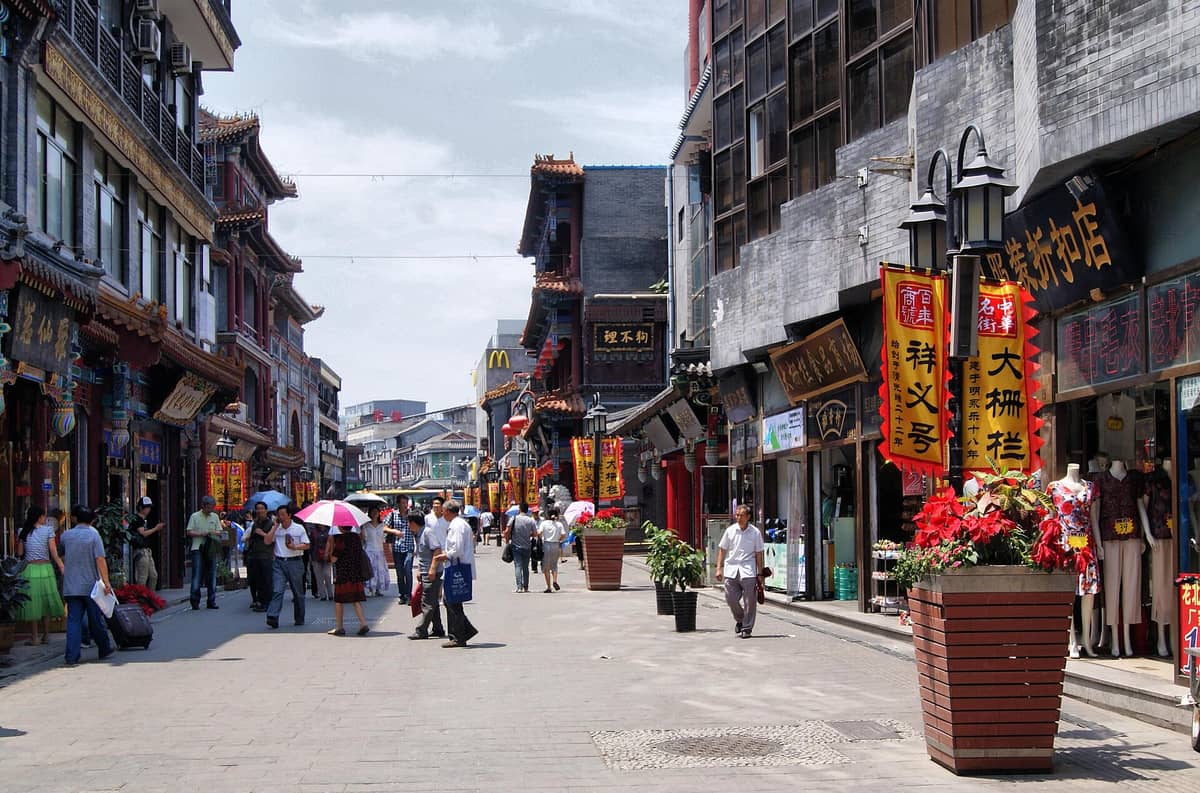
19. Document 500 Years of Commerce on Dashilar Street
Dashilar mixes Qing-dynasty shophouse facades with contemporary art installations, making it compelling for documentary and architectural photography. The narrow alleys behind the main street, including Meishi Street, retain unrestored character and strong graphic lines. Best shot in the flat light of an overcast day.
Explore19. Document 500 Years of Commerce on Dashilar Street
Dashilar mixes Qing-dynasty shophouse facades with contemporary art installations, making it compelling for documentary and architectural photography. The narrow alleys behind the main street, including Meishi Street, retain unrestored character and strong graphic lines. Best shot in the flat light of an overcast day.
ExploreContemporary Architecture & Modern Beijing
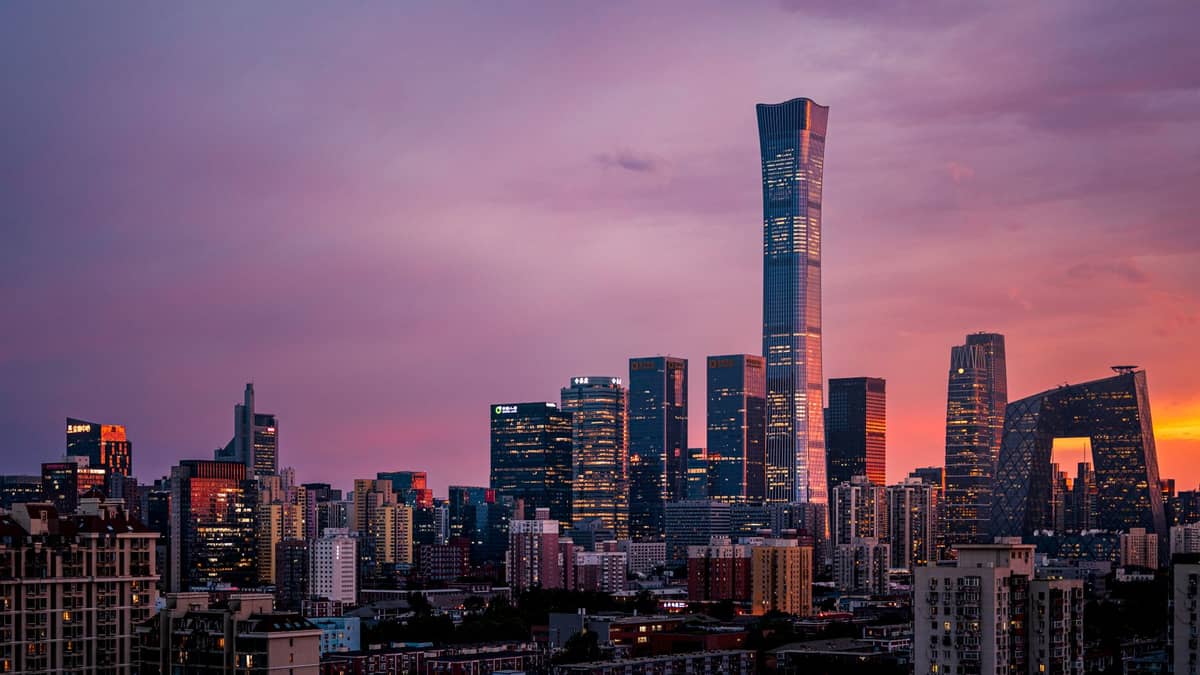
Beijing's architectural ambition did not stop with the emperors. The 2008 Olympics triggered a wave of landmark buildings that now rank among the most photographed contemporary structures in Asia. For a deeper dive into the city's modern creative scene, the Beijing contemporary art guide is essential reading.
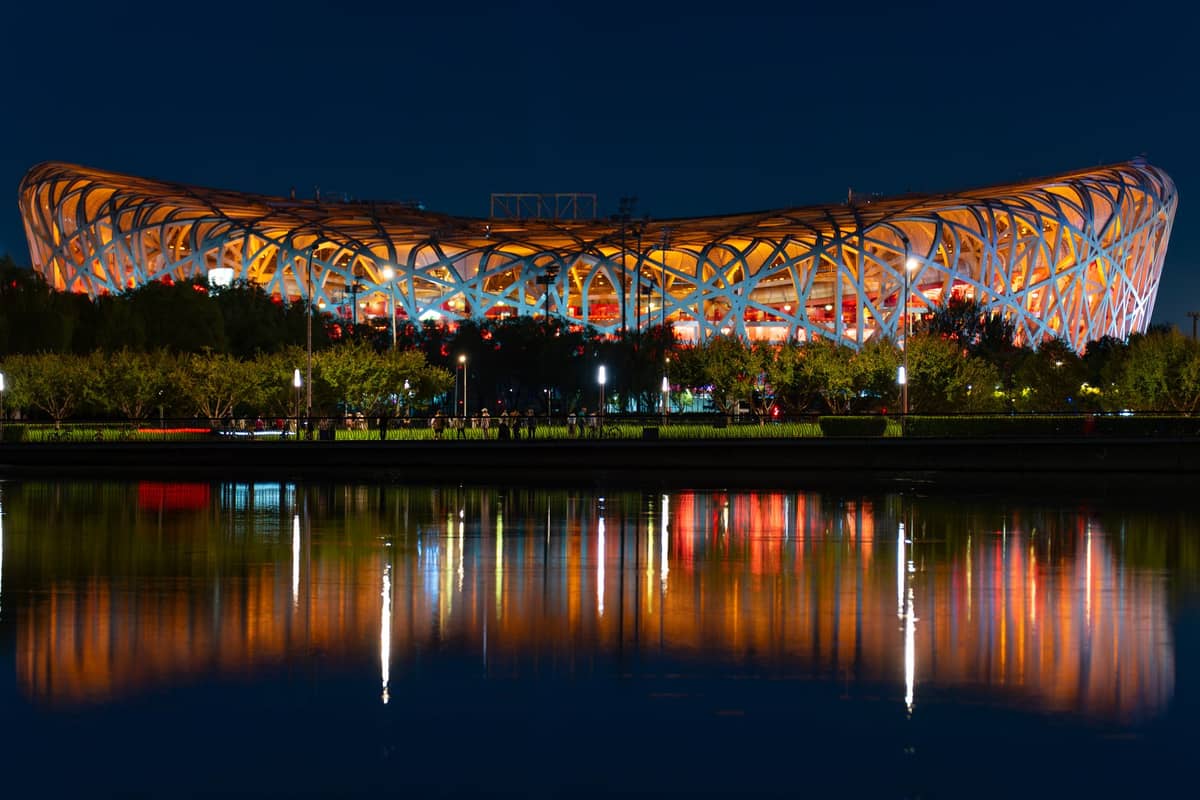
20. Frame the Bird's Nest Stadium's Steel Lattice at Olympic Park
Herzog and de Meuron's interlocking steel lattice is endlessly photographable from different angles and distances. The north plaza offers a head-on symmetrical composition; the surrounding park gives context shots. Blue hour and golden hour both produce strong results against the steel's warm tones.
Explore20. Frame the Bird's Nest Stadium's Steel Lattice at Olympic Park
Herzog and de Meuron's interlocking steel lattice is endlessly photographable from different angles and distances. The north plaza offers a head-on symmetrical composition; the surrounding park gives context shots. Blue hour and golden hour both produce strong results against the steel's warm tones.
Explore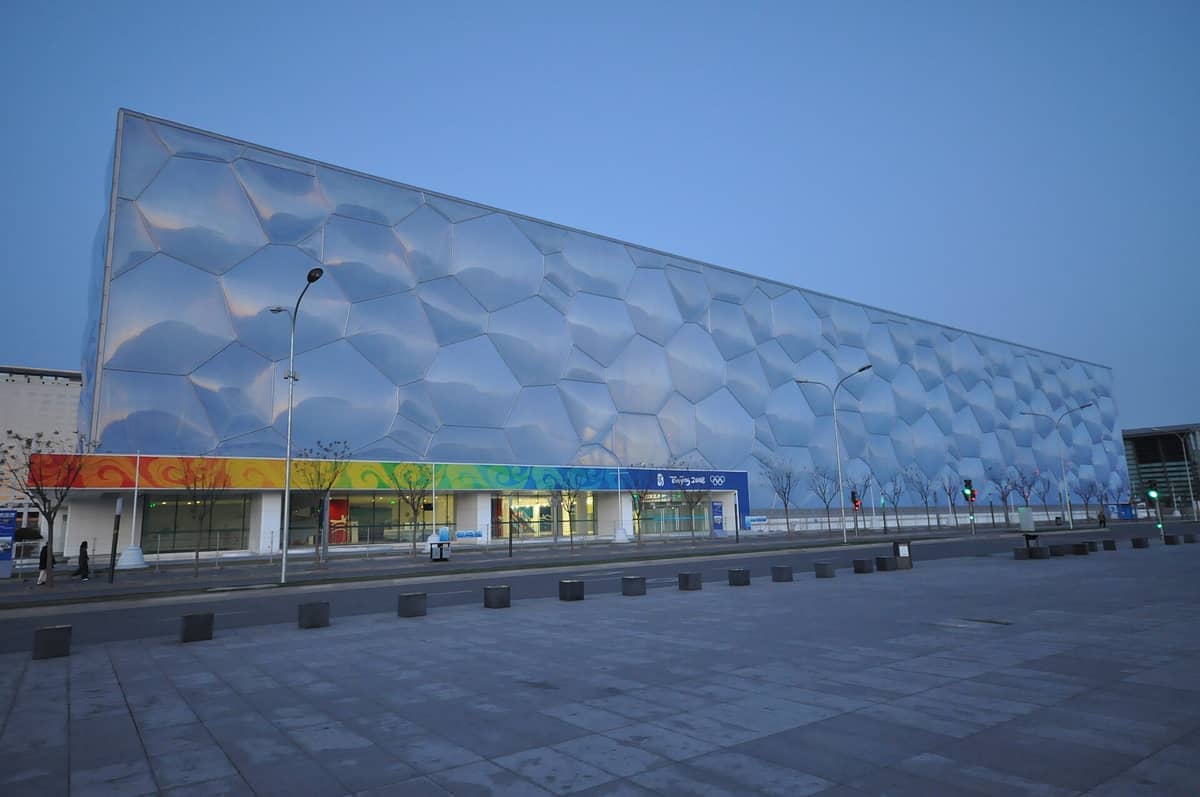
21. Shoot the Water Cube's Ethereal Blue Glow After Dark
The ETFE bubble cladding of the National Aquatics Center glows an otherworldly blue at night, making it one of Beijing's most distinctive nocturnal photography targets. Stand back from the southwest corner for a frame that includes both the Water Cube and Bird's Nest in one composition.
Explore21. Shoot the Water Cube's Ethereal Blue Glow After Dark
The ETFE bubble cladding of the National Aquatics Center glows an otherworldly blue at night, making it one of Beijing's most distinctive nocturnal photography targets. Stand back from the southwest corner for a frame that includes both the Water Cube and Bird's Nest in one composition.
Explore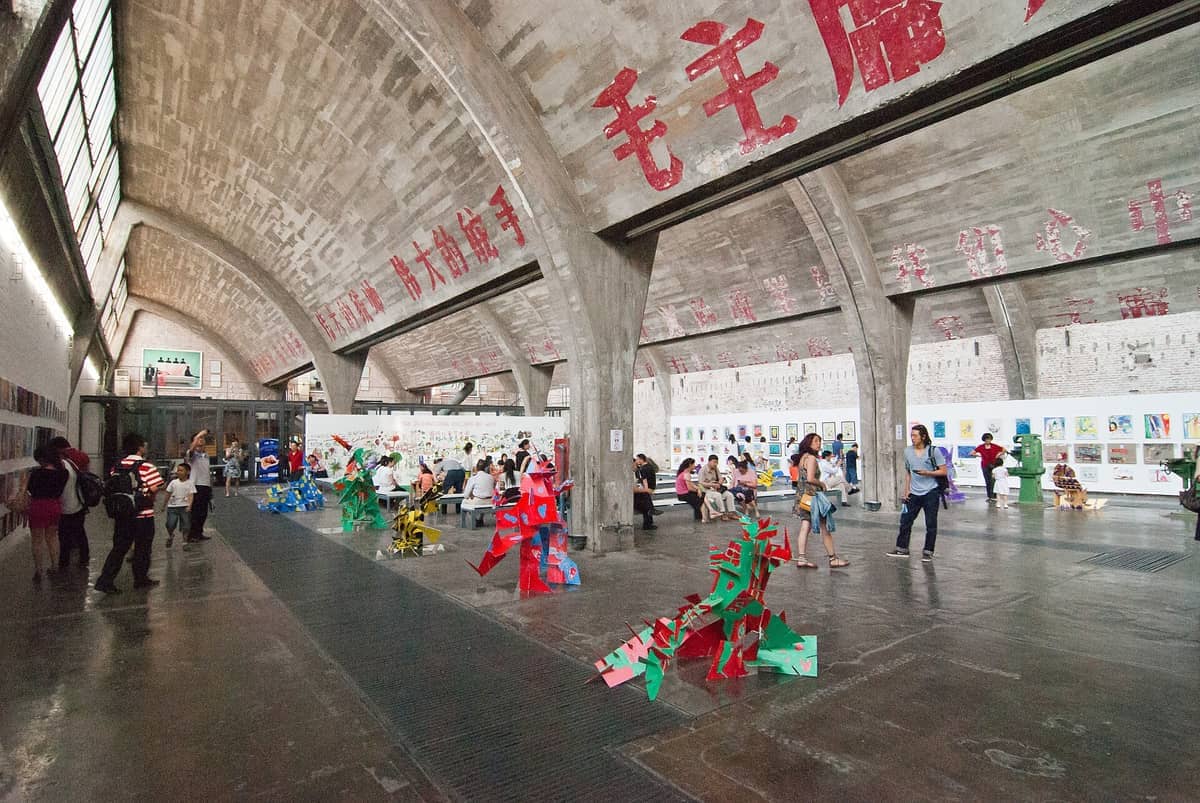
22. Shoot Industrial Bauhaus Architecture and Street Art at 798
The converted factory halls of 798 offer a photographer's playground: industrial skylights, massive scale, outdoor sculpture, and constantly rotating street murals. The eastern section has the most original factory architecture. Weekday mornings are quiet enough to shoot the outdoor sculptures without crowds filling the frame.
Explore22. Shoot Industrial Bauhaus Architecture and Street Art at 798
The converted factory halls of 798 offer a photographer's playground: industrial skylights, massive scale, outdoor sculpture, and constantly rotating street murals. The eastern section has the most original factory architecture. Weekday mornings are quiet enough to shoot the outdoor sculptures without crowds filling the frame.
Explore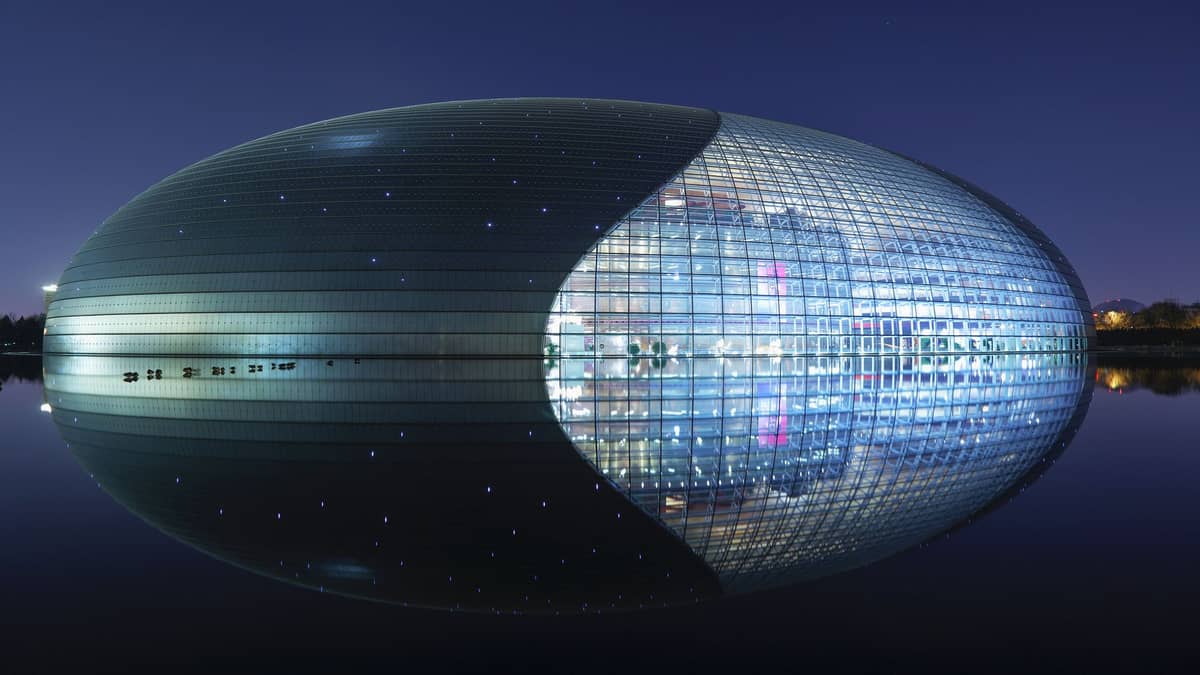
23. Capture the Titanium Egg Floating on its Reflecting Pool
Paul Andreu's elliptical titanium dome is best photographed at dusk when the structure reflects perfectly in the surrounding pool and interior light begins to glow through the glass panels. Approach from the east for a view with the Great Hall of the People in the background.
Explore23. Capture the Titanium Egg Floating on its Reflecting Pool
Paul Andreu's elliptical titanium dome is best photographed at dusk when the structure reflects perfectly in the surrounding pool and interior light begins to glow through the glass panels. Approach from the east for a view with the Great Hall of the People in the background.
Explore✨ Pro tip
For Great Wall shoots, overcast or misty mornings often produce better results than bright sunshine, which creates harsh shadows across the battlements. Check air quality indexes the evening before: AQI below 100 gives usable clarity; below 50 gives crisp, blue-sky conditions ideal for landscape work.
💡 Local tip
Photography restrictions apply at Tiananmen Square and around certain government buildings. Tripods are prohibited inside the Forbidden City's halls and in many temple interiors. Always check posted rules at each site before setting up equipment.
FAQ
What is the best time of day to photograph the Forbidden City?
Arrive at or before opening time (8:30am) for golden-hour light on the southern courtyards and the thinnest crowds. The Jingshan Park hill to the north is best at sunrise or sunset for the classic overhead view of the rooftops. Advance booking through the Palace Museum reservation system is mandatory (CNY 60 in peak season; CNY 40 in low season).
Which Great Wall section is best for photography?
Jinshanling is the top pick for landscape and travel photographers, offering original Ming watchtowers and dramatic ridgelines with relatively few visitors. Mutianyu delivers forested compositions and is easier to reach. Huanghuacheng is the most unique, with the wall submerging into a reservoir for rare reflection shots. Simatai is the only section open at night.
What are Beijing's best photography spots for autumn colour?
Xiangshan Park (Fragrant Hills) is the city's premier autumn foliage location, typically peaking in late October to early November. Jingshan Park, the Summer Palace, Peking University campus, and the Mutianyu Great Wall section also deliver strong autumn colour. September and October are generally Beijing's clearest months, making them ideal for outdoor photography overall.
Are there restrictions on photography in Beijing?
Tripods are generally prohibited inside Forbidden City halls, many temple interiors, and all Beijing Subway stations. Photography of government buildings, military installations, and certain areas around Tiananmen Square may be restricted or prohibited. Flash photography is not permitted in most museum galleries or temple halls. Always check posted signs at each site.
What is the best season for photography in Beijing overall?
April to May and September to October are the strongest periods for outdoor photography. Autumn (September to October) typically combines clear blue skies, low humidity, and golden light. Spring offers blooming cherry blossoms and wisteria in the temple parks. Winter, while cold, produces dramatic frost-covered Great Wall shots and empty hutong lanes, particularly after rare snowfall.