Beijing's Contemporary Art Scene: 798 Art Zone and Beyond
Beijing's contemporary art scene reaches far beyond its most famous address. This guide covers the 798 Art Zone in depth, plus the city's best independent museums, seasonal logistics, ticketing realities, and neighborhoods where serious collectors and curious visitors find the most rewarding art experiences.
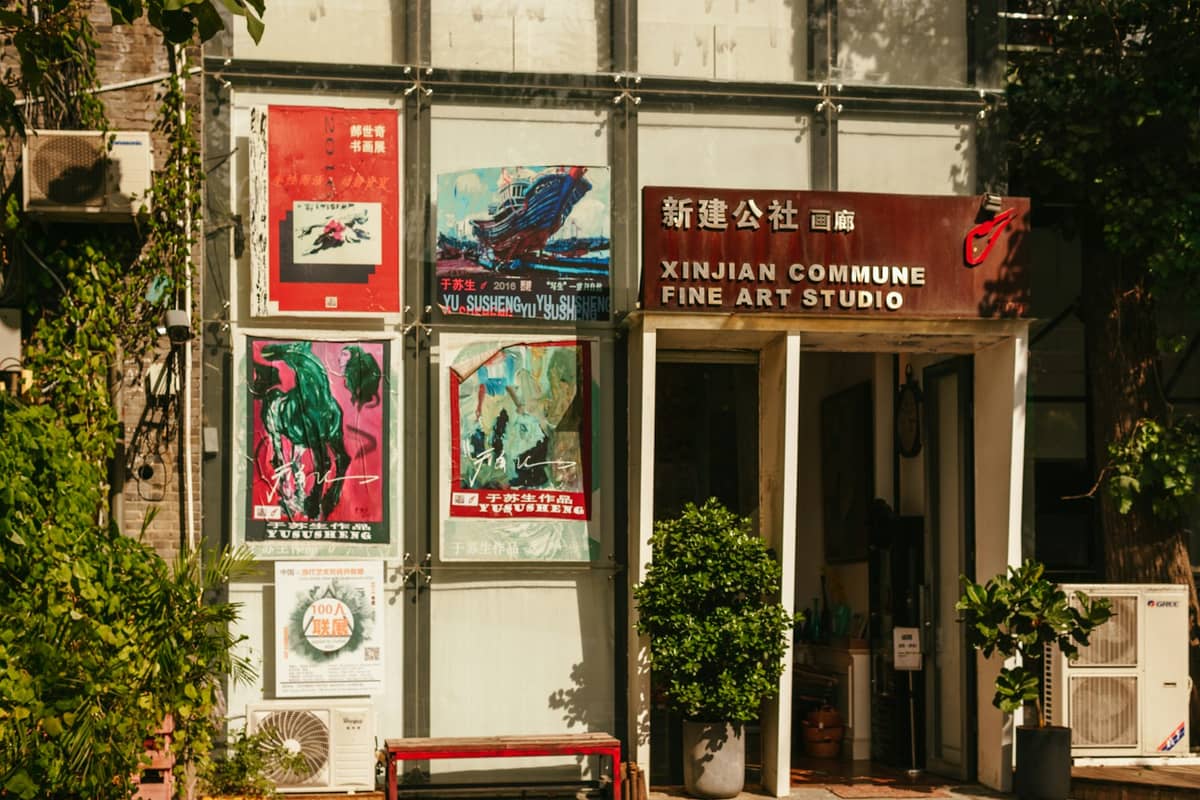
Plan and book this trip
Tools from our partner Travelpayouts help you compare flights and hotels. If you book through them, we may earn a commission at no extra cost to you.
Flights
Hotels map
TL;DR
- 798 Art Zone (Chaoyang District) is free to enter as a district, but individual galleries and exhibitions charge separate admission fees, often requiring advance reservations.
- The 798 district is anchored by the 798 Art District, but Beijing's art world also extends to Red Brick Art Museum, Today Art Museum, and gallery clusters in Sanlitun and Caochangdi.
- Monday is a poor day for a gallery itinerary: UCCA, Red Brick, and Today Art Museum all close on Mondays.
- The closest metro access to 798 is Gaojiayuan Station (Line 12) or Wangjing South / Jiangtai (Line 14); taxis and DiDi remain the most direct option.
- Ticket bookings for ticketed exhibitions typically go through WeChat Mini Programs, Youzan, or Damai — not at the door.
Understanding the 798 Art Zone
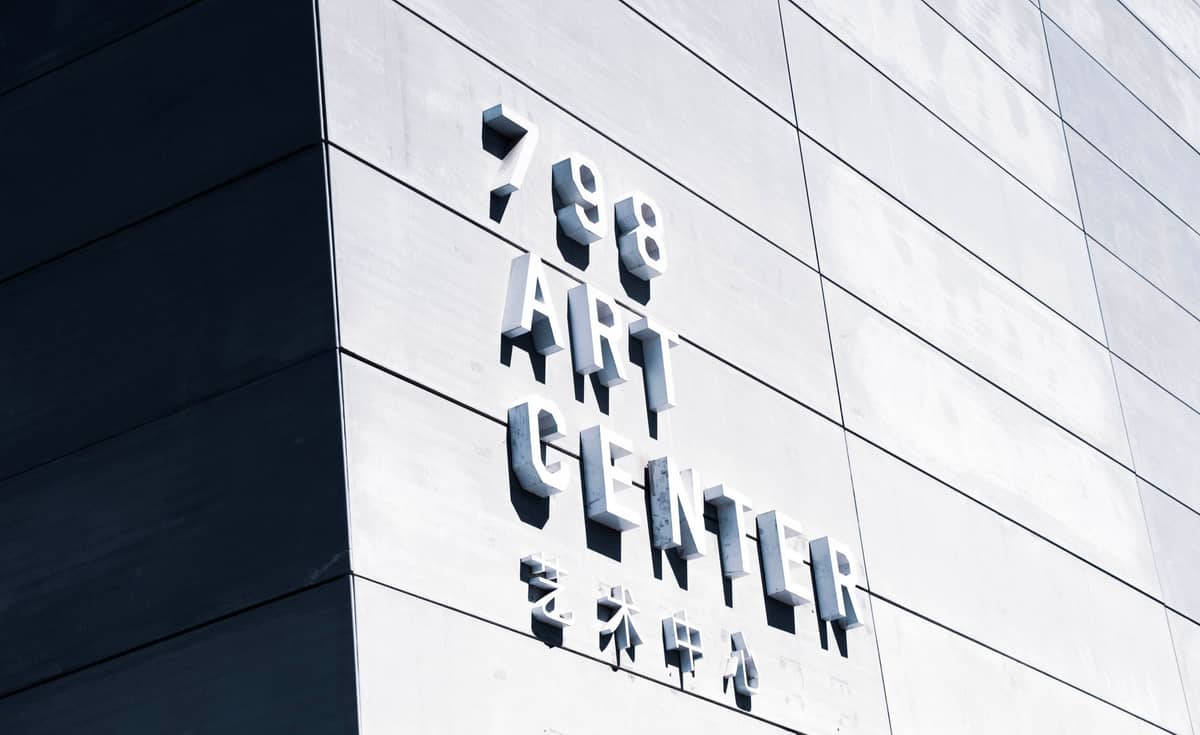
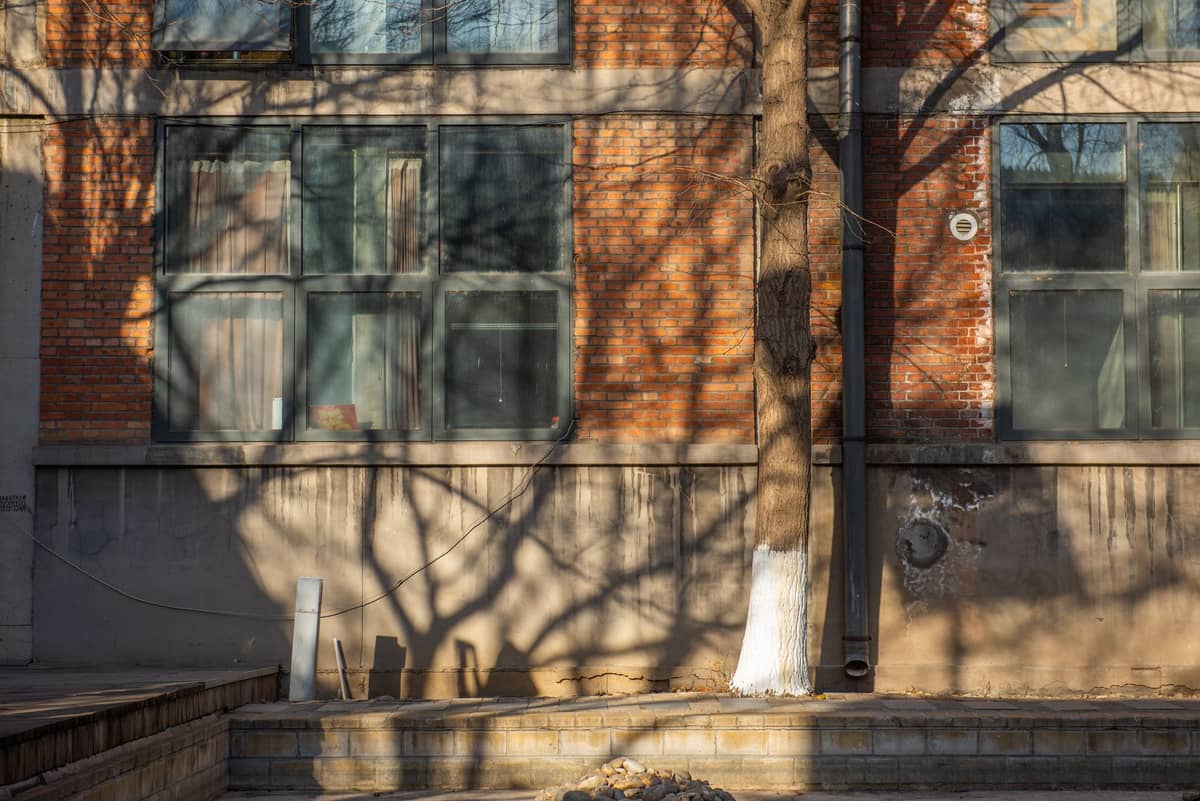
The 798 Art District occupies a former military electronics factory complex at No. 2 and No. 4 Jiuxianqiao Road in Chaoyang District. The Bauhaus-influenced factory buildings, built in the 1950s with East German technical assistance, were gradually taken over by artists and galleries beginning in the early 2000s. Today the compound covers roughly 60 hectares and contains hundreds of galleries, studios, design shops, and cafes.
⚠️ What to skip
798 is not a museum with a single ticket or unified opening hours. It is a district. Walking the streets and viewing outdoor sculptures and murals is free, but every gallery, exhibition space, and ticketed event sets its own hours and admission policy. Assume nothing is universally open, especially on Mondays.
The most important institution inside 798 is the UCCA Center for Contemporary Art, which operates Tuesday through Sunday from 10:00 to 19:00, with final entry at 18:30. UCCA hosts major international and Chinese contemporary exhibitions and is widely considered the district's flagship venue. Hours can shift during special programming, so check the UCCA website before any visit. Beyond UCCA, quality varies enormously across the district: some galleries represent serious international programs, others sell commercial art aimed squarely at tourists.
- UCCA Center for Contemporary Art The flagship institution in 798. Open Tue-Sun, 10:00-19:00 (last entry 18:30). Admission varies by exhibition; check current programming online.
- Pace Beijing Beijing outpost of the globally recognized Pace Gallery. Represents major Chinese and international artists; typically free admission.
- Magda Danysz Gallery European gallery with a strong program in urban art and emerging Chinese artists. A good counterpoint to the larger institutions.
- Tang Contemporary Art One of the most established private galleries in Beijing, with a serious focus on contemporary Chinese painting and sculpture.
💡 Local tip
To book tickets for paid exhibitions and events in 798, use the district's official WeChat Mini Programs or the platforms Youzan and Damai. Attempting to buy at the door for popular shows often results in disappointment, particularly on weekends.
Getting to 798: Practical Logistics
The metro situation for 798 improved substantially with the expansion of Line 12. Gaojiayuan Station (Line 12) is currently the closest subway stop; from there, the walk to the district entrance varies depending on which part of the compound you are targeting. Alternatively, Wangjing South and Jiangtai stations on Line 14 are viable, with a slightly longer walk or a short ride-share hop. Bus options include stops at Dashanlukou Nan and Wangyefen, though bus reliability in Beijing's outer ring traffic is inconsistent.
For most visitors, DiDi or a taxi is the most efficient approach. The fare from central Beijing (Dongcheng or Wangfujing area) typically runs ¥30-60 depending on traffic, which can be severe on weekend afternoons. If you are combining 798 with a broader five-day Beijing itinerary, plan 798 on a Tuesday through Friday morning to avoid weekend crowds and to ensure galleries are open.
Beyond 798: The Best Contemporary Art Venues in Beijing
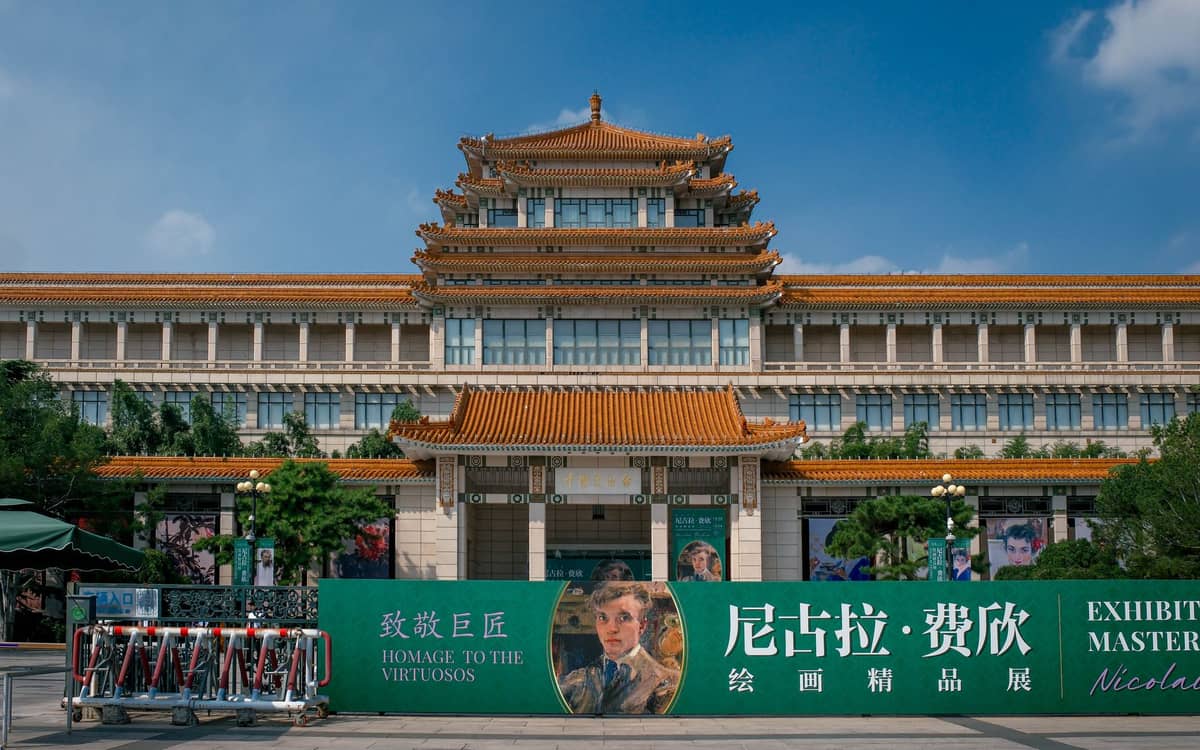
Beijing's art infrastructure extends well past the 798 compound. The city has developed a genuinely diverse set of contemporary art institutions, each with a distinct program and sensibility. Visitors who limit themselves to 798 miss some of the city's most architecturally and curatorially interesting spaces.
- Red Brick Art Museum (Caochangdi) Designed by architect Dong Yugan, this privately funded museum in Caochangdi Village is one of Beijing's most architecturally striking art spaces. Open Tue-Sun; hours run 10:00-19:00 (last entry 18:30) from May 1 to September 30, with earlier closing in winter — verify the seasonal schedule before visiting. Admission applies. The surrounding Caochangdi neighborhood itself has a cluster of serious galleries.
- Today Art Museum (Baiziwan) Located in the Pingod Community at No. 32 Baiziwan Road, Today Art Museum is one of China's earliest private contemporary art museums. Open Tue-Sun, 10:00-18:00 (last admission 17:00). Closed Mondays and during Spring Festival. Admission applies. The programming tends toward Chinese contemporary art with an institutional seriousness that rivals state museums.
- CAFA Art Museum (Haidian) The Central Academy of Fine Arts museum, adjacent to the university campus, shows both student work and major international loans. Free or low-cost admission; strong for understanding where Chinese contemporary art education is heading.
- Ullens Center (UCCA Lab, Sanlitun) UCCA operates a smaller satellite space in Sanlitun focused on experimental and younger artists. More accessible location for visitors staying near the embassy district.
✨ Pro tip
Caochangdi village, about 2 km northeast of 798, is Beijing's most serious gallery neighborhood for international-caliber contemporary work. It lacks tourist infrastructure, which keeps the programming uncompromised. Combine a Caochangdi visit with Red Brick Museum and you have a full-day art itinerary that most guidebooks skip entirely.
Seasonal Considerations and Crowd Patterns
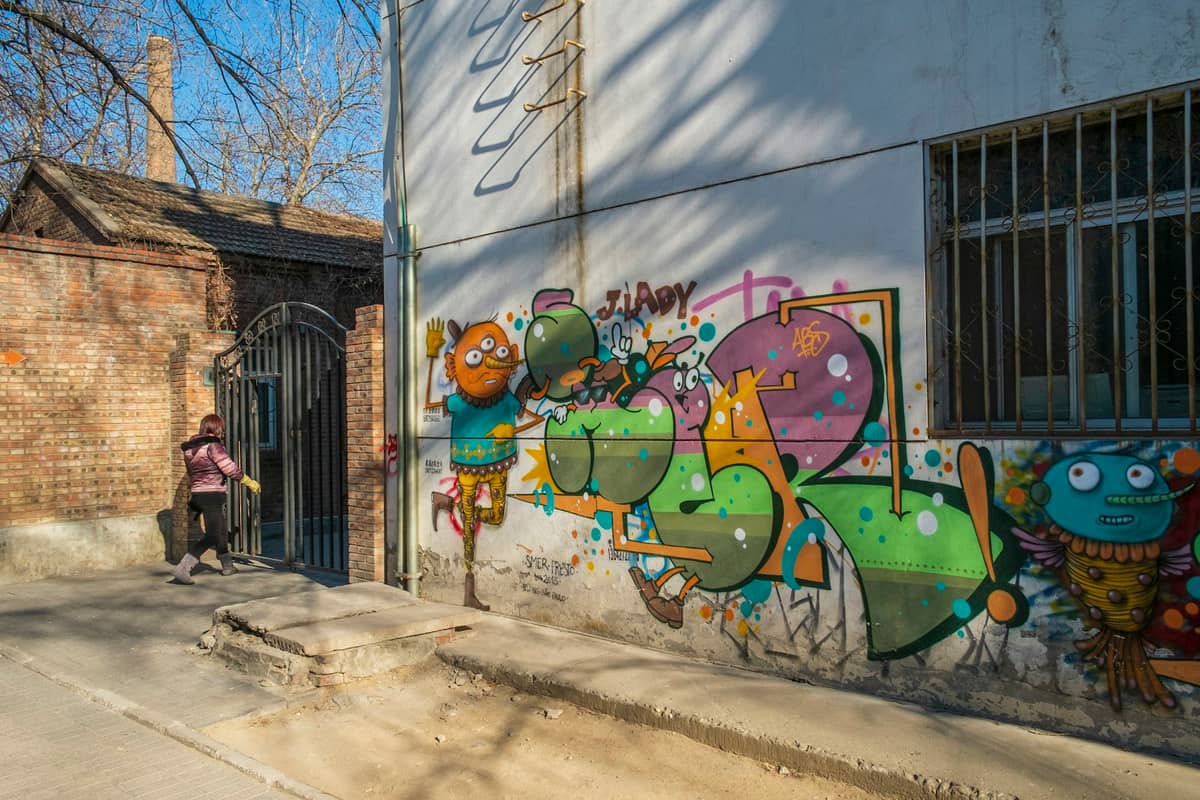
Beijing's best visiting windows for art tourism align reasonably well with the city's general travel seasons. September and October are ideal: gallery programs tend to launch new exhibitions in autumn after summer slowdowns, the weather is dry and mild (roughly 8-25°C), and outdoor sculpture viewing at 798 is genuinely pleasant. Spring (April-May) is the secondary sweet spot, though some galleries close briefly around Golden Week in early May.
Summer (June-August) brings heat, humidity, and more domestic tourists to 798, making weekend afternoons noticeably crowded. The outdoor murals and sculpture areas become congested, though the air-conditioned gallery interiors are a reasonable refuge. January and February see reduced programming as many galleries close or wind down before the Spring Festival; Today Art Museum explicitly closes during this period.
Air quality in Beijing varies significantly by season. Winter months can see elevated pollution levels, which affects outdoor time in the district. Check a current monitoring source such as the Beijing Municipal Ecology and Environment Bureau data or a real-time app before planning a long outdoor day in the district during cold months.
How to Plan a Focused Art Day in Beijing
A single focused art day in Beijing can realistically cover 798 and one other major venue. Attempting Red Brick, Today Art Museum, and 798 in one day typically results in rushed visits to all three. For a structured approach to fitting art into a broader trip, a three-day Beijing itinerary can allocate one half-day to 798 and another to the Caochangdi/Red Brick combination.
- Arrive at 798 by 10:00-10:30 on a weekday to beat tour groups and school visits, which typically arrive mid-morning.
- Start at UCCA to anchor the visit around a curated experience, then explore adjacent galleries based on signage and current programming.
- Allow at least 90 minutes for UCCA if there is a major exhibition; casual visits with smaller shows can be done in 45-60 minutes.
- Lunch options inside 798 include cafes and restaurant clusters near the central sculpture plaza; quality is serviceable but not exceptional.
- If continuing to Red Brick or Caochangdi, book a DiDi from inside 798 rather than walking — the distance is manageable but the route is not pedestrian-friendly.
- Mondays are entirely unsuitable for a gallery-focused itinerary: UCCA, Red Brick, and Today Art Museum all close on Mondays.
For visitors with broader cultural interests, Beijing's art scene pairs naturally with its top museums and the creative neighborhoods of Nanluoguxiang and Sanlitun, which both have smaller commercial galleries and design shops worth browsing.
Practical Tips: Tickets, Payment, and Etiquette
Payment throughout Beijing operates primarily through mobile apps: Alipay and WeChat Pay dominate. Many smaller galleries inside 798 do not accept foreign credit cards at the door. International visitors should set up Alipay with an international card before arriving in Beijing, or carry sufficient cash in Chinese yuan (CNY/RMB). ATMs are available near the district entrance, but having cash ready is more reliable.
Photography policies vary by gallery. UCCA and most serious galleries permit photography for personal use without flash; some ticketed exhibitions restrict it entirely during the first weeks of a new show. When in doubt, ask at the front desk. For broader photography strategy across Beijing, the Beijing photography guide covers rules and best practices at major sites.
ℹ️ Good to know
English signage in 798 has improved considerably and most major galleries provide bilingual labeling. Smaller studios and commercial spaces may be Chinese-only. The UCCA website and exhibition guides are fully available in English. For Caochangdi galleries, English materials are less consistent; bringing a translation app is useful.
Tipping is not standard practice in mainland China, including at art cafes and gallery bookshops within 798. Service charges are sometimes added at higher-end restaurants. For a broader sense of how to navigate costs across the city, the Beijing on a budget guide provides useful context on pricing norms.
FAQ
Is 798 Art Zone free to visit?
Entering the 798 district as a public space is free. However, individual galleries, exhibitions, and events within the district set their own admission fees and may require advance reservations. The UCCA Center for Contemporary Art, the flagship institution, charges admission that varies by exhibition. Always check the specific venue's current ticketing policy before visiting.
What is the best day and time to visit 798?
Tuesday through Friday mornings are ideal. Weekends bring significantly larger crowds, particularly from mid-morning onward. Monday is the worst day for a gallery-focused visit: UCCA, Red Brick Art Museum, and Today Art Museum all close on Mondays, even though the outdoor district itself remains accessible.
How do I get to 798 Art Zone by metro?
The closest metro station is Gaojiayuan on Line 12; the walk from the station varies by destination within the district. Wangjing South and Jiangtai on Line 14 are also viable with a slightly longer approach. DiDi or a taxi from central Beijing is often simpler, typically costing ¥30-60 depending on traffic and starting point.
Are there contemporary art venues in Beijing outside of 798?
Yes. Red Brick Art Museum in Caochangdi, Today Art Museum near Baiziwan, UCCA Lab in Sanlitun, and the CAFA Art Museum in Haidian all offer serious contemporary programming independent of 798. The Caochangdi neighborhood itself has a cluster of international-caliber private galleries that operate quietly outside the tourist circuit.
How do I buy tickets for exhibitions at 798?
For ticketed exhibitions and events within 798, check the relevant gallery's WeChat Mini Program, or use Chinese ticketing platforms Youzan and Damai. UCCA sells tickets through its own website and at the door. For popular shows, booking in advance is strongly recommended, particularly for weekend visits.