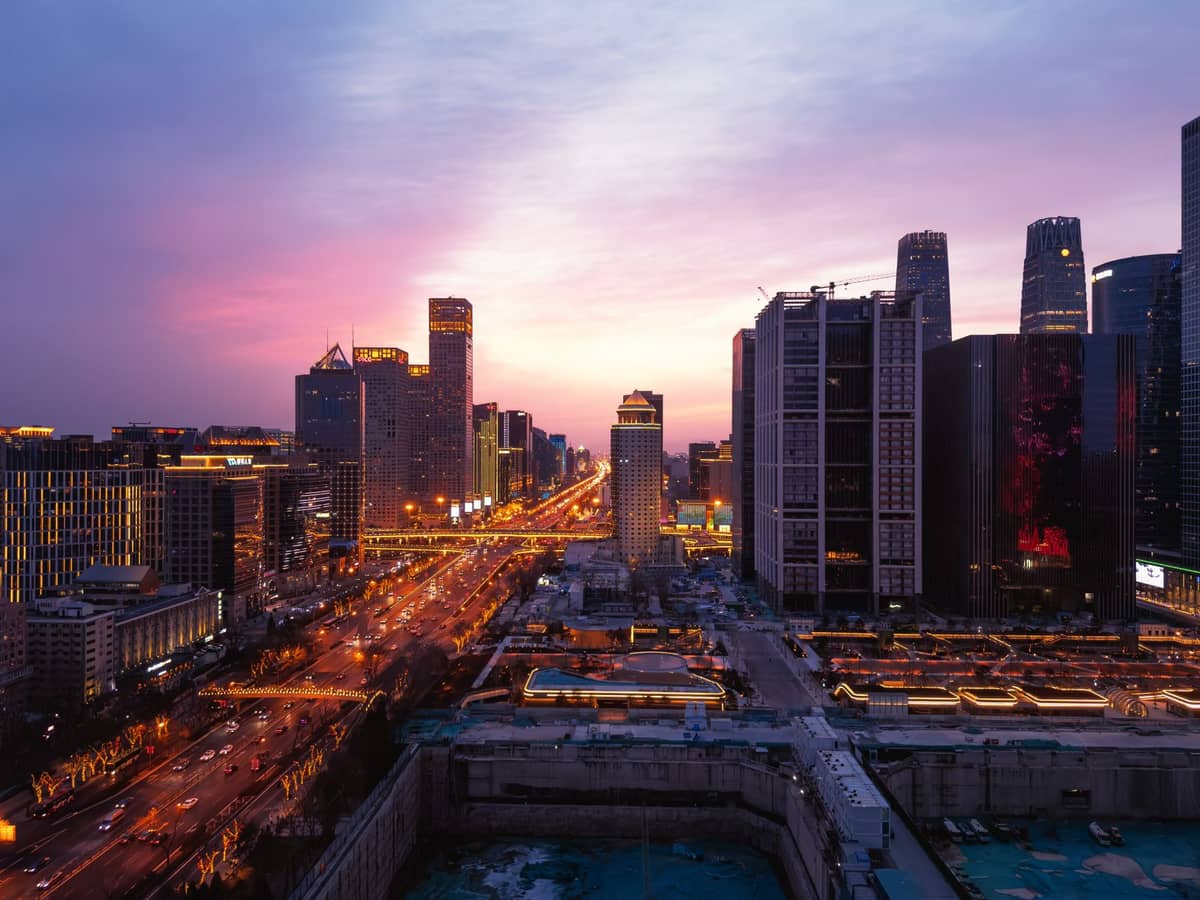
Chaoyang is Beijing's largest and most internationally oriented urban district, stretching east from the Second Ring Road to encompass the Central Business District, Sanlitun's bar streets, the 798 Art District, and the Olympic Park. It is where multinational corporations, embassy staff, artists, and weekend shoppers all converge in a district that feels distinctly different from the imperial lanes of Dongcheng or the university campuses of Haidian.
Chaoyang District is Beijing's face to the outside world: a sprawling, fast-moving urban landscape of corporate towers, embassy compounds, contemporary art warehouses, and rooftop bars. It covers roughly 470 square kilometers of eastern Beijing, containing more variety than many entire cities, yet holds together around a single, consistent energy: modern, outward-looking, and commercially alive.
Orientation
Chaoyang District covers approximately 470.8 square kilometers of eastern Beijing, making it the city's largest and most populous urban district. Its western boundary runs along the eastern Second Ring Road, where neighborhoods like Chaoyangmen and Dongzhimen mark the transition from historic Dongcheng into Chaoyang's more contemporary fabric. Moving east, the district stretches toward the Jingtong Expressway corridor, eventually giving way to Tongzhou, Beijing's eastern sub-center.
Within Chaoyang, geography shapes identity. The southwestern section, anchored by the Central Business District (CBD) and Sanlitun, is the most internationally familiar part of the district. The CBD clusters around the Guomao metro interchange, where glass towers and the China World Trade Center complex define the skyline. Sanlitun lies a few kilometers to the north, centered on its Taikoo Li shopping complex and a web of restaurants and bars that extend outward along Workers' Stadium Road (Gongti Lu) and the side streets surrounding Ritan Park.
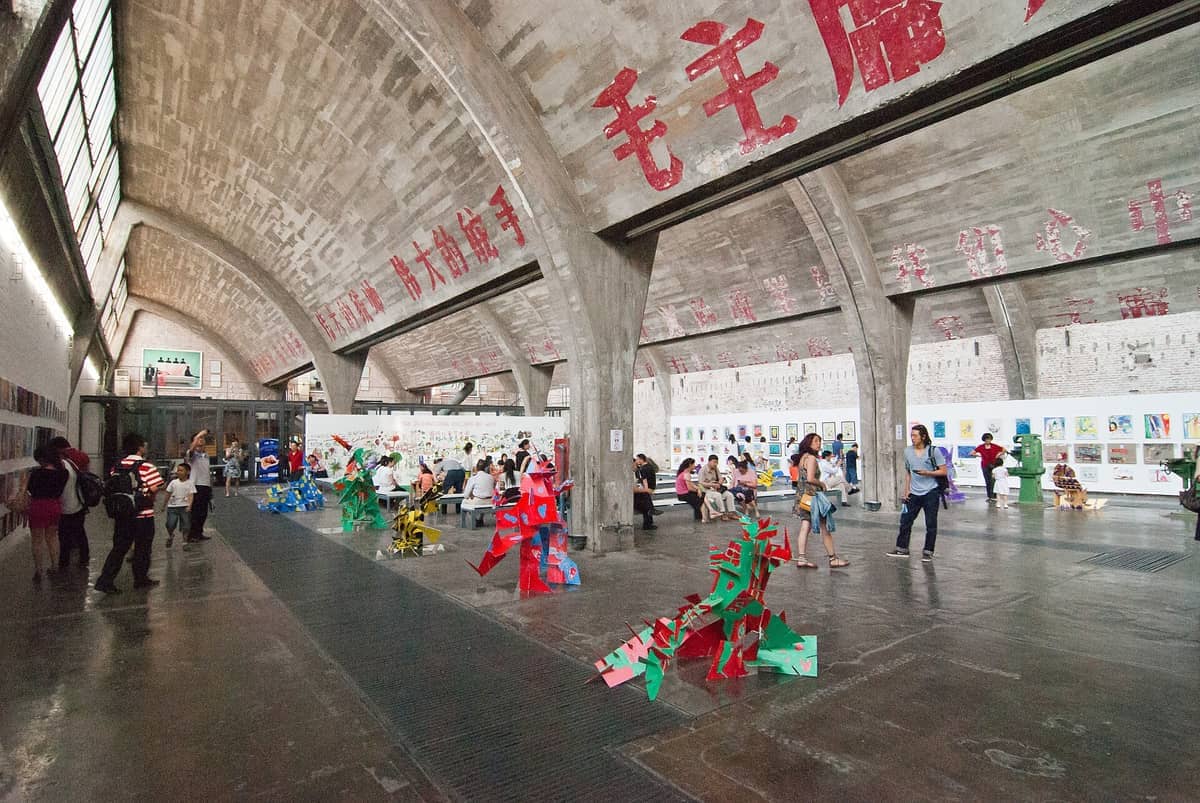
Further north, past the Liangma River and Lufthansa Center, the character shifts again. The Dashanzi area holds the 798 Art District, a former military electronics factory complex that became Beijing's primary contemporary art zone. Beyond 798, Wangjing represents a different Chaoyang entirely: a dense, largely residential area with a substantial Korean community, popular among tech workers from the surrounding office parks. In the far north, the district wraps around the Olympic Park and its cluster of landmark venues.
ℹ️ Good to know
Chaoyang is not one neighborhood but a collection of distinct zones spread across a large area. The CBD, Sanlitun, 798, and Olympic Park are each 20-40 minutes apart by metro. Plan your time geographically to avoid unnecessary backtracking.
Character & Atmosphere
Walking through Chaoyang at different times of day reveals the district's layered rhythms. At seven in the morning, the CBD area around Guomao station is already moving: office workers in business attire stream up from the metro exits, convenience stores run their breakfast rush, and the wide, tree-lined boulevards catch cool light before the day heats up. The scale of the streets here is different from historic Beijing: wider, more ordered, designed for cars as much as people.
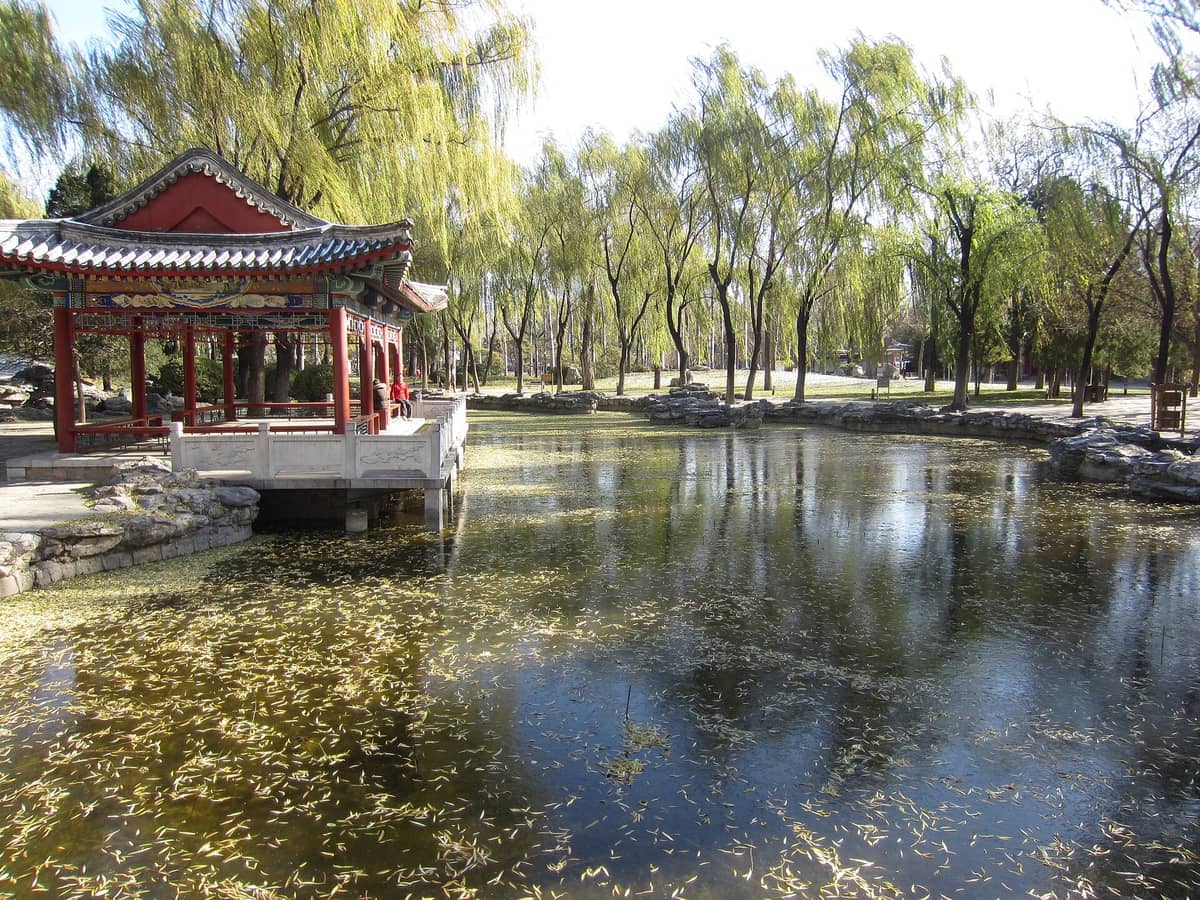
By midday, the energy concentrates indoors. Shopping malls, office tower lobbies, and the basement food halls of the China World Trade Center fill with workers on lunch breaks. The streets around Ritan Park, which sits at the heart of the embassy district, offer a different daytime experience: shaded paths, older residents practicing tai chi, and the park's small lake attracting people looking to decompress from the pace outside.
The real shift happens after six in the evening. The CBD quiets as office workers disperse, but Sanlitun charges up. The pedestrianized sections of Taikoo Li fill with shoppers and diners, the outdoor terraces of restaurants get crowded, and the streets north of the Workers' Stadium see a steady build toward the late-night bar crowd. On weekends, this extends well past midnight in spots. The 798 Art District has the opposite rhythm: it peaks in the afternoon, when the galleries are open and the outdoor sculpture spaces catch the best light, and goes quiet by evening when most venues close.
Tourists and expatriates are a visible presence throughout Chaoyang, more so than in most Beijing districts. The embassy zone alone generates a resident foreign community large enough to support foreign-language bookshops, international supermarkets, and cuisines from across Europe, the Middle East, and Southeast Asia. This international overlay does not erase the local character of the district but sits alongside it: local residents shop at the same markets, ride the same metro lines, and claim the same parks.
What to See & Do
The 798 Art District is Chaoyang's most culturally distinctive attraction. The complex occupies repurposed Bauhaus-style factory buildings from the 1950s, designed with Soviet input during the early People's Republic period. Today, those brick warehouses contain dozens of contemporary galleries, design studios, and arts institutions. The best approach is to allow at least half a day, walking without a fixed itinerary: the scale and variety of the space rewards wandering. Gallery quality varies significantly, so it is worth checking current exhibitions before visiting.
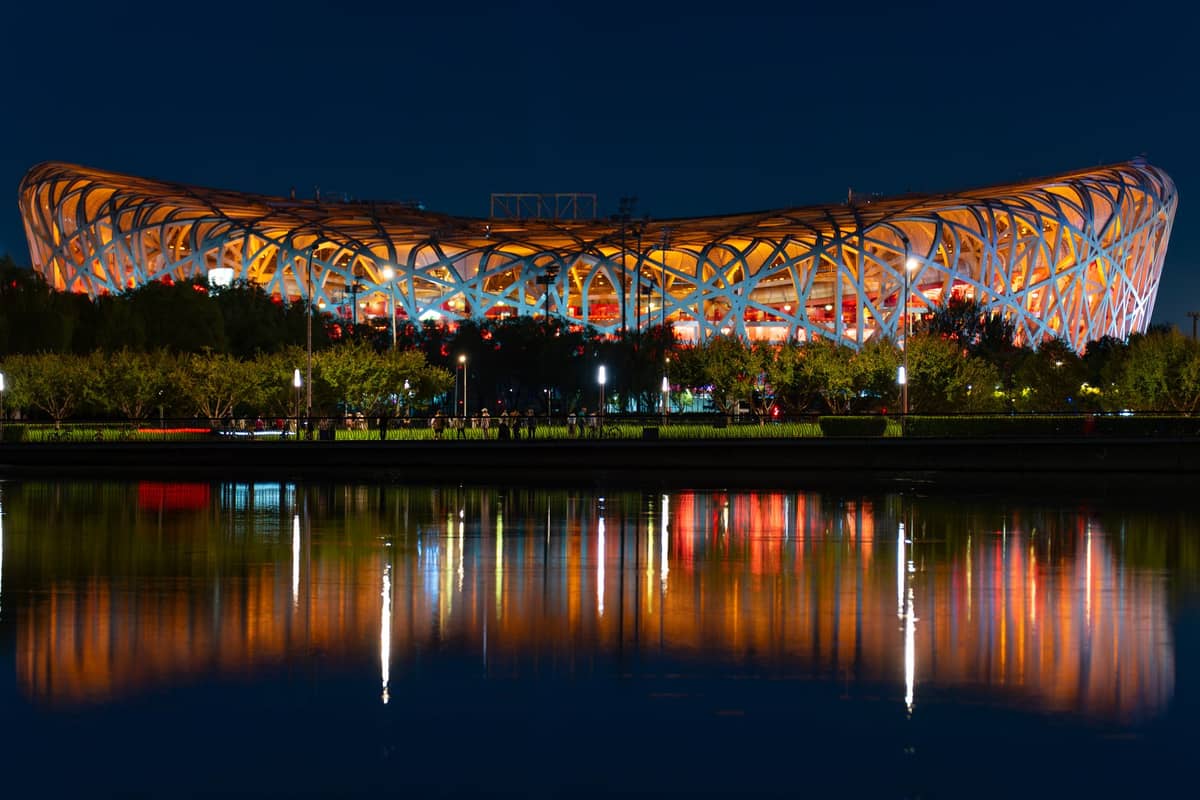
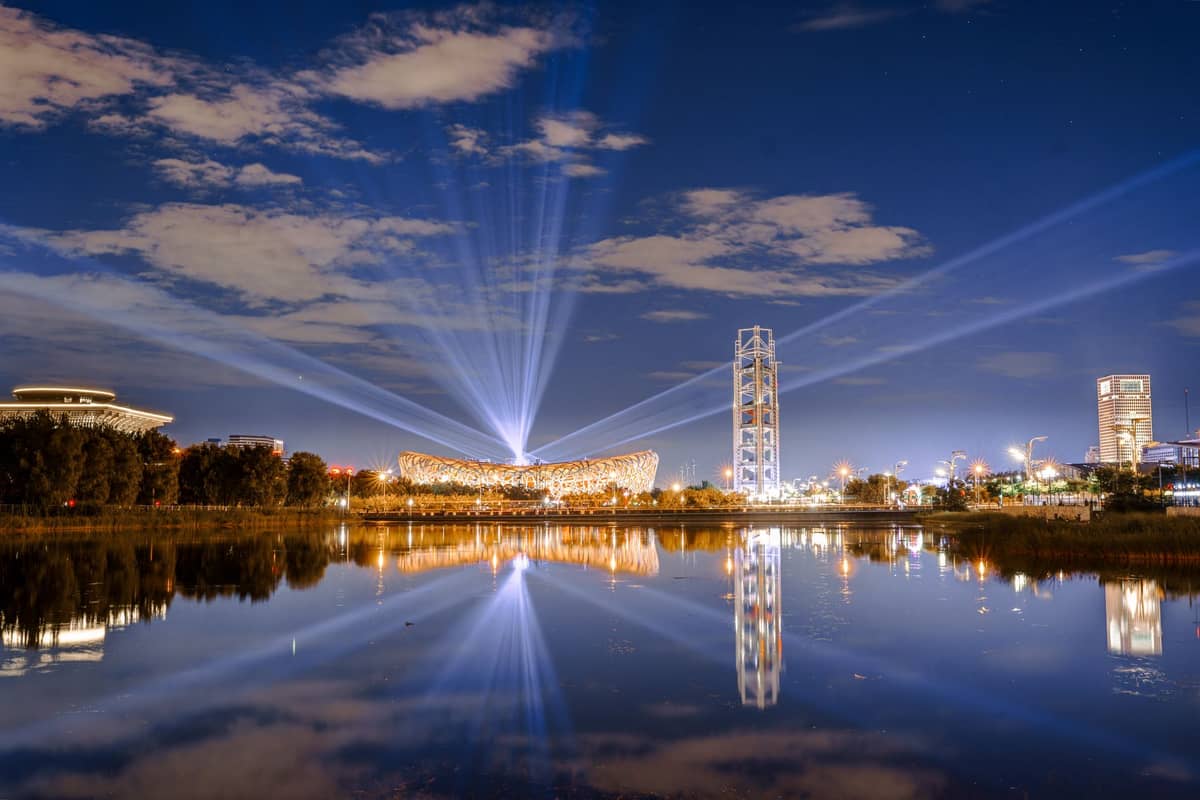
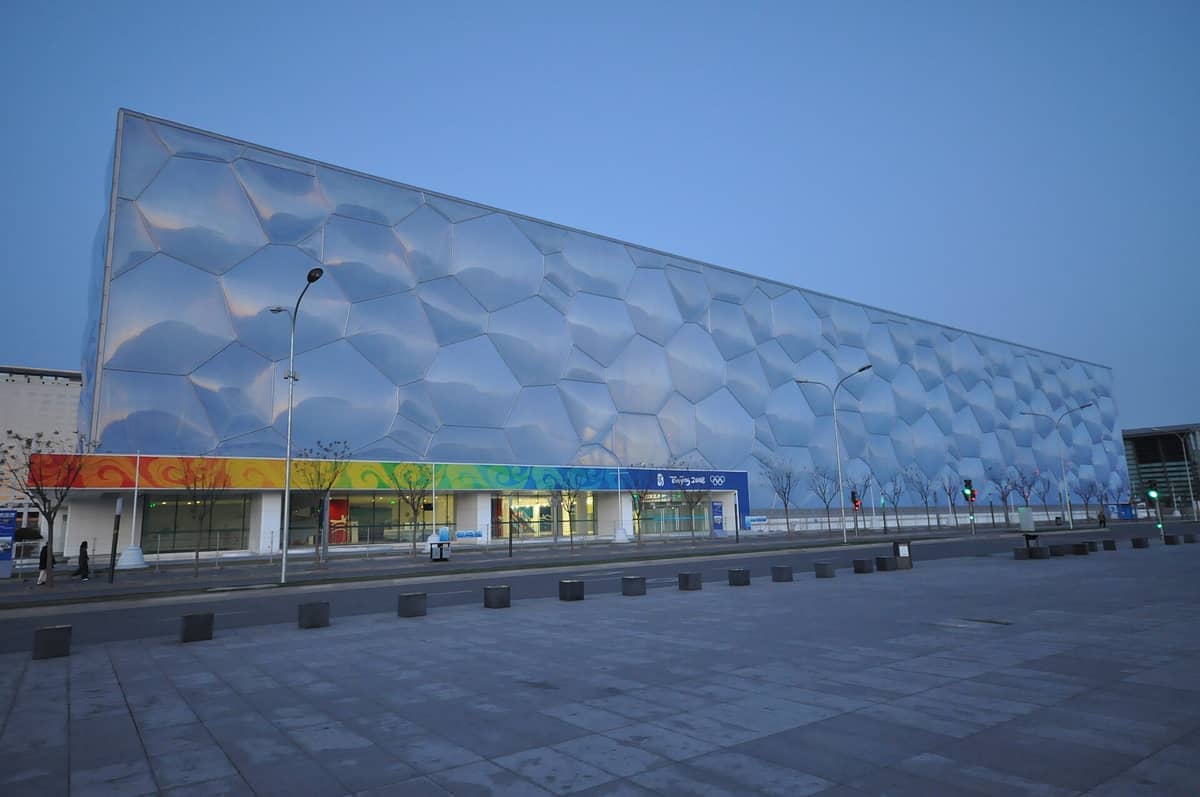
The Olympic Park cluster in northern Chaoyang remains one of the city's most dramatic pieces of architecture. The Bird's Nest National Stadium and the National Aquatics Center (the Water Cube, now rebranded as the Ice Cube after its Winter Olympics conversion) are best seen from the central axis park that runs between them. The site is large and somewhat exposed, so visiting in the morning or late afternoon avoids the worst of the summer heat.
798 Art District: contemporary galleries, public sculpture, and design studios in repurposed factory buildings in the Dashanzi area
Olympic Park: the Bird's Nest, Ice Cube, and the ceremonial axis of the 2008 Beijing Olympics
Ritan Park: a walled park in the embassy district, originally the site of an imperial altar, now a green retreat with good people-watching
Liangma River promenade: a riverside walkway lined with cafes and bars that has become one of the more pleasant outdoor spaces in the district
Silk Street Market (Xiushui): a well-known multilevel market near Yonganli station, popular for shopping and bargaining
Sanlitun Taikoo Li: an open-plan shopping complex that anchors the district's dining and nightlife zone
China World Trade Center area: the commercial and financial core of the Beijing CBD
For travelers interested in Beijing's contemporary art scene more broadly, the Beijing contemporary art guide covers the major institutions and galleries across the city, including several based in Chaoyang. If you are building a multi-day itinerary, these Chaoyang attractions pair logically with a visit to Dongcheng District for the imperial core and hutong neighborhoods to the west.
Eating & Drinking
Chaoyang has Beijing's widest range of international cuisine, a direct consequence of its embassy district and large expatriate community. The streets around Sanlitun and the Gongti area hold Japanese izakayas, Korean barbecue restaurants, Italian trattorias, American burger spots, and Southeast Asian noodle counters in close proximity. Price ranges vary considerably: a casual lunch in a noodle shop near Workers' Stadium costs under 30 RMB, while dinner at one of the rooftop restaurants in Taikoo Li can run 300-600 RMB per person or more.
Chinese food is well represented too, particularly in the districts within the CBD and in the Wangjing area. The Korean-influenced food scene in Wangjing is particularly strong: Korean barbecue, cold noodle restaurants, and Korean-style fried chicken spots are everywhere. For Peking duck, Chaoyang has several reputable options in the CBD and Sanlitun areas. The Peking duck guide covers the best options across Beijing, with several Chaoyang addresses included.
The Liangma River stretch has developed into one of the more pleasant drinking areas in recent years. Bars and cafes with riverside seating line the north bank of the river between Yansha and the Kempinski area, making it a reasonable place for an afternoon coffee or an early evening drink without the louder atmosphere of Sanlitun's bar streets. That said, Sanlitun's bar strip north of the Workers' Stadium is the center of Beijing's expat nightlife and remains busy on weekends until two or three in the morning.
💡 Local tip
The side streets running east and west off the main Sanlitun strip hold smaller, often cheaper restaurants that do not rely on foot traffic. Walking one or two blocks away from the main pedestrian zone usually produces better value and a quieter table.
For a broader overview of what to eat across Beijing and which dishes to prioritize, the guide to eating in Beijing is a practical starting point. Chaoyang's food scene skews international, but the district also has enough local Beijing cooking to keep food-focused travelers engaged for several days.
Getting There & Around
Chaoyang is well connected to the Beijing Subway network. Metro Lines 1, 2, 6, 10, 14, and 15 all pass through the district, and several interchange stations make it straightforward to reach from elsewhere in Beijing. The key stations to know: Guomao (Lines 1 and 10) serves the CBD directly; Tuanjiehu (Line 10) and Gongti Xilu (Line 6) put you within walking distance of Sanlitun; Jiuxianqiao (Line 14) and Jiangtai (Line 14) are commonly used for the 798 Art District, though both require a bus, taxi, or a longer walk to the main entrance; and Olympic Sports Center station (Line 8) serves the northern Olympic Park cluster.
Within Chaoyang, the distances between major zones are too large for comfortable walking. The CBD to Sanlitun is around 3-4 kilometers; Sanlitun to 798 is another 4-5 kilometers. Taking the metro between zones is reliable and fast, typically 5-15 minutes between adjacent stations. Ride-hailing via the DiDi app is the most practical option for point-to-point trips within the district, particularly outside of peak hours when taxis are scarce. Fares are usually modest for short Chaoyang trips, running 15-30 RMB for most intra-district journeys.
Chaoyang is also the arrival district for most international travelers, since Beijing Capital International Airport (PEK) sits in Shunyi District to the northeast, with the Airport Express line running into Dongzhimen station at Chaoyang's northwestern edge. From Dongzhimen, connecting to the rest of the district and city is straightforward on Lines 2 and 13. The journey from the airport to central Chaoyang takes roughly 35-50 minutes by Airport Express plus metro connection, or 40-70 minutes by taxi or ride-hailing depending on traffic.
⚠️ What to skip
Traffic congestion in Chaoyang, particularly around the CBD and Sanlitun on weekday evenings and weekend afternoons, can make surface travel significantly slower than metro travel. If you have a fixed time commitment, the subway is almost always the more reliable option.
For a full breakdown of transit options across Beijing, including metro maps and inter-district travel, the guide to getting around Beijing covers everything you need to navigate the city's transport network.
Where to Stay
Chaoyang is Beijing's best district for hotel variety at the upper end of the market. The CBD and Sanlitun zones hold the highest concentration of international luxury brands: multiple five-star properties cluster around Guomao, the Gongti area, and the Sanlitun corridor, catering primarily to business travelers and visiting professionals. These hotels generally offer strong transport connections, multilingual staff, and the services that international travelers expect, but they carry premium prices, particularly during major trade fairs and government events.
Mid-range options are distributed more broadly across the district. The areas around Wangjing and Liangma River have serviceable business hotels that sit closer to practical amenities and residential life without the elevated prices of the core luxury zones. Budget travelers will find Chaoyang relatively expensive compared to Dongcheng or Haidian; it is not the natural base for travelers prioritizing cost over convenience.
The best location for most leisure travelers is the Sanlitun area: close to dining and nightlife, well connected to the rest of the city by metro, and within reasonable reach of both the CBD to the south and 798 to the north. For travelers whose Beijing itinerary centers on the historic core (the Forbidden City, hutongs, Tiananmen), staying in Dongcheng District may be more practical than Chaoyang. For a full comparison of where to stay across Beijing by traveler type, the where to stay in Beijing guide is a useful starting point.
ℹ️ Good to know
Chaoyang suits travelers who want Beijing's modern, international side: corporate dining, contemporary art, upscale shopping, and a nightlife scene. It is not the right base if your priority is walking to imperial landmarks every morning. The Forbidden City is at least 30-40 minutes from most Chaoyang hotels.
Honest Assessment
Chaoyang rewards travelers who engage with it on its own terms rather than approaching it as an extension of historic Beijing. It does not have the concentrated walkability of Dongcheng, where imperial landmarks sit minutes from one another. Chaoyang requires more planning, more transit use, and more willingness to move between zones. The reward is a district that offers things nowhere else in Beijing does: a serious contemporary art scene, genuinely international dining, and the city's most developed nightlife.
It is also honest to note the downsides. Parts of the CBD and Sanlitun can feel impersonal by Beijing standards, particularly in the corporate retail zones. Some of the Sanlitun bar area is loud and tourist-facing in a way that feels removed from the rest of the city. Air quality, which varies considerably across Beijing by season and weather conditions, can be particularly noticeable in Chaoyang's wider streets with heavy vehicle traffic. And the district's sheer scale means that poor planning can result in long transit gaps between things you want to do.
For first-time visitors, Chaoyang is worth at least two days of focused exploration, ideally split between the southern zones (CBD, Sanlitun, Ritan Park) and the northern (798, Olympic Park). Those with more time in Beijing will find it pairs naturally with days spent in the hutong neighborhoods to the west, offering a contrast that clarifies what makes both sides of the city compelling.
TL;DR
Chaoyang is Beijing's largest urban district, covering 470 square kilometers east of the Second Ring Road, with distinct zones including the CBD, Sanlitun, 798 Art District, and Olympic Park.
Best for: business travelers, contemporary art enthusiasts, nightlife seekers, and visitors who want access to international dining and shopping alongside Chinese urban life.
Key attractions: 798 Art District, Olympic Park (Bird's Nest, Ice Cube), Ritan Park, Sanlitun Taikoo Li, and the Liangma River promenade.
Transit is strong, with metro Lines 1, 6, 10, 14, and 15 covering the district, but the zones are far apart: plan geographically and use DiDi or the metro to move between areas.
Not ideal for travelers whose priority is imperial history and hutong walks; Chaoyang is modern Beijing, and the historic core is 30-40 minutes away by metro.
Three days is enough to cover Beijing's imperial core, climb the Great Wall, and wander centuries-old hutong lanes. This itinerary is built around real booking logistics, seasonal crowd patterns, and a candid take on what's worth your time.
Five days is enough time to move beyond Beijing's headline sights and get a real feel for the city: imperial history, Great Wall day trips, traditional neighborhoods, and contemporary culture. This itinerary is structured to minimize backtracking, front-load booking requirements, and leave room to breathe.
Beijing has two major international airports: Capital (PEK) to the northeast and Daxing (PKX) to the south. This guide covers every transport option between both airports and the city center, with current fares, journey times, and straightforward guidance on which option suits your trip.
Chinese New Year transforms Beijing into one of the world's great festival cities. From ticketed temple fairs at Ditan and Longtan to free lantern displays and park programs, here is everything you need to plan a rewarding visit during the Spring Festival holiday.
Beijing's contemporary art scene reaches far beyond its most famous address. This guide covers the 798 Art Zone in depth, plus the city's best independent museums, seasonal logistics, ticketing realities, and neighborhoods where serious collectors and curious visitors find the most rewarding art experiences.
Beijing rewards visitors who come prepared. This guide covers the essentials for first-timers: when to go, how to get around, which neighborhoods to base yourself in, what to book in advance, and the practical details that make the difference between a frustrating trip and a seamless one.
The Forbidden City is Beijing's single most visited site, and getting in requires advance planning. This guide covers ticket prices, official booking steps, opening hours by season, entry logistics, and a clear take on what's worth your time inside the palace complex.
Beijing rewards the curious traveler who looks past the Forbidden City and Great Wall. This guide uncovers the city's overlooked temples, eccentric museums, quiet hutong streets, and extraordinary day trips that reveal a deeper, stranger, and more rewarding side of the capital.
Beijing's hutongs are a world apart from the grand imperial sights most visitors come for. These narrow residential lanes, some over 700 years old, are where the city's daily life actually plays out. This guide covers the best hutong areas, how to navigate them, what things cost, and how to avoid the tourist traps.
Beijing served as the imperial capital of China for more than 500 years across the Ming and Qing dynasties. This guide covers every major imperial site, how to visit them efficiently, what to skip, and the historical context that makes it all make sense.
Beijing rewards travellers willing to spend well. This guide covers the city's finest hotels, its 2026 Michelin-starred restaurant scene, private cultural experiences, and the practical logistics that separate a genuinely exceptional trip from an overpriced one.
Beijing at night is a different city entirely. This guide covers every layer of the evening scene, from rooftop cocktail bars in Chaoyang to hutong speakeasies, live music venues, cultural performances, and summer night markets, with practical logistics for getting home safely when the subway stops running.
Beijing is one of Asia's most rewarding cities to explore on a tight budget. With free parks, cheap metro fares, and world-class sights that cost less than a coffee back home, careful planning can stretch every yuan further than you'd expect.
Peking Opera is one of China's most elaborate performing arts, and Beijing is the best city in the world to see it. This guide covers the top venues, ticket prices, what actually happens during a performance, and practical tips for first-time visitors.
Beijing rewards photographers at every turn, from sweeping imperial vistas and crumbling Great Wall ramparts to neon-lit hutong lanes and avant-garde factory galleries. This guide covers the city's 20 best photography locations, with specific advice on timing, light, and what makes each spot worth your shot.
Beijing is one of Asia's safest capitals for tourists, but specific scams, transport traps, and health risks catch visitors off guard every year. This guide breaks down the real threats, how to spot them, and what to do if something goes wrong.
Choosing between the Beijing to Shanghai train and a flight comes down to more than just ticket prices. This guide breaks down total journey times, costs, booking logistics, and seasonal factors so you can make the right call for your trip.
Beijing rewards walkers more than almost any major city on earth. From the UNESCO-listed Central Axis to centuries-old hutong alleyways and cutting-edge contemporary art districts, these self-guided walking tours cover the city's most compelling neighborhoods with practical logistics, frank warnings, and seasonal guidance.
Beijing delivers a remarkable range of experiences for families: world-class wildlife, interactive museums, imperial parks, and theme parks sit within a single city. This guide covers the top family-friendly attractions, realistic assessments of what works for different ages, and the practical details parents need to make the trip run smoothly.
Beijing's museums span 5,000 years of Chinese civilization, from the world's largest palace complex to cutting-edge contemporary art factories. This guide covers the essential museums by theme, with practical notes on reservations, crowds, and how to make the most of each visit.
Beijing's temples span over a thousand years of religious history, from Tang-dynasty Buddhist courtyards to Ming imperial ceremonial complexes. This guide covers the city's most significant and rewarding temples, with practical advice on when to visit, what to look for, and how to get the most from each site.
The best time to visit Beijing is April to May or September to October, when temperatures are comfortable and rainfall is low. But the full picture is more nuanced: holidays, air quality, and attraction hours all shift the calculation. This guide covers every season with specific temperatures, crowd forecasts, and booking advice.
Beijing rewards slow exploration, but the surrounding region is packed with day-trip destinations that rival anything inside the city. From legendary Great Wall sections to preserved Ming villages and dramatic gorges, here are the best excursions you can make from the capital in a single day.
Beijing is one of the world's great cities for budget travelers. From Tiananmen Square and sprawling imperial parks to the 798 Art District and ancient hutong streets, dozens of the city's most rewarding experiences are completely free. This guide covers the best no-entry-fee attractions across every corner of the capital.
Beijing's transport network is extensive and affordable, but it rewards those who understand how it works. This guide covers the subway, taxis, DiDi, airport connections, intercity rail, and everything in between, with straightforward guidance on what to use when.
Not all Great Wall sections are equal. This guide breaks down the five main sections accessible from Beijing, including real admission prices, crowd levels, difficulty ratings, and a candid take on which one actually suits your trip.
Beijing duck (北京烤鸭) is one of the world's great dishes, and eating it in the city where it was perfected is an experience worth planning carefully. This guide covers the top restaurants, real-world price breakdowns, ordering etiquette, and practical tips for first-timers and repeat visitors alike.
Beijing's shopping scene runs from chaotic weekend antique markets to polished luxury malls, with every stop in between. This guide breaks down the best places to shop, what's worth buying, where to negotiate, and what to skip.
Beijing rewards visitors who go beyond the headline sights. This guide covers the top things to do in Beijing, from imperial landmarks and ancient temples to hutong streets and contemporary art, with practical notes on reservations, crowds, and seasonal timing.
Beijing food is far more than Peking duck. This guide covers the dishes you should not leave the city without trying, where to find the best versions, what things actually cost, and a few traps worth sidestepping.
Beijing has 16 districts and two international airports, which makes choosing accommodation more complicated than it first looks. This guide cuts through the noise with district-by-district breakdowns, realistic price ranges, and the seasonal timing details that booking platforms won't tell you.