Beijing Safety Tips & Scams to Avoid: A Practical Guide for Visitors
Beijing is one of Asia's safest capitals for tourists, but specific scams, transport traps, and health risks catch visitors off guard every year. This guide breaks down the real threats, how to spot them, and what to do if something goes wrong.
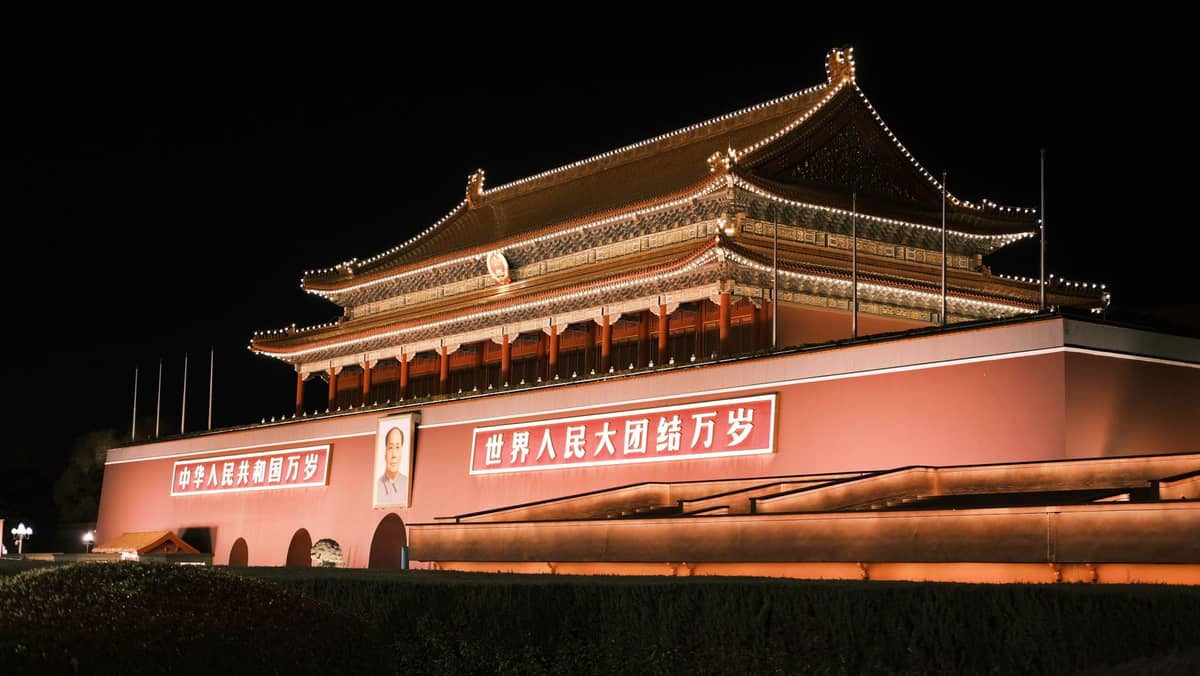
Plan and book this trip
Tools from our partner Travelpayouts help you compare flights and hotels. If you book through them, we may earn a commission at no extra cost to you.
Flights
Hotels map
TL;DR
- Beijing is generally safe for tourists, but the tea house and art student scams are widespread around major attractions and cost visitors hundreds of dollars.
- Always use the official Beijing Subway or metered taxis booked through DiDi. Unlicensed touts near the Forbidden City and Wangfujing are a reliable source of overcharging.
- Emergency numbers: 110 (police), 119 (fire), 120 (ambulance). For non-emergencies, call Beijing's 12345 hotline. See our getting around Beijing guide for safe transport options.
- Tap water is treated but not recommended for drinking untreated. Use bottled or boiled water throughout your stay.
- Air quality varies significantly by season and weather. Check real-time AQI data before outdoor plans, especially in winter.
How Safe Is Beijing for Tourists?
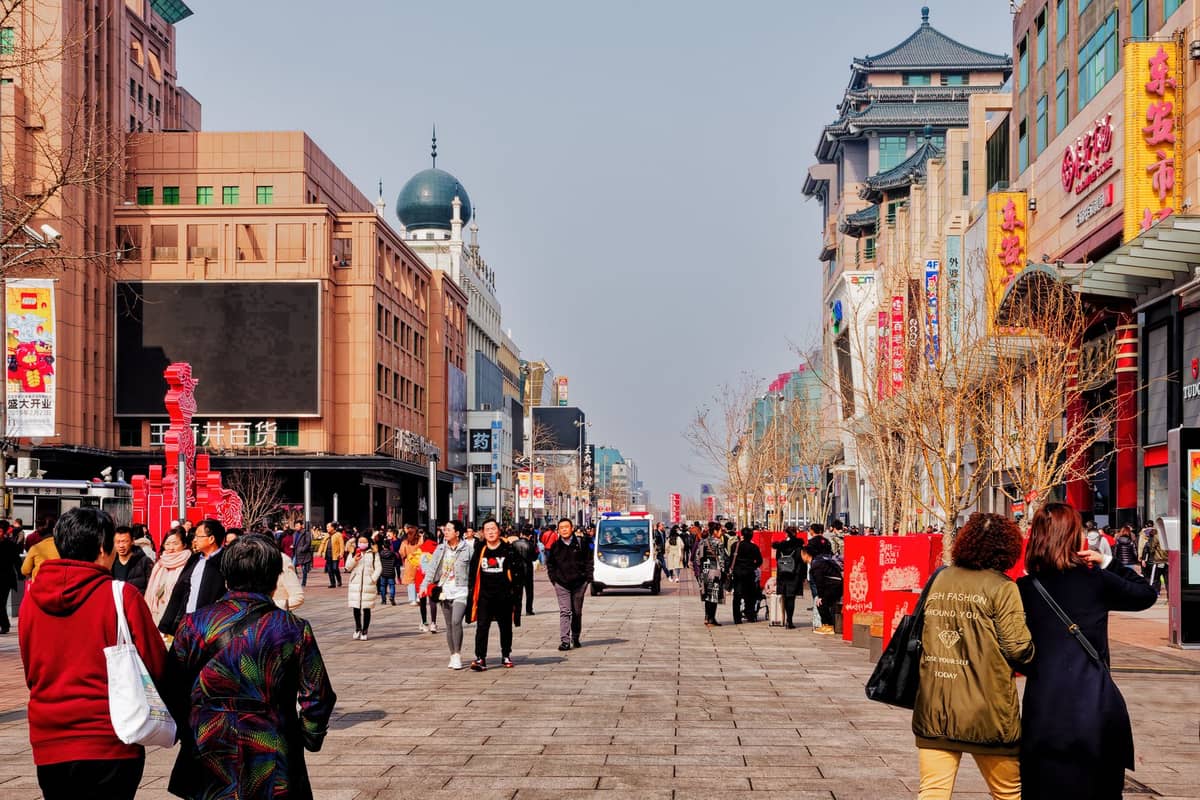
Beijing is, by the standards of a city with 21.8 million permanent residents, remarkably low in violent crime against tourists. Pickpocketing exists but is not rampant compared to many European capitals. The bigger risk for most visitors is not physical danger but financial: being overcharged, misdirected, or drawn into a scam that feels social until the bill arrives. Understanding where the genuine risks sit lets you travel with confidence rather than paranoia.
That said, a few practical realities deserve honest attention. English is widely unavailable outside hotels, major attractions, and the subway system, which means resolving a problem independently can be difficult. Police checkpoints and security screening at transport hubs and popular sites are routine and thorough. Photography is restricted around government buildings, military facilities, and certain political venues. Know the rules before pointing a camera.
ℹ️ Good to know
Emergency numbers in Beijing: 110 (police), 119 (fire), 120 (ambulance), 122 (traffic accidents). For non-emergency government assistance, call the 12345 hotline; availability of English-language support may vary. Do not call 110 for non-emergencies.
The Scams That Actually Target Tourists in Beijing
The tea house scam is the most consistently reported scheme against foreign visitors in Beijing, and it has been running for decades precisely because it works. The setup: a friendly local, often a young woman or couple speaking reasonable English, approaches you near Tiananmen Square, Wangfujing, or the hutong neighborhoods. They claim to be students wanting to practice English, or locals who just happen to know a fantastic tea ceremony experience nearby. The venue is real, the tea is real, and the conversation is pleasant. The bill is not. Charges of CNY 500 to CNY 2,000 per person are common, and some venues have reportedly threatened customers or retained credit cards to force payment.
The art student variation follows the same pattern. Young people near major attractions claim to be fine art students from a Beijing university, invite you to view their gallery or exhibition, and then pressure you into buying low-quality prints at inflated prices. The emotional manipulation is skilled: you are helping a student's career, the work is one of a kind, prices are being offered just for you. None of it is true. The prints are mass-produced and the students are paid commission.
- Tea house / tea ceremony scam Strangers invite you to a tea tasting near major tourist sites. Bills of CNY 500–2,000+ appear at the end, sometimes with threats or credit card pressure.
- Art student scam Students invite you to their gallery near attractions. Mass-produced prints are sold as original artwork at extreme markups.
- Fake ticketing Touts near the Forbidden City sell counterfeit or inflated-price tickets. Always buy from official booths or the official app.
- Unlicensed taxis and rickshaws Cycle rickshaws near hutong areas and unofficial taxis at transport hubs routinely charge 10–20x the legitimate fare, especially to tourists who don't know local prices.
- Bar and massage overcharging Particularly in nightlife areas, some venues charge foreigners vastly more than posted menu prices. Always check the bill in detail and clarify prices before ordering.
⚠️ What to skip
The rule is simple: if a stranger approaches you unprompted near a major tourist site and invites you somewhere, decline politely. This covers tea, art, massage, and any other social approach. Legitimate locals almost never do this. UK government travel advice specifically flags the risk of threats and credit card fraud in these situations.
Transport Safety: Taxis, Subway, and Getting Scammed on the Way In
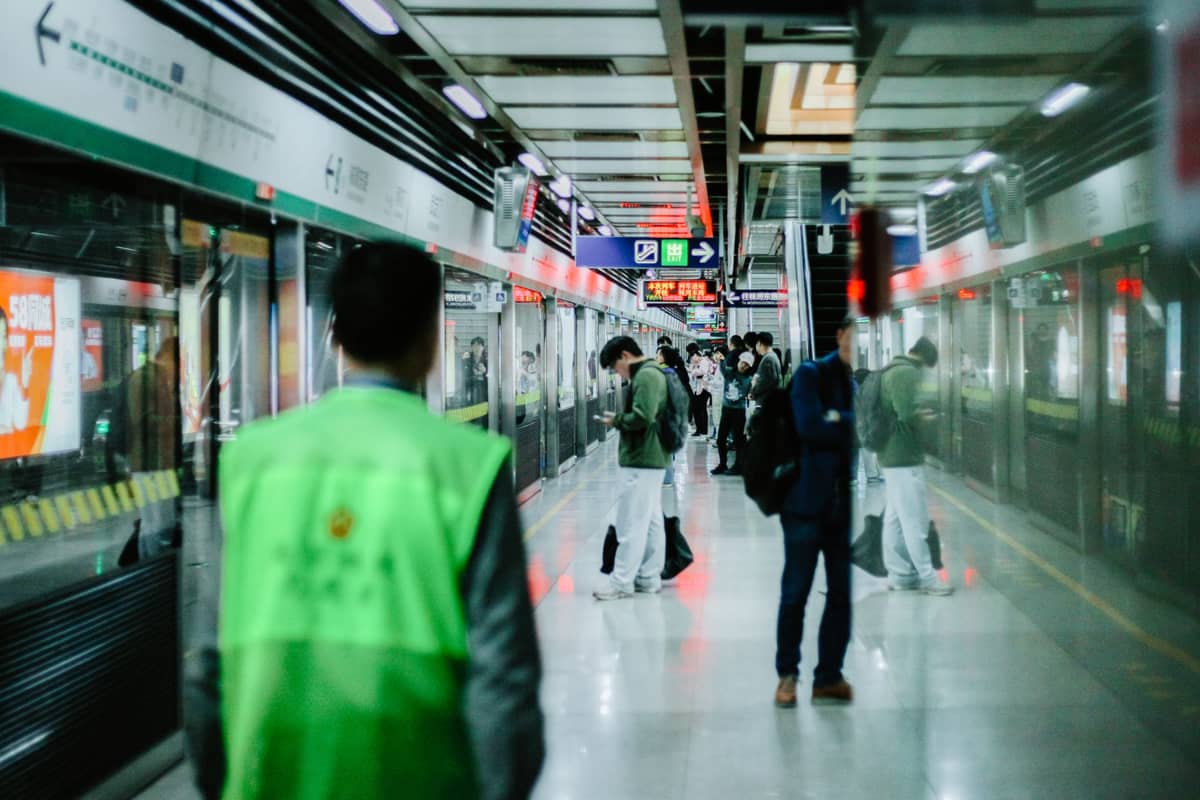
The Beijing Subway is the safest, cheapest, and most reliable way to move around the city. Fares start at CNY 3 for journeys up to 6 km and scale by distance above that. Every station has English signage, and the network reaches virtually every tourist site you will want to visit. For airport arrivals, the Capital Airport Express (PEK) runs a fixed-fare service at CNY 25 to central interchange stations including Dongzhimen. From Beijing Daxing International Airport (PKX), the Daxing Airport Express connects to Caoqiao for subway transfer. Buses from Daxing Airport are also available; check current airport information for operating hours and fares. See the full Beijing airport guide for route-specific details.
Taxis from the airport to central Beijing typically cost CNY 100–250 depending on the airport, destination, time of day, and traffic, plus tolls. The danger is not the metered fare but the unlicensed drivers who approach arrivals halls. These are not official taxis and do not use meters. Always walk past the touts to the official metered taxi queue, or book a DiDi through the app before you leave the arrivals area. DiDi is China's dominant ride-hailing platform and is far harder to scam than street-flagged taxis.
Cycle rickshaws in the hutong areas around Houhai and Nanluoguxiang are a famous tourist trap. Drivers quote one price, then demand ten times that amount at the end. If you do want a rickshaw tour, agree on the exact price in writing or on a phone screen before getting in, and confirm whether it is per person or total. Better still, walk the hutongs independently, which is free and far more interesting.
✨ Pro tip
Set up DiDi before arriving in Beijing. The international version of the app works with foreign payment cards and shows the fare estimate before you confirm. This eliminates negotiation, overcharging, and language barriers in one step.
Health and Environmental Risks Worth Knowing
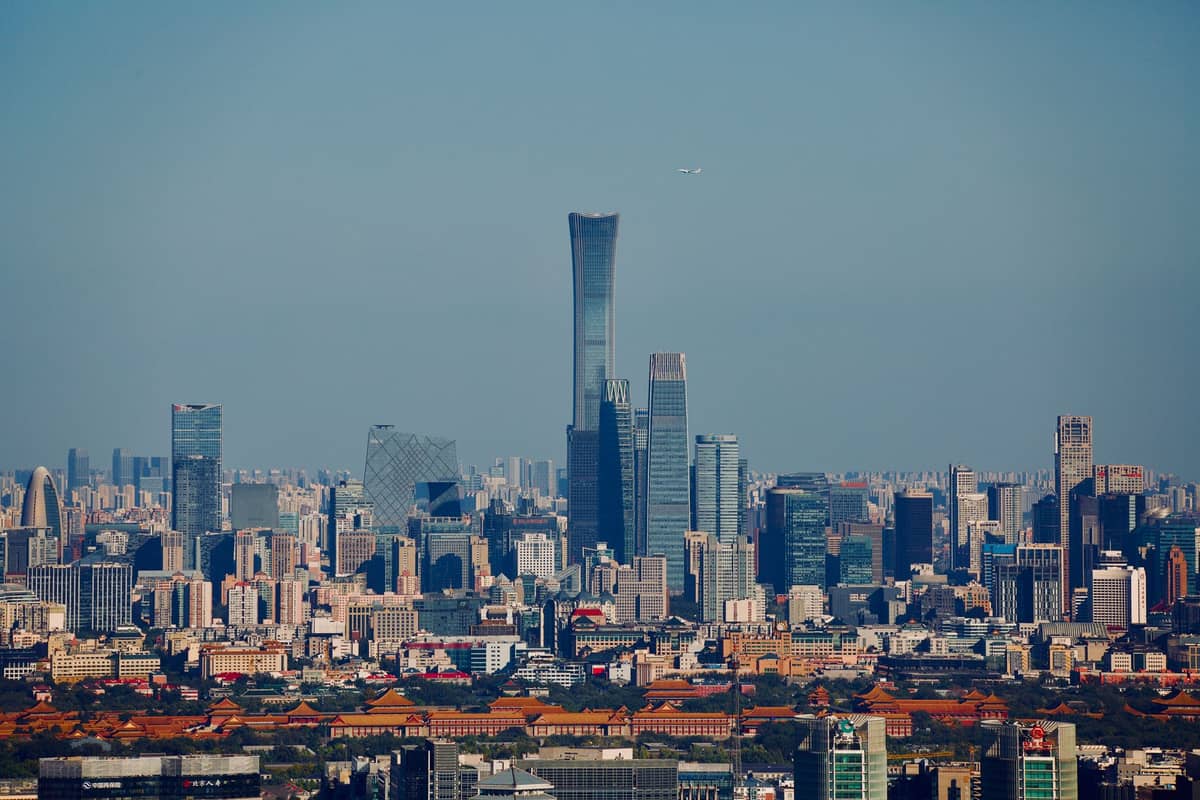
Beijing's air quality is highly variable. Winter months, particularly December through February, can see elevated pollution levels under certain meteorological conditions. Autumn, by contrast, is often the clearest time of year. Rather than generalizing, check a real-time AQI source before outdoor activities. On high-pollution days, N95 masks reduce exposure significantly. The city's monitoring systems have improved substantially over the past decade, but the risk has not disappeared.
Summer heat is a more immediate risk than many visitors expect. Central Beijing sits at around 43 meters above sea level in a continental monsoon climate, and July and August temperatures regularly exceed 35°C. Beijing health authorities classify temperatures above 40°C as requiring immediate attention. Symptoms of heatstroke, including loss of consciousness or seizures, require calling 120 without delay. Drink water consistently, avoid outdoor exertion during peak afternoon heat, and treat early symptoms of heat exhaustion seriously.
Tap water in Beijing is treated, but drinking it untreated is not generally recommended for visitors whose systems are not accustomed to local water. Bottled water is cheap and universally available. At hotels and guesthouses, water provided in thermos flasks has been boiled and is safe to drink.
- Carry an N95 or KN95 mask for high-pollution days, especially in winter
- Drink 2–3 liters of water daily in summer, more if walking extensively
- Use bottled or boiled water throughout your stay
- Book travel health insurance that covers emergency evacuation before departing
- Bring a small supply of any prescription medication and keep it in original packaging
Practical Safety: Money, Digital Payments, and What to Watch
China operates primarily as a cashless society. WeChat Pay and Alipay dominate transactions to a degree that can catch foreign visitors off guard. Many small restaurants, market stalls, and even some attractions operate without cash registers in any traditional sense. As a foreign visitor, you can link a foreign card to Alipay's international version, which has simplified access for tourists in recent years. Alternatively, carry enough CNY cash for smaller purchases and always have backup payment options.
ATMs at major banks including Bank of China, ICBC, and China Construction Bank accept international Visa and Mastercard. Exchange rates at official bank counters are generally fair. Avoid exchanging money with unlicensed street dealers, who operate illegally and often use counterfeit notes. When shopping in markets like Wangfujing or Dashilar Street, confirm the price before handing over any payment method.
Tipping is not standard practice in mainland China. Service charges are sometimes added at upscale hotels and international restaurants, but tipping in a local restaurant or taxi will typically cause confusion rather than gratitude. This is worth knowing because some scam operations specifically target visitors who, assuming tipping norms apply, overpay without realizing it.
Staying Connected, Legal, and Prepared
China's internet censorship means many standard apps, including Google Maps, Gmail, WhatsApp, Instagram, and most Western social media, do not work without a VPN. Download and set up a reputable VPN before arrival, as VPN websites are themselves often blocked inside China. For navigation, Baidu Maps works well in Chinese, or download offline maps through apps that support it. The subway's English signage and the official Beijing transit network are reliable backups when apps fail.
Visa rules for Beijing have become more accessible for many nationalities. China's unilateral visa-exemption covers nationals of specified countries for up to 30 days. Separately, the 240-hour visa-free transit policy applies to eligible nationalities transiting to a third country or region; Beijing is among the designated entry locations. These rules change and eligibility is nationality-specific: verify your status through the National Immigration Administration before booking.
Photography restrictions apply near Tiananmen Square, government buildings, and military installations. These are enforced. At historical sites, always check for posted restrictions before photographing. The Beijing photography guide covers the rules site by site. Registering with your home country's embassy or consulate before arrival is worth doing for any extended stay: it provides a contact point if documents are lost or if an emergency occurs.
💡 Local tip
Save these numbers before you land: 110 (police emergency), 120 (ambulance), 12345 (non-emergency Beijing city hotline). Also save your hotel's address in Chinese characters on your phone. If you are in a taxi or lost, showing a Chinese-character address is far more reliable than trying to communicate a phonetic transliteration.
FAQ
Is Beijing safe for solo female travelers?
Generally yes. Violent crime against tourists is rare, and public spaces are heavily monitored with CCTV. The main risks are the same as for all visitors: financial scams near tourist sites and transport overcharging. Travel during daylight hours in unfamiliar areas, use DiDi rather than street-hailed taxis at night, and the experience is considerably safer than many comparable world cities.
What should I do if I get scammed in Beijing?
Call 110 for police if the situation involves a threat, violence, or credit card retention. For financial disputes, document everything (photos, receipts, the venue's name and address) and call the 12345 non-emergency hotline, which has English-language support. Contact your bank immediately if card fraud is involved. Your home country's embassy can assist if you need further help navigating the local system.
Is it safe to drink tap water in Beijing?
Tap water in Beijing is treated to municipal standards, but it is not generally recommended for visitors to drink untreated. Bottled water is inexpensive and widely available. In hotels, water in thermos flasks has typically been boiled and is safe. Avoid drinking tap water directly from the faucet.
How do I avoid overcharging in Beijing taxis?
Use the DiDi app, which shows fare estimates in advance and eliminates negotiation. If you take a metered taxi, make sure the driver starts the meter at the beginning of the journey. At airports, use the official taxi queue and ignore all touts in the arrivals hall. For rickshaws in hutong areas, agree the full price in writing before you get in, or simply walk.
Does Beijing have issues with air pollution?
Air quality in Beijing varies considerably by season, weather, and location. Winter can see elevated pollution levels under specific meteorological conditions, while autumn is typically the clearest season. Rather than assuming the air is good or bad, check a real-time AQI monitor before extended outdoor activity. On high-pollution days, N95 masks reduce exposure meaningfully.