Sanlitun
Sanlitun is Beijing's most internationally oriented neighborhood, a place where the city's diplomatic history, designer retail, and late-night bar scene converge in Chaoyang District. From the sprawling open-air mall of Taikoo Li to the quieter lanes behind the embassy compounds, it offers a side of Beijing that feels genuinely global without losing its local edge.
Located in Beijing
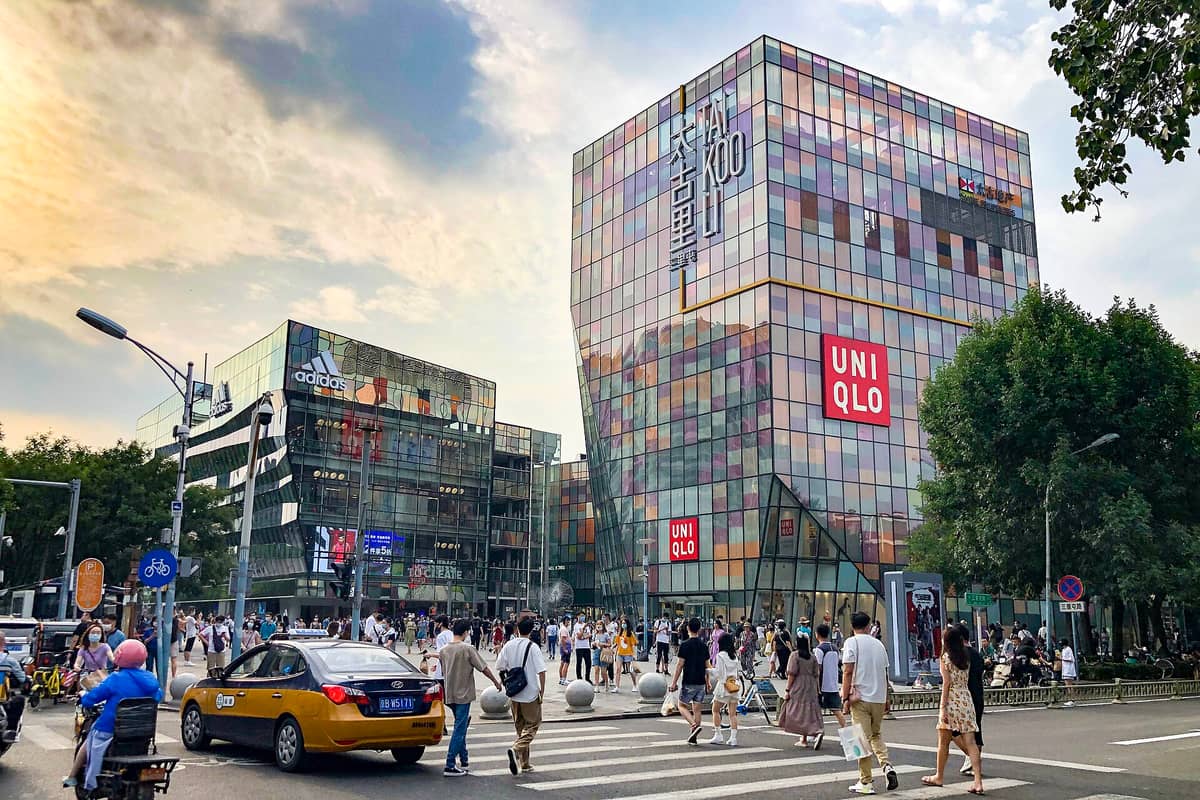
Overview
Sanlitun is where Beijing lets its hair down. Anchored by the Taikoo Li shopping complex and threaded through with bar streets, embassy compounds, and some of the city's best international restaurants, this Chaoyang neighborhood runs on a rhythm that starts late and ends later. It is not the place to look for imperial history or hutong charm, but for understanding modern Beijing at its most outward-facing, there is nowhere quite like it.
Orientation
Sanlitun sits in the western part of Chaoyang District, roughly three kilometers northeast of the Forbidden City and about two kilometers east of the Dongzhimen transport hub. Its core is loosely bounded by Dongzhimenwai Dajie to the north, Workers' Stadium North Road to the south, Xindong Road to the west, and Sanlitun Road running through its center from north to south. The Liangma River and Liangmahe Road mark the northern edge of the broader embassy quarter.
The neighborhood is not a single strip but a series of overlapping zones. The most-visited section clusters around Taikoo Li Sanlitun, the open-plan retail complex on the west side of Sanlitun Road. North of there, the streets widen into the embassy district, where tree-lined compounds and quieter café-lined lanes give the area a different, more low-key character. South toward Workers' Stadium, the street life becomes denser: sports bars, music venues, and weekend crowds that spill onto the pavement.
Understanding the geography matters because the neighborhood has two very different faces depending on which part you are in. The embassy quarter north of the Sanlitun Bar Street strip feels almost suburban by comparison, while the blocks directly around Taikoo Li and Workers' Stadium are some of the most commercially intense real estate in the city.
Character & Atmosphere
Sanlitun in the morning is almost tranquil. The bars from the night before are shuttered, delivery scooters navigate around café chairs being set out, and the workers who keep the retail complex running move through the lanes before the crowds arrive. The Taikoo Li courtyards, which feel theatrical and photogenic at night, look more functional in the flat morning light: cleaning crews, stocking routines, the mechanics of a place that runs on performance.
By early afternoon the neighborhood finds its stride. Weekend shoppers arrive at Taikoo Li from the metro, the café terraces fill up, and the outdoor sections of the complex become genuinely pleasant in good weather. The brick-and-glass architecture of the mall is deliberately low-rise and open-air, which is unusual for Beijing commercial development, and this gives the whole area a more pedestrian-friendly quality than most of the city's retail zones.
After dark, the mood changes completely. The bar street along Sanlitun Road shifts into a different gear around 9 pm, with music bleeding between venues and lines forming at the more popular clubs. This is a younger, louder, more tourist-aware part of the neighborhood: prices for drinks rise, and the street-level energy moves faster. For travelers who are not interested in nightlife, it is worth knowing that the bar strip and the broader neighborhood are far from identical. Wander two blocks off the main drag and the pace drops significantly.
ℹ️ Good to know
Sanlitun's character varies sharply by day of the week. Weekday afternoons are calm and good for shopping and eating without crowds. Friday and Saturday nights see the highest footfall on the bar streets, with noise levels and street activity peaking well after midnight.
The neighborhood's international feel is not an accident. Beijing's embassy district has been based in this part of Chaoyang since the 1950s, and the concentration of diplomatic missions brought with it foreign residents, international schools, and the wave of expatriate-oriented businesses that still define the area today. That history is visible in the architecture of the compounds on the streets north of the retail core, and in the bilingual menus and English-speaking staff that are more common here than almost anywhere else in the city.
What to See & Do
The primary draw for most visitors is the Taikoo Li Sanlitun complex itself. Developed in two phases and designed around open lanes and outdoor plazas rather than a single enclosed atrium, it houses a mix of luxury brands, mid-range international retailers, concept stores, and a reliable selection of restaurants across multiple floors. The architecture is worth paying attention to: the low-rise, block-style layout and the deliberate integration of outdoor space make it feel more like a small urban district than a conventional mall.
Nearby, Ritan Park is a short walk southeast of the Taikoo Li area and offers a genuine contrast to the commercial intensity of the main strip. One of Beijing's older city parks, it is particularly popular with the local diplomatic and expatriate community for morning walks and weekend picnics. The park's rock climbing wall and outdoor café terraces are more low-key than anything on Sanlitun Road itself.
The Workers' Stadium (Gongren Tiyuchang) anchors the southern end of the neighborhood and is one of Beijing's major sports and entertainment venues. South of the stadium, the Guijie Ghost Street dining corridor on Dongzhimennei Dajie is within reasonable distance and offers a completely different food experience to the international-restaurant-heavy Sanlitun strip.
- Taikoo Li Sanlitun: The open-air retail and dining complex at the neighborhood's commercial core
- Sanlitun Bar Street: The main concentration of bars and nightlife venues along Sanlitun Road
- Workers' Stadium: Major sports and live events venue at the southern boundary
- Ritan Park: A calmer city park popular with local residents and the expat community
- Embassy district lanes: Low-traffic streets north of the bar strip, good for a quieter walk
💡 Local tip
If you want to explore the neighborhood beyond the retail core, walk north from Taikoo Li along the quieter lanes parallel to Sanlitun Road. The streets around the embassy compounds have a noticeably different pace and some of Beijing's better independent coffee shops.
Eating & Drinking
Sanlitun is the most internationally diverse dining area in Beijing. The concentration of foreign residents and frequent visitors from the diplomatic and business communities has produced a restaurant scene that covers more cuisine types in a smaller area than almost any other part of the city. Japanese, Korean, Mexican, Italian, Middle Eastern, Indian, and Southeast Asian options all have a genuine presence, and quality across those categories tends to be higher here than in most parts of town.
For travelers who want to eat Chinese food rather than international cuisine, Sanlitun is less obvious territory, though it is not without options. Peking duckChinese restaurants can be found in and around the Taikoo Li complex, and the broader Chaoyang area is well-served for regional Chinese cuisines. The Ghost Street dining corridor, a ten-minute taxi or DiDi ride away, is the better choice if you want a noisier, more local-feeling experience.
Coffee culture is well established in Sanlitun. The area has outposts of major international chains alongside local specialty café concepts, and the lanes around Taikoo Li have enough independent options to support a proper café crawl. Prices reflect the location: expect to pay more here than in residential neighborhoods, with coffee drinks typically starting at around ¥30–45.
The bar scene on Sanlitun Road is the most well-known in Beijing. The main strip offers everything from sports bars and rooftop terraces to tighter club spaces. Prices for drinks are higher than the city average, and venues are aware of their tourist footfall, which means some places are better value than others. Licensed venues with posted price lists are the reliable choice. Away from the main strip, smaller bars in the embassy district lanes tend to be quieter, more relaxed, and often better value.
⚠️ What to skip
Drink pricing on the main Sanlitun bar strip can be significantly higher than elsewhere in Beijing. Always check menu prices before ordering, and use licensed taxis or DiDi rather than unlicensed drivers when leaving at night. Keep phones and wallets secure in crowded venues.
Getting There & Around
The closest metro station to Taikoo Li Sanlitun is Agricultural Exhibition Center (Nongzhanguan) Station on Line 10, while Tuanjiehu Station on Line 10 provides another access point from the southeast. Dongdaqiao Station on Line 6 is also within walking distance. None of these stations deposit you directly at the front door, so allow a short walk in whichever direction you approach from.
Bus routes also serve the area. Sanlitun Station and Workers' Stadium Station are the main stops, with routes including 113, 115, 431, and 701 among the services connecting to other parts of the city. For a broader overview of navigating Beijing's transit network, the getting around Beijing guide covers metro, bus, and ride-hailing options in detail.
DiDi is the practical choice for reaching Sanlitun from further afield, particularly after dark when the metro has closed or when returning from the bar strip is more convenient by car. The app supports international payment methods through its international version, though it is worth setting this up before you arrive. Taxis can also be hailed on the main roads, though availability varies at peak nightlife hours.
Within the neighborhood itself, walking is the most effective way to move around. The distances between Taikoo Li, the bar strip, Ritan Park, and the embassy district are all manageable on foot, and the street grid in this part of Chaoyang is relatively straightforward. Cycling via the city's bike-share systems is possible and practical for reaching adjacent neighborhoods.
Where to Stay
Sanlitun has a strong hotel offering, with several international four and five-star properties in and around the embassy district. Staying here puts you close to the city's best international restaurants and nightlife, with reasonable metro access to central Beijing's major sights. If your trip is weighted toward the Forbidden City, Tiananmen Square, or the historic hutong neighborhoods, Sanlitun adds more journey time than staying in Dongcheng.
The neighborhood suits business travelers, returning visitors who want a home base with reliable international amenities, and anyone whose trip prioritizes dining, nightlife, or contemporary Chinese urban culture over imperial heritage. First-timers focused on historic Beijing may find that a hotel in Dongcheng or Xicheng gives better access to the sights that define Beijing on a short visit. For more guidance on the trade-offs between Beijing's hotel neighborhoods, the where to stay in Beijing guide covers the key districts in detail.
If noise is a concern, choose a hotel or serviced apartment away from the main Sanlitun Road strip. The lanes north of the bar street, in the direction of the embassy compounds and Liangmahe Road, are significantly quieter at night and offer a more residential atmosphere while keeping the neighborhood's amenities within walking distance.
Practical Tips
English is more widely spoken in Sanlitun than almost anywhere else in Beijing, a direct result of the neighborhood's international commercial and diplomatic character. Staff at hotels, major restaurants, and Taikoo Li retail stores will generally be able to assist in English. Away from the main commercial zones, standard Mandarin applies. Downloading a translation app before arrival is worthwhile for navigating independently, and the Beijing first-timer guide covers practical basics that apply across the city.
Payment in Sanlitun follows the same pattern as the rest of Beijing: Alipay and WeChat Pay dominate, cards are accepted at international hotel chains and some larger restaurants, and cash (Chinese yuan, CNY) remains a fallback. Foreign travelers should set up a mobile payment option in advance if possible, as this makes everyday transactions significantly easier across all of Beijing.
The neighborhood is generally considered safe by Beijing standards and is well-policed, but standard precautions apply in nightlife areas at weekends. For a broader picture of safety awareness in Beijing, the Beijing scams and safety tips guide is a useful reference before your trip.
TL;DR
- Sanlitun is Beijing's most international neighborhood, anchored by Taikoo Li Sanlitun, the embassy district, and the Sanlitun bar strip in Chaoyang District.
- Best for: shoppers, nightlife seekers, food and drink explorers, business travelers, and anyone who wants reliable English-language service and international dining options.
- Not ideal for: first-time visitors focused primarily on imperial history and hutong culture, or anyone sensitive to nighttime noise near the bar street.
- Getting there: Tuanjiehu or Agricultural Exhibition Center stations on Metro Line 10, or Dongdaqiao on Line 6, all within walking distance of the core. DiDi is practical for late-night returns.
- Visit timing: Weekday afternoons for calm shopping and eating; Friday and Saturday nights for the full bar-street experience, with corresponding crowds and higher prices.
Related Travel Guides
- 3 Days in Beijing: The Perfect Itinerary
Three days is enough to cover Beijing's imperial core, climb the Great Wall, and wander centuries-old hutong lanes. This itinerary is built around real booking logistics, seasonal crowd patterns, and a candid take on what's worth your time.
- 5 Days in Beijing: The Definitive Extended Itinerary
Five days is enough time to move beyond Beijing's headline sights and get a real feel for the city: imperial history, Great Wall day trips, traditional neighborhoods, and contemporary culture. This itinerary is structured to minimize backtracking, front-load booking requirements, and leave room to breathe.
- Beijing Airports: The Complete Guide to Getting To and From the City
Beijing has two major international airports: Capital (PEK) to the northeast and Daxing (PKX) to the south. This guide covers every transport option between both airports and the city center, with current fares, journey times, and straightforward guidance on which option suits your trip.
- Beijing at Chinese New Year: Temple Fairs, Celebrations & Practical Planning
Chinese New Year transforms Beijing into one of the world's great festival cities. From ticketed temple fairs at Ditan and Longtan to free lantern displays and park programs, here is everything you need to plan a rewarding visit during the Spring Festival holiday.
- Beijing's Contemporary Art Scene: 798 Art Zone and Beyond
Beijing's contemporary art scene reaches far beyond its most famous address. This guide covers the 798 Art Zone in depth, plus the city's best independent museums, seasonal logistics, ticketing realities, and neighborhoods where serious collectors and curious visitors find the most rewarding art experiences.
- First Time in Beijing: Everything You Need to Know
Beijing rewards visitors who come prepared. This guide covers the essentials for first-timers: when to go, how to get around, which neighborhoods to base yourself in, what to book in advance, and the practical details that make the difference between a frustrating trip and a seamless one.
- Forbidden City Tickets & Visitor Guide: How to Book, What to Pay, and What to Know Before You Go
The Forbidden City is Beijing's single most visited site, and getting in requires advance planning. This guide covers ticket prices, official booking steps, opening hours by season, entry logistics, and a clear take on what's worth your time inside the palace complex.
- Hidden Gems in Beijing: Beyond the Tourist Trail
Beijing rewards the curious traveler who looks past the Forbidden City and Great Wall. This guide uncovers the city's overlooked temples, eccentric museums, quiet hutong streets, and extraordinary day trips that reveal a deeper, stranger, and more rewarding side of the capital.
- Exploring Beijing's Hutongs: A Complete Guide
Beijing's hutongs are a world apart from the grand imperial sights most visitors come for. These narrow residential lanes, some over 700 years old, are where the city's daily life actually plays out. This guide covers the best hutong areas, how to navigate them, what things cost, and how to avoid the tourist traps.
- Beijing's Imperial History: A Traveler's Guide to the Dynasties That Built a Capital
Beijing served as the imperial capital of China for more than 500 years across the Ming and Qing dynasties. This guide covers every major imperial site, how to visit them efficiently, what to skip, and the historical context that makes it all make sense.
- Luxury Beijing: Best High-End Hotels, Restaurants & Experiences
Beijing rewards travellers willing to spend well. This guide covers the city's finest hotels, its 2026 Michelin-starred restaurant scene, private cultural experiences, and the practical logistics that separate a genuinely exceptional trip from an overpriced one.
- Beijing Nightlife: The Complete Guide to Bars, Clubs & Evening Entertainment
Beijing at night is a different city entirely. This guide covers every layer of the evening scene, from rooftop cocktail bars in Chaoyang to hutong speakeasies, live music venues, cultural performances, and summer night markets, with practical logistics for getting home safely when the subway stops running.
- Beijing on a Budget: How to Visit Without Breaking the Bank
Beijing is one of Asia's most rewarding cities to explore on a tight budget. With free parks, cheap metro fares, and world-class sights that cost less than a coffee back home, careful planning can stretch every yuan further than you'd expect.
- Peking Opera in Beijing: Where to Watch, What to Expect, and How to Book
Peking Opera is one of China's most elaborate performing arts, and Beijing is the best city in the world to see it. This guide covers the top venues, ticket prices, what actually happens during a performance, and practical tips for first-time visitors.
- Best Photography Spots in Beijing: 20 Iconic Locations for Every Photographer
Beijing rewards photographers at every turn, from sweeping imperial vistas and crumbling Great Wall ramparts to neon-lit hutong lanes and avant-garde factory galleries. This guide covers the city's 20 best photography locations, with specific advice on timing, light, and what makes each spot worth your shot.
- Beijing Safety Tips & Scams to Avoid: A Practical Guide for Visitors
Beijing is one of Asia's safest capitals for tourists, but specific scams, transport traps, and health risks catch visitors off guard every year. This guide breaks down the real threats, how to spot them, and what to do if something goes wrong.
- Beijing to Shanghai: High-Speed Train vs Flight (The Complete Comparison)
Choosing between the Beijing to Shanghai train and a flight comes down to more than just ticket prices. This guide breaks down total journey times, costs, booking logistics, and seasonal factors so you can make the right call for your trip.
- Best Self-Guided Walking Tours in Beijing: Routes, Tips & Honest Advice
Beijing rewards walkers more than almost any major city on earth. From the UNESCO-listed Central Axis to centuries-old hutong alleyways and cutting-edge contemporary art districts, these self-guided walking tours cover the city's most compelling neighborhoods with practical logistics, frank warnings, and seasonal guidance.
- Beijing with Kids: The Best Family Activities and How to Plan Them
Beijing delivers a remarkable range of experiences for families: world-class wildlife, interactive museums, imperial parks, and theme parks sit within a single city. This guide covers the top family-friendly attractions, realistic assessments of what works for different ages, and the practical details parents need to make the trip run smoothly.
- Best Museums in Beijing: From Imperial Palaces to Contemporary Art
Beijing's museums span 5,000 years of Chinese civilization, from the world's largest palace complex to cutting-edge contemporary art factories. This guide covers the essential museums by theme, with practical notes on reservations, crowds, and how to make the most of each visit.
- Best Temples in Beijing: Imperial Altars, Buddhist Monasteries & Taoist Shrines
Beijing's temples span over a thousand years of religious history, from Tang-dynasty Buddhist courtyards to Ming imperial ceremonial complexes. This guide covers the city's most significant and rewarding temples, with practical advice on when to visit, what to look for, and how to get the most from each site.
- Best Time to Visit Beijing: A Season-by-Season Breakdown
The best time to visit Beijing is April to May or September to October, when temperatures are comfortable and rainfall is low. But the full picture is more nuanced: holidays, air quality, and attraction hours all shift the calculation. This guide covers every season with specific temperatures, crowd forecasts, and booking advice.
- Best Day Trips from Beijing: 15 Escapes Worth the Journey
Beijing rewards slow exploration, but the surrounding region is packed with day-trip destinations that rival anything inside the city. From legendary Great Wall sections to preserved Ming villages and dramatic gorges, here are the best excursions you can make from the capital in a single day.
- Free Things to Do in Beijing: 20 Attractions That Won't Cost You a Yuan
Beijing is one of the world's great cities for budget travelers. From Tiananmen Square and sprawling imperial parks to the 798 Art District and ancient hutong streets, dozens of the city's most rewarding experiences are completely free. This guide covers the best no-entry-fee attractions across every corner of the capital.
- Getting Around Beijing: The Complete Transport Guide
Beijing's transport network is extensive and affordable, but it rewards those who understand how it works. This guide covers the subway, taxis, DiDi, airport connections, intercity rail, and everything in between, with straightforward guidance on what to use when.
- Which Great Wall Section to Visit: The Complete Beijing Comparison
Not all Great Wall sections are equal. This guide breaks down the five main sections accessible from Beijing, including real admission prices, crowd levels, difficulty ratings, and a candid take on which one actually suits your trip.
- Where to Eat Peking Duck in Beijing: The Definitive Restaurant Guide
Beijing duck (北京烤鸭) is one of the world's great dishes, and eating it in the city where it was perfected is an experience worth planning carefully. This guide covers the top restaurants, real-world price breakdowns, ordering etiquette, and practical tips for first-timers and repeat visitors alike.
- Shopping in Beijing: Markets, Malls & What to Buy
Beijing's shopping scene runs from chaotic weekend antique markets to polished luxury malls, with every stop in between. This guide breaks down the best places to shop, what's worth buying, where to negotiate, and what to skip.
- Best Things to Do in Beijing: The Complete 2026 Guide
Beijing rewards visitors who go beyond the headline sights. This guide covers the top things to do in Beijing, from imperial landmarks and ancient temples to hutong streets and contemporary art, with practical notes on reservations, crowds, and seasonal timing.
- What to Eat in Beijing: The Essential Food Guide
Beijing food is far more than Peking duck. This guide covers the dishes you should not leave the city without trying, where to find the best versions, what things actually cost, and a few traps worth sidestepping.
- Where to Stay in Beijing: Best Areas & Hotels for Every Traveler
Beijing has 16 districts and two international airports, which makes choosing accommodation more complicated than it first looks. This guide cuts through the noise with district-by-district breakdowns, realistic price ranges, and the seasonal timing details that booking platforms won't tell you.