Hidden Gems in Beijing: Beyond the Tourist Trail
Beijing rewards the curious traveler who looks past the Forbidden City and Great Wall. This guide uncovers the city's overlooked temples, eccentric museums, quiet hutong streets, and extraordinary day trips that reveal a deeper, stranger, and more rewarding side of the capital.
Plan and book this trip
Tools from our partner Travelpayouts help you compare flights and hotels. If you book through them, we may earn a commission at no extra cost to you.
Flights
Hotels map
Most visitors to Beijing follow the same well-worn path: Tiananmen Square, the Forbidden City, the Temple of Heaven, Badaling. These are iconic for a reason, but Beijing is Beijing is a city of 21 million people spread across 16,410 km², and scratching its surface barely counts as a visit. The real city lives in its ancient Taoist courtyards, its Ming-dynasty villages, its canal-side ruins, and its extraordinary collections of bells, fossils, and astronomical bronze instruments that draw almost no one. This guide is for travelers who want to go further. For context on structuring your time, the Beijing first-timer guide covers the essentials, and the 3-day Beijing itinerary can help you slot these discoveries around your must-sees. Ready to go off the tourist trail? Here is where to start.
Temples & Sacred Sites You'll Have Almost to Yourself
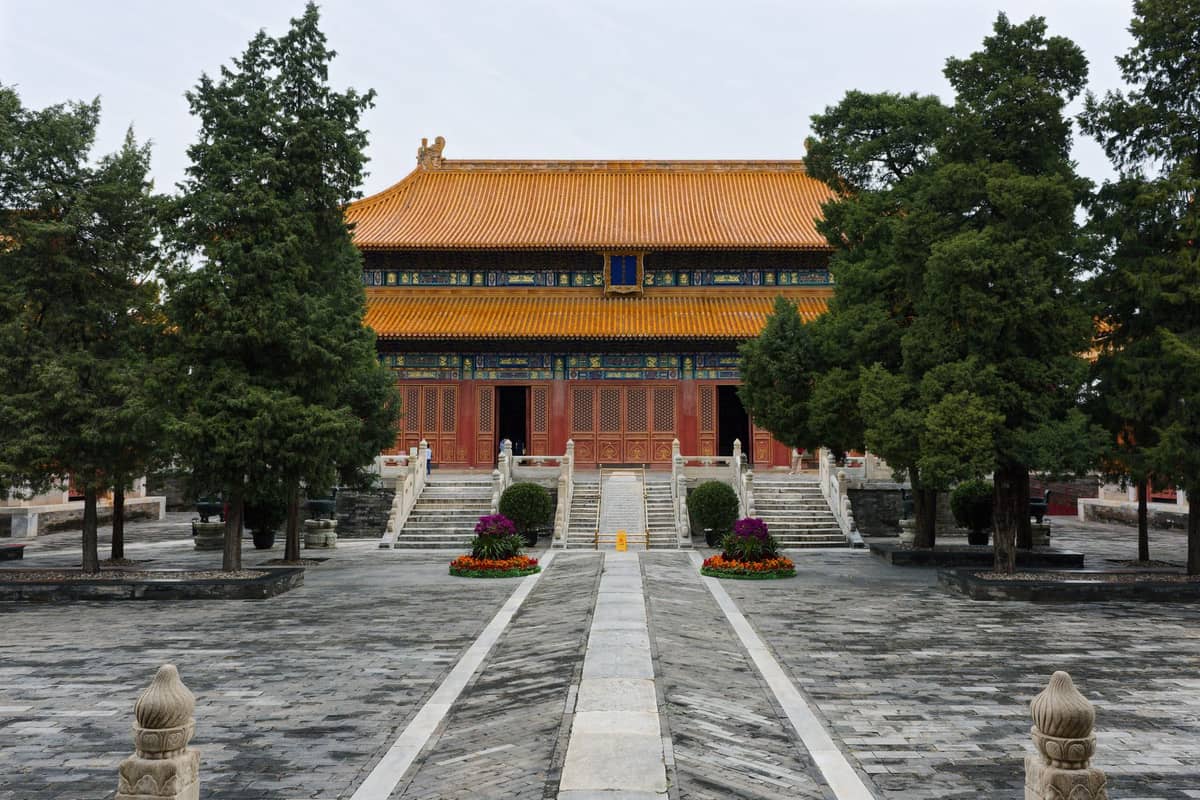
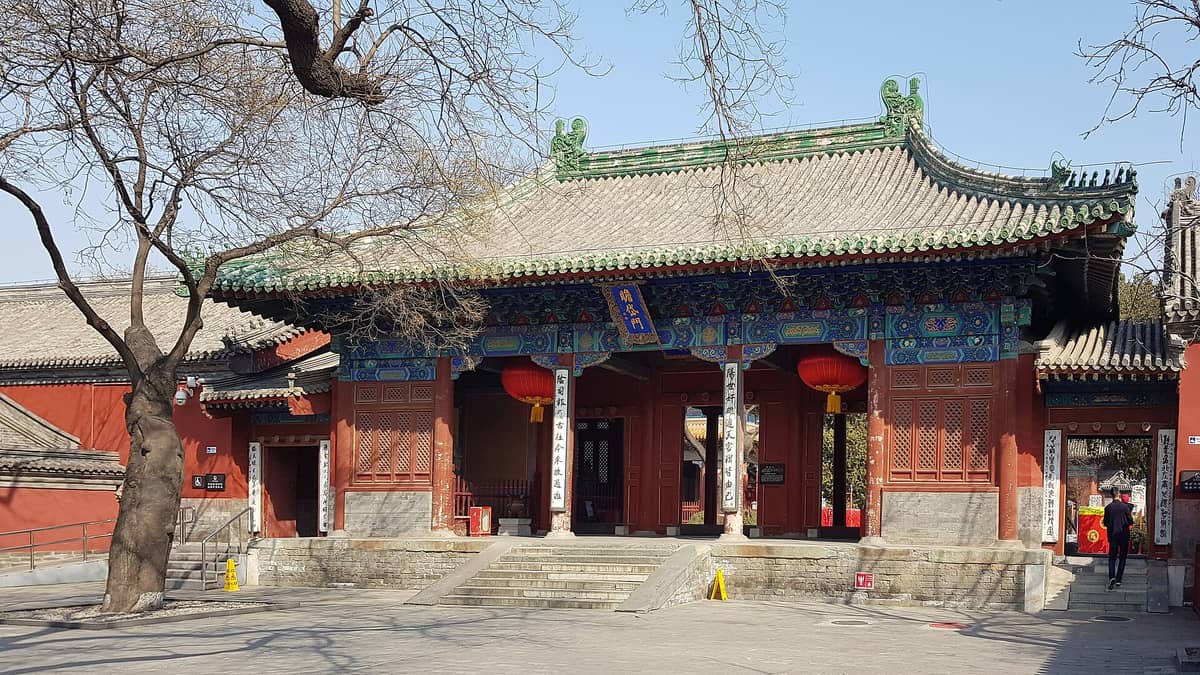
Beijing has dozens of temples beyond the famous Lama Temple and Temple of Heaven. The best temples in Beijing guide covers the full range, but the five below stand out for their unusual character, exceptional atmosphere, and low visitor numbers. Most are open Tuesday through Sunday; always verify hours before visiting.
1. Walk Through the Bureaucracy of the Afterlife at Dongyue Temple
This active Taoist temple contains 76 departments of the underworld, each filled with painted statues depicting divine officials punishing sinners. It is genuinely strange and unforgettable. Located in Chaoyang, it draws a fraction of the Lama Temple crowds.
Explore1. Walk Through the Bureaucracy of the Afterlife at Dongyue Temple
This active Taoist temple contains 76 departments of the underworld, each filled with painted statues depicting divine officials punishing sinners. It is genuinely strange and unforgettable. Located in Chaoyang, it draws a fraction of the Lama Temple crowds.
Explore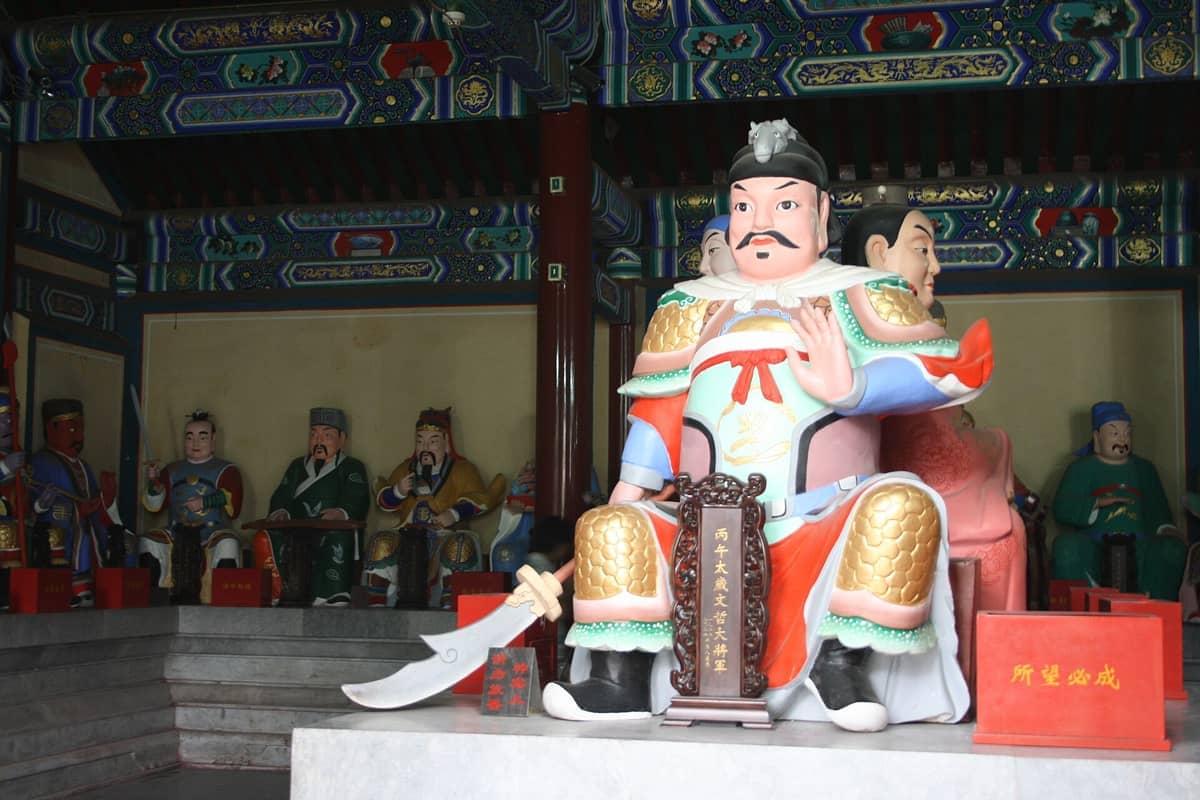
2. Find the Hidden Coins at White Cloud Temple
The headquarters of Chinese Taoism is a sprawling active complex where pilgrims search for three bronze monkey carvings hidden on the gateway arches. Its courtyards, shrines, and incense halls feel genuinely lived-in. Quietest on weekday mornings.
Explore2. Find the Hidden Coins at White Cloud Temple
The headquarters of Chinese Taoism is a sprawling active complex where pilgrims search for three bronze monkey carvings hidden on the gateway arches. Its courtyards, shrines, and incense halls feel genuinely lived-in. Quietest on weekday mornings.
Explore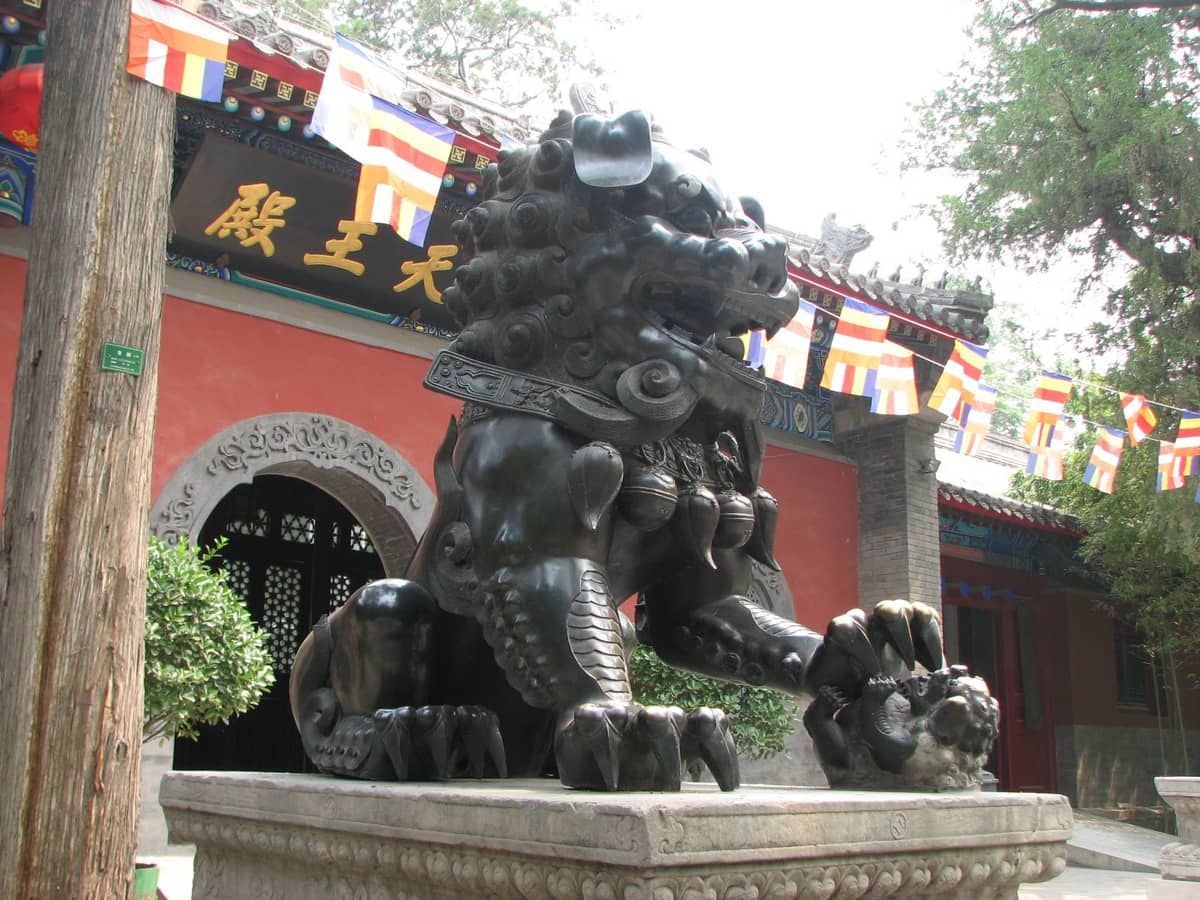
3. Escape the City at Fayuan Temple, Beijing's Oldest Buddhist Site
Founded in the Tang dynasty, this working monastery in Xicheng houses the China Buddhism Institute. Ancient trees shade its courtyards and Buddhist sculptures fill its halls. It sees almost no foreign tourists and feels entirely removed from modern Beijing.
Explore3. Escape the City at Fayuan Temple, Beijing's Oldest Buddhist Site
Founded in the Tang dynasty, this working monastery in Xicheng houses the China Buddhism Institute. Ancient trees shade its courtyards and Buddhist sculptures fill its halls. It sees almost no foreign tourists and feels entirely removed from modern Beijing.
Explore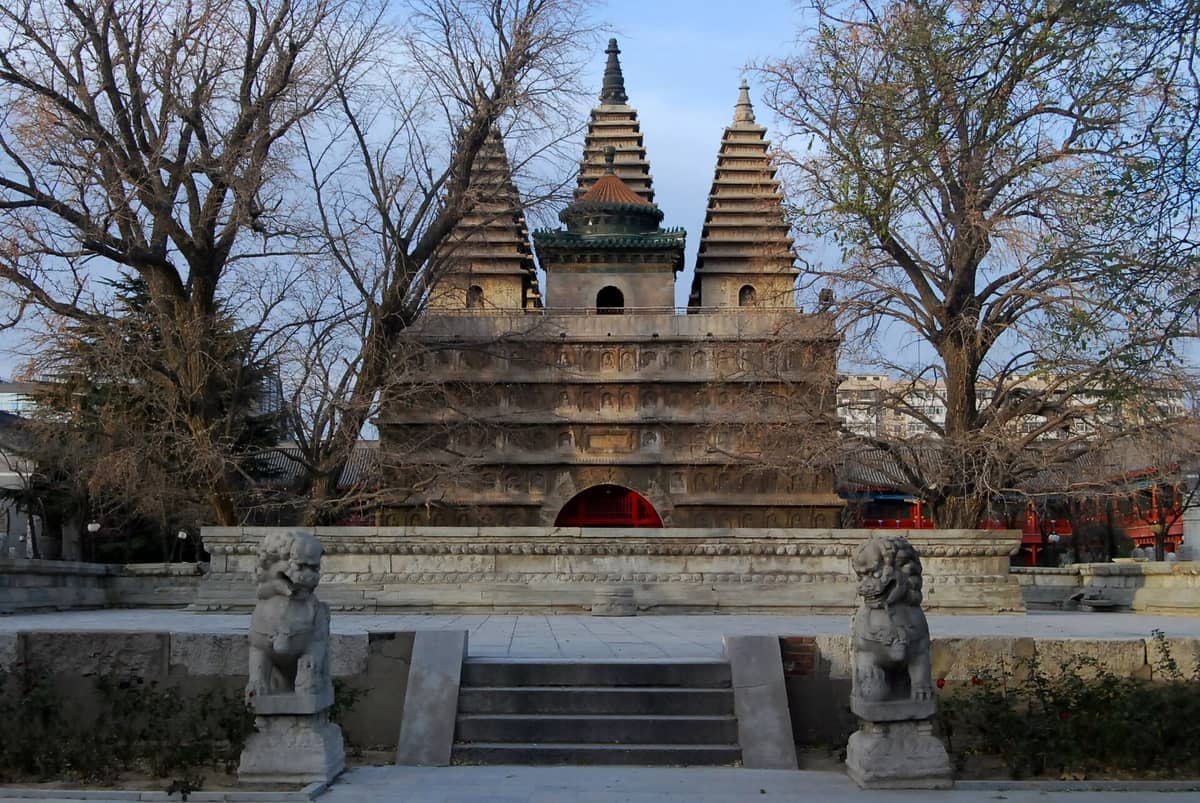
4. See India Come to Beijing at the Five Pagoda Temple
Five ornate stone pagodas rise from a single carved platform in this Haidian temple, its surfaces covered in Buddhist reliefs unlike anything else in the city. The grounds now house the Beijing Stone Carving Art Museum. Visitors are rare; the atmosphere is serene.
Explore4. See India Come to Beijing at the Five Pagoda Temple
Five ornate stone pagodas rise from a single carved platform in this Haidian temple, its surfaces covered in Buddhist reliefs unlike anything else in the city. The grounds now house the Beijing Stone Carving Art Museum. Visitors are rare; the atmosphere is serene.
Explore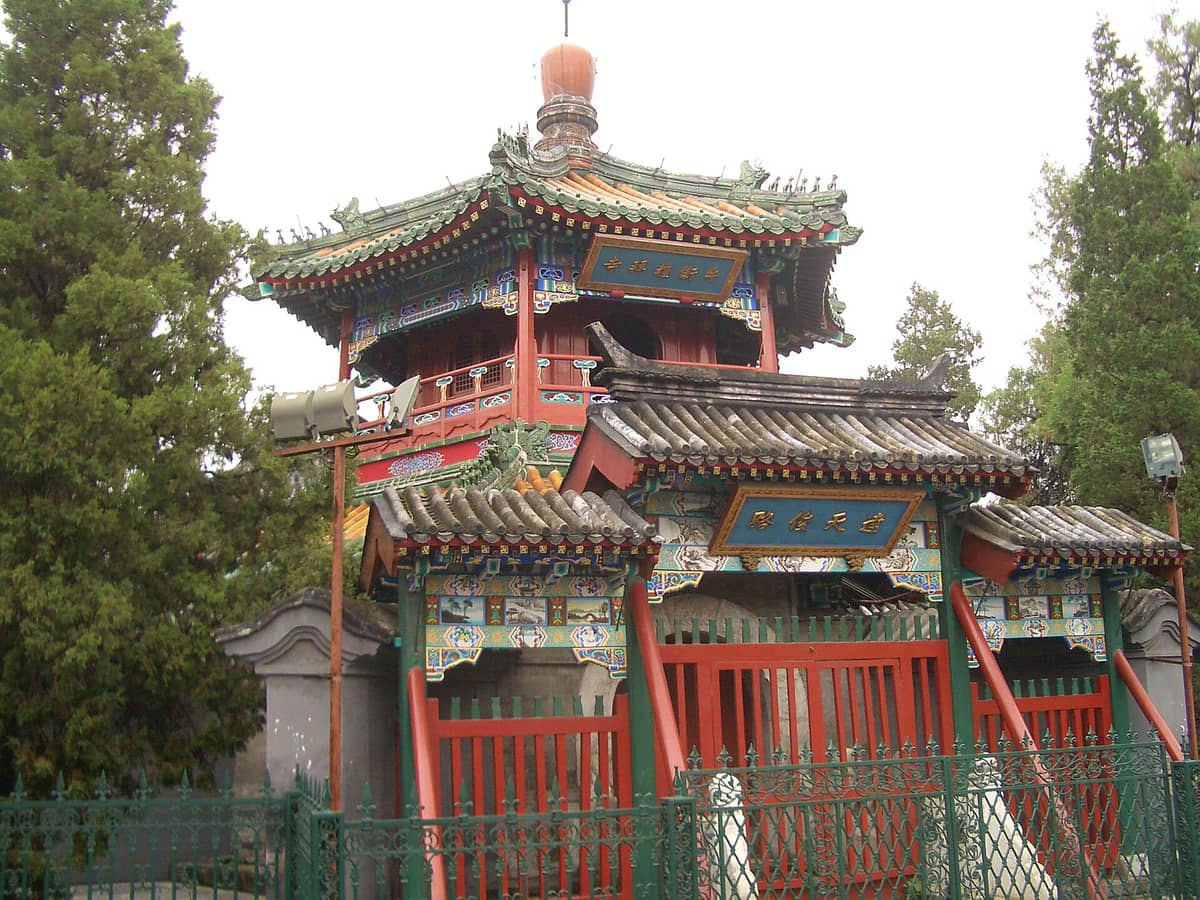
5. Discover a Thousand Years of Cultural Fusion at Niujie Mosque
Beijing's oldest mosque, dating to 996 CE, blends Chinese rooflines with Arabic calligraphy and Islamic geometry in a way found nowhere else in the city. The surrounding Niujie neighborhood is Beijing's oldest Muslim quarter, worth exploring on foot afterward.
Explore5. Discover a Thousand Years of Cultural Fusion at Niujie Mosque
Beijing's oldest mosque, dating to 996 CE, blends Chinese rooflines with Arabic calligraphy and Islamic geometry in a way found nowhere else in the city. The surrounding Niujie neighborhood is Beijing's oldest Muslim quarter, worth exploring on foot afterward.
ExploreOverlooked Museums and Architectural Curiosities
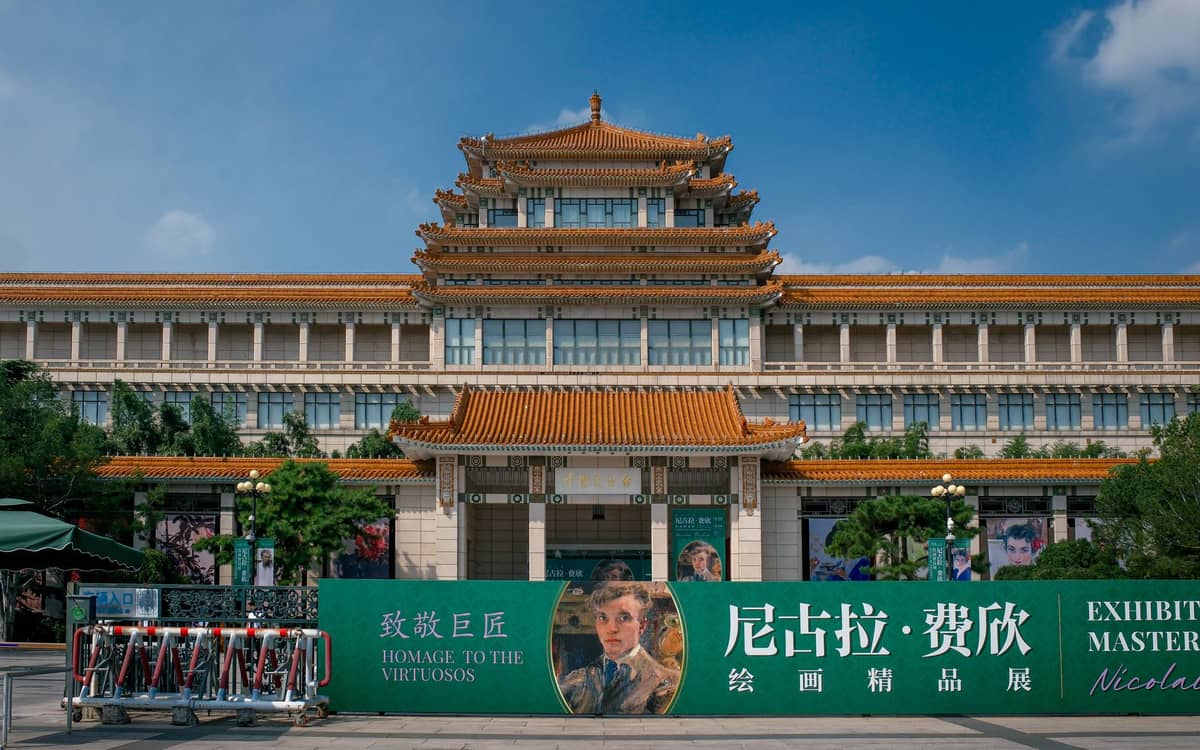
Beijing's museum scene extends far beyond the National Museum and the Palace Museum. The city has a remarkable range of specialist museums covering everything from ancient bells to Chinese cinema. The picks below combine genuine curiosity value with very manageable crowds. Note that many close on Mondays except public holidays, and some charge separate fees for special exhibition areas.
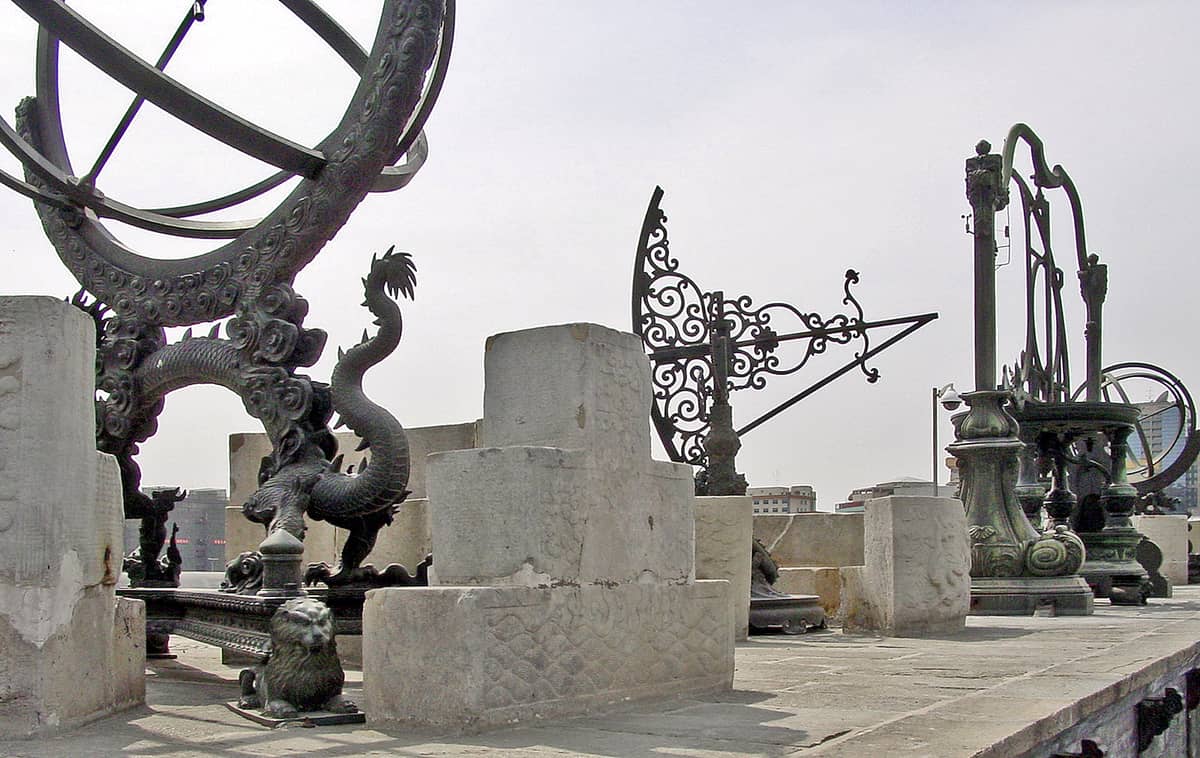
6. Climb Beijing's Ming-Dynasty Astronomical Observatory
Perched on a surviving section of the old city wall in Dongcheng, this observatory houses Qing-era bronze instruments designed by Jesuit missionaries. It is one of the most underrated sites in the city. Allow an hour; the rooftop views over the Second Ring Road are a bonus.
Explore6. Climb Beijing's Ming-Dynasty Astronomical Observatory
Perched on a surviving section of the old city wall in Dongcheng, this observatory houses Qing-era bronze instruments designed by Jesuit missionaries. It is one of the most underrated sites in the city. Allow an hour; the rooftop views over the Second Ring Road are a bonus.
Explore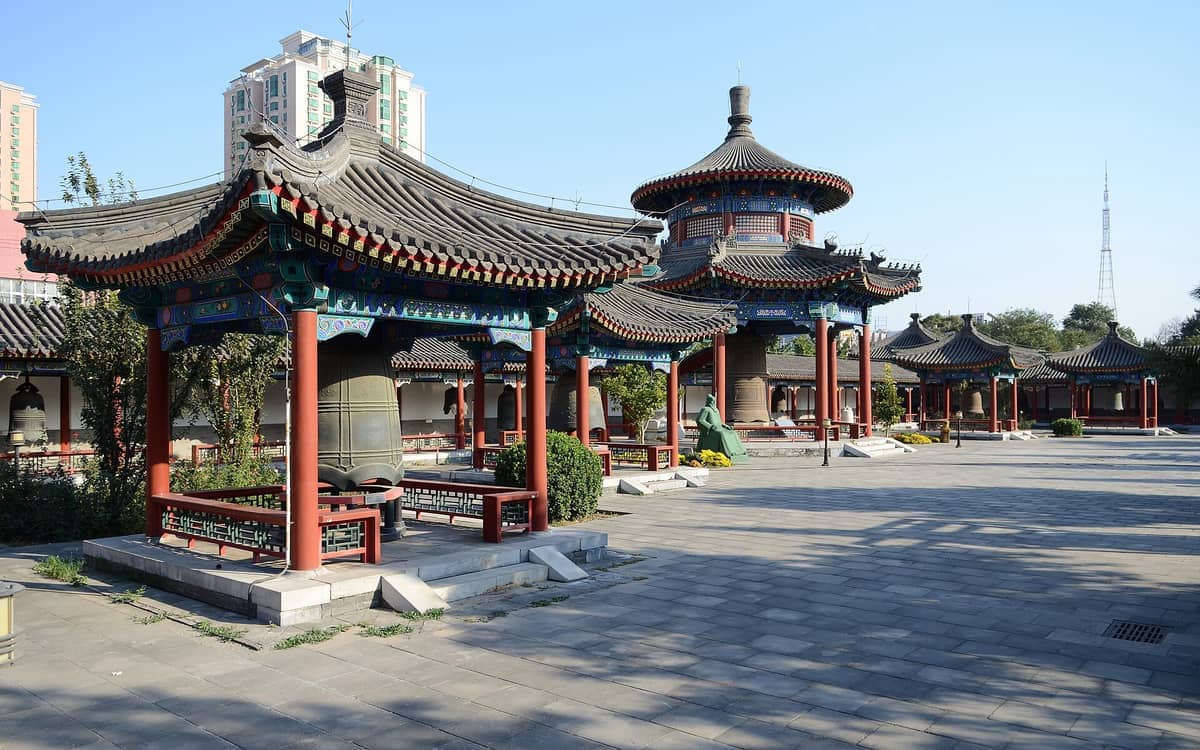
7. Stand Beneath the World's Largest Ancient Bell at Dazhongsi
The Yongle Bell weighs 46 tonnes and is engraved with 230,000 characters of Buddhist scripture. The surrounding temple museum displays over 700 historic bells spanning 4,000 years. In Haidian, it is rarely crowded and takes about 90 minutes to explore properly.
Explore7. Stand Beneath the World's Largest Ancient Bell at Dazhongsi
The Yongle Bell weighs 46 tonnes and is engraved with 230,000 characters of Buddhist scripture. The surrounding temple museum displays over 700 historic bells spanning 4,000 years. In Haidian, it is rarely crowded and takes about 90 minutes to explore properly.
Explore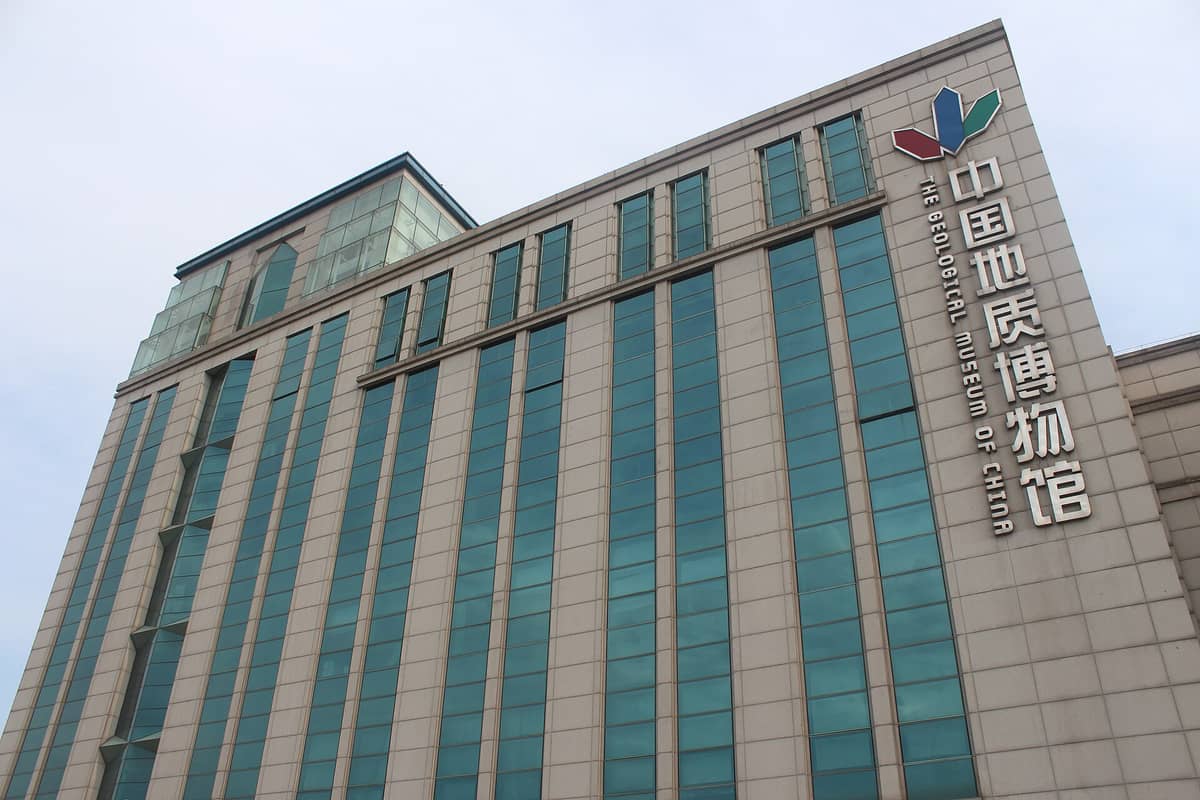
8. Marvel at Giant Crystals at the Geological Museum of China
This Xicheng museum houses one of Asia's finest mineral and fossil collections, including dinosaur skeletons and an entire hall of enormous gemstone specimens. Entrance fees are modest, crowds are light, and the crystal displays alone justify the visit. Allow two hours.
Explore8. Marvel at Giant Crystals at the Geological Museum of China
This Xicheng museum houses one of Asia's finest mineral and fossil collections, including dinosaur skeletons and an entire hall of enormous gemstone specimens. Entrance fees are modest, crowds are light, and the crystal displays alone justify the visit. Allow two hours.
Explore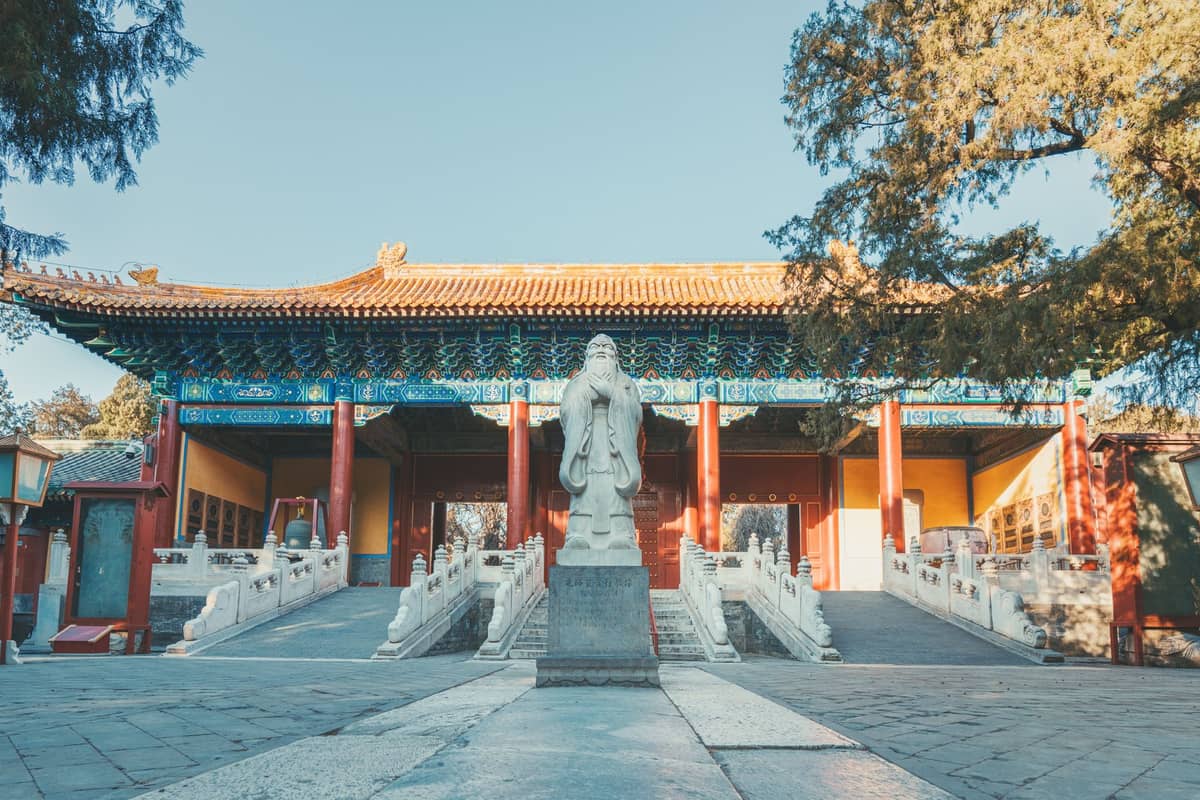
9. Read the Imperial Exam Tablets at the Confucius Temple and Imperial College
Cypress-shaded courtyards contain stone stelae inscribed with the names of every scholar who passed the imperial examinations. The adjacent Guozijian, where emperors lectured, is architecturally stunning. This Dongcheng complex is often quiet even in peak season.
Explore9. Read the Imperial Exam Tablets at the Confucius Temple and Imperial College
Cypress-shaded courtyards contain stone stelae inscribed with the names of every scholar who passed the imperial examinations. The adjacent Guozijian, where emperors lectured, is architecturally stunning. This Dongcheng complex is often quiet even in peak season.
Explore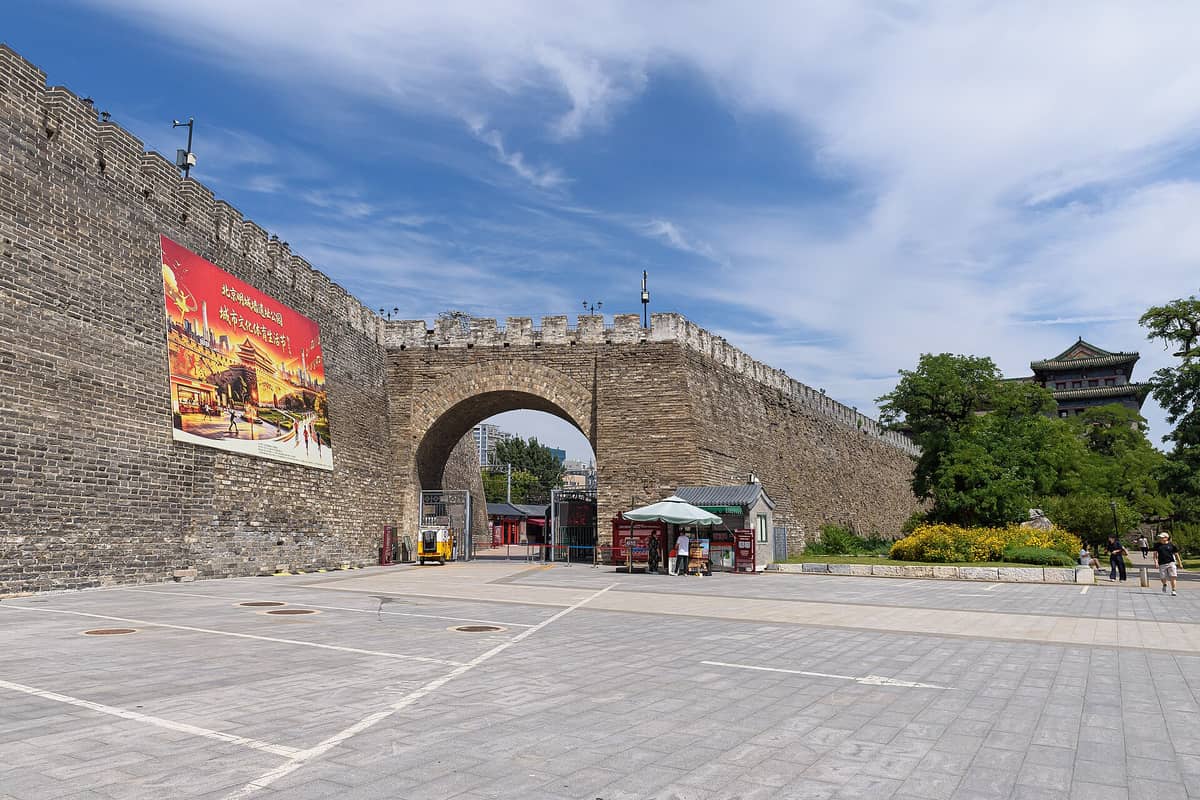
10. Walk Along a Surviving Stretch of Beijing's Ancient City Wall
A 1.5km section of the original Ming-dynasty city wall, restored and set into a linear park in southeast Dongcheng. Most visitors never find it. The accompanying corner tower museum explains the full circuit of the wall that once enclosed the entire city.
Explore10. Walk Along a Surviving Stretch of Beijing's Ancient City Wall
A 1.5km section of the original Ming-dynasty city wall, restored and set into a linear park in southeast Dongcheng. Most visitors never find it. The accompanying corner tower museum explains the full circuit of the wall that once enclosed the entire city.
Explore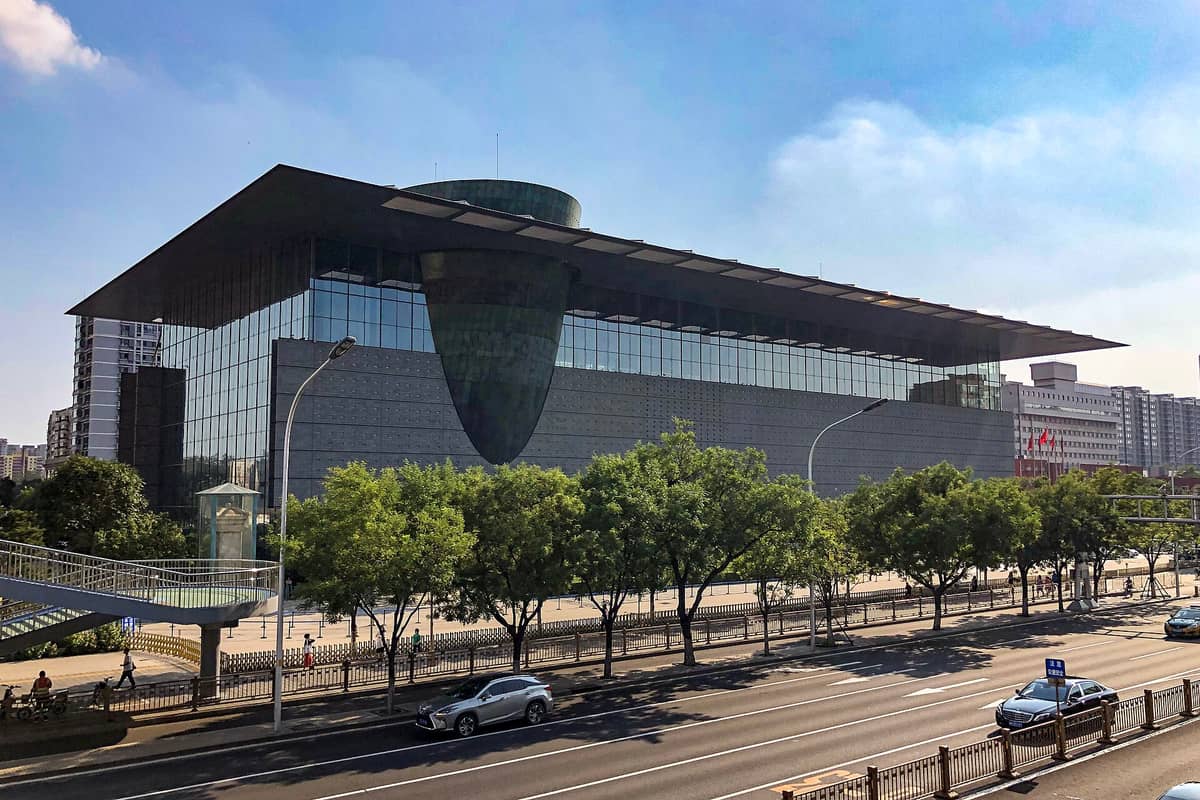
11. See Beijing's Full History at the Underappreciated Capital Museum
One of China's finest regional history museums, with exceptional porcelain, bronze, and folk art collections in a striking modern building in Xicheng. It covers Beijing from prehistoric times through the imperial era. Far less crowded than the National Museum and equally rewarding.
Explore11. See Beijing's Full History at the Underappreciated Capital Museum
One of China's finest regional history museums, with exceptional porcelain, bronze, and folk art collections in a striking modern building in Xicheng. It covers Beijing from prehistoric times through the imperial era. Far less crowded than the National Museum and equally rewarding.
ExploreHutong Streets and Neighborhoods Beyond Nanluoguxiang
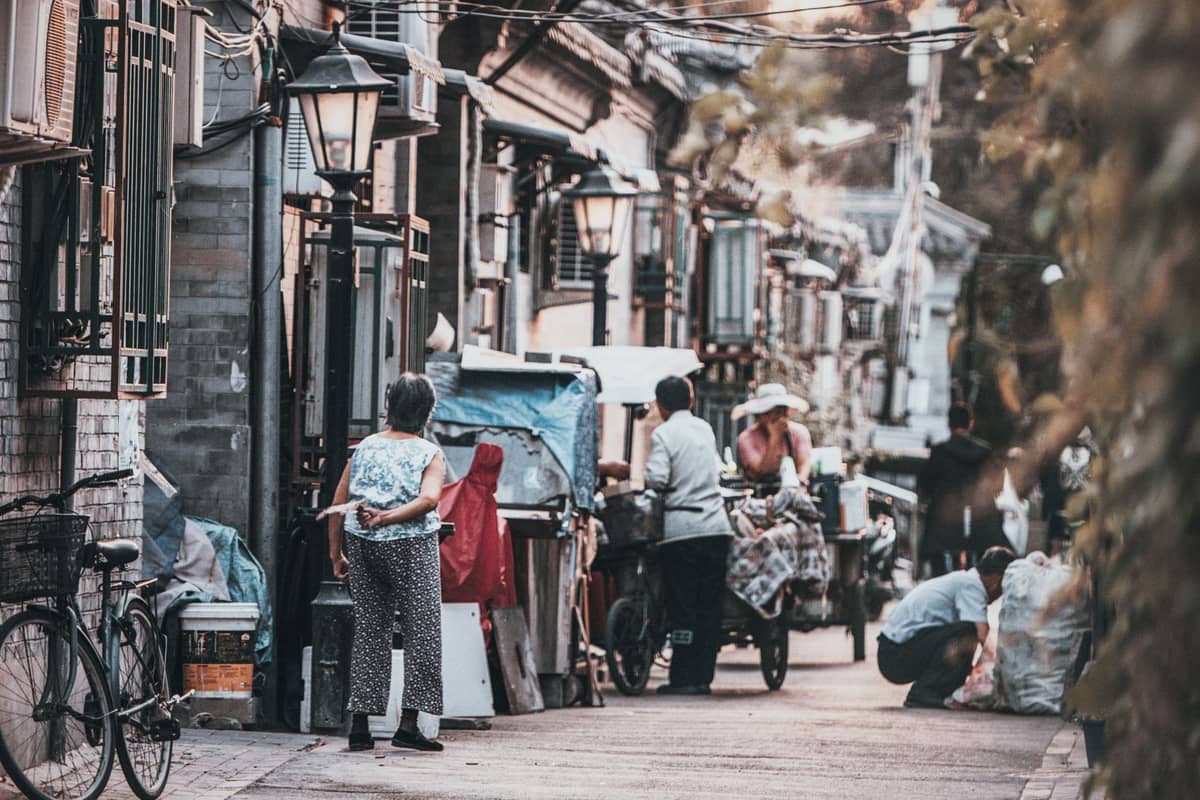
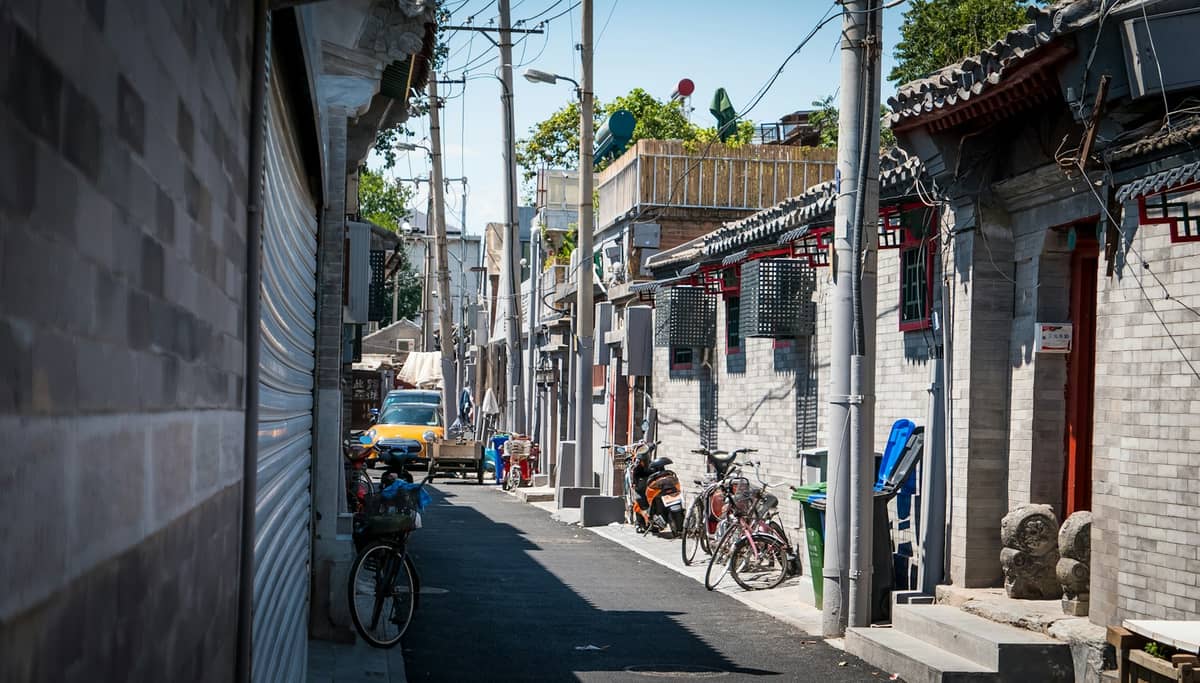
Beijing's hutong network is one of the city's defining experiences, but Nanluoguxiang has become extremely commercialized. The Beijing hutong guide goes deep on how to explore the lanes properly. The streets below offer a quieter, more authentic introduction to the neighborhoods that define old Beijing.
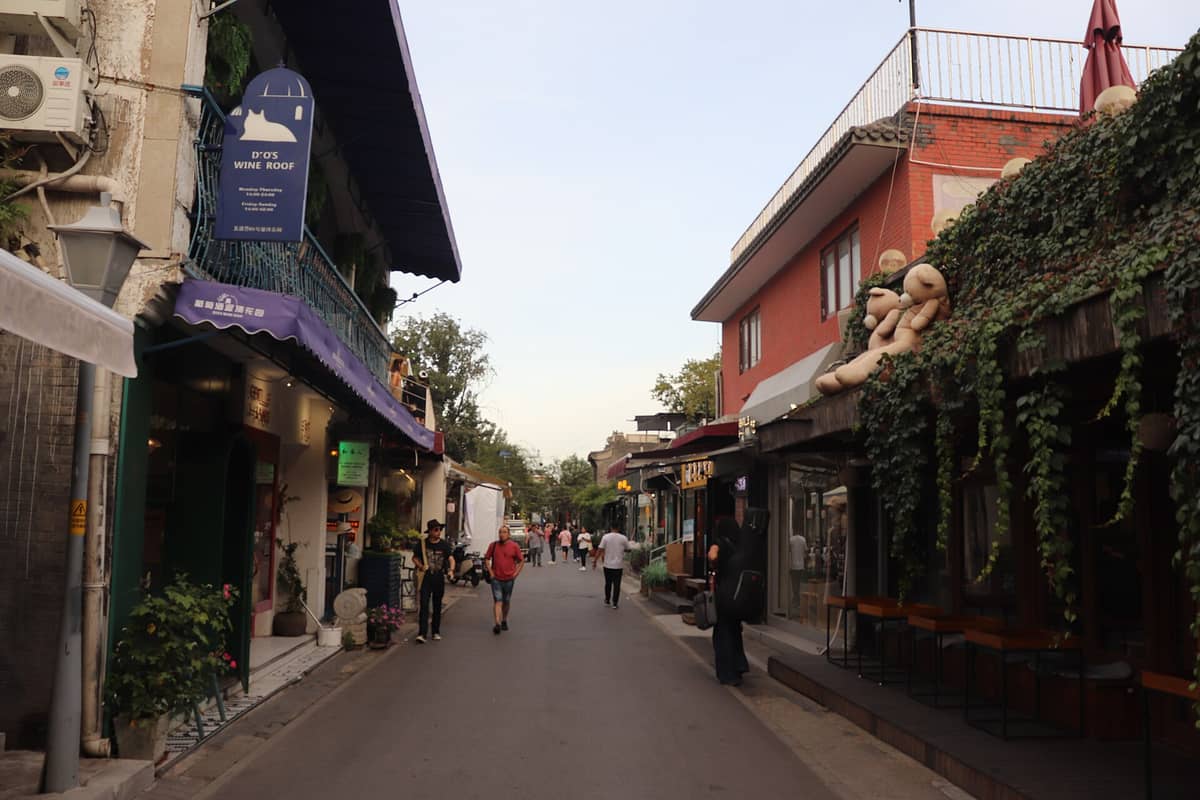
12. Browse Wudaoying Hutong for Coffee, Craft Cocktails, and No Crowds
Near the Lama Temple, Wudaoying is a quieter, more considered version of Nanluoguxiang: specialty coffee shops, independent boutiques, and low-key cocktail bars in restored courtyard buildings. Weekend afternoons draw a relaxed local crowd. Best explored without a plan.
Explore12. Browse Wudaoying Hutong for Coffee, Craft Cocktails, and No Crowds
Near the Lama Temple, Wudaoying is a quieter, more considered version of Nanluoguxiang: specialty coffee shops, independent boutiques, and low-key cocktail bars in restored courtyard buildings. Weekend afternoons draw a relaxed local crowd. Best explored without a plan.
Explore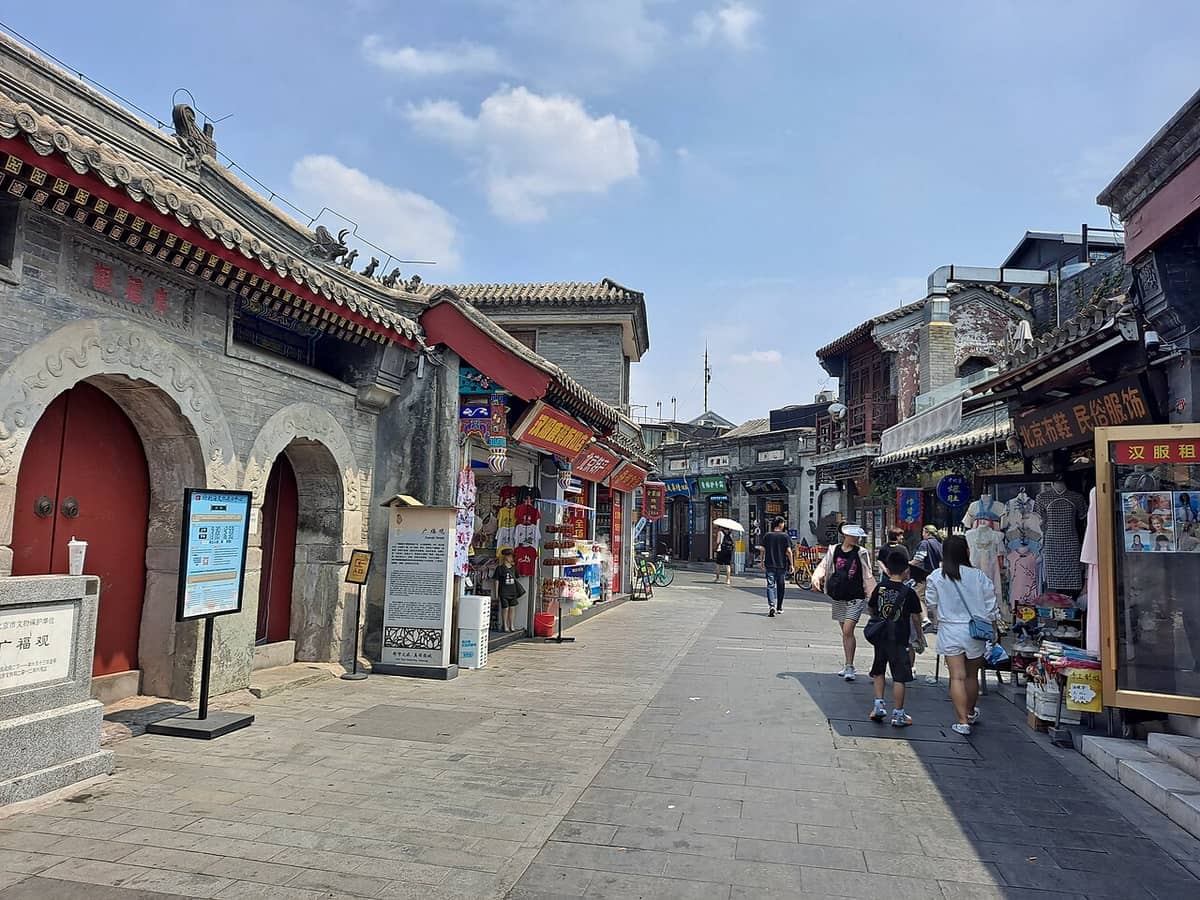
13. Browse Antiques and Tobacco Pipes on Yandaixie Street
This narrow lane connecting the Bell Tower area to Houhai Lake is one of Beijing's oldest commercial streets, lined with antique dealers, tobacco shops, and curiosity stores. It is rarely busy, takes 30 minutes end to end, and connects naturally to a lakeside walk.
Explore13. Browse Antiques and Tobacco Pipes on Yandaixie Street
This narrow lane connecting the Bell Tower area to Houhai Lake is one of Beijing's oldest commercial streets, lined with antique dealers, tobacco shops, and curiosity stores. It is rarely busy, takes 30 minutes end to end, and connects naturally to a lakeside walk.
Explore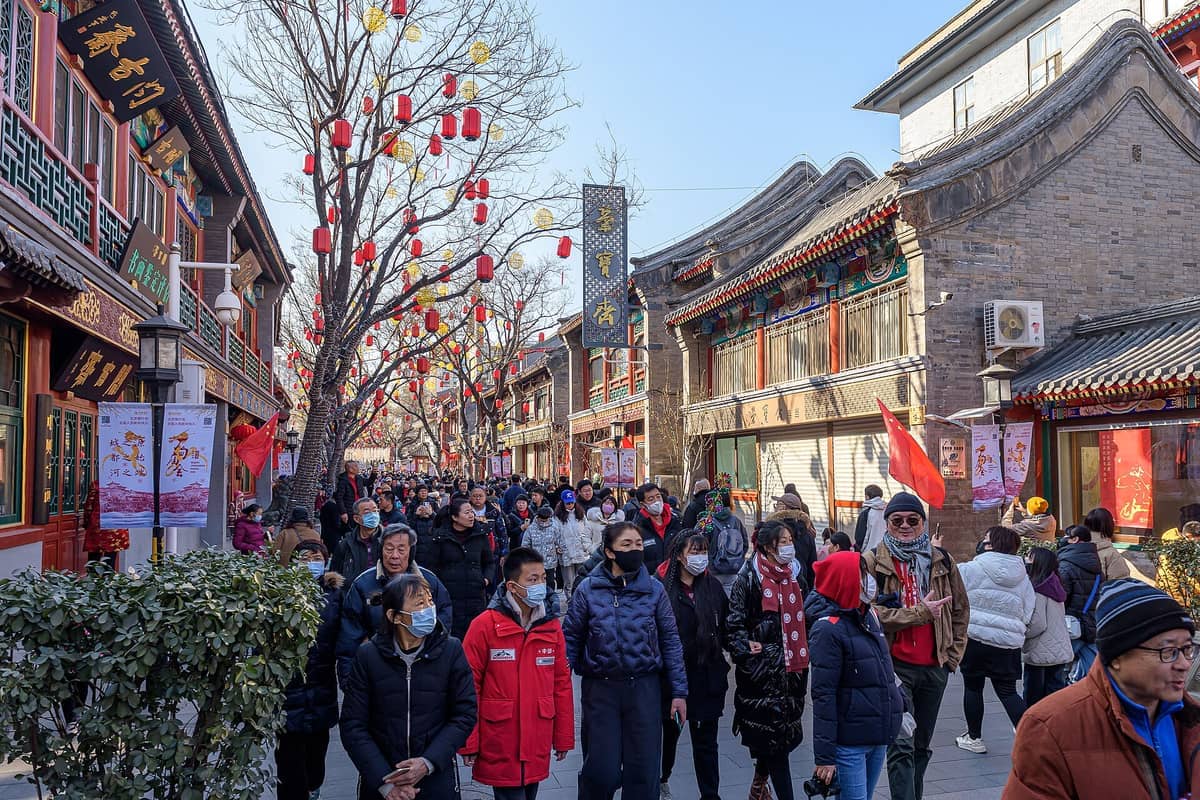
14. Hunt for Antiques and Art Supplies on Liulichang Cultural Street
A restored Qing-dynasty street in Xicheng specializing in calligraphy brushes, ink stones, scroll paintings, and antique curiosities. It attracts scholars, collectors, and artists rather than tour groups. Go on a weekday morning for the most relaxed atmosphere.
Explore14. Hunt for Antiques and Art Supplies on Liulichang Cultural Street
A restored Qing-dynasty street in Xicheng specializing in calligraphy brushes, ink stones, scroll paintings, and antique curiosities. It attracts scholars, collectors, and artists rather than tour groups. Go on a weekday morning for the most relaxed atmosphere.
Explore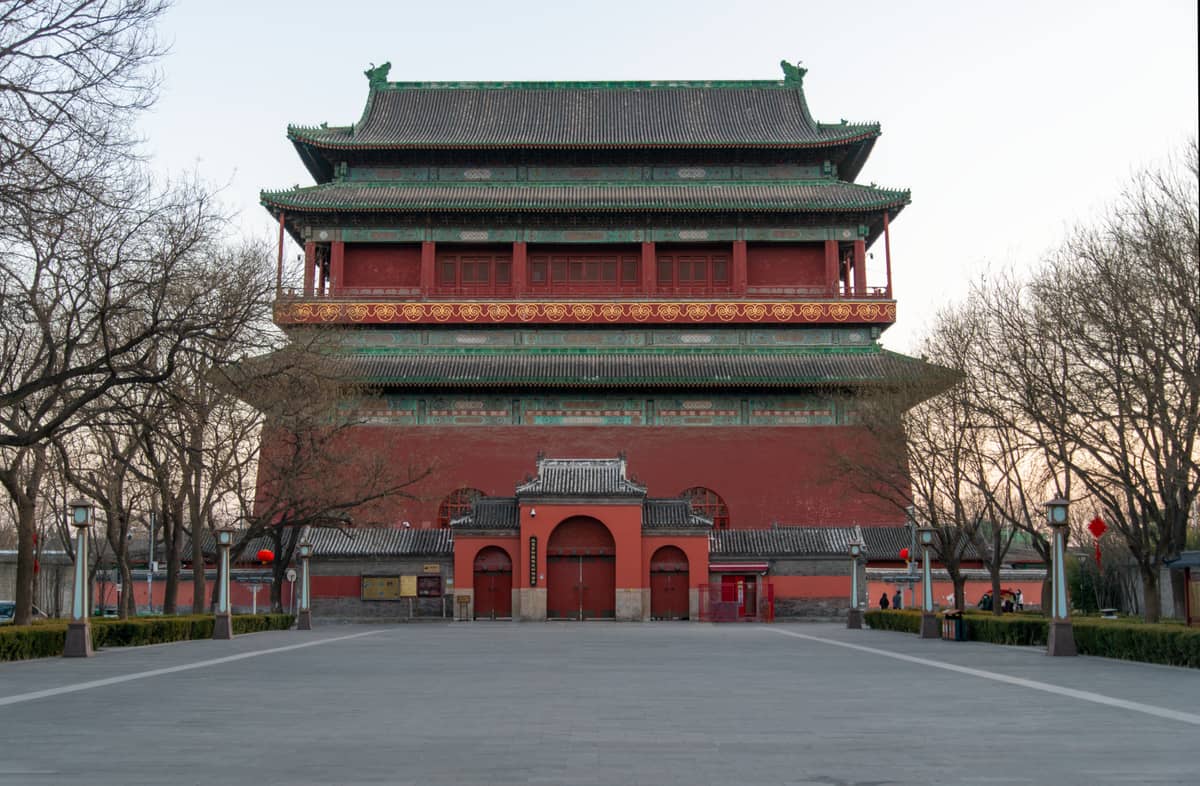
15. Climb the Drum Tower for the Best Hutong Rooftop View in Beijing
The view from the Drum Tower's upper hall takes in a vast ocean of gray-tiled hutong rooftops stretching in every direction. The hourly drum performance adds drama. Far fewer visitors climb here than enter the nearby Forbidden City, making this one of central Beijing's best quiet viewpoints.
Explore15. Climb the Drum Tower for the Best Hutong Rooftop View in Beijing
The view from the Drum Tower's upper hall takes in a vast ocean of gray-tiled hutong rooftops stretching in every direction. The hourly drum performance adds drama. Far fewer visitors climb here than enter the nearby Forbidden City, making this one of central Beijing's best quiet viewpoints.
ExploreParks, Gardens, and Green Spaces Worth Seeking Out
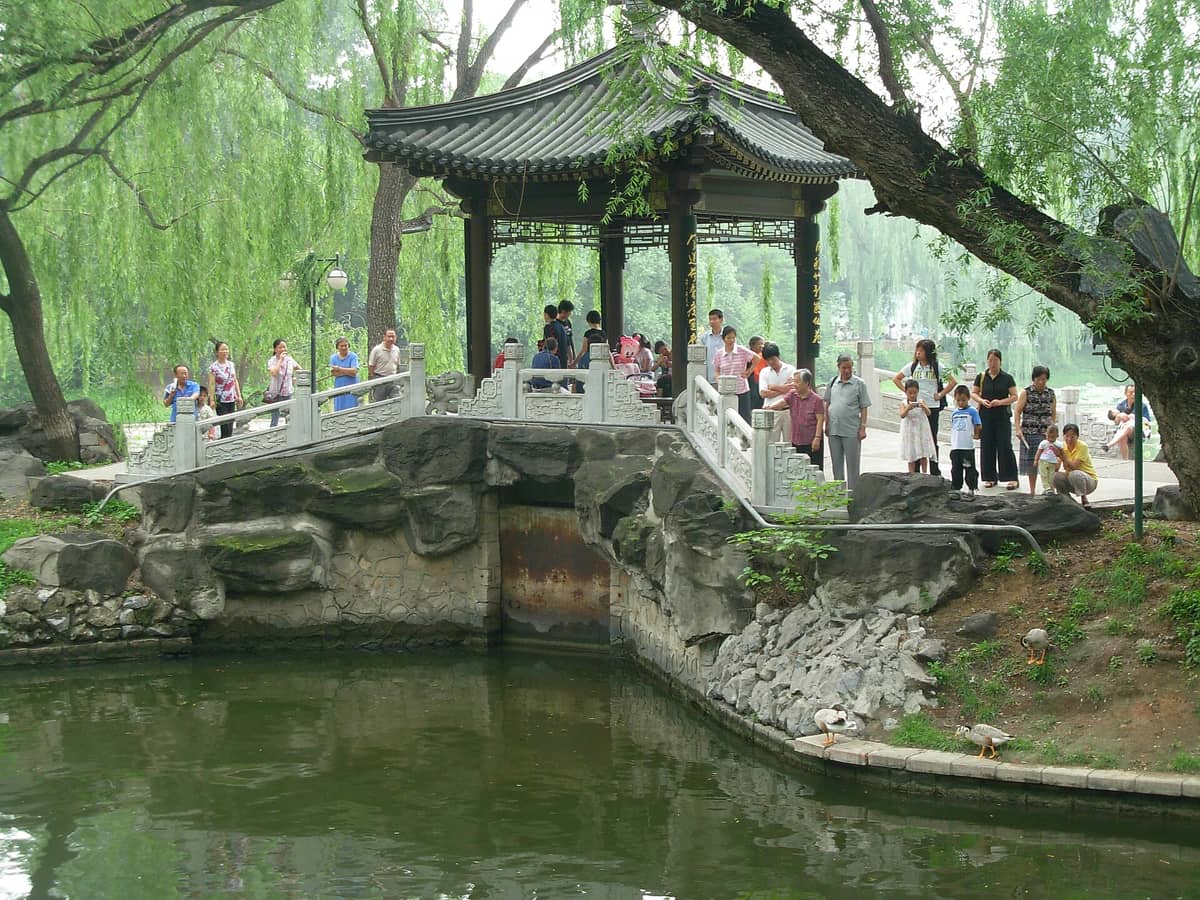
Beyond Jingshan and the Summer Palace, Beijing has parks that see almost no international visitors despite offering exceptional atmosphere and scenery. September and October bring reliably clear skies and comfortable temperatures, making them ideal months for exploring outdoor sites. For photography opportunities in these and other locations, the Beijing photography guide has detailed advice on timing and access.
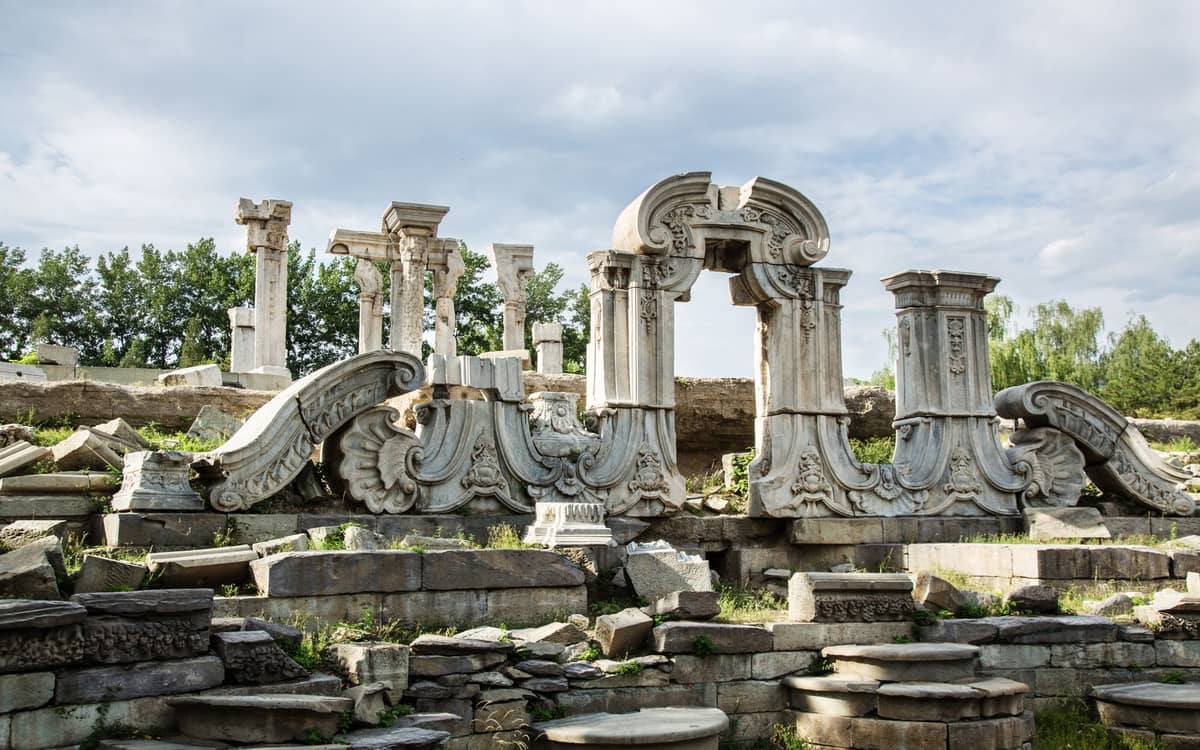
16. Wander the Haunting Ruins of the Old Summer Palace
The European-style marble ruins destroyed by Anglo-French forces in 1860 rise unexpectedly from lotus ponds and willow-lined paths in Haidian. The full park covers 350 hectares and takes several hours to explore. Far fewer visitors come here than to the nearby Summer Palace.
Explore16. Wander the Haunting Ruins of the Old Summer Palace
The European-style marble ruins destroyed by Anglo-French forces in 1860 rise unexpectedly from lotus ponds and willow-lined paths in Haidian. The full park covers 350 hectares and takes several hours to explore. Far fewer visitors come here than to the nearby Summer Palace.
Explore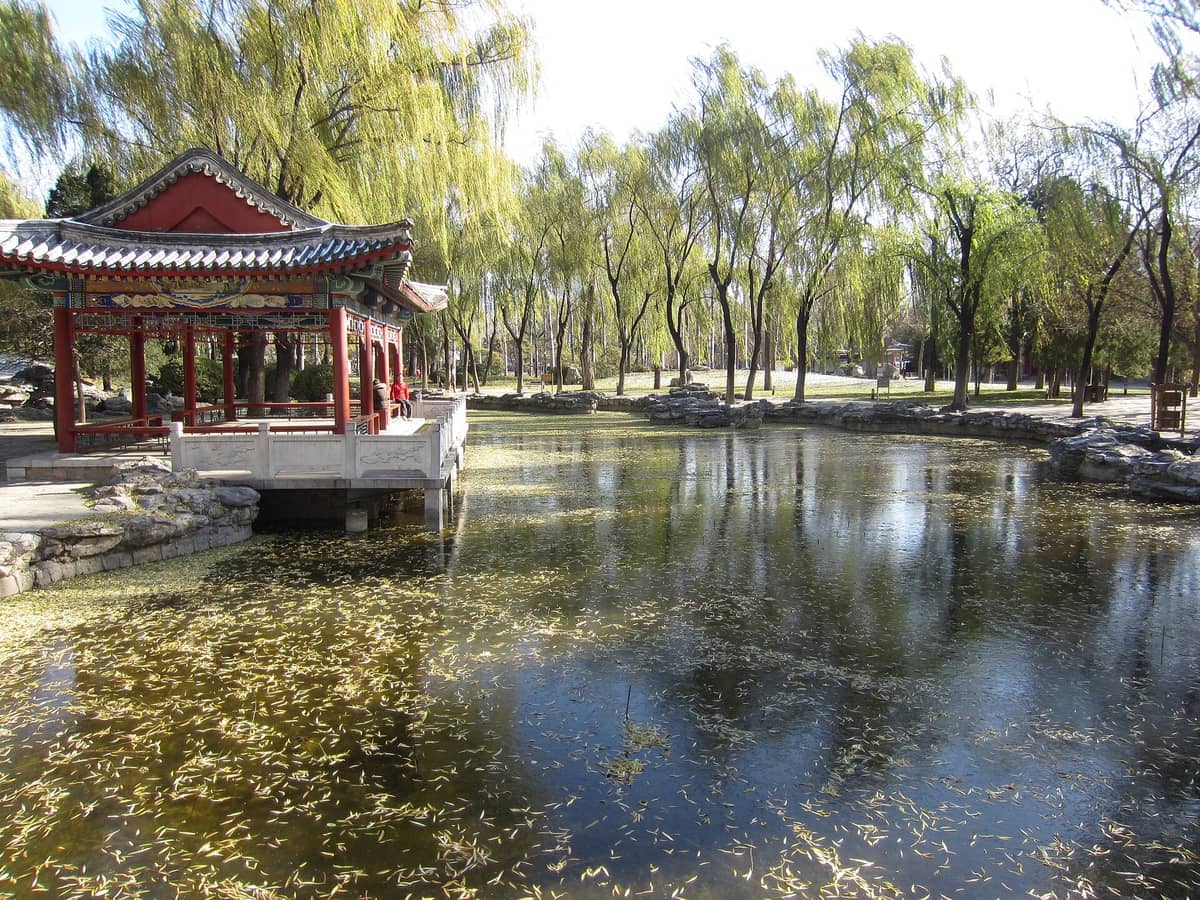
17. Join the Locals at Ritan Park, the Embassy District's Best Secret
This small imperial altar park in Chaoyang's embassy district has a rock-climbing wall, atmospheric teahouses, weekend antique markets, and the ancient ruins of the sun altar. Beloved by the local expat community and Beijing residents, almost entirely unknown to tourists.
Explore17. Join the Locals at Ritan Park, the Embassy District's Best Secret
This small imperial altar park in Chaoyang's embassy district has a rock-climbing wall, atmospheric teahouses, weekend antique markets, and the ancient ruins of the sun altar. Beloved by the local expat community and Beijing residents, almost entirely unknown to tourists.
Explore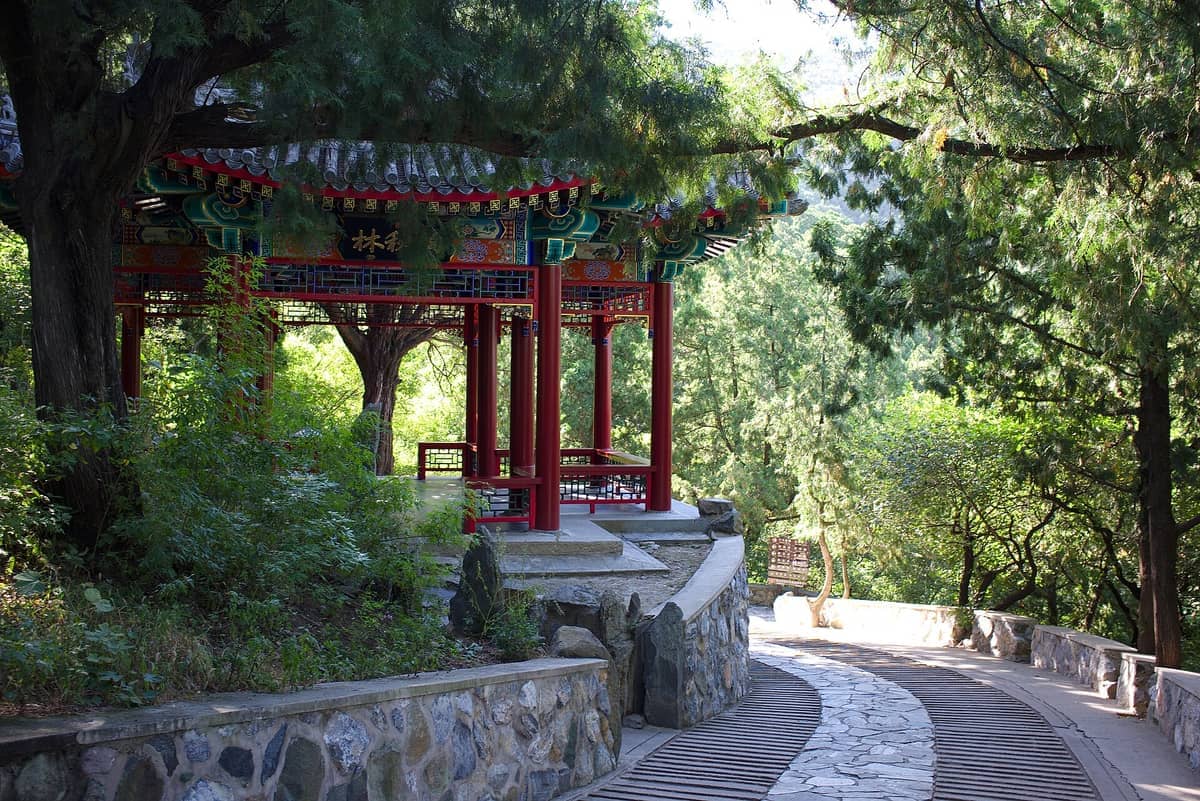
18. See Beijing's Most Spectacular Autumn Foliage at Fragrant Hills
In October and early November, the hillsides of this former imperial hunting ground turn deep crimson and gold. A chairlift reaches the summit; the Temple of Azure Clouds adds a cultural stop. Arrive early on weekends during peak foliage as it draws large local crowds.
Explore18. See Beijing's Most Spectacular Autumn Foliage at Fragrant Hills
In October and early November, the hillsides of this former imperial hunting ground turn deep crimson and gold. A chairlift reaches the summit; the Temple of Azure Clouds adds a cultural stop. Arrive early on weekends during peak foliage as it draws large local crowds.
Explore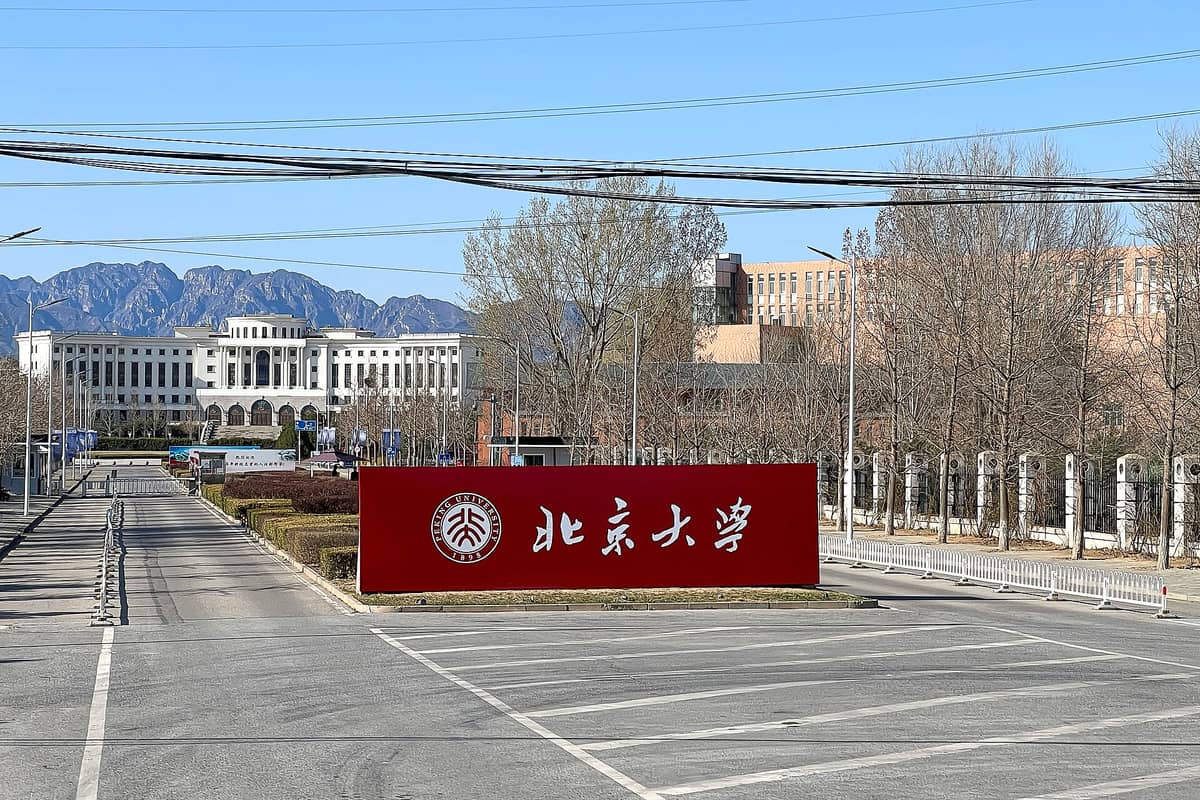
19. Walk the Imperial Garden at the Heart of Peking University
The campus incorporates Weiming Lake, a former imperial garden with stone bridges, classical pavilions, and centuries-old trees. It is genuinely beautiful and open to visitors. A peaceful, unhurried alternative to the city's major parks, and free to enter on weekdays.
Explore19. Walk the Imperial Garden at the Heart of Peking University
The campus incorporates Weiming Lake, a former imperial garden with stone bridges, classical pavilions, and centuries-old trees. It is genuinely beautiful and open to visitors. A peaceful, unhurried alternative to the city's major parks, and free to enter on weekdays.
ExploreDay Trips and Off-the-Radar Escapes from Beijing
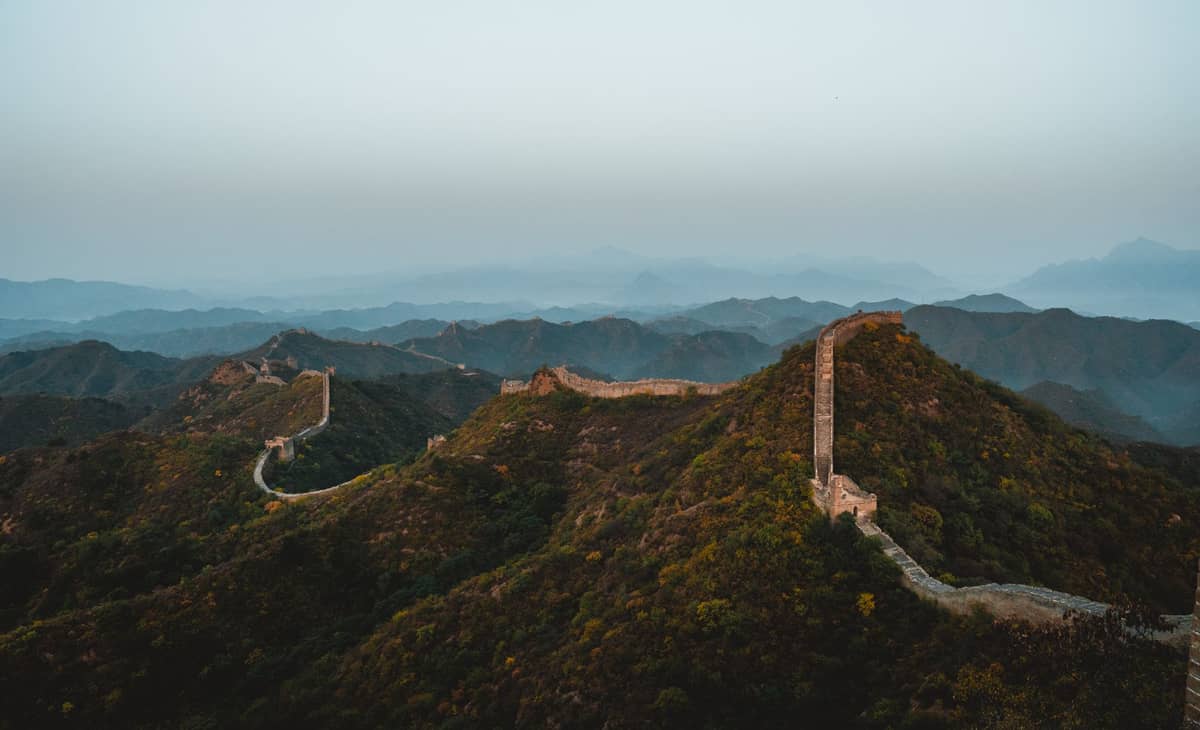
The area around Beijing contains some of the most extraordinary landscapes and preserved heritage sites in China. The day trips from Beijing guide covers logistics in detail. For the Great Wall specifically, the guide to Great Wall sections explains how each stretch differs so you can choose the right one for your trip.
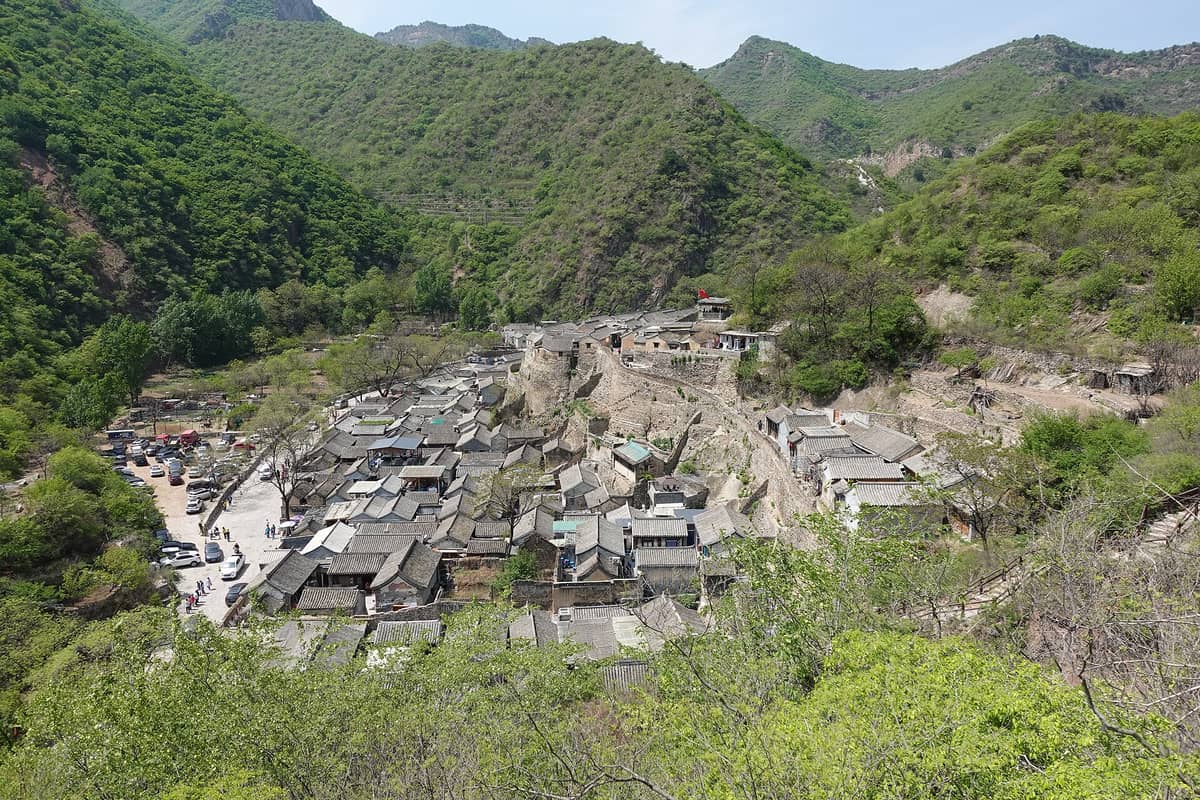
20. Step Back 400 Years in Cuandixia, Beijing's Best-Preserved Ancient Village
Stone-paved alleys wind between intact Ming and Qing courtyard homes on a steep hillside 90km west of Beijing. Only a few hundred people live here. Overnight stays are possible in family-run guesthouses. Far fewer visitors come here than to the Ming Tombs.
Explore20. Step Back 400 Years in Cuandixia, Beijing's Best-Preserved Ancient Village
Stone-paved alleys wind between intact Ming and Qing courtyard homes on a steep hillside 90km west of Beijing. Only a few hundred people live here. Overnight stays are possible in family-run guesthouses. Far fewer visitors come here than to the Ming Tombs.
Explore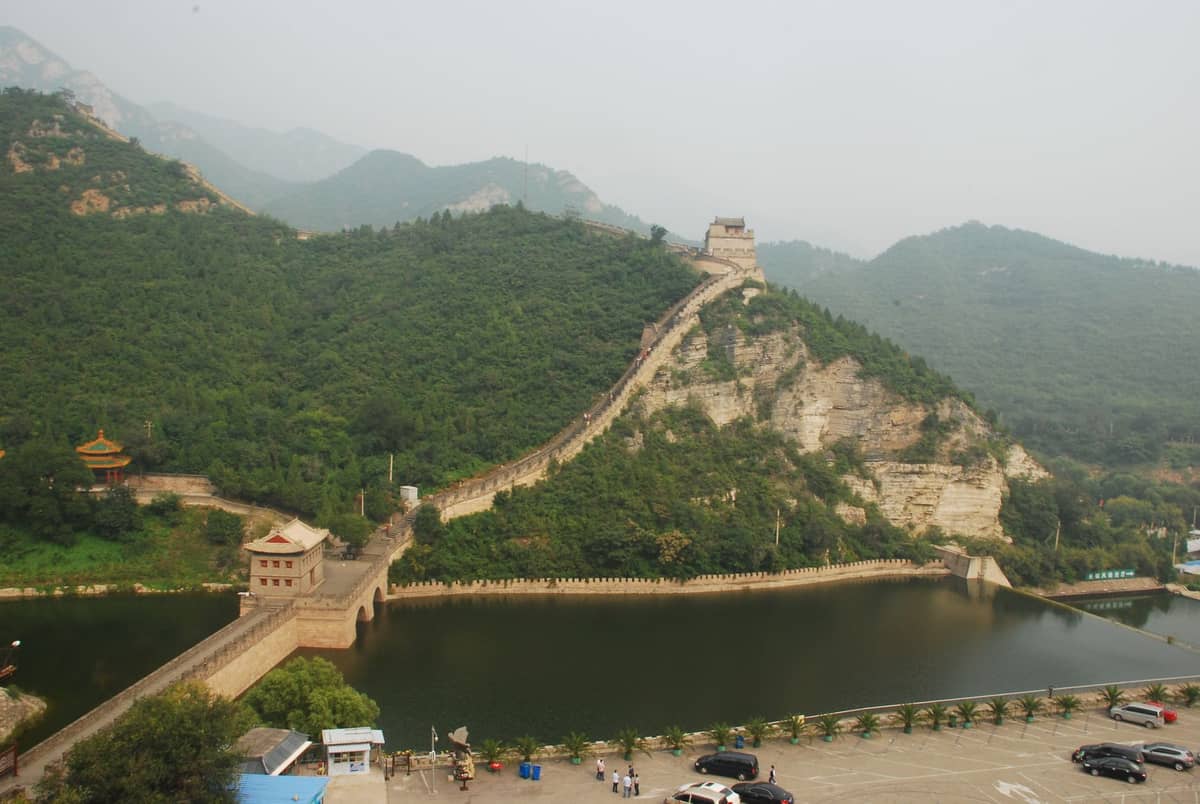
21. Photograph the Great Wall Disappearing Into a Reservoir at Huanghuacheng
At Huanghuacheng, the Ming-dynasty wall descends directly into a flooded reservoir, creating one of the most unusual and photogenic Great Wall landscapes anywhere. Crowds are minimal, the hiking is moderate, and the reflections on calm mornings are extraordinary.
Explore21. Photograph the Great Wall Disappearing Into a Reservoir at Huanghuacheng
At Huanghuacheng, the Ming-dynasty wall descends directly into a flooded reservoir, creating one of the most unusual and photogenic Great Wall landscapes anywhere. Crowds are minimal, the hiking is moderate, and the reflections on calm mornings are extraordinary.
Explore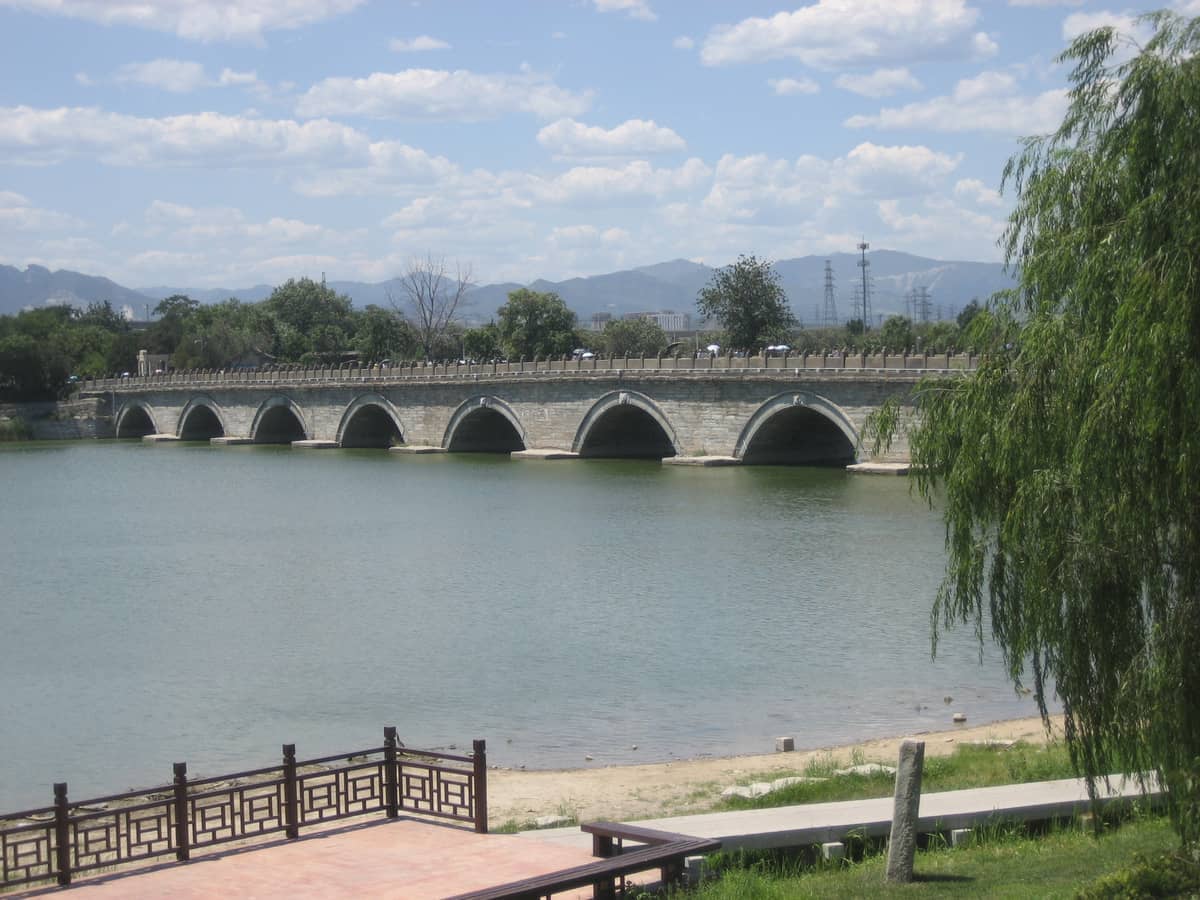
22. Cross the Bridge Marco Polo Described in 1271 at Lugou Qiao
This elegant 11-arch stone bridge, lined with 485 individually carved stone lions, has spanned the Yongding River since 1189. It is also where the Second Sino-Japanese War began in 1937, and the adjacent museum explains that history soberly. Rarely visited by tourists.
Explore22. Cross the Bridge Marco Polo Described in 1271 at Lugou Qiao
This elegant 11-arch stone bridge, lined with 485 individually carved stone lions, has spanned the Yongding River since 1189. It is also where the Second Sino-Japanese War began in 1937, and the adjacent museum explains that history soberly. Rarely visited by tourists.
Explore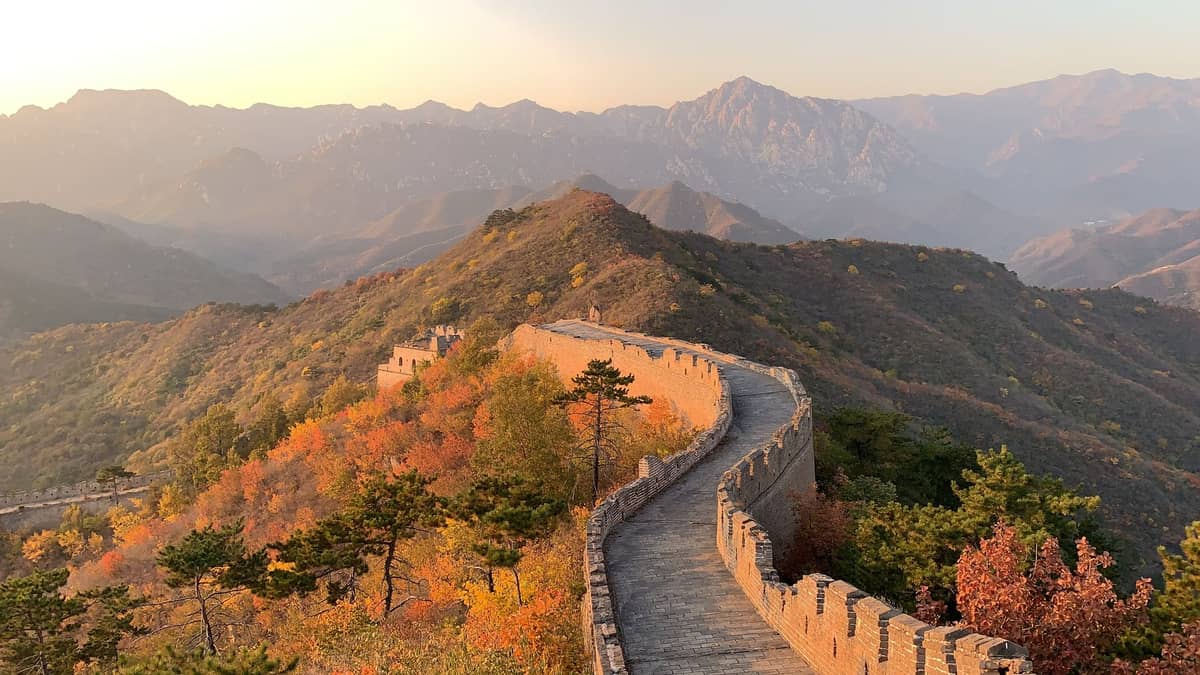
23. Hike Jinshanling for Dramatic, Partially Ruined Great Wall Scenery
Jinshanling rewards serious hikers with original Ming watchtowers, crumbling unrestored ramparts, and dramatic ridge views with far fewer visitors than Mutianyu or Badaling. The classic hike east to Simatai takes three to four hours and ranks among the best day hikes near Beijing.
Explore23. Hike Jinshanling for Dramatic, Partially Ruined Great Wall Scenery
Jinshanling rewards serious hikers with original Ming watchtowers, crumbling unrestored ramparts, and dramatic ridge views with far fewer visitors than Mutianyu or Badaling. The classic hike east to Simatai takes three to four hours and ranks among the best day hikes near Beijing.
Explore✨ Pro tip
For the quietest experience at lesser-known Beijing attractions, visit on Tuesday or Wednesday mornings. Many sites close Mondays. Confirm opening hours and any reservation requirements directly with the venue before visiting, as rules change seasonally.
FAQ
Which hidden gems in Beijing are free to enter?
Ritan Park, Ming City Wall Relics Park, Peking University campus, and Yandaixie Street are all free to enter. The Geological Museum of China and Capital Museum charge modest admission fees. Always verify current prices before visiting as they can change.
How do I get to Cuandixia Village from Beijing?
Take Line 1 to Pingguoyuan, then bus 929 from the adjacent bus terminal toward Zhaitang, followed by a taxi to Cuandixia Village. The journey takes more than two hours each way. Alternatively, hire a driver for a full-day round trip, which gives more flexibility for exploring the surrounding hills.
Is the Ancient Observatory worth visiting if I've already seen the Temple of Heaven?
Yes, they offer completely different experiences. The Ancient Observatory is a small, quiet site focusing on Jesuit-designed bronze instruments and Ming-era astronomical history. It takes about an hour and is one of the most underrated sites in Beijing for anyone with an interest in science or history.
What is the best time of year to visit hidden gems in Beijing?
April to May and September to October offer the most comfortable weather for exploring lesser-known outdoor sites. Autumn is especially rewarding for Xiangshan Park's foliage and the Great Wall sections like Jinshanling and Huanghuacheng. Summer is hot and humid but parks are green; winter is cold but crowds at smaller sites are minimal.
Do Beijing's lesser-known attractions require advance booking?
Not all of them, but some do. Major temples, parks, and the Forbidden City require online reservations, including identity verification. Smaller museums and sites like the Big Bell Temple or Fayuan Temple generally do not require advance booking, but hours and entry conditions vary. Check official venue websites or the official Beijing tourism portal before visiting.