Luxury Beijing: Best High-End Hotels, Restaurants & Experiences
Beijing rewards travellers willing to spend well. This guide covers the city's finest hotels, its 2026 Michelin-starred restaurant scene, private cultural experiences, and the practical logistics that separate a genuinely exceptional trip from an overpriced one.
Plan and book this trip
Tools from our partner Travelpayouts help you compare flights and hotels. If you book through them, we may earn a commission at no extra cost to you.
Flights
Hotels map
TL;DR
- Beijing's luxury hotel market is concentrated in Chaoyang's CBD and Dongcheng's historic core; rates at top properties typically run CNY 1,500–4,000+ per night, though promotional pricing can bring some down to US$119–150.
- The 2026 Michelin Guide Beijing lists 99 restaurants, including 2 two-star and 24 one-star establishments — the city's fine-dining scene is more developed than most visitors expect.
- Private sunrise access at the Forbidden City and chartered Great Wall sections are the two experiences that define a high-end Beijing itinerary.
- Autumn (September–October) is the optimal window for luxury travel: milder air quality, golden light for photography, and full hotel and restaurant availability without the summer-humidity penalty.
- Tipping is not standard in mainland China; service charges at luxury venues are typically built into the bill at 10–15%.
Where to Stay: Beijing's Top High-End Hotels
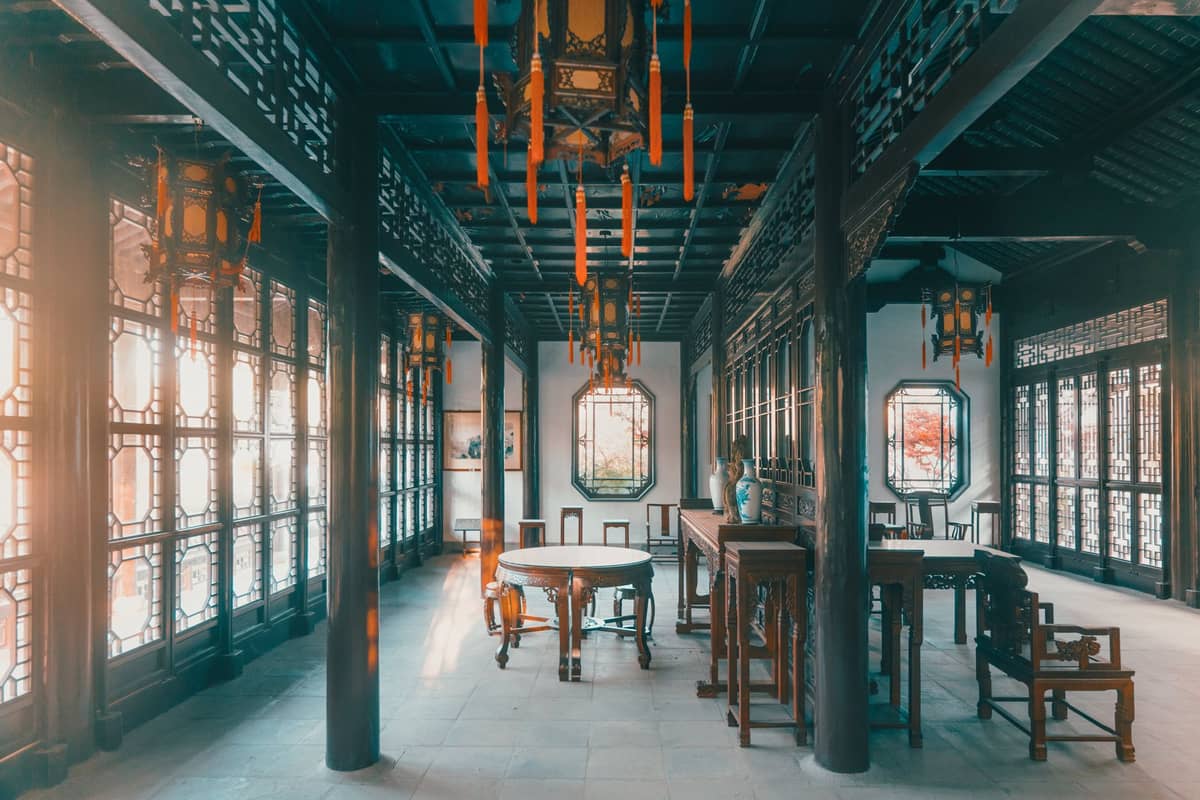
Beijing's five-star market splits cleanly into two camps: international brands in Chaoyang's CBD and Sanlitun corridor, and boutique properties that occupy converted courtyard houses (siheyuan) closer to the historic core in Dongcheng. Each serves a different type of traveller.
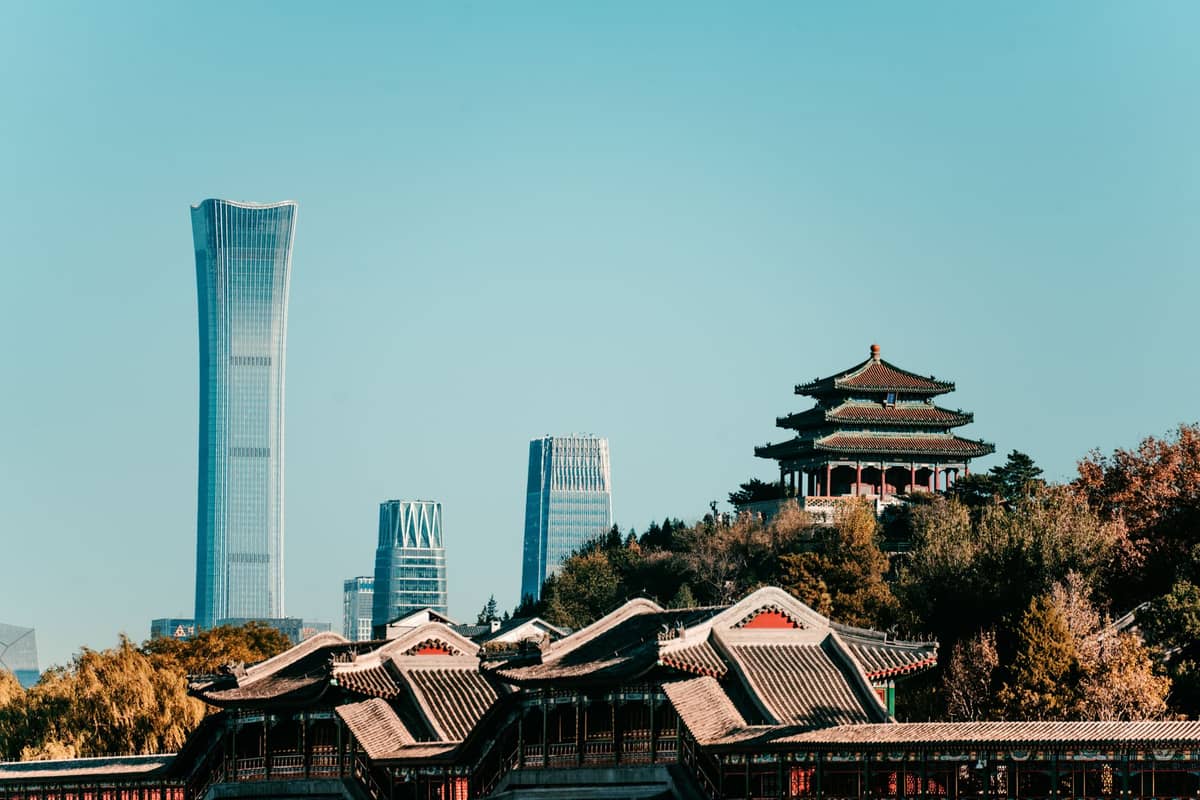
The China World Hotel at China World Trade Center has long anchored the CBD luxury tier. It operates under the Shangri-La umbrella and offers packages from around US$119 per night on promotion, though standard rack rates run considerably higher. Its location gives direct access to Beijing's most internationally connected business district and a subway stop beneath the building. For corporate travellers or anyone prioritising convenience, this is the most logical base.
The Aman at Summer Palace occupies a wing of the imperial complex itself, making it one of the few hotels in Asia where you can walk directly from your room into a UNESCO World Heritage site before the public gates open. Rates reflect the exclusivity: expect to pay significantly above the CNY 3,000–4,000 range for standard rooms. This is not for everyone, and the location in Haidian puts you a 45-minute journey from central attractions — but the access and atmosphere are genuinely incomparable.
Park Hyatt Beijing, in the Yintai Centre towers above the CBD, offers floor-to-ceiling city views and one of the stronger hotel restaurant lineups in Chaoyang. The Rosewood Beijing, also in the CBD, pitches slightly younger and more design-forward. Marriott-branded properties serve the mid-to-upper tier, with rates from approximately CNY 736–1,573 per night depending on category and date — verify current pricing directly before booking, as these numbers shift substantially with occupancy and season.
✨ Pro tip
If atmosphere matters as much as amenities, look at boutique courtyard hotels in the Nanluoguxiang or Shichahai areas. Properties like The Orchid (Baitasi) and similar small-scale hutong hotels offer a more textured Beijing experience than any tower hotel. Rates are often lower than their five-star competitors, but room sizes and facilities are more limited — read reviews carefully.
- Aman at Summer Palace Unmatched location inside the imperial park; best for guests who prioritise exclusivity and atmosphere over central access. Book months ahead.
- China World Hotel (Shangri-La) Premier CBD address with direct subway access; practical for business trips and those wanting maximum transport convenience.
- Park Hyatt Beijing Strong restaurant and bar programme; excellent city views; suits design-conscious travellers who want a contemporary luxury experience.
- The Peninsula Beijing Located on Goldfish Lane near Wangfujing; combines heritage-area access with Peninsula's signature service levels. One of the better locations for sightseeing.
- Boutique hutong properties Smaller scale but genuinely local character; best suited to independent travellers who want neighbourhood immersion over hotel facilities.
Fine Dining in Beijing: Reading the Michelin List Correctly
The 2026 Michelin Guide Beijing covers 99 restaurants across all price categories. That total includes 2 three-star restaurants, 6 two-star restaurants, 24 one-star restaurants, 26 Bib Gourmand selections (value-focused, not luxury), and 41 Michelin-selected restaurants. The Bib Gourmand category is frequently misread by travellers: those restaurants are recognised for quality at moderate prices, not for luxury dining. If you want a Michelin-calibre fine-dining experience in Beijing, focus on the starred lists.
Beijing's six Michelin two-star restaurants represent the apex of the formal dining scene. Reservations at these level require advance planning — often weeks, occasionally months, depending on the season. September and October, which coincide with the best weather for visiting sites like the Mutianyu Great Wall, are also peak demand periods for top-table bookings. Contact restaurants directly or use a concierge service if you're unfamiliar with the Chinese reservation process.
ℹ️ Good to know
Many of Beijing's best restaurants — starred and otherwise — do not have English-language websites or reservation systems. Your hotel concierge is not just a convenience here; for top-tier bookings, they are often the practical difference between getting a table and not. Luxury hotel concierges in Beijing maintain direct relationships with head chefs and maître d's.
Peking duck deserves its own category. It is not a tourist trap — it is one of the world's great culinary traditions, and Beijing's top duck restaurants serve a version that bears little resemblance to what most people have eaten outside China. Da Dong and Quanjude are the internationally recognised names, but opinions among serious food travellers are more nuanced. For a full breakdown of where to go and what to order, the Peking duck guide for Beijing covers the field in detail.
Beyond duck, the high-end Beijing table is increasingly diverse. Cantonese fine dining, contemporary Chinese cuisine using northern ingredients, and a small but serious French and Japanese presence all compete for the top end of the market. The hotel restaurants at Aman, Peninsula, and Park Hyatt are worth considering even for non-guests — several hold Michelin recognition independently of their hotel affiliation.
High-End Experiences Worth the Premium
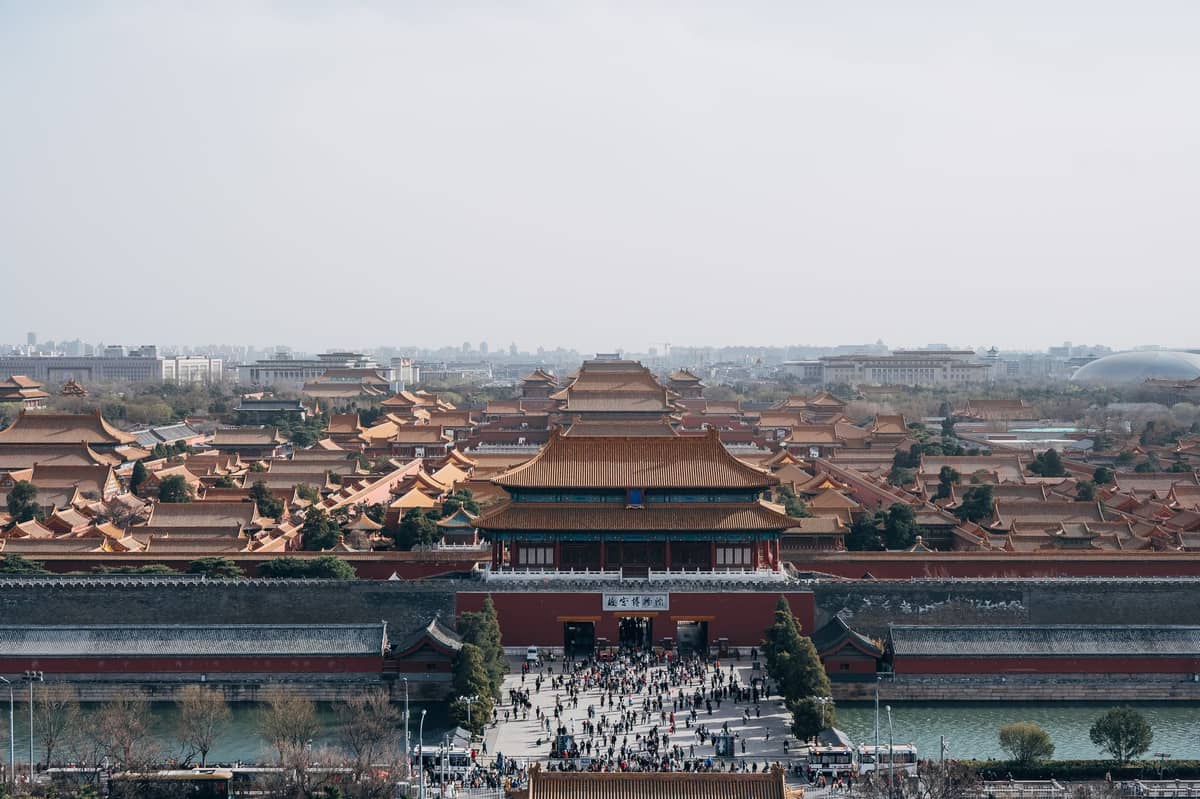
The Forbidden City is the single most important site in Beijing, and visiting it well requires planning that most travellers skip. Tickets must be purchased in advance through the Palace Museum's official website or WeChat mini program — same-day tickets are not sold at the gate. The complex closes on Mondays except statutory holidays. Arriving at opening time (generally 8:30am, though verify seasonally) gets you into the southern courts before the main crowds arrive from tour buses, which typically appear by 9:30–10:00am.
A private guide with a deep knowledge of imperial history transforms the Forbidden City from a scenic walk into something genuinely illuminating. The same applies to the Summer Palace and the Temple of Heaven. Budget around CNY 600–1,200 for a reputable licensed guide for a half-day, depending on experience level and language.
The Great Wall experience varies enormously by section. For a luxury visit, the choice comes down to two realistic options: Mutianyu — the most accessible restored section, with peak-season hours running 7:30–18:00 on weekdays (7:30–20:00 during the October National Day period) — or Jinshanling, which is wilder, less restored, and genuinely spectacular for photography. Both can be arranged with private transport from central Beijing in approximately 1.5–2 hours each way.
⚠️ What to skip
Avoid the Badaling section if you are prioritising a premium experience. It is the most heavily visited Great Wall section in the world and draws enormous crowds, particularly during public holidays and weekends. The infrastructure is excellent, but the atmosphere at peak times is incompatible with the quiet contemplation most luxury travellers are seeking.
- Private Hutong walking tour The historic lanes of Dongcheng and Xicheng are best explored with a local historian or cultural guide who can access private courtyards and explain the social history. Budget CNY 500–900 for a half-day private tour.
- Traditional Chinese opera (Kunqu or Jingju) Lao She Teahouse and the National Centre for Performing Arts both offer high-quality performances. Opt for a pre-show tea ceremony and front-section seating for the full experience.
- Tai chi at the Temple of Heaven at dawn Thousands of Beijing residents use the park for morning exercise. Arriving before 7:00am in the surrounding park (access to the park is separate from the temple complex ticket) lets you observe this without paying for the inner attraction.
- Traditional ink painting or calligraphy workshop Several studios around Liulichang Cultural Street offer private two-hour sessions with working artists. A meaningful alternative to shopping for generic souvenirs.
- Private sunset photography session at Jingshan Park The pavilion at Jingshan gives the best elevated view of the Forbidden City's golden rooftops at dusk. A photography guide who knows the exact timing and positioning by season is worth hiring.
Luxury Shopping and the Art Scene
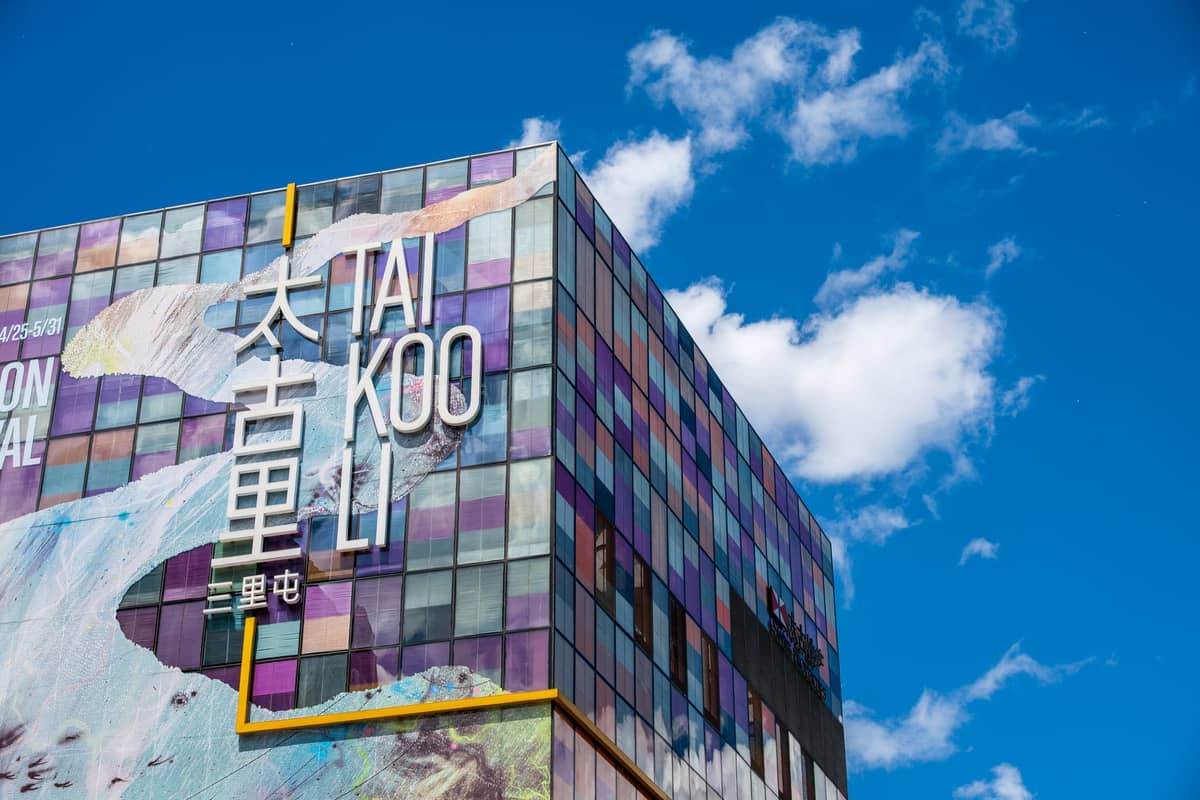
Beijing's high-end retail is centred in Chaoyang, specifically around the China World Mall, SKP, and the Sanlitun area. SKP in particular has positioned itself as one of China's most serious luxury department stores, with the full roster of European fashion houses represented. For a more culturally specific shopping experience, Liulichang is the address for antique scrolls, ink stones, and traditional art materials — though verify provenance carefully if you're considering significant purchases.
The 798 Art District in northeastern Chaoyang is Beijing's primary contemporary art zone, housed in decommissioned Bauhaus-style factory buildings from the 1950s. It contains galleries representing both established Chinese artists and emerging international names. Entry to most galleries is free. The quality varies considerably by gallery — focus on UCCA Center for Contemporary Art and the larger established spaces rather than the commercial print shops that now occupy some of the district.
Planning a Luxury Beijing Trip: Logistics That Matter
September and October are the optimal months for a high-end Beijing visit. Temperatures sit between roughly 8–25°C, air quality is generally at its best (Beijing's air quality varies significantly by season and weather — autumn tends to be cleaner than winter or summer), and the light is exceptional for both photography and sightseeing. For more detail on timing, the best time to visit Beijing guide gives a full seasonal breakdown.
Beijing is served by two international airports: Beijing Capital International Airport (PEK), approximately 25–30 km northeast of central Beijing, and Beijing Daxing International Airport (PKX), around 45 km south. For most international arrivals, PEK remains the primary gateway. Luxury hotels will arrange private airport transfers; this is worth using on arrival when you are managing luggage and jet lag, even if you plan to use the subway for subsequent city travel. The Airport Express from PEK runs to Dongzhimen station for around CNY 25 — efficient, but not the arrival experience that matches the rest of a premium trip.
Visa access has improved for many nationalities: China currently offers unilateral visa-free entry for nationals of specified countries for qualifying visits up to 30 days, and a 240-hour visa-free transit policy for eligible nationalities at designated ports including PEK and PKX. Eligibility depends on your passport and current policy — verify directly with the National Immigration Administration before booking. Currency throughout is the Chinese yuan (CNY/RMB). Payment in Beijing's luxury sector is increasingly cashless via Alipay or WeChat Pay, though international credit cards are accepted at major hotels and high-end restaurants. Carry some CNY cash for smaller transactions. For a complete overview of how to move around the city, see the guide to getting around Beijing.
💡 Local tip
China's National Day holiday week (October 1–7) creates peak demand across hotels, restaurants, and all major attractions simultaneously. Prices rise, reservations become harder to secure, and the Great Wall crowds at any section increase substantially. If your dates are flexible, arrive in late September or after October 8 to get autumn conditions without the holiday-week pressure.
For travellers approaching Beijing for the first time at a higher budget, the structured 5-day Beijing itinerary provides a logical sequence for working through the major sites, which you can then layer with private guides, premium dining reservations, and chartered transport. The fundamentals of what to see do not change with budget — what changes is the quality and depth of the experience at each site.
FAQ
What is the best luxury hotel in Beijing?
There is no single answer — it depends on what you're optimising for. The Aman at Summer Palace offers the most extraordinary setting, with access to the imperial park before public opening. The Peninsula Beijing and China World Hotel (Shangri-La) are the strongest choices for those prioritising central location and service consistency. For a contemporary, design-focused stay, Park Hyatt Beijing is competitive. Verify current rates directly, as pricing fluctuates substantially.
How many Michelin-starred restaurants are in Beijing?
The 2026 Michelin Guide Beijing includes 2 three-star, 6 two-star and 24 one-star restaurants, for a total of 32 starred establishments. The guide covers 99 restaurants in total, including 26 Bib Gourmand selections and 41 Michelin-selected restaurants. The Bib Gourmand category recognises good-value dining, not luxury fine dining — do not confuse the two when planning a high-end meal.
Do I need to book Forbidden City tickets in advance for a luxury visit?
Yes, without exception. The Palace Museum does not sell same-day tickets at the gate. Tickets must be purchased in advance through the official Palace Museum website or WeChat mini program. The site is also closed on Mondays, except during statutory public holidays. A luxury or private guide can handle this booking as part of their service — confirm this when arranging.
Which Great Wall section is best for a high-end experience?
Mutianyu is the most practical for a premium day trip: well-restored, scenic, and reachable in around 1.5–2 hours from central Beijing with private transport. Its peak-season hours run 7:30–18:00 on weekdays and 7:30–18:30 on weekends (extended to 20:00 during the National Day period). Jinshanling is the better choice for serious photographers and those who want a less curated, more dramatic landscape. Avoid Badaling if crowds and atmosphere matter to you.
Is tipping expected at luxury hotels and restaurants in Beijing?
Tipping is not a standard or expected practice in mainland China. Luxury hotels and upscale restaurants typically apply a service charge of 10–15% to bills, so gratuities are effectively built in. You will not cause offence by not tipping additionally, and in some settings an offered tip may be politely declined.