Sentrum is Oslo's city centre, a compact district of roughly 1.8 square kilometres that holds the Norwegian capital's most significant civic, cultural, and architectural landmarks. From the Royal Palace at the top of Karl Johans gate to the Opera House on the Bjørvika waterfront, the neighbourhood gives visitors immediate access to the country's political institutions, national museums, and main shopping corridor. It is the logical base for a first visit to Oslo and the transit hub that connects every other part of the city.
Sentrum is where Oslo presents its most formal face: government ministries, national theatres, world-class museums, and a main street that runs in a near-perfect line from the Central Station to the Royal Palace. It is not the city's most intimate neighbourhood, but it is the one that makes everything else reachable, and its waterfront edges have been transformed over the past two decades into some of Scandinavia's most architecturally ambitious public space.
Orientation
Sentrum occupies Oslo's historic core at the northern end of the Oslofjord. The district covers approximately 1.8 square kilometres and is defined by a clear ring of boundary streets: Munkedamsveien and Cort Adelers gate to the west, Henrik Ibsens gate and Parkveien to the northwest, Wergelandsveien and Pilestredet to the north, Grensen and Storgata to the northeast, and Nylandsveien curving down to the Bjørvika pier on the east. The southern edge opens onto the harbour basin at Rådhusplassen.
Within those boundaries, Sentrum breaks into several sub-districts with distinct characters. Kvadraturen is the old grid of streets around Akershus Fortress, dating from the 17th century. Vika is the western office and hotel quarter near the waterfront. Bjørvika is the eastern harbourfront that has been completely rebuilt since 2008. Vaterland and the area immediately around Oslo Central Station (Oslo S) form the busy eastern transit gateway. Understanding these sub-areas helps enormously when navigating the district on foot, since the mood shifts noticeably as you move between them.
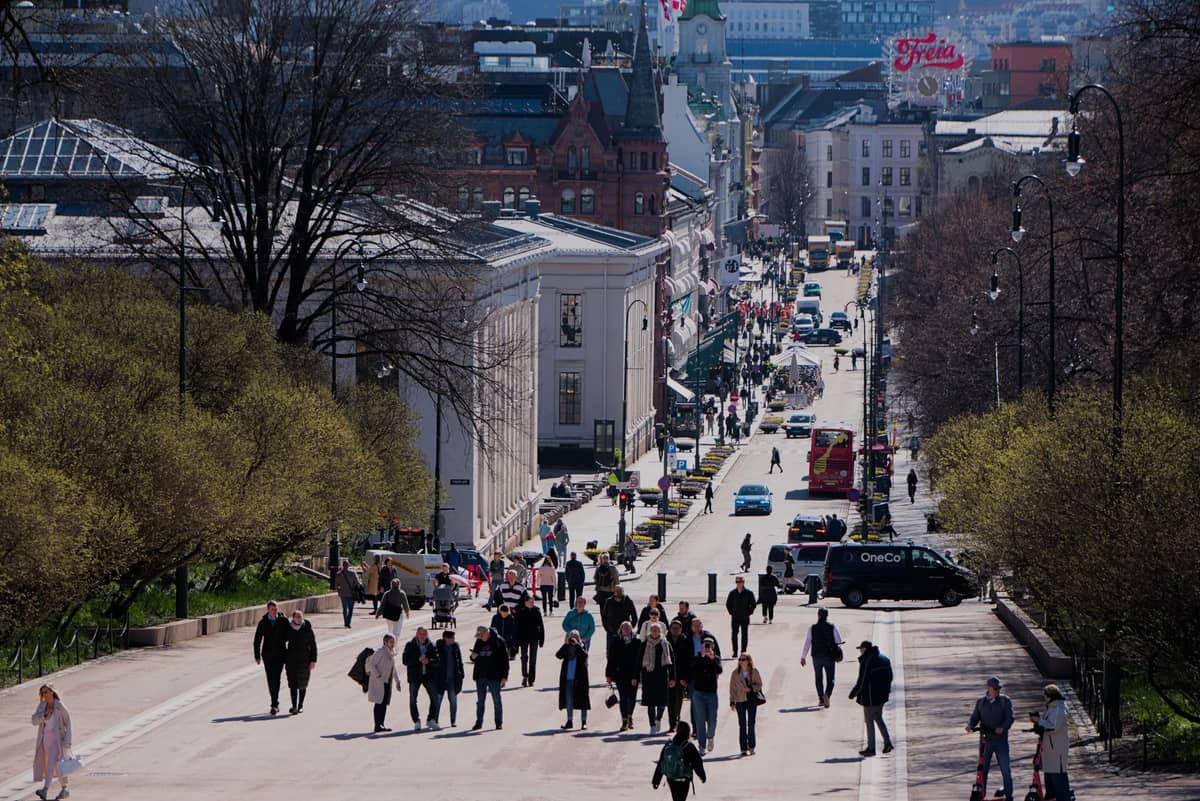
The spine of the entire neighbourhood is Karl Johans gate, a pedestrianised and semi-pedestrianised boulevard that runs approximately 1.2 kilometres from Jernbanetorget square at Oslo S up through Stortinget (the Parliament building) and Nationaltheatret to the gates of the Royal Palace. Sentrum shares borders with Frogner to the west, Grünerløkka to the northeast, and Bjørvika on the eastern waterfront. Each of those neighbourhoods offers a noticeably different pace once you cross the boundary.
Character & Atmosphere
Early mornings in Sentrum belong almost entirely to commuters. By 7:30am, Karl Johans gate fills with office workers moving purposefully up and down the boulevard, cafés open their shutters, and the tram network hums into full operation. The light in late spring and summer arrives early and falls at a low Nordic angle that turns the pale stone facades of the Parliament and the University buildings a warm amber. In winter, the same streets are dark until well past 8am and the Palace Park at the top of Karl Johans gate is dusted with snow, which makes the morning walk feel more austere but no less dramatic.
By midday, the tourist current takes over. The stretch of Karl Johans gate between Oslo S and Stortinget is at its most crowded between 11am and 3pm, particularly in summer when tour groups navigate between department stores, fast food outlets, and the outdoor seating of cafés. This section is the least atmospheric part of the district and has the density and retail mix of any large European city centre. Anyone expecting a preserved historic streetscape will be disappointed here.
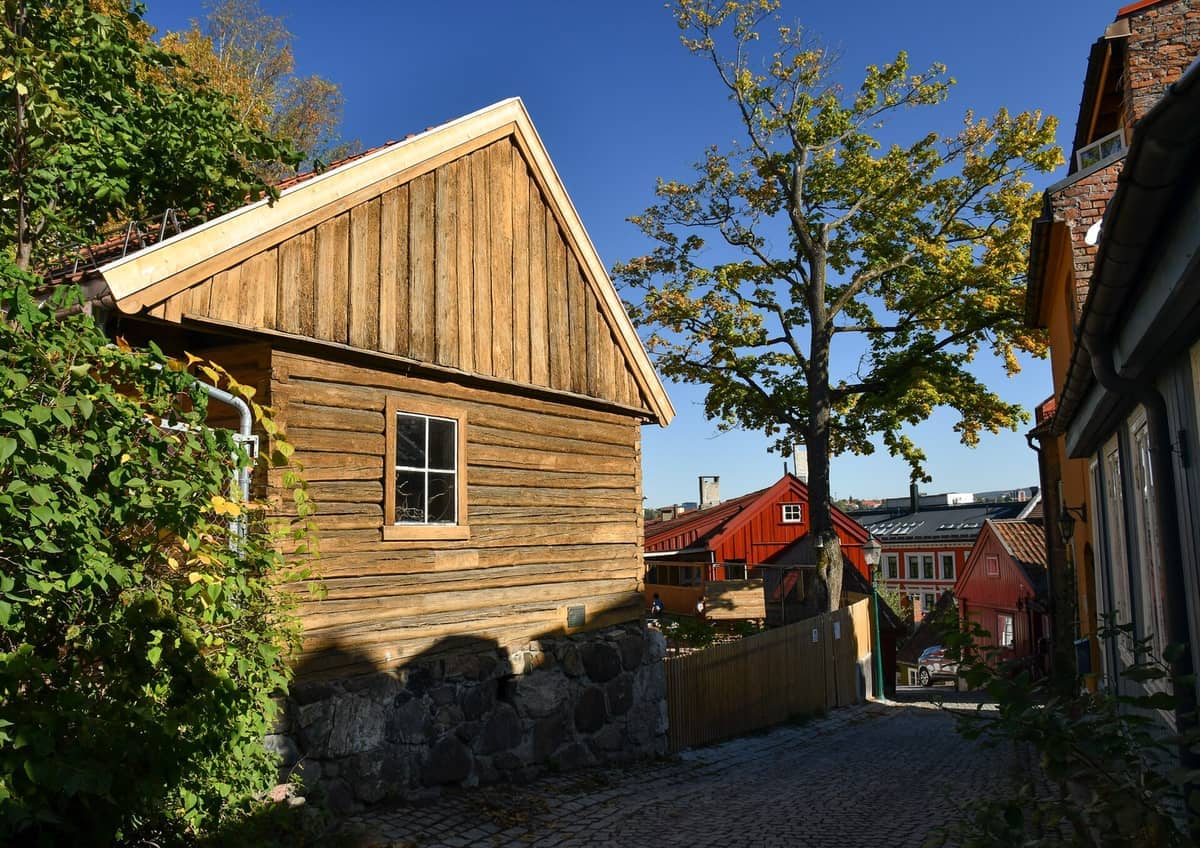
Move two blocks off the main axis in either direction and the texture changes significantly. The streets of Kvadraturen south of Karl Johans gate become quieter and more architectural, with cobblestone lanes running past 17th-century grid blocks toward Akershus Fortress. North of the Palace, the formal parks and embassy buildings of the upper end feel almost completely detached from the commercial noise below. The Bjørvika waterfront, meanwhile, has a different energy again: wide promenades, monumental new architecture, and a strong sense of civic ambition.
After dark, Sentrum's character divides cleanly. The area around Aker Brygge and Tjuvholmen to the west of City Hall stays lively with restaurant-goers into the late evening. The stretch of Karl Johans gate near Oslo S becomes noticeably rougher after 10pm, with some open drug use and street activity around Plata, the informal name for the square near the station. It is not dangerous in a serious sense, but it is worth knowing about if you are travelling with children or simply were not expecting it.
⚠️ What to skip
The immediate area around Oslo Central Station (Oslo S), particularly the Plata square, can be uncomfortable late at night due to concentrated street-level drug activity. It is generally safe to pass through, but it is not the place to linger after midnight.
What to See & Do
The concentration of major attractions in Sentrum is remarkable for such a compact area. Most of Norway's key national institutions sit within easy walking distance of each other, which makes the district exhausting to cover in a single day but very practical to explore across two or three.
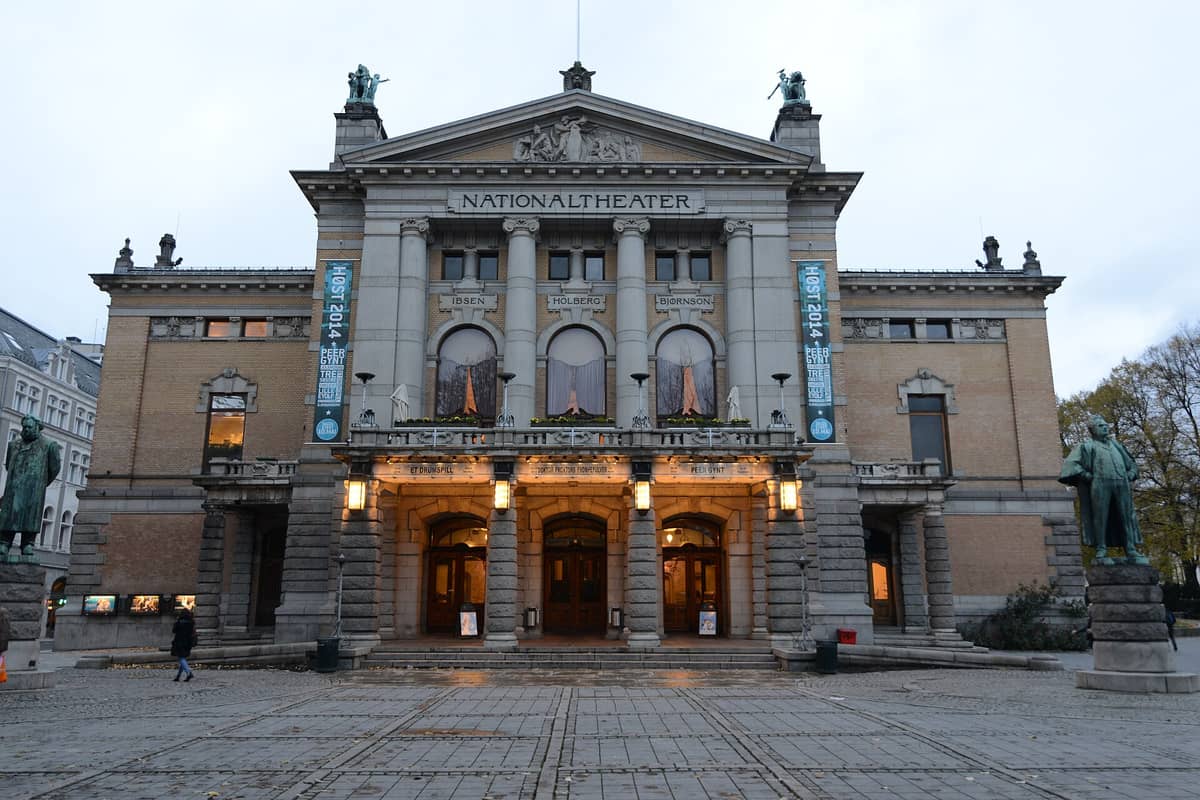
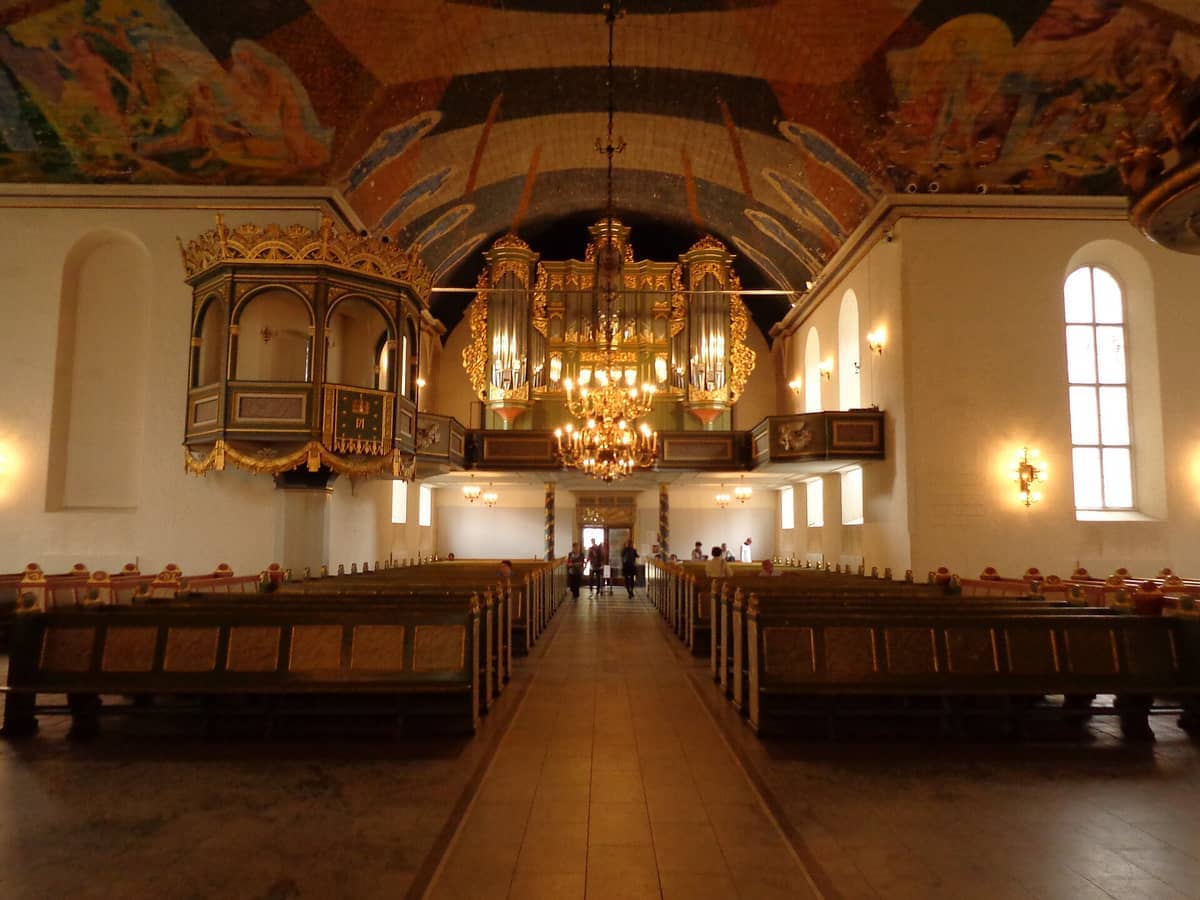
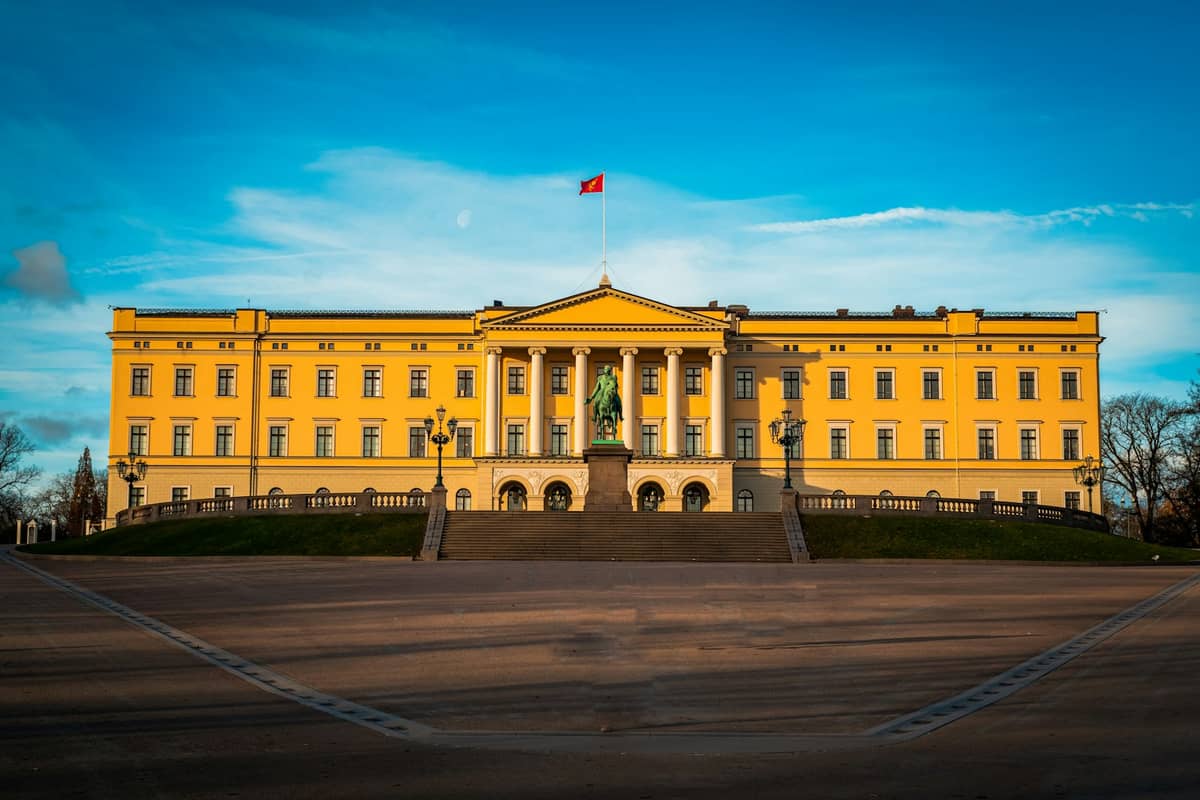
Karl Johans gate anchors the civic sightseeing circuit. Walking from Oslo S toward the Palace, you pass the Cathedral (Oslo Domkirke) on your left, the Parliament building (Stortinget) in the middle of the boulevard, and the National Theatre at the top before the Palace comes into view. The Royal Palace and its surrounding park are open to visitors on guided tours in summer and the changing of the guard takes place daily at 1:30pm and summer interior tours are available on guided visits only.
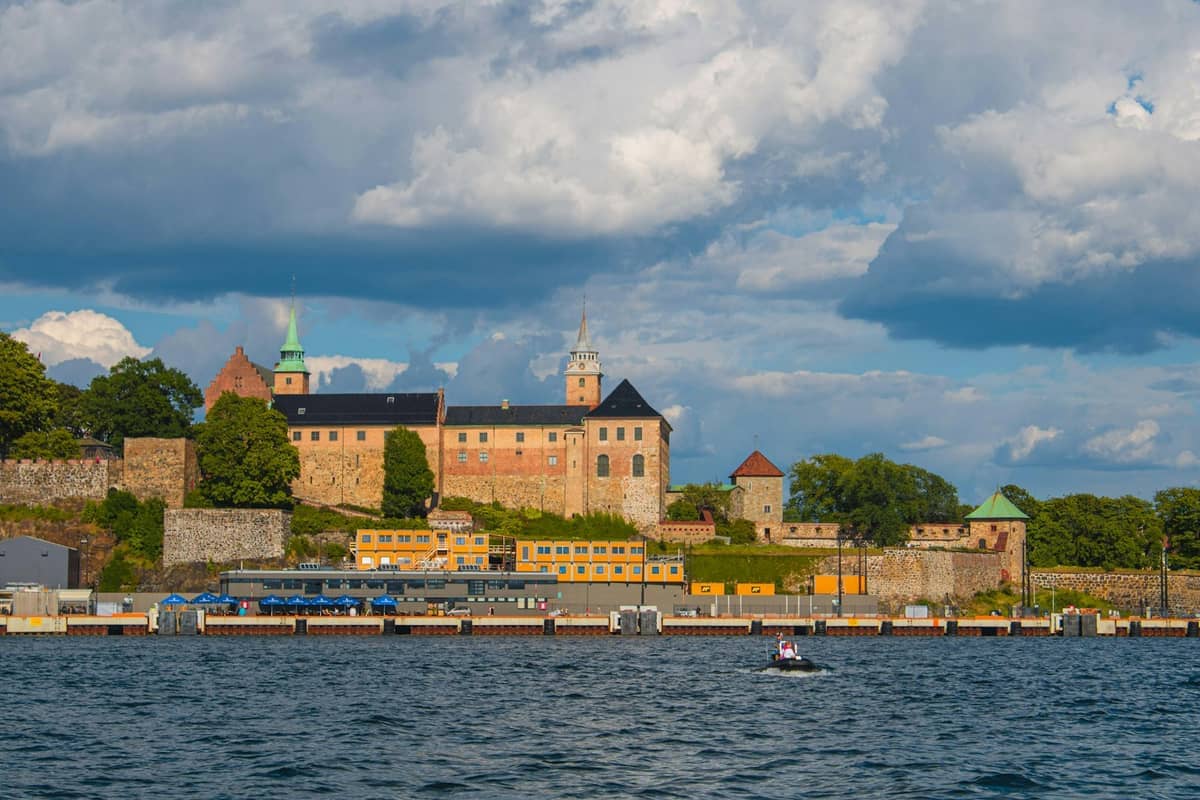
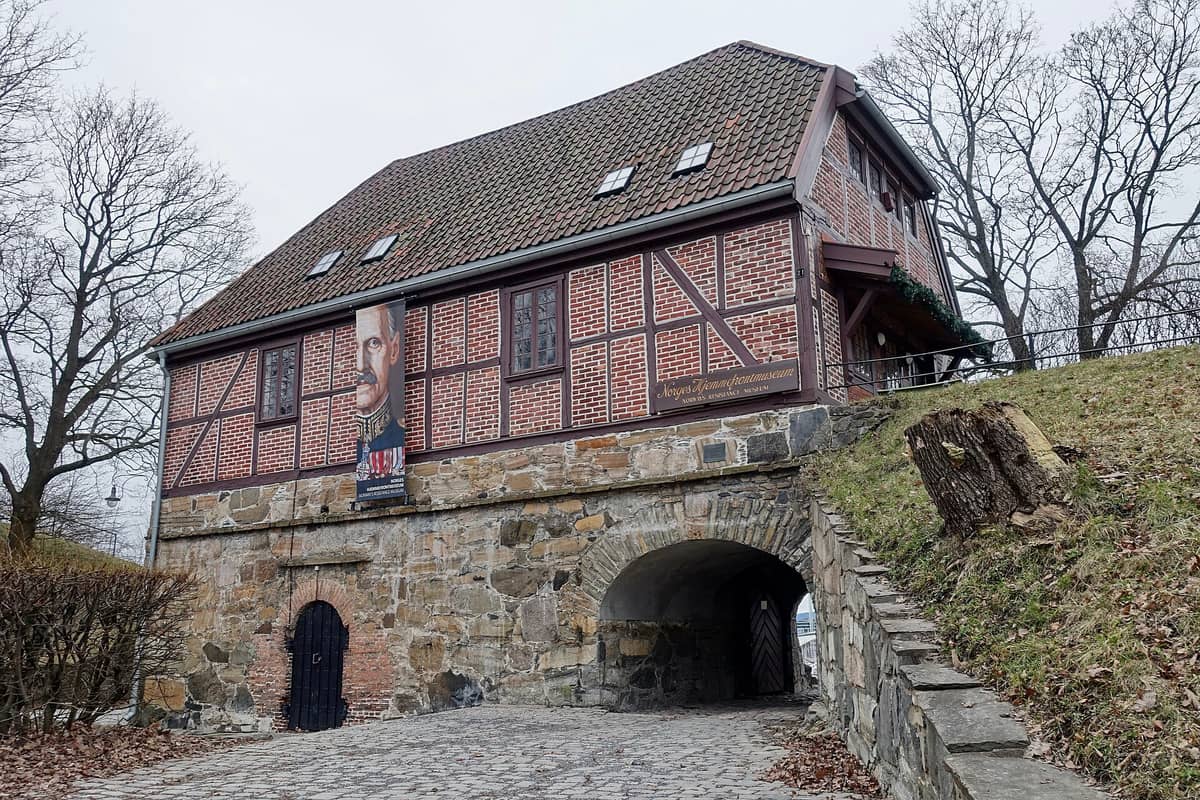
On the southern side of Sentrum, Akershus Fortress is one of Oslo's oldest structures, a medieval castle that was later converted into a Renaissance‑style fortress and served as a military facility through much of the 20th century. The grounds are free to enter and offer some of the best elevated views of the inner Oslofjord. Inside the fortress complex, the Norway Resistance Museum documents the German occupation of Norway during the Second World War with considerable depth and care.
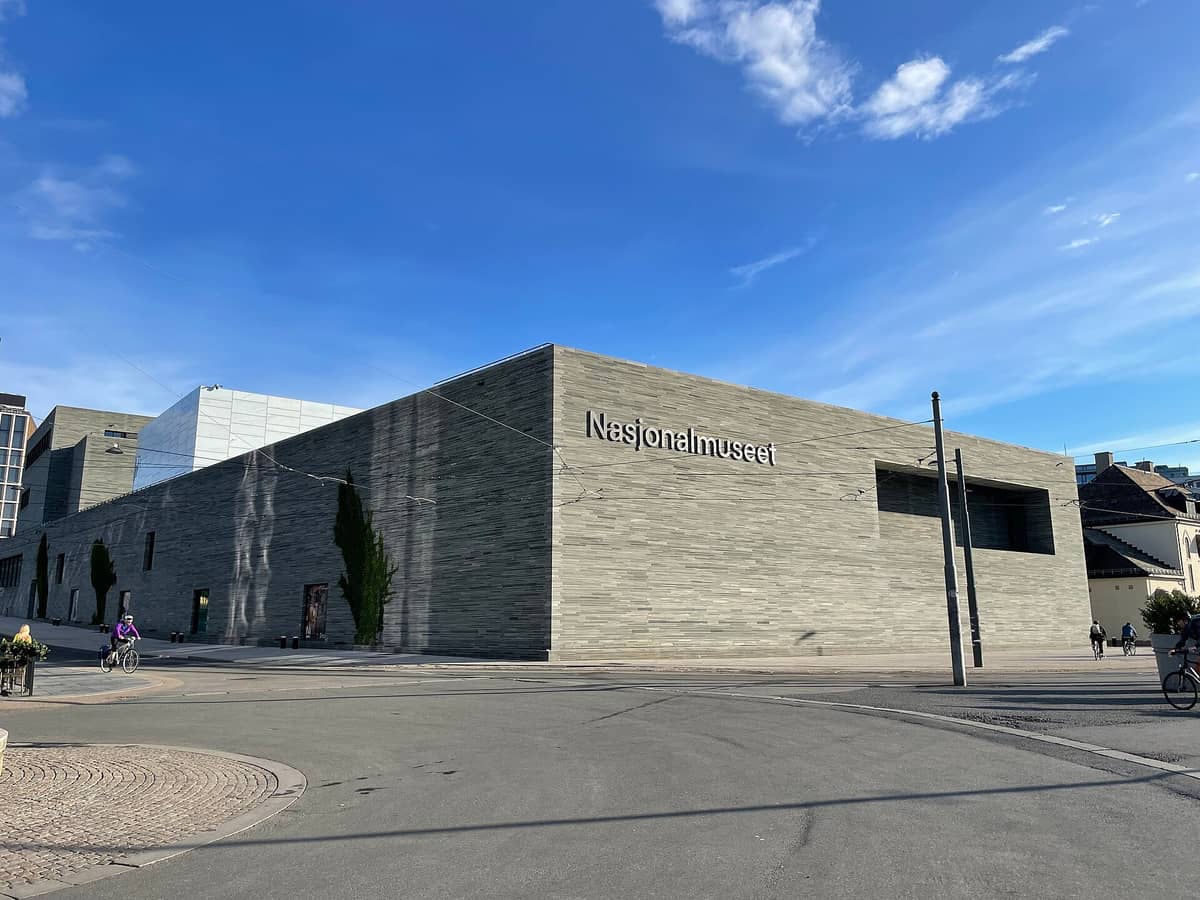
The National Museum of Norway opened in its dramatic new building on Brynjulf Bulls plass in 2022, making it one of the largest art museums in the Nordic region. It holds the original version of Edvard Munch's The Scream as well as major collections of Norwegian and European fine art and design. The Nobel Peace Center sits immediately adjacent on the same waterfront square, documenting the history of the Nobel Peace Prize in an engaging, well-produced format.
On the eastern waterfront, the Oslo Opera House is both a performing arts venue and an architectural landmark. Its sloping white marble roof is designed to be walked on, and the rooftop gives a panoramic view across Bjørvika and out toward the islands. Close by, the Deichman Bjørvika library is Oslo's central public library in a striking contemporary building, and it is entirely free to enter. The Munch Museum towers over the waterfront just to the east, holding the world's largest collection of Edvard Munch's work across 13 floors.
Royal Palace and Palace Park: changing of the guard daily at 1:30pm, summer interior tours available on guided visits
Akershus Fortress: free entry to grounds, medieval and Renaissance architecture, harbour views
National Museum of Norway: Munch's The Scream, Nordic design collection, large café
Nobel Peace Center: interactive exhibition on the history and recipients of the Peace Prize
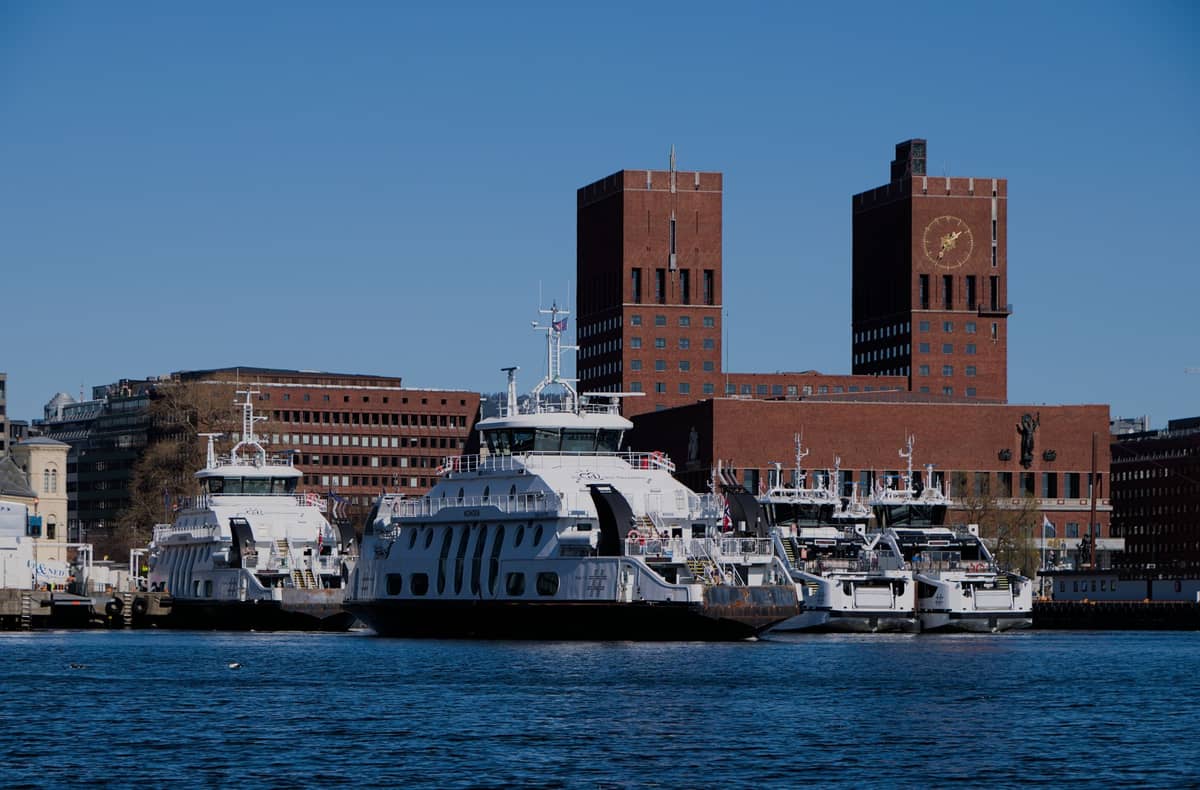
Oslo City Hall (Rådhuset): murals, the Nobel Peace Prize ceremony venue, free to enter
Oslo Opera House: walk the marble roof, world-class opera and ballet programme
Deichman Bjørvika: free public library with Oslo Fjord views and city archive access
Munch Museum: 13-floor tower devoted entirely to Edvard Munch's life and work
💡 Local tip
The Oslo Pass covers free entry to most of Sentrum's major museums and unlimited public transport. If you are planning three or more museum visits in a single day, the pass almost always pays for itself. Check current pricing before purchasing as the pass is updated seasonally.
Eating & Drinking
Sentrum's food scene is broad but uneven. At the tourist end of the spectrum, Karl Johans gate and the streets immediately around Oslo S are lined with familiar international chains, kebab shops, and mid-range Norwegian restaurants pitching set menus at visitors. These are fine for convenience but represent neither Oslo's best cooking nor its best value.
The Aker Brygge waterfront west of City Hall offers a long row of restaurants and bars with Oslofjord views. Prices are high even by Norwegian standards, particularly for fresh seafood and outdoor tables in summer, but the setting is genuinely good and the quality is generally reliable. This is the best area in Sentrum for a long lunch or early evening drink on the water.
The streets around Stortinget and the upper end of Karl Johans gate, particularly in the side streets running north toward Kristian IVs gate, have a denser concentration of independent cafés, wine bars, and restaurants aimed at the city's office and theatre-going crowd rather than at tourists. The lunch hour from noon to 2pm sees these streets at their most active. In the evenings, the restaurant strips around Theatercafeen and the lanes west of Karl Johans gate stay busy until late.
For a more serious food experience within easy reach of Sentrum, Mathallen Oslo in nearby Grünerløkka is a covered food hall with a strong selection of Norwegian and international producers. It is a 15-minute walk or one tram stop from the city centre and worth the short detour for anyone interested in Norwegian food culture.
Coffee culture is taken seriously throughout Oslo and Sentrum is no exception. Several quality-focused independent roasters have outposts within a short walk of Karl Johans gate. Tap water in Oslo is safe and good quality, which means you never need to pay for bottled water in restaurants unless you specifically want it.
Getting There & Around
Sentrum is the transit hub for all of Oslo. Oslo Central Station, known locally as Oslo S, sits at the eastern end of Karl Johans gate and handles all long-distance and regional rail, the Flytoget airport express train from Oslo Airport Gardermoen (OSL, approximately 47 km north), and connects directly to the Jernbanetorget interchange for metro (T-bane), trams, and buses.
The Flytoget express train from Gardermoen reaches Oslo S in approximately 19 to 22 minutes, while regular Vy regional trains cover the same route in roughly 23 to 30 minutes at a lower fare Verify current prices on the operator websites before travel as fares change regularly. From Oslo S, anywhere in Sentrum is reachable on foot within 20 minutes.
Within Sentrum, the T-bane (metro) has stops at Jernbanetorget, Stortinget, and Nationaltheatret along the shared tunnel section where all T-bane lines run through the city centre This makes Sentrum the easiest place in Oslo from which to reach outlying neighbourhoods, including Bygdøy (by tram or bus), Holmenkollen (T-bane line 1), and Grønland (T-bane east). Tram lines cross the district on Aker Brygge, along Prinsens gate, and up toward Majorstuen. All public transport in Oslo is operated under the Ruter ticketing system.
On foot, the district is very walkable. The main axis from Oslo S to the Royal Palace is a flat 20-minute walk. The Bjørvika waterfront, the Opera House, and Aker Brygge are all accessible on foot from Karl Johans gate in under 15 minutes, though they sit in different directions. Akershus Fortress and the Kvadraturen grid are a 10-minute walk south of the main boulevard. Cycling infrastructure exists but Sentrum's streets are busy and navigation can be complicated; the city's bike share system (Bysykkel) has stations throughout the district.
ℹ️ Good to know
Oslo's public transport fares are unified under Ruter. A single ticket covers trams, buses, metro, and local ferries for 90 minutes within the city zone. The Oslo Pass includes unlimited Ruter travel along with museum entry. Verify current fares at ruter.no before travel.
Where to Stay
Sentrum has the highest concentration of hotels in Oslo, ranging from international chain properties to smaller boutique options. The area between Oslo S and Stortinget has a cluster of business-oriented hotels that are efficient and well-located but tend toward anonymous interiors. The Vika district west of City Hall and closer to Aker Brygge has some of the city's more design-conscious hotels, typically at higher price points.
For travellers prioritising transit access, staying within a few blocks of Oslo S gives immediate access to airport trains, all metro lines, and the national rail network. This is the most practical choice for anyone arriving late or departing early, and it keeps the entire city within easy reach. Travellers who want a quieter stay but still want to be central should look at the upper end of Karl Johans gate near Nationaltheatret, or the streets between the National Theatre and Aker Brygge, which have far less street noise and a more composed feel after dark. For a broader overview of Oslo's accommodation landscape, the Oslo neighbourhood accommodation guide compares all the city's main areas.
Budget accommodation is limited in Sentrum. Hostels exist but the city's most affordable options tend to be in Grünerløkka or Grønland, both of which are 10 to 15 minutes by tram or T-bane from the city centre. Oslo is an expensive city for accommodation at all levels; booking well in advance, particularly for summer travel, makes a material difference to price.
Practical Notes
Norway uses the Norwegian krone (NOK) and Oslo is one of the more expensive capitals in Europe. Card payment is almost universal and many smaller establishments no longer accept cash at all. Tap water throughout Oslo is safe to drink directly from the tap, drawn from protected mountain reservoirs. English is spoken fluently by virtually everyone you will encounter in Sentrum. For planning how to use your time across the city, the 3-day Oslo itinerary guide uses Sentrum as its base and maps out a logical sequence for covering the main sights. If you are interested in getting beyond the standard circuit, the Oslo hidden gems guide points toward lesser-visited corners of the city.
Oslo's climate is Baltic semi-continental: cold winters with averages around 0°C in January and mild summers peaking around 21 to 23°C in July. The best months for comfortable city exploration are May through September. For specific guidance on seasonal conditions, the best time to visit Oslo guide covers the trade-offs between weather, daylight hours, and crowd levels across the year.
Norway's emergency numbers are 112 for police, 113 for medical emergencies, and 110 for fire. Country dialling code is +47. Electrical sockets are Type C and Type F at 230V/50Hz, compatible with standard continental European plugs.
TL;DR
Sentrum is Oslo's civic, cultural, and transit core: Karl Johans gate, the Royal Palace, Akershus Fortress, the National Museum, the Opera House, and Oslo S all sit within 1.8 square kilometres.
Best suited to first-time visitors to Oslo who want immediate access to the major national landmarks and the best transit connections to the rest of the city.
The Karl Johans gate strip between Oslo S and Stortinget is busy with tourist retail and not especially atmospheric; the waterfront edges at Aker Brygge, Bjørvika, and Kvadraturen offer considerably more character.
The area around Oslo S can be uncomfortable after dark due to street-level activity near Plata; this is not a serious safety issue but worth factoring into accommodation and evening planning.
Hotels are plentiful but expensive; staying near Nationaltheatret or Aker Brygge rather than directly adjacent to Oslo S gives a quieter and more pleasant base while remaining fully central.
Oslo's weather, daylight hours, and crowd levels shift dramatically across the year. This guide breaks down every season so you can pick the right time based on what you actually want to do, not just the warmest month.
Oslo sits at the centre of one of Europe's most rewarding day-trip networks. Within two hours you can reach a medieval fortified town, a world-class sculpture park in the forest, a 13th-century stave church, or an island fortress in the fjord. This guide covers the best day trips from Oslo, from quick ferry hops to full-day rail journeys.
Oslo has a reputation for being expensive, but the city's best experiences often cost nothing. From a marble opera house roof you can walk across to one of the world's great sculpture parks, here are 20 free things to do that locals actually love.
Oslo has one of the most integrated public transport networks in Scandinavia, but the ticket system trips up a surprising number of visitors. This guide covers everything from navigating the T-bane metro to getting from Oslo Airport (OSL) to the city center without overpaying — with real prices, journey times, and practical advice on what to skip.
Oslo is Norway's capital and one of Scandinavia's most complete city destinations, but it comes with a high price tag and sharp seasonal swings. This guide breaks down exactly what you get for your money, when to go, and whether the city lives up to its reputation.
Oslo holds the world's largest collection of Edvard Munch's work, split across two major institutions. This guide tells you exactly where The Scream is displayed, how to buy tickets, and what else to see beyond the famous painting.
Oslo's architectural story spans 800 years, from Akershus Fortress rising above the harbour to the tilted glass tower of the Munch Museum. This guide takes you through the city's most significant buildings, organised by era and theme, so you can trace how Norway's capital has reinvented itself across centuries.
Oslo transforms from late November through December into one of Scandinavia's most atmospheric winter cities. From the free central market at Spikersuppa to the traditional fair at Norsk Folkemuseum, this guide covers every Christmas experience worth your time, with practical advice on costs, crowds, and what to skip.
Norway's Constitution Day is the country's biggest national celebration, and Oslo is the place to be. This guide covers the parade route, crowd logistics, public transport disruptions, what stays open, and how to watch the Royal Palace balcony moment without getting trapped in the crowds.
The Oslofjord is Oslo's backyard playground: a 100-km stretch of water dotted with islands, beaches, and historic forts; the inner islands are all reachable in under 30 minutes from the city centre by public ferry. This guide covers public ferries, sightseeing cruises, the best swimming spots, and practical details on timing, pricing, and what to skip.
Oslo's floating saunas are one of Norway's most distinctive experiences, combining intense heat with cold fjord dips right in the heart of the city. This guide covers every major operator, realistic pricing, booking logistics, safety rules, and the best time to go.
Oslo rewards the curious traveler who ventures beyond the Opera House and Vigeland Park. From a barrel-vaulted mausoleum open only on Sundays to medieval ruins in a residential neighborhood, these are the experiences that most visitors completely miss.
Oslo is one of the few European capitals where you can step off a metro and be deep in forest within 30 minutes. This guide covers the best hiking trails in and around the city, from urban river walks to full-day routes in Nordmarka.
Summer transforms Oslo into one of Scandinavia's most enjoyable cities, with nearly 19 hours of daylight, warm fjord beaches, and a packed festival calendar. This guide covers what to expect from June through August, including the truth about the 'midnight sun', when each season peaks, and which events are worth planning around.
Oslo in winter is cold, short on daylight, and genuinely rewarding for travelers who come prepared. This guide covers the real temperatures, the best winter activities, how to get around, and what most visitors get wrong about visiting Norway's capital between December and February.
The Oslofjord islands are one of Oslo's best-kept open secrets: reachable on a standard public transport ticket, dotted with beaches, ruins, and free camping spots. This guide covers every ferry route, the best islands for each type of visit, and exactly how to plan a day on the water.
Three days is enough to cover Oslo's highlights without rushing. This itinerary covers the waterfront, Bygdøy peninsula, Vigeland sculpture park, and the city's best neighborhoods, with practical advice on transport passes, seasonal timing, and where to skip the tourist traps.
Oslo offers more than its size suggests when it comes to museums. Whether you're drawn to Edvard Munch's raw canvases, the story of Norway's WWII resistance, or the world's most ambitious open-air folk museum, this guide covers every essential collection in the city.
Oslo's nightlife scene is smaller than Berlin or London, but it's more focused and genuinely good. This guide covers the best bars, clubs, and live music venues by neighborhood, what drinks actually cost, when to go, and what first-timers consistently get wrong.
Oslo has a reputation as one of Europe's most expensive capitals, but that reputation is only half the story. With the right approach to transport, attractions, and timing, you can experience Norway's capital without the wallet damage most travelers fear.
The Oslo Pass bundles free museum entry and unlimited public transport into one time-based card. But at up to around 995 NOK for 72 hours, it only pays off under specific conditions. This guide breaks down exactly who should buy it, who should skip it, and how to calculate your own value.
Oslo's shopping scene rewards those who explore beyond the main drag. This guide covers the city's best streets, department stores, weekend markets, and where locals actually shop, with practical hours, neighborhood breakdowns, and practical advice on what to skip.
The Oslo to Bergen train is one of the great railway journeys in Europe, crossing high mountain plateaus and deep fjord valleys across 492 km of Norwegian landscape. This guide covers tickets, prices, timetables, seat choices, seasonal tips, and how to avoid the most common booking mistakes.
The journey from Oslo to Stockholm is one of Scandinavia's most popular intercity routes. This guide breaks down every transport option, from the direct SJ/Vy train to FlixBus, with practical advice on cost, comfort, and convenience.
The journey from Oslo to Tromsø covers roughly 1,700 km and takes under two hours by air, but knowing when to go and what to expect in Norway's Arctic capital makes all the difference. This guide covers every transport option, seasonal highlights, and key activities so you can plan confidently.
Oslo rewards those who look up, out, and across. From a marble rooftop you can walk into the fjord to a forested hilltop that inspired The Scream, the city offers an extraordinary range of panoramas. This guide covers the best viewpoints in Oslo, whether you want sweeping city skylines, fjord horizons, or intimate harbour scenes.
Oslo is one of Europe's most walkable capitals, and you don't need a guided group to explore it properly. This guide covers the best self-guided walking routes, top apps, free city maps, seasonal advice, and practical tips on what to skip.
Oslo offers more than its size suggests when it comes to family travel. From hands-on science museums and polar-exploration ships to free sculpture parks and island beaches, Norway's capital keeps children genuinely engaged. This guide covers the best family-friendly activities in Oslo, with real pricing, transport details, and practical advice on what's worth your time.
Oslo packs an extraordinary range of experiences into a compact, walkable city: world-class museums, a working fjord right at the city's edge, serious hiking terrain, and a food scene that has grown well beyond smørbrød. This guide covers the top things to do in Oslo, organized by category, with practical advice on what lives up to the hype and what you can skip.
Oslo sits at the heart of Viking history, but the famous ship museum is closed until 2027. This guide tells you exactly where to experience Viking Age Norway right now, from the Bygdøy peninsula to the city centre's best alternatives.
Oslo's food scene runs deeper than open-faced sandwiches and cinnamon rolls. This guide covers the essential Norwegian dishes to try, the best food halls and restaurants to find them, seasonal specialties, and honest price expectations for 2025.
Oslo's neighborhoods each offer a distinct experience, from the architectural showpiece of Bjørvika to the indie-café culture of Grünerløkka. This guide breaks down exactly where to stay in Oslo based on your travel style, budget, and priorities, with honest assessments of each district and what you'll actually pay.