Oslo Self-Guided Walking Tours: Routes, Apps & Insider Tips
Oslo is one of Europe's most walkable capitals, and you don't need a guided group to explore it properly. This guide covers the best self-guided walking routes, top apps, free city maps, seasonal advice, and practical tips on what to skip.
Tickets & tours
Live prices and dates from our booking partner. If you book, we may earn a commission at no extra cost to you.
TL;DR
- Oslo's compact city center makes self-guided walking tours genuinely practical, not just a budget compromise.
- Free walking maps are available at Oslo Visitor Centre (near Oslo Central Station) or as PDF downloads from VisitOslo, covering key routes in English, German, Spanish, and French.
- App-based audio tours from GPSmyCity, VoiceMap, and TouringBee cost around US$10-15 per person, work offline, and can be started any time, with no fixed departure.
- The best walking months are May through September; winter routes are doable but require waterproof boots and short daylight planning.
- Museum entry is never included in audio tour purchases. Budget separately for attractions like the Munch Museum or the National Museum.
Why Oslo Works So Well for Walking
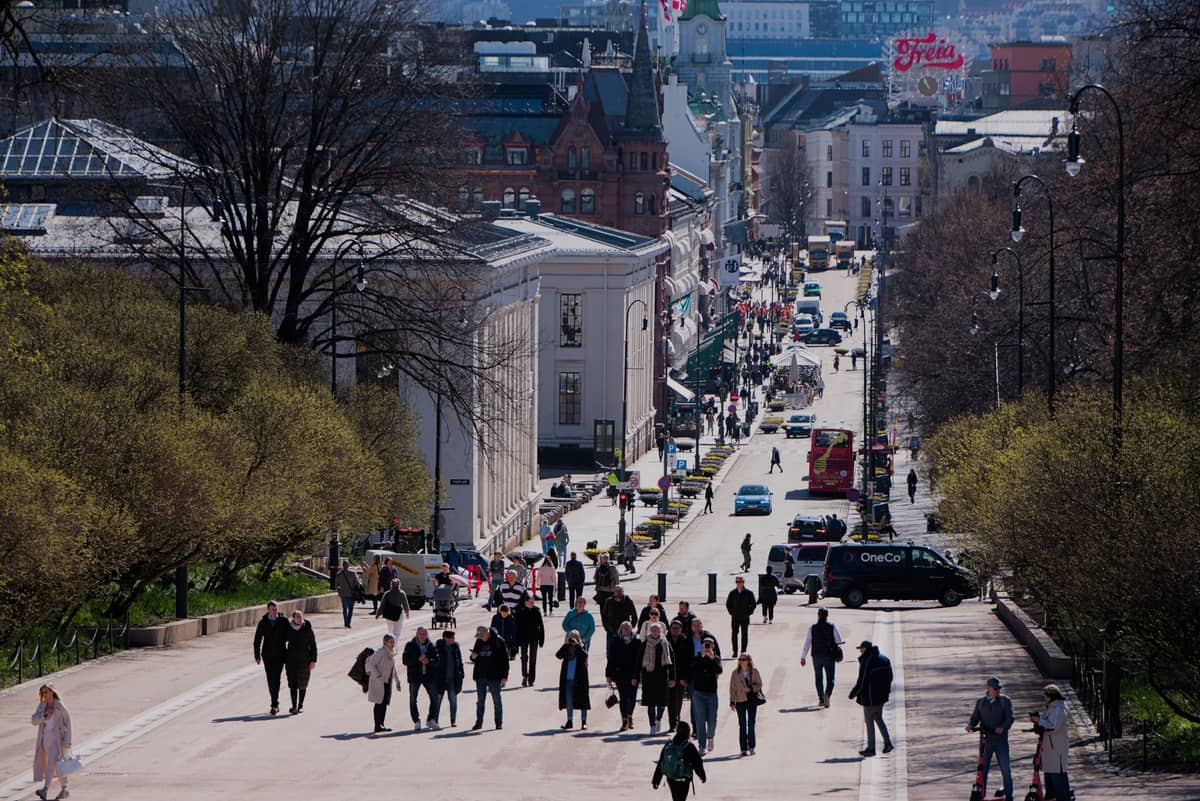
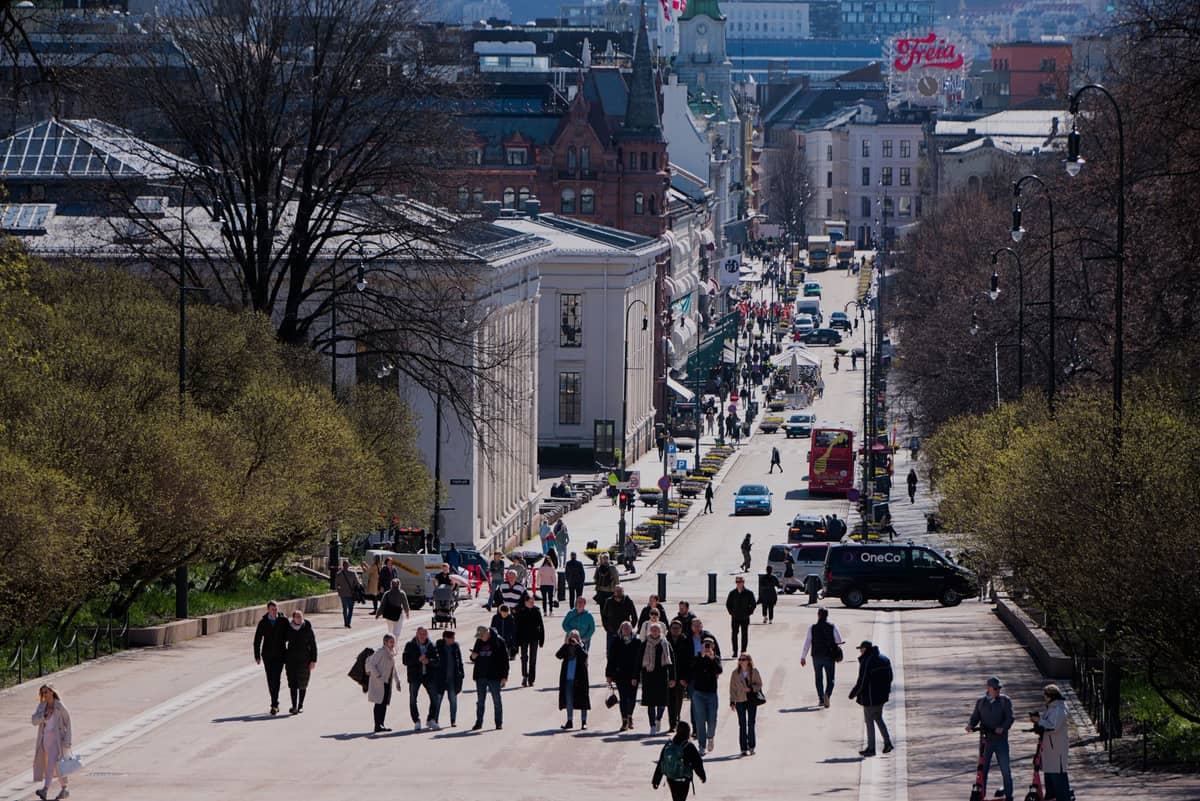
Oslo is Norway's capital and largest city, home to over 720,000 residents, yet its historic core is surprisingly compact. From Oslo Central Station (Oslo S) to the Oslo Opera House is under 10 minutes on foot. The Royal Palace is about 20 minutes from the waterfront. Most first-visit priorities, including the waterfront, fortress, city hall, and main museums, sit within a roughly 3 km radius.
The city's terrain is also kinder than its Scandinavian reputation suggests. The central neighborhoods are mostly flat, with gradients only becoming significant if you head north toward Holmenkollen or east into the hills above Grünerløkka. Pavement quality is high throughout. English is spoken almost universally, so navigation is rarely a problem even without an app.
Walking also gives you access to details that tours and trams skip entirely: the courtyard of Akershus Fortress, the residential streets of Damstredet and Telthusbakken, or the industrial-era architecture along the Akerselva. These are the parts of Oslo that reward slowing down.
The Best Self-Guided Walking Routes in Oslo
Oslo's neighborhoods divide into distinct walking circuits. Rather than one long march across the city, most visitors do better splitting routes by area. Here are the four most rewarding self-guided itineraries, ordered by visitor popularity.
- The Waterfront & Bjørvika (2-3 hours) Start at Oslo Central Station and walk southeast to the Opera House, where you can climb the sloping roof for free. Continue along Operastranden to the Munch Museum, then west past Deichman Bjørvika public library toward Aker Brygge and Tjuvholmen. The Astrup Fearnley Museum of Modern Art sits on the water at the end of this stretch. Flat, scenic, and very manageable.
- Akershus Fortress to Bygdøy (3-4 hours) Walk the Akershus Fortress grounds, then follow the harbor promenade west past the Nobel Peace Center to the Aker Brygge ferry terminal. Take the short public ferry (Ruter ticket valid) to Bygdøy Peninsula, home to the Fram Museum, Kon-Tiki Museum, and Norsk Folkemuseum. This combines walking with a brief fjord crossing.
- Akerselva River Walk (2-3 hours, one way) Follow the Akerselva river north from the Grünerløkka neighborhood through former industrial areas, past waterfalls, street art, and converted mills. The route runs about 8 km from the fjord to Maridalsvannet lake. You can do a shorter 3-4 km stretch from Grünerløkka to Nydalen and take the T-bane back.
- Frogner & Vigeland Sculpture Park (2 hours) From Majorstuen T-bane station, it's a 10-minute walk to the main entrance of Vigeland Sculpture Park. The park is free to enter at all hours and contains 212 sculptures by Gustav Vigeland. Combine with a stroll through Frogner's residential streets for a quieter side of western Oslo.
💡 Local tip
The Bygdøy coastal path is one of Oslo's most underused walking routes. Starting from the museum cluster and hugging the shoreline south, it passes beaches and viewpoints that most visitors completely miss. Allow an extra 45-60 minutes if you add this to the Bygdøy loop.
Apps and Audio Tours: What's Actually Worth Downloading
The self-guided audio tour market in Oslo has grown considerably. Quality varies. Here is an honest breakdown of the main options currently available.
- GPSmyCity Offers 5 expert-designed audio walking tours covering central Oslo, Grünerløkka, and Bygdøy. Tours work fully offline once downloaded. Pricing is typically a few dollars per tour. The platform is well-maintained and the route maps are accurate. Best for structured exploration with narration at each stop.
- VoiceMap Around seven Oslo tours available, including a waterfront walk from the Opera House to Akershus Fortress and a Grünerløkka river route. VoiceMap's audio triggers automatically based on GPS location, so you listen at the right moment without tapping buttons. Tours are produced by local contributors, which means quality varies slightly between titles.
- TouringBee / Tripadvisor Audio Tours Smartphone-based tours sold through Tripadvisor typically offer 2-3 hour routes with around 20-25 audio stops, starting from Oslo S. Priced around US$10-15. Access lasts one year from purchase. No museum entry included. Good for first-time visitors who want structured coverage of main sights without committing to a group.
- StoryHunt Gamified walking tours that use quizzes and location-based storytelling. The Oslo offering covers central highlights and works well for families or those who find passive audio tours dull. Free to start, with paid unlocks for extended content.
- VisitOslo Free Map (PDF) Not an app, but the official Oslo city walking map, available in six languages as a free PDF download or printed copy from Oslo Visitor Centre. Covers the main central route with short descriptions of key stops. Ideal if you prefer navigation without a narrated soundtrack.
⚠️ What to skip
Several platforms sell 'Oslo walking tours' that are simply repackaged Google Maps routes with minimal narration. Before purchasing, check that the tour includes genuine audio commentary at each stop, not just directions. Reviews on Tripadvisor are the most reliable filter here.
Pricing, Planning, and Practical Logistics
Self-guided audio tours in Oslo typically cost between US$8 and US$20 per person. There is no group discount structure since you buy app access, not seats on a coach. A single purchase usually covers one or two devices, so couples often share one login rather than buying twice. Confirm the license terms before purchasing if you are traveling as a pair.
If you are spending three or more days in the city, the Oslo Pass is worth calculating against your planned museum visits. It does not cover audio tour apps, but it does include free entry to most major attractions and unlimited public transport, which is relevant if your walking routes include a Bygdøy ferry crossing or a T-bane return from Holmenkollen.
Most app-based tours start at or near Oslo Central Station (Jernbanetorget), which is convenient for arrivals from the airport. The Flytoget express train from Oslo Airport (OSL) at Gardermoen, approximately 50 km north of the city, takes around 19-22 minutes to Oslo S. Regional Vy trains make the same journey in roughly 23-25 minutes for a lower fare. Either option drops you directly at the most common walking tour starting point.
✨ Pro tip
Download your chosen app and tour before leaving your accommodation. Oslo's central streets have reliable mobile coverage, but waterfront areas near the fortress and Bygdøy can have patchy signal. Offline mode is not just a feature, it is a practical necessity for uninterrupted narration.
Walking tours do not include museum admission, and this catches people off-guard. The Fram Museum and Norsk Folkemuseum on Bygdøy both charge separate entry fees. The Vigeland Sculpture Park and Akershus Fortress grounds are free to walk through, making them excellent anchors for a genuinely cost-free central route.
Seasonal Conditions: When to Walk and What to Expect
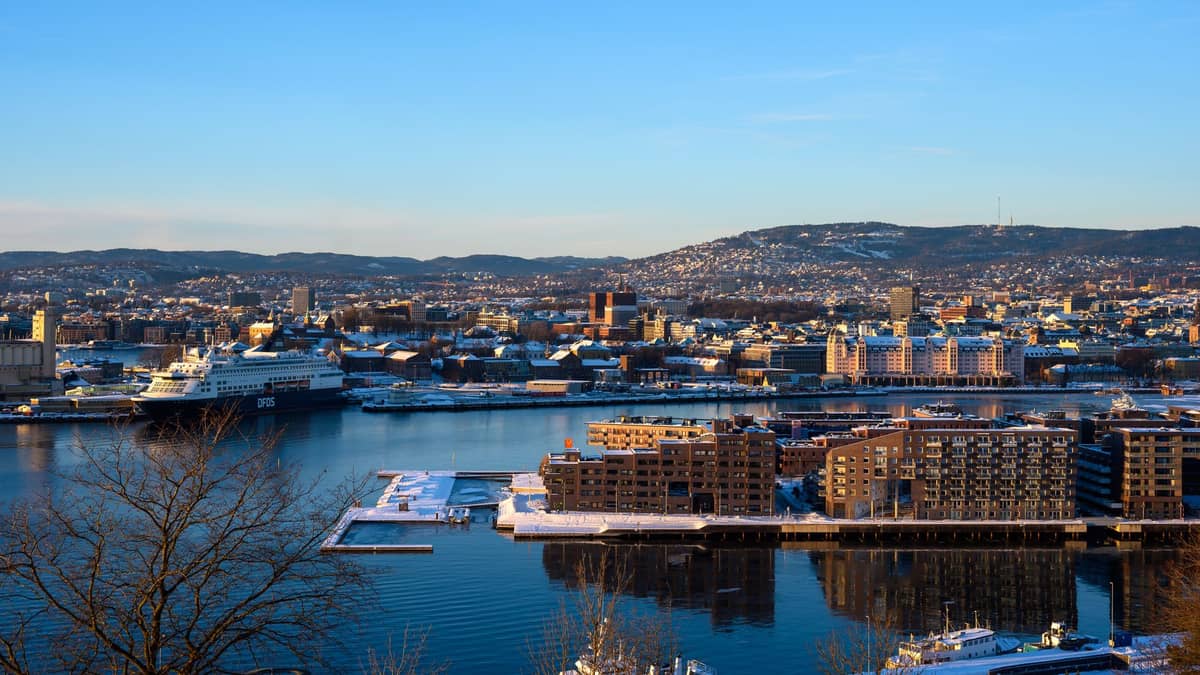
Oslo’s climate is temperate continental, meaning cold winters with temperatures regularly below freezing from December through February, and mild summers with July averages around 17-18°C and occasional highs above 25°C. Both extremes are manageable for walking, but they require different preparation.
Summer, specifically June through August, is the obvious peak for walking tours. Daylight extends past 10 pm in June, which means you can start a 3-hour route at 7 pm and finish in full light. The waterfront from the Opera House to Aker Brygge is particularly good in summer; locals use the promenade heavily and the atmosphere is the best the city offers. For context on how the city changes through the year, see the complete Oslo summer guide.
May and September are the best shoulder months. Crowds are thinner than peak summer, prices are slightly lower, and temperatures are comfortable for 2-3 hour routes without overheating. October brings heavier rain (the wettest month averages around 80–90mm) and shorter days, which shortens the practical walking window considerably.
Winter walking is possible but requires honest assessment. Snow and ice make some surfaces slippery, particularly cobblestones around Akershus Fortress and the older streets of Gamlebyen. Daylight in January is approximately 6.5–7 hours, so morning starts matter. That said, Oslo in snow is genuinely attractive, especially around the Royal Palace gardens and Frogner Park. The city does not shut down in winter and the walking infrastructure is maintained. Pack waterproof, insulated boots and treat it as a different kind of experience.
Combining Walking Tours with Oslo's Neighborhoods
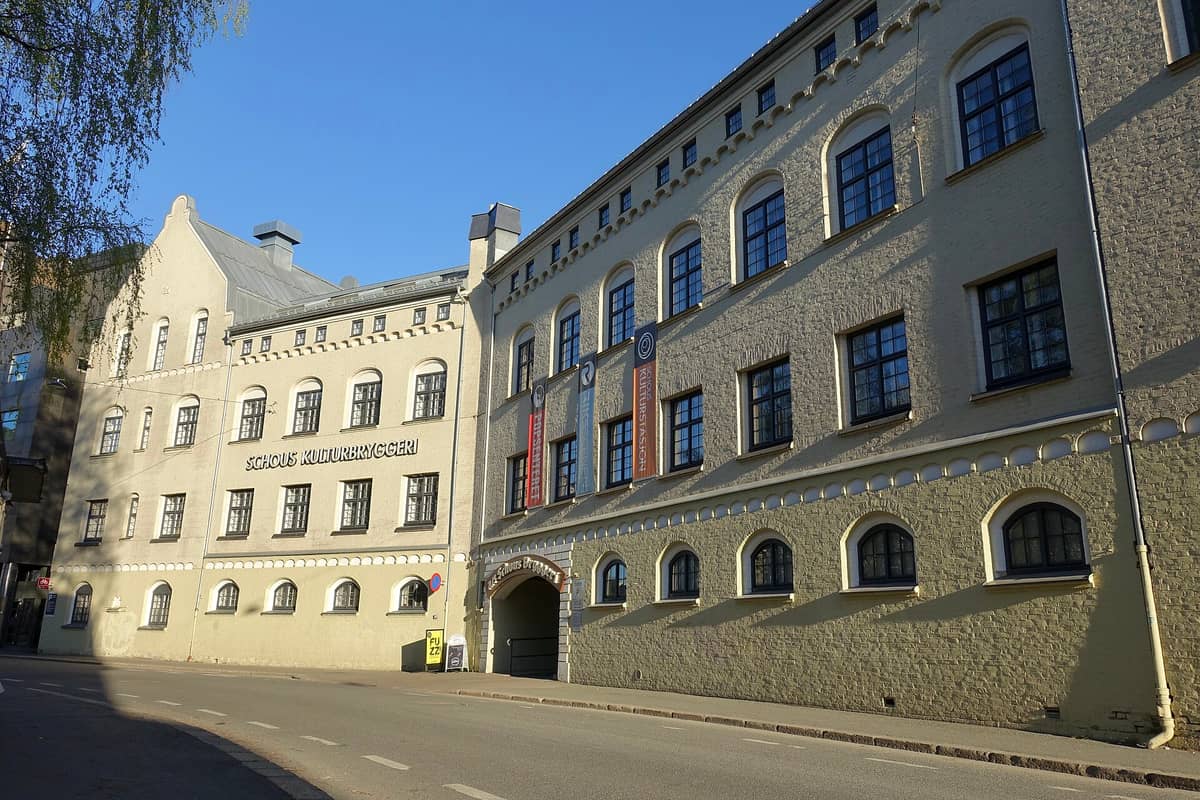
The most interesting self-guided walking in Oslo often happens off the main tourist circuits. Grønland, east of the city center, is Oslo's most ethnically diverse neighborhood and has some of the city's best food markets and affordable restaurants. It is rarely covered by standard audio tours, which is an argument for combining a structured app route for the central sights with a looser, unguided afternoon in Grønland.
Grünerløkka deserves more than a brief pass-through. The neighborhood's grid of streets west of the Akerselva holds independent bookshops, vintage clothing stores, and cafes that are genuinely local rather than tourist-facing. The Akerselva river walk connects Grünerløkka to the city center and provides a green corridor that cuts through Oslo's former industrial belt. VoiceMap has a dedicated tour of this area that is among the better-reviewed Oslo options.
For a full picture of how Oslo's neighborhoods connect and what each offers, the Oslo things to do guide provides a broader framework to build your walking itinerary around.
FAQ
Are Oslo self-guided walking tours free?
Some are free. The official VisitOslo walking map is available as a free PDF download or printed copy from Oslo Visitor Centre, and covers the main central route with descriptions of key stops in five languages. App-based audio tours with narration typically cost US$8-20 per person. The walking routes themselves, including Vigeland Sculpture Park, the waterfront, and Akershus Fortress grounds, cost nothing to walk through.
How long does a typical Oslo walking tour take?
Most app-based Oslo walking tours are designed for 2-3 hours at a moderate pace, covering 4-6 km. If you stop for coffee, spend time at viewpoints, or enter any attractions along the way, budget 3-4 hours. The Akerselva full river walk is longer, around 3-4 hours one way for the complete route from the fjord to Maridalsvannet.
Do I need to book a self-guided walking tour in advance?
No. App-based self-guided tours are on-demand: buy access online, download the content, and start whenever you want. There are no meeting points, departure times, or group sizes to worry about. The only thing worth doing in advance is downloading the app and tour content while on Wi-Fi, to ensure offline access during the walk.
What is the best neighborhood for a first-time walking tour in Oslo?
The waterfront corridor from Oslo Central Station through Bjørvika to Aker Brygge is the most accessible starting point. It is flat, has strong visual landmarks at each step (Opera House, Munch Museum, City Hall, Aker Brygge), and connects to public transport at multiple points if you want to cut the walk short. Most audio tour apps use this route as their central Oslo option.
Is Oslo safe to walk around at night?
Oslo's central areas and tourist zones are generally considered safe for walking in the evening and into the night. The waterfront, Frogner, and Grünerløkka see regular foot traffic after dark. As with any capital city, standard awareness applies: keep valuables secured and stick to lit, populated streets late at night. In summer, the long daylight hours mean 'night walks' rarely happen in actual darkness anyway.
Tickets & tours
Live prices and dates from our booking partner. If you book, we may earn a commission at no extra cost to you.
Planning a trip? Discover personalized activities with the Nomado app.