Is the Oslo Pass Worth It? An Honest Review
The Oslo Pass bundles free museum entry and unlimited public transport into one time-based card. But at up to around 995 NOK for 72 hours, it only pays off under specific conditions. This guide breaks down exactly who should buy it, who should skip it, and how to calculate your own value.
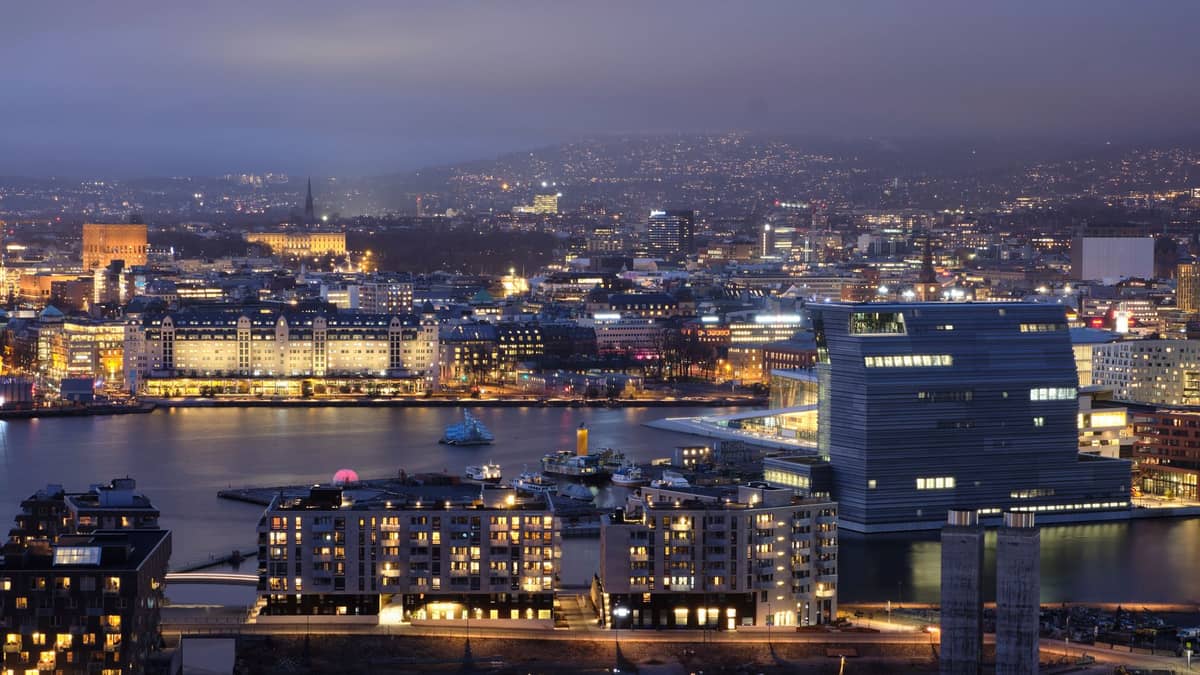
Tickets & tours
Live prices and dates from our booking partner. If you book, we may earn a commission at no extra cost to you.
TL;DR
- The Oslo Pass costs around 550 NOK (24h) to 945 NOK (72h) for adults and covers free entry to 30+ museums plus unlimited Ruter public transport in zones 1–3 and 4V/4N.
- It pays off if you visit 3-4 paid attractions per day, especially the Fram Museum, Munch Museum, and National Museum.
- A 24h Ruter zone 1 transit ticket alone costs in the 110–155 NOK range, so the pass adds genuine value only when you layer in multiple museum entries.
- Budget travelers, slow travelers, and those visiting mostly free attractions are better off skipping it.
- Always verify current prices on the official Visit Oslo website before purchasing, as prices have increased year-on-year. Check our Oslo on a budget guide for no-pass alternatives.
What Is the Oslo Pass and How Does It Work?

The Oslo Pass is a city card sold by Visit Oslo, Norway's official tourism body. It works on a simple premise: pay one upfront price and get free or discounted entry to dozens of museums and attractions, plus unlimited travel on public transport within specified zones. You choose a 24-hour, 48-hour, or 72-hour pass, and the clock starts when you first activate it, not when you purchase it. That flexibility matters if you buy in advance online and activate it on your first museum morning.
The pass is available digitally through the Oslo Pass app or the Visit Oslo website, and in physical form at the Oslo Visitor Centre near Oslo Central Station and select central hotels. The digital version is generally more convenient and activates the moment you scan it at your first attraction or tap it on public transport.
ℹ️ Good to know
Digital Oslo Passes must be activated within 1 year of purchase. Once activated, they run for exactly 24, 48, or 72 consecutive hours. There is no pause function, so plan your first activation day carefully, ideally one with back-to-back museums.
The public transport component covers all Ruter buses, trams, the T-bane (metro), and local ferries within zones 1, 2, 3, 4V, and 4N. It also covers Vy local trains operating within those zones. Crucially, it does NOT cover long-distance trains, regional coaches to areas outside the zone boundary, or other operators. For visitors heading to day trips from Oslo, the pass's transport coverage will not stretch to most destinations outside the city.
Oslo Pass Pricing: What You Actually Pay
Official 2026 prices listed by Visit Oslo are 550 NOK (24h), 800 NOK (48h), and 945 NOK (72h) for adults. Children's prices are roughly half that, and senior discounts bring costs down around 15-20% versus adult rates. However, independent sources tracking 2026 pricing suggest adult 24-hour passes have crept toward the 595 NOK range, with 72-hour passes nudging past 1,000 NOK for some purchase channels. Prices change annually, so always confirm the current figure on the official Oslo Pass pricing page before deciding.
- Adult 24h Around 550-595 NOK (verify current price at visitoslo.com)
- Adult 48h Around 800-850 NOK
- Adult 72h Around 945-1,045 NOK
- Child 24h Around 275-300 NOK (typically ages 4-15)
- Senior 24h Around 440-480 NOK
For context, a standard Ruter 24-hour travel ticket for zone 1 costs just over 100 NOK. So if you are buying the Oslo Pass primarily to save on trams and buses, you are massively overpaying. The pass only becomes financially rational when museum entry fees are stacked on top. Major Oslo museums charge anywhere from 120 to 200 NOK per adult for single-entry tickets, which means two or three museum visits can quickly close the gap on the pass's upfront cost.
✨ Pro tip
Run a quick break-even calculation before buying. Add up the individual entry prices for every attraction you realistically plan to visit, then add 100-150 NOK for transit. If that total exceeds the pass price, buy it. If it does not, skip it and buy a standard Ruter day ticket separately.
What the Oslo Pass Covers: The Attractions That Make It Worth It
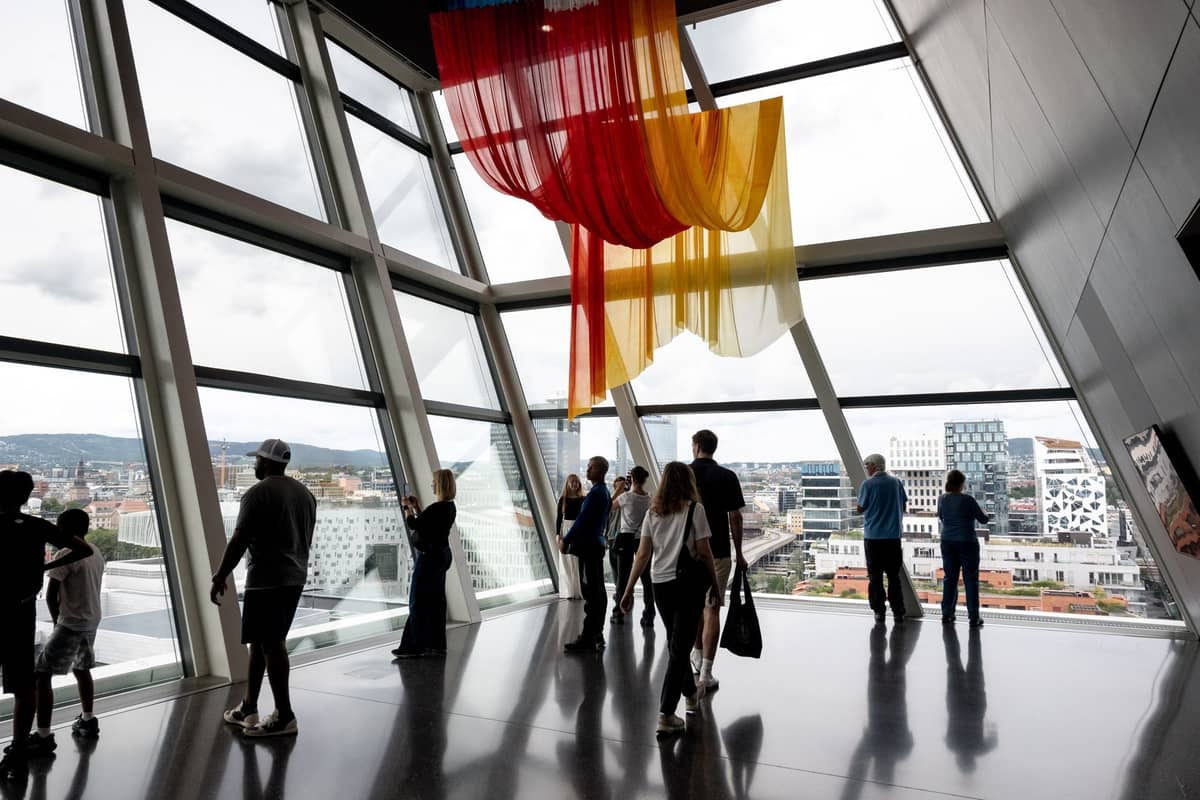
The pass covers free entry to more than 30 museums and attractions. The heaviest-hitting inclusions, in terms of individual ticket value, are the Fram Museum, the Kon-Tiki Museum, the Norwegian Folk Museum, the Munch Museum, and the National Museum. These are among Norway's most significant cultural institutions and each charges 150-200 NOK per adult for standalone entry.
The Holmenkollen Ski Jump and the Akershus Fortress are also included, as are several smaller museums that would otherwise add up quickly: the Viking Ship Museum (currently under renovation, check current status), the Norwegian Maritime Museum, and the Nobel Peace Center. The Bygdøy ferry, which runs from the city centre to the museum peninsula, is covered under the transit component.
- Fram Museum: polar exploration vessel, one of Oslo's most visited attractions
- Kon-Tiki Museum: Thor Heyerdahl's original raft, strong appeal for all ages
- Norwegian Folk Museum (Norsk Folkemuseum): 160+ historic buildings including a medieval stave church
- Munch Museum (MUNCH): purpose-built waterfront museum with the world's largest Munch collection
- National Museum: Norway's largest art museum, reopened 2022 in a stunning new building
- Holmenkollen Ski Museum: included; the standard combined ticket also covers the ski jump tower visit
- Norway Resistance Museum: Second World War history inside Akershus Fortress
- Nobel Peace Center: changing exhibitions on the Nobel Peace Prize
⚠️ What to skip
Not every major Oslo attraction is covered. The Oslo Opera House has free public access to its roof regardless, so that does not add pass value. Vigeland Sculpture Park is always free. Several popular restaurants, boat tours, and experiences offer only discounts (10-20%) rather than free entry. Read the full inclusion list on visitoslo.com before assuming something is covered.
Who Should Buy the Oslo Pass (and Who Should Skip It)
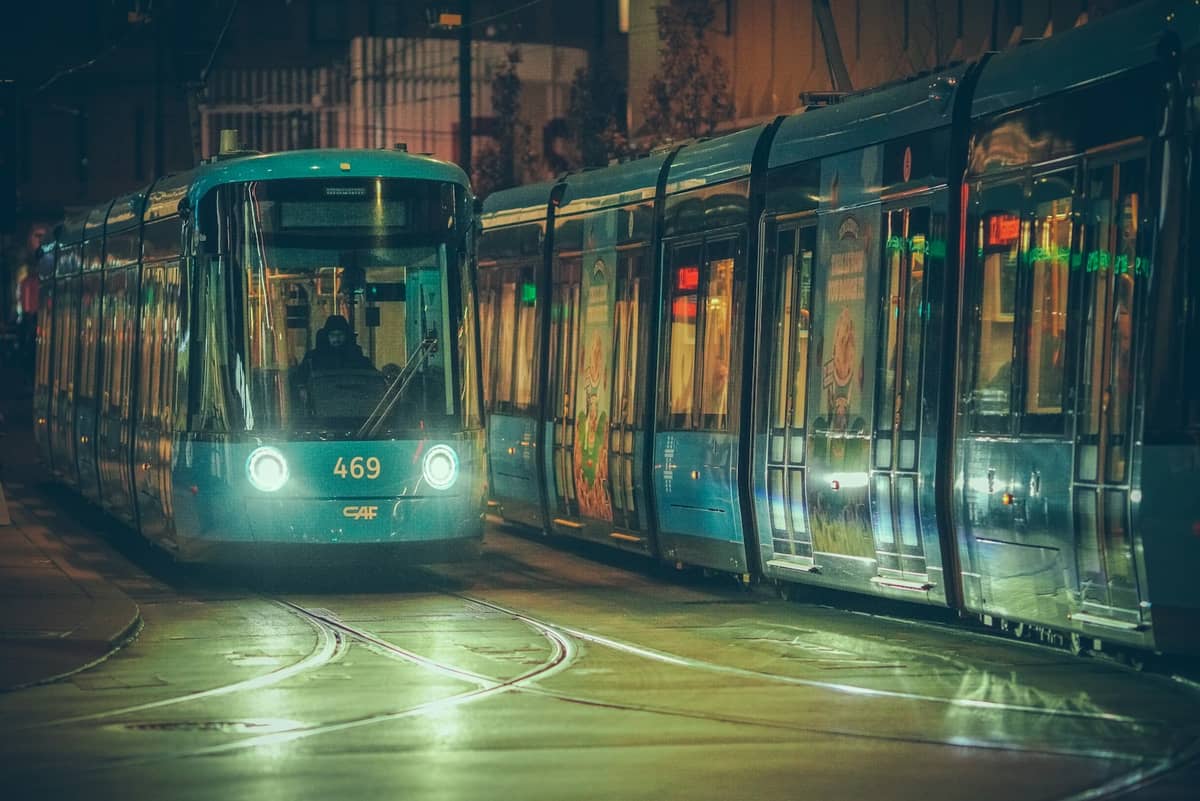
The Oslo Pass rewards a specific type of traveler: someone doing 3 or more paid attractions per day, moving around the city frequently by public transport, and following a fairly tight itinerary. If that sounds like your travel style, the 48-hour or 72-hour pass is likely to pay for itself comfortably, especially during summer when the Bygdøy museums run full hours and the ferry adds extra convenience.
Families traveling with children get a particularly strong deal. Child passes are roughly half the adult price, and children under 4 typically enter free anyway. A family of two adults and two children doing the Bygdøy museum cluster (Fram, Kon-Tiki, Folk Museum) in one day, plus transport, can recover the pass cost in a single afternoon. Check our Oslo with kids guide for a suggested itinerary that maximizes pass value for families.
On the other hand, if you are a slow traveler who prefers spending a full day at one museum, lingering over coffee, and walking everywhere, the pass will probably not break even. Similarly, if your Oslo itinerary leans heavily on free attractions like Vigeland Sculpture Park, the Aker Brygge waterfront, or hiking in Nordmarka, you are paying for coverage you will never use.
- Buy it if: You plan 3+ paid museums per day, you are traveling with kids, you are visiting during summer when all attractions run full hours, or you want hassle-free transport without buying separate tickets
- Skip it if: You are on a tight budget and prioritize free activities, you plan to visit only 1-2 paid attractions, you are staying mostly in one neighborhood, or most of your itinerary consists of parks, markets, and street-level exploration
- Consider the 24h pass if: You only have one full sightseeing day in Oslo and want to pack in as many highlights as possible, particularly the Bygdøy museum cluster in a single session
Seasonal Considerations: When the Pass Delivers More Value
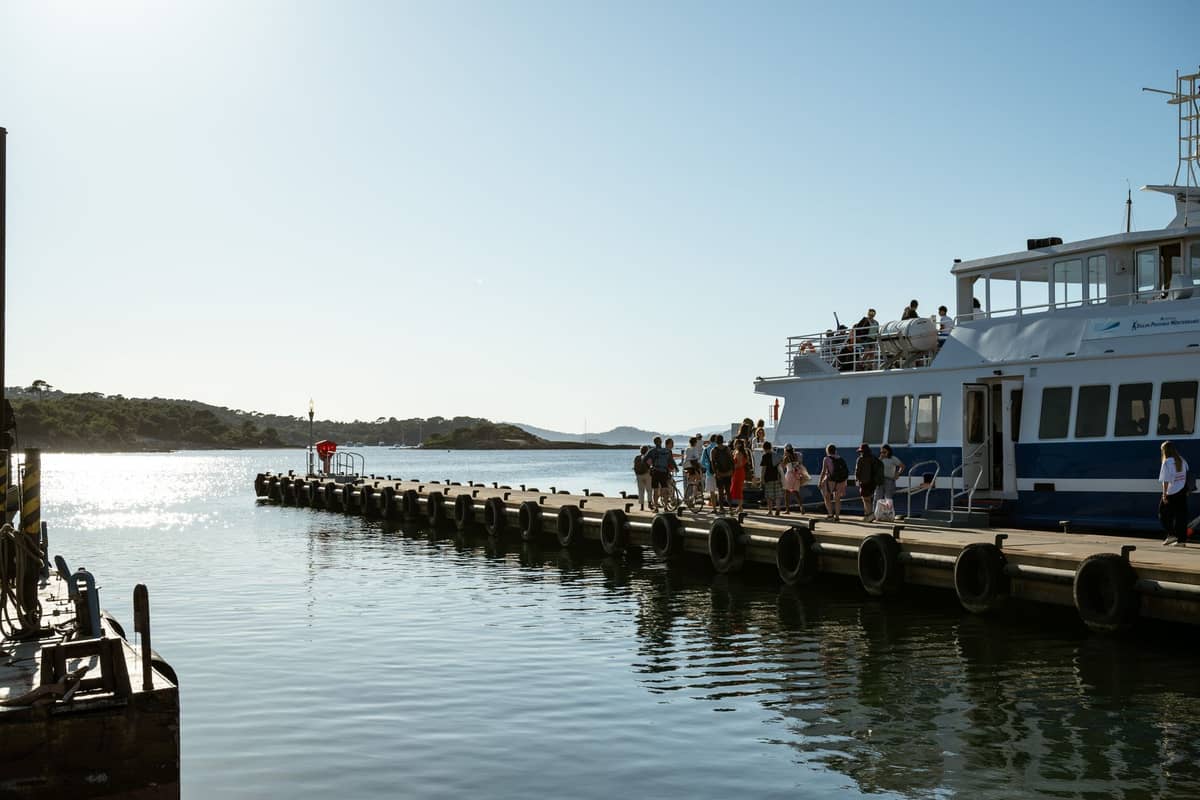
The Oslo Pass delivers maximum value between May and September. During these months, opening hours are extended, the Bygdøy ferry runs regularly (it is included in the pass and saves a separate boat ticket), and the full roster of attractions is accessible. If you are visiting during peak season, pairing the pass with a well-planned itinerary from our 3-day Oslo itinerary is a smart approach.
In winter, some smaller attractions reduce their hours or close entirely, which narrows the pass's useful scope. That said, Oslo in winter still offers compelling museum experiences, and the city is genuinely worth visiting year-round. Read our take on Oslo in winter for a realistic view of what is open and accessible. During the quieter months, consider a 24-hour pass rather than 72 hours, as you are unlikely to burn through enough attractions to justify the longer duration.
One practical note: the pass clock runs continuously once activated, including overnight. Activate it on a morning when you plan to start visiting attractions early, not the night before a travel day or after a late dinner. A 24-hour pass activated at 10am on Tuesday is valid until 10am on Wednesday, so plan your last museum visit or transit use accordingly.
Common Misconceptions About the Oslo Pass
The biggest misconception is that the Oslo Pass is a budget transit card. It is not. A standard Ruter 24-hour ticket covers zone 1 for a fraction of the pass price. The Oslo Pass bundles wider zone coverage with museum entry, making it a sightseeing tool, not a commuter shortcut. If you only need to move around central Oslo without visiting paid attractions, buy a regular Ruter ticket through the Ruter app.
Another common assumption is that the pass covers everything. Some tourists arrive expecting free entry to every experience in the city only to find that popular choices like certain boat tours, the Ekebergparken restaurant, or entry to specific temporary exhibitions require separate payment. Always cross-reference the full inclusion list. For free experiences that genuinely cost nothing regardless of any card, see our guide to free things to do in Oslo.
Finally, some travelers assume the price is stable from year to year. It is not. The official 2025 table lists 550 NOK for a 24-hour adult pass, but 2026 tracking from independent sources suggests prices are edging higher. The value calculation shifts with every price change, so always run the numbers against current prices at the time of your visit, not figures from an old blog post.
FAQ
Is the Oslo Pass worth it for a 2-day visit?
For a 2-day visit, the 48-hour pass makes sense if you plan to visit at least 4-5 paid attractions across the two days and use public transport regularly. The Bygdøy museum cluster alone (Fram, Kon-Tiki, Folk Museum) covers a significant portion of the cost in a single day. If you plan a more relaxed pace or focus on free sights, it will likely not break even.
Does the Oslo Pass include the Flytoget airport express train?
No. The Oslo Pass covers Ruter and Vy local trains within zones 1 through 4, but the Flytoget (airport express) is a separate private operator and is not included. For airport travel, you would need to buy a separate Flytoget or Vy regional train ticket.
What is the cheapest way to visit Oslo without the pass?
Buy a Ruter 24-hour zone 1 transit ticket for a bit over 100 NOK, then use it to reach the attractions you actually want to see and pay individual entry fees only for those. Vigeland Sculpture Park, the Oslo Opera House rooftop, and Aker Brygge are free. If you visit only one or two paid museums, individual tickets will almost always be cheaper than the pass.
Can I use the Oslo Pass on the Bygdøy ferry?
Yes. The seasonal ferry from Aker Brygge to Bygdøy (operated as part of the Ruter network) is included in the Oslo Pass. This is one of the more useful practical inclusions, as it saves a separate ticket and is the fastest way to reach the museum peninsula from the city centre.
Where is the best place to buy the Oslo Pass?
The digital version through the official Visit Oslo website or Oslo Pass app is the most convenient option. Physical passes are available at the Oslo Visitor Centre near Oslo Central Station and at Oslo Airport Gardermoen. Avoid third-party resellers, as prices may be marked up and conditions may differ.
Tickets & tours
Live prices and dates from our booking partner. If you book, we may earn a commission at no extra cost to you.
Planning a trip? Discover personalized activities with the Nomado app.