3 Days in Oslo: The Perfect Itinerary
Three days is enough to cover Oslo's highlights without rushing. This itinerary covers the waterfront, Bygdøy peninsula, Vigeland sculpture park, and the city's best neighborhoods, with practical advice on transport passes, seasonal timing, and where to skip the tourist traps.
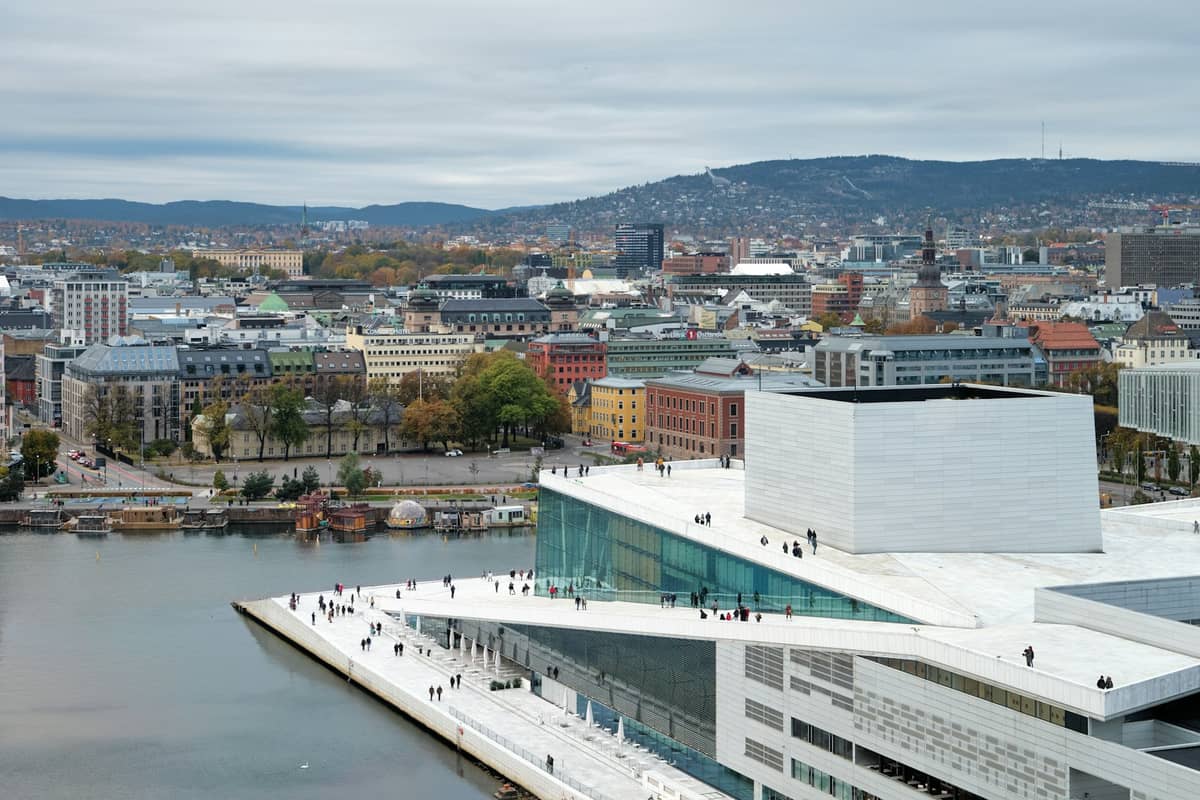
Tickets & tours
Live prices and dates from our booking partner. If you book, we may earn a commission at no extra cost to you.
TL;DR
- Three days is the sweet spot for Oslo: enough time for the major museums, waterfront, and neighborhoods without feeling rushed.
- The Oslo Pass (around 545–1,045 NOK depending on duration) saves money only if you're doing multiple paid museums per day. Check the Oslo Pass guide before buying.
- Most tourist sights are in Ruter Zone 1. A 24-hour ticket costs around 137 NOK and covers almost everything you need.
- Day 1: City centre and waterfront. Day 2: Bygdøy museums and Frogner. Day 3: Grünerløkka, Tøyen, and a viewpoint. See more Oslo ideas to customize.
- Summer (June–August) is ideal for outdoor itinerary items. Winter works well for museum-heavy days, but plan around early darkness.
Before You Go: Logistics, Passes, and Getting Around
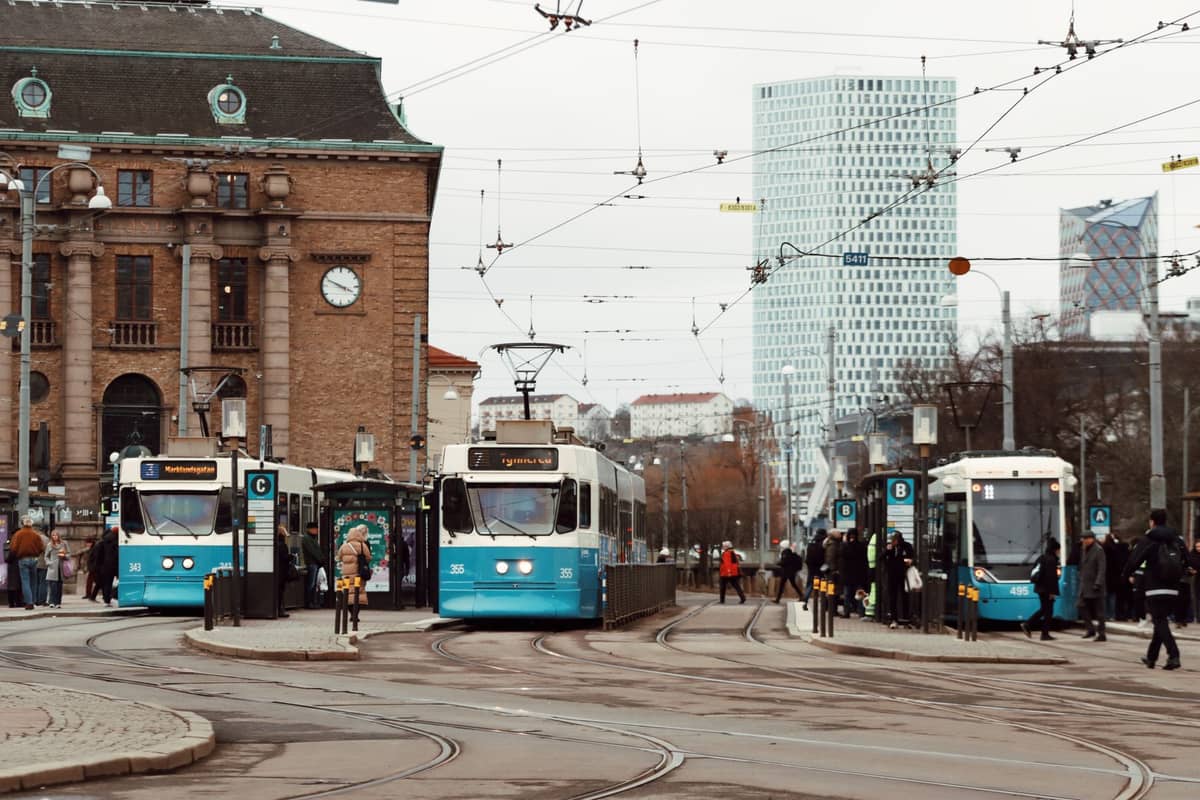
Oslo is compact. The city centre, harbour, and most major attractions sit within a few kilometres of each other, and the public transport network run by Ruter covers the city efficiently. For a standard 3-day visit, almost every sight you'll want falls within Zone 1. You do not need to buy a multi-zone pass.
As of 2026, a single Zone 1 ticket costs around 42–45 NOK and is valid for 60 minutes. A 24-hour adult ticket runs about 150–160 NOK. The Ruter app is the easiest way to buy tickets. Do not buy paper tickets from machines if you can help it: the app is faster and you avoid queues. For the Bygdøy museums (Day 2), you can take bus 30 from the city centre or a summer ferry from Aker Brygge, both covered by Zone 1 tickets.
💡 Local tip
The Oslo Pass (around 580–595 NOK for 24h, 845 NOK for 48h, 945–1,045 NOK for 72h) bundles unlimited public transport with free entry to 30+ museums. It pays off on museum-heavy days but not on days with walking, free sights, or just one or two paid attractions. Run the numbers for your specific itinerary before purchasing.
Getting from Oslo Airport (OSL, Gardermoen) to the city centre: the Flytoget airport express train takes about 19–20 minutes to Oslo Central Station and is the fastest option, though it carries a premium fare. Vy regional trains take 23–30 minutes and cost considerably less. Both are solid choices. Taxis take 40–50 minutes depending on traffic and cost significantly more. Check current prices directly with Flytoget and Vy before you travel, as fares change regularly.
Day 1: The Waterfront, City Centre, and Harbour Promenade
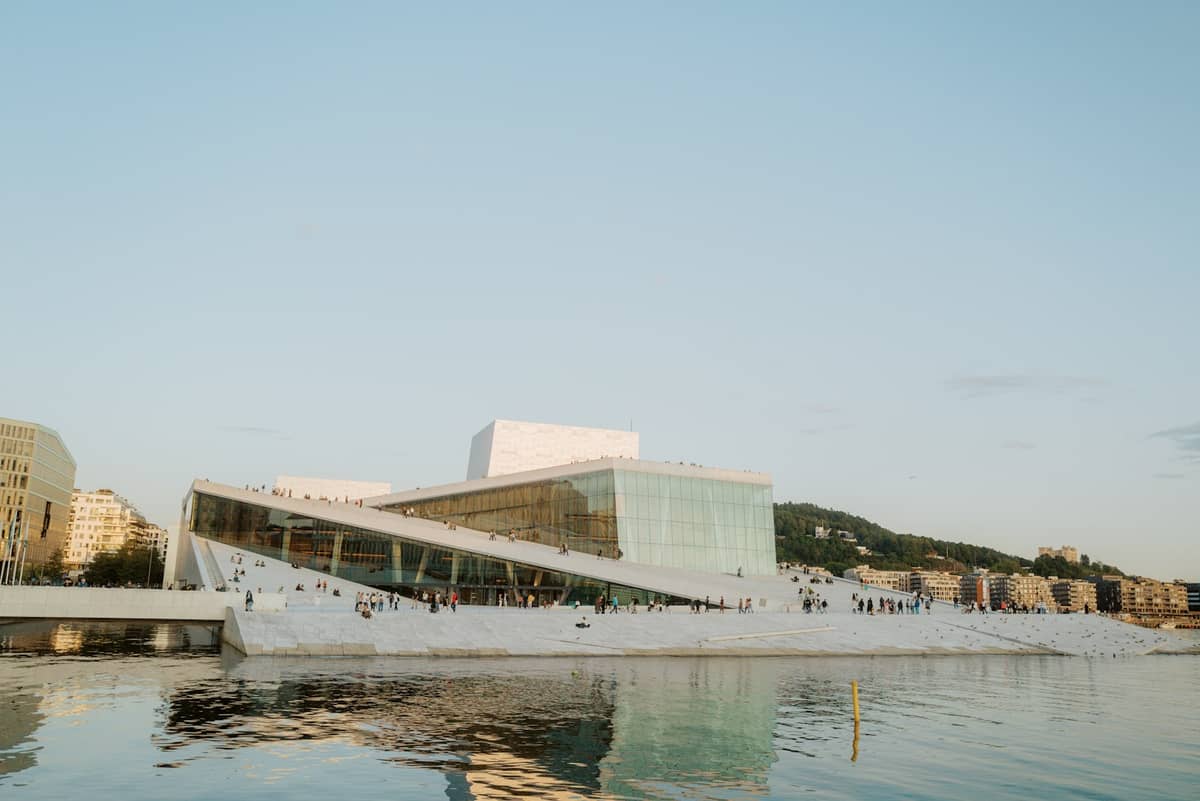
Start at Oslo Opera House in the Bjørvika district. The sloped marble roof is walkable and gives an early orientation over the inner Oslofjord, the Barcode skyline, and the city centre. Go early: by 10am in summer the roof gets busy. This is free and takes about 20 minutes.
From the Opera House, walk west along the waterfront to Oslo City Hall, where the Nobel Peace Prize ceremony is held each December. The interior is worth a look for its large murals depicting Norwegian history. Entry is free. Continue to Aker Brygge and Tjuvholmen, the redeveloped waterfront where you'll find the Astrup Fearnley Museum of Modern Art and the Tjuvholmen sculpture park. The area has plenty of places to stop for lunch, though prices reflect the location.
Spend the afternoon at the National Museum, which reopened in its new building in 2022 and is Norway's largest art museum. It holds Edvard Munch's 'The Scream' and an extensive collection of Norwegian and international art. Budget 2–3 hours. Admission is around 220 NOK for adults; the Oslo Pass covers entry. Close the day with a walk through Sentrum and dinner near Karl Johans gate.
⚠️ What to skip
The waterfront restaurants at Aker Brygge are expensive and generally not where locals eat. They're convenient, but you'll pay a premium for the view. Better value comes from walking a few blocks inland or heading to Mathallen food hall on Day 3.
Day 2: Bygdøy Peninsula and Frogner Park
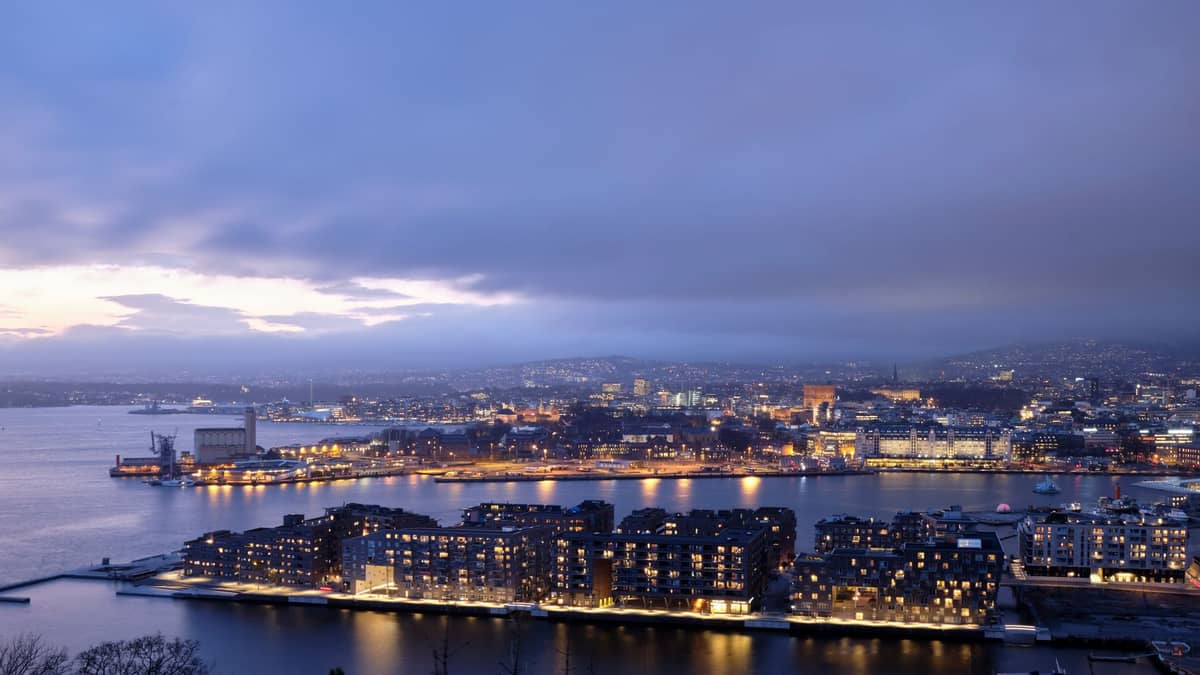
Bygdøy is where Oslo concentrates most of its major museums. The peninsula is about 4 km from the city centre and best reached by bus 30 from Jernbanetorget, or by the seasonal ferry from Aker Brygge in summer. Plan a full morning here. The four main museums are the Fram Museum (polar exploration), the Kon-Tiki Museum, the Norwegian Maritime Museum, and the Norsk Folkemuseum (Norwegian Folk Museum). You cannot cover all four properly in one morning. Pick two.
- Fram Museum The world's strongest wooden ship, built for polar expeditions. Compact, well-designed, genuinely impressive. Allow 1.5 hours.
- Norsk Folkemuseum An open-air museum with 160+ historic buildings including a 12th-century stave church. Best in summer when the grounds are animated. Allow 2–3 hours.
- Kon-Tiki Museum Thor Heyerdahl's balsa raft from the 1947 Pacific crossing. Smaller than the others but the story is compelling. Allow 1 hour.
- Norwegian Maritime Museum More specialist and quieter than the others. Good for those with a genuine interest in maritime history. Allow 1–1.5 hours.
After Bygdøy, take bus 30 to Frogner and walk to Vigeland Sculpture Park in Frogner Park. This is Oslo's most-visited attraction, with 212 bronze and granite sculptures by Gustav Vigeland. Entry to the park is free. The Monolith is the centrepiece: a 14-metre column of intertwined human figures. It is worth seeing, though the area around the main gates can be crowded on summer afternoons. Come between 5–7pm in summer when crowds thin. The Vigeland Museum next door shows his studio and working process and is far less visited than the park.
Day 3: Grünerløkka, Tøyen, and a Viewpoint
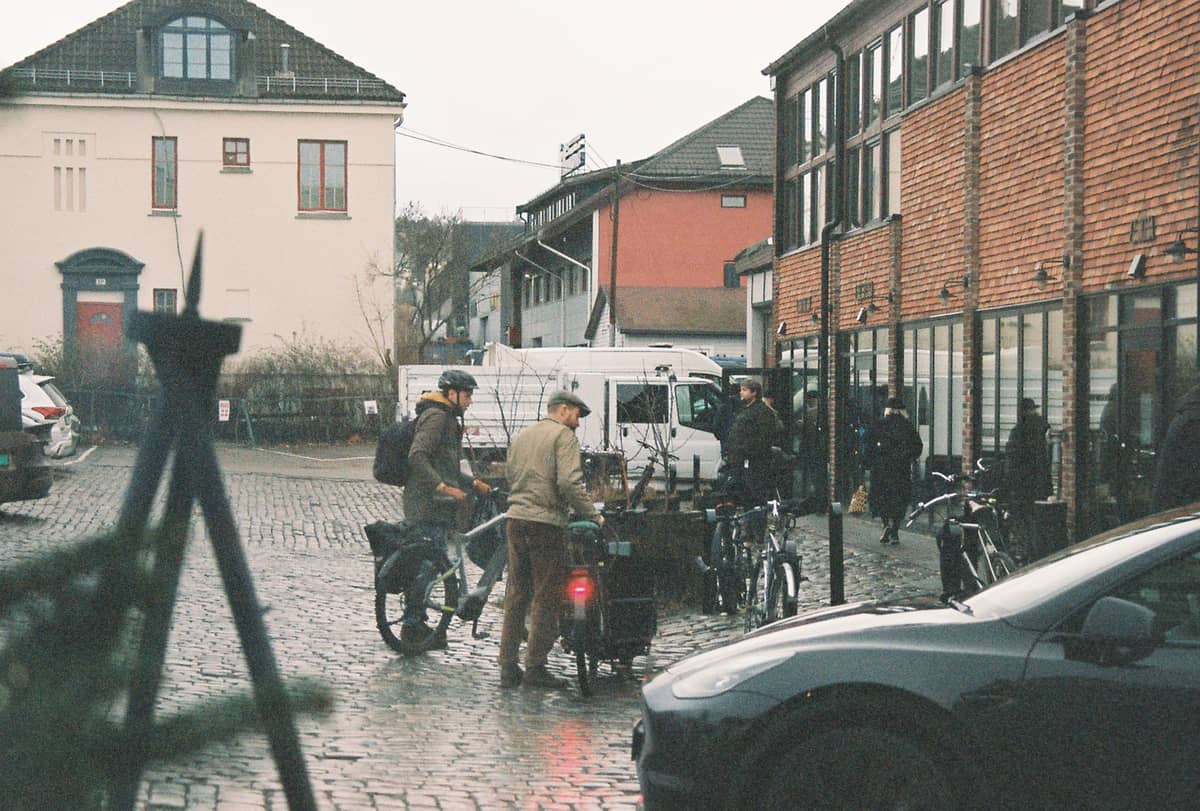
Use the morning to explore Grünerløkka, Oslo's most characterful inner-city neighbourhood. It sits northeast of the centre along the Akerselva river and has a strong concentration of independent cafés, vintage shops, and bakeries. Grünerløkka is not a tourist district in the conventional sense: it is where many Oslo residents actually spend their weekends. Start at the lower end near Birkelunden park and walk north. Stop at Mathallen, the covered food market under the old industrial building at Vulkan, for the city's best food hall lunch. Budget 120–200 NOK for a good meal.
From Grünerløkka, head back toward the waterfront for the Munch Museum (MUNCH) in Bjørvika, which opened in its tower building in 2021. It holds the world's largest collection of Edvard Munch's work, including versions of 'The Scream' and 'Madonna'. Allow at least 2 hours. Admission is around 200–280 NOK; the Oslo Pass covers entry. The Botanical Garden at Tøyen is a separate, free stop if you still want time on the east side. The Munch guide has more detail on what to prioritize inside.
End the trip with a viewpoint. The best options are Ekebergparken to the southeast of the city (reachable by tram, free, panoramic view over Oslofjord) or the terrace at Holmenkollen to the northwest (T-bane from central Oslo, 20 minutes). Holmenkollen requires more planning but rewards with a wider panorama. Ekebergparken is easier to fit into the end of an afternoon. On a clear evening in summer, either is exceptional.
✨ Pro tip
If you're visiting in summer, the Sorenga Sjøbad floating lido near the Opera House is open for swimming in the Oslofjord and is free to use. It's a 10-minute walk from the Munch Museum and makes for a memorable final evening. Water temperature in July averages around 17–19°C.
Seasonal Considerations: When to Go and What Changes
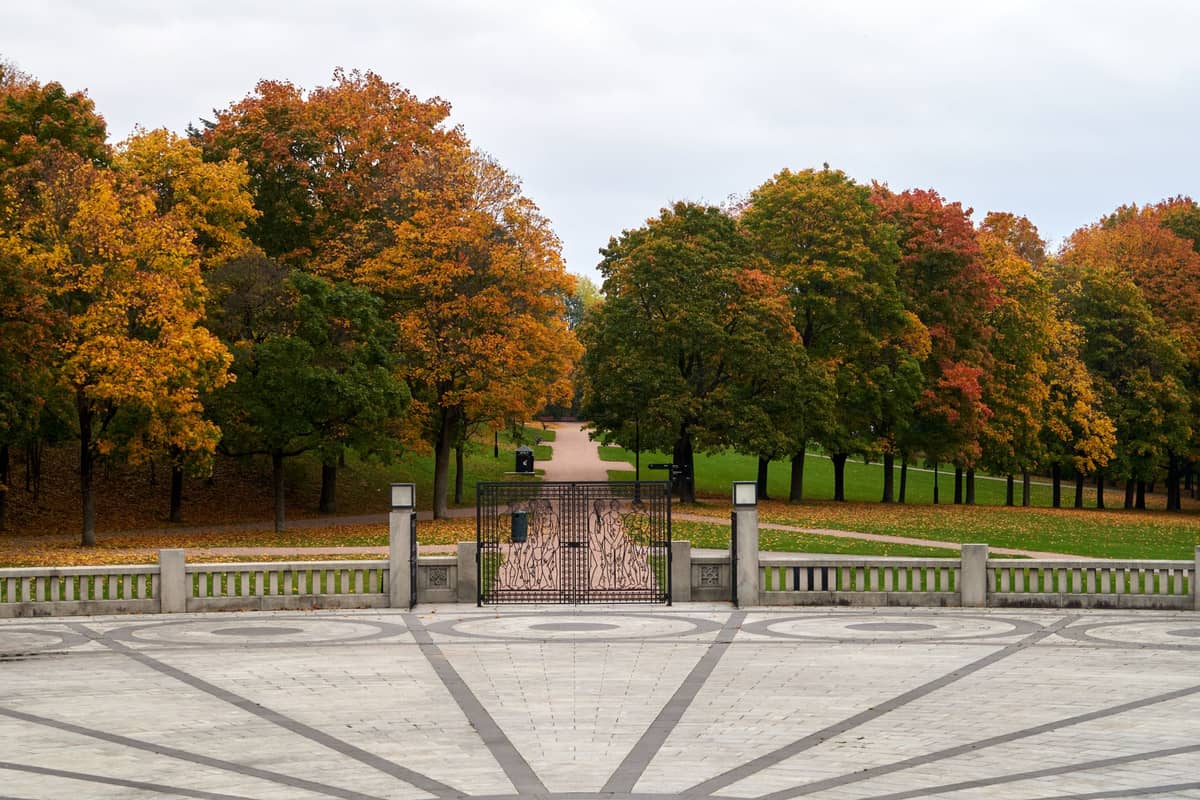
Oslo's climate means the itinerary above works differently depending on when you visit. Summer (June–August) is when the city functions at full capacity: ferries to Bygdøy run, outdoor museums are animated, parks are usable in the evenings, and daylight stretches to nearly midnight in late June. Average July temperatures run 16–20°C with occasional highs around 25°C. This is also when Oslo is at its most expensive and most crowded.
Late May and early September offer a useful middle ground: fewer visitors, similar daylight hours, and temperatures that are comfortable for walking (12–16°C). The best time to visit Oslo depends on what you want. Winter (December–February) transforms the city: Holmenkollen becomes a ski and toboggan destination, Christmas markets appear in late November, and the indoor museums have shorter queues. The trade-off is darkness: Oslo gets around 6 hours of daylight in December, so outdoor itinerary items need to be front-loaded in the morning.
- Summer (June–August): best for Bygdøy ferry, outdoor museums, swimming, and long evening walks. Book accommodation early.
- Spring (May): excellent for Vigeland Park and Frogner, Constitution Day celebrations on May 17th draw large crowds.
- Autumn (September–October): quieter crowds, good light for photography, wetter from October onward.
- Winter (November–March): ski activities at Holmenkollen and Nordmarka, Christmas markets, short days. Museum days work well. Some outdoor venues close or reduce hours.
Practical Details: Costs, Tipping, and What to Know
Oslo is an expensive city. A mid-range restaurant lunch runs 150–250 NOK per person; dinner at a sit-down restaurant is typically 300–500 NOK without drinks. Coffee at a good café costs 50–70 NOK. Budget travelers who use supermarkets for some meals (Kiwi and Rema 1000 are the cheapest chains), walk where possible, and choose 1–2 paid attractions per day can manage on 800–1,200 NOK per day excluding accommodation. Those doing multiple museums and eating out every meal should budget 1,500–2,500 NOK daily.
Tipping is not obligatory in Norway. Service charge is typically included in menu prices. Rounding up or leaving 5–10% at restaurants for good service is appreciated but not expected. At cafés, counter service, or when paying by card, there is no social pressure to tip. Taxi drivers occasionally receive a round-up.
English is spoken universally in Oslo. You will not need Norwegian for any tourist interaction. Tap water is safe and excellent: Norway's water supply comes from protected reservoirs and is among the highest quality in Europe. Electricity uses Type C and F plugs at 230V/50Hz, matching the rest of continental Europe. For more ideas on stretching your budget, the Oslo on a budget guide covers free attractions, cheap eats, and when individual tickets beat the Oslo Pass.
FAQ
Is 3 days enough for Oslo?
Yes, three days covers Oslo's core attractions comfortably without rushing. Day 1 handles the waterfront, Opera House, and National Museum. Day 2 covers Bygdøy and Vigeland Park. Day 3 explores Grünerløkka and the Munch Museum. If you want to add day trips to the Oslofjord islands or the wider fjord region, a fourth day is useful but not essential.
Should I buy the Oslo Pass for 3 days?
Only if you are doing multiple paid museums each day. The 72-hour Oslo Pass costs around 945–1,045 NOK for adults. Single museum admissions typically run 160–200 NOK each. If you visit four or more paid museums across the trip and use public transport daily, the pass pays off. For lighter itineraries with free sights like Vigeland Park and outdoor walks, individual Ruter tickets are cheaper. Run the numbers for your specific plans.
How do I get from Oslo Airport to the city centre?
The Flytoget express train takes about 20 minutes to Oslo Central Station and is the fastest option. Vy regional trains take 23–30 minutes and cost less. Both depart from the airport terminal. Taxis take 40–50 minutes and are significantly more expensive. Check current fares on the Flytoget and Vy websites before travel, as prices change regularly.
What is the best neighbourhood to stay in for a 3-day visit?
Sentrum (city centre) puts you within walking distance of the Opera House, National Museum, and City Hall, which is convenient for Day 1. Grünerløkka gives a more local feel and easy access to Day 3 sights but requires a short commute to Bygdøy. For first-timers doing exactly three days, central Oslo near Jernbanetorget or Aker Brygge minimises travel time.
Can I visit Bygdøy without a car?
Yes. Bus 30 from Jernbanetorget (Oslo Central area) runs directly to the Bygdøy museums and is covered by a standard Zone 1 Ruter ticket. In summer, there is also a passenger ferry from Aker Brygge to Bygdøynes, which is a pleasant way to arrive. The journey by bus takes about 15–20 minutes from the city centre.
Tickets & tours
Live prices and dates from our booking partner. If you book, we may earn a commission at no extra cost to you.
Planning a trip? Discover personalized activities with the Nomado app.